
Commercial Access Control Systems: A Complete Guide

Modern businesses face unprecedented security challenges that demand sophisticated protection strategies. Commercial access control systems have evolved from simple lock-and-key mechanisms into intelligent networks that manage who enters your premises, when they enter, and what areas they can access. These systems form a critical component of comprehensive security infrastructure, particularly for organisations handling sensitive data, valuable assets, or regulatory compliance requirements.

Understanding Commercial Access Control Technology

Commercial access control systems represent a fundamental shift in how organisations approach physical security. Rather than relying on traditional keys that can be copied, lost, or stolen, these systems use electronic credentials to verify identity and grant permissions based on predetermined rules.

The architecture of commercial access control systems typically includes several interconnected components working together seamlessly. At the heart of every system lies a control panel or server that processes authentication requests, stores user credentials, and maintains comprehensive audit logs. Door readers positioned at entry points communicate with this central intelligence, whilst electronic locks respond to authorised access attempts.

Access control system architecture

Core Components and Infrastructure

Every effective access control solution comprises specific hardware and software elements that must work in harmony. The control panel serves as the brain of the operation, processing thousands of authentication requests whilst maintaining system integrity and security protocols.

Essential hardware components include:

  • Door readers (card, biometric, or keypad)
  • Electronic strikes, magnetic locks, or electrified mortise locks
  • Request-to-exit sensors and door position switches
  • Power supplies and backup battery systems
  • Network infrastructure connecting all devices

Modern systems integrate seamlessly with existing commercial security systems to create unified protection platforms. This integration enables coordinated responses to security events, such as automatically locking all doors during a fire alarm activation or triggering CCTV monitoring when unauthorised access attempts occur.

Credential Types and Authentication Methods

Selecting appropriate credential technology directly impacts both security effectiveness and user convenience. The market offers numerous options, each with distinct advantages suited to different operational requirements and risk profiles.

Traditional and Proximity Cards

Proximity cards remain popular due to their affordability and ease of deployment. These credentials operate using radio frequency identification (RFID) technology, communicating with readers when brought within range. However, standard proximity cards can be vulnerable to cloning, making them less suitable for high-security environments.

Smart cards incorporating encrypted chips provide enhanced security through mutual authentication protocols. These credentials exchange encrypted data with readers, making unauthorised duplication significantly more difficult. Many organisations deploy smart cards that serve dual purposes, functioning as both access credentials and employee identification badges.

Biometric Authentication Systems

Biometric readers verify identity through unique physical characteristics that cannot be easily transferred, shared, or stolen. Fingerprint scanners represent the most common biometric deployment, offering a balance between security, cost, and user acceptance.

Biometric Type Security Level Speed Cost Best Application
Fingerprint High Fast Moderate General access, high-traffic areas
Facial Recognition Very High Very Fast High Executive areas, sensitive zones
Iris Scanning Extremely High Moderate Very High Maximum security facilities
Hand Geometry Moderate Fast Moderate Industrial environments

Facial recognition technology has advanced considerably, now capable of operating effectively in varying lighting conditions whilst preventing spoofing attempts. These systems excel in environments requiring touchless authentication, a consideration that gained prominence following health and safety concerns.

Mobile Credentials and Digital Keys

The transition to smartphone-based credentials reflects broader digital transformation trends across industries. Mobile access control leverages Bluetooth Low Energy (BLE) or Near Field Communication (NFC) technology, allowing users to unlock doors using their smartphones.

This approach offers several compelling advantages for organisations seeking operational flexibility. Credentials can be issued, modified, or revoked instantly through cloud-based management platforms, eliminating physical card distribution logistics. Temporary access for contractors, visitors, or deliveries becomes straightforward, with time-limited digital keys sent via email or SMS.

System Architecture and Deployment Models

Organisations must evaluate different architectural approaches when implementing commercial access control systems. Each deployment model presents unique characteristics affecting scalability, maintenance requirements, and total cost of ownership.

On-Premise Solutions

Traditional on-premise systems house all control hardware and software within the protected facility. A dedicated server runs access control software, whilst all readers and locks connect through wired or wireless networks managed entirely by the organisation.

This architecture provides complete data sovereignty, with all credentials and audit logs remaining under direct organisational control. Many organisations in regulated industries prefer this approach due to compliance requirements or policies prohibiting cloud-based data storage.

On-premise systems offer:

  1. Complete control over security policies and data
  2. No recurring cloud subscription fees
  3. Operation during internet outages
  4. Integration with existing IT infrastructure
  5. Customisation opportunities for unique requirements

However, on-premise deployments require significant upfront investment in servers, software licences, and networking infrastructure. Organisations must also maintain technical expertise for system administration, updates, and troubleshooting.

Cloud-Based Access Control

Cloud-based platforms have transformed how organisations approach access control deployment and management. These systems shift processing and data storage to secure data centres operated by specialised providers, whilst door hardware connects to cloud servers via internet gateways.

The advantages of cloud-based business access control systems become particularly evident for organisations operating multiple locations. Administrators can manage users, view real-time activity, and modify permissions across all sites through unified web-based interfaces accessible from any internet-connected device.

Feature On-Premise Cloud-Based
Initial Investment High Low
Scalability Limited by hardware Highly scalable
Remote Management Requires VPN Native capability
Maintenance Internal IT required Vendor managed
Multi-site Management Complex Streamlined
Offline Functionality Full operation Limited operation

Hybrid Architectures

Forward-thinking organisations increasingly adopt hybrid approaches combining on-premise and cloud elements. These systems maintain local control panels ensuring door operation during connectivity disruptions, whilst leveraging cloud platforms for management, reporting, and advanced analytics.

Hybrid architectures deliver operational resilience alongside modern management capabilities. Critical security functions continue operating locally, whilst administrators enjoy the convenience and accessibility of cloud-based tools for routine management tasks.

Access control deployment models

Integration with Building Management Systems

The true power of commercial access control systems emerges through strategic integration with complementary security and building management technologies. Rather than operating as isolated silos, modern systems communicate with fire alarms, CCTV networks, intruder detection, and building automation platforms.

When fire alarm monitoring detects smoke or heat, integrated access control systems respond automatically by releasing magnetic locks on egress doors, ensuring safe evacuation routes remain accessible. This coordination proves essential for regulatory compliance and occupant safety.

Integration with commercial CCTV systems enables security teams to correlate access events with video footage. When someone badges into a restricted area, the system automatically retrieves corresponding camera feeds, creating comprehensive audit trails that prove invaluable during investigations.

Advanced Integration Scenarios

Sophisticated implementations extend beyond basic security integration to encompass broader building management functions. Access control systems can communicate with heating, ventilation, and air conditioning (HVAC) systems, adjusting environmental controls based on occupancy patterns detected through badge events.

Integration opportunities include:

  • Automatic lighting control triggered by access events
  • Lift access restricted by floor based on credentials
  • Visitor management systems for streamlined guest processing
  • Time and attendance tracking for payroll accuracy
  • Parking management and space allocation

These integrations transform access control from purely security tools into comprehensive building intelligence platforms. The unified platform approach reduces administrative overhead whilst providing valuable operational insights through aggregated data analysis.

User Management and Access Policies

Effective access control extends beyond hardware selection to encompass thoughtful policy development and user administration. Organisations must establish clear frameworks defining who accesses which areas under what circumstances, then implement these policies through system configuration.

Role-Based Access Control

Role-based access control (RBAC) simplifies administration by grouping users according to their organisational functions. Rather than configuring permissions individually for each person, administrators create access levels corresponding to job roles, then assign users to appropriate groups.

A facilities management company might establish distinct access levels for executives, administrative staff, maintenance personnel, and visitors. Executives receive unrestricted building access, whilst maintenance staff access mechanical rooms and plant areas but not executive offices. This approach maintains security whilst streamlining user administration.

  1. Define organisational roles and corresponding access requirements
  2. Create access levels matching each role’s legitimate needs
  3. Assign users to appropriate groups based on their function
  4. Review and update permissions during role changes or transfers
  5. Conduct regular audits ensuring policy compliance

Time-Based Restrictions

Temporal restrictions add another security dimension by controlling when credentials remain valid. Standard employees might access facilities during business hours, whilst cleaning crews receive overnight permissions. Contractors receive temporary credentials valid only for project duration.

These time-based controls reduce security exposure by automatically preventing access outside authorised periods. The system maintains detailed logs of all access attempts, flagging unusual patterns such as after-hours entry by personnel without explicit authorisation.

Compliance and Audit Requirements

Numerous industries face regulatory requirements demanding comprehensive access control documentation and audit capabilities. Healthcare organisations must comply with patient privacy regulations, financial institutions answer to data protection mandates, whilst government contractors navigate strict security clearance protocols.

Commercial access control systems generate detailed audit trails recording every badge event, door opening, and system configuration change. These logs capture who accessed which doors, when access occurred, whether entry was granted or denied, and which credentials were used.

The importance of audit trails cannot be overstated for organisations subject to compliance audits. Regulatory bodies expect comprehensive documentation demonstrating appropriate access controls and the ability to trace all facility entry. Modern systems maintain these records indefinitely, with reporting tools enabling rapid retrieval during investigations or audits.

Data Protection Considerations

Commercial access control systems collect and store personal information, creating data protection obligations under regulations such as the UK General Data Protection Regulation (UK GDPR). Organisations must implement appropriate safeguards protecting credential data, access logs, and personally identifiable information.

Security best practices include encrypting all stored data, implementing strong authentication for system administrators, and restricting access to audit logs based on legitimate business needs. Regular security assessments identify potential vulnerabilities before they can be exploited.

Access control compliance framework

Scalability and Future-Proofing

Organisations must consider long-term requirements when selecting commercial access control systems, as these installations typically serve businesses for decades. Systems should accommodate growth, technological advancement, and evolving security needs without requiring complete replacement.

Planning for Expansion

Scalable architectures allow organisations to add doors, users, and locations without fundamental system changes. Cloud-based platforms excel in this regard, as organisations simply purchase additional door licences or expand user counts through subscription modifications.

On-premise systems require more careful capacity planning, ensuring control panels, servers, and network infrastructure can support anticipated growth. Modular hardware designs allow incremental expansion, adding controllers and readers as needed whilst maintaining the existing foundation.

Scalability considerations include:

  • Maximum door count supported by control panels
  • User capacity limitations and expansion costs
  • Network infrastructure requirements for additional readers
  • Software licensing models and upgrade paths
  • Integration capabilities with emerging technologies

Technology Evolution and Standards

The access control industry continues evolving, with innovations in mobile credentials, biometrics, artificial intelligence, and cloud computing reshaping capabilities. Organisations should prioritise systems supporting open standards and application programming interfaces (API), enabling integration with future technologies.

Selecting systems from established manufacturers with strong research and development commitments helps ensure ongoing support, security updates, and compatibility with emerging trends. The various types of commercial access control systems available today demonstrate the importance of choosing vendors committed to long-term innovation.

Professional Installation and Ongoing Support

Whilst some manufacturers market plug-and-play access control solutions, professional installation by experienced security integrators proves essential for reliable, compliant deployments. Complex systems involving multiple doors, integration requirements, and compliance obligations demand technical expertise that extends beyond basic product knowledge.

Qualified installers understand proper hardware mounting, network configuration, power supply sizing, and fail-safe versus fail-secure lock operation. They ensure systems meet building codes, fire safety regulations, and accessibility requirements whilst optimising performance for specific operational needs.

The relationship with security partners extends well beyond initial installation. Ongoing support encompasses regular maintenance, software updates, troubleshooting, and system optimisation. Organisations benefit from establishing partnerships with providers like Logic Fire and Security who offer comprehensive lifecycle support.

Maintenance and System Health

Commercial access control systems require periodic maintenance ensuring continued reliability and security. Regular inspections verify reader functionality, test electronic locks, confirm backup power operation, and validate network connectivity.

Software maintenance proves equally critical, with manufacturers regularly releasing updates addressing security vulnerabilities, adding features, and improving performance. Organisations must implement structured update procedures testing patches before production deployment whilst maintaining system documentation.

Essential maintenance activities include:

  1. Monthly testing of all door hardware and readers
  2. Quarterly battery backup verification
  3. Bi-annual comprehensive system health assessments
  4. Annual security audits and penetration testing
  5. Continuous monitoring of system alerts and notifications

Establishing service level agreements with qualified providers ensures predictable support costs whilst guaranteeing rapid response when issues arise. The 247 protection offered through professional monitoring services provides additional assurance that access control systems receive immediate attention during malfunctions or security events.

Cost Considerations and Return on Investment

Understanding the total cost of ownership for commercial access control systems requires examining both initial investment and ongoing operational expenses. Whilst upfront costs often receive primary attention during procurement, long-term expenses significantly impact overall value.

Cost Category On-Premise Cloud-Based
Hardware £500-£1,500 per door £300-£1,000 per door
Software Licensing £5,000-£25,000+ Included in subscription
Installation £150-£400 per door £150-£400 per door
Annual Maintenance £500-£2,000 Included in subscription
Monthly Subscription £0 £20-£100 per door
System Administration Internal IT costs Reduced requirements

Beyond direct expenditure, organisations should evaluate operational benefits contributing to return on investment. Access control systems eliminate costs associated with rekeying locks after employee departures, reduce security staffing requirements through automation, and prevent losses from unauthorised access or theft.

Enhanced operational efficiency represents another value dimension. Automated visitor management reduces reception workload, whilst integration with time and attendance systems streamlines payroll processing. These efficiency gains accumulate over system lifespan, often justifying initial investment within several years.

Selecting the Right System for Your Organisation

Choosing appropriate commercial access control systems demands careful evaluation of organisational requirements, operational constraints, and strategic objectives. No single solution suits all organisations, making thorough needs assessment essential before procurement decisions.

Key Selection Criteria

Begin by documenting specific security requirements, considering both current needs and anticipated future developments. Organisations handling sensitive information require more robust authentication than those protecting standard office environments. Similarly, facilities with high visitor volumes demand different capabilities than those primarily serving employees.

Critical evaluation factors include:

  • Number of doors requiring control
  • Types of credentials preferred (cards, biometrics, mobile)
  • Integration requirements with existing security systems
  • Compliance obligations and audit capabilities
  • Budget constraints and total cost of ownership
  • Scalability for anticipated growth
  • Vendor reputation and support capabilities

Industry-specific considerations also influence system selection. Healthcare facilities prioritise patient privacy and emergency access procedures, whilst educational institutions emphasise safety during lockdown scenarios. Manufacturing environments require durable hardware withstanding harsh conditions, whilst corporate offices focus on aesthetics and user experience.

Vendor Evaluation Process

Selecting qualified vendors proves as important as choosing appropriate technology. The relationship with access control providers extends across decades, making vendor stability, expertise, and service quality essential evaluation criteria.

Request detailed proposals from multiple qualified providers, ensuring specifications address all documented requirements. Evaluate not only pricing but also implementation methodology, training provisions, warranty terms, and ongoing support commitments. Reference checks with existing clients provide valuable insights into vendor performance and reliability.

Understanding the comprehensive guide to commercial access control systems helps organisations ask informed questions during vendor discussions, ensuring proposals address critical requirements and identify potential limitations before commitment.


Commercial access control systems represent essential infrastructure for modern organisations seeking to protect people, assets, and information whilst maintaining operational efficiency. The combination of sophisticated technology, thoughtful policy development, and professional implementation creates security environments that adapt to evolving threats and organisational needs. For businesses across the UK requiring comprehensive security solutions, Logic Fire and Security delivers expert access control design, installation, and ongoing support backed by decades of experience serving Blue Chip companies and public agencies.

Security Commercial Systems: A Complete 2026 Guide

The landscape of commercial security has transformed dramatically over the past decade, with businesses now requiring sophisticated, integrated systems that protect against multiple threats whilst maintaining operational efficiency. A security commercial solution in 2026 encompasses far more than traditional alarm systems, integrating fire detection, access control, surveillance, and monitoring into comprehensive platforms that safeguard people, property, and critical business operations. Understanding the components, standards, and implementation strategies for these systems is essential for any organisation committed to protecting its assets and ensuring regulatory compliance.

Understanding Modern Security Commercial Systems

A security commercial installation represents a significant investment in business continuity and risk management. These systems comprise multiple interconnected technologies designed to detect, prevent, and respond to various threats ranging from unauthorised access to fire emergencies.

Core components of contemporary systems include:

  • Advanced fire detection and alarm systems with intelligent sensors
  • Electronic access control managing entry points throughout facilities
  • CCTV surveillance with high-definition recording and analytics
  • Integrated monitoring platforms providing real-time alerts
  • Emergency communication systems for coordinated response
  • Cybersecurity measures protecting networked infrastructure

The integration of these elements creates a unified security commercial ecosystem where data flows between systems, enabling faster response times and more informed decision-making. Modern platforms leverage cloud connectivity, artificial intelligence, and machine learning to identify patterns, predict potential incidents, and automate routine functions.

Integrated security system components

Regulatory Framework and Standards Compliance

Every security commercial project must adhere to stringent regulatory requirements and industry standards. The ISA/IEC 62443 series of standards provides comprehensive guidance on cybersecurity for industrial automation and control systems, increasingly relevant as security infrastructure becomes more networked and vulnerable to digital threats.

Understanding quality and accreditations required within the industry ensures that installations meet both legal obligations and industry best practices. Third-party certification provides independent verification that systems perform as intended and comply with applicable standards.

Standard Focus Area Application to Security Commercial
BS 5839 Fire detection and alarm systems Design and installation requirements
BS 8591 Security monitoring and alarm response Professional monitoring protocols
BS EN 50131 Intrusion and hold-up alarm systems Technical specifications for detection
ISO 28000 Supply chain security management Risk assessment and system integrity

Designing Effective Security Commercial Infrastructure

The design phase determines the success of any security commercial implementation. A comprehensive security assessment identifies vulnerabilities, evaluates risks, and establishes priorities based on business operations, regulatory requirements, and budget constraints.

Risk Assessment and Planning

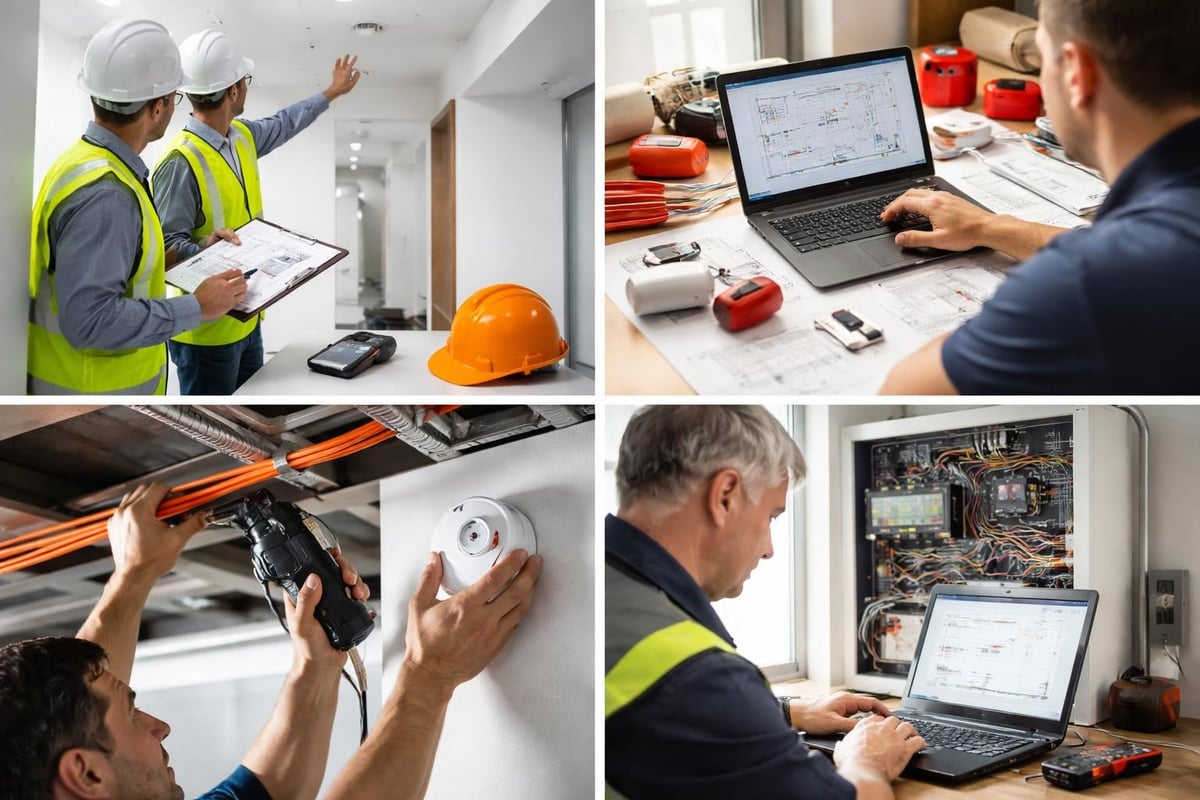
Professional security design begins with thorough site surveys examining building layouts, occupancy patterns, asset locations, and potential threat vectors. This analysis informs decisions about sensor placement, camera coverage zones, access control points, and integration requirements.

Commercial fire risk assessment methodologies apply equally to broader security planning, using systematic approaches to identify hazards and implement appropriate safeguards. The assessment considers both internal threats such as employee theft and external risks including burglary, vandalism, and terrorism.

Key design considerations include:

  1. Coverage adequacy across all vulnerable areas
  2. Redundancy for critical detection and monitoring functions
  3. Scalability to accommodate future expansion
  4. Integration capabilities with existing building systems
  5. User accessibility balanced against security requirements
  6. Maintenance access and serviceability

According to best practices for effective security systems in commercial construction, early integration of security planning into building design produces superior results compared to retrofitting systems into completed structures.

Technology Selection and Integration

Choosing appropriate technologies for a security commercial installation requires balancing performance capabilities, reliability, total cost of ownership, and compatibility with other systems. Modern installations increasingly favour IP-based solutions that leverage existing network infrastructure whilst providing enhanced functionality.

Commercial security systems now incorporate intelligent analytics that reduce false alarms, automate routine monitoring tasks, and provide actionable insights from vast amounts of sensor data. Thermal imaging, behaviour analysis, and facial recognition represent just some advanced capabilities available to organisations requiring enhanced protection.

The integration of building access control systems with fire alarm infrastructure ensures that security measures never impede emergency egress whilst maintaining protection during normal operations. This coordination exemplifies the sophisticated orchestration required in contemporary security commercial deployments.

Installation and Commissioning Standards

Professional installation separates effective security commercial systems from those plagued by reliability issues, false alarms, and operational difficulties. Quality installation practices ensure that carefully designed systems perform as intended throughout their operational life.

Professional Installation Requirements

Qualified installers possess both technical expertise and knowledge of applicable standards governing security commercial work. Certification for commercial premises security systems validates installer competency and provides assurance that installations meet safety and performance requirements.

The Security Industry Association outlines various industry standards promoting interoperability and information sharing, essential for creating systems where components from different manufacturers work seamlessly together. These standards reduce vendor lock-in whilst improving system reliability and flexibility.

Installation phase activities include:

  • Cable routing and termination following manufacturer specifications
  • Device mounting ensuring optimal coverage and durability
  • Network configuration and cybersecurity hardening
  • Integration testing across all system components
  • Documentation creation for operational and maintenance reference
  • End-user training on system operation and emergency procedures

Security system installation process

System Commissioning and Acceptance Testing

Commissioning verifies that every aspect of a security commercial installation functions correctly before handover to the client. This systematic process tests individual devices, subsystem integration, alarm response protocols, and backup systems under various scenarios including simulated emergencies.

Comprehensive commissioning documentation provides baseline performance data essential for ongoing maintenance and troubleshooting. Acceptance testing involves client representatives witnessing system functionality and confirming that deliverables match specifications agreed during the design phase.

Maintenance and Lifecycle Management

Even the most expertly designed and installed security commercial system requires ongoing maintenance to ensure continued reliability and compliance with evolving standards. Preventive maintenance programmes identify potential failures before they compromise protection, whilst regular testing confirms that systems respond appropriately when needed.

Planned Preventive Maintenance Strategies

The NFPA 70B standard provides guidance on preventive maintenance for electrical equipment, principles equally applicable to security commercial infrastructure. Regular inspection schedules based on manufacturer recommendations and operational experience minimise unexpected failures whilst extending equipment lifespan.

Fire alarm testing protocols demonstrate the rigorous verification procedures necessary for life safety systems, approaches that apply across all security commercial equipment. Testing confirms detection sensitivity, alarm notification, communication with monitoring centres, and backup power systems.

Maintenance Activity Frequency Purpose
Visual inspection Monthly Identify obvious damage or tampering
Functional testing Quarterly Verify detection and alarm operation
Communication testing Quarterly Confirm monitoring centre connectivity
Backup power testing Semi-annually Validate battery condition and capacity
Full system testing Annually Comprehensive verification of all functions
Professional servicing Annually Detailed inspection and preventive maintenance

Compliance Documentation and Audit Trails

Security commercial systems serving regulated industries or public buildings must maintain detailed records demonstrating ongoing compliance with applicable standards. Inspection reports, test results, maintenance logs, and incident records create an audit trail proving due diligence in system management.

Advanced fire alarm systems incorporate automatic logging of events, faults, and maintenance activities, simplifying compliance documentation whilst providing valuable data for system optimisation. This historical information identifies recurring issues, informs maintenance scheduling, and supports informed decisions about system upgrades or replacements.

Remote Monitoring and Response Capabilities

Contemporary security commercial installations leverage professional monitoring services that provide continuous oversight and rapid response to alarm conditions. These services transform security systems from reactive detection devices into proactive protection platforms actively managed by trained professionals.

Alarm Monitoring Centre Integration

Alarm monitoring systems connect premises equipment to central stations staffed 24/7 by operators following strict protocols for alarm verification and emergency response coordination. This integration provides multiple benefits including faster response times, reduced false alarm dispatches, and professional management of complex incident scenarios.

The comprehensive guide to securing commercial spaces emphasises the importance of integrated monitoring and response planning within overall security strategies. Monitoring centres serve as the operational hub coordinating responses between security systems, emergency services, and facility management teams.

Monitoring centre services typically include:

  • Continuous supervision of alarm conditions
  • Verification protocols reducing false alarm responses
  • Emergency services dispatch coordination
  • Escalation procedures for different alarm types
  • Remote system diagnostics and troubleshooting
  • Regular testing and compliance reporting

Alarm monitoring workflow

Remote Management and Diagnostics

Advanced security commercial platforms enable remote system management, allowing authorised personnel to modify configurations, review system status, and troubleshoot issues without physical site visits. This capability reduces operational costs whilst improving response times for system adjustments and fault resolution.

Remote CCTV monitoring exemplifies the power of networked security infrastructure, enabling security personnel to observe multiple sites simultaneously and respond to developing situations in real-time. Cloud-based management platforms extend these capabilities across entire security commercial portfolios, providing centralised oversight of distributed installations.

Cybersecurity Considerations for Networked Systems

As security commercial infrastructure becomes increasingly connected, cybersecurity emerges as a critical concern. Systems designed to protect physical assets become potential vulnerabilities if inadequately secured against digital threats.

Securing Networked Infrastructure

Network segmentation isolates security systems from general IT infrastructure, limiting potential attack vectors whilst maintaining necessary connectivity for monitoring and management functions. Firewalls, encrypted communications, and secure authentication protocols protect against unauthorised access and data interception.

The security systems best practices document outlines comprehensive approaches to system security including regular software updates, password policies, and access control measures. These practices apply equally to traditional IT infrastructure and specialised security commercial equipment.

Essential cybersecurity measures include:

  1. Regular firmware and software updates addressing known vulnerabilities
  2. Strong authentication requiring complex passwords and multi-factor verification
  3. Encrypted communications between devices and monitoring centres
  4. Network monitoring detecting unusual activity patterns
  5. Backup systems protected against ransomware and data corruption
  6. Incident response plans addressing potential security breaches

Balancing Connectivity and Security

Security commercial systems must balance the benefits of connectivity against associated risks. Careful network design, ongoing monitoring, and regular security audits identify and address vulnerabilities before they can be exploited.

Commercial intruder alarm systems increasingly incorporate network connectivity for remote management and monitoring, requiring robust cybersecurity measures to prevent these protective systems becoming entry points for malicious actors. The same vigilance applied to protecting physical premises must extend to the digital infrastructure supporting modern security platforms.

Integrated Fire and Security Solutions

The convergence of fire detection and electronic security creates comprehensive protection platforms where multiple systems work in coordinated fashion. This integration delivers benefits beyond individual system capabilities, improving emergency response whilst reducing overall infrastructure costs.

Unified Management Platforms

Modern security commercial installations increasingly deploy unified platforms managing fire detection, access control, surveillance, and communications through single interfaces. These systems provide holistic situational awareness, enabling security personnel to understand complex incident scenarios involving multiple systems.

Commercial fire alarm systems integrated with access control ensure that all egress points automatically unlock during fire conditions whilst maintaining security during normal operations. This coordination exemplifies the sophisticated system interaction possible with contemporary integrated platforms.

The ISO 28000 standard specifies requirements for security management systems including supply chain aspects, relevant to organisations managing complex security commercial portfolios across multiple sites. Integrated platforms facilitate compliance through centralised management, consistent procedures, and comprehensive documentation.

Benefits of Integrated Approaches

Integration reduces infrastructure duplication, with shared network cabling, backup power systems, and monitoring equipment serving multiple protective functions. This efficiency translates to lower installation costs, reduced maintenance requirements, and simplified operator training.

Integration advantages include:

  • Reduced false alarms through cross-system verification
  • Faster emergency response with coordinated system actions
  • Lower total cost of ownership through shared infrastructure
  • Simplified management with unified interfaces and reporting
  • Enhanced functionality through system interaction
  • Improved compliance documentation from centralised platforms

Future Trends in Security Commercial Technology

The security commercial sector continues evolving rapidly, with emerging technologies promising enhanced capabilities whilst introducing new considerations for system designers, installers, and operators.

Artificial intelligence and machine learning transform video surveillance from passive recording systems into active monitoring platforms identifying suspicious behaviours, counting occupants, and detecting operational anomalies. These capabilities reduce operator workload whilst improving detection accuracy and response effectiveness.

Cloud-based architectures shift processing and storage from on-premises equipment to distributed platforms, offering scalability, resilience, and accessibility benefits whilst introducing dependency on network connectivity and external service providers. Hybrid approaches combining local processing with cloud capabilities balance these considerations for security commercial applications.

Emerging Technology Application Considerations
AI video analytics Behaviour detection, object recognition Processing requirements, privacy concerns
Cloud platforms Remote management, data storage Connectivity dependency, subscription costs
Biometric access Enhanced authentication Privacy regulations, template security
Drone surveillance Large site monitoring Regulatory compliance, operational complexity
IoT sensors Environmental monitoring Network capacity, cybersecurity

Environmental sensors monitoring air quality, temperature, and humidity expand security commercial systems beyond traditional protection functions, supporting facilities management and regulatory compliance initiatives. This convergence creates platforms addressing multiple operational requirements through integrated infrastructure.


Implementing effective security commercial solutions requires careful planning, professional installation, and ongoing maintenance to deliver reliable protection throughout system lifecycles. As business security threats continue evolving, organisations need partners who understand the complexities of modern integrated systems and can provide comprehensive support from initial design through decades of operational service. Logic Fire and Security brings extensive experience designing, installing, and maintaining advanced fire detection and security systems for businesses across the UK, offering the expertise and commitment to excellence that Blue Chip companies and public agencies trust to protect their critical operations.

Essential Guide to System Fire Protection for 2026

Fire incidents in the UK have risen in recent years, making system fire protection more critical than ever. With new risks and strict 2026 regulations on the horizon, businesses, property managers, and safety professionals must stay ahead to protect people and assets.

This essential guide will help you understand the latest system types, compliance standards, maintenance strategies, emerging technologies, and expert tips. Discover why robust protection is vital for safety, legal compliance, and business continuity, and learn the practical steps to secure your premises in 2026.

The Fundamentals of System Fire Protection

Modern businesses face a landscape of evolving risks, demanding a strategic approach to system fire protection. Whether managing a single property or an extensive portfolio, understanding the fundamentals is vital for safeguarding assets, people, and business continuity.

The Fundamentals of System Fire Protection

What Is System Fire Protection?

System fire protection refers to a coordinated network of automated and manual measures designed to detect, control, and suppress fires within buildings. Its scope covers a wide range of hazards, including electrical faults, chemical storage, and structural vulnerabilities.

Active fire protection includes systems like sprinklers and fire alarms that respond directly to fire events. Passive fire protection relies on barriers such as fire doors and fire-resistant walls, which help contain and slow the spread of fire.

Integrated solutions are now standard in modern buildings. For example, in a commercial warehouse, alarms quickly alert occupants while fire doors compartmentalise the space, providing comprehensive protection. This layered approach ensures system fire protection addresses both immediate threats and long-term resilience.

Key Components of a Fire Protection System

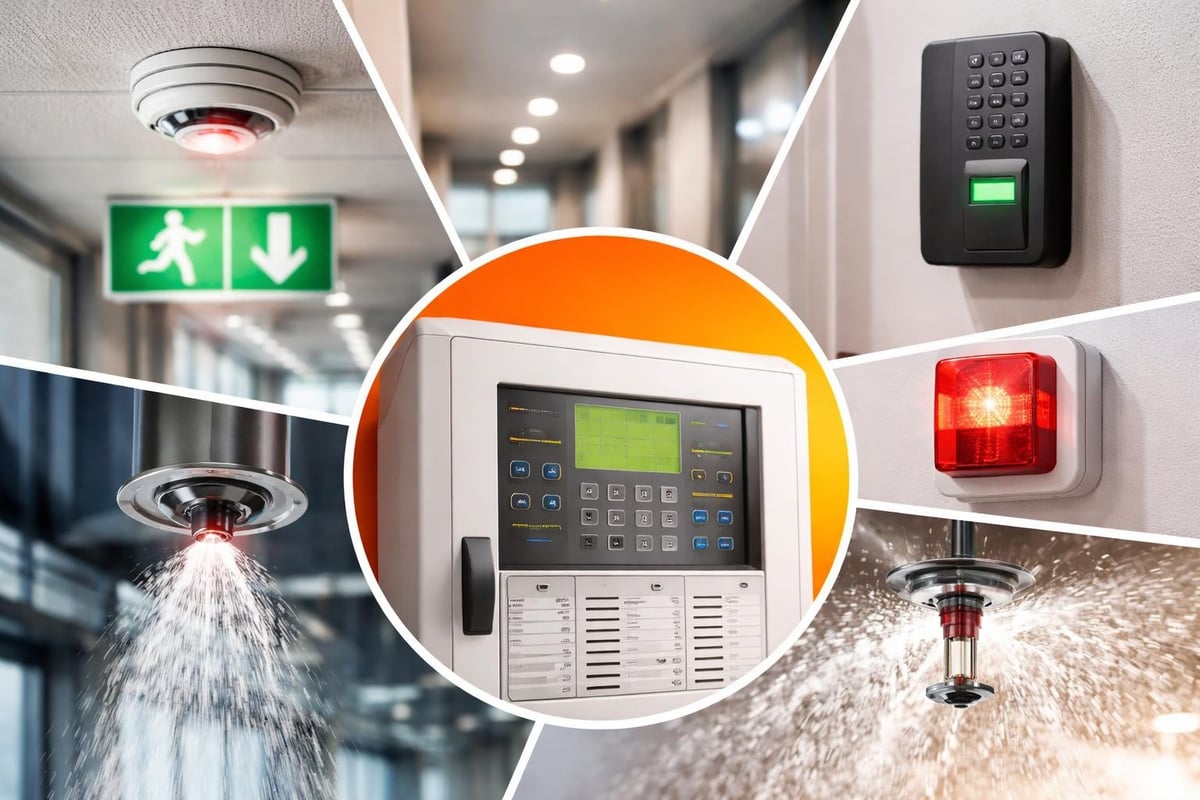
A robust system fire protection strategy relies on several critical components:

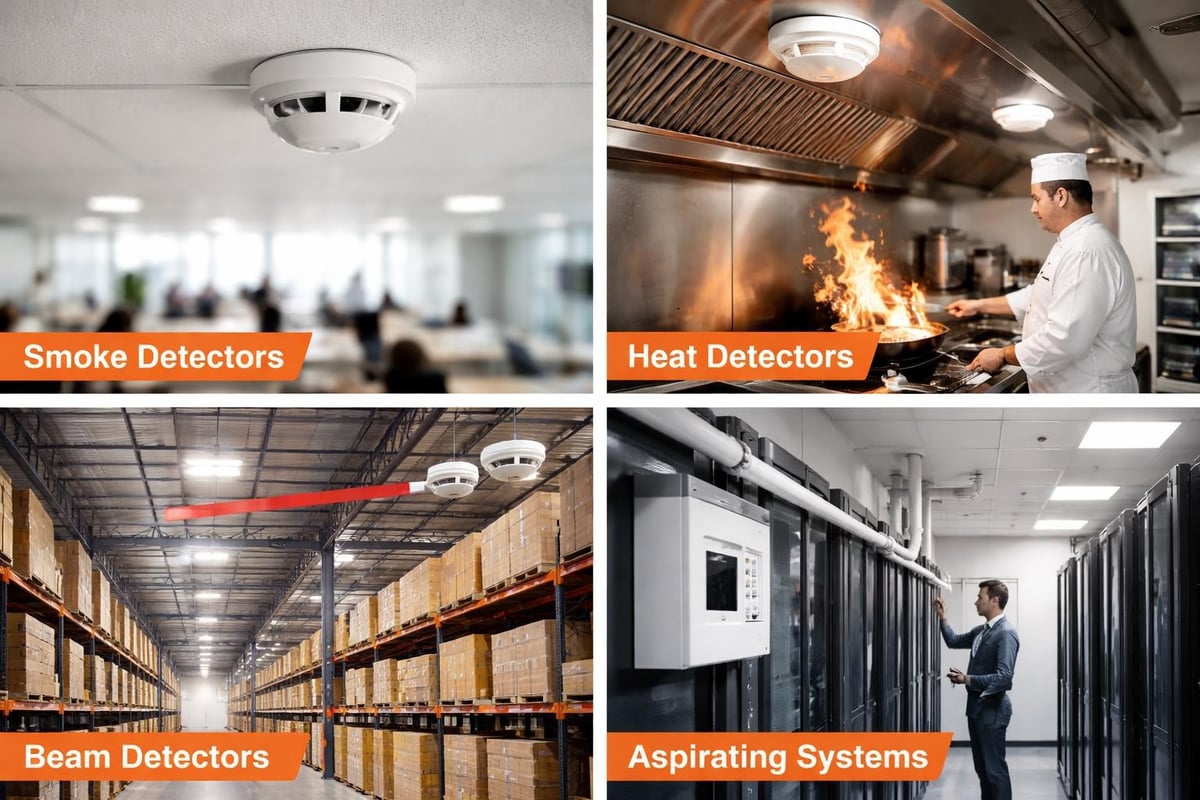
  • Fire alarms and detection systems: smoke, heat, and flame detectors.
  • Fire suppression systems: wet, dry, pre-action sprinklers, gas suppression, and foam units. For a deeper dive into these solutions, see Fire suppression system types.
  • Emergency lighting and exit signage for safe evacuation.
  • Fire pumps and reliable water supplies.
  • Control panels and monitoring devices ensuring system coordination.

When these elements are interconnected, the effectiveness increases significantly. For instance, if a detection system triggers an alarm, it can automatically activate sprinklers, reducing response time and potential damage. This synergy is at the core of effective system fire protection.

Why System Fire Protection Matters in 2026

The importance of system fire protection in 2026 cannot be overstated. Recent UK statistics show that fire incidents continue to cause millions in business losses each year. Insurance providers increasingly require evidence of up-to-date fire systems and legal compliance.

With new building materials and innovative construction techniques, fire risks have evolved. Adapting system fire protection to these changes is critical for business continuity and safeguarding public safety.

Consider a 2025 hospital case where updated fire protection systems, including advanced alarms and suppression units, prevented extensive damage and saved lives. This real-world example underlines the tangible benefits of maintaining effective system fire protection in a rapidly changing environment.

Navigating 2026 Fire Protection Standards and Compliance

Understanding and keeping up with system fire protection requirements is essential for every UK business in 2026. The regulatory landscape is evolving, and non-compliance can result in severe penalties. This section will help you navigate the updated standards and ensure your organisation is fully protected and compliant.

Navigating 2026 Fire Protection Standards and Compliance

Overview of Regulatory Framework

The foundation of system fire protection in the UK is built on several key regulations. The Regulatory Reform (Fire Safety) Order 2005 sets out the core legal duties for employers and property managers. Building Regulations Part B guides fire safety in new and refurbished buildings, while British Standards such as BS 5839 and BS 9999 establish best practice for fire detection and emergency procedures.

For multinational businesses, international codes like those from the NFPA may also apply. Enforcement is becoming more rigorous, with local authorities and fire brigades conducting regular audits. Penalties for non-compliance can include substantial fines, business closure, and even criminal charges. In this environment, understanding your system fire protection obligations is non-negotiable.

Updates to Fire Protection Standards for 2026

2026 brings significant changes to the standards governing system fire protection. New versions of key standards, such as BS 5839-1:2026 for fire detection and BS EN 12845:2026 for sprinkler systems, introduce stricter requirements for high-rise and mixed-use buildings, as well as warehouse facilities. Documentation is now under greater scrutiny, with digital logbooks for system testing, maintenance, and inspections becoming mandatory.

A notable update is the revised European cladding fire safety standard, effective January 2026. This introduces temperature-based assessments and updated classification rules, directly impacting compliance for buildings with external cladding. For more information, see the Revised European cladding fire safety standard 2026.

Staying informed about these changes is crucial, as regulatory updates are designed to address emerging risks and reflect advances in building materials and construction methods.

Achieving and Maintaining Compliance

Achieving system fire protection compliance requires a planned and systematic approach. Begin with a comprehensive fire risk assessment, followed by designing and specifying systems that align with the latest standards. Installation must be carried out by accredited professionals, ensuring all components are fit for purpose.

Ongoing compliance depends on regular inspections, digital record-keeping, and staff training. Third-party certification from organisations such as BAFE or NSI Gold provides independent assurance of system quality and legal compliance. Businesses must also monitor legislative changes and update their systems as standards evolve.

Failure to maintain compliance can result in fines, insurance complications, and increased liability. For example, a business fined in 2025 for not updating its fire risk assessment underscores the importance of proactive management. Robust system fire protection not only safeguards assets and people but also ensures business continuity in a changing regulatory landscape.

Types of Fire Protection Systems and Their Applications

Choosing the right system fire protection setup is essential for safeguarding people, property, and business operations. Modern buildings rely on a blend of detection, suppression, passive barriers, and evacuation aids. Each component serves a unique role, but together, they form a comprehensive defence against fire risks.

Types of Fire Protection Systems and Their Applications

Fire Detection and Alarm Systems

Fire detection and alarm systems are the backbone of system fire protection, alerting occupants and emergency services at the earliest sign of danger. These systems come in various forms, including conventional, addressable, wireless, and hybrid designs.

Recent advancements mean many alarms now feature AI-driven and multi-sensor detection, reducing false alarms and improving reliability. For example, a healthcare facility might use networked addressable alarms to pinpoint incidents quickly, while a warehouse could benefit from robust wireless systems for flexible coverage.

Applications span offices, warehouses, healthcare, and residential buildings. Notably, fire alarms have been shown to reduce fire fatalities by over 50 percent, according to NFPA data. For a deeper dive into modern alarm options, see the Commercial fire alarm systems guide.

Fire Suppression and Sprinkler Systems

Fire suppression and sprinkler systems are critical in system fire protection, actively controlling or extinguishing fires once detected. There are several types, including wet, dry, pre-action, deluge, and mist sprinkler systems, each tailored to specific environments and risks.

Specialised suppression methods, such as inert gas or chemical systems, protect server rooms and data centres where water could cause damage. Foam and kitchen suppression units address unique hazards in commercial kitchens and industrial sites.

Consider a logistics centre with high-value goods: a properly designed sprinkler system can contain a fire within minutes, limiting losses and downtime. Integrating these systems with alarms ensures rapid response and maximises the benefits of system fire protection.

Passive Fire Protection Measures

Passive fire protection is an often-overlooked aspect of system fire protection, focusing on containing fires and slowing their spread. Key components include fire doors, intumescent seals, fire-resistant walls, and fire-rated glazing.

Compartmentation strategies, such as dividing multi-tenant buildings into fire-resistant zones, are vital for protecting escape routes and valuable assets. For instance, regularly inspected fire doors can mean the difference between safe evacuation and catastrophic loss.

Emergency Lighting and Evacuation Systems

Emergency lighting and evacuation systems are indispensable for a complete system fire protection strategy. These systems guide occupants safely out of a building during a fire, especially if power is lost.

Legal requirements dictate the placement and upkeep of illuminated exit signage and emergency lighting. Imagine a power outage during a fire: clearly marked exits and well-lit routes become life-saving features, ensuring everyone can evacuate swiftly and safely.

System Fire Protection Design, Installation, and Maintenance

Designing, installing, and maintaining a robust system fire protection strategy is essential for safeguarding people, assets, and business continuity in 2026. The process involves careful planning, adherence to regulations, and collaboration with certified professionals. Let us explore how to implement and sustain effective system fire protection step by step.

System Fire Protection Design, Installation, and Maintenance

Step-by-Step Guide to System Implementation

Effective system fire protection begins with a thorough fire risk assessment process. This critical first step identifies hazards, evaluates risks, and informs the overall protection strategy.

Follow these steps for successful implementation:

  1. Conduct a comprehensive fire risk assessment to understand specific threats and building requirements.
  2. Develop a tailored system fire protection plan based on assessment findings and compliance needs.
  3. Select appropriate system types and products such as alarms, sprinklers, and suppression units that match the property’s profile.
  4. Engage certified professionals for installation to ensure all equipment meets regulatory and industry standards.
  5. Commission and test the system thoroughly before full operation, verifying integration and response times.

For example, a retail complex upgrade might take several weeks from assessment to commissioning, with each stage monitored for compliance and performance. Integrating system fire protection at the design stage helps future-proof the property and streamlines ongoing maintenance.

Best Practices for Ongoing Maintenance

Consistent maintenance is vital to ensure system fire protection remains reliable. Establish a routine inspection schedule, including weekly visual checks, monthly equipment tests, and annual comprehensive reviews by qualified engineers.

  • Keep digital maintenance records and logbooks for audits and compliance.
  • Train staff regularly on system operation and emergency procedures.
  • Conduct fire drills to reinforce readiness and identify areas for improvement.

A detailed maintenance checklist can help track completed tasks and outstanding issues. For instance, a facility that adopts digital logbooks and scheduled inspections will quickly spot faults, minimising downtime and reducing risks. Regular maintenance not only supports compliance but also maximises the lifespan and performance of system fire protection measures.

The Role of Accredited Providers

Choosing the right partner for system fire protection installation and servicing is crucial. Look for providers accredited by bodies such as BAFE or NSI Gold. These certifications ensure the provider meets rigorous quality and competency standards.

Benefits of using accredited providers include:

  • Greater assurance of compliance with UK fire safety legislation.
  • Enhanced system reliability and reduced risk of faults.
  • Easier acceptance by insurers, potentially lowering premiums.

Always verify provider credentials and request documentation before proceeding. In one case, a certified provider’s audit uncovered a hidden system fault, allowing swift rectification before any incident occurred. Working with trusted experts keeps your system fire protection effective and fully compliant.

Emerging Technologies and Future Trends in Fire Protection

Fire safety is entering a transformative era with new technologies shaping how system fire protection is designed, managed, and maintained. Businesses and property managers must stay ahead of these trends to ensure compliance and robust safety in 2026.

Smart and Connected Fire Protection Systems

Modern system fire protection now leverages smart technologies to enhance both detection and response. IoT-enabled sensors offer real-time monitoring, sending instant alerts to facilities managers and emergency responders. These smart devices can diagnose faults remotely, reducing the need for frequent manual inspections.

AI-driven algorithms are reducing false alarms by analysing sensor data and distinguishing between genuine threats and benign events. Cloud-based platforms enable seamless reporting and instant communication across devices. For instance, in a 2025 smart office building, integrated sensors detected a fire at its earliest stage, triggering a coordinated response.

Research into Digital Twin and AI for wildfire management demonstrates how advanced modelling and artificial intelligence can revolutionise detection and disaster response, setting the stage for future system fire protection innovation.

Sustainability and Environmental Considerations

Sustainability is becoming a core principle in system fire protection. The industry is moving towards eco-friendly suppression agents such as fluorine-free foams and clean gases, minimising environmental impact while maintaining effectiveness.

Energy-efficient emergency lighting and alarms are also gaining traction, helping reduce operational costs and carbon footprints. Regulatory changes, such as the UK fire extinguisher regulations 2025, are driving the transition away from PFAS-containing foams towards greener alternatives. Universities and commercial sites are already adopting these sustainable solutions as part of their fire safety strategies.

Addressing Modern Risks: Lithium-Ion Batteries and Warehouses

The rise in lithium-ion battery use has introduced new fire risks for system fire protection, especially in commercial and industrial settings. Battery fires can escalate quickly and require specialised extinguishers and suppression systems for safe management.

Warehouses face unique challenges, including high racks, cold storage, and automation. These factors demand tailored protection solutions, such as targeted suppression for battery storage and advanced smoke detection. NFPA guidance highlights the importance of adapting system fire protection to address these evolving threats in modern warehouses.

The Future of Fire Protection Training and Certification

Training and certification for system fire protection professionals are evolving rapidly. Online platforms now deliver up-to-date courses, making it easier for staff to stay compliant with the latest standards.

Virtual reality and augmented reality tools provide immersive, hands-on training experiences, helping teams respond effectively to real-world scenarios. Since 2024, the uptake of digital training solutions has increased, with businesses reporting improved preparedness and confidence in their fire safety protocols.

Expert Tips for Effective Fire Protection Management in 2026

Building a robust fire safety culture is essential for effective system fire protection in 2026. Leadership must set the tone by prioritising fire safety at every level. Regular engagement with staff, from routine meetings to feedback opportunities, keeps fire safety top of mind.

Integrating fire safety into onboarding, as well as ongoing training, ensures all team members understand their roles. For example, companies with high fire drill participation rates see greater preparedness and faster response times during real events. This proactive approach can make a critical difference when seconds matter.

Building a Fire Safety Culture

System fire protection thrives in environments where everyone feels responsible for safety. Leadership should champion fire safety initiatives, making them part of daily operations.

  • Include fire safety in job descriptions and performance reviews.
  • Encourage regular fire drills and reward participation.
  • Share success stories and lessons learned after events.

This culture creates accountability and ensures that fire safety is not just a compliance task but a shared value.

Leveraging Data and Analytics for Risk Reduction

Modern system fire protection relies on actionable data. Analysing trends from fire alarms, suppression activations, and maintenance logs helps identify risks before they become incidents.

Integration with building management systems (BMS) streamlines this process, allowing real-time monitoring and rapid alerts. For instance, hospitals using analytics dashboards have significantly reduced false alarms, freeing up resources for genuine emergencies. By leveraging these insights, you can fine-tune your fire protection strategy and improve outcomes.

Common Pitfalls and How to Avoid Them

Neglecting regular maintenance is a leading cause of system fire protection failures. Outdated documentation and missed inspections can result in non-compliance and higher insurance premiums. Passive measures, such as fire doors and compartmentation, are often overlooked.

To avoid these pitfalls:

  • Schedule inspections and keep digital records.
  • Update systems to meet the latest standards.
  • Prioritise passive protection with regular fire door inspection services.

A business that ignored these steps faced increased premiums and operational risks. Staying proactive is essential for long-term protection.

Collaboration with Fire Authorities and Insurers

Effective system fire protection is a team effort. Engage local fire brigades for risk assessments and participate in joint drills to ensure readiness. Work closely with insurers to review your protection strategy and confirm adequate coverage.

Collaborative fire safety reviews can identify gaps, reduce business interruption risk, and strengthen your compliance posture. This partnership approach helps businesses stay resilient and ready for evolving fire challenges.

As you explore the essential strategies and new standards shaping system fire protection for 2026, it becomes clear how vital tailored solutions and ongoing compliance are for safeguarding your people and assets. If you want to ensure your building meets the latest requirements and benefits from expert guidance every step of the way, why not take the next practical step? You can gain clarity on your current risks and the best protective measures with a professional assessment. To get started, simply Get a Free Site Survey—let’s make your fire safety plan future ready together.

Our Accreditations

Work
For Us