

Emergencies are becoming more frequent and unpredictable, making preparedness essential in 2026. To protect both lives and property, evacuation alert systems have become a vital part of modern safety strategies.
This guide delivers the most current insights on evacuation alert systems, covering the latest regulations and best practices. You will learn what evacuation alert systems are, how they operate, key regulatory changes, tips for choosing the right system, step-by-step preparation, and how to keep systems maintained.
Stay informed and prepared. The right evacuation alert systems can make all the difference when every second counts.
Understanding Evacuation Alert Systems
Evacuation alert systems have become a cornerstone of modern fire safety in the UK, especially in high-rise residential buildings. These systems are designed to ensure the safety of occupants and to give fire and rescue services more control during emergencies. As regulations evolve, understanding how evacuation alert systems function and where they are required is essential for responsible building management.
What Are Evacuation Alert Systems?
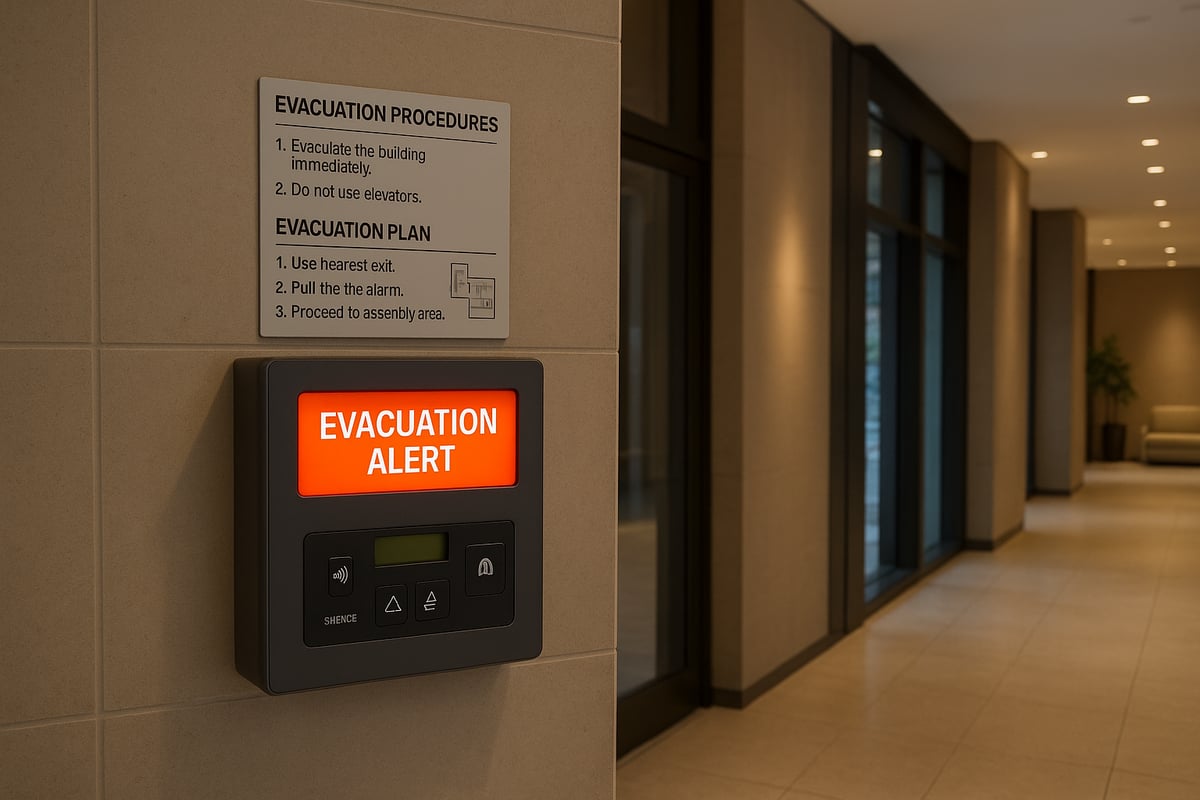
Evacuation alert systems are specialised safety installations designed to notify building occupants when evacuation is necessary during an emergency, such as a fire. Unlike standard fire alarms, which automatically activate upon detecting smoke or heat, these systems are manually controlled, usually by the fire and rescue service.
Their core functions include delivering targeted alerts to specific zones or floors, enabling phased evacuation, and supporting coordinated fire service operations. For example, after the Grenfell Tower Inquiry, high-rise residential buildings adopted evacuation alert systems to provide firefighters with the means to manage evacuations more safely and efficiently.
Compliance with British Standard BS 8629 and third-party certification through BAFE SP207 is now a benchmark for quality and reliability. These standards ensure that evacuation alert systems meet rigorous design, installation, and maintenance requirements. For a comprehensive overview of system features and compliance, see Evacuation Alert System Solutions.
How Do Evacuation Alert Systems Work?
Evacuation alert systems operate through a combination of hardware and software components. The main elements include a secure control panel, sounders, visual indicators, and manual activation points. The control panel is typically installed in a fire service-accessible location, allowing trained personnel to activate alerts for selected building areas.
These systems are not a replacement for fire detection and alarm systems but add an extra layer of protection. Integration with existing fire safety infrastructure ensures clear communication during critical incidents. Firefighters can issue phased evacuations, alerting only those on affected floors while others remain in place, reducing congestion and confusion.
Consider a real-world scenario: during a fire in a high-rise block, firefighters use the evacuation alert system to activate alarms only on the floors at risk, ensuring a controlled and orderly evacuation process. This targeted approach is key to maximising safety and minimising panic.
Types of Buildings Requiring Evacuation Alert Systems
The primary regulatory focus for evacuation alert systems is high-rise residential buildings over 18 metres in height. Both new builds and conversions are subject to these requirements, particularly where a “stay put” policy is in place. However, the applicability of evacuation alert systems extends beyond residential towers.
Other building types, such as care homes, student accommodation, and hotels, may also benefit from these systems, especially where vulnerable occupants or complex layouts exist. While there has been debate about mandating evacuation alert systems in buildings over 11 metres, as of 2026, this is not a legal requirement, though it remains under review.
Government consultations show overwhelming support, with 92 percent of respondents favouring the inclusion of evacuation alert systems in residential buildings. This consensus highlights the growing recognition of their role in safeguarding lives and property during emergencies.
Regulatory Landscape and Standards in 2026
The regulatory framework for evacuation alert systems has seen significant evolution in recent years. With the heightened focus on fire safety, especially in high-rise settings, building owners and managers must stay abreast of the latest legal and technical standards. Understanding the current regulations, learning from historical incidents, and preparing for upcoming changes are vital for ensuring full compliance and safeguarding lives.
Key Regulations and Standards
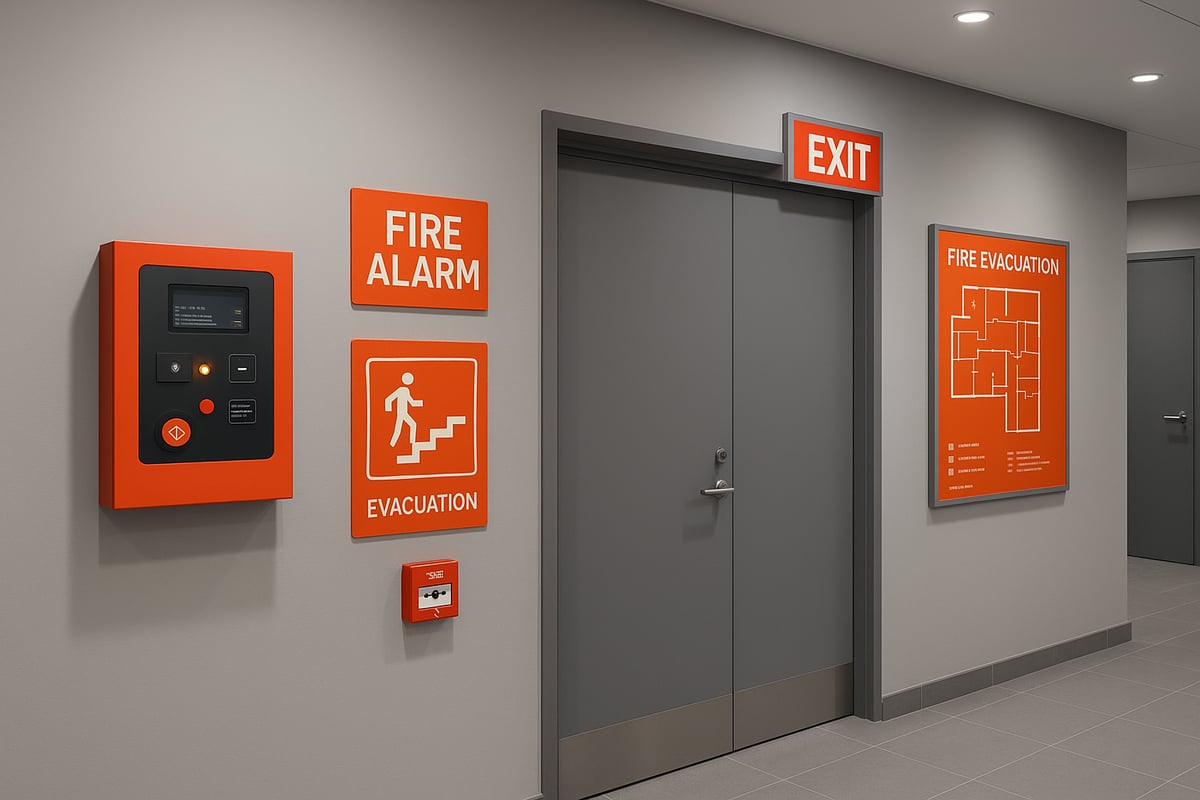
Evacuation alert systems are now required in all new high-rise residential buildings over 18 metres, following updates to the Building Regulations 2010 and Approved Document B (ADB). These updates were introduced to align with recommendations from recent fire safety reviews and to address the unique challenges of tall structures.
The core benchmark for these systems is the British Standard BS 8629:2019, which sets out the code of practice for the design, installation, commissioning, and maintenance of evacuation alert systems in buildings containing flats. For an in-depth overview, consult the BS 8629:2019 Code of Practice. In addition, the BAFE SP207 scheme provides third-party certification to ensure that only competent providers install these critical systems.
Compliance is essential not just for legal reasons but also for insurance protection and resident reassurance. Failure to meet these requirements can result in enforcement actions, invalidated cover, or heightened liability.
Lessons from the Grenfell Tower Inquiry
The Grenfell Tower Inquiry has had a profound impact on how evacuation alert systems are viewed and regulated. Phase 1 of the Inquiry recommended that all high-rise residential buildings be equipped with facilities that allow fire and rescue services to send evacuation signals to residents.
This led to legislative changes mandating evacuation alert systems in new buildings, aiming to provide fire services with better tools to manage emergencies. The public and industry response has been overwhelmingly supportive, with 92% backing the inclusion of these systems in relevant properties.
Policy objectives focus on improving overall fire safety, offering residents peace of mind, and empowering emergency responders with the technology they need.
Recent and Upcoming Changes in 2026
Ongoing collaboration between government bodies and the National Fire Chiefs Council (NFCC) continues to shape the regulatory landscape for evacuation alert systems. Transition periods for compliance with new rules are now in effect, giving building owners time to upgrade or install compliant systems.
National training packages have been developed to ensure operational firefighters are fully familiar with the use and benefits of these systems. Live trials and research projects are guiding potential future updates, especially regarding the extension of requirements to buildings over 11 metres—a topic still under review in 2026.
The government’s impact assessment estimates a £17.4 million net annual cost to businesses for maintaining compliance. However, these investments are justified by the increased safety for residents and the enhanced ability of fire services to manage complex incidents.
Step-by-Step Guide to Staying Prepared with Evacuation Alert Systems
Preparing your building for emergencies in 2026 requires a clear, structured approach. This step-by-step guide will help you navigate the process of implementing, managing, and maintaining evacuation alert systems, ensuring both compliance and peace of mind.
Step 1: Assess Building Requirements
Begin by determining if your building is legally required to have evacuation alert systems. Check the building’s height, occupancy type, and existing fire safety strategy, such as “stay put” or simultaneous evacuation.
Review your current fire risk assessment to identify gaps or new risks. If you do not have a recent assessment, consult with a fire safety professional or refer to trusted Fire Risk Assessment Guidance to understand your obligations.
For managing agents responsible for high-rise blocks, this assessment is critical to compliance and resident safety.
Step 2: System Selection and Design
Once you confirm the need, select evacuation alert systems that fully comply with BS 8629 and BAFE SP207. Work with certified providers to tailor the system to your building’s unique layout, considering the number of floors, zones, and occupant needs.
Integrate the system with existing fire alarms and plan for future scalability. For large complexes, zone-based alerting is often the most efficient solution.
Careful system design ensures that evacuation alert systems will function reliably under real emergency conditions.
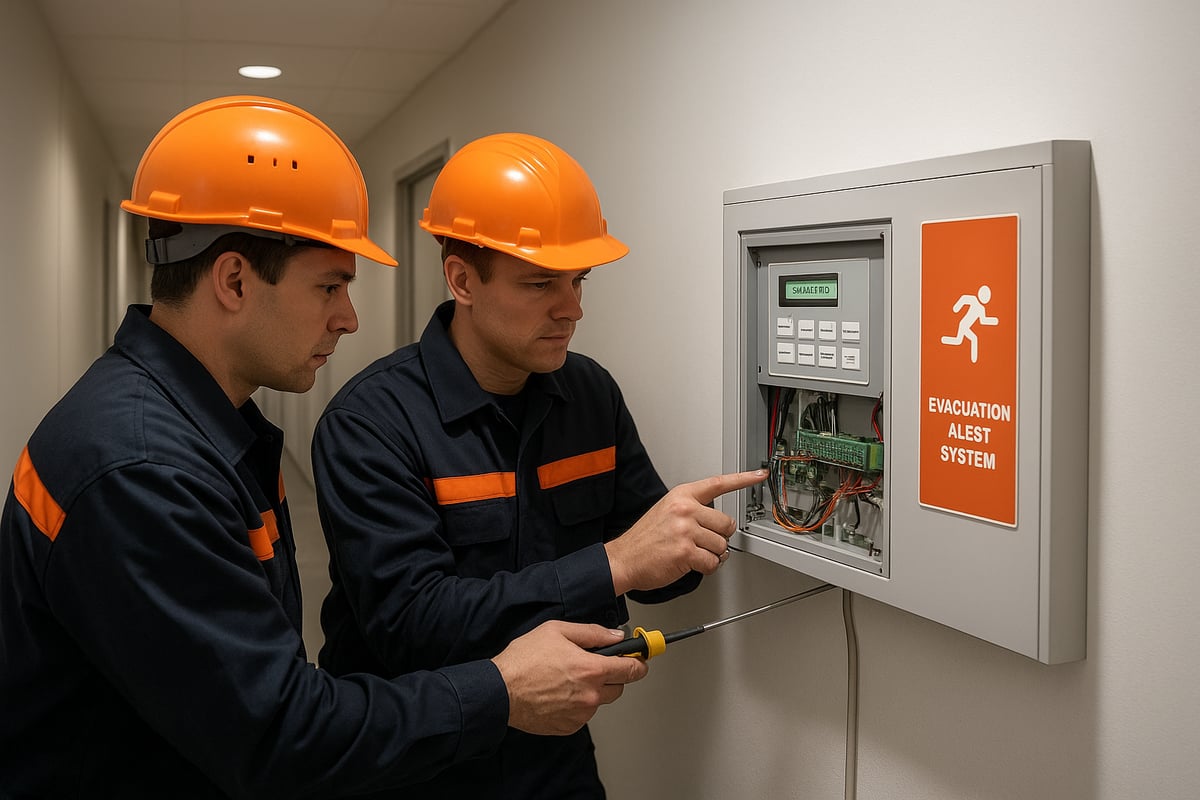
Step 3: Professional Installation and Certification
Always engage BAFE SP207 or NSI-certified installers for your evacuation alert systems. Qualified professionals will handle wiring, control panel placement, and sounder configuration according to strict standards.
Commissioning and initial testing confirm that the system operates as intended. Upon completion, obtain a Certificate of Compliance, which is essential for both authorities and insurance.
Routine service schedules, typically every six months, help maintain the system’s effectiveness and compliance.
Step 4: Training and Awareness
Training is vital to ensure everyone knows how evacuation alert systems work. Provide comprehensive instruction for building managers and responsible persons, covering activation, reset, and communication protocols.
Invite local fire and rescue services to familiarise themselves with your building’s system. Schedule regular evacuation drills and system demonstrations to keep residents engaged and prepared.
Use resources from organisations like the National Fire Chiefs Council to support ongoing training initiatives.
Step 5: Ongoing Maintenance and Testing
Regular maintenance is key to keeping evacuation alert systems reliable and compliant. Schedule servicing at least every six months, following BS 8629 and BAFE SP207 guidelines.
Keep detailed records of all maintenance, tests, and any issues. This documentation is important for demonstrating compliance and maintaining insurance coverage.
Routine inspections ensure your evacuation alert systems are always ready to protect lives and property when needed.
Choosing the Right Evacuation Alert System Provider
Selecting the right provider for evacuation alert systems is critical to ensure your building’s compliance, safety, and ongoing support. With 2026 regulations demanding more robust solutions, building owners and managers must partner with experts who deliver on quality and reliability.
What to Look for in a Provider
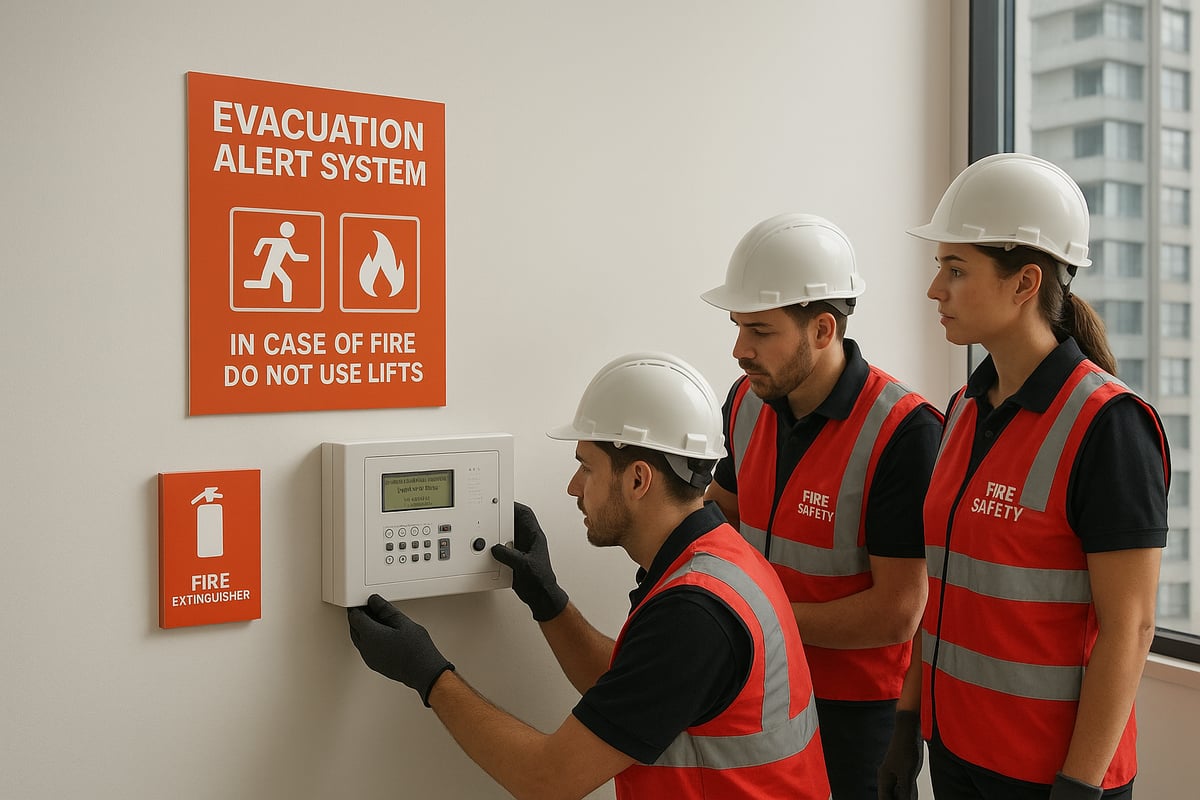
When choosing a provider for evacuation alert systems, prioritise third-party certification such as BAFE SP207 or NSI Gold. These accreditations prove that the installer meets strict industry standards and undergoes regular audits for competence.
Experience with complex and high-rise buildings is essential. Look for companies offering a full suite of services, from risk assessment and design to installation and maintenance. Ongoing support and rapid response are crucial for peace of mind.
For a deeper understanding of accredited installers and the standards they meet, review this guide on Accredited Evacuation Alert Installers.
Logic Fire and Security: Your Trusted Partner
Logic Fire and Security stands out as a trusted provider for evacuation alert systems across the UK. Accredited to BAFE, NSI Gold, and other leading standards, they guarantee compliance and reliability for every project.
Their services include comprehensive risk assessments, bespoke system design tailored to your building’s needs, professional installation, and ongoing maintenance. With nationwide coverage, 24/7 monitoring, and support, Logic Fire and Security has earned the trust of blue-chip companies and public agencies seeking robust safety solutions.
To discuss your evacuation alert systems requirements, contact Logic Fire and Security at 0800 8445 999 or info@logicfireandsecurity.com.
Questions to Ask Potential Providers
Before appointing a provider for evacuation alert systems, ask these essential questions:
- Are you certified to BAFE SP207 and BS 8629?
- What is your experience with similar types of properties?
- How do you handle ongoing maintenance and compliance?
- What training is provided for building managers and occupants?
- Can you supply references or case studies?
- Will you issue a Certificate of Compliance after installation?
These questions will help you select a provider who ensures your evacuation alert systems remain compliant, effective, and ready for emergencies.
Common Challenges and Best Practices for 2026
Emergencies test the limits of building safety, and evacuation alert systems must operate flawlessly under pressure. Addressing common challenges while following best practices is key to ensuring these systems protect lives and property.
Addressing Safety Concerns and Misconceptions
Many worry that evacuation alert systems could trigger simultaneous evacuations, leading to overcrowding in stairwells and increased smoke spread. In reality, these systems are designed for phased evacuation, allowing fire and rescue services to control which floors or zones are alerted.
Controlled procedures, supported by clear communication and well-trained firefighters, significantly reduce risks. Fire services use evacuation alert systems to manage the flow of people and maintain order, as highlighted in Evacuation Alert Systems in High-Rise Residential Buildings. This approach ensures that occupants are moved to safety efficiently, without overwhelming escape routes.
Ensuring Resident Engagement and Compliance
For evacuation alert systems to be effective, residents must understand the alerts and know what actions to take. Education is crucial, including regular communication, clear signage, and hands-on drills.
Strategies to boost engagement:
- Hold annual evacuation drills with all occupants.
- Provide easy-to-read guides on alert signals and routes.
- Use visible, well-maintained equipment to reassure residents.
When residents trust the system and know how to respond, compliance improves significantly, helping to ensure safe evacuation during real emergencies.
Integrating with Wider Fire Safety Measures
Evacuation alert systems are most effective when part of a comprehensive fire safety strategy. They should coordinate with fire detection, alarms, emergency lighting, and suppression systems, ensuring a seamless response.
Regular fire risk assessments help adapt procedures as building use or occupancy changes. Inclusive safety is essential, especially for those with disabilities. Integrating evacuation alert systems with Disabled Refuge and Emergency Planning provides dedicated refuge spaces and communication tools, ensuring everyone can evacuate safely and efficiently.
Keeping Up with Evolving Standards and Technology
Fire safety regulations and technology continue to advance. Building managers and responsible persons must stay updated with the latest standards and best practices for evacuation alert systems.
Adopting new technologies, such as wireless or networked systems, can enhance system reliability and flexibility. Professional training, regular industry engagement, and prompt adoption of regulatory updates ensure that evacuation alert systems remain compliant and effective in protecting occupants.
As you’ve seen throughout this guide, staying prepared in 2026 means understanding the latest evacuation alert system standards and ensuring your building is fully equipped for any emergency. If you’re unsure where to start or want expert advice tailored to your property, we’re here to help. From site surveys and compliance checks to bespoke system design, our team at Logic Fire and Security combines technical expertise with a genuine commitment to your safety. You don’t have to navigate regulations and technology alone—take the first step towards peace of mind and Get a Free Site Survey.