


Fire safety is a critical priority for every business, and recent years have seen a rapid shift towards wireless solutions. As technology evolves, wireless fire alarms are reshaping how property owners and managers protect lives and assets.
This guide explores why wireless fire alarms are at the forefront of modern fire protection strategies for 2026. You will discover the latest advancements, crucial compliance requirements, and practical advice for choosing and maintaining the right system.
Ready to future-proof your fire safety? Learn about technology trends, legal standards, seamless installation, hassle-free maintenance, and expert support to ensure your business stays secure and compliant.
Understanding Wireless Fire Alarms: What Sets Them Apart?
Wireless fire alarms are modern safety systems that detect and alert occupants to the presence of fire using wireless technology. Unlike traditional wired systems, these solutions rely on radio signals to connect core components such as detectors, control panels, sounders, and manual call points. This wireless communication removes the need for extensive cabling, making the system both versatile and easy to integrate with other building management technologies. By using addressable devices, wireless fire alarms can pinpoint the exact location of an incident, ensuring fast response and precise control.

Defining Wireless Fire Alarms
The core components of wireless fire alarms include smoke and heat detectors, control panels, sounders to alert occupants, and manual call points for emergency activation. These devices communicate via secure radio frequency protocols, often operating on dedicated bands to avoid interference. Addressable technology allows each device to be uniquely identified, enabling targeted alerts and more effective evacuation procedures. Integration with building management systems is now common, allowing centralised control and monitoring.
Key Benefits Over Wired Systems
Wireless fire alarms offer several advantages compared to conventional wired systems. Installation is significantly faster and causes less disruption, as there is no need to run extensive cabling through walls and ceilings. This makes the solution ideal for retrofit projects, heritage sites where structural changes are restricted, and temporary or rapidly changing environments like construction sites. The reduced need for cabling also lowers overall costs and supports flexible expansions or reconfigurations. Maintenance is generally simpler, and system upgrades are more straightforward.
Limitations and Considerations
Despite their many benefits, wireless fire alarms come with unique considerations. Battery-powered devices require regular checks and timely replacement to maintain reliability. Radio frequency signals can be affected by building materials or external interference, so careful planning and signal surveys are essential. Security is crucial, with modern systems offering encryption and anti-tamper features to prevent unauthorised access. The upfront investment can be higher than that of traditional systems, but this is often offset by lower installation and maintenance costs over time.
Market Growth and Adoption Trends
The adoption of wireless fire alarms is accelerating across commercial, public, and construction sectors. Offices, schools, temporary venues, and listed buildings are increasingly choosing wireless solutions for their flexibility and compliance with evolving standards. Industry reports, such as the Wireless Fire Detection Systems Market Trends Report 2026, highlight strong growth driven by regulatory demands and technological advancements. Competitor offerings now include EN54-certified addressable panels, multi-sensor detectors, and scalable systems suitable for diverse environments.
2026 Regulatory Landscape: Compliance and Standards for Wireless Fire Alarms
Stricter regulations are shaping the future of wireless fire alarms in the UK. Keeping pace with compliance requirements is vital for any business or property owner aiming to protect assets, ensure occupant safety, and remain legally secure. Understanding the evolving regulatory landscape is key to selecting and maintaining the right wireless fire alarms.
UK Fire Safety Legislation and Wireless Systems
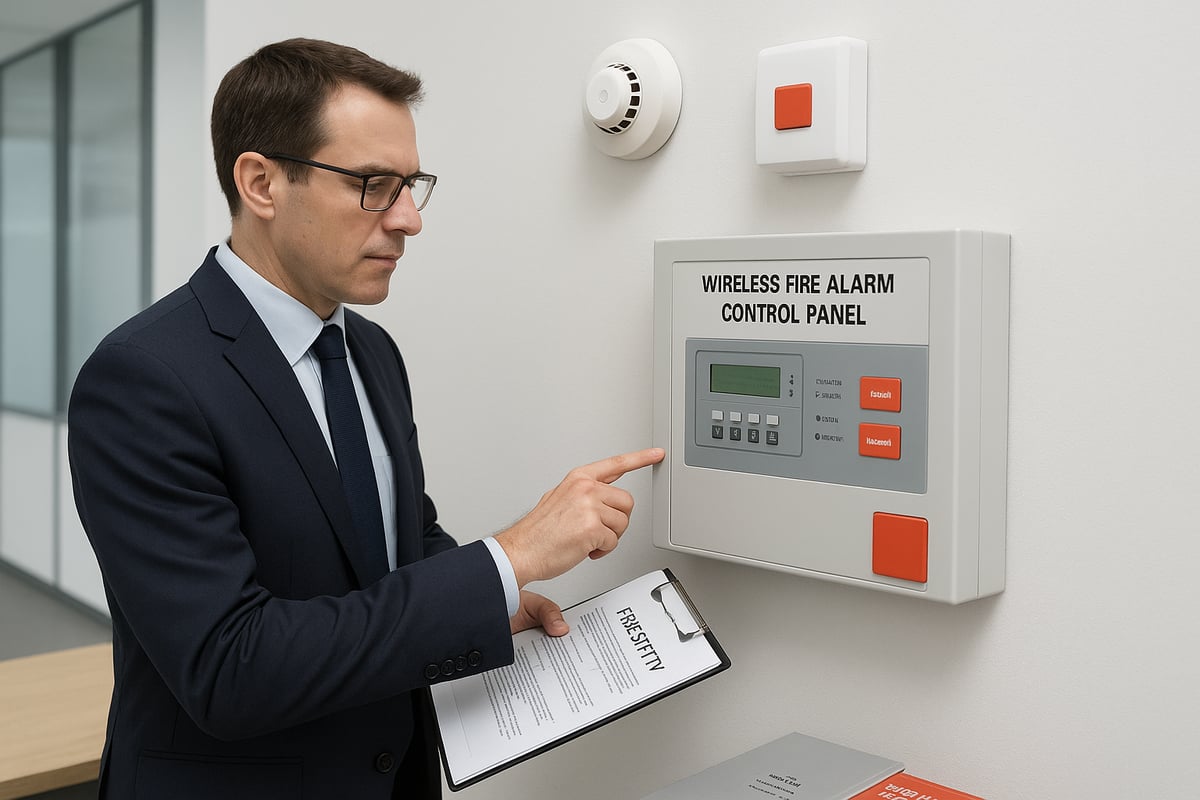
The foundation of fire safety regulation in the UK is the Regulatory Reform (Fire Safety) Order 2005. This law places responsibility on business owners and facilities managers to ensure effective fire detection and alarm systems, including wireless fire alarms, are in place. Wireless systems must deliver performance equal to wired alternatives, providing reliable detection, alerting, and evacuation.
British Standard BS 5839-1:2017 specifically covers fire alarm systems in non-domestic premises, while EN54-25 addresses requirements for wireless components. Compliance with these standards is not optional, it is a legal expectation for any property using wireless fire alarms.
Certification and Approval Requirements
Third-party certification is essential when choosing wireless fire alarms. Look for systems and installers accredited by recognised bodies such as BAFE or LPCB. Components should feature EN54-25 certification for wireless modules, EN54-7 for smoke detectors, and EN54-3 for sounders.
Competitor products frequently highlight these certifications to demonstrate compliance. Always verify credentials before installation, as non-certified equipment may not be accepted by insurers or regulators. Proper documentation and evidence of approval are crucial for demonstrating compliance during audits.
Evolving Standards and Anticipated Changes for 2026
The regulatory landscape for wireless fire alarms is expected to shift further by 2026. Updates to British Standards, including the anticipated revision of BS 5839-1, may introduce stricter requirements for system resilience, cybersecurity, and environmental sustainability. The divergence between UK and EU standards post-Brexit means businesses must remain vigilant regarding compliance changes.
Cybersecurity is increasingly important for wireless fire alarms, with new standards likely to address data protection and signal integrity. There is also a growing focus on battery recycling and energy efficiency. For a detailed look at these changes, see the BS 5839-1:2025 fire alarm standard update.
Key Compliance Pitfalls and How to Avoid Them
Common compliance mistakes with wireless fire alarms include:
- Using non-certified products or installers
- Failing to keep thorough documentation and records
- Overlooking regular battery checks and replacements
- Neglecting updates on regulatory changes
To avoid these pitfalls, schedule regular maintenance, ensure all system updates are documented, and engage only accredited professionals. Regulatory breaches can lead to fines, invalid insurance, or even prosecution if fire safety is compromised. Proactive management and awareness of evolving standards are essential for ongoing compliance.
How Wireless Fire Alarms Work: Components, Features, and Technology Explained
Wireless fire alarms are designed to provide robust fire protection without the need for complex cabling. By using radio signals to connect all parts of the system, they offer flexibility and scalability for a wide range of environments. For a more detailed fire alarm system overview, including wireless options, you can explore dedicated resources.
Core System Components
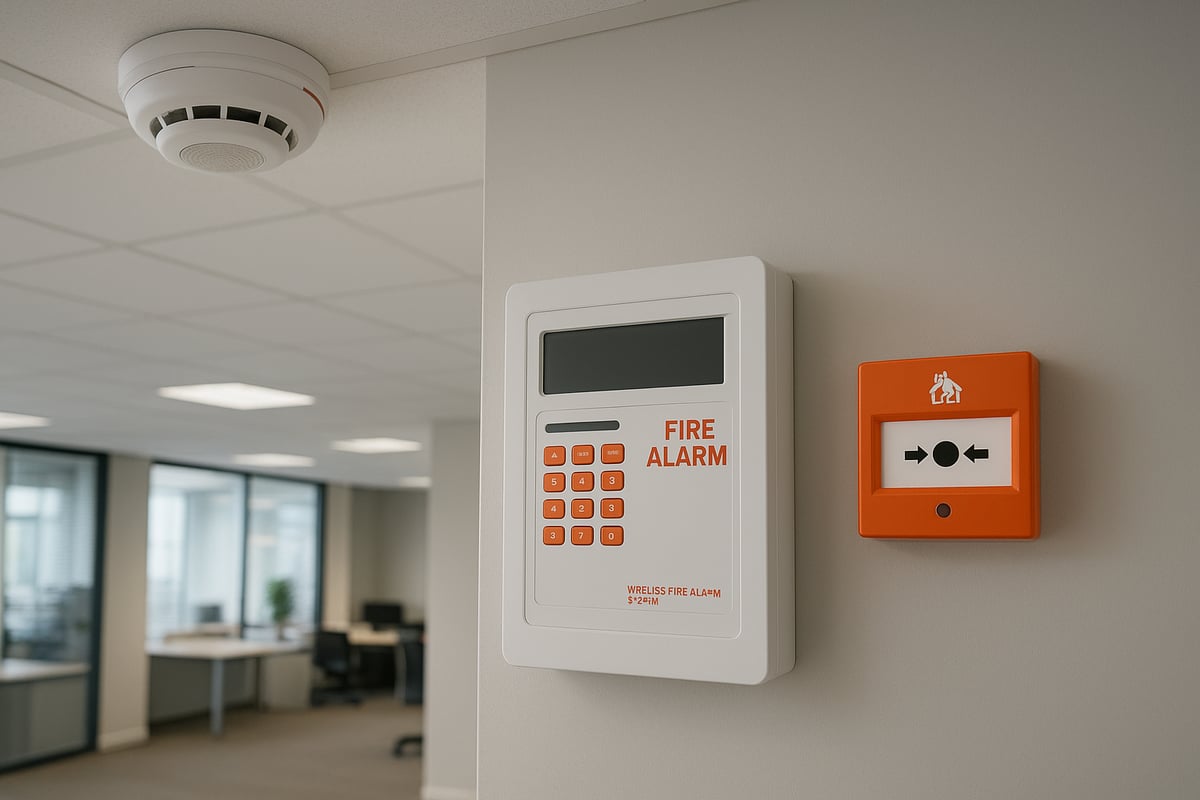
Wireless fire alarms consist of several essential parts working together seamlessly. The control panel acts as the brain, managing signals from all devices. Detectors—such as smoke, heat, or multi-sensor models—identify potential fire threats quickly. Manual call points allow occupants to trigger an alarm instantly in case of emergency.
Sounders and visual indicators alert building occupants to evacuate, while boosters or repeaters extend wireless coverage in larger or more complex spaces. The absence of cabling simplifies installation and minimises disruption to building layouts. Each component is designed for reliability and ease of upgrade as safety needs evolve.
| Component | Function |
|---|---|
| Control Panel | Central management and monitoring |
| Detector | Senses smoke, heat, or other fire signals |
| Call Point | Manual alarm activation |
| Sounder/Strobe | Audible and visual evacuation alerts |
| Booster/Repeater | Extends wireless signal range |
Communication Protocols and Security
Wireless fire alarms use secure radio frequency bands, approved for use in the UK, to ensure reliable communication between devices. Each device is addressable, meaning the exact location of an activated alarm can be pinpointed immediately, which is vital for swift emergency response.
Security is a top priority. Encrypted signalling protects against unauthorised access or tampering. Anti-tamper mechanisms and interference resistance features help maintain system integrity, even in challenging environments. Regular testing and monitoring ensure that the communication network remains robust, supporting continuous fire safety.
Advanced Features in 2026
Innovation is driving the next generation of wireless fire alarms. In 2026, systems will increasingly integrate with building management and evacuation alert platforms, providing a holistic approach to safety. Remote monitoring through cloud services and mobile apps allows facilities managers to oversee fire safety from anywhere.
Modern systems also incorporate self-testing and automated fault reporting, reducing the need for manual inspections. Battery health monitoring and predictive maintenance features further enhance reliability, helping prevent unexpected failures and minimising downtime. These advancements make wireless fire alarms a smart, future-ready choice.
Real-World Example
Competitor systems, such as the Zerio Plus, demonstrate the practical benefits of wireless fire alarms. With the capacity to support up to 240 addressable devices, these systems offer options like programmable detector types and combined sounder/strobe units for tailored protection.
Wireless fire alarms are now widely used in large office complexes, schools, temporary construction sites, and event venues. Their flexible installation and ease of expansion make them ideal for diverse settings. As technology continues to advance, these systems will remain at the forefront of reliable, compliant fire safety solutions.
Step-by-Step Guide: Selecting and Installing a Wireless Fire Alarm System
Selecting and installing wireless fire alarms is a structured process that ensures your premises stay protected, compliant, and future-ready. Each step, from assessment to maintenance, is vital for building a robust fire safety strategy.

Step 1: Assess Your Fire Safety Needs
Begin with a comprehensive fire risk assessment tailored to your premises. This process identifies hazards, evaluates the risk to occupants, and determines the required level of protection.
Consider factors such as building layout, occupancy levels, and any unique challenges like heritage status or temporary structures. For buildings with complex layouts or access restrictions, wireless fire alarms often provide the most flexible and effective solution.
If you need guidance, consult fire risk assessment guidance to ensure your assessment meets UK legal standards.
Step 2: Evaluate System Options and Specifications
Next, explore the different wireless fire alarms systems available. Compare detection types, system capacity, and compatibility with your existing infrastructure.
Prioritise systems that carry EN54 certification for reliability and compliance. Review supplier credentials, focusing on proven track records and third-party approvals for both products and installation.
Shortlist options that can accommodate future expansion and adapt to changes in building use.
Step 3: Professional Design and Planning
Engage an accredited fire safety professional to design your system. A bespoke approach ensures all areas are covered and that zoning meets regulatory requirements.
Zone planning is crucial for effective alarm notification and evacuation. A signal strength survey should be conducted to verify robust wireless communication throughout the premises.
Professional design reduces the risk of coverage gaps and ensures your system is fit for purpose.
Step 4: Installation Process
Installation of wireless fire alarms is usually swift and minimally disruptive. Devices are strategically placed according to the design plan, and control panels are configured for optimal performance.
Signal testing is essential to confirm all devices communicate reliably. Once installation is complete, thorough commissioning and documentation help ensure compliance and support future maintenance activities.
Keep all records organised for regulatory audits and insurance purposes.
Step 5: Handover and User Training
After installation, a detailed handover is conducted with responsible persons and staff. This includes a demonstration of system operation, distribution of manuals, and explanation of maintenance schedules.
Staff should be trained on emergency procedures and how to respond to alarms. Accurate record-keeping is vital for demonstrating compliance and supporting regular reviews.
Step 6: Ongoing Maintenance and Monitoring
Routine maintenance is key to the reliability of wireless fire alarms. Schedule regular battery checks, system tests, and software updates as recommended by the manufacturer.
Preventative maintenance and remote diagnostics help reduce downtime and keep your system compliant with BS 5839 standards. Maintaining detailed records ensures you are always audit-ready and protected against regulatory or insurance issues.
Expert Support and Custom Solutions: Partnering with Logic Fire and Security
Choosing the right partner for wireless fire alarms is essential to achieving full compliance and peace of mind. Logic Fire and Security’s accredited team delivers expert design, installation, and maintenance tailored to your business needs.
Whether you operate in commercial, public, or specialist sectors, their end-to-end service covers risk assessment, bespoke system planning, installation, and ongoing support. Clients benefit from national coverage, rapid response, and 24/7 monitoring for uninterrupted protection.
For further reassurance, explore their fire alarm monitoring services to ensure your wireless fire alarms are always performing at their best.
Future-Proofing Fire Safety: Wireless Innovations and Emerging Trends for 2026
The landscape for wireless fire alarms is evolving rapidly as we approach 2026. Businesses and property owners must keep pace with new innovations, sustainability goals, and tightening regulations. Staying ahead of these trends is essential for any organisation seeking to protect assets and people effectively.
Next-Generation Wireless Technologies
By 2026, wireless fire alarms are expected to leverage longer-lasting batteries, mesh networking for improved reliability, and AI-driven detection algorithms. These advancements will enable faster, more accurate alerts and seamless integration with IoT platforms.
Systems will be capable of predictive analytics, identifying maintenance needs before failures occur. For a comprehensive view of market trends and technology projections, the Wireless Fire Detection System Market Size 2025-2034, Report offers valuable insights into future adoption and innovation.
Sustainability and Environmental Impact
Sustainability is a key driver in the evolution of wireless fire alarms. Manufacturers are focusing on recyclable battery materials and eco-friendly system designs to reduce environmental impact.
Energy efficiency is being prioritised, ensuring compliance with emerging environmental standards. Organisations that adopt sustainable wireless fire alarms will be well-placed to meet regulatory expectations and corporate social responsibility targets.
Enhanced User Experience
The user experience for wireless fire alarms is set to improve significantly. Enhanced mobile apps will allow real-time remote management and instant alerts, empowering facilities teams to respond quickly.
Self-learning systems will adapt to building usage patterns, reducing false alarms and optimising detection sensitivity. These features provide peace of mind, making fire safety more accessible and intuitive for everyone.
Evolving Threats and Security Measures
As wireless fire alarms become more sophisticated, so do the security challenges. Stronger encryption, regular firmware updates, and robust incident response protocols are becoming standard requirements.
The proliferation of wireless devices increases the risk of interference, making it vital to choose systems designed to resist disruption. Industry reports, such as the Fire Alarm Systems Market Size, Report, Share & Growth Drivers 2031, highlight the importance of ongoing investment in cybersecurity and compliance.
Preparing for Legislative and Insurance Changes
Legislation and insurance requirements are expected to tighten, with greater scrutiny on system documentation and maintenance. Keeping wireless fire alarms up to date and fully compliant will be crucial for audit readiness and risk mitigation.
Case Studies and Real-World Examples
Recent deployments of wireless fire alarms in multi-site offices, listed buildings, and temporary construction sites demonstrate the flexibility and compliance benefits of these systems.
Organisations have seen reduced installation times, easier system expansion, and improved regulatory outcomes, reinforcing the value of future-proofed fire safety strategies.
As you look ahead to 2026 and consider how wireless fire alarms can transform your building’s safety and compliance, it’s important to choose a solution that truly fits your needs. At Logic Fire and Security, we combine deep expertise with the latest technology to deliver bespoke systems designed for your business—no matter its size or complexity. If you’re wondering where to start or want practical guidance on your next steps, why not let us help you assess your unique requirements? You can get a free site survey and discover how wireless fire alarms can work best for your organisation.