

In a world where threats to safety are evolving faster than ever, robust protection systems are no longer just a precaution—they are essential for every organisation. As new risks and compliance requirements emerge, understanding how to select, implement, and maintain effective protection systems has never been more important.
This article provides your definitive 2026 roadmap to protection systems, guiding you through the latest technologies, key regulations, step-by-step implementation, ongoing maintenance, and strategies to future-proof your safety investments. Ready to take control of your safety and compliance? Discover how to safeguard what matters most.
The Evolution of Protection Systems: Trends and Innovations for 2026
The landscape of protection systems is transforming rapidly as organisations face increasingly complex safety risks. In 2026, staying ahead means understanding not only the technology but also the regulations and integration trends shaping the future of protection systems.
Key Developments in Protection Technology
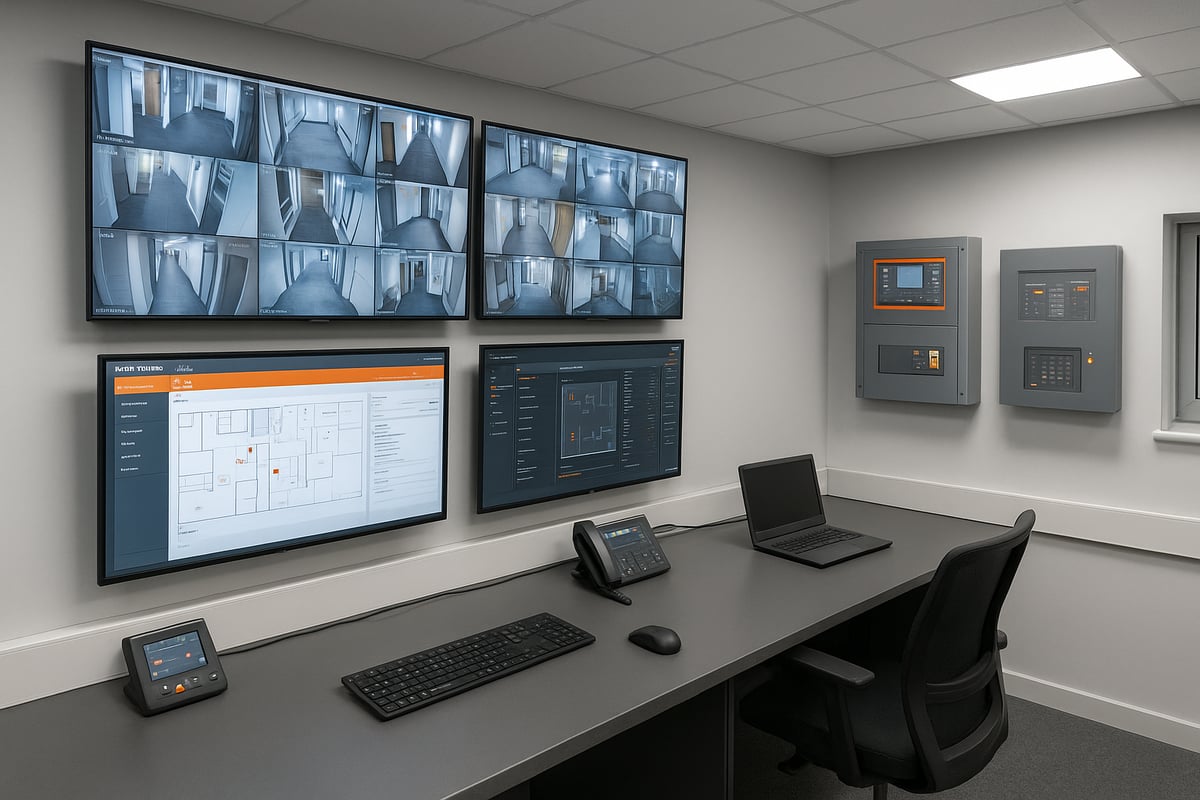
Recent years have ushered in game-changing advancements for protection systems. Artificial intelligence now powers surveillance cameras, drastically reducing false alarms by over 60 percent, as reported by IFSEC Global. The integration of Internet of Things (IoT) devices allows for real-time data collection across fire, gas, and intrusion sensors, ensuring earlier detection and more accurate alerts.
Today’s smart sensors can identify a wide array of hazards, from smoke and toxic gases to unauthorised entry. Enhanced interoperability means fire alarms, security, and access control work seamlessly together, providing a unified defence. Wireless and mobile-enabled control panels allow remote management, giving businesses flexibility and instant oversight.
Biometric access methods, such as facial recognition, are increasingly popular. According to Security Journal UK, 70 percent of UK businesses plan to upgrade to integrated protection systems by 2026. These trends ensure that protection systems are smarter, faster, and more responsive than ever before.
Regulatory Changes and Compliance Drivers
Regulatory shifts are a major force behind the evolution of protection systems. The UK and EU have updated safety regulations, including the Building Safety Act and new standards for fire and evacuation alerts. These changes impact how protection systems are specified, installed, and maintained.
Insurance providers are also driving higher standards, with 85 percent now requiring certified fire and security systems for commercial properties. High-profile incidents, such as Grenfell, have led to stricter mandates for evacuation alert systems in high-rise buildings. Third-party certifications, including BAFE and NSI Gold, are now essential for legal compliance and insurance eligibility.
Staying up to date with recent Fire Safety Regulation Changes 2025 is critical, as these updates introduce new requirements for system integration, evacuation plans, and ongoing maintenance. Compliance is not just about ticking boxes—it is about ensuring robust, future-ready protection systems.
The Shift Towards Integrated Solutions
The transition to integrated solutions is redefining how protection systems operate. Unified platforms for fire, security, and building management offer significant cost savings and operational efficiencies. For example, a large retail chain reported a 40 percent reduction in incident response time after moving to an integrated system.
Integrated protection systems simplify management, improve data sharing, and enable faster decision-making during emergencies. However, challenges remain, particularly around compatibility of legacy equipment, data privacy, and cybersecurity risks. Organisations must weigh these factors when planning upgrades or new installations.
Despite these challenges, the benefits of integration are clear. By adopting a holistic approach, businesses can ensure their protection systems remain resilient, adaptable, and capable of meeting the demands of 2026 and beyond.
Assessing Your Protection Needs: Step-by-Step Guide
Understanding your unique risks is the foundation for effective protection systems. Every site faces different hazards, so a thorough assessment is crucial before making any investment or upgrade. With regulations evolving and threats becoming more complex, a structured approach ensures your protection systems are both compliant and resilient.

Conducting a Comprehensive Risk Assessment
Start by conducting a detailed risk assessment tailored to your environment. Protection systems must address the full range of potential threats, including fire, unauthorised access, cyber risks, and environmental hazards. For instance, a manufacturing site handling flammable materials faces distinct challenges compared to an office or retail space.
Professional assessments often uncover risks that internal reviews may overlook. In fact, 60% of businesses fail to identify all relevant threats without expert input. Legal requirements also play a pivotal role. The Regulatory Reform Order 2005 and Fire Safety Act 2021 set out specific duties for building owners and employers, while recent Building Safety Act Guidance highlights the growing importance of documented compliance.
Involve key stakeholders at every stage. Facilities managers, insurers, and local authorities can offer valuable insights and ensure your protection systems align with operational and regulatory expectations. Use structured tools and checklists to cover all aspects, from physical security to emergency procedures.
Setting Protection Priorities and Objectives
Once risks are identified, set clear protection priorities. Not all areas or assets require the same level of defence. Focus your protection systems on the most critical points, such as server rooms, high-value inventory, or public-facing zones. This targeted approach maximises safety while controlling costs.
Balancing compliance, operational needs, and budget constraints is essential. Engage with decision-makers to agree on achievable objectives. Consider developing a phased plan for upgrades or new installations, addressing the most urgent requirements first.
Regularly review and update your objectives to reflect changes in occupancy, business operations, or regulations. By taking a strategic, step-by-step approach, you ensure your protection systems remain effective, compliant, and ready to adapt to future challenges.
Core Components of Modern Protection Systems
Understanding the core components of modern protection systems is crucial for safeguarding people, assets, and operations. Today’s protection systems combine advanced detection, monitoring, and control technologies to meet the increasingly complex safety and compliance demands faced by businesses and public institutions.

Fire Detection and Alarm Systems
Fire detection and alarm systems are the backbone of protection systems in any premises. There are several types available:
- Conventional systems for smaller buildings
- Addressable systems, which pinpoint the exact location of a fire
- Wireless and hybrid systems offering flexible installation
Key features include early warning capabilities and integration with evacuation protocols. Addressable systems, for example, help responders locate the source quickly, reducing response times. Compliance with standards such as BS 5839 and BAFE SP203-1 is essential for legal and insurance purposes. Regular maintenance and inspection also ensure these protection systems remain effective.
Electronic Security Systems
Electronic security is another critical component of protection systems, encompassing intruder alarms, CCTV, and access control. Intruder alarms use perimeter, internal, and dual-technology sensors to detect unauthorised entry. CCTV systems now offer high-definition video, analytics, and remote access for real-time monitoring. Access control solutions include cards, biometrics, and mobile credentials.
For a deeper dive into how these systems work, see Intruder detection systems explained. Retailers deploying facial recognition technology have seen theft reduced by up to 30 percent, illustrating the impact of modern protection systems.
Emergency Communication and Evacuation Systems
Effective emergency communication is fundamental in protection systems. Voice alarm and public address systems are used to deliver clear instructions during incidents. Dedicated disabled refuge and evacuation alert solutions are now required in many high-rise and public buildings to support vulnerable occupants.
Recent data shows that half of all high-rise buildings now mandate dedicated evacuation alert systems, reflecting the evolving regulatory landscape. Integrating these systems with fire detection and security platforms ensures a coordinated response during emergencies.
Environmental and Plant Monitoring
Environmental monitoring is a vital extension of protection systems, detecting gas leaks, flooding, and temperature anomalies. These sensors can be connected to Building Management Systems (BMS) for automatic alerts and responses, minimising risk and operational disruption.
Advanced protection systems provide real-time data, enabling rapid intervention and compliance with both health and safety standards. This holistic approach helps organisations stay ahead of emerging threats and maintain a safe environment.
Implementing Protection Systems: Your 2026 Step-by-Step Roadmap
Embarking on the journey to implement protection systems in your facility is a critical investment in safety, compliance, and operational continuity. Following a structured, step-by-step roadmap ensures every aspect is addressed, from risk evaluation to regulatory sign-off.

Step 1: Initial Consultation and Site Survey
The first step in implementing protection systems is to engage certified professionals for a thorough site survey. This assessment should capture the building’s unique layout, occupancy patterns, and operational needs.
During this phase, experts identify key risk areas, such as main entrances, escape routes, and zones requiring special attention. For example, an office complex may require both fire detection and access control to safeguard staff and assets.
Involving all stakeholders at this stage ensures that every perspective is considered, setting the foundation for effective, compliant protection systems.
Step 2: System Design and Specification
Once risks are identified, the next step is to design bespoke protection systems tailored to your site’s unique requirements. Customisation is vital to address both safety and compliance, while accommodating future growth.
Decisions include whether to select wired or wireless technologies, standalone or integrated platforms, and which components best suit your environment. Prioritising scalability ensures your protection systems can adapt as regulations and threats evolve.
A detailed design specification helps avoid costly changes later and secures stakeholder buy-in from the outset.
Step 3: Installation and Commissioning
Installation should be carefully phased to minimise disruption to daily operations. Only accredited teams, such as those certified by NICEIC, BAFE, or NSI Gold, should carry out this work.
Comprehensive testing of all protection systems is essential to confirm functionality and integration. Notably, 90% of system failures are linked to improper installation or commissioning, highlighting the need for rigorous checks. Regular fire alarm system inspections are also crucial for ongoing reliability and legal compliance.
Documenting the commissioning process ensures a clear record for future reference and maintenance.
Step 4: Staff Training and Handover
Effective protection systems depend on well-trained staff who understand both daily operations and emergency protocols. Training should include hands-on demonstrations, clear user manuals, and direct support contacts.
For example, retail staff may need specific instruction on using panic alarms and evacuation routes. Empowering employees builds confidence and ensures swift, coordinated responses in any situation.
This step cements the operational success of your protection systems, making safety part of everyday culture.
Step 5: Regulatory Certification and Documentation
The final step is to secure all necessary compliance certificates, such as those from BAFE or NSI. Proper documentation is essential for insurance, legal, and audit purposes.
Keep a record of all certificates, maintenance logs, and inspection reports. For instance, fire alarm certification is often required to renew business insurance, so timely documentation protects both reputation and finances.
Ongoing compliance reviews will ensure your protection systems remain up to standard, even as regulations shift.
Maintaining and Monitoring Your Protection Systems
Regular maintenance and vigilant monitoring are the backbone of reliable protection systems. Without a robust approach to upkeep, even the most advanced technology can fail when it is needed most. Whether you are safeguarding a commercial property or a public facility, consistent attention to your protection systems is essential for both safety and compliance.
Scheduled Maintenance and System Health Checks
Proactive maintenance is vital for ensuring protection systems operate at peak efficiency. UK regulations, such as BS 5839, require routine inspections and servicing of fire alarms and related safety equipment. Scheduled health checks help to identify faults early, reduce false alarms, and minimise costly downtime.
A typical maintenance schedule includes quarterly fire alarm testing, battery checks, and inspection of all sensors and control panels. According to the Fire Industry Association, regular maintenance can reduce system failures by up to 70 percent. Keeping accurate records of all service activities is crucial, both for demonstrating compliance and for insurance purposes. For guidance on updated fire alarm standards, review the BS 5839-1:2025 Fire Alarm Standards.
24/7 Remote Monitoring and Incident Response
Remote monitoring has transformed how protection systems respond to threats. With advancements in networked CCTV and alarm technology, professional monitoring centres can now oversee your systems around the clock. If an alarm triggers out of hours, operators can verify incidents and coordinate rapid response with keyholders or emergency services.
The benefits are clear: immediate action helps minimise losses and ensure occupant safety. For instance, remote CCTV monitoring can improve response times and reduce false alarms, as discussed in Remote CCTV monitoring benefits. Integrating monitoring with your protection systems adds a crucial layer of resilience and peace of mind.
Upgrading and Future-Proofing
Technology and regulations are always evolving, so upgrading protection systems is essential to stay compliant and secure. Signs that an upgrade is needed include outdated components, repeated faults, or new threats such as cyber risks. Many businesses now plan for upgrades within a two-year cycle to take advantage of AI, IoT, and cloud integration.
Future-proofing strategies include choosing scalable platforms and ensuring compatibility with emerging technologies. Planning for regular reviews and phased upgrades keeps your protection systems effective and ready for tomorrow’s challenges.
Common Maintenance Challenges and Solutions
Despite best efforts, issues like false alarms, sensor faults, and communication failures can still arise. Working with accredited service providers helps address these challenges swiftly, as they have the expertise to diagnose and resolve complex problems.
Common solutions include recalibrating sensors, updating software, and replacing worn components. A structured maintenance plan, combined with clear communication protocols, ensures protection systems remain reliable and compliant, safeguarding people and assets at all times.
Future-Proofing Your Safety: Trends and Recommendations for 2026 and Beyond
Staying ahead in safety requires more than just keeping up with the basics. The landscape for protection systems is changing rapidly, demanding a proactive approach to technology, compliance, and risk management. Let us explore how to future-proof your investment, ensuring your organisation remains resilient and compliant no matter what 2026 brings.
Emerging Technologies to Watch
The next generation of protection systems is defined by smarter, more responsive tools. Artificial intelligence (AI) is transforming threat detection, using advanced analytics to identify risks before they escalate. Predictive maintenance, powered by machine learning, cuts system downtime by up to 50%, ensuring critical assets remain protected.
Cloud-based platforms now enable remote management and instant data access, making it simpler to coordinate safety from any location. Automated incident management tools streamline responses, ensuring your team acts swiftly and effectively.
For those planning upgrades, staying informed about Approved Document B Fire Safety Updates guarantees your protection systems are aligned with the latest standards. Embracing these trends is essential for future-proofing your organisation’s safety.
Evolving Threat Landscape
Protection systems must adapt to new and intensifying threats. Cyber-attacks targeting building management and security infrastructure have risen by 40% since 2022, highlighting the urgency of robust cybersecurity measures. Attackers exploit vulnerabilities in networked devices, putting both digital and physical assets at risk.
Climate-related hazards, such as flooding and extreme temperatures, also pose growing challenges. Modern protection systems should include environmental monitoring and regular software updates to keep pace with evolving risks.
Ensuring your organisation’s systems are resilient means prioritising cybersecurity, updating protocols, and preparing for both digital and environmental threats.
Building a Culture of Safety and Compliance
Effective protection systems depend on more than technology. Ongoing staff training and regular awareness programmes are vital for building a proactive safety culture. Annual drills and compliance audits help teams respond confidently in emergencies.
Reviewing policies frequently ensures your organisation can adapt to new regulations and threats. Accreditation, such as evacuation alert systems accreditation, demonstrates your commitment to best practice and legal compliance. Investing in these areas ensures your protection systems remain effective and future-ready.
Strategic Planning for Long-Term Protection
Long-term success with protection systems starts with strategic planning. Budgeting for regular upgrades and technology refreshes prevents obsolescence and keeps your defences strong. Partnering with trusted providers brings expert guidance, reducing the risk of gaps in your safety strategy.
Data shows that businesses with a forward-looking approach to protection systems experience 30% fewer incidents on average. Committing to continuous improvement ensures your organisation remains secure, compliant, and prepared for the future.
As you look ahead to 2026 and beyond, it’s clear that staying ahead of evolving safety risks means more than just keeping up with technology—it’s about making informed, proactive choices for your people and assets. You’ve seen how tailored systems and regular maintenance can make a real difference, whether you’re safeguarding a single site or a nationwide portfolio. If you’re ready to explore your options in detail and take the next step towards a safer, fully compliant future, you can start with a no obligation assessment. Why not Get a Free Site Survey and discover how Logic Fire and Security can help you build lasting protection?