
Fire Detection Systems: Commercial Solutions Guide 2026

In today's commercial landscape, protecting business assets, employees, and operations from fire hazards represents a fundamental responsibility for property managers and business owners. A properly designed fire detection system serves as the first line of defence, identifying potential threats before they escalate into catastrophic incidents. With advancing technologies and increasingly stringent regulatory requirements, businesses across the UK must stay informed about the latest developments in fire detection capabilities, from traditional smoke sensors to sophisticated AI-driven monitoring platforms. This guide explores the critical components, technologies, and strategic considerations that organisations need to understand when implementing or upgrading their fire safety infrastructure.

Core Components of Modern Fire Detection Systems

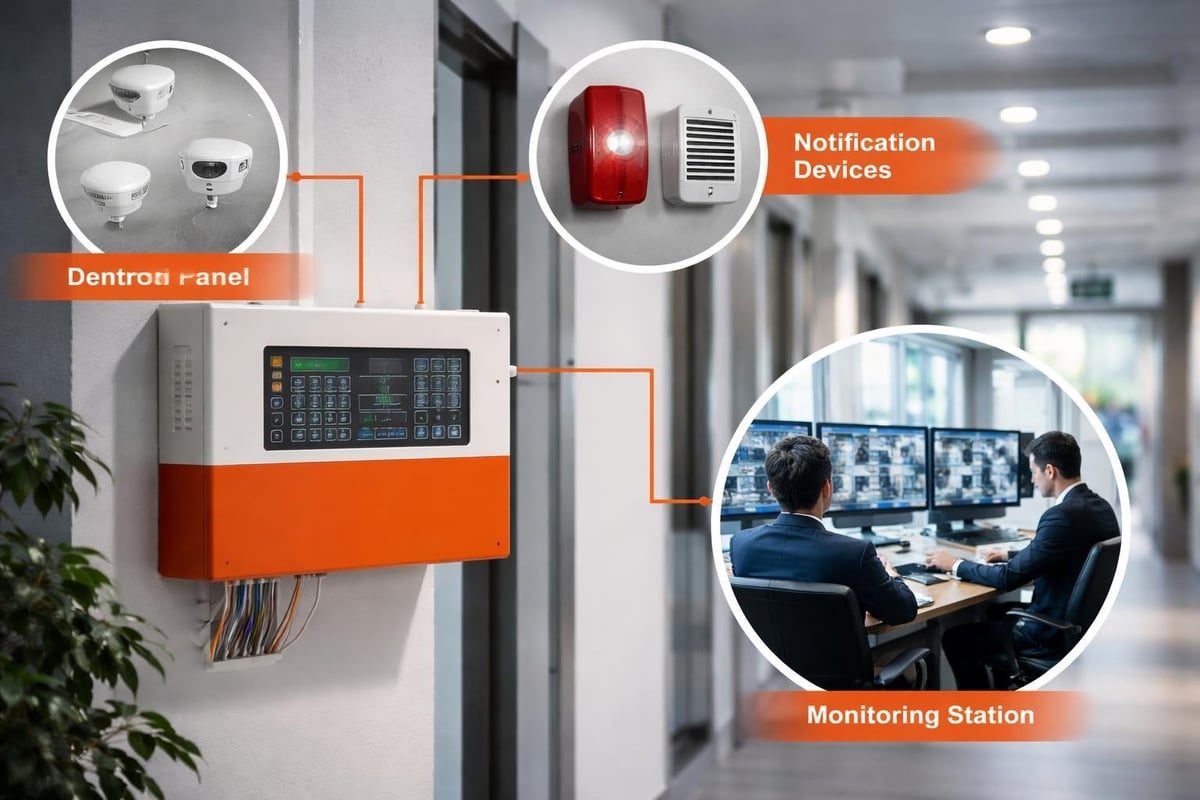
Every effective fire detection system comprises several interconnected elements that work together to identify, alert, and respond to fire emergencies. The control panel serves as the central hub, processing signals from various detectors throughout the facility and initiating appropriate responses. These panels have evolved significantly, now offering networked capabilities that allow integration with building management systems and remote monitoring platforms.

Detection Devices and Technology Types

The heart of any fire detection system lies in its sensing devices, which vary in design based on the specific hazards and environments they monitor. Smoke detectors remain the most common, utilising either ionisation or photoelectric technology to identify combustion particles. Ionisation detectors excel at detecting fast-flaming fires, whilst photoelectric sensors prove more effective for smouldering fires that produce larger smoke particles.

Heat detectors complement smoke sensors by identifying rapid temperature increases or specific threshold temperatures. These devices work particularly well in environments where smoke detectors might trigger false alarms, such as commercial kitchens, warehouses with high dust levels, or parking facilities.

Flame detectors represent the most sophisticated option, using ultraviolet or infrared sensors to identify the specific light wavelengths emitted by flames. These prove invaluable in high-risk environments like manufacturing facilities handling flammable materials or chemical storage areas.

Fire detection sensor types

Detector Type Best Applications Response Time Maintenance Frequency
Ionisation Smoke Offices, corridors Fast (seconds) 6 months
Photoelectric Smoke Sleeping areas, halls Moderate 6 months
Fixed Temperature Heat Kitchens, garages Slower 12 months
Rate-of-Rise Heat Warehouses, storage Moderate 12 months
UV/IR Flame Industrial, chemical Very fast 3 months

The integration of IoT-based fire detection systems has transformed how businesses monitor and respond to fire threats, enabling real-time data analysis and pattern recognition.

Advanced Technologies Shaping Commercial Fire Safety

Artificial intelligence and machine learning have revolutionised fire detection capabilities over the past several years. These technologies analyse patterns from multiple sensor inputs simultaneously, dramatically reducing false alarms whilst improving genuine threat detection rates. Research into multilevel fire detection frameworks demonstrates how combining deep learning with classical pattern recognition enhances accuracy across diverse commercial environments.

Video smoke detection represents another breakthrough, using advanced algorithms to analyse CCTV footage for visual indicators of smoke or flames. This technology proves particularly valuable in large open spaces like atriums, warehouses, or manufacturing floors where traditional point detectors might miss early signs of fire.

Wireless and Networked Systems

Modern commercial facilities increasingly favour wireless fire detection systems for their flexibility and reduced installation costs. These systems eliminate extensive cabling requirements whilst maintaining reliability through redundant communication pathways and battery backup systems. The development of lightweight detection models has enabled deployment on embedded platforms throughout buildings without compromising performance.

Networked systems connect multiple buildings or sites to centralised monitoring stations, allowing facilities managers to oversee fire safety across entire property portfolios. Fire alarm monitoring services provide 24/7 oversight, ensuring immediate professional response to any detected threats.

  • Real-time status updates across all connected devices
  • Automated fault reporting and maintenance scheduling
  • Historical data analysis for system optimisation
  • Integration with access control and evacuation systems
  • Remote testing and configuration capabilities

Regulatory Compliance and British Standards

UK businesses must navigate a complex landscape of fire safety regulations and standards when designing and maintaining their fire detection system infrastructure. The Regulatory Reform (Fire Safety) Order 2005 places responsibility on the "responsible person" to ensure adequate fire safety measures, including appropriate detection and warning systems.

BS 5839-1:2017 provides comprehensive guidance for fire detection and alarm systems in non-domestic premises. This standard categorises systems by type, from simple manual call points (M systems) through to sophisticated automatic detection with voice alarm capabilities (L1-L5 and P1-P2 categories). Understanding which category applies to your specific premises requires careful assessment of occupancy, building use, and risk levels.

Fire Risk Assessments and System Design

Professional fire risk assessments form the foundation of compliant fire detection system design. These evaluations identify potential ignition sources, fire spread pathways, and vulnerable occupants, informing decisions about detector placement, system capabilities, and integration with other safety measures.

Insurance providers increasingly scrutinise fire detection capabilities when underwriting commercial properties. Businesses with comprehensive, well-maintained systems often benefit from reduced premiums and improved terms, whilst inadequate systems may result in coverage limitations or higher costs.

Fire safety compliance workflow

System Design Considerations for Commercial Buildings

Designing an effective fire detection system requires balancing numerous factors specific to each facility's characteristics and operational requirements. Building layout significantly influences detector placement, with complex floor plans requiring careful zone mapping to ensure comprehensive coverage without excessive devices that complicate management.

Zoning and Addressable Systems

Conventional fire detection systems divide buildings into zones, with each zone's devices wired to specific control panel circuits. Whilst cost-effective for smaller premises, these systems provide limited information about fire location within each zone.

Addressable systems assign unique identifiers to each device, allowing the control panel to pinpoint exactly which detector activated. This precision proves invaluable in large facilities, enabling emergency responders to locate fires quickly and facilities managers to identify faulty devices immediately.

  1. Assess total building floor area and compartmentation
  2. Map high-risk areas requiring enhanced protection
  3. Identify environmental factors affecting detector selection
  4. Plan integration with emergency lighting and evacuation systems
  5. Design redundancy for critical areas
  6. Calculate power requirements and backup provisions

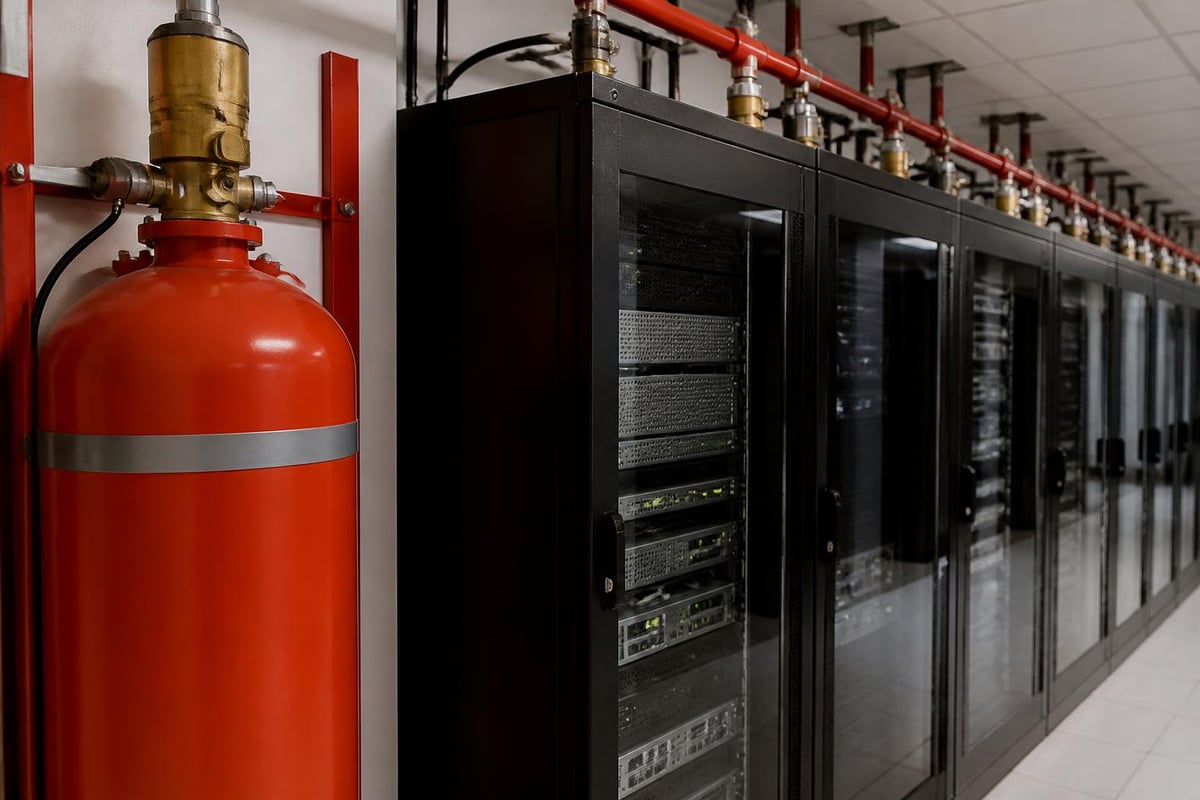
Specialist environments demand tailored approaches. Data centres require gas suppression systems integrated with ultra-sensitive smoke detection, whilst heritage buildings balance preservation requirements against modern safety standards.

Installation Best Practices and Professional Standards

Professional installation forms the cornerstone of reliable fire detection system performance. Qualified technicians must possess comprehensive understanding of current British Standards, manufacturer specifications, and environmental factors affecting device operation. Improper installation represents the leading cause of system failures and false alarms in commercial settings.

Detector positioning follows strict guidelines regarding spacing, mounting height, and proximity to walls, corners, and ventilation sources. Ceiling-mounted smoke detectors typically require spacing of 7.5 metres in most commercial premises, though this varies based on ceiling height, air movement patterns, and specific detector characteristics.

Commissioning and Testing Protocols

Following installation, comprehensive commissioning ensures every system component functions correctly and integrates properly with building systems. This process includes:

  • Individual device testing and verification
  • Zone programming and addressable device configuration
  • Alarm signal transmission to monitoring stations
  • Integration testing with emergency lighting, door release mechanisms, and HVAC shutdown
  • Staff training on system operation and emergency procedures
  • Documentation compilation including as-built drawings and operational manuals

Third-party certification provides independent verification of installation quality and compliance. Accredited installers follow rigorous quality management systems, ensuring consistent standards across all projects. Quality and accreditations demonstrate commitment to professional excellence in fire safety provision.

Maintenance Programmes and Lifecycle Management

A fire detection system requires ongoing maintenance to maintain reliability and compliance throughout its operational life. British Standards mandate regular testing and servicing schedules, with most systems requiring professional inspection at least annually and routine testing weekly or monthly depending on system type and occupancy risk.

Maintenance Activity Frequency Regulatory Requirement
Visual inspection Weekly BS 5839-1
Alarm sounders test Weekly BS 5839-1
Call point test (rotating) Weekly BS 5839-1
Full system service 6-12 months BS 5839-1
Detector cleaning/replacement As needed Manufacturer spec
Battery replacement 3-5 years BS 5839-1

Preventive maintenance identifies potential issues before they compromise system effectiveness. Dust accumulation, environmental contamination, and component ageing all affect detector sensitivity, potentially causing false alarms or missed threats. Professional maintenance programmes include detector sensitivity testing, ensuring devices operate within manufacturer specifications.

False Alarm Management

False alarms create significant costs through disruption, emergency service callouts, and diminished occupant responsiveness to genuine alerts. Modern fire detection system design incorporates multiple strategies to minimise nuisance activations whilst maintaining sensitivity to real threats.

Research into wireless sensor networks demonstrates effective approaches to environmental monitoring that reduce false positives. Multi-sensor detectors combine heat and smoke sensing, requiring confirmation from both technologies before triggering alarms. This dual-verification approach proves particularly effective in challenging environments.

Maintenance cycle

Integration with Broader Safety Infrastructure

Contemporary fire detection systems rarely operate in isolation. Integration with other building systems creates comprehensive safety ecosystems that respond intelligently to emergencies whilst supporting normal operations. Emergency lighting activates automatically upon fire alarm activation, ensuring safe evacuation routes remain visible.

Building management system integration enables coordinated responses including HVAC shutdown to prevent smoke spread, lift recall to prevent use during emergencies, and access control release to facilitate evacuation. Evacuation alert systems deliver clear voice messages guiding occupants through proper emergency procedures, proving more effective than traditional sounders in complex buildings.

Remote Monitoring and Cloud-Based Management

Cloud-connected fire detection systems provide facilities managers with unprecedented visibility and control. Real-time status monitoring, automated maintenance alerts, and remote diagnostics reduce operational costs whilst improving system reliability. These platforms generate comprehensive reports demonstrating compliance for regulatory inspections and insurance audits.

The evolution towards smart building technologies positions fire detection systems as key data sources. Analytics identify patterns suggesting maintenance needs, occupancy trends affecting risk profiles, or environmental conditions requiring system adjustments.

Future Developments in Fire Detection Technology

The fire safety industry continues advancing rapidly, with several emerging technologies poised to reshape commercial fire detection capabilities. Artificial intelligence enhancement promises further reductions in false alarms through sophisticated pattern recognition that distinguishes genuine threats from benign conditions with unprecedented accuracy.

Multi-spectral imaging combines visual, infrared, and ultraviolet sensors to detect fires earlier and more reliably than current technologies. These systems identify combustion signatures invisible to conventional detectors, enabling intervention before fires grow beyond controllable scales.

  • Nanotechnology sensors with enhanced sensitivity
  • Drone-based inspection and verification systems
  • Augmented reality for maintenance and troubleshooting
  • Predictive analytics identifying pre-fire conditions
  • Bio-inspired detection algorithms modelling human sensory systems

Sustainability considerations increasingly influence fire detection system design. Energy-efficient devices, recyclable components, and extended service lives reduce environmental impact whilst maintaining safety standards. Environmental commitment reflects growing industry recognition of climate responsibilities.

Selecting the Right Fire Detection Partner

Choosing a fire detection system provider represents a critical decision affecting safety, compliance, and operational efficiency for years to come. Businesses should evaluate potential partners based on technical expertise, industry experience, and comprehensive service capabilities extending beyond initial installation.

Project expertise proves particularly important for complex facilities with challenging requirements. Providers with demonstrated success across diverse sectors bring valuable insights to system design, anticipating issues and implementing solutions that less experienced contractors might overlook. Project expertise demonstrates capability to deliver sophisticated solutions for demanding environments.

Service and Support Capabilities

Comprehensive support throughout the system lifecycle distinguishes exceptional providers from basic installers. This includes emergency response capabilities, planned maintenance programmes, system upgrades as technologies evolve, and training for building staff. 24/7 protection ensures rapid response whenever issues arise, minimising downtime and maintaining continuous safety coverage.

Financial stability and industry reputation matter significantly given the long-term nature of fire detection system relationships. Established providers offer continuity, honouring warranties and maintaining spare parts for legacy systems that newer companies cannot match. References from similar organisations provide valuable insights into day-to-day partnership experiences beyond marketing claims.


Implementing an effective fire detection system requires careful consideration of technologies, regulatory requirements, and operational needs specific to your commercial environment. From initial risk assessment through system design, installation, and ongoing maintenance, each phase demands professional expertise and attention to detail. Logic Fire and Security brings decades of experience delivering comprehensive fire detection solutions to businesses across the UK, combining technical excellence with responsive service that protects your people, property, and operations. Contact their team today to discuss how advanced fire detection technology can enhance safety and compliance for your organisation.

Security Alarm System Installation: A Business Guide

Protecting commercial premises requires more than simply purchasing equipment and mounting devices on walls. Professional security alarm system installation demands careful planning, technical expertise, and a thorough understanding of regulatory compliance. For UK businesses, the installation process represents a critical investment in safeguarding assets, protecting employees, and ensuring operational continuity. Whether you're securing a retail environment, manufacturing facility, or corporate office, the quality of your installation will directly impact system effectiveness and reliability for years to come.

Understanding Your Security Requirements

Before any equipment arrives on site, businesses must conduct a comprehensive security assessment. This evaluation should identify vulnerable entry points, high-value asset locations, and potential security threats specific to your operational environment. Different industries face distinct challenges – a warehouse storing valuable inventory requires different protection compared to a financial services office handling sensitive data.

Working with experienced professionals ensures nothing gets overlooked during this crucial planning phase. Security experts analyse traffic patterns, operational hours, staffing levels, and historical incident data to design systems that address real vulnerabilities rather than generic threats. This tailored approach prevents both over-engineering and, more critically, dangerous gaps in coverage.

Site Survey and Risk Assessment

Professional installers perform detailed site surveys examining physical infrastructure, network capabilities, and environmental factors. They assess wall construction, ceiling heights, lighting conditions, and electromagnetic interference sources that might affect system performance. Understanding these practical considerations before installing a security system prevents costly modifications during implementation.

The survey also identifies existing infrastructure that can be leveraged. Many businesses already have cabling, network infrastructure, or legacy systems that, when properly integrated, reduce installation complexity and cost. This assessment feeds directly into equipment selection and system design.

Choosing the Right System Architecture

Modern security alarm system installation offers businesses two primary architectural approaches: wired systems and wireless solutions. Each presents distinct advantages depending on building characteristics, budget constraints, and operational requirements.

Wired Systems:

  • Superior reliability with consistent power and communication
  • Ideal for new construction or major renovations
  • Lower long-term maintenance requirements
  • More complex installation requiring professional expertise

Wireless Systems:

  • Faster installation with minimal structural impact
  • Excellent for historic buildings or listed properties
  • Greater flexibility for future expansion
  • Dependent on battery maintenance and signal strength

Wired versus wireless security system comparison

Many businesses benefit from hybrid approaches combining wired backbone infrastructure with wireless peripheral devices. This strategy delivers reliability where it matters most whilst maintaining installation flexibility. The access control and entry systems often integrate seamlessly with alarm infrastructure, creating comprehensive security ecosystems.

Equipment Selection and Specification

Selecting appropriate equipment requires balancing performance, reliability, and budget considerations. Commercial-grade components differ significantly from residential alternatives, offering enhanced durability, greater connectivity options, and compliance with stringent industry standards.

Control Panels and Central Processing

The control panel serves as your system's brain, processing inputs from sensors and triggering appropriate responses. Modern panels offer network connectivity, remote access capabilities, and integration with building management systems. Specifications should accommodate current needs whilst providing expansion capacity for future growth.

Feature Basic Systems Advanced Systems Enterprise Solutions
Zone Capacity 8-16 zones 32-64 zones 128+ zones
Network Integration Limited Full IP connectivity Multi-site management
Monitoring Options Simple dialler Dual-path communication Redundant pathways
User Management Basic codes Role-based access Comprehensive audit trails

Detection Devices and Sensors

Detection technology has advanced considerably, offering businesses sophisticated options beyond traditional door contacts and motion sensors. Glass break detectors, vibration sensors, and environmental monitors create layered security addressing multiple threat vectors. Following best practices for alarm system installation ensures devices are positioned optimally for maximum effectiveness.

Sensor placement requires technical knowledge and practical experience. Motion detectors must account for HVAC airflow, natural light patterns, and normal movement corridors. Door contacts need proper alignment and tamper protection. This precision separates professional installations from amateur attempts.

Planning the Installation Process

Effective security alarm system installation follows a structured methodology minimising business disruption whilst ensuring comprehensive coverage. Planning extends beyond the technical work to include stakeholder communication, access coordination, and contingency arrangements.

Installation Timeline and Phasing

  1. Pre-installation preparation – Coordinate access, prepare work areas, verify equipment delivery
  2. Backbone infrastructure installation – Run cabling, mount panels, establish network connections
  3. Device installation and mounting – Position sensors, keypads, sounders, and signalling equipment
  4. System programming and configuration – Set zones, configure user codes, establish monitoring protocols
  5. Testing and commissioning – Verify all functions, conduct walk tests, validate communication paths
  6. Training and handover – Educate users, document procedures, provide maintenance schedules

Larger facilities often require phased installations maintaining operational security throughout the process. This approach prevents vulnerable periods where existing systems are decommissioned before new protection becomes active.

Regulatory Compliance and Standards

UK businesses must ensure security alarm system installation meets relevant British Standards and regulatory requirements. Compliance protects not only physical assets but also validates insurance coverage and demonstrates due diligence in duty of care obligations.

Professional installers maintain current knowledge of BS 8243 (intruder and hold-up alarm systems) and related standards governing installation practices. These specifications address everything from equipment grading to signalling protocols. Installation standards cover critical elements including power supply requirements, grounding specifications, and tamper protection.

Insurance and Certification Requirements

Insurance providers increasingly specify minimum security standards as policy conditions. Systems must typically achieve specific grades corresponding to risk levels and asset values. Installation certificates from accredited providers demonstrate compliance, often resulting in premium reductions that offset installation costs over time.

The quality and accreditations held by your installation provider directly impact insurance validity and system reliability. Certifications from bodies like NSI (National Security Inspectorate) or SSAIB (Security Systems and Alarms Inspection Board) provide independent verification of professional competence.

Security installation compliance workflow

Professional Installation Best Practices

Quality security alarm system installation separates reliable protection from systems plagued by false alarms and maintenance issues. Experienced engineers follow proven methodologies addressing common installation challenges before they compromise system performance.

Control Panel Positioning

Control panel placement significantly impacts system reliability and maintenance accessibility. Professional installers position panels in secure locations protected from unauthorized access whilst remaining accessible for servicing. Environmental factors including temperature, humidity, and electromagnetic interference influence placement decisions.

Panels require adequate ventilation, clean power supplies, and protection from physical damage. Mounting height, cable management, and expansion space all factor into long-term system viability. These considerations seem minor but dramatically affect operational reliability.

Keypad and User Interface Placement

Keypad positioning balances user convenience with security requirements. Entry and exit doors require keypads within easy reach whilst maintaining visibility to prevent covert deactivation. Best practices recommend positioning keypads where legitimate users can arm and disarm systems without exposing codes to observation.

Multiple keypads serve larger facilities, reducing the time required for arming and disarming whilst accommodating different access levels across departments or zones. Backlit displays, audible feedback, and intuitive interfaces improve usability, particularly during stressful situations.

Integration with Broader Security Ecosystems

Modern businesses rarely operate standalone alarm systems. Effective security alarm system installation considers integration with CCTV surveillance, access control, fire detection, and building management platforms. This convergence creates intelligent security ecosystems delivering enhanced protection through coordinated responses.

When alarm systems trigger, integrated CCTV monitoring automatically focuses cameras on affected zones, capturing visual verification of incidents. Access control systems can initiate lockdown procedures, whilst fire systems ensure emergency exits remain accessible. This orchestrated response provides comprehensive protection exceeding individual system capabilities.

Network Infrastructure and Connectivity

IP-based security systems leverage existing network infrastructure, reducing installation complexity whilst enabling sophisticated management capabilities. However, security systems require dedicated network segments preventing conflicts with business operations and protecting against cyber threats.

Proper network configuration includes VLAN segregation, quality of service protocols prioritising alarm signals, and redundant communication paths. The data cabling infrastructure supporting security systems demands professional installation ensuring signal integrity and future scalability.

Testing and Commissioning Procedures

No security alarm system installation is complete without comprehensive testing validating every component and function. Systematic testing identifies configuration errors, connectivity issues, and coverage gaps before systems enter operational service.

Functional Testing Protocol

Testing begins with individual device verification – each sensor, detector, and output device must respond correctly to test stimuli. Walk tests confirm detection coverage, identifying blind spots or areas requiring sensor repositioning. Communication path testing validates signals reach monitoring centres reliably across primary and backup routes.

Key Testing Elements:

  • Zone-by-zone activation verification
  • Tamper detection functionality
  • Power supply and battery backup operation
  • Communication path redundancy
  • User code and access level validation
  • Integration with connected systems

Documentation during commissioning provides baseline references for future maintenance and troubleshooting. Detailed records include device locations, zone assignments, and configuration parameters essential for ongoing system management.

Security system commissioning checklist

Training and Ongoing Management

Even perfectly installed systems fail without proper user training and ongoing management. Security alarm system installation should include comprehensive training ensuring staff understand system operation, response procedures, and basic troubleshooting.

User Training Components

Training programmes address multiple user levels from general staff requiring basic arming and disarming knowledge to security personnel managing advanced functions. Effective training reduces false alarms, improves emergency response, and maximises system value.

Coverage should include routine operations, emergency procedures, alarm verification protocols, and reporting requirements. Hands-on practice in realistic scenarios builds confidence and competence. Written procedures supplement training, providing quick references for infrequent operations.

Monitoring and Response Services

Professional monitoring transforms alarm systems from simple detection devices into comprehensive security solutions. Intruder alarm monitoring provides 24/7 oversight, ensuring rapid response to genuine security incidents whilst filtering false alarms.

Monitoring centres receive alarm signals, verify incidents through established protocols, and coordinate appropriate responses including security personnel dispatch or emergency service notification. This professional oversight proves invaluable during after-hours periods when premises remain unoccupied.

Dual signalling paths using different communication technologies ensure monitoring signals reach operators even if primary connections fail. Modern systems employ IP networking, cellular backup, and traditional telephone lines creating resilient communication architectures.

Maintenance and Lifecycle Management

Security alarm system installation represents the beginning of a long-term relationship requiring ongoing maintenance and periodic upgrades. Regular servicing ensures systems maintain peak performance, identifies developing issues before failures occur, and validates compliance with evolving standards.

Preventive Maintenance Schedules

Professional maintenance programmes include regular testing, cleaning, battery replacement, and firmware updates. Annual inspections satisfy insurance requirements whilst identifying components approaching end-of-life requiring replacement. This proactive approach prevents unexpected failures compromising security.

Maintenance Activity Frequency Purpose
Full system test Quarterly Verify all functions operate correctly
Battery inspection Six monthly Prevent backup power failures
Sensor cleaning Annually Maintain detection sensitivity
Communication test Monthly Confirm monitoring connectivity
Software updates As released Address vulnerabilities, add features

The relationship between businesses and their security providers extends beyond installation to encompass ongoing support, system evolution, and technology refresh cycles. Selecting providers offering comprehensive lifecycle services ensures long-term system effectiveness.


Successful security alarm system installation requires professional expertise, careful planning, and attention to detail at every stage. From initial risk assessment through equipment selection, installation execution, and ongoing maintenance, each element contributes to creating robust protection for your business operations. Logic Fire and Security brings decades of experience designing and installing comprehensive security solutions for businesses across the UK, ensuring your premises benefit from cutting-edge technology, regulatory compliance, and reliable protection that evolves with your operational needs.

Video Surveillance Systems for Business in 2026

Modern businesses face increasingly sophisticated security challenges that demand equally advanced solutions. Video surveillance systems for business have evolved from simple recording devices into intelligent, networked platforms that integrate seamlessly with broader security infrastructures. Whether protecting assets, ensuring employee safety, or meeting regulatory compliance requirements, selecting and implementing the right surveillance technology requires careful consideration of numerous technical, legal, and operational factors.

Understanding Modern Video Surveillance Technology

Today's video surveillance systems for business incorporate artificial intelligence, cloud storage, and advanced analytics capabilities that transform raw footage into actionable intelligence. These systems differ significantly from traditional CCTV installations, offering enhanced resolution, remote accessibility, and integration with other security platforms.

IP Cameras Versus Analogue Systems

The transition from analogue to digital represents the most significant evolution in surveillance technology. IP cameras transmit data over network infrastructure, enabling higher resolutions, simplified cabling, and advanced features like motion detection and facial recognition. These systems typically offer 4K or higher resolution, compared to the standard definition limitations of analogue alternatives.

Key advantages of IP-based systems include:

  • Remote access via smartphones and tablets
  • Scalability without extensive infrastructure changes
  • Integration with access control and alarm systems
  • Advanced analytics and automated alerts
  • Superior image quality in various lighting conditions

Analogue systems remain viable for specific applications, particularly when upgrading existing infrastructure. However, most businesses implementing new video surveillance systems for business choose IP-based solutions for their flexibility and future-proofing capabilities.

IP camera network integration

Cloud Storage Versus On-Premise Solutions

Storage architecture represents a critical decision when implementing surveillance systems. Cloud-based solutions eliminate on-site server requirements, providing automatic backups and remote accessibility. However, they introduce ongoing subscription costs and potential bandwidth limitations.

Feature Cloud Storage On-Premise Storage
Initial Cost Lower Higher
Ongoing Costs Subscription fees Maintenance only
Accessibility Anywhere with internet Local network or VPN
Scalability Unlimited Hardware dependent
Data Control Third-party servers Complete ownership
Maintenance Vendor managed In-house responsibility

Many organisations adopt hybrid approaches, maintaining critical footage locally whilst leveraging cloud storage for extended retention periods and disaster recovery.

Legal Compliance and Privacy Considerations

Implementing video surveillance systems for business necessitates careful attention to legal requirements and privacy regulations. The General Data Protection Regulation (GDPR) imposes strict obligations on organisations collecting and processing video data, whilst industry-specific regulations may introduce additional requirements.

GDPR Requirements for Business Surveillance

Under GDPR, video footage constitutes personal data requiring lawful processing grounds. Businesses must conduct Data Protection Impact Assessments (DPIAs) for surveillance systems, particularly those employing facial recognition or monitoring public areas.

Essential compliance measures include:

  1. Clearly displayed signage informing individuals of surveillance
  2. Defined retention periods with automatic deletion
  3. Access controls limiting who can view footage
  4. Documentation of legitimate business interests
  5. Procedures for subject access requests

The Information Commissioner's Office provides detailed guidance on video surveillance laws and compliance requirements, emphasising the balance between security needs and individual privacy rights.

Industry-Specific Regulatory Requirements

Certain sectors face additional surveillance obligations beyond general data protection laws. Healthcare facilities, financial institutions, and educational establishments must comply with sector-specific frameworks governing video monitoring.

Organisations handling sensitive information should integrate their surveillance strategy with broader commercial security systems to ensure comprehensive compliance. This integration proves particularly important when surveillance systems interact with access control platforms or alarm monitoring infrastructure.

Strategic Camera Placement and Coverage

Effective surveillance extends beyond equipment selection to encompass strategic positioning that maximises coverage whilst minimising blind spots. Professional installation ensures optimal camera angles, appropriate lighting considerations, and integration with existing security infrastructure.

High-Priority Monitoring Locations

Video surveillance systems for business should prioritise areas with highest security risks or compliance requirements. Entry points, cash handling areas, inventory storage, and restricted access zones typically warrant continuous monitoring.

  • Building perimeters: Deterring unauthorised access and documenting incidents
  • Reception areas: Monitoring visitor traffic and employee interactions
  • Loading bays: Preventing theft and verifying deliveries
  • Car parks: Enhancing employee safety and investigating incidents
  • Server rooms: Protecting critical infrastructure and documenting access

Remote CCTV monitoring enables real-time response to detected anomalies, transforming passive recording into active security management.

Strategic camera coverage

Avoiding Common Installation Mistakes

Poor planning undermines even the most sophisticated equipment. Cameras positioned too high provide inadequate facial detail, whilst inadequate lighting renders night-time footage unusable. Best practices for video surveillance emphasise professional site surveys and regular system audits.

Environmental factors significantly impact performance. Outdoor cameras require weatherproofing and appropriate housing, whilst indoor installations must consider aesthetic integration and discretion. Working with experienced providers ensures installations meet both functional and regulatory requirements.

Integration with Comprehensive Security Solutions

Modern security demands integrated approaches combining multiple technologies. Video surveillance systems for business deliver maximum value when functioning as components within unified security ecosystems rather than standalone installations.

Access Control Integration

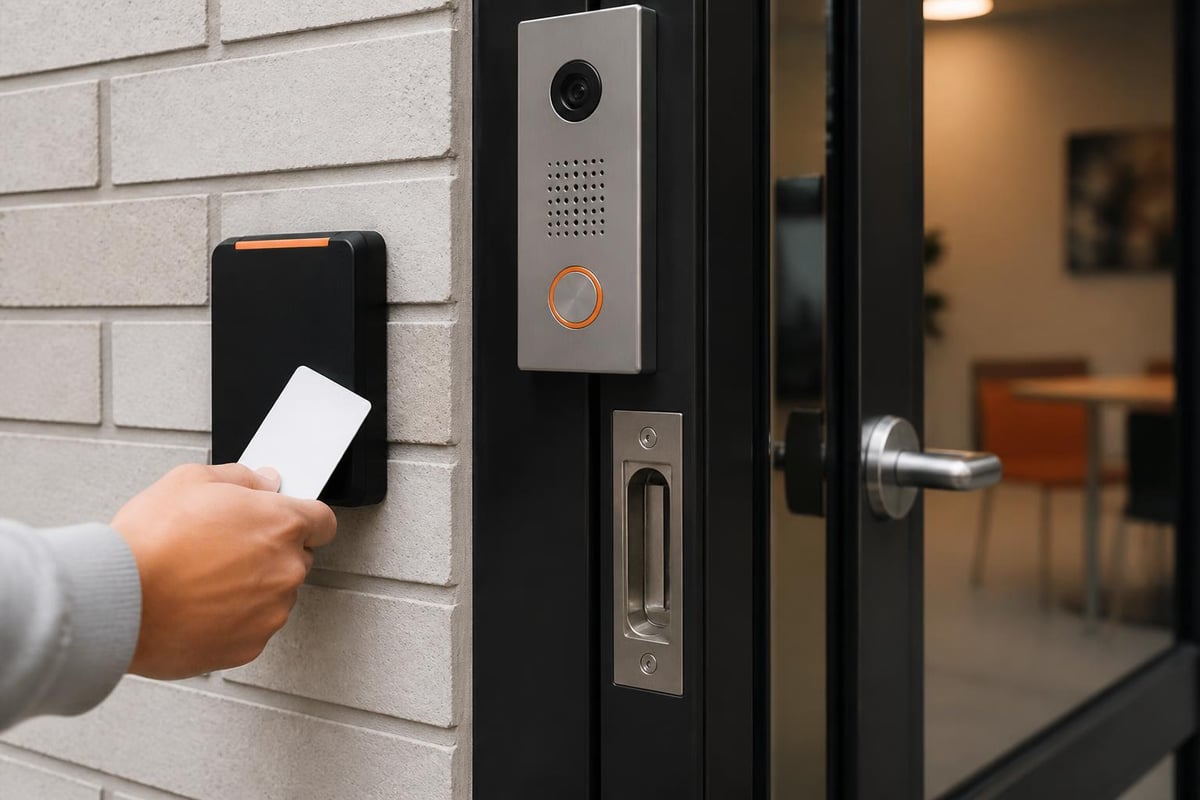
Linking surveillance with building access control systems creates powerful verification and audit capabilities. When access credentials trigger camera recording, organisations maintain detailed logs of who entered restricted areas and when.

This integration proves invaluable for investigating incidents and demonstrating compliance with security protocols. Cameras positioned at access points provide visual confirmation that authorised individuals used their credentials, preventing tailgating and credential sharing.

Fire Safety System Coordination

Integrating video surveillance with fire detection infrastructure enhances emergency response effectiveness. Cameras positioned near evacuation alert systems enable remote verification of building clearance and identification of individuals requiring assistance.

During fire incidents, surveillance footage helps emergency responders understand building occupancy and identify the incident's location. This coordination between protection systems demonstrates the value of unified security approaches.

Integration Type Primary Benefits Use Cases
Access Control Identity verification, audit trails Restricted areas, server rooms
Intrusion Detection Visual verification, false alarm reduction After-hours monitoring, perimeter security
Fire Safety Emergency response, evacuation confirmation Building clearance, incident documentation
Building Management Energy efficiency, occupancy monitoring HVAC optimisation, space utilisation

Cybersecurity Considerations

As video surveillance systems for business increasingly rely on network connectivity, cybersecurity becomes paramount. Compromised surveillance systems expose organisations to data breaches, privacy violations, and operational disruption.

Securing Network-Connected Cameras

Default passwords represent the most common vulnerability in IP camera deployments. Attackers routinely scan networks for devices using manufacturer defaults, gaining easy access to surveillance feeds and potentially broader network infrastructure.

Implementing cybersecurity best practices for video surveillance protects against unauthorised access. These measures include changing default credentials, implementing network segmentation, and maintaining current firmware versions.

Essential security measures:

  • Unique, complex passwords for each device
  • Regular firmware updates addressing known vulnerabilities
  • Network segmentation isolating surveillance systems
  • Encrypted data transmission protocols
  • Multi-factor authentication for administrative access
  • Regular security audits and penetration testing

Managing User Access and Permissions

Role-based access control ensures employees view only footage relevant to their responsibilities. Security managers require comprehensive system access, whilst department supervisors might access specific camera feeds related to their areas.

Detailed access logs document who viewed footage and when, creating audit trails that support investigations and demonstrate compliance. These logs prove particularly valuable when responding to subject access requests under GDPR.

Selecting Appropriate System Specifications

Video surveillance systems for business must balance image quality, storage requirements, and budget constraints. Higher resolution cameras produce clearer images but consume significantly more storage capacity and bandwidth.

Resolution and Frame Rate Considerations

Modern systems typically offer resolutions from 2MP (1080p) to 8MP (4K) or higher. Whilst 4K cameras provide exceptional detail for facial recognition and licence plate reading, they may prove excessive for general area monitoring.

Frame rates impact both storage requirements and motion capture quality. Standard 15 frames per second suffices for most applications, whilst high-traffic areas or specific compliance requirements might necessitate 30fps or higher.

Camera specifications comparison

Storage Capacity Planning

Calculating storage requirements involves considering camera count, resolution, frame rate, compression codec, and retention period. A 4MP camera recording at 20fps using H.265 compression typically generates approximately 2GB of data daily.

Factors affecting storage needs:

  • Number of cameras in the system
  • Recording resolution and frame rate
  • Compression technology (H.264 vs H.265)
  • Motion-based versus continuous recording
  • Required retention period (legal and operational)
  • Redundancy and backup requirements

Most businesses maintain 30 to 90 days of footage, though specific industries face longer retention obligations. Financial institutions often retain surveillance data for extended periods supporting fraud investigations and regulatory compliance.

Ongoing Maintenance and System Management

Installing video surveillance systems for business represents the beginning rather than the conclusion of effective security implementation. Regular maintenance ensures continued reliability whilst system management adapts to evolving security requirements.

Preventive Maintenance Schedules

Professional maintenance programmes include camera cleaning, lens adjustment, connection verification, and storage system health checks. Outdoor cameras require particular attention, as weather exposure affects performance and component longevity.

Quarterly maintenance visits typically suffice for most installations, though critical applications might warrant monthly inspections. These scheduled services identify potential failures before they compromise security coverage.

Recommended maintenance activities:

  1. Clean camera lenses and housings
  2. Verify focus and field of view
  3. Test recording functionality
  4. Review storage capacity and health
  5. Update firmware and software
  6. Verify integration with other systems
  7. Test remote access capabilities

Performance Monitoring and Analytics

Modern systems provide detailed performance metrics enabling proactive management. Storage capacity alerts, camera offline notifications, and motion detection sensitivity adjustments help maintain optimal operation.

Advanced analytics transform surveillance systems into business intelligence tools. People counting, dwell time analysis, and heat mapping provide insights supporting operational decisions beyond security applications.

Cost Considerations and Return on Investment

Understanding the total cost of ownership for video surveillance systems for business requires evaluating initial installation expenses alongside ongoing operational costs. Choosing the right surveillance system involves balancing features against budget constraints whilst ensuring the solution meets current and anticipated requirements.

Initial Investment Components

System costs vary significantly based on camera count, resolution, storage architecture, and installation complexity. A small business might implement a basic four-camera system for £2,000, whilst enterprise deployments easily exceed £100,000.

Cost Category Budget System Mid-Range System Enterprise System
Cameras (per unit) £100-£200 £300-£600 £800-£2,000+
Storage £300-£800 £1,500-£3,000 £5,000-£20,000+
Installation £500-£1,500 £2,000-£5,000 £10,000-£50,000+
Software/Licensing £0-£500 £1,000-£3,000 £5,000-£15,000+

Professional installation ensures optimal camera positioning, proper network configuration, and integration with existing security infrastructure. Whilst DIY installation might appear cost-effective, improper implementation compromises system effectiveness and potentially invalidates warranties.

Operational Expenses and Lifecycle Costs

Beyond initial purchase, video surveillance systems for business incur ongoing expenses including maintenance, software licensing, cloud storage subscriptions, and eventual equipment replacement. These operational costs significantly impact total ownership expenses.

Cloud-based systems typically charge monthly fees per camera, accumulating substantial costs over system lifetime. However, they eliminate on-premise server expenses and simplify scalability. On-premise solutions require hardware refresh cycles every five to seven years, representing significant capital expenditure.

Professional Installation and Support

Partnering with experienced security providers ensures systems meet technical specifications, comply with legal requirements, and integrate effectively with broader security infrastructure. Professional installers understand nuances of camera positioning, network configuration, and regulatory compliance that casual users might overlook.

Reputable providers offer comprehensive support throughout system lifecycle, from initial consultation through ongoing maintenance and eventual upgrades. This continuity proves invaluable when systems require expansion or integration with additional security technologies.

Organisations seeking integrated approaches benefit from providers offering both surveillance and complementary security services. This unified approach ensures compatibility between video surveillance systems for business, intruder detection systems, and fire safety infrastructure.


Implementing effective video surveillance systems for business requires balancing technical capabilities, legal compliance, cybersecurity, and operational requirements. Professional guidance ensures organisations deploy solutions that protect assets, enhance safety, and deliver long-term value whilst meeting evolving security challenges. Logic Fire and Security brings decades of expertise in designing, installing, and maintaining integrated security solutions for businesses across the UK. Our comprehensive approach ensures your surveillance system works seamlessly with fire detection, access control, and alarm monitoring to create unified protection tailored to your specific requirements.

Our Accreditations

Work
For Us