
Essential Guide to Fire Door Inspection Services 2026

Fire safety is never optional. In emergencies, properly maintained fire doors can mean the difference between safety and disaster, safeguarding both lives and valuable property. As awareness of building safety grows across the UK, fire door inspection services have become crucial in meeting strict new compliance standards.

With evolving regulations and increased scrutiny, ignoring fire door inspection services can lead to severe legal penalties, reputational harm, and heightened liability. This guide is here to help you navigate the latest requirements, break down the inspection process, explain key updates, and show you how to select the right provider for your needs. Read on for a clear overview of regulations, step-by-step inspections, expert tips on choosing a provider, the benefits of regular checks, and the future of fire door compliance.

Understanding Fire Door Regulations in 2026

Keeping up with fire door inspection services is more important than ever as the UK’s regulatory landscape continues to evolve. The tragic Grenfell Tower fire was a turning point, leading to significant updates in fire safety legislation and stricter compliance expectations for all building stakeholders.

Understanding Fire Door Regulations in 2026

The Evolution of Fire Door Legislation

Fire safety laws in the UK have undergone major transformation since Grenfell. The Fire Safety (England) Regulations 2022 introduced new requirements for routine fire door inspection services, especially in multi-occupancy residential buildings.

By 2026, these regulations have expanded to cover more property types and introduced clearer deadlines for compliance. Both residential and commercial buildings must now meet stricter standards, with the role of Responsible Persons clearly defined. Duty holders are required to act on inspection findings promptly to avoid repeat failures.

High-profile compliance failures, such as those seen in large housing associations, have highlighted the risks of neglecting fire door regulations. These cases show that even minor lapses can lead to legal action and significant reputational harm.

Key Legal Requirements for Fire Door Inspections

Fire door inspection services must adhere to statutory inspection frequencies. For example, flat entrance doors in multi-occupied residential buildings require annual inspections, while communal doors need quarterly checks. Accurate documentation and robust record-keeping are essential, as authorities often request these records during audits or investigations.

A compliant fire door must be constructed from certified materials, installed correctly, and maintained to manufacturer specifications. Routine maintenance ensures that seals, hinges, and closers remain in good condition. The consequences of non-compliance can be severe, including fines, prosecution, and even closure notices for serious breaches.

Third-party certification and the use of accredited inspectors are now expected best practices. In the last 12 months, over 200,000 fire doors have been inspected in England, reflecting a growing focus on safety and accountability. For a full breakdown of the latest statutory obligations and inspection guidance, refer to the Fire Safety (England) Regulations 2022: fire doors.

Who is Responsible for Compliance?

Responsibility for fire door inspection services is shared among landlords, property owners, building managers, and managing agents. In multi-occupancy buildings or commercial premises, each party must fulfil their legal duties and coordinate efforts to ensure that all fire doors are regularly inspected and maintained.

Resident engagement is also crucial. Clear communication about inspection schedules and results helps build trust and ensures access for inspectors. For example, one property manager achieved 100% compliance across a large portfolio by using targeted resident communications and digital scheduling tools. This proactive approach not only meets legal requirements, but also demonstrates a strong commitment to safety.

The Fire Door Inspection Process: Step-by-Step

Understanding the fire door inspection services process is crucial for maintaining compliance and safety in any property. A well-structured approach ensures every inspection is thorough and meets legal requirements. Let us walk through each phase, highlighting best practices and key considerations.

The Fire Door Inspection Process: Step-by-Step

Pre-Inspection Preparation

Preparation is the foundation of effective fire door inspection services. Inspectors begin by scheduling visits and coordinating access with residents or tenants to minimise disruption. Reviewing building plans and past inspection reports helps identify high-risk areas and previous issues.

Essential tools and checklists are assembled before arrival, ensuring nothing is overlooked. Stakeholders, including property managers and residents, are notified in advance to facilitate smooth access. Many companies now use digital scheduling platforms to streamline coordination and provide real-time updates.

A well-organised start saves time and sets the tone for a professional inspection process. Consistent preparation is vital to the success of fire door inspection services.

What Inspectors Look For

During fire door inspection services, inspectors follow a detailed checklist to assess every aspect of each fire door. They examine the integrity of the door leaf and frame, ensuring there are no cracks, warping, or defects.

Key components such as seals, hinges, and closers are checked for certification, correct installation, and wear. Inspectors measure gaps around the door, inspect glazing and hardware, and look for signs of unauthorised alterations or damage. Photographic records and digital evidence are gathered to support findings.

For more detailed insights into the inspection process, see this Fire door inspection overview. Comprehensive checks protect both people and property.

On-the-Spot Repairs and Immediate Actions

A unique advantage of professional fire door inspection services is the ability to address minor defects immediately. Inspectors can adjust door closers, replace worn seals, or fix loose hardware while on site.

Quick fixes like these help prevent small issues from becoming major safety risks. By resolving minor problems during the inspection, the need for follow-up visits is reduced, saving both time and money.

Immediate action demonstrates a proactive approach and ensures that fire doors remain compliant and fully operational at all times.

Reporting and Documentation

Accurate documentation is a core component of fire door inspection services. After the inspection, inspectors generate clear, compliant reports that detail findings, highlight risks, and recommend remedial actions.

Reports are stored securely and shared promptly with stakeholders, providing a transparent audit trail. Digital reporting tools offer instant access, searchable archives, and photographic evidence for each door.

Effective documentation not only proves compliance but also supports ongoing maintenance and future inspections, making the entire process more efficient and reliable.

Choosing a Fire Door Inspection Service Provider

Selecting the right partner for fire door inspection services is critical for compliance, safety, and peace of mind. With increasing regulatory scrutiny in the UK, your choice of provider can make the difference between robust protection and avoidable risk.

What to Look for in an Inspection Company

When evaluating fire door inspection services, start by checking the company’s credentials. Look for accreditations such as BAFE, IFEDA, or RICS, which demonstrate up-to-date expertise and compliance with industry standards.

Experience is vital. Providers with a track record in both residential and commercial environments understand the unique challenges of each. Consider whether the company offers national coverage or focuses on local areas, and assess their ability to scale services as your needs grow.

Transparent pricing models, such as flat fees with no hidden costs, make budgeting straightforward. Consistency is also key—companies using in-house teams often deliver more reliable results than those relying on subcontractors.

For a detailed overview of inspection and maintenance standards, consult this Fire Door Inspection & Maintenance Guide, which outlines key compliance points to look for in any provider.

Questions to Ask Potential Providers

Before committing to fire door inspection services, ask targeted questions to assess their suitability:

  • How do you document and evidence compliance for our records?
  • What is your process for urgent repairs and follow-up?
  • Can you manage large or complex property portfolios?
  • Are minor repairs included during inspections?
  • How do you ensure your team stays current with regulation changes?

A reputable provider should offer digital reports, photographic evidence, and clear communication throughout the process. For example, some companies now provide client portals for instant access to inspection outcomes and compliance updates, making ongoing management simpler.

Logic Fire and Security: A Trusted Partner for Fire Door Compliance

Logic Fire and Security stands out among fire door inspection services, delivering accredited inspections in line with the latest UK regulations. Their team holds certifications including NICEIC, BAFE, NSI Gold, and IFEDA, ensuring every inspection is performed by qualified professionals.

Essential Guide to Fire Door Inspection Services 2026 - Logic Fire and Security: A Trusted Partner for Fire Door Compliance

Their services cover comprehensive risk assessments, fire door inspections, and ongoing maintenance across the UK. With over 20 years’ experience supporting blue chip clients and public agencies, Logic Fire and Security offers tailored solutions for commercial, industrial, and public sector buildings.

Clients benefit from end-to-end support, from initial assessment through to remedial works and compliance documentation. Their commitment to quality has helped property managers achieve 100 percent compliance across entire portfolios, reducing risk and building long-term trust.

Benefits of Regular Fire Door Inspections

Regular fire door inspection services are not just a box-ticking exercise. They are central to protecting lives and assets in any building. The advantages extend far beyond compliance, touching every aspect of safety, reputation, and operational efficiency.

Benefits of Regular Fire Door Inspections

Enhanced Building Safety and Occupant Protection

Fire doors are designed to prevent the rapid spread of smoke and flames, giving occupants precious time to evacuate safely. When fire door inspection services are carried out regularly, they ensure every door performs as intended during an emergency.

Recent incidents have shown that properly maintained fire doors can mean the difference between a contained incident and a major disaster. Data confirms that buildings with routine inspections experience far fewer fire-related casualties. For a practical overview of what these inspections involve, see this Fire Door Inspections: What to Expect resource.

Legal and Financial Risk Reduction

Neglecting fire door inspection services exposes property owners and managers to significant risks. Legal penalties for non-compliance can be severe, including fines, prosecution, or even closure notices. Insurers increasingly require proof of regular inspections to validate claims.

Accurate documentation and a robust inspection regime demonstrate compliance to regulators and insurers, minimising the potential for costly disputes. For a deeper understanding of risk management and its connection to fire door compliance, review the fire risk assessment guide.

Operational Efficiency and Cost Savings

Investing in fire door inspection services leads to long-term operational benefits. Early identification of defects, such as worn seals or poor alignment, allows for planned maintenance rather than emergency repairs. Immediate minor fixes during inspections help avoid downtime and disruption for residents or businesses.

A proactive approach reduces the likelihood of large-scale remedial works, saving both time and money. Many property managers report substantial cost reductions after implementing scheduled inspection programmes.

Supporting Resident Trust and Satisfaction

Consistent fire door inspection services build trust among residents and tenants. When people see visible evidence of safety checks and receive clear communication about compliance, their confidence in building management grows.

Resident engagement strategies, such as advance notice and easy feedback channels, further improve cooperation. Case studies have shown a notable increase in resident satisfaction scores following the introduction of transparent and regular inspection processes.

Future Trends in Fire Door Inspection Services

The landscape of fire door inspection services is evolving rapidly. New technologies, regulatory changes, and a growing focus on sustainability are shaping the future of compliance and safety. Staying informed about these trends is essential for anyone responsible for building safety.

Digital Transformation and Smart Reporting

Digital innovation is redefining fire door inspection services. Inspectors now use cloud-based platforms for real-time reporting, enabling instant access to compliance data. Photographic evidence is standard, ensuring transparency and traceability in every inspection.

Many providers offer client portals, allowing property managers to view inspection reports, certificates, and remedial actions at any time. Automated reminders help maintain statutory inspection schedules, reducing the risk of missed deadlines.

Digital tools also support seamless integration between inspection and installation. For example, Fire door installation best practices are often referenced within digital platforms to ensure that both installation and ongoing inspections meet the latest standards.

Integration with Building Safety and Asset Management

Modern fire door inspection services are becoming part of broader building safety strategies. By linking inspections with asset management systems, organisations can coordinate safety checks across alarms, lighting, lifts, and fire doors.

This integration enables efficient scheduling, minimises disruption for residents, and supports data-driven decisions for long-term planning. Inspection data feeds directly into compliance dashboards, offering a comprehensive view of building safety performance.

With unified management, property owners can ensure all statutory checks are completed on time, improving reliability and reducing administrative burden.

Regulatory Evolution and Industry Best Practices

The regulatory environment for fire door inspection services is set to become even more rigorous. Anticipated changes include stricter third-party certification, enhanced transparency, and updated testing standards. Industry best practice is shifting towards a holistic approach, where fire door compliance is part of a wider culture of building safety.

A significant regulatory shift is the upcoming adoption of EN 1634 standards, which will replace BS 476 Part 22 for fire door testing in the UK from 2029. Understanding these changes is crucial, and resources such as Fire Door Testing Standards: EN 1634 Replaces BS 476 Part 22 provide essential guidance for staying ahead of compliance requirements.

Sustainability and Environmental Considerations

Sustainability is increasingly influencing the delivery of fire door inspection services. Providers are adopting eco-friendly materials for fire doors and implementing responsible disposal practices for old components.

Reducing the carbon footprint is a growing priority. Efficient inspection processes, digital documentation, and green service policies all contribute to environmental goals. Some companies now highlight their green credentials as part of their value proposition, attracting clients who prioritise both safety and sustainability.

By embracing sustainable methods, fire door inspection services help protect both people and the planet.

As you’ve seen, keeping up with fire door inspection requirements is about more than ticking boxes—it’s about safeguarding lives, assets and reputations. With regulations evolving and expectations higher than ever, having a trusted partner by your side makes all the difference. At Logic Fire and Security, we understand the challenges you face and offer tailored, accredited solutions to support your journey to full compliance. If you’re ready to take the next step or simply want expert guidance on where to start, why not Get a Free Site Survey and see how we can help you achieve peace of mind for 2026 and beyond

The Essential Guide to Commercial Fire Alarm Monitoring Company 2026

Fire incidents in commercial properties are becoming a major concern, putting both legal standing and business reputation at risk. As we move into 2026, the need for a proactive approach to fire safety has never been more urgent.

Advancements in fire detection, integration with smart building systems, and stricter insurance requirements are reshaping how companies protect their assets. Failing to keep up could mean costly business interruptions or even legal penalties.

This guide is designed to help you find the best commercial fire alarm monitoring company for your needs in 2026. You will discover essential market trends, must-have features, compliance essentials, the selection process, and strategies to ensure your fire safety is future-proof.

The Evolving Landscape of Commercial Fire Alarm Monitoring

Commercial fire alarm monitoring company services are experiencing rapid transformation as technology, regulations, and business demands evolve. In 2026, the landscape is defined by smarter systems, stricter compliance, and a growing emphasis on sustainability.

The Evolving Landscape of Commercial Fire Alarm Monitoring

Technological Advances Shaping the Industry

AI-driven fire detection, IoT-enabled sensors, and cloud-based monitoring platforms are redefining how a commercial fire alarm monitoring company protects assets. These technologies enable real-time analytics, allowing for quicker identification of threats and remote diagnostics, which significantly reduce response times.

Integration with smart building systems lets facility teams manage fire safety alongside security and energy controls. For example, UK businesses have reduced false alarms by up to 40 percent using intelligent systems that distinguish between real risks and benign triggers. In 2025, smart fire system adoption among UK commercial properties increased by 30 percent, highlighting a shift towards digital solutions.

To learn more about how these innovations are applied, see this commercial fire alarm monitoring resource.

Regulatory and Insurance Trends in 2026

Staying compliant is non-negotiable for any commercial fire alarm monitoring company. Updated UK fire safety regulations demand more robust monitoring and reporting, with insurance providers requiring evidence of BAFE and NSI Gold certifications.

The Building Safety Act now enforces stricter risk assessments and clearer accountability for property owners. Failure to comply can result in significant fines or even insurance claim rejections, as seen in recent enforcement cases. By partnering with accredited providers, businesses can meet these new standards and avoid costly setbacks.

Market Drivers: Why Monitoring is Mission-Critical

Complex building layouts and higher electrical loads have increased fire risks, making the role of a commercial fire alarm monitoring company more vital than ever. Business interruption, reputational damage, and regulatory penalties are all at stake.

The demand for 24/7 monitoring is especially high in sectors like logistics, healthcare, and education, where downtime is unacceptable. Notably, UK Fire Statistics from 2024 reveal that 70 percent of businesses never recover from a major fire, underscoring the value of proactive monitoring.

Environmental and Social Responsibility

A commercial fire alarm monitoring company can also help organisations achieve sustainability goals. Advanced monitoring supports ESG targets by enabling early intervention, which reduces the carbon footprint of fire incidents. For example, faster detection limits fire damage, waste, and environmental impact, contributing to broader corporate responsibility goals.

Core Features of a Leading Commercial Fire Alarm Monitoring Company

A leading commercial fire alarm monitoring company is defined by its commitment to reliability, compliance, and technological innovation. Understanding the essential features of these providers helps businesses safeguard their assets and maintain operational continuity.

Core Features of a Leading Commercial Fire Alarm Monitoring Company

24/7 Remote Monitoring and Rapid Response

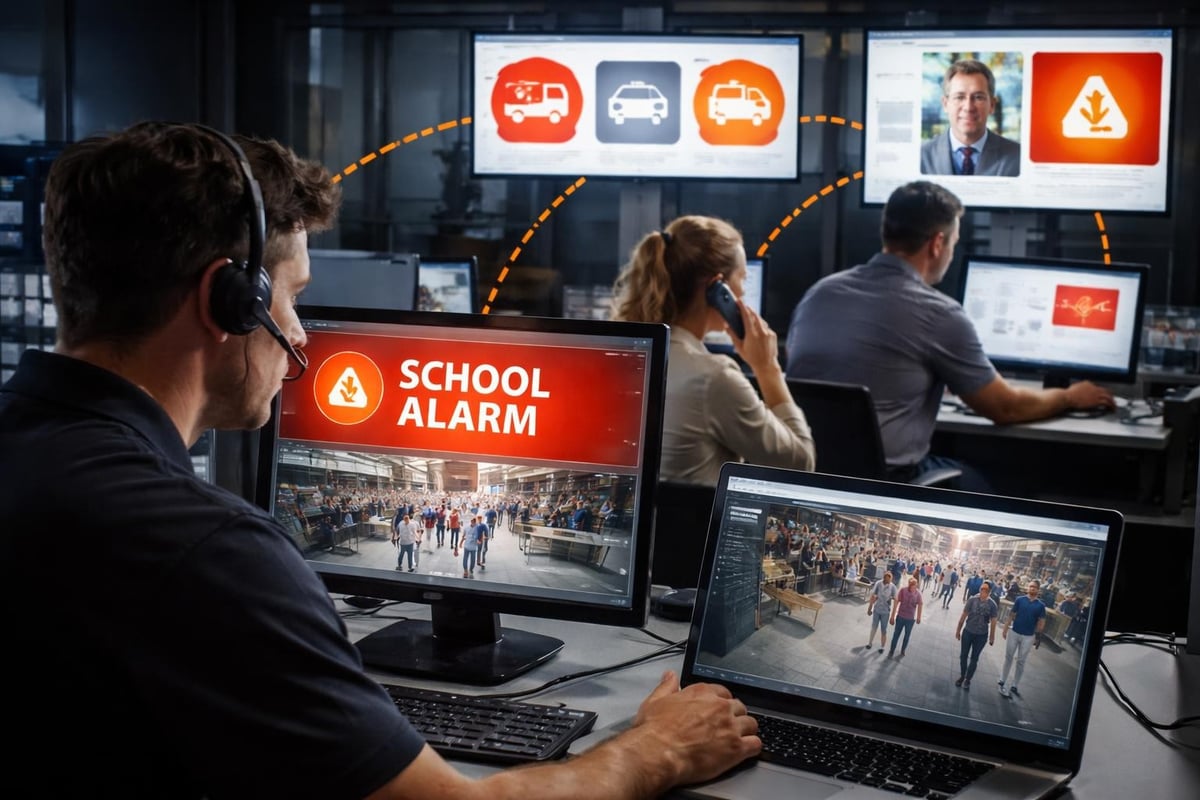
Continuous monitoring is a non-negotiable feature for any commercial fire alarm monitoring company. Round-the-clock surveillance ensures any incident is detected instantly, reducing the risk of extensive damage or business interruption.

Providers deploy automated alert systems and maintain direct lines to emergency services. In a recent scenario, a rapid response team identified a fire in a warehouse at midnight, containing it before significant property loss occurred. This level of vigilance is crucial for protecting high-value assets and meeting insurance requirements.

System Integration Capabilities

Modern businesses demand that their commercial fire alarm monitoring company offers seamless integration with existing fire, security, and building management systems. This unified approach allows facility teams to manage all safety protocols from a single platform, streamlining operations and improving incident response times.

For example, fire alarm system integration enables real-time data sharing between alarms, access control, and HVAC systems, helping prevent escalation and supporting compliance. Choosing a provider with robust integration capabilities is essential for future-proof safety management.

Compliance and Accreditation

A reputable commercial fire alarm monitoring company must hold recognised accreditations such as BAFE, NSI Gold, and ISO certifications. These credentials are not just badges of honour but serve as proof of adherence to the highest industry standards.

Routine third-party audits further ensure that the company’s monitoring services remain compliant with evolving regulations. This commitment to quality and compliance offers peace of mind and can be decisive for insurance coverage and legal protection.

Advanced Detection Technologies

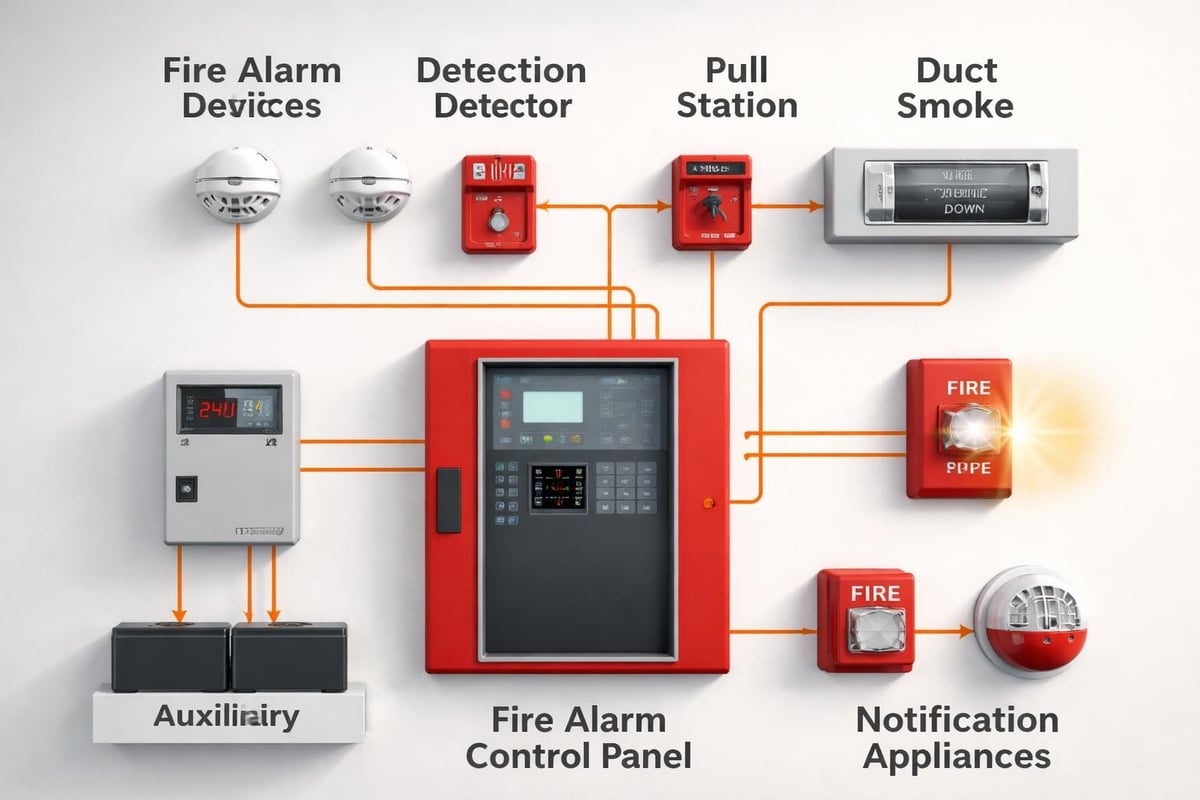
Industry leaders deploy advanced detection technologies, including addressable, wireless, and hybrid alarm systems. AI-powered solutions help reduce false alarms and enable predictive maintenance by analysing sensor data for early signs of system failure.

Such innovations ensure the commercial fire alarm monitoring company can deliver faster, more accurate alerts, safeguarding both people and property. Predictive diagnostics also reduce downtime and maintenance costs for clients.

Customisation and Scalability

No two businesses are identical, so a commercial fire alarm monitoring company should offer tailored solutions. Providers assess unique risks across multi-site estates or high-risk areas, designing systems that adapt as the business grows.

Modular upgrades allow businesses to scale protection as their needs evolve, ensuring ongoing compliance and investment in the latest technologies. This flexibility supports both small enterprises and large multi-site operations.

Maintenance, Support, and Reporting

Scheduled inspections, remote diagnostics, and detailed compliance reporting are vital services. Leading providers offer automated compliance logs, making it easy to demonstrate adherence to regulations during audits or insurance reviews.

Proactive maintenance prevents faults from becoming critical issues, while comprehensive support ensures any concerns are resolved quickly. Digital platforms simplify reporting and keep all records up to date.

Step-by-Step Guide: Choosing the Right Fire Alarm Monitoring Partner

Selecting the right commercial fire alarm monitoring company is a critical decision for your business. A methodical approach not only ensures compliance but also protects your assets, staff, and reputation. Here is a step-by-step guide to help you make an informed choice and secure the best protection for your premises.

Step-by-Step Guide: Choosing the Right Fire Alarm Monitoring Partner

Step 1: Assess Your Business Needs and Risks

Begin by conducting a comprehensive fire risk assessment. Identify high-value assets, vulnerable areas, and operational priorities. Understand the specific fire safety challenges associated with your industry and building type.

Map out compliance obligations based on property use and location. Review insurance requirements and regulatory duties. This initial groundwork will help you define the features and support you need from a commercial fire alarm monitoring company, ensuring alignment with both operational and legal expectations.

Step 2: Research and Shortlist Accredited Providers

Investigate providers with proven track records in your sector. Prioritise those holding BAFE, NSI Gold, or other recognised certifications. Examine case studies and client testimonials for evidence of reliability and expertise.

Look for companies that offer tailored solutions and transparent service agreements. For more detailed guidance on what to expect from a monitored service, visit the Business fire alarm monitoring service article, which outlines vital considerations for UK businesses.

Step 3: Evaluate Technology and Integration Options

Assess each commercial fire alarm monitoring company for compatibility with your existing fire, security, and building management systems. Future-proofing is essential, so opt for partners offering scalable, modular technology.

Check for advanced features such as AI-powered detection, wireless connectivity, and seamless integration with facility management platforms. This ensures efficient operations and positions your business for evolving requirements.

Step 4: Compare Service Levels and Response Protocols

Review the credentials of the monitoring centres, including response times and escalation procedures. Clarify communication channels, such as 24/7 helplines and real-time alert systems.

A reputable commercial fire alarm monitoring company will provide clear protocols for automated notifications and direct emergency liaison. Compare service level agreements, including maintenance schedules and support response, to ensure uninterrupted protection.

Step 5: Request Proposals and On-Site Surveys

Invite shortlisted providers to conduct professional site surveys. A thorough survey will identify unique risks and inform a tailored proposal.

Expect detailed recommendations, clear pricing, and a transparent breakdown of ongoing support. This final step ensures your chosen commercial fire alarm monitoring company can deliver a solution that meets both your immediate and long-term fire safety needs.

Ensuring Compliance and Meeting Legal Obligations in 2026

Staying compliant with UK fire safety laws is essential for every commercial fire alarm monitoring company and its clients. The landscape is evolving, with new regulations demanding greater diligence from property owners and businesses. Understanding these requirements is the first step towards protecting assets and ensuring business continuity.

Understanding UK Fire Safety Legislation

UK fire safety regulations have become more rigorous in recent years. The Regulatory Reform (Fire Safety) Order and the Building Safety Act set out clear duties for commercial property owners. These laws require regular risk assessments, up-to-date fire alarm systems, and prompt action on identified hazards.

In 2026, new compliance deadlines mean stricter enforcement. Failure to comply can result in significant fines, business disruption, or even prosecution. For example, several UK businesses faced penalties last year when inspections revealed outdated or poorly maintained systems. Every commercial fire alarm monitoring company must stay informed and proactive to avoid similar outcomes.

The Role of Third-Party Certification

Third-party certification is now a fundamental expectation for any commercial fire alarm monitoring company. Insurers and regulators increasingly demand proof that your provider meets industry standards. BAFE and NSI Gold certifications are recognised hallmarks of quality and reliability.

According to the UK Insurance Report, 85 percent of insurers prefer monitoring companies with these accreditations. These certifications demonstrate ongoing commitment to best practice and regular independent audits. To better understand the significance of these standards, see the NSI Gold certification importance. Choosing a certified partner safeguards your business and streamlines insurance processes.

Essential Documentation and Reporting

Accurate documentation is vital for meeting legal obligations. A commercial fire alarm monitoring company should help clients maintain up-to-date compliance records, including incident logs and maintenance reports. Automated reporting features make it easier to provide auditors with evidence of system health and timely interventions.

Digital platforms now allow for seamless audit trails and faster regulatory inspections. For instance, companies using these tools can quickly demonstrate compliance during unannounced visits. By prioritising thorough documentation, businesses reduce risk and ensure they are always ready for scrutiny from authorities or insurers.

The Future of Fire Alarm Monitoring: Trends to Watch for 2026 and Beyond

The future of the commercial fire alarm monitoring company sector is rapidly evolving. Emerging technologies, new compliance demands, and sustainability goals are driving significant changes. Businesses must stay informed about these trends to maintain robust fire safety and future-proof their investments.

AI, IoT, and Predictive Analytics

Artificial intelligence is transforming how a commercial fire alarm monitoring company delivers protection. Machine learning algorithms can now identify fire signatures faster and more accurately, dramatically reducing false alarms. IoT-enabled sensors collect real-time data from every corner of a property, ensuring early detection and swift response.

Key benefits include:

  • Predictive maintenance, minimising unplanned downtime
  • System health monitoring, alerting teams to faults before critical failures
  • Seamless integration with building management systems for unified oversight

For example, a UK logistics company used predictive analytics to anticipate equipment faults, preventing costly interruptions. Staying at the forefront of these innovations is essential for any commercial fire alarm monitoring company looking ahead.

Cybersecurity and Data Protection

Cybersecurity is now central to every commercial fire alarm monitoring company’s operations. As systems become more connected and cloud-based, protecting sensitive data is critical. Companies must comply with GDPR and UK data protection laws, safeguarding both monitoring data and remote system access.

Recent cyber incidents have highlighted vulnerabilities in building management platforms. To mitigate risks, leading providers invest in:

  • Encrypted data transmission and secure access controls
  • Regular vulnerability assessments and staff training
  • Third-party certifications demonstrating robust security practices

For an in-depth look at regulatory changes shaping these requirements, see the UK fire safety regulation updates 2025. Choosing a commercial fire alarm monitoring company with proven cybersecurity credentials is more important than ever.

Sustainability and ESG Integration

Sustainability is a growing priority for every commercial fire alarm monitoring company. Advanced monitoring systems now support green building certifications such as BREEAM and LEED. By enabling smart, targeted responses, these systems help reduce unnecessary callouts and environmental impact.

Key ESG benefits include:

  • Lower carbon footprint through early intervention
  • Automated reporting for corporate sustainability metrics
  • Support for responsible supply chain practices

Some companies now include fire safety performance within their ESG disclosures, demonstrating their commitment to holistic risk management. Selecting a commercial fire alarm monitoring company that aligns with these values ensures long-term resilience and regulatory compliance.

What to Expect from a Trusted Fire Alarm Monitoring Company

Choosing a trusted commercial fire alarm monitoring company is a commitment to safeguarding your business, people, and reputation. You should expect comprehensive service, clear communication, proactive support, and a proven track record.

End-to-End Service Delivery

A leading commercial fire alarm monitoring company provides full service coverage. This includes initial risk assessments, system design, installation, ongoing monitoring, and routine maintenance.

Having a single point of contact simplifies communication and ensures every aspect of your fire safety is managed with expertise. Businesses benefit from seamless coordination across all phases, reducing the risk of oversight.

Transparent Communication and Support

Transparency is essential. Your commercial fire alarm monitoring company should offer 24/7 client helplines, digital dashboards, and instant alerts.

Regular status updates and clear reporting keep you informed. This approach ensures that any issues are addressed promptly, giving you the confidence that your protection is always active.

Proactive Maintenance and Continuous Improvement

Routine inspections and remote diagnostics help prevent faults before they escalate. Proactive maintenance schedules, rapid response to alerts, and regular system upgrades are hallmarks of a reliable provider.

These measures support long-term compliance and system reliability, keeping your business prepared for emerging risks.

Industry-Leading Expertise and Reputation

Experience counts. Trusted providers have a proven track record with blue chip companies and public sector organisations.

Their reputation is built on successful case studies, sector-specific knowledge, and a commitment to best practice in fire safety.

Logic Fire and Security: A Leading UK Provider

Logic Fire and Security stands out as a commercial fire alarm monitoring company, offering accredited, integrated solutions across the UK. They hold key certifications, including BAFE and NSI Gold, which are detailed in their quality and accreditations overview.

The Essential Guide to Commercial Fire Alarm Monitoring Company 2026 - Logic Fire and Security: A Leading UK Provider

Their end-to-end services—from assessment to maintenance—make them a trusted partner for businesses seeking compliance, rapid response, and tailored support.

As you look to safeguard your business in 2026’s ever-changing landscape, it’s clear that choosing the right fire alarm monitoring partner is more important than ever. You now understand the critical role of compliance, advanced technology, and expert support in protecting your people, assets, and reputation. If you’re ready to take the next step towards robust fire safety and want guidance tailored to your unique needs, why not let a trusted specialist help? You can easily Get a Free Site Survey and discover how proactive monitoring can provide peace of mind for your business, both now and into the future.

Guide to Commercial Security Systems: Protect Your Business 2026

Did you know that UK businesses have seen a marked rise in targeted theft and cyber attacks in recent years? In today’s unpredictable environment, the need for robust commercial security systems has never been greater. Whether you manage a bustling office, a busy warehouse, or a high-street retail shop, evolving threats can put your assets, staff, and reputation at risk.

This guide is designed to give business owners and facilities managers the essential knowledge to select, implement, and maintain commercial security systems in 2026. You will discover the latest system types, key components, industry trends, step-by-step planning advice, compliance essentials, and smart maintenance strategies.

By the end of this guide, you will be empowered to make informed choices to protect your premises and ensure business continuity.

Understanding Commercial Security Systems

Protecting a business today means much more than locking doors at night. Commercial security systems safeguard assets, staff, and sensitive data across sectors like offices, warehouses, retail, and hospitality. As threats evolve, integrated solutions become vital for business continuity and peace of mind.

Understanding Commercial Security Systems

What is a Commercial Security System?

A commercial security system is a comprehensive network designed to protect business premises against physical and digital threats. Unlike residential systems, which focus on homes, commercial security systems address larger, more complex environments with higher stakes.

These systems incorporate both physical defences, such as alarms and CCTV, and electronic safeguards like access control. Businesses of all sizes rely on them, from bustling retail stores to sprawling warehouses and busy hotels. The integration of multiple technologies ensures seamless protection, which is why over 75,000 UK businesses trust leading providers for their security needs.

Integrated solutions allow for real-time monitoring, centralised management, and swift responses to incidents. This combination of features makes commercial security systems an essential investment for any organisation aiming to protect its people and assets.

Key Components of a Modern Security System

Modern commercial security systems are made up of several key components, each tailored to address specific risks. Here is a summary of the most important elements:

Component Description Example Use Case
Intruder Alarms Wired, wireless, or smart sensors detect unauthorised entry Multi-zone office alarms
CCTV HD or IP cameras with night vision, analytics Retail theft prevention
Access Control Keycards, biometrics, intercoms manage entry Restricted warehouse access
Fire & Smoke Detection Integrated fire, smoke, or gas sensors Hospitality sector compliance
Monitoring 24/7 remote response, police/private security Real-time incident alerts
Data & Cyber Security Protection against hacking and breaches GDPR compliance

Intruder alarms serve as the first line of defence, while CCTV provides visual verification and evidence. Access control systems restrict entry to authorised personnel, and fire detection is often integrated to ensure comprehensive safety.

Monitoring services offer round-the-clock vigilance, ensuring rapid response in emergencies. As digital threats rise, robust data and cyber security features are increasingly included in commercial security systems for total protection. Integration with building management systems enables automation and central control, which is vital for modern businesses.

Why Businesses Need Security in 2026

The landscape for UK businesses is changing rapidly, with crime rates and threat sophistication on the rise. According to UK business crime statistics 2025, incidents targeting commercial premises have increased, underlining the need for advanced commercial security systems.

Security is not just about theft prevention. It is essential for:

  • Meeting insurance and legal requirements
  • Ensuring staff and customer safety
  • Maintaining business continuity
  • Protecting reputation and brand trust

Integrated commercial security systems help businesses comply with regulations and reduce liability. They also provide peace of mind, knowing that both physical and digital assets are guarded against an ever-changing risk environment.

Types of Commercial Security Systems

Selecting the right commercial security systems for your business is essential for robust protection and peace of mind. Each system type plays a distinct role in safeguarding your premises, assets, and people. Understanding their features and applications helps you make informed decisions tailored to your environment.

Types of Commercial Security Systems

Intruder Detection and Alarm Systems

Intruder detection is a fundamental aspect of commercial security systems, providing early warning and deterring unauthorised access. These systems typically include:

  • Motion sensors to monitor movement in sensitive areas.
  • Door and window contacts to alert when entry points are breached.
  • Glass break detectors for added perimeter protection.

When an intrusion is detected, alarms trigger immediate alerts to keyholders or monitoring centres. Many businesses integrate police response for rapid intervention. Multi-zone coverage is especially beneficial for large offices, allowing tailored responses for different building areas. The effectiveness of commercial security systems in this category lies in their ability to provide real-time protection and visible deterrence.

CCTV and Surveillance Solutions

CCTV forms the backbone of many commercial security systems by enabling continuous monitoring and evidence capture. Modern setups use HD or IP cameras, which offer clear visuals, remote access, and cloud storage capabilities. Video analytics, such as facial recognition and object tracking, enhance threat detection and streamline incident investigations.

Retailers benefit from deploying CCTV for theft prevention and staff safety. In these environments, advanced surveillance supports real-time responses to suspicious activity. For more details on advanced monitoring options, explore Commercial CCTV solutions.

Access Control Systems

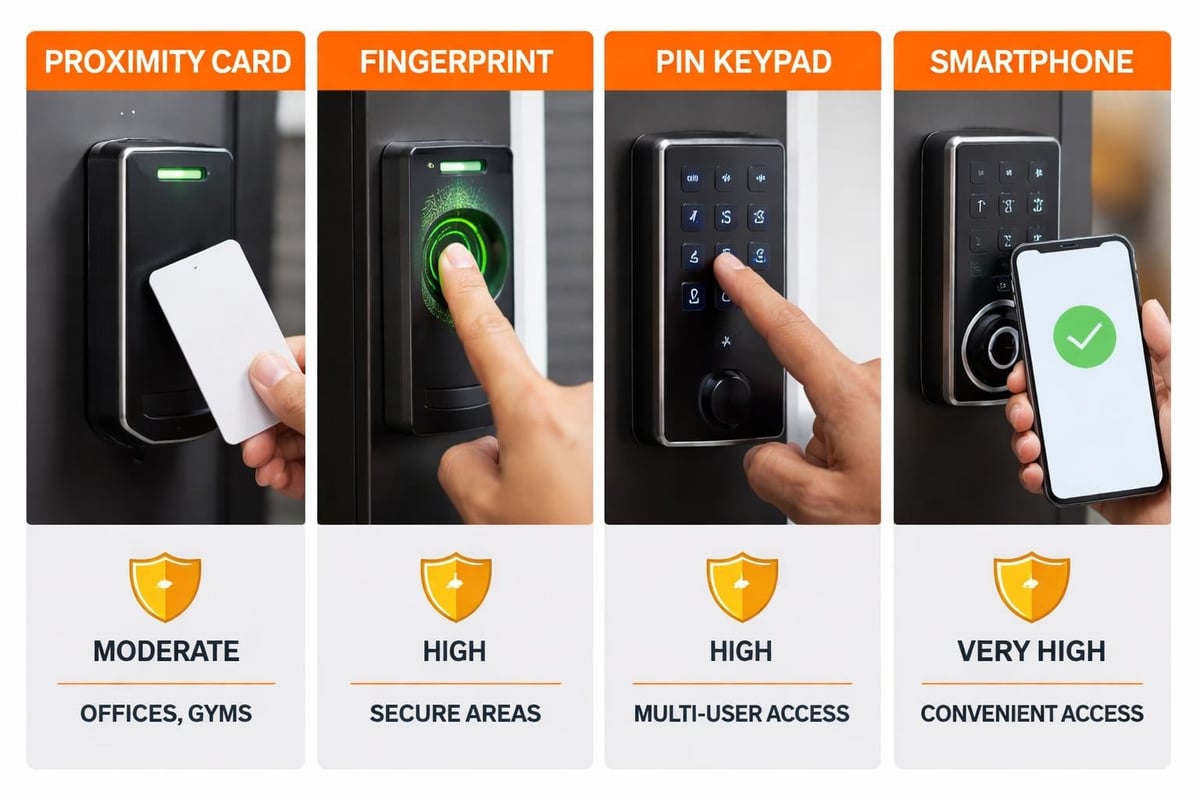
Access control is a vital layer of commercial security systems, ensuring only authorised individuals enter restricted areas. Solutions range from electronic locks and keypads to biometric scanners. These systems help manage staff and visitor movements, maintaining audit trails for accountability.

Scalability is a key advantage, with options suitable for single doors or multiple locations. For example, warehouses often use access control to secure loading bays and sensitive storage zones. By integrating access control into broader commercial security systems, businesses enhance oversight and minimise internal risks.

Fire and Life Safety Integration

Integrating fire and life safety with commercial security systems is crucial for comprehensive risk management. Typical components include:

  • Fire alarms and smoke, heat, or gas detectors.
  • Emergency lighting and intuitive evacuation systems.

Such integration helps businesses comply with UK safety regulations, especially in sectors like hospitality. Automated alerts and clear evacuation protocols protect both staff and visitors. Combining life safety with other commercial security systems ensures seamless and effective emergency response.

Planning and Implementing a Security System: Step-by-Step

Implementing robust commercial security systems in 2026 requires a structured, methodical approach. Each stage builds on the last, ensuring your business is protected, compliant, and future-ready. Below, we break down the essential steps to plan, install, and optimise your security investment.

Planning and Implementing a Security System: Step-by-Step

Step 1: Risk Assessment and Site Survey

The foundation of all effective commercial security systems is a thorough risk assessment. This process identifies vulnerabilities unique to your premises, such as poorly lit entrances, loading bays, or public access areas.

A professional site survey evaluates both physical and operational risks. Self-assessment checklists can highlight obvious issues, but expert consultants use advanced tools and experience to uncover hidden threats.

For example, a logistics centre might discover that its loading dock is a high-risk area for unauthorised entry, prompting specific measures in the overall security strategy.

Step 2: System Design and Customisation

Once risks are mapped, the next step is to design commercial security systems tailored to your business layout and operations. This involves selecting the right mix of technologies and integrating them for seamless control.

Considerations include choosing between wired and wireless systems, specifying camera placements, and integrating access control for sensitive areas. Multi-site businesses often require centralised management, allowing real-time oversight from a single dashboard.

Customisation ensures that security solutions are not only comprehensive but also scalable as your business grows.

Step 3: Procurement and Installation

Choosing the right provider is crucial for the long-term reliability of commercial security systems. Always select accredited suppliers and installers who comply with industry standards such as NSI Gold or BAFE.

Installation should be scheduled to minimise disruption to business operations. Reputable companies often provide 24/7 commercial protection systems, ensuring continuous monitoring from day one.

A transparent procurement process guarantees that all components are certified, and the system is fully documented for compliance and insurance purposes.

Step 4: Staff Training and User Onboarding

A well-designed system is only as effective as the people who use it. Comprehensive staff training ensures everyone understands system operation, emergency procedures, and reporting protocols.

Ongoing support and periodic refresher courses help prevent false alarms and misuse. For instance, regular training sessions can reduce accidental triggers, saving time and resources.

Promoting a security-conscious culture empowers staff to take ownership of their environment and reinforces the value of commercial security systems.

Step 5: Testing and Commissioning

The final step is rigorous testing and commissioning. Every component, from sensors to cameras and alarms, must be checked for correct operation.

Documenting the process and providing a formal handover ensures the system is ready for use and meets regulatory requirements. Final compliance checks protect your business from potential liabilities.

Continuous evaluation post-installation helps maintain optimal performance and prepares your business for evolving security challenges.

Advanced Trends in Commercial Security for 2026

Staying ahead of risks means understanding how technology is shaping commercial security systems. In 2026, businesses face a fast-evolving landscape, where innovation is the key to robust protection.

AI and Video Analytics

Artificial intelligence is transforming commercial security systems with smarter, faster, and more accurate threat detection. AI-driven video analytics can automatically flag suspicious behaviour, identify faces, and detect objects left unattended.

Predictive alerts help prevent incidents before they escalate. Behavioural analytics can distinguish between routine activity and potential threats, reducing false alarms.

For a detailed look at how these innovations are shaping the industry, see the latest 2026 Business Security Trends.

Real-time identification empowers security teams to act quickly. This technology is especially vital in high-traffic environments, where manual monitoring is no longer enough.

Cloud-Based and Remote Monitoring

Cloud technology is a game-changer for commercial security systems. Remote monitoring allows authorised users to access live feeds and control systems from any internet-connected device.

Secure offsite data storage protects vital footage and logs from loss or tampering. This is especially beneficial for businesses with multiple sites or remote operations.

Cloud integration also supports rapid system updates, ensuring your security infrastructure remains resilient against new threats.

Integration with Building Management and IoT

The future of commercial security systems lies in seamless integration with building management and IoT devices. Centralised dashboards bring together security, fire safety, HVAC, and lighting for unified control.

Automation streamlines daily operations. For example, access control can trigger lights or adjust climate settings based on occupancy.

Smart business parks use these integrations to create safer, more efficient environments, reducing manual oversight and response times.

Cyber Security and Data Protection

Protecting commercial security systems from cyber threats is crucial. Hacking and data breaches can compromise both physical and digital assets.

Complying with regulations such as GDPR and securing certifications like Cyber Essentials ensures your systems meet industry standards. Regular software updates and strong network protocols are essential for resilience.

A proactive approach to cyber security safeguards not just equipment, but also the trust of clients and stakeholders.

Sustainable and Energy-Efficient Solutions

Sustainability is now a core consideration in commercial security systems. Businesses are adopting low-energy devices and green installation practices.

Solar-powered cameras and smart scheduling reduce energy consumption and operational costs. These solutions support corporate social responsibility goals without sacrificing safety.

By investing in energy-efficient technology, organisations future-proof their security while minimising their environmental footprint.

Compliance, Accreditation, and Choosing a Provider

Choosing the right partner for commercial security systems is crucial for protecting your business. Compliance with regulations, proper accreditation, and careful provider selection ensure your investment delivers reliable, long-term protection.

Industry Standards and Legal Requirements

UK businesses must adhere to strict industry standards when implementing commercial security systems. Accreditation from bodies like NSI Gold, BAFE, BSIA, and PSA is often required for insurance and legal compliance. These accreditations assure quality, reliability, and adherence to best practices.

For sectors such as hospitality and healthcare, meeting regulatory requirements is not optional. It is essential to ensure systems are designed and installed to the highest standards, minimising liability and supporting business continuity. The Economic Crime Strategy 2025 highlights the importance of robust compliance as part of the UK’s approach to combating business-related crime.

Evaluating Security Providers

When selecting a provider for commercial security systems, look for accreditations, strong references, and experience. A reputable provider will offer end-to-end services, from risk assessment and design to installation, monitoring, and maintenance.

Tailored solutions are essential. Avoid providers offering one-size-fits-all packages, as each site has unique risks and operational needs. Check for a proven track record with similar businesses, and ensure the provider is transparent about their certifications and aftercare support.

Cost Considerations and ROI

Understanding the cost structure of commercial security systems is key. Evaluate both upfront investment and ongoing expenses, such as maintenance and monitoring fees. Accredited systems can lead to insurance savings, reducing your overall risk profile and premiums.

Consider the value of incident prevention versus the cost of loss recovery. Investing in high-quality systems and ongoing support can protect your reputation and ensure business continuity, making the return on investment clear.

Logic Fire and Security: Trusted Integrated Solutions

Logic Fire and Security delivers fully accredited commercial security systems across the UK. Their services cover risk assessment, bespoke design, professional installation, 24/7 monitoring, and comprehensive maintenance.

Guide to Commercial Security Systems: Protect Your Business 2026 - Logic Fire and Security: Trusted Integrated Solutions

With expertise serving blue-chip companies and public sector clients, Logic Fire and Security ensures every solution is compliant, reliable, and tailored to each business. Their integrated approach guarantees operational continuity and robust protection for your premises, assets, and people.

Maintaining and Upgrading Your Security System

Ongoing attention to commercial security systems is essential for long-term protection. A robust maintenance and upgrade plan keeps your defences sharp, minimises downtime, and ensures your investment continues to deliver value. Let’s explore the key areas every business should prioritise for optimal security performance.

Routine Maintenance and Health Checks

Regular maintenance is the foundation of reliable commercial security systems. Scheduled inspections help identify issues before they escalate, such as sensor faults or battery depletion. Service contracts often include rapid response for urgent repairs, minimising disruption. Health checks also ensure compliance with insurance and legal standards. By keeping commercial security systems in top condition, you safeguard assets and maintain operational continuity.

System Monitoring and Rapid Response

Continuous monitoring is vital for detecting threats as they arise. Professional monitoring centres provide 24/7 oversight, issuing real-time alerts for intrusions, fire, or technical faults. Businesses benefit from rapid keyholder, police, or private security intervention. Learn more about how these services work in practice in Intruder alarm monitoring explained. Effective monitoring maximises the value of commercial security systems and supports immediate incident response.

Upgrading and Future-Proofing

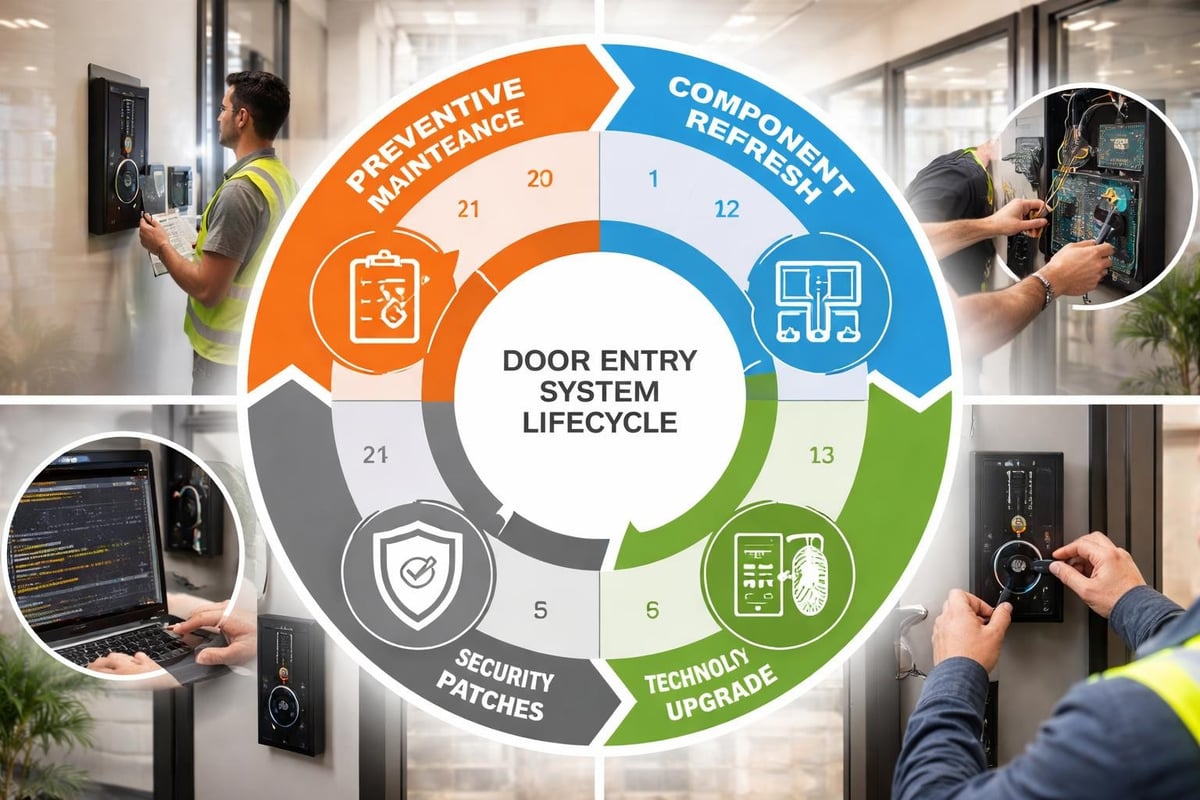
Commercial security systems must evolve as threats and technologies change. Upgrading is crucial when systems reach end-of-life or when business operations expand. Integrating new solutions, such as migrating from analogue CCTV to IP-based technology, enhances protection without needing a complete overhaul. Regular upgrades ensure commercial security systems stay aligned with current risks, regulatory requirements, and business growth.

Staff Refresher Training and Security Culture

People are central to the success of any security strategy. Ongoing staff training ensures everyone understands how to use commercial security systems and follows best practices. Regular drills, clear policies, and refresher courses help foster a security-conscious workplace. This approach reduces human error and ensures rapid, coordinated responses to incidents.

Common Maintenance Pitfalls to Avoid

Neglecting updates or minor faults can undermine even the best commercial security systems. Common pitfalls include ignoring software or firmware patches, delaying repairs, and failing to review access rights after staff changes. Proactive management and regular audits help you avoid these issues, keeping protection strong and your business secure.

After exploring the essential steps to choosing and maintaining the right security system for your business, you can see how important it is to have expert support tailored to your needs. At Logic Fire and Security, we understand that every business faces unique challenges in protecting people, assets, and data. That’s why we offer a personal approach—from risk assessment to installation and ongoing care—ensuring your premises meet the latest standards and stay protected well into 2026. To take the next step and get professional advice specific to your site, why not Get a Free Site Survey?

Our Accreditations

Work
For Us