

As 2026 approaches, the significance of effective fire alarm design in safeguarding lives and protecting assets has never been greater for UK businesses and property managers. With regulatory scrutiny intensifying, non-compliance can lead to severe legal and financial consequences.
A compliant fire alarm design not only reduces risk but also ensures peace of mind and enhances occupant safety. This article delivers a practical, step-by-step guide for achieving 2026 fire alarm compliance, covering the latest regulations, risk assessment, system selection, design, installation, and ongoing maintenance.
Understanding 2026 Fire Alarm Compliance Standards
Meeting 2026 requirements for fire alarm design in the UK starts with understanding the evolving legal landscape. As regulations tighten, compliance is more critical than ever for safety, insurance, and legal protection.
Overview of Relevant UK Legislation and Standards
UK fire safety legislation sets the foundation for fire alarm design in all commercial and public buildings. The Regulatory Reform (Fire Safety) Order 2005 places legal responsibility on building owners and managers to ensure robust fire protection. The Fire Safety Act 2021 and Fire Safety (England) Regulations 2022 expand these duties, particularly for high-rise and multi-occupancy premises.
The Building Safety Act 2022 introduces stricter accountability, especially in higher-risk settings. Central to fire alarm design is BS 5839-1:2017, which outlines installation and maintenance standards. Anticipated updates for 2026 are expected to further raise the bar, with increased scrutiny on system integration and documentation.
Compliance is mandatory. Failure to meet these standards can result in prosecution, fines, or invalidated insurance. For example, recent years have seen several high-profile enforcement actions against non-compliant property managers. Every aspect of fire alarm design must align with these legal requirements to avoid costly consequences.
Key Changes and Updates for 2026
The 2026 update to BS 5839 will bring significant changes for fire alarm design across the UK. New requirements will cover advanced integration, such as connecting fire alarm systems with building management platforms and enabling remote monitoring capabilities. Stricter documentation and audit trails will help ensure every stage of fire alarm design is traceable and verifiable.
A major focus will be on evacuation alert systems and improved disabled refuge provisions, reflecting a commitment to inclusive safety. According to government data, over 1,800 enforcement notices were issued in 2023 due to fire safety breaches, signalling a trend toward tougher oversight.
System installers and property managers must stay informed and adapt fire alarm design to these new requirements. Early preparation will not only ensure compliance but also enhance occupant safety and operational resilience as regulations continue to evolve.
Fire Alarm System Categories and Classifications
Choosing the right fire alarm design depends on understanding system categories set out in BS 5839. There are three main types:
| Category | Purpose | Subcategories |
|---|---|---|
| L | Life protection | L1, L2, L3, L4, L5 |
| P | Property protection | P1, P2 |
| M | Manual (break glass only) | N/A |
L systems prioritise life safety, with L1 offering maximum protection throughout all areas, while L5 is tailored to specific risks. P systems focus on property, and M systems rely on manual activation. The correct fire alarm design is determined by building type and risk profile. For example, student accommodation typically requires L2 or L3, while hospitals often need comprehensive L1 systems.
For a detailed breakdown of these categories and their applications, see Fire alarm system categories.
Selecting the right category is not just a technical decision, but a legal one. Accurate classification ensures your fire alarm design meets compliance and delivers the appropriate level of protection.
Step 1: Conducting a Comprehensive Fire Risk Assessment
A comprehensive fire risk assessment is the foundation of effective fire alarm design for any UK business or property manager. This process is not only a legal requirement but also a practical necessity to ensure that your fire alarm design genuinely protects lives and assets. Getting this right from the outset sets the stage for full compliance with the upcoming 2026 standards and reduces risks that could have costly consequences.
The Role of Fire Risk Assessment in System Design
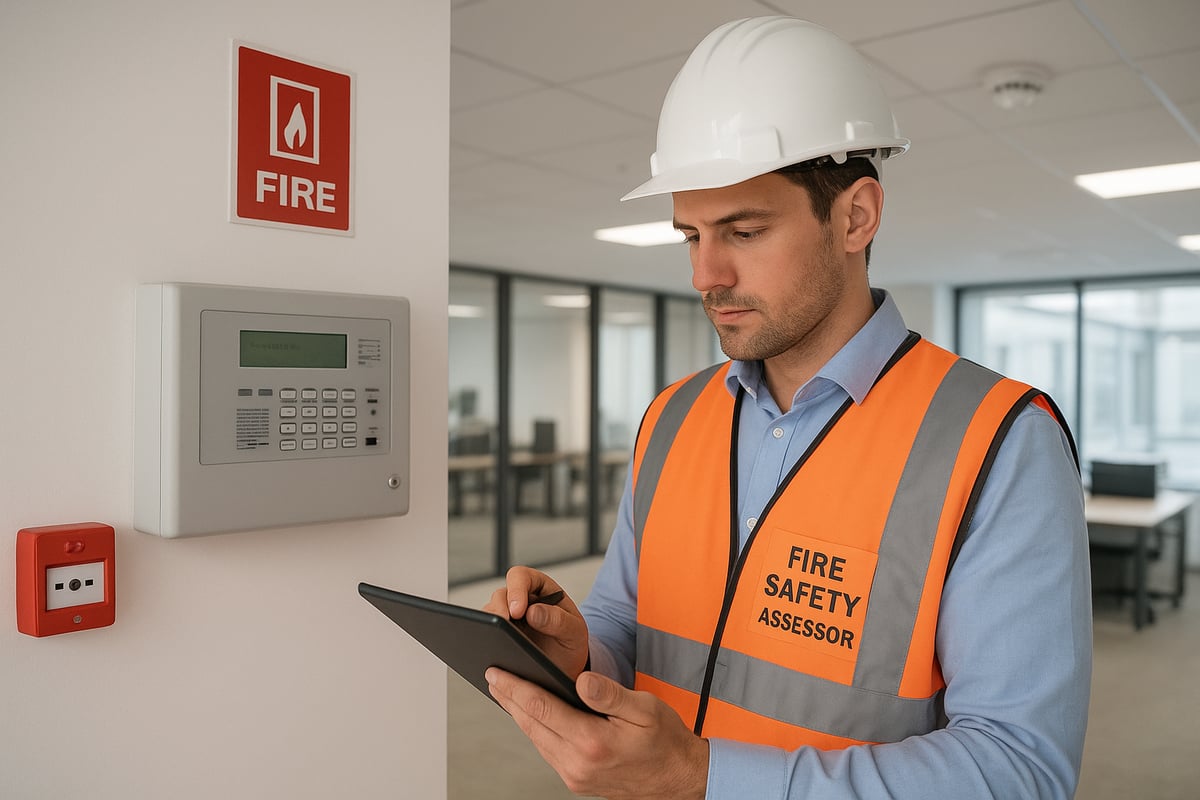
A fire risk assessment is a systematic review of your premises to identify fire hazards, evaluate risks, and recommend control measures. It is a legal obligation under the Regulatory Reform (Fire Safety) Order 2005 and is central to every stage of fire alarm design. The process typically involves:
- Identifying potential ignition sources, fuels, and vulnerable areas.
- Evaluating existing fire precautions and escape routes.
- Assessing the needs of all occupants, including those with disabilities.
- Recommending tailored actions to reduce risk.
Without a robust assessment, fire alarm design is likely to fall short of both legal and insurance requirements. For example, a recent prosecution involved a property manager who failed to document hazards and implement suitable fire alarm design, resulting in fines and increased scrutiny. For more detailed steps, refer to this fire risk assessment guidance.
Identifying Building-Specific Risks and Occupant Needs
No two buildings are alike, and effective fire alarm design must consider the unique risks and needs of each site. Begin by analysing the occupancy type, such as office, retail, or residential, and the layout of the premises. Pay close attention to areas with higher fire risk, like kitchens, plant rooms, or storage areas.
Consideration of vulnerable occupants, including elderly or mobility-impaired individuals, is crucial. Fire alarm design should address sleeping accommodation, complex escape routes, and any special hazards. According to the Fire Industry Association, over 70% of fire alarm design failures stem from inadequate risk assessment, highlighting the need for a bespoke approach instead of a generic solution.
By assessing these factors in detail, you ensure that the fire alarm design is both compliant and genuinely protective for every occupant.
Documentation and Compliance Records
Thorough documentation is vital for demonstrating compliance and ensuring smooth audits. Keep written records of all fire risk assessments, fire alarm design decisions, and any remedial actions. Modern digital tools can streamline record-keeping, making it easier to update, retrieve, and share information with authorities and insurers.
A typical compliance record should include:
| Document Type | Purpose | Frequency |
|---|---|---|
| Fire Risk Assessment | Identifies hazards, risks, and controls | Annually/Change |
| Fire Alarm Design Docs | Details system layout and specifications | On installation |
| Maintenance Logbooks | Tracks inspections and repairs | Every service |
Digital logbooks have been shown to improve audit efficiency by 40% according to industry surveys. Keeping your fire alarm design records up-to-date not only meets legal requirements but also supports a proactive approach to fire safety.
Step 2: Selecting the Right Fire Alarm System
Selecting the appropriate system is a vital step in fire alarm design. With stricter 2026 compliance standards approaching, the right choice will ensure both safety and legal certainty. Let us break down the technologies, how to match them to your needs, and the key role of integration.
Overview of Fire Alarm Technologies
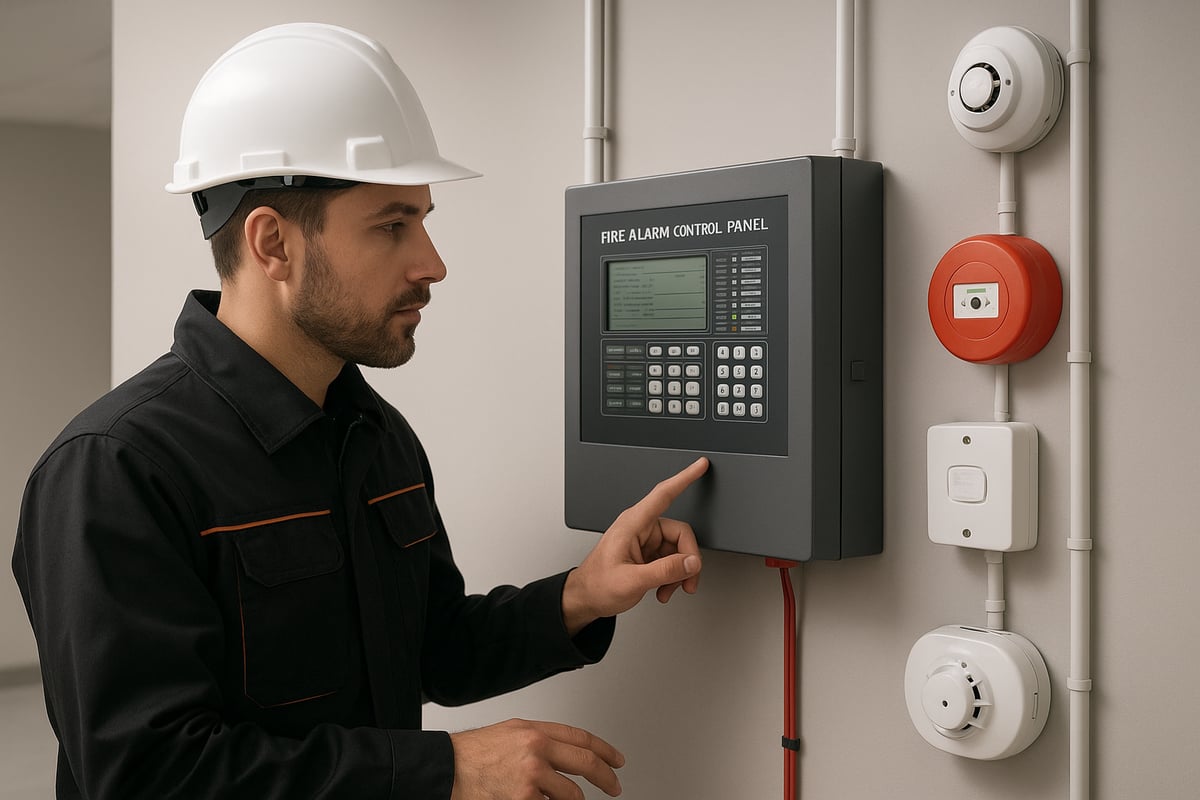
Understanding the main system types is the first step in compliant fire alarm design. Conventional systems are cost-effective for small premises, using basic wiring to identify alarm zones. Addressable systems, ideal for larger or complex buildings, pinpoint device locations for faster response and easier fault finding.
Wireless systems are popular for heritage or listed properties, as they avoid intrusive cabling. Hybrid solutions combine wired and wireless elements for flexibility. Newer systems offer integration with building management systems and remote diagnostics.
For a detailed look at system categories and compliance, see the Fire alarm system design and installation guide. Choosing the right technology ensures your fire alarm design meets both operational and regulatory needs.
Matching System Type to Risk and Compliance Needs
The fire alarm design process must align system selection with your building’s risk assessment. Multi-occupancy, high-rise, or complex layouts often require addressable or hybrid systems for effective zoning and monitoring. Retail premises, for example, benefit from addressable solutions to separate sales areas from stockrooms, supporting faster evacuation and targeted alerts.
Consideration of vulnerable occupants, such as those in care homes, may necessitate additional evacuation alert systems and disabled refuge alarms. With 2026 standards, these features are not optional but a compliance requirement. A tailored fire alarm design reduces risk, improves safety outcomes, and ensures legal peace of mind.
Integration with Other Safety Systems
Modern fire alarm design is not just about standalone alarms. It is about creating a connected safety network. Linking fire alarms with emergency lighting, access control, and suppression systems is vital for coordinated response and compliance.
BS 5839 requires careful planning for system interconnectivity. Compatibility and scalability must be factored in from the outset. For instance, healthcare facilities often integrate nurse call and fire alarm systems, ensuring staff and patients receive timely alerts without confusion.
Future-proofing your fire alarm design with integration supports ongoing regulatory changes and technological advancements, making upgrades seamless.
Logic Fire and Security: Comprehensive Fire Alarm Design Solutions
Logic Fire and Security delivers complete fire alarm design, supply, installation, and ongoing maintenance across the UK. Their solutions are tailored to each building’s specific risk profile, whether you need wireless, addressable, or integrated systems.
Accredited by BAFE, NICEIC, and NSI Gold, Logic Fire and Security guarantees all fire alarm design work meets or surpasses 2026 compliance. Clients benefit from expert fire risk assessments, digital compliance records, and 24/7 monitoring support.
Trusted by blue-chip businesses, public sector organisations, and property managers, Logic Fire and Security ensures your fire alarm design is robust, compliant, and ready for future challenges.
Step 3: Designing a Compliant Fire Alarm System
A robust fire alarm design is the foundation of effective fire safety for any building. The process begins with careful planning and must align with the latest standards to ensure compliance. Thoughtful design not only protects lives but also helps avoid costly modifications and legal issues later.
Design Process and Key Considerations
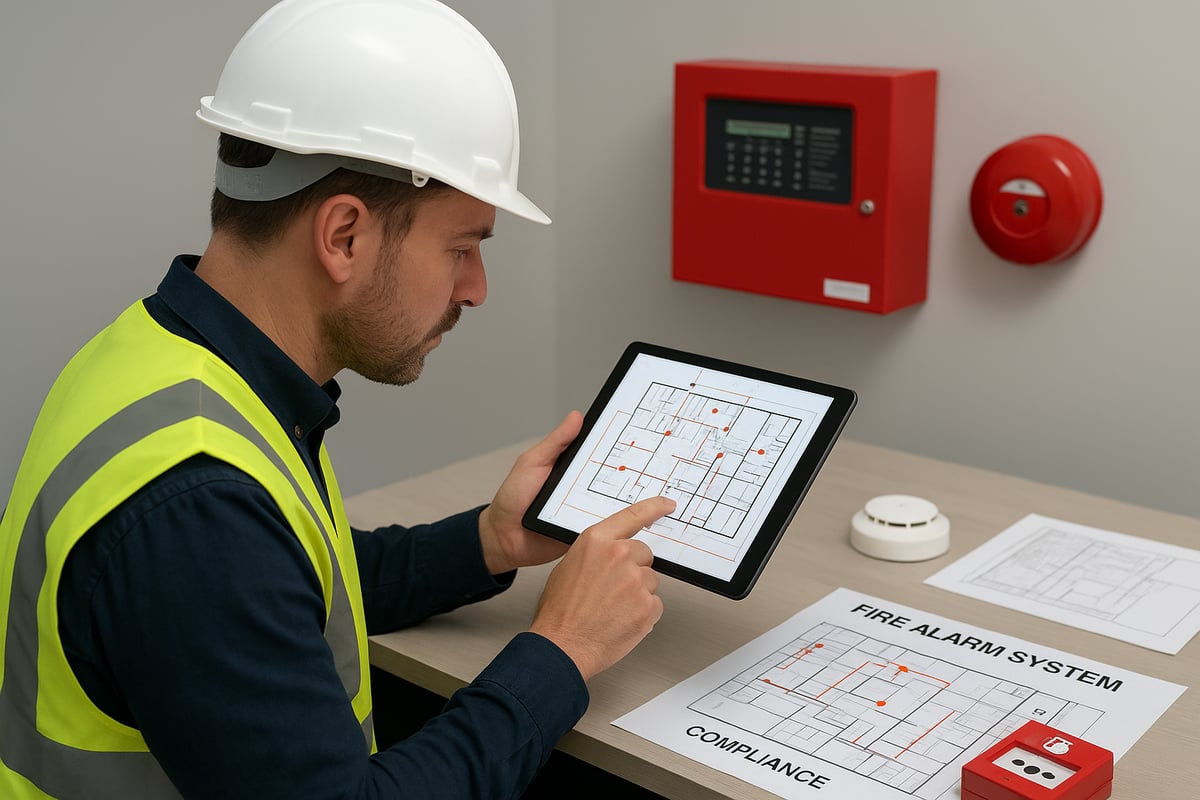
The fire alarm design process starts with a detailed site survey. This involves assessing the building’s layout, occupancy, and any unique risks identified during the fire risk assessment. Accurate CAD-based planning is essential for mapping out detector and call point locations.
Zoning strategies are crucial, dividing the building into manageable sections for targeted detection and evacuation. For example, a multi-storey office will require separate zones for each floor and key areas like plant rooms. Staying current with the Fire Alarm Design Changes in BS 5839-1:2025 is vital, as new requirements may impact layout, integration, and documentation. Proper fire alarm design at this stage sets the groundwork for compliance and operational efficiency.
Detector and Device Selection
Choosing the right detectors and devices is a pivotal step in fire alarm design. Common options include smoke, heat, multi-sensor, and beam detectors, each suited to specific risks and environments. For instance, heat detectors are ideal for kitchens, while smoke detectors are best placed in corridors and sleeping areas.
Placement guidelines from BS 5839-1 help minimise false alarms, which is critical for compliance and uninterrupted operations. Multi-sensor devices can be used in complex areas to enhance detection accuracy. Consistent application of these principles ensures the fire alarm design addresses both safety and regulatory needs.
Documentation and Drawings for Approval
Comprehensive documentation is essential for demonstrating that your fire alarm design meets all compliance criteria. This includes producing CAD schematics, layout plans, and detailed specifications for contractor and authority approval.
Maintaining clear records of any design changes supports future audits and simplifies system upgrades. Digital documentation streamlines collaboration between stakeholders and accelerates the approval process. For example, providing digital plans and change logs ensures a smooth handover and helps maintain a clear compliance trail. Ultimately, meticulous documentation is the final safeguard, confirming your fire alarm design is both effective and fully compliant.
Step 4: Installation, Commissioning, and Handover
A robust fire alarm design is only as effective as its installation and commissioning. This crucial step ensures the system operates as specified, remains compliant, and protects both lives and property from day one.
Selecting Accredited Contractors and Installers
Choosing the right contractor is fundamental to successful fire alarm design implementation. Contractors should hold third-party certifications such as BAFE, NICEIC, or NSI Gold, proving their competence and adherence to recognised standards.
When engaging a provider, always verify their experience with similar building types and request evidence of recent projects. Accredited installers are trained to follow both manufacturer instructions and current regulations, greatly reducing post-installation faults and costly rework.
Research from the Fire Industry Association shows that sites using certified installers experience a 30 percent drop in post-installation issues. Prioritising accreditation in your fire alarm design project not only safeguards compliance but also gives you peace of mind.
Commissioning and Functional Testing
The commissioning phase validates every aspect of the fire alarm design. This process involves systematically testing all devices, including detectors, sounders, and control panels. Each component must be checked for correct operation, integration, and response times.
Comprehensive documentation of commissioning results is vital for future audits and insurance. It is best practice to involve both the client and relevant authorities during sign-off, ensuring transparency and shared understanding of system capabilities.
For the latest requirements and best practices, it is essential to review the BS 5839-1:2025 Compliance Overview, which details updates affecting installation and testing. Thorough commissioning is the final quality check before handover, catching any issues early and confirming full operational readiness.
User Training and Handover Documentation
Once a fire alarm design is installed and commissioned, effective handover is key. Responsible persons and end-users should receive hands-on training covering alarm operation, routine testing, emergency procedures, and fault reporting.
A complete handover pack should include:
- User manuals
- Digital and physical logbooks
- Maintenance schedules
- Clear emergency instructions
Sites with trained staff see up to 50 percent fewer false alarms, according to industry reports. Proper training and documentation ensure everyone knows their role, supporting long-term compliance and system reliability for your fire alarm design.
Step 5: Ongoing Maintenance, Monitoring, and Record-Keeping
Continuous maintenance, monitoring, and thorough record-keeping are essential pillars of compliant fire alarm design. These steps ensure your system remains effective, meets legal duties, and provides documented assurance in the event of inspection or incident.
Scheduled Maintenance and Legal Requirements
Routine maintenance is critical for upholding fire alarm design standards and ensuring ongoing system reliability. UK law, including the Regulatory Reform (Fire Safety) Order 2005, mandates regular checks, with BS 5839-1 specifying intervals and procedures.
Key maintenance tasks include:
- Weekly testing of alarm functionality
- Quarterly and annual system inspections
- Battery performance checks and replacements
Staying up to date with requirements, such as the latest BS 5839-1:2025 Battery Requirements, helps avoid common failures. Missed maintenance can lead to system faults, insurance invalidation, or enforcement action. Proactive care demonstrates a commitment to both safety and compliance for every fire alarm design.
Alarm Monitoring and Rapid Response
Integrating 24/7 monitoring into your fire alarm design enhances early detection and swift intervention. Alarm Receiving Centres (ARC) provide constant oversight, ensuring activation alerts reach emergency services without delay.
Benefits include:
- Faster response, reducing potential damage
- Compliance with insurer and regulatory expectations
- Peace of mind for building owners and occupants
Monitored systems can reduce average response times by 40 percent, directly impacting life safety outcomes. For complex properties, remote diagnostics and automated alerts further strengthen resilience, making monitoring a key component of modern fire alarm design.
Keeping Compliance Records Up-to-Date
Meticulous record-keeping is a cornerstone of compliant fire alarm design. Both digital and physical logbooks are vital for tracking maintenance, faults, upgrades, and system changes.
Best practices involve:
- Recording all maintenance visits and tests
- Logging faults and remedial actions
- Documenting any alterations to the system
Digital tools streamline compliance, reducing administrative workload by 30 percent and improving audit readiness. Up-to-date records are essential for passing fire authority inspections and ensuring continued legal protection. They also provide a transparent history, supporting future system upgrades or investigations.
Preparing for Future Regulatory Changes and Best Practices
Staying ahead of regulatory changes is essential for anyone responsible for fire alarm design. The landscape in the UK is constantly shifting, with updates to BS 5839 and evolving government guidance shaping compliance requirements. To ensure your building remains compliant, regularly review updates from official bodies and participate in training sessions for responsible persons.
Engaging with industry organisations, such as FIA and BAFE, provides early access to best practices and insights on new requirements. For example, the anticipated focus on evacuation alert systems for compliance means property managers should already be planning for their integration within fire alarm design strategies. Proactive adoption of these systems helps avoid last-minute compliance issues and demonstrates a commitment to safety.
Regular staff training ensures your team can respond confidently to regulatory changes. By fostering a culture of learning, you reduce the risk of non-compliance and improve overall safety outcomes.
Embracing Technological Advancements
The future of fire alarm design is being shaped by rapid advancements in technology. Smart fire alarm systems now offer IoT integration, enabling real-time data sharing and remote diagnostics. Predictive maintenance tools help identify potential faults before they become critical, reducing downtime and enhancing system reliability.
Cloud-based monitoring platforms are increasingly popular for multi-site operations, providing centralised oversight and improved compliance tracking. For example, a national retail chain recently adopted cloud monitoring, allowing their facilities team to access live system status and compliance reports from any location.
Data analytics are now a core part of fire alarm design, supporting risk management and evidence-based decision-making. By leveraging these tools, property managers can anticipate issues and maintain continuous compliance.
Building a Culture of Fire Safety
Embedding fire alarm design into your organisational culture ensures lasting safety and compliance. Encourage regular fire drills, involve staff in safety discussions, and integrate fire safety checks into daily processes.
A proactive approach, where everyone understands their role in fire alarm design, leads to better outcomes and a safer environment for all.
As you look ahead to the 2026 compliance standards, ensuring your fire alarm design is up to scratch is more important than ever. Navigating new regulations and choosing the right system can feel overwhelming, but you don’t have to tackle it alone. At Logic Fire and Security, we’re here to help you safeguard your people, property, and peace of mind with expert guidance every step of the way. If you’d like tailored advice or want to see how compliant your current setup is, why not take the first step and Get a Free Site Survey?