

Fire safety is fast becoming a top priority for UK businesses in 2026, with new regulations and tighter insurance requirements driving change. Each year, UK Fire & Rescue Services respond to more than 22,000 workplace fires, putting lives, property, and business continuity at risk.
A commercial fire risk assessment offers protection by ensuring your business meets legal duties, safeguards employees, and can even lower insurance premiums. This guide explains what a commercial fire risk assessment involves, outlines your legal obligations, describes the process step by step, highlights common mistakes, and shares best practices for the year ahead.
What is a Commercial Fire Risk Assessment?
A commercial fire risk assessment is a structured process for identifying and managing fire hazards in business environments. It aims to safeguard people, property, and operations by systematically evaluating risks and recommending controls. The process is based on the five-step model: identifying fire hazards, identifying people at risk, evaluating and mitigating those risks, recording findings, and reviewing the assessment regularly.
Unlike residential assessments, a commercial fire risk assessment focuses on workplaces, shops, warehouses, and public buildings, each with distinct hazards and occupancy patterns. For example, an office may present risks from electrical equipment, while a warehouse faces challenges from flammable storage and large open spaces. No two assessments are identical, as each is tailored to the specific layout, activities, and people present. If you are unsure how to start, many businesses turn to Commercial Fire Risk Assessment Services for expert guidance and compliance.
Definition and Purpose
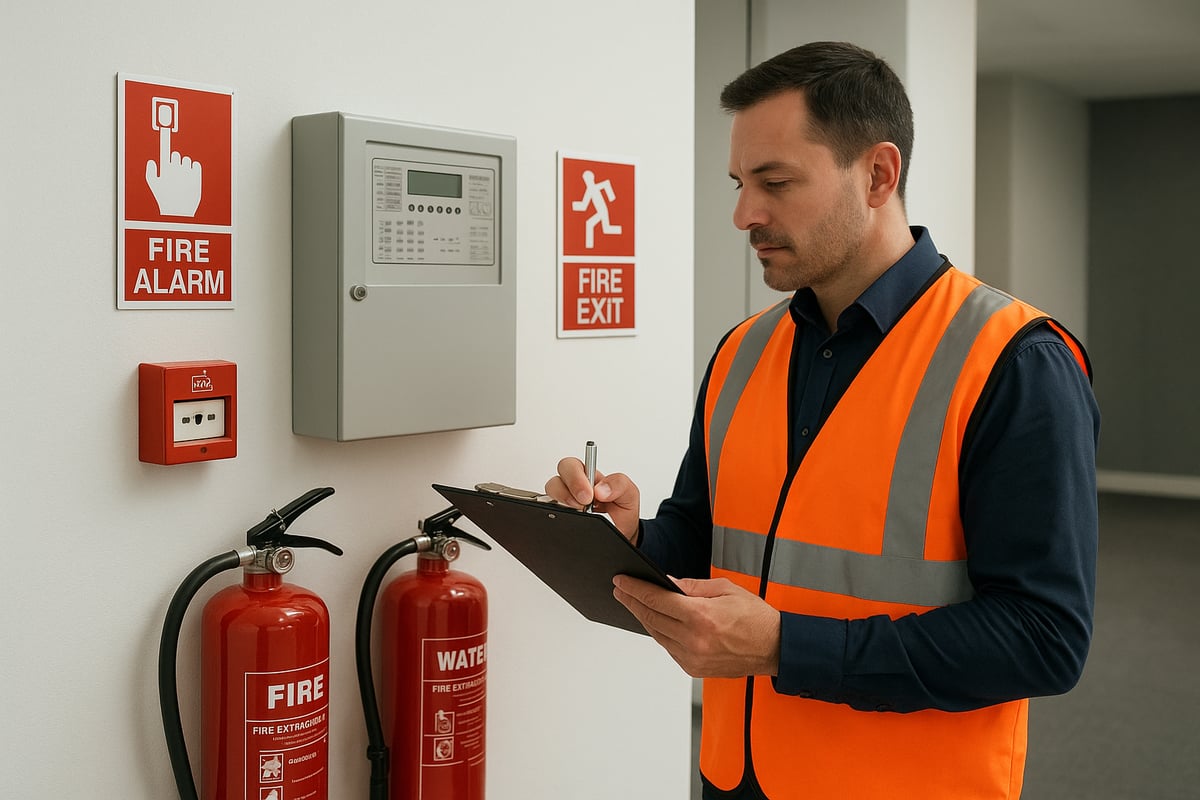
A commercial fire risk assessment serves to identify fire hazards, evaluate risks to people, and recommend measures to reduce those risks. The five-step model ensures a consistent approach:
- Identify fire hazards such as faulty wiring or open flames.
- Identify people at risk, including staff, visitors, and contractors.
- Evaluate existing controls and establish actions to mitigate risks.
- Record findings and assign responsibilities.
- Review and update the assessment regularly.
Commercial assessments differ from residential ones by considering business-specific hazards and occupancy patterns. For instance, a retail shop with high customer turnover requires different controls than a residential block. Tailoring is crucial, as each business has unique risks, layout, and staff needs.
Key Components of a Fire Risk Assessment
A thorough commercial fire risk assessment covers several core elements:
- Identifying sources of ignition, including electrical equipment, kitchen areas, and heating systems.
- Assessing flammable materials and how they are stored or handled.
- Evaluating the building layout, ensuring clear escape routes and compliant emergency lighting.
- Reviewing fire detection and alarm systems for adequacy and maintenance.
- Considering vulnerable persons, such as those with disabilities or visitors unfamiliar with the premises.
These components ensure all relevant hazards and protective measures are addressed. For example, a server room requires distinct measures compared to a staff canteen.
Benefits and Outcomes
Undertaking a commercial fire risk assessment brings significant benefits. It ensures compliance with the Regulatory Reform (Fire Safety) Order 2005, which is a legal requirement for UK businesses. Proper assessments reduce the risk of business interruption, fines, or prosecution following a fire incident.
Maintaining a written record is essential for demonstrating compliance to insurers and regulatory authorities. Businesses with up-to-date assessments are less likely to face enforcement actions. Regular reviews and improvements help create a safer working environment and support business continuity.
Legal Requirements for Fire Risk Assessments in 2026
Understanding the legal requirements for a commercial fire risk assessment is essential for every UK business in 2026. The landscape is evolving, with increased regulatory scrutiny and more severe consequences for non-compliance. Staying up to date is not just about ticking boxes—it is about protecting people, assets, and business continuity.
Regulatory Landscape
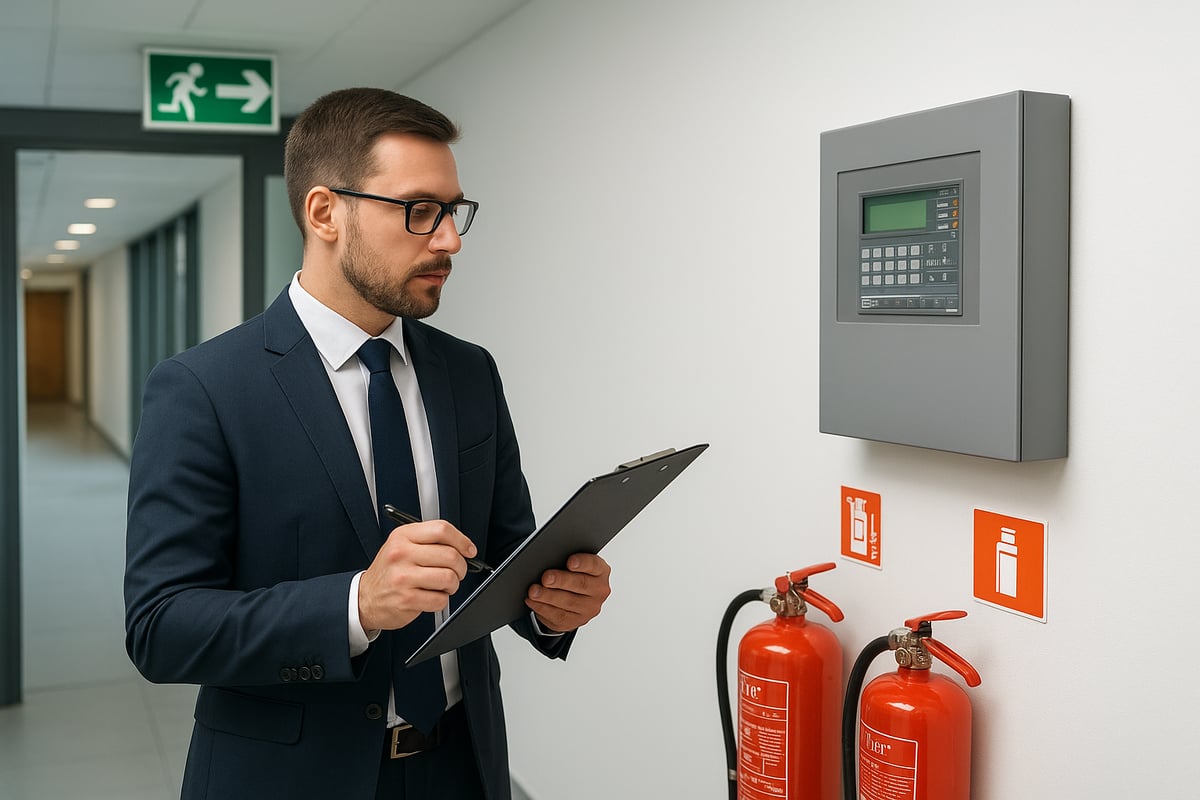
The main legal framework governing fire safety in UK businesses is the Regulatory Reform (Fire Safety) Order 2005. This legislation, updated with amendments for 2026, requires every non-domestic premises to undertake a commercial fire risk assessment. The rules apply regardless of business size or sector, so even small shops and large warehouses must comply.
If your organisation employs five or more people, the law states that the assessment must be written and kept on record. Non-compliance can lead to serious penalties, including fines, imprisonment, or forced business closure. Recent regulatory updates have introduced stricter enforcement and increased inspection frequency.
For a detailed overview of these legal obligations, see the Fire Risk Assessment Regulatory Reform Order.
Who is Responsible?
The duty to carry out a commercial fire risk assessment falls on the “responsible person.” This is typically the employer, business owner, landlord, or someone with significant control over the premises. In larger organisations, this responsibility may be delegated to a facilities manager or health and safety officer.
You can appoint a competent individual internally or hire an external specialist. However, the legal duty remains with the responsible person. For example, a facilities manager in a multi-site business may oversee assessments across all locations, ensuring consistency and compliance.
Failing to assign responsibility or clarify roles often results in missed reviews or incomplete assessments, increasing legal and insurance risks.
Frequency and Review
There is no fixed legal interval for reviewing a commercial fire risk assessment, but the law requires it to be reviewed regularly. Significant changes in building layout, occupancy, or after an incident trigger a mandatory reassessment.
Best practice across UK industries suggests an annual review. However, if your business adds a new production line, increases staff numbers, or experiences a fire-related event, you must update your assessment immediately. This proactive approach demonstrates compliance and reduces the risk of enforcement action.
Regular reviews are crucial for adapting to changes and maintaining a safe environment for everyone on site.
Documentation and Record Keeping
Proper documentation is a cornerstone of legal compliance. Your commercial fire risk assessment should include clear, accessible records of findings, actions taken, and persons responsible. This written evidence is vital if authorities or insurers request proof of due diligence.
Key elements to document include:
- Identified hazards and risks
- Actions taken to mitigate risks
- Names of responsible persons
- Dates of assessments and reviews
Businesses with robust record keeping can respond quickly to inspections and demonstrate a strong safety culture. In the event of a claim or audit, clear records can mean the difference between a smooth process and costly disputes.
Step-by-Step Guide to Conducting a Commercial Fire Risk Assessment
Conducting a commercial fire risk assessment is essential for safeguarding people, property, and business continuity. This structured approach helps you identify threats, evaluate vulnerabilities, and implement robust fire safety measures tailored to your premises.
Step 1: Identify Fire Hazards
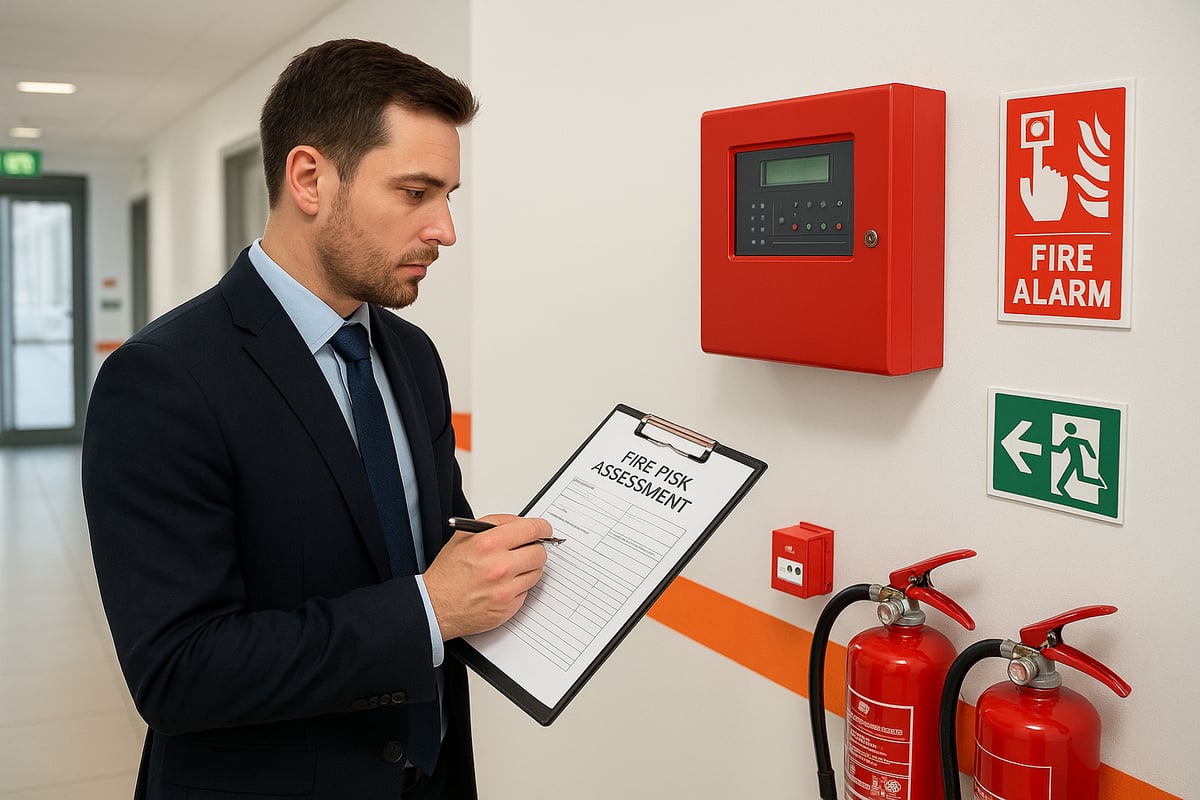
Begin your commercial fire risk assessment by pinpointing all potential fire hazards within your premises. Look for ignition sources such as electrical equipment, heating systems, and open flames. Examine flammable substances including chemicals, paper, and textiles used or stored onsite.
Good housekeeping is crucial. Inspect areas for clutter, improper waste storage, and infrequent cleaning routines, as these can fuel a fire. For example, poorly maintained electrical equipment is a leading cause of workplace fires. By systematically reviewing each area, you lay a solid foundation for the rest of your commercial fire risk assessment.
Step 2: Identify People at Risk
Next, assess who could be endangered in the event of a fire. This step in the commercial fire risk assessment should account for all staff, visitors, contractors, and especially vulnerable groups such as the elderly or disabled.
Consider specific scenarios, like shift work or lone workers who may be isolated during an emergency. Retail environments, where customer turnover is high, require extra attention to ensure everyone can evacuate safely. Mapping out occupancy patterns is vital to ensure your assessment considers every individual at risk.
Step 3: Evaluate, Remove, and Reduce Risks
Now, evaluate the effectiveness of existing fire safety controls in your commercial fire risk assessment. Review fire alarms, extinguishers, emergency lighting, and staff training. Identify any gaps and prioritise actions, such as updating extinguishers or improving signage.
For example, after a recent audit, many businesses have upgraded emergency lighting and alarms. For detailed guidance on this critical element, see the Fire Alarm System Guidance. Addressing these areas promptly can significantly lower risk and enhance compliance.
Step 4: Record Findings and Prepare Action Plan
Document all hazards, risk levels, actions required, and the responsible persons. Your commercial fire risk assessment should create a clear action plan, making it easy to track progress and responsibilities.
Communicate these findings with both staff and management. Utilise templates to standardise records, ensuring nothing is overlooked. This written evidence demonstrates compliance and supports insurance claims or regulatory inspections.
| Hazard Identified | Action Required | Responsible Person |
|---|---|---|
| Blocked fire exit | Clear obstruction | Site Manager |
| Outdated extinguisher | Replace immediately | Facilities Lead |
Step 5: Review and Update Regularly
Finally, schedule regular reviews of your commercial fire risk assessment. Updates are essential after significant changes, such as office refurbishments or increases in staff numbers.
Maintain version control and keep an audit trail of all updates. Annual reviews help uncover new risks and ensure your fire safety measures remain effective. Continuous improvement is key to maintaining a safe and compliant workplace.
Common Areas of Concern and How to Address Them
When carrying out a commercial fire risk assessment, there are several areas that consistently present challenges for businesses. Addressing these concerns thoroughly not only ensures legal compliance but also protects staff, assets, and business continuity.
Fire Detection and Alarm Systems
A reliable fire detection and alarm system is at the heart of any commercial fire risk assessment. Systems should be regularly serviced and tested. Failing to maintain alarms is a common reason for enforcement action by authorities. Ensure your alarms are suitable for your premises’ size and layout, and that they are audible in all occupied areas.
Emergency Lighting and Exits
Safe evacuation depends on clear, accessible exits and compliant emergency lighting. All exit routes must be free from obstructions, well lit, and clearly marked. Modern emergency lighting systems are essential, especially if the main power fails. For detailed guidance on requirements, see Emergency Lighting Compliance. Regular checks and prompt repairs are necessary to keep these systems effective.
Fire Extinguishers and Suppression Equipment
Having the correct type of fire extinguisher in the right location is critical. Kitchens, server rooms, and manufacturing areas each require specific extinguishers. Maintenance schedules should be strictly followed, and all staff must know how to use the equipment. Inadequate or poorly placed extinguishers are a frequent finding in failed assessments.
Staff Training and Fire Drills
A commercial fire risk assessment is only effective if staff are well trained. Regular fire safety training and evacuation drills ensure everyone knows what to do during an emergency. Businesses that invest in frequent drills see quicker, safer evacuations and better overall preparedness.
Storage of Flammable Materials
Improper storage of flammable materials is a common hazard. Keep such materials away from ignition sources and ensure that storage areas are well ventilated. Warehouses and storerooms with poor layouts or excessive clutter are often identified as high-risk in assessments.
Electrical Safety and Maintenance
Electrical faults remain a leading cause of workplace fires. Regular PAT testing, fixed wire inspections, and routine maintenance are essential. Faulty or overloaded equipment should be replaced immediately. Attention to electrical safety should be a priority in every commercial fire risk assessment.
Signage and Communication
Clear, up-to-date fire safety signage is vital for guiding occupants during an emergency. All signs should be easy to read and strategically placed throughout the premises. Insufficient signage is often cited in insurance claim disputes, highlighting its importance in both compliance and risk reduction.
By proactively addressing these areas, businesses can significantly reduce their risk profile and demonstrate a robust commercial fire risk assessment process.
Choosing the Right Fire Risk Assessor: Competency and Best Practices
Selecting the right professional for your commercial fire risk assessment is crucial for both compliance and peace of mind. The expertise and approach of your assessor can directly impact your business’s safety, legal standing, and insurance outcomes.
Internal vs. External Assessors
Businesses must decide whether to handle a commercial fire risk assessment internally or engage an external specialist. In-house assessments are feasible for smaller, low-risk premises where staff possess adequate fire safety knowledge and training.
However, for larger, complex, or high-risk sites, hiring a professional assessor is usually the safest route. For example, a small office might conduct its own assessment, while a multi-site manufacturing facility would benefit from external expertise. Remember, a thorough commercial fire risk assessment ensures all unique risks are identified and addressed.
What to Look for in a Fire Risk Assessor
When selecting a provider, consider the following qualities to ensure your commercial fire risk assessment meets industry standards:
- Accreditation, such as BAFE, IFSM, or IFE
- Demonstrable experience in your sector or building type
- Strong client references and case studies
For example, listed or historic buildings often require assessors with specialist knowledge. The right assessor will tailor their commercial fire risk assessment to the specific needs and legal requirements of your premises.
Questions to Ask Before Hiring
Before engaging an assessor, clarify these key points:
- What is the full scope of the commercial fire risk assessment?
- What deliverables will be provided, and in what format?
- Are ongoing support and periodic reviews included?
- Can you see sample reports or client testimonials?
By asking these questions, you ensure the commercial fire risk assessment process is transparent and aligned with your business needs.
Logic Fire and Security: Comprehensive Fire Risk Assessment Services
Logic Fire and Security delivers nationwide, accredited fire risk assessments tailored to commercial and public sector clients. With over 20 years of experience, their team offers end-to-end solutions, including risk assessments, system design, installation, and 24/7 monitoring.
BAFE and NSI Gold certifications guarantee compliance with all current UK regulations, giving your business confidence in both safety and legal standing. Contact Logic Fire and Security for a free, no-obligation site survey and tailored quotation.
Fire Risk Assessment Best Practices for 2026 and Beyond
Staying ahead in fire safety means more than ticking boxes. Businesses must embrace ongoing improvement, technology, and cultural change to ensure their commercial fire risk assessment is not just compliant but truly effective for 2026 and beyond.
Keeping Up with Evolving Standards
Fire safety regulations adapt to new risks and lessons learnt. In 2026, staying informed about changes in guidance is crucial. For example, recent updates may affect high-rise or mixed-use properties, requiring new procedures. Reviewing the latest Fire and Rescue Incident Statistics: Year Ending March 2025 can highlight emerging trends and help shape your commercial fire risk assessment approach.
Regularly checking government resources ensures your business remains compliant. Assign responsibility for monitoring changes and updating policies as needed.
Leveraging Technology
Digital tools streamline the commercial fire risk assessment process. Cloud-based systems enable real-time record keeping, automated reminders for reviews, and easy sharing of documentation with stakeholders. Integrating fire safety with building management and security platforms helps identify issues quickly.
Consider using mobile apps for on-site assessments, capturing photos, and generating reports instantly. These innovations reduce paperwork and improve accuracy.
Embedding Fire Safety Culture
Embedding fire safety into your company culture is essential for effective risk management. Leadership should demonstrate commitment by prioritising regular training and clear communication. Engaged employees are more likely to report hazards and follow procedures, supporting a robust commercial fire risk assessment.
Case studies show businesses with strong safety cultures respond better in emergencies and experience fewer incidents. Make fire safety a shared responsibility at all levels.
Insurance and Business Continuity
An up-to-date commercial fire risk assessment can reduce insurance premiums and prevent disputes if a claim arises. Insurers increasingly require documented evidence of recent assessments and improvements.
Integrate fire risk planning into your wider business continuity strategy. This ensures minimal disruption and faster recovery after an incident. Keep clear, accessible records to demonstrate due diligence.
Preparing for Future Risks
Workplaces are evolving, bringing new challenges. Hybrid and flexible working patterns, increased use of lithium-ion batteries, and renewable energy systems introduce fresh hazards. Reviewing UK Workplace Fire Statistics 2026 helps identify common causes and adapt your commercial fire risk assessment accordingly.
Regularly assess how new equipment, storage methods, or operational changes impact fire safety. Stay proactive to address risks before they escalate.
Regular Auditing and Continuous Improvement
Schedule independent audits to benchmark your fire safety performance. Peer reviews and external assessments offer fresh perspectives and identify areas for improvement.
Document lessons learned from incidents, enforcement actions, or near-misses. Continuous improvement ensures your commercial fire risk assessment remains relevant and robust as standards evolve.
As we’ve explored, keeping your business safe and legally compliant in 2026 means taking fire risk assessments seriously and acting on the insights they provide. There’s real peace of mind in knowing you’re protecting your team, assets, and reputation, while also avoiding costly fines or disruptions. If you’re unsure where to start or want expert guidance tailored to your premises, you don’t have to figure it out alone. Why not take the next step and Get a Free Site Survey? You’ll get practical advice, a clear action plan, and the confidence that your business is in safe hands.