
Alarm Systems Fire Guide: Essential Insights for 2026

Fire safety is changing at an unprecedented pace, making it vital for every organisation to stay ahead. The risks are real, and modern alarm systems fire solutions have become essential for protecting lives and property.

This guide provides up-to-date insights on alarm systems fire, from the latest technologies and evolving regulations to practical tips for compliance. Whether you manage an office, school, or warehouse, understanding these systems is crucial.

Discover the categories of alarm systems, learn about new standards for 2026, and explore best practices for choosing, maintaining, and upgrading your fire protection. Take the next step towards safer, smarter fire safety today.

The Fundamentals of Fire Alarm Systems

Understanding the basics of alarm systems fire protection is crucial for any property owner or manager. Effective fire safety starts with knowing how these systems function, their main types, and why early detection saves lives and assets.

The Fundamentals of Fire Alarm Systems

What Are Fire Alarm Systems?

Fire alarm systems are integrated networks designed to detect, alert, and facilitate evacuation in the event of fire. Their primary role is to provide early warning to occupants, minimising risk to life and property.

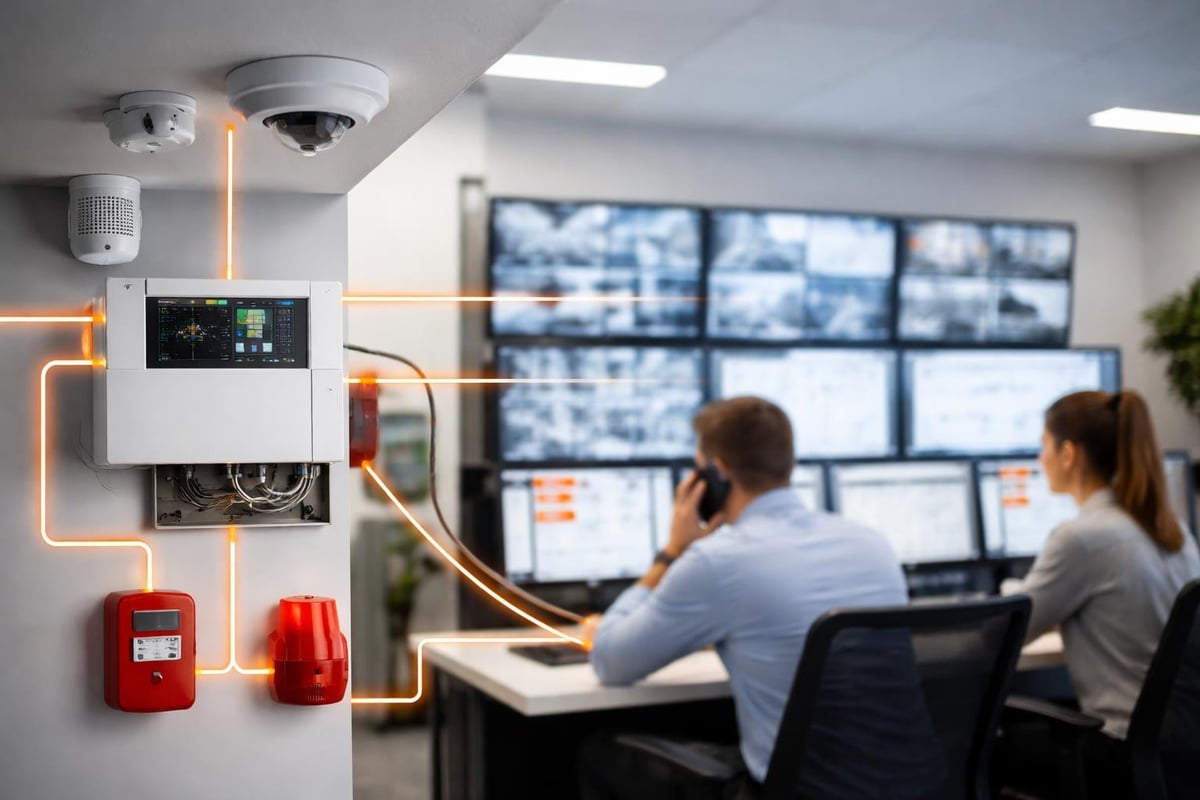
These systems use sensors to spot smoke, heat, or flames, then trigger audible and visual warnings. Unlike other safety systems, alarm systems fire setups focus on rapid detection and coordinated evacuation. For a deeper dive, see Fire alarm system fundamentals.

Main Categories of Fire Alarm Systems

There are three main categories:

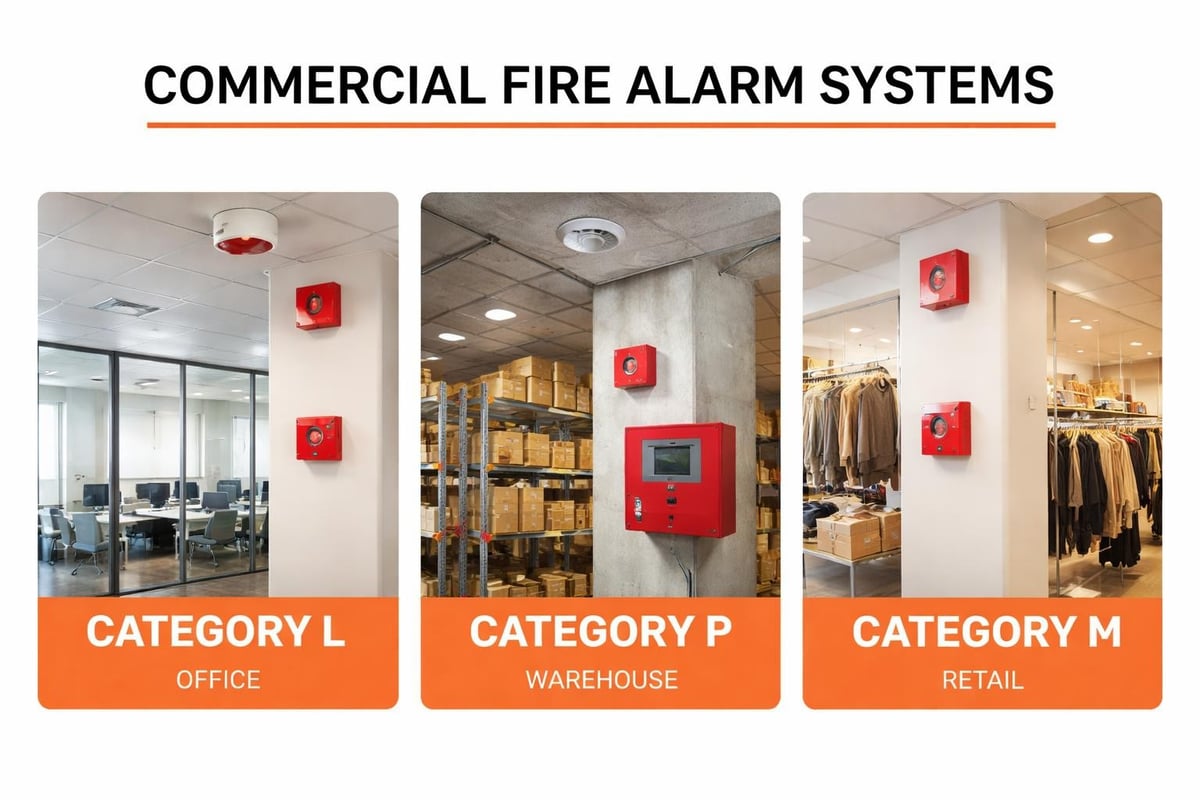
  • Manual systems (Category M): Operated by people, such as break glass call points.
  • Automatic systems: Rely on smoke, heat, or flame detectors to activate alarms.
  • Hybrid systems: Combine both manual and automatic features for enhanced coverage.

Each type is chosen based on building risk and operational needs.

Fire Alarm System Classifications (L, P, M)

Alarm systems fire solutions are classified by their purpose:

  • Life protection (L1–L5): L1 covers the entire building, while L5 targets specific risks.
  • Property protection (P1, P2): P1 protects the whole site, P2 focuses on high-risk zones.
  • Manual (M): Relies solely on manual activation points.

Selecting the right classification ensures compliance and effective risk management.

Core Components and How They Work

Key components include:

  • Detectors: Sense smoke, heat, or flames.
  • Control panels: Process signals and manage alerts.
  • Sounders: Emit alarms to warn occupants.
  • Manual call points: Allow people to trigger alarms.

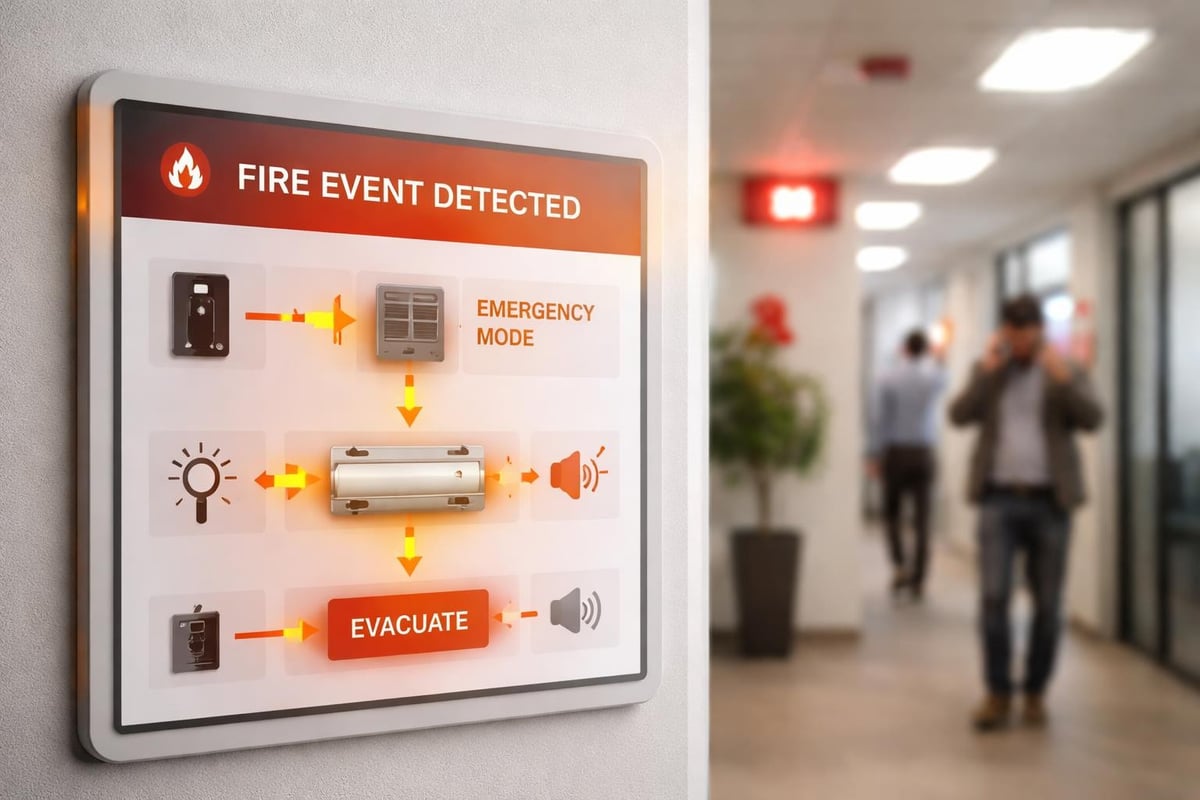
When a detector senses fire, it signals the control panel, which then activates sounders and prompts evacuation.

Typical Applications and Building Types

Alarm systems fire solutions are tailored for various environments:

  • Commercial offices and retail spaces
  • Industrial facilities and warehouses
  • Public sector buildings like schools and hospitals
  • Residential flats or care homes

System design considers building function, occupancy, and specific fire risks.

The Importance of Early Warning

Early warning is vital. Studies show that rapid detection from alarm systems fire installations significantly reduces casualties and damage. For example, BAFE SP203-1 compliance mandates fast activation to support swift evacuation, giving people precious time to escape.

Regulatory Standards and Compliance in 2026

Staying compliant with evolving regulations is essential for effective alarm systems fire protection. In 2026, updated standards and legal frameworks are shaping how systems are designed, installed, and maintained. Understanding these requirements is key to keeping people and property safe.

Regulatory Standards and Compliance in 2026

Key UK and International Fire Alarm Standards

Alarm systems fire regulations in the UK are primarily governed by BS 5839-1:2017, with anticipated updates set for 2026. This standard outlines requirements for system design, installation, and maintenance. BAFE SP203-1 certification ensures installers meet these benchmarks. Internationally, EN 54 and ISO 7240 provide frameworks for system components and performance, aligning UK practices with global expectations. These standards are regularly reviewed to address new risks and technologies.

Legal Obligations for Businesses and Property Owners

UK law, notably the Regulatory Reform (Fire Safety) Order 2005, places a duty of care on employers, landlords, and responsible persons. A thorough fire risk assessment is mandatory, and appropriate alarm systems fire solutions must be installed and maintained. Non-compliance can result in severe penalties, including fines or prosecution. Businesses must keep up to date with any changes to ensure ongoing legal protection.

Recent and Upcoming Regulatory Changes

2026 will bring significant updates to BS 5839-1 and related codes. These changes reflect lessons from the Grenfell Tower Inquiry, resulting in stricter requirements for high-rise and multi-occupancy buildings. Enhanced system performance, improved detection, and faster alerting are key themes. For detailed guidance, see the BS 5839-1:2025 fire alarm system changes. Staying informed is crucial for anyone managing alarm systems fire compliance.

Accreditation and Certification: Why It Matters

Accreditation demonstrates competence and reliability in alarm systems fire installation and maintenance. BAFE and NSI Gold are leading certifications, requiring companies to undergo regular audits and staff training. These accreditations give assurance that systems are installed to the highest standards. NSI Gold companies, for example, are subject to rigorous inspections, which help maintain industry best practices and ongoing compliance for clients.

Documentation and Record-Keeping

Proper documentation is essential for audits and legal defence. This includes fire log books, system certificates, and maintenance records. Keeping accurate, up-to-date records ensures traceability and proves that alarm systems fire procedures are being followed. During inspections, clear and organised documentation can demonstrate compliance and support insurance claims if incidents occur.

Common Compliance Pitfalls

Common pitfalls in alarm systems fire compliance include incomplete risk assessments, using uncertified products or installers, and letting documentation lapse. These issues can lead to enforcement action or, worse, increased risk to occupants. Regular reviews, staff training, and working with accredited providers help avoid these mistakes and keep your building safe.

Fire Alarm System Technologies: Trends for 2026

Fire safety is entering a new era, with technology reshaping how alarm systems fire solutions protect buildings and occupants. In 2026, significant advances are emerging across detection methods, integration, maintenance, sustainability, and security. Understanding these developments is crucial for future-proofing your fire safety strategy.

Fire Alarm System Technologies: Trends for 2026

Latest Advances in Detection and Notification

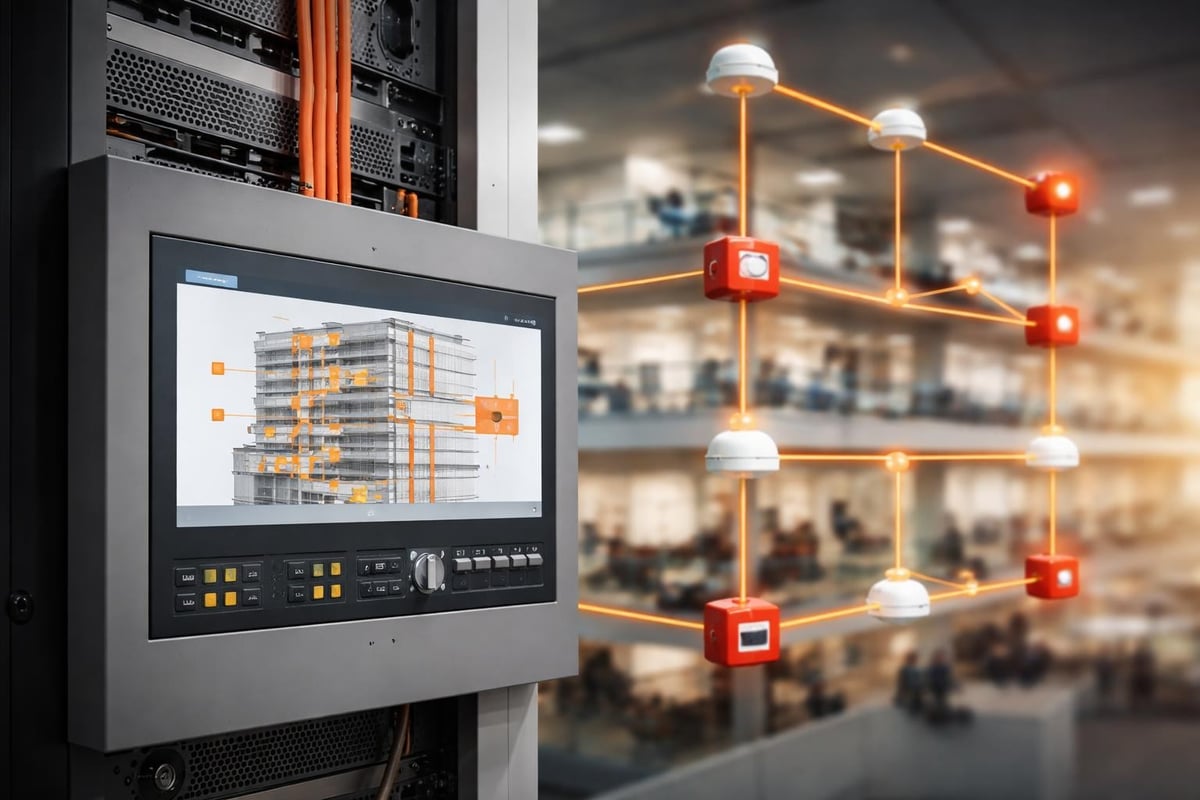
The landscape for alarm systems fire detection is evolving quickly. Traditional conventional systems are giving way to addressable solutions, offering pinpoint accuracy for incident locations. Wireless and hybrid fire alarm technologies are becoming the standard, providing flexibility for complex or occupied sites.

Multi-sensor detectors, which combine smoke, heat, and carbon monoxide sensing, are reducing false alarms and increasing reliability. These innovations, as highlighted in the Trends in fire alarm system technologies, are making alarm systems fire deployments more precise and efficient.

Integration with Building Management and Security

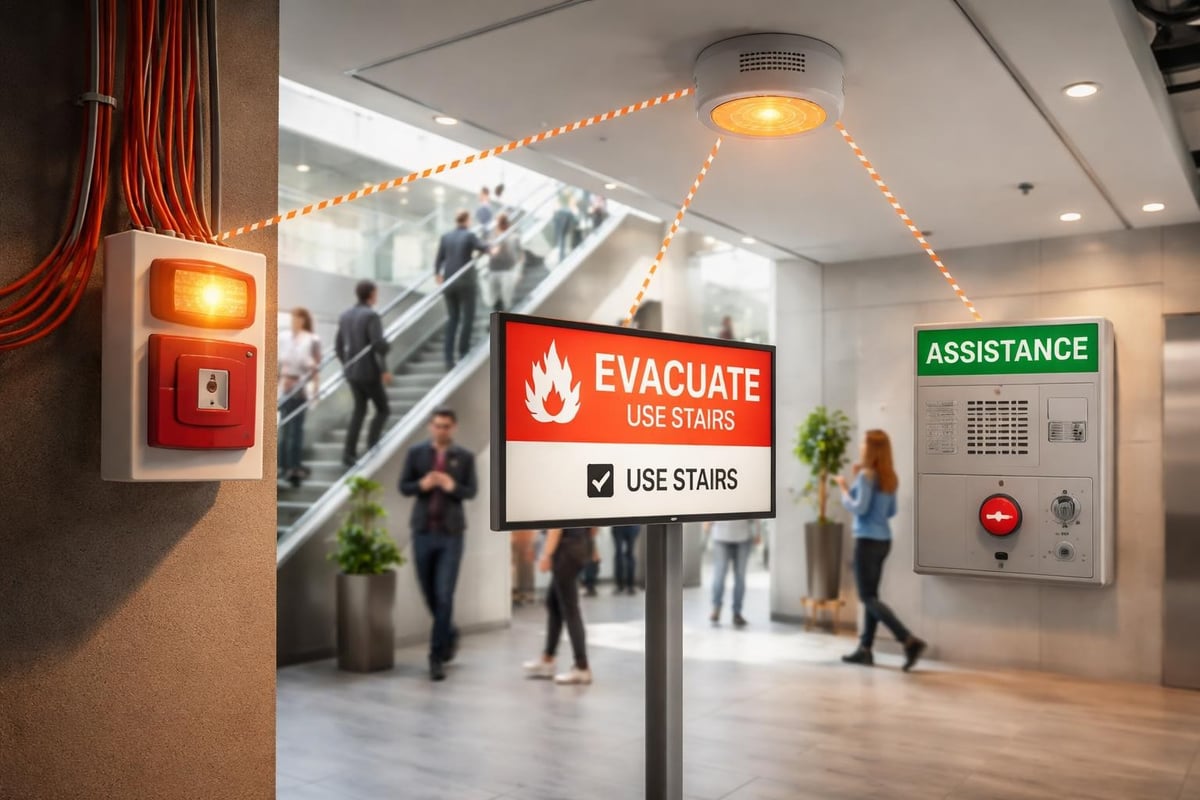
Modern alarm systems fire installations are no longer isolated. They integrate seamlessly with building management systems, access control, and CCTV. This connectivity enables automated evacuation, targeted voice alarms, and real-time situational awareness during emergencies.

For instance, when an alarm triggers, lifts can be grounded, doors unlocked, and cameras activated, ensuring coordinated response. Such integrated alarm systems fire setups enhance both life safety and operational efficiency.

Remote Monitoring and Maintenance Innovations

Alarm systems fire technology now leverages cloud-based platforms for remote monitoring. Real-time alerts and system diagnostics are available to facilities teams and service providers, ensuring rapid attention to faults or incidents.

IoT sensors enable predictive maintenance, identifying issues before they escalate. Many organisations rely on 24/7 monitoring centres to manage alarm systems fire events, reducing response times and improving reliability.

Sustainability and Eco-Friendly Solutions

Sustainability is shaping alarm systems fire design and operation. Manufacturers are introducing low-power devices and energy-efficient components, aiming to reduce the environmental impact of fire safety systems.

Eco-friendly materials and responsible manufacturing practices are gaining ground. Compliance with ISO 14001 underlines the sector’s commitment to environmental management, making alarm systems fire installations greener and more responsible.

Cybersecurity and System Resilience

As alarm systems fire become more connected, cybersecurity is a top priority. Systems are now built with encrypted communications to protect against unauthorised access and cyber threats.

Regulations increasingly demand secure installation and regular security audits. Building owners should ensure their alarm systems fire infrastructure is resilient against both physical and digital vulnerabilities.

Case Study: Technology in Action

A recent high-rise project illustrates the power of modern alarm systems fire technology. The building uses addressable, cloud-monitored alarms and multi-sensor detectors throughout.

Since installation, false alarms have dropped by 60 percent, and evacuation times have improved significantly. The system’s remote diagnostics have enabled proactive maintenance, ensuring ongoing compliance and enhanced occupant safety.

Choosing the Right Fire Alarm System for Your Building

Selecting the appropriate alarm systems fire solution is crucial for every building owner or manager. The right system not only ensures safety and compliance but also future-proofs your property against evolving risks and regulations.

Risk Assessment and System Selection

A comprehensive fire risk assessment forms the foundation of choosing alarm systems fire protection. This process identifies hazards, evaluates the risk to occupants, and determines the level of detection and warning required. Both legal and practical steps are involved, including reviewing building use, occupancy, and specific vulnerabilities.

Matching system type (L, P, M) to the risk profile is essential. For example, an office may need a life safety system, while a warehouse could require property protection. For in-depth guidance, refer to the Fire risk assessment and compliance resource, which explains how assessments drive system selection and compliance.

Key Selection Criteria

When comparing alarm systems fire options, consider several key criteria:

  • Building size and layout
  • Number of occupants and usage patterns
  • Existing infrastructure and upgrade complexity
  • Budget, including long-term maintenance costs

A warehouse with open spaces may benefit from advanced heat detection, while a residential block demands reliable smoke alarms and clear evacuation routes. Assessing these criteria ensures the chosen system is both effective and compliant.

Working with Accredited Providers

Partnering with accredited companies is vital for alarm systems fire projects. Choose providers certified by BAFE or holding NSI Gold status, as these accreditations demonstrate technical competence and ongoing compliance.

Ask potential suppliers about their certification, experience with similar buildings, and their approach to regulatory updates. NSI audits approved companies regularly, ensuring high standards are maintained. This step reduces risk and increases project success.

Logic Fire and Security: Trusted Fire Alarm Solutions

Logic Fire and Security delivers end-to-end alarm systems fire solutions, covering design, installation, monitoring, and maintenance. With over 20 years of experience supporting UK businesses and public sector clients, they are accredited by BAFE, NSI Gold, and NICEIC.

Alarm Systems Fire Guide: Essential Insights for 2026 - Logic Fire and Security: Trusted Fire Alarm Solutions

Their tailored systems suit various environments, including offices, warehouses, healthcare, and education. Logic offers a free site survey, bespoke designs, 24/7 monitoring, and rapid response, delivering compliance and peace of mind.

Installation and Handover Process

A typical alarm systems fire installation follows a structured process:

  • Initial design and risk assessment
  • Equipment supply and site preparation
  • Professional installation by certified engineers
  • System commissioning and performance testing
  • User training and handover with clear documentation

Minimal disruption and thorough training are priorities, ensuring building occupants understand alarm operation and response procedures.

Example Scenarios and Solutions

Many buildings face unique challenges when upgrading alarm systems fire technology. Heritage sites may require discreet upgrades that preserve original features, while occupied premises benefit from wireless alarms for rapid, non-invasive installation.

Custom solutions address specific needs, ensuring both regulatory compliance and operational efficiency. Each scenario highlights the importance of expert assessment and tailored design.

Maintenance, Testing, and Upgrading: Ensuring Ongoing Protection

Regular upkeep is vital to keep alarm systems fire ready and compliant. Effective maintenance ensures early detection and reliable response, protecting both people and property.

Scheduled Maintenance and Legal Requirements

Routine maintenance is a legal necessity for alarm systems fire compliance in the UK. BS 5839-1:2017, with updates expected in 2026, sets minimum intervals for checks. Certified professionals must perform quarterly and annual inspections, ensuring all components work as intended.

Failing to maintain alarm systems fire can result in penalties and increased risk. Keeping a proactive schedule helps prevent system failures and supports a safe environment.

Testing Procedures and Best Practices

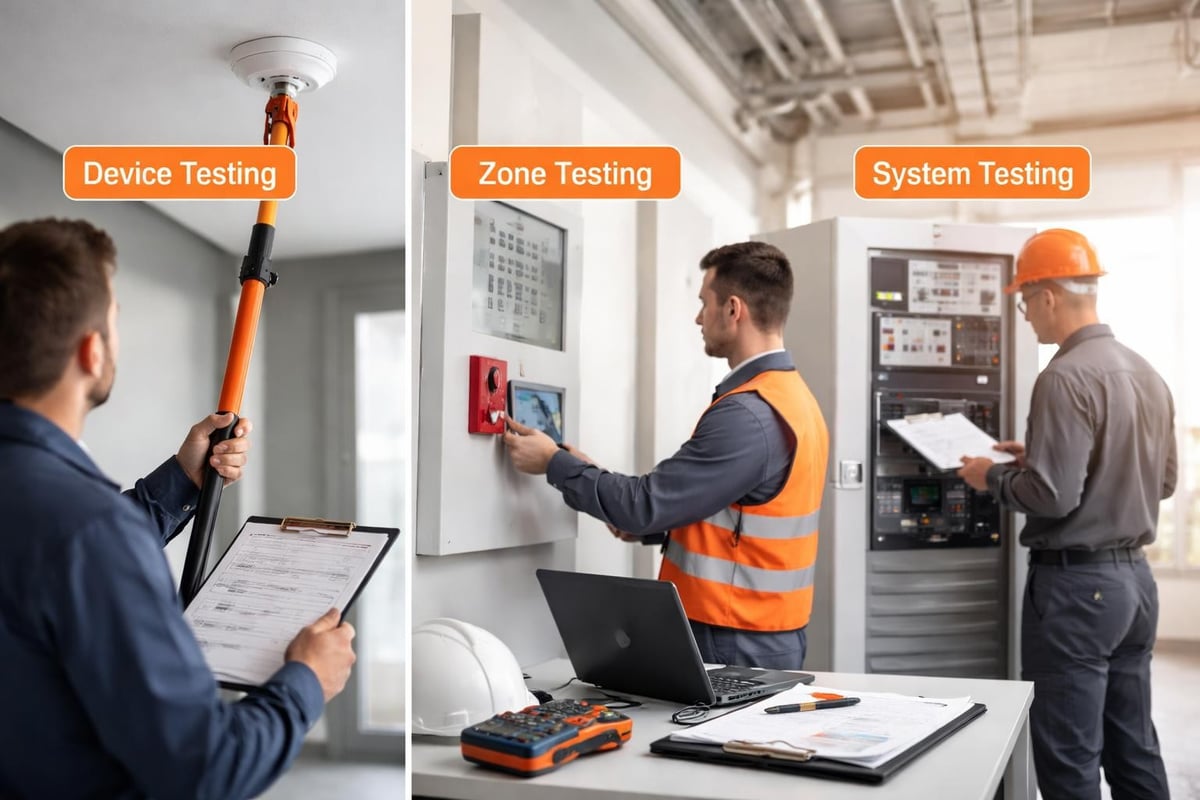
Weekly and monthly testing routines are essential to verify that alarm systems fire operate correctly. Tests include activating manual call points and simulating detector responses. Maintenance log books or digital records must document every test.

For detailed advice, consult the fire alarm testing best practices page, which outlines step-by-step procedures and compliance tips. Regular drills also ensure staff readiness during real emergencies.

Common Faults and Troubleshooting

Even with regular care, alarm systems fire can develop faults. Common issues include dust or contamination in detectors, loose wiring, or battery failures in backup power supplies.

Diagnostic tools help identify faults quickly. Remote monitoring solutions can alert you to system issues before they become critical, minimising downtime and disruption.

Upgrading and Future-Proofing Your System

Recognising when to upgrade is key to maintaining effective alarm systems fire protection. Triggers include regulatory changes, building alterations, or outdated equipment reaching end of life.

Modular and scalable system designs allow for easy upgrades. For more on selecting and upgrading commercial solutions, explore the commercial fire alarm systems guide, which covers practical advice and options for diverse building needs.

Staff Training and Fire Drills

Staff must know how to respond when alarm systems fire activate. Regular fire drills and thorough training ensure everyone understands evacuation procedures and the location of manual call points.

Responsible persons should receive training on system basics and emergency protocols. This builds confidence and supports compliance with workplace safety standards.

Costs and Budgeting for Maintenance

Maintenance costs for alarm systems fire depend on system complexity, building size, and contract type. Preventative contracts offer better value than reactive repairs, reducing long-term expenses.

Budgeting should account for regular inspections, testing, and potential upgrades. Investing in quality maintenance ensures reliability and peace of mind.

Expert Insights and Recommendations for 2026

Staying ahead with alarm systems fire technology is vital as we approach 2026. The landscape is shifting rapidly, with new tools and smarter integration shaping how we protect lives and property.

Key Trends Shaping Fire Alarm Systems

In 2026, alarm systems fire solutions are evolving through automation, AI, and deeper building integration. Smart detectors, predictive maintenance, and voice evacuation are becoming standard. The rise of cloud-based management and wireless systems also enables faster response and easier upgrades. To explore more on how AI, drones, and connectivity are driving these changes, see Fire service technology trends for 2026.

Regulatory Outlook and Anticipated Changes

Regulations around alarm systems fire are expected to tighten post-2025. Anticipate new mandates for evacuation alert systems, especially in high-rise and complex buildings. The UK will likely update BS 5839-1 and related codes, integrating Grenfell Inquiry recommendations. Staying ahead of these changes is crucial for compliance, as authorities focus on system reliability, traceability, and improved occupant safety.

Best Practice Tips from Industry Leaders

Leading experts recommend choosing accredited providers for alarm systems fire installations. Regular risk assessments, scalable system design, and thorough documentation are essential. Investing in future-ready technology ensures compliance and reduces long-term costs. Industry data highlights that proactive maintenance and staff training are key to effective fire protection and system longevity.

Real-World Examples and Lessons Learned

Recent case studies show that alarm systems fire solutions with integrated monitoring and smart detection deliver faster, safer evacuations. In one UK office, cloud-linked alarms reduced false activations by 40 percent. Common pitfalls include outdated technology or lack of staff training, underlining the need for ongoing education and system reviews.

Preparing for the Future: Actionable Steps

To future-proof alarm systems fire, regularly review risk assessments and schedule annual compliance audits. Keep up with technology trends, such as IoT-enabled devices and remote diagnostics. Prioritise staff training and clear documentation. Engaging with accredited providers ensures your system remains effective and compliant as regulations and threats evolve.

Useful Resources and Further Reading

For more on alarm systems fire compliance, visit official resources like BAFE and NSI. The UK government’s fire safety portal and industry guides offer up-to-date standards and training options. Staying informed and investing in ongoing education will keep your fire protection strategy robust and ready for the future.

After exploring the latest advances, compliance requirements, and best practices for fire alarm systems in 2026, you might be considering the next practical steps for your building’s safety. Whether you’re looking to upgrade, ensure ongoing compliance, or simply want peace of mind, Logic Fire and Security offers tailored solutions designed for your needs. Their expertise covers every stage, from initial risk assessment to installation and maintenance, helping you stay ahead of regulations and protect what matters most. If you’d like to see what’s possible for your premises, you can Get a Free Site Survey and receive expert advice specific to your business.

7 Essential UK Security Contractors to Trust in 2026

Security threats in the UK are evolving rapidly as we move towards 2026, putting businesses and public spaces under increasing pressure. Staying ahead of risks means choosing partners with the expertise and accreditations to deliver real protection. This article highlights the seven most trusted uk security contractors, each proven in safeguarding assets and ensuring compliance.

From advanced technology to custom solutions, the security landscape now demands innovation and reliability. What makes a contractor essential is not just their credentials, but also their ability to tailor services to unique needs. Explore how the right partner can help you protect what matters most.

What Sets Essential UK Security Contractors Apart?

Choosing between hundreds of uk security contractors can feel daunting, especially as security threats and compliance demands increase each year. What truly sets the leading firms apart? The answer lies in their accreditations, technological prowess, adaptability, responsiveness, pricing transparency, and proven client trust.

Rigorous Industry Accreditations and Compliance

At the core of all reputable uk security contractors are rigorous industry accreditations. Certifications such as BAFE, NSI Gold, SIA, and ISO are not just badges; they are proof of adherence to the highest standards. These accreditations ensure legal compliance, foster trust, and offer clients peace of mind.

For example, blue-chip companies often prefer contractors who hold multiple certifications, as this demonstrates a robust commitment to quality and accountability. To better understand what these certifications involve, visit this Industry accreditations and certifications resource, which outlines critical standards in the UK security sector.

Advanced Technology and Integrated Solutions

Innovation is a hallmark of essential uk security contractors. Modern providers harness AI, analytics, and IoT to deliver smart, integrated solutions. Systems now blend fire detection, CCTV, access control, and intrusion detection into seamless packages.

Features like facial recognition and remote monitoring further enhance protection. This advanced approach allows for real-time threat detection and more proactive security management.

Customisation and Scalability

Every business faces unique security challenges. Top uk security contractors excel by delivering bespoke solutions tailored to each client’s specific needs. Whether safeguarding a single site or a multi-site retail chain, contractors offer scalable services to suit SMEs, large enterprises, or the public sector.

A recent case study saw a contractor scaling up their resources to protect over 50 retail locations, proving adaptability is key to long-term partnerships.

24/7 Support and Rapid Response

Continuous monitoring and swift response are crucial for effective security. Leading uk security contractors offer round-the-clock support, ensuring issues are addressed before they escalate.

Nationwide rapid response teams help minimise downtime and disruption, providing reassurance that help is always at hand, no matter the hour or location.

Transparent Pricing and Value for Money

Transparent pricing remains a top priority for clients of uk security contractors. Detailed, tailored quotations help businesses understand costs upfront and avoid surprises. While initial investment is important, long-term value and savings are equally crucial.

A recent statistic shows that 78% of UK businesses consider cost transparency a decisive factor when selecting a security partner.

Proven Track Record and Client Trust

Finally, a proven track record distinguishes the best uk security contractors. Long-standing partnerships, glowing client testimonials, and industry awards all signal reliability.

Contractors trusted by government agencies and major corporates have demonstrated their ability to deliver results at scale, making them a safe choice for any organisation.

7 Essential UK Security Contractors to Trust in 2026

Choosing the right partner from the many uk security contractors is crucial for securing your business or public space in 2026. The following seven companies stand out for their innovation, reliability, and proven results.

1. Logic Fire and Security

Logic Fire and Security has earned its reputation as one of the most trusted uk security contractors, delivering integrated solutions tailored to commercial clients. Their pricing is based on custom quotes, with free site surveys and quotations to assess your unique requirements.

7 Essential UK Security Contractors to Trust in 2026 - Logic Fire and Security

Core Features:

  • Integrated fire detection and alarms
  • High-definition CCTV systems
  • Access control and intruder alarms
  • 24/7 monitoring and preventative maintenance

Key Benefits:

  • Bespoke, technology-led security strategies
  • End-to-end service from design to ongoing support
  • Comprehensive accreditations (BAFE, NSI Gold, NICEIC, IFEDA, ISO)

Target Audience: SMEs, blue-chip businesses, public sector, facilities managers

Pros:

  • Nationwide coverage and rapid response
  • Regulatory compliance and 20+ years’ experience
  • High client retention and regular independent audits

Cons:

  • No public price lists
  • Focused on commercial, not residential

Unique Selling Points:

  • Full-service provider with a commitment to innovation
  • Uses the latest technology, such as AI-enabled monitoring and remote diagnostics

For a deeper understanding of how integrated solutions protect businesses, see this commercial security systems overview.

2. Securitas UK

Securitas UK is a leader among uk security contractors, recognised for its global expertise and advanced analytics. Pricing is customised to each client’s needs, reflecting service level and site requirements.

7 Essential UK Security Contractors to Trust in 2026 - Securitas UK

Core Features:

  • Manned guarding and mobile patrols
  • Remote video surveillance
  • Fire and safety services

Key Benefits:

  • Data-driven security, tailored to diverse sectors
  • 24/7 operations and international reach
  • SIA-licensed staff and sustainability initiatives

Target Audience: Large enterprises, logistics, retail, critical infrastructure

Pros:

  • Strong tech integration with AI and analytics
  • Ability to scale for large, complex environments

Cons:

  • Premium pricing may not suit all budgets
  • Not ideal for smaller businesses

Unique Selling Points:

  • Focus on sustainability and innovation in security delivery
  • Trusted by multinational corporations

3. Mitie Security

Mitie Security stands out among uk security contractors for its commitment to smart, tech-driven solutions. Pricing is bespoke, based on the scale and complexity of each project.

7 Essential UK Security Contractors to Trust in 2026 - Mitie Security

Core Features:

  • Security risk consultancy
  • Security personnel and remote monitoring
  • Advanced technology integration

Key Benefits:

  • Integrated facilities management
  • Leading innovation in smart security

Target Audience: Corporate offices, public sector, retail, healthcare

Pros:

  • Extensive resources and industry reputation
  • Award-winning services

Cons:

  • Large-scale focus may limit personalisation for SMEs

Unique Selling Points:

  • Pioneers in smart security and risk management
  • Strong track record with high-profile clients

4. G4S Secure Solutions UK

G4S Secure Solutions UK is one of the most recognisable names among uk security contractors, offering a wide service portfolio and global reach. Pricing is tailored per contract and service type.

7 Essential UK Security Contractors to Trust in 2026 - G4S Secure Solutions UK

Core Features:

  • Security personnel and event security
  • Alarm monitoring and cash solutions

Key Benefits:

  • Expertise in complex, high-security environments
  • Scalable offerings for diverse industries

Target Audience: Government, events, financial institutions, critical infrastructure

Pros:

  • Trusted by high-security sectors
  • Strong compliance record

Cons:

  • Large organisation may mean slower response for small contracts

Unique Selling Points:

  • Leader in global security solutions
  • Deep experience with government and critical infrastructure

5. Amthal Fire & Security

Amthal Fire & Security is a standout among uk security contractors for personalised service and multi-discipline expertise. Pricing is custom, with free site assessments for all clients.

7 Essential UK Security Contractors to Trust in 2026 - Amthal Fire & Security

Core Features:

  • Fire alarms, CCTV, access control, intruder alarms
  • Ongoing maintenance and support

Key Benefits:

  • Accredited and customer-focused approach
  • Flexible solutions for SMEs and schools

Target Audience: SMEs, schools, commercial property managers

Pros:

  • Family-run with high client satisfaction
  • Rapid deployment and strong aftercare

Cons:

  • Smaller scale compared to national firms

Unique Selling Points:

  • Personalised service with a focus on long-term relationships
  • Fast, flexible response to client needs

6. Chubb Fire & Security

With over 200 years’ heritage, Chubb Fire & Security is among the most established uk security contractors. Pricing is quotation-based, and maintenance contracts are available for ongoing support.

Core Features:

  • Fire safety and electronic security systems
  • Alarm monitoring and emergency response

Key Benefits:

  • Nationwide support and comprehensive compliance
  • Broad service range for large and small clients

Target Audience: Healthcare, education, government, commercial

Pros:

  • Longevity and experience in the sector
  • Large support network

Cons:

  • Some legacy systems may be less agile for bespoke projects

Unique Selling Points:

  • Robust compliance and accreditations
  • Trusted by public and private sector organisations

To understand the importance of industry accreditations, visit the NSI (National Security Inspectorate) certifications page.

7. Wilson James

Wilson James rounds out the list of essential uk security contractors with its sector-led approach and specialist expertise. Pricing is based on project scope and complexity.

7 Essential UK Security Contractors to Trust in 2026 - Wilson James

Core Features:

  • Security guarding and consultancy
  • Technology integration and logistics support

Key Benefits:

  • Deep knowledge in aviation, construction, and critical infrastructure
  • Flexible and innovative solutions

Target Audience: Airports, construction, logistics, corporate

Pros:

  • Industry-specific knowledge
  • Ability to adapt to niche challenges

Cons:

  • Niche focus may not suit general business needs

Unique Selling Points:

  • Innovation in logistics and security integration
  • Strong reputation in critical national infrastructure

Comparison Table of Essential UK Security Contractors

Contractor Core Focus Key Accreditations Target Sectors Notable Strengths
Logic Fire and Security Integrated fire, CCTV, access BAFE, NSI Gold, ISO SMEs, blue-chips, public sector Tech-led, bespoke, audits
Securitas UK Guarding, analytics SIA, ISO Enterprises, logistics, retail Data-driven, global
Mitie Security Smart security, FM SIA, NSI Gold, ISO Corporate, healthcare, public Innovation, resources
G4S Secure Solutions UK Personnel, cash, events SIA, ISO Government, financial, events Experience, compliance
Amthal Fire & Security Fire, access, CCTV NSI, BAFE, ISO SMEs, schools, commercial Personalised, rapid
Chubb Fire & Security Fire, alarms, monitoring NSI, BAFE, ISO Healthcare, education, gov Heritage, support
Wilson James Guarding, logistics SIA, ISO Airports, construction, logistics Sector expertise

By carefully considering these uk security contractors, you can confidently select a partner that meets your compliance, scalability, and innovation needs for 2026.

How to Choose the Right Security Contractor for Your Needs

Selecting the best uk security contractors is a pivotal decision for any organisation. With thousands of firms operating nationwide, understanding what to look for ensures your assets and people remain protected. Here is a step-by-step guide to help you make the right choice.

Assessing Your Security Risks and Requirements

Begin by conducting a thorough risk assessment. You can do this internally, or work with professional uk security contractors for expert insight. Identify threats such as theft, cyber risks, fire hazards, or unauthorised access. A comprehensive assessment ensures your chosen contractor addresses all vulnerabilities specific to your business.

Comparing Services, Certifications, and Technology

Evaluate each contractor’s accreditations and technology. The most trusted uk security contractors hold industry certifications like NSI Gold, SIA, or BAFE. Investigate their use of modern technology such as AI-driven analytics, integrated CCTV, and remote monitoring for optimal protection.

Reviewing Case Studies and Client Testimonials

Scrutinise client testimonials and sector-specific case studies. Look for uk security contractors with a proven record in your industry. Real-world results and positive feedback demonstrate reliability and the ability to handle similar challenges to your own.

Understanding Contracts, SLAs, and Support

Carefully examine service level agreements and support structures. Leading uk security contractors provide clear contracts, defined response times, and continuous support. For example, many offer 24/7 monitoring and support services to ensure rapid response to incidents at any hour.

Budgeting and Evaluating Value

Request transparent quotations and compare value for money. Consider both upfront costs and long-term savings, as the cheapest option may not offer the best protection. According to recent data, the number of UK security industry enterprises continues to grow, increasing competition and choice for buyers.

Final Selection and Onboarding

Once you have shortlisted uk security contractors, arrange site visits and interviews. Establish a clear onboarding and communication plan to ensure smooth implementation and ongoing partnership. This final step is crucial for building trust and achieving the highest level of security.

With so much at stake in 2026, choosing the right security contractor is about more than just ticking compliance boxes—it’s about protecting your people, assets and reputation with genuine expertise and care. If you’re ready to strengthen your business or organisation with tailored fire and security solutions, Logic Fire and Security is here to help you navigate the options with clarity and confidence. You don’t have to make these decisions alone—let’s take the next step together.
Get a Free Site Survey
and discover how you can secure your premises for the future.

Essential Guide to Security Door System Solutions 2026

As security threats grow more sophisticated and regulations become stricter in 2026, the need for a reliable security door system has never been greater. Businesses, public buildings, and homes are all seeking solutions that do more than just lock a door.

Today’s advanced security door system options offer powerful ways to control access, monitor activity, and ensure compliance with current standards. Understanding these technologies and the integration possibilities is key to staying secure and compliant.

In this essential guide, you will discover the different types of security door systems, their vital features, and what makes them effective. We will also cover compliance requirements, how to choose and install the right system, and what the future holds for security technology.

Whether you manage a business, oversee a public facility, or want to protect your home, this guide provides practical advice to help you select, implement, and maintain the optimal security door system for your needs.

Understanding Security Door Systems: Fundamentals and Types

Modern security door systems play a critical role in controlling and monitoring access to secure areas. At their core, a security door system is designed to manage entry and exit points, whether through mechanical locks or sophisticated electronic controls. Mechanical systems rely on traditional keys, while electronic solutions use digital authentication methods and can connect with broader security infrastructure. Integration with alarms, CCTV, and building management systems enhances their effectiveness. These systems are vital for deterring unauthorised access and improving overall safety in commercial, residential, and public sector environments. For instance, audio-video entry systems are increasingly common in multi-tenant buildings, supporting the growing adoption of security door system technology across UK commercial properties.

Understanding Security Door Systems: Fundamentals and Types

What Is a Security Door System?

A security door system is a comprehensive solution for managing and restricting physical access to buildings or specific areas. Its main function is to ensure only authorised individuals can enter, using a combination of identification and authentication methods.

Mechanical systems use keys and robust locks, offering basic protection. In contrast, electronic security door system options provide features like access logs, remote management, and integration with other systems. For example, audio-video entry solutions allow tenants to see and communicate with visitors before granting access. Security door system adoption is rising in UK commercial properties, reflecting a growing focus on safety and compliance in the sector.

Main Types of Security Door Systems

There are several types of security door system available, each catering to different needs. Standalone systems operate independently and are suitable for smaller sites, while integrated systems connect with broader security infrastructure for larger, multi-site operations.

Audio entry systems provide voice verification, making them popular in residential blocks. Video intercoms add a visual layer for identity confirmation and visitor management. Keypad and card or fob access control systems are widely used for their balance of convenience and security, though lost cards or shared codes can present risks. Biometric solutions, such as fingerprint or facial recognition, offer high security and a seamless user experience. Smart locks and mobile credential systems enable access via smartphones. For a comprehensive overview of these solutions, see the Access control entry systems overview.

Chubb’s audio-video entry systems, for example, are used in both residential and office environments to streamline access and improve safety.

System Components and How They Work

Every security door system consists of several key components. Control panels act as the brain of the system, processing access requests. Readers—such as card, keypad, or biometric scanners—authenticate users at entry points. Door hardware and locking mechanisms ensure physical security, while robust wiring or wireless protocols connect all components.

Integration with alarms, CCTV, and building management systems enables centralised monitoring and rapid response to security incidents. For example, linking access control with fire alarm systems ensures that doors unlock automatically during emergencies, supporting safe evacuation and compliance with safety regulations.

Key Features and Benefits of Modern Security Door Solutions

Modern security door system solutions are redefining the standards for property protection in 2026. With advanced features and seamless integration, these systems offer powerful tools to safeguard assets and manage access efficiently.

Key Features and Benefits of Modern Security Door Solutions

Core Features Driving Security and Convenience

Security door system solutions now combine cutting-edge technology with user-friendly operation. Multi-factor authentication is standard, allowing access via PIN, card, or biometrics for enhanced protection. Many systems support remote management through mobile apps, so administrators can grant or revoke access from anywhere.

Real-time monitoring, instant alerts, and comprehensive audit trails enable swift response to security incidents. Integration with other building systems is crucial. For example, linking your security door system with CCTV provides complete oversight—see the commercial CCTV integration benefits for more on how these solutions work together.

Scalability means a single security door system can secure a small office or span multiple sites. Video intercoms now offer mobile notifications, making remote visitor management straightforward. User satisfaction is high, with leading suppliers earning Trustpilot ratings of 4.9/5. These features ensure your security door system remains robust yet flexible as needs evolve.

Benefits for Businesses, Public Sector, and Residential Users

Investing in a security door system brings clear advantages:

  • Enhanced safety and peace of mind for all occupants
  • Greater operational efficiency through streamlined access management
  • Compliance with insurance and regulatory requirements
  • Flexible controls for staff, residents, or visitors

Integrated entry systems lead to lower running costs and stronger security, as seen in modern office and residential developments. This mix of protection and convenience makes a security door system a valuable asset in any setting.

Case Example: Security Door Systems in Action

Consider a busy office building using an integrated video entry and access control security door system. Employees and visitors are managed efficiently, with access logged and monitored in real time.

The result is a significant reduction in unauthorised entry, improved auditability for compliance, and a smoother experience for everyone. In fact, UK commercial buildings are adopting audio-video security door system solutions at record rates, reflecting their proven effectiveness.

Compliance, Regulations, and Best Practices in 2026

Security and compliance are at the forefront for any security door system in 2026. With the increasing sophistication of threats and a wave of new legislation, staying ahead of regulatory demands is critical for businesses, public sector organisations, and homeowners alike.

Compliance, Regulations, and Best Practices in 2026

Evolving Legal and Regulatory Landscape

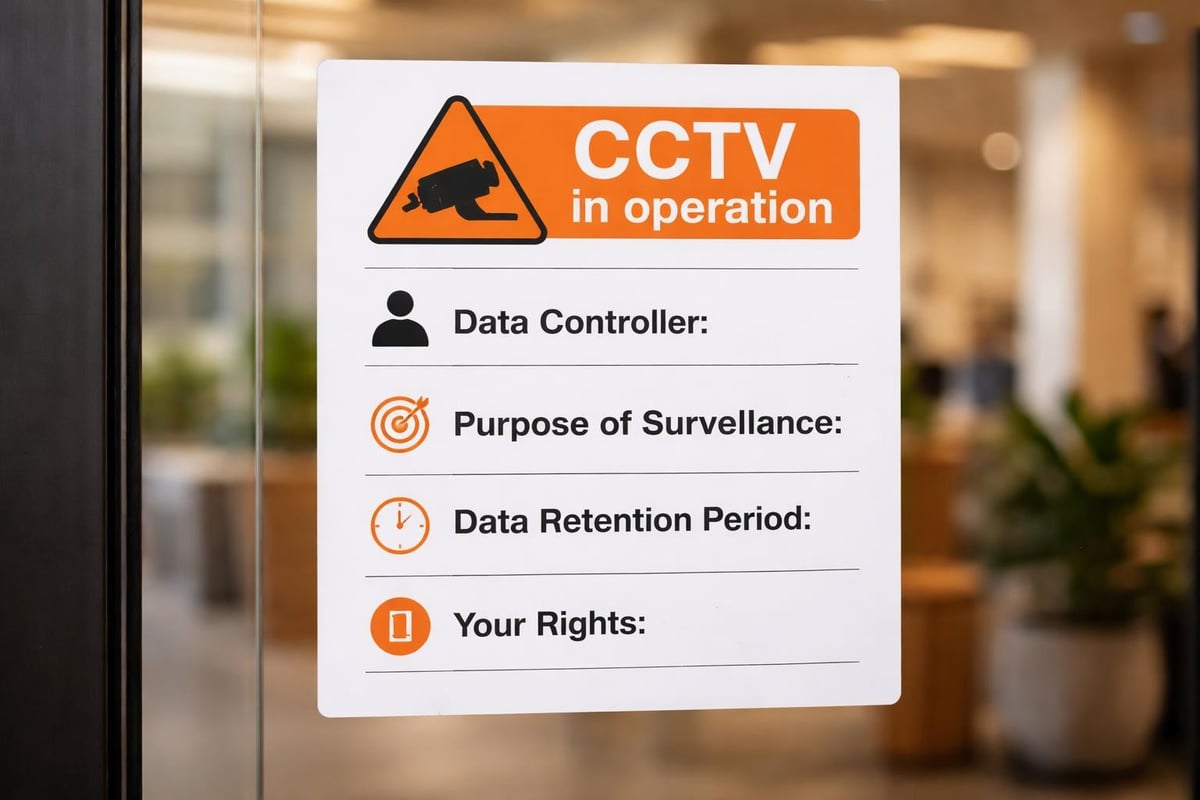
The regulatory landscape for security door system solutions is evolving rapidly across the UK and EU. Compliance is no longer optional, particularly as new standards and insurance requirements take effect. The General Data Protection Regulation (GDPR) continues to influence how biometric and video data from security door system installations are collected, stored, and processed.

Fire safety legislation, such as the Regulatory Reform (Fire Safety) Order 2005, sets out strict requirements for integrating security door system hardware with emergency egress protocols. Insurers are also demanding robust access control to mitigate risk.

Looking ahead to 2026, specifiers and property managers must keep pace with upcoming regulatory changes that will impact how a security door system is specified, installed, and maintained. For a detailed overview of what's changing, see the 2026 regulatory changes for specifiers.

Best Practices for Security and Compliance

To ensure your security door system meets current and future standards, establish a proactive approach to compliance. Regular system audits and scheduled maintenance are essential for identifying vulnerabilities and maintaining optimal performance.

Implement robust data protection protocols. This includes secure storage for biometric and access data, as well as privacy controls that restrict access to sensitive information. Staff training is vital, ensuring all users understand their responsibilities and access rights within the security door system.

Integrating your security door system with fire alarms and building management systems provides an additional layer of safety and compliance. Many leading providers offer comprehensive maintenance contracts, system health checks, and compliance support to help organisations meet insurance and regulatory obligations.

A summary checklist for best practices:

  • Schedule annual system audits
  • Maintain detailed access logs
  • Train staff on access protocols
  • Integrate with fire and safety systems
  • Review data protection policies regularly

By adopting these best practices, you can enhance your organisation's resilience and ensure your security door system remains compliant.

Selecting Accredited Suppliers and Installers

Choosing the right partner is a crucial step in deploying a compliant security door system. Always select installers who hold recognised accreditations, such as NSI Gold or BAFE certifications. These credentials demonstrate a commitment to quality, safety, and adherence to the latest industry standards.

Working with accredited professionals ensures that your security door system is installed correctly and that ongoing maintenance meets all legal and insurance requirements. This minimises the risk of non-compliance and system failure.

Leading suppliers like Chubb and Fastlec highlight their accredited installation and support services, providing peace of mind and long-term value. Accredited installers also offer emergency response and scheduled maintenance, ensuring your security door system remains reliable and effective as regulations evolve.

Step-by-Step: How to Choose and Implement a Security Door System

Selecting the right security door system is a critical investment for any organisation or property. A methodical approach ensures you achieve both robust protection and compliance, while future-proofing your building against evolving security challenges.

Step-by-Step: How to Choose and Implement a Security Door System

Assessing Your Security Needs

Begin by thoroughly assessing your premises. Conduct a site survey to identify all access points, vulnerable areas, and specific security requirements. Engage key stakeholders, including management, facilities, and IT teams, to gather input on operational needs and integration preferences.

Consider how the security door system must interact with existing solutions such as CCTV, alarms, or building management platforms. For multi-site businesses, focus on scalability and centralised control. This ensures the chosen system can adapt as your organisation grows.

A comprehensive assessment forms the foundation for a customised solution that addresses both present and future risks.

Comparing System Options and Features

Once you know your needs, compare available security door system technologies. Evaluate options such as audio entry, video intercoms, biometric access, and smart locks. Assess each for security, convenience, and user management capabilities.

Scalability and remote management are essential for larger or multi-user environments. Investigate different brands, warranty periods, and support structures. Consider integration with existing infrastructure and future upgrades.

For a deeper dive into the range of options and integration approaches, consult this building access control systems guide to inform your decision.

Budgeting and Planning the Installation

Budgeting is a crucial step for any security door system project. Factor in hardware costs, software licensing, installation fees, and ongoing maintenance. Request detailed quotations from suppliers, including a site survey to clarify requirements and potential challenges.

Plan the installation timeline with minimal disruption to daily operations. Ensure there is flexibility to accommodate future upgrades or expansions. Leading suppliers often provide a transparent project schedule, helping you manage expectations and resources effectively.

Thorough financial and logistical planning ensures a smooth and successful implementation.

Working with Accredited Professionals

Always select accredited professionals to design and install your security door system. Look for certifications such as NSI Gold or BAFE, which signify adherence to industry standards and best practice. Accredited installers deliver reliable systems and ensure compliance with legal and insurance requirements.

Ongoing support is equally important. Choose providers offering 24/7 assistance and regular maintenance, as seen with Chubb’s dedicated services. This guarantees system performance, security, and peace of mind in the long term.

Professional installation and support are vital for sustained protection and regulatory compliance.

Integration with Broader Security and Building Management Systems

Modern organisations demand more from a security door system than simple access control. Effective protection now comes from integrating your security door system with other critical building technologies. This approach creates a seamless, responsive environment that adapts to emerging risks.

Linking Access Control with Other Security Solutions

A robust security door system is most effective when linked to complementary technologies. Integration with CCTV, intruder alarms, and fire alarms enables real-time monitoring and rapid incident response. Centralised management platforms allow security teams to control multiple systems from a single interface, improving efficiency.

For example, combining access control with video analytics helps verify identities and track movements in sensitive areas. This approach supports compliance and strengthens overall building security. As cyber-physical threats rise, aligning your security door system with wider digital resilience strategies, such as those outlined in the Cyber Security and Resilience Bill overview, is increasingly essential.

Smart Building and IoT Integration

The rise of smart buildings has transformed the role of the security door system. Today’s solutions can connect with IoT devices, supporting full automation and integration. By linking access control with lighting, HVAC, and visitor management, organisations achieve greater energy efficiency and safety.

Mobile credentials and cloud-based management platforms allow remote control and monitoring of the security door system. These features enable quick adjustments for occupancy changes and streamline building operations. As a result, facilities benefit from improved sustainability and responsive security.

Section: Logic Fire and Security – Integrated Solutions for Businesses

Logic Fire and Security is a leading provider of integrated fire and security door system solutions for UK businesses. Their end-to-end services cover design, installation, monitoring, and ongoing maintenance, ensuring that systems work seamlessly together.

As an accredited, nationwide provider, Logic Fire and Security delivers bespoke solutions for complex or multi-site environments. Working with a trusted partner guarantees compliance, system reliability, and long-term support for your security door system needs.

Future Trends and Innovations in Security Door Systems

The security door system landscape is evolving rapidly as technology, regulation, and user expectations shift. By 2026, organisations and homeowners alike must adapt to emerging innovations that shape how access is managed, monitored, and secured. Understanding these trends will help you make informed decisions and future-proof your investments.

Emerging Technologies and Their Impact

Advanced technologies are redefining what a security door system can achieve. AI-powered facial recognition and behavioural analytics are making identity verification faster and more reliable while reducing the risk of unauthorised access. Cloud-based access control enables remote management, giving facilities teams flexibility to respond from anywhere.

Mobile credentials and touchless entry are rising in popularity, allowing users to unlock doors with smartphones or wearables. For example, Chubb highlights the growing use of mobile credentialing and video analytics in their latest solutions. According to UK access control market growth statistics, demand for innovative security door system technologies is accelerating across the country.

Sustainability and Eco-Friendly Solutions

Sustainability is now a core consideration in every security door system project. Energy-efficient hardware and low-power operations help reduce running costs and environmental impact. Manufacturers are increasingly using recyclable materials and seeking green certifications for their products.

Integration with smart building energy management systems enables automated lighting and HVAC control based on occupancy, further boosting efficiency. There is a clear trend toward low-carbon solutions in new commercial developments, where the security door system contributes to broader sustainability goals and compliance with green building standards.

Preparing for the Future: What to Expect in 2026 and Beyond

Looking ahead, the regulatory landscape for security door system deployments will continue to evolve, with stricter data protection and fire safety requirements. Cyber-physical security threats are also on the rise, making robust digital defences as important as physical barriers.

To remain resilient, organisations are choosing modular, upgradable security door system platforms that can adapt to new threats and compliance demands. Industry trends suggest the UK market for these systems will keep expanding, reflecting the growing need for adaptable, future-proof solutions. Staying informed on UK access control market growth statistics is essential for strategic planning.

As you’ve seen throughout this essential guide, choosing the right security door system isn’t just about technology—it’s about peace of mind, compliance, and making sure your business is ready for the future. If you’re considering your next steps or want tailored advice, I recommend taking advantage of a complimentary assessment from trusted professionals. You’ll get expert insight into your site’s specific needs, integration options, and compliance requirements, all with no obligation. It’s a practical way to start safeguarding your premises with solutions built for 2026 and beyond.
Get a Free Site Survey

Our Accreditations

Work
For Us