
Smoke Detector Locations: Essential Placement Guide 2026

Proper smoke detector locations can mean the difference between early warning and catastrophic loss. In 2026, building regulations and fire safety standards continue to evolve, placing greater emphasis on strategic detection placement throughout commercial and residential properties. Understanding where to position these life-saving devices requires knowledge of building layouts, airflow patterns, regulatory requirements, and the specific fire risks associated with different environments. This comprehensive guide examines the critical considerations that influence optimal smoke detector locations, helping property managers, business owners, and safety professionals make informed decisions about their fire detection systems.

Understanding Regulatory Requirements for Smoke Detector Locations

British Standards and building regulations provide specific guidance on smoke detector locations to ensure adequate coverage throughout occupied buildings. BS 5839-6:2019 establishes the benchmark for residential fire detection systems, whilst BS 5839-1:2017 governs commercial installations.

These standards define protection grades based on building use and risk assessment. Grade A systems, typically found in commercial environments, require professionally designed and installed equipment with devices positioned according to detailed floor plans. The comprehensive fire detection systems used in these applications demand careful planning.

Key Regulatory Specifications

Building Regulations Approved Document B mandates smoke detection in specific areas, with requirements varying by property type and construction date. New builds face more stringent requirements than existing structures, though retrofitting obligations continue to expand.

  • Escape routes: All corridors and stairways forming part of evacuation paths require detection
  • Living accommodation: Smoke detectors must be installed in circulation spaces between sleeping areas and exits
  • High-risk zones: Areas with significant fire loading need enhanced coverage
  • Interconnection: Multiple devices throughout a property must communicate to provide whole-building alerting

Federal regulations in other jurisdictions, such as federal housing standards, offer additional perspectives on comprehensive smoke alarm placement strategies that influence best practices globally.

Regulatory zones requiring smoke detection

Optimal Smoke Detector Locations in Commercial Buildings

Commercial properties present unique challenges for smoke detector locations due to complex layouts, varied ceiling heights, and diverse occupancy patterns. Strategic placement must account for business operations whilst maintaining regulatory compliance.

Open Plan Offices and Workspaces

Large open areas require systematic coverage based on ceiling height and detector specifications. Most point-type smoke detectors provide coverage of 50-100 square metres depending on ceiling height and environmental conditions.

Ceiling Height Maximum Coverage Area Typical Spacing
Up to 3.5m 100 m² 10m intervals
3.5m to 6m 80 m² 9m intervals
6m to 7.5m 60 m² 7.5m intervals

Position detectors to avoid dead air spaces near walls whilst ensuring adequate coverage in areas where staff congregate. Equipment rooms, server facilities, and storage areas require dedicated detection regardless of their size, as these spaces often contain high-value assets or critical infrastructure.

Corridors and Circulation Spaces

Hallways and passages demand specific smoke detector locations to ensure early detection in escape routes. Place devices at regular intervals not exceeding 15 metres, with additional units positioned within 7.5 metres of corridor ends and immediately outside rooms presenting particular fire risks.

Consider airflow patterns created by HVAC systems, as strong air currents can delay smoke reaching detection devices. Commercial fire alarm systems integrate detection with building management systems to coordinate response across multiple zones.

Stairwells and Vertical Shafts

These areas require smoke detector locations at every level, typically at the highest point to capture rising smoke. Install detectors on stairwell ceilings at each floor landing, ensuring they're positioned to detect smoke before it obscures escape routes. Vertical shafts such as lift wells and service risers need detection at the top of the shaft and at alternate floor levels for tall buildings.

Residential Smoke Detector Locations

Homes and residential accommodation require carefully considered smoke detector locations to protect occupants during their most vulnerable hours. The majority of fire fatalities occur at night when residents are sleeping, making bedroom-adjacent detection crucial.

Essential Placement Areas

Every home needs smoke detectors in specific locations to meet minimum safety standards:

  1. Hallways and landings: Install detectors in circulation spaces between bedrooms and exits
  2. Each floor level: Every storey requires at least one smoke detector, including basements and loft conversions
  3. Living rooms: The primary living space needs detection, particularly if used for relaxation and sleeping
  4. Kitchen approaches: Position devices between the kitchen and living areas, avoiding direct kitchen placement to reduce false alarms

The NFPA installation guide provides detailed recommendations for residential smoke alarm installation, emphasising the importance of testing and maintenance alongside proper placement.

Bedroom Considerations

Whilst detectors inside bedrooms aren't always mandatory, they provide additional protection for vulnerable occupants and those sleeping with doors closed. Children, elderly residents, and individuals with mobility challenges benefit significantly from in-room detection.

Mount detectors centrally on bedroom ceilings, at least 300mm from walls and light fittings. Wall-mounted units should sit 150-300mm below the ceiling to remain within the smoke layer whilst avoiding dead air spaces.

Residential smoke detector coverage

Technical Considerations for Smoke Detector Locations

Beyond regulatory compliance, several technical factors influence effective smoke detector locations. Understanding these elements ensures devices function optimally whilst minimising nuisance alarms that undermine system credibility.

Ceiling Height and Smoke Stratification

Smoke behaviour changes dramatically with ceiling height. In spaces below 3.5 metres, smoke typically rises directly to the ceiling, making standard detector placement straightforward. Higher ceilings create thermal layering effects where smoke may plateau below the ceiling surface.

Addressing tall spaces requires careful analysis:

  • Install beam detectors for ceilings above 10 metres
  • Use multi-sensor devices combining smoke and heat detection in challenging environments
  • Consider air sampling systems for very early warning in critical facilities
  • Position spot detectors on walls at appropriate heights when ceiling mounting proves impractical

The Consumer Product Safety Commission report examines detector performance across various installation scenarios, highlighting the importance of proper placement for effective fire detection.

Airflow and Environmental Factors

HVAC systems, natural ventilation, and building design create airflow patterns that affect smoke detector locations. Strong air currents can carry smoke away from detectors or prevent it from entering sensing chambers, delaying alarm activation.

Position devices away from:

  • Air supply diffusers (minimum 1.5 metres)
  • Return air grilles (minimum 1 metre)
  • Ceiling fans and extract ventilators
  • Windows and doors creating cross-draughts
  • Areas subject to condensation or excessive moisture

Manufacturing facilities, warehouses, and industrial premises require specialised assessment to determine smoke detector locations that account for processes generating dust, fumes, or steam. Fire risk assessment companies provide professional evaluation of these complex environments.

Locations to Avoid for Smoke Detectors

Certain positions create problems for smoke detector locations, generating false alarms or preventing proper detection. Avoiding these areas ensures reliable system performance and maintains occupant confidence in fire protection measures.

High False Alarm Risk Areas

Never install smoke detectors directly in kitchens where cooking activities generate smoke and steam. Position devices at least 3 metres from cooking appliances, or use heat detectors in kitchen areas instead. Similarly, bathrooms generate steam that triggers smoke alarms, making them unsuitable locations.

Area Type Issue Recommended Alternative
Kitchens Cooking fumes Heat detector or optical detector 3m+ away
Bathrooms Steam and moisture Heat detector only
Garages Vehicle exhaust Heat or CO detector
Boiler rooms Combustion products Heat detector or flame detector

The Hopkins, MN guidance on smoke alarms emphasizes areas to avoid, helping homeowners prevent nuisance activations whilst maintaining adequate protection.

Environmental Extremes

Smoke detector locations must avoid areas experiencing temperature extremes, excessive dust accumulation, or corrosive atmospheres. Devices rated for standard environmental conditions fail prematurely in harsh settings.

Freezing temperatures, excessive heat above 38°C, and high humidity all degrade detector performance. Dusty environments clog sensing chambers, whilst corrosive chemicals damage electronic components. These locations require either environmental protection measures or alternative detection technologies suited to challenging conditions.

Problem locations for smoke detectors

Specialized Buildings and Unique Smoke Detector Locations

Certain property types demand specialized approaches to smoke detector locations based on their unique characteristics and occupancy patterns. Heritage buildings, healthcare facilities, educational institutions, and hospitality venues each present distinct challenges.

Healthcare and Care Facilities

Hospitals, care homes, and medical facilities require enhanced smoke detector locations that provide early warning whilst accommodating patients unable to self-evacuate. Progressive horizontal evacuation strategies influence detection placement, with devices positioned to identify fire development in its earliest stages.

Patient rooms, treatment areas, and sleeping accommodation all need individual detection. Corridors forming fire compartment boundaries require detection on both sides of fire doors. Operating theatres, laboratories, and areas using flammable materials demand specialized detection appropriate to the specific risks present.

Educational Establishments

Schools, colleges, and universities need smoke detector locations throughout teaching spaces, accommodation blocks, and assembly areas. Large halls and sports facilities present challenges due to high ceilings and complex airflow patterns created by ventilation systems.

Sleeping accommodation in boarding schools and university halls requires detection consistent with residential guidance, whilst teaching spaces follow commercial standards. Science laboratories and workshops using hazardous materials need advanced fire alarm systems capable of distinguishing genuine fires from process-generated smoke or fumes.

Heritage and Listed Buildings

Historic properties present unique challenges for smoke detector locations, balancing preservation requirements with life safety obligations. Wireless detection systems minimize installation impact, whilst careful device selection ensures equipment remains discreet within sensitive interiors.

Listed building consent may restrict certain smoke detector locations or mounting methods. Professional fire safety consultants work with conservation officers to identify solutions protecting both the building and its occupants. Fire alarm design for heritage properties requires specialist expertise combining regulatory knowledge with conservation principles.

Integration with Complete Fire Safety Systems

Smoke detector locations form one component of comprehensive fire protection strategies. Effective detection systems integrate with alarm sounders, emergency lighting, evacuation alert systems, and building management platforms to coordinate complete emergency response.

Multi-Sensor Detection Strategies

Modern installations combine smoke detectors with heat sensors, CO detectors, and flame detection devices. This multi-sensor approach enhances reliability whilst reducing false alarms. Position each detector type according to the specific hazard it monitors, creating overlapping coverage that ensures rapid fire identification.

Heat detectors supplement smoke detector locations in areas prone to nuisance alarms:

  • Kitchens and cooking areas
  • Boiler rooms and plant spaces
  • Dusty workshops and manufacturing zones
  • Garages and vehicle maintenance facilities

Combining detection technologies creates robust systems suitable for complex commercial environments where single-technology approaches prove inadequate.

Monitoring and Maintenance Access

Smoke detector locations must remain accessible for routine maintenance, testing, and battery replacement. Fire alarm system inspections require technicians to reach every device safely, making extremely high or awkward positions problematic for ongoing servicing.

Plan detector placement considering:

  1. Safe access for testing and cleaning
  2. Replacement part availability
  3. Detector lifespan and replacement schedules
  4. Remote monitoring capabilities for critical facilities

Professional installation companies incorporate maintenance requirements into system design, ensuring smoke detector locations remain practical throughout the system's operational life. Businesses requiring commercial fire alarm monitoring benefit from systems designed for long-term serviceability.

Zone Planning and Detector Density

Effective smoke detector locations require systematic zone planning that divides buildings into manageable detection areas. Each zone provides specific information about fire location, enabling targeted response and efficient evacuation procedures.

Calculating Detector Requirements

Determine the number of devices needed by dividing total floor area by maximum coverage per detector, then adjust for specific room layouts and compartmentation. Small rooms require individual detection regardless of coverage calculations, whilst large open areas might need additional devices beyond mathematical minimums to ensure adequate response times.

British Standards provide detailed calculation methods accounting for ceiling height, detector type, and building characteristics. Professional designers use specialized software to model smoke movement and optimize detector placement, particularly in complex commercial environments.

Building Type Typical Detector Density Special Considerations
Offices 1 per 80-100 m² Meeting rooms need individual coverage
Retail 1 per 70-90 m² Storage areas require enhanced detection
Industrial 1 per 50-80 m² Process areas may need specialist devices
Residential 1 per floor minimum Each circulation space needs coverage

Zoning for Effective Response

Divide buildings into detection zones that align with fire compartments and evacuation strategies. Each zone should enable responders to quickly locate fire origin whilst providing occupants with specific guidance about threat location.

Large buildings require multiple zones, typically limiting each zone to 2,000 square metres or a single fire compartment. Tall buildings use vertical zoning with each floor or pair of floors forming separate zones. This approach provides evacuation alarms with precise location information, enabling phased evacuation procedures in large occupancies.

Smoke Detector Locations in Mixed-Use Developments

Properties combining residential, commercial, and retail uses need carefully planned smoke detector locations addressing each area's specific requirements whilst maintaining system integration. Mixed-use developments present unique challenges for fire safety design.

Compartmentation and Detection Boundaries

Fire compartment boundaries between different uses require detection on both sides of separating elements. This dual coverage ensures early detection regardless of which area fire originates. Smoke detector locations in these transitional zones provide critical early warning, potentially preventing fire spread between occupancies.

Commercial areas typically require more comprehensive detection than residential spaces, creating different device densities within the same building. Coordinate smoke detector locations with compartment walls, fire doors, and smoke control systems to create cohesive protection strategies.

System Architecture Considerations

Decide whether mixed-use buildings employ single integrated systems or separate systems for different occupancies. Integrated approaches provide economies of scale and centralized monitoring but must accommodate different alarm strategies for various occupancy types. Residential areas often require simultaneous evacuation, whilst commercial spaces might use phased or progressive approaches.

The strategic placement recommendations from fire service professionals emphasize considering occupant behavior and building use patterns when determining detector locations in complex properties.

Future-Proofing Smoke Detector Locations

Building modifications, use changes, and technology evolution affect smoke detector locations throughout a property's lifespan. Design systems with flexibility to accommodate future adjustments without requiring complete reinstallation.

Adaptable Detection Infrastructure

Wireless detection technologies enable repositioning without extensive rewiring, making them ideal for buildings anticipating layout changes. However, addressable wired systems provide superior reliability and monitoring capabilities for permanent installations.

Consider future expansion when planning smoke detector locations, ensuring detection zones can be subdivided and panel capacity allows additional devices. Office refurbishments, retail reconfigurations, and residential conversions all impact detection requirements, making adaptable infrastructure valuable for long-term cost management.

Emerging Detection Technologies

Advanced technologies including video smoke detection, multi-criteria sensing, and artificial intelligence analytics improve detection accuracy whilst reducing false alarms. These systems learn environmental conditions and adapt sensitivity to match specific smoke detector locations, optimizing performance over time.

Cloud-connected systems enable remote monitoring, automatic fault notification, and predictive maintenance scheduling. Specify smoke detector locations considering both current technology and future upgrade paths, ensuring infrastructure remains relevant as detection capabilities advance.

Businesses exploring fire life safety systems should consider scalable solutions that evolve with organizational needs and technological developments.


Strategic smoke detector locations form the foundation of effective fire protection, requiring careful consideration of building design, occupancy patterns, and regulatory requirements. Professional fire safety specialists assess these complex factors to create detection systems that protect life and property whilst maintaining operational efficiency. Logic Fire and Security brings extensive experience designing, installing, and maintaining advanced fire detection systems for commercial and public sector clients throughout the UK, ensuring optimal smoke detector locations that meet regulatory standards and provide reliable early warning capabilities. Contact their team to discuss comprehensive fire safety solutions tailored to your specific premises and operational requirements.

Commercial Fire Detection Systems: A Complete Guide 2026

Protecting commercial properties from fire hazards remains one of the most critical responsibilities for business owners and facility managers in 2026. Commercial fire detection systems serve as the first line of defence, identifying potential fires in their earliest stages and triggering appropriate responses that can save lives, protect property, and ensure business continuity. These sophisticated systems have evolved significantly over recent years, incorporating advanced technologies that deliver faster detection, reduced false alarms, and seamless integration with other building management systems. Understanding the components, benefits, and regulatory requirements of these systems enables organisations to make informed decisions that align with their safety objectives and compliance obligations.

Understanding Commercial Fire Detection Systems

Commercial fire detection systems comprise interconnected devices designed to identify signs of fire through various detection methods. Unlike residential systems, these installations must cover larger areas, accommodate complex building layouts, and meet stringent regulatory standards that govern commercial premises.

Core Components and Architecture

Every effective system consists of several fundamental elements working in harmony. Detection devices form the sensory network, including smoke detectors, heat sensors, and flame detectors positioned strategically throughout the building. These devices communicate with a central control panel that processes signals, determines the nature of the threat, and initiates appropriate responses.

The typical system architecture includes:

  • Initiating devices (detectors, manual call points, and beam detectors)
  • Control and indicating equipment (central panels and annunciators)
  • Notification appliances (sounders, visual alarms, and voice evacuation systems)
  • Power supplies (mains power with battery backup)
  • Communication pathways (wired or wireless networks)

Modern commercial fire detection systems often incorporate addressable technology, allowing each device to have a unique identifier. This advancement enables precise location identification during alarm events, facilitating faster emergency response and reducing investigation time. The NFPA 72 standard provides comprehensive guidelines for installation and performance requirements that ensure systems function reliably when needed most.

Fire detection system components

Detection Technologies and Applications

Different detection technologies suit various environments and risk profiles. Optical smoke detectors excel in areas where smoldering fires are likely, detecting visible smoke particles through light scattering principles. Ionisation detectors respond quickly to fast-flaming fires, making them suitable for areas storing flammable materials.

Heat detectors provide reliable protection in environments where smoke detectors might generate false alarms, such as kitchens, boiler rooms, and dusty workshops. These devices activate when ambient temperature reaches a predetermined threshold or rises at an abnormal rate.

Detection Type Best Application Response Time False Alarm Risk
Optical Smoke Offices, corridors Fast for smoldering Low-Medium
Ionisation Storage areas Very fast for flames Medium
Heat (Fixed) Kitchens, garages Slower Very Low
Multi-Sensor Mixed environments Adaptive Low
Beam Detection Large open spaces Fast Low

Multi-sensor detectors combine multiple technologies within a single device, using sophisticated algorithms to analyse different fire signatures simultaneously. This approach significantly reduces false alarms whilst maintaining high sensitivity to genuine fire conditions. For businesses seeking comprehensive protection, understanding smoke detector fire alarm system options helps identify the most appropriate technology for specific environments.

Types of Commercial Fire Detection Systems

Commercial fire detection systems fall into several categories, each offering distinct advantages depending on building size, complexity, and occupancy type. Selecting the appropriate system requires careful assessment of operational needs, budget constraints, and regulatory compliance requirements.

Conventional Systems

Conventional systems divide buildings into zones, with multiple detectors connected to a single zone circuit. When a detector activates, the control panel indicates which zone contains the alarm, but not the specific device location. These systems offer cost-effective solutions for smaller commercial premises with straightforward layouts.

Advantages of conventional systems include:

  1. Lower initial installation costs compared to addressable alternatives
  2. Simple operation requiring minimal specialist training
  3. Easy troubleshooting due to straightforward wiring architecture
  4. Suitable for buildings under 2,000 square metres
  5. Reliable performance with proven technology

However, conventional systems present limitations for larger or more complex facilities. Zone-based reporting requires personnel to physically inspect multiple devices within an activated zone, potentially delaying response during critical situations.

Addressable and Analogue Addressable Systems

Addressable commercial fire detection systems represent the industry standard for medium to large commercial installations. Each device possesses a unique address, enabling the control panel to identify precisely which detector has activated. This granular information proves invaluable during emergencies, directing responders to the exact location immediately.

Analogue addressable systems take this capability further by continuously monitoring detector sensitivity levels and reporting this data to the control panel. Facilities managers can track detector performance over time, identifying devices becoming contaminated or degraded before they fail completely. This predictive maintenance capability reduces system downtime and ensures consistent protection.

The sophistication of commercial fire alarm systems varies considerably, with addressable technology offering superior functionality that justifies higher initial investment through reduced operational costs and enhanced safety outcomes.

Wireless Fire Detection Systems

Wireless technology has revolutionised commercial fire detection, eliminating extensive cabling whilst maintaining the reliability demanded by commercial applications. These systems prove particularly valuable in historic buildings where cable installation would damage architectural features, or in facilities undergoing refurbishment where disruption must be minimised.

Modern wireless commercial fire detection systems employ secure radio protocols with redundant communication paths, ensuring signal integrity even in challenging radio frequency environments. Battery-powered devices incorporate long-life power sources, typically requiring replacement every three to five years depending on usage patterns.

Wireless fire detection

Compliance and Regulatory Requirements

Commercial fire detection systems must comply with numerous regulations and standards that vary according to building type, occupancy classification, and geographical location. Navigating this regulatory landscape requires expertise to ensure installations meet current requirements whilst accommodating future legislative changes.

UK Regulatory Framework

The Regulatory Reform (Fire Safety) Order 2005 places responsibility on businesses to implement appropriate fire safety measures, including adequate detection systems. This legislation requires responsible persons to conduct comprehensive fire risk assessments identifying potential hazards and implementing proportionate controls.

Building Regulations Approved Document B specifies technical requirements for fire detection and alarm systems in various building types. These requirements become more stringent as building height, occupancy levels, and risk factors increase. Healthcare facilities, educational establishments, and high-rise buildings face particularly rigorous standards reflecting the vulnerability of occupants.

British Standard BS 5839-1:2017 provides detailed recommendations for the design, installation, commissioning, and maintenance of commercial fire detection systems. Compliance with this standard demonstrates due diligence and typically satisfies insurance requirements. The OSHA fire safety guidelines offer additional perspective on workplace fire protection requirements that complement UK regulations.

Certification and Ongoing Compliance

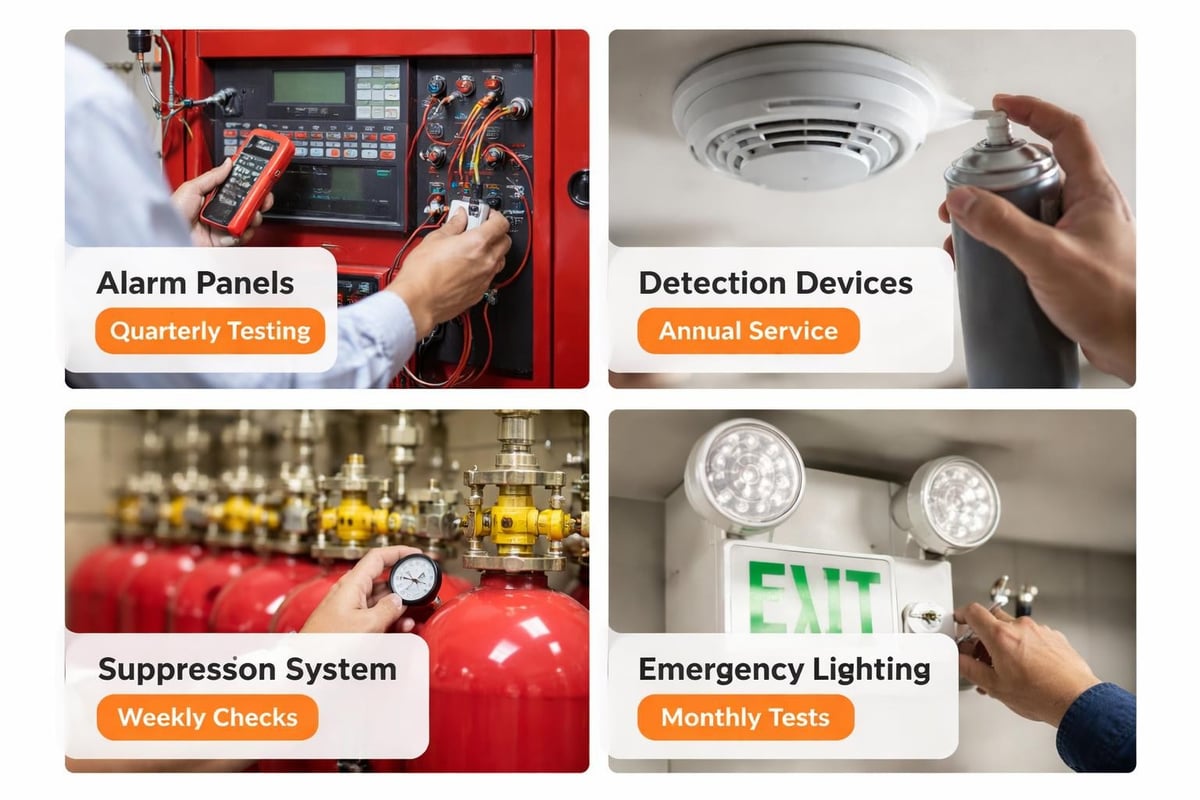
Professional installation by certified technicians ensures systems function correctly from commissioning. Third-party certification schemes verify installer competence and adherence to industry standards. Regular maintenance contracts ensure continued compliance, with quarterly servicing recommended for most commercial installations.

Essential compliance activities include:

  • Annual comprehensive system testing and certification
  • Weekly alarm panel checks and indicator verification
  • Monthly manual call point testing rotation
  • Quarterly detector functional testing
  • Documentation of all maintenance activities and remedial works

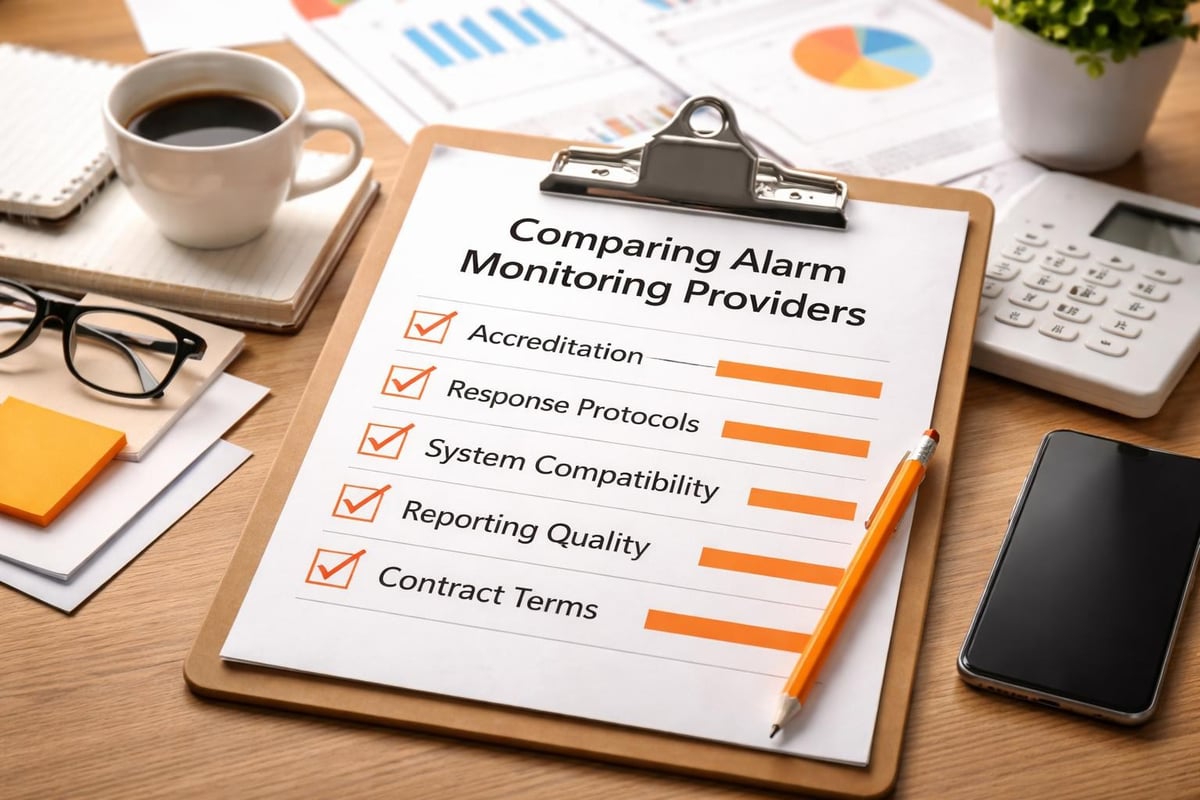
Organisations must maintain detailed records demonstrating ongoing compliance, including commissioning certificates, maintenance logs, and modification documentation. These records prove essential during regulatory inspections and insurance assessments. Partnering with experienced providers ensures quality and accreditations meet industry standards consistently.

Integration with Building Management Systems

Contemporary commercial fire detection systems rarely operate in isolation. Integration with other building systems enhances safety outcomes whilst improving operational efficiency through coordinated responses during emergency situations.

Fire Alarm and Evacuation Coordination

When commercial fire detection systems identify potential fires, immediate coordination with evacuation systems becomes critical. Modern installations trigger pre-recorded voice messages providing clear instructions to occupants, reducing panic and ensuring orderly evacuation. These evacuation alert systems can deliver zone-specific messages, enabling phased evacuation strategies in large buildings.

Integration with access control systems automatically unlocks emergency exits whilst securing sensitive areas, preventing unauthorised access during evacuations. Lift control integration ensures elevators return to ground level and deactivate, preventing occupants from using them during fire incidents.

HVAC and Smoke Control Integration

Air handling systems can spread smoke rapidly throughout buildings if not controlled appropriately. Integrated commercial fire detection systems communicate with HVAC equipment, shutting down systems that might distribute smoke whilst activating smoke extraction fans that remove combustion products from escape routes.

Integration Type Function Safety Benefit
Lift Control Return to ground floor Prevents lift use during fires
HVAC Shutdown Stop air circulation Limits smoke spread
Smoke Extraction Activate extraction fans Maintains tenable escape routes
Emergency Lighting Illuminate escape paths Aids safe evacuation
Door Release Unlock/close fire doors Controls fire spread

Fire doors fitted with electromagnetic hold-open devices automatically close upon alarm activation, compartmentalising the building and slowing fire progression. This integration balances daily operational convenience with fire safety requirements, as doors remain open during normal operation but close automatically when protection is needed.

Maintenance and System Reliability

Even the most sophisticated commercial fire detection systems require regular maintenance to ensure reliable operation. Neglected systems develop faults that compromise protection, potentially leaving buildings vulnerable during genuine emergencies whilst generating false alarms that disrupt operations.

Preventative Maintenance Programmes

Structured maintenance schedules address different system elements according to their specific requirements. Detectors accumulate dust and debris over time, affecting sensitivity and potentially causing false alarms or detection failures. Regular cleaning maintains optimal performance, whilst periodic sensitivity testing verifies correct operation.

Control panels require inspection to ensure battery backup systems maintain charge capacity. Batteries typically require replacement every four to five years, with earlier replacement necessary in environments experiencing extreme temperatures. Cable connections require checking for corrosion or loosening, particularly in environments with vibration or temperature fluctuations.

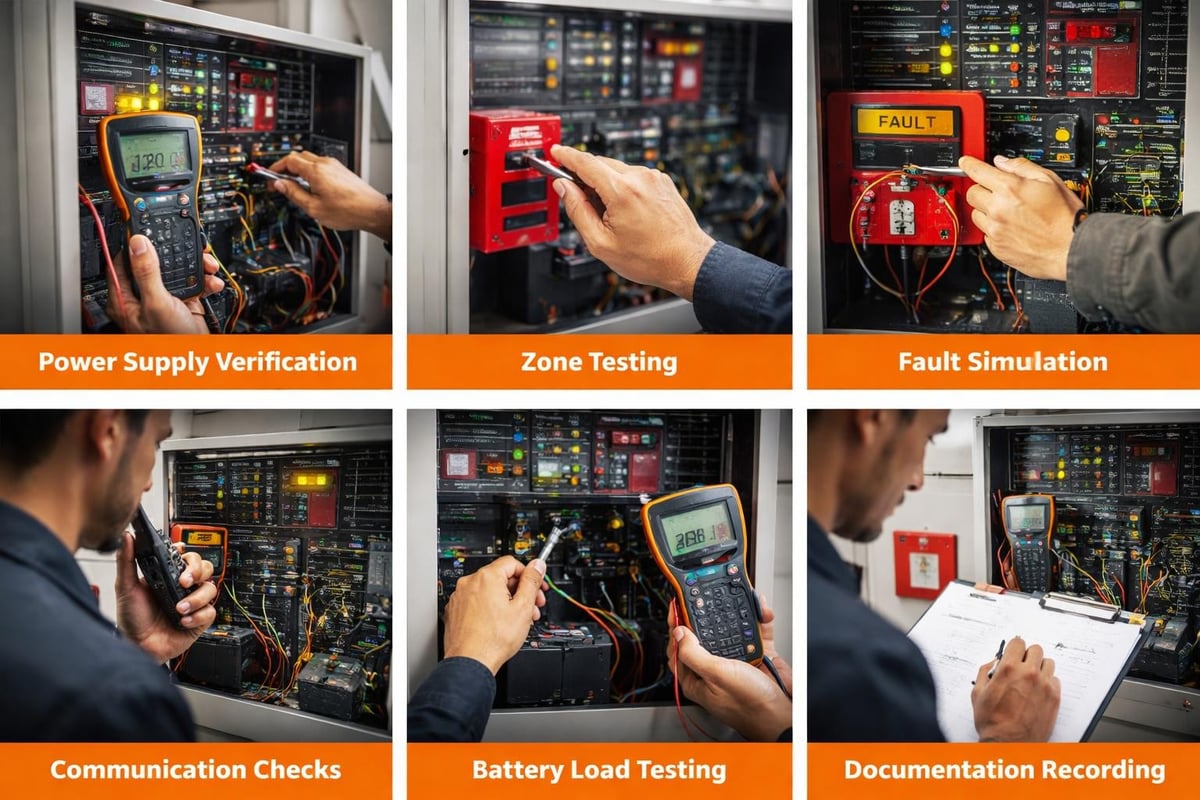
Comprehensive maintenance programmes include:

  1. Visual inspection of all detection devices and notification appliances
  2. Functional testing of detector response characteristics
  3. Battery condition assessment and load testing
  4. Control panel functionality verification
  5. Communication path integrity testing
  6. Documentation updates reflecting system modifications

The importance of fire alarm testing cannot be overstated, as regular verification ensures systems respond appropriately when genuine emergencies occur.

False Alarm Management

False alarms represent a significant challenge for commercial fire detection systems, causing operational disruption, emergency service callouts, and potential complacency amongst building occupants. Modern systems incorporate intelligent features that reduce nuisance alarms without compromising genuine fire detection capability.

Multi-sensor detectors analyse multiple parameters before declaring alarm conditions, distinguishing between fire signatures and environmental factors that might trigger simpler devices. Temporal delay features allow investigation periods before full alarm activation, enabling staff to verify genuine fires or reset systems following minor incidents.

Regular maintenance significantly reduces false alarm rates by ensuring detectors operate within design parameters. Contaminated detectors generate spurious alarms, whilst detector placement in inappropriate locations exposes them to environmental conditions triggering false activations.

Fire system maintenance

Advanced Technologies and Future Developments

The commercial fire detection industry continues evolving, incorporating emerging technologies that enhance detection accuracy, reduce installation costs, and provide richer data for facilities management decision-making.

Artificial Intelligence and Machine Learning

Artificial intelligence algorithms analyse detector data patterns, learning normal environmental conditions for specific locations and identifying anomalies indicating potential fire situations. These systems distinguish between genuine threats and benign events with greater accuracy than traditional threshold-based detection.

Machine learning enables predictive maintenance, identifying detectors exhibiting early signs of degradation before complete failure occurs. This capability allows proactive replacement scheduling, reducing emergency callouts and ensuring consistent protection levels.

Cloud-Based Monitoring and Management

Cloud connectivity enables remote monitoring of commercial fire detection systems, providing facilities managers with real-time status information accessible from any location. This capability proves particularly valuable for organisations managing multiple sites, offering centralised oversight and standardised reporting across property portfolios.

Cloud platforms facilitate automatic software updates, ensuring control panels operate with current algorithms and security patches. Remote diagnostic capabilities enable support teams to investigate alarm conditions without site visits, reducing response times and associated costs.

Integration with IoT Ecosystems

Commercial fire detection systems increasingly participate in broader Internet of Things ecosystems, sharing data with other building systems and contributing to comprehensive facility management platforms. This integration enables sophisticated analyses, such as correlating fire alarm patterns with occupancy data, environmental conditions, or equipment operation.

The CDC workplace fire safety guidance emphasises the importance of comprehensive approaches to fire protection, with integrated systems contributing to overall workplace safety strategies.

Selecting the Right System for Your Business

Choosing appropriate commercial fire detection systems requires careful consideration of numerous factors beyond simple cost comparisons. The optimal solution balances initial investment against ongoing operational costs whilst ensuring complete regulatory compliance and adequate protection for occupants and assets.

Risk Assessment and System Design

Professional fire risk assessments form the foundation for effective system design. These assessments identify potential fire sources, evaluate occupant vulnerability, and determine appropriate protection levels. Assessment findings inform decisions about detector types, placement density, and notification appliance specifications.

Buildings housing vulnerable occupants, such as healthcare facilities or educational establishments, require enhanced detection sensitivity and sophisticated evacuation systems. Industrial premises storing hazardous materials need specialised detection technologies suited to challenging environmental conditions.

Key design considerations include:

  • Building size, layout, and construction materials
  • Occupancy levels and occupant characteristics
  • Activities conducted within the premises
  • Environmental conditions affecting detector performance
  • Integration requirements with existing building systems
  • Budget allocation for initial installation and ongoing maintenance

Engaging experienced design professionals ensures systems meet regulatory requirements whilst avoiding over-specification that inflates costs unnecessarily. Understanding fire alarm design principles helps organisations evaluate proposals and select solutions aligned with their specific needs.

Installation Considerations

Professional installation by qualified technicians ensures commercial fire detection systems function correctly from commissioning. Poor installation practices compromise system reliability, potentially creating dangerous situations where occupants believe they enjoy protection that may not materialise during genuine emergencies.

Cable routing must avoid electromagnetic interference sources whilst maintaining accessibility for future maintenance. Detector positioning requires careful consideration of airflow patterns, ceiling heights, and potential obstructions affecting smoke or heat travel. Control panel placement must balance accessibility for maintenance against security requirements preventing tampering.

Monitoring and Response Services

Many organisations enhance their commercial fire detection systems with professional monitoring services providing 24/7 oversight. When alarms activate, monitoring stations receive immediate notification, enabling rapid emergency service dispatch even when premises are unoccupied.

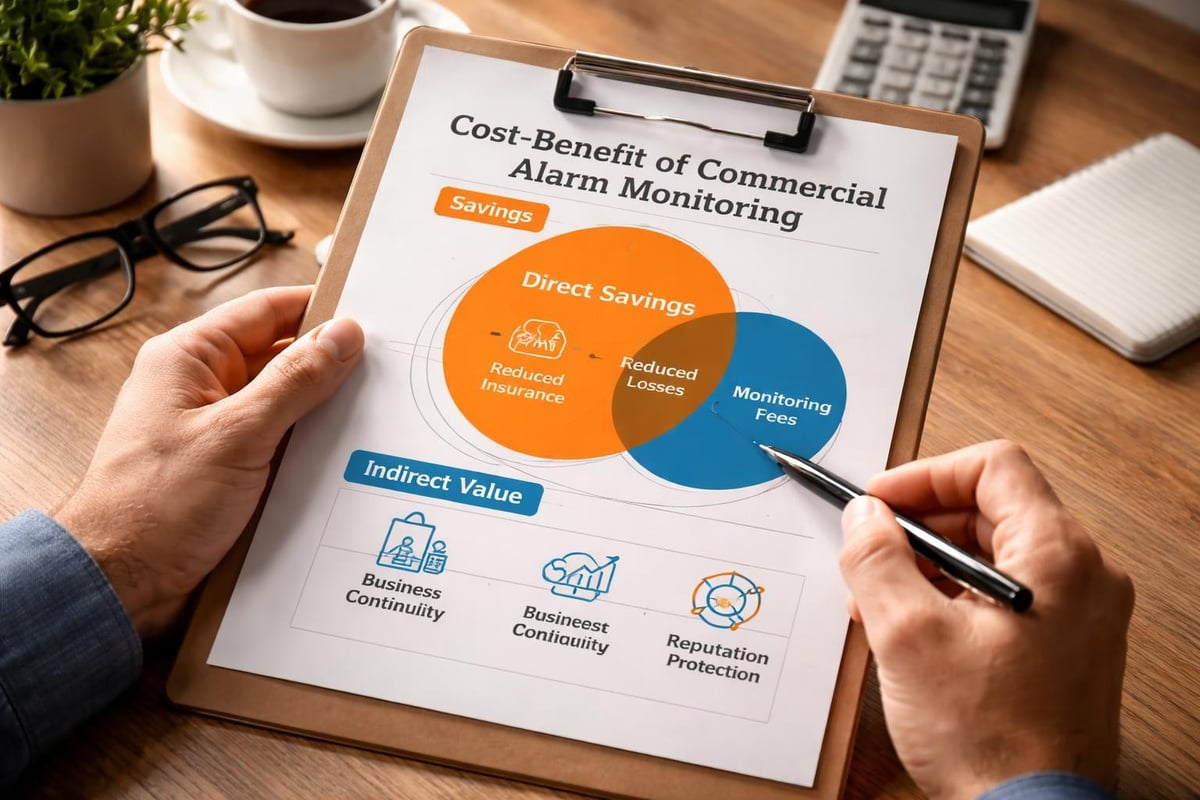
Monitored systems typically qualify for reduced insurance premiums, with savings often offsetting monitoring costs. Additionally, monitoring services provide documentation of alarm events and system performance, supporting compliance demonstration and operational decision-making.

Cost Considerations and Return on Investment

Financial planning for commercial fire detection systems must encompass total lifetime costs rather than focusing solely on initial purchase prices. Systems with higher upfront costs frequently deliver superior value through reduced maintenance requirements, lower false alarm rates, and enhanced operational efficiency.

Initial Investment Components

Purchase prices vary considerably depending on system sophistication and building size. Conventional systems typically cost between £1,500 and £5,000 for small commercial premises, whilst addressable installations in medium-sized buildings range from £5,000 to £25,000. Large, complex facilities with wireless technology and advanced integration can exceed £100,000.

Installation labour represents a significant cost component, often equalling or exceeding equipment expenses. This investment ensures proper configuration, testing, and commissioning that validates system performance before handover.

System Type Typical Cost Range Best For Key Advantage
Conventional £1,500-£5,000 Small premises Lower initial cost
Addressable £5,000-£25,000 Medium facilities Precise location identification
Wireless £8,000-£35,000 Historic buildings Minimal building disruption
Analogue £15,000-£100,000+ Large complexes Predictive maintenance

Ongoing Operational Costs

Annual maintenance contracts typically cost 10-15% of initial installation value, covering quarterly inspections, testing, and remedial works. This investment proves essential for maintaining compliance and ensuring reliable operation.

Monitoring services add further recurring costs, typically ranging from £200 to £1,000 annually depending on service levels and response guarantees. However, reduced insurance premiums often offset these expenses whilst providing additional peace of mind.

Insurance and Liability Implications

Adequate commercial fire detection systems significantly reduce insurance premiums, with discounts ranging from 10% to 30% depending on system sophistication and monitoring arrangements. More importantly, comprehensive protection demonstrates due diligence, potentially limiting liability following fire incidents.

Businesses without adequate detection systems face severe consequences following fires, including increased insurance premiums, regulatory penalties, and potential prosecution under health and safety legislation. The reputational damage and business interruption costs far exceed any savings achieved through inadequate fire protection.


Commercial fire detection systems represent essential investments that protect lives, preserve property, and ensure business continuity when fire emergencies occur. Understanding the technologies, regulatory requirements, and maintenance obligations enables organisations to implement solutions delivering reliable protection whilst meeting compliance obligations. Logic Fire and Security brings decades of expertise to the design, installation, and maintenance of commercial fire detection systems across the UK, supporting businesses ranging from small enterprises to Blue Chip corporations with tailored solutions that align with their specific operational requirements and safety objectives.

Safe Security Alarm System Guide: Expert Insights for 2026

Security threats are growing more sophisticated every year, putting homes and businesses at greater risk. In 2026, simply relying on traditional alarms is no longer enough to ensure effective protection. According to recent reports, the UK has seen a significant rise in security breaches, highlighting the importance of investing in robust solutions.

This guide is designed to help you confidently select, install, and maintain a safe security alarm system that addresses today’s challenges. By exploring the latest alarm technologies, key decision criteria, integration with smart devices, and ongoing compliance requirements, you will gain expert insights to safeguard your property.

Discover how staying up to date with modern systems not only delivers peace of mind, but also keeps you ahead of evolving threats and regulatory demands.

Understanding Modern Security Alarm Systems in 2026

The world of security is changing fast. Over the past decade, the need for a safe security alarm system has grown as technology and threats evolve. In this section, we’ll break down how these systems have transformed, what options are available, the latest innovations, and why it’s crucial to stay up to date.

Understanding Modern Security Alarm Systems in 2026

Evolution of Security Alarm Technology

Security alarm technology has seen a dramatic shift in recent years. Traditional analogue alarms are now largely replaced by digital and AI-powered systems. Wireless connectivity and cloud-based management have become standard, making the safe security alarm system more effective and user-friendly.

For example, many properties have transitioned from simple bell-only alarms to smart, professionally monitored solutions. This evolution means more reliable detection and faster response times.

Types of Security Alarm Systems Available

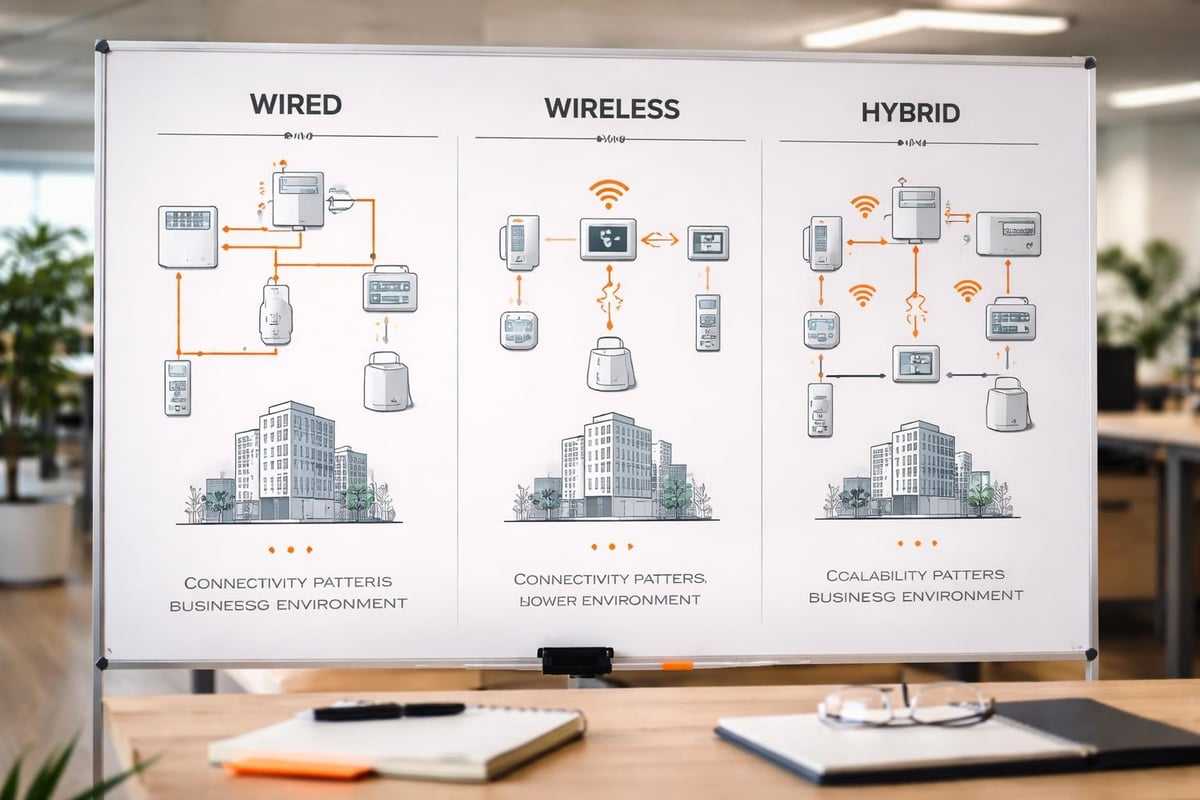
Today, there are several types of safe security alarm system setups to consider. These include wired, wireless, and hybrid intruder alarms. You can choose between monitored systems, where an external company oversees alerts, or self-monitored options controlled via your mobile.

Smart alarms now offer mobile integration, letting you manage security from anywhere. According to industry reports, over 70 percent of UK businesses have adopted monitored alarm systems. For a deeper look at the options, see the Commercial Intruder Alarm System Guide.

Latest Features and Innovations for 2026

Modern safe security alarm system features are designed for both security and convenience. AI-driven detection helps reduce false alarms by learning regular activity patterns. Systems now integrate seamlessly with IoT and smart platforms, offering real-time alerts and remote control through mobile apps.

Biometric and facial recognition access are becoming more common. In commercial settings, predictive analytics can flag potential threats before they happen, setting a new benchmark for proactive protection.

Security Threat Landscape: Why Up-to-Date Systems Matter

The rise of sophisticated break-ins and cyber-physical threats means an old alarm is no longer enough. Recent high-profile breaches have shown that outdated systems leave serious gaps in protection.

Insurance providers often require a modern safe security alarm system to maintain coverage. Failing to upgrade can result in higher risks and even denied claims when incidents occur.

Key Benefits of Modern Alarm Systems

A modern safe security alarm system offers several clear benefits. Detection accuracy and response speed are significantly improved. User interfaces are more accessible, allowing for easier management by homeowners and businesses alike.

Flexibility is another key advantage, with systems easily tailored to unique property needs. Compliance with UK regulations is also easier with up-to-date technology, helping avoid costly penalties.

Common Misconceptions and Pitfalls

Some believe wireless systems are easy targets, but today’s technology uses robust encryption and secure channels. Over-relying on DIY setups can lead to missed vulnerabilities and gaps in monitoring.

Professional monitoring remains essential for a truly safe security alarm system. Misunderstanding the need for expert oversight can put your property at risk.

How to Choose the Right Security Alarm System

Selecting a safe security alarm system in 2026 requires a strategic approach. With evolving threats and a rapidly growing market, it is essential to match your security solution precisely to your risks and operational needs. Let us break down the process to ensure you make an informed, effective decision.

How to Choose the Right Security Alarm System

Assessing Your Security Needs

Begin by conducting a comprehensive risk assessment. Consider your property type, location, and the value of your assets. For example, a retail store in a busy urban area faces different risks than a quiet office in a business park.

Identify all entry points, including doors, windows, and less obvious access routes. Understanding these vulnerabilities is key to choosing a safe security alarm system that covers every potential weakness.

Comparing Alarm System Features and Specifications

Not all alarm systems are created equal. Evaluate key features such as motion sensors, cameras, control panels, and system connectivity. Assess the scalability of each safe security alarm system, especially if you plan to expand or upgrade in the future.

Feature Entry-Level System Enterprise-Grade System
Sensors Basic motion Advanced, multi-type
Cameras Optional Integrated HD & IR
Control Panel Standard keypad Touchscreen, remote
Connectivity Wired/wireless Multi-network, cloud

Compare specifications to ensure your chosen system aligns with your operational requirements.

Budgeting: Cost vs. Value

Balancing cost and value is crucial. Look beyond the initial price of your safe security alarm system to consider long-term savings, such as reduced insurance premiums and loss prevention.

Factor in ongoing expenses, including maintenance and monitoring fees. A well-chosen system can deliver substantial return on investment, especially when it prevents costly incidents.

Compliance and Legal Considerations

Compliance with UK regulations is non-negotiable. Ensure your safe security alarm system meets standards like BS EN 50131 and PD6662, and that it adheres to GDPR for data protection.

Businesses may require certification, and non-compliance can result in significant fines. Regularly review updates to standards to keep your security system legally robust.

Selecting a Reputable Supplier or Installer

Choosing the right provider is as important as selecting the system itself. Look for NSI or BAFE-accredited companies, and always check references and industry reputation.

A poor installation can compromise even the best safe security alarm system. For guidance on evaluating the best providers, see Commercial Security Alarm Companies.

  • Check accreditations
  • Request case studies or references
  • Confirm after-sales support

Logic Fire and Security: Expert Solutions for UK Businesses

Logic Fire and Security delivers tailored design, installation, and maintenance for advanced alarm systems throughout the UK. Their certified expertise ensures your safe security alarm system is compliant, reliable, and fully integrated with fire safety measures.

With 24/7 monitoring and a strong track record with blue-chip clients, Logic Fire and Security provides comprehensive protection for commercial environments.

Step-by-Step Guide: Installing a Safe Security Alarm System

Installing a safe security alarm system is a strategic process that demands careful planning and precise execution. Each stage ensures your system is robust, reliable, and compliant with current standards. Follow this structured guide to achieve optimal protection for your premises.

Step-by-Step Guide: Installing a Safe Security Alarm System

Step 1: Site Assessment and Planning

Begin your safe security alarm system installation with a thorough site assessment. Survey the entire premises, noting all entry points, windows, and high-value areas. Use up-to-date floor plans to map out optimal sensor and camera placement.

Identify potential blind spots and assess environmental factors, such as lighting and potential obstructions. A detailed threat analysis will help determine which zones require enhanced coverage. This groundwork ensures your system's foundation is tailored to your unique risks and layout.

Step 2: Selecting System Components

Choosing the right components is crucial for an effective safe security alarm system. Select sensors, control panels, alarms, and connectivity modules that suit your premises and risk profile. Consider integration with existing CCTV or access control systems for seamless security.

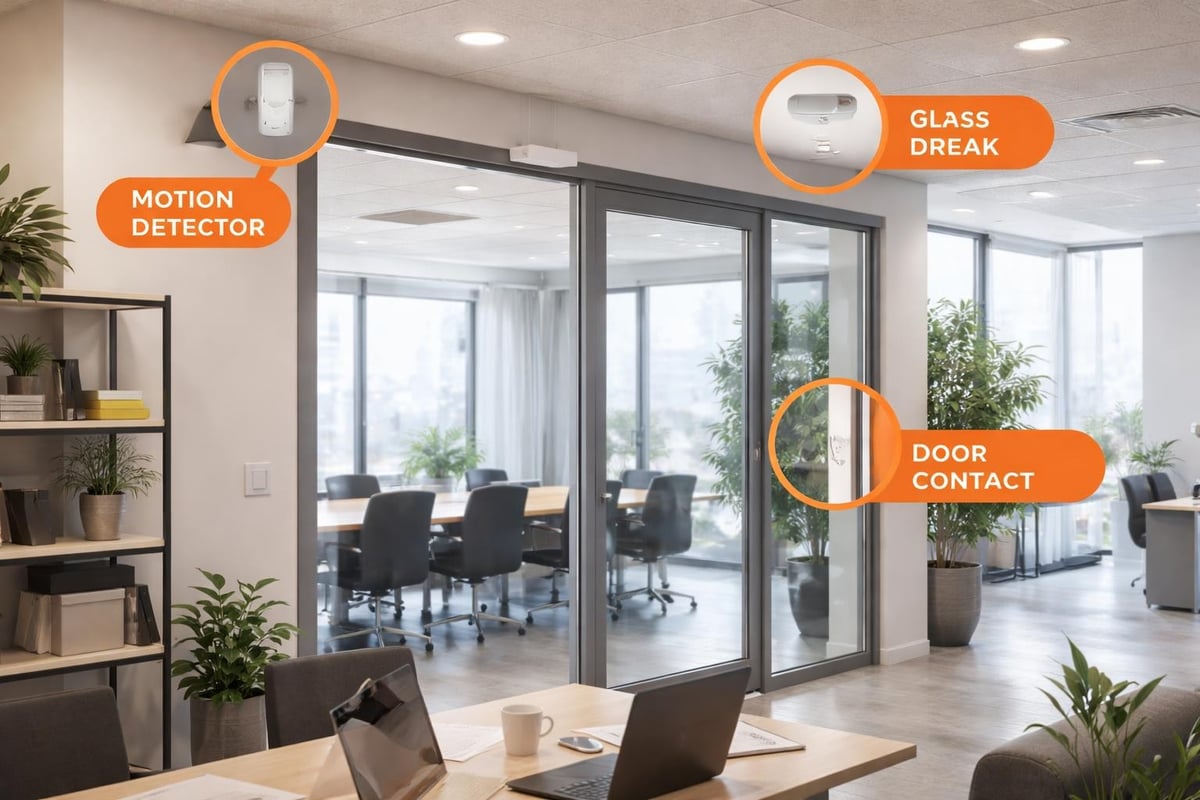
Look for features such as pet-friendly motion sensors, glass-break detectors, and tamper-proof devices. For an in-depth look at the available options and their benefits, visit the Security Alarm Equipment Overview. Assess how each piece fits into your overall security strategy, ensuring compatibility and scalability for future needs.

Step 3: Professional vs. DIY Installation

Decide whether to opt for professional installation or a DIY approach. Professional installers bring expertise, ensuring your safe security alarm system meets all regulatory standards and minimises false alarms. They also provide guidance on optimal placement and configuration.

DIY installations may seem cost-effective, but can lead to improper setup, compliance issues, or missed vulnerabilities. Industry data shows professionally installed systems reduce false alarms by 40 percent. Evaluate your technical skills and consider the long-term reliability when making this choice.

Step 4: Physical Installation Process

The physical installation of a safe security alarm system involves mounting sensors, running cables (if needed), and setting up control panels. Start by following your site plan, ensuring each device is securely fixed and positioned for maximum coverage.

Wireless sensors should be placed away from electronic interference and within range of the control panel. Cabling, if required, must be concealed and protected. Adhere to best practices, such as avoiding corners for motion detectors and ensuring sirens are both audible and visible.

Step 5: System Programming and Testing

Once installed, programme your safe security alarm system by configuring zones, user codes, and notification preferences. Assign unique codes to authorised users and tailor alert protocols to your needs.

Test every component thoroughly. Simulate intrusion scenarios to verify detection, alarm activation, and communication with monitoring services. Regular testing ensures your system operates as intended and provides peace of mind from day one.

Step 6: User Training and Handover

Educate all users on operating the safe security alarm system. Demonstrate how to arm and disarm the system, respond to alerts, and contact emergency services if needed.

Provide comprehensive user manuals and access to support resources. Clear training reduces user errors and maximises the system’s effectiveness in real situations.

Step 7: Connecting to Monitoring Services

Connect your safe security alarm system to a monitoring service for enhanced protection. Choose between self-monitoring via a mobile app or professional 24/7 monitoring with rapid response protocols.

Set up notification preferences, escalation steps, and police response options. Properly configured monitoring ensures immediate action if a threat is detected, closing the loop on your security defences.

Integrating Alarm Systems with Smart Technology

Smart technology integration is transforming how a safe security alarm system protects homes and businesses. With seamless connectivity, users gain control and insight like never before. Let us explore how modern solutions deliver convenience, security, and adaptability.

Integrating Alarm Systems with Smart Technology

Benefits of Smart Integration

Integrating a safe security alarm system with smart technology offers substantial advantages. Users can arm or disarm systems remotely, receive instant alerts, and monitor live feeds from any location. This flexibility increases response times and enhances peace of mind.

Key benefits include:

  • Centralised control via app or web dashboard
  • Real-time notifications for security events
  • Automated routines, such as arming the system when leaving

Smart integration also enables linking alarm monitoring services, providing professional oversight and rapid intervention. Choosing a system with robust integration features ensures your protection stays ahead of emerging threats.

Popular Smart Devices and Platforms

Compatibility is a priority when selecting a safe security alarm system. Leading platforms such as Alexa, Google Home, and Apple HomeKit enable voice-activated control and seamless automation. Integration with smart locks, lighting, and CCTV simplifies daily operations and boosts security.

Adoption of smart security devices continues to rise across the UK. According to UK smart home security adoption statistics, more households and businesses are choosing connected alarm solutions for their reliability and convenience. This trend reflects growing confidence in integrated systems.

Data Security and Privacy Concerns

With increased connectivity, safeguarding data becomes crucial for any safe security alarm system. IoT devices can be targets for cyberattacks, especially if passwords are weak or software is outdated. In fact, 60 percent of smart device breaches result from poor password practices.

To mitigate risk:

  • Change default passwords to strong, unique credentials
  • Enable two-factor authentication where possible
  • Keep firmware and software regularly updated

Following these best practices ensures data integrity and maintains compliance with privacy regulations.

Future Trends: AI and Automation

Artificial intelligence is shaping the future of safe security alarm system technology. Modern systems use AI for predictive threat detection, learning typical activity patterns, and automatically responding to anomalies. Automated emergency protocols and self-testing routines further reduce manual oversight.

For example, AI analytics can detect unusual access times or movement, alerting users before incidents escalate. As automation advances, expect even smarter, more proactive security solutions.

Customisation and Scalability

Every property has unique requirements, so a safe security alarm system must offer tailored integration options. Modular designs allow for easy expansion as needs grow, whether adding sensors, cameras, or integrating with other smart devices.

Businesses operating across multiple sites benefit from systems that centralise monitoring and management. This scalability ensures long-term value and adaptability as technology and threats evolve.

Maintenance, Monitoring, and Ongoing Compliance

Regular upkeep is vital to ensure your safe security alarm system delivers consistent protection and meets insurance requirements. Neglecting routine maintenance can lead to false alarms, system malfunctions, or even claim rejections. A quarterly or annual service schedule helps keep your alarm system in optimal condition.

Importance of Regular Maintenance

A safe security alarm system needs regular inspection of sensors, batteries, and control units. Technicians should check for physical damage and software errors.

Typical maintenance tasks include:

  • Cleaning sensors and cameras
  • Testing alarm sounders and backup batteries
  • Verifying all communication links

Failing to maintain your system can void warranties or delay emergency response. Always document all maintenance activities for future audits.

Professional Monitoring Services

Choosing 24/7 monitoring for your safe security alarm system means trained staff can respond to alerts at any hour. Monitored systems provide rapid escalation to police or emergency services, reducing losses and improving safety.

For a deeper understanding of how monitoring works and its benefits, see Alarm Monitoring Systems Explained. Professional monitoring consistently outperforms self-monitoring in response speed and reliability.

Software Updates and Cybersecurity

Keeping your alarm system’s software and firmware up to date is essential to prevent cyber attacks. Regular updates patch vulnerabilities that hackers could exploit.

Best practices include:

  • Enabling automatic updates
  • Changing default passwords
  • Monitoring for abnormal activity

A secure system protects not only your property but also personal and business data.

Record-Keeping and Legal Compliance

Documenting system events, maintenance, and alarm activations is a legal requirement for many UK businesses. Logs are essential for audits, insurance claims, and regulatory checks.

Adhering to GDPR and the latest compliance directives is crucial. The UK Security Industry Authority business plan 2025-2026 details ongoing regulatory priorities, which may impact your record-keeping obligations.

Handling System Upgrades and Expansion

As your business grows, your safe security alarm system should evolve too. Periodically assess whether your current setup meets your needs or if an upgrade is warranted.

Consider upgrading when:

  • Expanding to new premises
  • Introducing new assets or technology
  • Compliance standards change

A scalable system ensures your protection remains robust and future-proof.

You’ve now got a clear picture of how smart, integrated alarm systems are evolving to meet the challenges of 2026, and why choosing the right solution is vital for your business’s safety and compliance. If you’re ready to take the next step, why not let experts help you assess your premises and tailor a solution to your unique needs? With Logic Fire and Security’s commitment to quality and decades of experience supporting UK businesses, you can move forward with complete confidence.
Get a Free Site Survey
Let’s work together to secure your future, starting today.

Our Accreditations

Work
For Us