

Did you know that over 60% of security breaches in commercial buildings are caused by weak or outdated building access control systems? As threats evolve and regulations tighten, safeguarding your premises is more critical than ever. This guide will walk you through building access control systems step by step, ensuring you stay ahead of risks and comply with the latest standards for 2026. You will discover the basics, explore system types, learn practical planning and installation tips, understand integration, and stay informed on emerging trends. Follow this guide to protect your assets, keep people safe, and future-proof your security strategy.
Understanding Access Control Systems
Modern threats demand more than traditional locks and keys. Understanding how building access control systems function is the first step in creating a secure and compliant environment. These systems are essential for businesses, public agencies, and multi-tenant facilities, offering control over who enters specific areas and when.
What is Access Control?
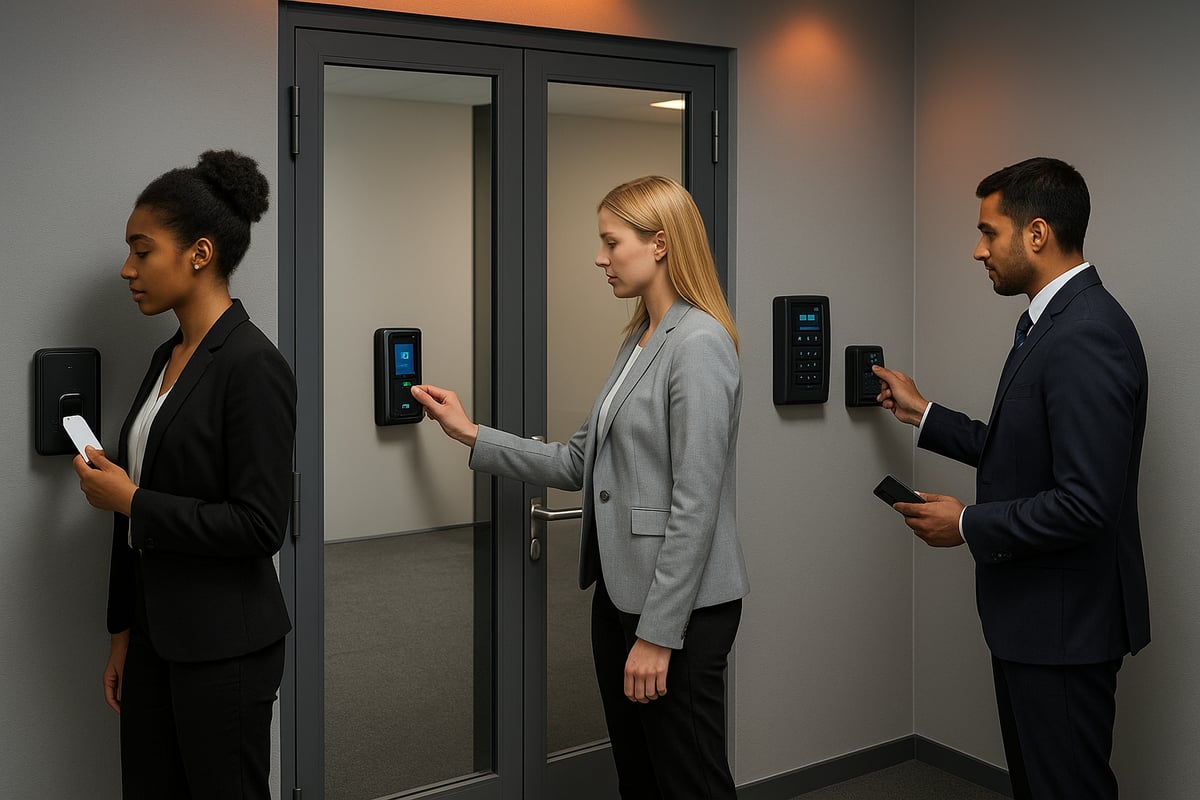
Access control refers to the set of policies and technologies used to regulate entry to buildings, rooms, or restricted zones. In the context of building access control systems, it means only authorised individuals can enter certain spaces at specific times, reducing the risk of theft or unauthorised access.
There are two main categories: physical access control, which includes barriers like doors and turnstiles, and electronic access control, which uses digital systems to grant or deny entry. For example, offices often use access cards or key fobs instead of traditional lock and key, making it easier to manage permissions and track movement.
Building access control systems are vital for protecting sensitive information, assets, and people. They are particularly important in sectors where compliance with regulations is mandatory. For a deeper look at system types and their business benefits, see Access control systems for business.
Core Components of an Access Control System
Every robust access control setup includes several interconnected elements. The control panel acts as the system’s brain, making real-time decisions about who can enter. Entry points, such as doors, gates, or barriers, are fitted with electronic or magnetic locks.
Users present credentials—these might be cards, fobs, PIN codes, or biometric identifiers like fingerprints. Readers and keypads at each entry point capture this information, passing it to the control panel for verification. Management software allows administrators to enrol users, set permissions, and generate audit trails.
Here is a summary of the core components:
| Component | Function | Example Use |
|---|---|---|
| Control Panel | Decision-making hub | Grants/denies access |
| Entry Points | Physical barriers | Doors, gates, turnstiles |
| Credentials | Proof of identity | Card, fob, PIN, fingerprint |
| Readers/Keypads | Input devices | Card reader, biometric scanner |
| Locks | Secure entry points | Electronic/magnetic/mechanical locks |
| Management Software | User and permissions management | Enrolment, audit trails |
In high-security zones, building access control systems often use multi-factor authentication, such as combining a card with a PIN or biometric scan. This layered approach ensures only the right people access sensitive areas.
Benefits of Effective Access Control
Implementing effective building access control systems delivers multiple benefits:
- Enhanced security, with detailed logs of every entry and exit.
- Immediate revocation of access rights, unlike physical keys which can be lost or copied.
- Improved safety for staff and assets.
- Easier compliance with standards like the Equality Act, NPSA, and CAPSS.
Statistics show businesses often recover investment in 12 to 18 months through reduced risk and operational savings. Consider a data centre scenario: unauthorised entry is swiftly prevented, sensitive data remains secure, and all activity is traceable. With the right building access control systems in place, organisations can respond quickly to incidents and maintain peace of mind.
Types of Access Control Systems
Choosing the right building access control systems is crucial for safeguarding your premises. The options available today are more advanced and flexible than ever, offering tailored solutions for various site sizes and security needs. Understanding the core system types and their features will help you make informed decisions for your environment.
Standalone vs. Networked Systems
When evaluating building access control systems, the first step is to decide between standalone and networked options.
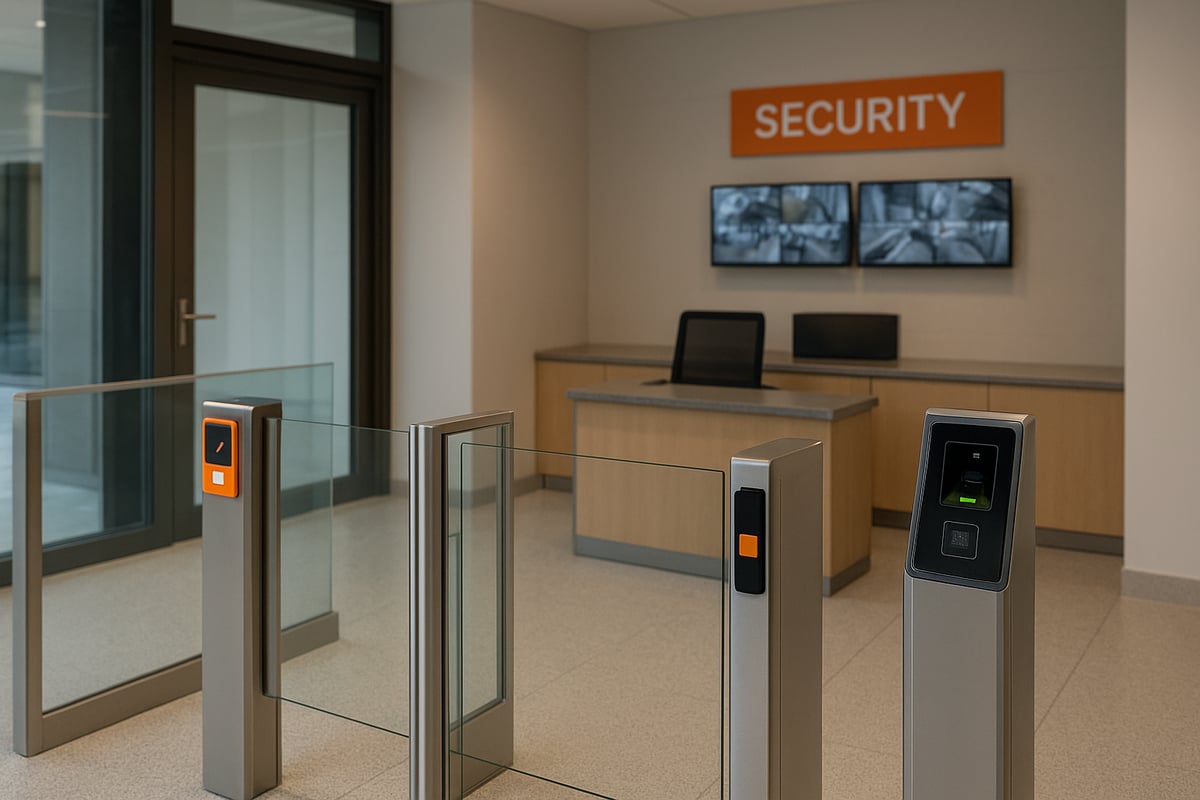
Standalone systems operate independently at each door or entry point. They are ideal for smaller sites or locations where central management is unnecessary. For example, a retail shop might use a keypad or card reader at the main entrance. The main advantages are simplicity, quick setup, and lower upfront costs. However, they lack remote management and scalability as your business grows.
Networked systems, on the other hand, connect multiple entry points to a central server or cloud platform. This approach is best suited for large facilities or multi-site organisations, such as hospitals or corporate campuses. Networked solutions allow centralised control, real-time monitoring, and easier user management.
| Feature | Standalone System | Networked System |
|---|---|---|
| Management | Local only | Centralised |
| Scalability | Limited | High |
| Cost | Lower | Higher |
| Use Case | Small office | Multi-site/hospital |
Selecting between these types depends on your security objectives and the scale of your operations.
Authentication Methods
Authentication is at the heart of building access control systems. It ensures only authorised individuals can enter specific areas. Modern systems offer a range of methods, each with unique strengths:
- Token and Reader: Key cards, fobs, or tags grant access when presented to a reader. This is known as “what you have” authentication.
- Keypad and PIN: Users enter a unique code. This method relies on “what you know.”
- Biometric Systems: Fingerprint, face, or iris recognition verifies identity by physical traits—”who you are.”
- Multi-factor Authentication: Combining two or more methods, such as card plus PIN, increases security in sensitive zones.
For high-risk environments, such as data centres, combining biometrics with tokens is standard practice. This approach minimises the risk of lost credentials or codes being shared. The UK’s NPSA BAACS guidance highlights the growing adoption of advanced biometric modalities for critical infrastructure.
Selecting the right mix of authentication methods improves both convenience and security for your staff and visitors.
System Integration and Compliance
The best building access control systems do not operate in isolation. Integration with other security measures, such as CCTV, intruder alarms, and HR databases, creates a holistic approach to safety. Centralised management streamlines incident response and provides comprehensive audit trails for investigations.
Compliance is also essential. In the UK, access control must align with standards such as NPSA, CAPSS, and the Equality Act. Proper integration ensures your system not only safeguards assets but also meets legal and regulatory requirements.
For businesses seeking all-in-one solutions, commercial security system solutions often combine access control, fire safety, and video surveillance, providing seamless management and peace of mind.
By choosing scalable, integrated, and standards-compliant building access control systems, you future-proof your facility while protecting people and assets.
Planning Your Access Control System: Step-by-Step
Designing effective building access control systems begins with a structured, methodical approach. By breaking the process into clear stages, you ensure your security solution is robust, scalable, and compliant. Below, we guide you through each essential step for a successful project.

Step 1: Conducting a Security Risk Assessment
The first step to implementing building access control systems is a comprehensive security risk assessment. Begin by identifying all potential threats to your facility, such as unauthorised entry, theft, or vandalism.
Map out areas that require restricted access, including high-value storage rooms and sensitive data suites. Assess your current security infrastructure, noting any existing weaknesses or gaps. Involve key stakeholders, such as security teams, IT managers, and facilities staff, to gain diverse perspectives.
For example, a business might prioritise access control for server rooms and executive offices, ensuring only authorised personnel can enter. This collaborative assessment forms the foundation for your entire access control strategy.
Step 2: Site Survey and Requirements Gathering
After assessing risks, conduct a thorough site survey to inform your building access control systems design. A professional survey should identify every entry and exit point, including doors, gates, and emergency exits.
Evaluate environmental factors like temperature, moisture, and dust, as these can affect system performance. Assess your network infrastructure to determine if integration with other security systems is feasible.
Consider the number of daily users and typical traffic patterns. For example, an office with a busy public reception area and a secure server room will need tailored solutions for each zone. Gathering these details helps ensure your system will meet both operational needs and future growth.
Step 3: System Design and Technology Selection
With your requirements in hand, it’s time to design your building access control systems. Decide whether a standalone, networked, or hybrid solution best suits your facility’s size and complexity.
Select authentication methods that balance risk and user convenience, such as PIN codes for general access and biometrics for high-security zones. Plan for scalability to accommodate expansion or new technologies.
Integration with existing security measures, such as alarms or CCTV, is crucial for a holistic approach. For instance, executive suites may use fingerprint readers, while general staff access is managed via key cards. Careful system design ensures your access control infrastructure remains future-proof and effective.
Step 4: Budgeting and Compliance Planning
Budgeting is a vital part of planning building access control systems. Calculate costs for hardware, software, installation, and ongoing maintenance. Factor in expenses related to compliance and regular upgrades.
Ensure your system adheres to legal and industry regulations, such as the Equality Act and NPSA standards. For detailed guidance, consult resources like the UK Access Control Compliance Standards.
Plan for support contracts and staff training to maintain long-term security. For example, budgeting for a multi-site retail operation requires careful consideration of both upfront costs and future support needs. Addressing compliance from the outset minimises risks and streamlines implementation.
Access Control Installation Process
Installing building access control systems is a critical phase that determines the reliability and security of your site. Careful planning, technical precision, and clear communication are essential for a smooth deployment. Let us walk through the process, focusing on practical steps that deliver results.
Pre-Installation Preparation
Before work begins, schedule installation at a time that minimises disruption for your staff and visitors. Inform all stakeholders about the planned changes, including building access control systems policies and temporary access arrangements.
Prepare the infrastructure by ensuring cabling routes are clear, power supplies are adequate, and a reliable UPS is in place for backup. Back up sensitive data and develop a plan for managing system downtime during the switchover.
A professional site survey will help anticipate challenges early. For detailed checklists and preparation tips, consult the Access control installation flyer. For example, many offices opt for weekend installation to keep operations running smoothly.
Hardware Installation and Configuration
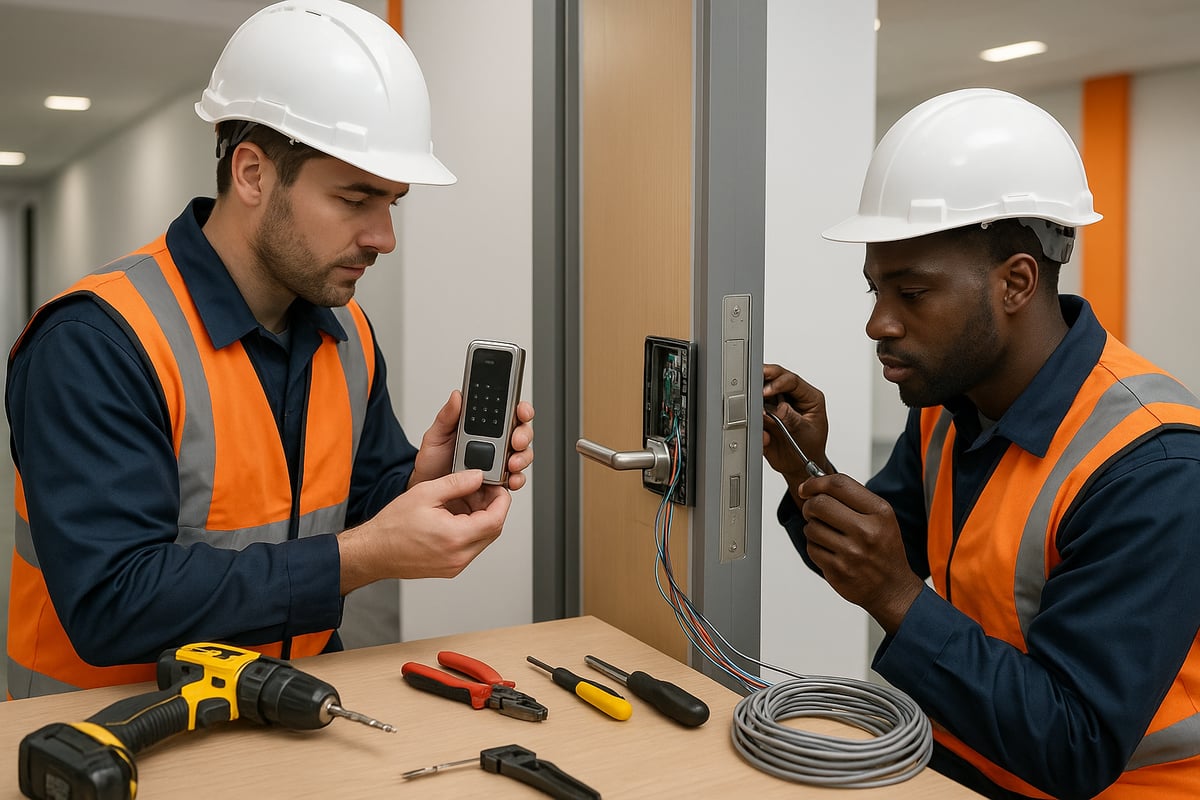
The next step in deploying building access control systems involves physically installing hardware components. Run cables securely, mount readers, keypads, and locks at designated entry points, and ensure all wiring is protected from tampering or accidental damage.
Compliance with electrical codes is essential. Configure management software, set up user databases, and integrate with existing security platforms if required.
For example, installing electric locks on perimeter doors provides a reliable first layer of protection and allows swift adaptation if access permissions need to change.
Testing, Training, and Handover
Thorough testing is vital for building access control systems to function as intended. Test all credentials, verify door mechanisms, and confirm integration with CCTV or alarms. Validate backup power systems and ensure emergency override procedures work flawlessly.
Staff training is crucial. Provide clear instructions on using the system, reporting faults, and responding to suspicious activity. Supply comprehensive documentation and emergency contacts for ongoing support.
Simulate emergency scenarios, such as a lockdown, to ensure everyone understands their role. The NPSA recommends combining access control with other security measures for the most robust protection. A successful handover ensures your team is confident and your premises remain secure.
Integrating Access Control with Building Security
A robust security strategy goes beyond installing building access control systems in isolation. Modern threats require a layered approach, where access control works hand-in-hand with surveillance, alarms, and digital infrastructure. Integrating these systems ensures that every point of entry, and every potential vulnerability, is monitored and protected.
Why Integration Matters
Integrating building access control systems with other security solutions creates a unified defence for your premises. When access control, CCTV, and intruder alarms are connected, you gain a holistic view of all activities within your facility. This enables rapid response to incidents and streamlines investigations with clear audit trails.
For example, if an unauthorised access attempt occurs, the system can trigger immediate CCTV recording at the affected location. Centralised monitoring allows security staff to view live incidents and coordinate responses efficiently. For more on how remote monitoring enhances this setup, see Integrating CCTV with access control.
This approach ensures that all systems communicate, reducing blind spots and improving situational awareness throughout your property.
Advanced Features and Automation
Today’s building access control systems offer advanced automation to enhance both security and convenience. Real-time alerts notify teams instantly if someone tries to breach a restricted area. Automated scheduling can lock or unlock doors based on operational hours, reducing manual intervention.
Key features include:
- Anti-passback to prevent credential sharing
- Dual-authentication for high-security zones
- Temporary access credentials for visitors
Integration with HR databases allows automatic permission updates when staff roles change. For instance, a new employee’s access rights can be set up before their first day, while departing staff can have access revoked instantly. These innovations ensure building access control systems adapt quickly to your operational needs.
Ongoing Support and Maintenance
Maintaining building access control systems is critical for long-term reliability and compliance. Regular maintenance, firmware updates, and system checks prevent vulnerabilities from emerging. Many organisations opt for annual maintenance contracts to guarantee prompt service and reduce system downtime.
Continuous 24/7 monitoring supports immediate incident response and helps keep your systems in line with regulatory requirements. Scheduled audits ensure your access policies remain current, and any issues are addressed before they affect security.
By prioritising ongoing support, you ensure that your building access control systems remain effective and resilient, protecting your assets and people at all times.
Future Trends and Innovations in Access Control
The landscape of building access control systems is evolving rapidly as new technologies and security challenges emerge. Staying ahead of these trends is crucial for organisations seeking to secure their spaces and meet compliance requirements in 2026 and beyond.
Biometric Advancements and AI
Biometric technology is transforming building access control systems with more accurate, reliable, and user-friendly solutions. New modalities such as finger vein, palm vein, and advanced facial recognition are gaining traction, reducing false positives and streamlining entry processes.
Artificial intelligence is playing a pivotal role in authentication and anomaly detection. AI-powered systems can quickly detect unusual access patterns, enhancing security without sacrificing convenience. For example, facial recognition powered by AI is now being deployed at main entrances, allowing for swift and secure verification.
According to recent Access Control System Market Trends, the adoption of biometric and AI-driven solutions is expected to accelerate, as businesses seek smarter ways to protect people and assets.
Cloud-Based and Mobile Access Control
Cloud-managed building access control systems are enabling organisations to administer permissions remotely and scale with ease. By moving access management to the cloud, businesses gain flexibility, faster updates, and reduced reliance on on-site hardware.
Mobile credentials are also on the rise, with smartphones and wearables replacing traditional cards and fobs. This shift not only reduces hardware costs but also enhances user convenience, especially for visitors and contractors who need temporary access.
The growing demand for cloud and mobile solutions reflects a broader market trend, with analysts projecting substantial growth in building access control systems over the next few years. Organisations adopting these innovations benefit from improved scalability and future-proofing.
Cybersecurity and Data Protection
As building access control systems become more connected, cybersecurity is a growing concern. Hackers are increasingly targeting networked access control solutions, making robust protection essential.
Best practices include strong password policies, network segmentation, and regular security audits. Compliance with GDPR and UK data privacy standards is non-negotiable. For instance, isolating the access control network from general IT infrastructure significantly reduces risk, as recommended by security authorities.
By prioritising cybersecurity within building access control systems, organisations can safeguard sensitive data, maintain compliance, and ensure uninterrupted protection of their premises.
Frequently Asked Questions about Access Control Systems
Choosing the right building access control systems depends on your facility size, security needs, and integration goals. Ongoing costs cover maintenance, software updates, and occasional hardware replacements.
Can these systems be added to older properties? Yes, modern solutions offer retrofit options. To ensure compliance with UK standards, work with accredited installers and consider Access Control Integration with Fire Safety for full regulatory coverage.
Power outages are managed with battery backups and fail-safe mechanisms. Biometric systems are secure and reliable when paired with robust data protection. Integration with other building management systems is possible for streamlined control and reporting.
As you’ve seen throughout this guide, the right access control system is key to protecting your people, assets, and reputation—especially with new threats and standards emerging in 2026. Whether you’re managing a single office or a multi-site operation, securing your environment starts with understanding your unique needs and risks. If you’d like expert support tailored to your building, why not take the next step? You can benefit from our years of experience designing, installing, and maintaining advanced systems for leading UK businesses. Ready to start planning a safer, smarter space? Get a Free Site Survey