
Surveillance Security Systems: A Complete Guide for 2026

Modern businesses face unprecedented security challenges, from unauthorised access and theft to vandalism and workplace incidents. Surveillance security systems have evolved from simple camera installations into sophisticated networks that integrate multiple technologies, providing comprehensive protection whilst ensuring regulatory compliance. For UK organisations, particularly those operating across multiple sites or handling sensitive operations, understanding the capabilities and requirements of contemporary surveillance technology is essential for maintaining safe, secure environments that protect both people and assets.

Understanding Modern Surveillance Security Systems

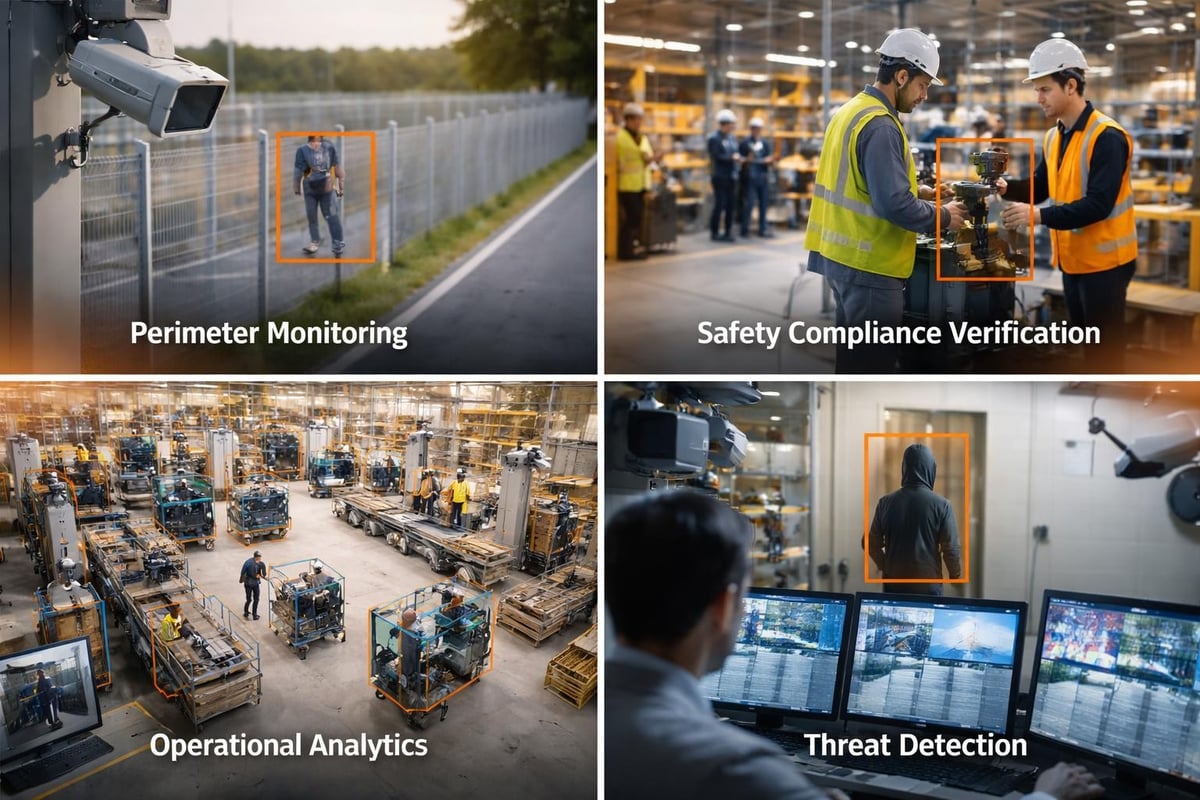
Surveillance security systems encompass far more than traditional closed-circuit television (CCTV) installations. Today's systems represent integrated platforms combining network cameras, video analytics, cloud storage, access control and real-time monitoring capabilities. This convergence creates comprehensive security ecosystems that provide situational awareness, evidence collection and proactive threat detection.

The technological foundation has shifted dramatically over the past decade. Analogue systems have given way to Internet Protocol (IP) networks, enabling higher resolution imaging, remote accessibility and intelligent video analytics. Modern surveillance security systems can recognise faces, detect unusual behaviour patterns, count occupants and even identify potential fire or safety hazards before they escalate.

Core Components and Technologies

A comprehensive surveillance security system comprises several interconnected elements, each contributing to overall effectiveness:

Camera Technologies:

  • Fixed cameras for monitoring specific locations
  • Pan-tilt-zoom (PTZ) cameras for flexible coverage
  • Thermal imaging for low-light and perimeter protection
  • 4K and higher resolution units for detailed identification
  • Multi-sensor panoramic cameras for wide-area coverage

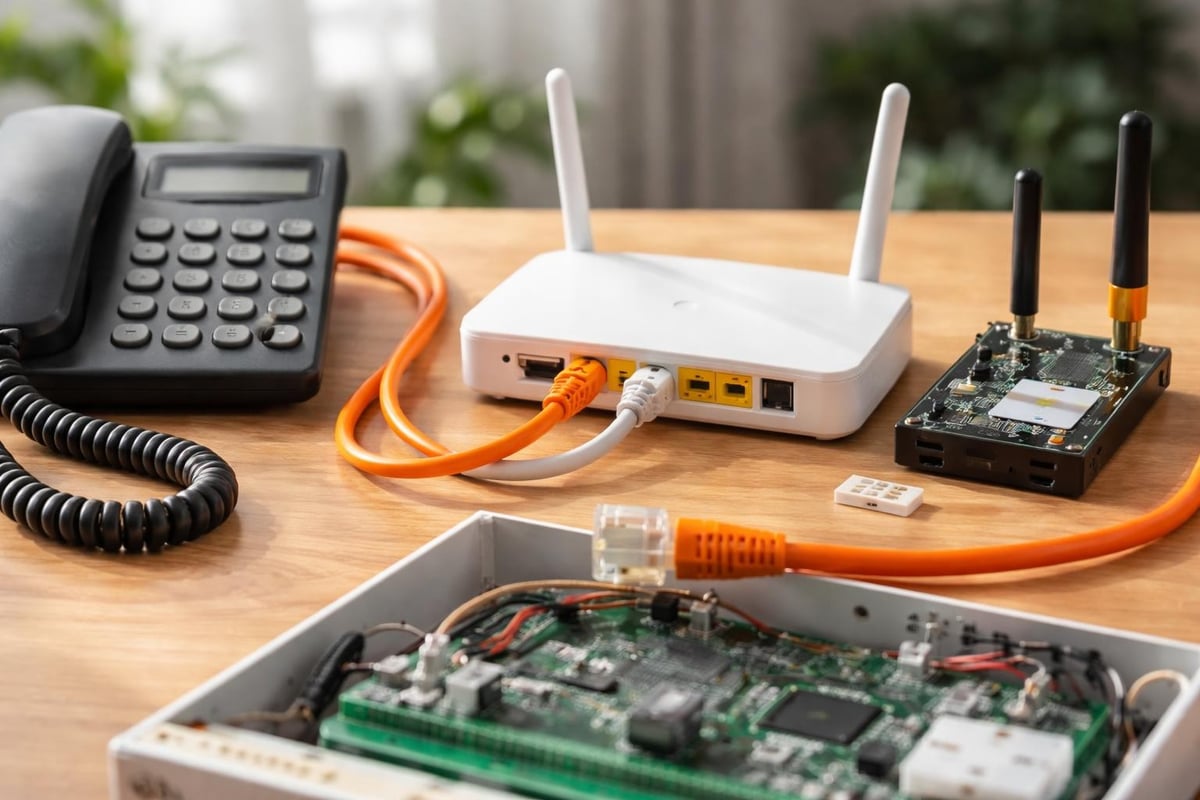
Network infrastructure forms the backbone of modern systems. Unlike legacy analogue installations requiring dedicated cabling, IP-based surveillance security systems utilise existing data networks, reducing installation costs whilst improving scalability. Power over Ethernet (PoE) technology simplifies deployment by delivering both power and data through single cables.

Network surveillance architecture

Storage architecture has evolved considerably. Where physical video recorders once dominated, hybrid and cloud-based solutions now offer enhanced redundancy, remote accessibility and virtually unlimited retention periods. Edge storage capabilities, where cameras themselves retain footage locally, provide additional resilience against network failures.

Integration with Fire Safety and Building Management

The most effective surveillance security systems don't operate in isolation. Integration with fire detection, access control and building management systems creates synergies that enhance both security and operational efficiency. When a fire alarm activates, integrated cameras can automatically focus on affected areas, providing first responders with critical situational awareness before they arrive.

Commercial CCTV systems increasingly communicate with access control platforms, enabling visual verification of entry events and creating comprehensive audit trails. If someone uses credentials to access a restricted area, surveillance footage provides visual confirmation of the individual's identity, addressing the vulnerability of shared or stolen access cards.

This integration extends to emergency evacuation procedures. During an incident, surveillance security systems can monitor evacuation routes, identify individuals requiring assistance and confirm that buildings have been fully cleared. When combined with evacuation alert systems, this creates a comprehensive emergency response framework.

Monitoring and Response Capabilities

Monitoring Type Response Time Coverage Best Application
Self-monitoring Variable On-site only Small single-site operations
Remote monitoring 30-60 seconds Multi-site capable Medium to large organisations
AI-assisted monitoring Real-time Unlimited High-security environments
Hybrid approach Immediate to 30 seconds Flexible Most commercial applications

Professional CCTV monitoring services provide 24/7 oversight, with trained operators responding to alerts and verifying incidents before dispatching appropriate resources. This reduces false alarms whilst ensuring genuine threats receive immediate attention. Advanced systems employ artificial intelligence to distinguish between routine activity and genuine security concerns, further reducing operator workload.

The shift towards intelligent analytics represents a fundamental change in how surveillance security systems function. Rather than simply recording events for retrospective review, modern platforms actively analyse video streams in real-time, identifying anomalies and triggering alerts based on predefined parameters.

Compliance and Privacy Considerations

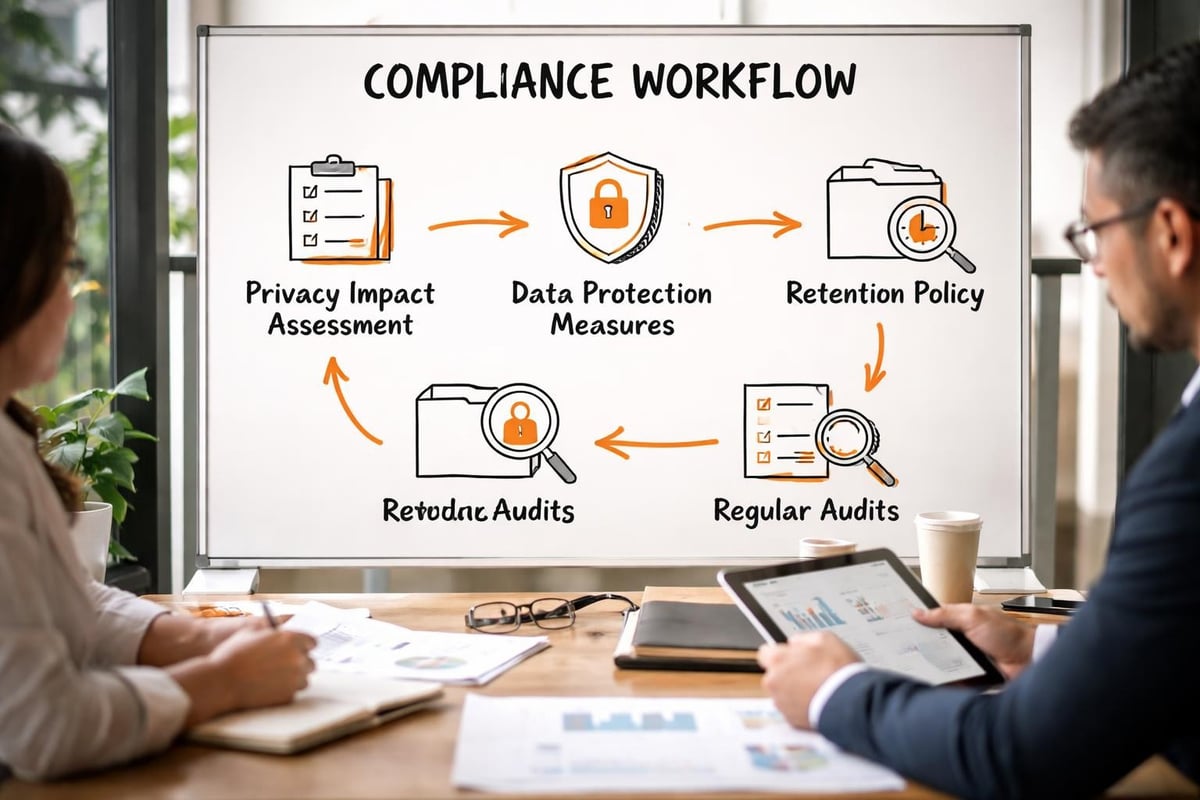
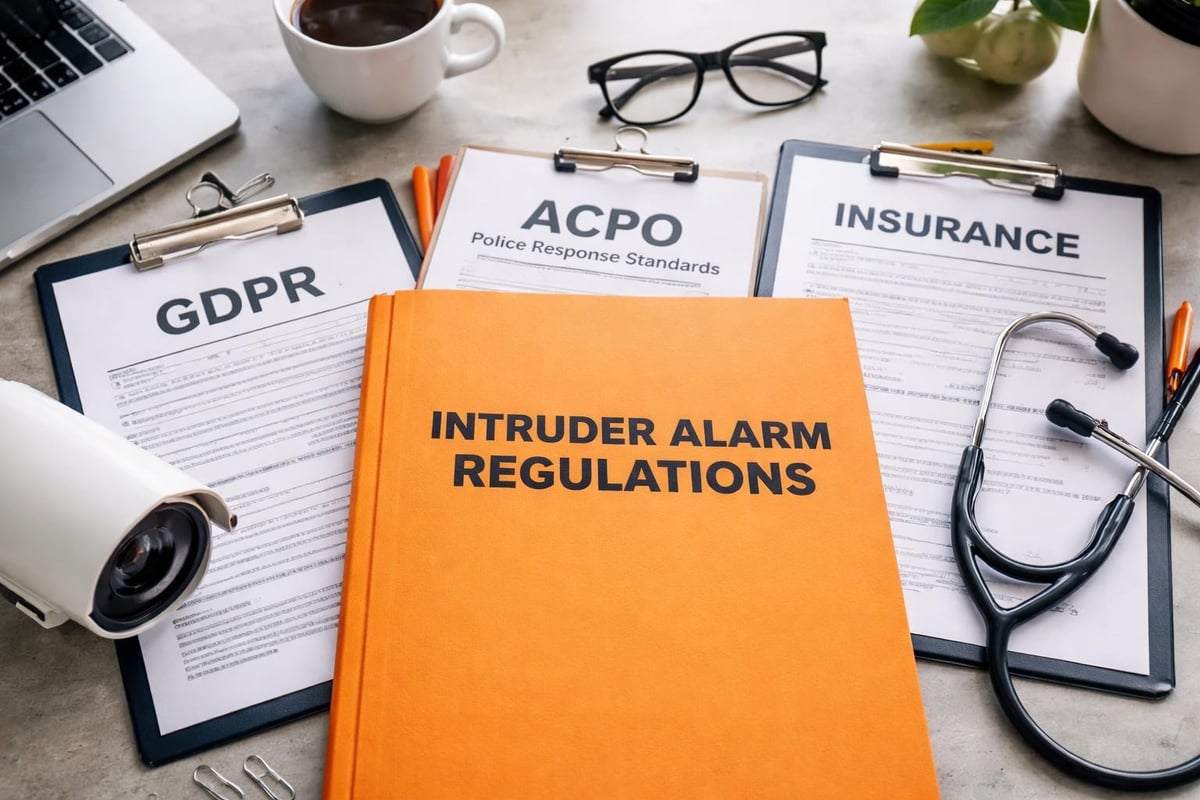
Operating surveillance security systems in the UK requires adherence to strict regulatory frameworks. The Surveillance Camera Code of Practice establishes twelve guiding principles ensuring systems are used proportionately and transparently. These principles mandate clear justification for surveillance, appropriate signage, data protection compliance and regular operational reviews.

Key Compliance Requirements:

  1. Define clear operational objectives
  2. Conduct privacy impact assessments
  3. Implement appropriate retention policies
  4. Ensure secure data storage and access controls
  5. Provide staff training on lawful use
  6. Maintain comprehensive documentation

Data protection regulations under GDPR impose additional obligations. Surveillance security systems process personal data, requiring organisations to establish lawful bases for processing, implement appropriate technical safeguards and respect individuals' rights regarding their recorded information. Retention periods should reflect genuine operational needs rather than indefinite storage "just in case."

Surveillance compliance framework

Public-facing businesses face particular scrutiny. Retail environments, hospitality venues and healthcare facilities must balance legitimate security interests against customer privacy expectations. Transparent communication about surveillance purposes, clearly visible signage and proportionate camera placement demonstrate responsible stewardship.

Designing Effective Surveillance Solutions

Successful surveillance security systems begin with thorough site assessments identifying vulnerabilities, coverage requirements and integration opportunities. Unlike generic installations, bespoke designs account for architectural features, operational workflows and specific threat profiles.

Coverage mapping requires strategic thinking. High-value areas demand different specifications than general circulation spaces. Perimeter protection necessitates different camera types and placement than internal monitoring. Entry points warrant particular attention, with positioning ensuring clear facial capture of individuals entering and exiting.

Site-Specific Considerations

Different environments present unique challenges requiring tailored approaches:

Manufacturing and Industrial:
Harsh environmental conditions, wide-open spaces and specific hazard zones require ruggedised cameras with appropriate IP ratings. Integration with plant monitoring systems enables comprehensive operational oversight.

Retail and Hospitality:
Point-of-sale monitoring, shoplifting prevention and customer behaviour analysis drive camera placement. High-traffic areas benefit from advanced analytics identifying queue lengths and occupancy levels.

Office and Corporate:
Reception areas, car parks and restricted zones require coverage balancing security with employee privacy. Integration with access control systems creates comprehensive identity verification.

Healthcare and Education:
Sensitive environments demand discrete installations respecting patient and student privacy whilst maintaining safety. Specific areas like pharmacies and laboratories warrant enhanced protection.

Installation and Ongoing Maintenance

Professional installation ensures surveillance security systems function reliably whilst meeting compliance requirements. Proper camera positioning, secure mounting, appropriate cabling and network configuration all impact system performance. Inadequate installation compromises image quality, creates blind spots and potentially violates privacy principles through excessive coverage.

Network infrastructure requires particular attention in IP-based systems. Bandwidth calculations ensure adequate capacity for video streams, especially when multiple high-resolution cameras operate simultaneously. Quality of Service (QoS) configurations prioritise surveillance traffic, preventing degradation during peak network usage.

Maintenance Activity Frequency Purpose Impact if Neglected
Camera cleaning Quarterly Clear image quality Degraded footage unusable as evidence
Firmware updates As released Security patches, new features Vulnerabilities, compatibility issues
Storage verification Monthly Confirm recording operation Lost evidence, compliance breaches
Analytics calibration Bi-annually Accurate detection False alarms, missed incidents
Physical inspections Quarterly Identify damage, tampering System failures, coverage gaps

Regular maintenance sustains system effectiveness. Cameras accumulate dust and environmental debris affecting image clarity. Firmware updates address security vulnerabilities and introduce enhanced capabilities. Storage systems require monitoring ensuring adequate capacity and verifying backup operations function correctly.

Surveillance maintenance schedule

24/7 protection services encompass both monitoring and maintenance, ensuring continuous system availability. Proactive maintenance identifies potential failures before they compromise security, whilst rapid response minimises downtime when issues occur.

Advanced Features and Future Developments

Contemporary surveillance security systems incorporate sophisticated capabilities that extend far beyond basic recording. Video analytics powered by artificial intelligence and machine learning enable unprecedented functionality, transforming passive observation into active intelligence gathering.

Facial recognition technology can identify known individuals, streamlining access for authorised personnel whilst flagging unauthorised presence. However, ethical considerations and regulatory constraints require careful implementation ensuring compliance with privacy legislation and human rights principles.

Emerging Capabilities:

  • Behavioural analytics identifying unusual patterns suggesting potential threats
  • Object recognition detecting abandoned items or removed assets
  • Crowd density monitoring for capacity management and emergency planning
  • License plate recognition for parking and vehicle access control
  • Heat mapping revealing traffic patterns and space utilisation

Integration with broader commercial security systems creates unified platforms managing multiple security functions through single interfaces. When surveillance detects a perimeter breach, the system can automatically lock doors, illuminate areas and alert security personnel, orchestrating coordinated responses without manual intervention.

Cloud-based architectures enable scalability previously impossible with on-premises solutions. Organisations can expand coverage across new sites without substantial infrastructure investment, accessing footage from any location whilst benefiting from automatic updates and redundant storage.

Cybersecurity for Surveillance Infrastructure

As surveillance security systems become increasingly networked, cybersecurity assumes critical importance. Cameras and recording devices represent potential entry points for malicious actors seeking network access. Inadequately secured systems have been exploited in botnet attacks, whilst compromised footage could enable reconnaissance for physical attacks.

Fundamental cybersecurity practices include changing default passwords, implementing network segmentation isolating surveillance traffic, enabling encryption for video streams and stored footage, and maintaining current firmware addressing known vulnerabilities. Regular security audits identify potential weaknesses before exploitation.

Essential Security Measures:

  1. Strong authentication with unique credentials per device
  2. Virtual LAN (VLAN) segregation separating surveillance networks
  3. Encrypted transmission protocols protecting video streams
  4. Regular vulnerability assessments and penetration testing
  5. Incident response procedures for security breaches

Research on security surveillance systems consistently emphasises the importance of defence-in-depth strategies, where multiple security layers provide redundancy if individual controls fail. This approach protects both the surveillance infrastructure itself and the broader organisational network.

Return on Investment and Business Benefits

Whilst surveillance security systems represent significant investments, comprehensive analysis reveals substantial returns through multiple mechanisms. Direct loss prevention through theft deterrence and detection provides quantifiable savings, particularly in retail and logistics environments where shrinkage substantially impacts profitability.

Liability protection offers less obvious but equally valuable benefits. Documented footage of incidents protects organisations against fraudulent claims, provides evidence supporting legitimate claims and demonstrates due diligence in maintaining safe environments. Insurance providers often recognise comprehensive surveillance through reduced premiums.

Operational insights derived from video analytics extend benefits beyond pure security. Retail organisations analyse customer movement patterns optimising store layouts. Manufacturing facilities identify bottlenecks in production workflows. Service businesses monitor queue lengths, adjusting staffing dynamically to maintain service levels.

Employee productivity and safety improve when surveillance security systems are implemented transparently with clear communication about purposes and appropriate policies governing use. Workers appreciate visible security measures protecting them from external threats, whilst fair policies prevent excessive monitoring undermining trust.

Selecting the Right Provider

Choosing a surveillance security systems provider requires evaluating technical capabilities, industry experience and ongoing support commitments. Installation represents only the beginning of a long-term relationship; organisations depend on providers for maintenance, upgrades and emergency response throughout system lifecycles.

Accreditation and certifications indicate professional competence and commitment to industry standards. Providers should demonstrate appropriate qualifications, insurance coverage and track records delivering complex installations on time and within budget. References from similar organisations in comparable environments provide valuable insights into actual performance versus promises.

Integration capabilities distinguish exceptional providers from basic installers. The ability to work with existing access control entry systems, fire detection platforms and building management systems creates unified solutions rather than disconnected technologies requiring separate management.

Ongoing support structures warrant careful evaluation. Response times for technical issues, availability of replacement equipment, training provision for operational staff and proactive maintenance all impact total cost of ownership and system reliability. Providers offering comprehensive monitoring and support deliver greater value than those focused solely on initial installation.


Surveillance security systems have become indispensable components of comprehensive protection strategies, offering far more than simple recording capabilities through advanced analytics, integration and intelligent monitoring. The right system design, professional installation and ongoing maintenance ensure maximum effectiveness whilst maintaining compliance with privacy regulations. Logic Fire and Security combines decades of experience with cutting-edge technology, delivering integrated fire and security solutions that protect UK businesses through expert design, installation and 24/7 monitoring services tailored to your specific operational requirements.

Safe Solutions for Fire and Security Protection in 2026

In today's complex regulatory environment, businesses across the United Kingdom face increasing pressure to implement robust fire and security measures that genuinely protect their people, assets, and operations. The concept of safe solutions extends far beyond simply installing equipment and ticking compliance boxes. It encompasses a holistic approach to risk management, combining advanced technology, strategic planning, regular maintenance, and ongoing monitoring to create environments where employees, visitors, and valuable assets remain protected around the clock. As we navigate 2026, the integration of intelligent systems with proven safety protocols has never been more crucial for organisations seeking to safeguard their future.

Understanding the Foundation of Safe Solutions

Safe solutions in fire and security represent a comprehensive approach to protecting commercial premises from multiple threats. Rather than viewing fire detection and security systems as separate entities, modern organisations recognise the value of integrated protection strategies that address vulnerabilities holistically.

The foundation begins with thorough risk assessment. Understanding specific threats facing your facility allows for targeted implementation of appropriate safeguards. Manufacturing facilities face different challenges compared to office buildings or retail spaces, requiring bespoke approaches that acknowledge unique operational characteristics.

Key components of effective safe solutions include:

  • Advanced detection technology that identifies threats before they escalate
  • Rapid response mechanisms that minimise damage and disruption
  • Continuous monitoring capabilities ensuring 24/7 vigilance
  • Regular maintenance schedules preventing system failures
  • Comprehensive staff training ensuring proper protocol adherence

When organisations invest in fire risk assessment services, they gain invaluable insights into their specific vulnerability profile. This intelligence drives informed decision-making about which technologies and protocols deliver maximum protection for their particular circumstances.

Integrated fire and security assessment process

Fire Detection Systems as Core Safe Solutions

Modern fire detection represents one of the most critical elements within any comprehensive protection strategy. The evolution from basic smoke detectors to sophisticated intelligent systems has transformed how businesses approach fire safety, with advanced fire detection systems offering unprecedented sensitivity and accuracy.

Addressable Fire Alarm Technology

Addressable systems provide precise location information when detecting potential fire hazards, allowing rapid response teams to pinpoint exact threat locations within large or complex buildings. This specificity dramatically reduces response times and enables targeted intervention before situations escalate.

Each detection point communicates individually with the central control panel, transmitting detailed information about environmental conditions. This granular data allows facilities managers to distinguish between genuine emergencies and false alarms, reducing unnecessary evacuations whilst maintaining appropriate vigilance.

System Type Coverage Area Response Time False Alarm Rate Maintenance Requirements
Conventional Single zone Standard Higher Quarterly
Addressable Precise location Rapid Lower Bi-annual
Wireless Flexible Very rapid Lowest Annual

Multi-Sensor Detection Capabilities

Contemporary safe solutions incorporate multi-sensor technology that analyses multiple environmental factors simultaneously. By combining smoke, heat, and carbon monoxide detection within single units, these systems provide comprehensive threat identification whilst minimising false activations caused by environmental anomalies.

The National Fire Protection Association continually updates standards reflecting technological advances and emerging best practices. Staying aligned with these evolving guidelines ensures your protection measures remain effective against current threats whilst maintaining regulatory compliance.

Integration of Security Systems Within Safe Solutions

Whilst fire detection commands significant attention, comprehensive safe solutions must equally address security threats ranging from unauthorised access to theft and vandalism. Modern commercial security systems integrate seamlessly with fire protection infrastructure, creating unified defence strategies.

Access control systems form the first line of defence, managing who enters your premises and when. Advanced biometric solutions, key card systems, and mobile credentials provide flexible yet robust entry management that balances security with operational efficiency.

Benefits of integrated security approaches include:

  1. Centralised monitoring reducing staff requirements
  2. Automated responses triggered by specific events
  3. Comprehensive audit trails supporting investigations
  4. Reduced system complexity through unified platforms
  5. Enhanced reliability through redundant communications

CCTV surveillance complements access control by providing visual verification of activities throughout your facility. Modern commercial CCTV systems deliver high-definition footage stored securely for extended periods, whilst intelligent analytics identify unusual patterns warranting attention.

The integration extends to emergency response protocols. When fire alarms activate, access control systems can automatically release secured doors along evacuation routes whilst CCTV confirms areas have cleared, demonstrating how safe solutions leverage technology synergies for optimal protection.

Security and fire system integration

Monitoring Services Enhancing Safe Solutions Effectiveness

Even the most sophisticated systems prove ineffective without proper monitoring ensuring appropriate responses to detected threats. Professional monitoring services transform technology investments into genuinely protective safe solutions by providing constant vigilance and expert intervention capabilities.

Fire alarm monitoring connects your detection systems to staffed control centres operating continuously. When alarms activate, trained operators assess situations, contact emergency services, and notify designated personnel according to predetermined protocols. This rapid response capability significantly reduces potential damage by ensuring help arrives within critical initial minutes.

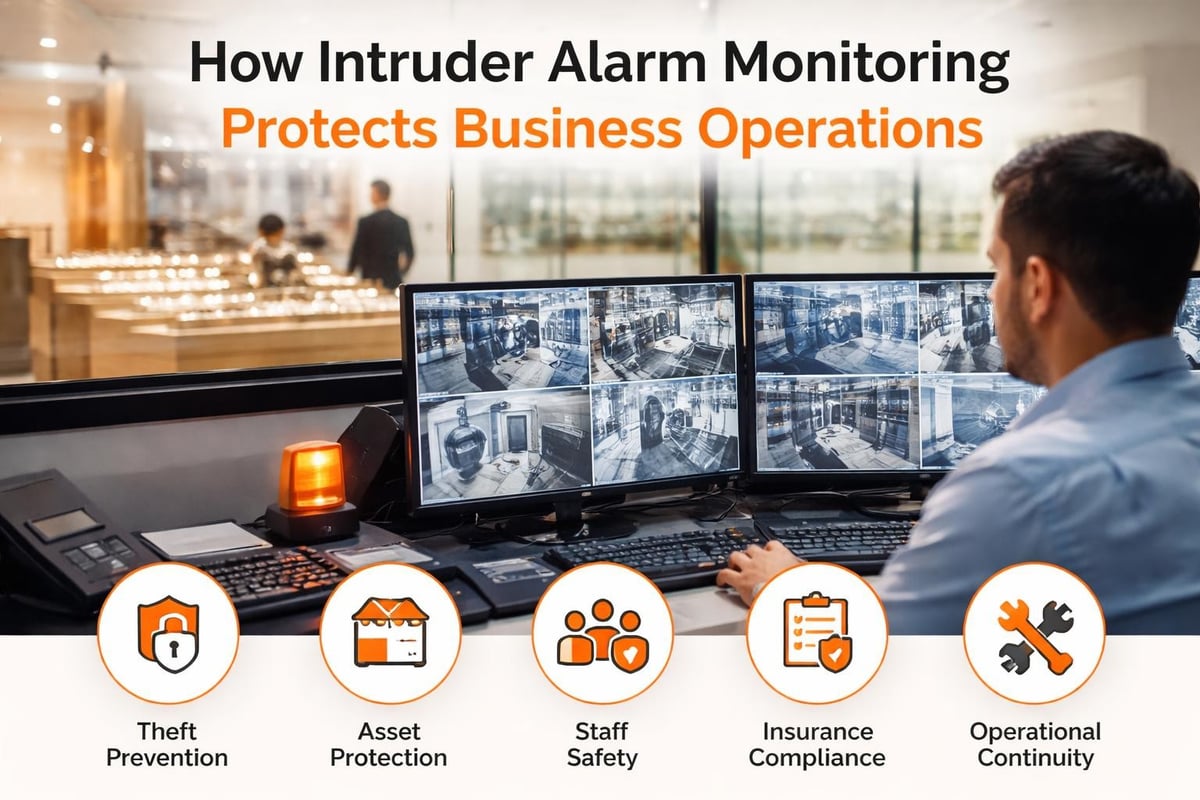
Similarly, intruder alarm monitoring provides overnight and weekend protection when premises stand empty. Remote monitoring ensures security breaches trigger immediate responses, deterring criminal activity whilst protecting valuable assets and intellectual property.

The sophistication of modern monitoring extends to environmental factors through plant monitoring services. These track critical building systems including heating, ventilation, and air conditioning, identifying failures before they compromise safety or business continuity. According to OSHA fire safety guidelines, maintaining appropriate environmental conditions represents essential fire prevention.

Response Protocols and Escalation Procedures

Effective monitoring requires clear response protocols defining actions for various scenarios. Safe solutions incorporate detailed escalation procedures ensuring appropriate personnel receive notifications based on threat severity and nature.

Primary contacts receive immediate alerts for significant events, whilst secondary contacts engage if primary individuals prove unreachable. This layered approach prevents situations where genuine emergencies go unaddressed due to communication failures.

Maintenance Schedules Supporting Long-Term Safety

Technology requires regular maintenance preserving functionality and reliability. The most sophisticated safe solutions prove worthless when equipment failures prevent proper operation during emergencies. Structured maintenance programmes represent essential investments protecting initial system expenditures whilst ensuring ongoing protection.

Fire detection systems demand particular attention given their life-safety role. Fire alarm system maintenance best practices emphasise regular testing, cleaning, and calibration ensuring sensors respond appropriately to genuine threats whilst avoiding false activations disrupting operations.

Maintenance Activity Frequency Typical Duration Critical Components
Visual inspection Monthly 2-4 hours Detectors, panels, signage
Functional testing Quarterly Half day All detection points, alarms
Deep servicing Annually Full day Complete system verification
Compliance audit Annually Variable Documentation, certification

Emergency lighting systems require monthly functional checks and annual discharge tests verifying batteries maintain sufficient capacity for required operation periods. These lights guide occupants safely during evacuations, making their reliability absolutely critical within comprehensive safe solutions.

Security systems similarly benefit from preventive maintenance identifying potential failures before they compromise protection. Regular camera cleaning, lens adjustments, and recording system health checks ensure CCTV infrastructure captures usable evidence when incidents occur.

Specialist Fire Suppression Technologies

Beyond detection, effective safe solutions incorporate suppression capabilities limiting fire damage and protecting irreplaceable assets. Different environments require specific suppression approaches reflecting the materials present and operational requirements.

Traditional sprinkler systems remain highly effective for general commercial spaces, providing automatic fire suppression activating without human intervention. However, environments housing sensitive electronics, valuable documents, or data centres require alternative approaches avoiding water damage.

Gas suppression systems protect these critical spaces by displacing oxygen or disrupting combustion chemistry without introducing water or other potentially damaging agents. Clean agent systems allow rapid business resumption following incidents, minimising operational disruption beyond the immediate threat.

Applications benefiting from specialist suppression include:

  • Server rooms and data centres
  • Telecommunications facilities
  • Museums and archival storage
  • Pharmaceutical manufacturing areas
  • High-value storage facilities

Research from the National Institute of Standards and Technology continues advancing suppression technologies, developing more environmentally friendly agents delivering equivalent protection with reduced ecological impact. Staying current with these developments ensures your safe solutions employ optimal technologies for your specific circumstances.

Fire suppression technology selection

Regulatory Compliance and Safe Solutions

Implementing effective safe solutions necessarily involves navigating complex regulatory frameworks governing fire safety and security systems. British Standards, European regulations, and industry-specific requirements create multifaceted compliance obligations that businesses must satisfy whilst pursuing genuine protection.

Regular inspections verify systems meet current standards, with fire door inspections checking passive fire protection integrity and fire extinguisher servicing ensuring portable suppression equipment remains operational and accessible.

Documentation represents another critical compliance element. Maintaining comprehensive records of installations, modifications, testing, and maintenance activities demonstrates due diligence whilst supporting insurance claims should incidents occur. These records also streamline regulatory inspections by providing immediate evidence of compliance efforts.

Building Management Responsibilities

Property managers and building owners carry legal responsibilities ensuring adequate fire safety provisions exist and function properly. Safe solutions must address these obligations through systematic approaches covering detection, alarm, evacuation, and suppression capabilities appropriate to building occupancy and use.

Evacuation alert systems form essential components, providing clear instructions during emergencies whilst accommodating occupants with disabilities through disabled refuge provisions ensuring everyone can safely exit regardless of mobility limitations.

Future-Proofing Your Protection Strategy

As we progress through 2026, emerging technologies continue reshaping what constitutes effective safe solutions. Artificial intelligence enhances threat detection capabilities, identifying patterns indicating potential problems before they manifest as emergencies. Machine learning algorithms reduce false alarms by understanding normal environmental variations within specific facilities.

The future of fire safety technology increasingly involves predictive analytics leveraging historical data, environmental sensors, and operational patterns forecasting elevated risk periods. This intelligence allows proactive interventions preventing incidents rather than merely responding after detection.

Cloud-based management platforms provide facility managers unprecedented visibility across multiple sites, consolidating alerts, system health information, and compliance documentation within unified dashboards accessible from any location. This centralisation particularly benefits organisations managing distributed property portfolios.

Emerging capabilities enhancing safe solutions include:

  1. Intelligent video analytics detecting unusual behaviours
  2. Integrated building management systems coordinating fire, security, and environmental controls
  3. Mobile applications providing real-time alerts and system control
  4. Blockchain-based audit trails ensuring documentation integrity
  5. Drone-based perimeter surveillance for large facilities

Investing in scalable infrastructure accommodating future enhancements ensures your safe solutions remain effective as technologies evolve and threats change. Choosing systems supporting firmware updates, additional sensors, and expanded monitoring capabilities protects your investment whilst maintaining cutting-edge protection.

Staff Training and Emergency Preparedness

Technology alone cannot deliver complete protection. Human factors significantly influence emergency outcomes, making comprehensive staff training essential within holistic safe solutions. Employees must understand their roles during various emergency scenarios, know evacuation routes, and recognise when situations warrant immediate action versus measured responses.

Regular fire drills verify evacuation procedures work effectively whilst identifying areas requiring refinement. These exercises should vary timing and scenarios, ensuring staff can respond appropriately regardless of when emergencies occur or which building areas they affect.

Security awareness training helps employees recognise suspicious activities, social engineering attempts, and other threats that sophisticated technology might miss. Creating security-conscious cultures where staff actively participate in protecting facilities significantly enhances overall safe solutions effectiveness.

Documentation of training activities demonstrates compliance whilst identifying individuals requiring additional instruction. Maintaining records of who received which training and when supports continuous improvement efforts whilst satisfying regulatory requirements.

Selecting the Right Safe Solutions Partner

Implementing comprehensive protection requires partnering with experienced providers offering complete lifecycle support from initial assessment through design, installation, commissioning, monitoring, and ongoing maintenance. The complexity of modern integrated systems demands expertise spanning multiple disciplines and technologies.

Accreditations and certifications provide valuable indicators of provider capabilities. Look for organisations holding relevant industry certifications demonstrating technical competence and commitment to maintaining current knowledge as technologies and standards evolve.

Response times matter significantly when systems require repairs or adjustments. Providers offering 24/7 protection and support ensure help remains available whenever problems arise, minimising vulnerability windows when systems operate at reduced capacity.

Consider providers' experience with facilities similar to yours. Those familiar with your industry's specific challenges and regulatory requirements deliver more effective safe solutions addressing your unique circumstances rather than generic approaches requiring extensive adaptation.


Implementing genuinely effective safe solutions demands careful attention to detection technologies, security systems, monitoring services, maintenance protocols, and regulatory compliance. By adopting integrated approaches that leverage modern technologies whilst recognising the essential human elements of emergency preparedness, organisations create environments where people and assets remain protected against diverse threats. Logic Fire and Security brings decades of expertise helping businesses across the UK design, implement, and maintain comprehensive fire and security solutions tailored to their specific requirements, combining advanced technology with responsive support ensuring continuous protection for your operations.

Fire Safety and Protection: Essential Guide for UK Businesses

Fire safety and protection remains one of the most critical aspects of building management and business operations across the United Kingdom. With evolving regulations, advancing technologies, and increasing complexity in commercial environments, organisations must adopt comprehensive strategies to safeguard their employees, assets, and operations. The consequences of inadequate fire safety measures extend far beyond property damage, encompassing potential loss of life, business disruption, legal liabilities, and reputational harm. Understanding the multifaceted nature of fire safety and protection enables businesses to create resilient environments that meet regulatory requirements whilst protecting what matters most.

Understanding Fire Safety and Protection Requirements

The regulatory landscape governing fire safety and protection in the UK centres on the Regulatory Reform (Fire Safety) Order 2005, which places responsibility firmly on the shoulders of the 'responsible person' within each organisation. This legislation requires businesses to conduct thorough fire risk assessments, implement appropriate preventive measures, and maintain comprehensive records of their fire safety activities.

Compliance isn't merely about ticking boxes. It demands a genuine understanding of the specific risks present within each unique environment. Manufacturing facilities face different challenges compared to office buildings, whilst healthcare settings and educational institutions require tailored approaches that account for vulnerable occupants and complex operational patterns.

Key Regulatory Obligations

Every UK business must:

  • Conduct regular fire risk assessments identifying potential hazards
  • Implement suitable fire detection and warning systems
  • Establish clear evacuation procedures and emergency plans
  • Provide adequate staff training on fire safety protocols
  • Maintain all fire safety equipment to required standards
  • Keep detailed records of inspections, tests, and maintenance activities

The Occupational Safety and Health Administration (OSHA) provides resources on fire safety that complement UK regulations, offering additional insights into workplace fire prevention strategies. These international perspectives can enhance understanding of best practices and emerging technologies in fire safety and protection.

Fire risk assessment process

Fire Detection Systems: The First Line of Defence

Advanced fire detection represents the cornerstone of effective fire safety and protection strategies. Modern systems utilise sophisticated sensor technologies that can identify fire signatures at the earliest possible stages, providing crucial minutes for evacuation and intervention before situations escalate.

Contemporary detection technologies extend beyond traditional smoke alarms, incorporating multi-sensor devices that analyse heat, smoke particles, and even carbon monoxide levels. These intelligent systems reduce false alarms whilst increasing sensitivity to genuine threats, addressing one of the most persistent challenges in fire safety management.

Detection Technology Categories

Technology Type Primary Application Response Time Ideal Environment
Ionisation Detectors Fast-flaming fires Very Fast Kitchens, storage areas
Optical Detectors Slow-smouldering fires Fast Offices, corridors
Heat Detectors High-temperature environments Moderate Kitchens, boiler rooms
Multi-Sensor Devices Complex environments Very Fast Data centres, mixed-use spaces
Aspirating Systems Early warning critical areas Extremely Fast Server rooms, heritage buildings

Fire alarm monitoring services provide continuous oversight of detection systems, ensuring immediate response to any activation. This 24/7 vigilance proves particularly valuable for premises that operate outside standard business hours or remain unoccupied for extended periods.

The integration of fire detection with building management systems creates intelligent environments that can automatically initiate protective actions. These might include closing fire doors, shutting down ventilation systems, or activating suppression systems without human intervention.

Fire Suppression Technologies and Applications

Whilst detection systems provide early warning, suppression technologies actively combat fire development. Fire safety and protection strategies increasingly incorporate sophisticated suppression systems tailored to specific risk profiles and asset types.

Water-based sprinkler systems remain the most common suppression technology, proven effective across diverse applications. However, environments housing sensitive electronics, valuable documents, or irreplaceable assets require alternative approaches that minimise collateral damage whilst effectively controlling fire.

Advanced Suppression Options

Gas suppression systems offer clean-agent solutions ideal for protecting:

  • Data centres and server rooms
  • Telecommunications facilities
  • Museums and archives
  • Pharmaceutical manufacturing areas
  • Research laboratories

Gas suppression fire systems utilise inert gases or chemical agents that extinguish fires without leaving residue or causing water damage. These systems prove particularly valuable where business continuity depends on protecting critical infrastructure from both fire and suppression agent damage.

Fire suppression comparison

Mist systems represent emerging technology in fire safety and protection, using fine water droplets that cool flames and displace oxygen. These systems consume significantly less water than traditional sprinklers whilst achieving comparable or superior suppression performance. The National Institute of Standards and Technology provides comprehensive information on fire protection systems including residential and commercial sprinkler technologies.

Emergency Lighting and Evacuation Systems

Effective fire safety and protection extends beyond detection and suppression to ensuring safe egress during emergencies. Emergency lighting systems guide occupants along escape routes even when primary power fails, whilst evacuation alert systems provide clear, intelligible instructions during crisis situations.

Modern emergency lighting solutions incorporate LED technology offering extended battery life and reduced maintenance requirements. Self-testing capabilities automatically verify functionality, generating reports that satisfy regulatory compliance obligations whilst reducing administrative burden.

Evacuation System Components

  1. Voice alarm systems delivering clear spoken instructions
  2. Visual alert devices ensuring accessibility for hearing-impaired occupants
  3. Disabled refuge systems providing two-way communication for those unable to evacuate independently
  4. Way-guidance systems using dynamic signage to direct occupants away from danger
  5. Integration with access control ensuring doors unlock during emergencies

The importance of well-designed evacuation alert systems cannot be overstated. Research published in the Fire Safety Journal demonstrates that clear, authoritative voice messages significantly improve evacuation speed and reduce panic compared to traditional alarm bells.

Maintenance and Testing Protocols

Even the most sophisticated fire safety and protection systems prove worthless without proper maintenance. UK regulations mandate regular testing and servicing schedules that vary depending on system type and complexity. Documented maintenance not only ensures operational readiness but also demonstrates due diligence in the event of incidents or regulatory inspections.

Typical maintenance frequencies include:

  • Weekly testing of fire alarm systems (responsibility of premises staff)
  • Monthly checks of emergency lighting operation
  • Quarterly servicing of fire extinguishers
  • Six-monthly comprehensive system inspections
  • Annual full-system testing and certification

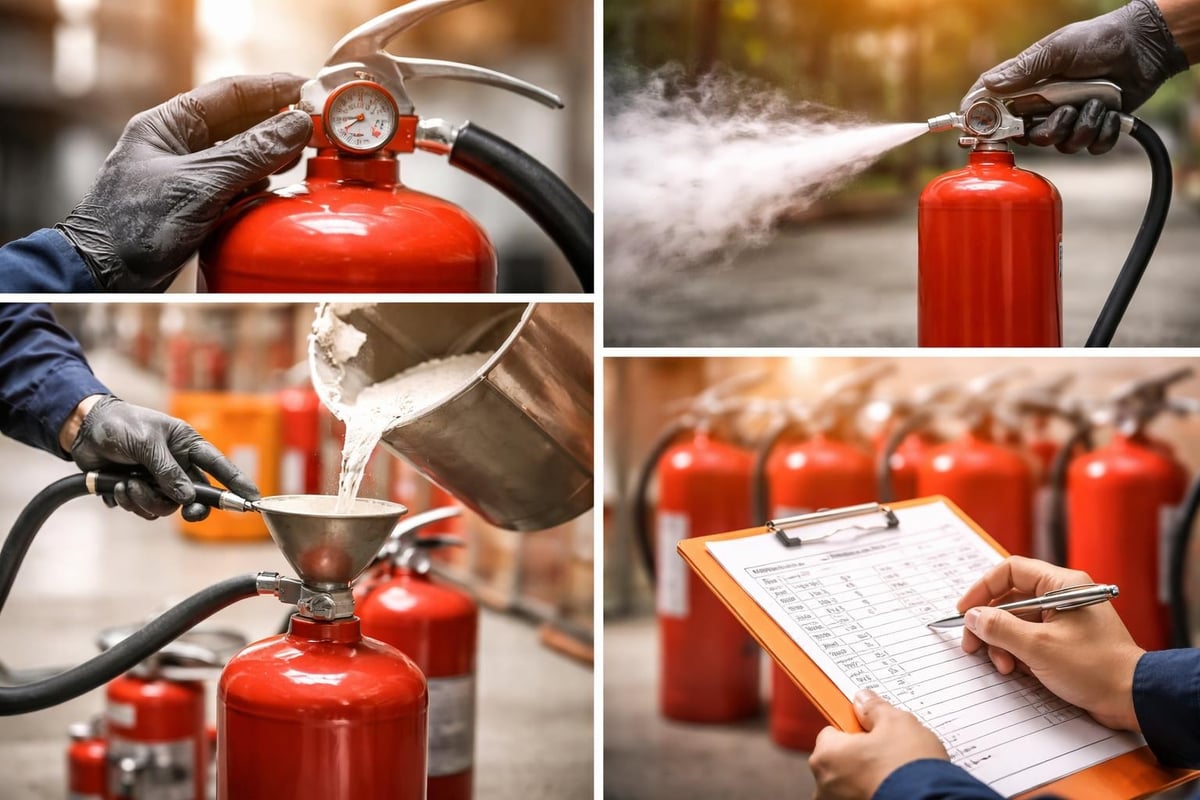
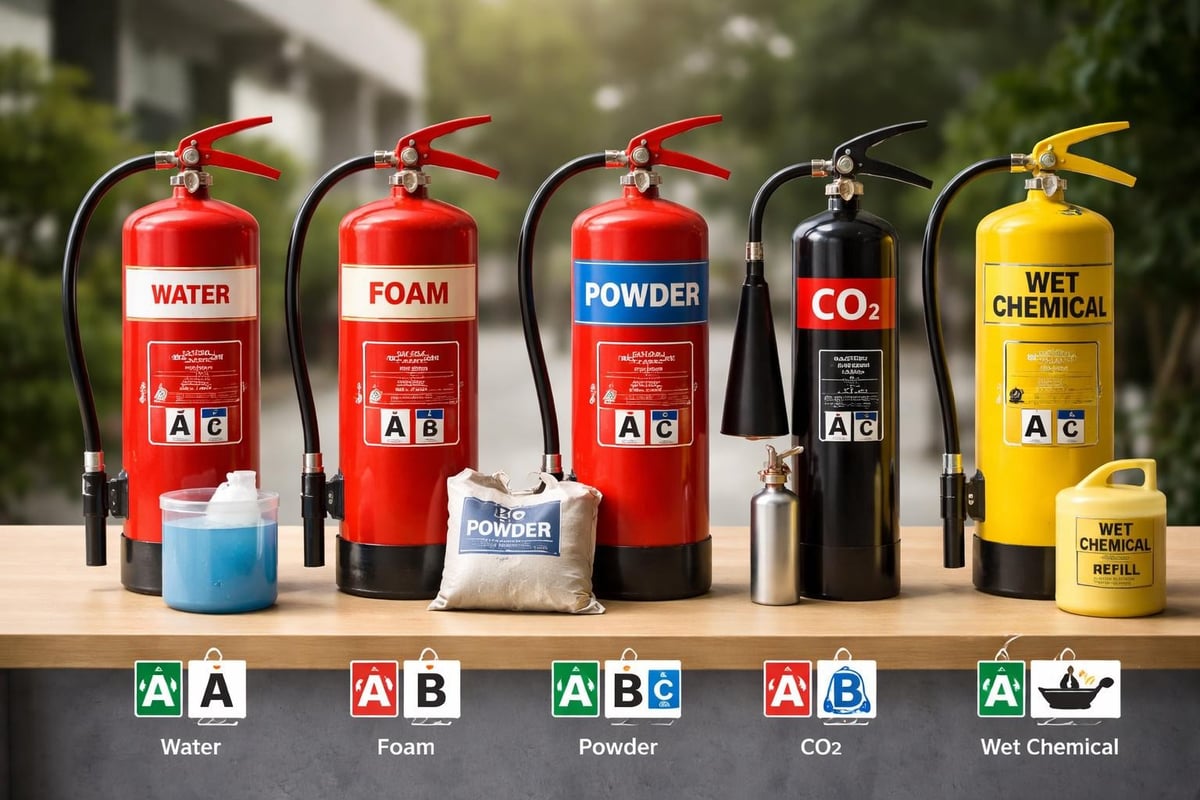
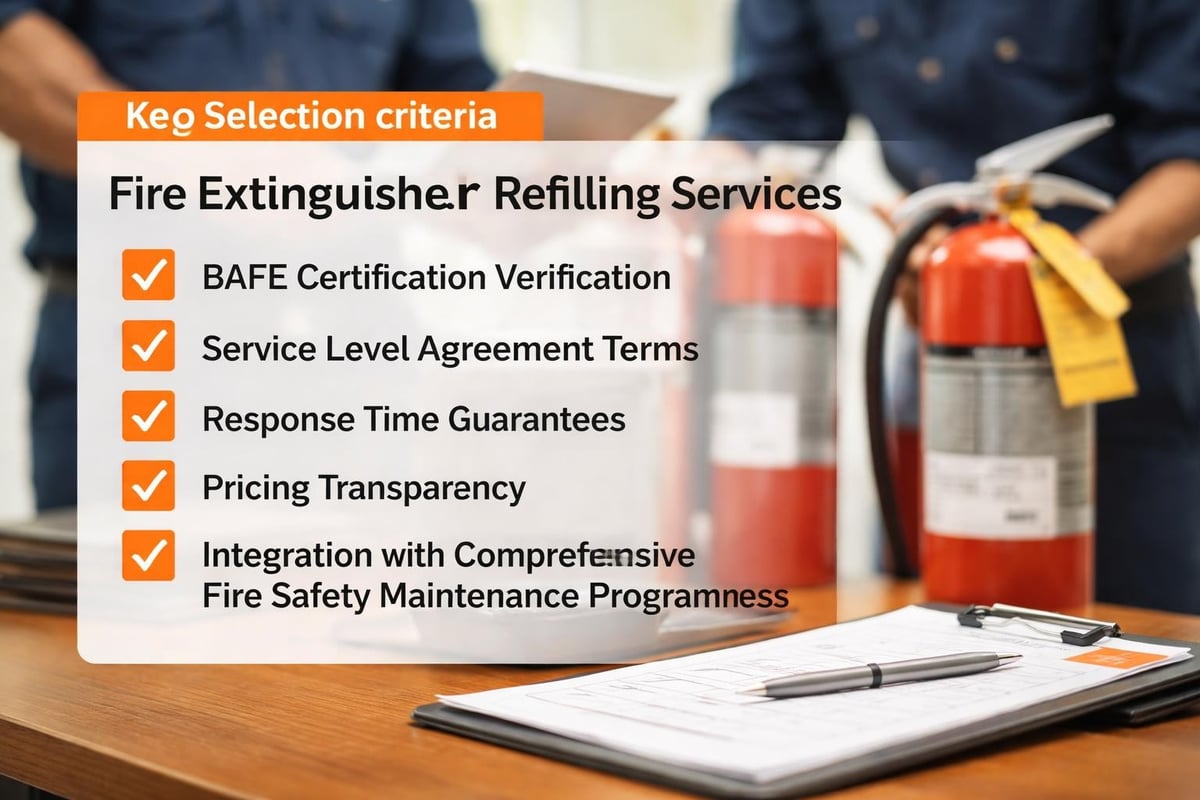
Fire extinguisher servicing requires specialist knowledge to verify pressure levels, inspect seals, and ensure agents remain effective. Different extinguisher types demand specific maintenance procedures, with water, foam, CO2, and powder variants each presenting unique servicing requirements.

Professional maintenance partnerships provide businesses with peace of mind that all fire safety and protection equipment receives appropriate attention from qualified technicians. These relationships often include emergency call-out services, ensuring rapid response when systems develop faults or failures.

Integration with Security Systems

Forward-thinking organisations recognise that fire safety and protection systems shouldn't operate in isolation. Integration with commercial security systems creates holistic building management platforms that enhance both safety and operational efficiency.

Integrated approaches deliver multiple advantages:

  • Access control coordination ensuring doors unlock during fire events whilst maintaining security integrity
  • CCTV verification allowing remote confirmation of fire alarm activations before mobilising emergency services
  • Unified monitoring platforms reducing complexity and improving response coordination
  • Data analytics identifying patterns that might indicate emerging risks or equipment deterioration
  • Cost optimisation through shared infrastructure and consolidated maintenance contracts

The synergy between fire and security systems exemplifies modern building management philosophy. Rather than viewing safety and security as separate domains, integrated approaches recognise their complementary nature and leverage technology to create safer, more efficient environments.

Integrated building systems

Training and Human Factors

Technology alone cannot guarantee effective fire safety and protection. Human factors play equally critical roles, from proper system operation to appropriate emergency response. Comprehensive training programmes ensure staff understand their responsibilities and can execute emergency procedures confidently when seconds count.

Essential Training Elements

Training Component Target Audience Frequency Content Focus
Fire warden training Designated personnel Annual Evacuation coordination, equipment use
General awareness All employees Annual Alarm response, escape routes
Equipment operation Facilities staff Annual System controls, basic troubleshooting
Emergency drills All occupants Bi-annual Practical evacuation practice
Management briefings Leadership team Annual Legal responsibilities, compliance

Effective fire safety and protection culture extends beyond mandatory training sessions. It encompasses daily behaviours, from maintaining clear escape routes to proper storage of flammable materials. Regular communication, visible leadership commitment, and incorporation of safety considerations into everyday decision-making all contribute to robust fire safety cultures.

Evacuation drills provide invaluable opportunities to test procedures under controlled conditions. These exercises reveal bottlenecks, identify confusion points, and familiarise occupants with escape routes before genuine emergencies occur. Documentation of drill performance and subsequent improvements demonstrates continuous enhancement of fire safety and protection capabilities.

Specialist Applications and Environments

Certain environments present unique fire safety and protection challenges requiring specialised solutions. Heritage buildings, for instance, demand systems that protect irreplaceable structures without compromising historical integrity. Data centres require suppression technologies that eliminate fire threats whilst preserving sensitive electronic equipment.

Healthcare facilities face particular complexity due to vulnerable patient populations who may be unable to self-evacuate. These environments typically employ horizontal evacuation strategies, moving patients to adjacent fire compartments rather than attempting full building evacuation. Advanced detection becomes critical, providing maximum warning time for staff to implement protective protocols.

Industrial settings with flammable materials, dust hazards, or high-temperature processes require robust detection systems capable of operating reliably in challenging conditions. Explosion-proof equipment, specialised suppression agents, and enhanced compartmentation all contribute to effective fire safety and protection in these demanding environments.

The Department of Energy offers fire protection-related resources that address specialised applications including research facilities, manufacturing plants, and critical infrastructure installations.

Future Trends in Fire Safety and Protection

The fire safety and protection industry continues evolving rapidly, driven by technological advancement, regulatory development, and changing built environment patterns. Artificial intelligence and machine learning increasingly feature in modern systems, enabling predictive maintenance that identifies equipment degradation before failures occur.

Emerging technologies include:

  • IoT-enabled sensors providing granular data on environmental conditions
  • Cloud-based monitoring platforms accessible from anywhere with internet connectivity
  • Augmented reality training offering immersive emergency response preparation
  • Drone technology for large-site inspections and emergency assessment
  • Advanced analytics identifying fire risk patterns across building portfolios

Wireless technologies reduce installation costs and enable fire safety and protection in buildings where cabling proves impractical. Battery-powered devices with multi-year operational lives eliminate maintenance disruption whilst providing reliable protection.

Sustainability considerations increasingly influence fire safety and protection system design. Energy-efficient emergency lighting, environmentally-friendly suppression agents, and systems designed for long operational lives with minimal waste all reflect growing environmental consciousness within the industry.

The integration of fire alarm systems with smart building platforms creates opportunities for optimised energy management whilst maintaining safety integrity. These systems can adjust heating, ventilation, and air conditioning based on occupancy patterns whilst ensuring fire compartmentation remains effective and detection coverage comprehensive.


Protecting your business from fire requires comprehensive strategies encompassing detection, suppression, evacuation, and ongoing maintenance. The complexity of modern fire safety and protection demands expertise that extends across multiple disciplines, from understanding regulatory requirements to implementing cutting-edge technologies. Logic Fire and Security delivers complete fire and security solutions tailored to your specific operational needs, backed by decades of experience serving Blue Chip companies and public agencies throughout the UK. Their team of specialists can assess your current provision, identify enhancement opportunities, and implement integrated systems that safeguard your people, assets, and business continuity.

Our Accreditations

Work
For Us