
Commercial Fire Risk Assessment Guide for Businesses 2026

Fire safety is fast becoming a top priority for UK businesses in 2026, with new regulations and tighter insurance requirements driving change. Each year, UK Fire & Rescue Services respond to more than 22,000 workplace fires, putting lives, property, and business continuity at risk.

A commercial fire risk assessment offers protection by ensuring your business meets legal duties, safeguards employees, and can even lower insurance premiums. This guide explains what a commercial fire risk assessment involves, outlines your legal obligations, describes the process step by step, highlights common mistakes, and shares best practices for the year ahead.

What is a Commercial Fire Risk Assessment?

A commercial fire risk assessment is a structured process for identifying and managing fire hazards in business environments. It aims to safeguard people, property, and operations by systematically evaluating risks and recommending controls. The process is based on the five-step model: identifying fire hazards, identifying people at risk, evaluating and mitigating those risks, recording findings, and reviewing the assessment regularly.

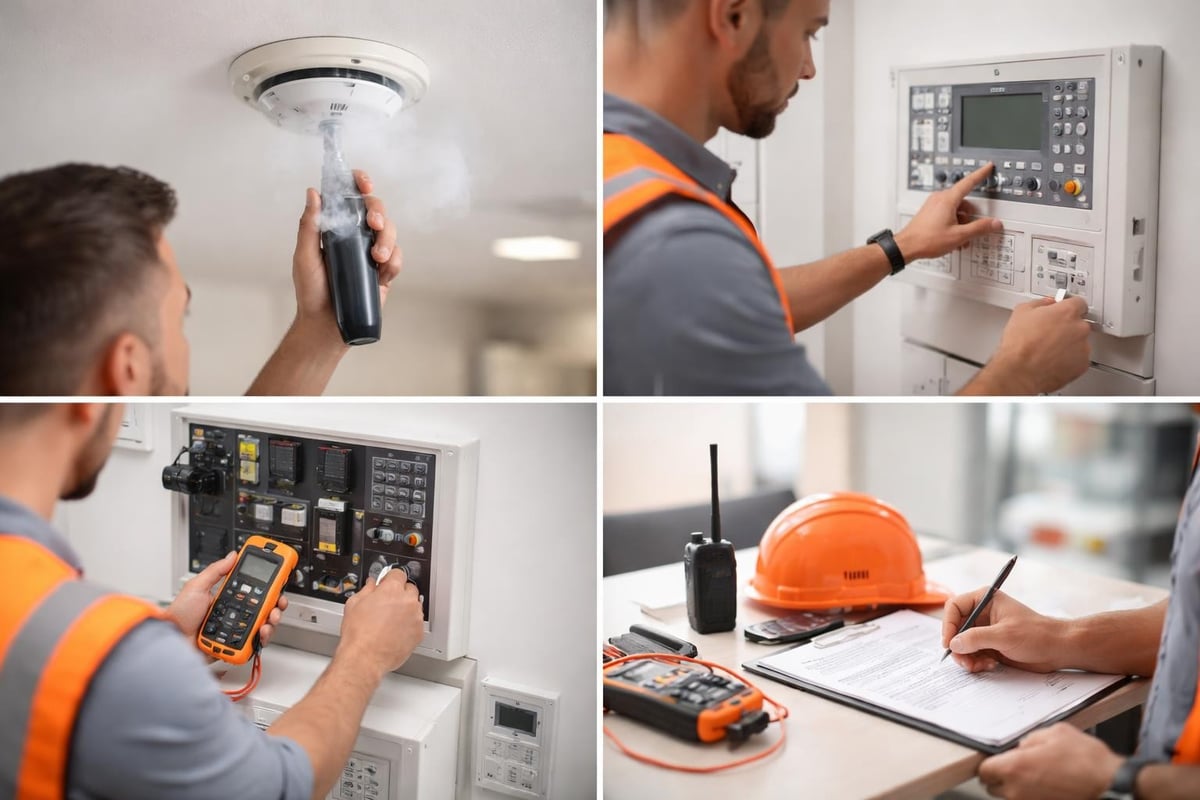
Unlike residential assessments, a commercial fire risk assessment focuses on workplaces, shops, warehouses, and public buildings, each with distinct hazards and occupancy patterns. For example, an office may present risks from electrical equipment, while a warehouse faces challenges from flammable storage and large open spaces. No two assessments are identical, as each is tailored to the specific layout, activities, and people present. If you are unsure how to start, many businesses turn to Commercial Fire Risk Assessment Services for expert guidance and compliance.

What is a Commercial Fire Risk Assessment?

Definition and Purpose

A commercial fire risk assessment serves to identify fire hazards, evaluate risks to people, and recommend measures to reduce those risks. The five-step model ensures a consistent approach:

  • Identify fire hazards such as faulty wiring or open flames.
  • Identify people at risk, including staff, visitors, and contractors.
  • Evaluate existing controls and establish actions to mitigate risks.
  • Record findings and assign responsibilities.
  • Review and update the assessment regularly.

Commercial assessments differ from residential ones by considering business-specific hazards and occupancy patterns. For instance, a retail shop with high customer turnover requires different controls than a residential block. Tailoring is crucial, as each business has unique risks, layout, and staff needs.

Key Components of a Fire Risk Assessment

A thorough commercial fire risk assessment covers several core elements:

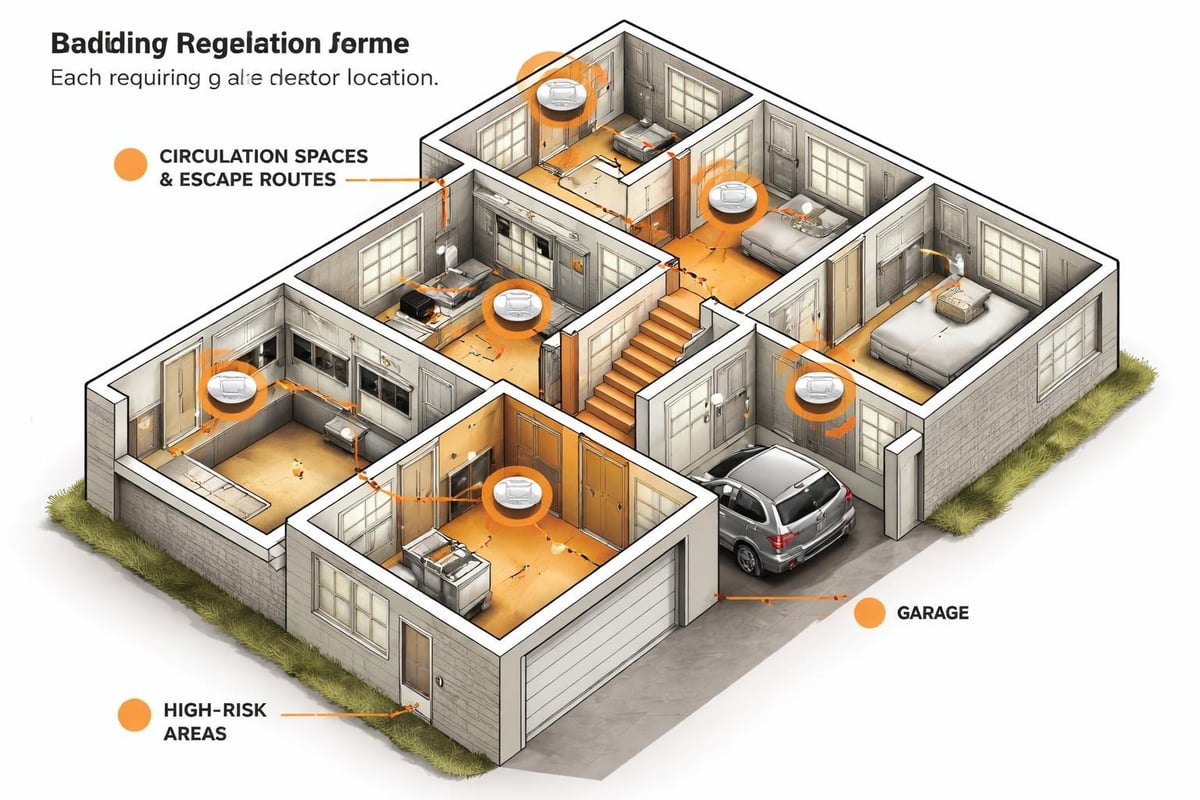
  • Identifying sources of ignition, including electrical equipment, kitchen areas, and heating systems.
  • Assessing flammable materials and how they are stored or handled.
  • Evaluating the building layout, ensuring clear escape routes and compliant emergency lighting.
  • Reviewing fire detection and alarm systems for adequacy and maintenance.
  • Considering vulnerable persons, such as those with disabilities or visitors unfamiliar with the premises.

These components ensure all relevant hazards and protective measures are addressed. For example, a server room requires distinct measures compared to a staff canteen.

Benefits and Outcomes

Undertaking a commercial fire risk assessment brings significant benefits. It ensures compliance with the Regulatory Reform (Fire Safety) Order 2005, which is a legal requirement for UK businesses. Proper assessments reduce the risk of business interruption, fines, or prosecution following a fire incident.

Maintaining a written record is essential for demonstrating compliance to insurers and regulatory authorities. Businesses with up-to-date assessments are less likely to face enforcement actions. Regular reviews and improvements help create a safer working environment and support business continuity.

Legal Requirements for Fire Risk Assessments in 2026

Understanding the legal requirements for a commercial fire risk assessment is essential for every UK business in 2026. The landscape is evolving, with increased regulatory scrutiny and more severe consequences for non-compliance. Staying up to date is not just about ticking boxes—it is about protecting people, assets, and business continuity.

Legal Requirements for Fire Risk Assessments in 2026

Regulatory Landscape

The main legal framework governing fire safety in UK businesses is the Regulatory Reform (Fire Safety) Order 2005. This legislation, updated with amendments for 2026, requires every non-domestic premises to undertake a commercial fire risk assessment. The rules apply regardless of business size or sector, so even small shops and large warehouses must comply.

If your organisation employs five or more people, the law states that the assessment must be written and kept on record. Non-compliance can lead to serious penalties, including fines, imprisonment, or forced business closure. Recent regulatory updates have introduced stricter enforcement and increased inspection frequency.

For a detailed overview of these legal obligations, see the Fire Risk Assessment Regulatory Reform Order.

Who is Responsible?

The duty to carry out a commercial fire risk assessment falls on the “responsible person.” This is typically the employer, business owner, landlord, or someone with significant control over the premises. In larger organisations, this responsibility may be delegated to a facilities manager or health and safety officer.

You can appoint a competent individual internally or hire an external specialist. However, the legal duty remains with the responsible person. For example, a facilities manager in a multi-site business may oversee assessments across all locations, ensuring consistency and compliance.

Failing to assign responsibility or clarify roles often results in missed reviews or incomplete assessments, increasing legal and insurance risks.

Frequency and Review

There is no fixed legal interval for reviewing a commercial fire risk assessment, but the law requires it to be reviewed regularly. Significant changes in building layout, occupancy, or after an incident trigger a mandatory reassessment.

Best practice across UK industries suggests an annual review. However, if your business adds a new production line, increases staff numbers, or experiences a fire-related event, you must update your assessment immediately. This proactive approach demonstrates compliance and reduces the risk of enforcement action.

Regular reviews are crucial for adapting to changes and maintaining a safe environment for everyone on site.

Documentation and Record Keeping

Proper documentation is a cornerstone of legal compliance. Your commercial fire risk assessment should include clear, accessible records of findings, actions taken, and persons responsible. This written evidence is vital if authorities or insurers request proof of due diligence.

Key elements to document include:

  • Identified hazards and risks
  • Actions taken to mitigate risks
  • Names of responsible persons
  • Dates of assessments and reviews

Businesses with robust record keeping can respond quickly to inspections and demonstrate a strong safety culture. In the event of a claim or audit, clear records can mean the difference between a smooth process and costly disputes.

Step-by-Step Guide to Conducting a Commercial Fire Risk Assessment

Conducting a commercial fire risk assessment is essential for safeguarding people, property, and business continuity. This structured approach helps you identify threats, evaluate vulnerabilities, and implement robust fire safety measures tailored to your premises.

Step-by-Step Guide to Conducting a Commercial Fire Risk Assessment

Step 1: Identify Fire Hazards

Begin your commercial fire risk assessment by pinpointing all potential fire hazards within your premises. Look for ignition sources such as electrical equipment, heating systems, and open flames. Examine flammable substances including chemicals, paper, and textiles used or stored onsite.

Good housekeeping is crucial. Inspect areas for clutter, improper waste storage, and infrequent cleaning routines, as these can fuel a fire. For example, poorly maintained electrical equipment is a leading cause of workplace fires. By systematically reviewing each area, you lay a solid foundation for the rest of your commercial fire risk assessment.

Step 2: Identify People at Risk

Next, assess who could be endangered in the event of a fire. This step in the commercial fire risk assessment should account for all staff, visitors, contractors, and especially vulnerable groups such as the elderly or disabled.

Consider specific scenarios, like shift work or lone workers who may be isolated during an emergency. Retail environments, where customer turnover is high, require extra attention to ensure everyone can evacuate safely. Mapping out occupancy patterns is vital to ensure your assessment considers every individual at risk.

Step 3: Evaluate, Remove, and Reduce Risks

Now, evaluate the effectiveness of existing fire safety controls in your commercial fire risk assessment. Review fire alarms, extinguishers, emergency lighting, and staff training. Identify any gaps and prioritise actions, such as updating extinguishers or improving signage.

For example, after a recent audit, many businesses have upgraded emergency lighting and alarms. For detailed guidance on this critical element, see the Fire Alarm System Guidance. Addressing these areas promptly can significantly lower risk and enhance compliance.

Step 4: Record Findings and Prepare Action Plan

Document all hazards, risk levels, actions required, and the responsible persons. Your commercial fire risk assessment should create a clear action plan, making it easy to track progress and responsibilities.

Communicate these findings with both staff and management. Utilise templates to standardise records, ensuring nothing is overlooked. This written evidence demonstrates compliance and supports insurance claims or regulatory inspections.

Hazard Identified Action Required Responsible Person
Blocked fire exit Clear obstruction Site Manager
Outdated extinguisher Replace immediately Facilities Lead

Step 5: Review and Update Regularly

Finally, schedule regular reviews of your commercial fire risk assessment. Updates are essential after significant changes, such as office refurbishments or increases in staff numbers.

Maintain version control and keep an audit trail of all updates. Annual reviews help uncover new risks and ensure your fire safety measures remain effective. Continuous improvement is key to maintaining a safe and compliant workplace.

Common Areas of Concern and How to Address Them

When carrying out a commercial fire risk assessment, there are several areas that consistently present challenges for businesses. Addressing these concerns thoroughly not only ensures legal compliance but also protects staff, assets, and business continuity.

Fire Detection and Alarm Systems

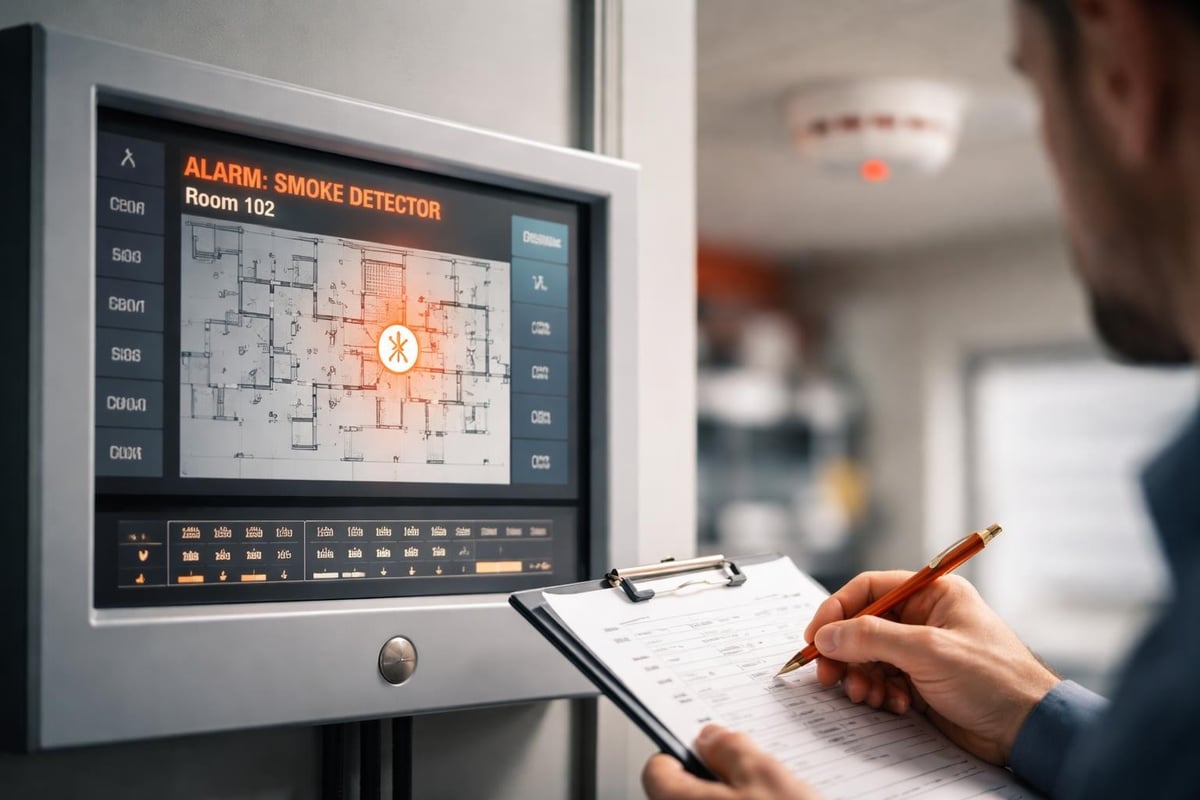
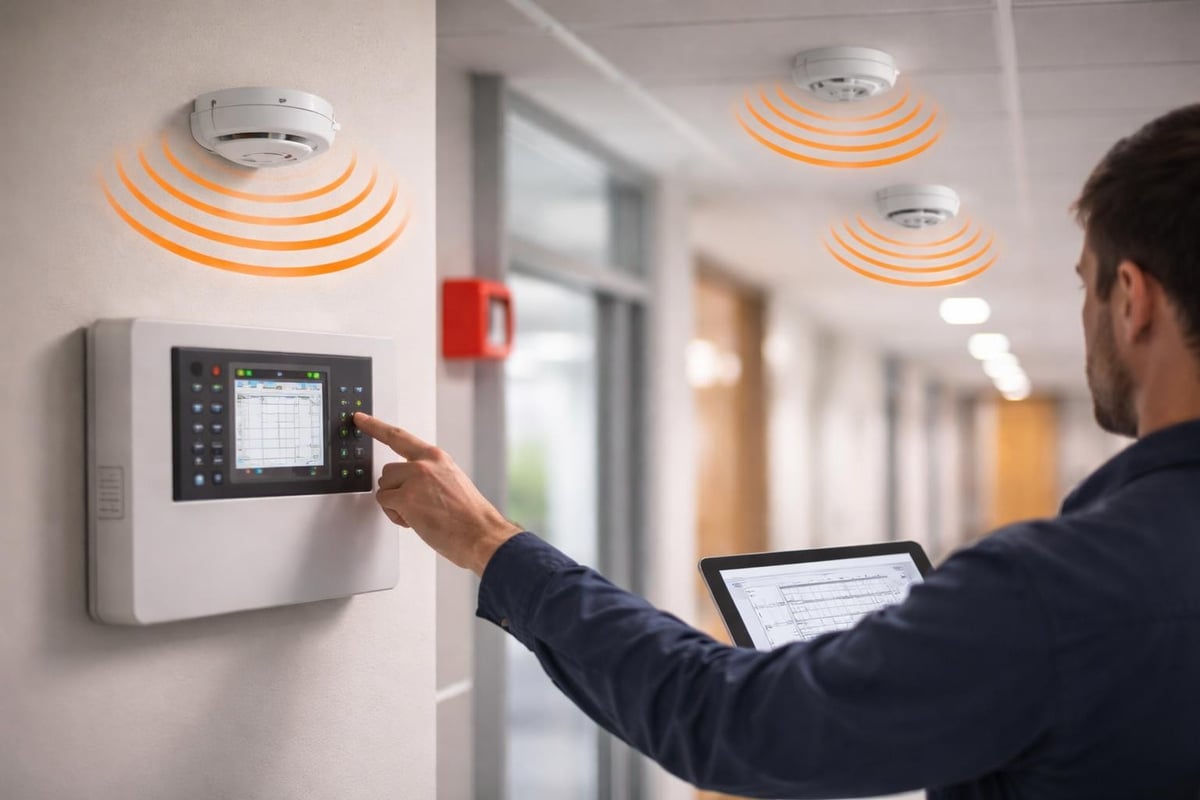
A reliable fire detection and alarm system is at the heart of any commercial fire risk assessment. Systems should be regularly serviced and tested. Failing to maintain alarms is a common reason for enforcement action by authorities. Ensure your alarms are suitable for your premises’ size and layout, and that they are audible in all occupied areas.

Emergency Lighting and Exits

Safe evacuation depends on clear, accessible exits and compliant emergency lighting. All exit routes must be free from obstructions, well lit, and clearly marked. Modern emergency lighting systems are essential, especially if the main power fails. For detailed guidance on requirements, see Emergency Lighting Compliance. Regular checks and prompt repairs are necessary to keep these systems effective.

Fire Extinguishers and Suppression Equipment

Having the correct type of fire extinguisher in the right location is critical. Kitchens, server rooms, and manufacturing areas each require specific extinguishers. Maintenance schedules should be strictly followed, and all staff must know how to use the equipment. Inadequate or poorly placed extinguishers are a frequent finding in failed assessments.

Staff Training and Fire Drills

A commercial fire risk assessment is only effective if staff are well trained. Regular fire safety training and evacuation drills ensure everyone knows what to do during an emergency. Businesses that invest in frequent drills see quicker, safer evacuations and better overall preparedness.

Storage of Flammable Materials

Improper storage of flammable materials is a common hazard. Keep such materials away from ignition sources and ensure that storage areas are well ventilated. Warehouses and storerooms with poor layouts or excessive clutter are often identified as high-risk in assessments.

Electrical Safety and Maintenance

Electrical faults remain a leading cause of workplace fires. Regular PAT testing, fixed wire inspections, and routine maintenance are essential. Faulty or overloaded equipment should be replaced immediately. Attention to electrical safety should be a priority in every commercial fire risk assessment.

Signage and Communication

Clear, up-to-date fire safety signage is vital for guiding occupants during an emergency. All signs should be easy to read and strategically placed throughout the premises. Insufficient signage is often cited in insurance claim disputes, highlighting its importance in both compliance and risk reduction.

By proactively addressing these areas, businesses can significantly reduce their risk profile and demonstrate a robust commercial fire risk assessment process.

Choosing the Right Fire Risk Assessor: Competency and Best Practices

Selecting the right professional for your commercial fire risk assessment is crucial for both compliance and peace of mind. The expertise and approach of your assessor can directly impact your business’s safety, legal standing, and insurance outcomes.

Internal vs. External Assessors

Businesses must decide whether to handle a commercial fire risk assessment internally or engage an external specialist. In-house assessments are feasible for smaller, low-risk premises where staff possess adequate fire safety knowledge and training.

However, for larger, complex, or high-risk sites, hiring a professional assessor is usually the safest route. For example, a small office might conduct its own assessment, while a multi-site manufacturing facility would benefit from external expertise. Remember, a thorough commercial fire risk assessment ensures all unique risks are identified and addressed.

What to Look for in a Fire Risk Assessor

When selecting a provider, consider the following qualities to ensure your commercial fire risk assessment meets industry standards:

  • Accreditation, such as BAFE, IFSM, or IFE
  • Demonstrable experience in your sector or building type
  • Strong client references and case studies

For example, listed or historic buildings often require assessors with specialist knowledge. The right assessor will tailor their commercial fire risk assessment to the specific needs and legal requirements of your premises.

Questions to Ask Before Hiring

Before engaging an assessor, clarify these key points:

  • What is the full scope of the commercial fire risk assessment?
  • What deliverables will be provided, and in what format?
  • Are ongoing support and periodic reviews included?
  • Can you see sample reports or client testimonials?

By asking these questions, you ensure the commercial fire risk assessment process is transparent and aligned with your business needs.

Logic Fire and Security: Comprehensive Fire Risk Assessment Services

Logic Fire and Security delivers nationwide, accredited fire risk assessments tailored to commercial and public sector clients. With over 20 years of experience, their team offers end-to-end solutions, including risk assessments, system design, installation, and 24/7 monitoring.

Commercial Fire Risk Assessment Guide for Businesses 2026 - Logic Fire and Security: Comprehensive Fire Risk Assessment Services

BAFE and NSI Gold certifications guarantee compliance with all current UK regulations, giving your business confidence in both safety and legal standing. Contact Logic Fire and Security for a free, no-obligation site survey and tailored quotation.

Fire Risk Assessment Best Practices for 2026 and Beyond

Staying ahead in fire safety means more than ticking boxes. Businesses must embrace ongoing improvement, technology, and cultural change to ensure their commercial fire risk assessment is not just compliant but truly effective for 2026 and beyond.

Keeping Up with Evolving Standards

Fire safety regulations adapt to new risks and lessons learnt. In 2026, staying informed about changes in guidance is crucial. For example, recent updates may affect high-rise or mixed-use properties, requiring new procedures. Reviewing the latest Fire and Rescue Incident Statistics: Year Ending March 2025 can highlight emerging trends and help shape your commercial fire risk assessment approach.

Regularly checking government resources ensures your business remains compliant. Assign responsibility for monitoring changes and updating policies as needed.

Leveraging Technology

Digital tools streamline the commercial fire risk assessment process. Cloud-based systems enable real-time record keeping, automated reminders for reviews, and easy sharing of documentation with stakeholders. Integrating fire safety with building management and security platforms helps identify issues quickly.

Consider using mobile apps for on-site assessments, capturing photos, and generating reports instantly. These innovations reduce paperwork and improve accuracy.

Embedding Fire Safety Culture

Embedding fire safety into your company culture is essential for effective risk management. Leadership should demonstrate commitment by prioritising regular training and clear communication. Engaged employees are more likely to report hazards and follow procedures, supporting a robust commercial fire risk assessment.

Case studies show businesses with strong safety cultures respond better in emergencies and experience fewer incidents. Make fire safety a shared responsibility at all levels.

Insurance and Business Continuity

An up-to-date commercial fire risk assessment can reduce insurance premiums and prevent disputes if a claim arises. Insurers increasingly require documented evidence of recent assessments and improvements.

Integrate fire risk planning into your wider business continuity strategy. This ensures minimal disruption and faster recovery after an incident. Keep clear, accessible records to demonstrate due diligence.

Preparing for Future Risks

Workplaces are evolving, bringing new challenges. Hybrid and flexible working patterns, increased use of lithium-ion batteries, and renewable energy systems introduce fresh hazards. Reviewing UK Workplace Fire Statistics 2026 helps identify common causes and adapt your commercial fire risk assessment accordingly.

Regularly assess how new equipment, storage methods, or operational changes impact fire safety. Stay proactive to address risks before they escalate.

Regular Auditing and Continuous Improvement

Schedule independent audits to benchmark your fire safety performance. Peer reviews and external assessments offer fresh perspectives and identify areas for improvement.

Document lessons learned from incidents, enforcement actions, or near-misses. Continuous improvement ensures your commercial fire risk assessment remains relevant and robust as standards evolve.

As we’ve explored, keeping your business safe and legally compliant in 2026 means taking fire risk assessments seriously and acting on the insights they provide. There’s real peace of mind in knowing you’re protecting your team, assets, and reputation, while also avoiding costly fines or disruptions. If you’re unsure where to start or want expert guidance tailored to your premises, you don’t have to figure it out alone. Why not take the next step and Get a Free Site Survey? You’ll get practical advice, a clear action plan, and the confidence that your business is in safe hands.

CCTV Installation Near Me Guide: Secure Your Home in 2026

Home security has never been more important, with rising concerns leading more UK homeowners to seek reliable protection in 2026. The demand for CCTV installation near me is increasing as new technologies make advanced systems more accessible and effective.

Modern CCTV offers real peace of mind, acting as both a powerful deterrent and a vital source of evidence when needed. With features like high-definition video, mobile alerts, and smart home integration, today’s systems are designed to protect what matters most.

This guide helps you find the best local options for CCTV installation near me, ensuring your home stays secure in 2026. You will learn the essentials of CCTV, how to choose the right system, find trusted installers, understand legal requirements, and manage costs and maintenance.

Why CCTV is Essential for Home Security in 2026

Home security is evolving rapidly, making it crucial to understand why investing in a reliable system is more important than ever. Choosing the right cctv installation near me can be the difference between peace of mind and vulnerability.

Why CCTV is Essential for Home Security in 2026

The Changing Landscape of Home Security

Recent statistics show burglary rates remain a real concern in the UK. According to UK burglary statistics 2025, thousands of households experience break-ins each year. With more people working remotely and spending extended hours at home, the need for robust security has intensified.

Criminals are also becoming more sophisticated, targeting homes with outdated defences. This shift makes seeking cctv installation near me a proactive step for any homeowner aiming to stay ahead of potential threats.

Benefits of Modern CCTV Systems

Today’s CCTV technology offers powerful tools for protecting your property. With cctv installation near me, you gain access to real-time monitoring and instant alerts via mobile apps, keeping you connected wherever you are.

Modern systems provide high-definition video, night vision, and even full-colour imaging for clear footage day or night. Integration with smart home devices, such as alarms and lighting, creates a seamless and responsive security environment, tailored to your specific needs.

Evidence and Insurance Advantages

CCTV systems are not just deterrents—they are valuable for gathering evidence if an incident occurs. Clear footage from your cctv installation near me can be instrumental in police investigations, often leading to successful prosecutions.

Many insurers now offer lower premiums for homes equipped with certified CCTV systems. There are numerous cases where recorded evidence has supported claims and helped recover stolen property, making CCTV a wise investment for both security and financial reasons.

Types of CCTV Systems Available Near You

Choosing the right system is vital when considering cctv installation near me. With technology rapidly advancing, homeowners now have more options than ever before. From traditional wired setups to cutting-edge IP cameras, the variety can seem overwhelming. Understanding the core differences will help you make an informed decision for your property.

Types of CCTV Systems Available Near You

Wired vs Wireless CCTV Systems

When searching for cctv installation near me, the choice between wired and wireless systems is fundamental. Wired CCTV is known for its reliability, offering consistent image quality and minimal interference. However, installation can be complex, often requiring professional cabling and more time.

Wireless CCTV systems are easier to install and offer greater flexibility, especially for rented or listed properties. They are ideal for quick upgrades or temporary setups. However, they may be susceptible to Wi-Fi disruptions and can require regular battery maintenance.

Feature Wired CCTV Wireless CCTV
Reliability High Depends on Wi-Fi
Installation Complex Simple
Flexibility Low High
Cost Higher upfront Varies

Consider your property’s layout, budget, and long-term needs before deciding which option suits your cctv installation near me.

Analogue vs IP (Digital) Cameras

Another crucial factor in cctv installation near me is the choice between analogue and IP cameras. Analogue cameras are traditional, transmitting footage to a DVR. They are budget-friendly and straightforward but lack advanced features and high-resolution imagery.

IP (digital) cameras offer superior image quality, often supporting 4K resolution and advanced analytics. They connect to your network, making them scalable and easy to integrate with other security devices. In 2026, the trend is moving towards IP systems for their flexibility and future-proofing.

If you want to explore the full range of camera types and understand their differences in detail, the Comprehensive CCTV solutions guide provides valuable insights to support your decision-making.

Key Features to Look For in 2026

Modern cctv installation near me services offer a wide array of features. Look for cameras with 4K resolution for crystal-clear images and AI-powered analytics, such as motion detection and facial recognition. These features enhance security by minimising false alarms and providing actionable alerts.

Consider storage options: cloud solutions offer remote access and redundancy, while local storage gives you direct control over your data. Integration with mobile apps, alarm systems, and other smart devices is increasingly standard, giving you comprehensive control from anywhere.

Prioritise features that match your lifestyle and security requirements, ensuring your cctv installation near me is future-ready.

Specialist CCTV Solutions

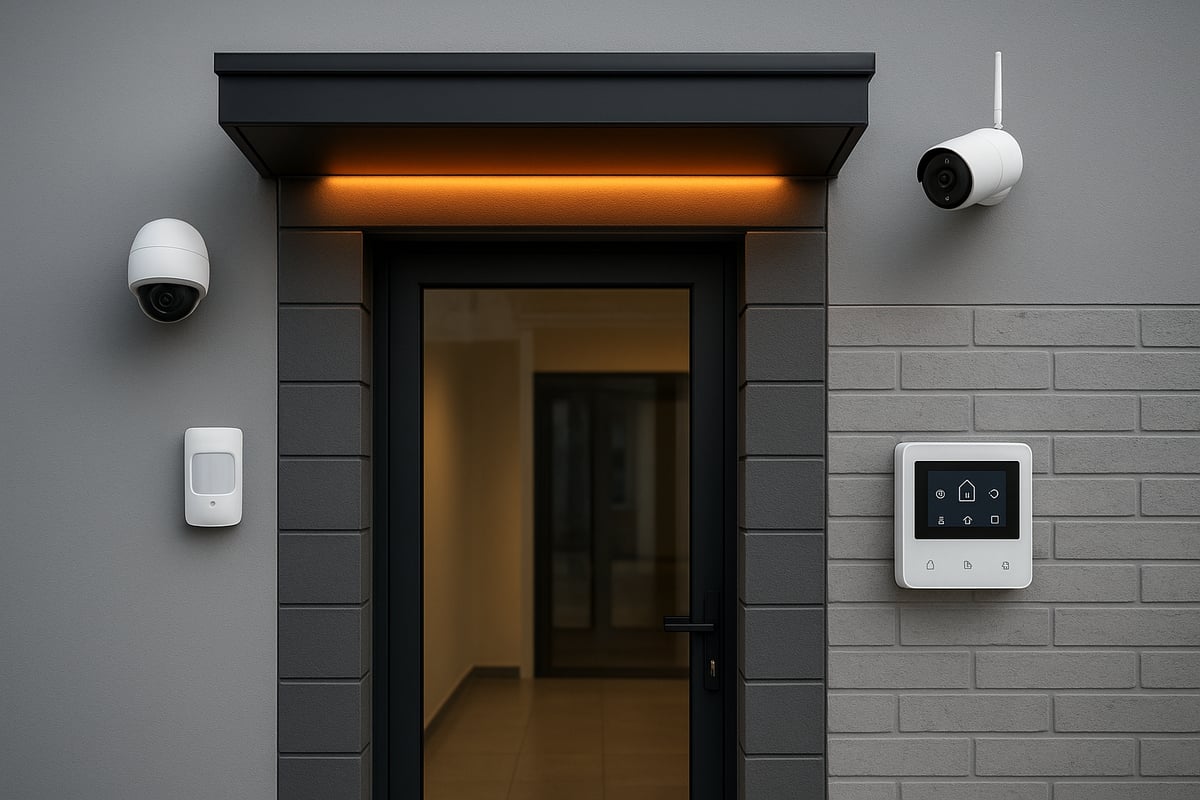
Specialist cameras can further enhance your cctv installation near me. Outdoor cameras are weatherproof and deter intruders, while indoor models monitor sensitive areas discreetly. PTZ (pan-tilt-zoom) cameras allow you to cover wide areas and zoom in on suspicious activity.

Doorbell cameras provide real-time alerts and two-way audio at entry points. For those needing discretion, covert cameras blend seamlessly into their surroundings.

Selecting the right mix of specialist solutions ensures your cctv installation near me safeguards your entire property, inside and out.

How to Choose the Right CCTV Installer Near You

Choosing the right professional for your cctv installation near me is vital for both security and long-term reliability. Not all installers are created equal, so understanding what to look for can help you avoid costly mistakes and guarantee a system that meets your needs.

How to Choose the Right CCTV Installer Near You

Credentials and Certifications to Check

When searching for cctv installation near me, always verify the installer’s industry credentials. Look for accreditations such as NSI Gold, SSAIB, and BAFE, which demonstrate high standards in security system installation. Certified installers are also likely to be fully insured and DBS-checked, ensuring you are working with professionals who meet strict safety and ethical guidelines.

For more information on what to look for, the Choosing a certified CCTV installer guide provides detailed advice on recognised certifications and why they matter. These qualifications can also help with insurance requirements and guarantee that your installation is compliant with UK regulations.

Local Reputation and Customer Reviews

Reputation is key when evaluating any provider for cctv installation near me. Start by checking Google reviews, Trustpilot, and local community forums. Real customer feedback gives insight into the quality of service, punctuality, and whether the installer provides comprehensive aftercare.

Look for consistent positive comments about reliability and support. Ask neighbours or local groups for recommendations, as word of mouth can be invaluable. A reputable installer will be transparent with references and have a portfolio of recent projects to showcase their expertise.

Free Site Surveys and Custom Quotes

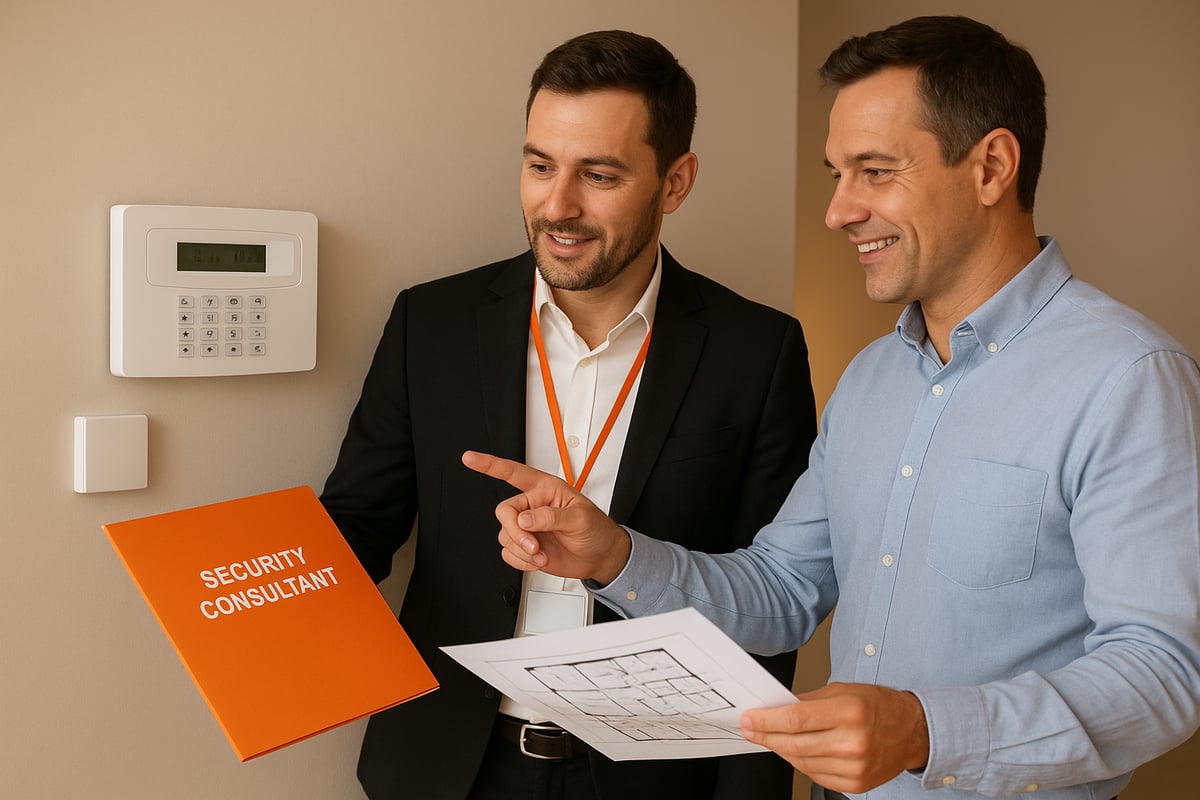
A trustworthy provider offering cctv installation near me should always conduct a free on-site survey before quoting. This assessment ensures your property’s unique requirements are understood, such as entry points, blind spots, and potential vulnerabilities.

During the survey, expect the installer to walk you through coverage analysis and recommend tailored solutions. They should explain the pros and cons of different systems, answer your questions, and provide a detailed, itemised quote. This process ensures you receive a system suited to your budget and security needs.

Questions to Ask Your Installer

Before committing to any cctv installation near me, prepare a list of essential questions. Ask about the length and terms of the warranty, maintenance options, and what emergency support is available. Enquire about system upgrade paths, so your CCTV can evolve as technology advances or your security needs change.

These questions help you judge the installer’s expertise and commitment to long-term customer satisfaction. A professional will answer clearly, provide documentation, and offer ongoing support to keep your system running at its best.

Legal Considerations for Home CCTV Installation in the UK

As demand for cctv installation near me continues to rise, understanding the legal landscape is essential. UK law sets clear boundaries for homeowners, ensuring privacy and security go hand in hand. Before setting up any system, it is crucial to know your rights and responsibilities.

Legal Considerations for Home CCTV Installation in the UK

Privacy Laws and Compliance in 2026

When considering cctv installation near me, start by understanding key privacy laws. The UK’s Data Protection Act 2018 and the General Data Protection Regulation (GDPR) cover how personal data, including video footage, must be handled. Homeowners can use CCTV to monitor their own property, but recording beyond your boundary—such as pavements or neighbouring gardens—requires a lawful reason.

If your cameras capture areas outside your property, you become a ‘data controller’ and must comply with data protection rules. This includes responding to requests for footage and ensuring information is not misused. For a comprehensive overview, refer to the CCTV installation legal requirements UK.

Signage, Notification, and Data Security

Visible signage is a must if your CCTV records public spaces or communal areas. Letting people know about surveillance is not just courteous, it is a legal requirement under current UK law. Place clear signs at entry points to inform visitors and passers-by.

Equally important is securing recorded footage. Store data in a safe, encrypted manner and restrict access to authorised individuals only. When planning cctv installation near me, discuss with your installer how footage will be handled and protected, ensuring compliance with the law at every stage.

Special Considerations for Flats and Shared Properties

If you live in a flat or shared property, cctv installation near me comes with extra steps. Always seek permission from your landlord or management company before installation. Agree with neighbours or co-tenants on camera placement and privacy, particularly in communal areas, to avoid disputes and ensure everyone’s rights are respected.

Step-by-Step Guide to CCTV Installation at Home

Installing a CCTV system at home is a significant step towards better protection and peace of mind. A clear, structured approach ensures your system works efficiently and complies with UK regulations. Follow this step-by-step guide for effective results.

Planning Your System

The first step in cctv installation near me is to assess your property’s unique security needs. Start by identifying vulnerable areas such as entrances, driveways, garages, and gardens. Consider which spots require the most coverage and whether you need outdoor or indoor cameras.

Next, decide on the types of cameras best suited to each location. For example, high-definition cameras work well at entry points, while wide-angle lenses are ideal for covering gardens or driveways. Make a rough map of your property to visualise camera placement and reduce potential blind spots.

List out your priorities, including night vision, weather resistance, and integration with smart home devices. This planning phase will help you achieve full coverage and efficient monitoring.

Preparing for Installation

Before beginning cctv installation near me, ensure your home is ready for the new system. For wireless cameras, test your Wi-Fi strength in all planned camera locations. Weak signals can cause interruptions in footage or alerts.

Check that you have accessible power sources where cameras will be installed. For wired systems, plan cable routes to avoid drilling through important structures or causing damage. Review local laws and inform neighbours if your cameras might capture any shared or public spaces.

Create a checklist of all equipment and tools needed for the installation day. Being prepared minimises delays and ensures compliance with UK privacy regulations.

Professional vs DIY Installation

When considering cctv installation near me, weigh the pros and cons of hiring a professional versus tackling the job yourself. Professional installers offer expertise, faster completion, and peace of mind that your system meets legal and technical standards. Many companies provide comprehensive support and warranties.

DIY installation can save costs and offer flexibility, but it requires technical knowledge and patience. Mistakes in positioning or wiring may impact performance or invalidate warranties. For those seeking best practice guidance, review security installation best practices to make an informed choice.

On average, a professional can install a four to six camera system in a single day, while DIY projects may take longer depending on your experience.

The Installation Process

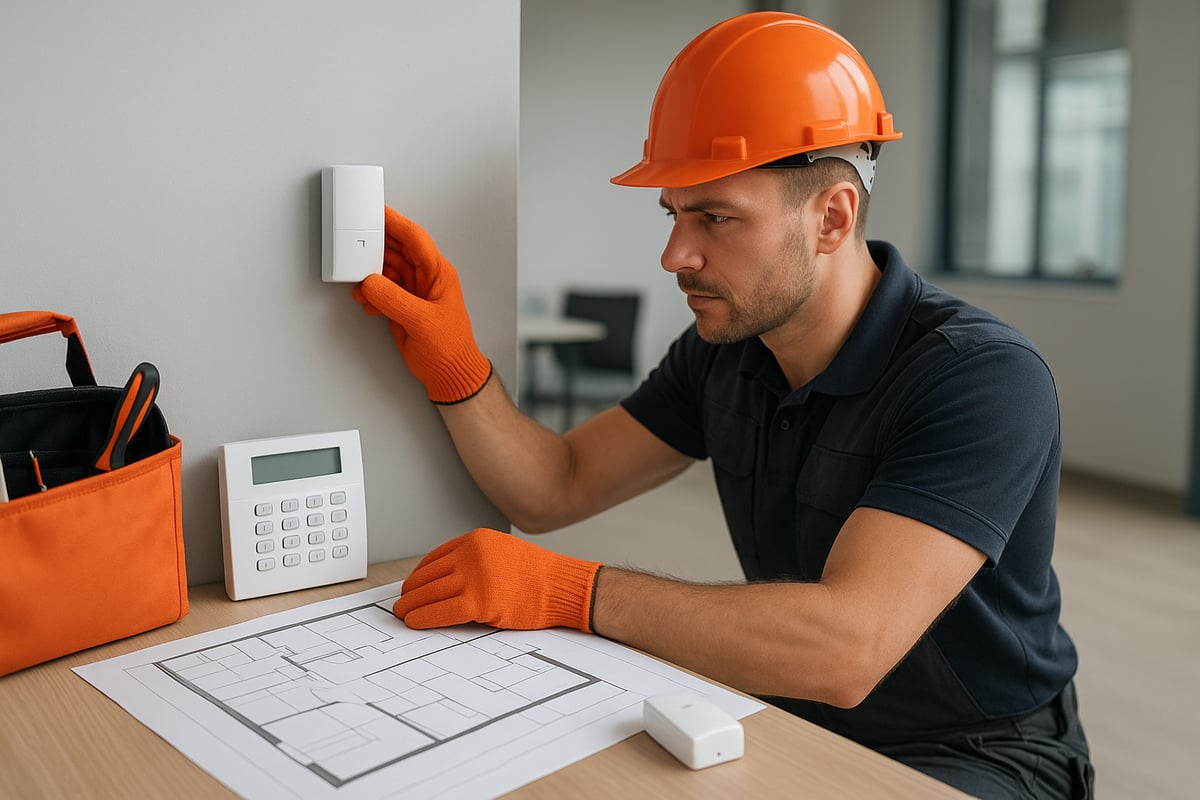
The final stage involves the actual installation of your CCTV system. A professional will begin with a site survey, confirming camera positions and minimising blind spots. Next, they handle cabling, mount cameras securely, and connect all equipment to power and network sources.

After physical setup, the installer will configure the system, set up user accounts, and ensure remote access is operational. Testing and calibration follow, checking that each camera records clear footage and all alerts function as intended.

User training is typically provided, helping you manage your new system confidently and respond quickly to any incidents.

Costs, Maintenance, and Ongoing Support

Understanding the financial and practical aspects of cctv installation near me is essential for making a smart investment. Modern systems offer a range of options to suit different budgets and needs, with ongoing support ensuring your security stays reliable and effective.

Typical Costs in 2026

The cost of cctv installation near me in 2026 varies depending on the system type, property size, and chosen features. For a single camera, expect to pay between £250 and £500 including installation. Multi-camera systems (4-6 cameras) typically range from £800 to £2,000 for professional setup.

Key cost factors include:

  • Camera resolution and special features (e.g., 4K, night vision)
  • Wired vs wireless systems
  • Complexity of installation (cabling, height, access)
  • Brand and warranty support

Here is a quick comparison:

System Type Typical Price Range
Single Camera £250 – £500
4-6 Camera System £800 – £2,000
Advanced Smart System £2,000+

Maintenance and Monitoring Options

Keeping your cctv installation near me working optimally requires regular maintenance. Professional servicing every 12 months helps prevent faults and ensures cameras are clean and correctly positioned.

Monitoring options include:

  • Self-monitoring: Use a mobile app for real-time alerts and footage.
  • 24/7 professional monitoring: Security experts watch your system and respond to incidents. For more on this, see Remote CCTV monitoring services.
  • Preventative maintenance: Rapid response and scheduled check-ups to catch issues early.

Choosing the right monitoring package can add a small monthly fee but provides extra peace of mind and may reduce insurance costs.

Upgrades and Future-Proofing Your CCTV

To keep your cctv installation near me current, choose modular systems that support software updates and easy expansion. This approach allows you to add cameras, integrate with new smart devices, and maintain top-tier security as technology advances.

Frequently Asked Questions About CCTV Installation Near Me

Choosing the right CCTV installation near me can raise many questions, especially as technology changes rapidly. Here, we answer the most common queries to help you make informed decisions about securing your property.

How much does CCTV installation cost in 2026?

Costs for CCTV installation near me in 2026 typically range from £300 to £2,000, depending on the number of cameras, system type, and property size. Expect higher prices for advanced features such as AI analytics or integrated smart home systems.

Is it legal to install CCTV at home in the UK?

Yes, it is legal to install CCTV at your home. However, you must comply with privacy laws, especially if cameras capture public areas or neighbouring properties. Displaying clear signage and handling footage securely is essential.

Can I install CCTV myself or should I use a professional?

DIY installation is possible with many wireless kits, but professional services for CCTV installation near me ensure correct placement, compliance, and optimal system performance. Professionals also offer warranties and ongoing support.

What is the best CCTV system for homes in 2026?

Modern systems offer 4K resolution, mobile monitoring, and integration with alarms or smoke detectors. For a detailed look at the benefits of modern CCTV systems, explore features like real-time alerts and smart analytics.

Are there ongoing fees for CCTV systems?

Ongoing fees may apply for cloud storage, maintenance contracts, or 24/7 monitoring services. Self-monitoring via an app can help reduce these costs.

How long does installation take?

Professional installation for a standard four-camera system usually takes one day. Larger or more complex setups may require additional time.

Do I need to inform my neighbours?

If your cameras might record areas beyond your property, it is good practice to inform neighbours and display visible signage to meet legal requirements.

What happens if my CCTV system stops working?

Check power sources and internet connections first. Many installers offer maintenance and rapid response services, ensuring minimal downtime and continued protection.

Taking the right steps to protect your home in 2026 is more important than ever—especially with the evolving risks and advanced technology available. If you’re ready to put the insights from this guide into action and want a CCTV system that truly fits your needs, getting tailored advice is a smart move. A professional site survey can help you identify blind spots, recommend the ideal system, and ensure everything is set up for maximum security and compliance. Let’s make your home safer together—start by arranging your Get a Free Site Survey today.

Fire Risk Assessment Regulatory Reform Order 2005 Guide 2026

Are you certain your business is fully compliant with the latest fire safety laws? The consequences of non-compliance can be severe, from fines to threats to life and property.

This guide breaks down the fire risk assessment regulatory reform order 2005, making it straightforward for organisations to understand and apply. You will discover the core legal obligations, step-by-step risk assessment, recent updates, and practical tips for ongoing compliance.

Ready to protect your people, premises, and reputation? Let’s get started.

Understanding the Regulatory Reform (Fire Safety) Order 2005

The fire risk assessment regulatory reform order 2005 stands as a cornerstone of fire safety law in England and Wales. Its introduction marked a shift towards a modern, risk-based approach to protecting lives, property, and business continuity.

Understanding the Regulatory Reform (Fire Safety) Order 2005

What is the Regulatory Reform (Fire Safety) Order 2005?

The fire risk assessment regulatory reform order 2005 was introduced to simplify and consolidate fire safety legislation in England and Wales. Before its enactment, over 70 separate laws governed fire safety, creating confusion and inconsistency for employers and building owners. The Order replaced this patchwork with a single, unified framework.

Its primary goal is to place the responsibility for fire safety on those best positioned to manage risks: the people in control of premises. This means the law applies to almost all non-domestic buildings, such as offices, warehouses, factories, shops, schools, hospitals, and care homes. Even communal areas in residential flats and public buildings fall under its scope.

A key feature is the introduction of the “responsible person” who must ensure that a suitable and sufficient fire risk assessment is carried out and that appropriate safety measures are maintained. This risk-based approach allows flexibility, focusing on real hazards present in each building rather than enforcing a rigid set of rules.

Statutory duties under the fire risk assessment regulatory reform order 2005 include ensuring life safety, protecting property, and supporting business continuity. For example, an office must assess risks like overloaded electrical circuits, while a care home needs to consider the evacuation needs of vulnerable residents. As a result, compliance is not just about legal obligation but about safeguarding people and assets.

For those seeking tailored solutions and comprehensive guidance on meeting these obligations, Regulatory Reform Order fire safety resources offer practical support aligned with the latest legislative requirements.

Who is Responsible for Compliance?

The fire risk assessment regulatory reform order 2005 defines the “responsible person” as anyone who has control over premises. This often includes employers, building owners, landlords, and facilities managers. In practice, it can be a single person or shared among several parties, especially in multi-occupancy buildings where responsibilities may overlap.

Key duties for the responsible person include:

  • Conducting and regularly reviewing fire risk assessments
  • Implementing necessary safety measures, such as fire alarms, extinguishers, and clear escape routes
  • Ensuring ongoing maintenance of all fire safety equipment and systems
  • Providing information, instruction, and training to staff and occupants

Where a building is shared, responsibilities must be clearly defined and coordinated. Failure to comply with the fire risk assessment regulatory reform order 2005 can result in severe consequences, including fines, prosecution, or even prison sentences. In 2023, authorities issued over 400 enforcement notices in England alone, highlighting the importance of proactive compliance.

Ultimately, understanding your duties under the fire risk assessment regulatory reform order 2005 is crucial. By taking practical steps and maintaining up-to-date records, businesses can protect lives, assets, and their reputation while meeting all legal requirements.

The Fire Risk Assessment: Step-by-Step Process

Ensuring compliance with the fire risk assessment regulatory reform order 2005 is a structured process built around five clear steps. Each stage is designed to help the responsible person identify, manage, and reduce fire risks in any non-domestic setting. Here is a practical guide to conducting a robust assessment that stands up to legal scrutiny and keeps your people safe.

The Fire Risk Assessment: Step-by-Step Process

Step 1: Identify Fire Hazards

The first step in the fire risk assessment regulatory reform order 2005 is to systematically identify anything that could start a fire or fuel its spread. Common sources of ignition include faulty electrical appliances, overloaded sockets, and portable heaters. Flammable materials such as paper, cardboard, cleaning chemicals, and textiles add to the risk. Oxygen, naturally present in the air, can accelerate a fire when combined with these sources.

Use a structured checklist and conduct regular site inspections to spot hazards early. Areas to examine include kitchens, storage rooms, plant equipment, and escape routes. If you are unsure where to start, consider seeking Fire risk assessment services for professional support tailored to your premises.

Step 2: Identify People at Risk

Next, you must consider everyone who could be affected by fire. The fire risk assessment regulatory reform order 2005 requires you to account for employees, visitors, contractors, and anyone else present on-site. Pay special attention to vulnerable individuals, such as the elderly, disabled, or those unfamiliar with the building layout.

Extra caution is needed in premises with sleeping accommodation, such as care homes or hotels. Public access areas, like lobbies or community halls, may require additional safeguards to ensure everyone can evacuate quickly and safely.

Step 3: Evaluate, Remove, Reduce and Protect from Risk

With hazards and people at risk identified, evaluate the likelihood of a fire occurring and its potential consequences. The fire risk assessment regulatory reform order 2005 emphasises the importance of implementing practical control measures. These include:

  • Installing and maintaining fire doors, alarms, and extinguishers
  • Ensuring safe storage of flammable materials
  • Keeping escape routes clear at all times
  • Regularly servicing heating and electrical systems

For example, reducing the quantity of flammable liquids stored on-site and securing them in dedicated cupboards significantly lowers the risk.

Step 4: Record, Plan, Inform, Instruct and Train

If your business employs five or more people, the law requires you to document your findings. Create a clear record of identified hazards, who is at risk, and the measures you have taken. Develop an emergency plan detailing evacuation procedures and responsibilities.

It is essential to inform staff of these procedures and provide regular fire safety training. Schedule evacuation drills at least once a year to ensure everyone knows what to do in an emergency. Good communication and training underpin an effective fire safety culture.

Step 5: Review and Revise the Assessment

The fire risk assessment regulatory reform order 2005 is not a one-off exercise. Regular reviews are vital to ensure ongoing compliance. Revisit your assessment at least annually, or sooner if there are significant changes, such as building alterations, new equipment, or after a fire incident.

Keep all records up to date and readily available for inspection by authorities. Proactive reviews help identify new risks early, strengthening your overall fire safety management and ensuring continued legal compliance.

Key Changes and Updates for 2026

The fire risk assessment regulatory reform order 2005 remains at the heart of fire safety law, but recent years have seen rapid evolution in compliance standards. Driven by the lessons of Grenfell and the ongoing implementation of the Building Safety Act, organisations must now adapt to a more rigorous and transparent regulatory landscape.

Major reforms have introduced a digital-first approach to compliance. The “golden thread” principle requires that safety information is maintained, updated, and accessible throughout a building’s life cycle. This ensures that those responsible for premises can demonstrate ongoing compliance with the fire risk assessment regulatory reform order 2005, not just at a single point in time.

A sharper focus on high-rise and multi-occupancy buildings means enhanced responsibilities for building owners, managers, and responsible persons. These changes are especially critical for facilities such as residential towers, care homes, and large office complexes.

Key compliance updates for 2026 include:

Change Description
Digital record-keeping Mandatory maintenance of digital fire safety documents and evidence
Golden thread Continuous, accessible record of building safety decisions and actions
Fire door inspections Regular, documented checks of fire doors to ensure performance and compliance
Evacuation alert systems New requirements for certain high-risk buildings to support safe evacuation
Enhanced PEEPs Updated guidance on Personal Emergency Evacuation Plans for vulnerable occupants
Competency standards Higher expectations for assessors and responsible persons

Fire door inspections, for example, are now a statutory requirement with clear documentation and scheduling. For detailed guidance on inspection processes, see fire door inspection requirements. This change addresses previous gaps in fire compartmentation and helps prevent the spread of fire and smoke.

The fire risk assessment regulatory reform order 2005 also now requires more robust planning for vulnerable occupants. The 2024 update on PEEPs places greater emphasis on tailored evacuation strategies for those with mobility or sensory impairments.

Data from the Home Office shows a 15% rise in fire safety audits in 2023, highlighting increased scrutiny and enforcement. As government policy continues to adapt, expect further moves towards stricter competency standards and more frequent unannounced inspections.

In summary, staying compliant with the fire risk assessment regulatory reform order 2005 now means embracing digital systems, enhanced documentation, and a proactive approach to building safety. Organisations that invest in these areas are better positioned to protect life, property, and business continuity as standards rise in the years ahead.

Key Changes and Updates for 2026

Common Pitfalls and How to Avoid Them

Staying compliant with the fire risk assessment regulatory reform order 2005 can be challenging for many organisations. Even with the best intentions, businesses frequently overlook key requirements, leaving themselves exposed to enforcement action and risks to people, property, and reputation.

Common Pitfalls and How to Avoid Them

Typical Compliance Failures

Several common pitfalls prevent full compliance with the fire risk assessment regulatory reform order 2005. These often include:

  • Incomplete or outdated risk assessments, sometimes missing crucial hazards or not reflecting recent changes in the building.
  • Failing to act on identified risks, such as not installing recommended fire doors or updating alarm systems.
  • Overlooking the needs of vulnerable occupants, including the elderly or disabled, especially in care homes or multi-use premises.
  • Inadequate staff training, meaning employees are unsure how to respond in a fire emergency.
  • Lack of regular fire drills, so evacuation plans are not tested or understood.
  • Poor maintenance of essential fire safety systems, from alarms to emergency lighting.
  • Gaps in documentation, with records not kept up to date or missing entirely.

Neglecting any of these areas can result in serious consequences. For instance, enforcement notices and fines are often issued when risk assessments are not properly maintained or acted upon.

Case Studies and Data

Real-world incidents demonstrate the cost of non-compliance with the fire risk assessment regulatory reform order 2005. In recent years, high-profile cases have seen businesses fined tens of thousands of pounds for deficiencies such as blocked exits, faulty alarms, or missing fire doors.

According to the UK Fire Service, one in three businesses fail their initial fire safety inspections. This figure underscores the importance of thorough preparation and regular reviews. Enforcement statistics and guidance on compliance can be found in the official Regulatory Reform (Fire Safety) Order 2005: enforcement resource.

Common Pitfall Practical Solution
Outdated risk assessment Schedule annual reviews
Lack of staff training Implement regular fire safety sessions
Poor system maintenance Create a routine inspection checklist
Documentation gaps Use digital logbooks for easy updates

How to Avoid Common Pitfalls

To maintain compliance with the fire risk assessment regulatory reform order 2005, take a proactive approach. Start by ensuring your risk assessments are current and comprehensive, reflecting any changes in staff, layout, or processes. Regularly train all employees and hold fire drills so everyone knows what to do in an emergency.

Establish a maintenance schedule for all fire safety equipment and keep clear, accessible records. For practical advice and the latest best practices, refer to this fire risk assessment guidance. Engaging with professional fire safety partners can further reduce risk and ensure your business remains fully compliant.

Frequently Asked Questions about the Fire Risk Assessment Regulatory Reform Order 2005

Understanding the fire risk assessment regulatory reform order 2005 is crucial for any organisation seeking compliance and peace of mind. Below, we answer the most common questions professionals ask about their responsibilities and the practicalities of fire risk assessment.

Who needs to carry out a fire risk assessment?

Every business or non-domestic premises in England and Wales must conduct a fire risk assessment regulatory reform order 2005 compliant review. The responsible person, such as the employer, owner, or landlord, is legally required to ensure this is completed. In some cases, competent external professionals are engaged for more complex premises.

How often should assessments be reviewed or updated?

The fire risk assessment regulatory reform order 2005 states reviews should be undertaken regularly. Typically, this means annually, or whenever significant changes occur, such as alterations to the building, a change in use, or after a fire incident. Failure to keep assessments up to date is a common compliance issue.

What documentation must be kept on site?

If your business employs five or more people, you must keep a written record of your fire risk assessment regulatory reform order 2005 findings. Key documentation includes:

  • The full risk assessment report
  • Emergency plans
  • Maintenance records for fire safety systems
  • Staff training logs

What are the penalties for non-compliance?

Non-compliance with the fire risk assessment regulatory reform order 2005 can result in fines, court proceedings, or even imprisonment. Recent enforcement trends show an increase in audits and penalties. According to Fire prevention and protection statistics, England, April 2023 to March 2024, proactive inspections are on the rise, making compliance more important than ever.

Can I do the assessment myself or do I need a professional?

You may carry out the assessment yourself if you have sufficient knowledge and understanding of fire safety. However, for larger or more complex premises, engaging a qualified fire safety professional is highly recommended to ensure all risks are identified and controls are robust.

How do the rules apply to small businesses or shared premises?

The fire risk assessment regulatory reform order 2005 applies to all non-domestic premises, regardless of size. In shared buildings, responsibility can be joint, with each party ensuring their area is assessed and common areas are managed collectively. Small businesses are not exempt from compliance.

Where can I find official guidance and support?

Official guidance on the fire risk assessment regulatory reform order 2005 is available from the UK government and local fire and rescue authorities. Reviewing recent Fire and rescue incident statistics: England, year ending March 2023 can provide valuable context on the risks and importance of thorough assessments.

By staying informed and proactive, you will ensure your organisation meets its legal duties, safeguards occupants, and fosters a culture of fire safety.

If you want to feel confident that your business fully meets the latest fire safety regulations, now is the time to take action. Staying ahead of compliance requirements, especially with the updates coming for 2026, not only protects your people and property but also secures your peace of mind. At Logic Fire and Security, we specialise in guiding organisations through every stage of fire risk assessment, from initial survey to ongoing support. If you’d like expert advice tailored to your site and situation, why not Get a Free Site Survey? We’re here to help you stay safe and compliant.

Our Accreditations

Work
For Us