

In 2026, the threat of commercial burglaries is rising, with criminals using more advanced tactics to target businesses. Protecting your assets and ensuring business continuity has never been more critical.
A robust commercial intruder alarm system is now essential for meeting insurance requirements and deterring unauthorised access. Today’s solutions offer features like remote monitoring, integration with other security systems, and rapid response, making them vital for modern enterprises.
This guide provides a comprehensive overview of how to select, implement, and maintain a commercial intruder alarm system that meets the latest standards. You will discover key system types, features, compliance essentials, a step-by-step implementation plan, maintenance advice, and insights into industry trends for 2026.
Understanding Commercial Intruder Alarm Systems
Modern businesses face increasing risks, making security a top priority. A commercial intruder alarm system forms the backbone of protection, designed to detect and deter unauthorised entry before losses occur.
What is a Commercial Intruder Alarm System?
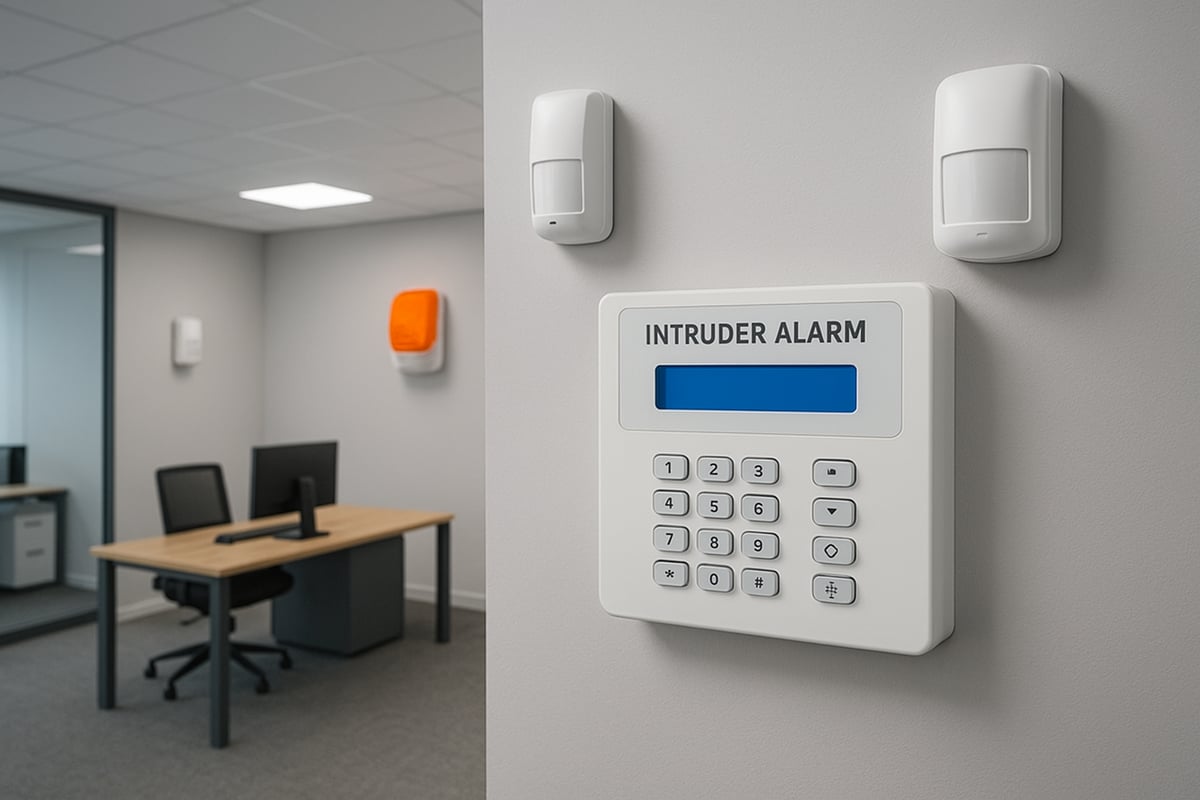
A commercial intruder alarm system is engineered to protect business premises by swiftly detecting attempted break-ins or unauthorised access. The primary aim is both to alert occupants and to serve as a visual and audible deterrent to would-be intruders.
Key components include:
- Control panels: The system’s command centre, managing all connected devices.
- Sensors: Motion detectors, door and window contacts, and glass break sensors.
- Sirens: Audible alerts to signal an intrusion.
- Communication modules: Ensure alerts reach staff or monitoring centres.
Unlike residential systems, a commercial intruder alarm system handles larger, more complex sites and must meet stricter regulations. For example, a retail shop, warehouse, school, or healthcare facility will all require tailored solutions due to differing layouts and risks.
Industry data highlights the importance of these systems, with over 90% of UK businesses with physical premises investing in electronic security (NSI). This widespread adoption reflects the need for robust protection, insurance compliance, and peace of mind. For a thorough overview of how these solutions fit into a broader security approach, you can visit the Commercial Security Systems Overview.
Types of Commercial Intruder Alarm Systems
Businesses can choose from several types of commercial intruder alarm system, each suited to different operational needs.
- Wired systems provide reliable performance and are ideal for permanent installations in large offices or warehouses.
- Wireless systems offer flexibility and quick deployment, making them suitable for evolving sites such as construction projects.
- Hybrid systems combine both, allowing scalability as business requirements change.
Another key distinction is between monitored and unmonitored systems. Monitored systems connect to an Alarm Receiving Centre (ARC), ensuring rapid response in emergencies. Unmonitored systems rely on local sirens or notifications to alert staff.
Construction sites, for instance, often deploy wireless, relocatable alarms to adapt to constantly shifting layouts and temporary structures. This approach helps maintain security even as the site evolves, demonstrating the adaptability of modern commercial intruder alarm system solutions.
Key Features and Advanced Technologies in 2026
The landscape for commercial intruder alarm system solutions has evolved rapidly. Businesses in 2026 face increasingly complex threats, making advanced security features more important than ever. Understanding the core components, new technologies, and compliance standards is essential for any organisation seeking robust protection.

Essential Features for Modern Businesses
A modern commercial intruder alarm system is built on several essential features. Key components include motion detectors such as PIR and dual-technology sensors, which help to reduce false alarms and ensure precise detection. Door and window sensors, using magnetic contacts and vibration technology, secure entry points against tampering or forced access.
Glass break detectors, both acoustic and shock-based, are vital for areas with large windows or storefronts. Integration with CCTV and access control systems creates a layered security approach, giving businesses a comprehensive view of their premises. Remote management through smartphone apps and cloud dashboards enables real-time status checks and instant notifications, offering peace of mind even when off-site.
For a deeper look at these features, consult the Intruder Detection Systems Guide, which explores the advantages of tailored commercial solutions.
Advanced Technologies Shaping 2026 Solutions
In 2026, commercial intruder alarm system technology is defined by innovation. Artificial intelligence powers real-time threat analytics, distinguishing between genuine risks and harmless activity with impressive accuracy. Smart automation features allow systems to arm or disarm based on schedules or occupancy sensors, supporting business efficiency.
Cloud-based monitoring delivers instant alerts to mobile devices, while cybersecurity enhancements such as encrypted communications and secure firmware updates protect against digital threats. SOS and panic buttons are now standard, ensuring rapid assistance for staff in emergencies. Industry data confirms a surge in AI and cloud adoption across commercial alarm systems, reflecting demand for both smarter and safer environments.
Compliance and Certification
Compliance is non-negotiable for any commercial intruder alarm system. NSI Gold and BAFE accreditations are recognised hallmarks of quality and reliability, often required for insurance validation. Adhering to UK standards, including PD6662:2017 and BS 8243, is essential for eligibility for police response and legal protection.
Proper certification demonstrates a commitment to best practice and can simplify insurance claims if an incident occurs. Regular audits and system documentation help maintain compliance, ensuring your business remains protected and meets evolving regulatory demands.
| Feature Type | 2026 Example | Business Benefit |
|---|---|---|
| Motion Detectors | Dual-technology, AI analytics | Fewer false alarms |
| Glass Break Sensors | Acoustic & shock, AI filtering | Enhanced perimeter security |
| System Integration | CCTV, access control, cloud dashboards | Unified management |
| Cybersecurity | Encrypted comms, secure firmware | Data and asset protection |
| Compliance | NSI Gold, BAFE, UK standards | Insurance and legal coverage |
A commercial intruder alarm system equipped with these advanced features offers businesses the resilience, flexibility, and peace of mind needed to face the security challenges of 2026.
Step-by-Step Guide: Planning and Implementing a Commercial Intruder Alarm System
Protecting your business in 2026 requires a structured approach to security. Choosing and implementing a commercial intruder alarm system is not just about technology, but also about strategic planning. The following step-by-step guide will help you navigate the process with confidence.
1. Risk Assessment and Site Survey
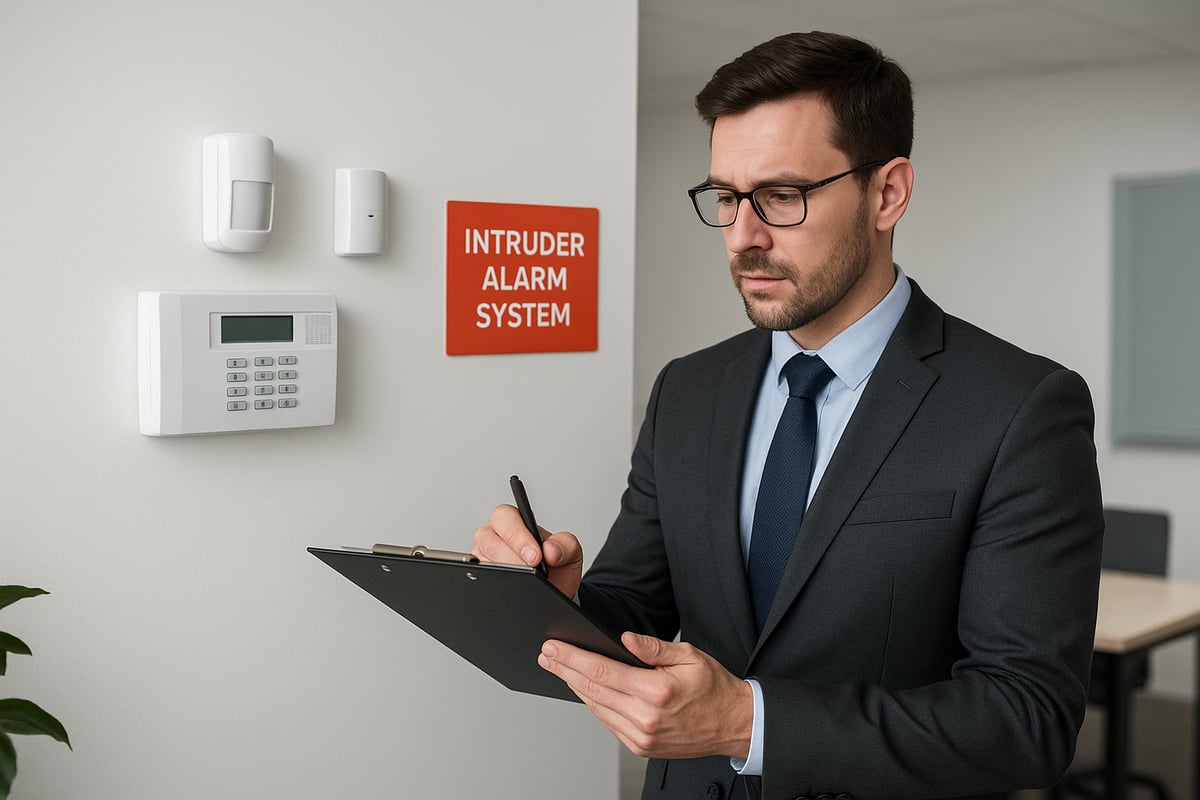
Every effective commercial intruder alarm system begins with a thorough risk assessment. Identify all potential vulnerabilities, including doors, windows, loading bays, and areas housing valuable assets. Consult security professionals to receive tailored recommendations based on your site’s unique characteristics.
Different business types require different approaches. For example, a retail store may need extensive perimeter sensors, while a large warehouse could benefit from robust motion detection and monitored zones. Always factor in insurance and regulatory requirements during this phase to ensure your system will meet compliance and protect your assets.
2. System Design and Specification
Next, customise the system’s design to fit your premises. Carefully plan sensor placement, establishing distinct alarm zones for high risk areas. Consider integrating your commercial intruder alarm system with CCTV, access control, or fire alarms for a layered security approach.
Balance your budget with the need for scalability and future upgrades. Selecting technology that is compliant with NSI or BAFE standards is vital for insurance and eligibility for police response. Document your design to streamline installation and future maintenance.
3. Professional Installation
Engage accredited installers to ensure your commercial intruder alarm system meets regulatory and insurance requirements. Professional installation minimises business disruption and guarantees correct setup of all components.
Wireless systems are particularly useful for phased installations or dynamic sites, such as during office refurbishments. In these scenarios, wireless devices can be repositioned as your needs evolve, offering flexibility without compromising security.
4. System Testing and Handover
After installation, comprehensive testing verifies the commercial intruder alarm system is fully operational. Test every sensor, siren, and communication path to confirm reliability.
Provide staff with hands-on training, covering system operation, emergency procedures, and responses to activations. Supply clear documentation, including user manuals, compliance certificates, and a maintenance schedule, to ensure ongoing smooth operation and audit readiness.
5. Ongoing Monitoring and Support
Continuous protection depends on robust monitoring and support. Connecting your commercial intruder alarm system to an Alarm Receiving Centre (ARC) enables 24/7 response and rapid action in an emergency. For an in-depth look at professional monitoring options, see Intruder Alarm Monitoring Services.
Set up mobile alerts and remote management features to keep your team informed. Establish clear protocols for responding to alarm activations and managing false alarms to maintain system effectiveness and compliance.
Maintenance, Monitoring, and Compliance
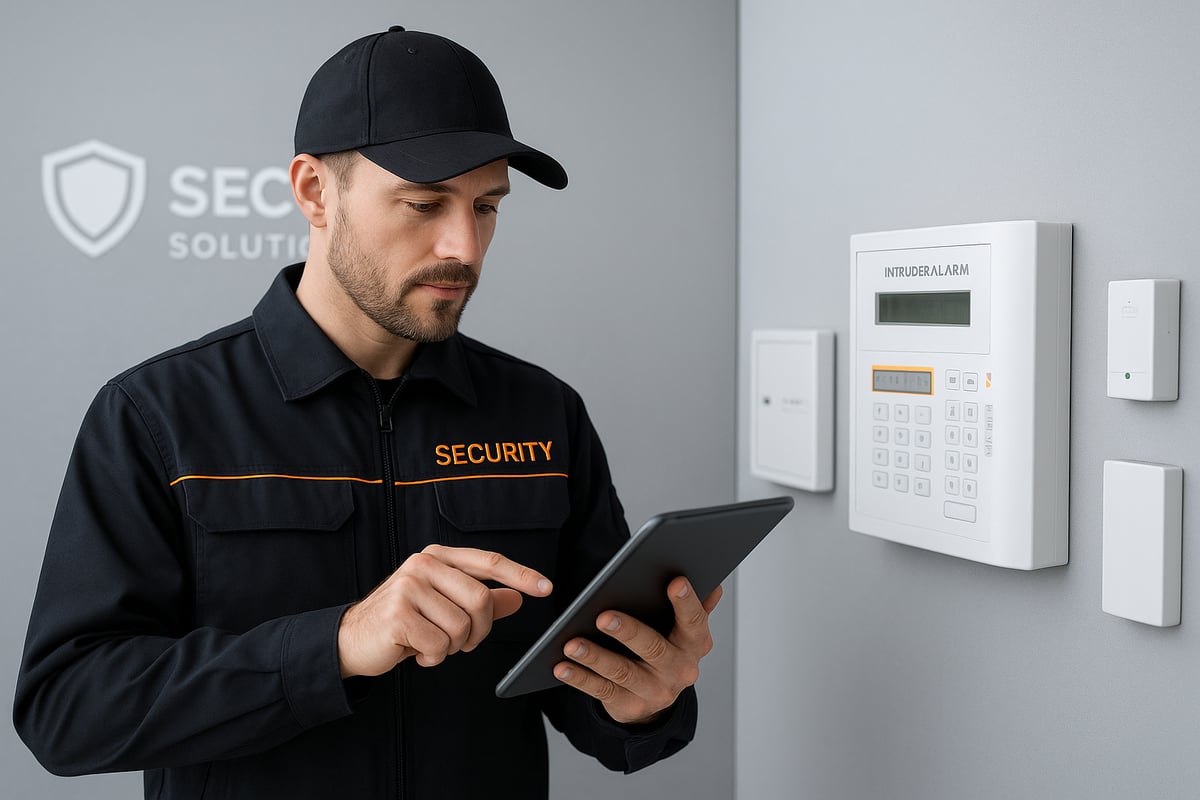
Maintaining a reliable commercial intruder alarm system is not just about installation—it requires ongoing attention to ensure peak performance, compliance, and business continuity. Modern businesses rely on their commercial intruder alarm system to protect assets and meet insurance standards, making routine maintenance and monitoring an essential part of operations.
Regular Maintenance for Reliability
Routine servicing keeps a commercial intruder alarm system operating at its best. Annual and periodic checks are vital to ensure sensors remain calibrated and batteries are replaced before failures occur. These checks often include:
- Testing all motion, door, and glass break sensors
- Replacing backup batteries and inspecting power supplies
- Updating system firmware for enhanced security
- Cleaning and calibrating detection devices
Proactive maintenance reduces false alarms, minimises system downtime, and helps businesses stay compliant with NSI and BAFE regulations. For example, scheduled maintenance can lower insurance risks by ensuring your commercial intruder alarm system is always ready to detect threats.
Alarm Monitoring Options
Selecting the right monitoring solution is crucial for maximising the effectiveness of a commercial intruder alarm system. Businesses can choose between:
- ARC (Alarm Receiving Centre) monitoring for professional, 24/7 response
- Self-monitoring options suitable for smaller enterprises
- Keyholder and police response protocols
Industry data shows that businesses with monitored commercial intruder alarm systems experience up to 60% faster incident response times compared to unmonitored setups. While ARC monitoring offers the highest level of assurance, self-monitoring may appeal to SMEs seeking flexibility, though it often lacks the rapid escalation provided by professional services.
Ensuring Ongoing Compliance
Regulatory compliance is a cornerstone of any commercial intruder alarm system strategy. Keeping up with evolving standards, such as digital landline migration, ensures uninterrupted alarm signalling. Businesses should:
- Maintain up-to-date maintenance and compliance records
- Schedule regular audits and certification renewals
- Stay informed on insurance and legal requirements
Holding an accredited system, such as one with NSI Gold Certification Explained, provides assurance of quality and eligibility for police response. Proper documentation and certification are essential for validating insurance claims and demonstrating commitment to best practices.
Logic Fire and Security: Trusted Commercial Security Partner
Logic Fire and Security delivers comprehensive commercial intruder alarm system solutions tailored to the unique needs of offices, retail, warehouses, and public sector organisations. Their services encompass risk assessment, system design, professional installation, and ongoing maintenance.
With NSI Gold, BAFE, and other industry accreditations, Logic Fire and Security ensures every commercial intruder alarm system meets the highest quality and compliance standards. They offer:
- Bespoke security solutions for various business sectors
- 24/7 monitoring and rapid response via ARC
- Nationwide coverage and proven experience with blue-chip clients
- Dedicated support for system upgrades and regulatory changes
Partnering with Logic Fire and Security guarantees continuous protection and peace of mind for your business.
Industry Trends and Future Outlook for 2026
The landscape for commercial intruder alarm system solutions is evolving rapidly as businesses seek smarter, more integrated security. By 2026, organisations are prioritising not only physical protection but also seamless connectivity and regulatory compliance. Understanding these trends is essential for future-proofing your business security strategy.
Integration and Smart Building Security
Unified security platforms are becoming the new standard for businesses. Today’s commercial intruder alarm system can be fully integrated with fire alarms, access control, and CCTV, enabling centralised management and rapid response.
In many offices, these systems now work alongside building management systems, supporting energy efficiency and automation. For example, a single dashboard can control access, monitor alarms, and adjust lighting based on occupancy. According to Commercial Security Trends in 2025, demand for integrated solutions is expected to keep rising as organisations seek efficiency and resilience.
Digital Transformation and Connectivity
The UK’s digital landline migration is reshaping how commercial intruder alarm system signals are transmitted. All-IP connectivity, cloud-based platforms, and IoT-enabled devices are now standard, offering real-time alerts and analytics.
Cybersecurity is a core focus, with encrypted communications and regular firmware updates protecting against evolving threats. Industry forecasts, such as those in the Intruder Alarm System Market Insights, highlight sustained growth in cloud and IoT alarm adoption through 2035.
Evolving Threat Landscape
Sophisticated intrusions, including cyber-physical attacks, are on the rise. This means a commercial intruder alarm system must be adaptive and intelligent, using AI-driven analytics to identify threats in real time.
Construction sites and remote locations are increasingly targeted, making wireless and mobile alarm solutions the norm. Data indicates that these sectors rely on rapid deployment and flexibility to stay ahead of criminals.
Regulatory and Insurance Developments
Regulatory and insurance requirements are tightening, with insurers insisting on monitored and certified systems for cover. Updates to NSI/BAFE standards and police response protocols are ongoing, making compliance a continuous priority.
Businesses must remain vigilant, ensuring their commercial intruder alarm system is certified, regularly audited, and future-ready.
Sector-Specific Solutions and Case Studies
Every sector faces unique risks, so choosing the right commercial intruder alarm system is essential for effective protection. Businesses require solutions tailored to their operations, environment, and compliance requirements.
In the construction sector, wireless and portable commercial intruder alarm system units provide flexible and rapid security as sites evolve. These systems are easy to relocate, making them ideal for temporary and high-risk environments where traditional wiring is impractical.
Retailers benefit from integrated solutions that combine a commercial intruder alarm system with CCTV and access control. Offices often require smart alarms featuring staff access logs and remote management, while healthcare facilities need sensitive, rapid-response systems to protect people and assets.
Public sector buildings, including schools and government sites, demand compliance-driven commercial intruder alarm system installations. Each sector values features like remote monitoring, instant alerts, and reliable service to maximise safety and meet regulatory standards.
Recent data shows that over 80% of new UK commercial developments in 2025-26 specified integrated electronic security systems, underlining the critical role of these technologies. The Government Survey on Business Security confirms that robust alarms significantly enhance overall business protection.
Case studies across sectors reveal that bespoke design and professional maintenance are key to long-term success. By tailoring a commercial intruder alarm system to sector-specific needs and maintaining it regularly, businesses ensure resilience and compliance.
As you’ve seen throughout this guide, the right commercial intruder alarm system is essential for protecting your business, people, and assets—especially with the evolving threats and compliance requirements in 2026. Every site has its own risks and opportunities, so a tailored approach really does make a difference. If you’d like expert advice on what would work best for your premises, why not take the next step and Get a Free Site Survey?
Our team will help you assess your needs and recommend a solution that keeps your operations safe and compliant.