
Fire Security System: Essential Guide for UK Businesses

Protecting commercial premises from fire hazards represents one of the most critical responsibilities for any business owner or facilities manager. A comprehensive fire security system encompasses far more than basic smoke detectors; it integrates advanced detection technologies, automated suppression mechanisms, emergency notification protocols, and continuous monitoring capabilities. For businesses operating across the United Kingdom, understanding the technical specifications, regulatory requirements, and operational benefits of these systems proves essential for maintaining both legal compliance and genuine occupant safety.

Understanding Modern Fire Security System Architecture

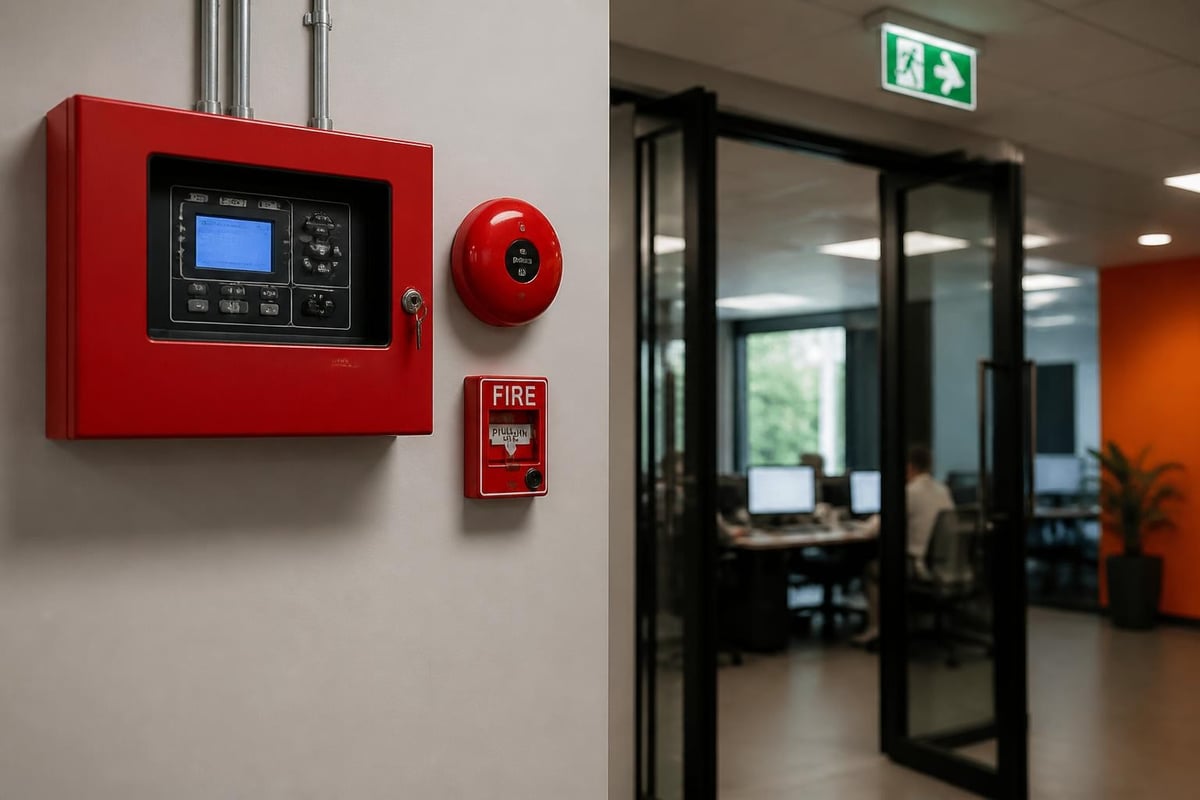
A contemporary fire security system comprises multiple interconnected components working together to detect, alert, and respond to fire emergencies. The foundation typically includes detection devices such as smoke detectors, heat sensors, and flame detectors positioned strategically throughout a facility. These devices communicate with a central control panel that processes incoming signals and triggers appropriate responses.

Core components of an effective system include:

  • Addressable detection devices with unique identifiers
  • Intelligent control panels with diagnostic capabilities
  • Manual call points at exit routes and strategic locations
  • Audible and visual warning devices throughout the premises
  • Integration points for suppression systems and building controls
  • Remote monitoring connections for 24/7 oversight

The sophistication of modern systems allows for precise fire location identification, reducing false alarms whilst improving genuine emergency response times. Advanced detection algorithms can distinguish between actual fire signatures and common nuisance triggers such as steam or dust, significantly enhancing system reliability.

Fire security system component integration

Addressable Versus Conventional Systems

Commercial properties require careful consideration when selecting between addressable and conventional fire security system configurations. Addressable systems assign unique identities to each detection point, enabling the control panel to pinpoint exactly where an alarm originates. This granular information proves invaluable in large facilities where rapid incident location identification can save precious minutes during an emergency.

Conventional systems divide buildings into zones, with multiple devices sharing circuit connections. Whilst more economical for smaller premises, they provide less precise location information. The fire alarm design process must account for building size, occupancy type, and operational requirements when determining the most appropriate architecture.

System Type Precision Cost Best For
Addressable Exact device location Higher initial investment Large commercial premises
Conventional Zone-level identification Lower upfront cost Smaller buildings with simple layouts
Wireless Addressable Device-specific with flexible installation Premium pricing Listed buildings and retrofit applications

Regulatory Compliance and British Standards

Operating a compliant fire security system in the UK requires adherence to multiple regulatory frameworks. The Regulatory Reform (Fire Safety) Order 2005 places responsibility on duty holders to conduct thorough fire risk assessments and implement appropriate preventative and protective measures. This legislation mandates that businesses maintain adequate detection and warning systems appropriate to their specific fire risks.

British Standard BS 5839 provides detailed guidance on fire detection and alarm systems for buildings. Part 1 specifically addresses fire security system design, installation, commissioning, and maintenance requirements for non-domestic premises. Compliance with these standards demonstrates due diligence and forms the foundation for insurance coverage and legal protection.

Understanding fire codes and their updates ensures your system meets current requirements. Regular reviews of applicable standards help businesses stay ahead of regulatory changes that might affect their installations.

Inspection and Testing Protocols

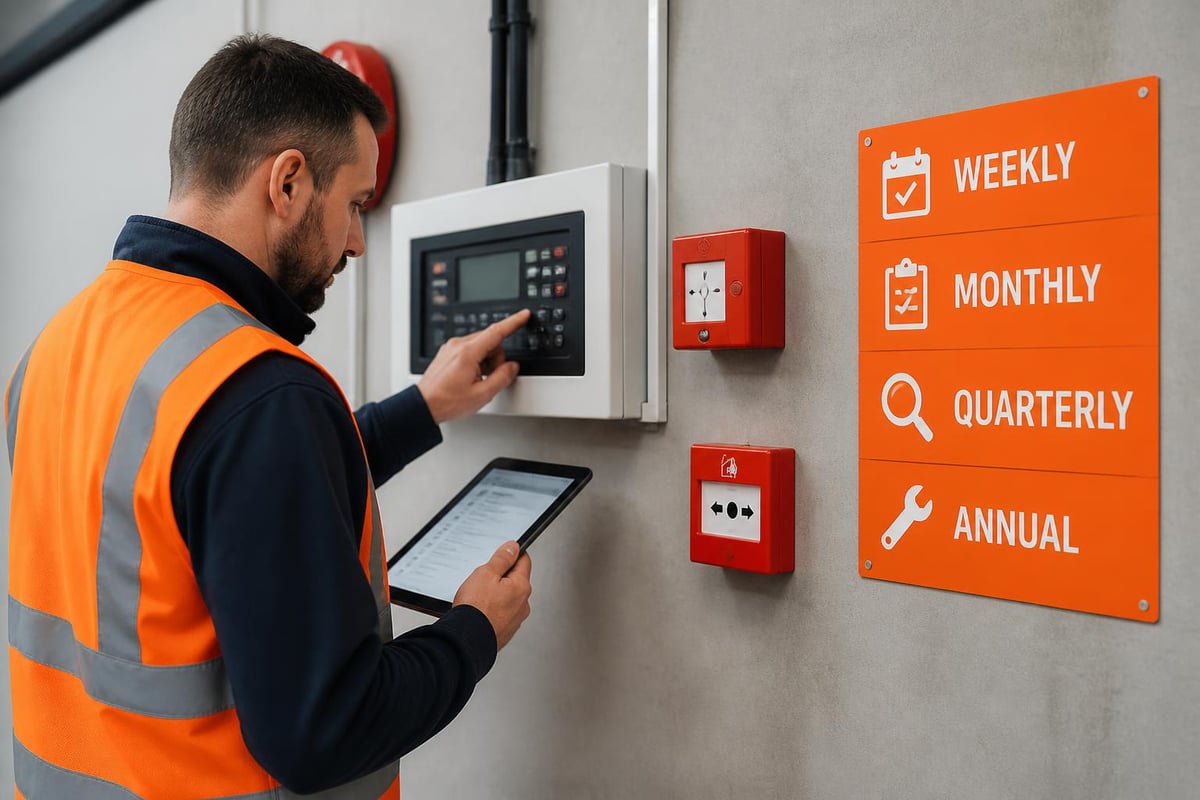
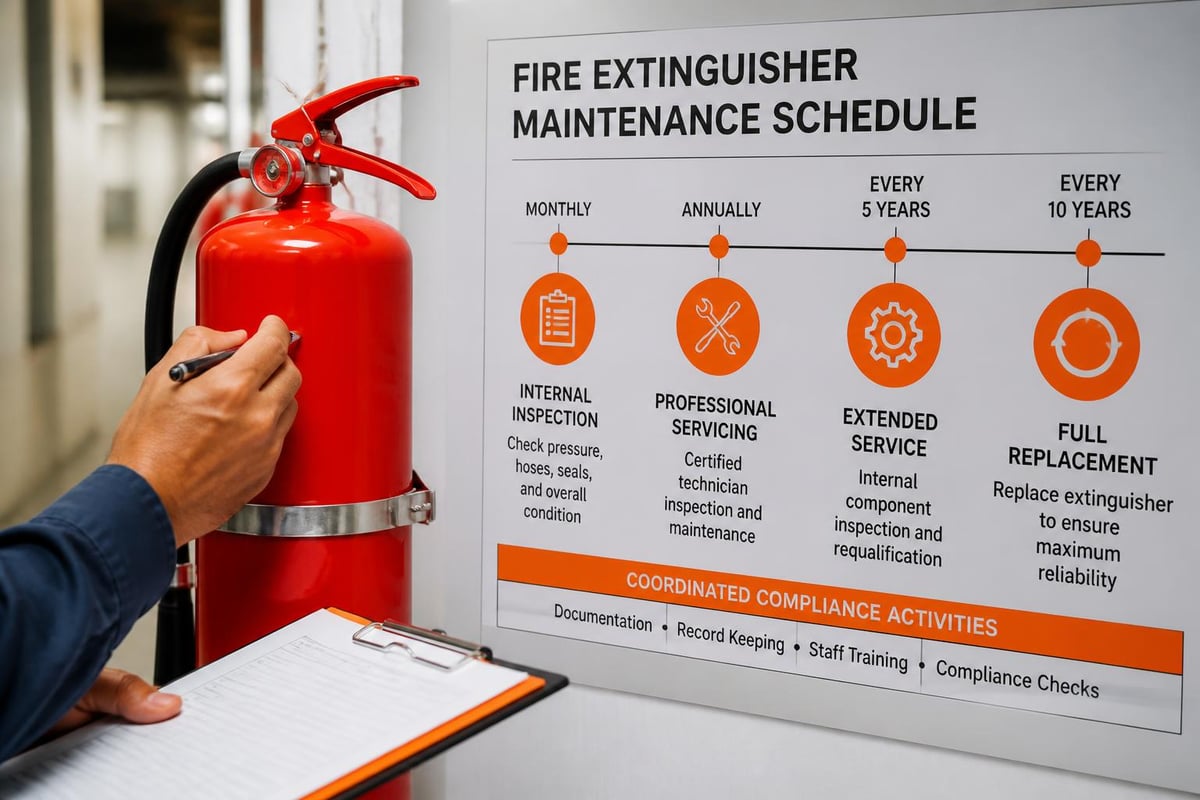
Maintaining a fire security system requires disciplined inspection and testing schedules. Weekly activation of different manual call points, monthly functional checks of the system components, and quarterly inspection of all detection devices form the minimum maintenance baseline. Annual comprehensive inspections by competent technicians ensure system integrity and compliance with British Standards.

Documentation proves absolutely critical for demonstrating regulatory compliance. Every test, inspection, repair, and modification must be recorded in the fire safety logbook. During inspections by fire authorities or insurance assessors, these records provide evidence of responsible system stewardship and ongoing commitment to fire safety.

Professional fire alarm testing services deliver thorough evaluations that identify potential vulnerabilities before they compromise safety or trigger enforcement actions from regulatory authorities.

Integration with Building Management Systems

Modern commercial environments increasingly demand integrated fire security system architectures that communicate with broader building management platforms. This integration enables coordinated responses during emergencies, such as automatically unlocking access-controlled exits, shutting down air handling systems to prevent smoke distribution, and activating emergency lighting throughout evacuation routes.

The integration of fire and security systems presents both opportunities and challenges for commercial properties. Properly executed integration enhances overall building safety whilst improving operational efficiency through centralised monitoring and control.

Integration benefits include:

  • Coordinated emergency response across multiple systems
  • Reduced complexity for facilities management teams
  • Enhanced data collection for incident analysis
  • Improved occupant safety through automated protective actions
  • Streamlined compliance reporting and documentation

However, integration also introduces considerations around system interdependencies and potential failure points. Cybersecurity vulnerabilities in connected fire protection systems require robust security protocols to prevent malicious interference with critical safety infrastructure.

Building system integration diagram

Advanced Detection Technologies

Evolution in fire detection technology continues reshaping how commercial properties identify and respond to fire threats. Multi-sensor detectors combine smoke, heat, and carbon monoxide sensing in single devices, using sophisticated algorithms to reduce false alarms whilst improving genuine fire detection sensitivity.

Aspirating smoke detection systems represent the pinnacle of early warning capability. These systems actively draw air samples through pipe networks, analysing them with highly sensitive laser-based sensors. Particularly valuable in high-value environments such as data centres, museums, and pharmaceutical facilities, aspirating systems detect fire signatures long before conventional detectors would activate.

Flame Detection and Specialist Applications

Certain industrial and commercial environments require flame detection capabilities that respond to radiant energy rather than smoke or heat. These detectors prove essential in facilities handling flammable liquids, gases, or materials where rapid flame development might occur without significant smoke generation.

Different flame detector technologies serve specific applications:

  1. Ultraviolet (UV) detectors respond to radiation in the UV spectrum produced by flames
  2. Infrared (IR) detectors sense thermal radiation patterns characteristic of combustion
  3. Multi-spectrum detectors combine UV and IR sensing for enhanced accuracy
  4. Video-based flame detection uses advanced image processing to identify flame characteristics

Specialist environments such as commercial kitchens benefit from dedicated kitchen suppression systems that integrate detection with automatic chemical suppression, protecting high-risk areas where conventional detection proves insufficient.

Monitoring and Emergency Response

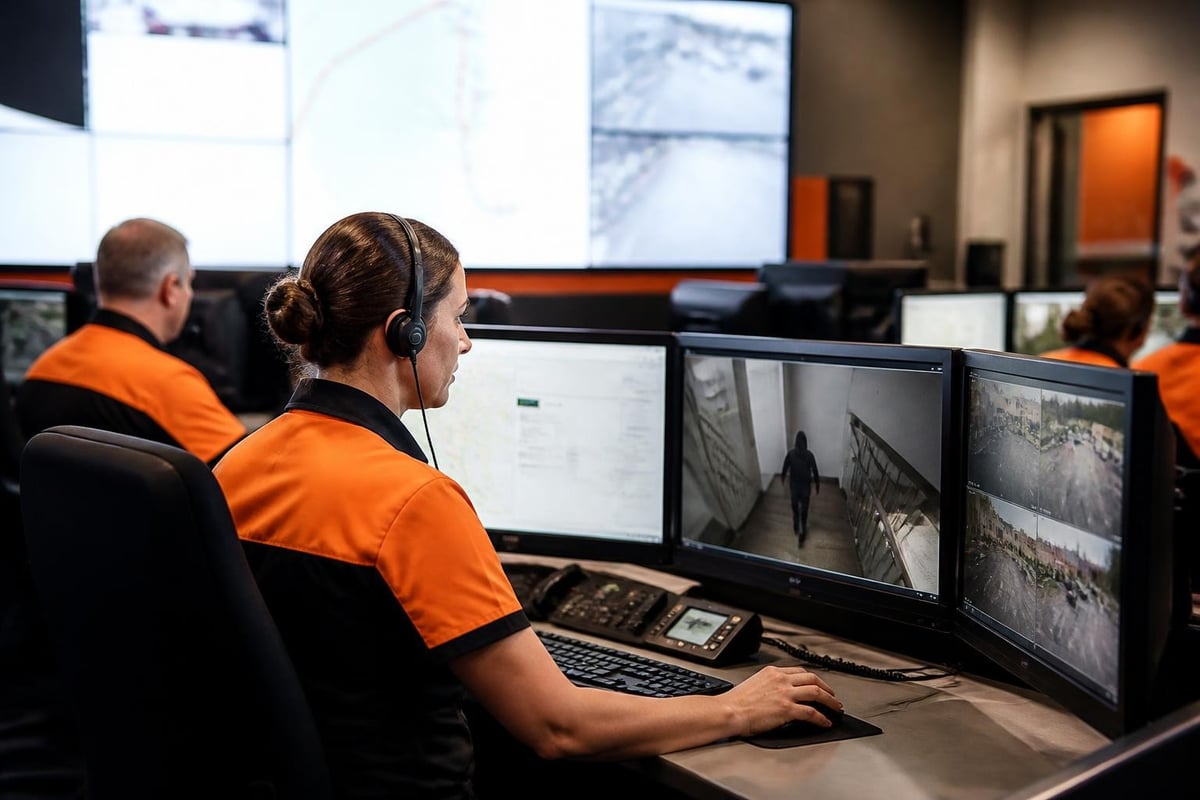
Professional monitoring transforms a fire security system from a local alarm into a comprehensive emergency response solution. When connected to an approved monitoring centre, system activations trigger immediate notification to fire brigades and designated responsible persons, ensuring rapid response regardless of time or building occupancy.

The business fire alarm monitoring service provides continuous oversight of system health and performance. Monitoring centres receive signals indicating faults, supervisory conditions, and alarm activations, enabling proactive maintenance and verified emergency response.

Monitoring Feature Benefit Critical For
24/7 oversight Continuous protection regardless of occupancy All commercial premises
Fault notification Early identification of system issues Compliance maintenance
Verified response Reduced false alarm dispatches Fire brigade relationship management
Multiple communication paths Redundancy against single-point failures Business continuity

Understanding fire alarm monitoring company capabilities helps businesses select partners who provide genuine value beyond basic signal reception.

Mass Notification and Evacuation Systems

Modern fire security system expectations extend beyond simple alarm bells to comprehensive emergency communication capabilities. Voice evacuation systems deliver clear, calm instructions to building occupants, guiding them through appropriate response actions and evacuation routes. Research consistently demonstrates that intelligible voice messages produce more effective evacuation responses than traditional alarm tones.

The integration of fire and life safety systems with mass notification represents current best practice for commercial buildings. These systems can deliver different messages to different zones, provide live announcements from control positions, and integrate with disabled refuge communication systems to ensure inclusive emergency response capabilities.

Emergency evacuation communication flow

Advanced evacuation alert systems incorporate multiple communication channels including:

  • Overhead voice sounders with message playback
  • Visual alarm devices for hearing-impaired occupants
  • Text message alerts to mobile devices
  • Integration with building information screens
  • Two-way communication at disabled refuge points

System Design Considerations for Commercial Properties

Effective fire security system design begins with comprehensive risk assessment and thorough understanding of building characteristics. Factors including building height, occupancy type, fire load, compartmentation strategy, and means of escape all influence appropriate system specifications.

The design process must address detection coverage requirements, ensuring all areas receive appropriate monitoring. Circulation spaces, storage areas, plant rooms, and concealed voids all require careful consideration. NFPA 72, the National Fire Alarm and Signaling Code, provides internationally recognised guidance on system design principles, though UK installations must primarily comply with BS 5839.

Critical design elements include:

  • Detection device spacing and positioning
  • Manual call point accessibility
  • Warning device audibility and visibility
  • Control panel location and environmental protection
  • Cable routing and circuit integrity
  • Integration interfaces for building systems
  • Monitoring communication redundancy

Working with experienced professionals ensures design compliance whilst optimising system performance for specific operational requirements. Comprehensive commercial fire alarm systems reflect thorough analysis rather than template approaches.

Installation and Commissioning Excellence

Proper installation forms the foundation of reliable fire security system performance. Qualified installers must follow manufacturer specifications, British Standards requirements, and approved design documentation precisely. Cable installation requires particular attention, with fire-resistant cables protecting critical circuits and proper segregation preventing interference from other building systems.

The commissioning process verifies that every installed component functions correctly and the complete system operates as designed. This comprehensive process includes testing every detection device, confirming control panel programming, verifying cause-and-effect relationships, and documenting baseline system performance.

Third-party certification through schemes such as BAFE (British Approvals for Fire Equipment) provides independent verification of installer competence and system compliance. Businesses should prioritise fire protection installations delivered by certified professionals with demonstrated expertise in commercial applications.

Ongoing Maintenance and System Lifecycle Management

Fire security systems require continuous maintenance throughout their operational life to ensure reliable performance. Preventative maintenance schedules address component wear, environmental contamination, and gradual performance degradation. Reactive maintenance addresses faults and alarm investigations promptly to minimise system downtime.

Technological evolution means older systems eventually require updating or replacement to maintain compliance and operational effectiveness. System lifecycle planning addresses:

  1. Routine maintenance and testing schedules
  2. Component replacement programmes for aging devices
  3. Software and firmware updates for intelligent panels
  4. Capacity expansion as buildings evolve
  5. Technology refresh strategies for obsolete equipment

Understanding the importance of proper installation, maintenance, and monitoring helps businesses develop comprehensive system lifecycle strategies that balance cost-efficiency with reliable safety performance.

Financial Considerations and Return on Investment

Investing in a comprehensive fire security system represents significant capital expenditure for businesses. However, the financial equation extends beyond initial installation costs to encompass insurance premiums, business continuity protection, regulatory compliance assurance, and potential liability mitigation.

Insurance providers typically offer substantial premium reductions for premises with professionally monitored fire detection systems meeting current standards. These ongoing savings often offset system costs over the installation's operational life. More importantly, effective fire protection preserves business assets, protects irreplaceable items, and prevents the catastrophic financial consequences of major fire incidents.

Cost Element Typical Range Considerations
System design £1,500 – £5,000 Building complexity and size
Equipment supply £3,000 – £50,000+ System type and coverage requirements
Installation labour £2,000 – £30,000+ Access challenges and project scale
Commissioning £500 – £2,000 Testing scope and documentation
Annual maintenance £400 – £3,000 System size and contract scope
Monitoring services £200 – £1,200 annually Service level and communication paths

Beyond direct costs, businesses must consider operational disruption during installation and the ongoing commitment to testing and maintenance protocols. Comprehensive commercial fire risk assessment informs appropriate investment levels aligned with actual fire risks and regulatory requirements.

Selecting Professional Fire Security System Partners

Choosing the right installation and maintenance partner fundamentally influences fire security system performance and reliability. Businesses should evaluate potential partners on technical competence, industry certifications, project experience, and long-term support capabilities.

Look for providers holding relevant third-party certifications demonstrating commitment to quality and compliance. BAFE accreditation, NSI (National Security Inspectorate) approval, and manufacturer partnerships all indicate professional credibility. Experience with similar building types and occupancies ensures installers understand specific fire risks and regulatory requirements.
References from existing clients provide valuable insight into partner reliability, responsiveness, and overall service quality. Understanding how potential partners handle emergency call-outs, system modifications, and compliance documentation reveals their commitment to ongoing client support beyond initial installation.


Implementing an effective fire security system requires careful planning, professional installation, and disciplined ongoing maintenance to deliver reliable protection for commercial premises. Understanding the technical components, regulatory requirements, and operational considerations enables businesses to make informed decisions about appropriate safety investments. Logic Fire and Security specialises in designing, installing, and maintaining comprehensive fire detection systems tailored to the unique requirements of businesses across the UK, providing the expertise and ongoing support necessary to maintain both compliance and genuine occupant safety throughout your system's operational life.

CCTV Laws UK: Legal Requirements for Business Security

Operating a CCTV system in commercial premises requires more than simply installing cameras and recording footage. UK businesses must navigate a complex framework of legislation designed to balance security needs with individual privacy rights. Understanding CCTV laws UK businesses face is essential to ensure legal compliance, protect your organisation from penalties, and maintain public trust. From retail environments to industrial facilities, organisations across all sectors must adhere to strict regulations governing surveillance camera usage, data protection, and retention policies.

Understanding the Legal Framework Governing Business CCTV

The regulatory landscape surrounding commercial CCTV systems comprises several key pieces of legislation that work together to protect individual privacy whilst enabling legitimate security operations. UK GDPR forms the cornerstone of data protection requirements, whilst the Data Protection Act 2018 provides the domestic framework for processing personal data captured through surveillance systems.

Primary Legislation Affecting Commercial Surveillance

Businesses must comply with multiple legislative requirements when deploying CCTV systems:

  • UK General Data Protection Regulation (UK GDPR) – Governs how personal data captured on CCTV must be processed, stored, and protected
  • Data Protection Act 2018 – Supplements UK GDPR with specific provisions for law enforcement and national security
  • Protection of Freedoms Act 2012 – Establishes the Surveillance Camera Code of Practice for public authorities
  • Human Rights Act 1998 – Protects the right to privacy under Article 8, requiring proportionate surveillance measures

The Protection of Freedoms Act 2012 introduced additional oversight for certain organisations, particularly those operating in publicly accessible spaces. Whilst primarily targeting public authorities, many principles apply to private sector operations where cameras monitor areas accessible to the general public.

UK CCTV legal framework

Commercial organisations must demonstrate legitimate interest or another lawful basis for processing visual data. This requirement extends beyond simple installation to encompass every aspect of camera operation, from initial capture through to eventual deletion.

Data Protection Principles for Commercial CCTV Systems

The Information Commissioner’s Office provides comprehensive guidance on implementing CCTV systems in compliance with data protection law. Understanding CCTV laws UK regulations require means grasping the fundamental principles that govern data processing activities.

The Six Lawful Bases for CCTV Processing

Every business must identify at least one lawful basis before operating surveillance cameras:

Lawful Basis Application to CCTV Example Scenarios
Legitimate interests Most common for business CCTV Crime prevention, staff safety, protecting assets
Legal obligation Required by law or regulation Insurance requirements, licensing conditions
Public task Public authorities only Regulatory enforcement, public safety monitoring
Consent Rarely practical for CCTV Specific research projects, controlled access areas

Legitimate interests represent the most frequently used lawful basis for commercial CCTV operations. However, businesses must conduct a legitimate interests assessment (LIA) demonstrating that surveillance is necessary, proportionate, and that individual privacy rights have been considered.

Proportionality and Purpose Limitation

CCTV systems must be proportionate to the identified security risks. Installing high-resolution cameras covering every square metre of your premises would likely fail proportionality tests if the actual risk is minimal. Similarly, purpose limitation requires that footage is only used for the stated purpose.

Processing visual data for purposes beyond those communicated to data subjects constitutes a breach of CCTV laws UK businesses must observe. A system installed for security purposes cannot later be repurposed for performance monitoring without proper legal basis and transparency.

Transparency Requirements and Signage Obligations

Clear communication about CCTV operations forms a fundamental requirement under data protection law. Businesses must inform individuals that surveillance is taking place before they enter monitored areas.

Mandatory Information for CCTV Notices

Effective signage must include specific details:

  • Identity and contact details of the data controller (your organisation)
  • Purpose of the surveillance (e.g., crime prevention, staff safety)
  • Legal basis for processing
  • How long footage will be retained
  • Whether images will be disclosed to third parties
  • Information about individual rights and how to exercise them
  • Contact details for your Data Protection Officer (if appointed)

Signs should be positioned at entry points before individuals enter the monitored area. Simply placing a notice inside the premises fails to meet transparency obligations under CCTV laws UK standards require.

For commercial access control systems integrated with CCTV, additional considerations apply regarding employee monitoring and workplace surveillance.

CCTV compliance signage

Data Retention Policies and Storage Requirements

Retaining CCTV footage longer than necessary represents a common compliance failure. Understanding CCTV laws UK regulations stipulate around retention is crucial for maintaining legal operations.

Establishing Appropriate Retention Periods

No single prescribed retention period applies to all situations. Instead, businesses must determine appropriate timescales based on the specific purpose:

  • General security monitoring: 31 days is commonly considered reasonable for most commercial premises
  • Specific incident investigation: Footage may be retained longer where it relates to an active investigation
  • Legal proceedings: Retention may extend while litigation is ongoing or anticipated
  • Insurance claims: Insurers may require specific retention periods in policy terms

Whatever retention period you establish, it must be documented in your CCTV policy and communicated through signage. Automated deletion systems help ensure compliance by removing footage once the retention period expires.

Secure Storage and Access Controls

Data security principles require that CCTV footage is protected against unauthorised access, accidental loss, or deliberate destruction. Physical and technical measures should include:

  • Encrypted storage for digital recordings
  • Access restricted to authorised personnel only
  • Audit trails recording who accessed footage and when
  • Secure backup procedures for business continuity
  • Clear protocols for responding to data breaches

Many organisations integrate their CCTV systems with broader commercial security systems to create layered protection that addresses both physical security and data security simultaneously.

Subject Access Requests and Disclosure Obligations

Individuals captured on CCTV footage possess the right to request copies of their personal data under UK GDPR. Managing these subject access requests (SARs) whilst protecting others' privacy presents practical challenges for businesses.

Processing CCTV Subject Access Requests

When an individual submits a SAR seeking CCTV footage:

  1. Verify identity – Confirm the requester's identity before disclosing any footage
  2. Locate relevant footage – Search recordings for images of the individual, typically requiring specific dates and locations
  3. Redact third parties – Blur or obscure other individuals to protect their privacy
  4. Respond within one month – Provide footage (or explain why it cannot be provided) within the statutory timeframe
  5. No charge in most cases – SAR responses must typically be provided free of charge

Redaction represents a particular challenge when multiple individuals appear in footage. While you cannot refuse a SAR simply because redaction is time-consuming, manifestly unfounded or excessive requests may be declined.

Disclosure to Third Parties

Sharing CCTV footage with third parties requires careful consideration of CCTV laws UK standards impose. Common scenarios include:

  • Law enforcement: Generally permissible when assisting with crime prevention or detection
  • Insurance companies: May be appropriate when supporting legitimate claims
  • Legal representatives: Disclosure may be necessary for litigation purposes
  • Other businesses: Usually requires consent or another lawful basis

Creating clear protocols for disclosure requests helps ensure consistent, compliant decision-making. These protocols should be documented and staff trained accordingly.

Special Considerations for Different Business Sectors

CCTV laws UK regulations establish apply differently across various commercial contexts. Sector-specific considerations influence how surveillance systems should be designed and operated.

Retail and Public-Facing Premises

Retail environments present unique challenges due to high customer throughput and public accessibility. Systems must balance security needs with customer privacy expectations:

  • Position cameras to avoid capturing neighbouring properties or public highways
  • Ensure changing rooms and toilets are not monitored
  • Consider privacy impact assessments for facial recognition technology
  • Integrate CCTV with business security monitoring services for rapid incident response

Industrial and Manufacturing Facilities

Industrial sites often require extensive coverage for health and safety compliance alongside security purposes. Multiple lawful bases may apply simultaneously in these environments.

Health and safety monitoring may constitute a legal obligation, providing additional justification for workplace surveillance. However, purpose limitation still applies, preventing footage from being used inappropriately for performance management.

Office Environments and Workplace Monitoring

Monitoring employees raises heightened privacy concerns. Covert surveillance is almost never permissible in workplace contexts, with limited exceptions for investigating serious wrongdoing.

Transparency about workplace CCTV is essential:

  • Clearly communicate monitoring to all staff members
  • Consult with employee representatives or trade unions where appropriate
  • Avoid monitoring private areas such as toilets or changing facilities
  • Document legitimate reasons for workplace surveillance in your CCTV policy

The balance between employer interests and employee privacy rights requires careful assessment. Surveillance security systems designed for commercial premises should incorporate these considerations from the outset.

Implementing Compliant CCTV Systems

Achieving compliance with CCTV laws UK businesses face requires more than understanding legislation. Practical implementation determines whether your system meets legal standards in operation.

Conducting Data Protection Impact Assessments

A Data Protection Impact Assessment (DPIA) is mandatory for surveillance likely to result in high risk to individual rights. This typically includes:

  • Extensive monitoring of publicly accessible areas
  • Systematic monitoring on a large scale
  • Use of innovative technology such as facial recognition
  • Processing of sensitive personal data

The DPIA process systematically identifies and mitigates privacy risks before system deployment. Key steps include:

  1. Describing the processing operations and purposes
  2. Assessing necessity and proportionality
  3. Identifying risks to individuals
  4. Implementing measures to address those risks
  5. Documenting the assessment and decisions made

Where high risks remain after mitigation, consultation with the Information Commissioner's Office may be required before proceeding.

Developing Comprehensive CCTV Policies

Written policies ensure consistent, compliant operations across your organisation. Essential policy elements include:

Policy Section Required Content
Purpose and scope Why CCTV is deployed and which areas are covered
Legal basis Lawful basis for processing and supporting LIA
Retention schedule How long footage is kept and deletion procedures
Access controls Who can view footage and under what circumstances
SAR procedures How subject access requests are processed
Incident response Protocols for data breaches and security incidents

Regular policy reviews ensure alignment with evolving CCTV laws UK standards and operational changes within your business.

Staff Training and Awareness

Employees who operate or have access to CCTV systems require appropriate training covering:

  • Data protection principles and legal obligations
  • Proper system operation and access controls
  • Responding to subject access requests
  • Identifying and reporting security incidents
  • Confidentiality and appropriate use of footage

Creating a culture of compliance protects your organisation from inadvertent breaches whilst ensuring systems are operated as intended.

Enforcement and Penalties for Non-Compliance

Understanding the consequences of failing to comply with CCTV laws UK authorities enforce provides additional motivation for robust compliance programmes.

Information Commissioner's Office Enforcement Powers

The ICO possesses extensive powers to investigate and sanction non-compliant organisations:

  • Information notices requiring organisations to provide specific information
  • Assessment notices permitting ICO inspection of data processing operations
  • Enforcement notices mandating specific actions to achieve compliance
  • Administrative fines up to £17.5 million or 4% of annual global turnover (whichever is higher)
  • Criminal prosecution for serious offences under the Data Protection Act 2018

Recent enforcement actions demonstrate the ICO's willingness to use these powers. Organisations have received significant fines for failures including inadequate security, excessive retention, and lack of transparency.

Civil Claims and Compensation

Beyond regulatory enforcement, individuals can pursue civil claims for damages resulting from data protection breaches. Courts have awarded compensation for distress caused by unlawful surveillance, even where no financial loss occurred.

Reputational damage often exceeds financial penalties. Media coverage of compliance failures can undermine customer trust and damage business relationships, particularly for organisations serving sensitive sectors.

Emerging Technologies and Future Developments

CCTV laws UK frameworks must continue evolving to address technological advancement. Several developments merit particular attention from businesses planning or upgrading surveillance systems.

Artificial Intelligence and Automated Decision-Making

AI-enabled features such as facial recognition, behavioural analysis, and automated alerting raise additional legal considerations:

  • Biometric data processing – Facial recognition processes special category data requiring additional safeguards
  • Automated decision-making – Systems making decisions without human involvement trigger specific rights
  • Algorithmic transparency – Organisations must be able to explain how AI systems reach decisions
  • Bias and discrimination – AI systems must not perpetuate or amplify discriminatory practices

The amended Surveillance Camera Code of Practice includes guidance on emerging technologies, though further evolution is anticipated as capabilities develop.

Cloud Storage and International Data Transfers

Many modern CCTV systems utilise cloud storage, introducing considerations around international data transfers where providers operate servers outside the UK. Post-Brexit, businesses must ensure appropriate safeguards exist for any transfers to countries without adequacy decisions.

Integration with other security systems presents both opportunities and challenges. Protection systems combining CCTV with access control, intruder detection, and fire safety systems offer enhanced security but require careful consideration of data flows and processing purposes.

Privacy-Enhancing Technologies

Technological solutions can help achieve security objectives whilst minimising privacy impact:

  • Privacy masking – Automatically obscuring specific areas or objects in the field of view
  • Edge processing – Analysing footage locally rather than storing it centrally
  • Encryption – Protecting footage both in transit and at rest
  • Anonymisation – Removing identifying features where full visual data isn't required

Incorporating these technologies demonstrates commitment to privacy by design principles, a core requirement of UK GDPR.

Common Compliance Mistakes and How to Avoid Them

Even organisations with good intentions frequently make avoidable errors when implementing CCTV systems. Awareness of common pitfalls supports better compliance outcomes.

Installation and Operational Errors

Frequent mistakes include:

  • Inadequate signage – Failing to provide required information or positioning signs ineffectively
  • Excessive retention – Keeping footage indefinitely "just in case" rather than applying appropriate schedules
  • Poor access controls – Allowing too many staff members unrestricted access to footage
  • Capturing beyond boundaries – Recording areas outside your property or control
  • Missing documentation – Failing to maintain policies, assessments, and processing records

Simple procedural improvements address most of these issues. Regular compliance audits identify problems before they become enforcement matters.

Responding to Incidents Appropriately

When incidents occur, proper response procedures are essential:

  1. Contain the breach and prevent further unauthorised access
  2. Assess what data has been compromised and who is affected
  3. Notify the ICO within 72 hours if required under breach notification rules
  4. Inform affected individuals where high risk to their rights exists
  5. Document the incident, response, and preventative measures

Working with specialists in fire and security systems ensures your CCTV installation meets both security objectives and legal compliance requirements from the outset.


Navigating CCTV laws UK businesses must comply with requires balancing legitimate security needs against individual privacy rights through careful system design, clear policies, and ongoing compliance monitoring. Understanding your legal obligations under UK GDPR and supporting legislation protects your organisation from enforcement action whilst maintaining stakeholder trust. Logic Fire and Security provides comprehensive guidance on implementing surveillance systems that meet both your security requirements and legal compliance obligations. Logic Fire and Security works with businesses across all sectors to design, install, and maintain compliant CCTV systems that protect your premises whilst respecting privacy rights.

Installation of Fire Alarm Systems for Commercial Buildings

The installation of fire alarm systems in commercial properties represents one of the most critical investments a business can make in protecting lives, assets, and operations. As regulatory requirements become increasingly stringent and technology advances, understanding the complexities of proper fire alarm installation has never been more important for facility managers, property owners, and health and safety officers. This comprehensive guide explores the essential considerations, processes, and best practices that ensure your fire detection system meets both legal obligations and operational needs.

Understanding Regulatory Requirements for Fire Alarm Systems

Before commencing any installation of fire alarm equipment, businesses must familiarize themselves with the applicable regulations and codes governing their specific industry and building type. In the UK, the Regulatory Reform (Fire Safety) Order 2005 places responsibility on building owners and employers to ensure adequate fire detection systems are installed and maintained.

The National Fire Protection Association (NFPA) 72 provides internationally recognized standards for fire alarm system installation that many UK businesses reference alongside British Standards. Similarly, OSHA regulations for employee alarm systems outline specific requirements for workplace installations that protect employees.

British Standard BS 5839-1 remains the primary code of practice for the design, installation, commissioning, and maintenance of fire detection and alarm systems in non-domestic premises throughout the United Kingdom.

Compliance with Building Codes

Commercial buildings must adhere to specific building codes depending on their classification, occupancy type, and square footage. The International Building Code (IBC) influences many modern construction projects and specifies fire alarm requirements based on building use.

Different property types require different system categories:

  • Category L systems: Designed to protect life by providing early warning to occupants
  • Category P systems: Intended to protect property through early fire detection
  • Category M systems: Manual call point systems without automatic detection

Understanding which category applies to your premises is fundamental before proceeding with installation.

Fire alarm system categories

Pre-Installation Planning and Risk Assessment

Proper installation of fire alarm systems begins long before any physical work commences. A thorough fire risk assessment identifies potential fire hazards, evaluates existing fire safety measures, and determines the appropriate level of fire detection required for your specific premises.

Professional fire risk assessments examine multiple factors including building layout, occupancy levels, business activities, storage of flammable materials, and the presence of vulnerable persons who may require additional protection. This assessment forms the foundation for system design and detector placement strategy.

Site Survey and System Design

Following the risk assessment, a comprehensive site survey maps out the optimal placement for detection devices, call points, sounders, and control panels. Engineers consider ceiling heights, room functions, environmental conditions, and potential sources of false alarms during this critical planning phase.

Key considerations during site surveys include:

  1. Detection zones: Dividing the building into manageable areas for quick fire location identification
  2. Device spacing: Ensuring adequate coverage based on detector type and ceiling height
  3. Environmental factors: Identifying areas with dust, humidity, or temperature extremes
  4. Escape routes: Positioning sounders for maximum audibility along evacuation paths
  5. Interference sources: Avoiding placement near ventilation systems or heat-generating equipment
Planning Element Purpose Impact on Installation
Risk Assessment Identifies fire hazards and required protection level Determines system category and scope
Site Survey Maps building layout and environmental conditions Guides detector placement and cable routes
System Design Specifies equipment and network architecture Ensures adequate coverage and compliance
Budget Planning Allocates resources for equipment and labour Influences timeline and phasing options

Equipment Selection and Specification

The installation of fire alarm components requires careful selection of appropriate devices for each area of your commercial premises. Modern systems offer various detector technologies, each suited to different environments and fire risks.

Detector Technologies

Smoke detectors remain the most common detection method in commercial settings, available in optical (photoelectric) and ionization variants. Optical detectors excel at detecting slow-smoldering fires, whilst ionization types respond faster to fast-flaming fires with smaller smoke particles.

Heat detectors serve environments where smoke detectors would generate excessive false alarms, such as kitchens, boiler rooms, or dusty workshops. These devices activate when ambient temperature reaches a predetermined threshold or when temperature rises at an abnormal rate.

Multi-sensor detectors combine smoke and heat detection technologies, using sophisticated algorithms to distinguish genuine fire conditions from environmental factors that might trigger single-technology devices. These advanced detectors significantly reduce false alarms whilst maintaining rapid response to actual fires.

For specialized applications, businesses may require flame detectors, carbon monoxide detectors, or aspiration systems that continuously sample air through a network of pipes. The fire alarm system selected must match your specific operational requirements.

Control Panels and Network Infrastructure

Fire alarm control panels serve as the central intelligence hub for the entire system, monitoring all connected devices, processing signals, and activating alarms when fire conditions are detected. Modern addressable systems allow each device to have a unique identifier, enabling precise location reporting and advanced diagnostics.

Installation considerations for control panels include:

  • Accessibility: Positioning for easy operation by fire brigade and maintenance personnel
  • Protection: Secure mounting in areas protected from physical damage and unauthorized access
  • Power supply: Adequate mains power with appropriate backup battery capacity
  • Communication: Integration with building management systems and remote monitoring services

Fire alarm control panel components

Installation Process and Best Practices

Professional installation of fire alarm systems follows a systematic approach that ensures reliability, compliance, and optimal performance throughout the system's operational life. Qualified engineers certified to relevant industry standards must carry out all installation work.

Cable Installation and Routing

Fire alarm system cabling requires specific fire-resistant cables that maintain circuit integrity during fire conditions, allowing the system to continue operating when needed most. Installation teams route cables through designated fire-protected pathways, maintaining appropriate separation from power cables to prevent interference.

Best practice cable installation includes:

  1. Using appropriate cable clips and supports at specified intervals
  2. Avoiding sharp bends that could damage cable cores
  3. Labelling all cables clearly for future maintenance
  4. Installing cables in accessible routes for inspection and repair
  5. Testing continuity and insulation resistance before connection

Device Mounting and Configuration

Each detection device, manual call point, and sounder requires precise mounting according to manufacturer specifications and relevant standards. Height, orientation, and clearance requirements vary by device type and must be strictly observed.

Installation teams configure addressable devices with unique addresses, program control panels with zone information, and set appropriate detection thresholds. Modern systems allow fine-tuning of sensitivity levels to balance rapid response with false alarm prevention.

System Integration and Testing

Complete installation of fire alarm systems extends beyond physical mounting of devices to include integration with other building systems and comprehensive commissioning tests. This phase ensures every component functions correctly individually and as part of the integrated fire safety strategy.

Integration with Building Systems

Modern fire alarm installations often interface with multiple building systems to enhance safety and facilitate efficient emergency response. Common integrations include:

System Integration Purpose Operational Benefit
HVAC Systems Shutdown ventilation to prevent smoke spread Contains fire and smoke to origin area
Access Control Release electromagnetic locks on fire doors Ensures clear evacuation routes
Lift Controls Return lifts to ground floor and disable Prevents occupant entrapment
Emergency Lighting Activate illuminated escape route signs Guides occupants to safety
Security Systems Unlock specific doors whilst maintaining perimeter security Balances evacuation with security

The fire alarm monitoring service provides 24/7 professional oversight, ensuring rapid response to any activation.

Commissioning and Certification

Following physical installation, comprehensive commissioning tests verify system performance across all scenarios. Engineers test each detector individually, verify alarm sounders achieve required decibel levels throughout the premises, and confirm control panel programming matches the design specification.

Testing procedures include:

  • Smoke testing: Introducing test smoke to verify detector response
  • Heat testing: Using controlled heat sources for thermal detectors
  • Manual call point testing: Activating each break-glass station
  • Battery backup testing: Simulating mains failure to verify standby power
  • Communication testing: Confirming signals reach monitoring stations
  • Documentation: Creating comprehensive test records and certificates

Only after successful commissioning can engineers issue certification confirming the installation meets all applicable standards. This documentation proves essential for insurance purposes, regulatory inspections, and legal compliance.

Fire alarm commissioning checklist

Maintenance Planning and Ongoing Support

The installation of fire alarm systems represents the beginning rather than the conclusion of your fire safety commitment. Effective ongoing maintenance ensures continued reliable operation and regulatory compliance throughout the system's operational life.

Routine Maintenance Requirements

UK regulations mandate regular inspection, testing, and maintenance of fire alarm systems at prescribed intervals. Weekly tests of the system by designated responsible persons verify basic functionality, whilst quarterly professional inspections examine specific components in rotation.

Annual comprehensive maintenance includes:

  • Complete system testing including all detection devices
  • Control panel diagnostics and programming verification
  • Battery condition testing and replacement as needed
  • Sounder output verification throughout the premises
  • Connection integrity testing for all wired components
  • Software updates and security patches for networked systems

Businesses must maintain detailed logbooks recording all tests, maintenance activities, faults discovered, and remedial actions taken. These records demonstrate due diligence and prove invaluable during regulatory inspections or insurance claims.

Monitoring and Remote Diagnostics

Modern fire alarm installations benefit from connection to professional monitoring centres that provide 24/7 oversight. The CDC emphasizes the importance of fire alarm systems in workplace safety, particularly regarding proper installation and maintenance protocols.

Advanced systems transmit diagnostic information enabling predictive maintenance, identifying potential issues before they compromise system reliability. Remote monitoring detects fault conditions, tamper attempts, and unusual patterns that might indicate emerging problems.

Specialist Installation Considerations

Different commercial environments present unique challenges requiring specialized knowledge during the installation of fire alarm systems. Understanding these sector-specific requirements ensures appropriate protection matched to operational realities.

Industrial and Manufacturing Facilities

Industrial premises often require heat detectors rather than smoke sensors due to processes that generate dust, fumes, or water vapor. Installation teams must consider high ceilings, structural steelwork, and harsh environmental conditions when designing systems for manufacturing facilities.

Hazardous area installations require ATEX-certified equipment designed to operate safely in potentially explosive atmospheres. These specialized systems demand additional expertise and certification from installation engineers.

Healthcare and Care Facilities

Healthcare environments require especially sensitive fire alarm design balancing rapid detection with minimal disruption to patient care. Installation must accommodate areas where audible alarms could distress vulnerable individuals, utilizing visual indicators and staged evacuation strategies.

Integration with nurse call systems and automated fire door release mechanisms ensures patient safety whilst maintaining infection control barriers. Specialist knowledge of healthcare regulations proves essential during planning and installation.

Educational Institutions

Schools, colleges, and universities present particular challenges regarding vandal-resistant equipment, noise level requirements during examinations, and complex evacuation procedures for large numbers of young people.

Installation of fire alarm devices in educational settings requires robust protective guards on accessible devices, careful sounder placement to achieve required decibel levels without causing distress, and integration with access control systems that balance security with emergency evacuation.

Retail and Hospitality Venues

Retail premises and hospitality venues require discrete detector placement that maintains aesthetic standards whilst providing comprehensive coverage. High-ceiling areas in shopping centres demand specialized detection technologies and careful spacing calculations.

Installation teams must coordinate with ongoing business operations, often working outside normal trading hours to minimize disruption. Integration with emergency lighting and evacuation alert systems ensures clear guidance for customers unfamiliar with the premises layout.

Choosing Professional Installation Partners

Selecting the right contractor for installation of fire alarm systems profoundly impacts system performance, compliance, and long-term reliability. Reputable providers demonstrate appropriate certifications, extensive experience, and commitment to quality workmanship.

Essential Qualifications and Accreditations

Professional fire alarm installers should hold certification from recognized industry bodies demonstrating competence and adherence to standards. Third-party certification schemes provide independent verification of installer capabilities and quality management systems.

Look for installers approved by:

  • BAFE: British Approvals for Fire Equipment certification schemes
  • NSI: National Security Inspectorate Gold or Silver approval
  • FIA: Fire Industry Association membership
  • ECA: Electrical Contractors' Association registration
  • NICEIC: National Inspection Council for Electrical Installation Contracting approval

These accreditations require regular audits, ongoing training, and demonstration of technical competence, insurance coverage, and complaint resolution procedures.

Evaluating Installation Proposals

When reviewing proposals for fire alarm installation, businesses should consider factors beyond initial cost. Comprehensive proposals detail equipment specifications, installation methodology, testing procedures, warranty terms, and ongoing maintenance options.

Evaluation Criteria Importance Questions to Ask
Certifications Essential Which third-party schemes approve your work?
Experience High What similar projects have you completed?
Equipment Quality High Which manufacturers do you specify and why?
Warranty Terms Medium What coverage is provided for equipment and labour?
Maintenance Options Medium What ongoing support packages are available?
References Medium Can you provide references from similar clients?

Companies like Logic Fire and Security demonstrate their credentials through transparent communication about quality and accreditations, providing confidence in their technical capabilities.

Technology Trends Shaping Modern Installations

The fire alarm industry continues evolving with technological advances that enhance detection accuracy, reduce false alarms, and improve system management. Understanding these trends helps businesses make informed decisions when planning installation of fire alarm systems in 2026.

Wireless and Hybrid Systems

Wireless fire alarm technology has matured significantly, offering reliable alternatives to traditional wired installations. These systems prove particularly valuable in listed buildings, refurbishment projects, or premises where cable installation would prove disruptive or impractical.

Modern wireless devices utilize sophisticated protocols ensuring signal reliability, encryption for security, and extended battery life. Hybrid installations combine wired backbone infrastructure with wireless devices in challenging locations, optimizing cost and performance.

Cloud-Based Monitoring and Analytics

Internet-connected fire alarm systems enable cloud-based monitoring, providing facility managers with real-time system status accessible from any device. These platforms offer detailed analytics identifying patterns in false alarms, tracking maintenance schedules, and generating compliance documentation automatically.

Advanced analytics help optimize detector placement and sensitivity settings based on actual performance data, continuously improving system effectiveness whilst reducing nuisance activations.

Artificial Intelligence and Machine Learning

Emerging fire alarm systems incorporate AI algorithms that learn normal environmental patterns within different areas of your premises. These intelligent systems distinguish genuine fire signatures from benign conditions that previously triggered false alarms, dramatically improving reliability.

Machine learning enables predictive maintenance, analyzing device performance trends to identify components approaching end of life before failure occurs. This proactive approach minimizes system downtime and unexpected costs.

Cost Considerations and Return on Investment

Understanding the complete financial implications of fire alarm installation helps businesses make informed decisions and allocate appropriate budgets. Initial installation costs represent only one component of total lifetime expenditure.

Installation Cost Factors

Multiple variables influence the total cost of fire alarm installation, making generic pricing difficult. However, understanding key cost drivers enables realistic budget planning:

  • Building size and complexity: Larger premises require more devices and longer cable runs
  • System type: Addressable systems cost more initially but offer lower long-term maintenance costs
  • Detector technology: Specialist detection methods cost more than standard smoke detectors
  • Environmental challenges: Difficult access or harsh conditions increase labour costs
  • Integration requirements: Interfacing with existing building systems adds complexity
  • Certification level: Higher specification systems meeting stringent standards cost more

Businesses should obtain detailed quotations covering all aspects from initial survey through commissioning and certification, avoiding unexpected additional charges.

Long-Term Value and Risk Mitigation

Viewing fire alarm installation purely as a compliance cost overlooks the substantial value protection these systems provide. Consider the potential financial impact of fire events including:

  1. Property damage: Rapid detection minimizes fire spread and resulting damage
  2. Business interruption: Early warning enables faster incident response reducing downtime
  3. Liability protection: Adequate fire detection demonstrates duty of care responsibilities
  4. Insurance premiums: Proper systems often qualify for reduced insurance costs
  5. Reputation protection: Preventing fire incidents protects brand reputation and customer confidence

Professional installation by qualified contractors ensures maximum reliability, minimizing false alarm costs whilst providing confidence that the system will perform when genuinely needed. The investment in quality installation pays dividends through decades of dependable service.


Proper installation of fire alarm systems requires meticulous planning, appropriate equipment selection, professional installation expertise, and ongoing maintenance commitment to ensure your business remains protected and compliant. By understanding regulatory requirements, choosing qualified installers, and investing in appropriate technology, you create a robust fire safety foundation that protects lives, assets, and business continuity. Logic Fire and Security brings extensive experience in designing, installing, and maintaining comprehensive fire detection systems for businesses throughout the UK, working with Blue Chip companies and public agencies to deliver solutions that meet the highest standards of safety and reliability. Contact our team to discuss how we can protect your commercial premises with expertly installed fire alarm systems tailored to your specific requirements.

Our Accreditations

Work
For Us