
Automatic Alarm System: Commercial Fire & Security Guide

Modern commercial premises face complex safety and security challenges that demand sophisticated, responsive solutions. An automatic alarm system represents the frontline defence against fire, intrusion, and other critical threats, providing continuous monitoring and instant notification without requiring manual intervention. For businesses operating across the UK, these systems have evolved from simple alert mechanisms into intelligent networks that integrate fire detection, security monitoring, and compliance management into cohesive platforms that protect assets, personnel, and operations around the clock.

Understanding Automatic Alarm Systems in Commercial Environments

An automatic alarm system functions as an integrated network of sensors, control panels, and notification devices designed to detect and respond to specific conditions without human activation. Unlike manual systems that require someone to identify a problem and trigger an alert, automatic configurations continuously monitor environmental conditions and automatically initiate pre-programmed responses when predefined thresholds are exceeded.

These systems serve multiple purposes within commercial settings. Fire alarm monitoring capabilities detect smoke, heat, or flame signatures and immediately alert occupants whilst simultaneously notifying emergency services and facility managers. Security functions identify unauthorized access, movement in restricted areas, or tampering with protected assets. The sophistication of modern automatic alarm systems allows them to distinguish between genuine threats and benign conditions, significantly reducing false alarms that disrupt operations and waste emergency response resources.

Core Components and Architecture

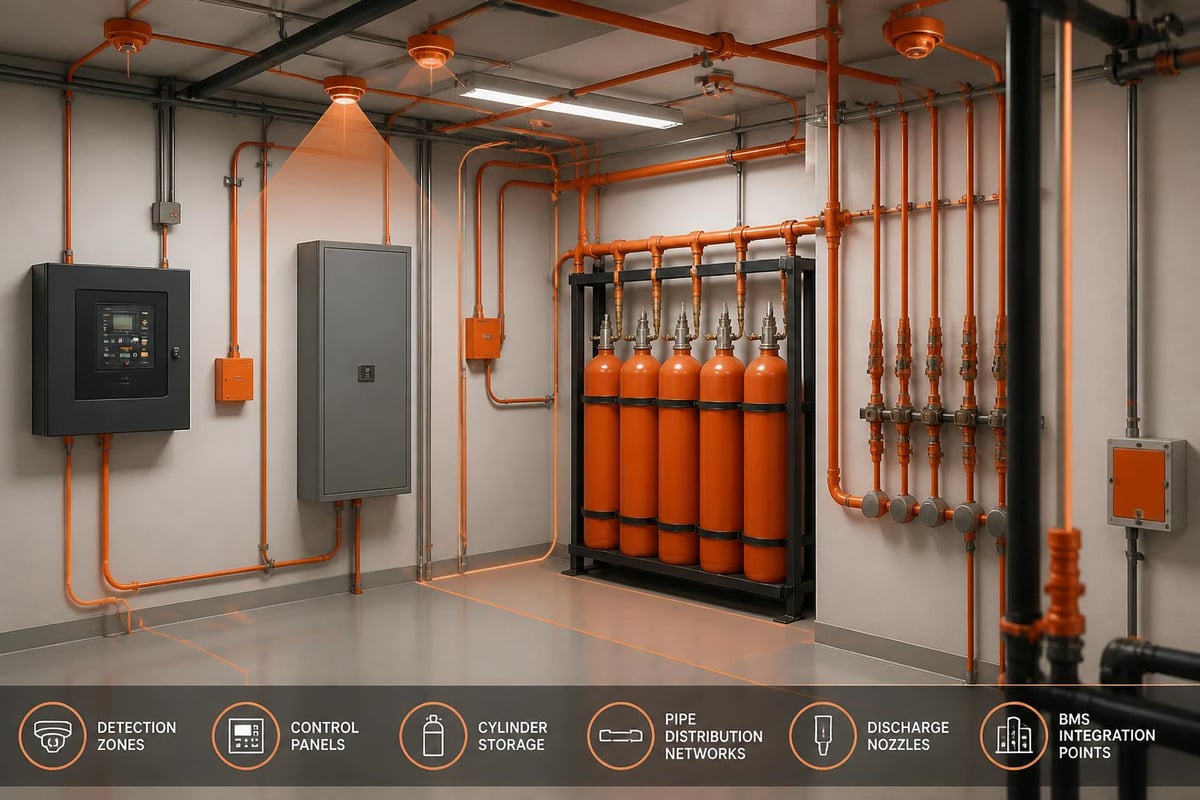
The architecture of a commercial automatic alarm system comprises several interconnected elements working in concert:

Detection Devices

  • Smoke detectors using optical, ionization, or multi-sensor technology
  • Heat detectors with fixed temperature or rate-of-rise capabilities
  • Flame detectors employing infrared or ultraviolet sensing
  • Motion sensors for security applications
  • Glass break detectors for perimeter protection
  • Door and window contact sensors

Control and Processing

  • Central control panels that process signals from all detection devices
  • Addressable systems that pinpoint exact alarm locations
  • Programmable logic controllers enabling customized responses
  • Integration modules connecting fire, security, and building management systems

Notification and Response

  • Internal sounders and visual indicators for occupant alerting
  • Remote monitoring connections to alarm receiving centres
  • Automated emergency service notification
  • Mobile alerts to designated personnel
  • Integration with building systems for automated responses

The electronic alarm industry has established comprehensive standards governing these components, ensuring reliability and interoperability across different manufacturers and system types.

Automatic alarm system architecture

Fire Detection Integration Within Automatic Systems

Fire safety represents perhaps the most critical application of automatic alarm technology in commercial environments. A properly configured fire alarm system employs multiple detection methodologies to identify fire conditions at the earliest possible stage, providing maximum evacuation time and minimizing property damage.

Modern fire detection within automatic alarm systems utilizes intelligent algorithms that analyze multiple data points simultaneously. Multi-sensor detectors combine smoke, heat, and sometimes carbon monoxide readings to build a comprehensive picture of environmental conditions. This approach dramatically reduces false alarms caused by cooking fumes, steam, or dust whilst maintaining exceptional sensitivity to genuine fire signatures.

Advanced Detection Technologies

The evolution of detection technology has transformed automatic alarm system capabilities. Aspirating smoke detection systems continuously sample air through a network of pipes, identifying smoke particles at concentrations far below those detectable by conventional sensors. This technology proves particularly valuable in environments with high ceilings, sensitive equipment, or challenging atmospheric conditions.

Addressable systems represent another significant advancement, assigning unique identities to each detection device. When an alarm condition occurs, the control panel immediately identifies the precise location, enabling faster response and more targeted intervention. This capability becomes essential in large commercial facilities where rapid incident location significantly impacts emergency response effectiveness.

Detection Technology Response Time Best Applications Coverage Area
Optical Smoke 30-60 seconds Offices, corridors 100m² per device
Heat Detection 60-90 seconds Kitchens, warehouses 50m² per device
Aspirating Systems 15-30 seconds Data centres, archives 2000m² per system
Multi-sensor 20-40 seconds Multi-purpose spaces 80m² per device
Flame Detection 5-10 seconds Chemical storage, refineries Line-of-sight dependent

Security Applications and Intrusion Detection

Whilst fire detection often receives primary focus, the security dimensions of an automatic alarm system provide equally vital protection for commercial premises. Intruder alarm monitoring creates comprehensive barriers against unauthorized access, protecting physical assets, confidential information, and personnel safety.

Modern security configurations within automatic alarm systems employ layered detection strategies. Perimeter protection identifies breaches at building boundaries through door contacts, window sensors, and glass break detectors. Interior motion detection provides secondary coverage, identifying movement within protected spaces during armed periods. Advanced systems incorporate video verification, automatically capturing footage when alarm conditions occur to provide immediate visual confirmation of security events.

Intelligent Security Features

Contemporary automatic alarm systems incorporate artificial intelligence and machine learning to enhance security effectiveness. Pattern recognition algorithms learn normal building usage patterns and flag anomalous activities that might indicate security threats. Some systems integrate with access control entry systems to create comprehensive security ecosystems that manage both authorized access and threat detection within unified platforms.

Research into automated alarm pattern recognition demonstrates how machine learning improves threat identification whilst reducing false activations. These systems analyze historical alarm data to identify genuine security events versus benign triggers, continuously refining their detection parameters to improve accuracy.

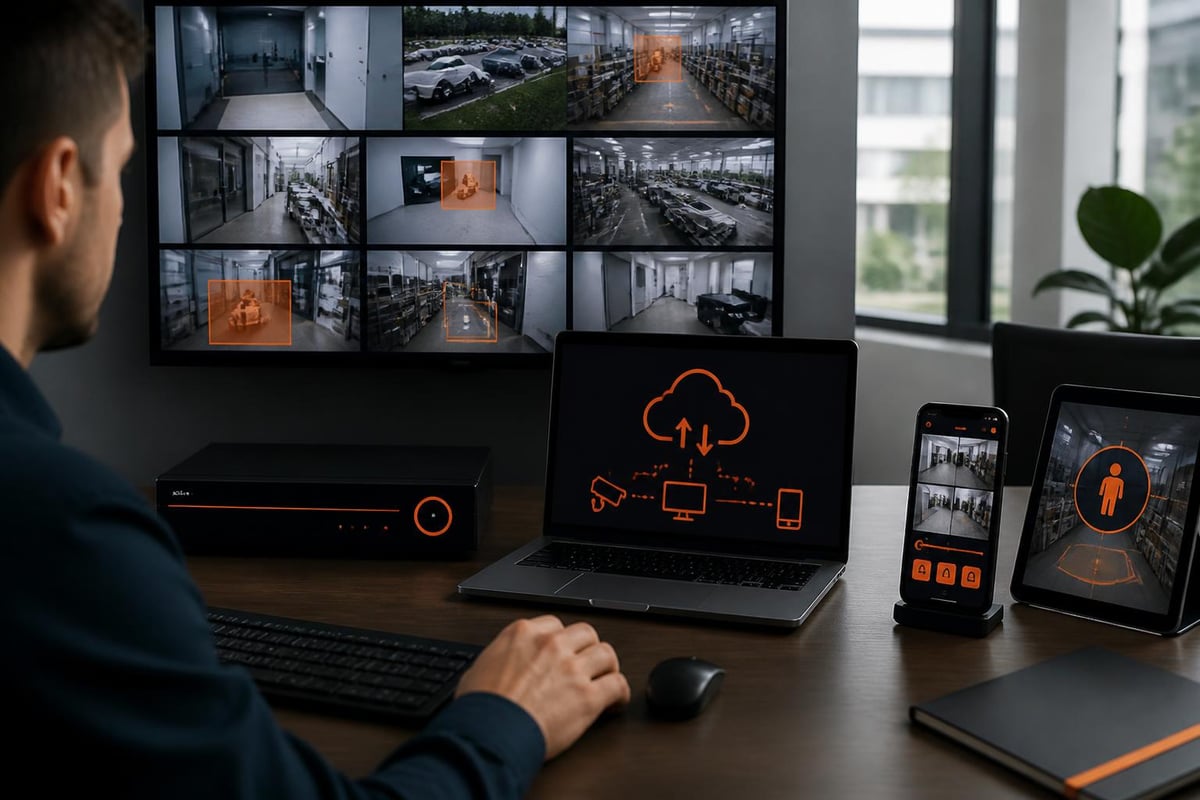
The integration of commercial CCTV with automatic alarm systems provides powerful verification capabilities. When a sensor detects suspicious activity, cameras automatically focus on the relevant area and begin recording, providing security personnel with immediate situational awareness and creating forensic evidence for subsequent investigation.

Security integration diagram

Monitoring and Response Protocols

The true value of an automatic alarm system emerges through professional monitoring services that provide continuous oversight and coordinated emergency response. Monitoring centres staffed by trained professionals receive alarm signals, verify their authenticity, and initiate appropriate responses according to pre-established protocols specific to each facility.

24/7 Monitoring Benefits

  • Immediate alarm verification through multiple channels
  • Direct communication with emergency services
  • Keyhold services providing physical response when required
  • Escalation procedures ensuring appropriate personnel notification
  • Detailed incident logging for compliance and analysis

CCTV monitoring capabilities enable remote verification of alarm conditions without requiring physical attendance. Monitoring operators can assess situations through integrated camera systems, determining whether alarms represent genuine emergencies, false activations, or situations requiring specific response protocols. This capability significantly reduces unnecessary emergency service dispatches whilst ensuring genuine threats receive immediate, appropriate attention.

Response Time Optimization

The IEC 62682 standard provides comprehensive guidance on managing alarm systems across their lifecycle, emphasizing principles that enhance safety and operational efficiency. Implementing these standards ensures automatic alarm systems maintain optimal performance whilst minimizing operator burden through intelligent alarm management.

Response protocols vary based on alarm type, facility characteristics, and operational requirements. Fire alarms typically trigger immediate emergency service notification alongside automated building responses such as elevator recall, smoke extraction system activation, and electromagnetic door release. Security alarms may initiate graduated responses, beginning with remote verification before escalating to keyhold attendance or police dispatch based on verified threat levels.

Integration with Building Management Systems

Modern automatic alarm systems increasingly function as components within broader building management ecosystems rather than standalone installations. This integration creates operational synergies that enhance both safety and efficiency whilst providing facility managers with centralized oversight of multiple building systems through unified interfaces.

Integration capabilities extend across numerous building systems:

  1. HVAC control for smoke containment and air pressure management
  2. Lighting systems for emergency illumination and evacuation guidance
  3. Lift controls for emergency service access and occupant safety
  4. Public address systems for clear emergency communications
  5. Door access systems for controlled evacuation and emergency access
  6. Plant monitoring for critical infrastructure protection

The convergence of fire safety, security, and building automation creates opportunities for sophisticated automated responses. When fire detection occurs, an integrated automatic alarm system might simultaneously activate sprinklers, recall lifts to ground level, unlock emergency exits, illuminate evacuation routes, and broadcast evacuation instructions whilst notifying emergency services and facility management.

Data Analytics and System Optimization

Advanced automatic alarm systems generate substantial data regarding building conditions, alarm events, and system performance. Analytics platforms transform this information into actionable insights that improve safety, reduce false alarms, and optimize system configuration.

Research into deep learning for alarm system analysis demonstrates how artificial intelligence identifies relationships between different alarm signals, helping operators understand root causes of complex events and improving response decision-making. These capabilities prove particularly valuable in large industrial or commercial complexes where numerous interconnected systems generate multiple simultaneous alarms during incidents.

Integration Type Primary Benefits Implementation Complexity ROI Timeline
HVAC Coordination Smoke containment, energy efficiency Medium 12-18 months
Access Control Security enhancement, audit trails Low-Medium 6-12 months
CCTV Verification False alarm reduction, evidence capture Low 3-6 months
Emergency Lighting Code compliance, evacuation safety Low Immediate
Building Automation Operational efficiency, centralized control High 18-36 months

Building system integration

Compliance and Regulatory Requirements

Commercial automatic alarm systems must comply with numerous regulatory frameworks governing fire safety, security, and building operations. Understanding these requirements ensures systems meet legal obligations whilst providing optimal protection for occupants and assets.

The Regulatory Reform (Fire Safety) Order 2005 establishes fundamental fire safety obligations for commercial premises in England and Wales, requiring appropriate fire detection and warning systems based on building characteristics and occupancy. Similar regulations apply across other UK jurisdictions, with specific requirements varying based on building type, size, and use.

Standards and Certification

British and European standards provide detailed technical specifications for automatic alarm system design, installation, and maintenance:

  • BS 5839 governing fire detection and alarm systems
  • BS EN 54 specifying component performance requirements
  • BS 8418 covering installation and commissioning
  • BS 7273 addressing system operation and integration
  • PD 6662 specifying intruder alarm systems

Compliance extends beyond initial installation, requiring ongoing maintenance, testing, and documentation. Fire risk assessment companies evaluate whether automatic alarm systems remain appropriate for current building use and occupancy, recommending upgrades when conditions change or regulations evolve.

Working with providers holding appropriate certifications ensures systems meet required standards. Third-party certification schemes such as BAFE, NSI, and SSAIB verify that installers possess necessary competence and maintain quality management systems ensuring consistent, compliant installations.

Maintenance and Lifecycle Management

An automatic alarm system requires systematic maintenance throughout its operational life to maintain reliability and compliance. Neglected systems experience increased false alarms, reduced detection sensitivity, and potential complete failure when most needed.

Routine Maintenance Activities

  • Weekly functional tests of notification devices and control panels
  • Monthly battery condition checks and backup power testing
  • Quarterly detector sensitivity testing and cleaning
  • Annual comprehensive system inspection and certification
  • Component replacement based on manufacturer recommendations
  • Software updates maintaining current functionality and security

Preventive maintenance identifies potential failures before they impact system operation. Sensors accumulate dust and contaminants over time, degrading performance. Batteries deteriorate, reducing backup power duration. Control panel components age, increasing failure risk. Systematic maintenance addresses these issues before they compromise protection.

Documentation requirements form essential aspects of maintenance programmes. Compliance obligations mandate detailed records of all testing, maintenance activities, and system modifications. These records demonstrate due diligence whilst providing operational history that informs future system planning.

Studies examining automated cause analysis of test alarms reveal how systematic testing and documentation improve system reliability whilst reducing maintenance costs through targeted intervention based on actual performance data rather than arbitrary schedules.

Future Developments in Automatic Alarm Technology

The trajectory of automatic alarm system development points toward increasing intelligence, connectivity, and integration. Emerging technologies promise enhanced detection capabilities, reduced false alarms, and more sophisticated automated responses that adapt to specific incident characteristics.

Artificial intelligence and machine learning applications continue expanding. Future systems will better distinguish between genuine threats and benign conditions, learning from historical data to refine detection parameters specific to each facility's unique characteristics. Predictive maintenance capabilities will identify component degradation before failure occurs, optimizing maintenance schedules and reducing system downtime.

Connectivity and Remote Capabilities

Cloud-based platforms increasingly supplement or replace traditional on-premises monitoring infrastructure. These systems provide enhanced scalability, remote management capabilities, and sophisticated analytics that transform raw alarm data into strategic facility management insights. Mobile applications give facility managers real-time system status visibility and remote control capabilities from any location.

The Internet of Things enables unprecedented sensor diversity and deployment flexibility. Wireless sensors eliminate cabling costs whilst providing deployment flexibility impossible with conventional wired systems. Battery technology improvements extend wireless device operational life to five years or more, reducing maintenance requirements whilst maintaining system reliability.

Integration with smart building platforms creates opportunities for automated responses that extend beyond traditional alarm functions. Future automatic alarm systems might adjust building operations based on occupancy patterns, environmental conditions, or predicted requirements, optimizing both safety and operational efficiency within unified management frameworks.

Research into automated congestion detection and alarm systems demonstrates principles applicable to building management, where automatic systems monitor conditions, predict problems, and initiate preventive responses before issues escalate into emergencies.

Selecting the Right System for Your Facility

Choosing an appropriate automatic alarm system requires careful analysis of facility characteristics, operational requirements, regulatory obligations, and budget constraints. Cookie-cutter approaches rarely deliver optimal results given the diversity of commercial premises and their unique protection requirements.

Assessment should begin with comprehensive risk evaluation identifying specific threats facing the facility. Manufacturing environments face different hazards than office buildings, retail premises, or healthcare facilities. Fire risk assessment identifies ignition sources, fuel loads, and escape route requirements that inform detection system design.

System Specification Considerations

Key factors influencing system selection include:

  1. Building size, layout, and construction characteristics
  2. Occupancy type, density, and vulnerability considerations
  3. Asset values and business continuity requirements
  4. Regulatory compliance obligations specific to the industry
  5. Integration requirements with existing building systems
  6. Budget for initial installation and ongoing operational costs
  7. Scalability needs to accommodate future facility changes

Engaging experienced providers early in the specification process ensures systems incorporate appropriate technologies whilst avoiding over-specification that inflates costs without delivering commensurate protection improvements. Protection systems must balance comprehensive coverage against practical installation and operational considerations.

System architecture decisions significantly impact long-term operational costs and flexibility. Addressable systems cost more initially but provide superior functionality, easier maintenance, and simpler expansion compared to conventional configurations. Wireless technologies reduce installation costs in existing buildings whilst providing deployment flexibility unachievable with wired alternatives.


Protecting commercial premises demands sophisticated automatic alarm systems that deliver reliable detection, intelligent verification, and coordinated response across fire safety and security applications. As threats evolve and regulatory requirements become more stringent, selecting appropriate technology and maintaining systems to exacting standards becomes increasingly critical for business continuity and legal compliance. Logic Fire and Security brings decades of expertise in designing, installing, and maintaining automatic alarm systems for businesses across the UK, delivering comprehensive solutions that protect people, assets, and operations whilst ensuring ongoing regulatory compliance through professional monitoring and systematic maintenance programmes.

Commercial Fire Alarm Systems Installation Guide 2026

Protecting commercial premises from fire hazards requires more than simply fitting a few smoke detectors. A properly designed and installed fire alarm system serves as the first line of defence for employees, visitors, and valuable assets. For businesses operating across the UK, commercial fire alarm systems installation represents a critical investment in safety, regulatory compliance, and operational continuity. Understanding the complexities of this process helps organisations make informed decisions that protect lives whilst meeting stringent legal requirements.

Understanding Commercial Fire Alarm System Components

Modern commercial fire alarm systems comprise several interconnected elements that work together to detect, alert, and facilitate emergency response. The sophistication of these systems has evolved considerably over recent years.

Detection Devices and Sensors

Fire detection technology forms the foundation of any effective alarm system. Smoke detectors utilise optical or ionisation sensors to identify the presence of combustion particles, whilst heat detectors respond to temperature changes within a space. Multi-sensor devices combine both technologies, reducing false alarms whilst maintaining high sensitivity levels.

Specialist environments may require additional detection capabilities:

  • Beam detectors for warehouses and open-plan areas with high ceilings
  • Aspirating smoke detection systems for data centres and clean rooms
  • Carbon monoxide detectors for areas with fuel-burning equipment
  • Flame detectors for industrial settings with rapid fire development risks

The selection of appropriate detection technology depends upon the specific environmental conditions, ceiling heights, and potential fire characteristics within each zone.

Control Panels and Network Architecture

The fire alarm control panel serves as the system's central processing unit, receiving signals from detection devices and coordinating appropriate responses. Conventional systems divide buildings into zones, indicating the general area of activation. Addressable systems provide precise device-level information, pinpointing the exact detector that triggered the alarm.

Modern installations increasingly favour addressable technology due to superior diagnostic capabilities and maintenance efficiency. These systems allow remote monitoring, automatic fault reporting, and detailed event logging that proves invaluable during investigations.

Fire alarm system architecture

Planning Your Commercial Fire Alarm Systems Installation

Effective commercial fire alarm systems installation begins long before technicians arrive on site. Comprehensive planning ensures the final system meets regulatory requirements whilst addressing the unique characteristics of your premises.

Site Survey and Risk Assessment

Professional installation providers conduct thorough site surveys to identify critical factors influencing system design. This assessment examines building layout, occupancy levels, escape routes, and potential fire hazards specific to your operations.

A comprehensive fire risk assessment identifies areas requiring enhanced detection coverage, such as electrical cupboards, kitchens, or storage facilities containing flammable materials. This information shapes the placement and density of detection devices throughout the building.

Assessment Factor Consideration Impact on Design
Building height Multi-storey vs single level Evacuation strategy and detector placement
Occupancy type Office, retail, industrial Alert notification requirements
Fire load Materials and storage Detection technology selection
Operational hours 24/7 vs standard business hours Monitoring arrangements

Regulatory Compliance Requirements

UK businesses must comply with the Regulatory Reform (Fire Safety) Order 2005, which mandates appropriate fire detection and warning systems. BS 5839-1:2017 provides the design, installation, and commissioning standards for fire alarm systems in non-domestic premises.

System category requirements vary based on building use and risk profile:

  1. Category L1 – Detection throughout all areas of the building
  2. Category L2 – Detection in defined areas plus escape routes
  3. Category L3 – Detection limited to escape routes only
  4. Category L4 – Detection within escape routes excluding certain areas
  5. Category L5 – Detection in specified rooms or zones only

Professional installers ensure your system meets the appropriate category whilst integrating with other fire safety measures including emergency lighting and evacuation systems.

The Installation Process and Timeline

Commercial fire alarm systems installation follows a structured methodology that minimises disruption whilst ensuring quality outcomes. Understanding this process helps businesses plan accordingly and maintain operations during implementation.

Design and Specification Development

Following site surveys, engineers develop detailed system designs incorporating device locations, cabling routes, and control panel positioning. These specifications undergo review to ensure compliance with British Standards and client requirements. System drawings illustrate detector placements, zone configurations, and integration points with other building management systems.

Design considerations include future expansion capabilities, allowing businesses to add zones or devices as their operations evolve. This forward planning prevents costly system replacements when premises are extended or repurposed.

Physical Installation and Commissioning

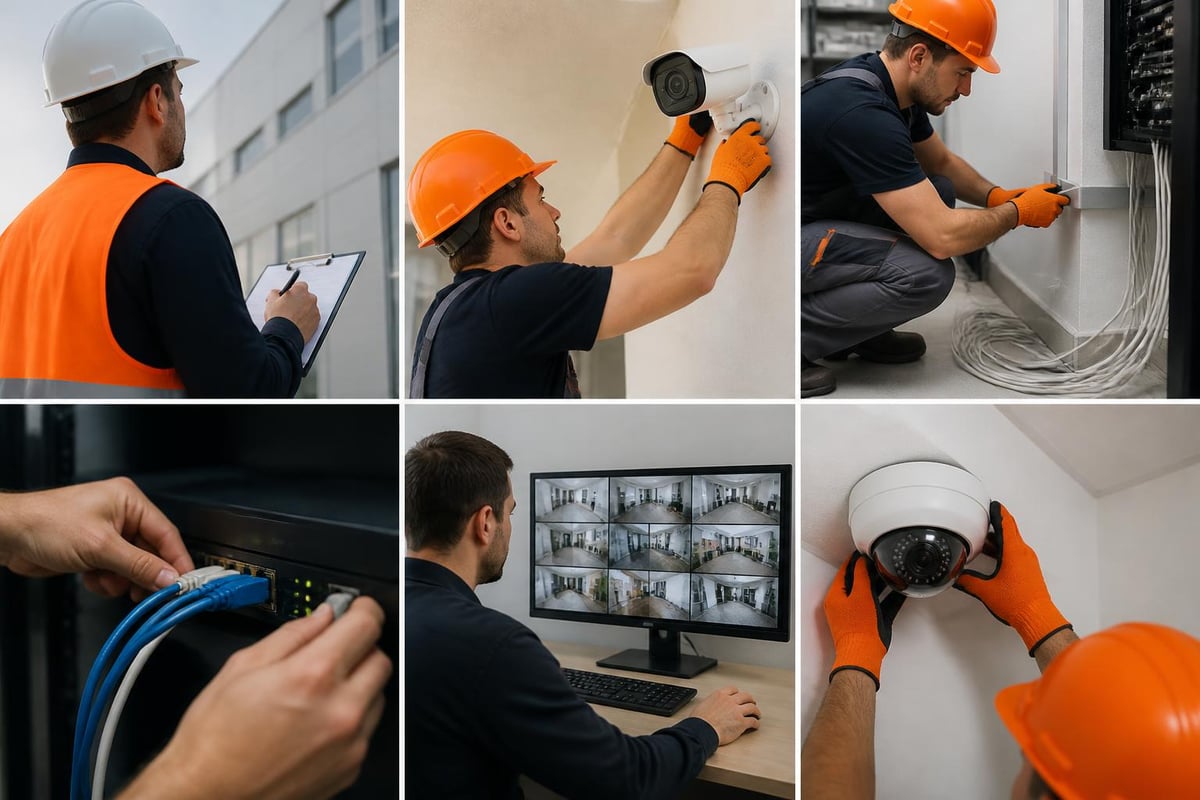
Installation teams typically work in phases to reduce operational impact. Cabling infrastructure is installed first, often conducted outside normal business hours in occupied buildings. This stage includes containment systems, fire-rated cables, and interconnections between devices.

Device installation follows the completion of cabling works:

  • Mounting detection devices according to manufacturer specifications and BS 5839 guidance
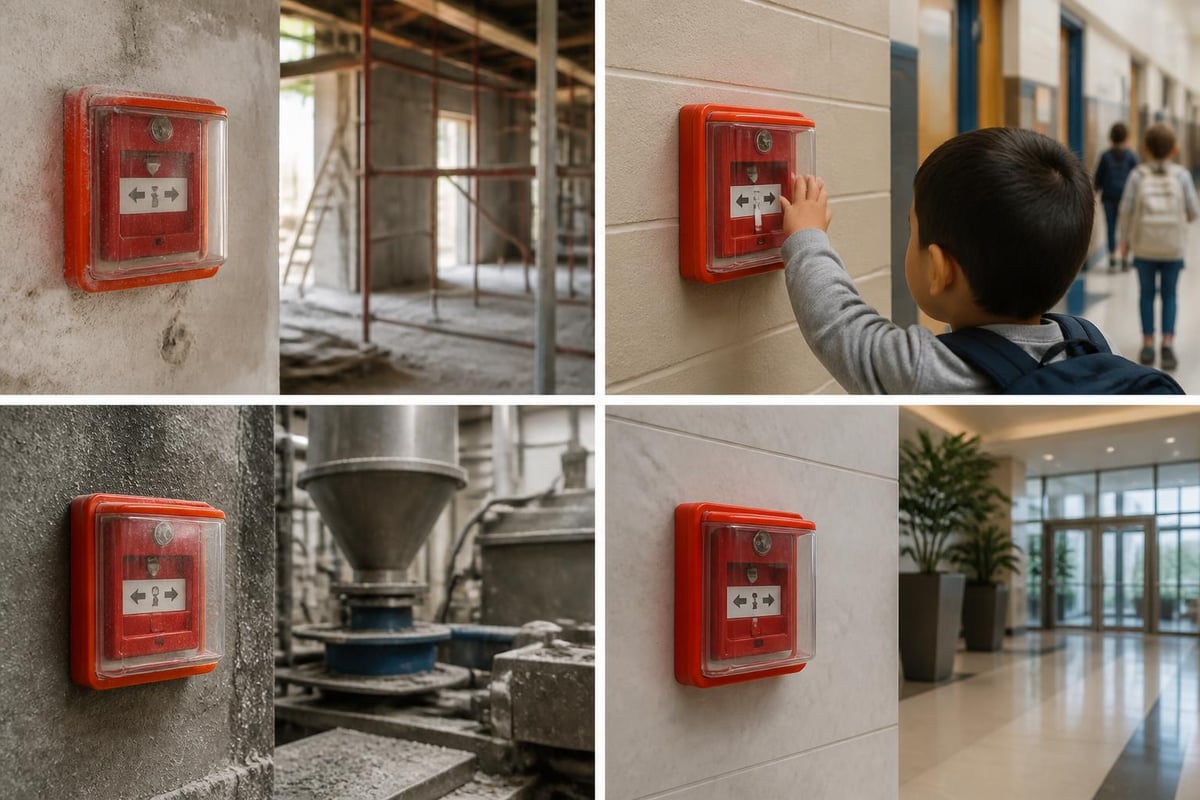
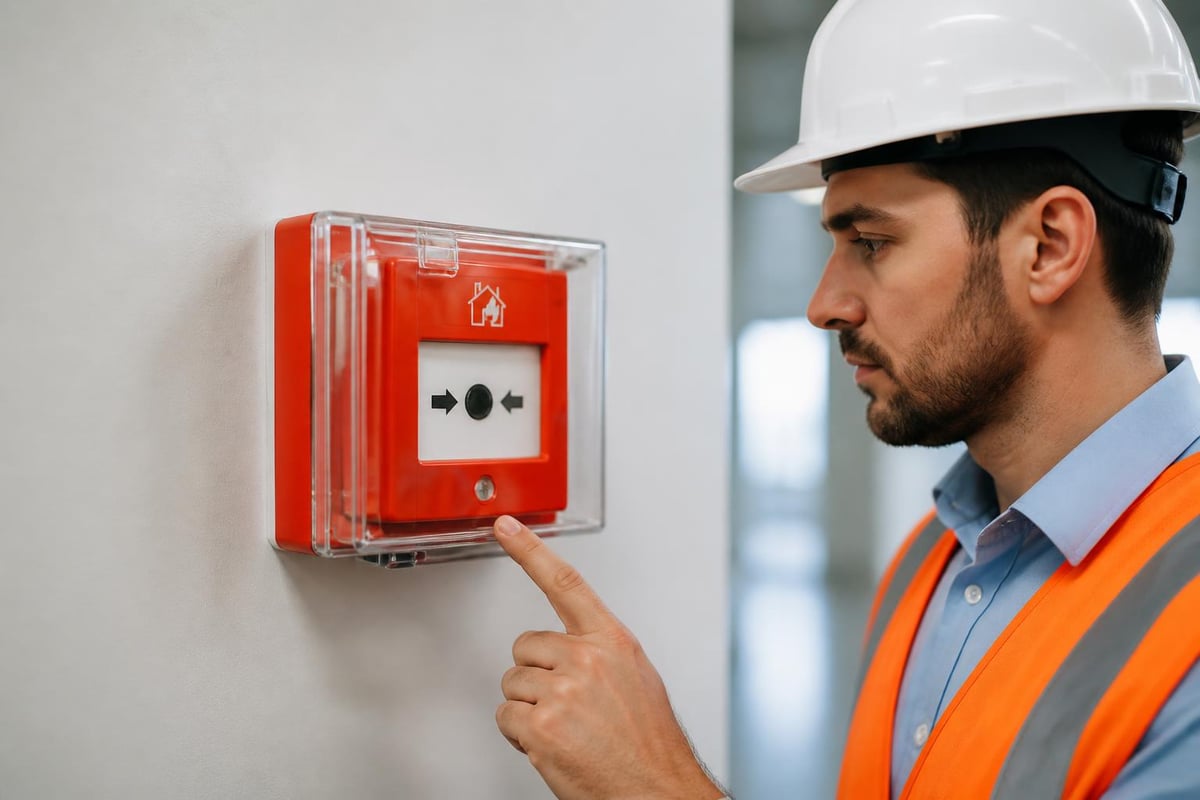
  • Installing manual call points at exit routes and strategic locations
  • Positioning sounders and visual indicators to ensure adequate coverage
  • Configuring the control panel with zone programming and cause-and-effect logic

Commissioning involves comprehensive testing of every device, circuit, and system function. Engineers verify detection sensitivity, alarm notification coverage, and fault monitoring capabilities before handover.

Installation timeline phases

Integration with Building Systems and Monitoring

Modern commercial fire alarm systems installation extends beyond standalone detection capabilities. Integration with other building systems enhances safety outcomes and operational efficiency.

Building Management System Integration

Advanced installations connect fire alarm systems with HVAC controls, automatically shutting down air handling units to prevent smoke circulation during incidents. Access control systems interface with fire alarms to release magnetic door locks, ensuring unobstructed evacuation routes.

Lift controls receive signals to return elevators to ground floor positions, preventing their use during emergencies. These integrations create coordinated responses that protect occupants whilst facilitating firefighter access.

Remote Monitoring and Response

Professional fire alarm monitoring services provide continuous oversight of system status. Monitoring stations receive instant notification of alarms, faults, and system events, ensuring appropriate emergency service dispatch without relying on building occupants.

This monitoring capability proves particularly valuable for premises operating outside normal business hours or unmanned facilities such as warehouses and distribution centres.

Maintenance Requirements and Ongoing Support

Successful commercial fire alarm systems installation includes establishing maintenance protocols that preserve system reliability throughout its operational life. Regular servicing identifies potential failures before they compromise protection levels.

Scheduled Maintenance Activities

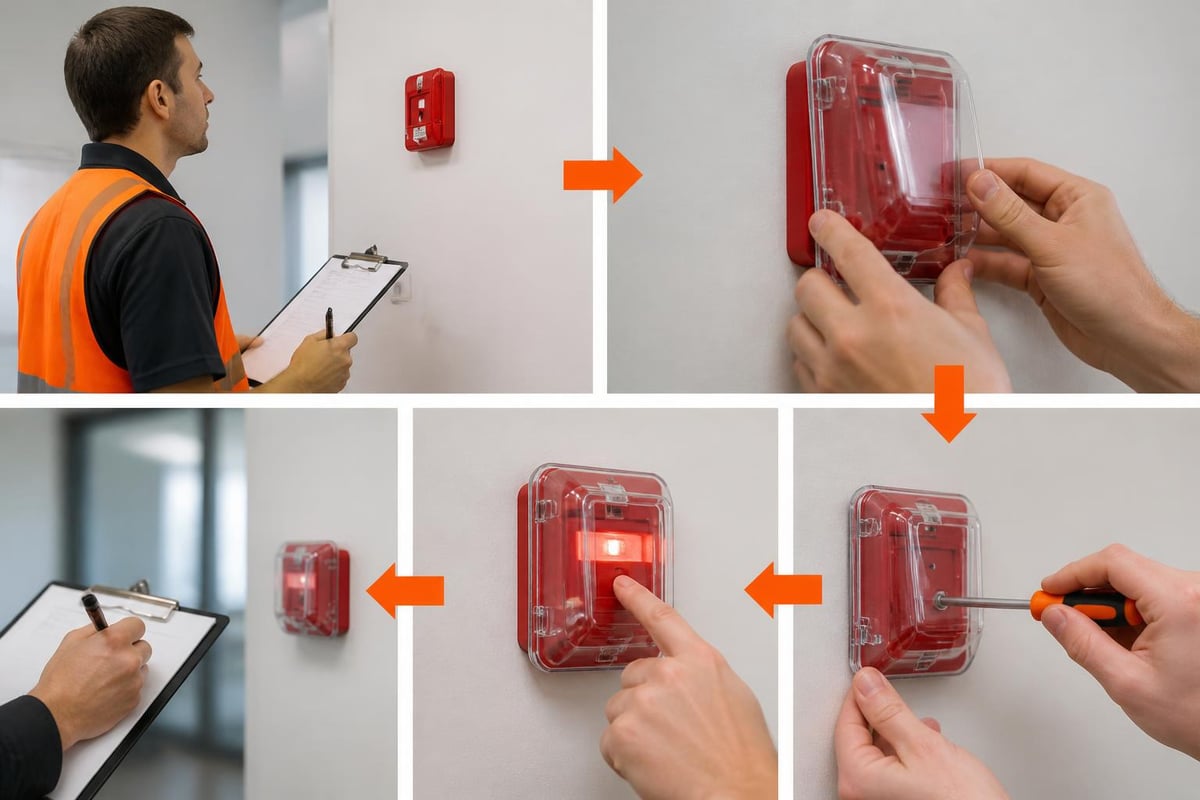
British Standards require weekly user checks of indicator lamps and control panel displays. Monthly testing of a selection of manual call points ensures mechanical functionality. Quarterly inspections by competent persons verify system operation and address minor faults.

Annual maintenance visits by qualified engineers include:

  • Full functional testing of all detection devices
  • Verification of alarm notification coverage and audibility
  • Control panel battery testing and replacement where necessary
  • Cleaning of optical smoke detectors to maintain sensitivity
  • Documentation updates reflecting any system modifications

These activities ensure continuous compliance with regulatory requirements and insurance policy conditions.

System Lifecycle Considerations

Component Typical Lifespan Replacement Indicators
Smoke detectors 10-15 years Increased false alarms, sensitivity drift
Control panels 15-20 years Parts unavailability, obsolescence
Backup batteries 3-5 years Reduced capacity, failed load tests
Notification devices 15-20 years Mechanical failure, inadequate output

Planning for component replacement prevents unexpected failures and maintains optimal performance. Many organisations establish reserve funds for gradual system upgrades rather than facing sudden large expenditures.

Maintenance schedule overview

Cost Factors and Investment Considerations

Commercial fire alarm systems installation costs vary significantly based on building characteristics, system sophistication, and specific requirements. Understanding these factors enables realistic budget planning.

Primary Cost Drivers

Building size directly impacts installation costs through the number of devices required and cabling distances involved. A 1,000 square metre office typically requires 15-25 detection devices, whilst a 10,000 square metre warehouse may need 100+ devices plus specialist detection technology.

System type influences pricing substantially:

  • Conventional systems offer lower initial costs but limited diagnostic capabilities
  • Addressable systems command premium pricing but reduce long-term maintenance expenses
  • Wireless systems minimise installation disruption in heritage buildings or complex environments

Integration requirements add costs when connecting with existing building management systems, access control infrastructure, or specialist suppression systems.

Long-term Value Assessment

Initial installation costs represent only one component of total ownership expenses. Maintenance contracts, monitoring services, and eventual component replacement contribute to lifecycle costs spanning 15-20 years.

However, properly specified systems deliver substantial value through:

  • Insurance premium reductions for premises with certificated, monitored systems
  • Reduced false alarm charges from fire services through superior detection accuracy
  • Lower business interruption risks via early fire detection and suppression
  • Enhanced property values for buildings with comprehensive fire protection

Many organisations discover that investing in quality commercial fire alarm systems installation generates measurable returns through risk reduction and operational continuity.

Selecting Professional Installation Partners

The expertise and reliability of your installation provider fundamentally determines system performance and compliance outcomes. Several factors distinguish professional organisations from less capable alternatives.

Accreditations and Certifications

Reputable installers maintain third-party certifications demonstrating technical competence and quality management systems. BAFE SP203-1 accreditation specifically covers fire alarm design, installation, commissioning, and maintenance. This certification requires regular audits and ongoing technical training for engineering staff.

Additional indicators of professional capability include:

  • SSAIB or NSI Gold registration for security and fire systems
  • Manufacturer certifications from equipment suppliers
  • Safe Contractor or Constructionline approval for site safety management
  • ISO 9001 quality management system certification

These accreditations provide confidence that installations meet current standards and best practices. More information about quality and accreditations helps organisations verify installer credentials.

Experience and Track Record

Installation providers serving commercial clients should demonstrate relevant sector experience. Healthcare facilities require different approaches compared to retail environments or manufacturing plants. Portfolio reviews and client references reveal an installer's capability to handle projects of comparable scale and complexity.

Established providers offer comprehensive service portfolios extending beyond initial installation. This continuity ensures consistent support throughout the system lifecycle, avoiding the complications that arise when maintenance providers lack installation knowledge.

Technical Advances Shaping Modern Systems

Commercial fire alarm systems installation practices continue evolving as technology advances. Understanding emerging capabilities helps organisations future-proof their investments.

Intelligent Detection and Analytics

Modern addressable devices incorporate sophisticated algorithms that reduce false alarms whilst maintaining high detection sensitivity. Multi-criteria detectors analyse multiple parameters simultaneously, distinguishing genuine fire signatures from nuisance sources such as steam or cooking fumes.

Cloud-based analytics platforms process historical data from detection devices, identifying patterns that predict maintenance requirements or system optimisation opportunities. These insights enable proactive interventions that enhance reliability.

Wireless and Hybrid Technologies

Wireless detection devices eliminate cabling requirements in challenging environments, particularly valuable during building refurbishments or heritage property installations. Battery-powered devices communicate via encrypted radio frequencies, maintaining security whilst offering installation flexibility.

Hybrid systems combine wired infrastructure in new construction zones with wireless devices in existing areas, optimising costs and performance. This approach suits phased development projects or buildings undergoing gradual expansion.


Investing in professional commercial fire alarm systems installation protects lives, preserves property, and ensures regulatory compliance for UK businesses. The process demands careful planning, quality components, and expert implementation to deliver reliable, long-term performance. Logic Fire and Security brings decades of experience designing, installing, and maintaining advanced fire detection systems for Blue Chip companies and public sector organisations across the country. Their comprehensive approach ensures your premises receive protection tailored to specific operational requirements whilst meeting all relevant standards and regulations.

Green Emergency Lights: Commercial Safety & Compliance Guide

Green emergency lights serve a critical function in commercial building safety systems, representing both a regulatory requirement and an evolving technology that balances environmental responsibility with life safety provisions. For business facilities across the UK, understanding the multifaceted applications of green emergency lights-from egress path marking to sustainable emergency illumination-has become increasingly important as regulations tighten and sustainability expectations rise. Modern commercial buildings require sophisticated emergency lighting strategies that comply with British Standards whilst addressing environmental concerns and operational efficiency demands.

Understanding Green Emergency Lights in Commercial Settings

The term "green emergency lights" encompasses two distinct but equally important applications within commercial fire safety and security systems. The first relates to the physical colour of emergency exit signage and wayfinding illumination, where green has become the international standard for indicating safe egress routes. The second interpretation involves environmentally sustainable emergency lighting solutions that reduce energy consumption and carbon footprint whilst maintaining compliance with safety regulations.

Regulatory Framework for Emergency Exit Lighting

In the UK, emergency lighting regulations mandate specific requirements for commercial premises to ensure occupants can safely evacuate during power failures or emergency situations. Green emergency lights marking exit routes must comply with BS 5266-1:2016 and BS EN 1838:2013, which establish illumination levels, colour specifications, and positioning requirements. These standards ensure consistency across commercial facilities, enabling occupants to recognise emergency exits regardless of building type.

Key regulatory requirements include:

  • Minimum illumination levels of 1 lux along escape routes
  • Duration requirements of at least three hours for non-residential premises
  • Specific colour coordinates for green exit signage
  • Regular testing and maintenance schedules

Commercial property owners must maintain detailed records of emergency lighting tests and inspections, with emergency lighting systems requiring monthly functional tests and annual duration tests. Non-compliance can result in significant penalties and insurance complications, particularly for businesses operating in high-risk sectors or hosting public events.

Emergency lighting compliance workflow

Sustainable Green Emergency Lighting Technologies

The evolution towards environmentally responsible building systems has transformed how businesses approach emergency illumination. Modern green emergency lights utilise LED technology, which offers substantially longer service life and reduced energy consumption compared to traditional fluorescent or incandescent systems. According to industry research on green emergency lighting, LED-based emergency lights can reduce energy consumption by up to 75% whilst providing superior light output and reliability.

Advantages of LED Emergency Lighting Systems

Feature Traditional Systems LED Green Emergency Lights
Average Lifespan 2,000-5,000 hours 50,000-100,000 hours
Energy Consumption High 75% lower
Maintenance Frequency Annual replacement 5-10 year replacement
Environmental Impact Higher carbon footprint Reduced emissions
Light Quality Variable degradation Consistent output

Businesses investing in sustainable emergency lighting infrastructure benefit from reduced operational costs and enhanced corporate social responsibility credentials. For organisations committed to carbon reduction targets, transitioning to energy-efficient green emergency lights represents a measurable improvement in environmental performance whilst maintaining full regulatory compliance.

The integration of self-testing capabilities within modern emergency lighting systems further enhances efficiency. These intelligent systems automatically conduct functional tests, maintain digital records, and alert facilities managers to potential failures, reducing labour costs associated with manual testing whilst improving reliability. For commercial facilities managed by comprehensive fire and security solutions providers, such automation represents a significant advancement in building management efficiency.

Design Considerations for Commercial Emergency Lighting

Implementing effective green emergency lights requires careful consideration of building layout, occupancy patterns, and specific regulatory requirements. Commercial facilities must assess multiple factors when designing emergency lighting schemes, including ceiling heights, architectural features, and potential obstructions that might affect light distribution.

Strategic Placement and Coverage

Emergency lighting design begins with thorough risk assessment and egress route mapping. Green emergency lights must illuminate all escape routes, stairwells, corridor intersections, changes in floor level, and final exit points. The positioning must account for shadows, glare, and potential visual obstructions that could compromise wayfinding during emergency evacuations.

Critical placement locations include:

  1. All final exit doors and emergency exit routes
  2. Stairwells and changes in elevation
  3. Corridor intersections and directional changes
  4. Open areas exceeding 60 square metres
  5. Equipment locations requiring emergency shutdown
  6. First aid stations and assembly points

For businesses operating in complex facilities such as manufacturing plants, warehouses, or multi-storey office buildings, the design process requires collaboration between fire safety specialists and electrical engineers to ensure comprehensive coverage. Computer modelling software enables designers to simulate emergency conditions and verify adequate illumination levels before installation.

Emergency lighting zones

Integration with Fire Detection and Alarm Systems

Green emergency lights function as part of an integrated fire safety ecosystem within commercial buildings. Modern systems connect emergency lighting with fire alarm systems through addressable networks, enabling intelligent responses to different emergency scenarios. This integration allows buildings to implement dynamic emergency lighting strategies that adapt to specific incident locations and evacuation requirements.

Intelligent Emergency Lighting Networks

Advanced commercial facilities increasingly deploy networked emergency lighting systems that communicate with building management platforms. These systems provide real-time status monitoring, predictive maintenance alerts, and detailed compliance reporting. When integrated with fire alarm monitoring services, facilities managers receive immediate notification of any emergency lighting failures or test anomalies.

The integration extends beyond fire safety to encompass broader security functions. In facilities with access control entry systems, emergency lighting can automatically unlock designated egress doors during fire alarm activation, facilitating rapid evacuation whilst maintaining security protocols during normal operations.

Maintenance and Testing Requirements

Regulatory compliance for green emergency lights demands rigorous maintenance schedules and documentation. British Standards require monthly functional tests to verify lamp illumination and annual duration tests to confirm battery capacity meets minimum requirements. For commercial premises, these obligations represent ongoing operational responsibilities that require systematic management.

Compliance Testing Protocols

Test Type Frequency Duration Documentation Required
Functional Test Monthly Brief illumination check Date, results, signature
Duration Test Annually Full three-hour discharge Comprehensive report
Visual Inspection Monthly Component condition check Defect log maintained
Battery Replacement 4-6 years As per manufacturer specs Replacement records

Professional maintenance services ensure businesses maintain continuous compliance whilst minimising disruption to operations. Specialist providers conducting fire suppression system servicing typically offer comprehensive emergency lighting maintenance as part of integrated fire safety programmes, streamlining contractor management and ensuring coordinated system performance.

Businesses must retain testing records for inspection by regulatory authorities and insurance assessors. Digital record-keeping systems have become standard practice, enabling facilities managers to demonstrate compliance history and track performance trends across multiple sites. According to guidance on facility emergency exit lighting, maintaining comprehensive documentation proves essential during regulatory audits and insurance renewals.

Special Applications and Sector-Specific Requirements

Different commercial sectors face unique challenges regarding green emergency lights implementation. Healthcare facilities, educational institutions, industrial plants, and hospitality venues each require tailored approaches that address specific occupancy characteristics, risk profiles, and operational constraints.

Healthcare and High-Dependency Environments

Hospitals and care facilities demand enhanced emergency lighting provisions due to vulnerable occupant populations and complex evacuation procedures. These environments typically require higher illumination levels, extended duration capabilities, and integration with disabled refuge communication systems. Green emergency lights in healthcare settings must maintain operation during extended power outages whilst supporting progressive horizontal evacuation strategies.

Industrial facilities present distinct challenges related to hazardous environments, large open spaces, and specialised equipment requirements. Emergency lighting in manufacturing plants must withstand harsh conditions including dust, moisture, and vibration whilst providing adequate illumination for safe equipment shutdown procedures. Explosion-proof emergency lighting fixtures become necessary in environments containing flammable materials or atmospheres.

Sector-specific considerations include:

  • Retail environments: High-density occupancy and unfamiliar layouts requiring enhanced wayfinding
  • Educational facilities: Large student populations with varying mobility and awareness levels
  • Entertainment venues: Complex layouts with multiple levels and restricted visibility conditions
  • Transport hubs: Extensive coverage areas with diverse user populations and accessibility requirements

Sector emergency lighting requirements

Emerging Technologies and Future Developments

The landscape of green emergency lights continues evolving with technological advancements and changing regulatory expectations. Wireless emergency lighting systems eliminate traditional wiring constraints, enabling more flexible installation in heritage buildings and retrofit applications. Battery technology improvements extend operational duration whilst reducing physical size and maintenance requirements.

Smart Building Integration

Modern commercial buildings increasingly incorporate emergency lighting within comprehensive building management systems. This integration enables centralised monitoring across multiple sites, automated compliance reporting, and predictive maintenance scheduling. Cloud-based platforms allow facilities managers to access emergency lighting status remotely, responding promptly to failures and optimising maintenance resource allocation.

Sustainability drivers continue influencing emergency lighting development. Solar-powered emergency lighting systems with battery backup offer completely independent operation suitable for remote facilities or buildings with limited electrical infrastructure. Energy harvesting technologies that capture ambient light or kinetic energy represent emerging solutions for ultra-low-power emergency indicators.

The regulatory landscape continues adapting to technological capabilities and environmental imperatives. Future standards may mandate enhanced energy efficiency thresholds, longer operational durations, or integration with evacuation management systems. Businesses planning emergency lighting investments should consider emerging requirements to ensure system longevity and avoid premature obsolescence.

Cost Considerations and Return on Investment

Implementing comprehensive green emergency lights systems represents a significant capital investment for commercial property owners. However, lifecycle cost analysis typically demonstrates favourable returns through reduced energy consumption, decreased maintenance requirements, and extended component service life. LED-based emergency lighting systems, despite higher initial costs, deliver substantial savings over operational lifetimes extending twenty years or more.

Financial Analysis Framework

Cost Factor Traditional Systems LED Green Emergency Lights
Initial Installation £80-150 per fixture £120-200 per fixture
Annual Energy Cost £25-40 per fixture £6-10 per fixture
Maintenance Cost (10 years) £400-600 per fixture £100-150 per fixture
Component Replacement Every 2-3 years Every 8-10 years
Total Lifetime Cost (20 years) £1,200-1,800 £600-900

Beyond direct financial returns, modern emergency lighting systems contribute to enhanced property valuations, improved insurance premiums, and stronger corporate sustainability credentials. For businesses pursuing green building certifications such as BREEAM or LEED, energy-efficient emergency lighting installations contribute towards environmental performance scores.

Investment in self-testing emergency lighting systems generates additional operational savings by reducing labour requirements for compliance testing. Facilities with hundreds of emergency fixtures can achieve thousands of pounds in annual savings through automated testing capabilities, whilst simultaneously improving compliance reliability through consistent digital documentation.

Compliance Challenges and Solutions

Maintaining continuous compliance with emergency lighting regulations presents ongoing challenges for commercial property managers, particularly those overseeing multiple facilities or complex building portfolios. Common compliance failures include inadequate testing documentation, insufficient illumination levels in modified spaces, and battery failures in older installations.

Proactive Compliance Management

Successful compliance strategies employ systematic approaches combining regular professional inspections, automated monitoring technologies, and comprehensive maintenance programmes. Businesses partnering with specialist fire safety and protection providers benefit from expert guidance on regulatory interpretation, system design optimisation, and compliance documentation.

Critical compliance elements include:

  1. Documented testing schedules with defined responsibilities
  2. Regular professional inspections by qualified technicians
  3. Prompt rectification of identified deficiencies
  4. Comprehensive record retention systems
  5. Staff training on emergency lighting systems and procedures

For organisations operating across multiple jurisdictions, understanding regional variations in emergency lighting requirements becomes essential. Whilst UK standards provide the primary framework, specific local authorities may impose additional requirements or interpretation variations affecting design and maintenance obligations.

Selecting Professional Installation and Maintenance Partners

The complexity of modern emergency lighting systems necessitates engagement with qualified professional contractors possessing relevant certifications and demonstrable expertise. Businesses should verify contractor credentials including relevant industry accreditations, insurance coverage, and proven experience with similar facility types and scales.

Quality installation directly impacts system performance, reliability, and compliance outcomes. Professional installers understand nuanced requirements including correct cable specifications, battery charging parameters, and integration protocols with existing building systems. Engaging contractors offering comprehensive services spanning design, installation, commissioning, and ongoing maintenance streamlines project delivery and establishes clear accountability.

When evaluating potential partners, businesses should assess technical capabilities, response times for emergency repairs, geographic coverage for multi-site portfolios, and digital reporting capabilities. Contractors offering 24/7 protection and monitoring services provide additional assurance for mission-critical facilities requiring continuous operational integrity.


Implementing effective green emergency lights requires balancing regulatory compliance, operational efficiency, and environmental responsibility within commercial facilities. Professional guidance ensures businesses achieve optimal outcomes whilst maintaining focus on core operations. Logic Fire and Security delivers comprehensive emergency lighting solutions tailored to commercial requirements, combining expert design, quality installation, and reliable maintenance services that keep businesses compliant and protected across the UK.

Our Accreditations

Work
For Us