

Selecting and implementing an alarm system commercial installation requires careful consideration of numerous factors, from regulatory compliance to future scalability. Modern commercial alarm systems have evolved far beyond simple intrusion detection, now incorporating fire safety, access control, and integrated monitoring capabilities. For businesses operating across the UK in 2026, understanding the comprehensive nature of these systems is essential for protecting assets, ensuring employee safety, and maintaining compliance with increasingly stringent regulations. Whether you’re managing a warehouse, office complex, manufacturing facility, or retail space, the right alarm infrastructure forms the backbone of your security strategy.
Understanding Commercial Alarm System Requirements
The landscape of alarm system commercial installations differs significantly from residential applications. Commercial environments demand robust, scalable solutions capable of protecting larger spaces, accommodating multiple zones, and integrating with existing building management systems.
Regulatory Framework and Standards
UK businesses must navigate a complex regulatory environment when implementing commercial alarm systems. British Standards provide detailed guidance on system design and installation, whilst building regulations mandate specific safety requirements. The ISA-18 series of standards offers comprehensive requirements for alarm systems in process industries, covering everything from initial design through ongoing maintenance protocols.
Commercial properties require regular fire risk assessments to identify potential hazards and ensure appropriate alarm coverage. These assessments inform decisions about detector placement, notification devices, and system configuration. Insurance providers frequently mandate specific alarm capabilities, influencing both the initial installation and ongoing maintenance requirements.

Key Components of Modern Systems
An effective alarm system commercial deployment comprises multiple integrated elements working in harmony:
- Detection devices: Smoke detectors, heat sensors, motion detectors, glass break sensors
- Control panels: Central processing units managing all system inputs and outputs
- Notification appliances: Sounders, visual indicators, voice evacuation systems
- Communication infrastructure: Network connectivity, cellular backup, monitoring station links
- Power systems: Mains supply with battery backup ensuring continuous operation
- User interfaces: Keypads, card readers, mobile applications for system control
The selection and application of commercial intrusion alarm systems requires matching these components to specific business needs, operational patterns, and risk profiles. Manufacturing environments face different challenges than retail spaces, whilst office complexes require distinct approaches compared to warehouses.
Design Principles for Commercial Environments
Creating an effective alarm system commercial architecture demands forward-thinking design that anticipates both current needs and future expansion. The most successful installations balance immediate security requirements with long-term adaptability.
Scalability represents a critical design consideration. Businesses evolve, facilities expand, and security threats change over time. Designing commercial alarms with an eye on the future ensures systems can accommodate additional zones, integrate new technologies, and adapt to changing operational requirements without requiring complete replacement.
Zone Planning and Coverage
Effective zone design forms the foundation of reliable alarm system commercial performance. Each zone should represent a logical area within the facility, enabling precise identification of alarm conditions and appropriate response protocols.
| Zone Type | Typical Applications | Recommended Devices |
|---|---|---|
| Perimeter | External doors, windows, loading bays | Magnetic contacts, glass break sensors |
| Interior | Corridors, offices, storage areas | Motion detectors, environmental sensors |
| High-Security | Server rooms, safes, executive areas | Multiple sensor types, access control integration |
| Life Safety | Stairwells, exits, assembly points | Smoke detectors, heat sensors, emergency lighting |
Modern commercial fire detection systems employ intelligent zoning strategies that reduce false alarms whilst ensuring comprehensive coverage. Addressable systems enable individual device identification, providing precise location information during emergency events.
Integration with Building Systems
The most effective alarm system commercial installations don’t operate in isolation. Integration with other building systems creates a cohesive security and safety infrastructure. Access control systems share data with alarm platforms, enabling automated lockdown procedures during emergencies. HVAC systems can be programmed to respond to fire alarms, shutting down air handlers to prevent smoke distribution.
Surveillance security systems complement alarm detection with visual verification, allowing security personnel to assess situations before dispatching response teams. This integration significantly reduces false alarm responses whilst providing valuable evidence during genuine security incidents.
Installation Best Practices
Proper installation determines long-term reliability and performance of any alarm system commercial deployment. Even the most sophisticated equipment fails to deliver expected results when poorly installed. Best practices for alarm systems and installation emphasise meticulous planning, professional execution, and thorough testing.
Professional Assessment and Planning
Before any equipment arrives on site, comprehensive assessment establishes the foundation for success:
- Facility survey: Document building layout, construction materials, ceiling heights, environmental conditions
- Risk analysis: Identify vulnerable areas, valuable assets, potential threat vectors
- Stakeholder consultation: Engage with operations managers, safety officers, IT departments
- Regulatory review: Confirm compliance with applicable standards, insurance requirements
- Infrastructure evaluation: Assess existing cabling, power availability, network capacity
Commercial access control systems require particular attention during planning phases, as they intersect with human resource policies, visitor management protocols, and emergency egress requirements.
Technical Implementation Standards
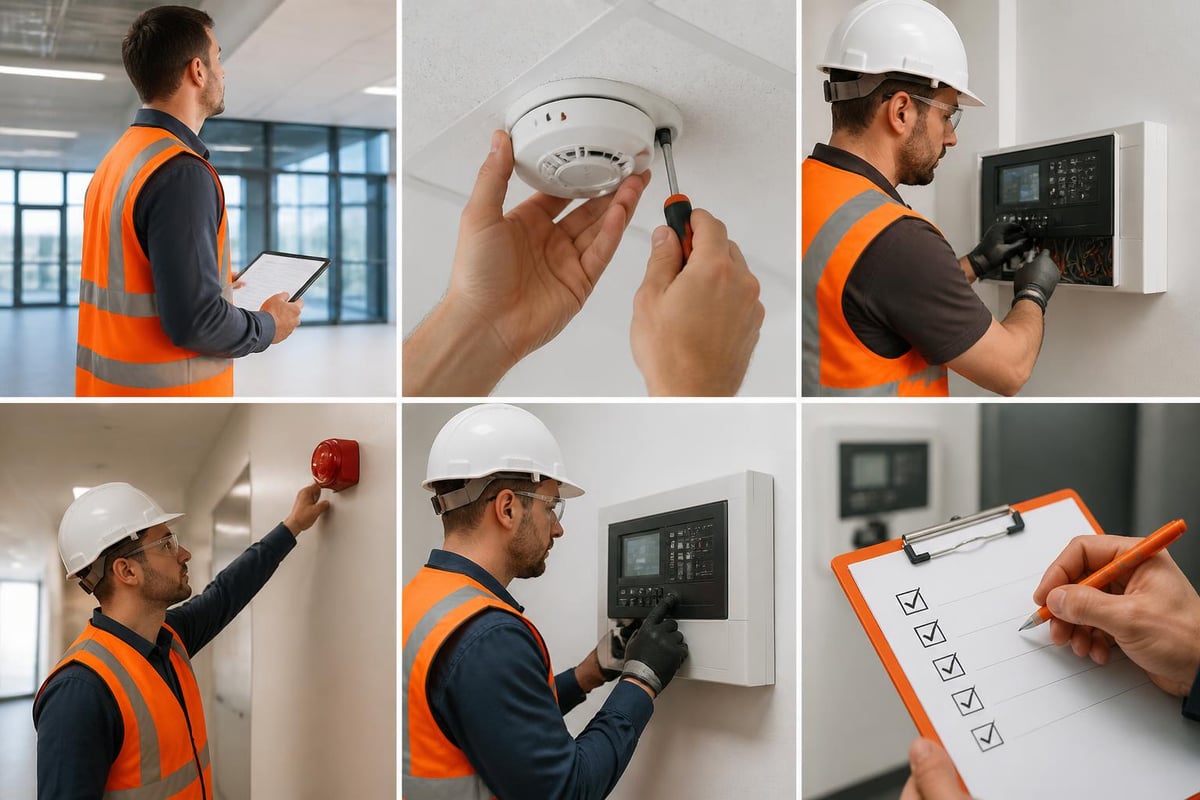
Quality installation adheres to strict technical standards ensuring reliable operation. Cable routing must protect against physical damage whilst maintaining signal integrity. Detector placement follows manufacturer specifications and regulatory requirements, accounting for airflow patterns, ambient conditions, and potential interference sources.
Power supply design incorporates adequate battery backup capacity, typically providing 24 hours standby operation plus 30 minutes full alarm condition. Critical facilities may require extended backup durations or uninterruptible power supply integration.
Monitoring and Response Protocols
An alarm system commercial installation delivers maximum value when connected to professional monitoring services. Twenty-four-hour monitoring ensures immediate response to alarm conditions, regardless of when they occur. Business security monitoring services employ trained operators who verify alarm conditions and coordinate appropriate responses.
Monitoring Service Types
Different monitoring approaches suit various business requirements:
- Central station monitoring: Professional operators verify alarms and dispatch emergency services
- Remote video verification: Cameras confirm alarm conditions before response initiation
- Self-monitoring: Internal security teams receive alarm notifications directly
- Hybrid approaches: Combination of professional monitoring during certain hours, self-monitoring at other times
Effective monitoring protocols extend beyond simple alarm notification. Best practices for securing commercial properties include regular communication testing, false alarm reduction strategies, and clearly documented escalation procedures.
Emergency Communication Integration
Modern alarm system commercial deployments increasingly incorporate advanced communication capabilities. Emergency notification extends beyond traditional bell sounders to include voice evacuation systems, digital messaging, and mobile alerts. Platforms like Convey911 demonstrate how emergency communication technology can overcome language barriers, providing real-time translation services that ensure all occupants understand emergency instructions regardless of their native language.
Integration with evacuation alert systems creates coordinated response protocols, automatically initiating appropriate procedures based on alarm type and location. Fire alarms may trigger different responses than security intrusions, with systems intelligently managing notification devices, access control, and emergency lighting.
Maintenance and Lifecycle Management
Ongoing maintenance ensures alarm system commercial installations continue delivering reliable protection throughout their operational life. Regular testing identifies developing issues before they compromise system functionality, whilst scheduled servicing maintains equipment in optimal condition.
Testing Schedules and Requirements
Regulatory compliance mandates specific testing frequencies for different system components:
| Component Type | Testing Frequency | Typical Activities |
|---|---|---|
| Fire detectors | Weekly/Monthly | Functional testing, sensitivity verification |
| Intrusion sensors | Monthly | Walk test, coverage verification |
| Control panels | Monthly | Power supply check, communication test |
| Notification devices | Monthly | Audibility/visibility verification |
| Battery systems | Quarterly | Load testing, capacity verification |
| Full system | Annually | Comprehensive performance validation |
Fire alarm testing follows stringent protocols ensuring every component performs as designed. Documentation provides an audit trail demonstrating compliance with regulatory requirements and insurance conditions.
Alarm Management and Optimisation
Effective alarm system commercial operation requires ongoing management to maintain optimal performance. SCADA alarm management best practices provide valuable insights applicable to commercial installations, emphasising alarm prioritisation, rationalisation, and response procedure development.
False alarms represent a significant challenge for commercial installations. They waste resources, desensitise occupants to genuine emergencies, and may result in regulatory penalties. Systematic analysis of alarm events identifies patterns indicating equipment issues, environmental factors, or procedural problems requiring attention.
Specialised Applications and Considerations
Certain commercial environments present unique challenges requiring specialised alarm system commercial approaches. Educational facilities, healthcare institutions, manufacturing plants, and retail complexes each demand tailored solutions addressing their specific operational requirements and risk profiles.
Educational Institutions
Schools require alarm systems balancing security with the need for rapid evacuation during emergencies. Alarm systems for schools incorporate features enabling lockdown procedures whilst maintaining compliant egress routes. Integration with public address systems enables clear communication during various emergency scenarios.
Duress alarms provide staff with discrete methods for summoning help during threatening situations. These systems often integrate with existing communication infrastructure, alerting security personnel and administrators without escalating dangerous confrontations.
Industrial and Manufacturing Facilities
Process industries face complex alarm management challenges. Equipment monitoring systems generate numerous operational alarms alongside safety and security notifications. Public address and alarm systems design practices address the specific requirements of industrial environments, where ambient noise, hazardous atmospheres, and operational complexity demand robust solutions.
Kitchen environments within commercial facilities require specialised fire protection. Kitchen suppression systems integrate with building alarm infrastructure, automatically activating suppression equipment whilst alerting monitoring services and occupants.
Technology Trends Shaping Commercial Alarms
The alarm system commercial sector continues evolving rapidly, with technological advancement driving new capabilities and enhanced performance. Understanding emerging trends helps businesses make informed investment decisions that protect their interests well into the future.
Wireless and Hybrid Solutions
Wireless fire alarms have matured significantly, now offering reliability comparable to traditional wired systems whilst providing installation flexibility and cost advantages. Hybrid approaches combine wired infrastructure in easily accessible areas with wireless devices in locations where cabling proves challenging or prohibitively expensive.
Wireless technology particularly benefits listed buildings and heritage properties where preserving architectural features takes precedence. Modern wireless protocols provide robust communication with battery lives extending several years between replacements.
Cloud Connectivity and Remote Management
Cloud-based alarm management platforms enable remote system monitoring, configuration changes, and diagnostic analysis. Building managers access real-time system status from anywhere, receiving mobile notifications of alarm conditions and system faults. This connectivity facilitates proactive maintenance, with automatic alerts identifying developing issues before they compromise system operation.
Remote capabilities don’t eliminate the need for professional installation and maintenance but enhance ongoing management efficiency. Security and access control systems benefit particularly from cloud integration, enabling centralised management of multi-site operations.
Artificial Intelligence and Analytics
Advanced analytics transform alarm systems from reactive detection devices into proactive security tools. Machine learning algorithms identify patterns in alarm data, distinguishing genuine threats from benign events with increasing accuracy. Video analytics complement traditional sensors, detecting unusual behaviour, counting occupants, and verifying alarm conditions automatically.
These capabilities reduce false alarms whilst improving threat detection, creating more effective security postures without increasing monitoring costs. Predictive maintenance algorithms analyse system performance data, identifying equipment requiring attention before failures occur.
Compliance and Certification Considerations
Operating an alarm system commercial installation in the UK requires adherence to multiple regulatory frameworks. Certification demonstrates compliance with relevant standards, whilst regular inspections verify ongoing conformance with safety requirements.
Standards and Approvals
Various standards govern different aspects of commercial alarm systems:
- BS 5839: Fire detection and fire alarm systems for buildings
- BS 8418: Installation and remote monitoring of detector-activated CCTV systems
- BS EN 50131: Intrusion and hold-up alarm systems
- BS 7273: Code of practice for operation of fire protection measures
Operating standards for alarm equipment vary by jurisdiction but generally address equipment specifications, installation requirements, and operational protocols. Whilst this Utah reference provides useful context, UK businesses must ensure compliance with British Standards and local authority requirements.
Standards for intrusion and hold-up alarm systems specify technical requirements for system components and installation procedures, ensuring consistent quality across the industry.
Insurance and Liability Implications
Insurance providers assess commercial alarm systems when determining coverage and premiums. Inadequate or poorly maintained systems may void coverage or result in higher costs. Conversely, sophisticated alarm infrastructure demonstrating robust protection may qualify for premium reductions.
Documentation proves critical during insurance claims. Comprehensive maintenance records, testing logs, and certification documents demonstrate due diligence in maintaining protective systems. Many insurers require annual certification from qualified engineers confirming system compliance and operational readiness.
Selecting Installation Partners
Choosing the right partner for alarm system commercial installation significantly impacts long-term satisfaction and system performance. Professional installers bring technical expertise, regulatory knowledge, and practical experience ensuring installations meet requirements and deliver reliable protection.
Evaluation Criteria
When assessing potential installation partners, consider multiple factors:
- Qualifications and certifications: Industry accreditations, manufacturer partnerships, engineer training
- Experience: Track record with similar facilities, customer references, completed projects
- Service capabilities: Design, installation, monitoring, maintenance, emergency response
- Technical expertise: Knowledge of relevant standards, building regulations, integration requirements
- Financial stability: Ability to honour warranties, provide ongoing support, invest in training
Commercial security systems require ongoing relationships with installation partners. Emergency support, system modifications, and technology upgrades necessitate responsive, knowledgeable service providers.
Comprehensive Service Offerings
The most valuable partners provide complete lifecycle support, from initial consultation through decommissioning. Design services ensure systems meet specific requirements whilst remaining scalable and maintainable. Installation teams execute projects efficiently, minimising operational disruption. Monitoring services provide continuous oversight, whilst maintenance programs preserve system functionality.
Protection systems deliver maximum value when all elements work together seamlessly. Fragmented service relationships, with different providers handling design, installation, and maintenance, often result in communication gaps, accountability issues, and suboptimal performance.
Implementing an effective alarm system commercial solution requires careful planning, professional installation, and ongoing management. From understanding regulatory requirements to embracing emerging technologies, businesses must make informed decisions protecting their assets, people, and operations. Logic Fire and Security brings extensive experience designing, installing, and maintaining comprehensive alarm systems for businesses throughout the UK, delivering the expertise and support necessary to ensure your facility remains secure and compliant for years to come.