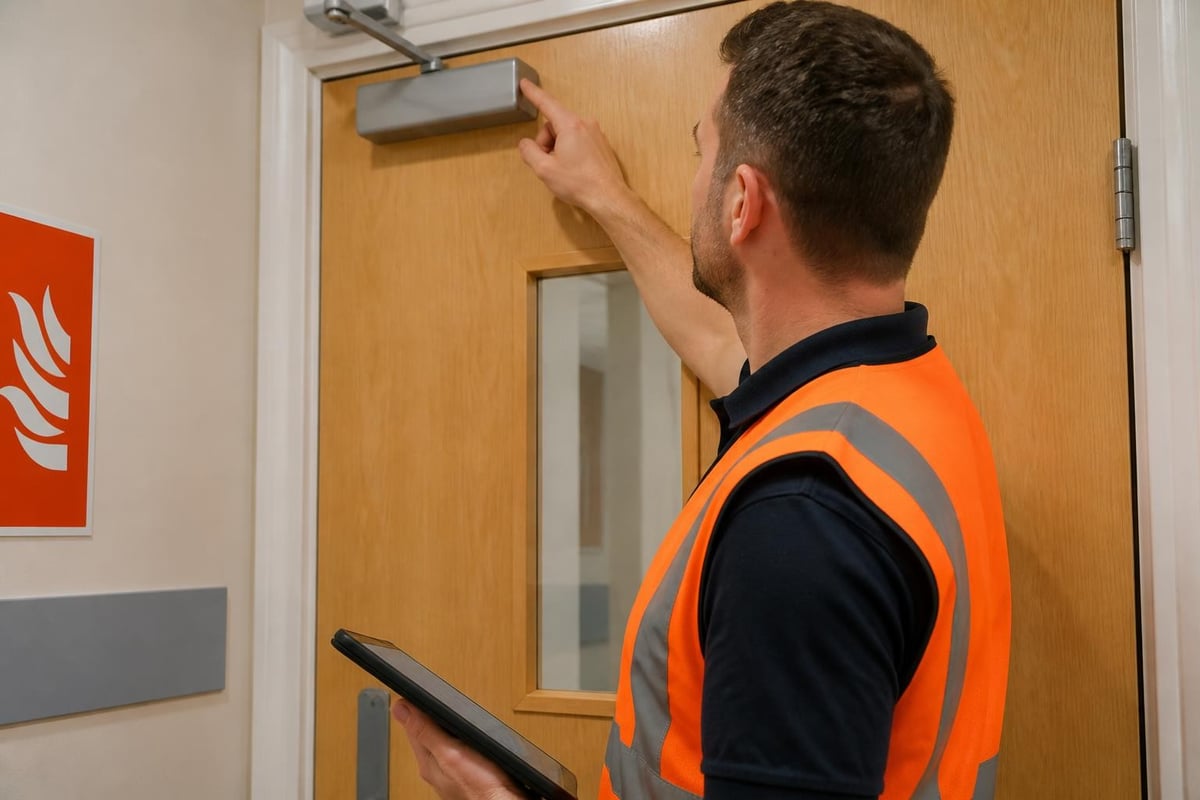

Fire and Security Companies Near Me: UK Selection Guide

When searching for fire and security companies near me, businesses face a critical decision that directly impacts their operational safety, regulatory compliance, and asset protection. The landscape of fire and security services has evolved significantly, with technological advancements reshaping how organisations approach building safety. Selecting the right partner requires understanding not only the immediate installation needs but also the long-term support infrastructure that ensures your systems remain effective. This comprehensive guide explores the essential considerations for choosing fire and security companies near me whilst examining industry developments that influence service delivery in 2026.

Understanding the Modern Fire and Security Landscape

The fire and security sector has undergone substantial transformation over recent years. Traditional alarm systems have given way to sophisticated integrated platforms that combine fire detection, access control, and surveillance capabilities within unified management systems.

Technological Integration and Intelligence

Modern fire and security companies near me now offer solutions that leverage artificial intelligence and advanced analytics to enhance threat detection and reduce false alarms. These intelligent systems can differentiate between genuine emergencies and environmental anomalies, significantly improving response accuracy.

Key technological capabilities to expect include:

  • Cloud-based monitoring platforms with remote access
  • AI-enhanced video analytics for perimeter protection
  • Integrated building management system connectivity
  • Mobile application control for authorised personnel
  • Predictive maintenance alerts using sensor data

The integration extends beyond individual components. Commercial fire detection systems now communicate seamlessly with ventilation controls, emergency lighting, and evacuation alert systems to orchestrate coordinated responses during incidents.

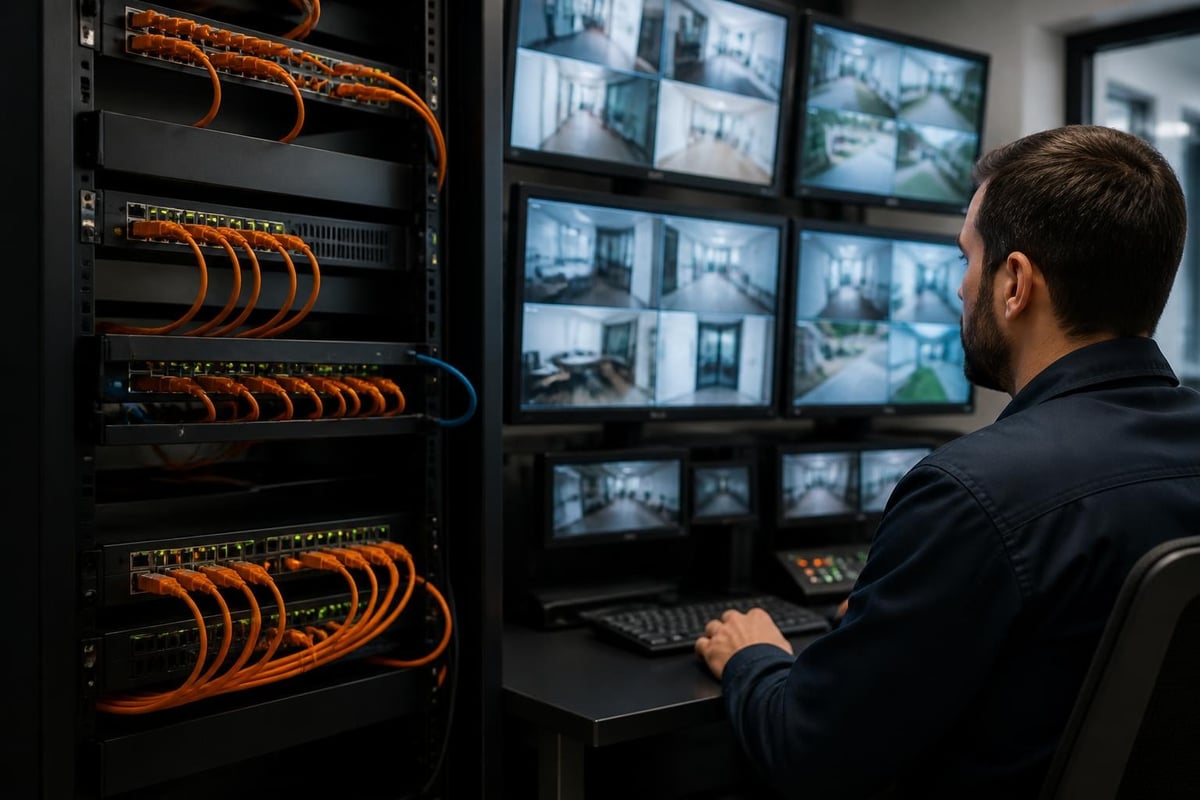
Integrated fire and security system components

Industry Standards and Certifications

When evaluating fire and security companies near me, certifications serve as critical indicators of competence and reliability. British Standards such as BS 5839 for fire detection and BS 8418 for installation and remote monitoring form the foundation of quality assurance.

Certification Purpose Relevance
NSI Gold Third-party certification for security systems Indicates adherence to highest industry standards
BAFE SP203-1 Fire alarm design and installation Essential for compliant fire detection systems
SafeContractor Health and safety pre-qualification Demonstrates commitment to site safety
ISO 9001 Quality management systems Ensures consistent service delivery

The importance of these credentials cannot be overstated. They provide assurance that fire and security companies near me possess the technical knowledge, operational procedures, and insurance coverage necessary for professional service delivery.

Essential Services Portfolio

A comprehensive service provider should offer end-to-end capabilities spanning design, installation, monitoring, and maintenance.

Fire Safety Systems

Fire alarm systems represent the cornerstone of building protection. However, fire safety extends far beyond basic smoke detection to encompass multiple interconnected elements.

Complete fire safety portfolios include:

  1. Addressable fire detection networks – Pinpoint identification of alarm activation points
  2. Aspirating smoke detection – Early warning systems for high-value environments
  3. Gas suppression systems – Protection for server rooms and critical equipment
  4. Emergency lighting and signage – Guidance during evacuation scenarios
  5. Disabled refuge systems – Communication points for mobility-impaired occupants
  6. Fire extinguisher provision and servicing – First-line response equipment

The state of the fire and life safety market indicates that cloud computing and intelligent analytics are increasingly influencing system capabilities, enabling more sophisticated threat assessment and faster emergency response coordination.

Security System Integration

Electronic security solutions from fire and security companies near me should address multiple threat vectors through layered protection strategies.

Modern access control entry systems utilise biometric authentication, mobile credentials, and time-based permissions to regulate facility access. These platforms integrate with commercial CCTV installations to provide visual verification of access events and maintain comprehensive audit trails.

Perimeter protection combines intrusion detection sensors with video analytics to identify unauthorized access attempts before breaches occur. Intruder alarm monitoring services provide immediate verification and response coordination when security events are detected.

System Type Primary Function Integration Benefits
Access Control Credential management and entry regulation Links with CCTV for visual verification
CCTV Surveillance Visual monitoring and evidence recording AI analytics for behaviour detection
Intruder Detection Perimeter and internal breach detection Automated alerts to monitoring centres
Intercoms Visitor communication and verification Remote access grant capabilities

Monitoring and Ongoing Support Infrastructure

Installation represents merely the beginning of the relationship with fire and security companies near me. Ongoing monitoring and maintenance determine long-term system effectiveness.

24/7 Monitoring Capabilities

Professional monitoring centres provide continuous oversight of your fire and security infrastructure. Fire alarm monitoring services ensure immediate notification of emergency services when detection systems activate, whilst trained operators verify alarm conditions before dispatching responders.

The sophistication of monitoring extends beyond basic alert forwarding. Modern platforms track system health metrics, identifying potential failures before they compromise protection. This proactive approach minimizes downtime and maintains compliance with regulatory requirements.

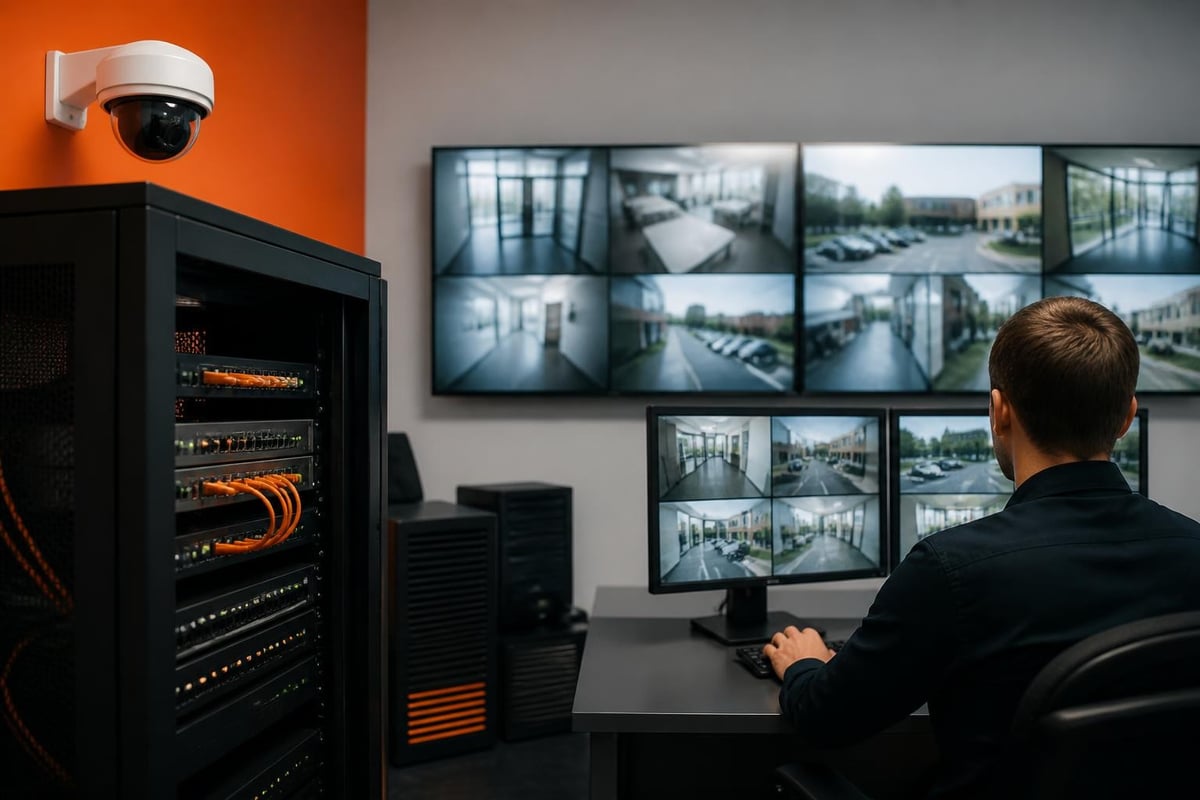
Fire and security monitoring workflow

Maintenance Schedules and Compliance

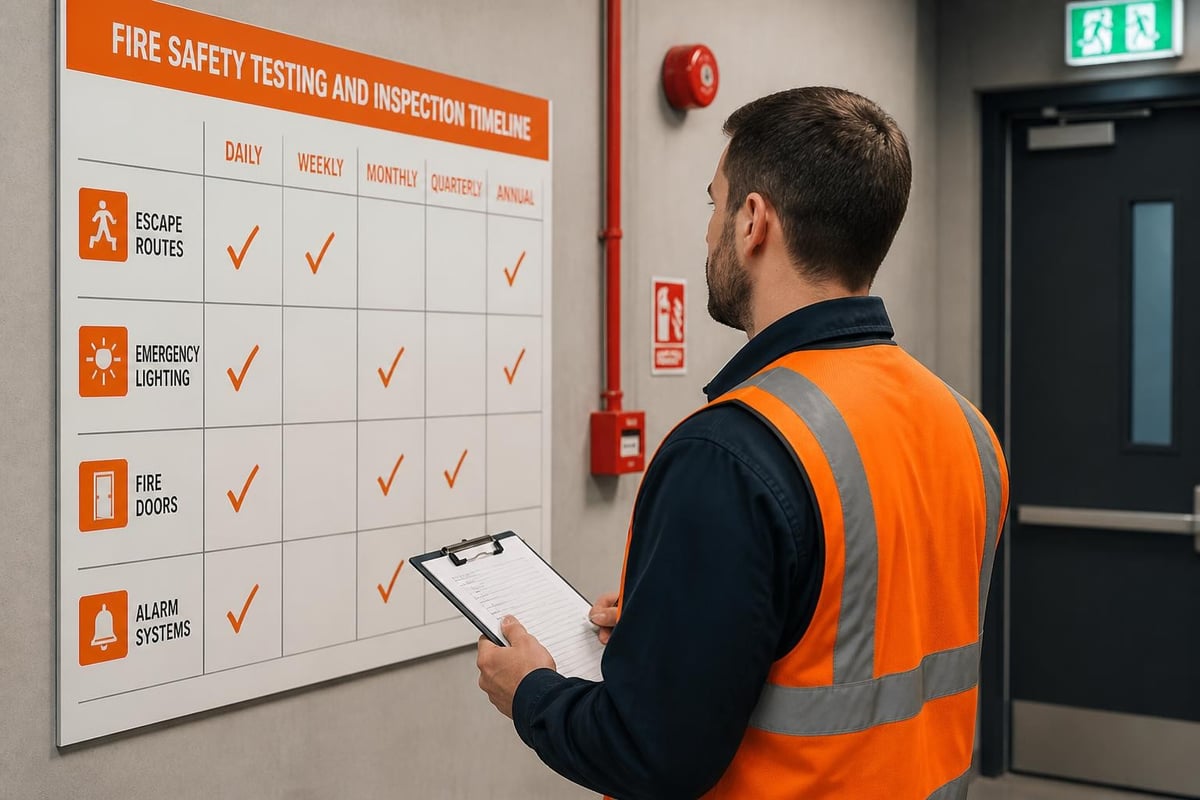
Regular servicing maintains system reliability whilst fulfilling statutory obligations. Fire and security companies near me should provide structured maintenance programmes tailored to your specific installation.

Typical maintenance frequencies include:

  • Fire detection systems – Quarterly inspections with annual comprehensive testing
  • Emergency lighting – Monthly functional tests and annual duration tests
  • Gas suppression systems – Six-monthly inspections with cylinder weighing
  • CCTV equipment – Quarterly health checks and lens cleaning
  • Access control hardware – Annual comprehensive testing and credential audits

Maintenance visits should encompass functional testing, component replacement where necessary, and detailed reporting that evidences compliance. This documentation proves invaluable during regulatory inspections and insurance assessments.

Evaluating Service Providers in Your Area

The process of selecting fire and security companies near me requires methodical assessment across multiple criteria.

Geographic Coverage and Response Times

Proximity influences service quality, particularly for emergency callouts and routine maintenance visits. Local providers understand regional building regulations and maintain established relationships with authorities having jurisdiction.

Response time commitments vary significantly between providers. Standard service level agreements typically guarantee attendance within four to eight hours for urgent issues, whilst routine maintenance operates on scheduled appointments. However, premium service tiers may offer prioritised response with engineer deployment within two hours.

Technical Expertise and Specialisation

Different sectors present unique challenges requiring specialised knowledge. Healthcare facilities demand compliance with HTM 05-03 guidance, whilst industrial environments require explosion-proof equipment rated for hazardous areas.

When researching fire and security companies near me, assess their experience with your specific building type. Portfolio evidence and client references from similar environments indicate relevant expertise.

Sector-specific considerations include:

  • Data centres – Requiring gas suppression and environmental monitoring
  • Retail environments – Needing integrated theft prevention and customer safety
  • Educational facilities – Demanding safeguarding-compliant access control
  • Manufacturing sites – Requiring industrial-grade detection and zone isolation

Financial Stability and Business Continuity

The longevity of your chosen provider matters significantly. Fire and security companies near me should demonstrate financial stability that ensures they’ll remain operational throughout your system’s lifecycle, which may span 10-15 years.

Merger and acquisition activity within the sector has intensified, driven by technological advancement and regulatory pressures. Whilst consolidation can bring benefits through increased resources, it may also introduce service disruption during transition periods.

Stability Indicator What to Assess Why It Matters
Trading History Years in operation and client retention Indicates reliability and reputation
Accreditations Maintenance of industry certifications Demonstrates ongoing investment in quality
Employee Tenure Experience levels of engineering staff Reflects technical capability and continuity
Insurance Coverage Professional indemnity and public liability levels Protects against negligence claims

Technology Trends Shaping Service Delivery

Understanding emerging developments helps future-proof your investment when selecting fire and security companies near me.

Artificial Intelligence and Predictive Analytics

Fire service technology trends for 2026 highlight AI integration as transformational. Machine learning algorithms now analyse historical alarm data to identify patterns indicating impending equipment failure, enabling preventative intervention.

Video analytics have progressed beyond simple motion detection to recognise specific behaviours, objects, and situations. These capabilities reduce security officer workload by filtering irrelevant events whilst highlighting genuine threats requiring investigation.

Cloud-Based Management Platforms

Traditional on-premise management systems are giving way to cloud-hosted platforms offering enhanced accessibility and scalability. Authorised personnel can monitor system status, review alarm history, and manage user credentials from any internet-connected device.

Cloud architecture facilitates seamless software updates without site visits, ensuring your installation benefits from the latest security patches and feature enhancements. This approach also supports business continuity by eliminating single points of failure inherent in server-dependent configurations.

Cloud-based fire and security management

Cybersecurity Considerations

As fire and security systems become increasingly networked, cybersecurity assumes critical importance. Fire and security companies near me should implement robust measures protecting against unauthorised access and system compromise.

Essential cybersecurity features include:

  1. Encrypted communications between devices and monitoring centres
  2. Multi-factor authentication for administrative access
  3. Network segmentation isolating security systems from general IT infrastructure
  4. Regular firmware updates addressing discovered vulnerabilities
  5. Penetration testing validating system resilience

The convergence of physical and cyber security demands providers possess both domains’ expertise, particularly for organisations handling sensitive data or operating within critical national infrastructure.

Cost Structures and Value Assessment

Understanding pricing models helps evaluate quotations from fire and security companies near me effectively.

Initial Investment Components

Capital expenditure encompasses equipment supply, installation labour, system commissioning, and user training. Pricing varies substantially based on building complexity, chosen technology, and integration requirements.

Transparent quotations should itemize:

  • Equipment costs – Detectors, panels, cameras, access readers, and cabling
  • Labour charges – Installation, programming, and commissioning activities
  • Project management – Design, coordination, and compliance documentation
  • Commissioning and testing – Functional verification and authority notifications

Beware of quotations lacking detailed breakdowns, as these may conceal substandard components or omit essential elements requiring subsequent additional charges.

Ongoing Service Costs

Operational expenditure includes monitoring fees, maintenance contracts, and callout charges. Monthly monitoring typically ranges from £20-£100 per site depending on system complexity and service level commitments.

Maintenance contracts operate on fixed annual fees or per-visit charging. Fixed-price agreements provide budget certainty and typically include all routine servicing, component replacement (excluding vandalism), and documentation. Per-visit arrangements suit smaller installations with minimal equipment but may become expensive as estates grow.

Cost Model Structure Best Suited For
Fixed Annual Single annual payment covering all planned maintenance Multi-site estates requiring budget certainty
Quarterly Billing Spread payments with scheduled service visits Medium-sized installations
Per-Visit Charging Payment only when services rendered Small, simple systems with minimal equipment
Comprehensive Cover All-inclusive monitoring and maintenance Risk-averse organisations prioritising uptime

Compliance and Regulatory Obligations

Fire and security companies near me must navigate complex regulatory frameworks ensuring installations meet statutory requirements.

Building Regulations and Fire Safety Legislation

The Regulatory Reform (Fire Safety) Order 2005 places duty on responsible persons to ensure adequate fire safety measures. This encompasses appropriate detection systems, emergency lighting, and evacuation procedures tailored to building occupancy and use.

Fire risk assessment companies identify specific threats and recommend proportionate mitigation measures. These assessments inform system specifications, ensuring installations address identified risks comprehensively.

British Standard BS 5839-1 establishes fire detection system design, installation, and maintenance requirements. Compliance demonstrates due diligence and forms a defence against corporate manslaughter prosecution should incidents occur.

Data Protection and Privacy

CCTV installations must comply with UK GDPR and Data Protection Act 2018 requirements. This necessitates legitimate processing grounds, proportionate surveillance, clear signage, and defined retention periods.

Building access control systems collecting biometric data trigger additional obligations regarding explicit consent and heightened security measures protecting this sensitive information.

Fire and security companies near me should provide guidance ensuring installations remain compliant, including privacy impact assessments for extensive surveillance deployments.

Making the Final Selection Decision

Consolidating research into a selection decision requires structured evaluation of shortlisted fire and security companies near me.

Requesting Detailed Proposals

Comprehensive briefs elicit comparable quotations. Specify building details, existing infrastructure, functional requirements, and constraints influencing design approaches.

Request proposals addressing:

  • Detailed system design with equipment schedules
  • Installation methodology and programme duration
  • Commissioning procedures and handover documentation
  • Maintenance requirements and service level commitments
  • Warranty terms and support availability
  • Migration strategies for existing system replacement

Conducting Due Diligence

Verify credentials through certifying bodies’ public registers. NSI and BAFE maintain online directories confirming member status and scope of certification.

Request client references from comparable installations, focusing on:

  • Reliability of equipment and false alarm frequency
  • Responsiveness during emergencies and routine maintenance
  • Quality of documentation and compliance support
  • Professionalism of engineering staff
  • Value for money across the contract term

Site visits to existing installations provide firsthand insights into equipment quality and workmanship standards fire and security companies near me deliver.

Contract Terms and Performance Metrics

Formal agreements should establish clear performance expectations with remedies for non-compliance. Essential clauses include response time guarantees, preventative maintenance frequencies, parts availability commitments, and contract termination provisions.

Service level agreements quantify acceptable performance through measurable metrics:

  • System availability – Percentage of time fully operational (typically 99%+)
  • Response times – Maximum periods for attendance following callout requests
  • False alarm rates – Target reductions through ongoing optimization
  • Compliance maintenance – Guarantee of meeting regulatory testing schedules

Selecting the right provider requires careful evaluation of technical capability, service infrastructure, and long-term reliability. As fire and security systems grow increasingly sophisticated, partnering with experienced professionals ensures your investment delivers comprehensive protection whilst maintaining regulatory compliance. Logic Fire and Security brings decades of expertise serving Blue Chip companies and public agencies across the UK, offering complete design, installation, monitoring and maintenance solutions tailored to your specific requirements.

Schools Security Systems: A Complete Guide for 2026

Protecting pupils, staff and educational resources has become increasingly complex in 2026, requiring educational institutions to implement sophisticated security measures that balance safety with maintaining a welcoming learning environment. Schools security systems now encompass a comprehensive range of technologies and protocols, from advanced fire detection and access control to video surveillance and emergency response capabilities. This guide explores the essential components, best practices and strategic considerations for educational facilities seeking to enhance their security infrastructure whilst meeting regulatory requirements and supporting their core educational mission.

The Evolution of Security Requirements in Educational Settings

Educational institutions face unique security challenges that distinguish them from other commercial environments. The need to protect vulnerable populations whilst maintaining an open, accessible atmosphere requires carefully designed solutions that don’t compromise the learning experience.

Modern schools security systems must address multiple threat vectors simultaneously. Physical security concerns include unauthorised access, intrusions during and after school hours, and emergency situations ranging from medical incidents to more serious threats. Additionally, institutions must comply with strict fire safety regulations, safeguard valuable equipment and maintain comprehensive records of all security events.

Layered security approach for schools

Key drivers shaping schools security systems in 2026 include:

  • Evolving regulatory requirements for fire safety and emergency preparedness
  • Integration of physical and digital security measures
  • Enhanced visitor management protocols
  • Real-time monitoring and rapid response capabilities
  • Budget constraints requiring cost-effective, scalable solutions

The K-12 access control approach emphasises securing every layer of a campus, from perimeter fencing through to individual rooms. This “Curb-to-Core” strategy ensures comprehensive protection whilst allowing legitimate access for students, staff and approved visitors.

Understanding the Regulatory Landscape

Schools in the UK must comply with multiple regulatory frameworks governing both fire safety and security provisions. The Regulatory Reform (Fire Safety) Order 2005 places responsibility on institutions to conduct thorough risk assessments and implement appropriate fire detection and alarm systems. Similarly, safeguarding regulations require schools to demonstrate adequate measures for protecting children and vulnerable adults.

Commercial fire detection systems designed for educational environments must meet specific standards whilst integrating seamlessly with broader security infrastructure. This integration enables coordinated responses to various emergency scenarios, ensuring that evacuation procedures, lockdown protocols and emergency services notification work in harmony.

Core Components of Comprehensive Schools Security Systems

Building an effective security infrastructure requires careful selection and integration of multiple technologies, each serving specific functions whilst contributing to overall safety objectives.

Access Control and Visitor Management

Controlling who enters school premises represents the first line of defence in any security strategy. Modern access control systems utilise various authentication methods including proximity cards, biometric readers and mobile credentials to manage entry points throughout the campus.

Access Control Feature Primary Benefits Implementation Considerations
Card-based systems Cost-effective, easy to issue and revoke Cards can be lost or shared
Biometric readers Enhanced security, no credential to lose Privacy concerns, higher initial cost
Mobile credentials Convenient, difficult to share Requires smartphone infrastructure
Video intercoms Visual verification before granting access Requires staff monitoring capability

Visitor management systems have evolved significantly beyond traditional paper sign-in books. Contemporary solutions automatically verify visitor identities, print temporary badges, conduct background checks against watchlists and maintain detailed audit trails. These systems integrate with access control to restrict visitors to specific areas whilst alerting staff to their presence.

The comprehensive guide to school security from EdTech Magazine emphasises the importance of physical building security as foundational to overall safety strategies. Effective visitor management protocols should balance thorough screening with maintaining a welcoming environment for parents, volunteers and community partners.

Video Surveillance and Monitoring

Strategic placement of cameras throughout school grounds provides multiple security benefits, including deterring inappropriate behaviour, monitoring high-traffic areas and providing evidence when incidents occur. Surveillance security systems designed for educational settings typically feature high-resolution cameras with wide dynamic range capabilities to handle varying lighting conditions.

Essential camera locations include:

  • All entry and exit points
  • Car parks and perimeter areas
  • Corridors and stairwells
  • Outdoor spaces including playgrounds
  • Reception and administrative areas
  • Restricted zones such as server rooms and storage facilities

Modern video management systems enable real-time monitoring from central control rooms whilst storing footage for forensic review. Advanced analytics can automatically detect unusual activities, such as individuals in restricted areas after hours or vehicles entering premises through unauthorised routes.

Integration between video surveillance and access control systems creates powerful capabilities. When an access card is used, the system can automatically pull up associated camera feeds, enabling security personnel to verify that the correct individual is using the credential. Similarly, when alarms activate, cameras can immediately focus on affected areas to provide situational awareness.

Integrated security system workflow

Fire Detection and Life Safety Systems

Whilst often considered separately from security measures, fire detection systems represent critical components of comprehensive schools security systems. Educational facilities require sophisticated fire protection that accounts for varied building layouts, occupancy patterns and the presence of vulnerable populations.

Alarm systems for schools must provide clear, unmistakable warnings that prompt immediate evacuation. These systems typically feature multiple notification methods including audible sounders, visual strobes and voice evacuation capabilities that can provide specific instructions based on the nature and location of the emergency.

Advanced fire detection technologies include:

  1. Addressable fire alarm systems that pinpoint exact detector locations, enabling rapid response
  2. Multi-sensor detectors combining heat and smoke sensing to reduce false alarms
  3. Aspiration systems for early detection in critical areas such as server rooms
  4. Beam detectors covering large open spaces like halls and gymnasiums
  5. Integration capabilities linking fire systems with access control for automatic door release

Regular testing and maintenance ensure these life-safety systems remain operational when needed. Fire alarm testing protocols should follow manufacturer recommendations and regulatory requirements, with comprehensive records maintained for compliance purposes.

Strategic Implementation and Integration

Deploying effective schools security systems requires more than simply installing individual components. Strategic planning ensures all elements work together cohesively whilst supporting educational objectives.

Layered Security Approaches

The best practices for K-12 school security emphasise layered defence strategies that create multiple barriers between potential threats and students. This approach recognises that no single security measure provides complete protection, but overlapping systems create comprehensive coverage.

The layered security model typically includes:

  • Perimeter security: Fencing, lighting and surveillance of campus boundaries
  • Building envelope: Securing all external doors and windows with access control
  • Interior zones: Restricting access to sensitive areas within buildings
  • Individual spaces: Lockable classrooms with emergency communication capabilities
  • Personal safety: Duress alarms and mobile panic buttons for staff

Each layer serves specific functions whilst supporting overall security objectives. For instance, perimeter cameras may detect vehicles approaching after hours, triggering alerts that enable security personnel to intercept them before they reach building entry points.

Integration and Automation

Modern schools security systems achieve maximum effectiveness through integration platforms that connect previously siloed technologies. When access control, video surveillance, fire detection, intrusion alarms and emergency communication systems share data through common interfaces, security personnel gain comprehensive situational awareness.

Integration Benefit Example Application Operational Impact
Automated responses Fire alarm triggers door release and elevator recall Faster, more reliable emergency procedures
Cross-system verification Access event pulls up associated camera views Enhanced monitoring efficiency
Centralised management Single interface for all security systems Reduced training requirements, faster response
Unified reporting Combined data from multiple systems Improved compliance documentation

Security and access control integration enables sophisticated capabilities such as automatically locking all external doors when intrusion alarms activate, or releasing specific doors during fire emergencies whilst keeping others secured to direct evacuation routes.

Cybersecurity Considerations

As schools security systems become increasingly networked and connected, cybersecurity becomes a critical consideration. Physical security systems now frequently connect to school networks, creating potential vulnerabilities if not properly secured.

Essential cybersecurity measures include:

  1. Network segmentation isolating security systems from general school networks
  2. Strong authentication requirements for system access
  3. Regular firmware updates addressing known vulnerabilities
  4. Encryption of data in transit and at rest
  5. Comprehensive audit logging of all system access and changes

The school security protocols guide highlights the importance of treating physical security infrastructure with the same cybersecurity rigour applied to IT systems, recognising that compromised security systems can create significant risks.

Emergency Response and Communication

Schools security systems must support rapid, coordinated responses to various emergency scenarios. Effective communication capabilities ensure that appropriate personnel receive timely information enabling them to take proper action.

Mass Notification Systems

When emergencies occur, communicating with students, staff and parents becomes paramount. Modern mass notification systems utilise multiple channels to ensure critical messages reach intended recipients regardless of their location or circumstances.

Communication channels typically include:

  • Overhead public address systems with zone-specific capabilities
  • Text messages to registered mobile numbers
  • Email alerts to staff and parent addresses
  • Desktop notifications on school computers
  • Digital signage displays throughout buildings
  • Social media updates for wider community awareness

Integration between security systems and notification platforms enables automated alerts. For instance, fire alarm activation can trigger immediate public address announcements with specific evacuation instructions, whilst simultaneously sending text alerts to administrators and notifying emergency services.

Emergency response coordination

Lockdown and Evacuation Procedures

Schools security systems must support both evacuation scenarios (such as fire emergencies) and lockdown situations requiring personnel to shelter in place. The challenge lies in designing systems that can accommodate these opposite responses depending on the nature of the threat.

Commercial security systems designed for educational environments typically feature programmable lockdown functions that can be initiated through wall-mounted buttons, mobile applications or automatic triggers. When activated, these functions immediately secure all designated doors, notify authorities and provide clear instructions to building occupants.

Crucially, lockdown systems must override standard access control programming whilst ensuring fire egress requirements remain met. Electromagnetic door holders release during fire alarms regardless of lockdown status, whilst exit devices allow personnel to leave buildings even when external entry is prevented.

Maintenance, Testing and Continuous Improvement

Installing schools security systems represents only the beginning of effective security programmes. Ongoing maintenance, regular testing and continuous evaluation ensure systems remain operational and effective.

Preventive Maintenance Programmes

Like any sophisticated technology infrastructure, security systems require regular servicing to maintain optimal performance. Commercial fire alarm monitoring companies typically recommend quarterly inspections of critical life-safety systems, with annual comprehensive testing meeting regulatory requirements.

Maintenance activities should include:

  • Testing all detectors, sensors and alarm devices
  • Verifying proper operation of access control hardware
  • Cleaning camera lenses and adjusting views as needed
  • Checking battery backup systems and UPS devices
  • Updating software and firmware to current versions
  • Reviewing and purging old video footage
  • Testing emergency communication systems

Comprehensive maintenance records document system reliability whilst demonstrating regulatory compliance. These records become invaluable during inspections and when investigating incidents.

Training and Awareness

Even the most sophisticated schools security systems prove ineffective if personnel don’t understand their operation and proper use. Comprehensive training programmes should address multiple audiences with appropriate content for each group.

Administrative staff require detailed knowledge of system operation, including managing access credentials, reviewing surveillance footage and responding to various alarm conditions. Teaching staff need familiarity with emergency procedures, including lockdown activation and evacuation protocols. Maintenance personnel should understand basic troubleshooting to address minor issues before they require specialist attention.

Regular drills ensure everyone understands their roles during emergencies. These exercises also reveal potential improvements to systems, procedures or training that might not be apparent during routine operations.

Performance Monitoring and Enhancement

Schools security systems should evolve based on operational experience, emerging threats and advancing technology. Regular reviews assess system effectiveness whilst identifying enhancement opportunities.

Key performance indicators might include:

Metric Purpose Target Performance
False alarm rate System reliability and appropriate tuning Less than 2 false alarms per system annually
Access denial events Identifying potential security gaps All denials investigated within 24 hours
Average response time Speed of security personnel reaction Under 3 minutes for priority alarms
System uptime Overall reliability 99.5% availability excluding planned maintenance
Incident resolution Effectiveness of investigations Complete documentation within 48 hours

The research on school security measures from the Institute of Education Sciences examines associations between security implementations and various outcomes, providing evidence-based insights for optimising security approaches.

Budget Considerations and Return on Investment

Financial constraints represent significant challenges for educational institutions implementing comprehensive schools security systems. Strategic planning helps maximise security benefits whilst working within available resources.

Phased Implementation Strategies

Rather than attempting complete security overhauls that strain budgets, many schools adopt phased approaches that prioritise the most critical needs first whilst planning future enhancements.

A typical phased implementation might address:

  1. Phase One: Securing main entry points with access control and visitor management
  2. Phase Two: Installing perimeter surveillance and intrusion detection
  3. Phase Three: Upgrading fire detection systems to addressable technology
  4. Phase Four: Adding internal cameras in corridors and common areas
  5. Phase Five: Implementing integrated emergency communication systems

This approach allows institutions to spread costs across multiple budget cycles whilst achieving immediate security improvements in priority areas. Each phase builds upon previous implementations, working toward comprehensive coverage.

Funding Sources and Grant Opportunities

Various funding mechanisms can help schools finance security improvements. Government grants specifically supporting school safety initiatives periodically become available, whilst general education funding may include security provisions. The federal school safety resources compilation provides information about available support programmes.

Additionally, partnerships with local emergency services sometimes enable shared infrastructure benefiting both schools and broader community safety objectives. For instance, direct connection of fire alarm systems to emergency dispatch centres may receive financial support recognising the community protection benefits.

Calculating Long-term Value

When evaluating schools security systems, institutions should consider total cost of ownership beyond initial purchase prices. Reliable systems from established manufacturers typically cost more upfront but deliver lower lifetime costs through reduced maintenance requirements, longer service life and better integration capabilities.

Long-term value considerations include:

  • Reduced insurance premiums through enhanced risk mitigation
  • Lower false alarm fines through more reliable detection systems
  • Decreased vandalism and theft losses
  • Improved staff retention in safer working environments
  • Enhanced institutional reputation attracting students and families
  • Avoided liability costs from inadequate security measures

Building access control systems designed for educational environments should balance current needs with future scalability, ensuring that additional capacity doesn’t require replacing core infrastructure.

Emerging Technologies and Future Trends

Schools security systems continue evolving as new technologies emerge and best practices develop. Understanding coming trends helps institutions make forward-looking decisions that protect investments.

Artificial Intelligence and Analytics

Advanced video analytics powered by artificial intelligence enable cameras to do more than simply record footage. These systems can detect unusual activities, identify specific objects or behaviours and alert personnel to potential concerns before they escalate.

Applications in educational settings include detecting weapons, identifying individuals loitering near entrances, monitoring traffic flow to prevent overcrowding and even recognising signs of distress or altercations. However, institutions must carefully balance these capabilities against privacy considerations and community acceptance.

Cloud-based Management

Whilst traditional schools security systems rely on on-premises servers and local storage, cloud-based platforms offer compelling advantages including remote access, automatic updates, simplified disaster recovery and reduced IT infrastructure requirements.

Cloud solutions also facilitate multi-site management for school districts overseeing numerous facilities. Centralised monitoring enables security personnel to supervise multiple campuses simultaneously, improving efficiency whilst ensuring consistent security standards.

Mobile Integration

Smartphones have become ubiquitous among staff and older students, creating opportunities for security systems to leverage mobile devices. Mobile credentials eliminate the need for separate access cards, whilst mobile panic button applications enable discreet emergency alerts from anywhere on campus.

Push notifications keep relevant personnel informed about security events in real time, regardless of their physical location. Mobile apps also simplify tasks like managing visitor pre-registration or reporting maintenance issues with security equipment.


Implementing comprehensive schools security systems requires balancing multiple objectives: protecting vulnerable populations, maintaining welcoming educational environments, complying with regulations and working within realistic budgets. The most effective approaches combine proven technologies like access control, video surveillance and fire detection with strategic planning that addresses specific institutional needs and risks. If your educational facility requires expert guidance on designing, installing or upgrading security infrastructure that meets current standards whilst supporting your educational mission, Logic Fire and Security brings extensive experience helping organisations across the UK implement reliable, compliant solutions tailored to their unique requirements.

Business Security Camera Systems: Complete Guide 2026

Business security camera systems have evolved from simple recording devices into sophisticated, intelligent networks that protect assets, monitor operations, and provide invaluable evidence when incidents occur. For UK businesses in 2026, selecting the right surveillance infrastructure requires balancing technological capabilities, legal compliance, operational needs, and integration with broader security systems. Whether protecting a warehouse, retail space, office building, or manufacturing facility, understanding the components, placement strategies, and maintenance requirements of modern surveillance systems ensures your investment delivers long-term value and protection.

Understanding Modern Business Security Camera Systems

The landscape of commercial surveillance has transformed dramatically over recent years. Today’s business security camera systems leverage advanced technologies including artificial intelligence, cloud storage, and seamless integration with other security measures such as access control and alarm monitoring.

Contemporary systems typically comprise several key components working in harmony. Network video recorders (NVRs) serve as the central hub, processing and storing footage from multiple cameras simultaneously. Power-over-Ethernet (PoE) technology simplifies installations by transmitting both data and power through a single cable, reducing infrastructure costs and complexity. Many businesses now opt for commercial CCTV solutions that integrate with existing fire and security infrastructure for comprehensive protection.

Technology Categories and Selection Criteria

Choosing between analogue and IP-based systems represents a fundamental decision. IP cameras offer superior image quality, remote accessibility, and advanced features like motion detection zones and facial recognition. Analogue systems, whilst less feature-rich, remain cost-effective for smaller installations or businesses with budget constraints.

Camera technology comparison

Resolution standards have progressed significantly. Whilst 1080p cameras remain common, 4K ultra-high-definition options provide exceptional detail for identifying faces, vehicle registration plates, and subtle movements across larger areas. The trade-off involves increased storage requirements and bandwidth consumption, factors that must be considered during system design.

Camera Type Resolution Coverage Area Best Application Approximate Cost
Dome (Indoor) 2MP-8MP 20-30 metres Reception areas, corridors £150-£400
Bullet (Outdoor) 2MP-12MP 30-50 metres Perimeters, car parks £200-£600
PTZ (Pan-Tilt-Zoom) 2MP-8MP Variable Large open spaces £500-£2,000
Fisheye 5MP-12MP 360 degrees Warehouses, retail floors £300-£800

Strategic Camera Placement and Coverage Planning

Effective surveillance begins with thoughtful placement. Understanding how to plan business security camera layout ensures comprehensive coverage whilst avoiding blind spots that criminals might exploit.

Entry and exit points demand priority attention. Every door through which people or goods pass should fall within camera view, ideally capturing facial features and identifying characteristics. Mounting cameras at 8-10 feet height provides optimal facial recognition whilst remaining out of easy reach for tampering.

Critical Monitoring Zones

High-value asset areas require multiple camera angles to eliminate blind spots completely. Stockrooms, safes, server rooms, and areas housing expensive equipment benefit from overlapping coverage that captures activity from different perspectives.

Car parks and external perimeters present unique challenges. Weather-resistant cameras with infrared night vision capabilities ensure 24-hour monitoring regardless of lighting conditions. Optimal security camera placement within business premises considers factors like lighting angles, potential obstructions, and viewing distances to maintain image quality.

  • Position cameras to avoid direct sunlight in the lens
  • Ensure lighting doesn’t create glare or shadows obscuring faces
  • Cover loading bays and service entrances often overlooked
  • Monitor staff-only areas to prevent internal theft
  • Install cameras at cash handling points and tills
  • Protect camera cables from tampering or disconnection

Reception areas serve dual purposes, monitoring visitors whilst deterring inappropriate behaviour. Visible cameras in these spaces communicate that security is taken seriously, often preventing incidents before they escalate.

Legal Compliance and Privacy Considerations

UK businesses must navigate complex legal frameworks when deploying surveillance systems. The Data Protection Act 2018 and UK GDPR impose strict requirements on how video footage is captured, stored, and used. Understanding business security camera legal considerations prevents costly compliance failures and protects employee rights.

Signage plays a crucial role in legal compliance. Clear, visible notices must inform people they’re entering a monitored area, explaining the surveillance purpose and identifying the data controller. These signs should appear before individuals enter camera range, giving them opportunity to understand monitoring occurs.

Privacy Impact Assessments

Before installation, businesses should conduct privacy impact assessments evaluating necessity, proportionality, and potential risks. Can the surveillance objective be achieved through less intrusive means? Does the business interest in security outweigh individual privacy rights? These questions require careful consideration and documentation.

Certain areas are typically off-limits for surveillance. Toilets, changing rooms, and private spaces where individuals have reasonable privacy expectations should never be monitored. Business surveillance privacy laws clarify these boundaries, helping organisations deploy systems that protect assets whilst respecting human rights.

Staff training becomes essential when operating business security camera systems. Employees accessing footage must understand retention policies, appropriate use cases, and restrictions on sharing recordings. Many businesses require personnel to complete compliance training covering data protection, surveillance ethics, and legal responsibilities to ensure consistent, lawful operation.

Data retention periods require clear policies. Storing footage indefinitely creates unnecessary data protection risks and storage costs. Most businesses retain recordings for 30-90 days unless specific incidents require longer preservation for investigation or legal proceedings.

Integration with Comprehensive Security Infrastructure

Business security camera systems deliver maximum value when integrated with broader protection measures. Combining surveillance with intruder alarm monitoring creates layered security that responds to threats in real-time rather than simply recording them.

Integrated security systems

Modern systems enable automation and intelligent responses. When an access control system detects unauthorised entry attempts, integrated cameras can automatically focus on that location, begin recording at higher frame rates, and alert security personnel simultaneously. This coordination significantly reduces response times and improves incident outcomes.

Cloud-Based Management and Remote Monitoring

Cloud storage and management platforms have revolutionised how businesses operate surveillance systems. Remote access allows managers and security teams to view live feeds from any location using smartphones, tablets, or computers. Professional CCTV monitoring services provide expert oversight, with trained operators responding to alerts and coordinating with emergency services when necessary.

Video analytics represent perhaps the most significant advancement in recent years. Artificial intelligence can identify unusual behaviour patterns, count people entering premises, detect loitering, recognise number plates, and distinguish between humans, animals, and vehicles. These capabilities reduce false alarms whilst ensuring genuine security events receive immediate attention.

  1. Configure motion detection zones to focus on specific areas
  2. Set up alerts for movement during closed hours
  3. Integrate with access control to verify identities
  4. Link cameras to fire alarm systems for evacuation documentation
  5. Enable two-way audio for remote communication
  6. Schedule automatic recording based on operational hours

Integration considerations extend to data cabling infrastructure, ensuring network capacity supports high-definition video streams from multiple cameras simultaneously. Bandwidth planning prevents system slowdowns and ensures reliable operation during critical incidents.

Maintenance, Testing and System Longevity

Even the most sophisticated business security camera systems require regular maintenance to perform reliably. Environmental factors, component wear, and software updates all impact system effectiveness over time.

Quarterly physical inspections should assess camera positioning, lens cleanliness, housing condition, and mounting stability. Outdoor cameras face particular challenges from weather exposure, requiring more frequent attention to prevent deterioration affecting image quality.

Software and Firmware Updates

Cybersecurity vulnerabilities represent growing concerns for networked surveillance systems. Manufacturers regularly release firmware updates addressing security flaws and improving functionality. Establishing update schedules and testing patches before deployment prevents systems becoming targets for unauthorised access.

Storage capacity monitoring prevents unexpected recording failures. As camera resolutions increase and retention periods extend, storage requirements grow substantially. Implementing automated alerts when storage reaches capacity ensures timely expansion before recording capability is compromised.

Maintenance Task Frequency Responsible Party Estimated Time
Lens cleaning Monthly Internal staff 30 minutes
Camera positioning check Quarterly Security specialist 2 hours
Software updates As released IT department 1-3 hours
Storage review Monthly System administrator 30 minutes
Full system test Bi-annually Professional technician 4-6 hours
Network security audit Annually Cybersecurity expert Full day

Recording quality tests ensure cameras continue capturing usable evidence. Reviewing sample footage from each camera helps identify issues like focus problems, lighting changes affecting visibility, or obstructions that have developed since installation.

Cost Considerations and Investment Planning

Understanding the true cost of business security camera systems extends beyond initial purchase prices. Installation, ongoing maintenance, storage, monitoring services, and eventual upgrades all contribute to total ownership costs. CCTV fitting costs vary significantly based on system complexity, site characteristics, and feature requirements.

Budget allocation should prioritise quality over quantity. Fewer high-quality cameras providing reliable coverage outperform numerous cheap cameras delivering poor images when needed most. Professional installation ensures optimal positioning and configuration, preventing costly repositioning or replacements.

Security investment framework

Return on Investment Factors

Beyond preventing theft and vandalism, surveillance systems deliver value through insurance premium reductions, operational insights, and liability protection. Many insurers offer discounts for businesses with professionally installed and monitored security systems, offsetting ongoing costs.

Operational benefits emerge from reviewing footage to understand customer behaviour, monitor queue lengths, verify delivery times, and investigate accidents or disputes. These secondary uses often justify investment independently of security considerations.

Scalability planning prevents systems becoming obsolete as businesses grow. Selecting platforms that accommodate additional cameras, integrate with emerging technologies, and support expanded storage ensures investments remain viable for years rather than requiring complete replacement when needs evolve.

Advanced Features and Future Technologies

The capabilities of business security camera systems continue expanding rapidly. Thermal imaging cameras detect temperature variations, identifying potential fire risks or detecting intruders in complete darkness. License plate recognition automates vehicle tracking in car parks and entry points.

Behavioural analytics move beyond simple motion detection to identify specific activities. Systems can detect falls, recognise aggressive behaviour, identify abandoned objects, or alert when individuals enter restricted zones. These intelligent features reduce the burden on security personnel whilst improving response accuracy.

Privacy-preserving technologies address growing concerns about surveillance overreach. Privacy-preserving smart camera systems employ techniques like on-device processing, selective blurring, and encrypted storage to balance security needs with individual privacy rights. As regulations tighten, these approaches will become increasingly important for compliant operation.

Edge computing pushes processing power into cameras themselves rather than centralized servers. This architecture reduces bandwidth requirements, enables faster response times, and maintains functionality even when network connectivity is interrupted.

  • Facial recognition for access control and VIP identification
  • Object classification distinguishing between people, vehicles, animals
  • Heat mapping showing movement patterns across premises
  • Audio detection identifying breaking glass, shouting, or alarms
  • Smoke and fire detection supplementing traditional alarm systems
  • Queue management optimising staffing based on customer volumes

Integration with building management systems creates intelligent environments where lighting, climate control, and security work together. Cameras detecting occupancy can trigger appropriate lighting and temperature settings whilst maintaining security monitoring.

Selecting Professional Installation Partners

The expertise of installation teams significantly impacts system performance and reliability. Professional installers understand security best practices and apply them throughout deployment, from network configuration to physical mounting and system testing.

Certification and accreditation provide confidence in installer capabilities. Look for companies holding relevant industry qualifications and manufacturer certifications demonstrating technical competence and commitment to professional standards.

Comprehensive service agreements covering maintenance, updates, and technical support ensure systems remain operational throughout their lifespan. Understanding what’s included in ongoing support prevents unexpected costs and ensures responsive assistance when issues arise.


Business security camera systems represent essential infrastructure for protecting assets, monitoring operations, and ensuring safety across commercial premises. The combination of strategic placement, legal compliance, professional installation, and regular maintenance creates surveillance solutions that deliver reliable protection and operational insights for years to come. Logic Fire and Security brings decades of experience designing, installing, and maintaining integrated security systems for businesses throughout the UK, combining commercial CCTV with fire detection, access control, and professional monitoring services tailored to your specific requirements and compliance obligations.

Our Accreditations

Work
For Us