
Fire Alarm Covers: Protection and Compliance Guide 2026

Fire alarm covers serve a critical yet often overlooked function in maintaining the integrity and reliability of fire detection systems across commercial and industrial facilities. These protective devices shield sensitive detection equipment from environmental hazards, accidental damage, and malicious interference whilst ensuring systems remain fully operational and compliant with UK fire safety regulations. Understanding when and how to deploy fire alarm covers can significantly reduce false alarms, extend equipment lifespan, and protect your investment in life-safety infrastructure.

Understanding Fire Alarm Covers and Their Applications

Fire alarm covers represent a diverse category of protective solutions designed to safeguard different components within a fire detection system. The primary types include protective covers for smoke detectors, call point guards, sounder shields, and control panel enclosures. Each variety addresses specific vulnerabilities whilst maintaining the operational integrity of the protected device.

Types of Fire Alarm Protection

The most common fire alarm covers protect manual call points, those distinctive red breakable glass units that allow building occupants to trigger an alarm manually. These robust polycarbonate guards prevent accidental activation whilst remaining accessible during genuine emergencies. A simple lift-to-activate mechanism ensures anyone can trigger the alarm when needed, but casual contact or cleaning activities won't cause false activations.

Smoke detector covers serve a different purpose entirely, protecting sensitive optical chambers during construction, renovation, or maintenance activities. Dust, paint particles, and debris can contaminate detection sensors, causing nuisance alarms or system failures. Temporary protective covers prevent this contamination whilst allowing scheduled removal once environmental hazards have cleared.

Key applications for fire alarm covers include:

  • Construction and renovation environments where dust and debris are prevalent
  • Industrial facilities with high particulate concentrations
  • Educational institutions prone to vandalism or accidental activation
  • Healthcare facilities requiring protection from cleaning chemicals
  • Public spaces with elevated risk of malicious interference

Fire alarm cover applications

Regulatory Compliance and Standards

Fire alarm covers must comply with stringent regulations to ensure they enhance rather than compromise system performance. The Code of Federal Regulations details specific requirements for fire alarm system components, including classifications and power sources that inform protective cover design. In the UK, BS 5839 provides the framework for fire detection and alarm systems, whilst BS 7273 addresses system components and operational requirements.

Design and Material Specifications

Protective covers must meet specific criteria to maintain system compliance. Transparent materials allow visual confirmation of device status without removal. Impact-resistant polycarbonate construction withstands accidental contact whilst remaining lightweight enough not to impede device function. Critically, covers must not obstruct smoke entry paths, sound transmission, or visual indicators.

Cover Type Primary Material Key Feature Compliance Standard
Call Point Guard Polycarbonate Lift-to-activate BS 5839-1:2017
Detector Cover Clear PVC Temporary installation BS EN 54 series
Sounder Shield Wire mesh Sound transmission BS 5839-8:2013
Control Panel Door Steel/Acrylic Secure access BS EN 12094

Understanding these standards proves essential when selecting appropriate fire alarm covers. Commercial fire detection systems require careful component selection to maintain certification and ensure insurance validity. Non-compliant protective devices can void warranties, invalidate insurance policies, and create liability exposure.

Benefits of Implementing Fire Alarm Covers

The advantages of properly deployed fire alarm covers extend well beyond simple physical protection. Organisations implementing comprehensive protection strategies report significant reductions in false alarm incidents, decreased maintenance costs, and improved system longevity. These benefits translate directly into operational efficiency and cost savings.

False Alarm Reduction

False alarms represent a substantial burden for commercial facilities and emergency services alike. Fire brigades across the UK respond to thousands of unwanted fire signals annually, diverting resources from genuine emergencies whilst creating disruption and expense for building operators. Fire alarm covers addressing the most common causes of false activation deliver measurable improvements.

Statistical analysis reveals that accidental activation of manual call points accounts for approximately fifteen percent of false alarms in commercial buildings. Installing protective guards over these devices can reduce this figure by up to ninety percent. Similarly, detector covers during construction prevent contamination-related false alarms that might otherwise persist for months after project completion.

Maintenance cost reduction represents another significant benefit. Contaminated smoke detectors require professional cleaning or replacement, with associated labour and material expenses. Protective covers during high-risk periods prevent contamination entirely, eliminating these reactive maintenance requirements.

Extended Equipment Lifespan

Quality fire detection equipment represents a substantial capital investment. Smoke detectors, heat sensors, and manual call points function reliably for years when properly maintained and protected from environmental hazards. Fire alarm covers shield these devices from accelerated deterioration caused by dust accumulation, chemical exposure, and physical damage.

Consider the typical lifespan comparison:

  • Unprotected detectors in construction environments: 3-5 years average service life
  • Protected detectors with appropriate covers: 8-12 years average service life
  • Call points without guards: frequent replacement due to accidental damage
  • Guarded call points: minimal replacement requirements over decades

This extended operational life delivers return on investment through reduced replacement frequency and lower lifecycle costs. The fire alarm supply chain benefits from predictable replacement cycles rather than emergency procurement requirements.

Installation and Maintenance Considerations

Implementing fire alarm covers requires careful planning to ensure protection doesn't compromise system functionality. Professional installation following manufacturer specifications and regulatory requirements ensures covers enhance rather than hinder fire safety infrastructure. The installation and maintenance of fire alarm systems demands attention to detail and ongoing verification.

Proper Installation Procedures

Installation procedures vary depending on cover type and application. Temporary detector covers typically feature tool-free installation, allowing rapid deployment and removal by maintenance personnel. Permanent call point guards require secure mounting that withstands deliberate force whilst remaining accessible for legitimate activation.

  1. Assess the environment and identify specific hazards requiring protection
  2. Select appropriate cover types matching device models and threat profiles
  3. Verify compatibility with existing equipment and compliance requirements
  4. Install following manufacturer instructions and conduct functional testing
  5. Document installation in system maintenance records and update as-built drawings
  6. Schedule removal dates for temporary covers to prevent prolonged deployment

Critical installation considerations include ensuring detector covers don't create false tamper signals, verifying call point guards don't impede glass breakage mechanisms, and confirming sounder shields maintain required sound pressure levels. Fire alarm testing procedures must verify full functionality after cover installation.

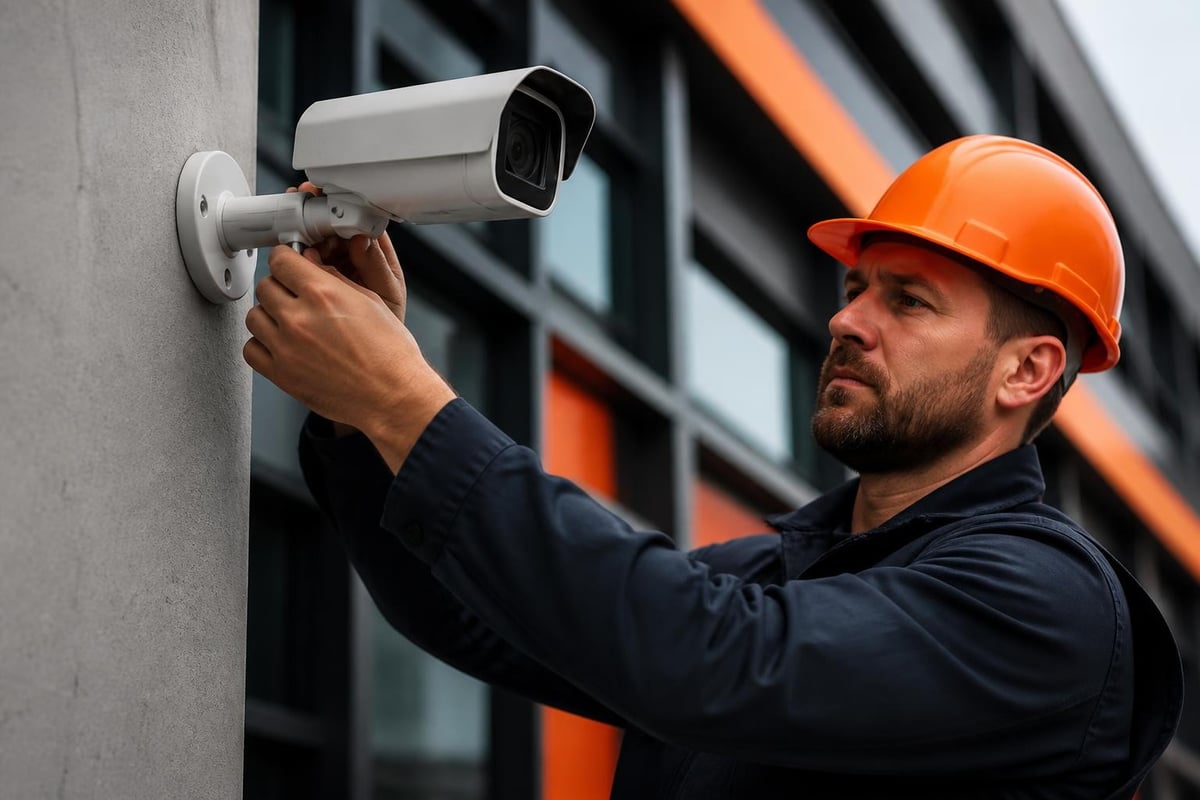
Fire alarm cover installation

Ongoing Maintenance Requirements

Fire alarm covers themselves require periodic inspection and maintenance to ensure continued effectiveness. Protective devices accumulating dirt, damage, or degradation may compromise rather than enhance system protection. Integration of cover inspection into regular maintenance services ensures long-term reliability.

Monthly visual inspections should verify covers remain properly positioned, undamaged, and appropriately transparent. Quarterly detailed inspections assess structural integrity, mounting security, and operational clearances. Annual comprehensive reviews evaluate whether environmental conditions have changed, requiring cover specification adjustments or removal.

Documentation proves essential throughout the maintenance lifecycle. Recording installation dates for temporary detector covers prevents inadvertent prolonged deployment that might compromise detection performance. Tracking guard condition and replacement intervals for call point protection ensures consistent availability and functionality.

Selecting the Right Fire Alarm Covers

Choosing appropriate fire alarm covers requires understanding your specific operational environment, regulatory obligations, and risk profile. The variety of available options means facilities can implement tailored protection strategies addressing their unique challenges whilst maintaining full system compliance and operational readiness.

Environmental Assessment

Begin with comprehensive environmental analysis identifying specific threats to fire detection equipment. Construction projects generate different hazards than manufacturing operations, whilst educational facilities face distinct challenges from healthcare environments. Matching cover specifications to identified threats ensures effective protection without unnecessary complexity or expense.

Environmental factors requiring assessment include:

  • Particulate concentrations and particle size distributions
  • Chemical exposure risks from cleaning agents, industrial processes, or atmospheric conditions
  • Physical contact probability from building occupants, equipment, or operational activities
  • Temperature and humidity extremes affecting material performance
  • Vandalism or malicious interference likelihood based on occupancy patterns

Fire risk assessment processes should incorporate these environmental considerations, ensuring protective measures align with broader fire safety strategies. The UL Standard for control units and accessories provides guidance on protective device specifications ensuring system integrity.

Supplier Selection and Quality Assurance

Not all fire alarm covers meet the same quality and performance standards. Selecting reputable suppliers offering certified products ensures protective devices enhance rather than compromise fire safety infrastructure. Quality indicators include third-party testing certification, compliance documentation, and manufacturer warranty support.

Quality Factor Premium Products Budget Alternatives Impact on Performance
Material durability UV-stabilised polycarbonate Standard plastic Long-term reliability
Certification BS/EN compliance certified No certification Regulatory compliance
Warranty 5+ years Limited/none Total cost of ownership
Installation support Detailed instructions + support Minimal documentation Installation quality

Working with established fire safety providers ensures access to appropriate products and professional installation expertise. Fire and security engineers understand the integration requirements ensuring covers complement rather than compromise detection systems.

Integration with Modern Fire Safety Systems

Contemporary fire detection infrastructure incorporates advanced technologies including wireless connectivity, smart sensors, and integrated building management systems. Fire alarm covers must accommodate these technological developments whilst providing necessary protection against environmental and physical hazards. The evolution of wireless fire alarms creates new considerations for protective device design and deployment.

Smart System Compatibility

Modern fire detection devices incorporate sophisticated electronics requiring protection from electromagnetic interference, moisture ingress, and physical shock. Fire alarm covers designed for legacy systems may not provide adequate shielding for contemporary smart sensors with wireless communication capabilities, requiring specification updates ensuring comprehensive protection.

Wireless signal transmission must remain unobstructed by protective covers. Metal components can create Faraday cage effects blocking radio frequencies, whilst certain plastics attenuate signals reducing communication reliability. Selecting covers manufactured from RF-transparent materials ensures protection doesn't compromise connectivity.

Integration with building management systems requires consideration of how covers might affect device accessibility for commissioning, programming, and troubleshooting activities. Removable covers with tool-free access facilitate maintenance whilst providing robust protection during normal operations.

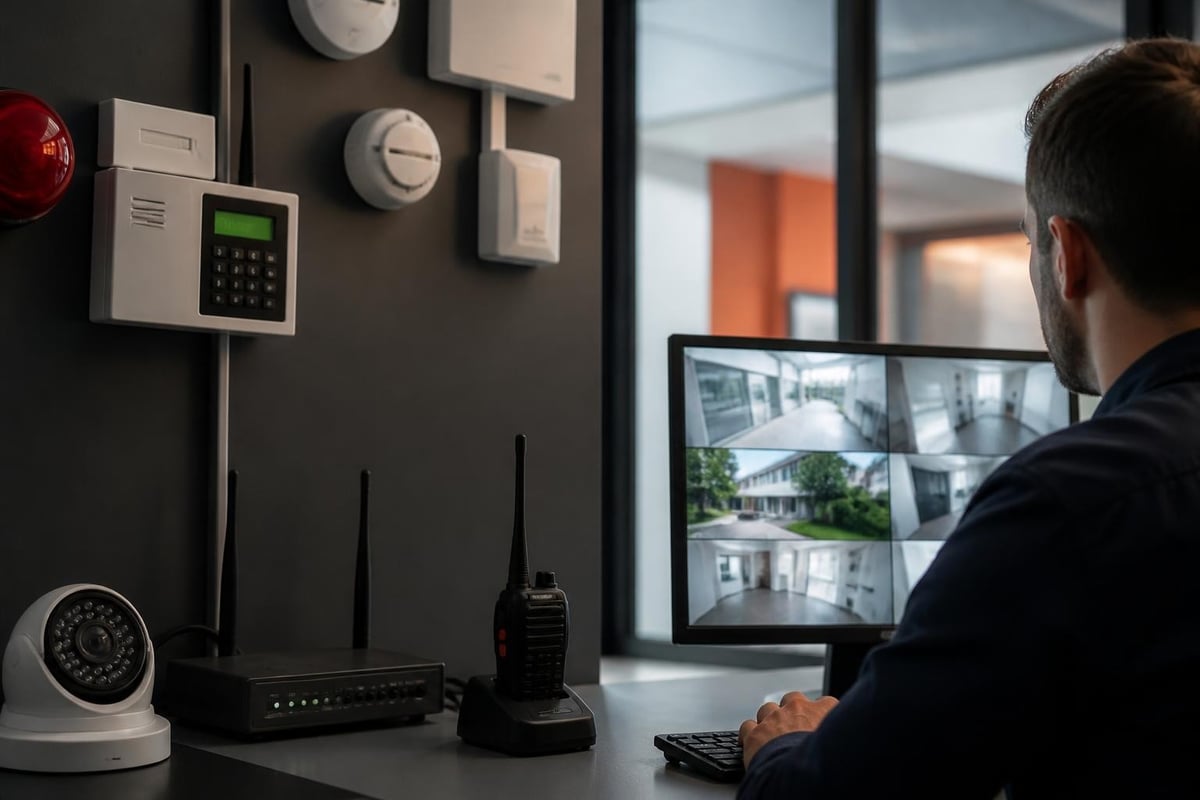
Smart fire alarm integration

Remote Monitoring Considerations

Advanced fire detection systems increasingly incorporate remote monitoring capabilities allowing off-site supervision of system status, alarm conditions, and fault notifications. Fire alarm covers must not interfere with the sensors and communication devices enabling this functionality. The updated standards for control units address these integration requirements.

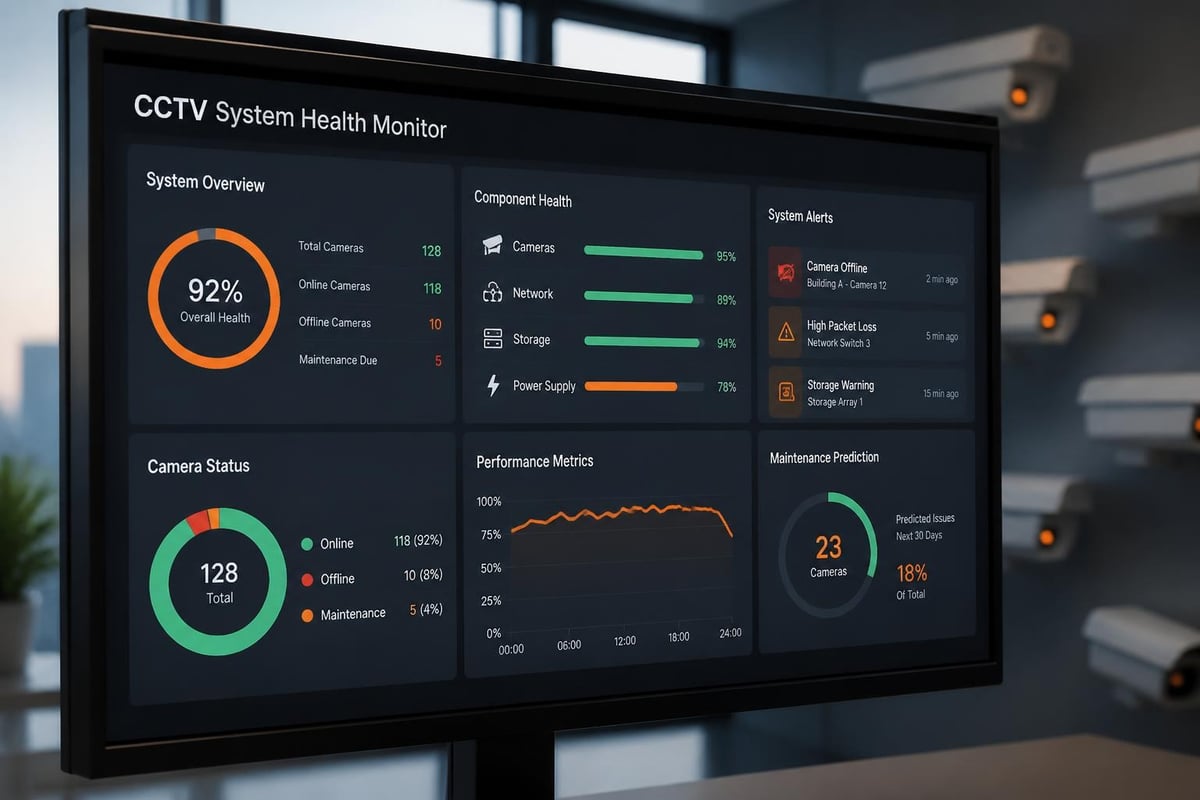
Tamper switches detecting unauthorised device removal or cover displacement integrate with monitoring systems providing immediate notification of potential security breaches. This functionality transforms protective covers from passive barriers into active security components, enhancing overall protection systems effectiveness.

Industry-Specific Applications

Different sectors face unique challenges requiring tailored fire alarm cover solutions. Educational institutions prioritise vandalism prevention, healthcare facilities emphasise infection control compatibility, whilst industrial environments focus on environmental contamination protection. Understanding these sector-specific requirements ensures optimal protective strategies.

Educational Facilities

Schools and universities experience elevated rates of accidental and deliberate fire alarm activation. Curious students, horseplay, and occasional vandalism create operational challenges requiring robust protective measures. Fire alarm covers in educational settings must balance accessibility for genuine emergencies against protection from inappropriate activation.

Call point guards prove particularly valuable in corridors, common areas, and locations with high student traffic. These devices reduce false alarms by over eighty percent in typical educational environments whilst maintaining emergency accessibility. Alarm systems for schools benefit from comprehensive protection strategies addressing sector-specific challenges.

Healthcare Environments

Hospitals and care facilities require fire detection systems compatible with rigorous cleaning protocols and infection control requirements. Fire alarm covers in healthcare settings must withstand frequent cleaning with aggressive disinfectants whilst maintaining optical clarity and structural integrity. Material selection becomes critical, requiring chemical-resistant formulations and sealed construction preventing contamination ingress.

Additionally, healthcare facilities often restrict audible alarm volumes in patient care areas, necessitating careful sounder placement and protection. Sounder shields allowing sound transmission whilst preventing physical damage prove essential in these sensitive environments.

Industrial and Manufacturing

Industrial facilities frequently generate airborne contaminants threatening fire detection equipment reliability. Dust, metal particles, chemical vapours, and extreme temperatures create hostile environments requiring robust protective solutions. Fire alarm covers in industrial applications must provide comprehensive environmental sealing whilst accommodating regular inspection and maintenance access.

Temporary detector covers during manufacturing processes generating unusual contamination levels prevent costly detector replacement whilst maintaining continuous fire protection. The fire protection systems serving industrial facilities benefit from proactive protection strategies minimising reactive maintenance requirements.

Cost-Benefit Analysis

Evaluating fire alarm covers requires comprehensive cost-benefit analysis considering initial investment, ongoing maintenance savings, false alarm reduction benefits, and extended equipment lifespan. The financial justification for protective devices varies depending on environmental conditions, facility type, and operational priorities, but most commercial applications demonstrate positive return on investment within twelve to twenty-four months.

Direct Cost Considerations

Initial procurement costs for fire alarm covers range from modest investments for basic call point guards to more substantial expenditure for comprehensive detector protection across large facilities. Budget allocation should consider:

  • Unit costs varying from £15-£50 for call point guards to £5-£15 for temporary detector covers
  • Installation labour ranging from simple DIY fitting to professional installation requiring system integration
  • Documentation and compliance verification ensuring regulatory requirements are met
  • Training requirements for maintenance personnel managing cover deployment and removal

Offsetting these initial costs, organisations realise savings through reduced false alarm fines, decreased emergency callout charges, and lower reactive maintenance expenditure. UK fire authorities increasingly impose charges for repeated false alarms, with penalties ranging from £300-£1,000 per incident after initial warnings.

Long-Term Value Proposition

The extended equipment lifespan facilitated by effective protection delivers substantial long-term value. Quality smoke detectors cost £80-£200 per unit installed, whilst manual call points range from £60-£150 including installation labour. Premature replacement due to contamination or damage represents significant avoidable expense.

Return on investment calculations demonstrate compelling business cases:

  • Protected detector lifespan extension: 5-7 additional years of service
  • Replacement cost avoidance: £100-£150 per device
  • False alarm reduction: 3-8 prevented incidents annually per facility
  • Compliance assurance: elimination of penalties and liability exposure

These quantifiable benefits don't account for intangible advantages including improved occupant confidence, enhanced system reliability, and reduced operational disruption from unwanted activations. Commercial fire alarm systems delivering reliable performance generate organisational value extending beyond simple cost metrics.

Future Developments and Innovations

Fire alarm cover technology continues evolving alongside advances in fire detection systems and building management integration. Emerging developments include smart covers with integral sensors monitoring environmental conditions, self-cleaning protective surfaces reducing maintenance requirements, and biodegradable materials addressing sustainability concerns.

Intelligent Protective Systems

Next-generation fire alarm covers may incorporate sensors detecting contamination accumulation, signalling when cleaning or replacement becomes necessary before performance degradation occurs. Integration with building management systems would enable predictive maintenance scheduling, optimising resource allocation whilst maintaining peak system performance.

Environmental monitoring capabilities could transform protective covers from passive barriers into active data collection devices. Temperature, humidity, and particulate sensors within cover assemblies would provide early warning of conditions threatening detection equipment, enabling proactive intervention preventing damage and maintaining reliability.

Research into fire prevention strategies using graph theoretical approaches may inform future protective device placement optimisation, ensuring coverage where risk analysis indicates highest vulnerability whilst minimising unnecessary deployment in lower-risk areas.


Fire alarm covers represent an essential component of comprehensive fire safety strategies, protecting critical detection infrastructure whilst reducing false alarms and extending equipment lifespan. The modest investment in quality protective devices delivers substantial returns through improved reliability, regulatory compliance, and operational efficiency. Whether your facility faces construction dust, vandalism risk, or industrial contamination, appropriate fire alarm covers provide cost-effective protection for your life-safety investment. Logic Fire and Security offers expert guidance on protective solutions tailored to your specific operational requirements, ensuring your fire detection systems maintain peak performance and compliance throughout their service life.

Gas Fire Suppression System: Comprehensive Guide 2026

Modern fire protection demands sophisticated solutions that can extinguish flames without causing collateral damage to valuable equipment, sensitive electronics, or irreplaceable assets. A gas fire suppression system represents one of the most advanced approaches to fire safety, utilising specialised gaseous agents to suppress fires quickly whilst leaving no residue and causing minimal disruption to protected spaces. These systems have become essential for organisations across the UK that require rapid fire response without the destructive effects of traditional water-based sprinklers. Understanding the technology, applications, and regulatory requirements surrounding gas-based suppression is crucial for facility managers, safety officers, and business owners responsible for protecting critical infrastructure.

Understanding Gas Fire Suppression Technology

A gas fire suppression system works by deploying clean extinguishing agents that suppress fires through various mechanisms, including oxygen displacement, heat absorption, and chemical flame interruption. Unlike traditional sprinkler systems that rely on water to cool and extinguish flames, these sophisticated systems use gaseous fire suppression agents specifically engineered to target the fire triangle without causing secondary damage.

The fundamental principle behind these systems involves rapidly flooding a protected enclosure with a gaseous agent at a predetermined concentration. This concentration is carefully calculated to suppress the fire whilst maintaining breathable conditions for safe evacuation where appropriate. The speed of deployment is critical, with most systems achieving full discharge within 10 to 60 seconds depending on the agent and application.

Primary Agent Categories

Different applications require different approaches to fire suppression. The selection of an appropriate gas agent depends on multiple factors including environmental impact, safety considerations, equipment sensitivity, and regulatory compliance.

Inert gas systems utilise naturally occurring gases such as nitrogen, argon, or combinations thereof. These agents suppress fires primarily through oxygen displacement, reducing the oxygen concentration in the protected space below the level required to sustain combustion. Inert gases offer excellent environmental credentials with zero ozone depletion potential and no global warming impact.

Chemical agents work through a combination of chemical and physical mechanisms. Historically, halon was the dominant chemical agent, but environmental concerns led to its phase-out under the Montreal Protocol. Modern replacements include hydrofluorocarbons (HFCs) and fluorinated ketones, which offer effective suppression with reduced environmental impact compared to their predecessors.

Clean agent suppression mechanisms

Agent Type Primary Mechanism Environmental Impact Typical Applications Storage Pressure
IG-541 (Inergen) Oxygen displacement Zero GWP, Zero ODP Occupied spaces, archives 200-300 bar
IG-55 (Argonite) Oxygen displacement Zero GWP, Zero ODP Data centres, museums 200-300 bar
FM-200 (HFC-227ea) Chemical interruption Low GWP, Zero ODP Telecommunications, electronics 25-42 bar
Novec 1230 Heat absorption Zero GWP, Zero ODP Server rooms, control rooms 25-42 bar

Critical Applications and Protected Environments

The deployment of a gas fire suppression system proves most valuable in environments where water damage would be catastrophic or where rapid suppression is essential to prevent cascading failures. These systems have become standard protection for numerous critical facility types across commercial, industrial, and institutional sectors.

Data centres and server rooms represent perhaps the most common application. The comprehensive fire and security solutions required for these facilities must account for both fire suppression and business continuity. A single water sprinkler discharge could destroy millions of pounds worth of equipment and cause weeks of downtime, making gas-based systems the logical choice.

Telecommunications facilities share similar requirements, housing sensitive switching equipment and communication infrastructure that cannot tolerate water exposure. Power generation and distribution facilities also rely on gas suppression to protect control rooms, transformer installations, and electrical switchgear.

Heritage and High-Value Asset Protection

Museums, galleries, and archives present unique challenges where the protected items themselves are irreplaceable. Gas systems provide fire suppression without the moisture, residue, or contamination associated with other suppression methods.

  • Libraries and document storage facilities
  • Art storage and conservation laboratories
  • Historical building protection
  • Rare collections and exhibits
  • Banking vaults and high-security storage

Financial institutions utilise gas suppression systems to protect vault areas, trading floors, and records management facilities. The regulatory framework governing fire suppression systems emphasises the importance of appropriate system selection based on risk assessment and protected asset value.

Manufacturing environments with clean rooms, pharmaceutical production areas, or precision engineering facilities require contamination-free suppression. Paint spray booths, chemical processing areas, and flammable liquid storage rooms benefit from the rapid deployment characteristics of gaseous agents.

Design Considerations and System Components

Proper system design requires comprehensive understanding of the protected space, fire risks, and operational requirements. A gas fire suppression system consists of multiple integrated components working in concert to detect, activate, and suppress fire events.

Detection and Activation Systems

Early detection remains critical for effective suppression. Modern systems typically employ multiple detection technologies including smoke detectors, heat detectors, and flame detectors configured in cross-zoned arrangements. This redundancy ensures reliable activation whilst minimising false discharge risks.

The detection system connects to a dedicated fire control panel that monitors all devices, manages pre-discharge warnings, and controls the release sequence. Upon confirmed fire detection, the panel activates audible and visual alarms, initiates any required shutdown procedures, and triggers the agent release after a pre-determined time delay allowing for evacuation.

Storage and distribution networks must be precisely engineered. Agent storage cylinders are located in designated equipment rooms or cabinets, connected via pipe networks to discharge nozzles strategically positioned throughout the protected space. The design requirements for gas agent fire suppression systems specify calculations for agent quantity, pipe sizing, and nozzle placement based on enclosure volume and characteristics.

Gas suppression system architecture

Component Function Key Specifications Maintenance Frequency
Detection Devices Early fire identification Response time, sensitivity Quarterly testing
Control Panel System monitoring and activation Zone capacity, integration Monthly inspection
Agent Cylinders Suppressant storage Capacity, pressure rating Annual weighing/pressure check
Pipe Network Agent distribution Material, diameter, pressure rating Annual inspection
Discharge Nozzles Agent deployment Flow rate, coverage pattern Annual inspection

Regulatory Compliance and Standards Framework

Operating a gas fire suppression system in the UK requires adherence to multiple regulatory frameworks and industry standards. Compliance ensures system effectiveness whilst protecting building occupants and meeting insurance requirements.

British and European standards govern system design, installation, and maintenance. The EN 15004 standard provides comprehensive requirements for fixed gaseous fire-fighting systems, covering everything from design calculations to commissioning procedures.

Installation and Commissioning Requirements

Professional installation by competent specialists is mandatory. Installers must demonstrate appropriate certification and competency for the specific system type and agent being deployed. The installation process includes pressure testing of pipe networks, verification of detection device placement, and confirmation of proper nozzle orientation.

Commissioning involves comprehensive testing of all system components including:

  1. Detection circuit functionality and cross-zoning logic
  2. Control panel programming and alarm sequences
  3. Manual release station operation
  4. Abort switch functionality
  5. Pre-discharge warning systems
  6. System pressure and agent quantity verification
  7. Enclosure integrity testing for agent retention

Documentation requirements are extensive. Operators must maintain detailed records of system design calculations, installation certificates, commissioning reports, and all maintenance activities. These records prove essential for regulatory inspections, insurance compliance, and operational safety.

The fire safety and protection requirements for commercial premises extend beyond basic detection to include appropriate suppression capabilities matched to identified risks. Regular risk assessments should evaluate whether existing protection remains adequate as operations evolve.

Maintenance and Operational Management

Ongoing maintenance ensures system reliability when activation becomes necessary. A comprehensive maintenance programme for a gas fire suppression system includes regular inspections, functional testing, and periodic servicing of all components.

Visual inspections should occur monthly, checking for obvious damage, obstructions, or unauthorised modifications. Cylinder pressure gauges require monitoring to ensure agents remain properly charged. Any pressure loss indicates potential leakage requiring immediate investigation.

Quarterly maintenance typically includes detection device testing, alarm verification, and control panel diagnostics. Annual servicing involves more comprehensive activities including cylinder weighing or pressure measurement to confirm agent quantity, detailed pipe network inspection, and nozzle cleanliness verification.

System Testing and Validation

Full discharge testing remains impractical for most installations due to agent cost and operational disruption. Instead, validation relies on component testing, simulated releases, and periodic agent sampling where applicable. Some jurisdictions or insurance providers may require actual discharge testing at extended intervals, typically 5-10 years.

Documentation of all maintenance activities is crucial. Service records should include:

  • Date and personnel conducting maintenance
  • Tests performed and results obtained
  • Any deficiencies identified and remedial actions taken
  • Component replacements or adjustments
  • Agent quantity verification results
  • System availability status during maintenance

Integration with building management systems enables remote monitoring of system status. Modern gas suppression systems can report troubles, alarms, and activation events to centralised monitoring stations, ensuring rapid response to any issues affecting system readiness.

The commercial fire detection systems supporting gas suppression require equal attention to ensure reliable fire identification and appropriate system activation.

Training and Safety Protocols

Human factors significantly influence system effectiveness and safety. Comprehensive training ensures building occupants understand how to respond during system activation whilst maintenance personnel possess the competency to service systems safely.

Occupant training should cover pre-discharge warning recognition, evacuation procedures, and post-discharge re-entry protocols. Personnel must understand that agent discharge creates time-limited conditions requiring immediate evacuation from affected areas. Clear signage indicating protected spaces and warning of gas discharge proves essential.

Maintenance personnel require specialised training covering the specific agents deployed, pressure vessel safety, electrical systems, and regulatory requirements. Working with pressurised cylinders and high-voltage detection circuits demands appropriate certification and adherence to safety protocols.

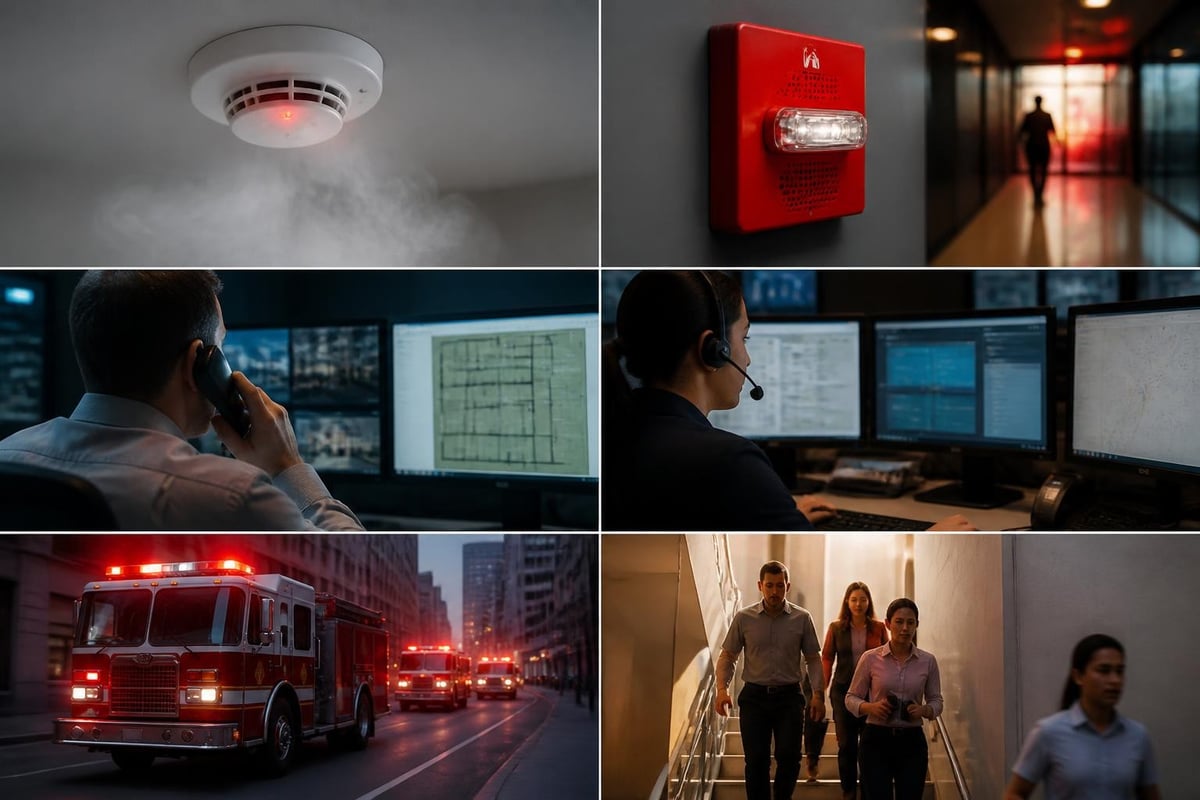
Gas suppression safety procedures

Emergency Response Planning

Effective emergency response planning integrates gas suppression systems with broader fire safety strategies. Emergency action plans should address:

  • Immediate occupant notification procedures
  • Evacuation routes and assembly points
  • System abort procedures if fire proves controllable by other means
  • Coordination with fire brigade response
  • Post-discharge ventilation and re-entry protocols
  • Agent cleanup and system recharge procedures

The system fire protection approach for modern facilities increasingly combines multiple technologies, with gas suppression forming one layer of a comprehensive defence strategy.

Environmental and Sustainability Considerations

Environmental impact has driven significant evolution in gas fire suppression technology. The phase-out of halon agents under international environmental agreements prompted development of more sustainable alternatives with reduced global warming potential and zero ozone depletion characteristics.

Modern agent selection balances suppression effectiveness with environmental responsibility. Inert gas systems offer the most environmentally benign option, using atmospheric gases that return harmlessly to the environment after discharge. However, they require larger storage volumes and higher discharge pressures compared to chemical agents.

Chemical agents provide more compact system designs and faster suppression but carry varying degrees of environmental impact. Newer fluorinated ketones and hydrofluoroolefins demonstrate significantly lower global warming potential than earlier HFC agents whilst maintaining effective suppression characteristics.

Sustainability extends beyond agent selection to encompass system lifecycle considerations. Proper maintenance prevents unnecessary agent discharge, whilst end-of-life system decommissioning should include responsible agent recovery and recycling where possible. Research programmes such as the NIST Next Generation Fire Suppression Technology Program continue developing more sustainable suppression technologies.

Integration with Fire Safety Infrastructure

A gas fire suppression system rarely operates in isolation. Effective fire protection requires integration with detection systems, alarm networks, building controls, and emergency response procedures. Sophisticated coordination ensures all systems work harmoniously during fire events.

Building management system integration enables coordinated responses including HVAC shutdown to prevent agent loss, door release for evacuation, elevator recall, and emergency lighting activation. The control sequences must be carefully programmed to support both fire suppression and life safety objectives.

Fire alarm system integration ensures appropriate notification throughout the facility. Whilst localised pre-discharge warnings alert occupants in protected spaces, building-wide alarm systems notify all personnel of fire conditions. The alarm systems fire considerations for complex facilities require professional design to ensure clear, understandable warnings.

Security system interactions require attention during design. Access control systems may need to release doors during evacuation whilst maintaining security boundaries. CCTV systems should continue operating to monitor evacuation progress and fire development.


Selecting and maintaining an appropriate gas fire suppression system requires balancing technical performance, regulatory compliance, environmental responsibility, and operational practicality. These sophisticated systems provide essential protection for high-value assets and critical infrastructure when properly designed, installed, and maintained. Whether protecting data centres, heritage collections, or industrial processes, professional expertise ensures your suppression system delivers reliable performance when needed most. Logic Fire and Security brings decades of experience designing, installing, and maintaining advanced fire suppression systems for businesses and public agencies across the UK, ensuring your facilities benefit from cutting-edge protection matched to your specific operational requirements.

Where Should I Put Smoke Alarms in Commercial Buildings?

Proper smoke alarm placement can mean the difference between early fire detection and catastrophic loss in commercial environments. Understanding where should i put smoke alarms is crucial for business owners, facilities managers, and safety officers responsible for protecting employees, customers, and valuable assets. This comprehensive guide examines the strategic placement of smoke detection devices across various commercial settings, ensuring your organisation meets regulatory requirements whilst maximising protection.

Essential Smoke Alarm Placement Guidelines for Commercial Premises

The question of where should i put smoke alarms in commercial buildings requires careful consideration of building layout, occupancy patterns, and fire safety regulations. British Standards BS 5839-1:2017 provides the framework for fire detection and alarm systems in non-domestic premises throughout the UK.

Every commercial property requires smoke alarms positioned to detect fire at the earliest possible stage. The fundamental principle involves creating overlapping zones of detection that eliminate blind spots whilst accounting for air movement patterns, ceiling heights, and potential fire load areas.

Core Placement Requirements

Commercial smoke alarm installation differs significantly from residential applications due to larger floor areas, complex layouts, and varied occupancy types. Key placement zones include:

  • Every floor level within the building, including basements and plant rooms
  • All corridors and hallways that serve as escape routes
  • Stairwells and vertical shafts where smoke naturally rises
  • Storage areas containing combustible materials
  • Spaces above suspended ceilings where fires can develop undetected
  • Plant rooms housing mechanical and electrical equipment

First Alert’s placement guidelines emphasise avoiding dead air spaces near corners and ensuring adequate coverage across each level.

Commercial smoke alarm coverage zones

Smoke Alarm Positioning for Different Commercial Spaces

Understanding where should i put smoke alarms requires adapting placement strategies to specific business environments. Each commercial setting presents unique challenges and regulatory considerations.

Office Environments and Administrative Spaces

Open-plan offices demand strategic smoke alarm distribution across the ceiling space. Position detectors:

  • At maximum 7.5-metre intervals for ceiling-mounted optical smoke detectors
  • Away from air conditioning vents by at least one metre to prevent false alarms
  • Within 500mm of walls where ceiling meets perimeter
  • In enclosed meeting rooms and private offices

Modern office layouts with flexible workspaces require additional consideration for temporary partitions and evolving floor plans. Installing commercial fire detection systems with addressable technology allows for easier reconfiguration as your workspace evolves.

Retail and Public-Facing Premises

Retail environments combine customer areas, back-of-house storage, and often accommodation spaces. Critical placement includes:

Location Type Detector Placement Special Considerations
Sales Floor Every 100m² maximum High ceilings may require beam detectors
Stockrooms Above and within racked storage Consider heat detectors near loading bays
Changing Rooms Individual cubicles if enclosed Privacy concerns balanced with safety
Staff Areas Break rooms, offices, kitchens Heat detectors in kitchen environments

The Honolulu Fire Department’s guidelines stress the importance of smoke alarm placement in all occupied spaces, which translates to comprehensive coverage in commercial retail settings.

Manufacturing and Industrial Facilities

Industrial environments present complex challenges when determining where should i put smoke alarms. Manufacturing spaces often contain processes that generate dust, fumes, or steam that can trigger false alarms.

Strategic approaches include:

  1. Using aspirating smoke detection systems in dusty environments
  2. Installing beam detectors across large open manufacturing floors
  3. Positioning heat detectors near welding or hot work areas
  4. Placing optical smoke detectors in clean areas and corridors
  5. Implementing multi-sensor devices that combine smoke and heat detection

Production facilities must balance operational requirements with fire safety. Understanding system fire protection principles helps optimise detector selection and placement for industrial applications.

Height and Mounting Considerations

Ceiling height significantly impacts where should i put smoke alarms in commercial buildings. Standard smoke detectors perform optimally in spaces with ceiling heights between 3 and 10.5 metres.

Standard Ceiling Heights (3-7.5 metres)

For typical commercial spaces, mount smoke alarms:

  • On the ceiling at least 300mm from walls and light fittings
  • On walls 150-300mm below the ceiling if ceiling mounting proves impractical
  • In the centre of corridors and hallways under 3 metres wide
  • Alternating sides in corridors exceeding 3 metres width

Avoid mounting near ceiling fans, air handling units, or areas with strong airflow patterns that could divert smoke away from detectors.

High Ceiling Applications

Warehouses, atriums, and industrial units with high ceilings require specialised detection solutions. Options include:

  • Beam detectors for spaces 7.5-25 metres high
  • Aspirating systems that actively sample air at ceiling level
  • Projected beam smoke detectors across large open areas
  • Multi-level detection with detectors at various heights

High ceiling smoke detection strategies

Sleeping Accommodation in Commercial Properties

Hotels, hospitals, care facilities, and other commercial premises with sleeping accommodation require enhanced smoke alarm coverage. Where should i put smoke alarms in these sensitive environments demands particular attention to life safety.

Hotels and Guest Accommodation

Every guest room requires:

Individual room protection:

  • Smoke alarm within each sleeping room
  • Connection to a monitored fire alarm system
  • Sufficient audibility to wake sleeping occupants
  • Regular testing and maintenance schedules

Common area coverage:

  • Smoke detectors throughout corridors on each floor
  • Stairwell protection on every level
  • Coverage in lounges, dining areas, and function rooms
  • Kitchen protection using heat detectors

The Texas Department of Insurance recommendations emphasise placement in sleeping areas, which applies equally to commercial accommodation settings.

Healthcare and Care Facilities

Medical facilities require comprehensive smoke detection integrated with fire safety and protection systems. Position alarms:

  • In every patient room and ward area
  • Throughout corridors with maximum 15-metre spacing
  • In treatment rooms and consulting spaces
  • Within storage areas for medical supplies and pharmaceuticals
  • Throughout administrative and staff areas

Healthcare environments often operate 24/7, requiring smoke detection systems that minimise disruption whilst maintaining vigilance.

Areas Requiring Special Consideration

Certain commercial spaces present unique challenges when determining where should i put smoke alarms. These environments require tailored detection strategies.

Kitchen and Food Preparation Areas

Commercial kitchens generate heat, steam, and cooking particles that can cause false alarms. Implement:

  • Heat detectors rather than smoke detectors directly above cooking appliances
  • Optical smoke detectors in adjacent serving and dining areas
  • Rate-of-rise heat detectors in kitchen extraction systems
  • Aspirating detection in large commercial kitchen facilities

Understanding kitchen suppression systems helps integrate smoke detection with fire suppression technology.

Plant Rooms and Service Areas

Mechanical, electrical, and telecommunications equipment rooms require smoke detection despite limited occupancy:

  • Position detectors to cover entire floor area
  • Install additional detection within electrical cabinets and server racks
  • Consider aspirating systems for early warning in critical infrastructure spaces
  • Ensure detectors remain accessible for maintenance

Void Spaces and Concealed Areas

Fires often develop undetected in ceiling voids, floor voids, and service ducts. Address these hidden risks by installing:

Void Type Detection Strategy Spacing Requirements
Ceiling Voids Detectors throughout void space Every 10.5m maximum
Riser Shafts Each floor penetration Every level
Cable Ducts Within duct if large volume Based on duct dimensions
Below Raised Floors Throughout underfloor space Every 10.5m maximum

Regulatory Compliance and British Standards

Understanding where should i put smoke alarms involves compliance with UK fire safety legislation. The Regulatory Reform (Fire Safety) Order 2005 places responsibility on the 'responsible person' to conduct fire risk assessments and implement appropriate fire safety measures.

Key Regulatory Requirements

BS 5839-1:2017 specifies smoke alarm placement for different fire alarm system categories:

  • Category L1 (full coverage): Smoke detectors throughout all areas
  • Category L2 (partial coverage): Detection in specified areas plus escape routes
  • Category L3: Coverage of escape routes only
  • Category L4: Detection in areas where automatic fire alarm system activation is required
  • Category L5: Localized smoke detection to specific risks

Most commercial premises require Category L2 or L3 systems as a minimum. High-risk environments or premises with sleeping accommodation typically need L1 coverage.

Professional fire risk assessment determines the appropriate category and specific smoke alarm placement requirements for your building.

System Design and Professional Installation

Answering where should i put smoke alarms correctly requires professional fire safety expertise. Qualified fire alarm designers consider:

  1. Building layout and construction including compartmentation
  2. Occupancy type and patterns throughout 24-hour periods
  3. Fire load and risk areas within the premises
  4. Existing fire protection measures such as sprinklers or suppression systems
  5. Evacuation strategy including phased or simultaneous evacuation

Engaging specialists like Logic Fire and Security ensures your smoke alarm system meets all regulatory requirements whilst providing optimal protection tailored to your specific premises.

Fire alarm system design process

Maintenance Access and Practical Considerations

Determining where should i put smoke alarms must account for ongoing maintenance requirements. Detectors positioned in inaccessible locations create compliance risks and operational challenges.

Accessibility Requirements

Position smoke alarms considering:

  • Safe access for routine testing and maintenance
  • Adequate working space around each detector
  • Equipment access for scissor lifts or access platforms in high spaces
  • Minimum disruption to business operations during servicing

Regular fire alarm testing ensures continued reliability. Plan detector locations that facilitate weekly, monthly, and annual maintenance activities.

Environmental Factors

External conditions impact where should i put smoke alarms effectively:

  • Temperature extremes: Standard detectors operate between -10°C and 55°C
  • Humidity levels: Moisture can affect detector sensitivity
  • Dust and contamination: Industrial environments may require protective covers
  • Electromagnetic interference: Position away from strong electrical equipment

Modern commercial fire alarm systems incorporate sophisticated technology that compensates for environmental variations, but placement remains critical.

Integration with Building Management Systems

Contemporary commercial fire safety extends beyond asking where should i put smoke alarms to encompass intelligent building integration. Modern smoke detection systems interface with:

Building automation platforms:

  • HVAC systems for smoke control and fresh air supply
  • Access control systems for controlled egress during emergencies
  • Emergency lighting activation across escape routes
  • Voice alarm and public address systems

Remote monitoring capabilities:

  • Real-time alarm notification to designated personnel
  • Off-site monitoring through approved alarm receiving centres
  • Mobile application alerts for facilities managers
  • Integration with security and CCTV systems

Understanding protection systems helps optimise detector placement within broader building safety architecture.

Wireless and Addressable Detection Technologies

Advances in fire detection technology influence where should i put smoke alarms by offering flexible installation options. These modern systems provide advantages for complex commercial environments.

Wireless Fire Detection Systems

Wireless fire alarms offer practical solutions for:

  • Listed buildings where cable installation damages historic fabric
  • Temporary installations during construction or refurbishment
  • Retrofit applications in occupied premises
  • Sites where cabling proves impractical or excessively expensive

Wireless technology maintains the same placement principles as wired systems but eliminates infrastructure constraints.

Addressable System Benefits

Addressable fire alarm systems assign each detector a unique identifier, enabling:

  • Precise location identification when alarms activate
  • Individual device monitoring for faults and contamination
  • Reduced false alarms through multi-sensor correlation
  • Flexible zoning adapted to building changes

These intelligent systems influence where should i put smoke alarms by allowing more sophisticated detection strategies across large or complex commercial sites.

Detector Spacing and Coverage Calculations

Professional smoke alarm placement requires precise coverage calculations. British Standards specify maximum spacing based on detector type and ceiling characteristics.

Standard Spacing Requirements

Detector Type Maximum Ceiling Height Maximum Floor Area Coverage Maximum Distance Between Detectors
Optical Smoke 10.5m 100m² 7.5m
Ionisation Smoke 10.5m 85m² 7.5m
Multi-Sensor 10.5m 100m² 7.5m
Heat Detector 9m 50m² 5.3m

These figures represent maximums under ideal conditions. Real-world applications often require closer spacing based on:

  • Ceiling slope and configuration
  • Beam and joist arrangements
  • Air movement patterns
  • Specific fire risks present

Corridor and Stairwell Spacing

Linear spaces follow different placement rules. The Country Fire Authority installation guidance principles apply to commercial settings:

  • Maximum 15-metre spacing along corridors
  • Detectors at corridor intersections and direction changes
  • Within 7.5 metres of corridor dead ends
  • Every floor level in stairwells and vertical escape routes

False Alarm Prevention Through Proper Placement

Understanding where should i put smoke alarms includes avoiding locations prone to false activations. Nuisance alarms undermine confidence in fire safety systems and create operational disruption.

Avoid positioning smoke detectors:

  • Within one metre of air conditioning diffusers or extract grilles
  • Near doorways where drafts concentrate
  • Above or adjacent to steam-producing equipment
  • In dusty environments without appropriate detector types
  • Close to areas with regular smoking activity (where permitted)

Proper placement significantly reduces false alarms whilst maintaining effective fire detection. Consider smoke detector locations carefully to balance sensitivity with reliability.

Alternative detector technologies suit challenging environments:

  • Multi-sensor detectors combining smoke and heat in one device
  • Aspirating systems with sophisticated smoke particle analysis
  • Heat detectors in areas where smoke detection proves impractical
  • Beam detectors for wide-area coverage with minimal false alarm risk

Documentation and Ongoing Compliance

Answering where should i put smoke alarms requires comprehensive documentation. Maintain records including:

System design documentation:

  • Detailed drawings showing all detector locations
  • Coverage calculations and spacing justifications
  • Equipment specifications and manufacturer data sheets
  • Commissioning certificates and test results

Maintenance records:

  • Weekly test logs confirming system functionality
  • Monthly inspection reports documenting detector condition
  • Annual service records from competent technicians
  • Battery replacement schedules for backup power supplies

The City of Tallahassee’s guidelines emphasise proper mounting alongside maintenance documentation, principles that extend to commercial applications.

These records demonstrate compliance during inspections and provide valuable information for system modifications or extensions.


Effective smoke alarm placement in commercial buildings requires careful planning that balances regulatory requirements, building characteristics, and operational needs. Strategic positioning across all floor levels, corridors, sleeping areas, and high-risk zones creates comprehensive fire detection coverage that protects people, property, and business continuity. Logic Fire and Security brings extensive expertise in designing, installing, and maintaining commercial fire detection systems tailored to your specific premises, ensuring compliance with British Standards whilst delivering reliable protection for your organisation.

Our Accreditations

Work
For Us