

Fire safety is more urgent than ever as 2026 brings new regulations and higher expectations for businesses. Effective fire extinguisher servicing is not just a legal requirement, it is a vital step in protecting lives and property.
This guide offers clear, up-to-date advice on fire extinguisher servicing. You will discover the latest legal requirements, practical servicing steps, maintenance schedules, tips for selecting a provider, and common mistakes to avoid.
Stay ahead of compliance changes, protect your business, and ensure everyone’s safety by following the essential best practices outlined here.
Understanding Fire Extinguisher Servicing: Why It Matters in 2026
Fire extinguisher servicing is more than a tick-box exercise—it is a legal and moral obligation for every business in the UK. As regulations evolve and fire risks become more complex, understanding the importance of effective servicing is critical. In this section, we explore why fire extinguisher servicing is essential in 2026, covering legal requirements, safety outcomes, and the diverse needs of different extinguisher types.
The Legal and Regulatory Landscape
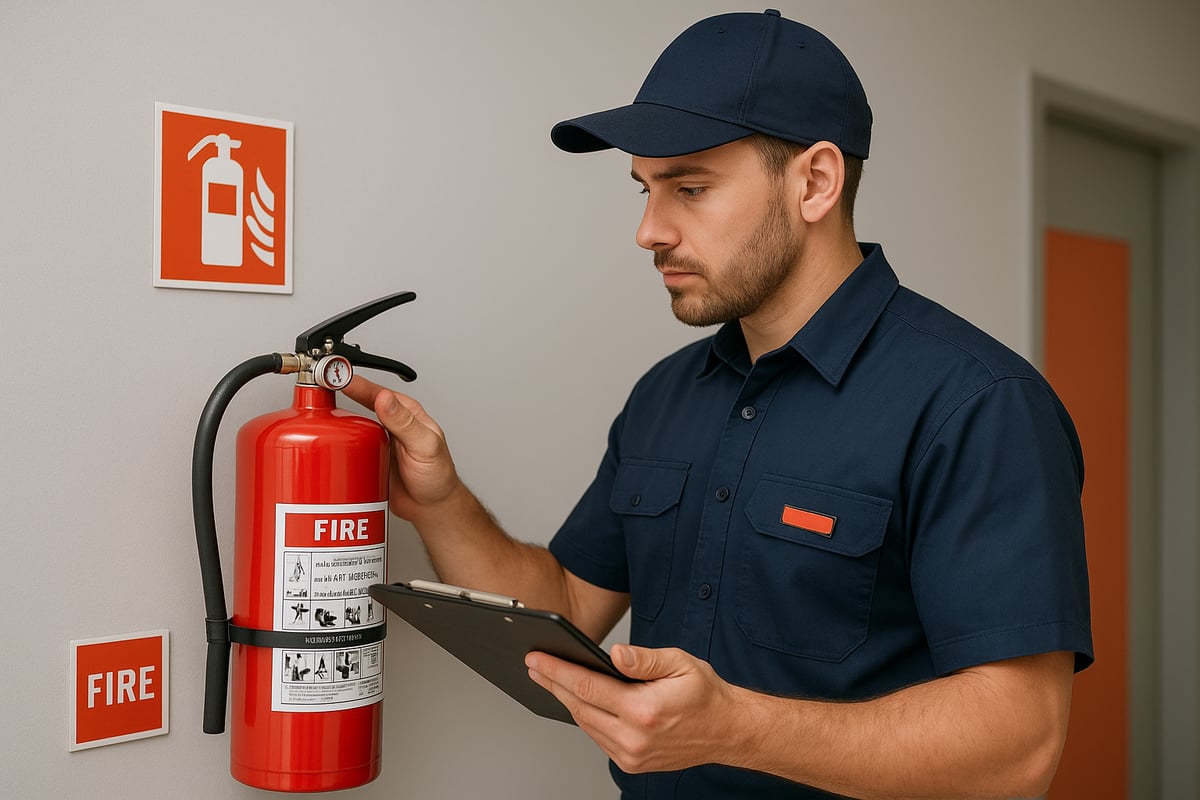
UK fire safety law is underpinned by the Regulatory Reform (Fire Safety) Order 2005 and British Standard BS 5306-3:2017. These set out the minimum requirements for fire extinguisher servicing in all commercial premises. Anticipated updates in 2026 are set to tighten standards, with regulators focusing on more frequent audits and stricter documentation.
Non-compliance carries significant risk. Penalties can include heavy fines, legal action, or even business closure. In recent years, several firms have faced prosecution for neglecting routine servicing, resulting in invalidated insurance claims and substantial losses. Documented, up-to-date servicing is essential for insurance and liability protection. For a comprehensive overview of your legal obligations, see the legal requirements for fire extinguisher maintenance.
The Role of Regular Servicing in Fire Safety
Regular fire extinguisher servicing ensures that every unit functions properly during an emergency. According to the Fire Industry Association, up to 30% of extinguishers fail when needed due to lack of maintenance. This failure rate puts lives and property at risk, particularly in high-occupancy or high-risk environments.
When extinguishers are not serviced, evacuation procedures can be compromised and fires may spread more quickly. There have been cases where unserviced extinguishers failed to operate in workplace fires, resulting in greater damage and legal repercussions. Proper servicing is a frontline defence, supporting safe evacuation and effective fire containment.
Types of Fire Extinguishers and Their Servicing Needs
Different types of fire extinguishers require tailored servicing approaches. The main types found in UK businesses include water, foam, CO2, dry powder, wet chemical, and specialised units for hazards like lithium-ion batteries.
| Extinguisher Type | Typical Use | Service Frequency |
|---|---|---|
| Water/Foam | General fires | Annual, 5-year extended |
| CO2 | Electrical fires | Annual, 10-year extended |
| Dry Powder | Flammable liquids | Annual, 5-year extended |
| Wet Chemical | Cooking oils/fats | Annual, 5-year extended |
| Specialised | Batteries, metals | Annual, per manufacturer |
Most UK businesses rely on water or foam extinguishers (about 70%), with CO2 making up another 20%. Each type has unique inspection steps, so matching fire extinguisher servicing to the unit’s specifications is vital. Overlooking these differences can lead to missed faults and compliance failures. Fire extinguisher servicing must be specific, thorough, and adapted to each extinguisher in use.
Step-by-Step Guide to Fire Extinguisher Servicing in 2026
Keeping up with fire extinguisher servicing is vital for ensuring your business stays compliant and safe in 2026. Each step, from preparation to extended maintenance, plays a crucial role in protecting lives and property. Follow this clear guide to meet legal requirements and industry best practices with confidence.
Pre-Servicing Preparation
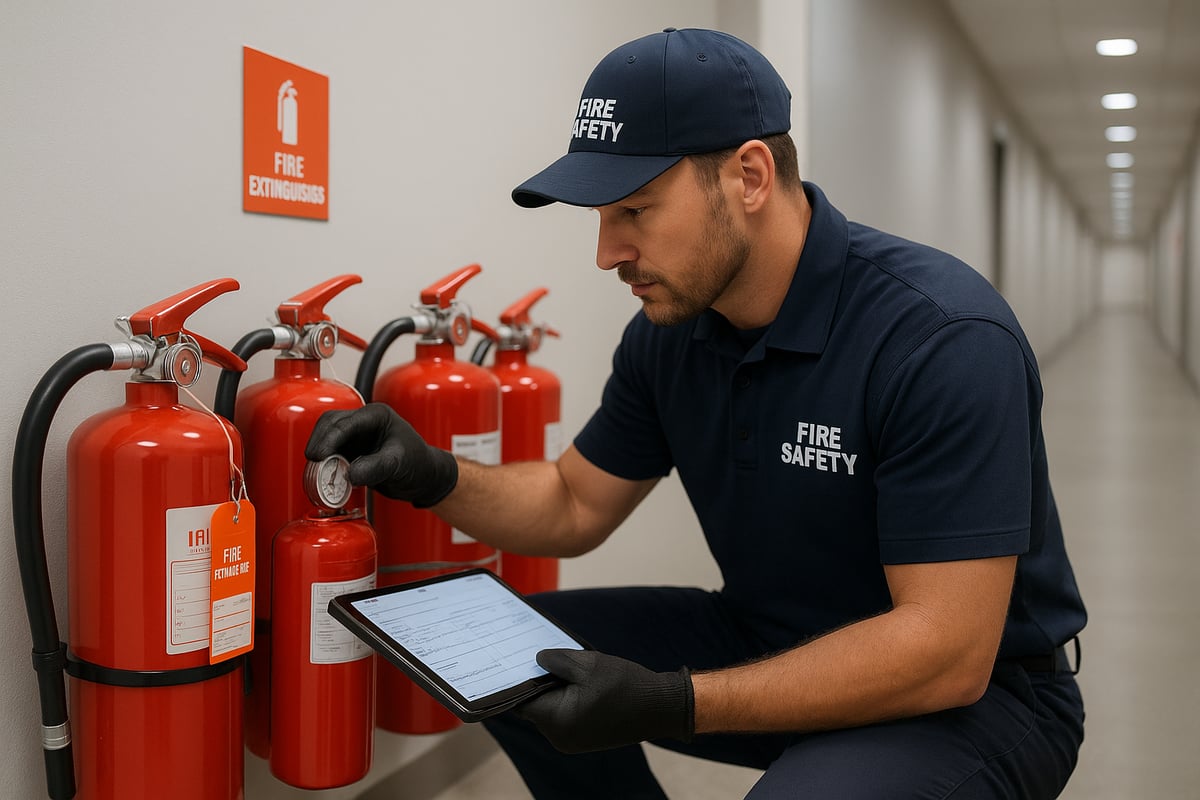
Effective fire extinguisher servicing begins long before the first extinguisher is touched. Start by reviewing the fire logbook and all previous service records. This helps identify any gaps or recurring issues.
Next, locate every extinguisher on site, including those in storage areas or less-frequented spaces. Ensuring clear access is vital for safety and efficiency. Inspect each unit for expiration dates or manufacturer recalls, as outdated extinguishers can compromise protection.
Before commencing, confirm all servicing personnel have the appropriate personal protective equipment. The work area should be safe, well-lit, and clear of obstructions. Proper preparation minimises risk and streamlines the fire extinguisher servicing process.
The Annual Basic Service: Chronological Steps
Annual fire extinguisher servicing is a legal requirement and must follow a structured approach. Begin with a visual inspection for dents, leaks, corrosion, or signs of tampering. Check the pressure gauge and weigh each unit to verify it is fully charged.
Ensure each extinguisher is properly mounted, easily accessible, and accompanied by the correct signage. Test the safety pins and tamper seals for integrity. Inspect the label for legibility and compliance.
Wipe down each unit to remove dust and debris, then re-label as needed. Document all findings in the fire logbook. For a detailed breakdown, refer to this fire extinguisher inspection checklist to ensure nothing is missed during servicing.
Extended Maintenance: Discharge Testing and Refilling
Extended maintenance is a deeper level of fire extinguisher servicing, typically required every five years for water, foam, and powder extinguishers, and every ten years for CO2 types. This process includes:
- Complete discharge of the extinguisher to test functionality
- Internal inspection for corrosion or damage
- Refilling with the correct agent
- Pressure testing to standard
Dispose of old contents responsibly, adhering to environmental and legal guidelines. Always consult the manufacturer’s recommendations for specific intervals and procedures. Proper extended maintenance ensures long-term reliability and compliance.
Professional vs. Self-Servicing: What’s Permitted?
Under current regulations, fire extinguisher servicing must be performed by a “competent person” as defined in BS 5306-3:2017. This usually means a certified technician with specific training and accreditation.
Self-servicing is only permitted for certain models, such as P50 service-free extinguishers, provided all manufacturer instructions are strictly followed. Attempting to service standard extinguishers without proper qualifications exposes your business to legal risks and potential insurance invalidation. Always prioritise professional expertise for peace of mind and compliance.
Fire Extinguisher Maintenance Schedules and Record-Keeping
Maintaining a clear fire extinguisher servicing schedule is essential for safety and compliance. Regular checks, thorough documentation, and awareness of common pitfalls ensure your extinguishers are always ready to perform. Let’s explore how to build a robust routine for 2026.
Monthly Visual Inspections
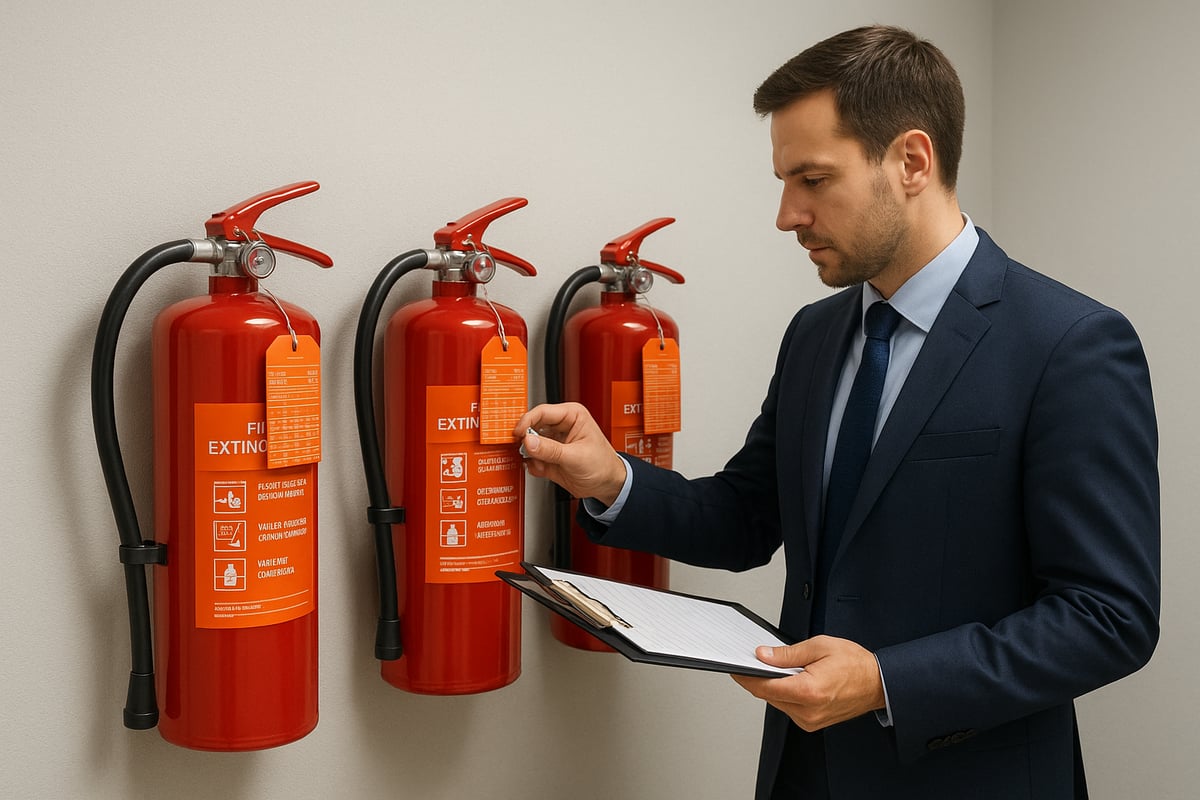
Monthly visual checks are the cornerstone of effective fire extinguisher servicing. A responsible person or fire warden should carry out these inspections, ensuring each extinguisher is in its designated location, unobstructed, and clearly visible.
The checklist includes:
- Confirming pressure gauge is in the operational range
- Inspecting tamper seals for signs of interference
- Checking the body and hose for damage or corrosion
- Ensuring instructions are legible and up to date
Each finding should be recorded in the site’s fire safety logbook. For example:
| Date | Location | Condition | Action Taken | Inspector |
|---|---|---|---|---|
| 01/02/26 | Reception | OK | None | J. Smith |
Regular monthly inspections significantly reduce the risk of extinguisher failure, supporting a proactive fire extinguisher servicing routine.
Annual Servicing and Extended Maintenance Intervals
Annual servicing is a legal requirement under UK fire safety regulations. Each extinguisher must be serviced by a qualified technician following manufacturer guidelines. Extended maintenance, such as discharge testing and refilling, is typically required every 5 years for water, foam, and powder types, and every 10 years for CO2 units.
Adhering to the correct intervals is critical for fire extinguisher servicing. For more detailed information on recommended maintenance schedules by type, consult the fire extinguisher servicing intervals provided by BAFE.
Most UK businesses follow these standard intervals, but always check your manufacturer’s instructions to ensure compliance.
Fire Logbooks and Documentation
Accurate record-keeping is a legal and insurance requirement for fire extinguisher servicing. Each entry should note the date, location, findings, actions taken, and the technician’s signature.
Both digital and paper logbooks are accepted. Digital systems offer easier storage and retrieval, while paper logbooks are simple and accessible. A well-organised logbook makes it easier to demonstrate compliance during audits or inspections.
A typical logbook page layout might include columns for date, extinguisher type, serial number, condition, actions, and signature. Keeping this documentation up to date is vital for audit trails and accountability.
Common Maintenance Pitfalls and How to Avoid Them
Missed monthly checks, incomplete records, and overlooked extinguishers are common fire extinguisher servicing failures. These mistakes can result in non-compliance, fines, or even insurance issues.
Real-world cases show that businesses sometimes miss extinguishers tucked away in storage rooms or forget to log minor repairs. To avoid these pitfalls, set automated reminders, train staff thoroughly, and regularly review your servicing routine.
A robust approach ensures every extinguisher is checked, maintained, and documented, safeguarding your people and property.
Choosing a Fire Extinguisher Servicing Provider
Selecting the right company for fire extinguisher servicing is crucial for compliance and safety. Businesses must weigh expertise, reliability, and value to ensure their fire safety measures remain robust and up to date.
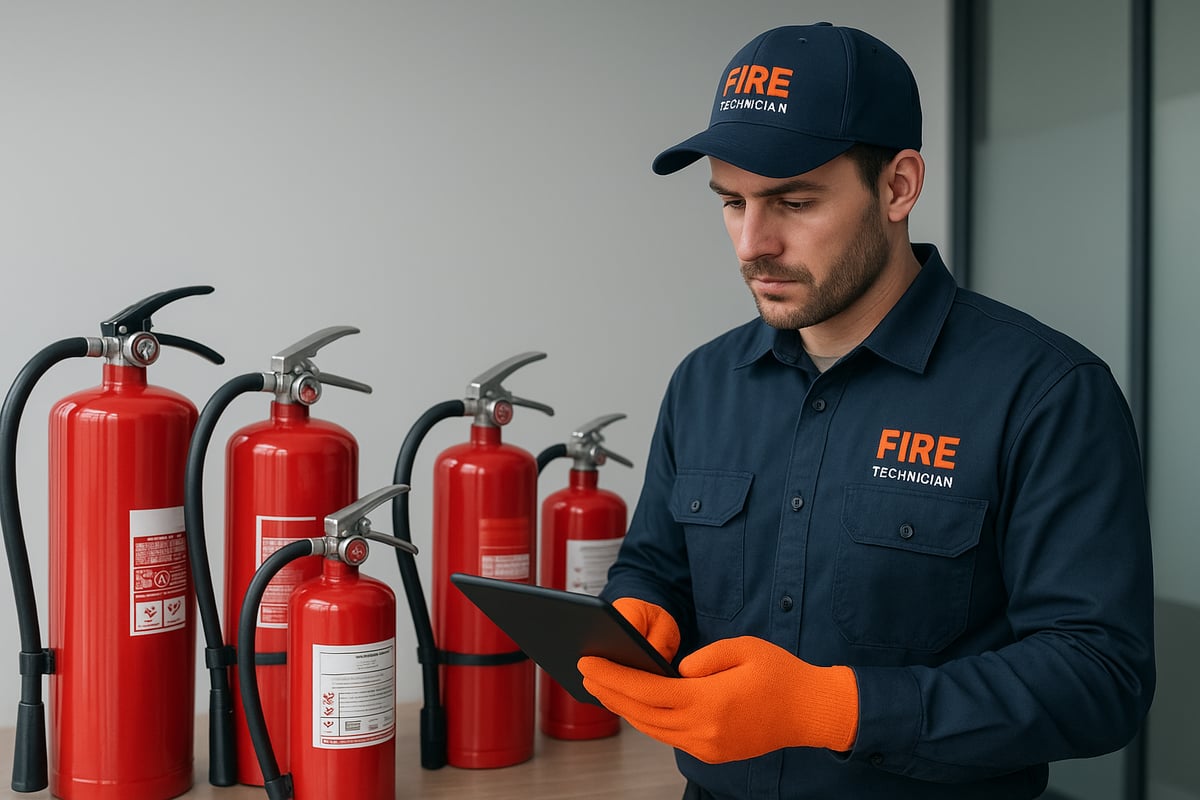
What to Look for in a Servicing Company
When choosing a provider for fire extinguisher servicing, start by confirming their accreditations. Look for BAFE or IFEDA certification, which signals adherence to industry best practices and regulatory requirements.
Experience with different extinguisher types is essential. Ask if they regularly service water, foam, CO2, dry powder, and wet chemical units. Transparent pricing and clear service agreements help avoid unexpected costs, while access to emergency support ensures prompt response when needed.
Use this checklist when vetting providers:
- Verify accreditations (BAFE, IFEDA)
- Confirm experience with your extinguisher types
- Request transparent pricing documentation
- Assess emergency call-out availability
- Review sample service reports
Ensure the provider is familiar with the latest 2025 fire extinguisher regulation changes, as these will impact servicing standards from 2026.
Questions to Ask Before Signing a Contract
Prepare a set of questions before entering a servicing agreement. Begin by asking which standards they follow, such as BS 5306-3:2017, and whether their technicians are qualified for all required tasks.
Clarify what their service package includes. Will they handle defective or expired units, and do they offer environmentally responsible disposal? Request references or case studies from similar businesses.
Sample questions for interviews:
- What servicing standards do you adhere to?
- What is included in your fire extinguisher servicing package?
- How do you manage expired or faulty extinguishers?
- Can you provide client references or case studies?
- How quickly can you respond to emergencies?
These questions help ensure you select a provider equipped to handle fire extinguisher servicing with professionalism and reliability.
The Value of Professional Expertise
Engaging experts for fire extinguisher servicing reduces risk and guarantees compliance. Data shows that extinguishers checked by professionals are significantly less likely to fail than those inspected in-house.
A professional approach ensures all units are maintained according to the latest regulations, and documentation is always up to date. For example, a business that relied on professional servicing was able to avoid costly fines during a surprise inspection, thanks to meticulous records and compliant equipment.
Comprehensive providers often integrate their services with wider fire safety measures. For guidance on how fire extinguisher servicing fits into a complete fire risk strategy, see this fire risk assessment guidance.
Ultimately, choosing the right partner gives property managers and business owners confidence that their fire extinguisher servicing is both thorough and future-proof.
Fire Extinguisher Servicing Best Practices for 2026 and Beyond
As fire safety regulations and workplace risks evolve, adopting best practices for fire extinguisher servicing is essential for compliance and protection. Staying proactive, integrating systems, and empowering your team will help safeguard property and lives while meeting 2026’s stringent standards.
Staying Ahead of Regulatory Changes
Keeping up with changes in fire safety legislation is crucial for effective fire extinguisher servicing. In 2026, new updates to British Standards and the Regulatory Reform (Fire Safety) Order may affect inspection intervals and documentation requirements.
Assign someone in your organisation to monitor regulatory updates. Subscribe to alerts from industry groups like the FIA and BAFE. Schedule annual reviews of your fire safety policies to ensure alignment with the latest standards.
Recent amendments have tightened record-keeping and competency requirements. Training staff on new rules as soon as they are announced helps maintain compliance and avoids costly penalties.
Integrating Fire Extinguisher Servicing with Overall Fire Safety Strategy
Fire extinguisher servicing should not exist in isolation. Integrating it with your overall fire safety programme, including risk assessments, alarm testing, and evacuation drills, creates a robust safety net.
For example, coordinate your extinguisher checks with your fire alarm system inspections to streamline compliance and reduce disruption. Use a shared fire safety calendar to track all key activities, ensuring nothing is missed.
A unified approach improves emergency readiness and simplifies audits. When servicing is part of a broader strategy, you are less likely to overlook critical details.
Embracing Technology in Fire Safety Management
Adopting digital tools can revolutionise fire extinguisher servicing for 2026 and beyond. Digital logbooks, QR codes, and automated reminders simplify record-keeping and reduce human error.
Many businesses now use smart extinguisher systems that monitor pressure and tamper status remotely. These solutions enable real-time alerts for maintenance needs, helping you address issues before they escalate.
A recent case study showed a company using digital tracking reduced missed inspections by 40 percent. Leveraging technology ensures your fire extinguisher servicing is both efficient and compliant.
Training and Empowering Staff
Well-trained staff are the backbone of any effective fire extinguisher servicing routine. Provide comprehensive fire extinguisher awareness training for all employees, not just fire wardens.
Appoint responsible persons to oversee checks, and schedule regular refresher courses to keep knowledge current. Use practical demonstrations and scenario-based exercises to improve confidence and response times.
Empowered teams respond faster and more effectively in emergencies. Investing in training can make the difference between a minor incident and a major loss.
As you’ve seen, staying up to date with fire extinguisher servicing isn’t just about ticking boxes—it’s about protecting your people, property, and business reputation, especially with the latest regulations coming into play for 2026. If you want peace of mind that your fire safety measures are up to scratch, why not let trusted professionals guide you? With Logic Fire and Security’s expertise in comprehensive fire solutions, you can ensure full compliance and reliable protection for your premises. Ready to take the next step towards safer operations? Get a Free Site Survey