
Recent incidents in the UK have shown how crucial evacuation alarms are for protecting lives and property. As we move into 2025, the risks faced in modern buildings and public spaces continue to evolve, making robust safety measures more important than ever.
This guide offers essential insights into evacuation alarms, including the latest advancements, standards, and best practices. Whether you manage a residential block, office, or public venue, understanding these systems is vital for safety and compliance.
Stay with us to discover why evacuation alarms matter, the different types available, key regulations, emerging technology trends, practical installation steps, ongoing maintenance, and tips for effective use.
The Critical Role of Evacuation Alarms in Modern Safety
In today’s fast-changing environment, the importance of evacuation alarms has never been clearer. Modern buildings face new hazards, from fires to security threats, and effective alarms play a central role in protecting lives and property. Understanding their impact is crucial for anyone responsible for safety in 2025.

Why Evacuation Alarms Matter
Evacuation alarms serve as the first alert in emergencies, whether it is a fire, gas leak, or security incident. Their rapid warning allows people to escape before threats escalate, often making the difference between safety and disaster.
Real-world examples show that timely evacuation alarms have enabled successful evacuations in busy spaces such as shopping centres and high-rise flats. When alarms are delayed or absent, the consequences can be severe, with statistics revealing higher casualty rates and greater property loss.
In the UK, Fire and Rescue Services responded to over 150,000 fire incidents in 2023. Early warning systems were a major factor in reducing fatalities, as highlighted in the fire and rescue incident statistics: England, year ending March 2023.
Evacuation alarms also offer psychological reassurance, helping occupants and staff remain calm and focused during emergencies. In high-occupancy buildings, these systems integrate with emergency lighting, doors, and communications to support a coordinated response.
Legal and Moral Responsibilities
Employers, landlords, and building managers have a clear duty of care when it comes to evacuation alarms. The Regulatory Reform (Fire Safety) Order 2005 requires all non-domestic premises to have suitable systems in place, ensuring everyone can escape safely if needed.
Beyond the legal requirements, there is a strong moral responsibility to protect vulnerable groups, such as the elderly, disabled individuals, and children. Installing effective evacuation alarms is not just about compliance, it is about safeguarding every person who enters a building.
By prioritising both the legal and ethical aspects of evacuation alarms, organisations build trust and demonstrate a real commitment to safety.
Types of Evacuation Alarm Systems Explained
Choosing the right evacuation alarms for your building is crucial for effective emergency response. System types vary widely, each offering distinct strengths to suit different environments and compliance demands. Understanding these differences ensures you select a solution that meets both safety standards and your specific needs.
Conventional vs. Addressable Systems
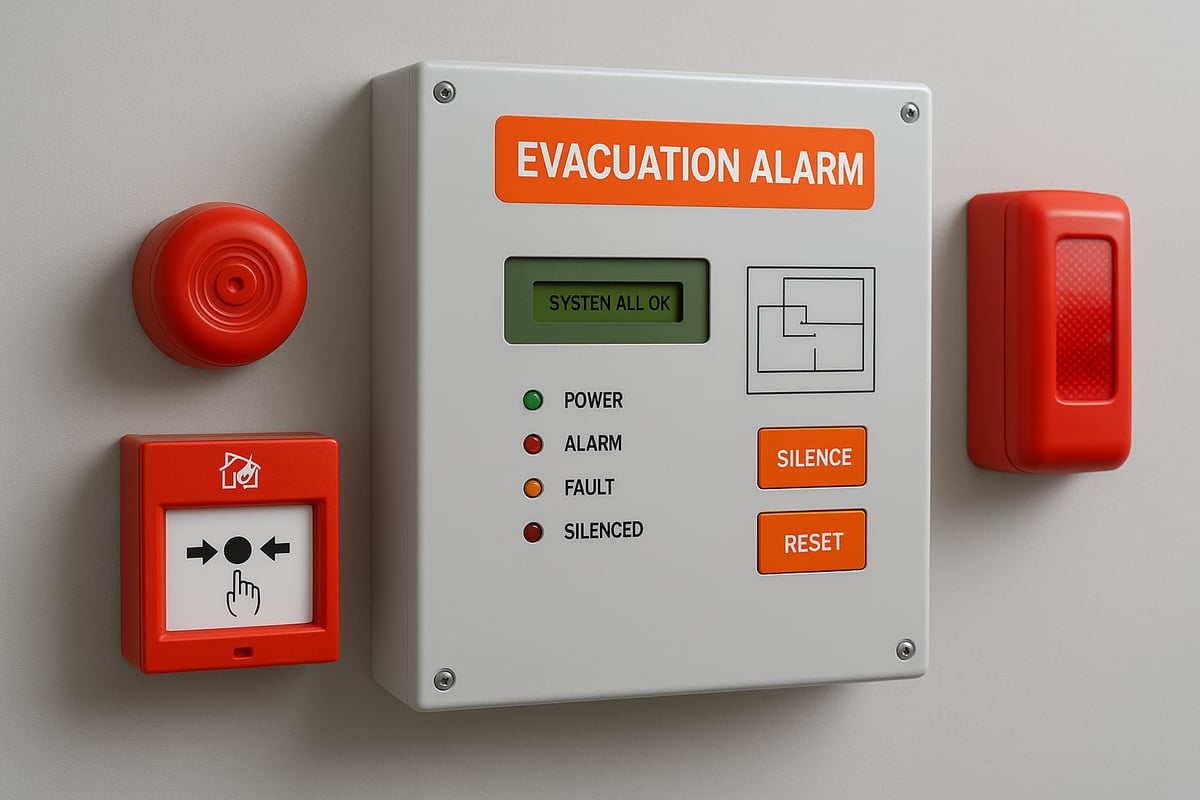
Conventional evacuation alarms operate by dividing a building into zones, with each zone connected to a specific circuit. When an alarm activates, the control panel identifies the affected zone, but not the exact device. These systems are cost-effective for small offices or compact layouts.
Addressable systems, by contrast, assign unique addresses to each device. This enables precise identification of the activated alarm or fault, streamlining response and maintenance. Addressable solutions scale well for large or complex premises, such as high-rise flats, making evacuation alarms more efficient in pinpointing hazards.
While conventional systems have lower upfront costs, addressable options offer greater flexibility, detailed monitoring, and easier expansion. Choosing between them depends on building size, complexity, and future-proofing requirements.
Wired and Wireless Alarm Technologies
Wired evacuation alarms use physical cabling for reliable communication between devices and the control panel. They are a traditional choice for new builds, offering durability and minimal interference risk, though installation can be disruptive and labour-intensive.
Wireless evacuation alarms use radio signals to connect devices, providing flexibility and faster installation, especially in occupied or heritage properties. They are ideal for refurbishment projects and sites where running cables is impractical.
| Feature | Wired Systems | Wireless Systems |
|---|---|---|
| Installation | Complex | Quick |
| Reliability | High | Good |
| Cost | Moderate | Higher upfront |
| Compliance | Excellent | Meets standards |
Selecting between wired and wireless evacuation alarms depends on your building’s structure, timeline, and budget. Both meet key compliance requirements when properly installed.
Standalone vs. Integrated Systems
Standalone evacuation alarms are designed for single-use areas, such as small shops or specific rooms, operating independently from other building systems. They are straightforward to install and manage, but limited in scope.
Integrated systems connect evacuation alarms with fire detection, security, and building management controls. This unified approach enhances safety by allowing coordinated actions, such as triggering smoke vents and emergency lighting during an evacuation. For a comprehensive understanding of how integration works, see this evacuation alert system overview.
Integrated solutions are especially valuable in large or multi-use buildings, providing centralised control and seamless communication between safety systems.
Specialised Evacuation Alerts
Specialised evacuation alarms cater to the unique needs of certain occupants and scenarios. Disabled refuge alarms enable communication from protected spaces, ensuring those with mobility challenges are not left behind. Lockdown alerts are essential in schools or public venues to manage security threats.
Evacuation chairs and tailored alert systems further support safe egress for vulnerable persons. Customising evacuation alarms to your building’s population and risk profile is essential for inclusive and effective emergency planning.
Selecting the right mix of evacuation alarms, including specialised options, maximises safety for everyone in your premises.
Regulatory Standards and Compliance for 2025
Navigating the regulatory landscape for evacuation alarms is essential as 2025 brings updated standards and increased scrutiny. Understanding these requirements helps ensure your building is not only safe but also fully compliant with the law.

Key UK Standards and Legislation
The UK sets clear expectations for evacuation alarms, especially in high-rise residential buildings. The pivotal BS 8629:2019 standard, which details the design and installation of evacuation alert systems, continues to shape best practice. Amendments in recent years have clarified requirements for system reliability, audibility, and accessibility. Looking ahead to 2025, anticipated changes may further tighten specifications for digital integration and emergency communications.
Compliance with BS 8629:2019 is not optional—it’s a legal requirement for many buildings. For a concise summary of the latest expectations, see the BS 8629:2019 Pocket Guide. Following these standards ensures evacuation alarms provide prompt, reliable alerts, which are critical in emergencies.
Building Types and Specific Requirements
Evacuation alarms must be tailored to the specific risks of different building types. Residential blocks, offices, and public venues each have unique needs. For example, high-rise flats require addressable systems with clear zone identification, while commercial spaces often benefit from integrated alarms linked to security and HVAC systems.
| Building Type | Key Requirement | Alarm System Type |
|---|---|---|
| High-rise flats | Zoned, addressable, BS 8629 | Addressable |
| Offices | Integration with security | Integrated/Conventional |
| Public venues | High audibility, accessibility | Integrated |
Special attention is needed for multi-tenant sites, where false alarms can disrupt many occupants, and for high-occupancy structures, where rapid, clear notification is vital.
Compliance Best Practices
Staying compliant with evacuation alarms involves more than just installation. Building managers should:
- Keep thorough documentation of all system checks and updates.
- Work exclusively with accredited installers and service providers.
- Schedule regular maintenance and periodic audits.
In 2023, 85% of enforcement actions were linked to either inadequate alarm systems or insufficient documentation. A proactive approach helps avoid these costly pitfalls and demonstrates a commitment to occupant safety.
Penalties for Non-Compliance
Non-compliance with evacuation alarms can lead to severe consequences. Fines, legal proceedings, and reputational harm are common outcomes for failing to meet standards. Recent UK enforcement actions have seen building owners held accountable for missed inspections or faulty alarms, resulting in significant financial penalties.
Beyond legal risks, neglecting evacuation alarms undermines trust and puts lives at risk. Regular reviews and updates are key to maintaining both compliance and peace of mind.
Latest Technology Trends in Evacuation Alarms for 2025
Staying ahead in safety means embracing the newest developments in evacuation alarms. Technology is rapidly reshaping how buildings detect, alert, and respond to emergencies. These trends are setting the benchmark for 2025, ensuring better protection and compliance for every environment.
Smart Alarm Systems and IoT Integration
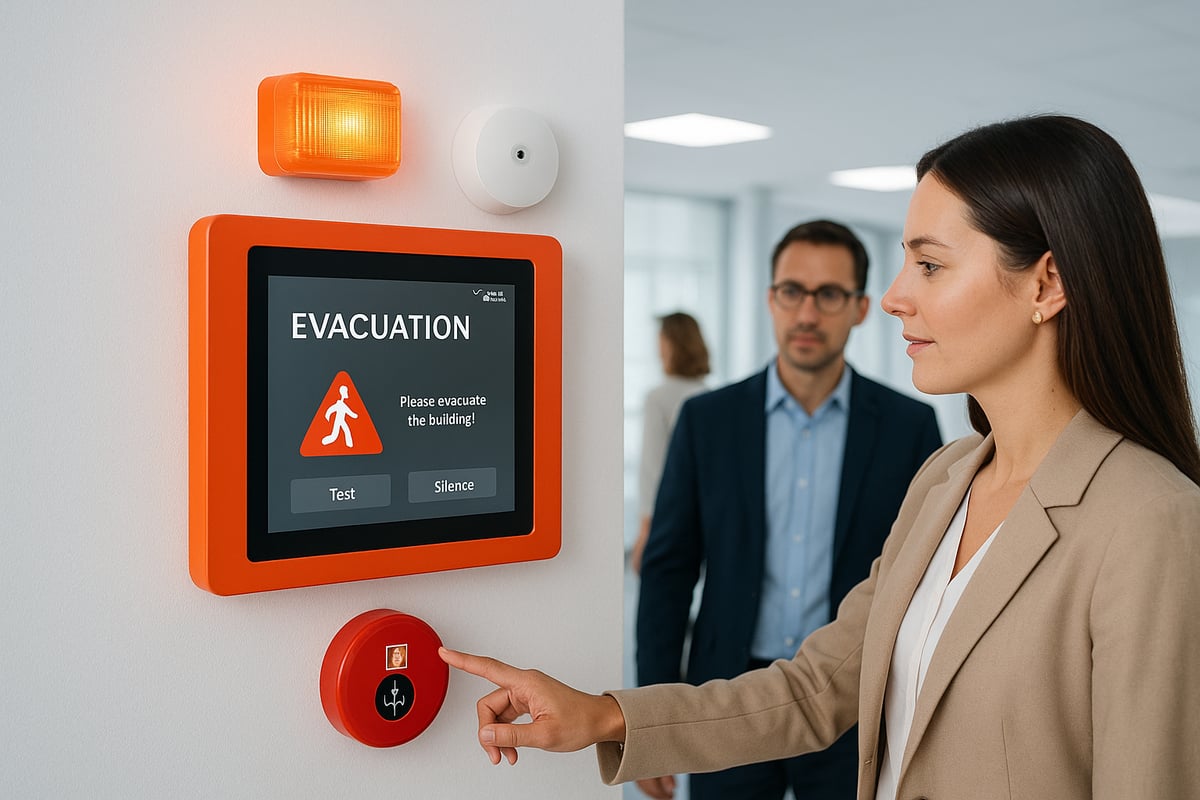
Smart evacuation alarms are transforming emergency management. These systems use IoT connectivity, allowing remote monitoring and instant diagnostics from any location. Building managers receive real-time alerts via mobile devices, making it easier to oversee safety even when off-site.
IoT sensors continuously monitor for smoke, heat, or gas, instantly triggering the evacuation alarms if a hazard is detected. This integration ensures quicker responses and minimises the risk of human error. As a result, smart solutions are now a staple in new builds and large-scale refurbishments.
Advanced Sounders, Flashers, and Visual Devices
Modern evacuation alarms go beyond traditional bells. Multi-tone sounders and high-intensity flashers ensure alerts are noticed in noisy or visually complex environments. Voice alarms provide clear spoken instructions, guiding occupants to safety.
Visual devices, such as strobes and illuminated signs, help those with hearing impairments. This focus on accessibility is crucial in multi-occupancy buildings. The latest evacuation alarms are designed to be both inclusive and highly effective, meeting the needs of diverse populations.
Secure Access and Control Features
Security is a top concern for evacuation alarms. Enclosures are now tested to STS205 BR2 Level II, ensuring robust protection against tampering. Many systems feature Secured by Design approval, giving added peace of mind.
Key management tools, like the Gerda One Key System, streamline fire service access during emergencies. For organisations seeking compliance, opting for accredited evacuation alert systems ensures that both technology and installation meet rigorous regulatory standards.
AI and Predictive Analytics
Artificial intelligence is enhancing evacuation alarms by improving detection speed and accuracy. AI algorithms analyse sensor data to spot hazards early and distinguish between real threats and false alarms.
Predictive analytics also alert facilities teams about potential maintenance issues before they escalate. This proactive approach reduces downtime and keeps evacuation alarms operating at peak performance, directly supporting compliance and safety objectives.
Sustainability and Energy Efficiency
Sustainability is taking centre stage in the design of evacuation alarms. New systems use advanced battery technologies that last longer and reduce waste. Manufacturers are prioritising low-energy components and recyclable materials.
There is a regulatory push towards eco-friendly devices, helping organisations meet environmental targets. These sustainable evacuation alarms offer reliable performance without compromising on green credentials.
Step-by-Step Guide to Planning and Installing Evacuation Alarms
Planning and installing evacuation alarms is a structured process that demands thorough preparation, compliance with standards, and attention to building-specific needs. Follow these four essential steps to ensure your alarm system not only meets legal requirements but also provides effective protection for occupants.
Step 1: Risk Assessment and System Design
Begin by carrying out a comprehensive risk assessment tailored to your building. Identify potential hazards, assess the number and types of occupants, and map out all escape routes. Focus on areas with higher risks, such as kitchens or plant rooms, and ensure special consideration for vulnerable individuals.
Collaborate with safety professionals to customise the design of your evacuation alarms. Integrate accessible solutions, such as visual alerts or Disabled refuge alarm solutions, to support everyone during emergencies. Document findings and proposed system layouts for regulatory compliance.
Step 2: Product Selection and Sourcing
Select products that are compliant with BS 8629 and suitable for your building’s needs. Evaluate control panels, sounders, and accessories, ensuring each component meets certification standards. Consider modular systems if your site may require future expansion.
Compare suppliers based on product reliability, support, and warranty terms. Always source evacuation alarms from reputable vendors to guarantee system integrity. For high-rise buildings or complex layouts, prioritise addressable systems for precise location tracking.
| Feature | Conventional Alarms | Addressable Alarms |
|---|---|---|
| Cost | Lower | Higher |
| Scalability | Limited | Flexible |
| Maintenance | Simple | Advanced |
Step 3: Professional Installation
Engage accredited installers with experience in evacuation alarms to ensure proper setup. The installation process should include careful wiring, device placement, and system programming according to the risk assessment.
Testing is critical at this stage. Each device and circuit must be verified for function and integration with other safety systems. Installers should minimise disruption to daily operations by coordinating work during off-peak hours or phased implementation.
Step 4: System Commissioning and Handover
Once installation is complete, commission the system with final, documented tests. This step confirms that all evacuation alarms operate as designed and that integration with fire and emergency systems is seamless.
Provide comprehensive training for staff and occupants, covering alarm sounds, evacuation routes, and system controls. Keep all documentation, including commissioning certificates and user guides, accessible for compliance checks. Sign off with a formal handover to ensure ongoing legal and safety obligations are met.
Maintenance, Testing, and Ongoing Compliance
Regular maintenance and testing of evacuation alarms are essential for ensuring reliable performance during emergencies. By following legal requirements and best practices, building owners and managers can protect lives, meet compliance standards, and reduce the risk of costly system failures.
Routine Maintenance and Inspections
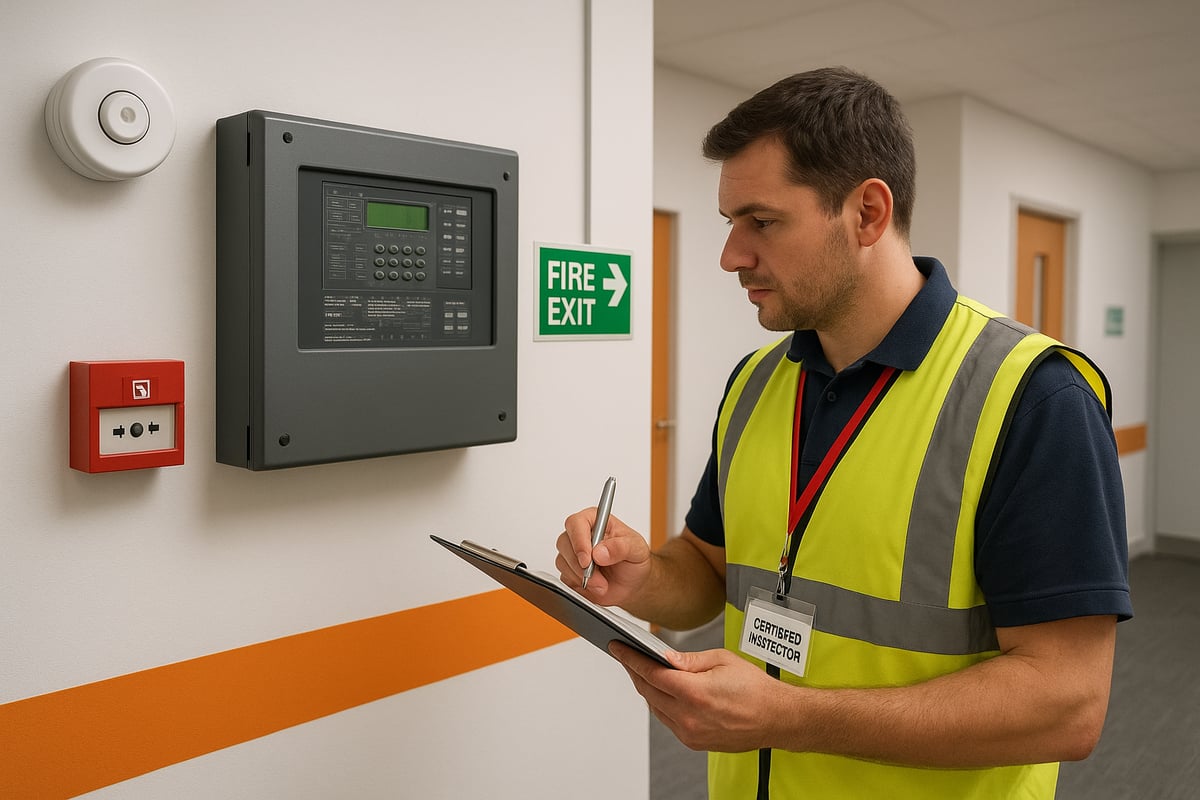
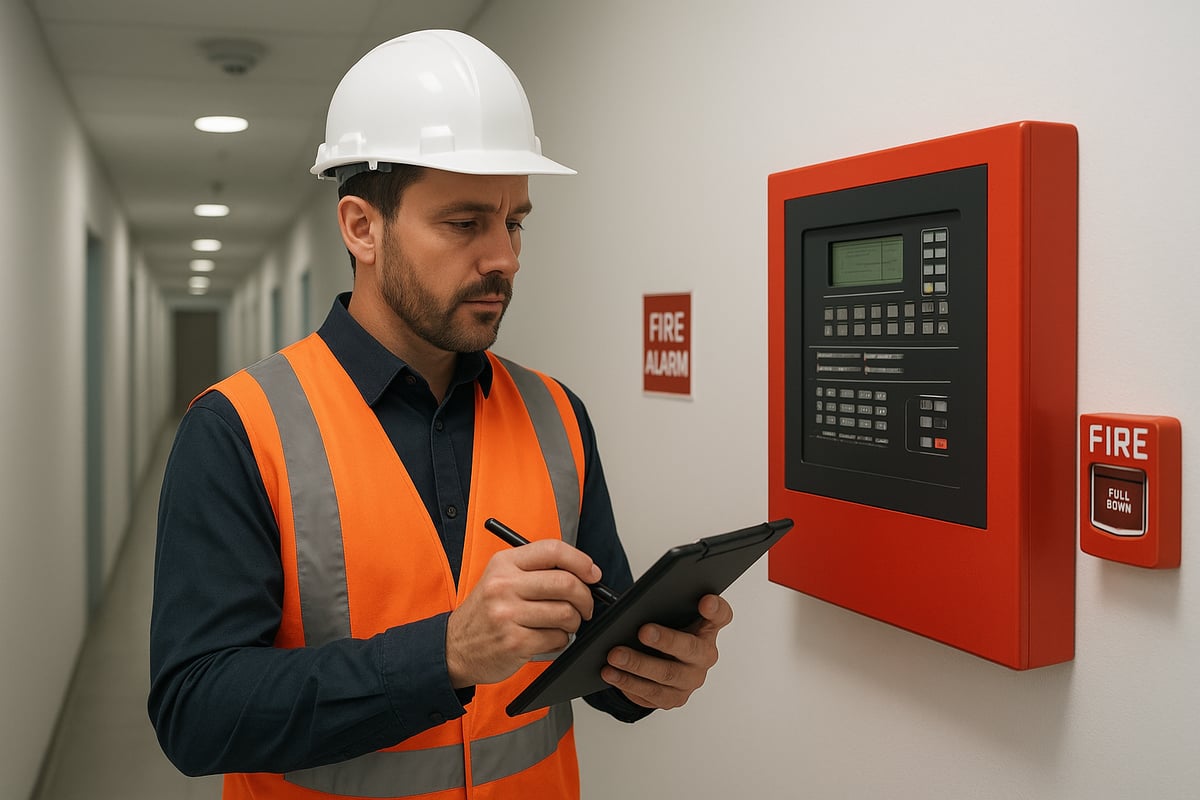
Routine inspections are vital for keeping evacuation alarms fully operational. UK law requires weekly, monthly, and annual checks, including sounder tests, battery inspections, and software updates. According to government data, up to 40% of alarm failures in 2023 stemmed from inadequate maintenance.
A typical maintenance schedule may include:
- Weekly sounder and visual indicator checks
- Monthly battery and power supply tests
- Annual full-system inspections by qualified professionals
For detailed guidance on inspection procedures and best practices, refer to Fire alarm system inspections. Regular attention to evacuation alarms significantly reduces the risk of system failure during a real emergency.
Record-Keeping and Audit Preparation
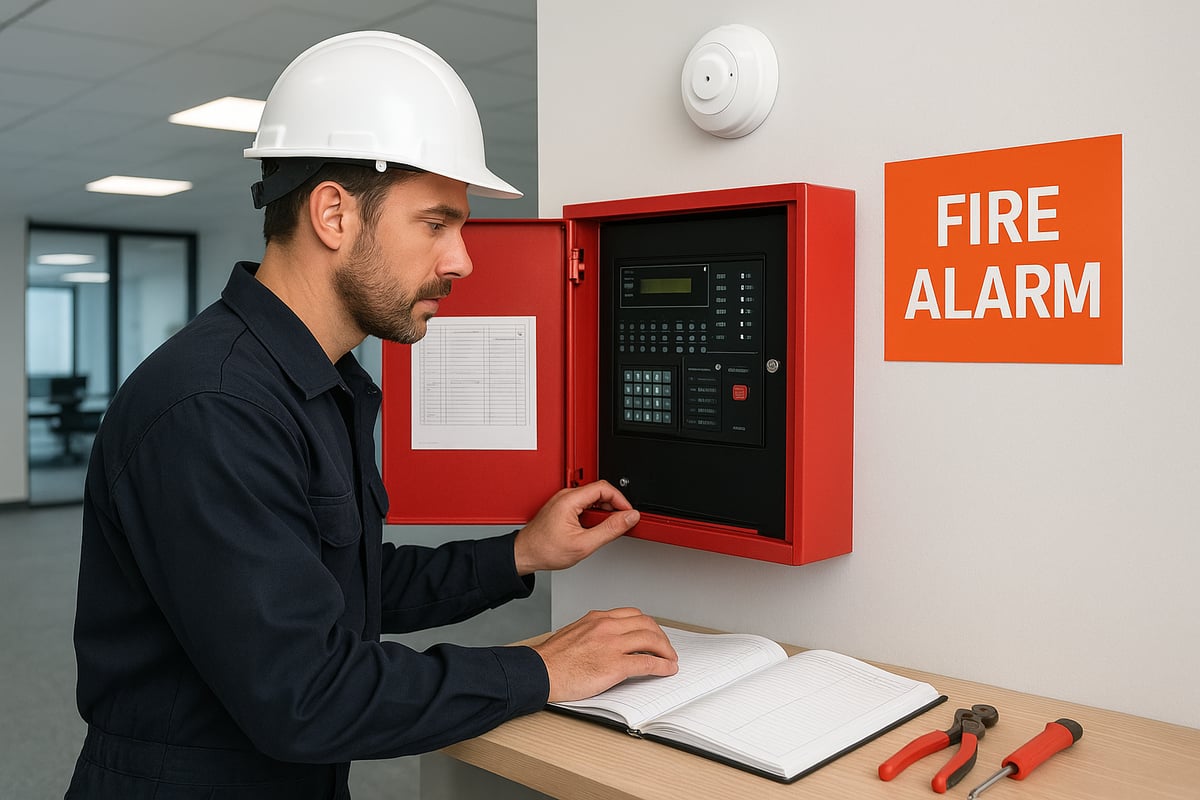
Keeping precise records of all maintenance activities is a legal requirement and a practical necessity. Every inspection, repair, and test performed on evacuation alarms should be logged in detail. These records support audit readiness for regulatory and insurance reviews, helping demonstrate compliance and due diligence.
A well-maintained logbook should include:
- Dates and times of all tests and inspections
- Nature of any faults or repairs
- Names of responsible personnel
Good documentation ensures accountability and simplifies the audit process.
Upgrades and Future-Proofing
Technology and regulations for evacuation alarms evolve rapidly. Building managers should consider upgrades when new standards emerge, or when existing systems show signs of age or unreliability. Retrofitting older structures with modern alarm technology helps ensure ongoing compliance and enhances occupant safety.
Triggers for upgrading include:
- Changes in building use or occupancy
- System obsolescence or frequent faults
- New legal requirements or industry standards
Proactive upgrades help maintain robust emergency protection.
Working with Professional Partners
Partnering with accredited providers for maintenance contracts offers peace of mind. These experts deliver 24/7 monitoring, rapid response to faults, and ensure evacuation alarms remain compliant and effective. Professional support frees building managers to focus on broader safety strategies, knowing the alarm system is always in expert hands.
Choosing the right partner guarantees consistent performance and maximises the lifespan of your evacuation alarms.
Practical Tips for Effective Evacuation Alarm Use
Ensuring your evacuation alarms are effective is crucial for protecting lives and property. Practical steps can make a significant difference in emergency response and overall building safety.
Implement these best practices to maximise the reliability of evacuation alarms:
- Display clear, visible signage for all escape routes and alarm points.
- Schedule regular evacuation drills to ensure everyone knows how to respond when alarms sound.
- Develop communication plans for staff, residents, and visitors so information flows smoothly during emergencies.
- Make certain that evacuation alarms are accessible and inclusive, with visual and audible alerts for all occupants.
- Integrate your alarms with building management systems for a coordinated response.
According to Fire prevention and protection statistics, England, April 2023 to March 2024, regular drills and well-maintained evacuation alarms have been linked to reduced incident impact and improved safety outcomes.
Avoid silencing alarms unnecessarily, ignoring faults, or delaying routine maintenance. Stay informed by consulting UK government guidance and fire safety agencies for the latest advice. Proactive management and continuous improvement will ensure evacuation alarms remain effective, reliable, and compliant.
As we’ve seen throughout this guide, a well planned evacuation alarm system is vital for protecting lives and ensuring compliance in today’s complex buildings. Whether you manage a high rise block, an office, or a public space, understanding your responsibilities and keeping up with the latest standards really does make a difference. If you’d like tailored advice or want to see how your current setup measures up, why not take the next step and get a free site survey? Together, we can ensure your building is safe, future ready, and fully compliant for 2025 and beyond.