
Essential Guide to Fire Life Safety Systems in 2025

In 2025, the safety of our buildings faces new and evolving threats. Fires can start unexpectedly, putting both lives and property at risk. The need for robust fire life safety systems has never been more urgent.

This essential guide will demystify fire life safety systems, highlighting the latest technologies, updated compliance standards, and practical steps for keeping your premises secure. We will explore the core components, discuss critical regulatory changes, and provide clear advice on maintenance and system upgrades.

By understanding and investing in modern fire life safety systems, you protect not only people but also your business and assets. Now is the time to assess your current measures and take action to ensure your building is fully prepared.

Understanding Fire Life Safety Systems in 2025

Fire life safety systems are evolving rapidly as buildings become more complex and regulations tighten. In 2025, understanding these systems is essential for protecting people, property, and business operations.

Understanding Fire Life Safety Systems in 2025

What Are Fire Life Safety Systems?

Fire life safety systems are integrated networks designed to detect, alert, suppress, and support safe evacuation during fire emergencies. Their core objective is to protect life, reduce property damage, and maintain business continuity.

Key components of fire life safety systems include:

  • Smoke and heat detectors
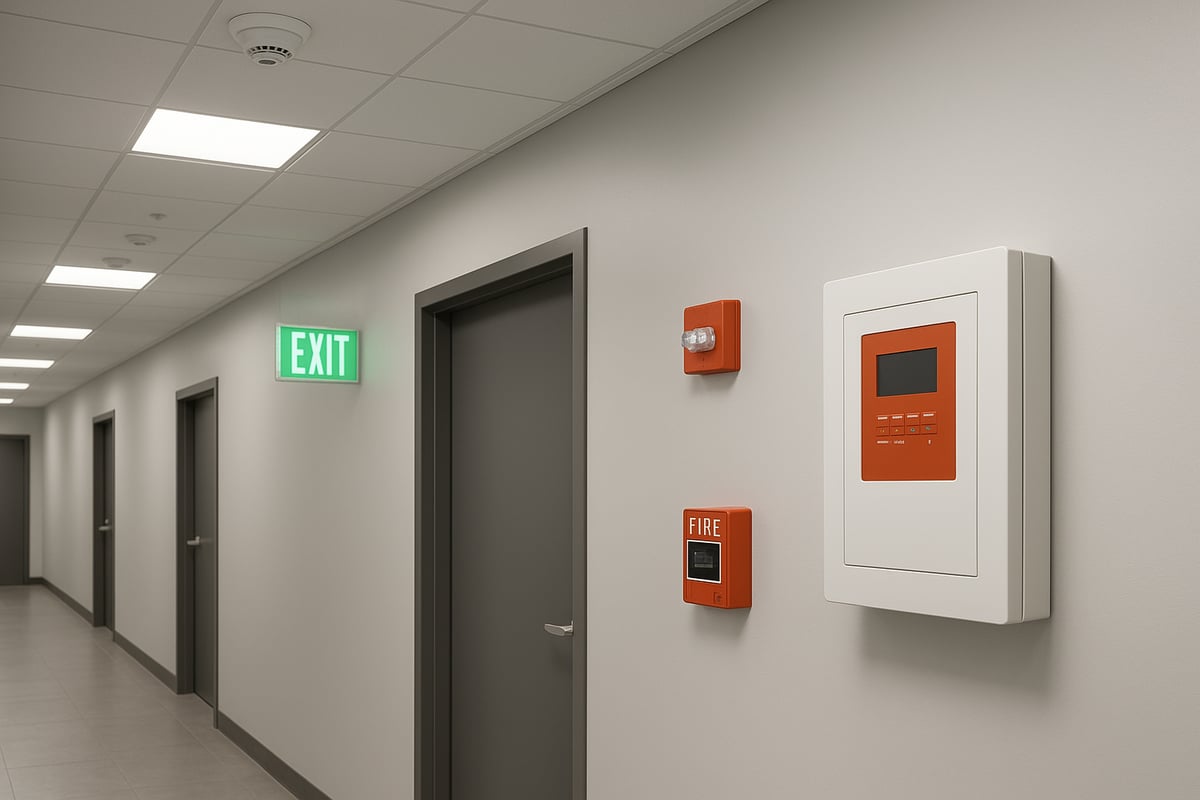
  • Fire alarm panels and manual call points
  • Sprinkler systems and gas suppression units
  • Emergency lighting and illuminated exit signs
  • Voice alarm and public address systems

These systems are critical in commercial offices, public venues, and residential buildings alike. For example, smoke detectors provide early warning, sprinklers help control flames, and emergency lighting guides occupants to safety. Fire life safety systems work together to ensure that, when seconds matter, everyone can escape quickly and safely.

Why They Matter in 2025

In 2025, fire life safety systems are more important than ever due to rising building complexity and increased occupancy levels. Modern architecture often features open spaces, mixed-use developments, and advanced materials, all of which demand sophisticated safety solutions.

Legal requirements have grown stricter, with insurance companies closely examining system compliance before issuing policies. For example, the Regulatory Reform (Fire Safety) Order 2005 remains in force, but new rules are coming into effect, especially with the PSTN switchover. According to UK Fire and Rescue Services, working fire alarms can reduce fatalities by up to 50 percent.

A real-world example is the integration of fire life safety systems with wider security platforms in large facilities. This approach enables faster detection, coordinated evacuation, and improved outcomes for both occupants and responders.

Key Regulatory Changes and Compliance

The regulatory landscape for fire life safety systems is changing in 2025. New or updated UK fire safety rules are coming into force, affecting all types of buildings. The transition from analogue PSTN to digital communications impacts legacy alarm signalling, which must be upgraded to maintain compliance and reliability.

British Standards, including BS 5839 for fire alarms and BS 5266 for emergency lighting, have new revisions focusing on digital integration, testing, and maintenance. Building owners and managers are now legally responsible for ensuring systems meet these standards, with mandatory maintenance and detailed record-keeping required.

Non-compliance can lead to substantial fines, invalidated insurance, and even prosecution. For example, penalties have been issued for failing to maintain fire alarms or emergency lighting. For a full overview of these changes, see the UK fire safety regulation updates 2025.

Staying informed and proactive with fire life safety systems ensures not only legal compliance but also the safety and confidence of everyone in the building.

Core Components of Modern Fire Life Safety Systems

Modern fire life safety systems are built from several key components working together to protect lives and property. Each element is designed to detect threats early, respond rapidly, and ensure safe evacuation. Understanding these core parts is essential for compliance and effective risk management in 2025.

Core Components of Modern Fire Life Safety Systems

Fire Detection & Alarm Systems

At the heart of fire life safety systems are advanced detection and alarm solutions. These include smoke and heat detectors, each tailored for specific environments. Smoke detectors are ideal for most areas, while heat detectors suit kitchens or garages.

Manual call points let occupants trigger alarms if they spot danger before sensors do. Systems are either addressable, allowing precise location tracking of incidents, or conventional, which groups zones for simpler setups. Wireless options offer flexibility, especially in heritage or complex buildings.

Early warning is vital in high occupancy spaces. For a detailed breakdown of system types and benefits, see the Fire Alarm System Overview. The right detection and alarm setup forms the backbone of effective fire life safety systems.

Fire Suppression & Extinguishing Systems

Suppression is a critical layer of defence in fire life safety systems. Sprinkler systems come in wet, dry, and pre-action varieties. Wet systems are standard in most buildings, while dry and pre-action are used where freezing or accidental discharge is a concern.

Gas suppression, essential for data centres and server rooms, uses inert or chemical agents to avoid water damage. Portable extinguishers are classified by the type of fire they tackle, such as A for solids, B for liquids, and C for gases.

Automatic activation ensures rapid response, but manual extinguishers remain vital for immediate action. Gas suppression systems, for instance, protect critical infrastructure where even brief downtime is costly. Each solution is chosen based on the specific fire risks present in the building.

Emergency Lighting & Exit Signage

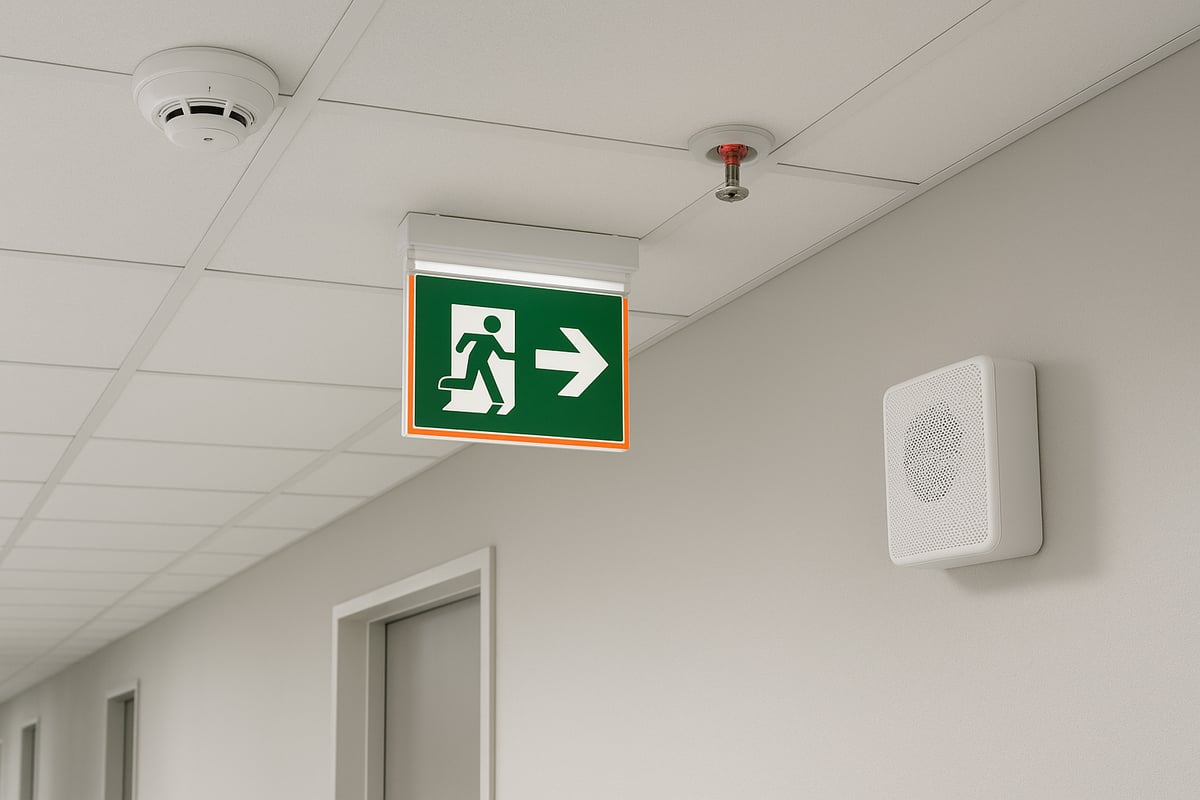
Emergency lighting and exit signage guide occupants safely during power failures. These elements are crucial for effective fire life safety systems, ensuring visibility along escape routes, stairwells, and exits.

Placement must comply with BS 5266 standards, which require minimum illumination times. A 90-minute duration is standard, giving ample time for evacuation even in complex buildings.

Clear, well-lit signage reduces confusion and supports orderly movement. Ensuring regular checks and maintenance keeps these systems reliable when most needed.

Voice Alarm & Public Address Systems

Voice alarm and public address systems deliver clear, calm instructions during emergencies. In large or noisy environments, such as shopping centres or stadiums, traditional alarms may go unnoticed or cause panic.

Integration with fire alarm systems allows automated, situation-specific messaging. This reduces confusion and helps direct people to the safest exits.

For example, these systems are invaluable in venues where quick, coordinated evacuation is essential. Modern fire life safety systems use voice alarms to enhance communication and improve overall safety.

Integration and Emerging Technologies in 2025

The rapid evolution of building technology is reshaping fire life safety systems in 2025. Modern solutions now centre on integration, smart monitoring, and advanced communication, ensuring greater protection and compliance for all types of properties.

Integration and Emerging Technologies in 2025

Smart and Connected Systems

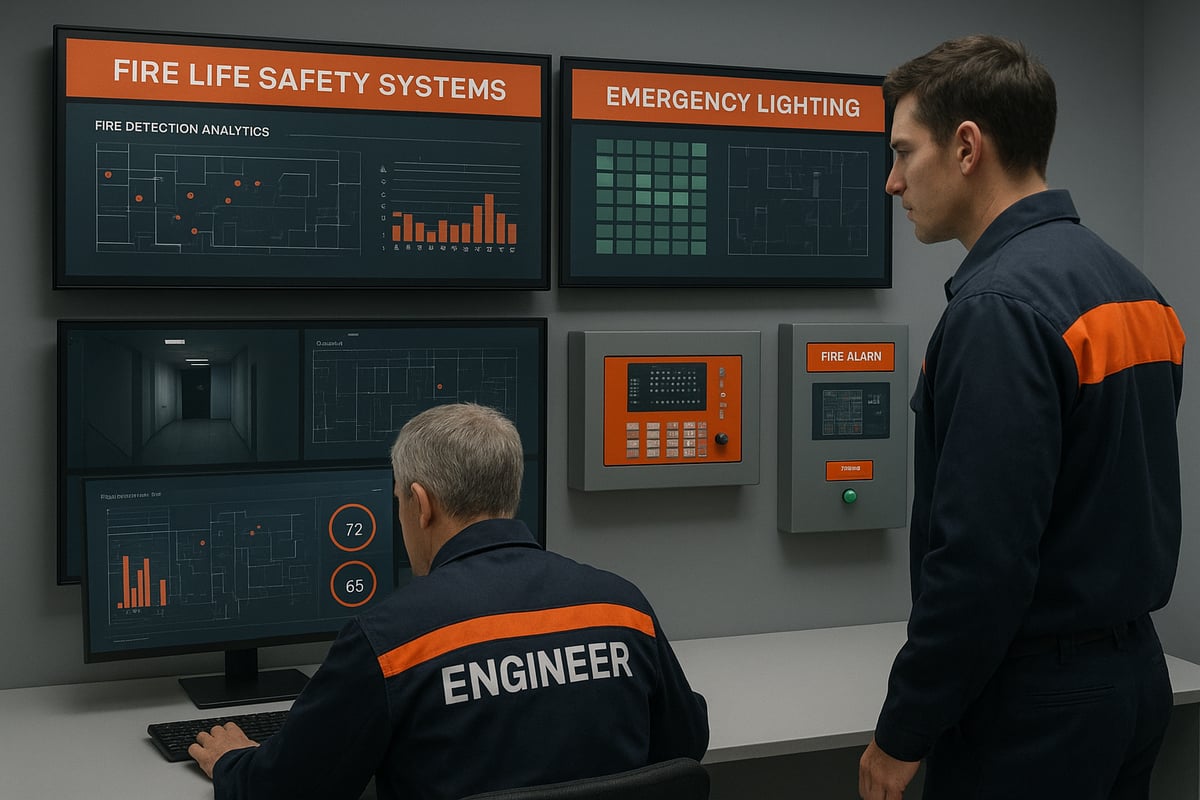
Smart technology is transforming fire life safety systems by enabling real-time monitoring and control. IoT-enabled devices communicate seamlessly, allowing instant alerts, remote diagnostics, and predictive maintenance. These systems integrate with building management systems, streamlining operations and enhancing safety.

Building managers can now access detailed analytics, helping them identify risks and optimise system performance. For example, sensors can detect faults before they become critical, reducing downtime and unplanned costs.

Key benefits include:

  • Faster incident response
  • Reduced maintenance costs
  • Improved regulatory compliance

Adopting connected fire life safety systems ensures your property remains protected and future-ready.

Video Smoke Detection and Advanced Sensors

Video smoke detection is advancing fire life safety systems, particularly in large, open spaces like warehouses or stadiums. These systems use video analytics to identify smoke patterns, offering earlier detection compared to traditional sensors.

Advanced multi-criteria sensors reduce false alarms by analysing heat, smoke, and even air composition. This technology enhances reliability and safety, especially in environments where standard detectors struggle.

Key advantages:

  • Rapid identification of fire hazards
  • Effective coverage of complex spaces
  • Lower rates of nuisance alarms

By integrating these technologies, fire life safety systems become more effective and adaptable.

Digital Communication and PSTN Switchover

The UK’s move from analogue to digital phone lines by December 2025 affects fire life safety systems that rely on PSTN for alarm signalling. Legacy systems may fail if not upgraded, risking non-compliance and loss of monitoring.

To prepare, building owners must transition to digital alarm communication, ensuring uninterrupted alerts and remote monitoring. For a detailed overview, see the PSTN switchover impact on fire alarm systems.

Upgrading communication infrastructure is essential for the ongoing reliability of fire life safety systems and compliance with new UK standards.

Integration with Security and Access Control

Unified platforms now integrate fire life safety systems with security and access control, providing a holistic approach to building safety. Automated responses, such as unlocking evacuation routes and managing lockdowns, improve both safety and efficiency.

In critical facilities like hospitals or public buildings, these integrated systems streamline emergency procedures and reduce human error. The result is faster, more coordinated responses to incidents.

Benefits include:

  • Centralised monitoring
  • Enhanced compliance
  • Reduced operational risk

Investing in integrated fire life safety systems ensures comprehensive protection for modern buildings.

Step-by-Step Guide: Implementing Fire Life Safety Systems in 2025

Ensuring your building is protected by effective fire life safety systems requires a structured, methodical approach. In 2025, compliance and tailored solutions are essential. This step-by-step guide will help you navigate each stage of the process, from initial assessment to final certification, ensuring your fire life safety systems provide reliable protection for people and property.

Step-by-Step Guide: Implementing Fire Life Safety Systems in 2025

Step 1: Conduct a Comprehensive Fire Risk Assessment

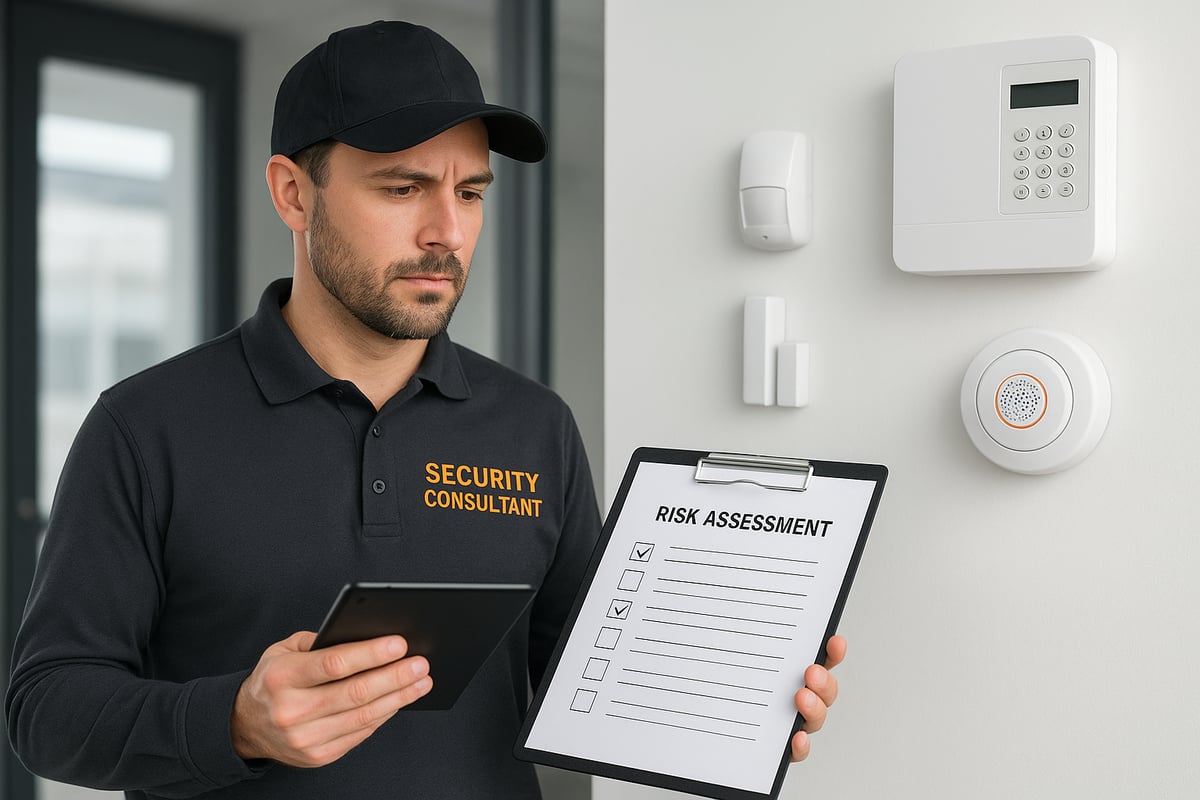
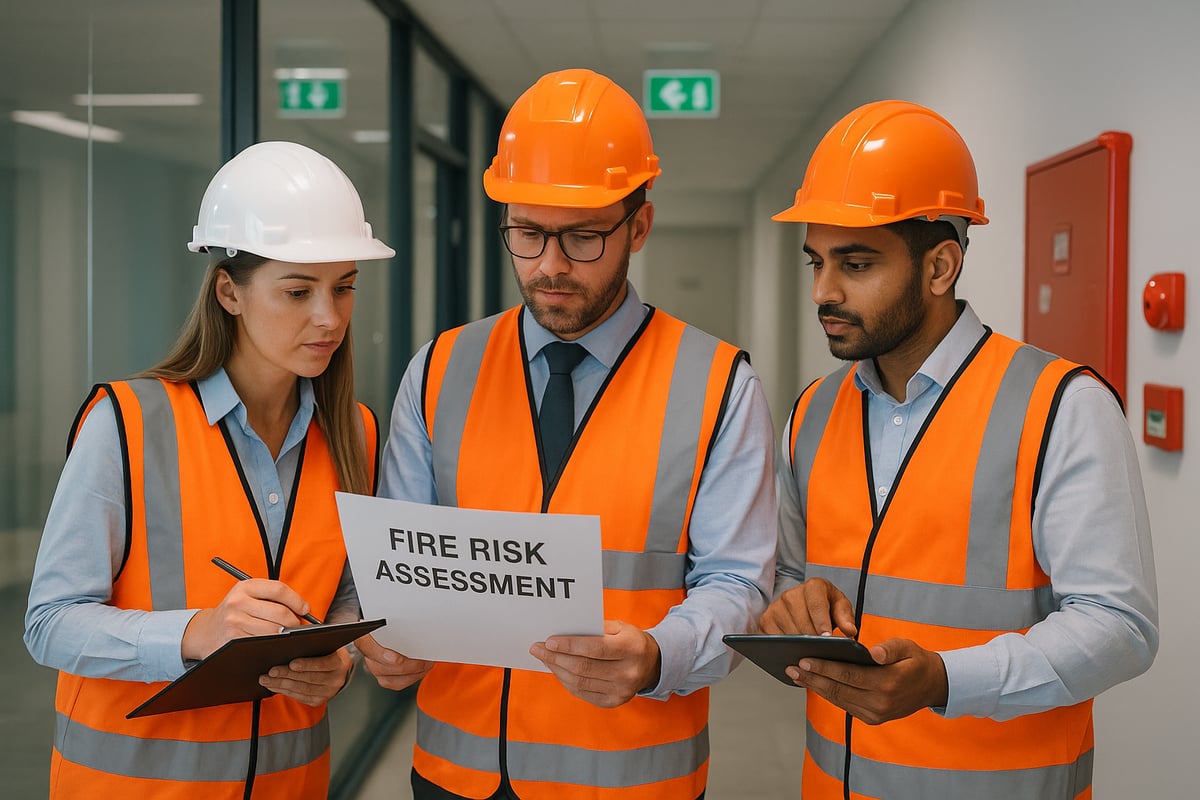
The foundation of robust fire life safety systems is a detailed risk assessment. Identify hazards, assess vulnerable areas, and uncover any compliance gaps. Engaging a qualified professional ensures accuracy and adherence to current regulations. For a clear understanding of what this process involves, the Fire Risk Assessment Process offers a comprehensive overview. Proper assessment is not just best practice, it is a legal requirement and the first critical step in safeguarding your premises.

Step 2: System Design and Customisation

Designing fire life safety systems begins with understanding your building’s unique requirements. Consider its layout, size, occupancy, and existing infrastructure. Choose detection, alarm, and suppression technologies that align with these needs. Integrate new systems with current installations to maximise efficiency and compliance. Expert design ensures that fire life safety systems are not only compliant with 2025 standards but also offer optimal protection and adaptability for future needs.

Step 3: Professional Installation and Commissioning

Professional installation is essential for fire life safety systems to operate correctly. Certified installers follow all regulatory guidelines, ensuring every component is fitted and tested precisely. Commissioning involves rigorous testing of alarms, detectors, and suppression equipment to confirm full functionality. This process guarantees that fire life safety systems will perform as expected in an emergency, while also minimising disruption to daily business operations and maintaining continuous compliance.

Step 4: Staff Training and Emergency Planning

Once fire life safety systems are in place, staff must be trained to respond quickly and confidently during an emergency. Regular fire drills, clear evacuation procedures, and practical training on alarm response and extinguisher use are vital. Make special arrangements for vulnerable occupants, such as installing disabled refuge systems. Empowered and knowledgeable staff are key to ensuring fire life safety systems protect everyone effectively during a crisis.

Step 5: Documentation and Certification

Maintaining thorough documentation is a critical part of managing fire life safety systems. Keep detailed records of installation, testing, and ongoing maintenance. Obtain all necessary compliance certificates for insurance and legal purposes. Use logbooks to track fire alarm and emergency lighting checks. Accurate and up-to-date documentation not only demonstrates your commitment to safety but also ensures continued compliance with evolving regulations in 2025.

Maintenance, Testing, and Legal Responsibilities

Maintaining fire life safety systems in 2025 is not just a technical requirement, but a legal and moral obligation for every building owner or manager. Regular checks and timely upgrades ensure that fire life safety systems function properly when needed most, safeguarding both lives and property. Neglecting these responsibilities can result in severe legal consequences, insurance complications, and, most importantly, increased risk to occupants.

Importance of Regular Maintenance

Regular maintenance is the backbone of effective fire life safety systems. Without routine inspections, faults can go unnoticed, potentially leading to system failure during emergencies. UK fire safety law makes maintenance mandatory for all fire life safety systems, with significant penalties for non-compliance.

A well-maintained system offers peace of mind, knowing that alarms, detectors, and emergency lighting will operate as intended. Failure to maintain fire life safety systems can void insurance policies and result in fines, putting both safety and business continuity at risk. For detailed guidance on maintaining fire extinguishers, see the Fire Extinguisher Servicing Guide.

Routine Testing Schedules

Routine testing is essential to keep fire life safety systems in optimal working condition. Each component requires a specific schedule to ensure reliability. Fire alarms should be tested weekly, while emergency lighting demands monthly function checks and annual duration tests.

Sprinkler and suppression systems benefit from quarterly or annual inspections by certified professionals. The table below summarises key testing intervals:

System Component Test Frequency
Fire alarms Weekly
Emergency lighting Monthly/Annually
Sprinklers Quarterly/Annually
Fire extinguishers Annually

Sticking to these routines ensures fire life safety systems remain compliant and ready for any incident.

Record-Keeping and Compliance

Accurate record-keeping is a legal requirement for fire life safety systems in the UK. All testing, maintenance, and repair activities must be logged, either in physical logbooks or digital records. These logs are crucial for demonstrating compliance during audits or inspections.

Digital solutions can simplify this process, offering automated reminders and secure storage. For emergency lighting, robust documentation is vital—visit Emergency Lighting Solutions for practical advice on compliance and system upgrades.

Keeping detailed records not only satisfies legal obligations but also helps identify patterns and potential issues before they escalate.

Upgrading and Retrofitting Older Systems

With regulations evolving in 2025, upgrading older fire life safety systems is essential for continued compliance. Assess legacy systems for compatibility with current standards, especially in light of the PSTN switchover and new British Standards.

Retrofitting may include updating alarm signalling equipment or replacing emergency lighting with energy-efficient LED technology. Building owners should also monitor regulatory changes, such as those affecting fire extinguishers, to ensure all fire life safety systems remain up to date.

Regular reviews and timely upgrades minimise risk, enhance reliability, and help future-proof your fire life safety systems for years to come.

Future Trends and Innovations in Fire Life Safety

Staying ahead of the curve is essential as fire life safety systems rapidly evolve to meet new challenges and opportunities. The future brings smarter, greener, and more inclusive solutions, ensuring protection keeps pace with modern risks and expectations.

AI and Predictive Analytics

Artificial intelligence is reshaping how fire life safety systems operate in 2025. AI-driven sensors analyse environmental data, enabling early fire detection and reducing false alarms. Predictive analytics monitor trends and trigger maintenance alerts before faults occur.

In smart buildings, these systems can automatically adjust configurations for changing risks, providing real-time diagnostics and optimising safety. As a result, fire life safety systems become more reliable and proactive, safeguarding both people and property. This shift supports business continuity and regulatory compliance.

Sustainability and Eco-Friendly Solutions

Environmental sustainability is now at the forefront of fire life safety systems. Energy-efficient emergency lighting and LED upgrades significantly reduce power consumption while maintaining compliance with green building standards.

A major change in 2025 is the shift to environmentally friendly extinguishing agents. The Fire extinguisher regulation changes 2025 ban certain foam extinguishers containing harmful chemicals and introduce European testing methods. This encourages building owners to upgrade to safer, greener alternatives, aligning fire life safety systems with broader sustainability goals.

Enhanced Accessibility and Inclusive Safety

Modern fire life safety systems are designed to protect everyone, including those with disabilities or sensory impairments. Enhanced features include disabled refuge areas, accessible evacuation routes, and alarms that combine voice instructions with visual alerts.

Legal requirements now mandate inclusive safety measures in all building types. By integrating these features, fire life safety systems ensure that no one is left behind during an emergency. This commitment to accessibility strengthens compliance and public trust.

Resilience Against Emerging Threats

Fire life safety systems in 2025 are engineered for resilience in multi-risk environments. They now integrate with disaster recovery and business continuity planning, offering coordinated responses to fire, flood, or power failure.

For example, critical infrastructure sites deploy fire life safety systems that communicate with security and energy management, ensuring rapid, effective action. This adaptability minimises downtime and supports ongoing operations, even under challenging conditions.

Industry Collaboration and Standardisation

Ongoing collaboration between manufacturers, installers, and regulators drives consistent improvements in fire life safety systems. Regular updates to British and international standards maintain system reliability and safety.

Choosing accredited providers is crucial for compliance and long-term performance. As the industry works together to raise the bar, building owners benefit from more robust, future-ready fire life safety systems.

As we’ve explored, staying ahead of new regulations and emerging technologies is crucial for protecting your building and the people inside. Whether you’re navigating compliance updates or looking to upgrade your fire life safety systems for 2025, having the right support makes all the difference. At Logic Fire and Security, we understand that every site has unique needs—and we’re here to help you make informed, confident decisions. If you’d like expert guidance tailored to your premises, why not Get a Free Site Survey? It’s a straightforward first step towards peace of mind and lasting compliance.

Evacuation Alarms Guide: Essential Insights for 2025

Recent incidents in the UK have shown how crucial evacuation alarms are for protecting lives and property. As we move into 2025, the risks faced in modern buildings and public spaces continue to evolve, making robust safety measures more important than ever.

This guide offers essential insights into evacuation alarms, including the latest advancements, standards, and best practices. Whether you manage a residential block, office, or public venue, understanding these systems is vital for safety and compliance.

Stay with us to discover why evacuation alarms matter, the different types available, key regulations, emerging technology trends, practical installation steps, ongoing maintenance, and tips for effective use.

The Critical Role of Evacuation Alarms in Modern Safety

In today’s fast-changing environment, the importance of evacuation alarms has never been clearer. Modern buildings face new hazards, from fires to security threats, and effective alarms play a central role in protecting lives and property. Understanding their impact is crucial for anyone responsible for safety in 2025.

The Critical Role of Evacuation Alarms in Modern Safety

Why Evacuation Alarms Matter

Evacuation alarms serve as the first alert in emergencies, whether it is a fire, gas leak, or security incident. Their rapid warning allows people to escape before threats escalate, often making the difference between safety and disaster.

Real-world examples show that timely evacuation alarms have enabled successful evacuations in busy spaces such as shopping centres and high-rise flats. When alarms are delayed or absent, the consequences can be severe, with statistics revealing higher casualty rates and greater property loss.

In the UK, Fire and Rescue Services responded to over 150,000 fire incidents in 2023. Early warning systems were a major factor in reducing fatalities, as highlighted in the fire and rescue incident statistics: England, year ending March 2023.

Evacuation alarms also offer psychological reassurance, helping occupants and staff remain calm and focused during emergencies. In high-occupancy buildings, these systems integrate with emergency lighting, doors, and communications to support a coordinated response.

Legal and Moral Responsibilities

Employers, landlords, and building managers have a clear duty of care when it comes to evacuation alarms. The Regulatory Reform (Fire Safety) Order 2005 requires all non-domestic premises to have suitable systems in place, ensuring everyone can escape safely if needed.

Beyond the legal requirements, there is a strong moral responsibility to protect vulnerable groups, such as the elderly, disabled individuals, and children. Installing effective evacuation alarms is not just about compliance, it is about safeguarding every person who enters a building.

By prioritising both the legal and ethical aspects of evacuation alarms, organisations build trust and demonstrate a real commitment to safety.

Types of Evacuation Alarm Systems Explained

Choosing the right evacuation alarms for your building is crucial for effective emergency response. System types vary widely, each offering distinct strengths to suit different environments and compliance demands. Understanding these differences ensures you select a solution that meets both safety standards and your specific needs.

Types of Evacuation Alarm Systems Explained

Conventional vs. Addressable Systems

Conventional evacuation alarms operate by dividing a building into zones, with each zone connected to a specific circuit. When an alarm activates, the control panel identifies the affected zone, but not the exact device. These systems are cost-effective for small offices or compact layouts.

Addressable systems, by contrast, assign unique addresses to each device. This enables precise identification of the activated alarm or fault, streamlining response and maintenance. Addressable solutions scale well for large or complex premises, such as high-rise flats, making evacuation alarms more efficient in pinpointing hazards.

While conventional systems have lower upfront costs, addressable options offer greater flexibility, detailed monitoring, and easier expansion. Choosing between them depends on building size, complexity, and future-proofing requirements.

Wired and Wireless Alarm Technologies

Wired evacuation alarms use physical cabling for reliable communication between devices and the control panel. They are a traditional choice for new builds, offering durability and minimal interference risk, though installation can be disruptive and labour-intensive.

Wireless evacuation alarms use radio signals to connect devices, providing flexibility and faster installation, especially in occupied or heritage properties. They are ideal for refurbishment projects and sites where running cables is impractical.

Feature Wired Systems Wireless Systems
Installation Complex Quick
Reliability High Good
Cost Moderate Higher upfront
Compliance Excellent Meets standards

Selecting between wired and wireless evacuation alarms depends on your building’s structure, timeline, and budget. Both meet key compliance requirements when properly installed.

Standalone vs. Integrated Systems

Standalone evacuation alarms are designed for single-use areas, such as small shops or specific rooms, operating independently from other building systems. They are straightforward to install and manage, but limited in scope.

Integrated systems connect evacuation alarms with fire detection, security, and building management controls. This unified approach enhances safety by allowing coordinated actions, such as triggering smoke vents and emergency lighting during an evacuation. For a comprehensive understanding of how integration works, see this evacuation alert system overview.

Integrated solutions are especially valuable in large or multi-use buildings, providing centralised control and seamless communication between safety systems.

Specialised Evacuation Alerts

Specialised evacuation alarms cater to the unique needs of certain occupants and scenarios. Disabled refuge alarms enable communication from protected spaces, ensuring those with mobility challenges are not left behind. Lockdown alerts are essential in schools or public venues to manage security threats.

Evacuation chairs and tailored alert systems further support safe egress for vulnerable persons. Customising evacuation alarms to your building’s population and risk profile is essential for inclusive and effective emergency planning.

Selecting the right mix of evacuation alarms, including specialised options, maximises safety for everyone in your premises.

Regulatory Standards and Compliance for 2025

Navigating the regulatory landscape for evacuation alarms is essential as 2025 brings updated standards and increased scrutiny. Understanding these requirements helps ensure your building is not only safe but also fully compliant with the law.

Regulatory Standards and Compliance for 2025

Key UK Standards and Legislation

The UK sets clear expectations for evacuation alarms, especially in high-rise residential buildings. The pivotal BS 8629:2019 standard, which details the design and installation of evacuation alert systems, continues to shape best practice. Amendments in recent years have clarified requirements for system reliability, audibility, and accessibility. Looking ahead to 2025, anticipated changes may further tighten specifications for digital integration and emergency communications.

Compliance with BS 8629:2019 is not optional—it’s a legal requirement for many buildings. For a concise summary of the latest expectations, see the BS 8629:2019 Pocket Guide. Following these standards ensures evacuation alarms provide prompt, reliable alerts, which are critical in emergencies.

Building Types and Specific Requirements

Evacuation alarms must be tailored to the specific risks of different building types. Residential blocks, offices, and public venues each have unique needs. For example, high-rise flats require addressable systems with clear zone identification, while commercial spaces often benefit from integrated alarms linked to security and HVAC systems.

Building Type Key Requirement Alarm System Type
High-rise flats Zoned, addressable, BS 8629 Addressable
Offices Integration with security Integrated/Conventional
Public venues High audibility, accessibility Integrated

Special attention is needed for multi-tenant sites, where false alarms can disrupt many occupants, and for high-occupancy structures, where rapid, clear notification is vital.

Compliance Best Practices

Staying compliant with evacuation alarms involves more than just installation. Building managers should:

  • Keep thorough documentation of all system checks and updates.
  • Work exclusively with accredited installers and service providers.
  • Schedule regular maintenance and periodic audits.

In 2023, 85% of enforcement actions were linked to either inadequate alarm systems or insufficient documentation. A proactive approach helps avoid these costly pitfalls and demonstrates a commitment to occupant safety.

Penalties for Non-Compliance

Non-compliance with evacuation alarms can lead to severe consequences. Fines, legal proceedings, and reputational harm are common outcomes for failing to meet standards. Recent UK enforcement actions have seen building owners held accountable for missed inspections or faulty alarms, resulting in significant financial penalties.

Beyond legal risks, neglecting evacuation alarms undermines trust and puts lives at risk. Regular reviews and updates are key to maintaining both compliance and peace of mind.

Latest Technology Trends in Evacuation Alarms for 2025

Staying ahead in safety means embracing the newest developments in evacuation alarms. Technology is rapidly reshaping how buildings detect, alert, and respond to emergencies. These trends are setting the benchmark for 2025, ensuring better protection and compliance for every environment.

Latest Technology Trends in Evacuation Alarms for 2025

Smart Alarm Systems and IoT Integration

Smart evacuation alarms are transforming emergency management. These systems use IoT connectivity, allowing remote monitoring and instant diagnostics from any location. Building managers receive real-time alerts via mobile devices, making it easier to oversee safety even when off-site.

IoT sensors continuously monitor for smoke, heat, or gas, instantly triggering the evacuation alarms if a hazard is detected. This integration ensures quicker responses and minimises the risk of human error. As a result, smart solutions are now a staple in new builds and large-scale refurbishments.

Advanced Sounders, Flashers, and Visual Devices

Modern evacuation alarms go beyond traditional bells. Multi-tone sounders and high-intensity flashers ensure alerts are noticed in noisy or visually complex environments. Voice alarms provide clear spoken instructions, guiding occupants to safety.

Visual devices, such as strobes and illuminated signs, help those with hearing impairments. This focus on accessibility is crucial in multi-occupancy buildings. The latest evacuation alarms are designed to be both inclusive and highly effective, meeting the needs of diverse populations.

Secure Access and Control Features

Security is a top concern for evacuation alarms. Enclosures are now tested to STS205 BR2 Level II, ensuring robust protection against tampering. Many systems feature Secured by Design approval, giving added peace of mind.

Key management tools, like the Gerda One Key System, streamline fire service access during emergencies. For organisations seeking compliance, opting for accredited evacuation alert systems ensures that both technology and installation meet rigorous regulatory standards.

AI and Predictive Analytics

Artificial intelligence is enhancing evacuation alarms by improving detection speed and accuracy. AI algorithms analyse sensor data to spot hazards early and distinguish between real threats and false alarms.

Predictive analytics also alert facilities teams about potential maintenance issues before they escalate. This proactive approach reduces downtime and keeps evacuation alarms operating at peak performance, directly supporting compliance and safety objectives.

Sustainability and Energy Efficiency

Sustainability is taking centre stage in the design of evacuation alarms. New systems use advanced battery technologies that last longer and reduce waste. Manufacturers are prioritising low-energy components and recyclable materials.

There is a regulatory push towards eco-friendly devices, helping organisations meet environmental targets. These sustainable evacuation alarms offer reliable performance without compromising on green credentials.

Step-by-Step Guide to Planning and Installing Evacuation Alarms

Planning and installing evacuation alarms is a structured process that demands thorough preparation, compliance with standards, and attention to building-specific needs. Follow these four essential steps to ensure your alarm system not only meets legal requirements but also provides effective protection for occupants.

Step 1: Risk Assessment and System Design

Begin by carrying out a comprehensive risk assessment tailored to your building. Identify potential hazards, assess the number and types of occupants, and map out all escape routes. Focus on areas with higher risks, such as kitchens or plant rooms, and ensure special consideration for vulnerable individuals.

Collaborate with safety professionals to customise the design of your evacuation alarms. Integrate accessible solutions, such as visual alerts or Disabled refuge alarm solutions, to support everyone during emergencies. Document findings and proposed system layouts for regulatory compliance.

Step 2: Product Selection and Sourcing

Select products that are compliant with BS 8629 and suitable for your building’s needs. Evaluate control panels, sounders, and accessories, ensuring each component meets certification standards. Consider modular systems if your site may require future expansion.

Compare suppliers based on product reliability, support, and warranty terms. Always source evacuation alarms from reputable vendors to guarantee system integrity. For high-rise buildings or complex layouts, prioritise addressable systems for precise location tracking.

Feature Conventional Alarms Addressable Alarms
Cost Lower Higher
Scalability Limited Flexible
Maintenance Simple Advanced

Step 3: Professional Installation

Engage accredited installers with experience in evacuation alarms to ensure proper setup. The installation process should include careful wiring, device placement, and system programming according to the risk assessment.

Testing is critical at this stage. Each device and circuit must be verified for function and integration with other safety systems. Installers should minimise disruption to daily operations by coordinating work during off-peak hours or phased implementation.

Step 4: System Commissioning and Handover

Once installation is complete, commission the system with final, documented tests. This step confirms that all evacuation alarms operate as designed and that integration with fire and emergency systems is seamless.

Provide comprehensive training for staff and occupants, covering alarm sounds, evacuation routes, and system controls. Keep all documentation, including commissioning certificates and user guides, accessible for compliance checks. Sign off with a formal handover to ensure ongoing legal and safety obligations are met.

Maintenance, Testing, and Ongoing Compliance

Regular maintenance and testing of evacuation alarms are essential for ensuring reliable performance during emergencies. By following legal requirements and best practices, building owners and managers can protect lives, meet compliance standards, and reduce the risk of costly system failures.

Routine Maintenance and Inspections

Routine inspections are vital for keeping evacuation alarms fully operational. UK law requires weekly, monthly, and annual checks, including sounder tests, battery inspections, and software updates. According to government data, up to 40% of alarm failures in 2023 stemmed from inadequate maintenance.

A typical maintenance schedule may include:

  • Weekly sounder and visual indicator checks
  • Monthly battery and power supply tests
  • Annual full-system inspections by qualified professionals

For detailed guidance on inspection procedures and best practices, refer to Fire alarm system inspections. Regular attention to evacuation alarms significantly reduces the risk of system failure during a real emergency.

Record-Keeping and Audit Preparation

Keeping precise records of all maintenance activities is a legal requirement and a practical necessity. Every inspection, repair, and test performed on evacuation alarms should be logged in detail. These records support audit readiness for regulatory and insurance reviews, helping demonstrate compliance and due diligence.

A well-maintained logbook should include:

  • Dates and times of all tests and inspections
  • Nature of any faults or repairs
  • Names of responsible personnel

Good documentation ensures accountability and simplifies the audit process.

Upgrades and Future-Proofing

Technology and regulations for evacuation alarms evolve rapidly. Building managers should consider upgrades when new standards emerge, or when existing systems show signs of age or unreliability. Retrofitting older structures with modern alarm technology helps ensure ongoing compliance and enhances occupant safety.

Triggers for upgrading include:

  • Changes in building use or occupancy
  • System obsolescence or frequent faults
  • New legal requirements or industry standards

Proactive upgrades help maintain robust emergency protection.

Working with Professional Partners

Partnering with accredited providers for maintenance contracts offers peace of mind. These experts deliver 24/7 monitoring, rapid response to faults, and ensure evacuation alarms remain compliant and effective. Professional support frees building managers to focus on broader safety strategies, knowing the alarm system is always in expert hands.

Choosing the right partner guarantees consistent performance and maximises the lifespan of your evacuation alarms.

Practical Tips for Effective Evacuation Alarm Use

Ensuring your evacuation alarms are effective is crucial for protecting lives and property. Practical steps can make a significant difference in emergency response and overall building safety.

Implement these best practices to maximise the reliability of evacuation alarms:

  • Display clear, visible signage for all escape routes and alarm points.
  • Schedule regular evacuation drills to ensure everyone knows how to respond when alarms sound.
  • Develop communication plans for staff, residents, and visitors so information flows smoothly during emergencies.
  • Make certain that evacuation alarms are accessible and inclusive, with visual and audible alerts for all occupants.
  • Integrate your alarms with building management systems for a coordinated response.

According to Fire prevention and protection statistics, England, April 2023 to March 2024, regular drills and well-maintained evacuation alarms have been linked to reduced incident impact and improved safety outcomes.

Avoid silencing alarms unnecessarily, ignoring faults, or delaying routine maintenance. Stay informed by consulting UK government guidance and fire safety agencies for the latest advice. Proactive management and continuous improvement will ensure evacuation alarms remain effective, reliable, and compliant.

As we’ve seen throughout this guide, a well planned evacuation alarm system is vital for protecting lives and ensuring compliance in today’s complex buildings. Whether you manage a high rise block, an office, or a public space, understanding your responsibilities and keeping up with the latest standards really does make a difference. If you’d like tailored advice or want to see how your current setup measures up, why not take the next step and get a free site survey? Together, we can ensure your building is safe, future ready, and fully compliant for 2025 and beyond.

Fire Alarm System Inspections: Your 2025 Step-by-Step Guide

Is your fire alarm system ready for 2025? As regulations tighten and enforcement increases across the UK, regular fire alarm system inspections are now essential for every business and public building.

This step-by-step guide takes the mystery out of compliance. You will learn how to navigate the inspection process, understand updated legal duties, and avoid costly penalties.

We will break down the latest UK regulations, show you how to schedule and prepare for inspections, and walk you through each inspection step. Discover common pitfalls, expert tips, and actionable strategies to keep your premises protected and compliant.

By the end, you will have the confidence and knowledge to ensure fire safety, protect lives, and safeguard your business for the year ahead.

Understanding Fire Alarm System Inspections in 2025

Keeping up with fire alarm system inspections is essential for every property manager and business owner in 2025. The regulatory landscape is changing rapidly, and understanding what is required can protect your premises, people, and reputation. Let’s break down what you need to know for the coming year.

Understanding Fire Alarm System Inspections in 2025

Evolving UK Fire Safety Regulations

UK fire safety legislation is undergoing significant updates for 2025. The new regulations tighten requirements for fire alarm system inspections, with a particular focus on recordkeeping and inspection frequency. Key deadlines are set throughout the year, and penalties for non-compliance are rising. For example, fire safety enforcement actions increased by 30 percent between 2023 and 2024, and fines for missing or outdated inspection records are now commonplace.

These changes impact all commercial and public sector buildings. As seen in a recent case, a business faced a substantial fine after failing to provide up-to-date inspection documentation during a routine audit. For a clear overview of the latest legal requirements, consult the UK fire safety regulation updates 2025.

Why Inspections Are Critical

Regular fire alarm system inspections play a vital role in preventing fire incidents and safeguarding building occupants. Insurers now demand evidence of completed inspections, and failure to comply can void your cover or lead to legal action. According to the Fire Industry Association, over 60 percent of fire alarm failures are linked to missed maintenance.

Lives, assets, and business continuity all depend on a well-maintained system. In one notable incident, a recently inspected fire alarm enabled a swift evacuation, preventing injuries and minimising property damage. Routine inspections are not just a box-ticking exercise, they are a cornerstone of effective fire risk management.

Types of Fire Alarm Systems and Inspection Needs

Fire alarm system inspections must be tailored to the type of system in use. Conventional systems, common in small offices, require straightforward checks. Addressable and wireless systems, often found in hospitals or large facilities, demand more detailed testing and documentation. Hybrid systems blend both approaches, increasing inspection complexity.

System Type Inspection Frequency Complexity
Conventional Annual/Monthly Low
Addressable Biannual/Monthly High
Wireless Biannual/Monthly Medium
Hybrid Biannual/Monthly High

Proper documentation is crucial for every inspection. For example, an addressable system in a hospital needs zone charts and device logs, while a small office system may only require basic records. Always ensure your inspection process matches your system type.

Who Is Responsible for Inspections?

Legal responsibility for fire alarm system inspections lies with building owners, facilities managers, and designated responsible persons. These individuals must ensure all checks are completed by competent professionals, often accredited by recognised bodies. Inspectors need up-to-date certification and proven experience.

Many organisations delegate inspections to third-party accredited providers to guarantee compliance. Facilities managers often use detailed checklists to track annual inspection tasks and keep records current. Ultimately, maintaining compliance is a shared duty, but accountability remains with those in charge of the premises.

Step 1: Preparing for Your Fire Alarm System Inspection

Preparing for fire alarm system inspections is the foundation of effective fire safety management in 2025. A thorough approach not only minimises risk but also demonstrates compliance with evolving UK regulations. Before your next inspection, ensure your processes and paperwork are in order to avoid costly setbacks.

Reviewing Documentation and Maintenance Records

Maintaining up-to-date documentation is essential for fire alarm system inspections. Inspectors will request logbooks, service records, and certificates to verify your compliance history.

A missing or incomplete logbook can result in an automatic inspection failure. Ensure your records include:

  • Dates of previous inspections and maintenance
  • Details of any repairs or replacements
  • System specifications and layout drawings

Regularly review and update these documents, as gaps can raise red flags for inspectors.

Scheduling Inspections and Notifying Occupants

Establish a clear inspection schedule to remain compliant. Most premises require weekly visual checks, monthly activations, biannual engineer visits, and annual full inspections.

Notify building occupants and stakeholders in advance. This reduces disruption and ensures everyone is aware of planned activities. Schedule inspections during quieter periods if possible, and communicate any temporary changes to evacuation routes or alarm usage.

Pre-Inspection System Checks

Before official fire alarm system inspections, conduct your own visual assessment. Look for damaged call points, missing signage, or obstructed detectors.

Make sure:

  • Control panels and devices are accessible
  • All manual call points are visible and undamaged
  • Warning signs are legible and correctly placed

Quick fixes, such as clearing access or replacing signage, can prevent avoidable inspection issues.

Selecting a Qualified Inspector

Choose inspectors with recognised accreditations like BAFE, NICEIC, or NSI Gold. Ask for proof of credentials and insurance.

Third-party certified providers offer added assurance. They follow strict protocols and are up to date with the latest standards. This reduces the risk of non-compliance and ensures a thorough, unbiased inspection.

Fire Alarm System Inspection Services by Logic Fire and Security

Trusted support is vital when preparing for fire alarm system inspections. Fire alarm system services from Logic Fire and Security deliver accredited inspection, maintenance, and compliance solutions tailored to your premises.

Fire Alarm System Inspections: Your 2025 Step-by-Step Guide - Fire Alarm System Inspection Services by Logic Fire and Security

Their expert team supports offices, warehouses, public buildings, and specialist environments, ensuring you meet all legal obligations. With over 20 years’ experience, Logic Fire and Security provides peace of mind through reliable, professional service.

Step 2: Conducting the Fire Alarm System Inspection

Conducting thorough fire alarm system inspections is essential for maintaining safety and legal compliance. This step involves a systematic review of every component, testing, and accurate documentation. Each process ensures your system is reliable when it matters most.

Step 2: Conducting the Fire Alarm System Inspection

Visual Inspection of All Components

Begin with a careful visual inspection of all fire alarm system components. Inspect the control panel, detectors, manual call points, sounders, and wiring. Look for physical damage, tampering, or anything blocking access.

Common issues include storage boxes placed below detectors or missing signage. Ensure every detector and call point is visible and unobstructed. Address any visible faults immediately to avoid failing fire alarm system inspections.

  • Check for dust or debris on detectors.
  • Confirm call points are intact and accessible.
  • Inspect sounders for any signs of damage.

Testing Alarm Functionality and Devices

Next, test the functionality of each device. Activate manual call points to trigger the alarm and check that all sounders operate at the correct volume. Use approved test equipment to simulate smoke, heat, or carbon monoxide for detector testing.

If you encounter a false alarm trigger, investigate the cause and reset the system only after confirming there is no real danger. For full compliance, follow the BS 5839-1:2025 fire alarm standard, which outlines best practices for testing and maintenance of fire alarm system inspections.

Verifying System Communication and Integration

Check the integration of your fire alarm system with other building safety features. Confirm that the system communicates properly with emergency lighting, fire doors, and suppression systems.

Test for reliable connectivity with remote monitoring or alarm receiving centres. Integration faults account for a significant portion of system failures, so verify all connections are secure and operational.

  • Inspect interface units for correct wiring.
  • Check fire doors close automatically on alarm.
  • Test emergency lighting activation during alarm events.

Assessing Power Supplies and Backups

Reliable power is vital for fire alarm system inspections. Test the main power supply and ensure battery backups are fully functional. Inspect battery chargers, battery terminals, and connectors for corrosion or wear.

A real incident can expose weaknesses, such as a depleted backup battery, leading to total system failure. Replace any batteries nearing end of life and confirm power changeover operates seamlessly.

  • Check battery voltage with a multimeter.
  • Inspect chargers for faults or loose connections.
  • Record all power test results.

Reviewing Zone Charts and System Labelling

Accurate zone charts must be displayed at each control panel. These charts help emergency responders quickly identify affected areas during an incident.

Ensure all system labels, including detector and call point numbers, match the documentation. Update any outdated or missing charts. Proper labelling streamlines troubleshooting during fire alarm system inspections.

Recording and Reporting Inspection Findings

Complete a detailed inspection report at the end of your checks. Record all findings, deficiencies, and recommended actions. Use a standard format that includes dates, inspector details, and system status.

A comprehensive report supports ongoing compliance and can be vital during regulatory audits. Keep both digital and paper copies for easy access and future reference.

Step 3: Addressing Common Issues and Remediation

Identifying Frequent Inspection Failures

Even with regular fire alarm system inspections, common failures can still occur. These include missing or outdated documentation, faulty detectors or sounders, and poor system labelling. For example, failing to replace batteries can cause unexpected downtime at critical moments.

A missed record update or neglected component can result in compliance breaches. Being aware of these frequent pitfalls helps you address them before they escalate.

Rectifying Detected Faults

When faults are discovered during fire alarm system inspections, immediate action is essential. Some issues, such as failed detectors or flat batteries, require urgent repair. Others, like worn signage or minor wiring faults, may be scheduled for later.

Always document any remedial work and ensure replacement parts meet industry standards. A thorough response maintains both safety and compliance with regulations.

Preventing False Alarms and Nuisance Triggers

False alarms disrupt operations and erode trust in your fire alarm system inspections. Dust, steam, cooking fumes, or incorrect detector placement are frequent causes. Regular cleaning, correct zoning, and targeted staff training are effective solutions.

For a holistic approach to fire safety, consider reviewing this fire extinguisher inspection guide to complement your alarm maintenance practices.

Ensuring Ongoing Compliance

Sustaining compliance after fire alarm system inspections involves more than just repairs. Set up automated reminders for maintenance and inspections. Train staff to report faults promptly and hold regular fire drills.

A compliance calendar for facilities managers streamlines tasks and ensures nothing is overlooked. Consistency is key to passing future audits with confidence.

When to Consider System Upgrades

Frequent problems or outdated technology signal it may be time to upgrade. Changes in building use or layout can also affect your fire alarm system inspections and their effectiveness.

Upgrading to addressable or wireless systems offers better reliability and flexibility. Enhanced features support both current compliance and future-proof your premises.

Step 3: Addressing Common Issues and Remediation

Step 4: Post-Inspection Actions and Record Keeping

Keeping your fire alarm system inspections process robust does not end when the inspection itself is complete. The post-inspection phase is crucial for maintaining full compliance and ensuring your premises remain protected and audit-ready.

Updating Inspection Records and Certificates

Accurate and up-to-date records are a legal requirement for fire alarm system inspections. Whether you use digital platforms or paper logbooks, every test, maintenance, and inspection must be logged promptly.

Inspectors will issue compliance certificates, which should be stored securely and made easily accessible. Multi-site businesses often benefit from digital recordkeeping, which streamlines updates and retrievals. For detailed guidance on maintaining compliant records and certificates, see the fire alarm servicing compliance 2025 requirements.

Communicating Results and Next Steps

Once fire alarm system inspections are complete, share the findings with all relevant stakeholders. This includes facilities teams, senior management, and, where required, your insurance provider.

Use clear templates to summarise any actions needed or compliance achieved. Transparent communication helps everyone understand their responsibilities and ensures that the next steps, such as remedial actions, are actioned without delay.

Scheduling Follow-Up Maintenance or Repairs

If your inspection identifies any faults, schedule follow-up maintenance promptly. Distinguish between urgent and routine issues to prioritise safety and compliance.

Work closely with your service provider to coordinate repairs at a convenient time, minimising disruption to building users. Regular follow-up is key to the ongoing success of fire alarm system inspections.

Training Staff and Occupants

Post-inspection, brief staff and occupants on any changes to systems or procedures. This may involve updates to fire evacuation protocols or refresher training on using manual call points.

Regular fire drills and induction checklists keep everyone prepared. Integrating these activities into your fire alarm system inspections cycle supports a culture of safety and readiness.

Preparing for Regulatory Audits

Be ready for fire safety audits by ensuring all documentation and certificates are organised and accessible. Auditors will expect to see comprehensive records of fire alarm system inspections and any remedial actions taken.

A detailed audit checklist can help property managers avoid missing critical items. For a broader compliance perspective, refer to the fire risk assessment process, which complements your inspection regime.

Expert Tips for Streamlining Fire Alarm Inspections in 2025

Staying on top of fire alarm system inspections in 2025 requires more than just ticking boxes. With evolving regulations and tighter enforcement, a strategic, proactive approach can save time, money, and stress. Here are five expert tips to help you streamline compliance and keep your premises protected.

Leveraging Technology for Efficient Inspections

Harnessing digital solutions can transform how you manage fire alarm system inspections. Mobile apps allow inspectors to log findings instantly, schedule follow-up actions, and store digital records. Automated reminders ensure routine checks are never missed.

  • Use cloud-based platforms for secure document storage
  • Enable real-time reporting for multi-site operations
  • Integrate inspection data with maintenance schedules

A recent case study showed that businesses adopting digital tools reduced admin time by 40 percent, freeing resources for more critical safety tasks.

Building a Proactive Maintenance Culture

A proactive culture is vital for consistent fire alarm system inspections. Regular staff training ensures everyone understands their role in fire safety. Encourage prompt reporting of faults and near-misses to address issues before they escalate.

  • Hold monthly team briefings on inspection outcomes
  • Distribute quick-reference guides for common faults
  • Recognise and reward vigilant behaviour

This approach fosters shared responsibility and reduces the likelihood of missed inspections or overlooked hazards.

Choosing the Right Service Partner

Selecting a trusted provider is key to reliable fire alarm system inspections. Look for partners with BAFE, NICEIC, or NSI Gold accreditations to guarantee expertise and compliance.

  • Assess response times and customer support quality
  • Compare in-house teams with outsourced specialists
  • Consider long-term maintenance contracts for continuity

A well-chosen partner brings peace of mind and helps you navigate the complexities of changing regulations.

Staying Ahead of Regulatory Changes

Regulations for fire alarm system inspections continue to evolve. Stay informed by subscribing to industry newsletters and following updates from government bodies. Review your internal policies regularly to ensure ongoing compliance.

For a comprehensive approach, consider related requirements such as fire door inspection requirements, which are often audited alongside alarm systems. Proactive monitoring helps you avoid costly surprises during official audits.

Cost-Saving Strategies Without Compromising Safety

You can optimise your fire alarm system inspections without cutting corners. Bundle inspection and maintenance services for better value, and invest in energy-efficient or smart detection upgrades to reduce long-term costs.

Strategy Benefit
Bundled service contracts Lower per-inspection costs
Digital recordkeeping Reduced admin overhead
Smart system upgrades Fewer false alarms

According to fire prevention and protection statistics 2024, robust compliance efforts can lead to insurance savings of up to 20 percent. Smart planning keeps your premises safe and your budget healthy.

As you look ahead to 2025, staying proactive with your fire alarm system inspections is an essential step in protecting your people, property, and business continuity. We’ve explored how clear documentation, the latest compliance standards, and expert support can make all the difference—especially with evolving regulations across the UK. If you want confidence that your site’s fire safety is in expert hands, why not take the next step? You can arrange a tailored, no obligation assessment to identify exactly what your premises need to stay compliant and secure. Ready to get started? Get a Free Site Survey

Our Accreditations

Work
For Us