
Security Alarm Equipment Guide: Essential Insights for 2026

With security threats becoming more advanced every year, protecting your property demands more than just basic measures. In 2026, choosing the right security alarm equipment is crucial for keeping your assets safe and your mind at ease.

This guide gives you a clear, expert overview of the latest trends, technologies, and best practices in security alarm equipment. You will discover new innovations, learn how to select the best system for your needs, and understand how to integrate alarms with smart building solutions.

Ready to make informed decisions and secure your premises for the future? Let’s explore the essential insights you need for robust protection.

Security Alarm Equipment Trends and Innovations for 2026

With the security alarm equipment landscape rapidly evolving, 2026 promises significant advancements. New threats and regulatory shifts are driving both innovation and adoption of cutting-edge solutions. Understanding these trends is crucial for anyone aiming to secure property effectively in the years ahead.

Security Alarm Equipment Trends and Innovations for 2026

Evolving Threat Landscape and Industry Drivers

Security threats are becoming more sophisticated, with a notable increase in both physical and cyber-physical incidents. The demand for hybrid security alarm equipment is rising, blending traditional and digital defences. Regulatory bodies are updating equipment standards to address emerging risks, while businesses seek cloud-based management for greater flexibility.

Recent figures reveal a 7% rise in UK commercial property crime in 2025, highlighting the need for robust security alarm equipment. These factors are pushing organisations to review and upgrade their protection strategies.

Smart Alarm Systems and AI Integration

Artificial intelligence is transforming security alarm equipment in 2026. AI-powered threat detection enables systems to identify unusual patterns and trigger automated responses faster than ever before. Machine learning algorithms are also helping to reduce false alarms, making monitoring more reliable.

Predictive maintenance is another breakthrough, allowing systems to self-diagnose and alert users before faults occur. For more on how AI is shaping the field, see AI-driven analytics in modern CCTV systems. These innovations are setting new benchmarks for efficiency and effectiveness in security alarm equipment.

Wireless and IoT-Enabled Devices

The shift from wired to wireless security alarm equipment is accelerating. Wireless components simplify installation, support scalability, and enable remote management. The integration of IoT sensors means real-time monitoring and instant alerts, providing a more agile response to threats.

For example, wireless PIR sensors now connect seamlessly with mobile apps, offering users instant control and notifications wherever they are. This trend is making advanced security alarm equipment more accessible for businesses of all sizes.

Sustainability and Energy Efficiency

Sustainability is a growing priority in the security alarm equipment market. Manufacturers are designing eco-friendly devices with low power requirements and longer lifespans. Solar-powered options are becoming more popular, particularly for remote or off-grid locations.

Compliance with green building standards is influencing purchasing decisions. Organisations are seeking security alarm equipment that not only protects assets but also aligns with sustainability goals.

Enhanced User Interfaces and Mobile Control

User interfaces for security alarm equipment are becoming far more intuitive. Touchscreen panels, voice activation, and comprehensive mobile app controls are now standard features. Remote arming, disarming, and real-time event notifications empower users to manage security systems from anywhere.

Statistics show a 40% increase in mobile app usage for system control in 2025, reflecting the shift towards flexible, user-centric solutions. This enhanced accessibility ensures security alarm equipment remains effective and easy to operate.

Types of Security Alarm Equipment Explained

Choosing the right security alarm equipment is vital for effective protection. Understanding the range of available devices helps property owners tailor systems to specific risks and environments.

Types of Security Alarm Equipment Explained

Intruder Alarm Systems

Intruder alarm systems remain the core of security alarm equipment, offering various configurations to suit different premises. Conventional systems use hardwired circuits, while addressable systems provide pinpoint identification of triggered zones, ideal for large commercial sites. Hybrid systems combine both approaches, delivering flexibility for upgrades and expansion.

System Type Best For Pros Cons
Conventional Small businesses, homes Cost effective, simple Less scalable
Addressable Large/commercial sites Detailed alerts, efficient Higher initial cost
Hybrid Mixed environments Flexible, future proof Complex setup

For a deeper dive into these options, review this Intruder Detection Systems Overview.

Perimeter and Environmental Sensors

Perimeter sensors are essential elements of security alarm equipment, safeguarding doors, windows, and vulnerable entry points. Common devices include door contacts, glass break detectors, and vibration sensors. Environmental sensors, such as smoke, gas, and flood detectors, add an extra layer of safety.

Integrating multiple sensor types ensures comprehensive monitoring. For instance, combining vibration and glass break sensors can greatly improve detection in high risk zones.

Motion Detectors and Surveillance Integration

Motion detection is a crucial aspect of security alarm equipment, using technologies like passive infrared (PIR), microwave, or dual technology sensors. Dual technology devices, which blend PIR and microwave detection, reduce false alarms by up to 60 percent.

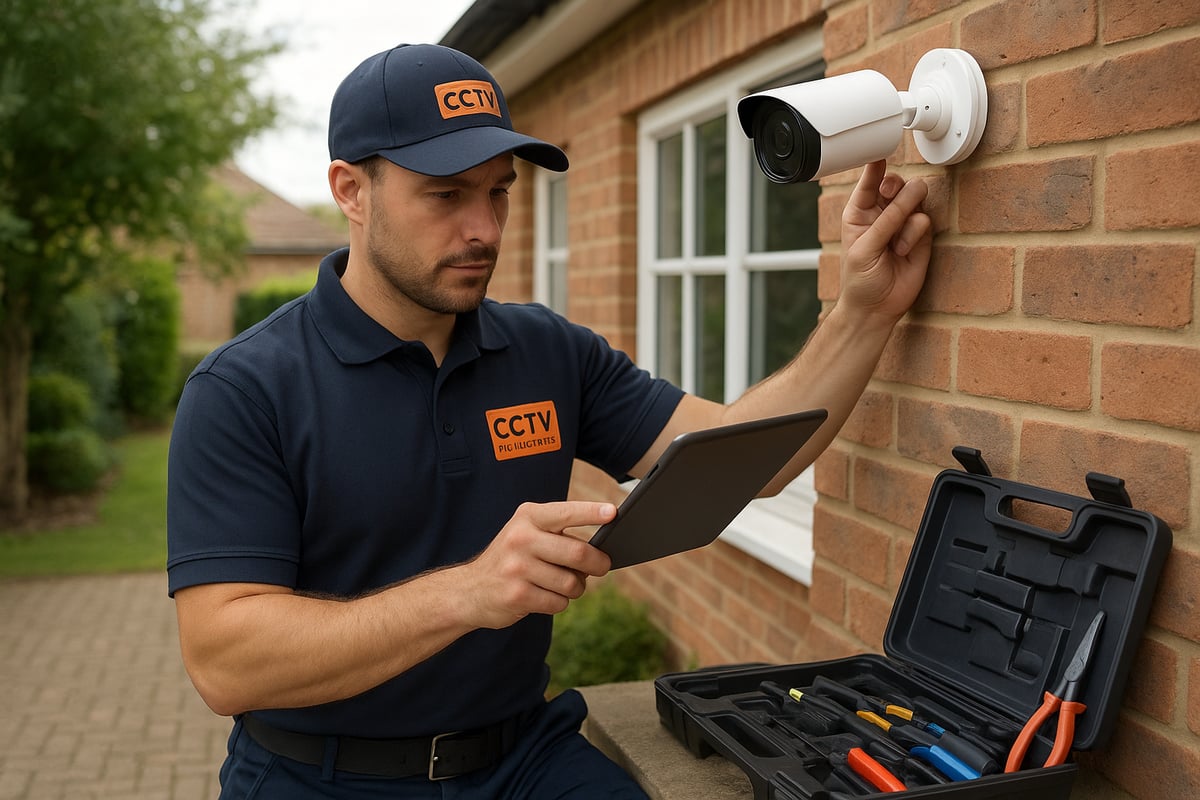
Modern systems often integrate motion detectors with CCTV and lighting, enabling automatic recording and illumination when movement is detected. This seamless approach strengthens overall site security.

Control Panels and Communication Devices

At the heart of every security alarm equipment setup lies the control panel. Touchscreen interfaces and wireless hubs have become standard, allowing intuitive system management.

Communication modules—GSM, IP, or dual path—ensure alerts reach users and monitoring centres reliably. Redundancy is essential for failover, so equipment continues functioning in the event of a network or power issue.

Sirens, Strobes, and Alert Devices

Sirens and strobes act as both deterrents and notification devices in security alarm equipment. Internal and external sirens emit loud audible warnings, while strobe lights provide strong visual signals.

Choosing equipment that complies with local noise regulations is important, especially for urban or densely populated areas. Visual alerts can also assist emergency responders in locating incidents quickly.

Step-by-Step Guide: Selecting the Right Alarm System for Your Needs

Choosing the right security alarm equipment for your property is a process that requires careful planning. Each step ensures your investment delivers maximum protection, compliance, and value. Follow this guide to navigate the key considerations when selecting your ideal system.

Step-by-Step Guide: Selecting the Right Alarm System for Your Needs

Step 1: Assessing Security Risks and Requirements

Begin by thoroughly evaluating your building and assets. Identify all vulnerable entry points, such as doors, windows, and loading bays. Consider the types of threats your property may face, from unauthorised access to environmental hazards.

Tailor your security alarm equipment to your specific risks. For instance, an office may require different coverage compared to a warehouse storing high-value goods. A detailed risk assessment helps ensure the system design matches your operational needs.

Step 2: Understanding Regulatory and Insurance Requirements

Compliance is essential when choosing security alarm equipment. Review UK security standards, such as those detailed in the BS EN 50131 security standards, to confirm your chosen system meets legal obligations.

Additionally, check your insurance policy for minimum alarm grades. High-value properties may need Grade 3 systems. Meeting these requirements supports claims and avoids penalties, making regulatory understanding a crucial step.

Step 3: Comparing Equipment Features and Specifications

Next, compare the technical features of different security alarm equipment options. Look at detection range, sensor types, communication protocols, and scalability. Prioritise systems with manufacturer certifications and robust warranties.

Consider whether a wired or wireless system suits your premises. For example, wireless solutions offer flexibility, while wired systems may provide enhanced reliability. Evaluating these factors ensures your chosen equipment is fit for purpose.

Step 4: Budgeting and Total Cost of Ownership

Your investment in security alarm equipment should balance upfront costs and long-term value. Calculate expenses for hardware, installation, and ongoing maintenance.

Analyse the benefits of advanced features like remote monitoring or smart integrations. Sometimes, higher initial costs yield significant savings through reduced false alarms or improved response times. A thorough cost-benefit analysis supports informed decision-making.

Step 5: Professional vs. DIY Installation

Deciding between professional and DIY installation affects the reliability of your security alarm equipment. Professional installers ensure compliance with legal standards, offer expert advice, and provide future maintenance.

DIY systems may suit smaller or less complex sites but can lack the support and reliability of accredited installers. Weigh up your specific needs, risk profile, and technical expertise before making a final choice.

Integrating Security Alarm Equipment with Smart Building Solutions

The integration of security alarm equipment with smart building solutions is transforming the way organisations safeguard their assets. Bringing together alarms, CCTV, and other security systems under one ecosystem delivers both convenience and enhanced protection.

Advantages of Integrated Security Ecosystems

Integrated security alarm equipment enables unified management of alarms, CCTV, fire safety, and access control systems. This centralised approach streamlines monitoring, making it easier to respond rapidly to incidents. For example, when an alarm is triggered, linked cameras and access points can be activated instantly, providing security teams with real-time information.

Key benefits of system integration include:

  • Single interface for all security devices
  • Automated event responses and notifications
  • Enhanced situational awareness for security staff

Integration with building management systems (BMS) further boosts operational efficiency.

Connectivity with Home and Business Automation

Modern security alarm equipment can be connected to lighting, HVAC, and smart locks, creating a responsive environment. Scenario-based automation, such as activating an “away mode,” can arm alarms and adjust lighting to deter intruders when the property is vacant.

Automated lighting schedules and remote system control help maintain a visible presence, especially during holidays. Integration with remote CCTV monitoring platforms allows for proactive threat detection and incident verification, further enhancing automated security response.

Data Security and Privacy Considerations

As security alarm equipment becomes more connected, robust data security is essential. Secure, encrypted communication modules protect signals between devices, reducing vulnerability to cyber threats.

Organisations must ensure compliance with GDPR and other privacy regulations when handling alarm data. Storing information securely and limiting access to authorised personnel helps maintain both privacy and regulatory compliance.

Future-Proofing Your Security Infrastructure

Selecting modular security alarm equipment means your system can adapt as technology evolves. Scalable platforms allow for seamless upgrades, whether adding new sensors or integrating emerging smart technologies.

Preparing for future advancements, such as 5G connectivity and edge computing, ensures your investment remains resilient. Compatibility with new automation solutions keeps your security infrastructure relevant for years to come.

Logic Fire and Security: Trusted UK Security Solutions

Logic Fire and Security are specialists in integrated security alarm equipment for commercial and public sector clients across the UK. Their expertise covers the full project lifecycle, from initial risk assessment and system design to installation, monitoring, and ongoing support.

Security Alarm Equipment Guide: Essential Insights for 2026 - Logic Fire and Security: Trusted UK Security Solutions

As an accredited provider, Logic Fire and Security deliver bespoke solutions tailored to your operational needs. For more information on how integrated systems can benefit your business, explore their Commercial Security Systems Solutions page.

Best Practices for Alarm System Maintenance and Monitoring

Regular maintenance of security alarm equipment is essential for long-term reliability and effective protection. By following best practices, you can ensure your system is always ready to respond, remains compliant with regulations, and delivers maximum value.

Routine Inspection and Testing Protocols

Consistent inspections are the backbone of effective security alarm equipment performance. Schedule monthly checks to verify that all sensors, control panels, and communication links are operating correctly. Annual comprehensive testing should include backup power supplies and signal transmission paths.

A structured testing schedule reduces the risk of false alarms and ensures prompt detection of faults. Document each inspection in a maintenance log for future reference and compliance.

Upgrading and Replacing Outdated Equipment

Over time, components may show signs of wear or become obsolete. Upgrade to the latest control panels or smart hubs to benefit from new features and improved reliability. Replacing outdated sensors can enhance detection accuracy and reduce maintenance demands.

Regularly assess your system against current standards and manufacturer recommendations. Modernising your equipment not only improves security but also extends the lifespan of your investment.

24/7 Monitoring and Rapid Response Strategies

Continuous monitoring is vital for timely intervention during emergencies. Engaging a professional service for 24/7 Intruder Alarm Monitoring ensures your security alarm equipment is supervised at all times. These services rapidly verify alarms and coordinate emergency responses, significantly reducing incident impact.

Remote monitoring can improve response times by up to 30 percent, providing peace of mind that your property is always protected.

User Training and Incident Reporting

Proper training empowers users to operate alarm systems confidently and respond effectively to alerts. Regular staff sessions on arming, disarming, and handling faults are recommended.

Maintain detailed incident logs, recording every activation and response. These records support insurance claims and help identify areas for procedural improvement.

Compliance with Legal and Insurance Obligations

Maintaining your security alarm equipment according to UK regulations is critical for legal and insurance purposes. Keep up-to-date records of inspections, maintenance, and any upgrades for audit readiness.

Non-compliance can lead to fines or invalidated insurance policies. By prioritising routine documentation and adherence to standards, you secure both your property and your legal standing.

After exploring the latest trends and practical steps in choosing the right security alarm equipment for 2026, you might be considering how these insights apply to your own property or business. It can be challenging to assess your unique needs and navigate new technologies, but you don’t have to do it alone. At Logic Fire and Security, we specialise in tailored solutions—from initial assessment to ongoing maintenance—ensuring your site stays compliant and protected. If you’d like expert advice and a clear sense of what’s best for you, why not Get a Free Site Survey and take the next step towards peace of mind?

Protection Systems Guide: Your 2026 Roadmap to Safety

In a world where threats to safety are evolving faster than ever, robust protection systems are no longer just a precaution—they are essential for every organisation. As new risks and compliance requirements emerge, understanding how to select, implement, and maintain effective protection systems has never been more important.

This article provides your definitive 2026 roadmap to protection systems, guiding you through the latest technologies, key regulations, step-by-step implementation, ongoing maintenance, and strategies to future-proof your safety investments. Ready to take control of your safety and compliance? Discover how to safeguard what matters most.

The Evolution of Protection Systems: Trends and Innovations for 2026

The landscape of protection systems is transforming rapidly as organisations face increasingly complex safety risks. In 2026, staying ahead means understanding not only the technology but also the regulations and integration trends shaping the future of protection systems.

The Evolution of Protection Systems: Trends and Innovations for 2026

Key Developments in Protection Technology

Recent years have ushered in game-changing advancements for protection systems. Artificial intelligence now powers surveillance cameras, drastically reducing false alarms by over 60 percent, as reported by IFSEC Global. The integration of Internet of Things (IoT) devices allows for real-time data collection across fire, gas, and intrusion sensors, ensuring earlier detection and more accurate alerts.

Today’s smart sensors can identify a wide array of hazards, from smoke and toxic gases to unauthorised entry. Enhanced interoperability means fire alarms, security, and access control work seamlessly together, providing a unified defence. Wireless and mobile-enabled control panels allow remote management, giving businesses flexibility and instant oversight.

Biometric access methods, such as facial recognition, are increasingly popular. According to Security Journal UK, 70 percent of UK businesses plan to upgrade to integrated protection systems by 2026. These trends ensure that protection systems are smarter, faster, and more responsive than ever before.

Regulatory Changes and Compliance Drivers

Regulatory shifts are a major force behind the evolution of protection systems. The UK and EU have updated safety regulations, including the Building Safety Act and new standards for fire and evacuation alerts. These changes impact how protection systems are specified, installed, and maintained.

Insurance providers are also driving higher standards, with 85 percent now requiring certified fire and security systems for commercial properties. High-profile incidents, such as Grenfell, have led to stricter mandates for evacuation alert systems in high-rise buildings. Third-party certifications, including BAFE and NSI Gold, are now essential for legal compliance and insurance eligibility.

Staying up to date with recent Fire Safety Regulation Changes 2025 is critical, as these updates introduce new requirements for system integration, evacuation plans, and ongoing maintenance. Compliance is not just about ticking boxes—it is about ensuring robust, future-ready protection systems.

The Shift Towards Integrated Solutions

The transition to integrated solutions is redefining how protection systems operate. Unified platforms for fire, security, and building management offer significant cost savings and operational efficiencies. For example, a large retail chain reported a 40 percent reduction in incident response time after moving to an integrated system.

Integrated protection systems simplify management, improve data sharing, and enable faster decision-making during emergencies. However, challenges remain, particularly around compatibility of legacy equipment, data privacy, and cybersecurity risks. Organisations must weigh these factors when planning upgrades or new installations.

Despite these challenges, the benefits of integration are clear. By adopting a holistic approach, businesses can ensure their protection systems remain resilient, adaptable, and capable of meeting the demands of 2026 and beyond.

Assessing Your Protection Needs: Step-by-Step Guide

Understanding your unique risks is the foundation for effective protection systems. Every site faces different hazards, so a thorough assessment is crucial before making any investment or upgrade. With regulations evolving and threats becoming more complex, a structured approach ensures your protection systems are both compliant and resilient.

Assessing Your Protection Needs: Step-by-Step Guide

Conducting a Comprehensive Risk Assessment

Start by conducting a detailed risk assessment tailored to your environment. Protection systems must address the full range of potential threats, including fire, unauthorised access, cyber risks, and environmental hazards. For instance, a manufacturing site handling flammable materials faces distinct challenges compared to an office or retail space.

Professional assessments often uncover risks that internal reviews may overlook. In fact, 60% of businesses fail to identify all relevant threats without expert input. Legal requirements also play a pivotal role. The Regulatory Reform Order 2005 and Fire Safety Act 2021 set out specific duties for building owners and employers, while recent Building Safety Act Guidance highlights the growing importance of documented compliance.

Involve key stakeholders at every stage. Facilities managers, insurers, and local authorities can offer valuable insights and ensure your protection systems align with operational and regulatory expectations. Use structured tools and checklists to cover all aspects, from physical security to emergency procedures.

Setting Protection Priorities and Objectives

Once risks are identified, set clear protection priorities. Not all areas or assets require the same level of defence. Focus your protection systems on the most critical points, such as server rooms, high-value inventory, or public-facing zones. This targeted approach maximises safety while controlling costs.

Balancing compliance, operational needs, and budget constraints is essential. Engage with decision-makers to agree on achievable objectives. Consider developing a phased plan for upgrades or new installations, addressing the most urgent requirements first.

Regularly review and update your objectives to reflect changes in occupancy, business operations, or regulations. By taking a strategic, step-by-step approach, you ensure your protection systems remain effective, compliant, and ready to adapt to future challenges.

Core Components of Modern Protection Systems

Understanding the core components of modern protection systems is crucial for safeguarding people, assets, and operations. Today’s protection systems combine advanced detection, monitoring, and control technologies to meet the increasingly complex safety and compliance demands faced by businesses and public institutions.

Core Components of Modern Protection Systems

Fire Detection and Alarm Systems

Fire detection and alarm systems are the backbone of protection systems in any premises. There are several types available:

  • Conventional systems for smaller buildings
  • Addressable systems, which pinpoint the exact location of a fire
  • Wireless and hybrid systems offering flexible installation

Key features include early warning capabilities and integration with evacuation protocols. Addressable systems, for example, help responders locate the source quickly, reducing response times. Compliance with standards such as BS 5839 and BAFE SP203-1 is essential for legal and insurance purposes. Regular maintenance and inspection also ensure these protection systems remain effective.

Electronic Security Systems

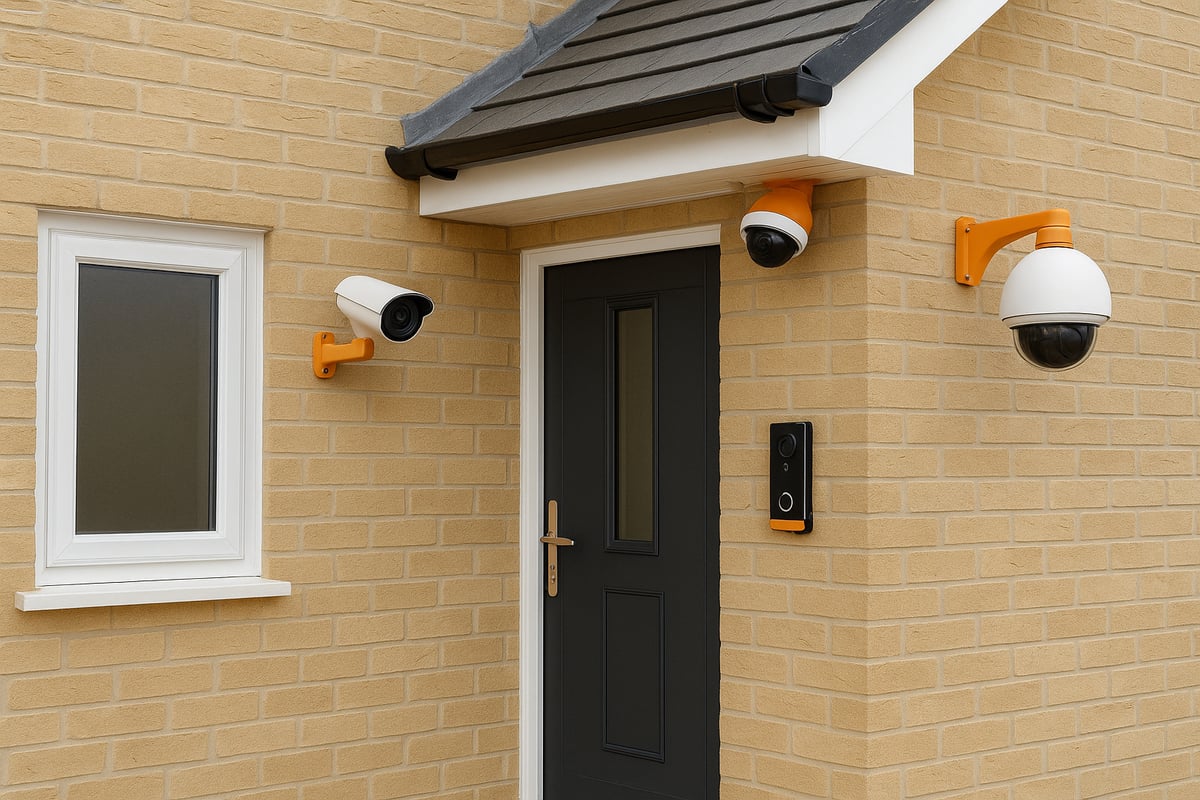
Electronic security is another critical component of protection systems, encompassing intruder alarms, CCTV, and access control. Intruder alarms use perimeter, internal, and dual-technology sensors to detect unauthorised entry. CCTV systems now offer high-definition video, analytics, and remote access for real-time monitoring. Access control solutions include cards, biometrics, and mobile credentials.

For a deeper dive into how these systems work, see Intruder detection systems explained. Retailers deploying facial recognition technology have seen theft reduced by up to 30 percent, illustrating the impact of modern protection systems.

Emergency Communication and Evacuation Systems

Effective emergency communication is fundamental in protection systems. Voice alarm and public address systems are used to deliver clear instructions during incidents. Dedicated disabled refuge and evacuation alert solutions are now required in many high-rise and public buildings to support vulnerable occupants.

Recent data shows that half of all high-rise buildings now mandate dedicated evacuation alert systems, reflecting the evolving regulatory landscape. Integrating these systems with fire detection and security platforms ensures a coordinated response during emergencies.

Environmental and Plant Monitoring

Environmental monitoring is a vital extension of protection systems, detecting gas leaks, flooding, and temperature anomalies. These sensors can be connected to Building Management Systems (BMS) for automatic alerts and responses, minimising risk and operational disruption.

Advanced protection systems provide real-time data, enabling rapid intervention and compliance with both health and safety standards. This holistic approach helps organisations stay ahead of emerging threats and maintain a safe environment.

Implementing Protection Systems: Your 2026 Step-by-Step Roadmap

Embarking on the journey to implement protection systems in your facility is a critical investment in safety, compliance, and operational continuity. Following a structured, step-by-step roadmap ensures every aspect is addressed, from risk evaluation to regulatory sign-off.

Implementing Protection Systems: Your 2026 Step-by-Step Roadmap

Step 1: Initial Consultation and Site Survey

The first step in implementing protection systems is to engage certified professionals for a thorough site survey. This assessment should capture the building’s unique layout, occupancy patterns, and operational needs.

During this phase, experts identify key risk areas, such as main entrances, escape routes, and zones requiring special attention. For example, an office complex may require both fire detection and access control to safeguard staff and assets.

Involving all stakeholders at this stage ensures that every perspective is considered, setting the foundation for effective, compliant protection systems.

Step 2: System Design and Specification

Once risks are identified, the next step is to design bespoke protection systems tailored to your site’s unique requirements. Customisation is vital to address both safety and compliance, while accommodating future growth.

Decisions include whether to select wired or wireless technologies, standalone or integrated platforms, and which components best suit your environment. Prioritising scalability ensures your protection systems can adapt as regulations and threats evolve.

A detailed design specification helps avoid costly changes later and secures stakeholder buy-in from the outset.

Step 3: Installation and Commissioning

Installation should be carefully phased to minimise disruption to daily operations. Only accredited teams, such as those certified by NICEIC, BAFE, or NSI Gold, should carry out this work.

Comprehensive testing of all protection systems is essential to confirm functionality and integration. Notably, 90% of system failures are linked to improper installation or commissioning, highlighting the need for rigorous checks. Regular fire alarm system inspections are also crucial for ongoing reliability and legal compliance.

Documenting the commissioning process ensures a clear record for future reference and maintenance.

Step 4: Staff Training and Handover

Effective protection systems depend on well-trained staff who understand both daily operations and emergency protocols. Training should include hands-on demonstrations, clear user manuals, and direct support contacts.

For example, retail staff may need specific instruction on using panic alarms and evacuation routes. Empowering employees builds confidence and ensures swift, coordinated responses in any situation.

This step cements the operational success of your protection systems, making safety part of everyday culture.

Step 5: Regulatory Certification and Documentation

The final step is to secure all necessary compliance certificates, such as those from BAFE or NSI. Proper documentation is essential for insurance, legal, and audit purposes.

Keep a record of all certificates, maintenance logs, and inspection reports. For instance, fire alarm certification is often required to renew business insurance, so timely documentation protects both reputation and finances.

Ongoing compliance reviews will ensure your protection systems remain up to standard, even as regulations shift.

Maintaining and Monitoring Your Protection Systems

Regular maintenance and vigilant monitoring are the backbone of reliable protection systems. Without a robust approach to upkeep, even the most advanced technology can fail when it is needed most. Whether you are safeguarding a commercial property or a public facility, consistent attention to your protection systems is essential for both safety and compliance.

Scheduled Maintenance and System Health Checks

Proactive maintenance is vital for ensuring protection systems operate at peak efficiency. UK regulations, such as BS 5839, require routine inspections and servicing of fire alarms and related safety equipment. Scheduled health checks help to identify faults early, reduce false alarms, and minimise costly downtime.

A typical maintenance schedule includes quarterly fire alarm testing, battery checks, and inspection of all sensors and control panels. According to the Fire Industry Association, regular maintenance can reduce system failures by up to 70 percent. Keeping accurate records of all service activities is crucial, both for demonstrating compliance and for insurance purposes. For guidance on updated fire alarm standards, review the BS 5839-1:2025 Fire Alarm Standards.

24/7 Remote Monitoring and Incident Response

Remote monitoring has transformed how protection systems respond to threats. With advancements in networked CCTV and alarm technology, professional monitoring centres can now oversee your systems around the clock. If an alarm triggers out of hours, operators can verify incidents and coordinate rapid response with keyholders or emergency services.

The benefits are clear: immediate action helps minimise losses and ensure occupant safety. For instance, remote CCTV monitoring can improve response times and reduce false alarms, as discussed in Remote CCTV monitoring benefits. Integrating monitoring with your protection systems adds a crucial layer of resilience and peace of mind.

Upgrading and Future-Proofing

Technology and regulations are always evolving, so upgrading protection systems is essential to stay compliant and secure. Signs that an upgrade is needed include outdated components, repeated faults, or new threats such as cyber risks. Many businesses now plan for upgrades within a two-year cycle to take advantage of AI, IoT, and cloud integration.

Future-proofing strategies include choosing scalable platforms and ensuring compatibility with emerging technologies. Planning for regular reviews and phased upgrades keeps your protection systems effective and ready for tomorrow’s challenges.

Common Maintenance Challenges and Solutions

Despite best efforts, issues like false alarms, sensor faults, and communication failures can still arise. Working with accredited service providers helps address these challenges swiftly, as they have the expertise to diagnose and resolve complex problems.

Common solutions include recalibrating sensors, updating software, and replacing worn components. A structured maintenance plan, combined with clear communication protocols, ensures protection systems remain reliable and compliant, safeguarding people and assets at all times.

Future-Proofing Your Safety: Trends and Recommendations for 2026 and Beyond

Staying ahead in safety requires more than just keeping up with the basics. The landscape for protection systems is changing rapidly, demanding a proactive approach to technology, compliance, and risk management. Let us explore how to future-proof your investment, ensuring your organisation remains resilient and compliant no matter what 2026 brings.

Emerging Technologies to Watch

The next generation of protection systems is defined by smarter, more responsive tools. Artificial intelligence (AI) is transforming threat detection, using advanced analytics to identify risks before they escalate. Predictive maintenance, powered by machine learning, cuts system downtime by up to 50%, ensuring critical assets remain protected.

Cloud-based platforms now enable remote management and instant data access, making it simpler to coordinate safety from any location. Automated incident management tools streamline responses, ensuring your team acts swiftly and effectively.

For those planning upgrades, staying informed about Approved Document B Fire Safety Updates guarantees your protection systems are aligned with the latest standards. Embracing these trends is essential for future-proofing your organisation’s safety.

Evolving Threat Landscape

Protection systems must adapt to new and intensifying threats. Cyber-attacks targeting building management and security infrastructure have risen by 40% since 2022, highlighting the urgency of robust cybersecurity measures. Attackers exploit vulnerabilities in networked devices, putting both digital and physical assets at risk.

Climate-related hazards, such as flooding and extreme temperatures, also pose growing challenges. Modern protection systems should include environmental monitoring and regular software updates to keep pace with evolving risks.

Ensuring your organisation’s systems are resilient means prioritising cybersecurity, updating protocols, and preparing for both digital and environmental threats.

Building a Culture of Safety and Compliance

Effective protection systems depend on more than technology. Ongoing staff training and regular awareness programmes are vital for building a proactive safety culture. Annual drills and compliance audits help teams respond confidently in emergencies.

Reviewing policies frequently ensures your organisation can adapt to new regulations and threats. Accreditation, such as evacuation alert systems accreditation, demonstrates your commitment to best practice and legal compliance. Investing in these areas ensures your protection systems remain effective and future-ready.

Strategic Planning for Long-Term Protection

Long-term success with protection systems starts with strategic planning. Budgeting for regular upgrades and technology refreshes prevents obsolescence and keeps your defences strong. Partnering with trusted providers brings expert guidance, reducing the risk of gaps in your safety strategy.

Data shows that businesses with a forward-looking approach to protection systems experience 30% fewer incidents on average. Committing to continuous improvement ensures your organisation remains secure, compliant, and prepared for the future.

As you look ahead to 2026 and beyond, it’s clear that staying ahead of evolving safety risks means more than just keeping up with technology—it’s about making informed, proactive choices for your people and assets. You’ve seen how tailored systems and regular maintenance can make a real difference, whether you’re safeguarding a single site or a nationwide portfolio. If you’re ready to explore your options in detail and take the next step towards a safer, fully compliant future, you can start with a no obligation assessment. Why not Get a Free Site Survey and discover how Logic Fire and Security can help you build lasting protection?

Essential Guide to Fire Life Safety Systems in 2025

In 2025, the safety of our buildings faces new and evolving threats. Fires can start unexpectedly, putting both lives and property at risk. The need for robust fire life safety systems has never been more urgent.

This essential guide will demystify fire life safety systems, highlighting the latest technologies, updated compliance standards, and practical steps for keeping your premises secure. We will explore the core components, discuss critical regulatory changes, and provide clear advice on maintenance and system upgrades.

By understanding and investing in modern fire life safety systems, you protect not only people but also your business and assets. Now is the time to assess your current measures and take action to ensure your building is fully prepared.

Understanding Fire Life Safety Systems in 2025

Fire life safety systems are evolving rapidly as buildings become more complex and regulations tighten. In 2025, understanding these systems is essential for protecting people, property, and business operations.

Understanding Fire Life Safety Systems in 2025

What Are Fire Life Safety Systems?

Fire life safety systems are integrated networks designed to detect, alert, suppress, and support safe evacuation during fire emergencies. Their core objective is to protect life, reduce property damage, and maintain business continuity.

Key components of fire life safety systems include:

  • Smoke and heat detectors
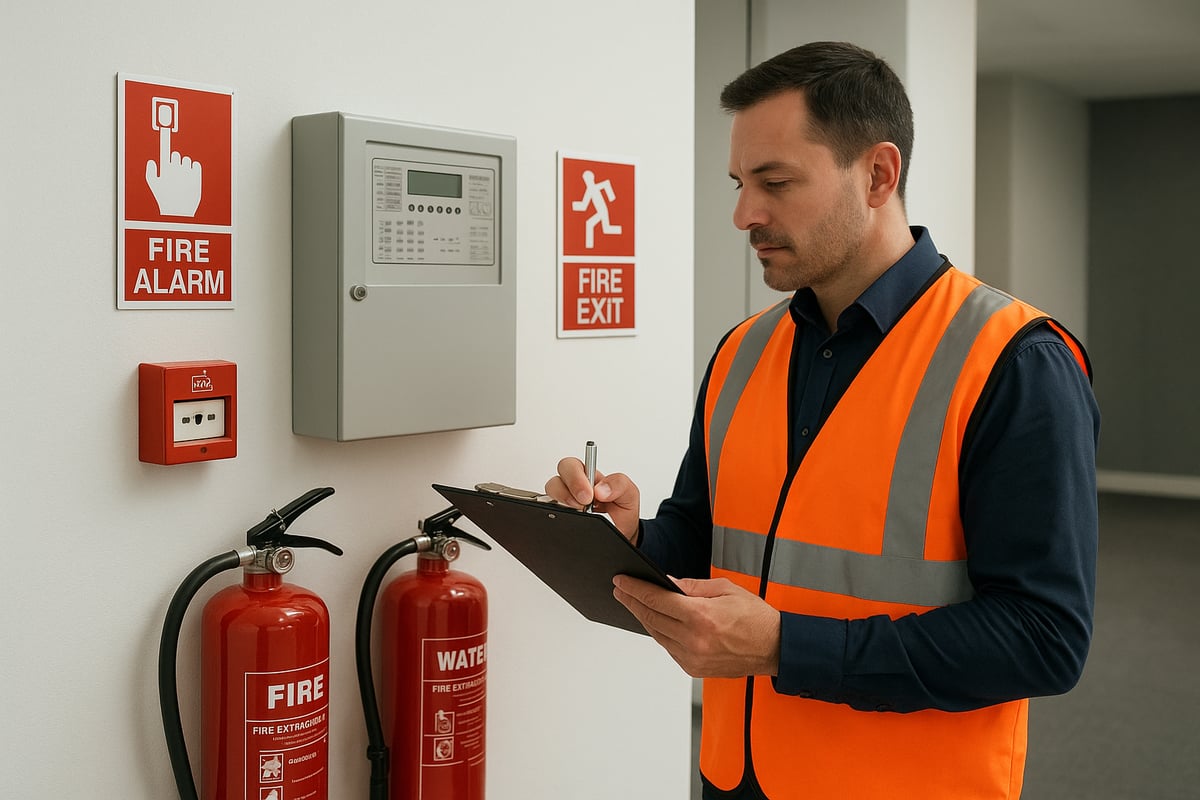
  • Fire alarm panels and manual call points
  • Sprinkler systems and gas suppression units
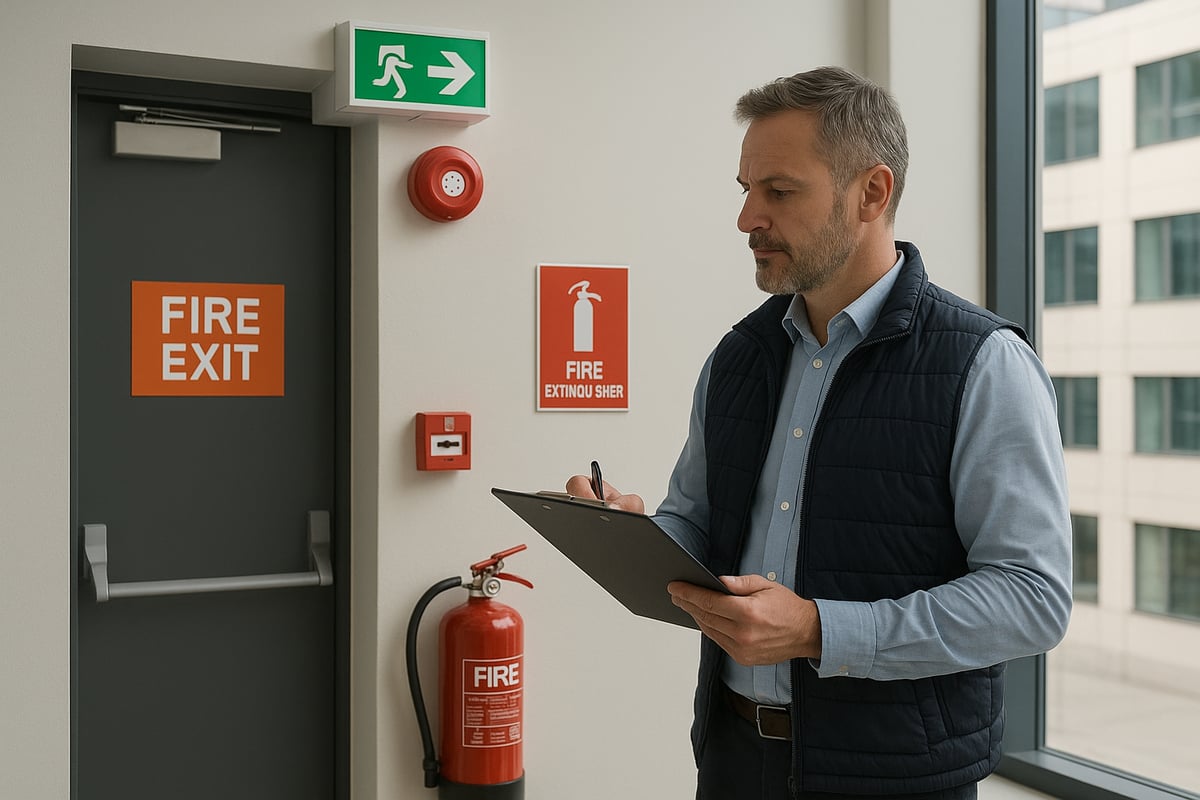
  • Emergency lighting and illuminated exit signs
  • Voice alarm and public address systems

These systems are critical in commercial offices, public venues, and residential buildings alike. For example, smoke detectors provide early warning, sprinklers help control flames, and emergency lighting guides occupants to safety. Fire life safety systems work together to ensure that, when seconds matter, everyone can escape quickly and safely.

Why They Matter in 2025

In 2025, fire life safety systems are more important than ever due to rising building complexity and increased occupancy levels. Modern architecture often features open spaces, mixed-use developments, and advanced materials, all of which demand sophisticated safety solutions.

Legal requirements have grown stricter, with insurance companies closely examining system compliance before issuing policies. For example, the Regulatory Reform (Fire Safety) Order 2005 remains in force, but new rules are coming into effect, especially with the PSTN switchover. According to UK Fire and Rescue Services, working fire alarms can reduce fatalities by up to 50 percent.

A real-world example is the integration of fire life safety systems with wider security platforms in large facilities. This approach enables faster detection, coordinated evacuation, and improved outcomes for both occupants and responders.

Key Regulatory Changes and Compliance

The regulatory landscape for fire life safety systems is changing in 2025. New or updated UK fire safety rules are coming into force, affecting all types of buildings. The transition from analogue PSTN to digital communications impacts legacy alarm signalling, which must be upgraded to maintain compliance and reliability.

British Standards, including BS 5839 for fire alarms and BS 5266 for emergency lighting, have new revisions focusing on digital integration, testing, and maintenance. Building owners and managers are now legally responsible for ensuring systems meet these standards, with mandatory maintenance and detailed record-keeping required.

Non-compliance can lead to substantial fines, invalidated insurance, and even prosecution. For example, penalties have been issued for failing to maintain fire alarms or emergency lighting. For a full overview of these changes, see the UK fire safety regulation updates 2025.

Staying informed and proactive with fire life safety systems ensures not only legal compliance but also the safety and confidence of everyone in the building.

Core Components of Modern Fire Life Safety Systems

Modern fire life safety systems are built from several key components working together to protect lives and property. Each element is designed to detect threats early, respond rapidly, and ensure safe evacuation. Understanding these core parts is essential for compliance and effective risk management in 2025.

Core Components of Modern Fire Life Safety Systems

Fire Detection & Alarm Systems

At the heart of fire life safety systems are advanced detection and alarm solutions. These include smoke and heat detectors, each tailored for specific environments. Smoke detectors are ideal for most areas, while heat detectors suit kitchens or garages.

Manual call points let occupants trigger alarms if they spot danger before sensors do. Systems are either addressable, allowing precise location tracking of incidents, or conventional, which groups zones for simpler setups. Wireless options offer flexibility, especially in heritage or complex buildings.

Early warning is vital in high occupancy spaces. For a detailed breakdown of system types and benefits, see the Fire Alarm System Overview. The right detection and alarm setup forms the backbone of effective fire life safety systems.

Fire Suppression & Extinguishing Systems

Suppression is a critical layer of defence in fire life safety systems. Sprinkler systems come in wet, dry, and pre-action varieties. Wet systems are standard in most buildings, while dry and pre-action are used where freezing or accidental discharge is a concern.

Gas suppression, essential for data centres and server rooms, uses inert or chemical agents to avoid water damage. Portable extinguishers are classified by the type of fire they tackle, such as A for solids, B for liquids, and C for gases.

Automatic activation ensures rapid response, but manual extinguishers remain vital for immediate action. Gas suppression systems, for instance, protect critical infrastructure where even brief downtime is costly. Each solution is chosen based on the specific fire risks present in the building.

Emergency Lighting & Exit Signage

Emergency lighting and exit signage guide occupants safely during power failures. These elements are crucial for effective fire life safety systems, ensuring visibility along escape routes, stairwells, and exits.

Placement must comply with BS 5266 standards, which require minimum illumination times. A 90-minute duration is standard, giving ample time for evacuation even in complex buildings.

Clear, well-lit signage reduces confusion and supports orderly movement. Ensuring regular checks and maintenance keeps these systems reliable when most needed.

Voice Alarm & Public Address Systems

Voice alarm and public address systems deliver clear, calm instructions during emergencies. In large or noisy environments, such as shopping centres or stadiums, traditional alarms may go unnoticed or cause panic.

Integration with fire alarm systems allows automated, situation-specific messaging. This reduces confusion and helps direct people to the safest exits.

For example, these systems are invaluable in venues where quick, coordinated evacuation is essential. Modern fire life safety systems use voice alarms to enhance communication and improve overall safety.

Integration and Emerging Technologies in 2025

The rapid evolution of building technology is reshaping fire life safety systems in 2025. Modern solutions now centre on integration, smart monitoring, and advanced communication, ensuring greater protection and compliance for all types of properties.

Integration and Emerging Technologies in 2025

Smart and Connected Systems

Smart technology is transforming fire life safety systems by enabling real-time monitoring and control. IoT-enabled devices communicate seamlessly, allowing instant alerts, remote diagnostics, and predictive maintenance. These systems integrate with building management systems, streamlining operations and enhancing safety.

Building managers can now access detailed analytics, helping them identify risks and optimise system performance. For example, sensors can detect faults before they become critical, reducing downtime and unplanned costs.

Key benefits include:

  • Faster incident response
  • Reduced maintenance costs
  • Improved regulatory compliance

Adopting connected fire life safety systems ensures your property remains protected and future-ready.

Video Smoke Detection and Advanced Sensors

Video smoke detection is advancing fire life safety systems, particularly in large, open spaces like warehouses or stadiums. These systems use video analytics to identify smoke patterns, offering earlier detection compared to traditional sensors.

Advanced multi-criteria sensors reduce false alarms by analysing heat, smoke, and even air composition. This technology enhances reliability and safety, especially in environments where standard detectors struggle.

Key advantages:

  • Rapid identification of fire hazards
  • Effective coverage of complex spaces
  • Lower rates of nuisance alarms

By integrating these technologies, fire life safety systems become more effective and adaptable.

Digital Communication and PSTN Switchover

The UK’s move from analogue to digital phone lines by December 2025 affects fire life safety systems that rely on PSTN for alarm signalling. Legacy systems may fail if not upgraded, risking non-compliance and loss of monitoring.

To prepare, building owners must transition to digital alarm communication, ensuring uninterrupted alerts and remote monitoring. For a detailed overview, see the PSTN switchover impact on fire alarm systems.

Upgrading communication infrastructure is essential for the ongoing reliability of fire life safety systems and compliance with new UK standards.

Integration with Security and Access Control

Unified platforms now integrate fire life safety systems with security and access control, providing a holistic approach to building safety. Automated responses, such as unlocking evacuation routes and managing lockdowns, improve both safety and efficiency.

In critical facilities like hospitals or public buildings, these integrated systems streamline emergency procedures and reduce human error. The result is faster, more coordinated responses to incidents.

Benefits include:

  • Centralised monitoring
  • Enhanced compliance
  • Reduced operational risk

Investing in integrated fire life safety systems ensures comprehensive protection for modern buildings.

Step-by-Step Guide: Implementing Fire Life Safety Systems in 2025

Ensuring your building is protected by effective fire life safety systems requires a structured, methodical approach. In 2025, compliance and tailored solutions are essential. This step-by-step guide will help you navigate each stage of the process, from initial assessment to final certification, ensuring your fire life safety systems provide reliable protection for people and property.

Step-by-Step Guide: Implementing Fire Life Safety Systems in 2025

Step 1: Conduct a Comprehensive Fire Risk Assessment

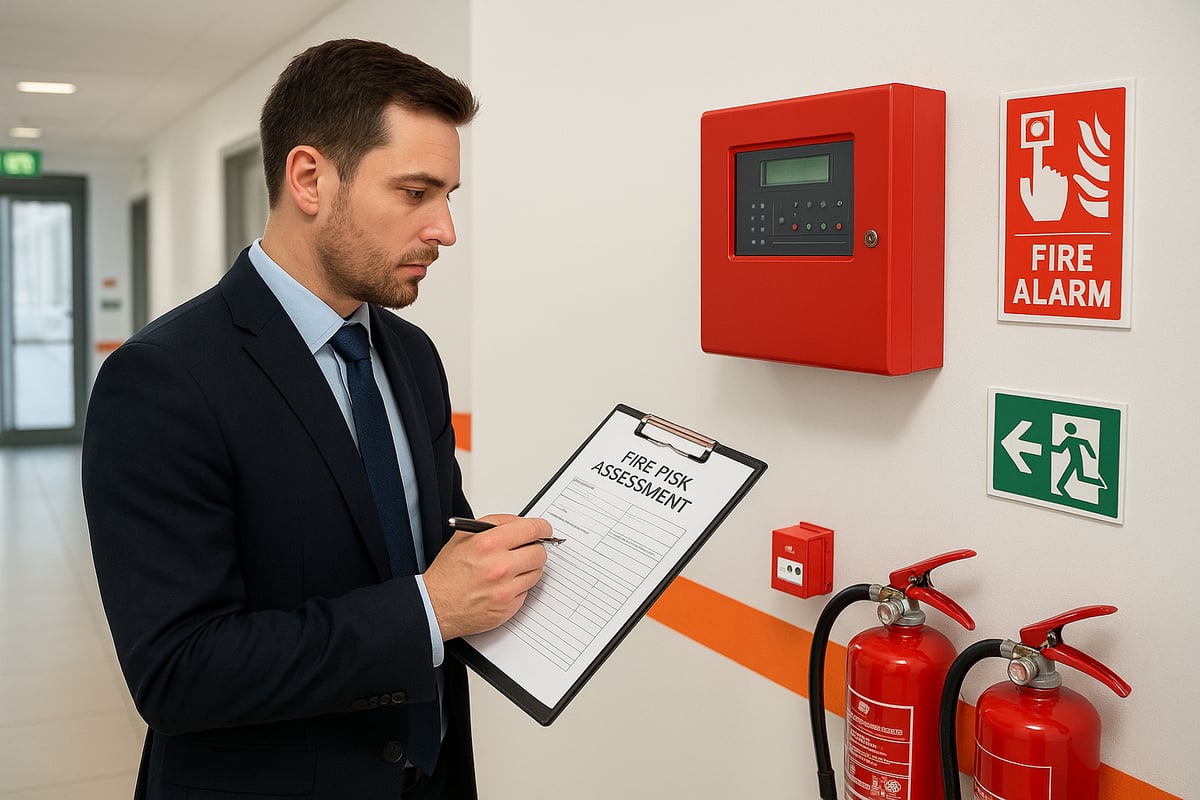
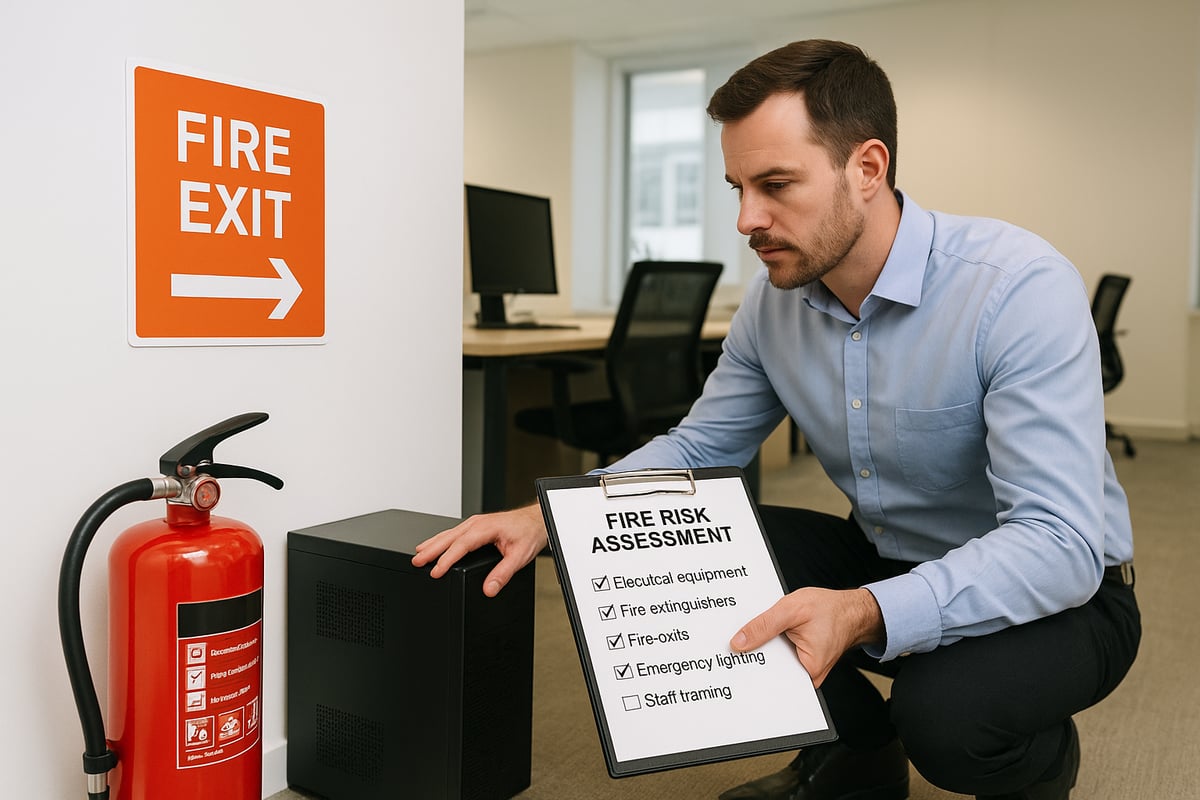
The foundation of robust fire life safety systems is a detailed risk assessment. Identify hazards, assess vulnerable areas, and uncover any compliance gaps. Engaging a qualified professional ensures accuracy and adherence to current regulations. For a clear understanding of what this process involves, the Fire Risk Assessment Process offers a comprehensive overview. Proper assessment is not just best practice, it is a legal requirement and the first critical step in safeguarding your premises.

Step 2: System Design and Customisation

Designing fire life safety systems begins with understanding your building’s unique requirements. Consider its layout, size, occupancy, and existing infrastructure. Choose detection, alarm, and suppression technologies that align with these needs. Integrate new systems with current installations to maximise efficiency and compliance. Expert design ensures that fire life safety systems are not only compliant with 2025 standards but also offer optimal protection and adaptability for future needs.

Step 3: Professional Installation and Commissioning

Professional installation is essential for fire life safety systems to operate correctly. Certified installers follow all regulatory guidelines, ensuring every component is fitted and tested precisely. Commissioning involves rigorous testing of alarms, detectors, and suppression equipment to confirm full functionality. This process guarantees that fire life safety systems will perform as expected in an emergency, while also minimising disruption to daily business operations and maintaining continuous compliance.

Step 4: Staff Training and Emergency Planning

Once fire life safety systems are in place, staff must be trained to respond quickly and confidently during an emergency. Regular fire drills, clear evacuation procedures, and practical training on alarm response and extinguisher use are vital. Make special arrangements for vulnerable occupants, such as installing disabled refuge systems. Empowered and knowledgeable staff are key to ensuring fire life safety systems protect everyone effectively during a crisis.

Step 5: Documentation and Certification

Maintaining thorough documentation is a critical part of managing fire life safety systems. Keep detailed records of installation, testing, and ongoing maintenance. Obtain all necessary compliance certificates for insurance and legal purposes. Use logbooks to track fire alarm and emergency lighting checks. Accurate and up-to-date documentation not only demonstrates your commitment to safety but also ensures continued compliance with evolving regulations in 2025.

Maintenance, Testing, and Legal Responsibilities

Maintaining fire life safety systems in 2025 is not just a technical requirement, but a legal and moral obligation for every building owner or manager. Regular checks and timely upgrades ensure that fire life safety systems function properly when needed most, safeguarding both lives and property. Neglecting these responsibilities can result in severe legal consequences, insurance complications, and, most importantly, increased risk to occupants.

Importance of Regular Maintenance

Regular maintenance is the backbone of effective fire life safety systems. Without routine inspections, faults can go unnoticed, potentially leading to system failure during emergencies. UK fire safety law makes maintenance mandatory for all fire life safety systems, with significant penalties for non-compliance.

A well-maintained system offers peace of mind, knowing that alarms, detectors, and emergency lighting will operate as intended. Failure to maintain fire life safety systems can void insurance policies and result in fines, putting both safety and business continuity at risk. For detailed guidance on maintaining fire extinguishers, see the Fire Extinguisher Servicing Guide.

Routine Testing Schedules

Routine testing is essential to keep fire life safety systems in optimal working condition. Each component requires a specific schedule to ensure reliability. Fire alarms should be tested weekly, while emergency lighting demands monthly function checks and annual duration tests.

Sprinkler and suppression systems benefit from quarterly or annual inspections by certified professionals. The table below summarises key testing intervals:

System Component Test Frequency
Fire alarms Weekly
Emergency lighting Monthly/Annually
Sprinklers Quarterly/Annually
Fire extinguishers Annually

Sticking to these routines ensures fire life safety systems remain compliant and ready for any incident.

Record-Keeping and Compliance

Accurate record-keeping is a legal requirement for fire life safety systems in the UK. All testing, maintenance, and repair activities must be logged, either in physical logbooks or digital records. These logs are crucial for demonstrating compliance during audits or inspections.

Digital solutions can simplify this process, offering automated reminders and secure storage. For emergency lighting, robust documentation is vital—visit Emergency Lighting Solutions for practical advice on compliance and system upgrades.

Keeping detailed records not only satisfies legal obligations but also helps identify patterns and potential issues before they escalate.

Upgrading and Retrofitting Older Systems

With regulations evolving in 2025, upgrading older fire life safety systems is essential for continued compliance. Assess legacy systems for compatibility with current standards, especially in light of the PSTN switchover and new British Standards.

Retrofitting may include updating alarm signalling equipment or replacing emergency lighting with energy-efficient LED technology. Building owners should also monitor regulatory changes, such as those affecting fire extinguishers, to ensure all fire life safety systems remain up to date.

Regular reviews and timely upgrades minimise risk, enhance reliability, and help future-proof your fire life safety systems for years to come.

Future Trends and Innovations in Fire Life Safety

Staying ahead of the curve is essential as fire life safety systems rapidly evolve to meet new challenges and opportunities. The future brings smarter, greener, and more inclusive solutions, ensuring protection keeps pace with modern risks and expectations.

AI and Predictive Analytics

Artificial intelligence is reshaping how fire life safety systems operate in 2025. AI-driven sensors analyse environmental data, enabling early fire detection and reducing false alarms. Predictive analytics monitor trends and trigger maintenance alerts before faults occur.

In smart buildings, these systems can automatically adjust configurations for changing risks, providing real-time diagnostics and optimising safety. As a result, fire life safety systems become more reliable and proactive, safeguarding both people and property. This shift supports business continuity and regulatory compliance.

Sustainability and Eco-Friendly Solutions

Environmental sustainability is now at the forefront of fire life safety systems. Energy-efficient emergency lighting and LED upgrades significantly reduce power consumption while maintaining compliance with green building standards.

A major change in 2025 is the shift to environmentally friendly extinguishing agents. The Fire extinguisher regulation changes 2025 ban certain foam extinguishers containing harmful chemicals and introduce European testing methods. This encourages building owners to upgrade to safer, greener alternatives, aligning fire life safety systems with broader sustainability goals.

Enhanced Accessibility and Inclusive Safety

Modern fire life safety systems are designed to protect everyone, including those with disabilities or sensory impairments. Enhanced features include disabled refuge areas, accessible evacuation routes, and alarms that combine voice instructions with visual alerts.

Legal requirements now mandate inclusive safety measures in all building types. By integrating these features, fire life safety systems ensure that no one is left behind during an emergency. This commitment to accessibility strengthens compliance and public trust.

Resilience Against Emerging Threats

Fire life safety systems in 2025 are engineered for resilience in multi-risk environments. They now integrate with disaster recovery and business continuity planning, offering coordinated responses to fire, flood, or power failure.

For example, critical infrastructure sites deploy fire life safety systems that communicate with security and energy management, ensuring rapid, effective action. This adaptability minimises downtime and supports ongoing operations, even under challenging conditions.

Industry Collaboration and Standardisation

Ongoing collaboration between manufacturers, installers, and regulators drives consistent improvements in fire life safety systems. Regular updates to British and international standards maintain system reliability and safety.

Choosing accredited providers is crucial for compliance and long-term performance. As the industry works together to raise the bar, building owners benefit from more robust, future-ready fire life safety systems.

As we’ve explored, staying ahead of new regulations and emerging technologies is crucial for protecting your building and the people inside. Whether you’re navigating compliance updates or looking to upgrade your fire life safety systems for 2025, having the right support makes all the difference. At Logic Fire and Security, we understand that every site has unique needs—and we’re here to help you make informed, confident decisions. If you’d like expert guidance tailored to your premises, why not Get a Free Site Survey? It’s a straightforward first step towards peace of mind and lasting compliance.

Our Accreditations

Work
For Us