

Are you certain your business is fully compliant with the latest fire safety laws? The consequences of non-compliance can be severe, from fines to threats to life and property.
This guide breaks down the fire risk assessment regulatory reform order 2005, making it straightforward for organisations to understand and apply. You will discover the core legal obligations, step-by-step risk assessment, recent updates, and practical tips for ongoing compliance.
Ready to protect your people, premises, and reputation? Let’s get started.
Understanding the Regulatory Reform (Fire Safety) Order 2005
The fire risk assessment regulatory reform order 2005 stands as a cornerstone of fire safety law in England and Wales. Its introduction marked a shift towards a modern, risk-based approach to protecting lives, property, and business continuity.
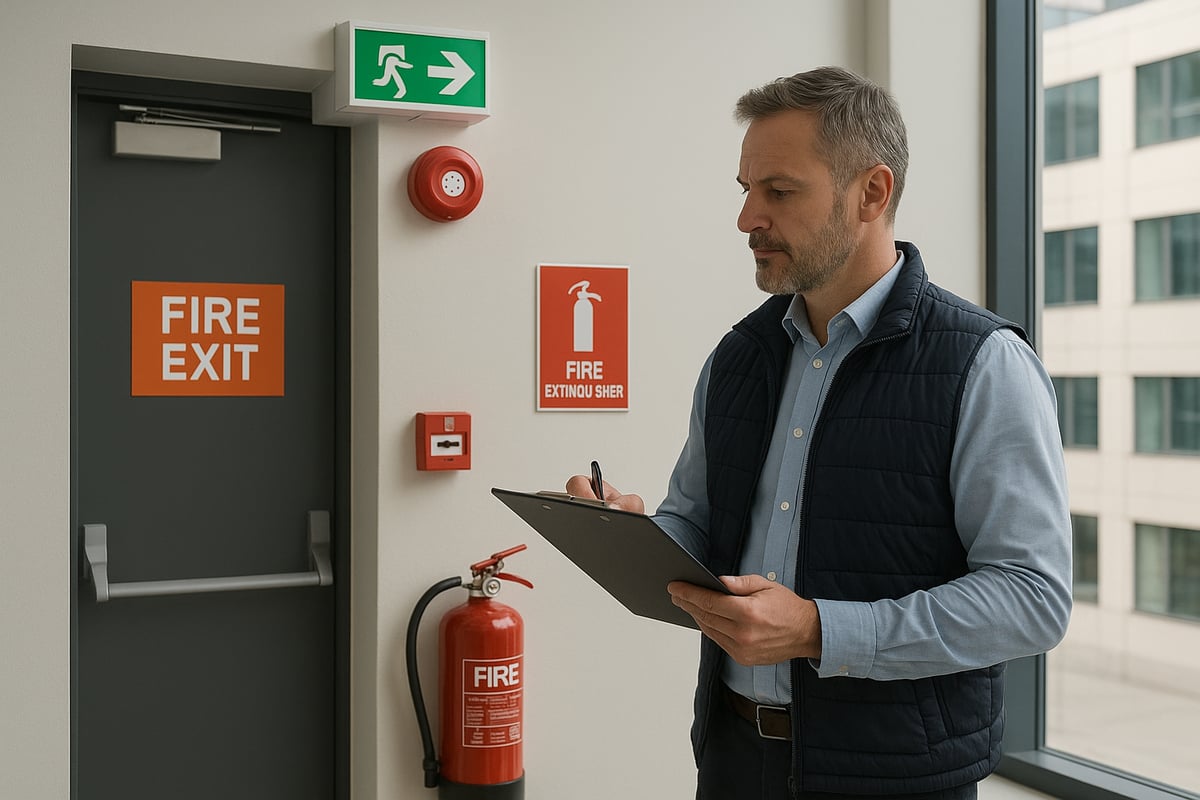
What is the Regulatory Reform (Fire Safety) Order 2005?
The fire risk assessment regulatory reform order 2005 was introduced to simplify and consolidate fire safety legislation in England and Wales. Before its enactment, over 70 separate laws governed fire safety, creating confusion and inconsistency for employers and building owners. The Order replaced this patchwork with a single, unified framework.
Its primary goal is to place the responsibility for fire safety on those best positioned to manage risks: the people in control of premises. This means the law applies to almost all non-domestic buildings, such as offices, warehouses, factories, shops, schools, hospitals, and care homes. Even communal areas in residential flats and public buildings fall under its scope.
A key feature is the introduction of the “responsible person” who must ensure that a suitable and sufficient fire risk assessment is carried out and that appropriate safety measures are maintained. This risk-based approach allows flexibility, focusing on real hazards present in each building rather than enforcing a rigid set of rules.
Statutory duties under the fire risk assessment regulatory reform order 2005 include ensuring life safety, protecting property, and supporting business continuity. For example, an office must assess risks like overloaded electrical circuits, while a care home needs to consider the evacuation needs of vulnerable residents. As a result, compliance is not just about legal obligation but about safeguarding people and assets.
For those seeking tailored solutions and comprehensive guidance on meeting these obligations, Regulatory Reform Order fire safety resources offer practical support aligned with the latest legislative requirements.
Who is Responsible for Compliance?
The fire risk assessment regulatory reform order 2005 defines the “responsible person” as anyone who has control over premises. This often includes employers, building owners, landlords, and facilities managers. In practice, it can be a single person or shared among several parties, especially in multi-occupancy buildings where responsibilities may overlap.
Key duties for the responsible person include:
- Conducting and regularly reviewing fire risk assessments
- Implementing necessary safety measures, such as fire alarms, extinguishers, and clear escape routes
- Ensuring ongoing maintenance of all fire safety equipment and systems
- Providing information, instruction, and training to staff and occupants
Where a building is shared, responsibilities must be clearly defined and coordinated. Failure to comply with the fire risk assessment regulatory reform order 2005 can result in severe consequences, including fines, prosecution, or even prison sentences. In 2023, authorities issued over 400 enforcement notices in England alone, highlighting the importance of proactive compliance.
Ultimately, understanding your duties under the fire risk assessment regulatory reform order 2005 is crucial. By taking practical steps and maintaining up-to-date records, businesses can protect lives, assets, and their reputation while meeting all legal requirements.
The Fire Risk Assessment: Step-by-Step Process
Ensuring compliance with the fire risk assessment regulatory reform order 2005 is a structured process built around five clear steps. Each stage is designed to help the responsible person identify, manage, and reduce fire risks in any non-domestic setting. Here is a practical guide to conducting a robust assessment that stands up to legal scrutiny and keeps your people safe.
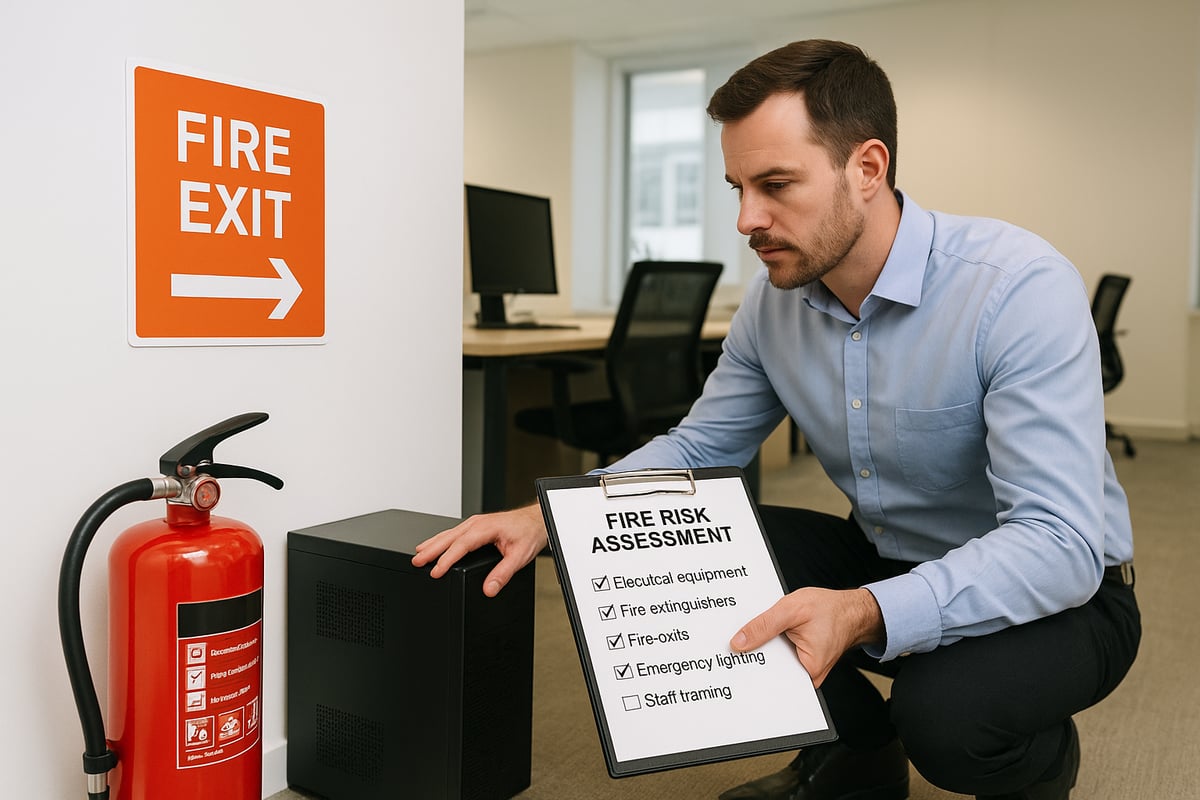
Step 1: Identify Fire Hazards
The first step in the fire risk assessment regulatory reform order 2005 is to systematically identify anything that could start a fire or fuel its spread. Common sources of ignition include faulty electrical appliances, overloaded sockets, and portable heaters. Flammable materials such as paper, cardboard, cleaning chemicals, and textiles add to the risk. Oxygen, naturally present in the air, can accelerate a fire when combined with these sources.
Use a structured checklist and conduct regular site inspections to spot hazards early. Areas to examine include kitchens, storage rooms, plant equipment, and escape routes. If you are unsure where to start, consider seeking Fire risk assessment services for professional support tailored to your premises.
Step 2: Identify People at Risk
Next, you must consider everyone who could be affected by fire. The fire risk assessment regulatory reform order 2005 requires you to account for employees, visitors, contractors, and anyone else present on-site. Pay special attention to vulnerable individuals, such as the elderly, disabled, or those unfamiliar with the building layout.
Extra caution is needed in premises with sleeping accommodation, such as care homes or hotels. Public access areas, like lobbies or community halls, may require additional safeguards to ensure everyone can evacuate quickly and safely.
Step 3: Evaluate, Remove, Reduce and Protect from Risk
With hazards and people at risk identified, evaluate the likelihood of a fire occurring and its potential consequences. The fire risk assessment regulatory reform order 2005 emphasises the importance of implementing practical control measures. These include:
- Installing and maintaining fire doors, alarms, and extinguishers
- Ensuring safe storage of flammable materials
- Keeping escape routes clear at all times
- Regularly servicing heating and electrical systems
For example, reducing the quantity of flammable liquids stored on-site and securing them in dedicated cupboards significantly lowers the risk.
Step 4: Record, Plan, Inform, Instruct and Train
If your business employs five or more people, the law requires you to document your findings. Create a clear record of identified hazards, who is at risk, and the measures you have taken. Develop an emergency plan detailing evacuation procedures and responsibilities.
It is essential to inform staff of these procedures and provide regular fire safety training. Schedule evacuation drills at least once a year to ensure everyone knows what to do in an emergency. Good communication and training underpin an effective fire safety culture.
Step 5: Review and Revise the Assessment
The fire risk assessment regulatory reform order 2005 is not a one-off exercise. Regular reviews are vital to ensure ongoing compliance. Revisit your assessment at least annually, or sooner if there are significant changes, such as building alterations, new equipment, or after a fire incident.
Keep all records up to date and readily available for inspection by authorities. Proactive reviews help identify new risks early, strengthening your overall fire safety management and ensuring continued legal compliance.
Key Changes and Updates for 2026
The fire risk assessment regulatory reform order 2005 remains at the heart of fire safety law, but recent years have seen rapid evolution in compliance standards. Driven by the lessons of Grenfell and the ongoing implementation of the Building Safety Act, organisations must now adapt to a more rigorous and transparent regulatory landscape.
Major reforms have introduced a digital-first approach to compliance. The “golden thread” principle requires that safety information is maintained, updated, and accessible throughout a building’s life cycle. This ensures that those responsible for premises can demonstrate ongoing compliance with the fire risk assessment regulatory reform order 2005, not just at a single point in time.
A sharper focus on high-rise and multi-occupancy buildings means enhanced responsibilities for building owners, managers, and responsible persons. These changes are especially critical for facilities such as residential towers, care homes, and large office complexes.
Key compliance updates for 2026 include:
| Change | Description |
|---|---|
| Digital record-keeping | Mandatory maintenance of digital fire safety documents and evidence |
| Golden thread | Continuous, accessible record of building safety decisions and actions |
| Fire door inspections | Regular, documented checks of fire doors to ensure performance and compliance |
| Evacuation alert systems | New requirements for certain high-risk buildings to support safe evacuation |
| Enhanced PEEPs | Updated guidance on Personal Emergency Evacuation Plans for vulnerable occupants |
| Competency standards | Higher expectations for assessors and responsible persons |
Fire door inspections, for example, are now a statutory requirement with clear documentation and scheduling. For detailed guidance on inspection processes, see fire door inspection requirements. This change addresses previous gaps in fire compartmentation and helps prevent the spread of fire and smoke.
The fire risk assessment regulatory reform order 2005 also now requires more robust planning for vulnerable occupants. The 2024 update on PEEPs places greater emphasis on tailored evacuation strategies for those with mobility or sensory impairments.
Data from the Home Office shows a 15% rise in fire safety audits in 2023, highlighting increased scrutiny and enforcement. As government policy continues to adapt, expect further moves towards stricter competency standards and more frequent unannounced inspections.
In summary, staying compliant with the fire risk assessment regulatory reform order 2005 now means embracing digital systems, enhanced documentation, and a proactive approach to building safety. Organisations that invest in these areas are better positioned to protect life, property, and business continuity as standards rise in the years ahead.
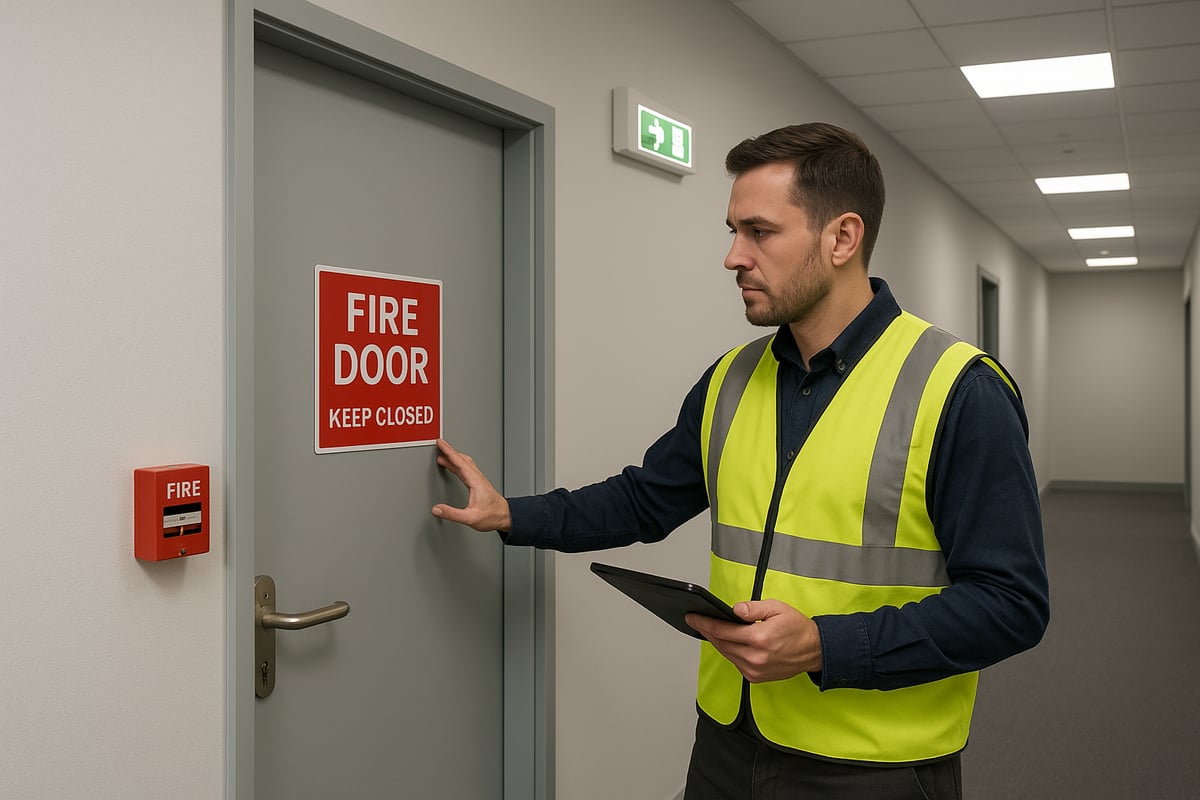
Common Pitfalls and How to Avoid Them
Staying compliant with the fire risk assessment regulatory reform order 2005 can be challenging for many organisations. Even with the best intentions, businesses frequently overlook key requirements, leaving themselves exposed to enforcement action and risks to people, property, and reputation.
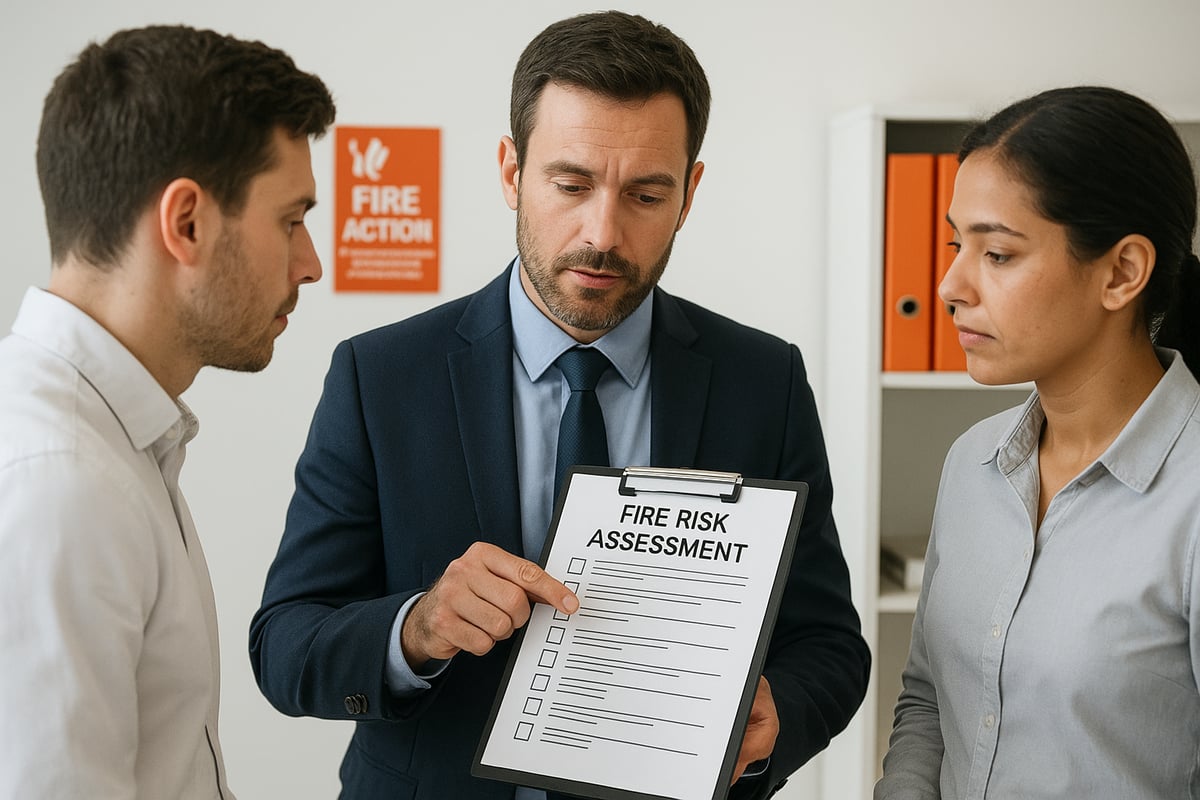
Typical Compliance Failures
Several common pitfalls prevent full compliance with the fire risk assessment regulatory reform order 2005. These often include:
- Incomplete or outdated risk assessments, sometimes missing crucial hazards or not reflecting recent changes in the building.
- Failing to act on identified risks, such as not installing recommended fire doors or updating alarm systems.
- Overlooking the needs of vulnerable occupants, including the elderly or disabled, especially in care homes or multi-use premises.
- Inadequate staff training, meaning employees are unsure how to respond in a fire emergency.
- Lack of regular fire drills, so evacuation plans are not tested or understood.
- Poor maintenance of essential fire safety systems, from alarms to emergency lighting.
- Gaps in documentation, with records not kept up to date or missing entirely.
Neglecting any of these areas can result in serious consequences. For instance, enforcement notices and fines are often issued when risk assessments are not properly maintained or acted upon.
Case Studies and Data
Real-world incidents demonstrate the cost of non-compliance with the fire risk assessment regulatory reform order 2005. In recent years, high-profile cases have seen businesses fined tens of thousands of pounds for deficiencies such as blocked exits, faulty alarms, or missing fire doors.
According to the UK Fire Service, one in three businesses fail their initial fire safety inspections. This figure underscores the importance of thorough preparation and regular reviews. Enforcement statistics and guidance on compliance can be found in the official Regulatory Reform (Fire Safety) Order 2005: enforcement resource.
| Common Pitfall | Practical Solution |
|---|---|
| Outdated risk assessment | Schedule annual reviews |
| Lack of staff training | Implement regular fire safety sessions |
| Poor system maintenance | Create a routine inspection checklist |
| Documentation gaps | Use digital logbooks for easy updates |
How to Avoid Common Pitfalls
To maintain compliance with the fire risk assessment regulatory reform order 2005, take a proactive approach. Start by ensuring your risk assessments are current and comprehensive, reflecting any changes in staff, layout, or processes. Regularly train all employees and hold fire drills so everyone knows what to do in an emergency.
Establish a maintenance schedule for all fire safety equipment and keep clear, accessible records. For practical advice and the latest best practices, refer to this fire risk assessment guidance. Engaging with professional fire safety partners can further reduce risk and ensure your business remains fully compliant.
Frequently Asked Questions about the Fire Risk Assessment Regulatory Reform Order 2005
Understanding the fire risk assessment regulatory reform order 2005 is crucial for any organisation seeking compliance and peace of mind. Below, we answer the most common questions professionals ask about their responsibilities and the practicalities of fire risk assessment.
Who needs to carry out a fire risk assessment?
Every business or non-domestic premises in England and Wales must conduct a fire risk assessment regulatory reform order 2005 compliant review. The responsible person, such as the employer, owner, or landlord, is legally required to ensure this is completed. In some cases, competent external professionals are engaged for more complex premises.
How often should assessments be reviewed or updated?
The fire risk assessment regulatory reform order 2005 states reviews should be undertaken regularly. Typically, this means annually, or whenever significant changes occur, such as alterations to the building, a change in use, or after a fire incident. Failure to keep assessments up to date is a common compliance issue.
What documentation must be kept on site?
If your business employs five or more people, you must keep a written record of your fire risk assessment regulatory reform order 2005 findings. Key documentation includes:
- The full risk assessment report
- Emergency plans
- Maintenance records for fire safety systems
- Staff training logs
What are the penalties for non-compliance?
Non-compliance with the fire risk assessment regulatory reform order 2005 can result in fines, court proceedings, or even imprisonment. Recent enforcement trends show an increase in audits and penalties. According to Fire prevention and protection statistics, England, April 2023 to March 2024, proactive inspections are on the rise, making compliance more important than ever.
Can I do the assessment myself or do I need a professional?
You may carry out the assessment yourself if you have sufficient knowledge and understanding of fire safety. However, for larger or more complex premises, engaging a qualified fire safety professional is highly recommended to ensure all risks are identified and controls are robust.
How do the rules apply to small businesses or shared premises?
The fire risk assessment regulatory reform order 2005 applies to all non-domestic premises, regardless of size. In shared buildings, responsibility can be joint, with each party ensuring their area is assessed and common areas are managed collectively. Small businesses are not exempt from compliance.
Where can I find official guidance and support?
Official guidance on the fire risk assessment regulatory reform order 2005 is available from the UK government and local fire and rescue authorities. Reviewing recent Fire and rescue incident statistics: England, year ending March 2023 can provide valuable context on the risks and importance of thorough assessments.
By staying informed and proactive, you will ensure your organisation meets its legal duties, safeguards occupants, and fosters a culture of fire safety.
If you want to feel confident that your business fully meets the latest fire safety regulations, now is the time to take action. Staying ahead of compliance requirements, especially with the updates coming for 2026, not only protects your people and property but also secures your peace of mind. At Logic Fire and Security, we specialise in guiding organisations through every stage of fire risk assessment, from initial survey to ongoing support. If you’d like expert advice tailored to your site and situation, why not Get a Free Site Survey? We’re here to help you stay safe and compliant.