
Fire Risk Assessment Guide: Essential Steps for 2026

Fire safety is under more scrutiny than ever in 2026, following a series of high-profile incidents and sweeping changes to UK fire safety laws. The need for a robust fire risk assessment is no longer just a suggestion but a critical requirement for every business and property manager.

This guide offers a clear, actionable approach to fire risk assessment. You will find step-by-step instructions to ensure your premises meet legal standards, protect lives, and avoid costly penalties.

In the following sections, we will cover:

  • Legal requirements
  • Preparation and information gathering
  • Risk identification and evaluation
  • Action planning and implementation
  • Documentation and ongoing review

Stay informed, compliant, and confident by following these essential steps for fire safety in 2026.

Understanding Fire Risk Assessment and Legal Obligations

The importance of a robust fire risk assessment cannot be overstated for 2026. With evolving fire safety standards and increased scrutiny following recent incidents, every business and property manager must understand their legal and practical duties.

Understanding Fire Risk Assessment and Legal Obligations

What is a Fire Risk Assessment?

A fire risk assessment is a systematic evaluation of a building to identify potential fire hazards, people at risk, and the effectiveness of current safety measures. This process is essential for highlighting sources of ignition, fuel, and oxygen, as well as considering those who may be vulnerable, such as employees, residents, or visitors.

For example, in a commercial kitchen, the assessment would focus on cooking equipment and grease build-up, while in a residential block, attention would be given to communal areas and escape routes. Public sector buildings, such as schools or hospitals, require tailored approaches due to varied occupancy.

Ultimately, a fire risk assessment is both a legal requirement and a moral responsibility, ensuring the safety of all occupants and compliance with UK regulations.

UK Fire Safety Legislation for 2026

The UK’s fire safety framework is primarily governed by the Regulatory Reform (Fire Safety) Order 2005 and the Fire Safety Act 2021. New amendments expected in 2026 will further strengthen requirements, particularly around high-rise and complex buildings.

Responsibility for compliance rests with the “responsible person” which includes employers, landlords, building owners, and managing agents. They must ensure regular, suitable, and sufficient fire risk assessments are carried out and kept up to date.

Penalties for failing to comply are severe, including fines, prosecution, or even business closure. For example, the London Fire Brigade and South Wales Fire and Rescue Service regularly prosecute businesses for inadequate assessments.

To ensure compliance and expert support, organisations may benefit from professional fire risk assessment services tailored to their specific premises.

Who Needs a Fire Risk Assessment?

All non-domestic premises in the UK must complete a fire risk assessment, including offices, shops, warehouses, communal areas in residential buildings, and public venues. Special cases include shared buildings, houses in multiple occupation (HMOs), care homes, and high-rise properties, each carrying unique risks and regulatory expectations.

Statistics show that over 90% of UK businesses are legally required to undertake a fire risk assessment. Exemptions are rare and typically limited to private single-occupancy dwellings.

Enforcement actions are not uncommon. For instance, a retail unit in South Wales was forced to close temporarily after failing to address blocked fire exits identified during an inspection. This underscores the critical need for every responsible person to understand and comply with fire safety laws.

In summary, whether you manage a small office or a large residential complex, a thorough fire risk assessment is essential for legal compliance, occupant safety, and peace of mind.

Step 1: Preparation and Gathering Information

Effective preparation forms the foundation for a successful fire risk assessment. Before identifying hazards or planning improvements, gathering the right information ensures accuracy, compliance, and safety for everyone involved.

Step 1: Preparation and Gathering Information

Appointing a Competent Person

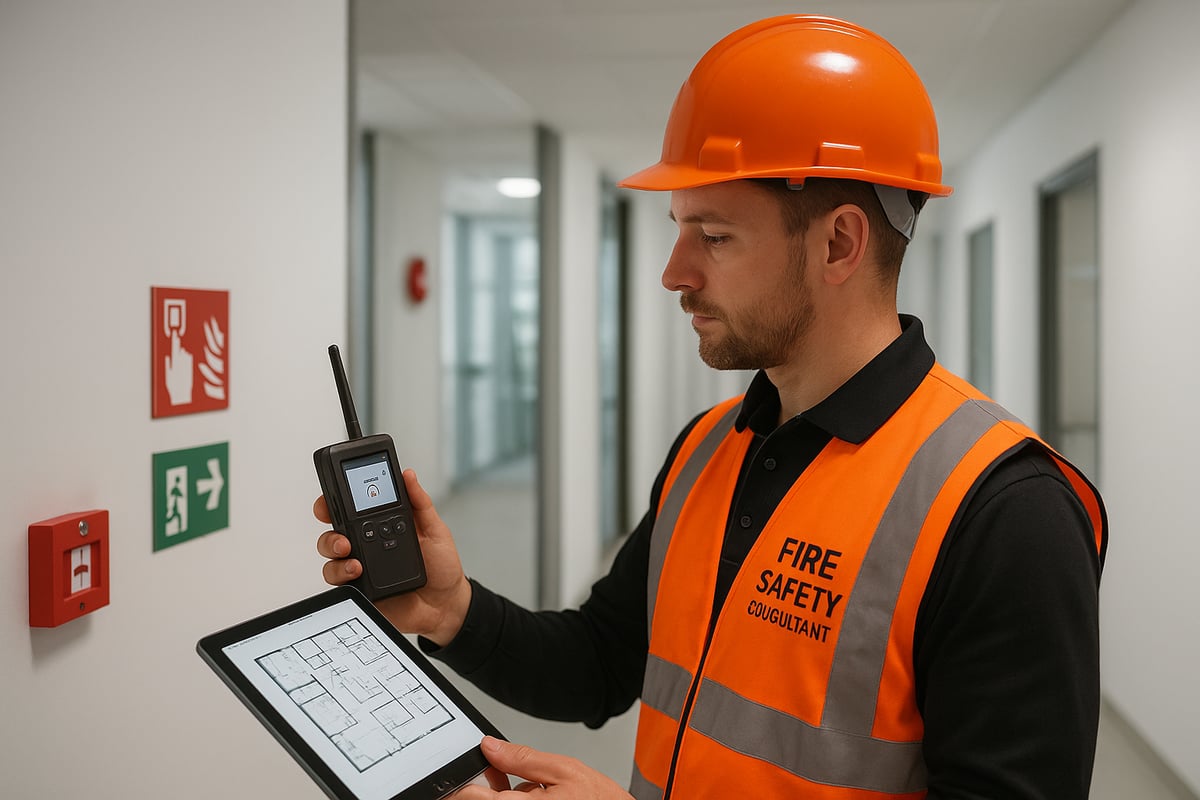
Appointing a competent person is a legal requirement for every fire risk assessment. This individual must possess the right blend of training, knowledge, and practical experience to assess fire hazards and recommend appropriate controls.

Competence can be demonstrated through formal qualifications, industry certifications such as BAFE or IFEDA, and a proven track record in fire safety. Businesses may choose to train an in-house specialist or engage an external professional, depending on the complexity of the premises.

It is especially critical for high-risk environments, such as care homes, to select assessors with specific expertise. If you are responsible for a care setting, refer to this fire risk assessment for care homes resource for tailored guidance. Failing to appoint a qualified assessor can result in penalties, as illustrated by cases where businesses faced fines after audits revealed assessments were conducted by untrained staff.

Reviewing Building Layouts and Occupancy

A thorough review of building layouts and occupancy is essential to the fire risk assessment process. Start by obtaining up-to-date architectural drawings, fire alarm system schematics, and accurate occupancy data for each area.

Pay special attention to high-risk zones, including kitchens, plant rooms, storage areas, and escape routes. These spaces often contain ignition sources or obstacles that can increase fire risk.

Remember to consider vulnerable occupants, such as children, elderly individuals, or people with disabilities. The London Fire Brigade recommends extra diligence in complex or multi-use buildings, where evacuation may be more challenging and layouts can change frequently.

Collecting Historical Data and Maintenance Records

Analysing historical data and maintenance records is a powerful way to prevent repeat incidents and strengthen your fire risk assessment. Gather all available incident logs, records of fire alarm activations, previous risk assessments, and maintenance reports for fire safety systems.

Reviewing these documents can reveal patterns, such as recurring faults or neglected safety equipment. Statistics indicate that 30% of fire incidents occur in areas with a poor maintenance history, highlighting the importance of this step.

A well-documented case involved a business that overlooked a faulty fire alarm sensor, which had been flagged in maintenance records. This oversight led to a delayed evacuation and significant property damage, underscoring the value of learning from the past.

Consulting Staff and Stakeholders

Engaging staff, tenants, and contractors is vital for a complete fire risk assessment. Their daily experience provides insights that might not be obvious from documents or plans alone.

Invite feedback on previous fire drills, near-misses, and evacuation experiences. A collaborative approach helps uncover hidden hazards and ensures everyone feels responsible for fire safety.

In one instance, staff input identified a storage cupboard blocking an escape route, which had been overlooked during earlier assessments. Including stakeholder perspectives not only enhances the quality of your assessment but also fosters a proactive safety culture.

Step 2: Identifying Fire Hazards and People at Risk

Understanding which hazards and individuals are most at risk is a crucial stage in any fire risk assessment. By methodically identifying these factors, you lay the foundation for effective protection and compliance.

Step 2: Identifying Fire Hazards and People at Risk

Spotting Fire Hazards

A thorough fire risk assessment begins by pinpointing potential sources of ignition and fuel. Common hazards include faulty electrical equipment, overloaded sockets, portable heaters, and kitchen appliances. Flammable materials like paper, cleaning chemicals, and packaging also pose significant risks in offices, warehouses, and hospitality venues.

Less obvious dangers can hide in cluttered corridors, blocked fire doors, or storage rooms where escape routes are compromised. Lithium-ion batteries, especially in charging stations, are increasingly cited by South Wales Fire and Rescue Service as a hazard, as are commercial cooking areas. Regularly inspecting these areas ensures risks are not overlooked during the fire risk assessment process.

Identifying People at Risk

The next step in your fire risk assessment is to consider everyone who might be affected. This includes employees, visitors, contractors, and residents. Special care must be taken in high-rise buildings, care homes, and public venues, where vulnerable individuals such as children, the elderly, or those with disabilities may be present.

Data shows that fires in care settings carry a 50% higher risk of injury to vulnerable occupants. Imagine a scenario where an evacuation was delayed because a fire risk assessment failed to account for a resident needing assistance. Identifying these groups ensures every person’s safety is prioritised.

Assessing the Building’s Fire Protection Measures

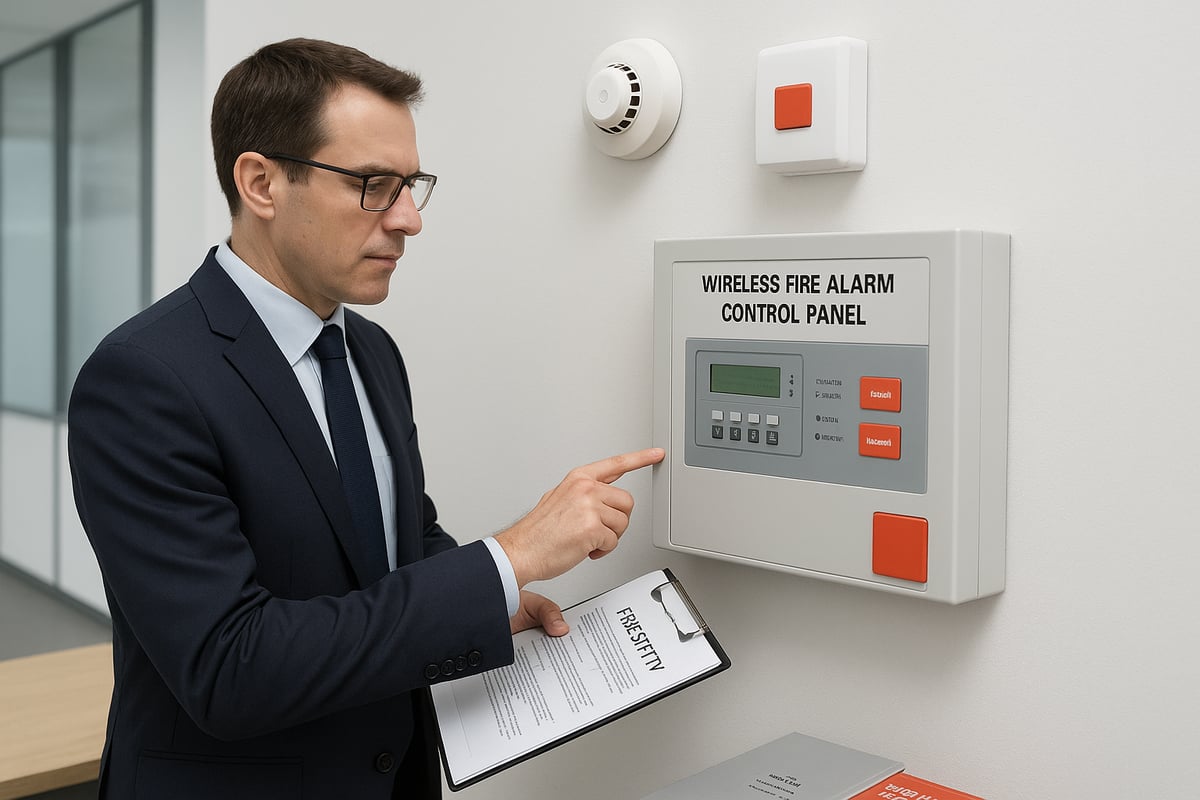
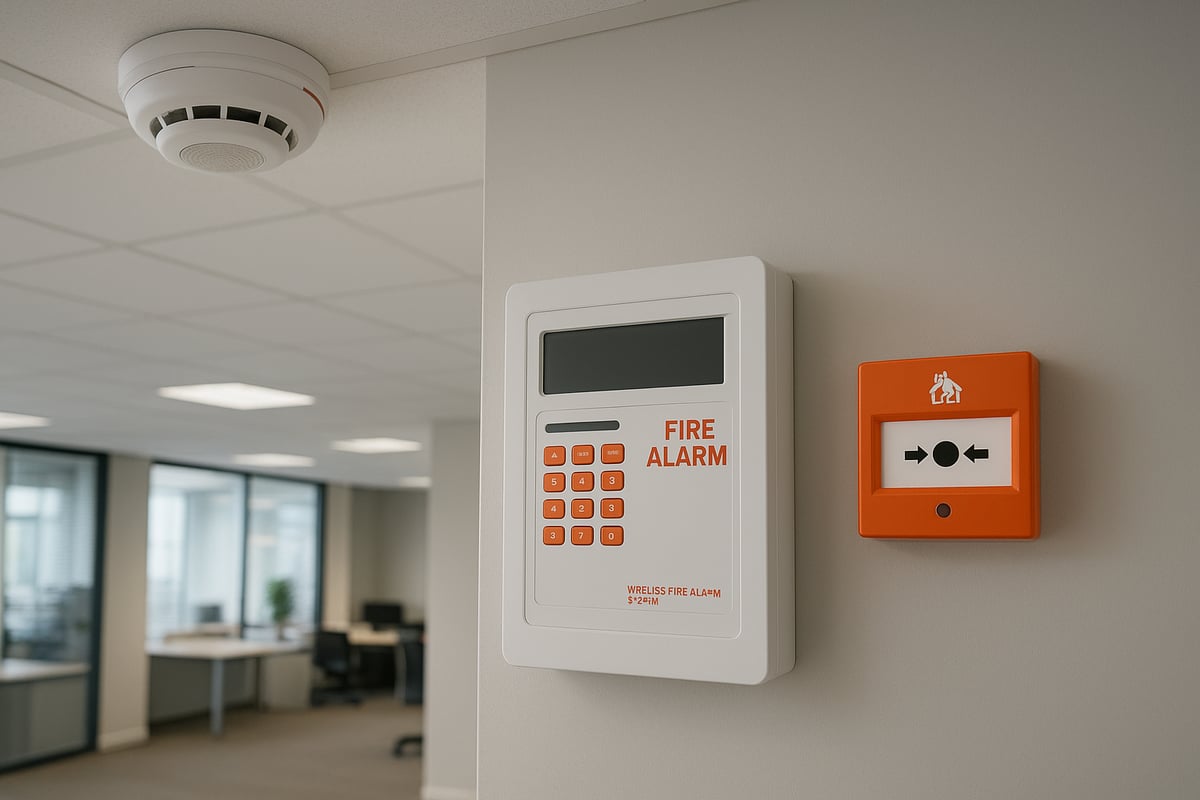
Evaluating your current fire protection measures is vital to a successful fire risk assessment. Review the condition and suitability of fire alarms, extinguishers, emergency lighting, clear signage, and fire doors. All systems should be tested regularly and maintained to the highest standard.

For additional guidance on selecting and maintaining effective alarm systems, see the fire alarm system guidance. There have been incidents where failed alarms led to ineffective evacuations, highlighting the need for robust, well-maintained fire detection and warning systems.

Evaluating Escape Routes and Assembly Points

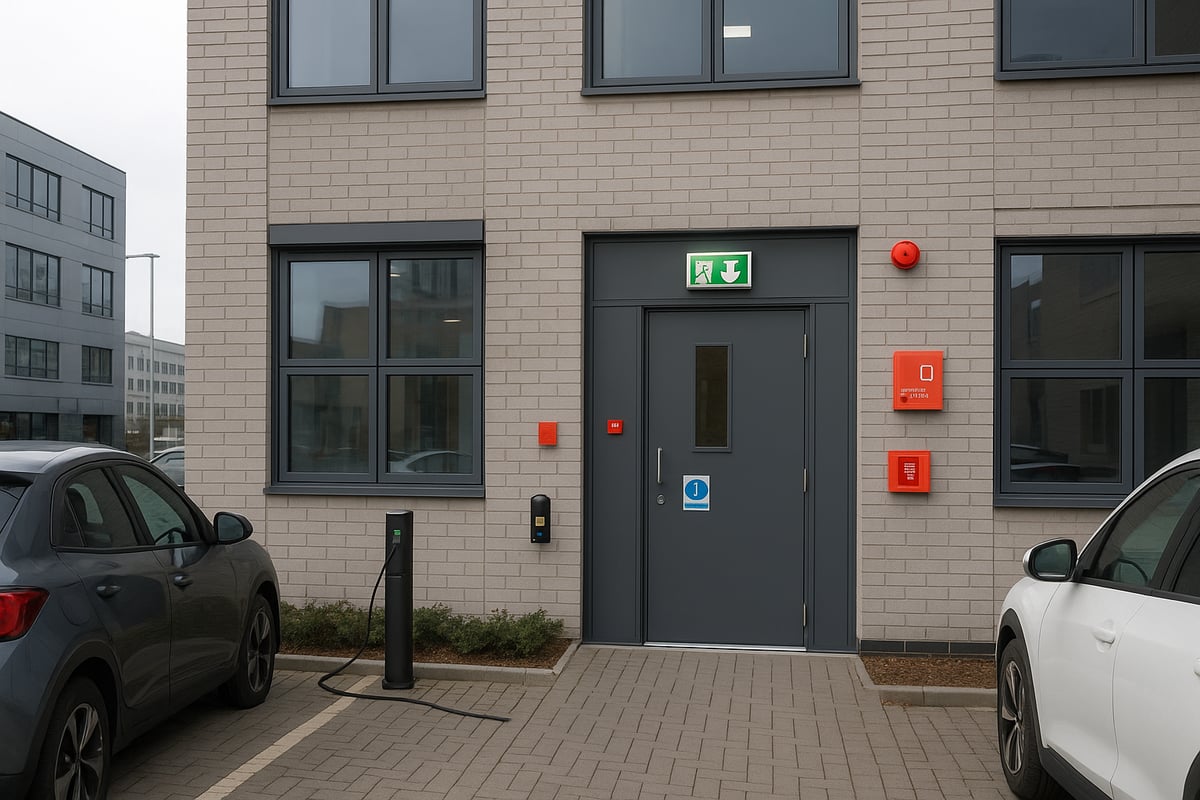
Clear, accessible escape routes and well-defined assembly points are the backbone of any fire risk assessment. Check that all exits are free from obstruction and that signage is visible and easy to understand. Assembly points should be located at a safe distance and known to all occupants.

Blocked or poorly marked exits can cause confusion and delay during an emergency. London Fire Brigade recommends regular walkthroughs and updates to evacuation plans to ensure everyone can leave safely and efficiently when needed.

Step 3: Evaluating, Recording, and Prioritising Risks

When you reach this stage of your fire risk assessment, it is crucial to systematically evaluate each identified risk. This process ensures that your business or property addresses the right hazards with appropriate urgency, supporting both compliance and effective risk management.

Step 3: Evaluating, Recording, and Prioritising Risks

Evaluating Likelihood and Consequence

Begin by assessing the probability of each hazard causing a fire and the potential consequences if it does occur. A risk matrix is a practical tool for this step, allowing you to categorise risks as low, medium, or high:

Likelihood Consequence Risk Level
Unlikely Minor Low
Possible Moderate Medium
Likely Severe High

For example, a commercial kitchen with multiple heat sources and oils is a higher risk environment compared to a standard office. According to fire prevention and protection statistics 2025, fires originating in kitchens account for about 20% of workplace incidents. By applying this structured approach, your fire risk assessment ensures that both likelihood and consequence are fully considered.

Recording Significant Findings

It is a legal requirement for businesses with five or more employees to keep written records of their fire risk assessment. Document all significant hazards, people at risk, and the control measures in place or planned.

Consider using a checklist or digital template for clarity. Your records should include:

  • A summary of identified risks
  • Details of vulnerable groups
  • Existing and proposed safety measures

Clear documentation makes audits and reviews more manageable and demonstrates compliance if inspected by authorities.

Prioritising Actions

Once risks are evaluated and recorded, rank them by severity and urgency. Immediate actions, such as clearing blocked exits or removing flammable waste, should be addressed first. Longer-term improvements, like upgrading alarm systems, can be scheduled accordingly.

Effective prioritisation in your fire risk assessment can mean the difference between preventing an incident and facing significant disruption. For instance, a business that promptly removed stored combustibles from escape routes avoided a potential fire hazard, ensuring uninterrupted operations.

Communicating Findings to Stakeholders

Share your assessment results with all relevant parties, including staff, management, and tenants. Use clear, accessible language and offer practical recommendations.

Transparency supports a positive safety culture, encouraging everyone to engage with the fire risk assessment process and contribute to ongoing improvements.

Step 4: Implementing Control Measures and Action Plans

Taking effective action is the heart of any fire risk assessment. Once hazards are identified and prioritised, robust control measures must be put in place. This step transforms your assessment into real safety improvements, reducing risk and ensuring compliance.

Reducing Fire Hazards

A core element of every fire risk assessment is tackling fire hazards head on. Begin by removing ignition sources and flammable materials wherever possible. Improve housekeeping by ensuring regular waste removal, especially in storage or kitchen areas.

  • Clear escape routes of clutter
  • Store flammable liquids safely
  • Upgrade electrical wiring and faulty appliances

These steps lower the chance of fire starting. In fact, regular housekeeping can reduce fire risk by up to 40 percent in commercial environments. Prioritising these actions creates a safer workplace for everyone.

Enhancing Fire Detection and Protection Systems

Your fire risk assessment should review the adequacy of alarms, extinguishers, and emergency lighting. Install or upgrade systems to suit the size and occupancy of your building. Maintenance is vital, as neglected equipment may fail in an emergency.

For detailed guidance, refer to fire extinguisher servicing advice to ensure extinguishers are always ready for use. Many incidents have been contained due to quick action and working suppression systems. Regular checks and servicing are essential for compliance and safety.

Staff Training and Fire Drills

People are central to fire safety. Conduct regular fire safety training for all staff, including new joiners. Schedule fire drills at least twice a year and document participation and outcomes.

  • Designate fire wardens
  • Review evacuation procedures
  • Encourage feedback after each drill

Businesses that invest in training see evacuation times improve by up to 60 percent. Well-prepared teams respond confidently and calmly during real incidents.

Developing and Testing Emergency Plans

A comprehensive emergency plan is a cornerstone of fire risk assessment. Create clear, detailed evacuation and response plans, assigning roles such as fire wardens and assembly coordinators.

Regularly test these plans through drills, updating them after any building changes or lessons learned. Use resources from the South Wales Fire and Rescue Service to access templates and best practice guidance. This ongoing process ensures your plan remains effective as circumstances evolve.

Fire Safety Systems by Logic Fire and Security

For organisations seeking expert support, Logic Fire and Security offers comprehensive fire risk assessments, advanced detection systems, and ongoing maintenance across the UK. Their certified professionals ensure compliance with all legislation, tailored to your premises’ needs. Trusted by blue-chip companies and public agencies, Logic Fire and Security provides end-to-end solutions for fire safety and peace of mind.

Step 5: Documentation, Review, and Continuous Improvement

Maintaining robust documentation, regular reviews, and a proactive approach to continuous improvement are the pillars of an effective fire risk assessment. These steps help businesses stay compliant, learn from real incidents, and adapt to new legal requirements with confidence.

Maintaining Accurate Records

Accurate record-keeping is essential for every fire risk assessment. All findings, actions taken, maintenance checks, and staff training must be logged in detail. Store these documents securely, either digitally or in a dedicated file, and ensure they are accessible for inspections or audits.

For compliance, businesses should retain records for at least five years. Good documentation can prove invaluable if a fire incident or regulatory audit occurs. For example, after a small fire in a retail unit, comprehensive records enabled authorities to quickly verify compliance and identify the cause, preventing further disruption.

A simple table can help summarise essential records to maintain:

Record Type Minimum Retention Period Purpose
Fire risk assessment 5 years Compliance, review
Training logs 5 years Staff competency
Maintenance reports 5 years System reliability
Incident logs 5 years Learning, reporting

Scheduling Regular Reviews and Updates

A fire risk assessment is not a one-off task. Schedule formal reviews at least annually or whenever significant changes occur, such as renovations, new fire systems, or after any fire-related incidents.

Action plans and control measures must be updated to reflect new risks or changes in building use. The London Fire Brigade advises that regular reviews are vital to ensure your assessment remains accurate and effective. Remember, as buildings evolve, so do their risks, so ongoing vigilance is key.

Learning from Incidents and Near Misses

Every fire, false alarm, or near-miss is an opportunity to improve safety. Investigate all such events to identify root causes and implement preventive measures. Sharing lessons with staff and stakeholders fosters a culture of transparency and learning.

For instance, after an evacuation was delayed by blocked exits, one company updated its procedures and increased checks, significantly improving its fire safety record. Incident analysis is crucial for meaningful change.

Staying Informed on Legislation and Best Practice

Fire safety regulations are frequently updated, so staying current is essential for compliance. Regularly monitor changes to fire safety laws and best practice guidance. Attend training, subscribe to bulletins, and consult resources from authorities such as the South Wales Fire and Rescue Service.

For the latest on legislative changes, refer to the UK fire safety regulation updates 2025, which outlines key shifts affecting fire risk assessment, including new standards for building materials and safety protocols. Additionally, reviewing the Approved Document B fire safety updates ensures your practices align with current expectations. Ongoing education is not just about compliance, but about leading on safety and protecting everyone on your premises.

Taking proactive steps to safeguard your premises and people isn’t just a matter of compliance—it’s about genuine peace of mind. As you put these essential fire risk assessment measures into practice and look ahead to 2026’s evolving regulations, remember you don’t have to navigate the process alone. At Logic Fire and Security, we understand the complexities and pressures you face, and we’re committed to making fire safety straightforward and effective for your unique setting. If you’re ready to ensure your site is protected and compliant, why not Get a Free Site Survey? Let’s work together to keep your business safe and secure.

Fire Extinguisher Servicing Guide: Essential Tips for 2026

Fire safety is more urgent than ever as 2026 brings new regulations and higher expectations for businesses. Effective fire extinguisher servicing is not just a legal requirement, it is a vital step in protecting lives and property.

This guide offers clear, up-to-date advice on fire extinguisher servicing. You will discover the latest legal requirements, practical servicing steps, maintenance schedules, tips for selecting a provider, and common mistakes to avoid.

Stay ahead of compliance changes, protect your business, and ensure everyone’s safety by following the essential best practices outlined here.

Understanding Fire Extinguisher Servicing: Why It Matters in 2026

Fire extinguisher servicing is more than a tick-box exercise—it is a legal and moral obligation for every business in the UK. As regulations evolve and fire risks become more complex, understanding the importance of effective servicing is critical. In this section, we explore why fire extinguisher servicing is essential in 2026, covering legal requirements, safety outcomes, and the diverse needs of different extinguisher types.

Understanding Fire Extinguisher Servicing: Why It Matters in 2026

The Legal and Regulatory Landscape

UK fire safety law is underpinned by the Regulatory Reform (Fire Safety) Order 2005 and British Standard BS 5306-3:2017. These set out the minimum requirements for fire extinguisher servicing in all commercial premises. Anticipated updates in 2026 are set to tighten standards, with regulators focusing on more frequent audits and stricter documentation.

Non-compliance carries significant risk. Penalties can include heavy fines, legal action, or even business closure. In recent years, several firms have faced prosecution for neglecting routine servicing, resulting in invalidated insurance claims and substantial losses. Documented, up-to-date servicing is essential for insurance and liability protection. For a comprehensive overview of your legal obligations, see the legal requirements for fire extinguisher maintenance.

The Role of Regular Servicing in Fire Safety

Regular fire extinguisher servicing ensures that every unit functions properly during an emergency. According to the Fire Industry Association, up to 30% of extinguishers fail when needed due to lack of maintenance. This failure rate puts lives and property at risk, particularly in high-occupancy or high-risk environments.

When extinguishers are not serviced, evacuation procedures can be compromised and fires may spread more quickly. There have been cases where unserviced extinguishers failed to operate in workplace fires, resulting in greater damage and legal repercussions. Proper servicing is a frontline defence, supporting safe evacuation and effective fire containment.

Types of Fire Extinguishers and Their Servicing Needs

Different types of fire extinguishers require tailored servicing approaches. The main types found in UK businesses include water, foam, CO2, dry powder, wet chemical, and specialised units for hazards like lithium-ion batteries.

Extinguisher Type Typical Use Service Frequency
Water/Foam General fires Annual, 5-year extended
CO2 Electrical fires Annual, 10-year extended
Dry Powder Flammable liquids Annual, 5-year extended
Wet Chemical Cooking oils/fats Annual, 5-year extended
Specialised Batteries, metals Annual, per manufacturer

Most UK businesses rely on water or foam extinguishers (about 70%), with CO2 making up another 20%. Each type has unique inspection steps, so matching fire extinguisher servicing to the unit’s specifications is vital. Overlooking these differences can lead to missed faults and compliance failures. Fire extinguisher servicing must be specific, thorough, and adapted to each extinguisher in use.

Step-by-Step Guide to Fire Extinguisher Servicing in 2026

Keeping up with fire extinguisher servicing is vital for ensuring your business stays compliant and safe in 2026. Each step, from preparation to extended maintenance, plays a crucial role in protecting lives and property. Follow this clear guide to meet legal requirements and industry best practices with confidence.

Step-by-Step Guide to Fire Extinguisher Servicing in 2026

Pre-Servicing Preparation

Effective fire extinguisher servicing begins long before the first extinguisher is touched. Start by reviewing the fire logbook and all previous service records. This helps identify any gaps or recurring issues.

Next, locate every extinguisher on site, including those in storage areas or less-frequented spaces. Ensuring clear access is vital for safety and efficiency. Inspect each unit for expiration dates or manufacturer recalls, as outdated extinguishers can compromise protection.

Before commencing, confirm all servicing personnel have the appropriate personal protective equipment. The work area should be safe, well-lit, and clear of obstructions. Proper preparation minimises risk and streamlines the fire extinguisher servicing process.

The Annual Basic Service: Chronological Steps

Annual fire extinguisher servicing is a legal requirement and must follow a structured approach. Begin with a visual inspection for dents, leaks, corrosion, or signs of tampering. Check the pressure gauge and weigh each unit to verify it is fully charged.

Ensure each extinguisher is properly mounted, easily accessible, and accompanied by the correct signage. Test the safety pins and tamper seals for integrity. Inspect the label for legibility and compliance.

Wipe down each unit to remove dust and debris, then re-label as needed. Document all findings in the fire logbook. For a detailed breakdown, refer to this fire extinguisher inspection checklist to ensure nothing is missed during servicing.

Extended Maintenance: Discharge Testing and Refilling

Extended maintenance is a deeper level of fire extinguisher servicing, typically required every five years for water, foam, and powder extinguishers, and every ten years for CO2 types. This process includes:

  • Complete discharge of the extinguisher to test functionality
  • Internal inspection for corrosion or damage
  • Refilling with the correct agent
  • Pressure testing to standard

Dispose of old contents responsibly, adhering to environmental and legal guidelines. Always consult the manufacturer’s recommendations for specific intervals and procedures. Proper extended maintenance ensures long-term reliability and compliance.

Professional vs. Self-Servicing: What’s Permitted?

Under current regulations, fire extinguisher servicing must be performed by a “competent person” as defined in BS 5306-3:2017. This usually means a certified technician with specific training and accreditation.

Self-servicing is only permitted for certain models, such as P50 service-free extinguishers, provided all manufacturer instructions are strictly followed. Attempting to service standard extinguishers without proper qualifications exposes your business to legal risks and potential insurance invalidation. Always prioritise professional expertise for peace of mind and compliance.

Fire Extinguisher Maintenance Schedules and Record-Keeping

Maintaining a clear fire extinguisher servicing schedule is essential for safety and compliance. Regular checks, thorough documentation, and awareness of common pitfalls ensure your extinguishers are always ready to perform. Let’s explore how to build a robust routine for 2026.

Fire Extinguisher Maintenance Schedules and Record-Keeping

Monthly Visual Inspections

Monthly visual checks are the cornerstone of effective fire extinguisher servicing. A responsible person or fire warden should carry out these inspections, ensuring each extinguisher is in its designated location, unobstructed, and clearly visible.

The checklist includes:

  • Confirming pressure gauge is in the operational range
  • Inspecting tamper seals for signs of interference
  • Checking the body and hose for damage or corrosion
  • Ensuring instructions are legible and up to date

Each finding should be recorded in the site’s fire safety logbook. For example:

Date Location Condition Action Taken Inspector
01/02/26 Reception OK None J. Smith

Regular monthly inspections significantly reduce the risk of extinguisher failure, supporting a proactive fire extinguisher servicing routine.

Annual Servicing and Extended Maintenance Intervals

Annual servicing is a legal requirement under UK fire safety regulations. Each extinguisher must be serviced by a qualified technician following manufacturer guidelines. Extended maintenance, such as discharge testing and refilling, is typically required every 5 years for water, foam, and powder types, and every 10 years for CO2 units.

Adhering to the correct intervals is critical for fire extinguisher servicing. For more detailed information on recommended maintenance schedules by type, consult the fire extinguisher servicing intervals provided by BAFE.

Most UK businesses follow these standard intervals, but always check your manufacturer’s instructions to ensure compliance.

Fire Logbooks and Documentation

Accurate record-keeping is a legal and insurance requirement for fire extinguisher servicing. Each entry should note the date, location, findings, actions taken, and the technician’s signature.

Both digital and paper logbooks are accepted. Digital systems offer easier storage and retrieval, while paper logbooks are simple and accessible. A well-organised logbook makes it easier to demonstrate compliance during audits or inspections.

A typical logbook page layout might include columns for date, extinguisher type, serial number, condition, actions, and signature. Keeping this documentation up to date is vital for audit trails and accountability.

Common Maintenance Pitfalls and How to Avoid Them

Missed monthly checks, incomplete records, and overlooked extinguishers are common fire extinguisher servicing failures. These mistakes can result in non-compliance, fines, or even insurance issues.

Real-world cases show that businesses sometimes miss extinguishers tucked away in storage rooms or forget to log minor repairs. To avoid these pitfalls, set automated reminders, train staff thoroughly, and regularly review your servicing routine.

A robust approach ensures every extinguisher is checked, maintained, and documented, safeguarding your people and property.

Choosing a Fire Extinguisher Servicing Provider

Selecting the right company for fire extinguisher servicing is crucial for compliance and safety. Businesses must weigh expertise, reliability, and value to ensure their fire safety measures remain robust and up to date.

Choosing a Fire Extinguisher Servicing Provider

What to Look for in a Servicing Company

When choosing a provider for fire extinguisher servicing, start by confirming their accreditations. Look for BAFE or IFEDA certification, which signals adherence to industry best practices and regulatory requirements.

Experience with different extinguisher types is essential. Ask if they regularly service water, foam, CO2, dry powder, and wet chemical units. Transparent pricing and clear service agreements help avoid unexpected costs, while access to emergency support ensures prompt response when needed.

Use this checklist when vetting providers:

  • Verify accreditations (BAFE, IFEDA)
  • Confirm experience with your extinguisher types
  • Request transparent pricing documentation
  • Assess emergency call-out availability
  • Review sample service reports

Ensure the provider is familiar with the latest 2025 fire extinguisher regulation changes, as these will impact servicing standards from 2026.

Questions to Ask Before Signing a Contract

Prepare a set of questions before entering a servicing agreement. Begin by asking which standards they follow, such as BS 5306-3:2017, and whether their technicians are qualified for all required tasks.

Clarify what their service package includes. Will they handle defective or expired units, and do they offer environmentally responsible disposal? Request references or case studies from similar businesses.

Sample questions for interviews:

  • What servicing standards do you adhere to?
  • What is included in your fire extinguisher servicing package?
  • How do you manage expired or faulty extinguishers?
  • Can you provide client references or case studies?
  • How quickly can you respond to emergencies?

These questions help ensure you select a provider equipped to handle fire extinguisher servicing with professionalism and reliability.

The Value of Professional Expertise

Engaging experts for fire extinguisher servicing reduces risk and guarantees compliance. Data shows that extinguishers checked by professionals are significantly less likely to fail than those inspected in-house.

A professional approach ensures all units are maintained according to the latest regulations, and documentation is always up to date. For example, a business that relied on professional servicing was able to avoid costly fines during a surprise inspection, thanks to meticulous records and compliant equipment.

Comprehensive providers often integrate their services with wider fire safety measures. For guidance on how fire extinguisher servicing fits into a complete fire risk strategy, see this fire risk assessment guidance.

Ultimately, choosing the right partner gives property managers and business owners confidence that their fire extinguisher servicing is both thorough and future-proof.

Fire Extinguisher Servicing Best Practices for 2026 and Beyond

As fire safety regulations and workplace risks evolve, adopting best practices for fire extinguisher servicing is essential for compliance and protection. Staying proactive, integrating systems, and empowering your team will help safeguard property and lives while meeting 2026’s stringent standards.

Staying Ahead of Regulatory Changes

Keeping up with changes in fire safety legislation is crucial for effective fire extinguisher servicing. In 2026, new updates to British Standards and the Regulatory Reform (Fire Safety) Order may affect inspection intervals and documentation requirements.

Assign someone in your organisation to monitor regulatory updates. Subscribe to alerts from industry groups like the FIA and BAFE. Schedule annual reviews of your fire safety policies to ensure alignment with the latest standards.

Recent amendments have tightened record-keeping and competency requirements. Training staff on new rules as soon as they are announced helps maintain compliance and avoids costly penalties.

Integrating Fire Extinguisher Servicing with Overall Fire Safety Strategy

Fire extinguisher servicing should not exist in isolation. Integrating it with your overall fire safety programme, including risk assessments, alarm testing, and evacuation drills, creates a robust safety net.

For example, coordinate your extinguisher checks with your fire alarm system inspections to streamline compliance and reduce disruption. Use a shared fire safety calendar to track all key activities, ensuring nothing is missed.

A unified approach improves emergency readiness and simplifies audits. When servicing is part of a broader strategy, you are less likely to overlook critical details.

Embracing Technology in Fire Safety Management

Adopting digital tools can revolutionise fire extinguisher servicing for 2026 and beyond. Digital logbooks, QR codes, and automated reminders simplify record-keeping and reduce human error.

Many businesses now use smart extinguisher systems that monitor pressure and tamper status remotely. These solutions enable real-time alerts for maintenance needs, helping you address issues before they escalate.

A recent case study showed a company using digital tracking reduced missed inspections by 40 percent. Leveraging technology ensures your fire extinguisher servicing is both efficient and compliant.

Training and Empowering Staff

Well-trained staff are the backbone of any effective fire extinguisher servicing routine. Provide comprehensive fire extinguisher awareness training for all employees, not just fire wardens.

Appoint responsible persons to oversee checks, and schedule regular refresher courses to keep knowledge current. Use practical demonstrations and scenario-based exercises to improve confidence and response times.

Empowered teams respond faster and more effectively in emergencies. Investing in training can make the difference between a minor incident and a major loss.

As you’ve seen, staying up to date with fire extinguisher servicing isn’t just about ticking boxes—it’s about protecting your people, property, and business reputation, especially with the latest regulations coming into play for 2026. If you want peace of mind that your fire safety measures are up to scratch, why not let trusted professionals guide you? With Logic Fire and Security’s expertise in comprehensive fire solutions, you can ensure full compliance and reliable protection for your premises. Ready to take the next step towards safer operations? Get a Free Site Survey

9 Essential Commercial Security Alarm Companies for 2026

The threat landscape for UK businesses is changing fast, with reported commercial burglaries and cyber-physical attacks on the rise. As risks grow, robust commercial security alarm companies are now essential for protecting assets and ensuring business continuity.

This article is designed to help business owners and facilities managers navigate the crowded market of commercial security alarm companies. You will discover how to compare providers, understand key features, evaluate pricing, and identify unique benefits.

Explore the latest security technologies, discover trusted partners, and gain the insights you need to make a confident, informed choice for your organisation’s safety.

Why Commercial Security Alarm Systems Matter in 2026

The landscape of business security is shifting rapidly. Commercial premises in the UK face increasingly complex risks, requiring robust solutions that go beyond traditional alarms. For those considering commercial security alarm companies, understanding these evolving challenges is vital to making informed decisions that protect assets and ensure business continuity.

Evolving Security Threats and Business Risks

UK businesses are encountering a surge in both physical and cyber-physical threats. According to recent Crime in England and Wales 2025 statistics, commercial burglaries and thefts have reached their highest levels in years. This increase highlights the critical need for comprehensive protection.

Emerging risks include coordinated break-ins, sophisticated cyber-attacks targeting security infrastructure, and insider threats. Commercial security alarm companies are responding with integrated solutions that address these new vulnerabilities head-on.

The Role of Advanced Alarm Systems

Modern alarm systems do more than trigger a siren. They integrate seamlessly with CCTV, access control, and remote monitoring platforms. Many commercial security alarm companies now offer AI-driven analytics, which can detect unusual patterns and alert businesses in real time.

Cloud-based management allows for instant updates and remote configuration, giving facilities managers greater flexibility and control. This advanced technology ensures that threats are detected early and responses are swift.

Regulatory and Insurance Implications

Compliance with UK regulations, such as the Regulatory Reform Order 2005, is essential for all businesses. Insurance providers often require businesses to install approved security systems, and the quality of these systems can directly impact premium costs and claims processing.

Commercial security alarm companies ensure that their solutions meet or exceed industry standards, helping businesses avoid legal pitfalls and benefit from reduced insurance expenses. The right system is not just a deterrent, but a requirement for operational legitimacy.

Investment ROI and Operational Continuity

Investing in advanced security systems delivers measurable returns. Studies show that businesses with integrated security experience fewer incidents, leading to lower direct losses and less downtime. Operational resilience is strengthened, as rapid alerts and remote diagnostics enable swift recovery from disruptions.

Commercial security alarm companies often provide bundled maintenance and monitoring, which further reduces total cost of ownership and enhances long-term value for both SMEs and large enterprises.

Key Considerations for Selecting a Provider

When choosing among commercial security alarm companies, several factors should guide your decision. Accreditation from bodies like NSI or SSAIB signals quality and compliance. Scalability is crucial for growing businesses, while strong technical support ensures ongoing protection.

Reviewing real-world case studies from blue-chip firms and SMEs can reveal how leading companies tailor solutions to diverse requirements. Prioritising these considerations will help you select a partner aligned with your operational needs and risk profile.

9 Essential Commercial Security Alarm Companies for 2026

Selecting the right commercial security alarm companies is vital for safeguarding your business in 2026. The landscape is more complex than ever, with threats evolving and technology advancing rapidly. Below, we detail the nine most essential providers, helping you make an informed choice for your premises.

Logic Fire and Security

Logic Fire and Security stands out among commercial security alarm companies for its comprehensive, integrated approach. Pricing is provided via custom quotes following a site survey, with free quotations available for all clients.

9 Essential Commercial Security Alarm Companies for 2026 - Logic Fire and Security

Core features include fire and security alarms, advanced analytics, 24/7 monitoring, tailored system design, and ongoing maintenance. Their end-to-end service ensures seamless project delivery, from risk assessment to aftercare.

Key benefits are nationwide coverage, high-level accreditations (NICEIC, BAFE, NSI Gold), and bespoke solutions for complex environments. Target audiences include blue-chip companies, public sector organisations, SMEs, and facilities managers.

Pros:

  • One-stop solution
  • Strong compliance assurance
  • Proven track record

Cons:

  • Custom pricing may not suit very small businesses

Unique selling point: Full-spectrum solutions covering assessment, installation, and support. To better understand how these integrated systems protect businesses, see this resource on commercial intruder alarm systems.

ADT Commercial

As one of the largest commercial security alarm companies worldwide, ADT Commercial offers tiered packages and custom enterprise solutions to suit varying business needs.

9 Essential Commercial Security Alarm Companies for 2026 - ADT Commercial

Their core features encompass intruder alarms, video surveillance, access control, and remote mobile management. ADT’s global brand provides rapid response and scalable solutions designed for multi-site businesses, retail chains, and warehouses.

Pros:

  • Industry-leading 24/7 monitoring
  • Flexible integration
  • Strong brand reputation

Cons:

  • Higher costs for advanced features

Unique selling point: Unparalleled monitoring and support infrastructure, ensuring business continuity and peace of mind.

Chubb Fire & Security

Chubb Fire & Security, a stalwart among commercial security alarm companies, provides custom quotes and maintenance contracts tailored to your requirements.

9 Essential Commercial Security Alarm Companies for 2026 - Chubb Fire & Security

Core offerings include intruder alarms, fire detection, access control, and fully integrated systems. With over 200 years of experience, Chubb boasts an extensive service network and is trusted by large enterprises, the public sector, and healthcare providers.

Pros:

  • Accredited and reliable
  • Comprehensive services
  • Trusted by major institutions

Cons:

  • May be less agile for smaller businesses

Unique selling point: Longstanding expertise and a reputation for reliability in high-stakes environments.

Stanley Security

Stanley Security delivers bespoke security solutions, beginning with a free site assessment. As one of the most innovative commercial security alarm companies, they specialise in smart alarms, cloud-based management, and AI-powered video analytics.

9 Essential Commercial Security Alarm Companies for 2026 - Stanley Security

Key benefits include proactive system health checks, advanced integrations, and robust remote diagnostics. Stanley’s solutions cater to corporate offices, logistics, and manufacturing sectors.

Pros:

  • Pioneering smart technology
  • Strong support and diagnostics
  • Advanced integrations

Cons:

  • May be over-specified for smaller sites

Unique selling point: Leadership in smart security and remote management, ideal for businesses seeking future-proof solutions.

Verisure UK

Verisure UK is known for its rapid deployment and user-friendly commercial security alarm companies’ solutions. Their pricing is based on a monthly subscription model, with installation fees applicable.

9 Essential Commercial Security Alarm Companies for 2026 - Verisure UK

Core features include wireless alarms, 24/7 monitoring, and a rapid guard response service. Verisure’s systems are easy to upgrade, making them suitable for SMEs, retail, and small offices.

Pros:

  • Flexible contracts
  • Fast installation
  • Mobile app control

Cons:

  • Not tailored for large or complex sites

Unique selling point: Quick deployment and excellent customer support for businesses seeking immediate protection.

Secom Plc

Secom Plc offers customised packages and leasing options for businesses needing integrated security and fire solutions. As a leader among commercial security alarm companies, Secom provides intruder alarms, CCTV, access control, and fire safety systems.

9 Essential Commercial Security Alarm Companies for 2026 - Secom Plc

The company manages projects from start to finish, with strong aftersales support. Their target markets include hospitality, retail, education, and healthcare.

Pros:

  • Flexible financing options
  • Integrated solutions
  • Comprehensive project management

Cons:

  • Some features may require long-term contracts

Unique selling point: One-stop shop for both security and fire system integration.

Banham Security

Banham Security is synonymous with high-end, bespoke commercial security alarm companies solutions. Pricing is based on custom quotes, with maintenance plans available.

Their core offerings include intruder alarms, access control, and tailored security design. Banham serves luxury retail, offices, and heritage buildings, focusing on discreet, custom engineering.

Pros:

  • Premium, tailored solutions
  • Discreet installation
  • Strong heritage

Cons:

  • Premium pricing

Unique selling point: Bespoke high-security systems for prestigious and sensitive sites.

Securitas UK

Securitas UK provides modular, scalable packages for enterprise-level security. As one of the leading commercial security alarm companies, Securitas blends intruder alarms, remote video monitoring, and mobile patrol integration.

Their services are best suited to logistics, distribution, and multi-site operations, offering global reach and integrated guarding technology.

Pros:

  • Scalable, modular solutions
  • Combines manned and electronic security
  • Global expertise

Cons:

  • May be complex for smaller businesses

Unique selling point: Unique blend of technology and physical security for large, complex operations.

SSAIB Approved Installers Directory

The SSAIB Approved Installers Directory is an invaluable resource for businesses seeking accredited commercial security alarm companies. Pricing varies by installer, with competitive market rates.

This directory provides access to a network of trusted, independently audited providers, offering a wide choice for alarms, CCTV, and access control installations.

Pros:

  • Easy comparison of providers
  • Verified quality and standards
  • Local expertise

Cons:

  • Requires research to select the best fit

Unique selling point: Assurance of quality and compliance via an accessible directory of accredited installers.


Comparison Table: Essential Commercial Security Alarm Companies for 2026

Company Pricing Model Key Features Target Audience Unique Selling Point
Logic Fire and Security Custom quotes Integrated alarms, analytics Blue-chip, public sector, SMEs Full-spectrum, accredited solutions
ADT Commercial Tiered/custom Intruder, CCTV, access, remote Multi-site, retail, warehouse Global brand, monitoring infrastructure
Chubb Fire & Security Custom/maintenance Intruder, fire, access, integration Large enterprise, healthcare 200+ years’ expertise, trusted by institutions
Stanley Security Bespoke/free survey Smart alarms, AI video, cloud Corporate, logistics Smart technology, remote management
Verisure UK Subscription Wireless alarms, 24/7 monitoring SMEs, retail, small offices Fast installation, flexible contracts
Secom Plc Custom/leasing Intruder, CCTV, access, fire safety Hospitality, education Integrated security & fire systems
Banham Security Custom/maintenance Bespoke alarms, access control Luxury, heritage, offices High-security, discreet installations
Securitas UK Modular/scalable Intruder, video, patrol integration Logistics, distribution Blended tech and manned guarding
SSAIB Directory Varies Directory of accredited installers SMEs, property managers Trusted, independently audited providers

Choosing among these commercial security alarm companies comes down to your business needs, risk profile, and desired features. Each provider brings unique strengths, ensuring that whether you run a multi-site enterprise or a local SME, you have robust options for 2026.

How to Choose the Right Commercial Security Alarm Partner

Selecting the best commercial security alarm companies for your business is a crucial decision that shapes your protection, compliance, and peace of mind. With rising threats and evolving technology, a careful, step-by-step approach helps you make an informed choice.

Assessing Your Security Needs

Begin by evaluating your premises, operations, and compliance demands. Consider factors such as:

  • Business size and number of locations
  • Types of assets and property layout
  • Specific risks, like high-value stock or sensitive data

Conduct a site-specific risk assessment to identify vulnerabilities. This ensures that commercial security alarm companies can tailor their recommendations to your unique requirements.

Technology and Integration Capabilities

Future-proofing your investment means choosing commercial security alarm companies that offer scalable, integrable solutions. Look for systems that support cloud management, AI analytics, and seamless integration with CCTV and access control.

Understanding the available security alarm equipment overview can help you assess which features align with your needs. Adoption of advanced technology enables real-time alerts and remote management for enhanced protection.

Service, Support, and Accreditation

Reliability is vital when selecting commercial security alarm companies. Prioritise providers with recognised accreditations such as NSI, SSAIB, or BAFE. These credentials indicate adherence to high industry standards.

Evaluate the quality of aftersales support, including maintenance, rapid response, and system upgrades. Strong support ensures your business remains protected and compliant, even as your needs evolve.

Pricing Models and Total Cost of Ownership

Commercial security alarm companies offer different pricing structures, including:

  • Subscription-based monthly fees
  • Outright purchase with optional maintenance
  • Leasing with bundled monitoring and support

Compare these models by considering long-term costs, flexibility, and included services. Bundled maintenance and monitoring often deliver operational savings and reduce unexpected expenses over time.

Evaluating Customer Reviews and Reputation

Before committing, research the reputation of commercial security alarm companies. Use platforms like Trustpilot, review industry awards, and seek case studies from similar businesses.

Be alert to common pain points such as unclear pricing or slow support. Leading providers address these issues proactively, ensuring transparency and reliability throughout your partnership.

Future Trends in Commercial Security Alarms

The landscape for commercial security alarm companies is rapidly transforming as technology advances. Businesses are investing in smarter, more connected systems to stay ahead of evolving risks and regulatory demands.

AI-powered threat detection is becoming standard, enabling systems to analyse patterns and respond to incidents faster than ever before. IoT integration is driving seamless communication between alarms, CCTV, and access control, supporting unified management through cloud platforms.

Mobile-first management tools let facilities teams monitor and control security from anywhere, while predictive analytics help prevent incidents before they occur. According to industry forecasts, the UK commercial security market is set for robust growth by 2026, fuelled by these innovations and the need for 24/7 business security protection.

To prepare, organisations should choose commercial security alarm companies that offer scalable, future-ready solutions and adapt quickly to new threats and technologies.

As you consider the right partner to protect your business in an ever changing security landscape, it’s clear that choosing a provider who understands your unique needs and offers reliable, future proof solutions is essential. Whether you’re seeking compliance peace of mind, advanced integration, or a trusted team for ongoing support, taking the next step is simple. If you’d like tailored advice or want to see how these solutions fit your site, you can Get a Free Site Survey and start building a safer, more resilient future for your business today.

Our Accreditations

Work
For Us