
Fire Alarm Servicing and Maintenance: Essential Guide 2026

Fire alarm systems represent one of the most critical safety investments any commercial organisation can make. These sophisticated networks of sensors, control panels, and alert mechanisms stand ready to detect threats and protect lives twenty-four hours a day. However, even the most advanced fire detection technology cannot perform reliably without proper ongoing care. Regular fire alarm servicing and maintenance ensures these vital systems function correctly when seconds matter most, whilst simultaneously keeping your organisation compliant with UK fire safety regulations.

Understanding the Regulatory Framework for Fire Alarm Systems

British businesses operate under stringent fire safety legislation that mandates regular maintenance of all fire detection equipment. The Regulatory Reform (Fire Safety) Order 2005 places legal responsibility on the "responsible person" within an organisation to ensure fire safety measures, including alarm systems, remain functional and fit for purpose.

Beyond UK-specific regulations, international standards provide comprehensive guidance on maintenance protocols. The NFPA 72 National Fire Alarm and Signaling Code establishes detailed requirements for inspection, testing, and maintenance activities, offering a globally recognised benchmark for fire alarm system care.

Legal Obligations and Compliance Requirements

Commercial property owners and facilities managers must demonstrate due diligence in maintaining fire safety systems. Regular fire alarm servicing and maintenance forms a cornerstone of this obligation, with documented service records serving as evidence of compliance during inspections.

Key regulatory requirements include:

  • Weekly testing of alarm sounders and detection devices on a rotational basis
  • Monthly inspection of control panel indicators and power supplies
  • Quarterly verification of system batteries and backup power sources
  • Annual comprehensive servicing by qualified technicians
  • Detailed record-keeping of all maintenance activities and findings

Failure to maintain fire alarm systems adequately can result in enforcement notices, financial penalties, invalidated insurance policies, and in the most serious cases, prosecution following fire-related incidents. Professional fire alarm monitoring services can provide additional assurance and rapid response capabilities.

Fire alarm maintenance compliance

Components Requiring Regular Maintenance and Inspection

Modern fire alarm systems comprise numerous interconnected components, each requiring specific maintenance attention. Understanding these elements helps facilities managers appreciate the complexity of proper fire alarm servicing and maintenance programmes.

Detection Devices and Sensors

Smoke detectors, heat sensors, and multi-criteria detectors form the sensory network of fire alarm systems. These devices accumulate dust, debris, and environmental contaminants that can trigger false alarms or, more dangerously, prevent proper fire detection.

Component Maintenance Frequency Key Activities
Smoke Detectors Monthly visual / Annual service Clean chambers, test sensitivity, verify LED indicators
Heat Detectors Quarterly check / Annual service Test activation temperature, inspect mounting, clean exterior
Manual Call Points Weekly test rotation Verify glass/operation, check indicator lights, test signal transmission
Beam Detectors Monthly alignment / Quarterly clean Check beam path, clean lenses, verify detection range

The comprehensive preventive maintenance checklist for fire alarm systems emphasises the importance of systematic component inspection to prevent system failures.

Control Panels and Power Systems

The fire alarm control panel serves as the system's brain, processing signals from detectors and initiating appropriate responses. Regular servicing ensures these critical components maintain operational integrity.

Control panel maintenance encompasses battery testing, power supply verification, processor diagnostics, and communication link confirmation. Backup batteries typically require replacement every four to five years, though testing should occur quarterly. Systems with 24/7 protection monitoring can provide real-time alerts to panel faults or power issues.

Developing an Effective Maintenance Schedule

Creating a robust fire alarm servicing and maintenance programme requires balancing regulatory requirements, manufacturer recommendations, and site-specific risk factors. Different commercial environments present unique challenges that influence optimal maintenance frequencies.

Risk-Based Maintenance Planning

High-risk environments such as manufacturing facilities, chemical plants, or healthcare settings demand more frequent inspection intervals than standard office spaces. Environmental factors including dust levels, humidity, temperature extremes, and vibration all impact system reliability and maintenance needs.

Critical considerations for maintenance scheduling:

  1. System age and technology generation – Older systems require more frequent attention
  2. Environmental conditions – Harsh environments accelerate component degradation
  3. Building occupancy patterns – Higher occupancy increases system criticality
  4. Previous fault history – Recurring issues may indicate underlying problems
  5. Insurance requirements – Policies often mandate specific maintenance frequencies

Organisations with commercial fire detection systems should consult with specialist providers to develop tailored maintenance schedules aligned with their operational requirements.

Integrating Preventive and Corrective Maintenance

Effective fire alarm servicing and maintenance programmes combine scheduled preventive work with responsive corrective actions. Preventive maintenance identifies potential issues before they cause system failures, whilst corrective maintenance addresses faults promptly when they occur.

Best practices for fire alarm inspections emphasise the value of comprehensive documentation, enabling trend analysis and predictive maintenance strategies.

Maintenance programme structure

Essential Tasks in Annual Fire Alarm Servicing

Annual comprehensive servicing represents the most thorough level of fire alarm maintenance, involving detailed testing of every system component. These extensive inspections typically require several hours or even days for large commercial installations.

Systematic Component Testing

Qualified technicians methodically work through the entire system during annual service visits. This process includes testing every detector's functionality, verifying all alarm sounders achieve required decibel levels throughout the premises, and confirming communication links between system components.

Annual service activities include:

  • Full system functional testing from detection through to alarm activation
  • Sensitivity testing of smoke detectors with calibrated test equipment
  • Heat detector activation testing using controlled heat sources
  • Manual call point operation verification across all units
  • Sounder circuit testing to confirm adequate volume coverage
  • Visual indicator and LED functionality checks
  • Battery load testing and capacity verification
  • Communication pathway testing for monitored systems
  • Review and update of system programming and zoning
  • Documentation of all findings and recommendations

The detailed maintenance schedule and checklist for fire alarm systems provides comprehensive guidance on conducting thorough annual inspections.

Replacement Parts and Component Lifecycle

During fire alarm servicing and maintenance visits, technicians identify components approaching end-of-life and recommend replacements. Understanding which parts get replaced during NFPA 72 inspections helps organisations budget appropriately for system upkeep.

Component Typical Lifespan Replacement Indicators
Smoke Detector Chambers 10-15 years Persistent false alarms, sensitivity drift
Control Panel Batteries 4-5 years Failed load tests, reduced capacity
Sounder Units 15-20 years Inconsistent operation, volume reduction
Manual Call Points 20+ years Physical damage, contact wear
Control Panels 15-25 years Obsolete technology, parts unavailability

The Role of Qualified Service Engineers

Professional fire alarm servicing and maintenance requires specialist knowledge, technical qualifications, and appropriate certification. Not all maintenance tasks can or should be performed by in-house facilities teams.

Essential Qualifications and Accreditations

Reputable fire alarm service providers employ engineers with industry-recognised qualifications, including FIA (Fire Industry Association) certification and manufacturer-specific training. These credentials demonstrate competence in fire alarm system technology, testing methodologies, and current regulatory requirements.

Organisations should verify that their maintenance provider holds appropriate certifications, including third-party accreditation schemes. Quality and accreditations provide assurance of professional standards and technical competence.

In-House Responsibilities Versus Professional Services

Whilst certain routine tasks such as weekly alarm tests can be performed by trained facilities staff, comprehensive servicing requires specialist equipment and expertise. The code considerations for inspecting, testing, and maintaining fire alarm systems highlight the technical complexity involved in proper system maintenance.

Facilities team responsibilities:

  • Weekly alarm sounder tests on rotation
  • Visual inspection of accessible components
  • Basic fault reporting and documentation
  • Ensuring clear access to system components

Professional engineer responsibilities:

  • Annual comprehensive system testing
  • Detector sensitivity testing with calibrated equipment
  • Control panel programming and configuration
  • Component replacement and repair
  • Compliance certification and documentation

Documenting Maintenance Activities and Records

Comprehensive record-keeping forms an essential element of fire alarm servicing and maintenance programmes. These documents provide evidence of regulatory compliance, support insurance claims, aid troubleshooting, and inform future maintenance planning.

Required Documentation Standards

UK fire safety regulations require detailed records of all maintenance activities, including dates, findings, actions taken, and engineer details. These records must remain accessible for inspection by authorities and insurance assessors.

Essential documentation includes:

  1. Service logbooks recording all maintenance visits
  2. Test certificates confirming annual comprehensive servicing
  3. Fault reports detailing issues discovered and remedial actions
  4. Component replacement records tracking parts changed and dates
  5. System modifications documenting any alterations or upgrades
  6. False alarm logs identifying patterns requiring investigation

Digital record-keeping systems increasingly replace traditional paper logbooks, offering advantages in searchability, backup, and accessibility. However, the fundamental requirement for comprehensive documentation remains unchanged regardless of format.

Leveraging Data for Predictive Maintenance

Advanced fire alarm servicing and maintenance strategies utilise historical data to predict component failures before they occur. Analysing patterns in false alarms, component faults, and environmental factors enables proactive replacement of at-risk elements.

This data-driven approach reduces unexpected system failures, optimises maintenance spending, and enhances overall system reliability. Integration with fire alarm system monitoring platforms can automate data collection and analysis.

Digital maintenance tracking

Cost Considerations and Return on Investment

Fire alarm servicing and maintenance represents an ongoing operational expense that organisations must budget for appropriately. Understanding cost drivers and the value delivered helps justify necessary investment in system upkeep.

Factors Influencing Service Costs

Maintenance costs vary significantly based on system size, complexity, technology type, site accessibility, and service frequency. A small office fire alarm system costs considerably less to maintain than a multi-building campus installation with hundreds of devices.

Cost Factor Impact Level Typical Variation
Number of Devices High £200-£2,000+ annually
System Complexity Medium +20-40% for addressable systems
Site Accessibility Medium +15-30% for difficult access
Service Frequency High Quarterly vs annual: 3x cost
Emergency Callouts Variable £150-£400 per visit

Value Beyond Compliance

Whilst regulatory compliance drives minimum maintenance requirements, the broader value of fire alarm servicing and maintenance extends to risk reduction, insurance premiums, business continuity, and reputational protection.

Regular maintenance reduces false alarms that disrupt operations and incur fire brigade charges. Well-maintained systems provide faster, more reliable fire detection, potentially saving lives and minimising property damage. Insurance providers typically offer premium reductions for documented maintenance programmes, partially offsetting service costs.

Integration with Broader Fire Safety Strategies

Fire alarm servicing and maintenance should not exist in isolation but rather form part of comprehensive fire safety management. Effective integration with other safety systems and procedures maximises protection whilst optimising resource utilisation.

Coordinated Safety System Maintenance

Commercial buildings typically incorporate multiple fire safety elements, including detection systems, emergency lighting, fire suppression equipment, and evacuation systems. Coordinating maintenance activities across these systems improves efficiency and ensures compatibility.

Organisations can benefit from unified service contracts covering multiple safety systems. This approach enables single-vendor accountability, coordinated scheduling, and potential cost savings through bundled services. Fire extinguisher servicing and emergency lighting maintenance can be scheduled concurrently with fire alarm work.

Supporting Fire Risk Assessment Requirements

Regular fire alarm servicing and maintenance directly supports the fire risk assessment process required under UK fire safety legislation. Service records provide evidence that control measures remain effective, whilst maintenance findings may identify new risks requiring assessment updates.

Professional fire risk assessment services should review fire alarm maintenance records to verify that detection systems continue to meet identified needs and remain appropriate for current building use.

Common Issues and Troubleshooting Approaches

Understanding frequent fire alarm system problems helps organisations recognise when professional intervention becomes necessary and informs preventive maintenance priorities.

Persistent False Alarms

False alarms represent the most common fire alarm system complaint, causing operational disruption and potentially leading to alarm fatigue where occupants fail to respond appropriately. Root causes include detector contamination, environmental factors, system configuration issues, and equipment faults.

Systematic false alarm investigation involves:

  • Reviewing alarm history to identify patterns
  • Inspecting detectors in affected zones for contamination
  • Assessing environmental conditions causing spurious activation
  • Verifying system configuration and sensitivity settings
  • Testing detector response with calibrated equipment
  • Replacing or relocating problematic devices

Professional fire alarm servicing and maintenance addresses these issues through regular cleaning, sensitivity testing, and environmental assessment.

Communication and Power Failures

Modern fire alarm systems rely on continuous power and communication connectivity. Battery failures, power supply faults, and communication pathway disruptions can compromise system reliability without necessarily generating obvious faults.

Regular testing identifies these hidden issues before they result in complete system failure during an actual emergency. Inspection, testing, and maintenance of life safety systems emphasises the importance of comprehensive power and communication verification.

Upgrading and Modernising Legacy Systems

Many commercial buildings operate fire alarm systems installed decades ago. Whilst older technology can remain functional with proper maintenance, eventually all systems require replacement or significant upgrading to maintain reliability and compliance.

Recognising When Replacement Becomes Necessary

Fire alarm servicing and maintenance professionals assess system condition and advise when continued repair becomes uneconomical compared to replacement. Key indicators include obsolete technology, parts unavailability, incompatibility with modern building systems, and persistent reliability issues.

Replacement triggers include:

  • Manufacturer discontinuation of spare parts
  • System age exceeding twenty-five years
  • Incompatibility with building management systems
  • Inadequate capacity for building modifications
  • Excessive false alarm rates despite maintenance
  • Insurance or regulatory compliance concerns

Balancing Maintenance Investment with System Lifecycle

Organisations must balance ongoing maintenance costs against the eventual need for system replacement. A well-maintained fire alarm system can deliver reliable service for twenty years or more, whilst neglected systems may require premature replacement.

Strategic planning involves evaluating current system condition, projecting remaining useful life, and budgeting for eventual replacement. Professional service providers offer guidance on optimising this balance based on specific system characteristics and organisational requirements.

Selecting the Right Maintenance Service Provider

Choosing an appropriate fire alarm servicing and maintenance partner significantly impacts system reliability, compliance assurance, and cost-effectiveness. Several factors distinguish professional service providers from less capable alternatives.

Evaluation Criteria for Service Providers

Beyond basic pricing considerations, organisations should assess potential maintenance providers across multiple dimensions including technical expertise, industry accreditation, response capabilities, and customer support quality.

Critical selection factors:

  • Technical qualifications – FIA certification, manufacturer training
  • Industry accreditation – Third-party certification schemes
  • Response times – Availability for emergency callouts
  • Geographic coverage – Service areas and local presence
  • Customer references – Testimonials from similar organisations
  • Service level agreements – Defined response and resolution commitments
  • Documentation standards – Quality of service records provided
  • Value-added services – Training, consulting, system optimisation

Long-Term Partnership Benefits

Engaging a consistent maintenance provider enables them to develop deep familiarity with your specific systems, building relationships that enhance service quality. Long-term partnerships facilitate proactive maintenance recommendations, efficient fault resolution, and strategic planning for system upgrades.

Established providers with proven track records serving Blue Chip companies and public agencies offer assurance of professional standards and reliability.


Effective fire alarm servicing and maintenance protects lives, ensures regulatory compliance, and delivers long-term cost savings through reliable system performance. By implementing structured maintenance programmes, maintaining comprehensive documentation, and partnering with qualified service providers, organisations safeguard their most critical fire safety investment. Logic Fire and Security delivers expert fire alarm servicing and maintenance across the UK, combining technical excellence with responsive customer support to keep your fire detection systems operating at peak performance when they matter most.

Fire Extinguisher Servicing Near Me: Business Guide 2026

When searching for "fire extinguisher servicing near me", businesses across the UK must prioritise compliance, reliability, and professional expertise. Fire extinguishers represent your first line of defence against workplace fires, and maintaining them to regulatory standards isn't optional. Regular servicing ensures your equipment functions correctly during emergencies whilst keeping your organisation compliant with stringent fire safety legislation. This comprehensive guide explores everything businesses need to know about professional fire extinguisher servicing, from understanding legal requirements to selecting the right maintenance provider for your specific needs.

Understanding Fire Extinguisher Servicing Requirements

Fire extinguisher servicing encompasses far more than a cursory visual inspection. Professional maintenance involves systematic examination of all mechanical components, pressure levels, extinguishing agents, and expelling mechanisms to ensure optimal performance when seconds matter most.

Legal Obligations for Commercial Premises

UK businesses operate under the Regulatory Reform (Fire Safety) Order 2005, which places responsibility for fire safety squarely on the shoulders of the "responsible person" within each organisation. This legislation mandates regular maintenance of all fire-fighting equipment, including portable extinguishers.

Key compliance requirements include:

  • Annual comprehensive servicing by competent persons
  • Monthly visual inspections by designated staff members
  • Immediate replacement or repair of damaged equipment
  • Detailed maintenance records for regulatory inspection
  • Five-yearly extended service or replacement depending on extinguisher type

The OSHA guidelines for portable fire extinguishers provide excellent insight into international best practices, though UK businesses must primarily focus on British Standards BS 5306-3. Professional providers understand these nuanced requirements and ensure your business maintains full compliance without compromise.

Different Service Levels Explained

Fire extinguisher servicing near me searches should account for varying maintenance depths required throughout an extinguisher's lifecycle. Service levels range from basic visual inspections to comprehensive internal examinations.

Service Type Frequency Scope
Basic Inspection Monthly Visual checks, accessibility, signage
Annual Service 12 months Pressure testing, mechanical examination, agent verification
Extended Service 5-10 years Internal inspection, hydrostatic testing, complete overhaul
Discharge Testing Varies Functionality verification for specific extinguisher types

Understanding these distinctions helps businesses budget appropriately and ensures nothing falls through the cracks. Commercial fire detection systems work in tandem with portable extinguishers to create comprehensive fire protection strategies.

Fire extinguisher service levels

What Professional Servicing Involves

When qualified technicians arrive for fire extinguisher servicing near me appointments, they follow rigorous protocols designed to identify potential failures before they compromise safety. Their systematic approach covers every critical component.

Inspection and Testing Procedures

Professional servicing begins with documentation review, examining maintenance history to identify patterns or recurring issues. Technicians then conduct physical examinations that go well beyond superficial checks.

The California fire extinguisher maintenance regulations outline thorough examination requirements that mirror UK best practices, emphasising the importance of checking mechanical parts, extinguishing agents, and expelling means. During annual servicing, technicians verify:

  1. Pressure gauge readings sit within operational parameters
  2. Safety pins and tamper seals remain intact and functional
  3. Hose assemblies and nozzles show no signs of blockage or damage
  4. Body integrity remains free from corrosion, dents, or structural compromise
  5. Extinguishing agent quantity meets manufacturer specifications

Visual indicators receive particular attention. Faded or damaged labels get replaced, ensuring users can quickly identify extinguisher types during emergencies. Mounting brackets undergo strength testing, whilst accessibility around each unit is verified against regulatory spacing requirements.

Internal Examinations and Hydrostatic Testing

Extended service intervals demand more invasive procedures. Technicians disassemble extinguishers, examining internal components that external inspections cannot reveal. This process identifies corrosion, sediment accumulation, or agent degradation that might prevent proper discharge.

Hydrostatic testing subjects extinguisher cylinders to pressures exceeding normal operating levels, verifying structural integrity. This non-negotiable safety check occurs at intervals specified by manufacturers and regulatory bodies:

  • Water and foam extinguishers: 5 years
  • Dry powder extinguishers: 5 years
  • CO2 extinguishers: 10 years

Following successful testing, technicians recharge units with fresh extinguishing agents, replace seals, and restore pressure to specified levels. Detailed service labels affixed to each unit document the work completed and schedule future maintenance. Understanding fire safety and protection comprehensively helps businesses appreciate why these procedures matter.

Choosing the Right Service Provider

Searching for "fire extinguisher servicing near me" yields numerous options, but not all providers deliver equivalent expertise or reliability. Selecting the wrong contractor can leave your business vulnerable and non-compliant.

Essential Qualifications and Accreditations

Competence in fire extinguisher maintenance isn't subjective. Legitimate providers hold recognised certifications demonstrating their knowledge and capability. Look for companies accredited by BAFE (British Approvals for Fire Equipment), the gold standard for fire protection servicing organisations.

Third-party certification schemes verify that technicians possess appropriate training and that companies maintain quality management systems. Additional credentials worth considering include:

  • BAFE SP101 certification for portable fire extinguisher maintenance
  • ISO 9001 quality management certification
  • Industry-specific experience within your sector
  • Professional indemnity and public liability insurance

Companies like Logic Fire and Security, known for servicing Blue Chip companies and public agencies, demonstrate the reliability standards businesses should demand. Their commitment to quality and accreditations reflects the thoroughness required for proper fire safety maintenance.

Service Coverage and Response Times

Geographic coverage matters tremendously for businesses with multiple locations. Providers offering consistent service quality across regions simplify compliance management and standardise maintenance records.

Response times for emergency call-outs separate exceptional providers from adequate ones. When an extinguisher fails inspection or sustains damage, rapid replacement or repair minimises operational disruption and maintains continuous protection. Establish clear service level agreements covering:

  1. Routine servicing schedules and advance notification periods
  2. Emergency response timeframes for critical issues
  3. Replacement unit provision during extended repairs
  4. Out-of-hours contact procedures for urgent situations
  5. Reporting formats and compliance documentation delivery

Provider selection criteria

Cost Considerations and Budgeting

Fire extinguisher servicing near me costs vary based on extinguisher types, quantities, site accessibility, and service frequency. Understanding pricing structures helps businesses budget accurately without compromising safety standards.

Typical Pricing Models

Most reputable providers offer transparent pricing calculated per extinguisher, though economies of scale benefit larger premises. Annual service contracts typically prove more cost-effective than ad-hoc arrangements whilst ensuring nothing gets overlooked.

Service Component Typical Cost Range Notes
Annual service per extinguisher £8-£15 Depends on type and capacity
Extended service/internal examination £25-£45 Required every 5-10 years
Hydrostatic testing £30-£60 Includes recharge and certification
Emergency call-out £75-£150 May include minimum charge
New extinguisher supply £20-£200+ Varies significantly by type and size

Fixed-price annual contracts eliminate unexpected costs whilst guaranteeing service completion. Many businesses appreciate predictable budgeting that factors in routine maintenance without surprise invoices for legally required procedures.

Hidden Costs to Avoid

Cheap providers sometimes quote artificially low base prices, then add charges for essential elements like reporting, replacement labels, or travel expenses. Ensure quotations comprehensively cover all required work including:

  • Full inspection and testing as per British Standards
  • Replacement parts and consumables
  • Service labels and documentation
  • Compliance reporting and record-keeping
  • Any remedial work identified during servicing

The fire extinguisher inspection requirements under various regulatory frameworks demonstrate why thorough servicing cannot be accomplished on minimal budgets. Cutting corners on fire safety maintenance represents false economy that potentially endangers lives.

Frequency and Scheduling Best Practices

Establishing appropriate servicing schedules requires understanding regulatory minimums whilst considering your specific operational environment. High-risk industries demand more frequent attention than standard office settings.

Creating Effective Maintenance Calendars

Annual servicing represents the baseline legal requirement, but monthly visual inspections by competent internal staff fill critical gaps between professional visits. Develop systematic schedules that account for:

Seasonal considerations: Schedule servicing during quieter operational periods to minimise disruption, but never delay beyond compliance deadlines for convenience.

Site-specific factors: Premises exposed to corrosive environments, temperature extremes, or vibration may require more frequent professional attention. Manufacturing facilities, chemical plants, and maritime environments particularly challenge extinguisher integrity.

Regulatory inspection cycles: Align servicing with anticipated fire safety inspections to ensure equipment demonstrates current compliance. Fire door inspection services and other safety checks often occur simultaneously, making coordinated scheduling efficient.

The NFPA guidelines for fire extinguisher servicing frequency emphasise consistency and documentation, principles equally applicable under UK regulations. Electronic calendar systems with automated reminders help organisations with multiple sites maintain compliance without administrative burden.

Internal Inspection Protocols

Between professional servicing appointments, designated staff must conduct monthly checks verifying accessibility, physical condition, and pressure gauge readings. These inspections take minutes per unit but provide early warning of developing problems.

  1. Verify extinguishers occupy designated locations with clear access
  2. Check pressure gauges indicate operational status
  3. Examine hoses, nozzles, and operating instructions for damage
  4. Ensure tamper seals and safety pins remain intact
  5. Document findings, particularly any anomalies requiring professional attention

Training staff to recognise concerning indicators transforms them into early warning systems. Simple checklists standardise inspections across sites whilst creating auditable records demonstrating ongoing compliance efforts. This approach complements commercial fire alarm monitoring strategies that rely on multiple safety layers.

Maintenance calendar structure

Common Servicing Issues and Solutions

Professional technicians encounter recurring problems that compromise fire extinguisher effectiveness. Understanding these issues helps businesses recognise warning signs and appreciate the value of thorough servicing.

Pressure Loss and Mechanical Failures

Gradual pressure loss represents the most common serviceability issue. While some pressure decline occurs naturally over time, sudden drops indicate seal failures, valve problems, or cylinder damage requiring immediate attention.

Mechanical components face particular stress. Operating levers, discharge valves, and pressure gauges contain moving parts subject to corrosion and wear. Annual servicing identifies these degradations before they prevent operation during emergencies. The Home Depot guide to fire extinguisher inspection demonstrates inspection procedures, though commercial environments demand professional expertise beyond basic checks.

Corrosion poses particular challenges in industrial settings. Chemical atmospheres, high humidity, and temperature fluctuations accelerate metal degradation. External corrosion appears obvious, but internal corrosion weakening cylinder walls only reveals itself during disassembly or catastrophic failure.

Agent Contamination and Degradation

Extinguishing agents don't remain effective indefinitely. Dry powder can cake and solidify, blocking discharge mechanisms. Foam agents separate and lose effectiveness. Water-based extinguishers in unheated spaces risk freezing, potentially rupturing cylinders.

Professional servicing verifies agent condition through visual inspection and, when necessary, chemical analysis. Contaminated or degraded agents receive immediate replacement regardless of apparent pressure readings. This thoroughness distinguishes proper maintenance from superficial inspections.

Physical damage from impacts, drops, or mishandling requires expert assessment. Even minor dents can compromise structural integrity, particularly if located near welds or valve assemblies. Technicians trained in extinguisher construction identify damage that laypersons might dismiss as cosmetic.

Multi-Site and Large Portfolio Management

Businesses operating across multiple locations face particular challenges maintaining consistent fire extinguisher servicing standards. Coordinated approaches ensure no site falls behind whilst optimising administrative efficiency.

Centralised Compliance Tracking

Managing fire extinguisher servicing near me requirements across dozens or hundreds of locations demands robust systems. Cloud-based compliance platforms track servicing dates, generate alerts for upcoming maintenance, and store certification documents accessible during audits.

Standardised service providers offer particular advantages for multi-site operations. Single contracts covering all locations ensure consistent quality, simplified invoicing, and unified reporting. National providers with regional technicians combine local responsiveness with centralised accountability.

Key management strategies include:

  • Unique asset identification for every extinguisher across all sites
  • Automated scheduling preventing missed service deadlines
  • Centralised document repositories for compliance evidence
  • Standardised reporting formats enabling cross-site analysis
  • Escalation procedures for critical non-conformances

Understanding fire risk assessment requirements helps businesses integrate extinguisher servicing into comprehensive fire safety management systems. Holistic approaches prove more effective than treating extinguisher maintenance as isolated activity.

Regional Variations and Local Providers

Whilst national coverage offers consistency, some businesses prefer local specialists for responsive service and community relationships. Hybrid approaches engage national coordinators overseeing networks of accredited local contractors, combining both advantages.

Regional building characteristics sometimes necessitate specialised knowledge. Historic buildings, maritime facilities, or premises with unique fire risks benefit from providers experienced in those specific environments. The Michigan fire extinguisher maintenance regulations demonstrate how regional requirements can add layers beyond national standards, though UK businesses primarily navigate British Standards and local authority expectations.

Integration with Broader Fire Safety Systems

Fire extinguishers don't exist in isolation. They form one component within comprehensive fire protection strategies encompassing detection, suppression, evacuation, and emergency response systems.

Coordinated Maintenance Scheduling

Efficient businesses synchronise fire extinguisher servicing with related safety system maintenance. Scheduling fire alarm testing, emergency lighting checks, and extinguisher servicing simultaneously minimises disruption whilst ensuring technicians assess interconnected systems holistically.

Modern fire safety increasingly relies on integrated systems. Commercial fire alarm systems communicate with building management platforms, whilst suppression systems activate automatically based on detection signals. Ensuring portable extinguishers receive equal maintenance attention prevents weak links in otherwise robust protection.

Documentation and Compliance Records

Comprehensive record-keeping demonstrates due diligence during regulatory inspections and, unfortunately, following incidents. Professional service providers maintain detailed logs documenting:

  1. Service dates and technician identifications
  2. Tests performed and results obtained
  3. Parts replaced and agents replenished
  4. Defects identified and remedial actions taken
  5. Next service due dates and any special requirements

Digital record systems increasingly replace paper logbooks, offering superior accessibility and security. Cloud-based platforms enable authorised personnel to retrieve compliance evidence instantly from any location, streamlining audits and incident investigations.

Technological Advancements in Servicing

Fire extinguisher technology and servicing methodologies continue evolving. Forward-thinking businesses adopt innovations that enhance reliability, reduce maintenance burden, and improve compliance assurance.

Smart Monitoring and Predictive Maintenance

Emerging technologies embed sensors within fire extinguishers, continuously monitoring pressure, temperature, and physical position. These smart devices transmit data to central platforms, alerting facility managers to developing issues before they compromise safety.

Benefits of connected extinguisher technology include:

  • Real-time pressure monitoring detecting slow leaks immediately
  • Tamper alerts if units are moved or removed inappropriately
  • Automated compliance reporting reducing administrative burden
  • Predictive maintenance scheduling based on actual conditions
  • Integration with building management systems for holistic oversight

Whilst adoption remains limited compared to traditional extinguishers, smart technology particularly benefits high-security facilities, premises with numerous extinguishers, or organisations prioritising cutting-edge safety approaches. The technology complements rather than replaces professional servicing, with technicians accessing richer data informing their inspections.

Advanced Testing Equipment

Service providers increasingly employ sophisticated diagnostic tools enhancing inspection accuracy. Ultrasonic testing detects internal corrosion and wall thickness degradation without invasive disassembly. Digital pressure gauges provide precise measurements replacing subjective dial interpretations.

Portable X-ray equipment enables internal examination without complete extinguisher disassembly, reducing servicing time whilst maintaining thoroughness. These technologies particularly benefit extended service intervals where internal condition assessment proves critical.

Training and Staff Awareness

Even perfectly maintained extinguishers prove useless if personnel don't understand proper operation. Comprehensive fire safety strategies combine equipment maintenance with user training and awareness programmes.

Basic Operation and Safety Training

Fire extinguisher training teaches staff the PASS technique (Pull, Aim, Squeeze, Sweep) alongside crucial decision-making about when attempting firefighting proves appropriate versus immediate evacuation. Regular refresher sessions maintain competency and confidence.

Training often coordinates with fire extinguisher servicing near me appointments. Service technicians conduct brief demonstrations following maintenance, reinforcing proper usage whilst equipment receives fresh certification. This integration maximises training efficiency without additional site visits.

Understanding extinguisher types and appropriate fire classes prevents dangerous misapplication. Using water extinguishers on electrical fires or attempting to combat chemical fires with inappropriate agents creates additional hazards. Clear signage complemented by training ensures rapid, correct selection during high-stress emergencies.

Designated Fire Safety Personnel

Larger organisations appoint fire wardens or safety officers with enhanced responsibilities including monthly extinguisher inspections, coordinating professional servicing, and maintaining compliance documentation. These individuals receive advanced training covering:

  • Detailed inspection procedures and defect identification
  • Regulatory requirements and documentation standards
  • Coordination with professional service providers
  • Emergency response protocols and evacuation procedures
  • Integration of extinguisher maintenance within broader fire strategies

Investing in competent internal resources complements professional servicing, creating redundant safety assurance layers. Organisations serious about fire safety don't rely solely on annual professional visits but cultivate ongoing internal vigilance. This approach aligns with fire security service best practices emphasising cultural commitment alongside technical compliance.

Environmental and Disposal Considerations

Fire extinguishers eventually reach end-of-life requiring proper disposal. Environmental responsibility and regulatory compliance demand appropriate handling of pressurised containers and chemical agents.

Responsible Extinguisher Disposal

Expired or damaged extinguishers cannot simply enter standard waste streams. Pressurised cylinders pose hazards if improperly handled, whilst certain extinguishing agents require specialist disposal preventing environmental contamination.

Professional service providers typically offer disposal services ensuring compliance with waste regulations. Extinguishers undergo depressurisation, agent removal, and cylinder recycling through authorised facilities. This service eliminates liability concerns whilst supporting environmental sustainability.

Disposal considerations include:

  • Complete pressure release before handling
  • Appropriate disposal routes for different agent types
  • Metal recycling of steel and aluminium cylinders
  • Hazardous waste procedures for certain chemical agents
  • Documentation demonstrating compliant disposal for audit trails

The federal regulations for fire extinguisher servicing demonstrate the comprehensive oversight governing fire safety equipment throughout its entire lifecycle, including ultimate disposal. UK businesses similarly navigate Environment Agency requirements ensuring responsible decommissioning.

Sustainability in Modern Fire Safety

Environmental consciousness increasingly influences fire safety equipment selection and maintenance. Modern extinguishers utilise more environmentally friendly agents with reduced global warming potential compared to historical halons and HCFCs.

Extended service programmes that refresh rather than replace extinguishers reduce resource consumption and waste generation. Businesses balancing safety with sustainability prioritise quality maintenance extending equipment operational life rather than premature replacement.


Maintaining compliant, functional fire extinguishers requires professional expertise, systematic scheduling, and genuine commitment to workplace safety. When searching for fire extinguisher servicing near me providers, businesses must prioritise accredited specialists who understand regulatory nuances and deliver thorough maintenance beyond superficial inspections. Proper servicing protects your people, preserves your property, and demonstrates the duty of care expected of responsible organisations. Logic Fire and Security brings decades of experience servicing fire safety equipment for Blue Chip companies and public agencies across the UK, offering the reliability and expertise your business deserves. Contact their team today to discuss how comprehensive fire safety maintenance can protect your operations whilst ensuring full regulatory compliance.

Door Entry System with Lock Release: A Complete Guide

Modern commercial security demands more than traditional locks and keys. A door entry system with lock release provides businesses with sophisticated access control whilst maintaining essential safety protocols for emergency egress. These integrated systems combine visitor verification, employee authentication, and automated unlocking mechanisms to create secure yet flexible entry points across offices, warehouses, hospitals, and industrial facilities throughout the UK.

Understanding Door Entry Systems with Integrated Lock Release

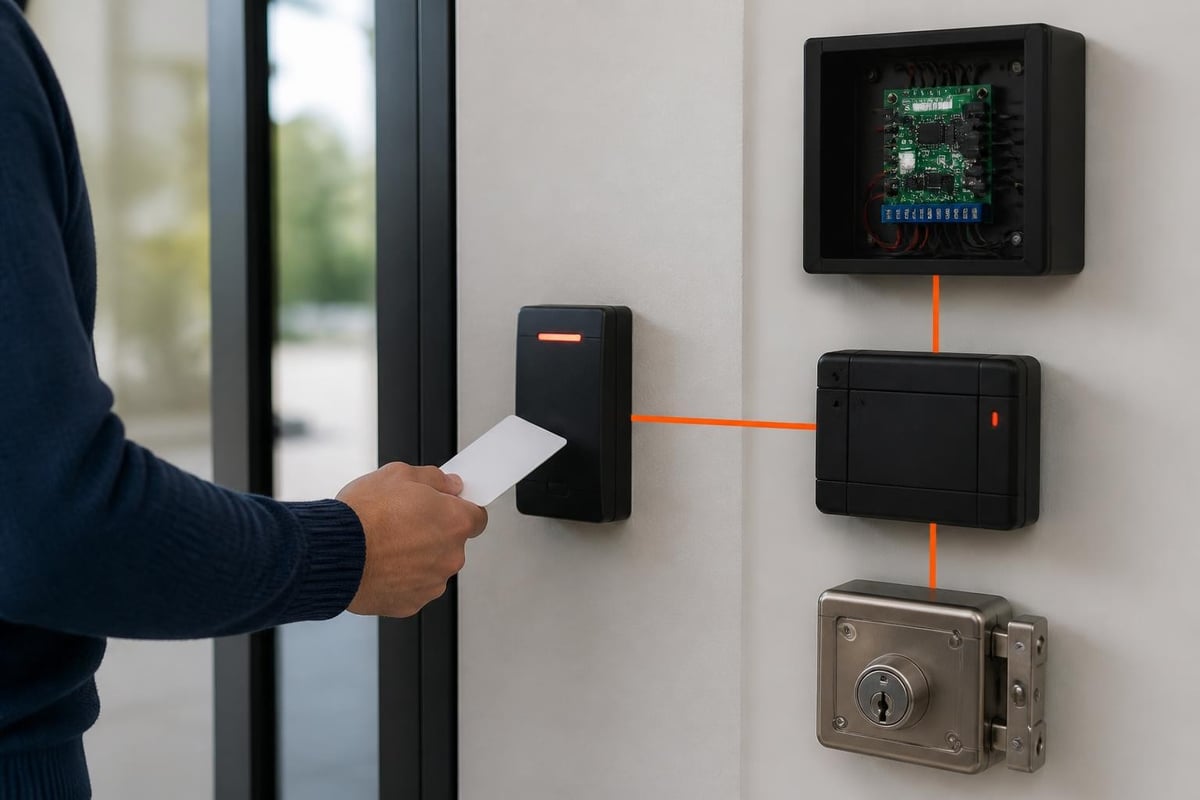
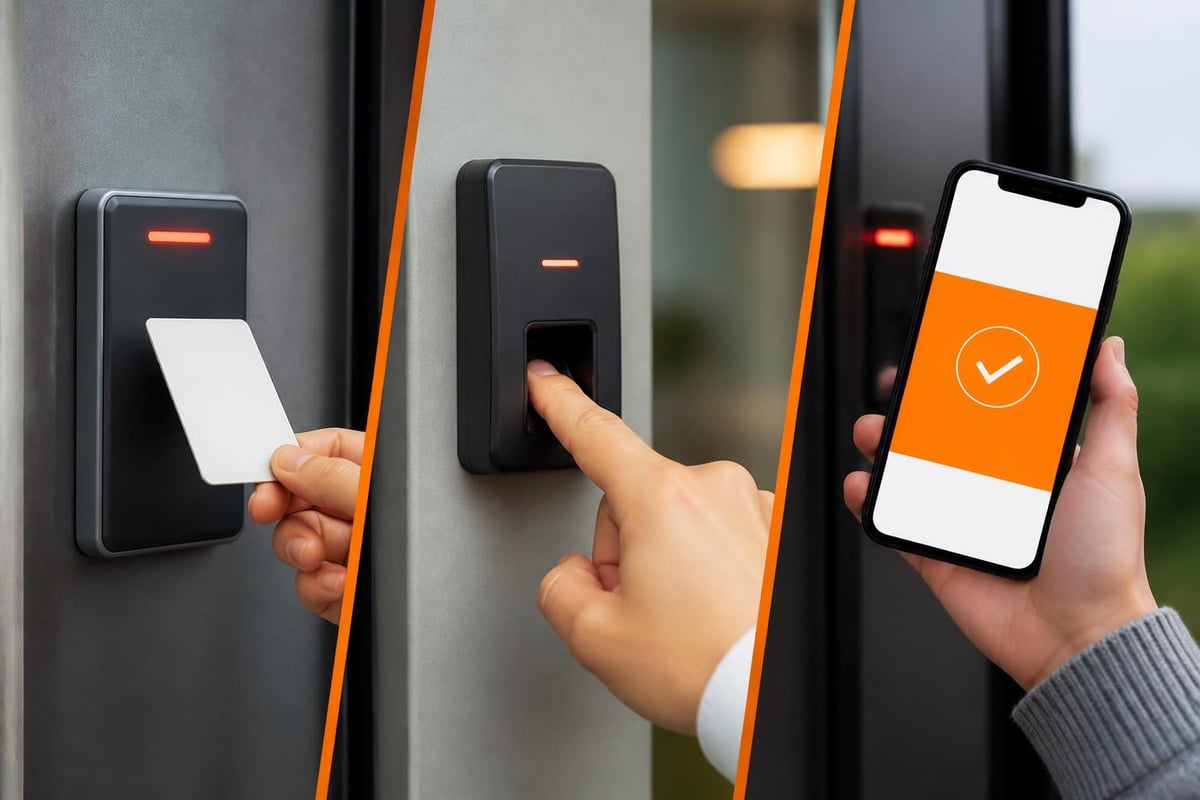
A door entry system with lock release encompasses multiple components working together to manage building access. At its core, the system authenticates users through various methods-including keypads, card readers, biometric scanners, or intercoms-and then triggers an electronic release mechanism to unlock the door.

The lock release component typically operates through one of several technologies. Electromagnetic locks create a powerful magnetic bond between the door and frame, requiring electrical current to maintain their locked state. Electric strikes replace traditional door strikes and use a solenoid to retract the keeper, allowing the latch to pass through when activated. Motorised locks employ small motors to physically move deadbolts or latches.

Key Components and Their Functions

Modern systems integrate several essential elements:

  • Authentication devices: Card readers, keypads, biometric scanners, or video intercoms
  • Control panels: Process authentication requests and manage access permissions
  • Lock release mechanisms: Electromagnetic locks, electric strikes, or motorised deadbolts
  • Power supplies: Backup batteries and transformers ensuring continuous operation
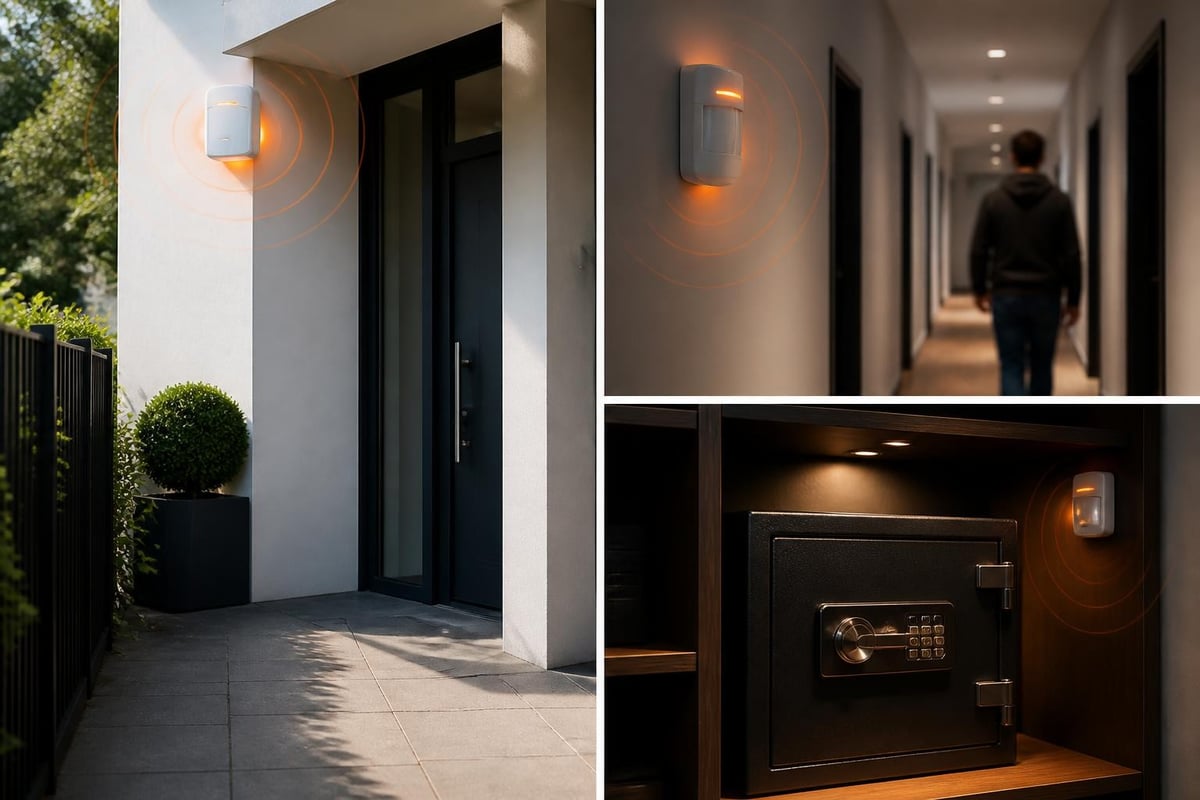
  • Request-to-exit devices: Motion sensors or push buttons allowing free egress
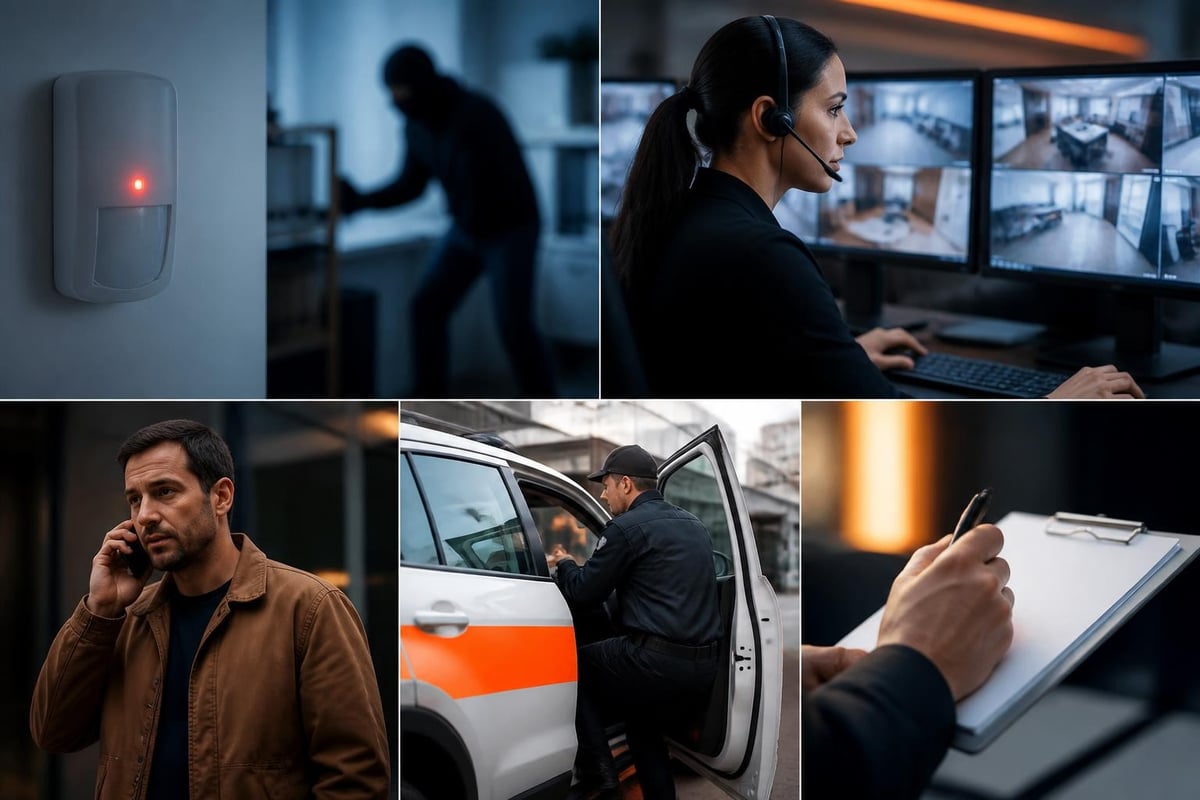
  • Monitoring systems: Real-time logging and alert capabilities for security personnel

The sophistication of access control entry systems has advanced considerably, with contemporary solutions offering cloud-based management, mobile credentials, and seamless integration with other security infrastructure.

Door entry system components

Compliance and Safety Regulations for Commercial Applications

Implementing a door entry system with lock release requires strict adherence to building codes and life-safety regulations. The 2021 International Building Code establishes comprehensive requirements for electrically locked egress doors, ensuring occupants can exit freely during emergencies.

Understanding proper application of UL standards for controlled or delayed egress locking devices remains crucial for commercial installations. These standards address fail-safe versus fail-secure operation, ensuring systems default to the appropriate state during power failures.

Critical Regulatory Considerations

Regulation Area Key Requirement Commercial Impact
Emergency Egress Free exit without prior knowledge Must incorporate request-to-exit devices
Power Failure Fail-safe unlocking for egress paths Electromagnetic locks required for certain doors
Fire Alarm Integration Automatic unlock upon alarm activation System must interface with fire detection panels
Delayed Egress Maximum 15-second delay permitted Requires specific signage and audible warnings

The International Code Council outlines specific requirements for electrical locking systems on means of egress doors. These regulations balance security needs with occupant safety, particularly crucial in healthcare facilities, educational institutions, and high-occupancy commercial buildings.

NFPA 101, the Life Safety Code, provides additional guidance on door hardware and access control. Consulting with experienced professionals who understand building access control systems ensures your installation meets all applicable standards whilst providing effective security.

Types of Lock Release Mechanisms

Selecting the appropriate lock release mechanism depends on door type, security requirements, traffic patterns, and regulatory constraints. Each technology offers distinct advantages for specific commercial applications.

Electromagnetic Locks

These devices create holding forces ranging from 600 to 1,200 pounds, making them exceptionally difficult to defeat through physical force. Electromagnetic locks require constant electrical current to maintain their locked state, automatically releasing during power failures-an inherent fail-safe characteristic ideal for egress paths.

Advantages include:

  • Simple installation: Surface-mounted with minimal door preparation
  • Silent operation: No mechanical noise during locking or unlocking
  • Fail-safe design: Automatically unlocks when power is interrupted
  • Durability: No moving parts to wear out over time
  • Versatility: Suitable for various door materials and configurations

However, electromagnetic locks necessitate careful integration with request-to-exit sensors and often require door position switches to confirm proper closure before engaging the lock.

Electric Strikes

An electric strike replaces the traditional door strike plate, using a solenoid-activated keeper that releases when energised. This mechanism allows the existing lockset to remain functional, providing mechanical security alongside electronic access control.

Electric strikes offer configurability for both fail-safe and fail-secure operation. In fail-secure mode, the strike remains locked during power loss-appropriate for perimeter doors requiring continuous security. Fail-safe strikes unlock when power is cut, essential for interior egress routes.

Installation considerations include:

  1. Door frame must accommodate the strike body
  2. Requires precise alignment with the latch
  3. May need frame reinforcement for heavy doors
  4. Compatible with most commercial locksets
  5. Allows both electronic and mechanical key override

Motorised Locks and Latch Retraction

These sophisticated devices incorporate small motors that physically retract deadbolts or latches upon receiving authorised access signals. They provide the highest security level, combining electronic control with mechanical locking strength.

Lock release mechanism comparison

Integration with Fire Safety and Security Systems

A door entry system with lock release cannot operate in isolation. Effective commercial security requires seamless integration with fire detection, alarm monitoring, and broader security infrastructure.

Fire alarm systems must override access control during emergency situations. When a fire detection system activates, fire alarm monitoring capabilities ensure electromagnetic locks release automatically, allowing free egress from all areas. This integration requires compatible control panels and proper wiring between systems.

Essential System Interconnections

Modern installations typically interface with:

  • Fire detection panels: Automatic unlock during fire alarms
  • CCTV systems: Visual verification of access attempts and forensic review
  • Intruder alarms: Coordinated arming/disarming with access credentials
  • Building management systems: Centralised control and scheduling capabilities
  • Visitor management platforms: Temporary credential issuance and audit trails

The commercial security systems ecosystem continues evolving towards unified platforms that consolidate access control, video surveillance, and alarm monitoring into single interfaces. This convergence streamlines management whilst improving response capabilities.

Compliance considerations extend to understanding how locking configurations affect access and egress control. The balance between securing a facility and allowing free egress requires thoughtful design, particularly in mixed-use commercial buildings with varying security zones.

Selecting Components for Commercial Environments

Choosing appropriate hardware for a door entry system with lock release demands careful assessment of operational requirements, environmental conditions, and expected usage patterns.

Traffic volume significantly influences component selection. High-traffic entrances require industrial-grade electromagnetic locks rated for continuous operation, whilst low-traffic secondary exits might use standard electric strikes. Heavy-duty cycle ratings prevent premature failure in busy commercial settings.

Environmental Factors

Environment Type Primary Concerns Recommended Solutions
Exterior doors Weather exposure, temperature extremes IP65-rated components, heated locks for freezing climates
Clean rooms Contamination control, airflow Flush-mounted devices, minimal protrusions
Industrial facilities Dust, vibration, impact Reinforced housings, sealed electronics
Healthcare settings Hygiene, antimicrobial requirements Touchless operation, copper-infused materials

Door construction influences lock release selection. Glass doors typically require electromagnetic locks due to their frameless design and inability to accommodate mortised hardware. Steel doors with substantial frames accept electric strikes or motorised locks more readily. Aluminium doors might need additional reinforcement to handle holding forces.

Power consumption and backup capabilities warrant consideration. Electromagnetic locks drawing continuous current require substantial power supplies with battery backup systems ensuring operation during outages. Electric strikes consume power only during unlocking, reducing electrical demands.

Authentication methods should align with security policies and user convenience. Card-based systems provide audit trails and easy credential management. Biometric readers eliminate credential sharing but require larger databases and processing power. Keypads offer simplicity but necessitate regular code changes to maintain security.

Component selection criteria

Installation Best Practices and Technical Considerations

Proper installation ensures a door entry system with lock release operates reliably whilst maintaining code compliance. Professional installation by certified technicians prevents common pitfalls that compromise security or safety.

Pre-Installation Planning

Thorough site surveys identify potential challenges before work begins:

  1. Assess existing infrastructure: Evaluate power availability, network connectivity, and door conditions
  2. Map integration points: Identify connections to fire panels, CCTV, and monitoring systems
  3. Verify code compliance: Confirm egress requirements and obtain necessary approvals
  4. Plan cable routes: Determine conduit paths avoiding electromagnetic interference
  5. Schedule coordination: Minimise disruption to business operations through phased installation

Door preparation varies by mechanism type. Electromagnetic locks require minimal modification-typically just mounting plates and wiring channels. Electric strikes demand precise mortising into the door frame, often requiring frame reinforcement. Motorised locks may necessitate complete lockset replacement.

Alignment proves critical for reliable operation. Misaligned electromagnetic locks fail to achieve full holding force, whilst improperly positioned electric strikes prevent latches from engaging correctly. Professional installers use templates and measurement tools ensuring precise component placement.

Wiring and Power Requirements

Electrical installations must follow British Standards for commercial buildings. Low-voltage wiring for access control systems typically runs separately from mains power, often within dedicated conduits to prevent interference.

Electromagnetic locks drawing 500-800mA require substantial power supplies, particularly when multiple doors operate simultaneously. Calculations must account for peak loads plus 20-30% overhead, with backup batteries providing sufficient runtime for orderly shutdown or emergency egress during extended outages.

Request-to-exit devices integrate through both wired and wireless configurations. Motion sensors detecting occupants approaching doors from inside trigger timed unlocking, whilst push buttons provide manual release. Both methods require fail-safe operation ensuring occupants never become trapped.

Door position switches confirm full closure before electromagnetic locks engage. Without these sensors, partially open doors might appear secured whilst remaining accessible. Similarly, monitoring circuits detect lock failures, alerting security personnel to potential vulnerabilities.

Advanced Features and Future-Ready Capabilities

Contemporary door entry systems with lock release incorporate sophisticated capabilities extending beyond basic access control. These advanced features enhance security whilst improving operational efficiency across commercial environments.

Mobile credentials represent significant evolution in authentication technology. Employees use smartphones as access cards, receiving encrypted digital credentials through dedicated applications. This approach eliminates physical card production costs, enables instant credential revocation, and provides enhanced security through device-specific encryption.

Anti-passback functionality prevents credential sharing by tracking entry and exit events. The system refuses entry to credentials already registered as inside the facility, deterring users from passing cards back to unauthorised individuals. This feature proves particularly valuable in high-security commercial environments.

Time-Based Access Control

Granular scheduling capabilities restrict access based on:

  • Day of week: Weekend restrictions for standard office areas
  • Time of day: After-hours limitations preventing unauthorised entry
  • Holiday calendars: Automatic adjustments for bank holidays
  • Temporary permissions: Contractor access limited to project duration
  • Zone-based rules: Different schedules for various building areas

Integration with visitor management systems streamlines guest access. Pre-registration allows visitors to receive temporary credentials via email or SMS, reducing reception delays whilst maintaining comprehensive audit trails. Video intercom systems enable remote authentication, particularly useful for managing deliveries or after-hours access requests.

Analytics derived from access data provide valuable operational insights. Tracking entry patterns identifies peak traffic times, informing staffing decisions and facility management. Unusual access attempts trigger alerts, enabling proactive security responses.

Cloud-based management platforms offer remote administration capabilities. Security managers configure permissions, review access logs, and respond to alerts from any location with internet connectivity. This flexibility proves essential for organisations managing multiple facilities or requiring off-hours administration.

Maintenance and Ongoing Support Requirements

A door entry system with lock release requires regular maintenance ensuring continued reliability and compliance. Planned preventive maintenance prevents unexpected failures whilst extending component lifespan.

Quarterly inspections should verify:

  • Lock release mechanisms operate smoothly without delays
  • Authentication devices read credentials consistently
  • Request-to-exit sensors detect occupants reliably
  • Door closers provide appropriate closing force and speed
  • Power supplies maintain proper voltage levels
  • Backup batteries hold adequate charge
  • All connections remain secure without corrosion

Annual comprehensive servicing includes firmware updates, deep cleaning of readers and sensors, battery replacement, and full system testing under simulated emergency conditions. Fire alarm integration testing confirms automatic unlocking occurs during alarm activation.

Common Issues and Solutions

Problem Typical Cause Resolution
Intermittent operation Loose wiring connections Inspect and tighten all terminals
Reduced holding force Electromagnetic lock misalignment Adjust mounting plates for proper contact
Failed authentication Dirty card readers Clean reader heads with approved solutions
Delayed unlocking Control panel processing lag Update firmware, check network latency
Battery backup failure Aged batteries past service life Replace batteries per manufacturer schedule

Professional maintenance programmes offered by experienced providers ensure systems remain operational and compliant. Quality and accreditations demonstrate provider competence, with certifications indicating proper training and adherence to industry standards.

Documentation updates prove equally important. As personnel change, contractor access gets modified, or building layouts evolve, system configurations require corresponding adjustments. Maintaining current records prevents confusion and ensures security policies remain effective.

Understanding commercial fire detection systems integration helps facilities managers appreciate how door entry systems interact with broader life-safety infrastructure, informing maintenance priorities and testing protocols.

Cost Considerations and Return on Investment

Implementing a door entry system with lock release represents significant capital investment, but the security improvements and operational efficiencies generate measurable returns for commercial enterprises.

Initial costs encompass several components:

  • Hardware: Lock mechanisms, readers, control panels, power supplies
  • Installation labour: Professional fitting, wiring, and configuration
  • Integration: Connecting to existing fire, CCTV, and alarm systems
  • Commissioning: Testing, documentation, and user training
  • Compliance: Code consultations and inspection fees

Per-door costs vary considerably based on specification. Basic electromagnetic lock installations with proximity card readers might range from £800-1,200 per opening, whilst sophisticated biometric systems with anti-passback and full integration exceed £2,500 per door.

Ongoing expenses include:

  1. Annual maintenance contracts (typically 10-15% of installation cost)
  2. Credential management (card stock, mobile app licences)
  3. Software updates and feature enhancements
  4. Periodic hardware replacement (readers, locks, controllers)
  5. Monitoring services for remote access management

Return on investment manifests through multiple channels. Reduced security guard requirements in areas with automated access control lower personnel costs significantly. The elimination of mechanical key management-including rekeying after employee departures-provides ongoing savings.

Enhanced audit capabilities reduce liability exposure through comprehensive access logs documenting who entered which areas and when. During security incidents or compliance audits, this documentation proves invaluable for investigation and regulatory demonstration.

Operational efficiency improvements include faster visitor processing, reduced reception staffing during off-hours, and automated access for shift workers without requiring security personnel presence. These benefits accumulate substantially across large commercial facilities with multiple entry points.


A door entry system with lock release delivers robust security whilst maintaining essential life-safety compliance for commercial premises. By carefully selecting components, ensuring proper integration with fire and security systems, and maintaining equipment through professional service programmes, businesses create secure environments that facilitate legitimate access whilst deterring unauthorised entry. Logic Fire and Security brings extensive experience designing, installing, and maintaining comprehensive access control solutions for businesses across the UK, combining technical expertise with deep understanding of regulatory requirements to deliver systems that protect your premises effectively.

Our Accreditations

Work
For Us