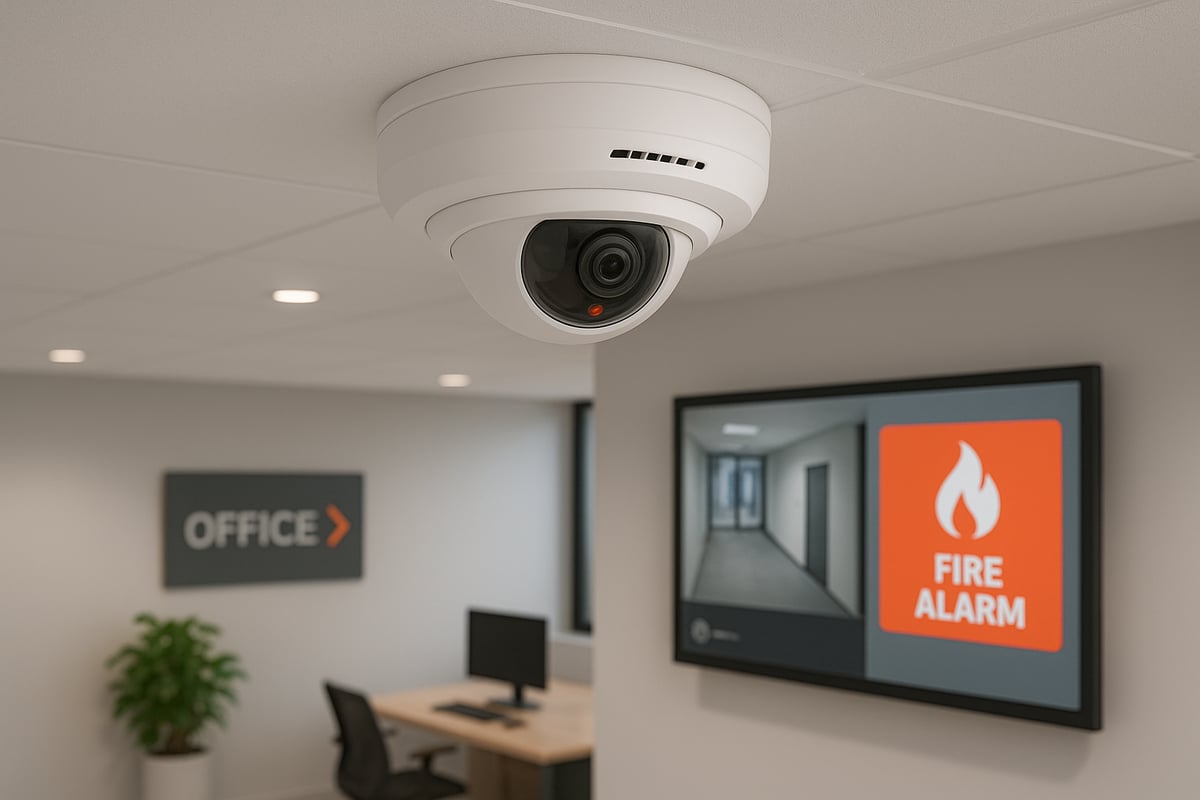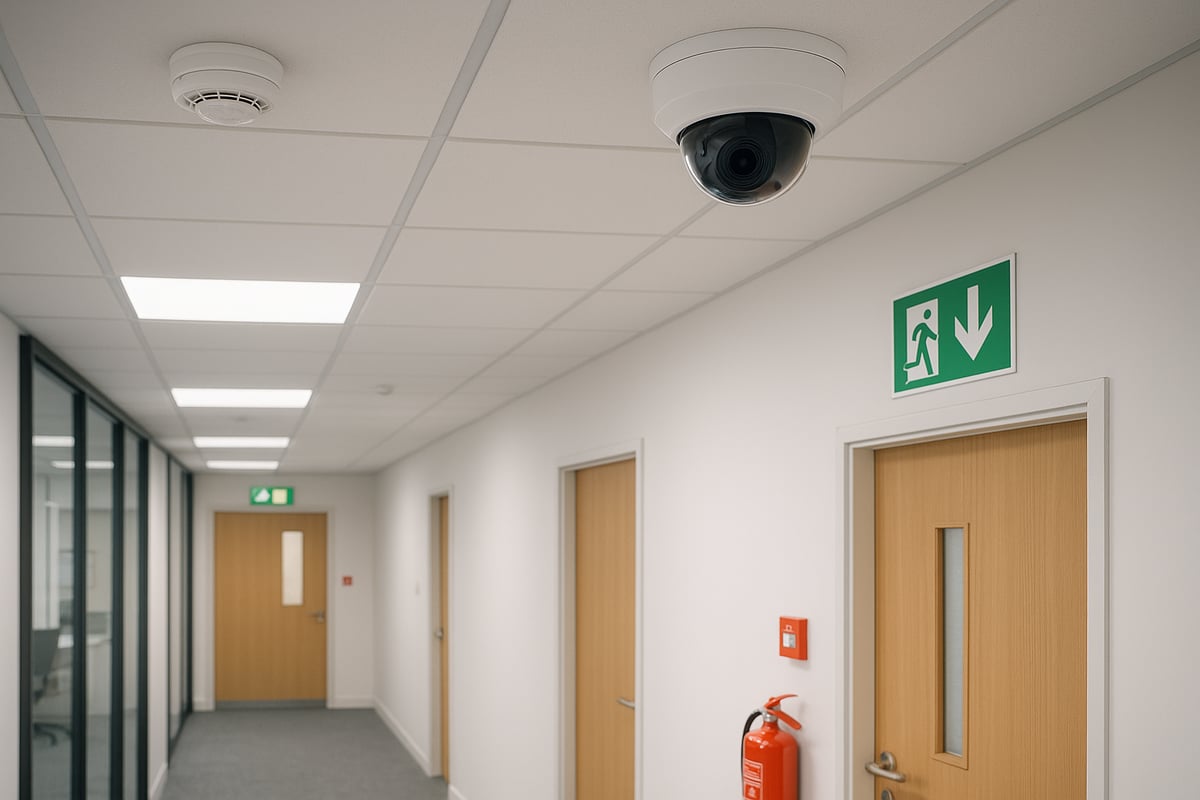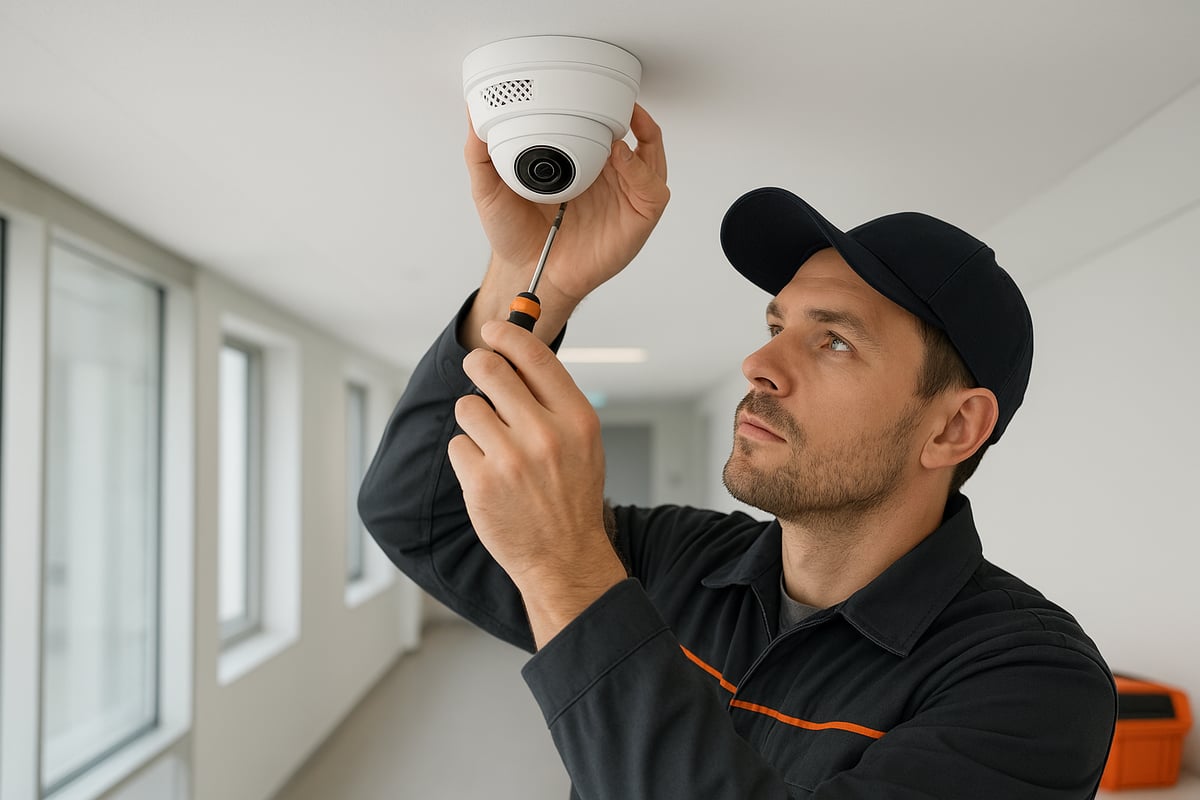

Advanced Fire Alarm System Guide: Expert Insights for 2026

In 2026, advanced fire alarm systems are revolutionising building safety. Are you ready to future-proof your premises and protect what matters most?

This expert guide explores everything you need to know about choosing, implementing, and maintaining an advanced fire alarm system for your business or property. Discover the latest technologies, compliance standards, and best practices essential for staying ahead.

With rising fire safety risks and stricter regulations, innovative solutions offer better detection, fewer false alarms, and easier integration. Learn how cost savings, enhanced safety, and regulatory compliance can benefit your premises.

Now is the time to assess your current fire protection and consider an upgrade to an advanced fire alarm system.

The Evolution of Fire Alarm Systems: Trends and Innovations for 2026

The world of fire detection is advancing rapidly, transforming how organisations protect people and property. The advanced fire alarm system is now at the heart of modern safety strategies, bringing together the latest technologies and compliance standards. To stay ahead, business owners and property managers must understand the shift from legacy equipment to intelligent, future-ready solutions.

The Evolution of Fire Alarm Systems: Trends and Innovations for 2026

Key Developments in Fire Detection Technology

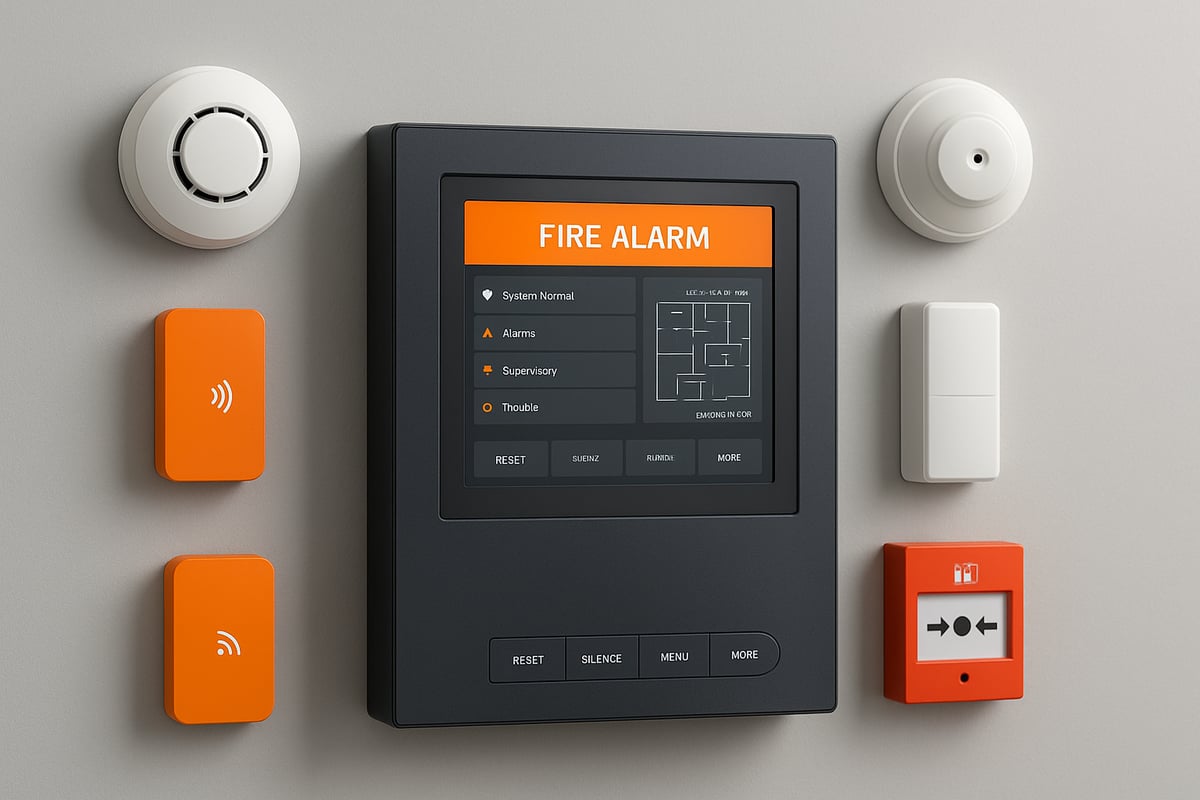
Traditional fire alarm systems relied on basic smoke or heat detectors and simple control panels. Today, the advanced fire alarm system is defined by addressable and wireless technologies, giving each device a unique identity and allowing precise pinpointing of hazards. Hybrid and networked systems are now common, especially in complex buildings where flexibility and resilience are essential.

AI and IoT integration are propelling predictive detection, enabling remote monitoring and early intervention. Enhanced sensors such as multi-criteria detectors and aspirating systems like VESDA deliver greater sensitivity and fewer false alarms. Smart analytics further reduce nuisance activations, improving reliability. For instance, the Apollo XP95 addressable range is widely used in commercial environments for its adaptability and robust event logging.

Market Insights and Industry Statistics

The UK market is seeing a surge in advanced fire alarm system adoption, driven by demand for wireless and hybrid solutions in both new builds and retrofits. Over 60 countries now utilise addressable systems, reflecting their global appeal. Regulatory updates, such as the changes to BS 5839-1:2023 and the push for BAFE certification, are shaping procurement decisions and installation standards.

Businesses are also attracted by lower wiring and installation costs, as well as the flexibility these systems offer for future upgrades. The use of event logs and remote diagnostics is streamlining maintenance and compliance checks. For the latest on regulatory changes, see the BSI announces updated fire safety standard for fire alarm systems for non-domestic premises.

Future-Proofing with Advanced Fire Alarm Systems

Future-proofing your premises is crucial as fire safety regulations and risks continue to evolve. An advanced fire alarm system should offer scalability to support business growth and changing layouts. Innovations in user interfaces, such as touchscreen panels and smart notifications, make operation and management more intuitive.

Compatibility with building management and security systems is now standard, enabling centralised control and coordinated emergency responses. Anticipated regulatory changes for 2026 will likely require even greater system integration and adaptability. Investing in the right technology today ensures ongoing protection, compliance, and peace of mind for years to come.

Types of Advanced Fire Alarm Systems Explained

Understanding the various types of advanced fire alarm system is vital for effective building protection. With technology advancing rapidly, selecting the right system can seem daunting. Let us break down the options, components, and key considerations for your premises.

Types of Advanced Fire Alarm Systems Explained

Conventional, Addressable, and Wireless Systems

There are three main categories of advanced fire alarm system: conventional, addressable, and wireless. Each offers distinct advantages and is suited to different environments.

  • Conventional systems are cost-effective for small sites. Devices are grouped by zones, so an alarm identifies the general area but not the exact device.
  • Addressable systems assign each detector a unique address, enabling pinpoint identification of alarms or faults. These are ideal for larger or more complex buildings.
  • Wireless systems use radio signals, making installation quick and minimally disruptive. They are especially useful for historic or listed buildings where cabling is impractical.

For a comprehensive comparison, see Types of fire alarm systems. The choice between these systems often depends on the building size, complexity, and installation constraints.

A summary table helps clarify the differences:

System Type Device Identification Installation Typical Use
Conventional By zone Wired Small offices, shops
Addressable Individual device Wired Hospitals, airports
Wireless Individual device Wireless Heritage sites

System Components and How They Work

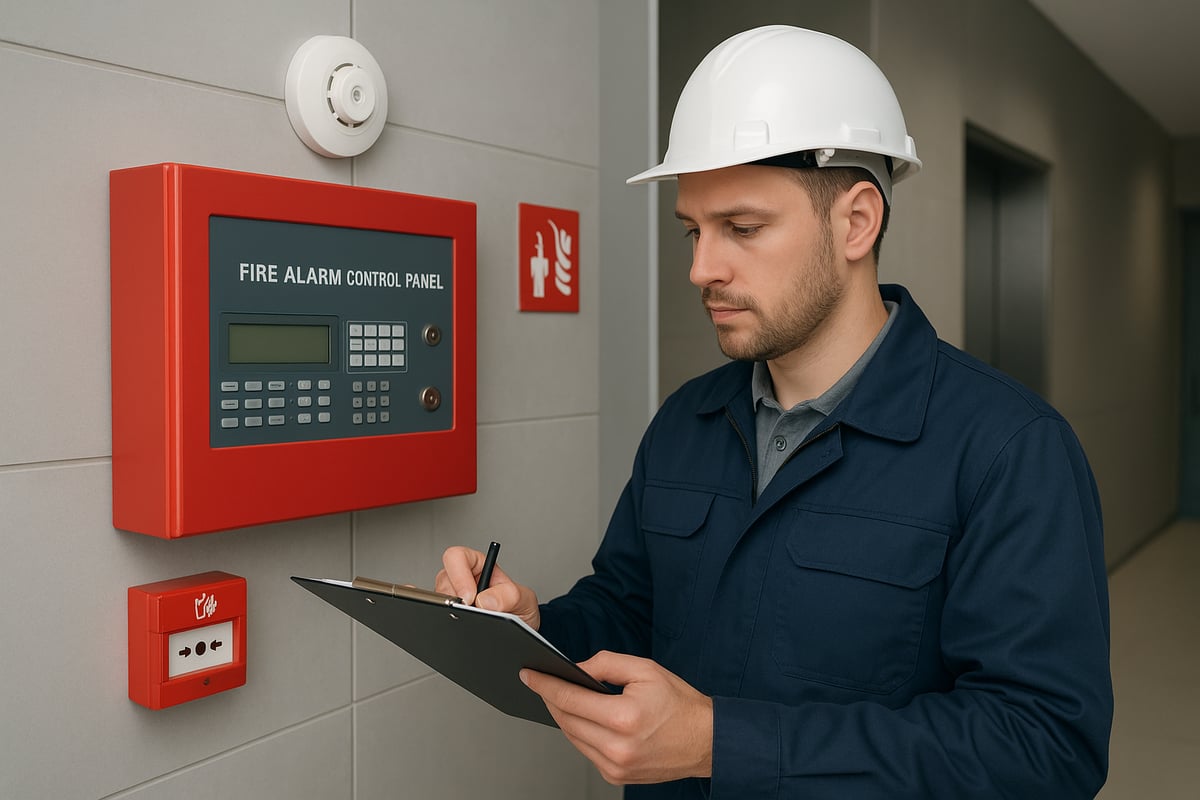
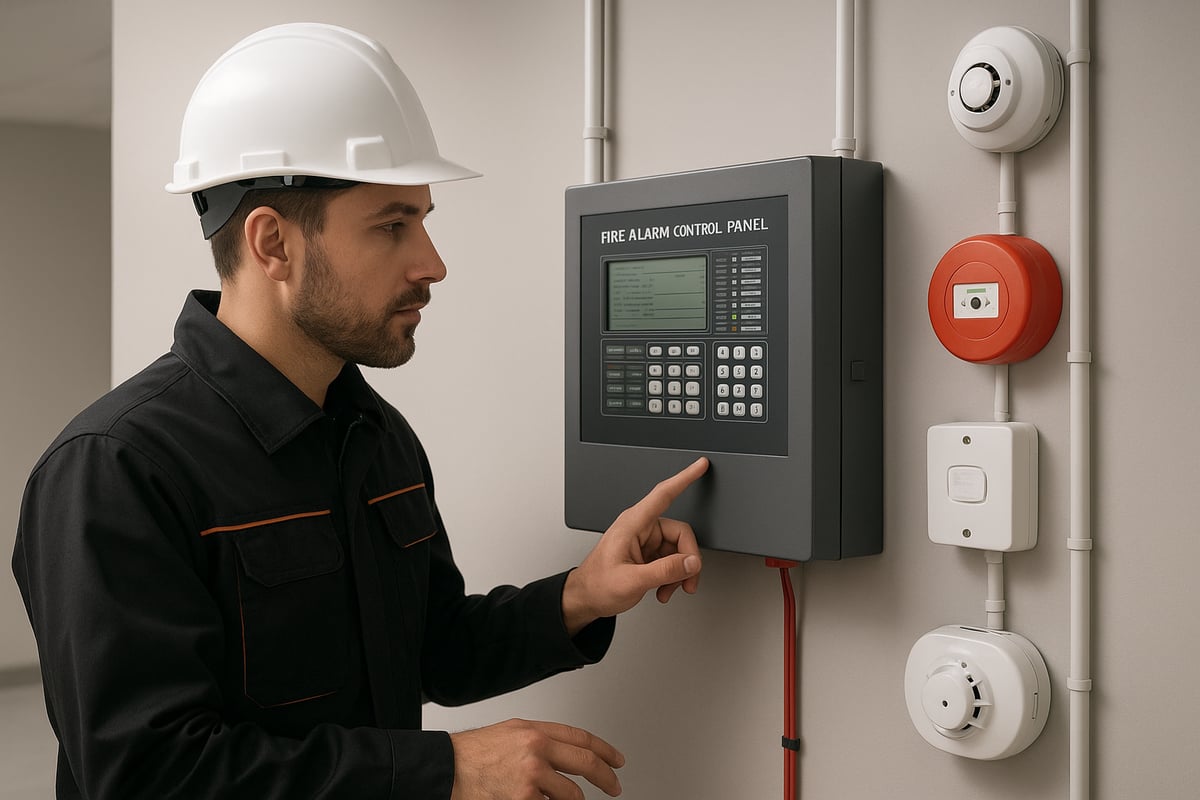
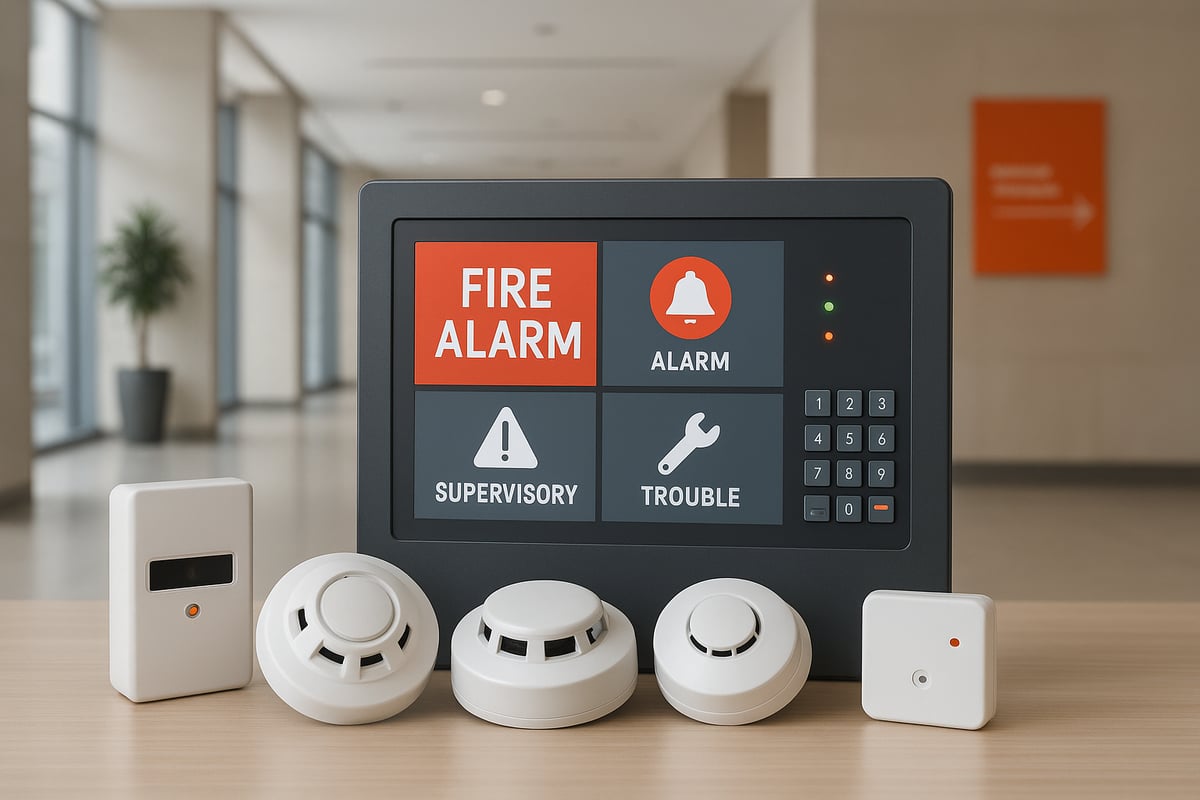
Every advanced fire alarm system relies on a combination of components working in harmony. The key elements include:

  • Control panel: the system’s brain, managing all devices and alerts.
  • Detectors: smoke, heat, and beam detectors sense various fire conditions.
  • Manual call points: allow occupants to trigger the alarm.
  • Sounders and beacons: provide audible and visual alerts.
  • Interfaces and modules: connect to lifts, plant equipment, or building management systems.

The Apollo XP95 range, for example, offers smoke and heat detectors, sounder beacons, and I/O modules. These can be configured using ring-type wiring, which ensures the system remains functional even if a cable is damaged. Event logging and programmable cause/effect functions (such as automatic lift grounding) further enhance reliability and response.

Choosing the Right System for Your Premises

Selecting the best advanced fire alarm system requires careful assessment of several factors:

  • Building size and layout
  • Occupancy and risk profile
  • Regulatory and insurance requirements
  • Potential for future expansion

While addressable systems may entail higher initial costs, they often reduce wiring expenses and offer superior flexibility. Wireless systems are ideal where installation speed and minimal disruption are priorities. Industry examples include the use of Advanced and Apollo systems in hospitals, shopping centres, and airports, where scalability and adaptability are essential.

The right system not only protects lives and assets, it also ensures compliance and supports business continuity.

Step-by-Step Guide: Designing and Installing an Advanced Fire Alarm System

Designing and installing an advanced fire alarm system is a multi-stage process that requires precision, expertise, and strict adherence to safety standards. Each step plays a crucial role in ensuring the system is both effective and compliant.

Step-by-Step Guide: Designing and Installing an Advanced Fire Alarm System

Step 1: Site Survey and Risk Assessment

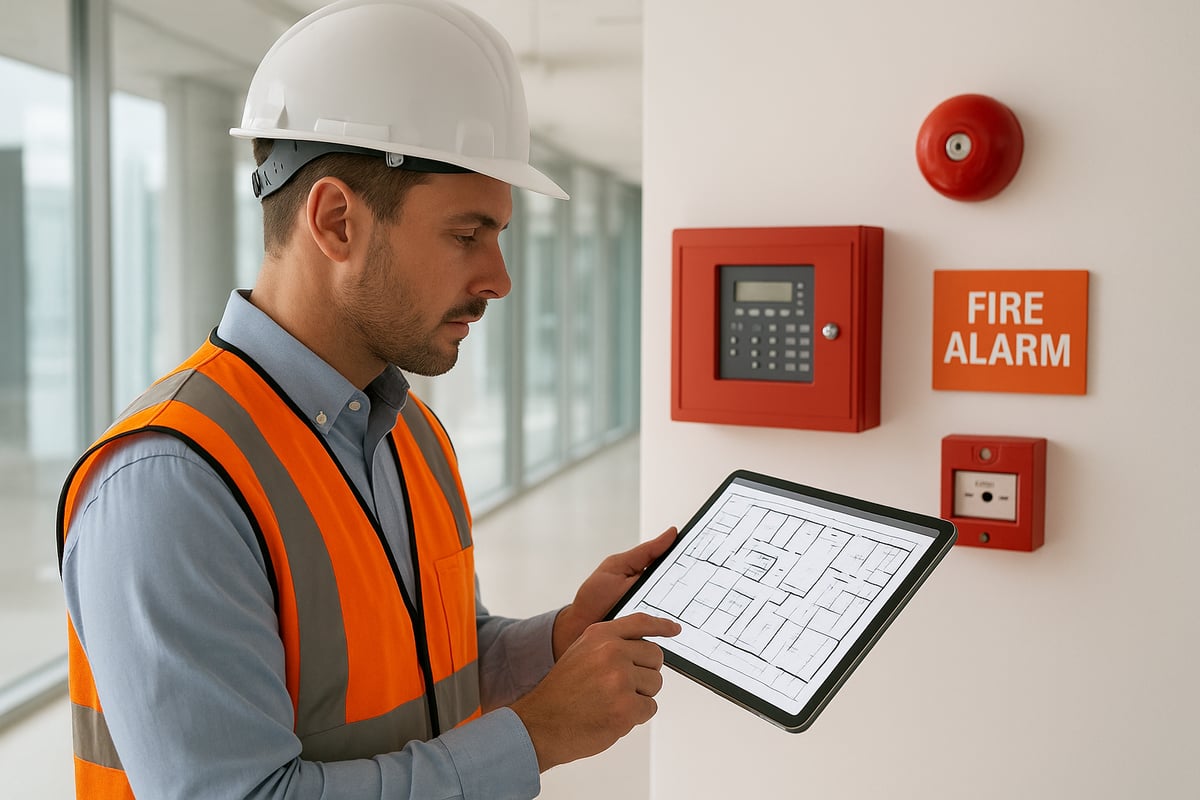
Every advanced fire alarm system begins with a detailed site survey by a qualified professional. This assessment identifies hazards, escape routes, and high-risk areas throughout the building.

During the survey, specialists consider the building’s structure, occupancy, and operational needs. They also review legal requirements and relevant fire safety regulations to ensure full compliance from the outset.

Step 2: System Design and Specification

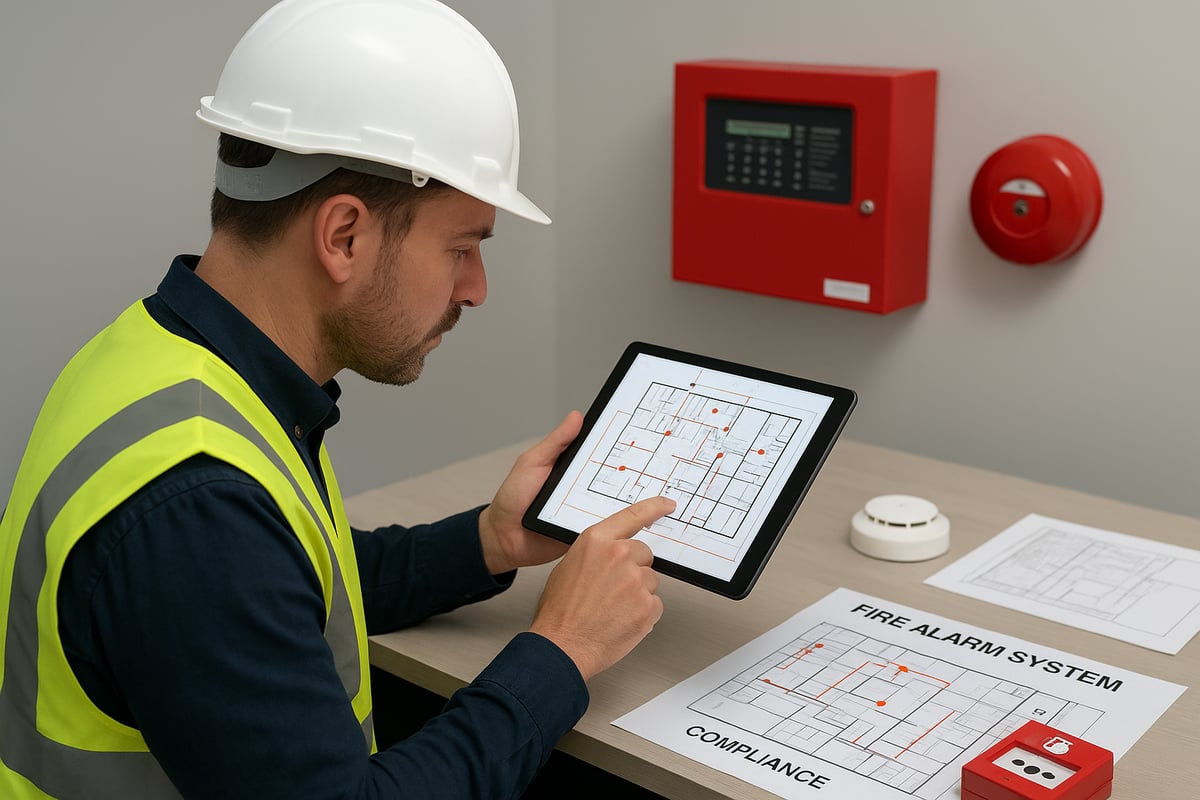
Once the risk assessment is complete, the next phase is the system design. Engineers create detailed drawings and zone layouts, selecting the most suitable advanced fire alarm system type and components for the premises.

They ensure the design aligns with the latest standards, such as BS 5839-1:2023, and any insurance requirements. This stage involves collaborating with stakeholders to address unique site challenges and future expansion needs.

Step 3: Quotation and Client Approval

A transparent quotation is provided, covering equipment, installation, and ongoing maintenance. Clients can expect a clear breakdown of costs, including options for system features or upgrades.

Many providers offer a free site survey and tailored quotation, helping businesses make informed decisions about their advanced fire alarm system investment.

Step 4: Pre-Installation Checks and Planning

Before installation, the project team verifies site readiness and confirms any changes since the initial survey. This step ensures a smooth installation process with minimal disruption to daily operations.

Scheduling is coordinated with the client, allowing for flexibility around business hours or critical activities within the building.

Step 5: Installation and Commissioning

Accredited engineers carry out the installation of the advanced fire alarm system, following industry best practices. Every device, from detectors to sounders, is tested to guarantee correct operation and integration.

After installation, the team demonstrates the system to the client, ensuring they understand its features, controls, and response protocols. Essential documentation, such as log books and operator manuals, is provided along with compliance certification.

Step 6: Handover and Training

With the system commissioned, the next priority is staff training. Clear instructions are given on how to operate the advanced fire alarm system and respond in case of an emergency.

Zone layout drawings and manuals are mounted onsite for quick reference. This step empowers staff to act confidently and efficiently during real incidents.

Step 7: Ongoing Support and Maintenance Planning

To maintain optimal performance, a maintenance schedule is established, often involving six-monthly visits. Providers typically offer 24/7 support and emergency response to keep the advanced fire alarm system fully operational.

For more on best practices, see Fire alarm system inspections, which covers the importance of regular checks and compliance.

By following this structured approach, businesses can ensure their advanced fire alarm system is not only compliant but also robust, scalable, and ready for future challenges.

Compliance, Certification, and Regulatory Considerations for 2026

Staying compliant with current and upcoming regulations is fundamental for any advanced fire alarm system. As fire safety standards evolve, businesses and property managers must adapt to maintain legal, insurance, and operational integrity.

Compliance, Certification, and Regulatory Considerations for 2026

UK Fire Safety Legislation and Standards

The UK regulatory landscape for fire safety is shaped by the Regulatory Reform (Fire Safety) Order 2005 and the updated BS 5839-1:2023 standard. These frameworks set out the requirements for the design, installation, and ongoing management of any advanced fire alarm system.

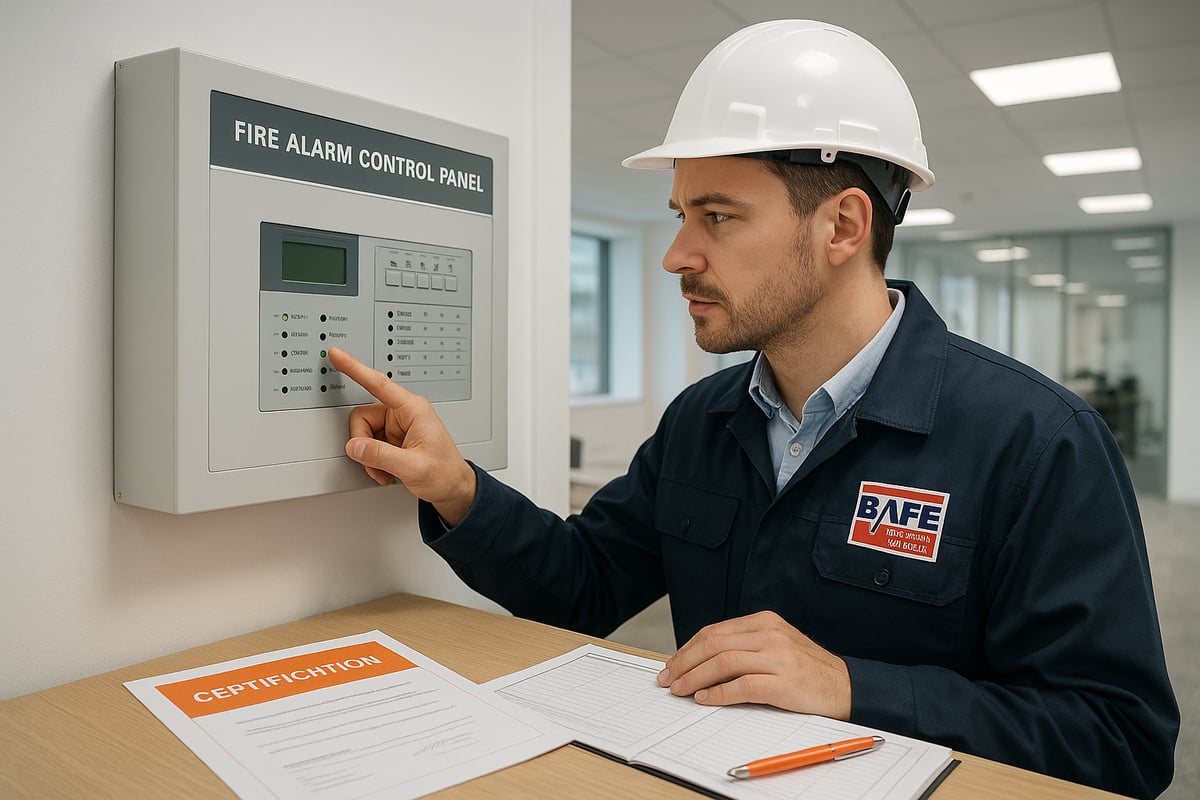
Accreditations such as BAFE and NSI Gold are essential for demonstrating compliance and quality assurance. Partnering with a provider who meets these standards, as detailed in the Fire safety compliance standards, ensures your advanced fire alarm system is installed and maintained to the highest benchmarks.

Key points:

  • Use only certified professionals for design, installation, and maintenance.
  • Ensure your system meets BS 5839-1:2023.
  • Regularly review changes in legislation and standards.

Documentation and Record-Keeping

Proper documentation is a legal and insurance requirement for every advanced fire alarm system. Keeping up-to-date log books, operator manuals, and zone layout drawings on site is essential.

Insurers and authorities may request these documents during audits or after an incident. For example, some providers issue comprehensive documentation packs upon handover, covering all aspects of the system.

Required records include:

  • Log books of tests, faults, and maintenance visits.
  • Operator manuals and system schematics.
  • Certificates of commissioning and ongoing compliance.

Maintaining this paperwork not only supports compliance, but also streamlines audits and emergency response.

Meeting Insurance and Risk Management Needs

Insurance companies increasingly require proof that an advanced fire alarm system meets current standards and is regularly serviced. Failure to comply can result in fines, liability issues, or invalidated insurance cover.

Remote diagnostics and event logs help demonstrate compliance and proactive maintenance, making audits more efficient. These features also reduce the risk of non-compliance by providing real-time system status and historical data.

To secure insurance approval and reduce risk:

  • Schedule regular maintenance and inspections.
  • Use systems with robust event logging and remote monitoring.
  • Keep all certification and test records readily accessible.

Proactive compliance safeguards both your assets and your reputation.

Integrating Fire Alarm Systems with Security and Building Management

Integrating an advanced fire alarm system with your security and building management infrastructure is becoming essential for future-ready premises. Modern buildings demand seamless communication between fire detection, access control, and management systems to ensure swift, coordinated responses during emergencies.

This approach not only streamlines incident management but also enhances safety and operational efficiency. With integration, businesses can centralise building intelligence, automate emergency procedures, and reduce manual intervention.

Benefits of System Integration

Combining your advanced fire alarm system with security and building management systems delivers several clear benefits:

  • Improved situational awareness through unified alerts and real-time data.
  • Faster, coordinated emergency responses, such as automatic door releases or plant shutdowns.
  • Centralised monitoring, reducing operational complexity and staff workload.

This integration enables automated cause and effect programming, ensuring that when the advanced fire alarm system is triggered, related actions like shutting down lifts or unlocking exits occur instantly. The result is a safer environment and more efficient compliance with regulations.

Technologies Enabling Integration

Modern technologies have made integration more accessible and robust than ever. Open protocol panels and network interfaces allow various systems to communicate, regardless of manufacturer. Internet of Things (IoT) connectivity and smart notifications enable remote monitoring and management from anywhere.

For a more detailed look into how these solutions work, see Integrating fire and security systems. These advancements ensure your advanced fire alarm system operates in unison with CCTV, access control, and intruder alarms, maximising overall protection.

Example Scenarios and Use Cases

Integrated systems are already transforming safety protocols in complex environments:

  • In hospitals, the advanced fire alarm system automatically grounds lifts and coordinates evacuation.
  • Offices use integration to release access-controlled doors, allowing safe egress during fire events.
  • Warehouses benefit from automatic plant shutdown and instant CCTV activation upon alarm, minimising downtime and damage.

These scenarios show how integration tailors responses to each site’s unique requirements, enhancing both safety and operational continuity.

Logic Fire and Security: Your UK Partner for Advanced Fire Alarm Solutions

Logic Fire and Security specialises in designing, installing, and maintaining advanced fire alarm system solutions nationwide. Accredited to BAFE, NSI Gold, and other leading standards, they deliver compliance and peace of mind.

Their expertise extends to seamless integration with security and building management systems, supporting blue-chip clients and public agencies alike. With free site surveys, bespoke design, and 24/7 support, Logic Fire and Security ensures your advanced fire alarm system remains future-proof, effective, and compliant.

Maintenance, Monitoring, and Future-Proofing Your Fire Alarm System

Caring for your advanced fire alarm system is not just about ticking boxes, it is about safeguarding lives and assets. Proactive maintenance, continuous monitoring, and forward-thinking upgrades will keep your system reliable, compliant, and ready for the future.

Routine Maintenance and Testing

Regular inspections are a legal requirement for any advanced fire alarm system in the UK. Systems in commercial premises typically need checking every six months, or more frequently in larger or high-risk environments.

Preventative maintenance helps reduce false alarms, system failures, and costly downtime. Modern systems use remote diagnostics and event logs to identify issues before they escalate, supporting a proactive approach.

Staying up to date with the latest standards is crucial. For example, FIA publishes guidance on BS 5839-1:2025 fire alarm system changes to help businesses maintain compliance and adapt maintenance routines as regulations evolve.

24/7 Monitoring and Emergency Response

Professional monitoring services provide round-the-clock protection for your premises. When an advanced fire alarm system detects an incident, the monitoring centre is immediately alerted, ensuring rapid communication with emergency services.

Integration with central stations and emergency responders minimises response times and supports coordinated evacuation. Many modern systems enable remote status checks and notifications, adding an extra layer of reassurance for property managers and tenants.

Upgrading and Expanding Existing Systems

Knowing when to upgrade your advanced fire alarm system is vital for ongoing compliance and security. Changes in building use, occupancy, or legislation can all trigger the need for enhanced coverage or new technologies.

Addressable and wireless solutions allow you to add new devices or zones with minimal disruption. This flexibility is especially important for growing businesses or multi-site portfolios. According to the Fire Detection Alarm System Market | Size, Share, Volume 2025 to 2032, demand for scalable, future-ready systems is set to rise as AI and IoT become industry standards.

Cost Management and Lifecycle Planning

Investing in an advanced fire alarm system is a balance between initial spend and long-term efficiency. While addressable systems may have higher upfront costs, they often deliver savings through reduced wiring, fewer false alarms, and easier maintenance.

Plan for ongoing expenses, including routine servicing, future upgrades, and system expansion. Many organisations choose scalable solutions to support growth without major reinvestment. This strategic approach ensures your protection keeps pace with business change, while controlling total cost of ownership.

As you look ahead to 2026 and consider the evolving landscape of fire safety, it’s clear that advanced fire alarm systems are essential for protecting your people and property. Whether you’re navigating new compliance standards or exploring the latest innovations, you don’t have to do it alone. We’re here to help you assess your needs, identify the right solutions, and ensure your building stays safe and compliant for years to come. If you’d like expert advice tailored to your premises, why not Get a Free Site Survey? Let’s work together to future proof your fire safety strategy.

Business Fire Alarm Monitoring Service: The Expert Guide 2026

Fire incidents are an ever-present threat for UK businesses, with the potential to cause devastating financial losses and disrupt operations. The risk of fire is not only a question of safety, but also a significant factor in maintaining business continuity and safeguarding valuable assets.

In today’s regulatory landscape, a business fire alarm monitoring service is essential for proactive protection. This service ensures that fire alerts are detected, escalated, and responded to in real time, keeping people and property safe while helping organisations meet compliance requirements.

This expert guide will provide up-to-date advice on business fire alarm monitoring service options in 2026. We will explain the legal obligations, technology trends, service features, setup process, provider selection, and cost considerations every business should know.

By the end, you will have a clear understanding of how to protect your business, ensure compliance, and make informed decisions about fire alarm monitoring in the years ahead.

Understanding Business Fire Alarm Monitoring

Effective protection of your premises goes beyond simply installing a standard fire alarm. A business fire alarm monitoring service takes fire safety to the next level, connecting your fire alarm system to a remote monitoring centre for real-time response. Unlike conventional alarms, which only sound locally, monitored systems trigger instant alerts to dedicated operators who can contact emergency services immediately.

Monitored fire alarm systems come in different forms. Some use dual-path communication for extra reliability, while others integrate with wider building management and security systems. For example, a logistics warehouse in Manchester avoided catastrophic loss when its monitored alarm signalled the ARC, prompting fire crews to respond within minutes, containing a blaze before it spread.

To better understand the options available, see this guide on the types of fire alarm systems.

Understanding Business Fire Alarm Monitoring

Why Monitoring is Essential for Businesses

The UK faces thousands of commercial fires each year, costing businesses millions in damages and lost productivity. According to Home Office data, workplace fires disrupt operations, threaten jobs, and can even force permanent closure. A business fire alarm monitoring service dramatically improves your odds of a swift response, reducing downtime and safeguarding assets.

Insurance providers often require monitored systems as part of their risk assessment for cover. Compliance with the Fire Safety Order 2005 is mandatory, and a monitored alarm demonstrates your commitment to legal and moral responsibilities. Staff and visitor safety are greatly improved, with verified alerts ensuring no time is wasted.

Consider a manufacturing company that recovered quickly after a fire, thanks to their monitored system alerting the fire brigade within seconds, minimising damage and enabling a fast return to business.

Key Components of a Monitoring Service

A robust business fire alarm monitoring service relies on several integrated components. The main elements include alarm panels, smoke and heat detectors, and intelligent control units. Communication pathways such as landline, GSM, or IP ensure signals reach the Alarm Receiving Centre (ARC) without delay.

ARCs follow strict protocols to confirm alarms and coordinate rapid responses. Advanced systems filter out false alarms using smart analytics, reducing unnecessary callouts. Scheduled maintenance, remote diagnostics, and system health checks keep everything running smoothly.

Multi-site businesses, such as retail chains, benefit from centralised monitoring and unified reporting, streamlining compliance and enhancing safety across all locations.

Legal Requirements and Compliance in 2026

Meeting legal obligations is vital for any business fire alarm monitoring service. The UK has strict requirements to ensure the safety of people and property. Understanding these regulations is the first step in protecting your business and staying compliant.

Legal Requirements and Compliance in 2026

Current UK Fire Safety Legislation

The foundation of fire safety in the UK is the Regulatory Reform (Fire Safety) Order 2005, with significant amendments introduced in 2023. This legislation places clear responsibilities on employers, business owners, and landlords to ensure that all fire detection and alarm systems are fit for purpose and properly maintained.

For any business fire alarm monitoring service, compliance means more than just having an alarm installed. Regular inspections, up-to-date documentation, and robust maintenance are essential. Insurance providers increasingly require proof that systems are monitored and maintained to national standards.

Accreditation from recognised bodies such as BAFE (British Approvals for Fire Equipment), NSI (National Security Inspectorate), and FIA (Fire Industry Association) offers third-party assurance that your chosen provider meets the highest standards. Choosing a business fire alarm monitoring service with these accreditations helps demonstrate due diligence and can lead to lower insurance premiums.

Evolving Standards and 2026 Updates

The landscape of fire safety is evolving rapidly. By 2026, new requirements will be in force, most notably the updated BS 5839-1:2025 standard, which sets out the code of practice for fire detection and alarm systems in non-domestic buildings. This standard emphasises competent system design, installation, and ongoing maintenance for every business fire alarm monitoring service.

Recent reforms also address data protection as more systems adopt cloud-based and remote monitoring. Integration with emergency services is now prioritised, with digital reporting and automated alerts becoming standard practice. Post-Grenfell building safety reforms have further raised expectations for transparency and accountability.

If you want to stay ahead of the curve, it is essential to keep up with UK fire safety regulation updates 2025, which detail the latest changes impacting business fire alarm monitoring service providers. These updates cover the transition to European fire testing standards and new requirements for emergency evacuation planning.

Avoiding Common Compliance Pitfalls

Compliance is not a one-off task. Businesses must maintain accurate records of all maintenance, testing, and system upgrades related to their business fire alarm monitoring service. This documentation is essential during inspections or in the event of a fire incident.

Regular testing and maintenance are legal obligations, not just best practices. Scheduling routine inspections and acting on any issues found is vital. False alarm reduction strategies, such as using intelligent detectors and dual-path communication, help avoid unnecessary disruptions and potential fines.

Failure to comply with regulations can result in severe penalties, including prosecution and financial loss. Recent enforcement cases highlight the importance of staying vigilant and proactive. By embedding a culture of compliance and partnering with accredited providers, businesses can protect their people, assets, and reputation.

How Business Fire Alarm Monitoring Works: Step-by-Step

Implementing a business fire alarm monitoring service involves a series of well-defined steps. Each phase ensures the system is tailored to the premises, compliant with regulations, and capable of providing effective protection. Let us break down the process so you can see how each stage contributes to safeguarding your business.

How Business Fire Alarm Monitoring Works: Step-by-Step

Step 1: Site Assessment and Risk Analysis

The first step in any business fire alarm monitoring service is a thorough site assessment. Experienced engineers survey the premises, identifying fire risks unique to your business type and building layout.

For example, an office with multiple floors requires a different approach compared to an industrial facility with hazardous materials. The goal is to understand occupancy, escape routes, and equipment needs. This tailored risk analysis forms the foundation for a compliant and effective monitoring solution.

Step 2: System Design and Installation

Once risks are identified, the business fire alarm monitoring service moves to system design and installation. Here, specialists select suitable detectors, control panels, and alarm devices, ensuring full coverage.

Redundancy is built in so that if one element fails, others continue to function. Installation follows strict standards such as BS 7671, guaranteeing safety and reliability. Proper design ensures the system is fit for purpose and ready to integrate with other building management solutions.

Step 3: Connecting to a Monitoring Centre

With hardware installed, the business fire alarm monitoring service connects your system to a dedicated Alarm Receiving Centre (ARC). This is achieved using secure signalling options like dual path, single path, or IP-based communication.

Data is transmitted in real time, with backup systems in place for resilience. Choosing the right ARC and setting clear service level agreements ensures that alerts are handled quickly and efficiently, giving peace of mind to business owners.

Step 4: Ongoing Monitoring and Response Protocols

After connection, the business fire alarm monitoring service provides 24/7 surveillance. When an alarm triggers, the ARC verifies the alert and follows a set escalation protocol.

Rapid notification of emergency services is critical, often within seconds. This prompt response can make the difference between a minor incident and major loss. Regular communication with site contacts ensures the right action is always taken, supporting business continuity.

Step 5: Maintenance, Testing, and Upgrades

Ongoing maintenance is essential for keeping your system compliant and effective. This involves scheduled inspections, remote diagnostics, and timely upgrades to both hardware and software.

Accurate record-keeping is also a vital part of compliance. For a detailed look at the inspection process and its role in maintaining system reliability, see Fire alarm system inspections. Regular updates help your business stay ahead of regulatory changes and technology developments.

Choosing a Business Fire Alarm Monitoring Provider

Selecting the right business fire alarm monitoring service provider is a critical decision for any UK business. The right partner ensures compliance, rapid response, and peace of mind. With evolving regulations and technology, it is vital to choose a provider who can deliver reliability and expertise.

Evaluating Providers: What to Look For

When evaluating a business fire alarm monitoring service, start by checking for industry accreditations. Look for providers who hold BAFE and NSI Gold certifications, as these demonstrate adherence to the highest industry standards. NSI Gold, in particular, is a mark of robust quality management and technical competence. For more details on its significance, see NSI Gold continued certification.

Experience in your sector is also crucial. A provider familiar with your business type can tailor solutions to your specific needs. Assess the technology platforms they use, ensuring compatibility with your current systems and future upgrades.

Ask for:

  • Case studies from similar businesses
  • References from current clients
  • Evidence of compliance with BS 5839-1 and other standards

Comparing these aspects helps you make an informed choice and ensures your business fire alarm monitoring service delivers lasting value.

Service Features and Support

A robust business fire alarm monitoring service should offer comprehensive support. Prioritise providers who guarantee 24/7 technical assistance, with clear call-out response times. Customised reporting is another vital feature, allowing you to meet compliance obligations and keep accurate records.

Look for:

  • Multi-site monitoring options for businesses with several locations
  • Scalable solutions to accommodate growth or changing needs
  • Service level agreements that define response time guarantees

Reliable support and flexible features are essential for maintaining fire safety and business continuity. Providers who invest in ongoing training and the latest technology will be better equipped to support your needs, both now and in the future.

Logic Fire and Security: Trusted Monitoring Partner

Logic Fire and Security is a leading provider of business fire alarm monitoring service solutions across the UK. Their expertise covers the full spectrum of services, from system design and installation to 24/7 monitoring and rapid response.

Business Fire Alarm Monitoring Service: The Expert Guide 2026 - Logic Fire and Security: Trusted Monitoring Partner

Fully accredited, Logic Fire and Security holds BAFE and NSI Gold certifications, demonstrating a commitment to the highest standards. Their nationwide team delivers bespoke solutions for commercial, industrial, and public sector clients, always focusing on compliance and operational efficiency.

For blue-chip companies and SMEs alike, Logic Fire and Security supports ongoing maintenance, regulatory updates, and seamless integration with building management systems. Their proactive approach ensures your business fire alarm monitoring service remains reliable, effective, and fully compliant at every stage.

Technology Trends and Innovations in Fire Alarm Monitoring 2026

The landscape of business fire alarm monitoring service technology is evolving rapidly. As threats change and compliance standards tighten, businesses must stay ahead with the latest innovations. In 2026, new technologies are transforming how fire safety is managed, offering smarter, faster, and more integrated solutions for UK organisations.

Smart Systems and IoT Integration

Smart systems are redefining the business fire alarm monitoring service sector. Cloud-based monitoring platforms now allow instant access to alarm status and analytics from any location. Wireless and hybrid fire alarm systems offer flexible installation, reducing disruption and enabling easy expansion for growing businesses.

IoT sensors add a new level of intelligence. These devices collect real-time data on smoke, heat, and air quality, enabling predictive analytics to spot fire risks before they escalate. For example, AI-driven smoke detectors can distinguish between genuine threats and non-hazardous particles, reducing false alarms. Businesses benefit from a more responsive and reliable business fire alarm monitoring service, with early warnings that help protect assets and lives.

  • Cloud-based monitoring for remote access
  • Wireless and hybrid systems for flexible coverage
  • IoT sensors for predictive maintenance and analytics

Enhanced Communication and Response

Next-generation communication is central to the modern business fire alarm monitoring service. With the rollout of 5G and advanced alarm signalling, alerts are transmitted to Alarm Receiving Centres (ARCs) in seconds. Dual-path signalling solutions ensure that even if one channel fails, a backup keeps the system connected.

Mobile notifications enable facilities teams to receive instant updates and control systems remotely. Real-time data sharing with emergency services streamlines response, ensuring faster action during a crisis. Intelligent verification technologies, such as video confirmation, help reduce false alarms and unnecessary callouts, saving time and resources for both businesses and responders.

  • 5G-enabled alarm signalling for rapid alerts
  • Instant mobile notifications and system control
  • Real-time data sharing and intelligent alarm verification

The Future of Compliance and Automation

Automation is revolutionising compliance for every business fire alarm monitoring service. Automated compliance reporting tools now generate up-to-date documentation, supporting regulatory audits and insurance claims. Integration with building management systems (BMS) ensures fire alarms work seamlessly with access control, HVAC, and security, creating safer environments.

Predictive maintenance uses data from IoT sensors to flag issues before they lead to system failures. This proactive approach helps avoid costly downtime and non-compliance penalties. As British Standards evolve, such as the BS 5839-1:2025 fire safety standards, digital platforms ensure businesses keep pace with new requirements, offering peace of mind and long-term value.

  • Automated compliance documentation and reporting
  • BMS integration for unified building safety
  • Predictive maintenance for reliability and insurance benefits

The future of business fire alarm monitoring service is smart, connected, and fully compliant, giving UK businesses the confidence to operate safely in an ever-changing environment.

Cost Considerations and ROI for Businesses

Understanding the financial aspects of a business fire alarm monitoring service is essential for making informed decisions. Costs can vary widely based on system complexity, features, and business requirements. However, with the right approach, investing in a robust monitoring solution offers both immediate protection and long-term value.

Upfront and Ongoing Costs

When budgeting for a business fire alarm monitoring service, consider both initial and recurring expenses. Upfront costs typically include system design, equipment, and professional installation. Ongoing costs cover 24/7 monitoring, regular maintenance, and software updates.

Cost Type Typical Range (Medium Office)
Installation £2,500 – £5,000
Monitoring (ann.) £400 – £1,000
Maintenance (ann.) £300 – £700

Factors affecting prices include the size of your premises, number of detectors, communication pathways, and any integration with existing building systems. For example, a medium-sized office might expect total first-year costs around £3,500 to £6,500, depending on the features chosen for their business fire alarm monitoring service.

Calculating Return on Investment

The return on investment for a business fire alarm monitoring service extends beyond immediate fire protection. By reducing the risk of fire-related losses, businesses experience fewer interruptions and recover more quickly from incidents.

Insurance companies often offer lower premiums for properties with monitored systems, which can offset annual monitoring fees. Enhanced safety measures may also improve property value and attract higher quality tenants. For instance, a retail operator who installed a monitored system saw a 15 percent reduction in insurance costs and minimised downtime after a false alarm was rapidly addressed, demonstrating the tangible ROI of investing in this service.

Budgeting and Procurement Tips

To maximise value, obtain multiple quotes for your business fire alarm monitoring service and request detailed site surveys. Look for government or insurer incentives that may help reduce upfront costs. Preventative maintenance contracts can yield savings over time by minimising emergency repairs.

Use this checklist when choosing a provider:

  • Verify industry accreditations
  • Assess experience with similar business types
  • Request references and compliance documentation
  • Confirm service level agreements for response and support

For the latest guidance on regulatory changes and incentives, see this important update for business owners. Careful budgeting and informed procurement ensure your investment delivers compliance, safety, and financial peace of mind.

After exploring the key elements of fire alarm monitoring, compliance, and the latest innovations, you might be wondering what the next step looks like for your business. Every building and operation is unique, and getting tailored advice can make all the difference in ensuring safety and peace of mind. That’s why I recommend taking advantage of a free site survey—this way, you can understand exactly what your premises need, identify potential risks, and receive expert guidance from a trusted partner like Logic Fire and Security. It’s a practical first step towards safeguarding your assets and people.
Get a Free Site Survey

Top 7 Alarm Systems UK for Ultimate Home Security in 2026

Home security is a pressing issue for homeowners across the UK, especially as burglary rates shift and technology rapidly advances. In response, alarm systems uk have become smarter and more connected, offering features that go far beyond basic intrusion alerts.

With 2026 on the horizon, the landscape of home protection is evolving. Modern solutions now integrate seamlessly with smart homes, providing real-time monitoring and advanced customisation.

This article explores the top 7 alarm systems uk, comparing their features, costs, and standout benefits. Read on to find the ideal system for your needs, budget, and lifestyle.

Why Home Alarm Systems Are Essential in 2026

Home security is rapidly evolving, and alarm systems uk are now considered a necessity for every homeowner. As the landscape of threats and technology changes, understanding why these systems are crucial in 2026 will help you make informed choices for your property.

Rising Security Threats and Evolving Risks

Recent years have seen fluctuating burglary and break-in rates across the UK. According to the latest UK burglary statistics 2025, homeowners continue to face significant risks, particularly as criminals adopt more sophisticated methods.

As more properties adopt smart devices, vulnerabilities can emerge if alarm systems uk are not kept up to date. This means robust, modern security is vital to counter evolving threats.

Technological Advancements in Alarm Systems

Alarm systems uk have transitioned from basic analogue setups to advanced digital and wireless solutions. Integration with platforms like Alexa and Google Home now allows seamless control and monitoring.

AI-powered analytics, real-time alerts, and mobile notifications offer homeowners greater awareness and rapid response capability. These innovations ensure alarm systems uk can adapt to the changing demands of connected homes.

Insurance and Compliance Considerations

Installing alarm systems uk can directly impact your home insurance premiums. Many insurers offer discounts for properties with certified systems, especially those meeting NSI or BAFE standards.

Compliance with these certifications not only improves eligibility for insurance claims but also demonstrates a commitment to high security standards.

Peace of Mind and Lifestyle Benefits

Modern alarm systems uk provide 24/7 monitoring, ensuring immediate action if an incident occurs. Remote access features mean you can arm, disarm, or monitor your system from anywhere, which is ideal for busy schedules or frequent travellers.

Customisable systems can be tailored for flats, semis, or large detached homes, offering flexibility to suit any lifestyle.

Real-World Examples

Across the UK, homeowners have shared stories of burglaries prevented thanks to advanced alarm systems uk. Many cite the reassurance of knowing their property is protected day and night as invaluable.

Feedback consistently highlights how modern alarms deliver both practical protection and lasting peace of mind.

Key Features to Look for in a Modern Alarm System

Choosing the right alarm systems uk means understanding which features matter most for your safety and peace of mind. Modern solutions have moved far beyond simple sirens, offering a blend of technology, integration, and reliability tailored to UK homes.

Core Components and Capabilities

At the heart of any effective alarm systems uk are the core components that detect and deter threats. These typically include:

  • Motion sensors: Detect movement indoors.
  • Door/window contacts: Trigger if entry points are breached.
  • Control panels: Central hub for arming, disarming, and managing alerts.

Systems may be wired or wireless. Wireless options are popular for flexibility and easier installation, while wired systems offer robust reliability for larger properties. Integration with CCTV, access control, and fire detection is increasingly common.

Component Purpose Wired or Wireless Options
Motion Sensors Detect unauthorised movement Both
Door/Window Contacts Alert on entry breach Both
Control Panels System control and status Both
CCTV Integration Visual monitoring Both
Fire Detection Smoke/heat alarms Both

For a deeper understanding of these elements, see this Security Alarm Equipment Explained guide.

Smart Home Integration

Modern alarm systems uk often work seamlessly with smart home platforms. Look for systems compatible with mobile apps, Alexa, Google Home, or Apple HomeKit.

Real-time notifications let you know instantly if something is amiss, wherever you are. Remote arming and disarming is invaluable for busy lifestyles or when travelling.

Automation routines can simulate occupancy or trigger lights and cameras in response to alarms, enhancing security with minimal effort.

Monitoring and Response Options

How your alarm systems uk is monitored can make a crucial difference. Self-monitored systems put you in control, sending alerts to your phone.

Professional monitoring services offer 24/7 oversight, with rapid police or private guard response when needed. Some systems integrate with third-party security providers for added assurance.

Look for details on response times and the reliability of monitoring centres before making your choice.

Installation and Maintenance

Deciding between DIY and professional installation affects cost, convenience, and reliability. DIY systems are cost-effective and ideal for smaller homes or renters.

Professional installation ensures correct setup, especially for complex alarm systems uk, and may be required for insurance compliance. Ongoing maintenance, regular software updates, and responsive customer support are all vital for long-term system performance.

Compliance and Certification

Always check that your chosen alarm systems uk hold industry-recognised accreditations like NSI or BAFE. Certified systems are more likely to meet insurance requirements and are trusted by emergency services.

This compliance demonstrates that your system adheres to strict UK standards, giving you confidence in its effectiveness and reliability.

Pricing Transparency and Value

When comparing alarm systems uk, consider both upfront equipment costs and ongoing subscription fees. Some providers offer flexible contracts or no contract at all, while others require a fixed-term agreement.

Value-adds such as free site surveys, extended warranties, or upgrade options can make a big difference in your overall satisfaction. Always review the terms to ensure you get the best value for your investment.

Top 7 Alarm Systems UK for Ultimate Home Security in 2026

Selecting the best alarm systems UK can be challenging, given the sheer range of features, technologies, and providers available in 2026. To help you cut through the noise, we have reviewed the top 7 alarm systems UK, evaluating each for reliability, smart home integration, monitoring options, and value. Whether you want a fully bespoke installation or a simple DIY solution, these systems set the standard for alarm systems UK this year.

To understand the core differences at a glance, use the comparison table below:

Brand Monitoring Smart Integration Installation NSI/BAFE Certified Price Range
Logic Fire and Security 24/7 Pro Advanced Professional Yes Quotation
Ring Alarm Security System Optional Alexa, Ring DIY No £
Verisure Smart Alarm 24/7 Pro Verisure App Professional Yes £££
SimpliSafe Home Security Optional App, Alexa DIY/Pro No ££
ADT Smart Home Alarm 24/7 Pro Z-Wave, App Professional Yes £££
Abode Smart Security Kit Optional Alexa, Google, Apple DIY No £
Yale Sync Smart Home Alarm Optional Alexa, Philips Hue DIY No £

For a deeper dive into how these systems protect UK homes, see this Intruder Detection Systems Overview.

Logic Fire and Security

Logic Fire and Security leads the market for bespoke alarm systems UK, offering tailored solutions for homes of every size. Their systems combine zone monitoring, dual-technology sensors, and seamless integration with CCTV and access control. Homeowners benefit from 24/7 professional monitoring, expert installation, and ongoing maintenance.

Top 7 Alarm Systems UK for Ultimate Home Security in 2026 - Logic Fire and Security

This provider is NSI Gold and BAFE accredited, ensuring compliance with the highest industry standards in alarm systems UK. The service is ideal for those who want comprehensive, scalable protection. While pricing is quotation-based, the system is often over-specified for very small properties.

Pros: End-to-end service, highly accredited, advanced analytics, custom solutions.

Cons: No standard packages, may exceed needs for smaller homes.

Ring Alarm Security System

Ring Alarm Security System is a top choice for affordable and flexible alarm systems UK. It features wireless sensors, easy DIY installation, and strong integration with Ring cameras and Alexa. The mobile app allows for remote control, customisation, and instant alerts.

Top 7 Alarm Systems UK for Ultimate Home Security in 2026 - Ring Alarm Security System

Ring’s modular approach suits renters and homeowners alike, with no contracts and scalable bundles. While the core features are robust, some smart integrations are exclusive to the Ring ecosystem. Monitoring starts at £7.99/month.

Pros: Low cost, easy setup, scalable, smart features.

Cons: Subscription needed for advanced features, limited third-party integrations.

Verisure Smart Alarm

Verisure Smart Alarm delivers premium alarm systems UK, combining 24/7 monitoring, professional installation, and rapid police response. Their unique offering includes on-site guard response and integrated smoke and water detection for holistic protection.

Top 7 Alarm Systems UK for Ultimate Home Security in 2026 - Verisure Smart Alarm

This system is ideal for high-risk homes and those seeking maximum peace of mind. Verisure is NSI and BAFE certified, which helps with insurance compliance. Contracts start from £37.90/month.

Pros: Proactive protection, fast response, multi-layered security.

Cons: Higher monthly cost, contract required.

SimpliSafe Home Security

SimpliSafe Home Security offers flexible alarm systems UK, with options for both DIY and professional installation. The wireless system is easy to set up, and users can expand coverage with extra sensors or cameras as needed.

Top 7 Alarm Systems UK for Ultimate Home Security in 2026 - SimpliSafe Home Security

There is no contract, and monitoring starts from £27.90/month. SimpliSafe is well-suited for those wanting to avoid long-term commitments. Some advanced features, like video verification, are available only on higher-tier plans.

Pros: No contract, easy to expand, affordable monitoring.

Cons: Limited advanced features without premium plan.

ADT Smart Home Alarm

ADT Smart Home Alarm is synonymous with reliability in alarm systems UK. It provides 24/7 monitoring, police response, and integration with Z-Wave smart home devices. Professional installation and NSI Gold accreditation guarantee high standards.

Top 7 Alarm Systems UK for Ultimate Home Security in 2026 - ADT Smart Home Alarm

ADT’s robust support and trusted reputation make it suitable for those seeking a well-established provider. Monitoring starts at £29.99/month, and a contract is required.

Pros: Trusted brand, professional setup, comprehensive support.

Cons: Contract lock-in, higher upfront cost.

Abode Smart Security Kit

Abode Smart Security Kit stands out among alarm systems UK for its high customisability and smart home compatibility. The wireless, modular design works seamlessly with Alexa, Google Assistant, and Apple HomeKit.

Top 7 Alarm Systems UK for Ultimate Home Security in 2026 - Abode Smart Security Kit

Abode is a strong fit for tech-savvy users who want flexibility and integration with existing devices. Monitoring is optional from £6.99/month, and no contract is required.

Pros: Highly customisable, affordable, broad smart home support.

Cons: Professional monitoring is limited, some integrations need extra setup.

Yale Sync Smart Home Alarm

Yale Sync Smart Home Alarm is a trusted name in alarm systems UK, offering wireless sensors, geolocation arming, and compatibility with Philips Hue and Alexa. The system is easy to install and expandable with additional accessories.

Top 7 Alarm Systems UK for Ultimate Home Security in 2026 - Yale Sync Smart Home Alarm

There are no monthly fees unless you choose optional monitoring. Yale is particularly well suited to families and homeowners who want straightforward, reliable security.

Pros: No ongoing costs, easy DIY installation, reputable brand.

Cons: Add-ons needed for advanced features, not as comprehensive as premium systems.

In summary, the best alarm systems UK deliver a blend of smart features, reliable monitoring, and flexible installation to suit every property and budget. Whether you choose a fully managed solution like Logic Fire and Security or a DIY kit such as Ring or Yale, ensure your alarm system is tailored to your needs and offers the right level of certification and support for total peace of mind.

How to Choose the Right Alarm System for Your Home

Selecting the ideal alarm systems uk solution is a crucial step to safeguard your property and loved ones. With many choices now available, taking a structured approach will ensure you find the right fit for your needs and budget.

Start with a thorough assessment of your property. Consider the following:

  • Size and layout: Is your home a flat, semi-detached, or detached house?
  • Entry points: How many doors, windows, and potential access routes?
  • Neighbourhood risk: Are crime rates above or below average in your area?

Budget is another key factor. Calculate both upfront equipment costs and any ongoing monitoring fees. Some alarm systems uk options offer no-contract plans, while others require longer commitments. For many homeowners, investing in a certified system can also reduce insurance premiums, as explained in the Impact of alarm systems on insurance premiums.

Compare installation and monitoring options:

Option DIY Professional
Installation Lower cost, flexible timing Expert setup, less hassle
Monitoring Self or app-based alerts 24/7 centre, police/guard
Support Online resources Ongoing professional support

DIY installation is often suitable for smaller or newer properties, while professional installation provides peace of mind for complex setups or high-risk areas.

Monitoring is equally important. Decide if you prefer self-monitoring via mobile apps, or if you want the reassurance of professional services with rapid police or guard response.

Check for industry certifications. Look for systems accredited by NSI or BAFE, which are essential for some insurance policies and demonstrate compliance with UK standards. For more details, see the NSI and BAFE certifications.

Consider scalability and smart home compatibility. If you plan to expand your system or integrate with voice assistants and smart devices, check for future-proof features.

Finally, review user feedback and third-party ratings. Real-world experiences can highlight reliability and customer support, helping you choose the best alarm systems uk for your specific circumstances.

Taking the time to compare these factors will help you make an informed decision and ensure your home remains protected now and in the future.

Frequently Asked Questions About UK Alarm Systems

Choosing the right alarm systems uk can seem complex, so here are answers to the most common queries from homeowners.

Do I need a subscription for home alarm monitoring in the UK?
Some alarm systems uk offer optional subscriptions for 24/7 monitoring, while others allow self-monitoring without ongoing fees. For more on professional monitoring options, see 24/7 Alarm Monitoring Services.

Are wireless alarm systems as secure as wired ones?
Modern wireless systems use encrypted signals and are generally as secure as wired options, especially when professionally installed.

What certifications should I look for in a UK alarm system?
Seek systems certified by NSI or BAFE, as these are required by many insurers. Learn more about industry standards at NSI Gold Continued Certification.

Can I install an alarm system myself, or should I use a professional?
DIY installation is suitable for many wireless kits, but professional installation ensures compliance and optimal performance.

How do alarm systems impact home insurance premiums?
Certified alarm systems uk can reduce premiums by demonstrating proactive security measures.

What happens if my alarm system goes offline or loses power?
Most systems feature backup batteries and alert you via the app if there is a connectivity or power issue.

Choosing the right alarm system is a big step towards protecting your home and giving yourself true peace of mind. With so many advanced options available in 2026, it’s natural to have questions about which solution fits your unique needs, budget, and property. If you’re ready to take the next step or want advice tailored to your home, we’re here to help. Our team at Logic Fire and Security specialises in designing and installing bespoke systems that meet the highest standards of safety and compliance.
Get a Free Site Survey
Let’s work together to secure what matters most to you.

Our Accreditations

Work
For Us