
Guide to Commercial Intruder Alarm System Solutions 2026

In 2026, the threat of commercial burglaries is rising, with criminals using more advanced tactics to target businesses. Protecting your assets and ensuring business continuity has never been more critical.

A robust commercial intruder alarm system is now essential for meeting insurance requirements and deterring unauthorised access. Today’s solutions offer features like remote monitoring, integration with other security systems, and rapid response, making them vital for modern enterprises.

This guide provides a comprehensive overview of how to select, implement, and maintain a commercial intruder alarm system that meets the latest standards. You will discover key system types, features, compliance essentials, a step-by-step implementation plan, maintenance advice, and insights into industry trends for 2026.

Understanding Commercial Intruder Alarm Systems

Modern businesses face increasing risks, making security a top priority. A commercial intruder alarm system forms the backbone of protection, designed to detect and deter unauthorised entry before losses occur.

Understanding Commercial Intruder Alarm Systems

What is a Commercial Intruder Alarm System?

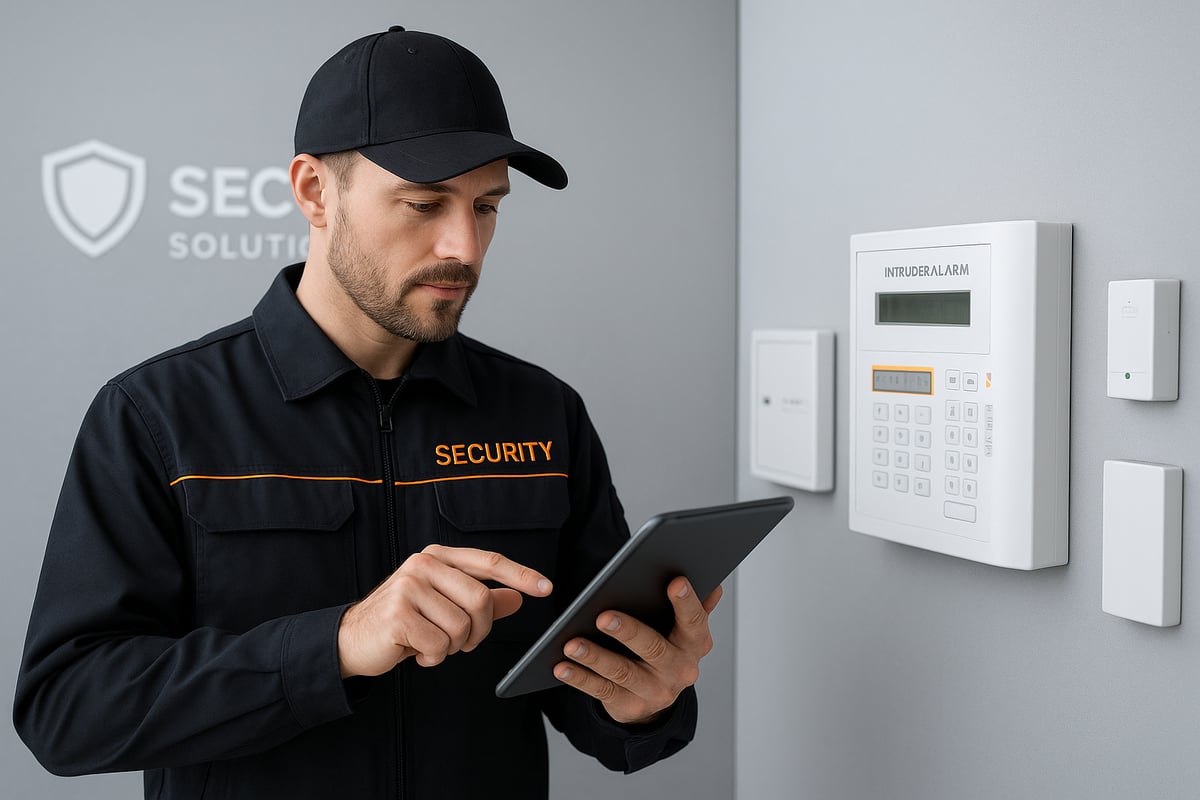
A commercial intruder alarm system is engineered to protect business premises by swiftly detecting attempted break-ins or unauthorised access. The primary aim is both to alert occupants and to serve as a visual and audible deterrent to would-be intruders.

Key components include:

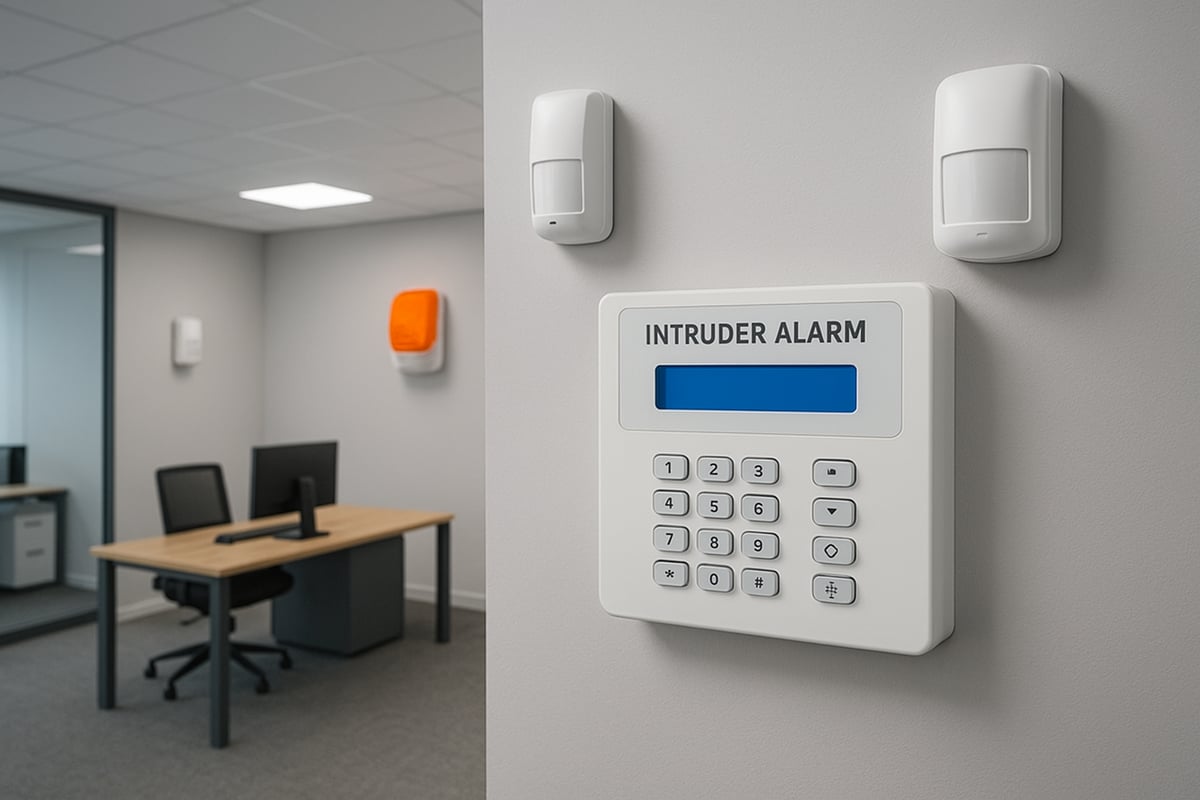
  • Control panels: The system’s command centre, managing all connected devices.
  • Sensors: Motion detectors, door and window contacts, and glass break sensors.
  • Sirens: Audible alerts to signal an intrusion.
  • Communication modules: Ensure alerts reach staff or monitoring centres.

Unlike residential systems, a commercial intruder alarm system handles larger, more complex sites and must meet stricter regulations. For example, a retail shop, warehouse, school, or healthcare facility will all require tailored solutions due to differing layouts and risks.

Industry data highlights the importance of these systems, with over 90% of UK businesses with physical premises investing in electronic security (NSI). This widespread adoption reflects the need for robust protection, insurance compliance, and peace of mind. For a thorough overview of how these solutions fit into a broader security approach, you can visit the Commercial Security Systems Overview.

Types of Commercial Intruder Alarm Systems

Businesses can choose from several types of commercial intruder alarm system, each suited to different operational needs.

  • Wired systems provide reliable performance and are ideal for permanent installations in large offices or warehouses.
  • Wireless systems offer flexibility and quick deployment, making them suitable for evolving sites such as construction projects.
  • Hybrid systems combine both, allowing scalability as business requirements change.

Another key distinction is between monitored and unmonitored systems. Monitored systems connect to an Alarm Receiving Centre (ARC), ensuring rapid response in emergencies. Unmonitored systems rely on local sirens or notifications to alert staff.

Construction sites, for instance, often deploy wireless, relocatable alarms to adapt to constantly shifting layouts and temporary structures. This approach helps maintain security even as the site evolves, demonstrating the adaptability of modern commercial intruder alarm system solutions.

Key Features and Advanced Technologies in 2026

The landscape for commercial intruder alarm system solutions has evolved rapidly. Businesses in 2026 face increasingly complex threats, making advanced security features more important than ever. Understanding the core components, new technologies, and compliance standards is essential for any organisation seeking robust protection.

Key Features and Advanced Technologies in 2026

Essential Features for Modern Businesses

A modern commercial intruder alarm system is built on several essential features. Key components include motion detectors such as PIR and dual-technology sensors, which help to reduce false alarms and ensure precise detection. Door and window sensors, using magnetic contacts and vibration technology, secure entry points against tampering or forced access.

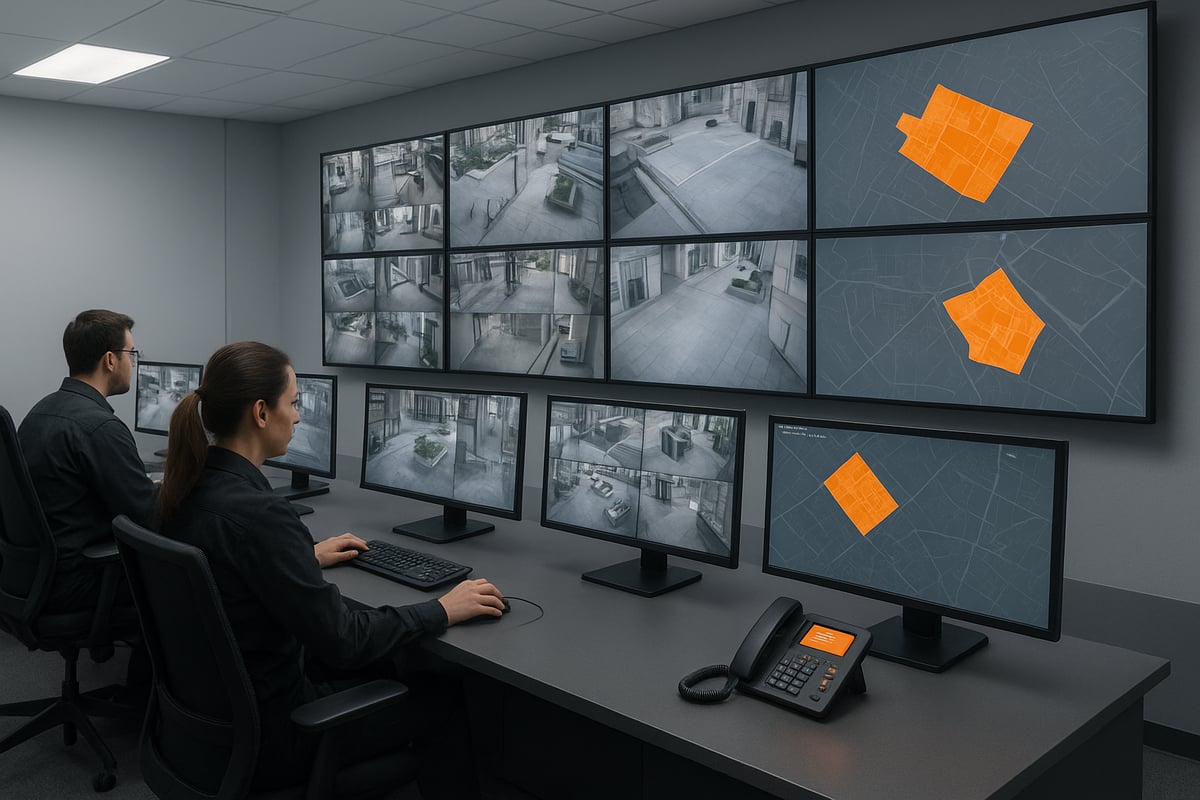
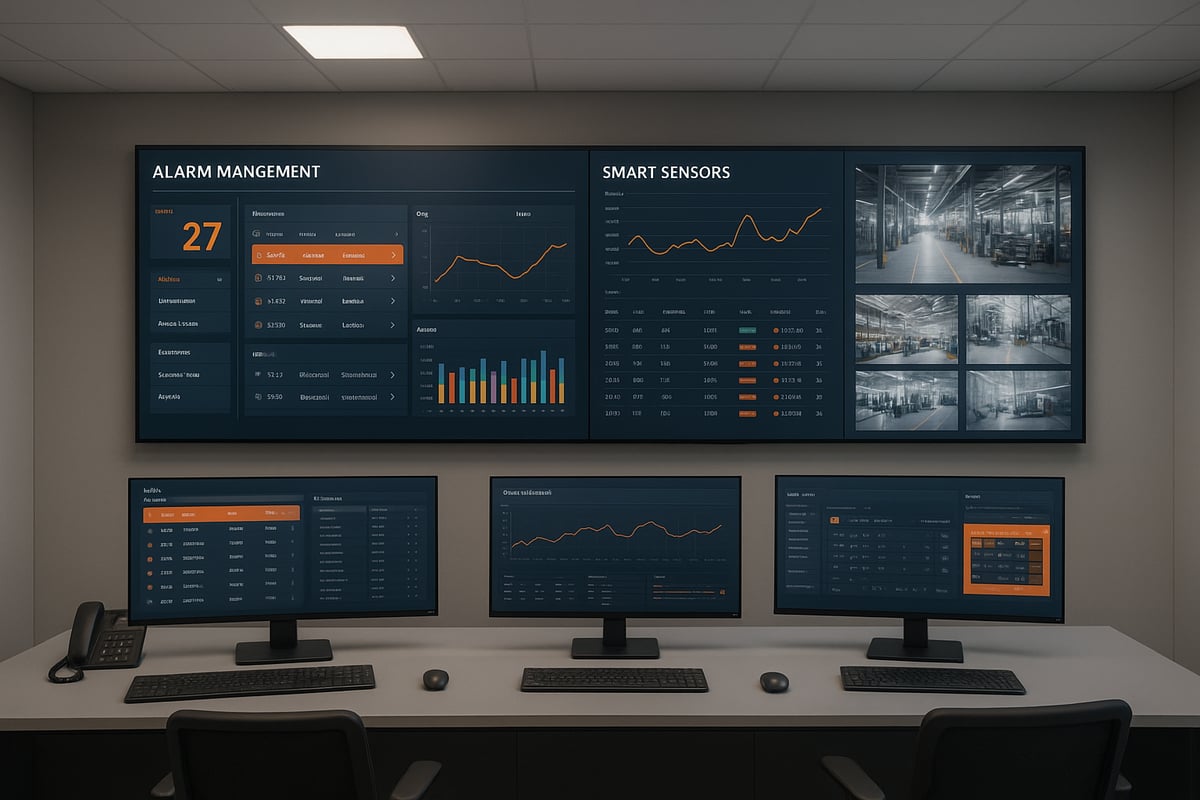
Glass break detectors, both acoustic and shock-based, are vital for areas with large windows or storefronts. Integration with CCTV and access control systems creates a layered security approach, giving businesses a comprehensive view of their premises. Remote management through smartphone apps and cloud dashboards enables real-time status checks and instant notifications, offering peace of mind even when off-site.

For a deeper look at these features, consult the Intruder Detection Systems Guide, which explores the advantages of tailored commercial solutions.

Advanced Technologies Shaping 2026 Solutions

In 2026, commercial intruder alarm system technology is defined by innovation. Artificial intelligence powers real-time threat analytics, distinguishing between genuine risks and harmless activity with impressive accuracy. Smart automation features allow systems to arm or disarm based on schedules or occupancy sensors, supporting business efficiency.

Cloud-based monitoring delivers instant alerts to mobile devices, while cybersecurity enhancements such as encrypted communications and secure firmware updates protect against digital threats. SOS and panic buttons are now standard, ensuring rapid assistance for staff in emergencies. Industry data confirms a surge in AI and cloud adoption across commercial alarm systems, reflecting demand for both smarter and safer environments.

Compliance and Certification

Compliance is non-negotiable for any commercial intruder alarm system. NSI Gold and BAFE accreditations are recognised hallmarks of quality and reliability, often required for insurance validation. Adhering to UK standards, including PD6662:2017 and BS 8243, is essential for eligibility for police response and legal protection.

Proper certification demonstrates a commitment to best practice and can simplify insurance claims if an incident occurs. Regular audits and system documentation help maintain compliance, ensuring your business remains protected and meets evolving regulatory demands.

Feature Type 2026 Example Business Benefit
Motion Detectors Dual-technology, AI analytics Fewer false alarms
Glass Break Sensors Acoustic & shock, AI filtering Enhanced perimeter security
System Integration CCTV, access control, cloud dashboards Unified management
Cybersecurity Encrypted comms, secure firmware Data and asset protection
Compliance NSI Gold, BAFE, UK standards Insurance and legal coverage

A commercial intruder alarm system equipped with these advanced features offers businesses the resilience, flexibility, and peace of mind needed to face the security challenges of 2026.

Step-by-Step Guide: Planning and Implementing a Commercial Intruder Alarm System

Protecting your business in 2026 requires a structured approach to security. Choosing and implementing a commercial intruder alarm system is not just about technology, but also about strategic planning. The following step-by-step guide will help you navigate the process with confidence.

Step-by-Step Guide: Planning and Implementing a Commercial Intruder Alarm System

1. Risk Assessment and Site Survey

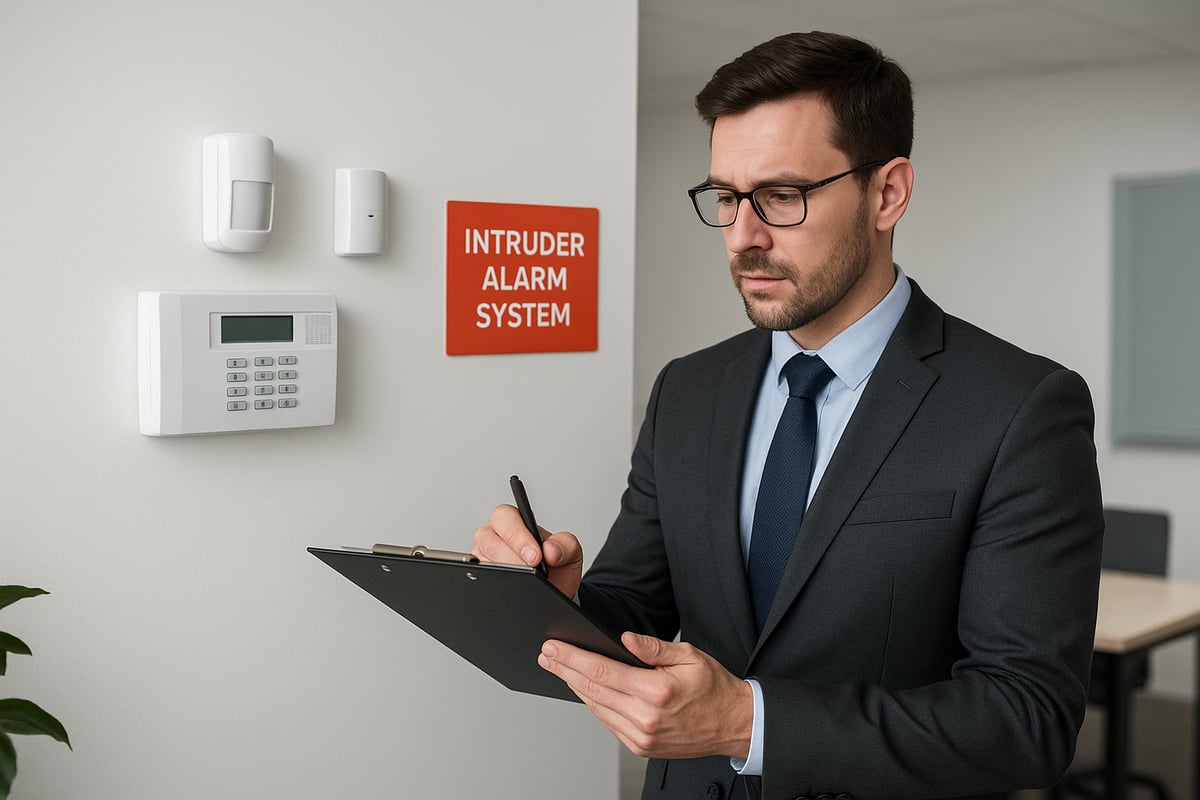
Every effective commercial intruder alarm system begins with a thorough risk assessment. Identify all potential vulnerabilities, including doors, windows, loading bays, and areas housing valuable assets. Consult security professionals to receive tailored recommendations based on your site’s unique characteristics.

Different business types require different approaches. For example, a retail store may need extensive perimeter sensors, while a large warehouse could benefit from robust motion detection and monitored zones. Always factor in insurance and regulatory requirements during this phase to ensure your system will meet compliance and protect your assets.

2. System Design and Specification

Next, customise the system’s design to fit your premises. Carefully plan sensor placement, establishing distinct alarm zones for high risk areas. Consider integrating your commercial intruder alarm system with CCTV, access control, or fire alarms for a layered security approach.

Balance your budget with the need for scalability and future upgrades. Selecting technology that is compliant with NSI or BAFE standards is vital for insurance and eligibility for police response. Document your design to streamline installation and future maintenance.

3. Professional Installation

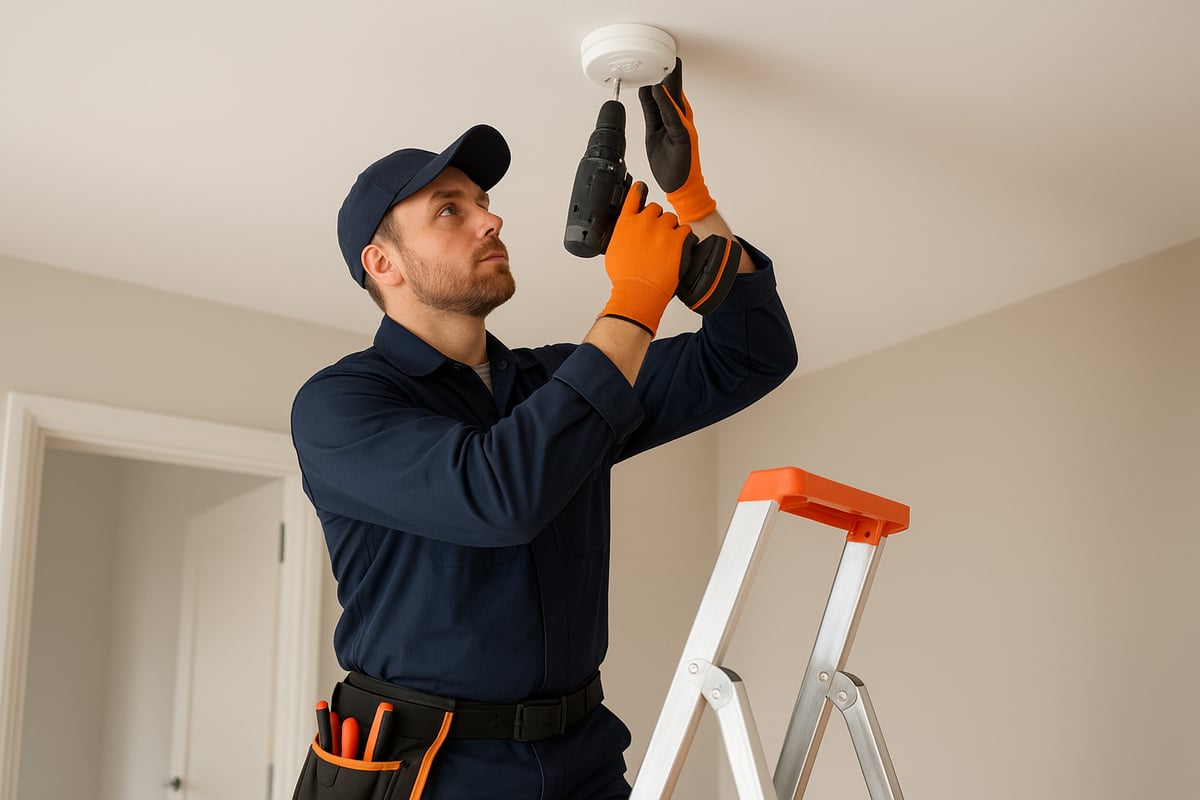
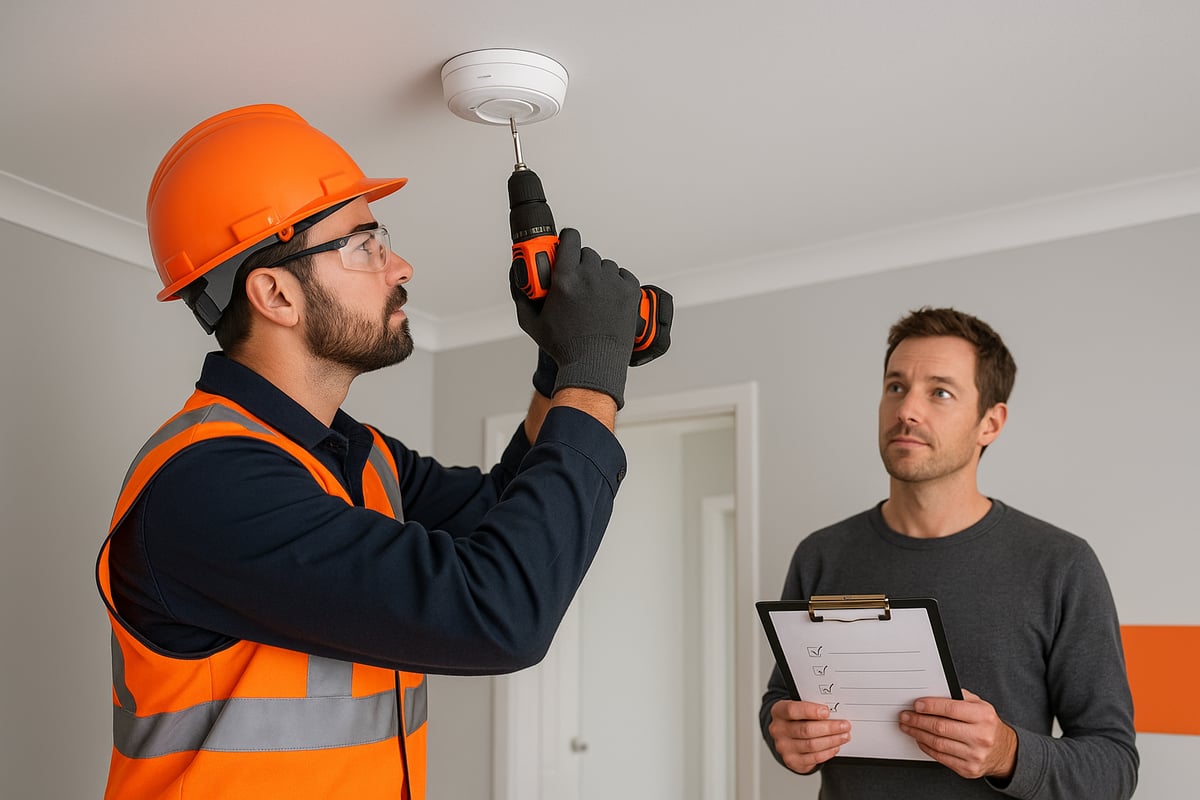
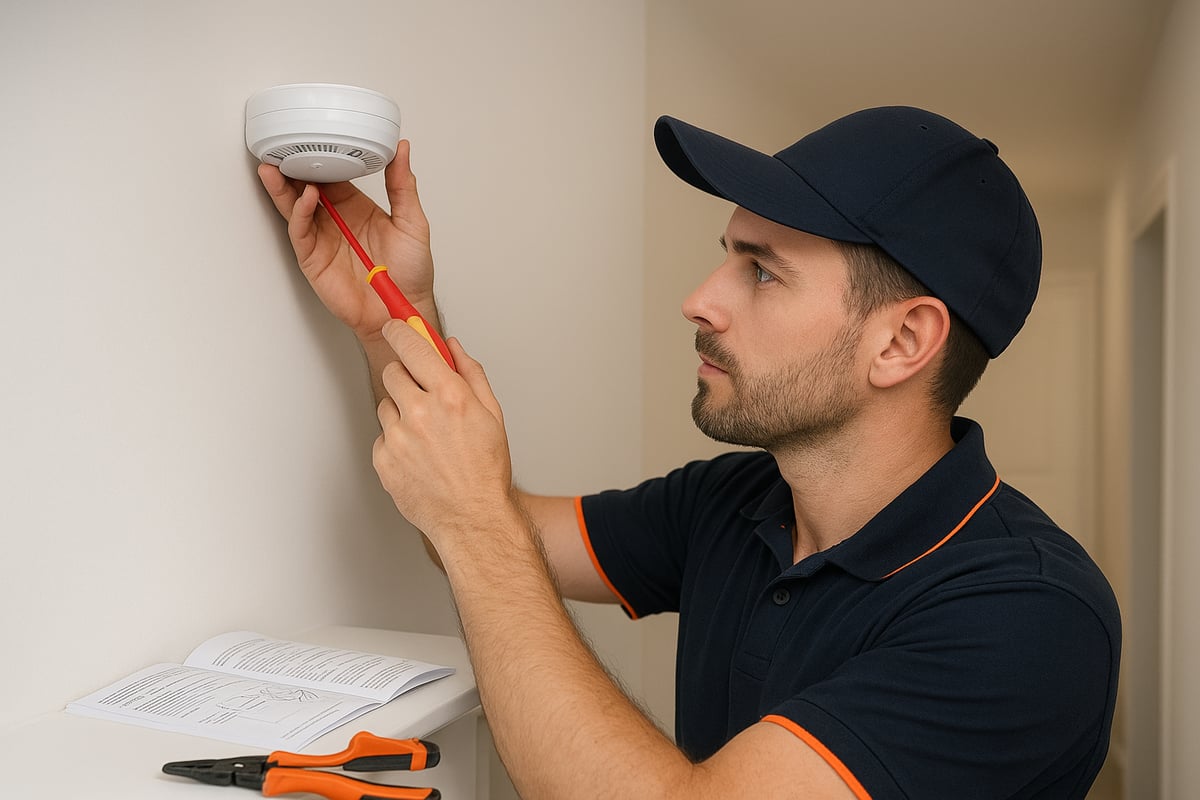
Engage accredited installers to ensure your commercial intruder alarm system meets regulatory and insurance requirements. Professional installation minimises business disruption and guarantees correct setup of all components.

Wireless systems are particularly useful for phased installations or dynamic sites, such as during office refurbishments. In these scenarios, wireless devices can be repositioned as your needs evolve, offering flexibility without compromising security.

4. System Testing and Handover

After installation, comprehensive testing verifies the commercial intruder alarm system is fully operational. Test every sensor, siren, and communication path to confirm reliability.

Provide staff with hands-on training, covering system operation, emergency procedures, and responses to activations. Supply clear documentation, including user manuals, compliance certificates, and a maintenance schedule, to ensure ongoing smooth operation and audit readiness.

5. Ongoing Monitoring and Support

Continuous protection depends on robust monitoring and support. Connecting your commercial intruder alarm system to an Alarm Receiving Centre (ARC) enables 24/7 response and rapid action in an emergency. For an in-depth look at professional monitoring options, see Intruder Alarm Monitoring Services.

Set up mobile alerts and remote management features to keep your team informed. Establish clear protocols for responding to alarm activations and managing false alarms to maintain system effectiveness and compliance.

Maintenance, Monitoring, and Compliance

Maintaining a reliable commercial intruder alarm system is not just about installation—it requires ongoing attention to ensure peak performance, compliance, and business continuity. Modern businesses rely on their commercial intruder alarm system to protect assets and meet insurance standards, making routine maintenance and monitoring an essential part of operations.

Maintenance, Monitoring, and Compliance

Regular Maintenance for Reliability

Routine servicing keeps a commercial intruder alarm system operating at its best. Annual and periodic checks are vital to ensure sensors remain calibrated and batteries are replaced before failures occur. These checks often include:

  • Testing all motion, door, and glass break sensors
  • Replacing backup batteries and inspecting power supplies
  • Updating system firmware for enhanced security
  • Cleaning and calibrating detection devices

Proactive maintenance reduces false alarms, minimises system downtime, and helps businesses stay compliant with NSI and BAFE regulations. For example, scheduled maintenance can lower insurance risks by ensuring your commercial intruder alarm system is always ready to detect threats.

Alarm Monitoring Options

Selecting the right monitoring solution is crucial for maximising the effectiveness of a commercial intruder alarm system. Businesses can choose between:

  • ARC (Alarm Receiving Centre) monitoring for professional, 24/7 response
  • Self-monitoring options suitable for smaller enterprises
  • Keyholder and police response protocols

Industry data shows that businesses with monitored commercial intruder alarm systems experience up to 60% faster incident response times compared to unmonitored setups. While ARC monitoring offers the highest level of assurance, self-monitoring may appeal to SMEs seeking flexibility, though it often lacks the rapid escalation provided by professional services.

Ensuring Ongoing Compliance

Regulatory compliance is a cornerstone of any commercial intruder alarm system strategy. Keeping up with evolving standards, such as digital landline migration, ensures uninterrupted alarm signalling. Businesses should:

  • Maintain up-to-date maintenance and compliance records
  • Schedule regular audits and certification renewals
  • Stay informed on insurance and legal requirements

Holding an accredited system, such as one with NSI Gold Certification Explained, provides assurance of quality and eligibility for police response. Proper documentation and certification are essential for validating insurance claims and demonstrating commitment to best practices.

Logic Fire and Security: Trusted Commercial Security Partner

Logic Fire and Security delivers comprehensive commercial intruder alarm system solutions tailored to the unique needs of offices, retail, warehouses, and public sector organisations. Their services encompass risk assessment, system design, professional installation, and ongoing maintenance.

With NSI Gold, BAFE, and other industry accreditations, Logic Fire and Security ensures every commercial intruder alarm system meets the highest quality and compliance standards. They offer:

  • Bespoke security solutions for various business sectors
  • 24/7 monitoring and rapid response via ARC
  • Nationwide coverage and proven experience with blue-chip clients
  • Dedicated support for system upgrades and regulatory changes

Partnering with Logic Fire and Security guarantees continuous protection and peace of mind for your business.

Industry Trends and Future Outlook for 2026

The landscape for commercial intruder alarm system solutions is evolving rapidly as businesses seek smarter, more integrated security. By 2026, organisations are prioritising not only physical protection but also seamless connectivity and regulatory compliance. Understanding these trends is essential for future-proofing your business security strategy.

Integration and Smart Building Security

Unified security platforms are becoming the new standard for businesses. Today’s commercial intruder alarm system can be fully integrated with fire alarms, access control, and CCTV, enabling centralised management and rapid response.

In many offices, these systems now work alongside building management systems, supporting energy efficiency and automation. For example, a single dashboard can control access, monitor alarms, and adjust lighting based on occupancy. According to Commercial Security Trends in 2025, demand for integrated solutions is expected to keep rising as organisations seek efficiency and resilience.

Digital Transformation and Connectivity

The UK’s digital landline migration is reshaping how commercial intruder alarm system signals are transmitted. All-IP connectivity, cloud-based platforms, and IoT-enabled devices are now standard, offering real-time alerts and analytics.

Cybersecurity is a core focus, with encrypted communications and regular firmware updates protecting against evolving threats. Industry forecasts, such as those in the Intruder Alarm System Market Insights, highlight sustained growth in cloud and IoT alarm adoption through 2035.

Evolving Threat Landscape

Sophisticated intrusions, including cyber-physical attacks, are on the rise. This means a commercial intruder alarm system must be adaptive and intelligent, using AI-driven analytics to identify threats in real time.

Construction sites and remote locations are increasingly targeted, making wireless and mobile alarm solutions the norm. Data indicates that these sectors rely on rapid deployment and flexibility to stay ahead of criminals.

Regulatory and Insurance Developments

Regulatory and insurance requirements are tightening, with insurers insisting on monitored and certified systems for cover. Updates to NSI/BAFE standards and police response protocols are ongoing, making compliance a continuous priority.

Businesses must remain vigilant, ensuring their commercial intruder alarm system is certified, regularly audited, and future-ready.

Sector-Specific Solutions and Case Studies

Every sector faces unique risks, so choosing the right commercial intruder alarm system is essential for effective protection. Businesses require solutions tailored to their operations, environment, and compliance requirements.

In the construction sector, wireless and portable commercial intruder alarm system units provide flexible and rapid security as sites evolve. These systems are easy to relocate, making them ideal for temporary and high-risk environments where traditional wiring is impractical.

Retailers benefit from integrated solutions that combine a commercial intruder alarm system with CCTV and access control. Offices often require smart alarms featuring staff access logs and remote management, while healthcare facilities need sensitive, rapid-response systems to protect people and assets.

Public sector buildings, including schools and government sites, demand compliance-driven commercial intruder alarm system installations. Each sector values features like remote monitoring, instant alerts, and reliable service to maximise safety and meet regulatory standards.

Recent data shows that over 80% of new UK commercial developments in 2025-26 specified integrated electronic security systems, underlining the critical role of these technologies. The Government Survey on Business Security confirms that robust alarms significantly enhance overall business protection.

Case studies across sectors reveal that bespoke design and professional maintenance are key to long-term success. By tailoring a commercial intruder alarm system to sector-specific needs and maintaining it regularly, businesses ensure resilience and compliance.

As you’ve seen throughout this guide, the right commercial intruder alarm system is essential for protecting your business, people, and assets—especially with the evolving threats and compliance requirements in 2026. Every site has its own risks and opportunities, so a tailored approach really does make a difference. If you’d like expert advice on what would work best for your premises, why not take the next step and Get a Free Site Survey?
Our team will help you assess your needs and recommend a solution that keeps your operations safe and compliant.

CCTV Solutions Guide: Secure Your Property in 2026

Property-related crimes are on the rise, making advanced security more vital than ever as we approach 2026. Many property owners now face increasingly sophisticated threats that demand smarter defences.

This guide is your essential resource for understanding the latest cctv solutions. You will discover how to choose, install, and optimise systems to safeguard your assets with confidence.

Explore the evolution of CCTV technology, discover different system types, and follow step-by-step setup advice. Learn how to integrate with smart tech, achieve legal compliance, and stay ahead with future-ready trends.

Real-world risks are growing, but innovative cctv solutions can provide robust protection. Take control of your property’s security with expert guidance throughout this comprehensive guide.

The Evolution of CCTV: Why 2026 Demands Advanced Solutions

The landscape of property security is changing rapidly, and so is the need for effective cctv solutions. With new threats emerging and technology evolving, property owners must stay ahead to ensure their assets remain protected. Understanding why 2026 is a pivotal year for security is essential for making informed decisions.

The Evolution of CCTV: Why 2026 Demands Advanced Solutions

The Changing Security Landscape

Property-related crimes have become more sophisticated, targeting both residential and commercial sites. The rise of cyber-physical threats means criminals now exploit digital vulnerabilities alongside physical ones, making traditional systems less effective. Urbanisation and increasing property values also contribute to this shift, as densely populated areas attract more criminal activity.

According to ONS data, burglary and theft incidents rose by 8 percent between 2023 and 2025, highlighting the increasing urgency for advanced cctv solutions. In one notable case, a commercial site suffered significant losses due to reliance on outdated cameras that failed to capture critical footage. This underscores the importance of modernising security approaches to keep pace with evolving risks.

Technological Advancements in CCTV

The industry has moved away from analogue cameras towards IP-based and AI-powered cctv solutions. Today’s systems offer ultra-high-definition 4K video, thermal imaging for low-light conditions, and facial recognition for accurate identification. Industry leaders like G4S and Chubb have introduced video analytics that proactively detect threats, allowing for rapid response before incidents escalate.

A 2025 industry report found that over 60 percent of new cctv solutions integrated AI analytics, enabling smarter monitoring and reduced false alarms. To explore the impact of these innovations, see AI-Powered Video Analytics in CCTV, which details how artificial intelligence is transforming surveillance capabilities and improving real-time threat detection.

Regulatory and Insurance Pressures

As cctv solutions become more advanced, so do the regulatory and insurance requirements attached to their use. Insurers increasingly demand monitored systems for high-value properties, tying coverage to proper surveillance. Recent updates to UK data protection and privacy laws affect where cameras can be placed and how footage must be stored.

Non-compliance can be costly. For example, GDPR enforcement has resulted in fines for organisations failing to protect personal data captured by video surveillance, especially in public spaces. Staying informed and compliant is now a fundamental aspect of deploying cctv solutions.

The Cost of Inaction

Neglecting to upgrade or maintain cctv solutions can lead to severe financial and reputational damage. Real-life cases from the logistics and retail sectors reveal substantial asset losses when camera blind spots go unnoticed or footage is inaccessible during incidents.

Proactive investment in modern cctv solutions reduces long-term risk and liability, offering peace of mind and stronger protection against evolving threats. Security is no longer a static measure but an ongoing process that demands attention and adaptation.

Types of CCTV Solutions: Choosing the Right System for Your Property

Selecting the right cctv solutions is crucial for safeguarding your property in 2026. With so many options available, understanding the main types can help you make an informed decision that matches your security needs and budget.

Types of CCTV Solutions: Choosing the Right System for Your Property

Analogue vs. IP Cameras

When comparing analogue and IP cameras, the differences are significant. Analogue systems offer a lower upfront cost but are limited in resolution and future scalability. By contrast, IP cameras provide high-definition video, remote access, and seamless integration with other cctv solutions.

Feature Analogue Cameras IP Cameras
Resolution Standard High-definition
Scalability Limited Flexible
Remote Access No Yes

Industry leaders like G4S recommend IP-based cctv solutions for businesses with multiple sites, as these systems are more adaptable and future-proof.

Wired, Wireless, and Hybrid Systems

The infrastructure of your cctv solutions matters just as much as the cameras themselves. Wired systems deliver consistent reliability, making them ideal for larger premises where signal interference could be an issue. Wireless systems offer flexibility and ease of installation, but may be susceptible to interference from other devices.

Hybrid cctv solutions blend the strengths of both wired and wireless setups, allowing phased upgrades and greater adaptability as your security needs change. By carefully assessing your property layout, you can determine which system type best aligns with your operational requirements.

Specialised Camera Types

Modern cctv solutions include a diverse range of camera types, each suited for specific environments:

  • Dome cameras: Discreet, often used in retail.
  • Bullet cameras: Visible deterrent, ideal for outdoor use.
  • PTZ cameras: Pan, tilt, and zoom for large areas.
  • Thermal cameras: Detect heat signatures in low light.
  • Covert cameras: Hidden for sensitive locations.

According to Chubb, 75% of UK commercial sites use a combination of these camera types to achieve comprehensive coverage. For a deeper dive into system configurations, see Commercial CCTV system options.

Video Analytics and Smart Features

Advanced cctv solutions now include intelligent analytics such as motion detection, facial recognition, and automatic number plate recognition. These features reduce false alarms and speed up incident response times.

For example, Chubb’s facial recognition technology is used for access control in high-security environments. Smart analytics within cctv solutions can also track objects and people, making them invaluable for busy retail or warehouse settings.

Monitoring and Storage Options

How you monitor and store footage is key to maximising the benefits of your cctv solutions. On-site options like NVR or DVR systems offer direct control, while cloud-based storage provides secure remote access and easier scalability.

You can choose between professional 24/7 monitoring or self-monitoring, depending on your risk profile. Remember to consider UK data retention standards when setting up your storage policies, ensuring compliance and protecting privacy.

Step-by-Step Guide: Planning and Implementing CCTV for Maximum Security

Planning and deploying effective cctv solutions requires a structured approach. By following these practical steps, you can ensure your property is well protected and fully compliant.

Step-by-Step Guide: Planning and Implementing CCTV for Maximum Security

Step 1: Conduct a Security Assessment

Begin by evaluating your property’s unique risks. Identify vulnerable areas such as entrances, exits, and high-value storage. Walk the site with a security specialist to spot blind spots and assess lighting conditions. For businesses, consider points like EV charging stations, which are increasingly targeted. This careful assessment lays the groundwork for robust cctv solutions and tailored protection.

Step 2: System Design and Camera Placement

Design your system to maximise coverage and minimise blind spots. Choose camera types best suited to each area, such as dome cameras for wide views or PTZ models for flexible monitoring. Map out placements to avoid overlooking neighbouring properties and to comply with privacy laws. Use digital planning tools for precise visualisation.

Step 3: Selecting the Right Equipment

Match camera specifications to your needs. For outdoor spaces, prioritise weatherproof and night vision models. High-resolution cameras capture clearer evidence. Ensure compatibility with existing infrastructure for seamless integration. By investing in advanced cctv solutions, you future-proof your security and support long-term scalability.

Step 4: Installation Best Practices

Decide between professional and DIY installation. Professionals ensure compliance with regulations and optimal cable management. For complex systems, proper data cabling is essential for reliability and future upgrades. Learn more about infrastructure requirements in this guide on data cabling for security systems. Always secure power supplies and test connections before going live.

Step 5: Configuration and Integration

Customise recording schedules, set up alerts, and enable remote access for real-time monitoring. Integrate cameras with alarms and access controls to create a unified defence. Protect your cctv solutions from cyber threats by using strong passwords and encrypted networks. Regularly update firmware to stay ahead of vulnerabilities.

Step 6: Testing and Training

Walk through the system after installation to check camera angles and recording quality. Simulate incidents to ensure alerts work as intended. Train staff or residents on daily use, emergency response, and privacy protocols. Well-prepared users are essential for effective incident management.

Step 7: Ongoing Maintenance and Support

Schedule routine checks to clean lenses, inspect hardware, and update software. Consider service contracts for 24/7 support and rapid response to faults. Proactive care reduces failures and extends the life of your cctv solutions, ensuring your investment remains effective for years to come.

Integrating CCTV with Smart Security and Building Management Systems

As modern security risks evolve, integrating cctv solutions with wider building management systems is now essential. Property owners are no longer relying on standalone cameras. Instead, they are leveraging unified platforms that combine surveillance, access control, and safety systems for enhanced protection.

Integrating CCTV with Smart Security and Building Management Systems

The Rise of Integrated Security Solutions

Integrated security platforms bring together cctv solutions, intruder alarms, access control, and fire detection, all managed from a central dashboard. This unified approach streamlines monitoring and improves response times. For example, Chubb’s managed video solutions enable multi-site businesses to oversee all security systems in one place.

By combining these technologies, property managers can automate responses to incidents, trigger alerts, and coordinate emergency procedures. This level of integration is especially valuable for large estates or commercial portfolios seeking maximum oversight and efficiency.

Smart Features and Automation

Modern cctv solutions now offer advanced automation powered by AI. Systems can detect unusual activity, trigger automated lighting, or initiate lockdown procedures without manual intervention. Mobile app notifications keep security teams and property owners informed wherever they are.

Retail chains, for instance, benefit from automated alerts when suspicious behaviour is detected, allowing swift action across multiple locations. Automated routines help reduce human error and free up resources for other critical tasks.

Cloud Connectivity and Remote Access

Cloud-based video management is transforming how cctv solutions are monitored and controlled. Secure remote access allows property managers to view live or recorded footage from any location, using smartphones or laptops. This approach supports flexible management for businesses with distributed sites.

For those considering an upgrade, understanding the Remote CCTV monitoring benefits is crucial. Cloud connectivity also ensures footage is safely stored offsite, reducing the risk of data loss from on-premises failures.

Data Analytics for Proactive Security

Today’s cctv solutions leverage data analytics for proactive security management. Features like heat mapping, people counting, and behaviour analysis provide insights that go beyond basic surveillance. These analytics help optimise staffing, identify high-risk zones, and improve overall operational efficiency.

For example, analysing footfall patterns in retail environments allows businesses to adjust layouts or staffing to reduce theft and enhance customer experience. Proactive use of data can significantly reduce losses and inform smarter security strategies.

Future-Proofing Your Investment

Selecting scalable and open-platform cctv solutions ensures your security investment can adapt to future needs. As properties expand or new threats emerge, systems must integrate easily with additional devices and software.

Opt for solutions that support software updates, third-party integrations, and modular upgrades. This approach keeps your security posture strong as technology and risks evolve, protecting your property and peace of mind for years to come.

Legal Compliance, Privacy, and Best Practices for CCTV in the UK

Security is not just about technology, it is also about following the law. As cctv solutions become more advanced, property owners must prioritise legal compliance to avoid fines and reputational risks. Understanding the evolving legal landscape ensures your system delivers security while respecting privacy.

Understanding UK CCTV Laws

When deploying cctv solutions, property owners must comply with the Data Protection Act 2018 and GDPR, especially if the system records individuals. The Surveillance Camera Code of Practice sets out requirements for transparency, proportionality, and accountability.

Clear signage is mandatory wherever cameras operate. Informing people they are being recorded is not optional. Data handling must follow strict protocols, including secure storage and controlled access. For a deeper look at how technology changes influence privacy and compliance, see Advancements in CCTV Technology by 2025.

Privacy Considerations

Protecting privacy is a central duty when using cctv solutions. Avoid directing cameras at public spaces or neighbouring properties unless absolutely necessary. Many modern systems allow masking or privacy zones within the software, helping to prevent accidental intrusion.

Regularly review camera placement and adjust as required. Documenting these decisions demonstrates commitment to privacy and compliance.

Footage Storage and Access

All cctv solutions must ensure footage is stored securely, whether on-site or in the cloud. UK law dictates specific retention periods, typically not exceeding 31 days unless required for an ongoing investigation.

Access to recordings should be tightly controlled, with clear processes for deletion once footage is no longer needed. Respond promptly to subject access requests, as individuals have the right to view footage in which they appear.

Compliance for Commercial vs. Residential Properties

Commercial properties using cctv solutions must conduct formal risk assessments, notify staff, and maintain records of processing activities. G4S, for example, uses robust risk assessment methods to ensure systems are both effective and compliant.

Residential users still need to respect privacy, especially when cameras cover shared spaces. Keeping records of decisions and communicating openly with neighbours can prevent complaints.

Avoiding Legal Pitfalls

Common mistakes with cctv solutions include missing signage, insecure data storage, and excessive monitoring. These errors can lead to significant fines or damage to your reputation.

To stay compliant:

  • Display signage at all entry points.
  • Regularly review your data handling processes.
  • Avoid recording beyond your property boundary.
  • Train staff or residents on correct system use.

Staying proactive with compliance ensures your cctv solutions protect assets without creating new risks.

The Future of CCTV: Trends and Innovations to Watch for 2026

The landscape of cctv solutions is evolving rapidly as we approach 2026. Technology advancements are driving smarter, more efficient security systems, enabling property owners to stay ahead of emerging threats. Let us explore the top innovations set to shape the future of cctv solutions.

AI and Deep Learning

Artificial intelligence is revolutionising cctv solutions by enabling advanced object recognition, anomaly detection, and predictive analytics. Systems now interpret footage in real time, identifying threats before they escalate. For a detailed look at how AI and analytics are transforming security, see Top CCTV Security Technology Trends for 2025.

Drone and Rapid Deployment Surveillance

Drones are becoming a critical part of cctv solutions, providing aerial surveillance for large perimeters and hard-to-reach areas. Rapid deployment towers offer temporary, high-visibility coverage for construction sites and events. These technologies allow for flexible, scalable security in dynamic environments.

Edge Computing and IoT Integration

Edge computing is bringing intelligence directly to the camera, allowing cctv solutions to process data instantly and trigger alerts faster. Integration with IoT sensors enables seamless communication between security devices, optimising response times and reducing manual monitoring.

Sustainable and Energy-Efficient Solutions

Sustainability is at the forefront of new cctv solutions. Solar-powered cameras and low-energy devices are now widely adopted, reducing both operational costs and environmental impact. Industry data shows that 30 percent of new installations in 2025 utilised green technology.

Evolving Threats and Adaptive Security

As cctv solutions become more connected, cyber-physical threats are on the rise. Modern systems employ adaptive AI models that update regularly, ensuring resilience against hacking and sophisticated attacks. Ongoing system updates are essential for robust protection.

Preparing for Tomorrow’s Security Needs

Choosing partners who deliver future-ready cctv solutions is vital. Look for providers offering ongoing training, support, and scalable systems. Staying informed and proactive ensures your property remains protected as threats and technologies continue to evolve.

After exploring the latest CCTV advancements, practical installation tips, and the importance of compliance, you might be wondering what the next step is for your own property. I understand that every site has its unique challenges—whether it’s choosing the right system or ensuring complete coverage. To help you make informed decisions and achieve peace of mind, why not take advantage of a tailored assessment from professionals who understand the landscape? You can Get a Free Site Survey with Logic Fire and Security, giving you expert advice on securing your premises for 2026 and beyond.

Security Fire Protection Guide: Essential Strategies for 2026

In 2026, the urgency for robust security fire protection is more apparent than ever. Recent high-profile fire incidents have caused significant damage to both businesses and communities, highlighting the financial and social impacts of inadequate preparation.

Modern fire risks are growing more complex due to advanced building materials, integrated technologies, and the unpredictable effects of climate change. This evolving landscape demands proactive and comprehensive strategies to protect lives, assets, and ensure legal compliance.

This guide offers practical, up-to-date advice on essential security fire protection strategies for 2026. We will cover risk assessment, regulatory compliance, detection systems, integrated solutions, staff training, and maintenance best practices.

Understanding Modern Fire Risks and Threats

The landscape of security fire protection is rapidly changing as new threats and vulnerabilities emerge in 2026. Understanding these evolving risks is crucial for businesses and public facilities aiming to protect lives, assets, and reputation.

Understanding Modern Fire Risks and Threats

Evolving Fire Hazards in 2026

Modern construction and technology are reshaping fire risk profiles. New building materials, such as composite cladding and modular components, can alter fire spread patterns. Smart technologies and IoT devices, while improving efficiency, introduce additional ignition points and complexity.

The prevalence of lithium-ion batteries in everything from EV charging bays to warehouse storage has led to an uptick in battery-related fires. Renewable energy systems, like rooftop solar panels, bring unique fire suppression challenges. Climate change is also driving longer, hotter summers and an increase in urban wildfires, placing new demands on security fire protection strategies.

Remote working and hybrid office trends have changed occupancy patterns, sometimes leaving areas unsupervised or overcrowded. According to the Fire and Rescue Incident Statistics, Year Ending June 2025, fire incidents in UK commercial buildings rose by 8 percent from 2023 to 2025. A notable example is the logistics centre fire caused by overloaded battery storage, emphasising the need for modern fire risk assessment.

Common Security Vulnerabilities in Fire Protection

Despite technological progress, several vulnerabilities persist in security fire protection. Many businesses still rely on legacy alarm and detection systems that may not integrate smoothly with modern access control or CCTV solutions.

Key vulnerabilities include:

  • Gaps in system integration, delaying coordinated emergency response.
  • Insider threats such as sabotage or negligence, including improper storage of flammable materials.
  • Overlooked high-risk zones, like server rooms and plant infrastructure.

A frequent issue involves fire doors left propped open, which undermines compartmentation and allows smoke and flames to spread rapidly. Without regular audits and staff awareness, these vulnerabilities can compromise even the most advanced security fire protection measures.

The Cost of Inadequate Fire Security

Failing to invest in robust security fire protection can have severe financial and reputational consequences. Direct losses include property damage, costly insurance claims, and business interruption. The aftermath of a fire often extends to legal action and reputational harm, especially if non-compliance with fire safety regulations is identified.

According to ABI data, the average cost of a major commercial fire in the UK exceeded £2.4 million in 2025. Beyond the immediate financial impact, businesses may face regulatory penalties and loss of client trust.

A comprehensive approach to security fire protection, including risk assessment, system upgrades, and ongoing staff training, is essential to mitigate these risks and ensure business continuity.

Regulatory Compliance and Standards for 2026

Meeting regulatory standards is at the heart of effective security fire protection. In 2026, the landscape is shaped by evolving legislation, new obligations for duty holders, and a growing emphasis on digital compliance. Staying up to date is not just a legal requirement, but a cornerstone of responsible risk management.

Regulatory Compliance and Standards for 2026

Key UK Fire Safety Legislation

Several core regulations define the security fire protection requirements for UK organisations. The Regulatory Reform (Fire Safety) Order 2005 remains central, updated by amendments in 2023 and 2025. The Fire Safety Act 2021 has expanded responsibilities for multi-occupancy buildings, while the Building Safety Act 2022 introduces new obligations for duty holders and “Accountable Persons”.

BS 5839-1:2017 +A1:2024 sets the latest standards for fire detection and alarm systems, ensuring modern systems are robust and reliable. Enforcement is real: recent cases in public sector buildings have seen significant penalties for non-compliance, highlighting the importance of maintaining high standards in security fire protection.

Emerging Compliance Requirements

Compliance is evolving rapidly, with digital record-keeping now mandated for fire risk assessment logs. Authorities expect third-party certification for all installers and maintainers, ensuring only qualified professionals handle critical systems. There is a strong focus on regular fire door inspections and emergency lighting checks, both vital for legal and operational safety.

According to a 2025 FPA survey, 64% of businesses identified compliance as their top fire safety challenge. Overlooking these new requirements can result in costly enforcement actions. For detailed guidance on inspection protocols, refer to the fire door inspection requirements, which are integral to comprehensive security fire protection strategies.

Best Practice for Meeting Compliance

Proactive management is key to achieving and maintaining compliance in security fire protection. Annual fire risk assessments should be conducted, and all maintenance and inspection records kept in detail. Engage certified professionals for system installation, testing, and maintenance, ensuring every aspect meets current standards.

Implementing a compliance calendar helps organisations avoid missed deadlines and last-minute scrambles. By embedding these best practices, you protect your people, assets, and reputation, while meeting all legal obligations for security fire protection.

Essential Fire Detection and Suppression Technologies

The technological landscape of security fire protection has evolved rapidly, offering innovative solutions for early detection and effective response. For 2026, the right combination of advanced systems is vital to safeguarding assets, ensuring compliance, and protecting lives.

Essential Fire Detection and Suppression Technologies

Advanced Fire Detection Systems

Modern fire detection forms the backbone of any security fire protection strategy. Addressable fire alarm systems are now preferred in large or complex sites, as each device has a unique address, enabling precise identification of the alarm source. In contrast, conventional systems group devices, making pinpointing an incident slower and less accurate.

Feature Addressable System Conventional System
Device Location Precise Zonal
Scalability High Limited
Cost Higher Lower
Maintenance Ease Easier Moderate

Wireless fire alarm solutions are gaining traction, especially in flexible or heritage spaces, where cabling is impractical. These systems can be deployed quickly and adapt to changing layouts.

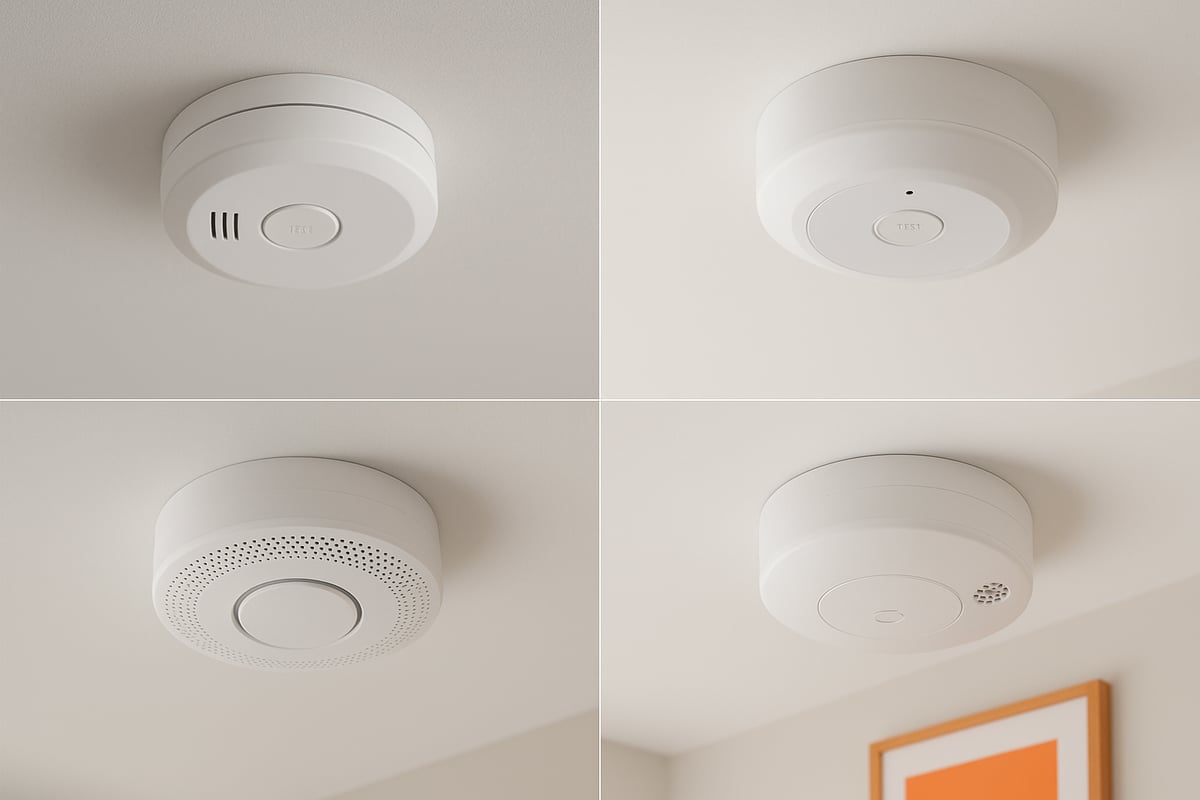
Smart sensors now use AI and IoT integration to detect smoke, heat, or unusual patterns far earlier than traditional detectors. Integration with building management systems allows instant alerts, remote monitoring, and swift intervention. For example, UK retail chains utilising AI-based smoke detection have seen a significant reduction in false alarms and improved security fire protection outcomes.

Fire Suppression Solutions for Modern Risks

Selecting the right suppression system is critical for comprehensive security fire protection. Sprinkler systems remain the most common, with options including wet, dry, and pre-action types tailored to specific environments. Wet systems are standard for offices, while dry and pre-action suit cold storage or areas with sensitive equipment.

Gas suppression systems are essential in server rooms and data centres, where water could cause irreparable damage. Kitchen suppression systems, usually based on wet chemicals, are designed for commercial kitchens to handle grease fires effectively.

Portable extinguishers, selected by fire class, should be strategically placed and staff trained in their use. According to UK Fire and Rescue Services in 2025, 82% of fires controlled by sprinklers were contained to the room of origin, highlighting their effectiveness.

For further details on choosing and maintaining the right suppression technology, see Fire suppression system solutions.

Integrated Emergency Response Systems

A robust emergency response system is a core component of security fire protection. Voice evacuation and public address systems provide clear instructions, reducing confusion and aiding swift egress during emergencies.

Emergency lighting ensures safe evacuation routes, especially in the event of power failure. Disabled refuge systems, including call points and communication devices, make evacuation inclusive for all occupants.

Many modern office complexes have adopted integrated alert and evacuation systems, allowing coordinated responses across multiple floors. These systems improve overall preparedness, reduce evacuation times, and ensure that security fire protection measures are effective in real-world scenarios.

Integrating Security and Fire Protection for Complete Safety

In 2026, security fire protection is no longer just about isolated alarms or sprinklers. True resilience demands a unified approach, where detection, response, and ongoing monitoring work seamlessly together. Integration ensures threats are identified faster, responses are coordinated, and critical assets remain protected.

Integrating Security and Fire Protection for Complete Safety

The Case for Unified Security and Fire Systems

Integrating fire detection with access control and CCTV delivers a host of benefits for organisations. With a unified security fire protection platform, incidents are detected earlier and staff receive coordinated real-time alerts. This approach reduces false alarms and supports rapid, informed decision-making.

Key advantages include:

  • Faster identification of genuine threats and automatic initiation of evacuation or lockdown protocols.
  • Improved situational awareness, as data from alarms, cameras, and access points is combined.
  • Streamlined compliance, making it easier to demonstrate adherence to fire alarm system standards.

For example, many hospitals now use integrated systems to trigger immediate lockdowns and safe evacuations, ensuring patient and staff safety even in the most complex scenarios.

Choosing the Right Security Fire Protection Partner

Selecting a partner for security fire protection is a critical decision. Certified, experienced providers ensure that systems are designed, installed, and maintained in line with current regulations and evolving risks.

When evaluating potential partners, consider:

  • Their technical expertise and track record with similar projects.
  • Support offerings, including 24/7 monitoring and rapid response.
  • Credentials for compliance, such as third-party certifications.

Ongoing maintenance and monitoring contracts are essential. These agreements keep systems up to date, ensure all components work as intended, and help your business remain audit-ready.

Logic Fire and Security: Trusted Solutions for 2026

Logic Fire and Security is recognised across the UK for its expertise in advanced security fire protection solutions. The company offers national coverage and deep experience with complex, multi-site projects for both commercial and public sector clients.

Clients benefit from:

  • Bespoke design, installation, and maintenance of integrated systems.
  • 24/7 monitoring and instant incident response.
  • Full compliance support, ensuring every system meets or exceeds legal standards.

By choosing a trusted partner like Logic Fire and Security, organisations can safeguard people, assets, and reputations in an increasingly complex risk landscape.

Staff Training, Emergency Planning, and Maintenance Best Practices

A robust security fire protection strategy relies on more than just advanced systems; it thrives on a well-prepared team, effective emergency planning, and disciplined maintenance routines. Building a proactive culture around fire safety ensures everyone understands their role in preventing incidents and responding swiftly if one occurs.

Building a Fire-Safe Culture

Embedding security fire protection into daily practices starts with comprehensive staff training. Regular fire safety sessions, both classroom-based and hands-on, empower employees to identify hazards and react appropriately. Assigning clear roles, such as fire wardens, marshals, and first responders, ensures accountability during emergencies.

For instance, a manufacturing plant that conducted annual drills reduced its evacuation time by 40 percent. This improvement shows the value of rehearsal and role clarity. Keeping staff informed about the latest incident trends is crucial—reviewing resources like 5 Takeaways from the Latest UK Fire Incident Statistics can help teams understand evolving threats and enhance vigilance.

A culture of security fire protection encourages staff to report concerns and participate actively in creating a safer workplace.

Developing and Testing Emergency Plans

Effective emergency plans are the backbone of security fire protection. These plans should be tailored to each site, addressing specific risks and layouts. Collaboration with local fire and rescue services ensures your procedures align with best practices and response capabilities.

After any drill or real event, review and update plans to incorporate new learnings. The FPA’s 2025 survey found 72 percent of businesses refreshed their emergency plans following a fire drill, highlighting the importance of regular testing. Plans should include:

  • Clear evacuation and lockdown procedures
  • Designated assembly points
  • Communication protocols for all staff

Continuous improvement in emergency planning is vital for maintaining strong security fire protection and keeping response times low.

Maintenance and Continuous Improvement

Ongoing maintenance is essential for reliable security fire protection. Schedule regular inspections of fire alarms, extinguishers, and suppression systems to ensure all equipment functions as intended. Keeping up with technology upgrades and regulatory changes minimises risk and supports compliance.

Digital tools, such as cloud-based maintenance logs, make it easier to track servicing and demonstrate readiness during audits. Consulting expert resources like Fire risk assessment guidance can help structure your inspection routines and documentation.

Commit to continuous improvement by analysing incident reports and updating processes accordingly. This approach safeguards your organisation and reinforces a culture of security fire protection.

As you look ahead to 2026, staying ahead of evolving fire risks and meeting new compliance standards is more important than ever. Making informed choices about your fire and security systems can be the difference between peace of mind and costly setbacks. If you’re ready to take proactive steps—whether it’s reviewing your current setup, understanding the latest technologies, or ensuring your business is fully protected and compliant—we’re here to help. You don’t have to tackle this alone. Let’s start by ensuring your site is as secure as possible with a tailored assessment.
Get a Free Site Survey

Our Accreditations

Work
For Us