
Essential Guide to Fire Alarm Design for 2026 Compliance

As 2026 approaches, the significance of effective fire alarm design in safeguarding lives and protecting assets has never been greater for UK businesses and property managers. With regulatory scrutiny intensifying, non-compliance can lead to severe legal and financial consequences.

A compliant fire alarm design not only reduces risk but also ensures peace of mind and enhances occupant safety. This article delivers a practical, step-by-step guide for achieving 2026 fire alarm compliance, covering the latest regulations, risk assessment, system selection, design, installation, and ongoing maintenance.

Understanding 2026 Fire Alarm Compliance Standards

Meeting 2026 requirements for fire alarm design in the UK starts with understanding the evolving legal landscape. As regulations tighten, compliance is more critical than ever for safety, insurance, and legal protection.

Understanding 2026 Fire Alarm Compliance Standards

Overview of Relevant UK Legislation and Standards

UK fire safety legislation sets the foundation for fire alarm design in all commercial and public buildings. The Regulatory Reform (Fire Safety) Order 2005 places legal responsibility on building owners and managers to ensure robust fire protection. The Fire Safety Act 2021 and Fire Safety (England) Regulations 2022 expand these duties, particularly for high-rise and multi-occupancy premises.

The Building Safety Act 2022 introduces stricter accountability, especially in higher-risk settings. Central to fire alarm design is BS 5839-1:2017, which outlines installation and maintenance standards. Anticipated updates for 2026 are expected to further raise the bar, with increased scrutiny on system integration and documentation.

Compliance is mandatory. Failure to meet these standards can result in prosecution, fines, or invalidated insurance. For example, recent years have seen several high-profile enforcement actions against non-compliant property managers. Every aspect of fire alarm design must align with these legal requirements to avoid costly consequences.

Key Changes and Updates for 2026

The 2026 update to BS 5839 will bring significant changes for fire alarm design across the UK. New requirements will cover advanced integration, such as connecting fire alarm systems with building management platforms and enabling remote monitoring capabilities. Stricter documentation and audit trails will help ensure every stage of fire alarm design is traceable and verifiable.

A major focus will be on evacuation alert systems and improved disabled refuge provisions, reflecting a commitment to inclusive safety. According to government data, over 1,800 enforcement notices were issued in 2023 due to fire safety breaches, signalling a trend toward tougher oversight.

System installers and property managers must stay informed and adapt fire alarm design to these new requirements. Early preparation will not only ensure compliance but also enhance occupant safety and operational resilience as regulations continue to evolve.

Fire Alarm System Categories and Classifications

Choosing the right fire alarm design depends on understanding system categories set out in BS 5839. There are three main types:

Category Purpose Subcategories
L Life protection L1, L2, L3, L4, L5
P Property protection P1, P2
M Manual (break glass only) N/A

L systems prioritise life safety, with L1 offering maximum protection throughout all areas, while L5 is tailored to specific risks. P systems focus on property, and M systems rely on manual activation. The correct fire alarm design is determined by building type and risk profile. For example, student accommodation typically requires L2 or L3, while hospitals often need comprehensive L1 systems.

For a detailed breakdown of these categories and their applications, see Fire alarm system categories.

Selecting the right category is not just a technical decision, but a legal one. Accurate classification ensures your fire alarm design meets compliance and delivers the appropriate level of protection.

Step 1: Conducting a Comprehensive Fire Risk Assessment

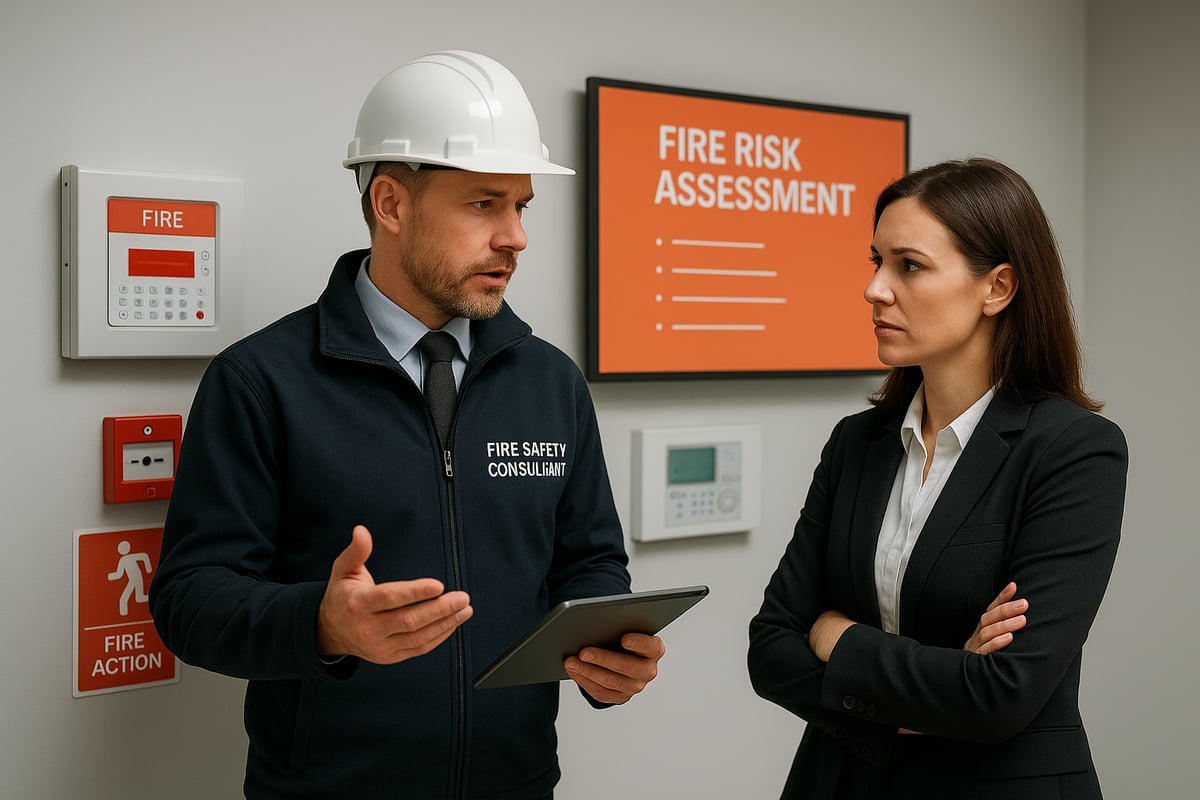
A comprehensive fire risk assessment is the foundation of effective fire alarm design for any UK business or property manager. This process is not only a legal requirement but also a practical necessity to ensure that your fire alarm design genuinely protects lives and assets. Getting this right from the outset sets the stage for full compliance with the upcoming 2026 standards and reduces risks that could have costly consequences.

Step 1: Conducting a Comprehensive Fire Risk Assessment

The Role of Fire Risk Assessment in System Design

A fire risk assessment is a systematic review of your premises to identify fire hazards, evaluate risks, and recommend control measures. It is a legal obligation under the Regulatory Reform (Fire Safety) Order 2005 and is central to every stage of fire alarm design. The process typically involves:

  • Identifying potential ignition sources, fuels, and vulnerable areas.
  • Evaluating existing fire precautions and escape routes.
  • Assessing the needs of all occupants, including those with disabilities.
  • Recommending tailored actions to reduce risk.

Without a robust assessment, fire alarm design is likely to fall short of both legal and insurance requirements. For example, a recent prosecution involved a property manager who failed to document hazards and implement suitable fire alarm design, resulting in fines and increased scrutiny. For more detailed steps, refer to this fire risk assessment guidance.

Identifying Building-Specific Risks and Occupant Needs

No two buildings are alike, and effective fire alarm design must consider the unique risks and needs of each site. Begin by analysing the occupancy type, such as office, retail, or residential, and the layout of the premises. Pay close attention to areas with higher fire risk, like kitchens, plant rooms, or storage areas.

Consideration of vulnerable occupants, including elderly or mobility-impaired individuals, is crucial. Fire alarm design should address sleeping accommodation, complex escape routes, and any special hazards. According to the Fire Industry Association, over 70% of fire alarm design failures stem from inadequate risk assessment, highlighting the need for a bespoke approach instead of a generic solution.

By assessing these factors in detail, you ensure that the fire alarm design is both compliant and genuinely protective for every occupant.

Documentation and Compliance Records

Thorough documentation is vital for demonstrating compliance and ensuring smooth audits. Keep written records of all fire risk assessments, fire alarm design decisions, and any remedial actions. Modern digital tools can streamline record-keeping, making it easier to update, retrieve, and share information with authorities and insurers.

A typical compliance record should include:

Document Type Purpose Frequency
Fire Risk Assessment Identifies hazards, risks, and controls Annually/Change
Fire Alarm Design Docs Details system layout and specifications On installation
Maintenance Logbooks Tracks inspections and repairs Every service

Digital logbooks have been shown to improve audit efficiency by 40% according to industry surveys. Keeping your fire alarm design records up-to-date not only meets legal requirements but also supports a proactive approach to fire safety.

Step 2: Selecting the Right Fire Alarm System

Selecting the appropriate system is a vital step in fire alarm design. With stricter 2026 compliance standards approaching, the right choice will ensure both safety and legal certainty. Let us break down the technologies, how to match them to your needs, and the key role of integration.

Step 2: Selecting the Right Fire Alarm System

Overview of Fire Alarm Technologies

Understanding the main system types is the first step in compliant fire alarm design. Conventional systems are cost-effective for small premises, using basic wiring to identify alarm zones. Addressable systems, ideal for larger or complex buildings, pinpoint device locations for faster response and easier fault finding.

Wireless systems are popular for heritage or listed properties, as they avoid intrusive cabling. Hybrid solutions combine wired and wireless elements for flexibility. Newer systems offer integration with building management systems and remote diagnostics.

For a detailed look at system categories and compliance, see the Fire alarm system design and installation guide. Choosing the right technology ensures your fire alarm design meets both operational and regulatory needs.

Matching System Type to Risk and Compliance Needs

The fire alarm design process must align system selection with your building’s risk assessment. Multi-occupancy, high-rise, or complex layouts often require addressable or hybrid systems for effective zoning and monitoring. Retail premises, for example, benefit from addressable solutions to separate sales areas from stockrooms, supporting faster evacuation and targeted alerts.

Consideration of vulnerable occupants, such as those in care homes, may necessitate additional evacuation alert systems and disabled refuge alarms. With 2026 standards, these features are not optional but a compliance requirement. A tailored fire alarm design reduces risk, improves safety outcomes, and ensures legal peace of mind.

Integration with Other Safety Systems

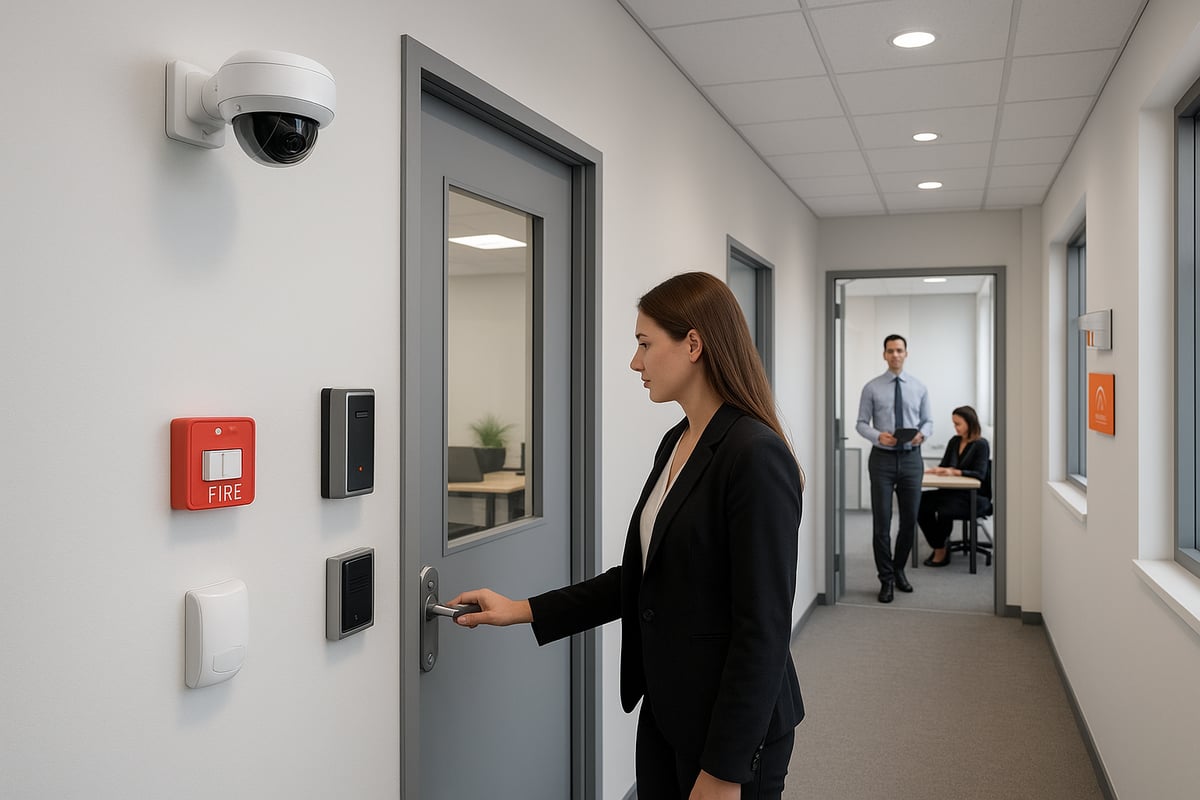
Modern fire alarm design is not just about standalone alarms. It is about creating a connected safety network. Linking fire alarms with emergency lighting, access control, and suppression systems is vital for coordinated response and compliance.

BS 5839 requires careful planning for system interconnectivity. Compatibility and scalability must be factored in from the outset. For instance, healthcare facilities often integrate nurse call and fire alarm systems, ensuring staff and patients receive timely alerts without confusion.

Future-proofing your fire alarm design with integration supports ongoing regulatory changes and technological advancements, making upgrades seamless.

Logic Fire and Security: Comprehensive Fire Alarm Design Solutions

Logic Fire and Security delivers complete fire alarm design, supply, installation, and ongoing maintenance across the UK. Their solutions are tailored to each building’s specific risk profile, whether you need wireless, addressable, or integrated systems.

Accredited by BAFE, NICEIC, and NSI Gold, Logic Fire and Security guarantees all fire alarm design work meets or surpasses 2026 compliance. Clients benefit from expert fire risk assessments, digital compliance records, and 24/7 monitoring support.

Trusted by blue-chip businesses, public sector organisations, and property managers, Logic Fire and Security ensures your fire alarm design is robust, compliant, and ready for future challenges.

Step 3: Designing a Compliant Fire Alarm System

A robust fire alarm design is the foundation of effective fire safety for any building. The process begins with careful planning and must align with the latest standards to ensure compliance. Thoughtful design not only protects lives but also helps avoid costly modifications and legal issues later.

Step 3: Designing a Compliant Fire Alarm System

Design Process and Key Considerations

The fire alarm design process starts with a detailed site survey. This involves assessing the building’s layout, occupancy, and any unique risks identified during the fire risk assessment. Accurate CAD-based planning is essential for mapping out detector and call point locations.

Zoning strategies are crucial, dividing the building into manageable sections for targeted detection and evacuation. For example, a multi-storey office will require separate zones for each floor and key areas like plant rooms. Staying current with the Fire Alarm Design Changes in BS 5839-1:2025 is vital, as new requirements may impact layout, integration, and documentation. Proper fire alarm design at this stage sets the groundwork for compliance and operational efficiency.

Detector and Device Selection

Choosing the right detectors and devices is a pivotal step in fire alarm design. Common options include smoke, heat, multi-sensor, and beam detectors, each suited to specific risks and environments. For instance, heat detectors are ideal for kitchens, while smoke detectors are best placed in corridors and sleeping areas.

Placement guidelines from BS 5839-1 help minimise false alarms, which is critical for compliance and uninterrupted operations. Multi-sensor devices can be used in complex areas to enhance detection accuracy. Consistent application of these principles ensures the fire alarm design addresses both safety and regulatory needs.

Documentation and Drawings for Approval

Comprehensive documentation is essential for demonstrating that your fire alarm design meets all compliance criteria. This includes producing CAD schematics, layout plans, and detailed specifications for contractor and authority approval.

Maintaining clear records of any design changes supports future audits and simplifies system upgrades. Digital documentation streamlines collaboration between stakeholders and accelerates the approval process. For example, providing digital plans and change logs ensures a smooth handover and helps maintain a clear compliance trail. Ultimately, meticulous documentation is the final safeguard, confirming your fire alarm design is both effective and fully compliant.

Step 4: Installation, Commissioning, and Handover

A robust fire alarm design is only as effective as its installation and commissioning. This crucial step ensures the system operates as specified, remains compliant, and protects both lives and property from day one.

Selecting Accredited Contractors and Installers

Choosing the right contractor is fundamental to successful fire alarm design implementation. Contractors should hold third-party certifications such as BAFE, NICEIC, or NSI Gold, proving their competence and adherence to recognised standards.

When engaging a provider, always verify their experience with similar building types and request evidence of recent projects. Accredited installers are trained to follow both manufacturer instructions and current regulations, greatly reducing post-installation faults and costly rework.

Research from the Fire Industry Association shows that sites using certified installers experience a 30 percent drop in post-installation issues. Prioritising accreditation in your fire alarm design project not only safeguards compliance but also gives you peace of mind.

Commissioning and Functional Testing

The commissioning phase validates every aspect of the fire alarm design. This process involves systematically testing all devices, including detectors, sounders, and control panels. Each component must be checked for correct operation, integration, and response times.

Comprehensive documentation of commissioning results is vital for future audits and insurance. It is best practice to involve both the client and relevant authorities during sign-off, ensuring transparency and shared understanding of system capabilities.

For the latest requirements and best practices, it is essential to review the BS 5839-1:2025 Compliance Overview, which details updates affecting installation and testing. Thorough commissioning is the final quality check before handover, catching any issues early and confirming full operational readiness.

User Training and Handover Documentation

Once a fire alarm design is installed and commissioned, effective handover is key. Responsible persons and end-users should receive hands-on training covering alarm operation, routine testing, emergency procedures, and fault reporting.

A complete handover pack should include:

  • User manuals
  • Digital and physical logbooks
  • Maintenance schedules
  • Clear emergency instructions

Sites with trained staff see up to 50 percent fewer false alarms, according to industry reports. Proper training and documentation ensure everyone knows their role, supporting long-term compliance and system reliability for your fire alarm design.

Step 5: Ongoing Maintenance, Monitoring, and Record-Keeping

Continuous maintenance, monitoring, and thorough record-keeping are essential pillars of compliant fire alarm design. These steps ensure your system remains effective, meets legal duties, and provides documented assurance in the event of inspection or incident.

Scheduled Maintenance and Legal Requirements

Routine maintenance is critical for upholding fire alarm design standards and ensuring ongoing system reliability. UK law, including the Regulatory Reform (Fire Safety) Order 2005, mandates regular checks, with BS 5839-1 specifying intervals and procedures.

Key maintenance tasks include:

  • Weekly testing of alarm functionality
  • Quarterly and annual system inspections
  • Battery performance checks and replacements

Staying up to date with requirements, such as the latest BS 5839-1:2025 Battery Requirements, helps avoid common failures. Missed maintenance can lead to system faults, insurance invalidation, or enforcement action. Proactive care demonstrates a commitment to both safety and compliance for every fire alarm design.

Alarm Monitoring and Rapid Response

Integrating 24/7 monitoring into your fire alarm design enhances early detection and swift intervention. Alarm Receiving Centres (ARC) provide constant oversight, ensuring activation alerts reach emergency services without delay.

Benefits include:

  • Faster response, reducing potential damage
  • Compliance with insurer and regulatory expectations
  • Peace of mind for building owners and occupants

Monitored systems can reduce average response times by 40 percent, directly impacting life safety outcomes. For complex properties, remote diagnostics and automated alerts further strengthen resilience, making monitoring a key component of modern fire alarm design.

Keeping Compliance Records Up-to-Date

Meticulous record-keeping is a cornerstone of compliant fire alarm design. Both digital and physical logbooks are vital for tracking maintenance, faults, upgrades, and system changes.

Best practices involve:

  • Recording all maintenance visits and tests
  • Logging faults and remedial actions
  • Documenting any alterations to the system

Digital tools streamline compliance, reducing administrative workload by 30 percent and improving audit readiness. Up-to-date records are essential for passing fire authority inspections and ensuring continued legal protection. They also provide a transparent history, supporting future system upgrades or investigations.

Preparing for Future Regulatory Changes and Best Practices

Staying ahead of regulatory changes is essential for anyone responsible for fire alarm design. The landscape in the UK is constantly shifting, with updates to BS 5839 and evolving government guidance shaping compliance requirements. To ensure your building remains compliant, regularly review updates from official bodies and participate in training sessions for responsible persons.

Engaging with industry organisations, such as FIA and BAFE, provides early access to best practices and insights on new requirements. For example, the anticipated focus on evacuation alert systems for compliance means property managers should already be planning for their integration within fire alarm design strategies. Proactive adoption of these systems helps avoid last-minute compliance issues and demonstrates a commitment to safety.

Regular staff training ensures your team can respond confidently to regulatory changes. By fostering a culture of learning, you reduce the risk of non-compliance and improve overall safety outcomes.

Embracing Technological Advancements

The future of fire alarm design is being shaped by rapid advancements in technology. Smart fire alarm systems now offer IoT integration, enabling real-time data sharing and remote diagnostics. Predictive maintenance tools help identify potential faults before they become critical, reducing downtime and enhancing system reliability.

Cloud-based monitoring platforms are increasingly popular for multi-site operations, providing centralised oversight and improved compliance tracking. For example, a national retail chain recently adopted cloud monitoring, allowing their facilities team to access live system status and compliance reports from any location.

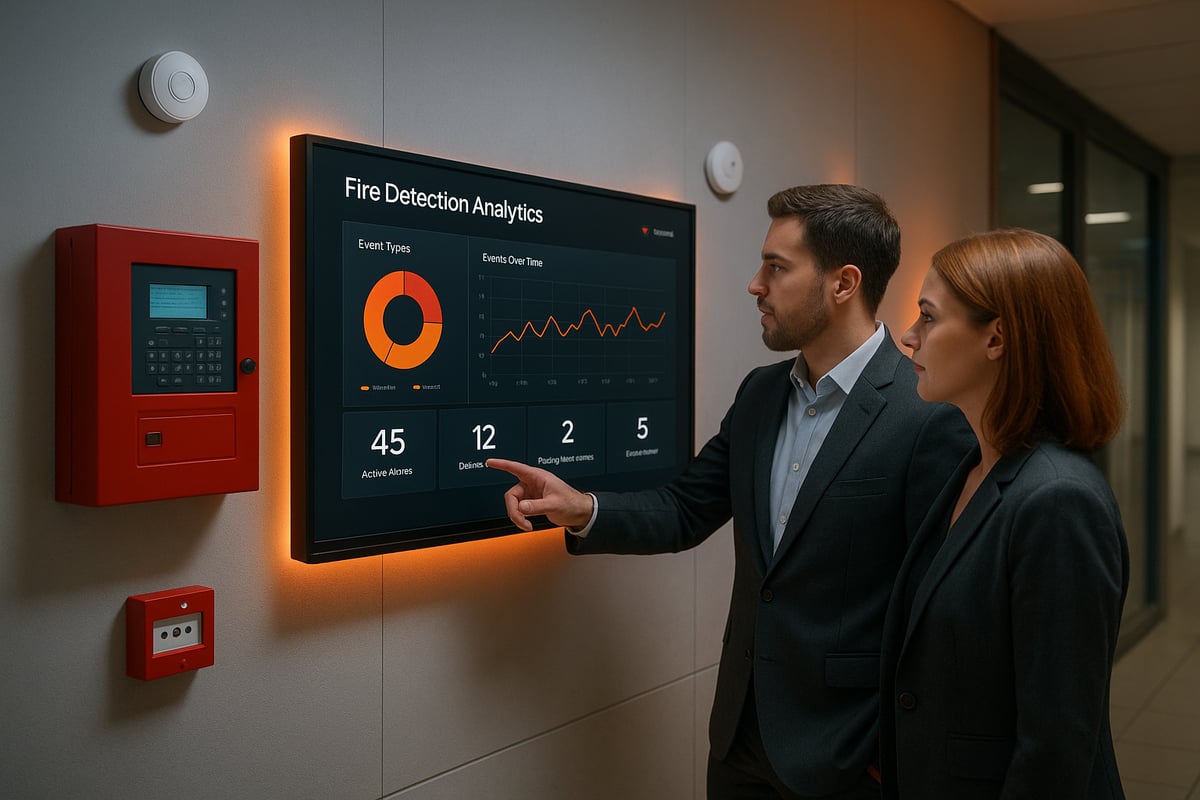
Data analytics are now a core part of fire alarm design, supporting risk management and evidence-based decision-making. By leveraging these tools, property managers can anticipate issues and maintain continuous compliance.

Building a Culture of Fire Safety

Embedding fire alarm design into your organisational culture ensures lasting safety and compliance. Encourage regular fire drills, involve staff in safety discussions, and integrate fire safety checks into daily processes.

A proactive approach, where everyone understands their role in fire alarm design, leads to better outcomes and a safer environment for all.

As you look ahead to the 2026 compliance standards, ensuring your fire alarm design is up to scratch is more important than ever. Navigating new regulations and choosing the right system can feel overwhelming, but you don’t have to tackle it alone. At Logic Fire and Security, we’re here to help you safeguard your people, property, and peace of mind with expert guidance every step of the way. If you’d like tailored advice or want to see how compliant your current setup is, why not take the first step and Get a Free Site Survey?

The Essential Guide to Smoke Detector CCTV Cameras 2026

Modern buildings face growing threats from both fire and security breaches. As risks become more sophisticated, property managers are seeking smarter solutions to keep people and assets safe.

Smoke detector CCTV cameras are at the forefront of this movement. These innovative hybrid devices combine fire detection and surveillance, offering a powerful layer of protection that traditional systems cannot match.

This essential guide demystifies smoke detector CCTV cameras. You will discover how they work, the benefits they deliver, and what to look for in 2026. Learn about legal requirements, installation tips, and the latest trends shaping the future of building safety.

Whether you manage offices, hotels, or public spaces, this guide will empower you to make informed decisions for optimal protection.

Understanding Smoke Detector CCTV Cameras

Modern buildings demand both security and fire safety, but managing separate systems can be challenging. Smoke detector CCTV cameras offer a solution by combining fire detection and visual surveillance in a single, discreet device. This integration is transforming how offices, hotels, and public spaces protect people and assets.

Understanding Smoke Detector CCTV Cameras

What Are Smoke Detector CCTV Cameras?

Smoke detector CCTV cameras are innovative hybrid devices that combine advanced smoke detection with high-quality video surveillance. Unlike standard smoke detectors, which only alert occupants to smoke, these units also monitor and record activity in real time. This dual function sets them apart from both traditional smoke detectors and basic CCTV systems.

Their discreet design is especially valuable in environments where visible cameras might cause concern or disrupt aesthetics. Offices, hotels, and public spaces often use these devices to maintain a secure yet unobtrusive presence. For instance, hotels frequently integrate smoke detector CCTV cameras to meet both fire safety regulations and security requirements without cluttering ceilings with multiple devices.

By blending seamlessly into sensitive areas, these systems provide enhanced protection while preserving the intended look and feel of the space. For a deeper look at how surveillance is integrated into these solutions, visit Commercial CCTV system solutions.

How Do They Work?

Smoke detector CCTV cameras operate using dual-sensor technology. Inside each unit, a sophisticated smoke sensor works alongside a high-definition camera lens. The smoke sensor continuously samples the air for particles, while the camera captures and streams video footage.

Key components include:

  • Smoke detection sensor
  • Camera lens (often with night vision)
  • Connectivity modules (wired or wireless)
  • Processing unit for real-time alerts

These devices support both wired and wireless data transmission, enabling flexible installation and integration with existing building management systems. When smoke is detected, the camera provides immediate visual verification, allowing security teams to assess the situation instantly. This rapid, dual response minimises false alarms and speeds up emergency interventions.

For example, if smoke is detected in a hotel corridor, the system can instantly send an alert and provide live video to facility managers, enabling quick assessment and response.

Key Benefits of Integration

The integration of fire detection and surveillance in smoke detector CCTV cameras delivers several advantages. First, it enhances both security and fire safety by offering two critical protections in one device. This approach also reduces costs and saves space compared to installing separate systems.

Installation becomes less complex, with fewer devices to mount and maintain. Many models are designed to meet strict compliance requirements, helping businesses align with safety and security regulations effortlessly. In a recent case study, a commercial property reported fewer false alarms and faster incident responses after upgrading to hybrid units.

Market data indicates a growing trend towards these integrated solutions, especially in commercial settings where efficiency and compliance are vital. As more organisations recognise the benefits, the adoption of smoke detector CCTV cameras is set to rise significantly in the coming years.

Core Features to Look for in 2026

Selecting the right smoke detector cctv cameras in 2026 means understanding the next generation of features that set these devices apart. As technology advances, both safety and security are being redefined by smarter, more integrated solutions.

Core Features to Look for in Smoke Detector CCTV Cameras

Advanced Detection Technologies

Modern smoke detector cctv cameras leverage AI-powered smoke and fire recognition to spot threats faster than ever. These systems use high-definition video feeds and night vision to maintain visibility at all hours, even in low-light conditions.

Smart analytics, such as motion detection and facial recognition, add another layer of intelligence. For instance, AI can now distinguish between harmless steam from a kettle and genuine smoke, reducing false alarms and ensuring accurate alerts.

Key innovations include:

  • Real-time AI analysis for early fire and security threat detection
  • Full HD or 4K video quality for detailed monitoring
  • Night vision for round-the-clock protection
  • Advanced algorithms to minimise nuisance triggers

The integration of these technologies makes smoke detector cctv cameras a reliable choice for complex environments.

Connectivity and Integration

Seamless connectivity is crucial for modern smoke detector cctv cameras. These devices often integrate with building management systems (BMS), allowing centralised control and monitoring.

Compatibility with smart alarms and mobile apps enables instant notifications and remote access. Facility managers can receive real-time alerts and view live footage from anywhere, streamlining emergency response. For a deeper look at remote monitoring, see Remote CCTV monitoring services.

Cloud-based alerting further enhances flexibility, ensuring incidents are reported instantly to the right personnel. This integration supports proactive management and rapid action during emergencies.

Compliance and Certifications

Adhering to the latest fire safety and data protection standards is non-negotiable for smoke detector cctv cameras. Leading devices comply with UK and EU fire safety regulations, such as BS 5839 and EN 54, to ensure reliable detection and system integrity.

These cameras must also respect GDPR requirements, safeguarding video footage with robust data protection measures. Certified products are installed and maintained by qualified professionals, providing peace of mind for building owners.

A top-tier device meets both security and fire safety standards, satisfying insurers and regulatory bodies alike.

Durability and Design

Durability and discreet design are key for smoke detector cctv cameras. Tamper-resistant housings help deter interference, while sleek aesthetics allow placement in sensitive or high-profile areas without drawing attention.

Weatherproof options are available for both indoor and outdoor use, making these devices suitable for modern offices, heritage buildings, and more.

This flexibility ensures that smoke detector cctv cameras blend seamlessly into any environment while delivering robust performance.

Maintenance and Support

Ongoing support is essential for the optimal operation of smoke detector cctv cameras. Self-diagnostic features enable early detection of faults or maintenance needs, reducing downtime.

Remote firmware updates keep systems secure and up to date. Reliable technical support ensures that issues are resolved promptly, maintaining continuous safety and security coverage.

Legal and Regulatory Considerations in the UK

Navigating the legal landscape for smoke detector cctv cameras in the UK is essential for both compliance and peace of mind. Understanding the regulatory framework ensures your integrated safety system meets all necessary standards, while also safeguarding privacy and supporting business continuity.

Smoke Detector CCTV Cameras - Legal and Regulatory Considerations in the UK

Fire Safety and Building Regulations

The UK enforces strict fire safety regulations, with the Regulatory Reform (Fire Safety) Order 2005 placing responsibility on building owners and managers. Commercial premises must have effective fire detection systems that comply with standards such as BS 5839 and EN 54.

Smoke detector cctv cameras can help meet these requirements by combining surveillance and fire detection. Their dual functionality is particularly valuable in offices, hotels, and public spaces where space and compliance are priorities. For guidance on specifying and designing compliant systems, consider consulting Video Smoke Detection Guidance.

Key points for compliance include:

  • Ensuring detection coverage in all critical areas
  • Maintaining clear evacuation routes
  • Documenting system design and performance

Hybrid devices support fire safety compliance and align with evolving regulatory expectations.

Data Protection and Privacy Laws

With smoke detector cctv cameras, data privacy is a top consideration. The UK General Data Protection Regulation (GDPR) applies to all video surveillance, requiring organisations to handle footage responsibly.

Best practices for compliance include:

  • Storing footage securely with restricted access
  • Implementing clear retention policies
  • Notifying building occupants about surveillance

For example, managing camera footage through encrypted storage solutions helps protect personal data and supports regulatory audits. Regular reviews of data handling policies further ensure ongoing compliance.

Installation and Certification Requirements

Installing smoke detector cctv cameras must be carried out by qualified professionals, such as those certified by BAFE or NICEIC. Proper installation ensures both fire detection and CCTV functionalities operate reliably and safely.

Essential requirements include:

  • Using certified equipment meeting UK and EU standards
  • Keeping comprehensive installation records
  • Conducting regular system tests and maintenance

Detailed documentation supports compliance during audits and demonstrates a commitment to occupant safety.

Insurance and Liability

Insurers increasingly recognise the benefits of integrated smoke detector cctv cameras. These systems can reduce premiums by lowering risk profiles for fire and security incidents.

However, building owners remain legally responsible for system upkeep. Regular maintenance and prompt response to faults are crucial to avoid liability for missed alarms or false alerts. For example, some insurers require documented evidence of both fire and CCTV system integration to validate claims and coverage.

Adhering to these requirements not only enhances protection but also supports favourable insurance terms.

Step-by-Step Guide: Choosing and Installing Smoke Detector CCTV Cameras

Choosing and installing smoke detector cctv cameras is a process that requires careful planning and expert execution. Follow this step-by-step guide to ensure your building achieves both robust security and fire safety, with reliable performance and long-term compliance.

Step-by-Step Guide: Choosing and Installing Smoke Detector CCTV Cameras

Step 1: Assessing Security and Fire Risks

Begin by conducting a thorough assessment of your facility’s fire and security needs. Identify critical zones such as entrances, storage rooms, or high-traffic corridors where both surveillance and early fire detection are essential.

A detailed risk assessment ensures you select smoke detector cctv cameras that match your environment’s unique challenges. Refer to trusted fire risk assessment guidelines for step-by-step instructions and compliance tips.

List areas where integrated devices offer clear advantages:

  • Main entry points
  • Shared workspaces
  • Storage or plant rooms

This foundational step sets the stage for a compliant, effective system.

Step 2: Selecting the Right Device

Evaluate the technical specifications of available smoke detector cctv cameras. Compare video resolution, smoke detection sensitivity, and compatibility with your existing infrastructure. Check for essential certifications and ensure the device meets UK and EU regulatory standards.

Consider whether a wired or wireless model fits your premises. Wireless options may offer easier installation, while wired systems can provide greater reliability in certain environments.

Research brands and models, weighing up factors like warranty, support, and integration features before making a final choice.

Step 3: Planning Installation Locations

Strategically plan where to install your smoke detector cctv cameras for maximum coverage. Place devices where they can effectively monitor both fire risks and security threats, such as lobbies, corridors, or near emergency exits.

Avoid blind spots by mapping out each camera’s field of view and smoke detection range. Steer clear of obstructions like shelving or large fixtures that might impede performance.

Proper placement enhances both detection capabilities and compliance with safety standards.

Step 4: Professional Installation and Setup

Engage certified professionals for the installation of smoke detector cctv cameras. Qualified installers ensure that devices are mounted securely, calibrated correctly, and integrated with your building’s systems.

During setup, verify that all equipment meets fire and security regulations. Conduct initial system tests to confirm that both smoke detection and surveillance functions operate seamlessly.

A professional approach reduces the risk of faults and supports long-term reliability.

Step 5: Integrating with Monitoring and Response Systems

Connect your smoke detector cctv cameras to central monitoring stations or mobile alert platforms. Set up automated emergency response protocols that instantly notify security and fire response teams during an incident.

Real-time alerts and visual verification streamline response times. Integration with building management systems further enhances situational awareness.

This step elevates your protection strategy, making your safety infrastructure both proactive and responsive.

Step 6: Training and Awareness

Train staff on the operation of smoke detector cctv cameras and emergency procedures. Hold regular drills and awareness sessions to ensure everyone understands how to respond to alarms and system notifications.

Clear communication and practical training foster confidence and reduce errors in high-pressure situations.

Step 7: Maintenance and Ongoing Support

Schedule routine inspections and tests for your smoke detector cctv cameras. Keep device software and firmware up to date to maintain peak performance and compliance.

Ongoing technical support is essential for resolving issues promptly and ensuring your system remains effective as technology and regulations evolve.

Industry Use Cases and Success Stories

Modern businesses across sectors are adopting smoke detector CCTV cameras to meet evolving safety and security demands. These hybrid devices are transforming protection strategies in workplaces, hospitality environments, retail, public sector buildings, and smart facilities.

Commercial Buildings

In office blocks and shared workspaces, smoke detector CCTV cameras deliver both regulatory compliance and robust security. Facilities managers benefit from integrated monitoring, enabling faster incident response and reducing downtime.

  • Enhanced safety for staff and visitors
  • Unified platform for fire and security alerts
  • Streamlined maintenance and reporting

For businesses seeking to meet fire alarm system requirements, these systems offer a practical solution without cluttering ceilings with multiple devices.

Hospitality and Hotels

Hotels and guesthouses face unique challenges around guest safety and privacy. Smoke detector CCTV cameras are ideal for discreetly monitoring corridors and public areas, ensuring compliance with fire safety standards while maintaining a welcoming atmosphere.

  • Unobtrusive design fits elegant interiors
  • Supports rapid evacuation and incident verification
  • Reduces false alarms and improves guest confidence

This dual approach allows properties to protect occupants and assets efficiently.

Retail and Warehousing

Retailers and warehouse operators are leveraging smoke detector CCTV cameras to reduce theft and mitigate fire risks in high-value storage areas. By combining surveillance and detection, security teams can act on real-time alerts.

  • Monitors stockrooms and loading bays for threats
  • Minimises false alarms, reducing business disruption
  • Improves insurance terms through enhanced protection

This technology is especially valuable in environments where traditional systems would be costly or intrusive.

Public Sector and Education

Schools, hospitals, and government buildings are under pressure to meet strict regulatory standards for both fire safety and security. Smoke detector CCTV cameras provide a unified solution that simplifies compliance and oversight.

  • Meets legal obligations for detection and monitoring
  • Enables quick incident verification for authorities
  • Supports safeguarding policies in sensitive environments

These devices are helping public institutions protect vulnerable populations with confidence.

Smart Buildings and Future Developments

The future of smoke detector CCTV cameras lies in smart building integration. Connected to IoT platforms, these devices enable predictive maintenance, real-time analytics, and automated emergency protocols.

  • Seamless integration with other building systems
  • Data-driven insights for facility optimisation
  • Enhanced AI for proactive threat identification

As highlighted in the AI-driven Smart Video Solution Evaluation, advanced analytics will further boost the efficiency and privacy of surveillance networks.

Future Trends and Innovations for 2026

As technology evolves, smoke detector cctv cameras are set to transform building safety and security in the coming years. These devices will harness advanced analytics, smart integration, and sustainable design to meet the demands of modern environments. Let us explore the innovations shaping the future of smoke detector cctv cameras.

AI and Machine Learning Enhancements

Artificial intelligence will become a core feature in the next generation of smoke detector cctv cameras. Predictive analytics will enable these devices to distinguish between genuine fire threats and harmless sources like steam, dramatically reducing false alarms. Machine learning algorithms will continuously improve detection accuracy by analysing historical incident data.

For example, AI-powered systems can learn from past events, adapting their responses to minimise unnecessary alerts. This advancement not only protects occupants but also streamlines emergency response, making smoke detector cctv cameras a proactive part of building safety.

IoT and Smart Building Integration

In 2026, seamless integration with IoT platforms and building management systems will be standard. Smoke detector cctv cameras will communicate with alarms, HVAC controls, and access systems, enabling automated evacuation protocols and remote diagnostics.

Facility managers will benefit from real-time alerts delivered directly to mobile devices or cloud dashboards. Imagine a scenario where smoke is detected in a storeroom, and the system instantly triggers lockdown procedures and notifies first responders, all coordinated via a unified smart building platform.

Enhanced Privacy and Cybersecurity Measures

With the rise of connected devices, protecting data is more important than ever. Smoke detector cctv cameras will feature end-to-end encryption and secure storage to comply with evolving data protection laws. Manufacturers will prioritise privacy by incorporating robust access controls and regular security updates.

This focus on cybersecurity ensures that video footage and incident data remain confidential, supporting compliance with regulations like GDPR. Organisations will be able to trust these systems to safeguard both physical assets and sensitive information.

Sustainable and Energy-Efficient Designs

Environmental responsibility will play a significant role in the design of smoke detector cctv cameras. Manufacturers are adopting eco-friendly materials and developing low-power devices to reduce operational costs. Some models will even harness solar energy, making them suitable for off-grid applications.

Staying ahead of industry standards, such as those outlined in BS 5839-6:2019 Fire Detection Standards, will be crucial for organisations aiming for both compliance and sustainability in new installations.

Market Growth and Adoption Statistics

The market for smoke detector cctv cameras is expected to expand rapidly by 2026. Industry analysts predict a surge in adoption, driven by stricter fire safety regulations, increased insurance incentives, and advances in AI technology.

Commercial properties, hospitality, and public sector organisations are leading the way, recognising the value of unified fire and security solutions. As these trends continue, smoke detector cctv cameras will become a standard feature in smart, future-ready buildings.

As we’ve explored, integrating smoke detector CCTV cameras is a smart way to protect your people and property — combining advanced fire detection with discreet, effective surveillance. If you’re keen to futureproof your premises, but unsure where to start, why not let us help? At Logic Fire and Security, we specialise in tailoring solutions to your specific needs — from risk assessment to expert installation and ongoing support. There’s no substitute for peace of mind when it comes to safety and compliance.
Get a Free Site Survey
Discover how easy it is to take the next step.

Advanced Fire Alarm System Guide: Expert Insights for 2026

In 2026, advanced fire alarm systems are revolutionising building safety. Are you ready to future-proof your premises and protect what matters most?

This expert guide explores everything you need to know about choosing, implementing, and maintaining an advanced fire alarm system for your business or property. Discover the latest technologies, compliance standards, and best practices essential for staying ahead.

With rising fire safety risks and stricter regulations, innovative solutions offer better detection, fewer false alarms, and easier integration. Learn how cost savings, enhanced safety, and regulatory compliance can benefit your premises.

Now is the time to assess your current fire protection and consider an upgrade to an advanced fire alarm system.

The Evolution of Fire Alarm Systems: Trends and Innovations for 2026

The world of fire detection is advancing rapidly, transforming how organisations protect people and property. The advanced fire alarm system is now at the heart of modern safety strategies, bringing together the latest technologies and compliance standards. To stay ahead, business owners and property managers must understand the shift from legacy equipment to intelligent, future-ready solutions.

The Evolution of Fire Alarm Systems: Trends and Innovations for 2026

Key Developments in Fire Detection Technology

Traditional fire alarm systems relied on basic smoke or heat detectors and simple control panels. Today, the advanced fire alarm system is defined by addressable and wireless technologies, giving each device a unique identity and allowing precise pinpointing of hazards. Hybrid and networked systems are now common, especially in complex buildings where flexibility and resilience are essential.

AI and IoT integration are propelling predictive detection, enabling remote monitoring and early intervention. Enhanced sensors such as multi-criteria detectors and aspirating systems like VESDA deliver greater sensitivity and fewer false alarms. Smart analytics further reduce nuisance activations, improving reliability. For instance, the Apollo XP95 addressable range is widely used in commercial environments for its adaptability and robust event logging.

Market Insights and Industry Statistics

The UK market is seeing a surge in advanced fire alarm system adoption, driven by demand for wireless and hybrid solutions in both new builds and retrofits. Over 60 countries now utilise addressable systems, reflecting their global appeal. Regulatory updates, such as the changes to BS 5839-1:2023 and the push for BAFE certification, are shaping procurement decisions and installation standards.

Businesses are also attracted by lower wiring and installation costs, as well as the flexibility these systems offer for future upgrades. The use of event logs and remote diagnostics is streamlining maintenance and compliance checks. For the latest on regulatory changes, see the BSI announces updated fire safety standard for fire alarm systems for non-domestic premises.

Future-Proofing with Advanced Fire Alarm Systems

Future-proofing your premises is crucial as fire safety regulations and risks continue to evolve. An advanced fire alarm system should offer scalability to support business growth and changing layouts. Innovations in user interfaces, such as touchscreen panels and smart notifications, make operation and management more intuitive.

Compatibility with building management and security systems is now standard, enabling centralised control and coordinated emergency responses. Anticipated regulatory changes for 2026 will likely require even greater system integration and adaptability. Investing in the right technology today ensures ongoing protection, compliance, and peace of mind for years to come.

Types of Advanced Fire Alarm Systems Explained

Understanding the various types of advanced fire alarm system is vital for effective building protection. With technology advancing rapidly, selecting the right system can seem daunting. Let us break down the options, components, and key considerations for your premises.

Types of Advanced Fire Alarm Systems Explained

Conventional, Addressable, and Wireless Systems

There are three main categories of advanced fire alarm system: conventional, addressable, and wireless. Each offers distinct advantages and is suited to different environments.

  • Conventional systems are cost-effective for small sites. Devices are grouped by zones, so an alarm identifies the general area but not the exact device.
  • Addressable systems assign each detector a unique address, enabling pinpoint identification of alarms or faults. These are ideal for larger or more complex buildings.
  • Wireless systems use radio signals, making installation quick and minimally disruptive. They are especially useful for historic or listed buildings where cabling is impractical.

For a comprehensive comparison, see Types of fire alarm systems. The choice between these systems often depends on the building size, complexity, and installation constraints.

A summary table helps clarify the differences:

System Type Device Identification Installation Typical Use
Conventional By zone Wired Small offices, shops
Addressable Individual device Wired Hospitals, airports
Wireless Individual device Wireless Heritage sites

System Components and How They Work

Every advanced fire alarm system relies on a combination of components working in harmony. The key elements include:

  • Control panel: the system’s brain, managing all devices and alerts.
  • Detectors: smoke, heat, and beam detectors sense various fire conditions.
  • Manual call points: allow occupants to trigger the alarm.
  • Sounders and beacons: provide audible and visual alerts.
  • Interfaces and modules: connect to lifts, plant equipment, or building management systems.

The Apollo XP95 range, for example, offers smoke and heat detectors, sounder beacons, and I/O modules. These can be configured using ring-type wiring, which ensures the system remains functional even if a cable is damaged. Event logging and programmable cause/effect functions (such as automatic lift grounding) further enhance reliability and response.

Choosing the Right System for Your Premises

Selecting the best advanced fire alarm system requires careful assessment of several factors:

  • Building size and layout
  • Occupancy and risk profile
  • Regulatory and insurance requirements
  • Potential for future expansion

While addressable systems may entail higher initial costs, they often reduce wiring expenses and offer superior flexibility. Wireless systems are ideal where installation speed and minimal disruption are priorities. Industry examples include the use of Advanced and Apollo systems in hospitals, shopping centres, and airports, where scalability and adaptability are essential.

The right system not only protects lives and assets, it also ensures compliance and supports business continuity.

Step-by-Step Guide: Designing and Installing an Advanced Fire Alarm System

Designing and installing an advanced fire alarm system is a multi-stage process that requires precision, expertise, and strict adherence to safety standards. Each step plays a crucial role in ensuring the system is both effective and compliant.

Step-by-Step Guide: Designing and Installing an Advanced Fire Alarm System

Step 1: Site Survey and Risk Assessment

Every advanced fire alarm system begins with a detailed site survey by a qualified professional. This assessment identifies hazards, escape routes, and high-risk areas throughout the building.

During the survey, specialists consider the building’s structure, occupancy, and operational needs. They also review legal requirements and relevant fire safety regulations to ensure full compliance from the outset.

Step 2: System Design and Specification

Once the risk assessment is complete, the next phase is the system design. Engineers create detailed drawings and zone layouts, selecting the most suitable advanced fire alarm system type and components for the premises.

They ensure the design aligns with the latest standards, such as BS 5839-1:2023, and any insurance requirements. This stage involves collaborating with stakeholders to address unique site challenges and future expansion needs.

Step 3: Quotation and Client Approval

A transparent quotation is provided, covering equipment, installation, and ongoing maintenance. Clients can expect a clear breakdown of costs, including options for system features or upgrades.

Many providers offer a free site survey and tailored quotation, helping businesses make informed decisions about their advanced fire alarm system investment.

Step 4: Pre-Installation Checks and Planning

Before installation, the project team verifies site readiness and confirms any changes since the initial survey. This step ensures a smooth installation process with minimal disruption to daily operations.

Scheduling is coordinated with the client, allowing for flexibility around business hours or critical activities within the building.

Step 5: Installation and Commissioning

Accredited engineers carry out the installation of the advanced fire alarm system, following industry best practices. Every device, from detectors to sounders, is tested to guarantee correct operation and integration.

After installation, the team demonstrates the system to the client, ensuring they understand its features, controls, and response protocols. Essential documentation, such as log books and operator manuals, is provided along with compliance certification.

Step 6: Handover and Training

With the system commissioned, the next priority is staff training. Clear instructions are given on how to operate the advanced fire alarm system and respond in case of an emergency.

Zone layout drawings and manuals are mounted onsite for quick reference. This step empowers staff to act confidently and efficiently during real incidents.

Step 7: Ongoing Support and Maintenance Planning

To maintain optimal performance, a maintenance schedule is established, often involving six-monthly visits. Providers typically offer 24/7 support and emergency response to keep the advanced fire alarm system fully operational.

For more on best practices, see Fire alarm system inspections, which covers the importance of regular checks and compliance.

By following this structured approach, businesses can ensure their advanced fire alarm system is not only compliant but also robust, scalable, and ready for future challenges.

Compliance, Certification, and Regulatory Considerations for 2026

Staying compliant with current and upcoming regulations is fundamental for any advanced fire alarm system. As fire safety standards evolve, businesses and property managers must adapt to maintain legal, insurance, and operational integrity.

Compliance, Certification, and Regulatory Considerations for 2026

UK Fire Safety Legislation and Standards

The UK regulatory landscape for fire safety is shaped by the Regulatory Reform (Fire Safety) Order 2005 and the updated BS 5839-1:2023 standard. These frameworks set out the requirements for the design, installation, and ongoing management of any advanced fire alarm system.

Accreditations such as BAFE and NSI Gold are essential for demonstrating compliance and quality assurance. Partnering with a provider who meets these standards, as detailed in the Fire safety compliance standards, ensures your advanced fire alarm system is installed and maintained to the highest benchmarks.

Key points:

  • Use only certified professionals for design, installation, and maintenance.
  • Ensure your system meets BS 5839-1:2023.
  • Regularly review changes in legislation and standards.

Documentation and Record-Keeping

Proper documentation is a legal and insurance requirement for every advanced fire alarm system. Keeping up-to-date log books, operator manuals, and zone layout drawings on site is essential.

Insurers and authorities may request these documents during audits or after an incident. For example, some providers issue comprehensive documentation packs upon handover, covering all aspects of the system.

Required records include:

  • Log books of tests, faults, and maintenance visits.
  • Operator manuals and system schematics.
  • Certificates of commissioning and ongoing compliance.

Maintaining this paperwork not only supports compliance, but also streamlines audits and emergency response.

Meeting Insurance and Risk Management Needs

Insurance companies increasingly require proof that an advanced fire alarm system meets current standards and is regularly serviced. Failure to comply can result in fines, liability issues, or invalidated insurance cover.

Remote diagnostics and event logs help demonstrate compliance and proactive maintenance, making audits more efficient. These features also reduce the risk of non-compliance by providing real-time system status and historical data.

To secure insurance approval and reduce risk:

  • Schedule regular maintenance and inspections.
  • Use systems with robust event logging and remote monitoring.
  • Keep all certification and test records readily accessible.

Proactive compliance safeguards both your assets and your reputation.

Integrating Fire Alarm Systems with Security and Building Management

Integrating an advanced fire alarm system with your security and building management infrastructure is becoming essential for future-ready premises. Modern buildings demand seamless communication between fire detection, access control, and management systems to ensure swift, coordinated responses during emergencies.

This approach not only streamlines incident management but also enhances safety and operational efficiency. With integration, businesses can centralise building intelligence, automate emergency procedures, and reduce manual intervention.

Benefits of System Integration

Combining your advanced fire alarm system with security and building management systems delivers several clear benefits:

  • Improved situational awareness through unified alerts and real-time data.
  • Faster, coordinated emergency responses, such as automatic door releases or plant shutdowns.
  • Centralised monitoring, reducing operational complexity and staff workload.

This integration enables automated cause and effect programming, ensuring that when the advanced fire alarm system is triggered, related actions like shutting down lifts or unlocking exits occur instantly. The result is a safer environment and more efficient compliance with regulations.

Technologies Enabling Integration

Modern technologies have made integration more accessible and robust than ever. Open protocol panels and network interfaces allow various systems to communicate, regardless of manufacturer. Internet of Things (IoT) connectivity and smart notifications enable remote monitoring and management from anywhere.

For a more detailed look into how these solutions work, see Integrating fire and security systems. These advancements ensure your advanced fire alarm system operates in unison with CCTV, access control, and intruder alarms, maximising overall protection.

Example Scenarios and Use Cases

Integrated systems are already transforming safety protocols in complex environments:

  • In hospitals, the advanced fire alarm system automatically grounds lifts and coordinates evacuation.
  • Offices use integration to release access-controlled doors, allowing safe egress during fire events.
  • Warehouses benefit from automatic plant shutdown and instant CCTV activation upon alarm, minimising downtime and damage.

These scenarios show how integration tailors responses to each site’s unique requirements, enhancing both safety and operational continuity.

Logic Fire and Security: Your UK Partner for Advanced Fire Alarm Solutions

Logic Fire and Security specialises in designing, installing, and maintaining advanced fire alarm system solutions nationwide. Accredited to BAFE, NSI Gold, and other leading standards, they deliver compliance and peace of mind.

Their expertise extends to seamless integration with security and building management systems, supporting blue-chip clients and public agencies alike. With free site surveys, bespoke design, and 24/7 support, Logic Fire and Security ensures your advanced fire alarm system remains future-proof, effective, and compliant.

Maintenance, Monitoring, and Future-Proofing Your Fire Alarm System

Caring for your advanced fire alarm system is not just about ticking boxes, it is about safeguarding lives and assets. Proactive maintenance, continuous monitoring, and forward-thinking upgrades will keep your system reliable, compliant, and ready for the future.

Routine Maintenance and Testing

Regular inspections are a legal requirement for any advanced fire alarm system in the UK. Systems in commercial premises typically need checking every six months, or more frequently in larger or high-risk environments.

Preventative maintenance helps reduce false alarms, system failures, and costly downtime. Modern systems use remote diagnostics and event logs to identify issues before they escalate, supporting a proactive approach.

Staying up to date with the latest standards is crucial. For example, FIA publishes guidance on BS 5839-1:2025 fire alarm system changes to help businesses maintain compliance and adapt maintenance routines as regulations evolve.

24/7 Monitoring and Emergency Response

Professional monitoring services provide round-the-clock protection for your premises. When an advanced fire alarm system detects an incident, the monitoring centre is immediately alerted, ensuring rapid communication with emergency services.

Integration with central stations and emergency responders minimises response times and supports coordinated evacuation. Many modern systems enable remote status checks and notifications, adding an extra layer of reassurance for property managers and tenants.

Upgrading and Expanding Existing Systems

Knowing when to upgrade your advanced fire alarm system is vital for ongoing compliance and security. Changes in building use, occupancy, or legislation can all trigger the need for enhanced coverage or new technologies.

Addressable and wireless solutions allow you to add new devices or zones with minimal disruption. This flexibility is especially important for growing businesses or multi-site portfolios. According to the Fire Detection Alarm System Market | Size, Share, Volume 2025 to 2032, demand for scalable, future-ready systems is set to rise as AI and IoT become industry standards.

Cost Management and Lifecycle Planning

Investing in an advanced fire alarm system is a balance between initial spend and long-term efficiency. While addressable systems may have higher upfront costs, they often deliver savings through reduced wiring, fewer false alarms, and easier maintenance.

Plan for ongoing expenses, including routine servicing, future upgrades, and system expansion. Many organisations choose scalable solutions to support growth without major reinvestment. This strategic approach ensures your protection keeps pace with business change, while controlling total cost of ownership.

As you look ahead to 2026 and consider the evolving landscape of fire safety, it’s clear that advanced fire alarm systems are essential for protecting your people and property. Whether you’re navigating new compliance standards or exploring the latest innovations, you don’t have to do it alone. We’re here to help you assess your needs, identify the right solutions, and ensure your building stays safe and compliant for years to come. If you’d like expert advice tailored to your premises, why not Get a Free Site Survey? Let’s work together to future proof your fire safety strategy.

Our Accreditations

Work
For Us