
Category: Uncategorised

Access Control Systems for Business Guide: 2025 Security Insights

Businesses face mounting security challenges in 2025, making access control systems for business more critical than ever. Sophisticated breaches are on the rise, and traditional methods no longer suffice.

Modern access control systems for business offer robust protection, help you meet compliance requirements, and streamline daily operations. These systems can safeguard your assets and maintain a secure environment for staff and visitors.

This guide will give you practical insights into the latest access control technologies, types of systems, key benefits, selection tips, compliance standards, and what to expect for the future. By following these steps, you can strengthen your security posture and stay ahead of emerging threats.

Understanding Access Control Systems for Business

Modern businesses face growing security challenges, making it crucial to understand how access control systems for business protect assets, data, and people. These systems are no longer a luxury but a vital part of operational security, especially for companies handling sensitive information or operating across multiple locations.

Understanding Access Control Systems for Business

What Are Access Control Systems?

Access control systems for business are designed to manage and regulate who can enter or exit specific areas within commercial premises. At their core, these systems consist of four main components:

  • Credentials (such as cards, PINs, biometrics)
  • Readers (devices that validate credentials)
  • Control panels (decision-making units)
  • Software (management interface)

They can be divided into physical access controls (restricting entry to buildings or rooms) and logical access controls (protecting digital assets and networks). For example, an office may only allow authorised staff into server rooms using a secure keycard or fingerprint.

In multi-site or high-traffic environments, robust access control systems for business ensure only approved individuals gain entry, reducing the risk of internal and external threats. For more details, see Access Control Entry Systems.

Types of Access Control Systems

Businesses can choose from several types of access control systems for business, each offering unique features:

System Type Credentials Key Benefit Ideal For
Standalone Keycards, PINs Simple setup Small offices
Networked Cards, biometrics Central management Medium enterprises
Cloud-based Mobile, biometrics Remote access Multi-site businesses

Standalone systems are cost-effective and easy to install but lack scalability. Networked systems offer centralised control and integration options. Cloud-based systems enable remote management and real-time updates, making them suitable for growing firms. Credentials can include keycards, PIN codes, biometrics, or even mobile access via smartphones.

The right choice depends on your company’s size, sector, and security needs.

The Business Case for Access Control

Investing in access control systems for business delivers proven security and operational benefits. These solutions reduce unauthorised access, theft, and vandalism by creating audit trails and custom access levels. Integration with HR and time management systems streamlines employee oversight.

From an insurance and liability perspective, robust systems can lower premiums and ensure legal compliance. According to NSI, businesses with integrated access control report up to 50% fewer security incidents. For example, retailers have successfully reduced stock shrinkage by monitoring and limiting access to sensitive areas.

Ultimately, access control systems for business support a safer, more efficient workplace while safeguarding assets and reputation.

Latest Access Control Technologies and Innovations for 2025

The landscape of access control systems for business is evolving rapidly as new technologies emerge. In 2025, organisations are prioritising solutions that offer robust security, flexibility, and sustainability. Let us explore the most significant innovations shaping business security.

Latest Access Control Technologies and Innovations for 2025

Biometric and Mobile Access Solutions

Biometric authentication is now a cornerstone of access control systems for business. Fingerprint, facial recognition, and iris scanning technologies deliver higher security by using unique personal identifiers. Alongside biometrics, mobile credentials are surging in popularity. Staff access doors using smartphones or wearables, reducing the risk of lost cards or forgotten PINs.

Offices across the UK are adopting facial recognition for seamless, touchless entry. This not only enhances convenience but also speeds up throughput in high-traffic areas. Recent data shows biometric adoption among UK businesses has risen by 30 percent since 2022. The combination of biometrics and mobile access is transforming building security and user experience.

Cloud-Based and Integrated Systems

Cloud-managed access control systems for business are now the preferred choice for organisations seeking scalability and centralised management. These systems allow businesses to administer access permissions, view real-time events, and automate updates from any location. Integration with CCTV, alarms, and building management systems creates a unified security ecosystem.

For multi-site companies, cloud-based platforms mean access can be managed remotely, saving time and reducing costs. Security is further strengthened with automatic software updates and encrypted data transmission. According to Top 5 access control trends for 2025, cloud integration is a defining trend shaping the future of business security.

AI and Analytics in Access Control

Artificial intelligence is revolutionising access control systems for business by enabling smarter threat detection and response. AI-powered analytics monitor access patterns, identifying anomalies such as tailgating or unusual entry times. Automated alerts notify security teams instantly, allowing for swift action.

Predictive maintenance features also ensure system reliability by flagging potential faults before they cause disruption. Over 60 percent of new installations now include AI capabilities. For example, corporate headquarters use AI to detect and address unauthorised access attempts, keeping operations secure and compliant.

Sustainability and Energy Efficiency

Modern access control systems for business are designed with environmental responsibility in mind. Manufacturers now prioritise eco-friendly materials and energy-saving components. Smart controls automatically adjust lighting and HVAC systems based on occupancy, helping reduce overall power consumption.

These innovations support compliance with green building standards such as BREEAM. By integrating sustainable practices, businesses not only protect their premises but also contribute to broader environmental goals. Access control is becoming a key part of a company’s sustainability strategy.

Step-by-Step Guide to Implementing Access Control in Your Business

Implementing access control systems for business is a strategic process that requires careful planning and execution. By following a structured approach, organisations can enhance security, improve operational efficiency, and future-proof their premises against emerging threats. Below is a practical step-by-step guide to help you navigate the implementation journey.

Step-by-Step Guide to Implementing Access Control in Your Business

Assessing Security Needs and Risks

Begin by conducting a thorough assessment of your business’s unique security requirements. Identify areas that house sensitive assets, such as server rooms, warehouses, or executive offices. Engage key stakeholders, including HR, IT, and facilities management, to gather diverse perspectives on potential vulnerabilities.

Use tools like security audits and vulnerability scans to pinpoint high-risk entry points. For example, a warehouse may need stricter access to stockrooms, while office spaces might prioritise executive suites. Mapping these priorities will ensure your access control systems for business align with actual risks and operational needs.

  • Identify sensitive zones
  • Engage multidisciplinary teams
  • Utilise security audit tools

A detailed risk assessment forms the foundation for a robust security strategy.

Designing the Right System

Once needs are clear, choose between standalone, networked, or cloud-based access control systems for business. Select credentials that fit your environment, whether keycards, biometrics, PIN codes, or mobile credentials. Cloud-based solutions are increasingly popular, offering remote management and scalability.

Consider how the system will integrate with existing security infrastructure, such as CCTV or fire alarms. For instance, integrating access control with fire alarm systems ensures compliance and safety. According to Access control trends in 2025, cloud-based and integrated systems are becoming the standard for businesses seeking flexibility and future readiness.

  • Match system type to business size and needs
  • Prioritise scalability for growth
  • Plan for seamless integration

Thoughtful system design sets the stage for effective, long-term protection.

Installation and Configuration

Decide whether to use professional installers or opt for a DIY approach. Professional installation is typically recommended for complex access control systems for business, reducing risk and ensuring compliance. Plan the rollout to minimise operational disruption, perhaps by phasing installation across different departments.

Customise access levels and schedules for various employee groups. Rigorous system testing and validation are critical to catch issues early. For example, large office complexes often implement phased rollouts to maintain security during transition.

  • Professional installation vs DIY
  • Phased implementation
  • Rigorous testing and validation

Careful configuration ensures the system functions as intended from day one.

Training and Ongoing Maintenance

Train staff on how to use the new system and understand security protocols. Schedule regular maintenance and software updates to keep access control systems for business effective and secure. Plan for future upgrades and ensure staff remain informed about evolving best practices.

Ongoing education and upkeep will help your security investment deliver lasting value.

Compliance, Standards, and Legal Considerations for 2025

Keeping up with compliance and legal requirements is essential for any business deploying access control systems for business. As regulations evolve, meeting the latest security, data protection, and safety standards will be a top priority in 2025.

UK and International Security Standards

Compliance with UK and international standards is non-negotiable for access control systems for business. Leading frameworks include NSI, BAFE, and ISO, each setting benchmarks for security and quality. Working with certified providers is crucial, as they ensure your system meets insurance and regulatory expectations.

A prime example is the NSI Gold Continued Certification, which demonstrates a provider’s commitment to the highest industry standards. NSI Gold accreditation covers everything from installation practices to ongoing system maintenance.

Choosing accredited installers means your access control systems for business are more likely to be robust, reliable, and fully compliant. This level of assurance is especially important for businesses seeking to minimise risk and protect assets.

Data Protection and GDPR

When implementing access control systems for business, data protection and GDPR compliance must be at the forefront. These systems often collect sensitive personal data, such as biometric identifiers and access logs. Businesses are required to follow GDPR principles, including data minimisation, clear consent, and defined retention periods.

Secure storage and encrypted transmission of biometric data are essential to prevent unauthorised access or breaches. Regular audits help ensure only necessary data is kept, and that access logs are handled in a GDPR-compliant manner.

By prioritising data privacy, organisations can build trust with employees and visitors, while reducing the risk of regulatory penalties. Proper management of personal data is a cornerstone of responsible access control.

Health & Safety and Fire Regulations

Access control systems for business must never compromise health and safety. UK law, including the Regulatory Reform (Fire Safety) Order 2005, requires that emergency exits remain accessible at all times. This means access control should integrate seamlessly with fire alarms and evacuation protocols.

For example, fail-safe door releases automatically unlock during fire alarms, ensuring everyone can exit safely. Proper integration between access control and fire systems is not just best practice, but a legal obligation.

Regular testing and maintenance help guarantee these systems function correctly in an emergency. Compliance with health and safety standards protects both people and property, reinforcing the value of robust access control systems for business.

Choosing the Right Access Control Partner

Selecting the right partner for access control systems for business is a decision that shapes your long-term security, compliance, and operational efficiency. The right provider is more than just an installer; they are a strategic ally who will help your business achieve its security goals while navigating the complexities of technology and regulation.

Evaluating Providers and Installers

When considering access control systems for business, it is essential to evaluate providers on several criteria. Look for demonstrable experience, up-to-date industry knowledge, and a strong client portfolio. Accreditations such as NSI Gold, BAFE, and ISO are key indicators of quality and compliance. Aftercare and ongoing support services are crucial for system longevity and reliability.

Request site surveys and tailored proposals from multiple vendors. This allows for a clear comparison of solutions, pricing, and the ability to meet your unique needs. Be sure to review a provider’s Quality and Security Accreditations to ensure their standards align with your business requirements.

Logic Fire and Security: Trusted Access Control Solutions

Logic Fire and Security stands out as a premier provider of access control systems for business across the UK. Their expertise spans system design, installation, monitoring, and ongoing maintenance, ensuring comprehensive support at every stage. Accredited by BAFE, NSI Gold, and ISO, they deliver solutions that meet the highest standards of compliance and quality.

Access Control Systems for Business Guide: 2025 Security Insights - Logic Fire and Security: Trusted Access Control Solutions

Their bespoke approach suits commercial premises, public sector organisations, and complex multi-site businesses. Logic Fire and Security’s reputation is built on trust, with blue-chip clients and public agencies relying on their tailored, end-to-end services.

Questions to Ask Before Committing

Before finalising your decision on access control systems for business, ask potential providers the following:

  • What certifications and accreditations do you hold?
  • Can the system scale with future business growth?
  • What are your ongoing support and maintenance terms?
  • How do you manage data privacy and cyber security?
  • Is integration with existing security and fire systems possible?

These questions ensure you select a partner who can support your evolving business needs and regulatory obligations.

Future Trends and Security Insights for Access Control in 2025

Emerging trends in access control systems for business are redefining security strategies as we move into 2025. Businesses are seeking smarter, interconnected, and proactive solutions to stay ahead of both physical and digital threats.

The Rise of Smart Buildings and IoT Integration

Smart buildings are rapidly transforming the landscape for access control systems for business. Integrating IoT sensors and automation, these environments allow for dynamic management of entry points and instant response to security events. Businesses can now automate lockdowns, adjust lighting or climate based on occupancy, and monitor access in real time.

For example, a single dashboard can control access across multiple sites, optimising both security and energy efficiency. The adoption of mobile credentials and real-time monitoring is accelerating, as noted in Access control in 2025: top trends. This shift is making security more adaptive and user-centric.

Cybersecurity Threats and Countermeasures

As access control systems for business increasingly rely on digital networks, cybersecurity risks have become a primary concern. Sophisticated cyberattacks now target access points, aiming to exploit vulnerabilities in connected systems. To counter these threats, businesses are adopting encryption, regular software updates, and network segmentation.

The UK government is responding with stricter regulations, as highlighted in UK plans tougher cybersecurity laws, reinforcing the need for robust cyber defences in 2025. By implementing zero-trust security models, companies can limit exposure and maintain the integrity of their access control systems for business.

Predictive Analytics and Proactive Security

Predictive analytics is now at the forefront of access control systems for business. By leveraging real-time data, AI can identify unusual patterns and anticipate risks before they escalate. Automated alerts enable rapid response to unauthorised attempts, while system health monitoring ensures reliability.

For instance, predictive alerts can flag repeated failed access attempts, prompting immediate investigation. This proactive approach not only deters threats but also enhances overall operational resilience. Businesses embracing predictive analytics are better equipped to protect their assets and maintain compliance.

As you’ve seen, keeping your business secure in 2025 means staying ahead of evolving threats and embracing the latest access control technologies. Whether you’re looking to safeguard sensitive areas, ensure compliance, or streamline your operations, having expert guidance makes all the difference. If you’d like tailored advice or want to understand the best options for your unique needs, why not take the next step? You can Get a Free Site Survey and let Logic Fire and Security help you identify the most effective solutions for your business. Your security deserves nothing less.

Fire Risk Assessment for Care Homes: The 2025 Essential Guide

Recent high-profile care home fires have underscored the vital importance of effective fire safety. Regulatory changes in the UK reflect a growing urgency to protect vulnerable residents and uphold the highest standards in every care setting.

Care home residents face unique risks due to mobility challenges and cognitive impairments. This places a legal and moral responsibility on care providers to prioritise prevention and rapid response. Conducting a thorough fire risk assessment for care homes is essential to safeguard lives, ensure compliance, and maintain trust within the community.

Following an up-to-date fire risk assessment for care homes not only protects your residents but also shields your organisation from reputational damage and legal penalties. This 2025 essential guide outlines best practices and compliance steps every care home must follow.

In this article, you will find a step-by-step, expert-led guide to fire risk assessment for care homes in 2025. We will cover legal requirements, risk identification, assessment processes, practical solutions, staff training, and record-keeping to help you achieve and sustain compliance.

Understanding 2025 Fire Safety Regulations for Care Homes

Fire safety regulations in UK care homes are evolving rapidly in response to recent high-profile incidents and ongoing inquiries. For any fire risk assessment for care homes, understanding the legal landscape is the crucial first step. This section breaks down the core legislation, operator duties, upcoming changes for 2025, and the practical impacts on daily operations.

Understanding 2025 Fire Safety Regulations for Care Homes

Overview of Current UK Fire Safety Legislation

The foundation for fire safety in care homes is the Regulatory Reform (Fire Safety) Order 2005. This legislation requires every care home to carry out a fire risk assessment for care homes, identifying hazards and managing risks.

In 2025, several updates are expected, influenced by the Grenfell Tower Inquiry. These updates will likely tighten requirements on fire compartmentation, evacuation procedures, and digital record-keeping. Enforcement comes from the Care Quality Commission (CQC) and local fire authorities, who have increased inspections and penalties. For example, recent enforcement action saw a London care home temporarily closed due to failures in fire alarm maintenance and evacuation planning.

Specific Duties for Care Home Operators

Care home owners, managers, or operators are classed as the “Responsible Person,” with strict legal obligations. They must conduct regular fire risk assessment for care homes, act on findings, and maintain up-to-date action plans.

Key duties include:

  • Protecting vulnerable residents, such as those with limited mobility or cognitive impairment
  • Developing and maintaining Personal Emergency Evacuation Plans (PEEPs)
  • Ensuring all staff are trained and aware of fire safety procedures

Non-compliance can result in significant fines, prosecution, or even closure. For detailed government-approved steps, the Fire safety risk assessment guidance provides practical advice for care home providers.

New and Emerging Standards for 2025

The year 2025 brings several anticipated changes to the fire risk assessment for care homes. Digital record-keeping and mandatory electronic reporting are set to become standard, streamlining compliance and inspection processes.

Fire door inspections will be more rigorous, with enhanced requirements for documentation and frequency. Multi-storey care homes will need to upgrade to wireless fire alarm systems, improving reliability and response times. In addition, increased scrutiny of fire compartmentation and evacuation hardware is expected.

Key Statistics & Trends

Recent CQC data reveals that approximately 15% of care homes failed at least one aspect of their fire risk assessment for care homes audit in the past year. The average cost of a fire-related incident in a care setting now exceeds £150,000, factoring in both direct damage and regulatory penalties.

Enforcement trends show a rise in unannounced inspections and a greater emphasis on digital compliance. Compliance rates have improved overall, but gaps remain in older properties and those with complex resident needs.

How Regulations Affect Daily Operations

Stricter regulations mean care homes must maintain more detailed documentation, including digital logs of inspections, maintenance, and staff training. Inspection frequency has increased, putting pressure on management teams to stay audit-ready at all times.

Staff must receive ongoing fire safety training, and budgets must be allocated for system upgrades and regular maintenance. For many care homes, this means a cultural shift towards continuous improvement and proactive risk management.

Identifying Fire Risks in Care Homes

Understanding the risks that threaten care home safety is vital for every fire risk assessment for care homes. Identifying these hazards is the first step toward protecting vulnerable residents and ensuring compliance with 2025 regulations.

Identifying Fire Risks in Care Homes

Common Fire Hazards in Care Settings

Care homes contain a variety of everyday items and activities that can quickly turn hazardous. The most frequent fire risks include:

  • Faulty or overloaded electrical equipment
  • Kitchens with unattended cooking appliances
  • Smoking in bedrooms or communal areas
  • Misuse of oxygen cylinders and medical devices
  • Flammable furnishings, curtains, and bedding

NHS data shows that electrical faults and kitchen incidents account for a significant proportion of care home fires. Recognising these hazards is a core part of any fire risk assessment for care homes and must be addressed proactively.

Resident Vulnerabilities and Risk Factors

Residents in care homes often face mobility issues, making evacuation challenging. Cognitive impairments such as dementia or confusion can affect response times and understanding of alarms.

The use of medical equipment, especially oxygen, increases flammability risks. In one case, a fire involving immobile residents required specialised evacuation techniques and rapid staff response.

By understanding these unique vulnerabilities, a fire risk assessment for care homes can be tailored to protect every individual effectively.

Building Design and Layout Considerations

The age and design of care home buildings play a significant role in fire safety. Older properties may lack adequate fire compartmentation, while modern facilities are often built to stricter standards.

Key factors include:

  • Number and accessibility of escape routes
  • Condition and location of fire doors
  • Ease of access for emergency services

Assessing these design aspects is essential in a comprehensive fire risk assessment for care homes, ensuring all areas are safe and compliant.

Human Factors and Staff Behaviours

Staffing levels, shift patterns, and staff training can impact fire safety. Shortages increase the risk of oversight, while inconsistent procedures may lead to missed hazards.

Common challenges include:

  • Gaps in fire safety training or refresher courses
  • Infrequent or poorly coordinated fire drills
  • Failure to follow established protocols

Regular scenario planning and drills help staff respond confidently during emergencies, reducing human error in a fire risk assessment for care homes.

Seasonal and Environmental Risks

Fire risks fluctuate with the seasons. In winter, portable heaters and festive decorations can become ignition sources. Care homes near wooded areas or urban environments may also face threats from arson or nearby wildfires.

Being aware of these changing risks ensures a fire risk assessment for care homes remains relevant throughout the year, adapting to both internal and external factors.

Risk Assessment Tools and Checklists

A structured approach is essential for thorough risk identification. Standardised checklists help ensure no hazard is overlooked, covering everything from electrical safety to escape route accessibility.

Digital tools, many recommended by UK fire authorities, streamline inspection processes and record-keeping. For those seeking professional support, Fire risk assessment services provide expert guidance tailored specifically to care home environments.

Choosing the right tools guarantees a robust and up-to-date fire risk assessment for care homes.

Step-by-Step Fire Risk Assessment Process for Care Homes

Conducting a thorough fire risk assessment for care homes is a structured process that ensures the safety of residents and compliance with regulations. Each step builds on the previous, creating a robust foundation for ongoing fire safety management.

Step-by-Step Fire Risk Assessment Process for Care Homes

Step 1: Identify Fire Hazards

Begin your fire risk assessment for care homes with a detailed walkthrough of the entire premises. Look for potential sources of ignition, such as faulty electrical equipment, overloaded sockets, or unattended cooking appliances.

Review incident logs and maintenance records to spot recurring issues. Pay close attention to hidden wiring faults, storage of flammable materials, and areas where clutter could obstruct escape routes. Engaging staff in this step often uncovers overlooked hazards that could pose serious risks.

Step 2: Identify People at Risk

Next, map out who could be at risk if a fire occurs. This includes residents, staff, visitors, and contractors. Consider the unique needs of residents with limited mobility, cognitive impairments, or those reliant on medical equipment.

Assess how risks change during different times, such as reduced night staffing. Special attention should be given to bariatric residents or those requiring additional assistance. This step ensures your fire risk assessment for care homes addresses every individual present in the building.

Step 3: Evaluate, Remove, and Reduce Risks

Once hazards and people at risk are identified, evaluate how to minimise or eliminate dangers. Use the hierarchy of control: remove hazards where possible, substitute safer alternatives, or implement engineering controls like improved fire doors and emergency lighting.

Upgrading fire alarm systems is essential. For guidance, review the fire alarm system requirements to ensure your systems meet the latest care home standards. For example, replacing portable heaters with safer heating solutions can significantly reduce risk.

Step 4: Record, Plan, and Train

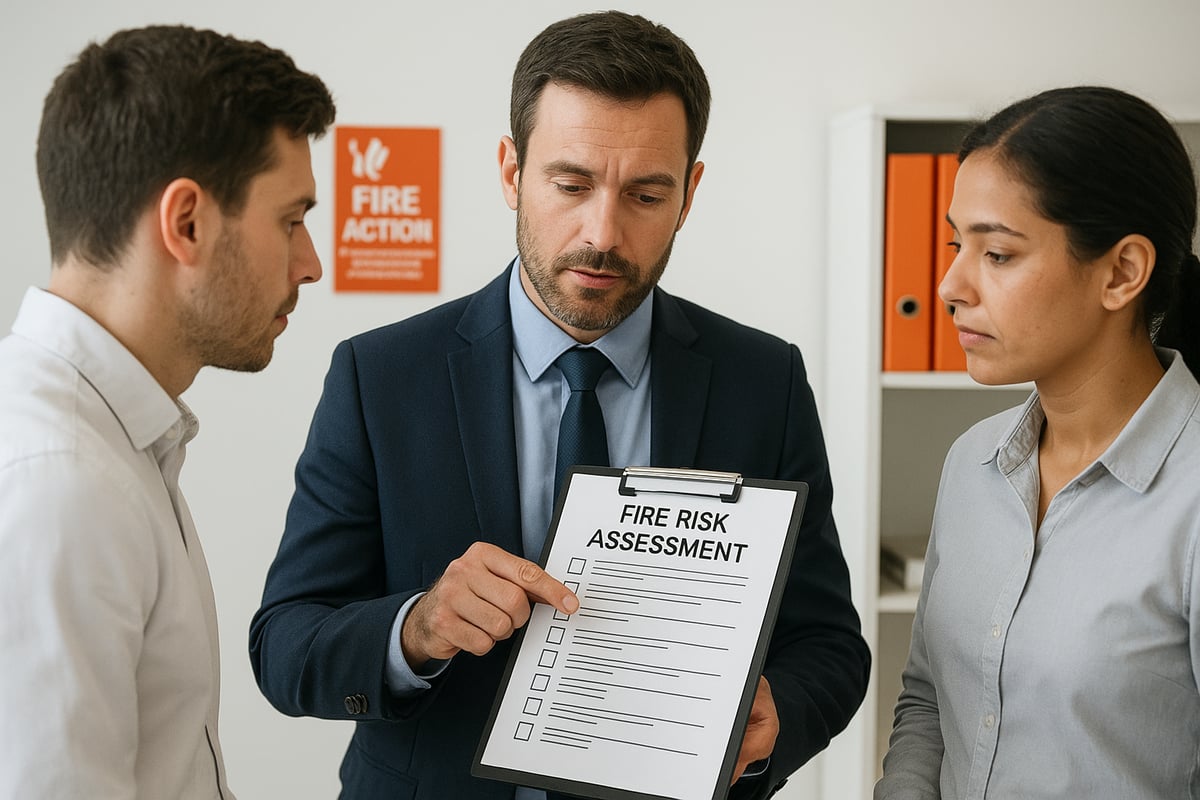
Document every stage of your fire risk assessment for care homes. Record identified risks, actions taken, and dates of review.

Develop and regularly update evacuation plans, including Personal Emergency Evacuation Plans (PEEPs) tailored to each resident’s needs. Train all staff on fire procedures and schedule regular drills to ensure everyone knows their role in an emergency. Effective record-keeping and training are vital for both compliance and resident safety.

Step 5: Review and Update Regularly

Fire risk assessment for care homes is not a one-off task. Review your assessment annually, after significant changes, or following fire incidents.

Incorporate feedback from fire drills and inspections to keep procedures current. Consider the benefits of digital record-keeping, which can streamline updates and make compliance easier. Regular reviews help identify new risks and maintain high safety standards.

Example Fire Risk Assessment Template

A structured template simplifies record-keeping and ensures consistency. Key sections should include:

Section Details Required
Hazards Identified List all fire risks observed
People at Risk Specify residents, staff, etc.
Actions Taken Describe mitigation measures
Review Dates Schedule for next assessment

Using a template keeps your fire risk assessment for care homes organised and audit-ready.

Involving External Specialists

Sometimes, involving a qualified fire risk assessor is the best course of action. External specialists bring expertise, identify overlooked hazards, and ensure your fire risk assessment for care homes meets regulatory standards.

Third-party audits offer impartial feedback and reassurance that your care home is as safe as possible.

Implementing Fire Safety Solutions and Mitigation Strategies

Introducing robust solutions is essential for any fire risk assessment for care homes. Implementing effective mitigation strategies protects vulnerable residents, ensures compliance, and creates a safer environment for everyone.

Implementing Fire Safety Solutions and Mitigation Strategies

Upgrading Fire Detection and Alarm Systems

Modern fire detection is at the heart of every effective fire risk assessment for care homes. Addressable and wireless alarm systems provide rapid alerts and detailed information about incident locations. Integration with nurse call and alert systems ensures that staff can respond quickly.

A recent care home case study demonstrated that upgrading to an advanced wireless alarm system reduced emergency response times by 30 percent. This improvement significantly increased resident safety.

Fire Doors, Compartmentation, and Escape Routes

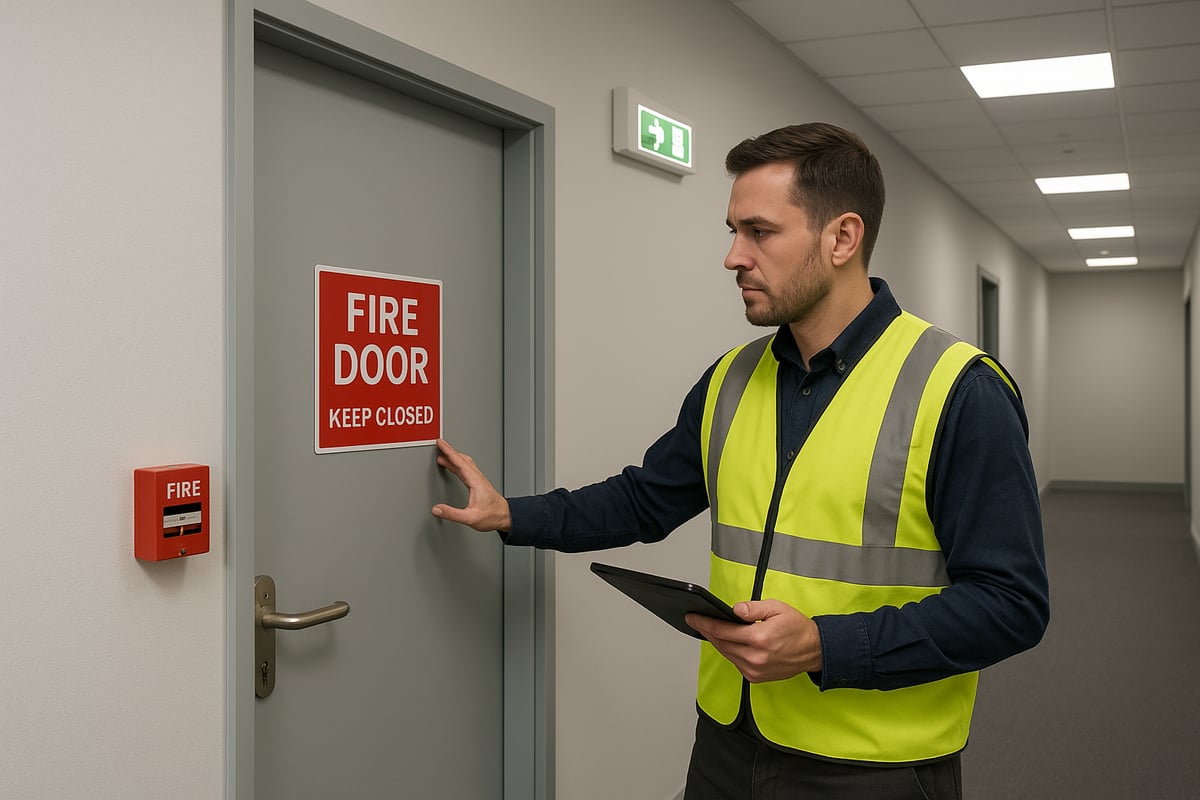
Fire doors and compartmentation are critical for containing fire and smoke, giving residents time to evacuate. Legal standards require regular inspection and maintenance of fire doors. Clear, unobstructed escape routes must always be maintained.

Staff should check that fire doors close properly and that escape routes are free from obstructions at all times. Regular checks form a core part of any fire risk assessment for care homes.

  • Inspect fire doors weekly
  • Remove trip hazards from corridors
  • Ensure signage is visible

Emergency Lighting and Signage

Reliable emergency lighting is vital for safe evacuation during a fire. Placement should cover all corridors, stairwells, and communal areas. LED options offer longer lifespan and lower maintenance costs compared to traditional lighting.

Routine testing helps maintain compliance and supports the fire risk assessment for care homes. Well-marked escape routes and illuminated signage provide reassurance for both residents and staff.

Fire Suppression and Extinguishing Equipment

Selecting the right extinguishers is essential in care settings. Water, foam, and CO2 extinguishers cover most risks, while kitchen areas may require wet chemical units. Sprinkler systems are increasingly important for risk mitigation.

From March 2025, sprinklers will be mandatory in all new care homes in England. A recent incident showed that a care home with sprinklers contained a kitchen fire to a single room, preventing injuries and minimising damage.

Oxygen Safety and Storage Protocols

Oxygen cylinders and concentrators present unique fire hazards. Safe storage, clear signage, and regular staff training are all required. Staff must understand the risks of smoking or open flames near oxygen.

Including oxygen safety protocols in the fire risk assessment for care homes reduces the likelihood of serious incidents. Documenting these measures helps demonstrate compliance during inspections.

Ongoing Maintenance and Monitoring

Consistent maintenance is essential for long-term safety. Schedule regular inspections and tests for all fire safety equipment. Digital monitoring systems simplify compliance and provide instant access to maintenance records.

  • Monthly alarm tests
  • Quarterly fire door checks
  • Annual equipment servicing

Digital tools also support continuous improvement by tracking issues and prompting timely action.

Funding and Budgeting for Safety Upgrades

Budgeting for safety upgrades is often a challenge. Grants and dedicated funding streams are available for care homes investing in fire protection. A cost-benefit analysis can justify major upgrades, showing the long-term savings from reduced risk and insurance premiums.

For example, one provider found that investing in addressable alarm systems paid for itself within two years through lower insurance costs and fewer false alarms. Prioritising these investments within the fire risk assessment for care homes delivers measurable benefits.

Staff Training, Drills, and Emergency Preparedness

Effective staff training is the cornerstone of a robust fire risk assessment for care homes. With vulnerable residents relying on prompt, skilled responses, every team member must understand their role in protecting lives during an emergency.

Mandatory Training Requirements

Staff must complete statutory training on fire awareness, evacuation procedures, and equipment use. Training should cover specific risks present in care homes, such as the use of oxygen and the challenges of evacuating residents with reduced mobility.

Refresher courses are required annually, with additional sessions after significant changes or incidents. The CQC inspects care home records to verify compliance with fire risk assessment for care homes training standards.

Effective Fire Drills and Scenario Planning

Regular fire drills are vital for converting theory into practice. Drills should be scheduled at different times, including night shifts, to reflect real-world staffing patterns.

Best practice includes documenting each drill, simulating high-occupancy scenarios, and involving residents where appropriate. This approach ensures that fire risk assessment for care homes is practical and tailored to everyday challenges.

Developing Personal Emergency Evacuation Plans (PEEPs)

Every resident requires an individual evacuation plan, reflecting their mobility, cognitive status, and medical needs. Plans must be updated regularly and tested during drills.

For detailed guidance on creating and updating PEEPs under the latest regulations, see Personal Emergency Evacuation Plans (PEEPs). For example, plans for wheelchair users may specify the need for evacuation chairs and trained staff assistance.

Communication Protocols During Emergencies

Clear communication is essential in a crisis. Establish internal and external chains of command to coordinate responses and keep everyone informed.

Liaise closely with emergency services and use technology, such as mass notification systems, to issue timely alerts and updates. This preparation supports the objectives of a thorough fire risk assessment for care homes.

Monitoring, Feedback, and Continuous Improvement

After every drill or incident, gather feedback from staff and residents. Review procedures regularly, benchmark against best practices, and update training materials as needed.

Embedding a culture of continuous improvement ensures that fire safety remains a dynamic, organisation-wide priority.

Record-Keeping, Compliance, and Continuous Improvement

Maintaining accurate and up-to-date records is a cornerstone of effective fire risk assessment for care homes. Legal requirements demand that care providers keep detailed documentation, not only to protect residents but also to demonstrate compliance during inspections. Without robust record-keeping, even the best safety procedures can fall short when scrutinised by the Care Quality Commission (CQC) or local fire authorities.

Essential Fire Safety Documentation

Care homes must keep a variety of records, including:

  • Fire risk assessments and review dates
  • Staff fire safety training logs
  • Maintenance reports for alarms, emergency lighting, and fire doors
  • Personal Emergency Evacuation Plans (PEEPs) for residents

Documenting fire door inspections is crucial. For best practice, refer to the Fire door inspection guidelines to ensure all checks are recorded and up to standard.

Digital vs. Manual Record-Keeping

Switching to digital systems can streamline the fire risk assessment for care homes. Digital records are easier to update, back up, and retrieve during audits, while manual logs may be more vulnerable to loss or damage.

Record-Keeping Method Pros Cons
Digital Easy access, automated reminders Requires training, cost
Manual No tech needed, simple format Prone to loss, slower

Compliance Audits and Inspections

Regular internal audits help care homes stay prepared for unannounced CQC or fire authority inspections. Failure to maintain thorough records can result in enforcement action or fines, as seen in recent cases where documentation lapses led to significant penalties.

Continuous Improvement and Safety Culture

Analysing trends in incident logs and feedback from fire drills enables ongoing enhancement of fire safety procedures. Embedding a culture of compliance means involving all staff in regular reviews and treating fire risk assessment for care homes as an ongoing, shared responsibility.

After exploring the unique challenges and responsibilities care home providers face in keeping residents safe, you can see just how vital a thorough fire risk assessment is—especially with new 2025 regulations on the horizon. Ensuring compliance, safeguarding lives, and protecting your reputation all start with understanding your specific risks and taking proactive steps. If you’d like expert guidance tailored to your care home’s needs, you don’t have to navigate this journey alone.
Get a Free Site Survey
and let our specialists help you build a safer, fully compliant environment for everyone in your care.

7 Essential Type of Fire System Options for 2025

Fire safety is becoming a top priority for every building owner as we approach 2025. With evolving risks and more complex structures, the consequences of not having the right type of fire system can be devastating for businesses, public institutions, and residential complexes.

This article will guide you through the 7 essential types of fire system options you need to consider for 2025. We will explore cutting-edge detection, advanced suppression, integrated alarms, and the importance of compliance.

By understanding new technologies and legal requirements, you can protect your people, assets, and reputation. Let us help you make the right choice to stay secure and compliant.

Why Upgrading Fire Systems is Critical in 2025

Upgrading your type of fire system is more important than ever in 2025. The landscape of fire safety is changing rapidly, with new regulations, technologies, and risks on the horizon. Businesses, public institutions, and residential complexes must adapt to safeguard lives, assets, and legal standing.

Why Upgrading Fire Systems is Critical in 2025

Evolving Fire Safety Regulations and Compliance

The regulatory landscape for every type of fire system has shifted significantly for 2025. Updates to the Fire Safety Order and BS 5839-1:2017 have brought stricter requirements for system installation, maintenance, and record-keeping. Building owners and managers now face greater accountability, with over 22,000 non-domestic fires reported in the UK in 2023 underscoring the urgent need for robust systems.

Non-compliance can result in severe penalties, including fines and prosecution. Recent enforcement actions have targeted organisations failing to meet standards. For a detailed overview of these changes, see the UK fire safety regulation updates 2025.

Impact of Emerging Technologies on Fire Protection

The integration of IoT, smart sensors, and AI is revolutionising every type of fire system installed in modern buildings. These advancements enable quicker detection, remote monitoring, and predictive maintenance, minimising downtime and improving response times.

Case studies from commercial deployments show that smart fire systems can provide cost savings through early intervention and reduced false alarms. Predictive analytics help facilities teams to anticipate and resolve issues before they escalate, enhancing safety outcomes and operational efficiency.

The Need for Customised Fire System Solutions

No single type of fire system suits every environment. Offices, schools, hospitals, and warehouses each present unique fire risks and operational challenges. A server room, for example, may require gas suppression, while a warehouse might need a robust sprinkler system.

Risk assessments are essential to determine the best approach, ensuring that solutions are tailored to the building’s specific needs. Customisation not only improves safety but also ensures compliance with the latest regulations and optimises lifecycle costs.

7 Essential Type of Fire System Options for 2025

Choosing the right type of fire system is crucial for safeguarding people, property, and business continuity in 2025. With advancements in technology and evolving regulations, understanding each type of fire system helps ensure compliance, safety, and peace of mind. Let us explore the seven essential options you should consider for robust fire protection.

7 Essential Type of Fire System Options for 2025

1. Addressable Fire Alarm Systems

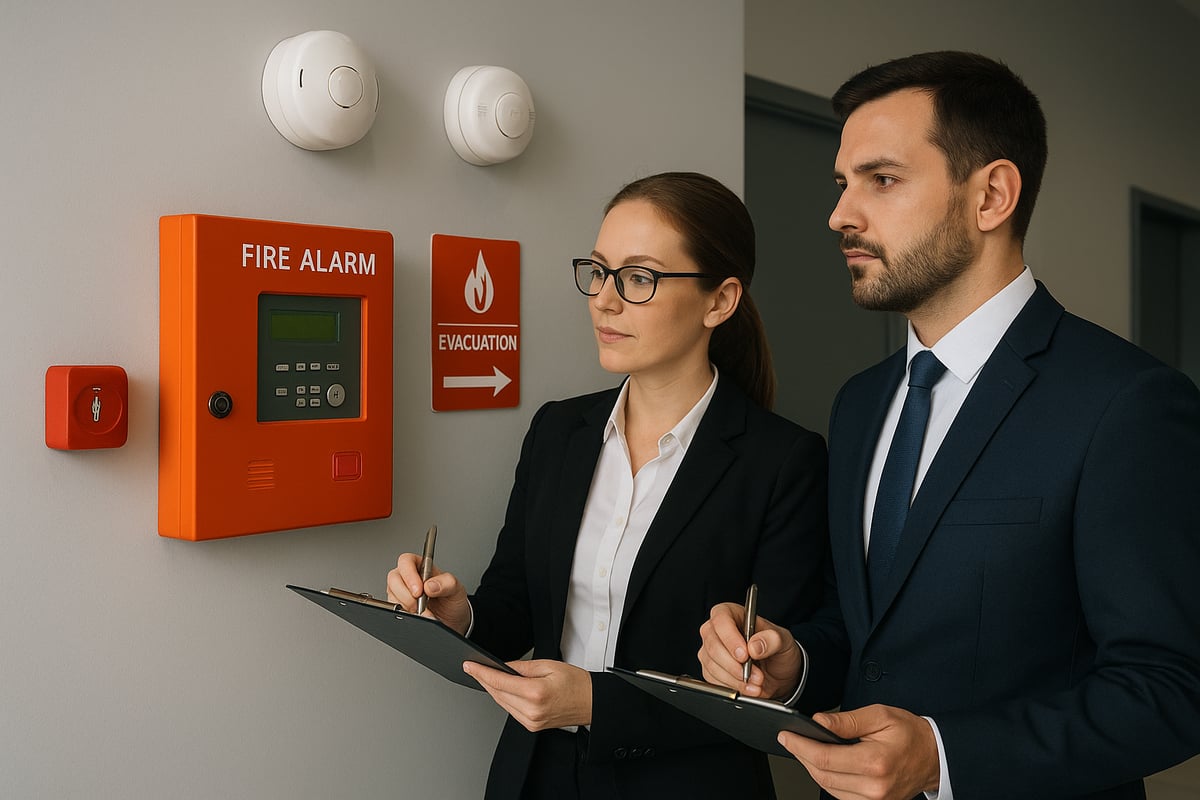
Addressable fire alarm systems represent a cutting-edge type of fire system, offering precise location tracking for every device within a network. Unlike conventional systems, each detector and call point has its own unique address, allowing first responders to identify the exact source of an alarm instantly.

This accuracy means faster response times and fewer false alarms, which is especially valuable in complex environments such as hospitals and large office buildings. Addressable systems are fully compliant with BS 5839-1 and can be scaled or integrated into larger building management systems with ease.

Research shows that installing this type of fire system can reduce response times by up to 30 percent compared to traditional alternatives, making them a smart investment for future-ready safety.

2. Wireless Fire Alarm Systems

Wireless fire alarm systems are an innovative type of fire system designed for flexibility and rapid deployment. Using radio communication between detectors, control panels, and sounders, they eliminate the need for extensive cabling.

This approach is ideal for heritage sites, temporary structures, or buildings with complex layouts where wiring would be disruptive or impossible. Recent advancements in battery life and wireless signal reliability have made these systems highly dependable.

For example, retrofitting listed buildings with a wireless type of fire system preserves the original fabric while meeting modern safety standards. Regular testing remains essential to ensure ongoing compliance and performance.

3. Fire Suppression Systems

A fire suppression system is a proactive type of fire system that goes beyond detection, actively extinguishing or containing fire at its source. Main options include water sprinklers, gas suppression (like FM-200), and foam-based systems.

Each is tailored to specific risks: gas suppression is perfect for server rooms, wet chemical systems protect commercial kitchens, and traditional sprinklers suit warehouses. Integrating fire suppression with alarms enables automatic activation during an incident.

According to industry data, sprinkler-based type of fire system solutions can reduce fire damage by up to 60 percent. For a deeper dive into these options, see this Fire suppression solutions overview. Regular inspection and maintenance are vital to ensure effectiveness.

4. Smoke Detection and Aspiration Systems

Modern smoke detection and aspiration systems offer an advanced type of fire system for early warning and rapid response. These include optical, ionisation, and multi-sensor detectors, as well as aspirating smoke detection (ASD) systems.

ASD is highly sensitive, capable of detecting smoke at concentrations as low as 0.01 percent obscuration per metre, making it ideal for environments like museums, cleanrooms, and telecom facilities. This type of fire system helps reduce false alarms and ensures reliable, ongoing protection.

Maintenance is straightforward, with regular cleaning and calibration recommended to maintain peak performance and compliance with safety standards.

5. Emergency Lighting and Exit Signage Systems

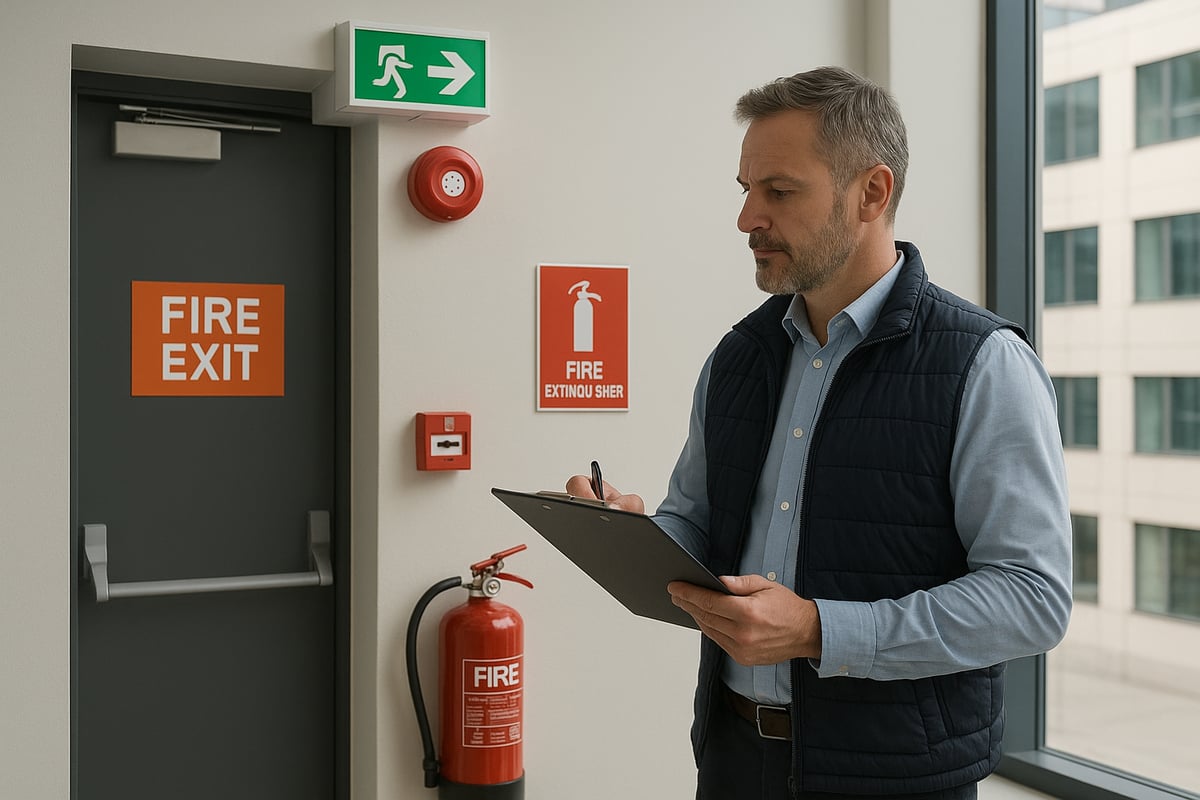
Emergency lighting and exit signage form a critical type of fire system, ensuring safe evacuation routes during an emergency. Systems include maintained, non-maintained, and central battery setups, all designed to keep pathways illuminated if mains power fails.

Legal requirements under BS 5266-1 mandate clear escape route lighting for premises such as shopping centres and hotels. Integration with alarms allows automatic activation when a fire is detected.

Routine testing of this type of fire system is necessary to guarantee reliability and legal compliance, supporting efficient and safe building evacuations.

6. Voice Alarm and Public Address Systems

Voice alarm and public address systems are a sophisticated type of fire system designed to provide clear, calm instructions during a fire incident. Unlike bells or sirens, voice alarms reduce panic and confusion by delivering spoken messages.

These systems support zoning, so different areas receive tailored instructions, and they can offer multilingual messaging for diverse environments like airports, hospitals, and stadiums. Integration with detection systems ensures messages trigger automatically when needed.

Compliant with BS 5839-8, this type of fire system is vital for large public venues where orderly evacuation is essential for safety.

7. Passive Fire Protection Systems

Passive fire protection is a foundational type of fire system, focused on containing fires and slowing their spread. This includes fire doors, fire-resistant walls, barriers, and compartmentation.

Legal requirements for fire-stopping and compartmentation help ensure that structures like hotels and schools maintain safe evacuation times. These measures can double the time available for occupants to escape during an emergency.

Regular inspection and maintenance of this type of fire system are essential, supporting both legal compliance and effective fire risk management in all types of properties.

Integrating Fire Systems for Maximum Protection

Integrating every type of fire system is essential for creating a robust, unified approach to fire safety in 2025. Today’s buildings require more than standalone alarms or sprinklers. True protection comes from seamless coordination, ensuring that detection, suppression, and evacuation work together for maximum safety.

Integrating Fire Systems for Maximum Protection

Benefits of System Integration

Integrating each type of fire system transforms isolated safety measures into a comprehensive network. When alarms, suppression, and emergency lighting work in harmony, the entire building benefits from faster, more coordinated responses.

For example, a fire alarm can automatically trigger suppression systems and illuminate escape routes, reducing confusion and panic. This interconnected approach supports compliance, minimises manual errors, and streamlines evacuations.

Advanced integration also enables central control and monitoring. According to Fire alarm system types, modern systems are designed for compatibility, allowing easy expansion and smarter management. With every type of fire system communicating, incident reports are more accurate and decision-making is faster.

Smart Monitoring and Remote Management

Smart monitoring is revolutionising how each type of fire system is managed. Cloud-based platforms provide 24/7 oversight, delivering instant alerts and supporting predictive maintenance.

Facilities managers can now track system status, receive fault notifications, and schedule tests remotely. This reduces the risk of undetected faults and ensures compliance with safety regulations. For example, a retail chain using centralised monitoring can identify and address issues across multiple sites without delay.

Remote diagnostics also enable quick response to any type of fire system malfunction, limiting downtime and enhancing overall building safety. The result is a more reliable, proactive fire protection strategy.

Future-Proofing with Scalable Solutions

Every type of fire system should be scalable to adapt to changing building needs. Modular designs allow for easy upgrades, such as adding new detectors or expanding coverage without complex rewiring.

Software updates further extend system lifespan, keeping protection measures current as technology evolves. This approach ensures that investments remain valuable as regulations and risks change.

Future-proofing means your building can accommodate new tenants, expanded operations, or updated compliance requirements. Choosing a flexible type of fire system offers long-term cost savings and peace of mind.

Choosing the Right Fire System for Your Building

Selecting the right type of fire system for your premises is a process that demands methodical planning and expert insight. The safety of occupants, property, and business continuity all hinge on making informed choices at each stage.

Choosing the Right Fire System for Your Building

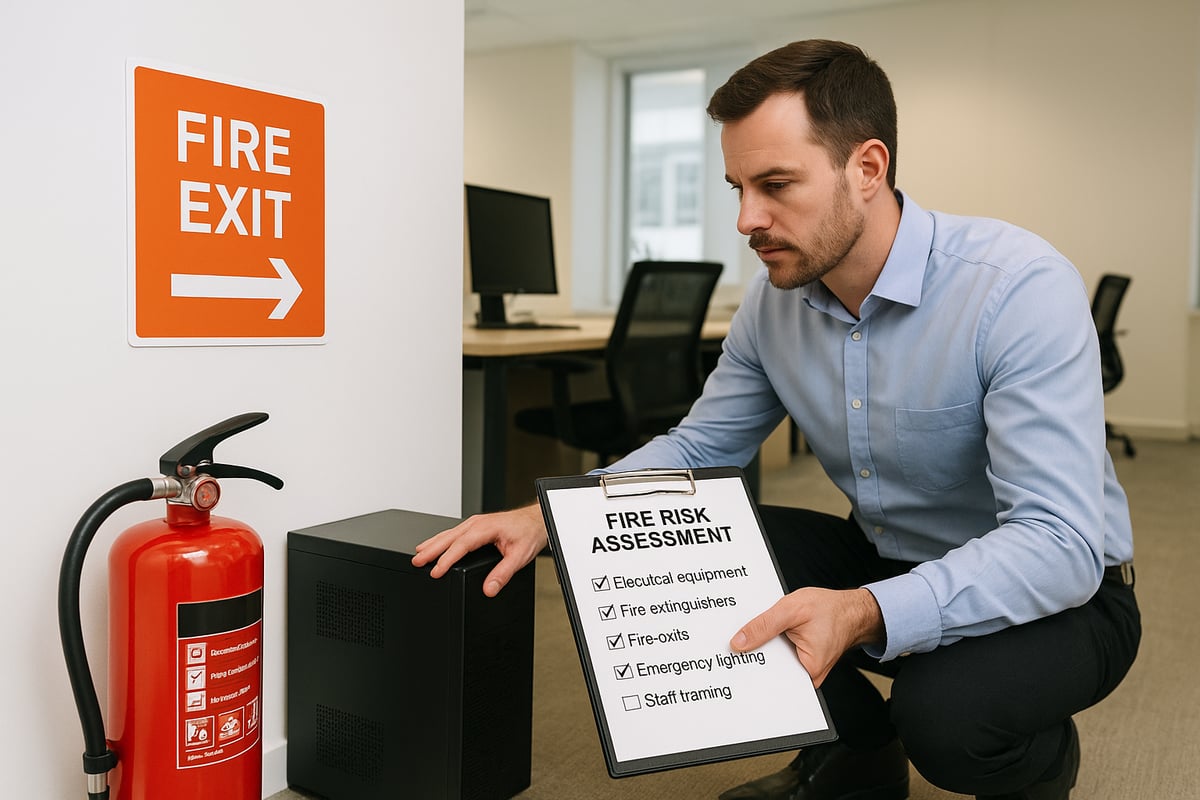
Conducting a Comprehensive Fire Risk Assessment

Before determining the most suitable type of fire system, a thorough fire risk assessment is essential. This assessment identifies potential hazards, evaluates existing controls, and clarifies what protection measures are required. Compliance with the Regulatory Reform (Fire Safety) Order 2005 means every building owner must regularly review and document these findings.

The process typically involves:

  • Identifying sources of ignition, fuel, and oxygen
  • Evaluating who might be at risk and how
  • Assessing the adequacy of current fire precautions
  • Recording significant findings and action plans

For detailed guidance, consider this resource on comprehensive fire risk assessment. Tailoring your approach to the unique needs of an office block versus a manufacturing plant demonstrates the importance of this first step.

Matching System Types to Building Needs

Every building has distinct requirements, so matching the correct type of fire system to your environment is critical. Factors such as occupancy, building use, and structural layout all influence the right solution. For example, a server room may benefit from a gas suppression system, while a public venue might require a voice alarm for effective evacuation.

Specialist consultants can help analyse these variables and recommend systems that align with legal requirements and operational goals. Selecting the right type of fire system ensures both compliance and optimal safety for everyone on site.

Here is a quick comparison:

Building Type Recommended Fire System
Server Room Gas Suppression
Warehouse Sprinkler System
School Addressable Fire Alarm, Voice Alarm
Hotel Emergency Lighting, Exit Signage

Ensuring Ongoing Compliance and Maintenance

After installation, maintaining your chosen type of fire system is vital for long-term safety and legal compliance. Building owners are responsible for regular testing, inspection, and record-keeping, as outlined in UK fire safety regulations. Neglecting maintenance can lead to invalid insurance, legal penalties, and increased risk to life and property.

Best practices include:

  • Scheduling periodic system checks
  • Keeping accurate service records
  • Engaging certified professionals for inspections

By prioritising the upkeep of your type of fire system, you safeguard your assets and provide peace of mind to everyone who uses your building.

As you consider the best way to protect your people and property in 2025, it’s clear that a tailored fire system is no longer just a recommendation—it’s essential. Whether you’re navigating new regulations, adopting emerging technologies, or ensuring your system suits your unique building, expert advice can make all the difference. At Logic Fire and Security, we understand that every site has its own challenges and opportunities for safer, smarter protection. If you’d like specific guidance or want to see how our experience could benefit your premises, why not Get a Free Site Survey?

Our Accreditations

Work
For Us