

Did you know UK home break-ins rose by 12% last year, with criminals using more advanced methods than ever? As threats evolve in 2026, protecting your home requires more than a simple lock and key. This essential guide to security installation equips you with the knowledge to assess risks, choose cutting-edge solutions, and create a comprehensive defence for your property. Discover how to evaluate your needs, select the latest technologies, install with confidence, integrate smart features, and stay ahead of emerging risks. Take the first step towards lasting peace of mind with expert security installation advice.
Understanding Home Security Needs in 2026
Rising security threats and evolving technology mean that a thoughtful approach to security installation has never been more important for UK homeowners. Assessing your unique risks and planning your security installation carefully will help keep your home and family safe in the years ahead.
Assessing Your Property’s Vulnerabilities
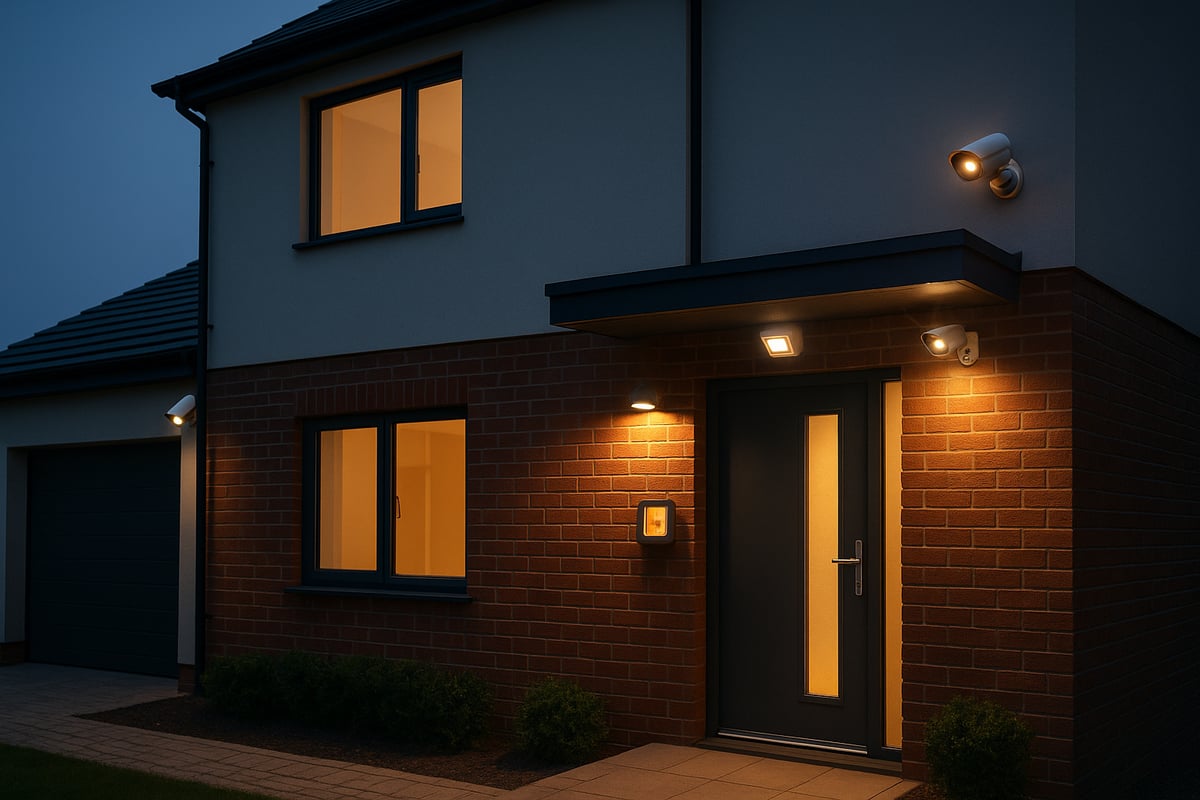
Begin your security installation by identifying all common entry points, such as front and back doors, windows, garages, and outbuildings. Each access point presents unique risks, especially if hidden from view or lacking proper locks.
Next, review local crime data to understand the specific threats in your area. For instance, regional patterns highlighted in the UK burglary statistics 2025 show that some neighbourhoods are more prone to break-ins than others. This information helps tailor your security installation to the risks you are most likely to face.
Consider your property type. Detached homes may require perimeter alarms and garden lighting, while flats could benefit from robust communal entry systems. Reflect on your family’s habits. Do you travel often or have children arriving home alone? Are there pets that could trigger false alarms? These factors will influence the features needed in your security installation.
A layered review is essential. One case involved a homeowner who, after a thorough assessment, installed window sensors and reinforced locks. An attempted break-in was detected early and prevented, demonstrating the value of a methodical approach.
Setting Security Priorities and Budget
Once vulnerabilities are identified, set clear priorities for your security installation. Decide which areas need basic protection, such as door and window alarms, and where advanced features—like smart cameras or biometric locks—may be justified.
Budgeting is crucial. On average, UK homeowners invest between £500 and £1,500 for an initial security installation, but costs can vary depending on the level of sophistication. Compare the benefits of a DIY setup with professional installation. DIY options may save money, but professionals ensure optimal placement and integration.
Check your insurance policy for requirements. Many insurers offer discounts on premiums if you have a certified security installation, but they may also refuse claims if your system is neglected or improperly maintained. Always keep records of devices and servicing.
Ultimately, a well-planned security installation balances protection, convenience, and cost. Taking time to evaluate your needs ensures you invest wisely in the safety of your home.
Core Components of a Modern Home Security System
A robust home security installation combines multiple components, each working together to safeguard against modern threats. In 2026, the right mix of technology and physical deterrents is essential for any homeowner seeking comprehensive protection.
Intruder Alarms and Sensors
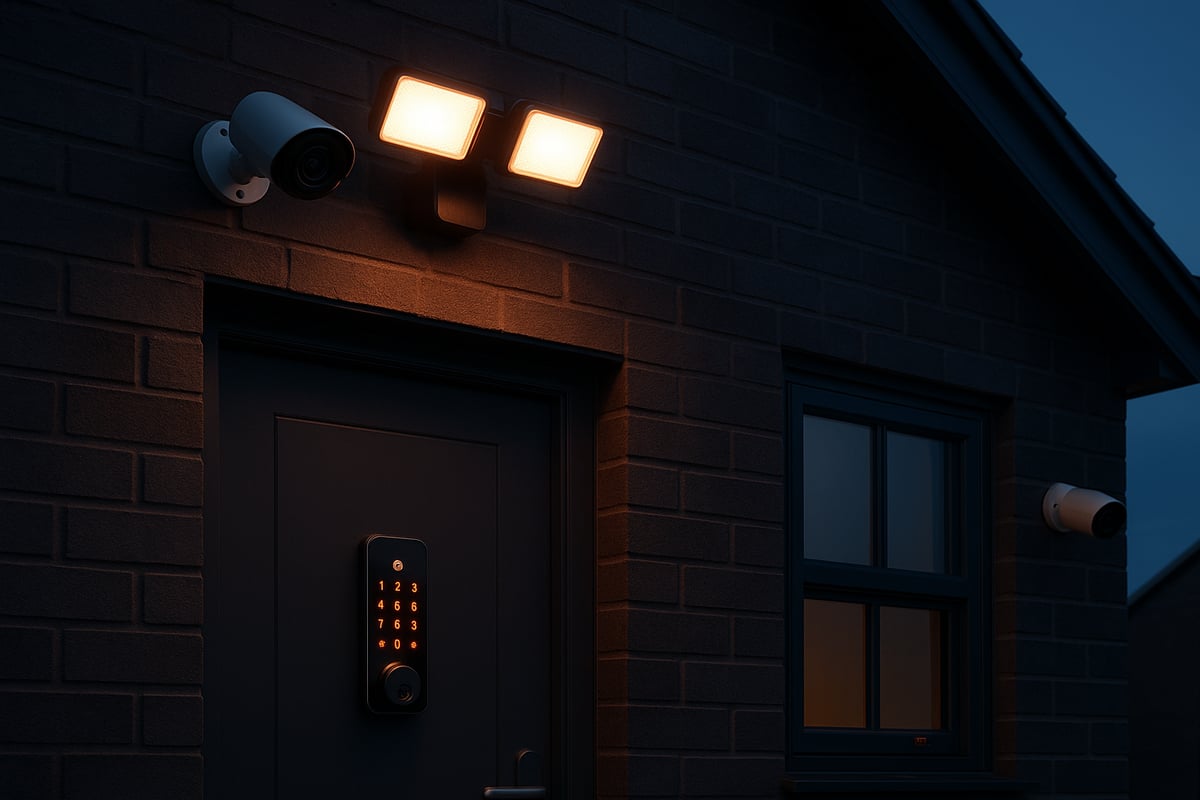
Modern security installation begins with effective intruder alarms and sensors. These include motion detectors, door and window sensors, glass-break, and vibration sensors. Smart alarms allow remote arming or disarming via mobile apps, providing flexibility for busy households.
Many systems now integrate with police response or private monitoring for rapid action. For a detailed breakdown of device options and response integration, see this Intruder detection systems overview. For example, the Yale Sync Smart Home Alarm offers customisable settings and real-time alerts, making it a popular choice for UK homes.
Video Surveillance: CCTV and Smart Cameras
CCTV and smart cameras are crucial elements in any security installation. Indoor and outdoor cameras now offer HD recording, night vision, and motion detection. Key features include cloud storage, facial recognition, and privacy zones to protect personal space.
According to Yale, homes equipped with CCTV are 67 percent less likely to be burgled. Proper placement of cameras—covering entry points and vulnerable areas—maximises deterrence and evidence collection.
Smart Door Locks and Access Control
Access control is another vital layer in modern security installation. Smart door locks provide keyless entry through biometrics or mobile apps, while temporary codes enable secure access for visitors or deliveries.
Compatibility with existing doors and insurance standards is essential. Many systems, such as app-controlled locks, integrate seamlessly with other smart devices, enhancing both security and convenience for UK homeowners.
Security Lighting and Deterrents
Effective security installation uses lighting and visual deterrents to discourage intruders. PIR-activated floodlights illuminate movement, while dusk-to-dawn LED options ensure continuous coverage.
Visible deterrents, such as signage, dummy cameras, and alarm boxes, further reduce risk. Choosing energy-efficient lighting supports sustainability and reduces long-term running costs.
Additional Layers: Safes and Window Security
A comprehensive security installation includes protection for valuables and vulnerable entry points. Fire and water-resistant safes safeguard important items, while window locks, restrictors, and laminated glass upgrades strengthen weak spots.
These additional layers are crucial for meeting insurance requirements and ensuring peace of mind, rounding out a truly modern home security system.
Step-by-Step Guide to Security Installation
A well-executed security installation is essential for safeguarding your home in 2026. The process involves careful planning, technical preparation, and practical know-how. By following these steps, you can ensure your system provides comprehensive protection and peace of mind.
Planning and Design
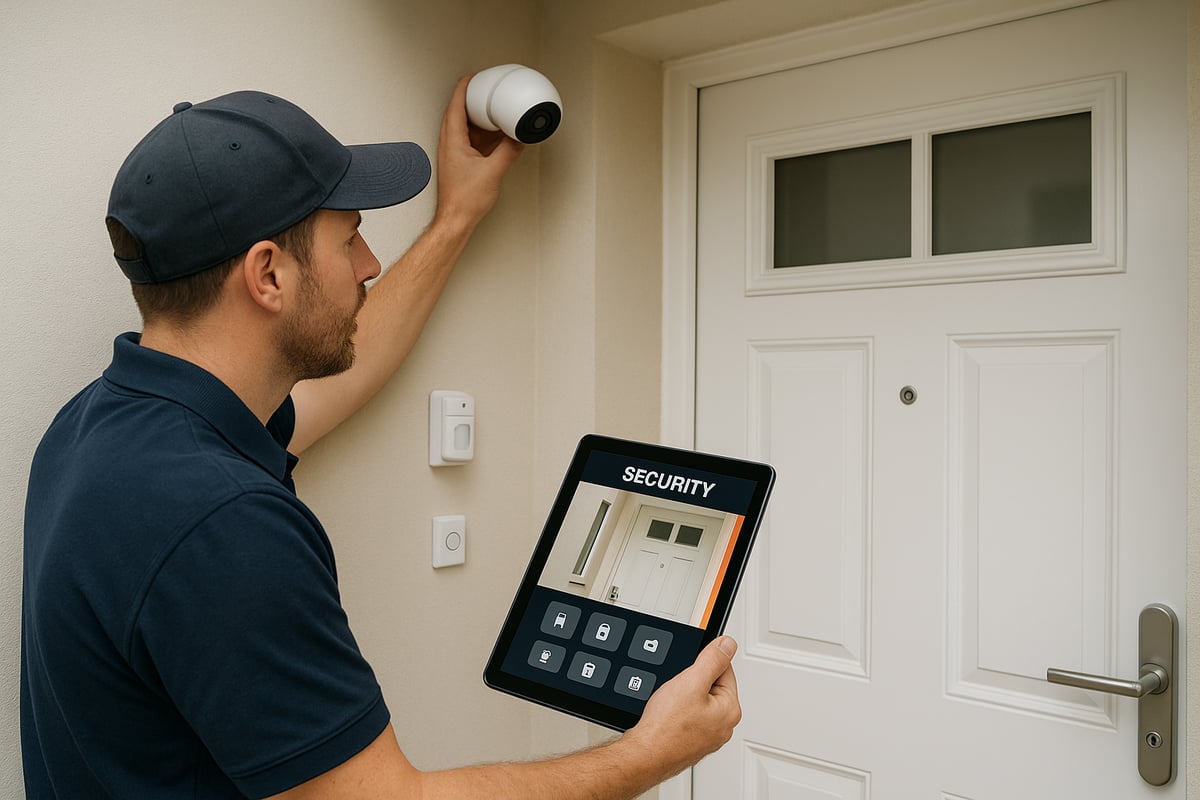
Begin your security installation by mapping all vulnerable areas of your property. Identify key zones such as entry doors, ground-floor windows, garages, and outbuildings. Consider the unique layout and daily routines of your household to prioritise protection.
Evaluate which security devices best suit your needs. For example, smart alarms, cameras, or door sensors. Consulting a security professional at this stage can offer tailored advice and help you avoid costly mistakes. A strong plan ensures your security installation addresses every risk.
Pre-Installation Preparation
Before starting your security installation, check that your Wi-Fi signal covers all intended device locations. Reliable internet is vital for smart systems, so consider a mesh network if needed. Confirm that power outlets are accessible for cameras, alarms, and hubs.
Review the compatibility of new devices with existing wiring or infrastructure. Schedule the installation for a time that minimises disruption to your household. Preparation streamlines the security installation and reduces the chance of technical setbacks.
Installation Process: Chronological Steps
Start the hands-on phase of your security installation by mounting cameras and sensors in their optimal positions. Follow manufacturer guidelines for height and angle, especially for motion and door sensors. Decide between wired and wireless setups based on your property’s needs, weighing reliability against installation ease.
Test each component as you go to ensure full coverage and system connectivity. This proactive approach during security installation means issues are caught early and corrected promptly.
System Setup and Configuration
Connect your new devices to a central hub or smart home platform as part of your security installation. Set up user profiles and permissions, ensuring each household member has the right access. Configure notifications for instant alerts about system activity.
Integrate with voice assistants like Alexa or Google for added convenience. Take time to adjust settings for pet immunity or guest access, making your security installation both secure and user-friendly.
Troubleshooting and Common Pitfalls
Even the best security installation may face challenges. Address common issues such as signal interference by relocating devices or upgrading your router. Keep firmware and software updated to maintain protection against new threats.
If you experience false alarms, especially from pets, adjust sensor sensitivity or placement. Training all users in system operation reduces errors. With the right approach, any security installation can remain effective and reliable.
Integrating Security with Smart Home Ecosystems
Smart home integration has become a cornerstone of effective security installation. In 2026, homeowners expect seamless control and automation that not only protect their property but also simplify everyday life. By connecting alarms, cameras, and locks with other devices, you can create a unified system that responds intelligently to threats and routines.
The Smart Security Ecosystem Explained
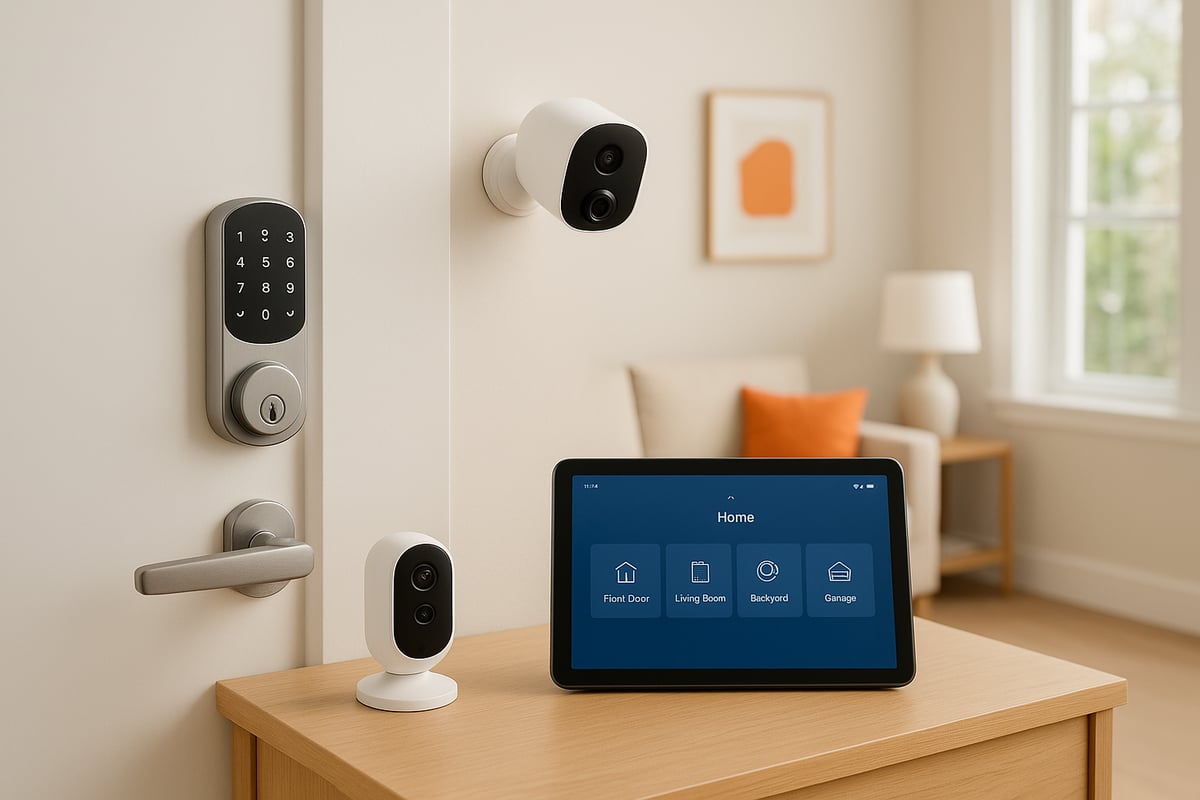
A modern security installation relies on centralised management. Homeowners use mobile apps or smart hubs to monitor all connected devices in real time. This centralisation allows for instant alerts and quick actions, whether you are at home or away.
Automation is a major benefit of a smart security installation. For example, you can set routines so that lights switch on when motion is detected at night or doors lock automatically when you leave. Integration with heating, blinds, and even voice assistants increases convenience and control.
Compatibility is critical. Always check if your chosen system works with existing smart home devices. Investing in a flexible security installation ensures you can add new features as your needs change.
Data Privacy and Cybersecurity in 2026
With increased connectivity comes greater responsibility. Every security installation must address the risk of digital breaches. Securing your home network is as important as protecting physical entry points.
Use two-factor authentication and encrypted storage for all security installation devices. Weak passwords are a leading cause of breaches, accounting for 30% of smart home incidents in 2025. Regularly update firmware and monitor devices for unusual activity.
A simple checklist can help:
- Change default passwords on all devices.
- Enable automatic software updates.
- Use a separate Wi-Fi network for your security installation.
- Review user permissions regularly.
Staying proactive with cybersecurity keeps your security installation robust against evolving threats.
Subscription Services and Remote Monitoring
Modern security installation offers a choice between professional monitoring and self-monitoring. Professional services provide 24/7 surveillance, real-time alerts, and direct police integration, while self-monitoring gives you more control and lower costs.
| Monitoring Type | Response Time | Police Integration | Cost |
|---|---|---|---|
| Professional | Immediate | Yes | Higher |
| Self-Monitoring | User-driven | No (usually) | Lower |
Many UK providers now offer cloud recording and advanced remote access. For homeowners seeking more information about remote monitoring and its benefits, the Remote CCTV monitoring solutions guide is an excellent resource.
Ultimately, the right subscription or monitoring option should complement your security installation and lifestyle.
Maintenance and Upgrades: Keeping Your System Effective
A modern security installation is only as reliable as its ongoing maintenance. To ensure long-term protection, homeowners must commit to regular checks, timely upgrades, and clear procedures for troubleshooting. Staying proactive with your security installation not only preserves your peace of mind but also helps maintain insurance compliance and system effectiveness.
Regular Testing and Servicing
Routine maintenance is the backbone of any reliable security installation. Monthly tests of alarms, sensors, and CCTV cameras help catch faults before they become vulnerabilities. For wireless devices, establish a battery replacement schedule, marking calendars or setting reminders to avoid lapses in coverage.
Professional servicing once a year is recommended. Certified technicians can identify hidden issues, update firmware, and confirm that every component of your security installation is operating as intended. This regular attention extends the life span of your system and provides essential documentation for insurance purposes.
Upgrading for Future Threats
Security risks continue to evolve, making it vital to review your security installation at least annually. Consider adding new devices as technology advances, such as smart cameras with AI analytics or biometric access controls. Regular software and firmware updates are crucial for protecting against emerging cyber threats.
Retrofitting older systems with smart components can enhance both security and convenience. For insights on the latest innovations, review the 2026 home security trends, which highlight advances like sustainable devices and predictive analytics.
Ensuring Compliance and Insurance Validity
Insurance providers in the UK often set strict requirements for security installation standards. To maintain coverage, ensure all equipment is properly installed, maintained, and upgraded as necessary. Keep detailed records of all installations and servicing, including receipts and technician reports.
Failure to comply with these standards may lead to denied claims in the event of a break-in. Always confirm with your insurer which features and maintenance routines are required for your policy to remain valid.
Responding to False Alarms and System Faults
False alarms can undermine confidence in your security installation and may result in fines or strained relationships with neighbours. Train all household members in proper system use, including how to arm and disarm alarms and respond to notifications.
If repeated faults occur, establish escalation procedures. This can include contacting technical support or scheduling a visit from a certified technician. Prompt, informed action ensures your security installation remains a dependable line of defence.
Emerging Trends in Home Security for 2026 and Beyond
Home security installation is entering a new era of innovation in 2026. Major advancements in technology, sustainability, and user experience are shaping the way homeowners approach protection. By staying informed about these emerging trends, you can future-proof your security installation and ensure your home remains safe, efficient, and compliant in the years ahead.
AI and Advanced Analytics
Artificial intelligence is transforming security installation by enabling predictive threat detection and real-time automated responses. Modern systems now analyse behaviour patterns, distinguishing between regular family activity and suspicious movements. For example, smart cameras use advanced analytics to recognise unusual behaviour, reducing false alarms significantly.
Key AI-driven features include:
- Behaviour recognition for pets, vehicles, and people
- Automated emergency alerts to homeowners and authorities
- Integration with emergency services for rapid intervention
These innovations make security installation smarter, responding dynamically to evolving risks.
Sustainable and Eco-Friendly Security Solutions
Sustainability is a priority for many UK homeowners investing in security installation. The latest systems feature solar-powered cameras and sensors, which reduce reliance on the grid while ensuring continuous operation during outages. Low-energy devices and recyclable materials are increasingly standard, lowering the environmental impact.
Notable green trends in security installation:
- Solar-powered security cameras and motion sensors
- Energy-efficient LED lighting for deterrence
- Use of recycled materials in device housing
The UK market is experiencing notable growth in eco-friendly security products as consumers seek solutions that align with environmental values.
The Future of Home Security: What to Expect
The future of security installation will see the widespread adoption of biometrics, such as fingerprint and facial recognition, and voice authentication for seamless access control. Compatibility and interoperability between brands and platforms are improving, making it easier to upgrade or expand your system.
Anticipated developments include:
- Enhanced voice and facial recognition for entry systems
- Centralised control across multiple brands
- Adjustments in UK security legislation and standards
Homeowners will benefit from greater flexibility, compliance, and convenience as these technologies mature.
Consumer Insights and Market Data
Recent consumer surveys reveal that 70% of UK homeowners plan to upgrade their security installation within two years, reflecting a strong demand for privacy-focused and user-friendly systems. Experts predict robust growth, with next-generation solutions prioritising both data security and ease of use.
For a deeper look at market growth and evolving homeowner preferences, visit the UK smart home security market outlook. Staying informed about these trends ensures your security installation remains effective and future-ready.
Now that you understand what it takes to secure your home in 2026 from assessing vulnerabilities to integrating the latest smart technologies you might be wondering how to turn these insights into real peace of mind for your family If you want tailored advice from trusted professionals who design install and maintain advanced systems across the UK why not take the next step Secure your home’s future and make informed decisions with expert support by arranging a Get a Free Site Survey You’ll receive practical guidance on what suits your property best so you can feel confident about your security choices