

Property-related crimes are on the rise, making advanced security more vital than ever as we approach 2026. Many property owners now face increasingly sophisticated threats that demand smarter defences.
This guide is your essential resource for understanding the latest cctv solutions. You will discover how to choose, install, and optimise systems to safeguard your assets with confidence.
Explore the evolution of CCTV technology, discover different system types, and follow step-by-step setup advice. Learn how to integrate with smart tech, achieve legal compliance, and stay ahead with future-ready trends.
Real-world risks are growing, but innovative cctv solutions can provide robust protection. Take control of your property’s security with expert guidance throughout this comprehensive guide.
The Evolution of CCTV: Why 2026 Demands Advanced Solutions
The landscape of property security is changing rapidly, and so is the need for effective cctv solutions. With new threats emerging and technology evolving, property owners must stay ahead to ensure their assets remain protected. Understanding why 2026 is a pivotal year for security is essential for making informed decisions.
The Changing Security Landscape
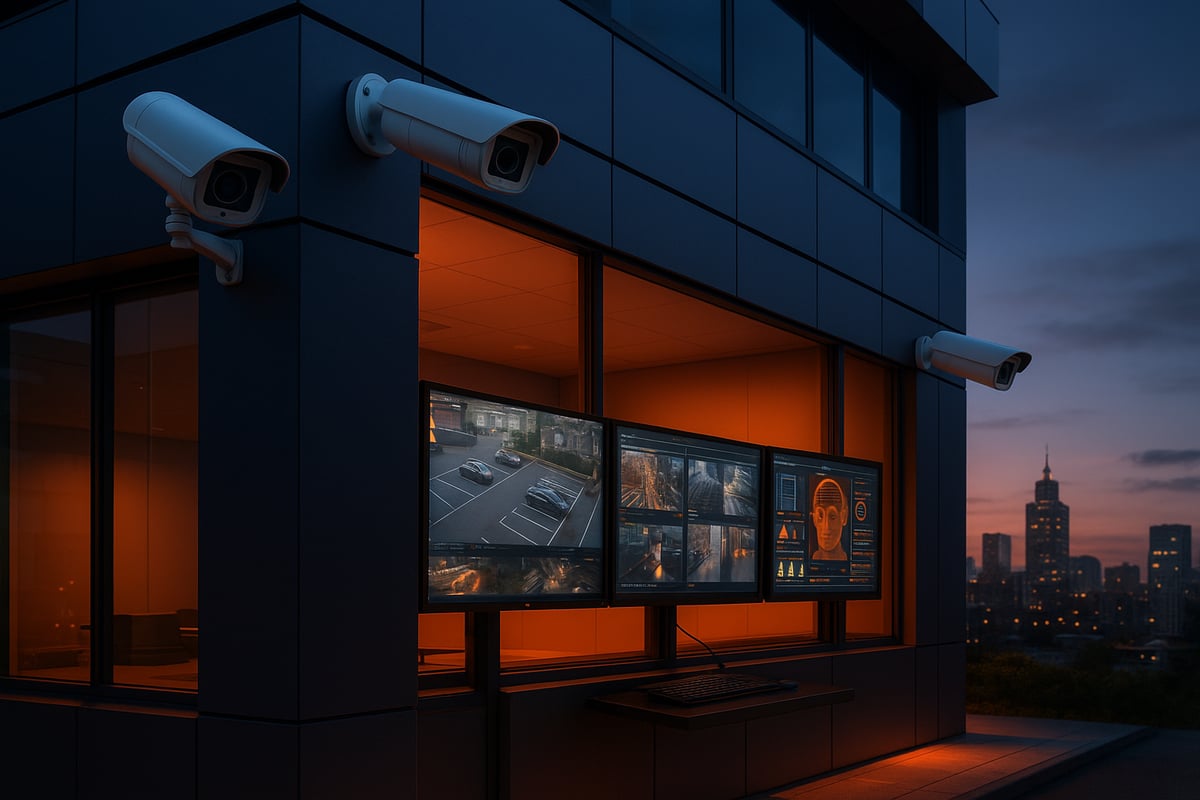
Property-related crimes have become more sophisticated, targeting both residential and commercial sites. The rise of cyber-physical threats means criminals now exploit digital vulnerabilities alongside physical ones, making traditional systems less effective. Urbanisation and increasing property values also contribute to this shift, as densely populated areas attract more criminal activity.
According to ONS data, burglary and theft incidents rose by 8 percent between 2023 and 2025, highlighting the increasing urgency for advanced cctv solutions. In one notable case, a commercial site suffered significant losses due to reliance on outdated cameras that failed to capture critical footage. This underscores the importance of modernising security approaches to keep pace with evolving risks.
Technological Advancements in CCTV
The industry has moved away from analogue cameras towards IP-based and AI-powered cctv solutions. Today’s systems offer ultra-high-definition 4K video, thermal imaging for low-light conditions, and facial recognition for accurate identification. Industry leaders like G4S and Chubb have introduced video analytics that proactively detect threats, allowing for rapid response before incidents escalate.
A 2025 industry report found that over 60 percent of new cctv solutions integrated AI analytics, enabling smarter monitoring and reduced false alarms. To explore the impact of these innovations, see AI-Powered Video Analytics in CCTV, which details how artificial intelligence is transforming surveillance capabilities and improving real-time threat detection.
Regulatory and Insurance Pressures
As cctv solutions become more advanced, so do the regulatory and insurance requirements attached to their use. Insurers increasingly demand monitored systems for high-value properties, tying coverage to proper surveillance. Recent updates to UK data protection and privacy laws affect where cameras can be placed and how footage must be stored.
Non-compliance can be costly. For example, GDPR enforcement has resulted in fines for organisations failing to protect personal data captured by video surveillance, especially in public spaces. Staying informed and compliant is now a fundamental aspect of deploying cctv solutions.
The Cost of Inaction
Neglecting to upgrade or maintain cctv solutions can lead to severe financial and reputational damage. Real-life cases from the logistics and retail sectors reveal substantial asset losses when camera blind spots go unnoticed or footage is inaccessible during incidents.
Proactive investment in modern cctv solutions reduces long-term risk and liability, offering peace of mind and stronger protection against evolving threats. Security is no longer a static measure but an ongoing process that demands attention and adaptation.
Types of CCTV Solutions: Choosing the Right System for Your Property
Selecting the right cctv solutions is crucial for safeguarding your property in 2026. With so many options available, understanding the main types can help you make an informed decision that matches your security needs and budget.
Analogue vs. IP Cameras
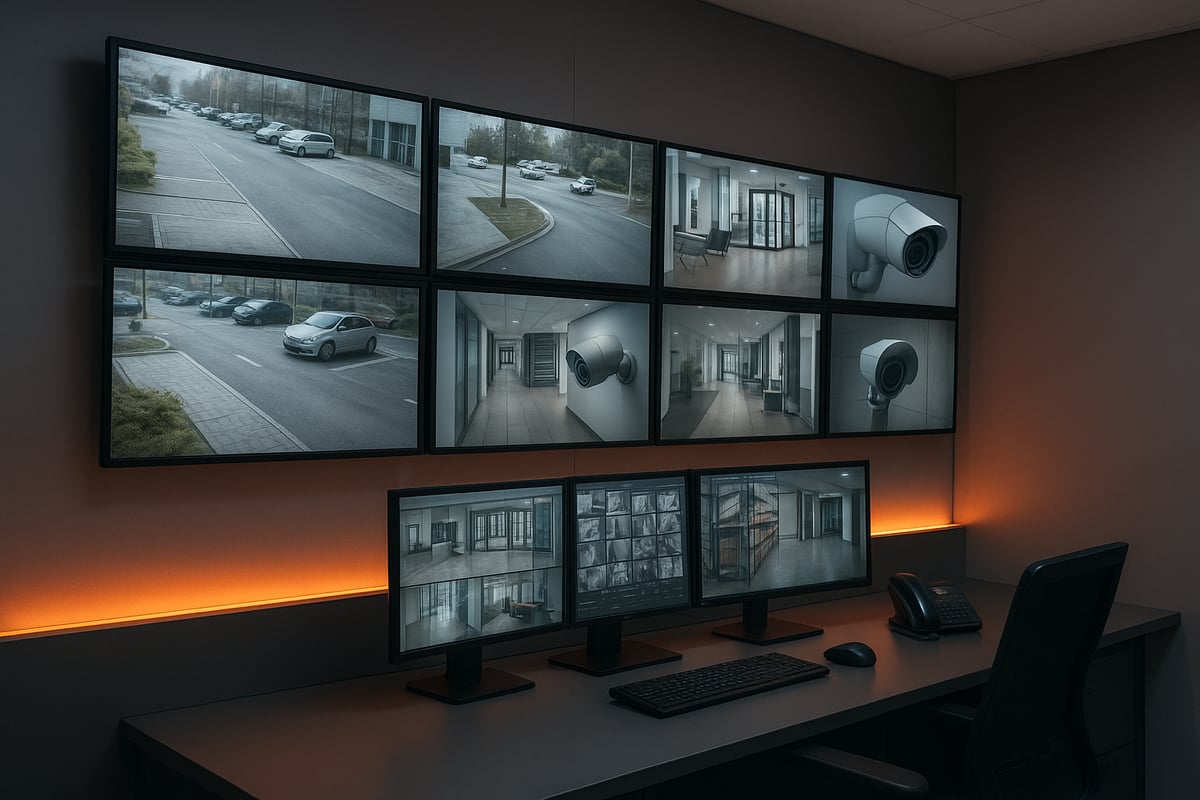
When comparing analogue and IP cameras, the differences are significant. Analogue systems offer a lower upfront cost but are limited in resolution and future scalability. By contrast, IP cameras provide high-definition video, remote access, and seamless integration with other cctv solutions.
| Feature | Analogue Cameras | IP Cameras |
|---|---|---|
| Resolution | Standard | High-definition |
| Scalability | Limited | Flexible |
| Remote Access | No | Yes |
Industry leaders like G4S recommend IP-based cctv solutions for businesses with multiple sites, as these systems are more adaptable and future-proof.
Wired, Wireless, and Hybrid Systems
The infrastructure of your cctv solutions matters just as much as the cameras themselves. Wired systems deliver consistent reliability, making them ideal for larger premises where signal interference could be an issue. Wireless systems offer flexibility and ease of installation, but may be susceptible to interference from other devices.
Hybrid cctv solutions blend the strengths of both wired and wireless setups, allowing phased upgrades and greater adaptability as your security needs change. By carefully assessing your property layout, you can determine which system type best aligns with your operational requirements.
Specialised Camera Types
Modern cctv solutions include a diverse range of camera types, each suited for specific environments:
- Dome cameras: Discreet, often used in retail.
- Bullet cameras: Visible deterrent, ideal for outdoor use.
- PTZ cameras: Pan, tilt, and zoom for large areas.
- Thermal cameras: Detect heat signatures in low light.
- Covert cameras: Hidden for sensitive locations.
According to Chubb, 75% of UK commercial sites use a combination of these camera types to achieve comprehensive coverage. For a deeper dive into system configurations, see Commercial CCTV system options.
Video Analytics and Smart Features
Advanced cctv solutions now include intelligent analytics such as motion detection, facial recognition, and automatic number plate recognition. These features reduce false alarms and speed up incident response times.
For example, Chubb’s facial recognition technology is used for access control in high-security environments. Smart analytics within cctv solutions can also track objects and people, making them invaluable for busy retail or warehouse settings.
Monitoring and Storage Options
How you monitor and store footage is key to maximising the benefits of your cctv solutions. On-site options like NVR or DVR systems offer direct control, while cloud-based storage provides secure remote access and easier scalability.
You can choose between professional 24/7 monitoring or self-monitoring, depending on your risk profile. Remember to consider UK data retention standards when setting up your storage policies, ensuring compliance and protecting privacy.
Step-by-Step Guide: Planning and Implementing CCTV for Maximum Security
Planning and deploying effective cctv solutions requires a structured approach. By following these practical steps, you can ensure your property is well protected and fully compliant.
Step 1: Conduct a Security Assessment
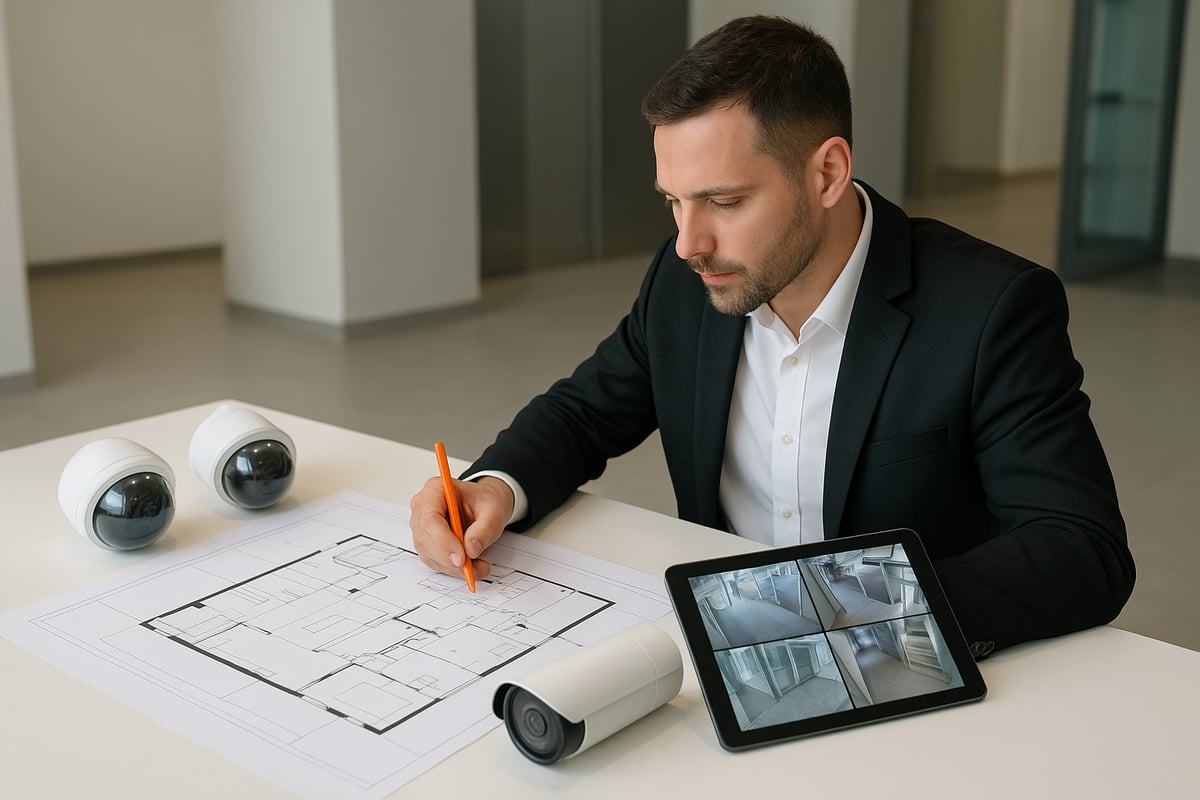
Begin by evaluating your property’s unique risks. Identify vulnerable areas such as entrances, exits, and high-value storage. Walk the site with a security specialist to spot blind spots and assess lighting conditions. For businesses, consider points like EV charging stations, which are increasingly targeted. This careful assessment lays the groundwork for robust cctv solutions and tailored protection.
Step 2: System Design and Camera Placement
Design your system to maximise coverage and minimise blind spots. Choose camera types best suited to each area, such as dome cameras for wide views or PTZ models for flexible monitoring. Map out placements to avoid overlooking neighbouring properties and to comply with privacy laws. Use digital planning tools for precise visualisation.
Step 3: Selecting the Right Equipment
Match camera specifications to your needs. For outdoor spaces, prioritise weatherproof and night vision models. High-resolution cameras capture clearer evidence. Ensure compatibility with existing infrastructure for seamless integration. By investing in advanced cctv solutions, you future-proof your security and support long-term scalability.
Step 4: Installation Best Practices
Decide between professional and DIY installation. Professionals ensure compliance with regulations and optimal cable management. For complex systems, proper data cabling is essential for reliability and future upgrades. Learn more about infrastructure requirements in this guide on data cabling for security systems. Always secure power supplies and test connections before going live.
Step 5: Configuration and Integration
Customise recording schedules, set up alerts, and enable remote access for real-time monitoring. Integrate cameras with alarms and access controls to create a unified defence. Protect your cctv solutions from cyber threats by using strong passwords and encrypted networks. Regularly update firmware to stay ahead of vulnerabilities.
Step 6: Testing and Training
Walk through the system after installation to check camera angles and recording quality. Simulate incidents to ensure alerts work as intended. Train staff or residents on daily use, emergency response, and privacy protocols. Well-prepared users are essential for effective incident management.
Step 7: Ongoing Maintenance and Support
Schedule routine checks to clean lenses, inspect hardware, and update software. Consider service contracts for 24/7 support and rapid response to faults. Proactive care reduces failures and extends the life of your cctv solutions, ensuring your investment remains effective for years to come.
Integrating CCTV with Smart Security and Building Management Systems
As modern security risks evolve, integrating cctv solutions with wider building management systems is now essential. Property owners are no longer relying on standalone cameras. Instead, they are leveraging unified platforms that combine surveillance, access control, and safety systems for enhanced protection.

The Rise of Integrated Security Solutions
Integrated security platforms bring together cctv solutions, intruder alarms, access control, and fire detection, all managed from a central dashboard. This unified approach streamlines monitoring and improves response times. For example, Chubb’s managed video solutions enable multi-site businesses to oversee all security systems in one place.
By combining these technologies, property managers can automate responses to incidents, trigger alerts, and coordinate emergency procedures. This level of integration is especially valuable for large estates or commercial portfolios seeking maximum oversight and efficiency.
Smart Features and Automation
Modern cctv solutions now offer advanced automation powered by AI. Systems can detect unusual activity, trigger automated lighting, or initiate lockdown procedures without manual intervention. Mobile app notifications keep security teams and property owners informed wherever they are.
Retail chains, for instance, benefit from automated alerts when suspicious behaviour is detected, allowing swift action across multiple locations. Automated routines help reduce human error and free up resources for other critical tasks.
Cloud Connectivity and Remote Access
Cloud-based video management is transforming how cctv solutions are monitored and controlled. Secure remote access allows property managers to view live or recorded footage from any location, using smartphones or laptops. This approach supports flexible management for businesses with distributed sites.
For those considering an upgrade, understanding the Remote CCTV monitoring benefits is crucial. Cloud connectivity also ensures footage is safely stored offsite, reducing the risk of data loss from on-premises failures.
Data Analytics for Proactive Security
Today’s cctv solutions leverage data analytics for proactive security management. Features like heat mapping, people counting, and behaviour analysis provide insights that go beyond basic surveillance. These analytics help optimise staffing, identify high-risk zones, and improve overall operational efficiency.
For example, analysing footfall patterns in retail environments allows businesses to adjust layouts or staffing to reduce theft and enhance customer experience. Proactive use of data can significantly reduce losses and inform smarter security strategies.
Future-Proofing Your Investment
Selecting scalable and open-platform cctv solutions ensures your security investment can adapt to future needs. As properties expand or new threats emerge, systems must integrate easily with additional devices and software.
Opt for solutions that support software updates, third-party integrations, and modular upgrades. This approach keeps your security posture strong as technology and risks evolve, protecting your property and peace of mind for years to come.
Legal Compliance, Privacy, and Best Practices for CCTV in the UK
Security is not just about technology, it is also about following the law. As cctv solutions become more advanced, property owners must prioritise legal compliance to avoid fines and reputational risks. Understanding the evolving legal landscape ensures your system delivers security while respecting privacy.
Understanding UK CCTV Laws
When deploying cctv solutions, property owners must comply with the Data Protection Act 2018 and GDPR, especially if the system records individuals. The Surveillance Camera Code of Practice sets out requirements for transparency, proportionality, and accountability.
Clear signage is mandatory wherever cameras operate. Informing people they are being recorded is not optional. Data handling must follow strict protocols, including secure storage and controlled access. For a deeper look at how technology changes influence privacy and compliance, see Advancements in CCTV Technology by 2025.
Privacy Considerations
Protecting privacy is a central duty when using cctv solutions. Avoid directing cameras at public spaces or neighbouring properties unless absolutely necessary. Many modern systems allow masking or privacy zones within the software, helping to prevent accidental intrusion.
Regularly review camera placement and adjust as required. Documenting these decisions demonstrates commitment to privacy and compliance.
Footage Storage and Access
All cctv solutions must ensure footage is stored securely, whether on-site or in the cloud. UK law dictates specific retention periods, typically not exceeding 31 days unless required for an ongoing investigation.
Access to recordings should be tightly controlled, with clear processes for deletion once footage is no longer needed. Respond promptly to subject access requests, as individuals have the right to view footage in which they appear.
Compliance for Commercial vs. Residential Properties
Commercial properties using cctv solutions must conduct formal risk assessments, notify staff, and maintain records of processing activities. G4S, for example, uses robust risk assessment methods to ensure systems are both effective and compliant.
Residential users still need to respect privacy, especially when cameras cover shared spaces. Keeping records of decisions and communicating openly with neighbours can prevent complaints.
Avoiding Legal Pitfalls
Common mistakes with cctv solutions include missing signage, insecure data storage, and excessive monitoring. These errors can lead to significant fines or damage to your reputation.
To stay compliant:
- Display signage at all entry points.
- Regularly review your data handling processes.
- Avoid recording beyond your property boundary.
- Train staff or residents on correct system use.
Staying proactive with compliance ensures your cctv solutions protect assets without creating new risks.
The Future of CCTV: Trends and Innovations to Watch for 2026
The landscape of cctv solutions is evolving rapidly as we approach 2026. Technology advancements are driving smarter, more efficient security systems, enabling property owners to stay ahead of emerging threats. Let us explore the top innovations set to shape the future of cctv solutions.
AI and Deep Learning
Artificial intelligence is revolutionising cctv solutions by enabling advanced object recognition, anomaly detection, and predictive analytics. Systems now interpret footage in real time, identifying threats before they escalate. For a detailed look at how AI and analytics are transforming security, see Top CCTV Security Technology Trends for 2025.
Drone and Rapid Deployment Surveillance
Drones are becoming a critical part of cctv solutions, providing aerial surveillance for large perimeters and hard-to-reach areas. Rapid deployment towers offer temporary, high-visibility coverage for construction sites and events. These technologies allow for flexible, scalable security in dynamic environments.
Edge Computing and IoT Integration
Edge computing is bringing intelligence directly to the camera, allowing cctv solutions to process data instantly and trigger alerts faster. Integration with IoT sensors enables seamless communication between security devices, optimising response times and reducing manual monitoring.
Sustainable and Energy-Efficient Solutions
Sustainability is at the forefront of new cctv solutions. Solar-powered cameras and low-energy devices are now widely adopted, reducing both operational costs and environmental impact. Industry data shows that 30 percent of new installations in 2025 utilised green technology.
Evolving Threats and Adaptive Security
As cctv solutions become more connected, cyber-physical threats are on the rise. Modern systems employ adaptive AI models that update regularly, ensuring resilience against hacking and sophisticated attacks. Ongoing system updates are essential for robust protection.
Preparing for Tomorrow’s Security Needs
Choosing partners who deliver future-ready cctv solutions is vital. Look for providers offering ongoing training, support, and scalable systems. Staying informed and proactive ensures your property remains protected as threats and technologies continue to evolve.
After exploring the latest CCTV advancements, practical installation tips, and the importance of compliance, you might be wondering what the next step is for your own property. I understand that every site has its unique challenges—whether it’s choosing the right system or ensuring complete coverage. To help you make informed decisions and achieve peace of mind, why not take advantage of a tailored assessment from professionals who understand the landscape? You can Get a Free Site Survey with Logic Fire and Security, giving you expert advice on securing your premises for 2026 and beyond.