

Fire alarm covers serve a critical yet often overlooked function in maintaining the integrity and reliability of fire detection systems across commercial and industrial facilities. These protective devices shield sensitive detection equipment from environmental hazards, accidental damage, and malicious interference whilst ensuring systems remain fully operational and compliant with UK fire safety regulations. Understanding when and how to deploy fire alarm covers can significantly reduce false alarms, extend equipment lifespan, and protect your investment in life-safety infrastructure.
Understanding Fire Alarm Covers and Their Applications
Fire alarm covers represent a diverse category of protective solutions designed to safeguard different components within a fire detection system. The primary types include protective covers for smoke detectors, call point guards, sounder shields, and control panel enclosures. Each variety addresses specific vulnerabilities whilst maintaining the operational integrity of the protected device.
Types of Fire Alarm Protection
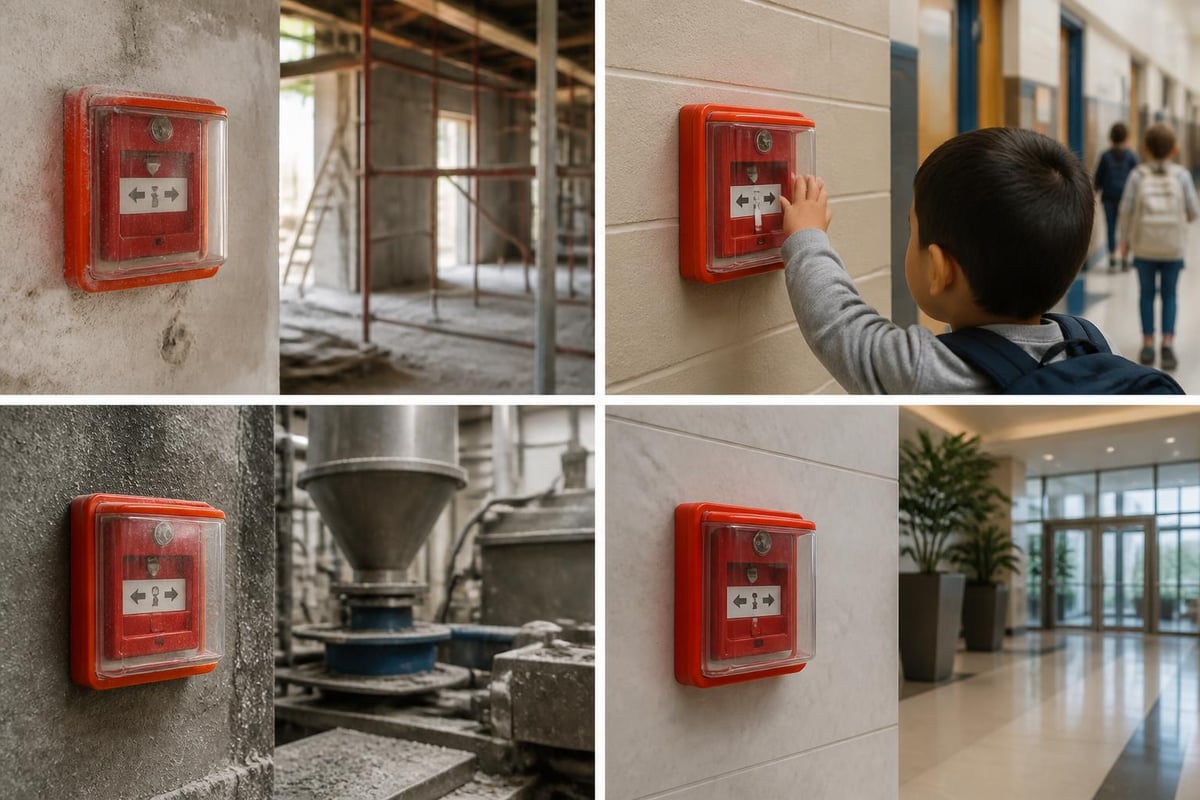
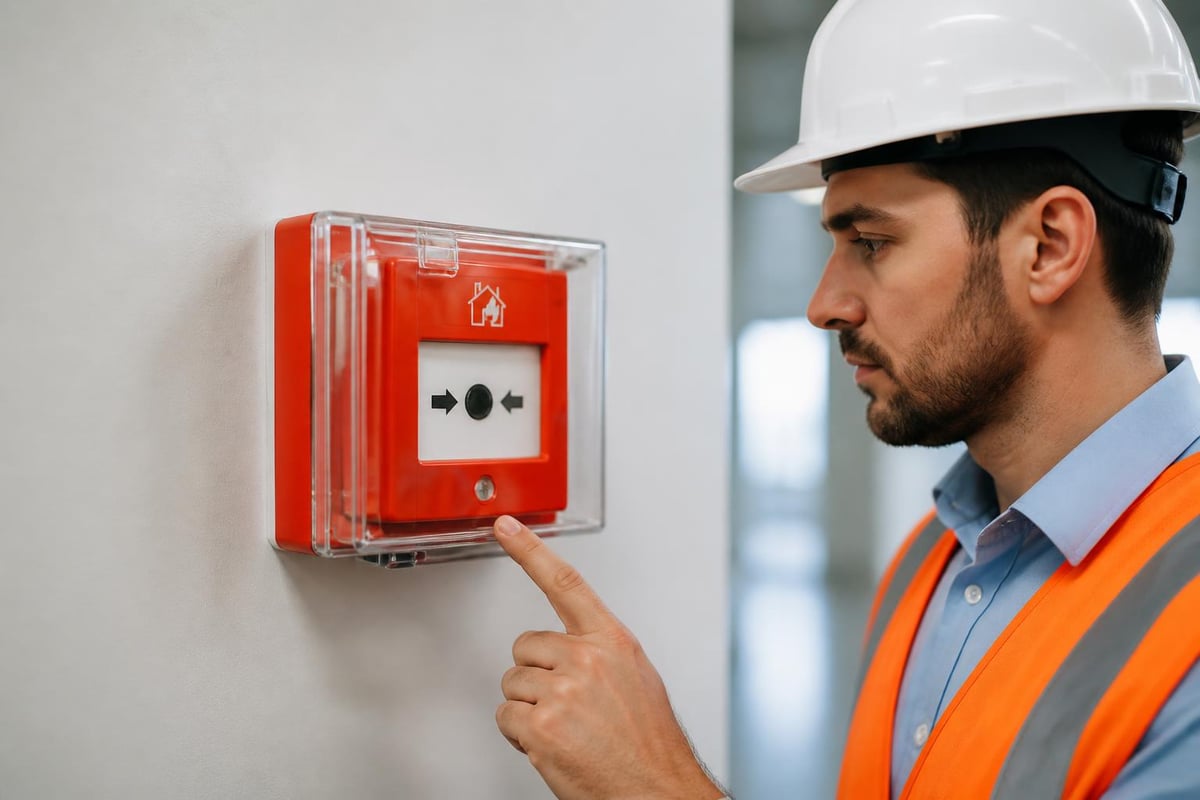
The most common fire alarm covers protect manual call points, those distinctive red breakable glass units that allow building occupants to trigger an alarm manually. These robust polycarbonate guards prevent accidental activation whilst remaining accessible during genuine emergencies. A simple lift-to-activate mechanism ensures anyone can trigger the alarm when needed, but casual contact or cleaning activities won’t cause false activations.
Smoke detector covers serve a different purpose entirely, protecting sensitive optical chambers during construction, renovation, or maintenance activities. Dust, paint particles, and debris can contaminate detection sensors, causing nuisance alarms or system failures. Temporary protective covers prevent this contamination whilst allowing scheduled removal once environmental hazards have cleared.
Key applications for fire alarm covers include:
- Construction and renovation environments where dust and debris are prevalent
- Industrial facilities with high particulate concentrations
- Educational institutions prone to vandalism or accidental activation
- Healthcare facilities requiring protection from cleaning chemicals
- Public spaces with elevated risk of malicious interference
Regulatory Compliance and Standards
Fire alarm covers must comply with stringent regulations to ensure they enhance rather than compromise system performance. The Code of Federal Regulations details specific requirements for fire alarm system components, including classifications and power sources that inform protective cover design. In the UK, BS 5839 provides the framework for fire detection and alarm systems, whilst BS 7273 addresses system components and operational requirements.
Design and Material Specifications
Protective covers must meet specific criteria to maintain system compliance. Transparent materials allow visual confirmation of device status without removal. Impact-resistant polycarbonate construction withstands accidental contact whilst remaining lightweight enough not to impede device function. Critically, covers must not obstruct smoke entry paths, sound transmission, or visual indicators.
| Cover Type | Primary Material | Key Feature | Compliance Standard |
|---|---|---|---|
| Call Point Guard | Polycarbonate | Lift-to-activate | BS 5839-1:2017 |
| Detector Cover | Clear PVC | Temporary installation | BS EN 54 series |
| Sounder Shield | Wire mesh | Sound transmission | BS 5839-8:2013 |
| Control Panel Door | Steel/Acrylic | Secure access | BS EN 12094 |
Understanding these standards proves essential when selecting appropriate fire alarm covers. Commercial fire detection systems require careful component selection to maintain certification and ensure insurance validity. Non-compliant protective devices can void warranties, invalidate insurance policies, and create liability exposure.
Benefits of Implementing Fire Alarm Covers
The advantages of properly deployed fire alarm covers extend well beyond simple physical protection. Organisations implementing comprehensive protection strategies report significant reductions in false alarm incidents, decreased maintenance costs, and improved system longevity. These benefits translate directly into operational efficiency and cost savings.
False Alarm Reduction
False alarms represent a substantial burden for commercial facilities and emergency services alike. Fire brigades across the UK respond to thousands of unwanted fire signals annually, diverting resources from genuine emergencies whilst creating disruption and expense for building operators. Fire alarm covers addressing the most common causes of false activation deliver measurable improvements.
Statistical analysis reveals that accidental activation of manual call points accounts for approximately fifteen percent of false alarms in commercial buildings. Installing protective guards over these devices can reduce this figure by up to ninety percent. Similarly, detector covers during construction prevent contamination-related false alarms that might otherwise persist for months after project completion.
Maintenance cost reduction represents another significant benefit. Contaminated smoke detectors require professional cleaning or replacement, with associated labour and material expenses. Protective covers during high-risk periods prevent contamination entirely, eliminating these reactive maintenance requirements.
Extended Equipment Lifespan
Quality fire detection equipment represents a substantial capital investment. Smoke detectors, heat sensors, and manual call points function reliably for years when properly maintained and protected from environmental hazards. Fire alarm covers shield these devices from accelerated deterioration caused by dust accumulation, chemical exposure, and physical damage.
Consider the typical lifespan comparison:
- Unprotected detectors in construction environments: 3-5 years average service life
- Protected detectors with appropriate covers: 8-12 years average service life
- Call points without guards: frequent replacement due to accidental damage
- Guarded call points: minimal replacement requirements over decades
This extended operational life delivers return on investment through reduced replacement frequency and lower lifecycle costs. The fire alarm supply chain benefits from predictable replacement cycles rather than emergency procurement requirements.
Installation and Maintenance Considerations
Implementing fire alarm covers requires careful planning to ensure protection doesn’t compromise system functionality. Professional installation following manufacturer specifications and regulatory requirements ensures covers enhance rather than hinder fire safety infrastructure. The installation and maintenance of fire alarm systems demands attention to detail and ongoing verification.
Proper Installation Procedures
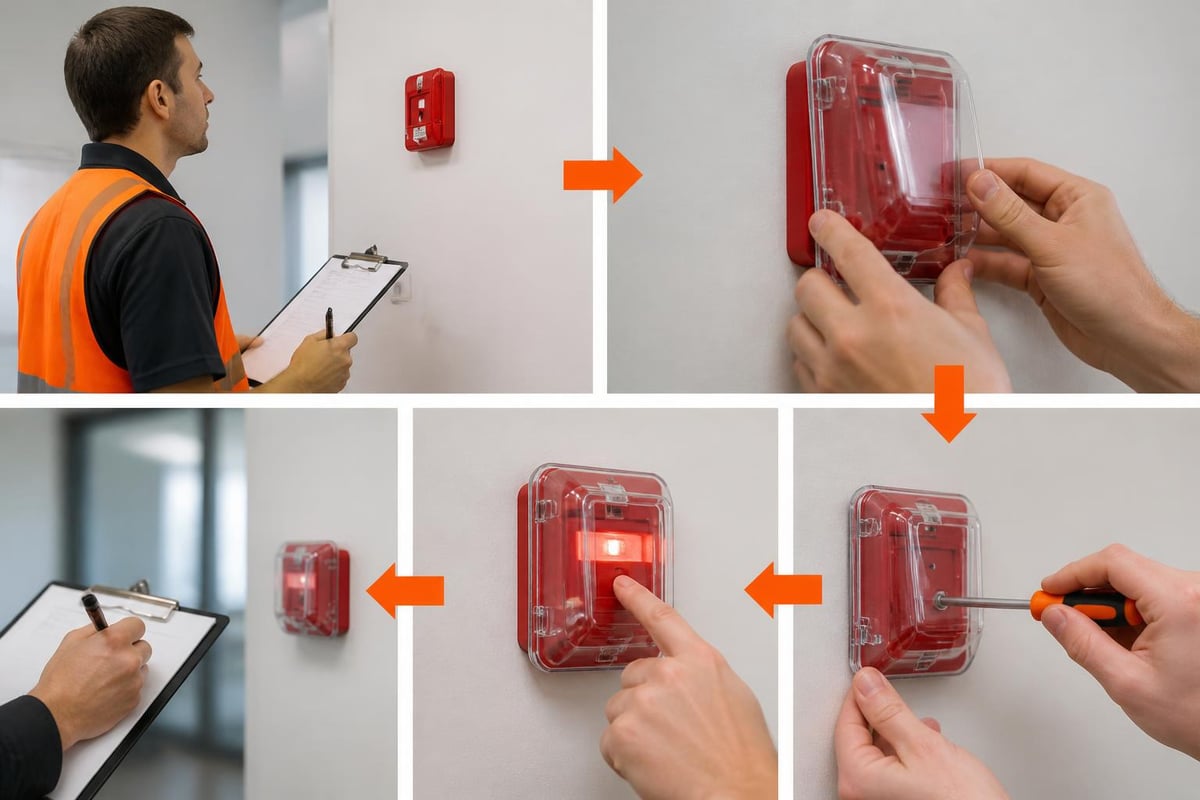
Installation procedures vary depending on cover type and application. Temporary detector covers typically feature tool-free installation, allowing rapid deployment and removal by maintenance personnel. Permanent call point guards require secure mounting that withstands deliberate force whilst remaining accessible for legitimate activation.
- Assess the environment and identify specific hazards requiring protection
- Select appropriate cover types matching device models and threat profiles
- Verify compatibility with existing equipment and compliance requirements
- Install following manufacturer instructions and conduct functional testing
- Document installation in system maintenance records and update as-built drawings
- Schedule removal dates for temporary covers to prevent prolonged deployment
Critical installation considerations include ensuring detector covers don’t create false tamper signals, verifying call point guards don’t impede glass breakage mechanisms, and confirming sounder shields maintain required sound pressure levels. Fire alarm testing procedures must verify full functionality after cover installation.
Ongoing Maintenance Requirements
Fire alarm covers themselves require periodic inspection and maintenance to ensure continued effectiveness. Protective devices accumulating dirt, damage, or degradation may compromise rather than enhance system protection. Integration of cover inspection into regular maintenance services ensures long-term reliability.
Monthly visual inspections should verify covers remain properly positioned, undamaged, and appropriately transparent. Quarterly detailed inspections assess structural integrity, mounting security, and operational clearances. Annual comprehensive reviews evaluate whether environmental conditions have changed, requiring cover specification adjustments or removal.
Documentation proves essential throughout the maintenance lifecycle. Recording installation dates for temporary detector covers prevents inadvertent prolonged deployment that might compromise detection performance. Tracking guard condition and replacement intervals for call point protection ensures consistent availability and functionality.
Selecting the Right Fire Alarm Covers
Choosing appropriate fire alarm covers requires understanding your specific operational environment, regulatory obligations, and risk profile. The variety of available options means facilities can implement tailored protection strategies addressing their unique challenges whilst maintaining full system compliance and operational readiness.
Environmental Assessment
Begin with comprehensive environmental analysis identifying specific threats to fire detection equipment. Construction projects generate different hazards than manufacturing operations, whilst educational facilities face distinct challenges from healthcare environments. Matching cover specifications to identified threats ensures effective protection without unnecessary complexity or expense.
Environmental factors requiring assessment include:
- Particulate concentrations and particle size distributions
- Chemical exposure risks from cleaning agents, industrial processes, or atmospheric conditions
- Physical contact probability from building occupants, equipment, or operational activities
- Temperature and humidity extremes affecting material performance
- Vandalism or malicious interference likelihood based on occupancy patterns
Fire risk assessment processes should incorporate these environmental considerations, ensuring protective measures align with broader fire safety strategies. The UL Standard for control units and accessories provides guidance on protective device specifications ensuring system integrity.
Supplier Selection and Quality Assurance
Not all fire alarm covers meet the same quality and performance standards. Selecting reputable suppliers offering certified products ensures protective devices enhance rather than compromise fire safety infrastructure. Quality indicators include third-party testing certification, compliance documentation, and manufacturer warranty support.
| Quality Factor | Premium Products | Budget Alternatives | Impact on Performance |
|---|---|---|---|
| Material durability | UV-stabilised polycarbonate | Standard plastic | Long-term reliability |
| Certification | BS/EN compliance certified | No certification | Regulatory compliance |
| Warranty | 5+ years | Limited/none | Total cost of ownership |
| Installation support | Detailed instructions + support | Minimal documentation | Installation quality |
Working with established fire safety providers ensures access to appropriate products and professional installation expertise. Fire and security engineers understand the integration requirements ensuring covers complement rather than compromise detection systems.
Integration with Modern Fire Safety Systems
Contemporary fire detection infrastructure incorporates advanced technologies including wireless connectivity, smart sensors, and integrated building management systems. Fire alarm covers must accommodate these technological developments whilst providing necessary protection against environmental and physical hazards. The evolution of wireless fire alarms creates new considerations for protective device design and deployment.
Smart System Compatibility
Modern fire detection devices incorporate sophisticated electronics requiring protection from electromagnetic interference, moisture ingress, and physical shock. Fire alarm covers designed for legacy systems may not provide adequate shielding for contemporary smart sensors with wireless communication capabilities, requiring specification updates ensuring comprehensive protection.
Wireless signal transmission must remain unobstructed by protective covers. Metal components can create Faraday cage effects blocking radio frequencies, whilst certain plastics attenuate signals reducing communication reliability. Selecting covers manufactured from RF-transparent materials ensures protection doesn’t compromise connectivity.
Integration with building management systems requires consideration of how covers might affect device accessibility for commissioning, programming, and troubleshooting activities. Removable covers with tool-free access facilitate maintenance whilst providing robust protection during normal operations.
Remote Monitoring Considerations
Advanced fire detection systems increasingly incorporate remote monitoring capabilities allowing off-site supervision of system status, alarm conditions, and fault notifications. Fire alarm covers must not interfere with the sensors and communication devices enabling this functionality. The updated standards for control units address these integration requirements.
Tamper switches detecting unauthorised device removal or cover displacement integrate with monitoring systems providing immediate notification of potential security breaches. This functionality transforms protective covers from passive barriers into active security components, enhancing overall protection systems effectiveness.
Industry-Specific Applications
Different sectors face unique challenges requiring tailored fire alarm cover solutions. Educational institutions prioritise vandalism prevention, healthcare facilities emphasise infection control compatibility, whilst industrial environments focus on environmental contamination protection. Understanding these sector-specific requirements ensures optimal protective strategies.
Educational Facilities
Schools and universities experience elevated rates of accidental and deliberate fire alarm activation. Curious students, horseplay, and occasional vandalism create operational challenges requiring robust protective measures. Fire alarm covers in educational settings must balance accessibility for genuine emergencies against protection from inappropriate activation.
Call point guards prove particularly valuable in corridors, common areas, and locations with high student traffic. These devices reduce false alarms by over eighty percent in typical educational environments whilst maintaining emergency accessibility. Alarm systems for schools benefit from comprehensive protection strategies addressing sector-specific challenges.
Healthcare Environments
Hospitals and care facilities require fire detection systems compatible with rigorous cleaning protocols and infection control requirements. Fire alarm covers in healthcare settings must withstand frequent cleaning with aggressive disinfectants whilst maintaining optical clarity and structural integrity. Material selection becomes critical, requiring chemical-resistant formulations and sealed construction preventing contamination ingress.
Additionally, healthcare facilities often restrict audible alarm volumes in patient care areas, necessitating careful sounder placement and protection. Sounder shields allowing sound transmission whilst preventing physical damage prove essential in these sensitive environments.
Industrial and Manufacturing
Industrial facilities frequently generate airborne contaminants threatening fire detection equipment reliability. Dust, metal particles, chemical vapours, and extreme temperatures create hostile environments requiring robust protective solutions. Fire alarm covers in industrial applications must provide comprehensive environmental sealing whilst accommodating regular inspection and maintenance access.
Temporary detector covers during manufacturing processes generating unusual contamination levels prevent costly detector replacement whilst maintaining continuous fire protection. The fire protection systems serving industrial facilities benefit from proactive protection strategies minimising reactive maintenance requirements.
Cost-Benefit Analysis
Evaluating fire alarm covers requires comprehensive cost-benefit analysis considering initial investment, ongoing maintenance savings, false alarm reduction benefits, and extended equipment lifespan. The financial justification for protective devices varies depending on environmental conditions, facility type, and operational priorities, but most commercial applications demonstrate positive return on investment within twelve to twenty-four months.
Direct Cost Considerations
Initial procurement costs for fire alarm covers range from modest investments for basic call point guards to more substantial expenditure for comprehensive detector protection across large facilities. Budget allocation should consider:
- Unit costs varying from £15-£50 for call point guards to £5-£15 for temporary detector covers
- Installation labour ranging from simple DIY fitting to professional installation requiring system integration
- Documentation and compliance verification ensuring regulatory requirements are met
- Training requirements for maintenance personnel managing cover deployment and removal
Offsetting these initial costs, organisations realise savings through reduced false alarm fines, decreased emergency callout charges, and lower reactive maintenance expenditure. UK fire authorities increasingly impose charges for repeated false alarms, with penalties ranging from £300-£1,000 per incident after initial warnings.
Long-Term Value Proposition
The extended equipment lifespan facilitated by effective protection delivers substantial long-term value. Quality smoke detectors cost £80-£200 per unit installed, whilst manual call points range from £60-£150 including installation labour. Premature replacement due to contamination or damage represents significant avoidable expense.
Return on investment calculations demonstrate compelling business cases:
- Protected detector lifespan extension: 5-7 additional years of service
- Replacement cost avoidance: £100-£150 per device
- False alarm reduction: 3-8 prevented incidents annually per facility
- Compliance assurance: elimination of penalties and liability exposure
These quantifiable benefits don’t account for intangible advantages including improved occupant confidence, enhanced system reliability, and reduced operational disruption from unwanted activations. Commercial fire alarm systems delivering reliable performance generate organisational value extending beyond simple cost metrics.
Future Developments and Innovations
Fire alarm cover technology continues evolving alongside advances in fire detection systems and building management integration. Emerging developments include smart covers with integral sensors monitoring environmental conditions, self-cleaning protective surfaces reducing maintenance requirements, and biodegradable materials addressing sustainability concerns.
Intelligent Protective Systems
Next-generation fire alarm covers may incorporate sensors detecting contamination accumulation, signalling when cleaning or replacement becomes necessary before performance degradation occurs. Integration with building management systems would enable predictive maintenance scheduling, optimising resource allocation whilst maintaining peak system performance.
Environmental monitoring capabilities could transform protective covers from passive barriers into active data collection devices. Temperature, humidity, and particulate sensors within cover assemblies would provide early warning of conditions threatening detection equipment, enabling proactive intervention preventing damage and maintaining reliability.
Research into fire prevention strategies using graph theoretical approaches may inform future protective device placement optimisation, ensuring coverage where risk analysis indicates highest vulnerability whilst minimising unnecessary deployment in lower-risk areas.
Fire alarm covers represent an essential component of comprehensive fire safety strategies, protecting critical detection infrastructure whilst reducing false alarms and extending equipment lifespan. The modest investment in quality protective devices delivers substantial returns through improved reliability, regulatory compliance, and operational efficiency. Whether your facility faces construction dust, vandalism risk, or industrial contamination, appropriate fire alarm covers provide cost-effective protection for your life-safety investment. Logic Fire and Security offers expert guidance on protective solutions tailored to your specific operational requirements, ensuring your fire detection systems maintain peak performance and compliance throughout their service life.