
Category: Uncategorised

Smoke Alarm Installation Cost Guide: What To Expect In 2026

Did you know that in the UK, working smoke alarms can cut the risk of fire fatalities by over 50%? As we approach 2026, both regulations and technology for home fire safety are advancing rapidly, making it vital to stay informed.

Understanding smoke alarm installation cost is more important than ever, especially with new legislation and smarter alarm options entering the market.

This guide will break down what UK homeowners and property managers should expect to pay for smoke alarm installation cost in 2026. You will discover a clear overview of alarm types, updated cost breakdowns, key installation factors, the pros and cons of professional versus DIY fitting, and practical money-saving tips.

Read on for expert advice that will help you budget with confidence, meet legal requirements, and keep your home or property safe.

Smoke Alarm Types and Their Costs in 2026

Understanding the range of smoke alarms available in 2026 is key to making informed decisions and managing your smoke alarm installation cost. With evolving regulations and innovative features, UK homeowners face more options than ever before.

Smoke Alarm Types and Their Costs in 2026

Overview of Smoke Alarm Categories

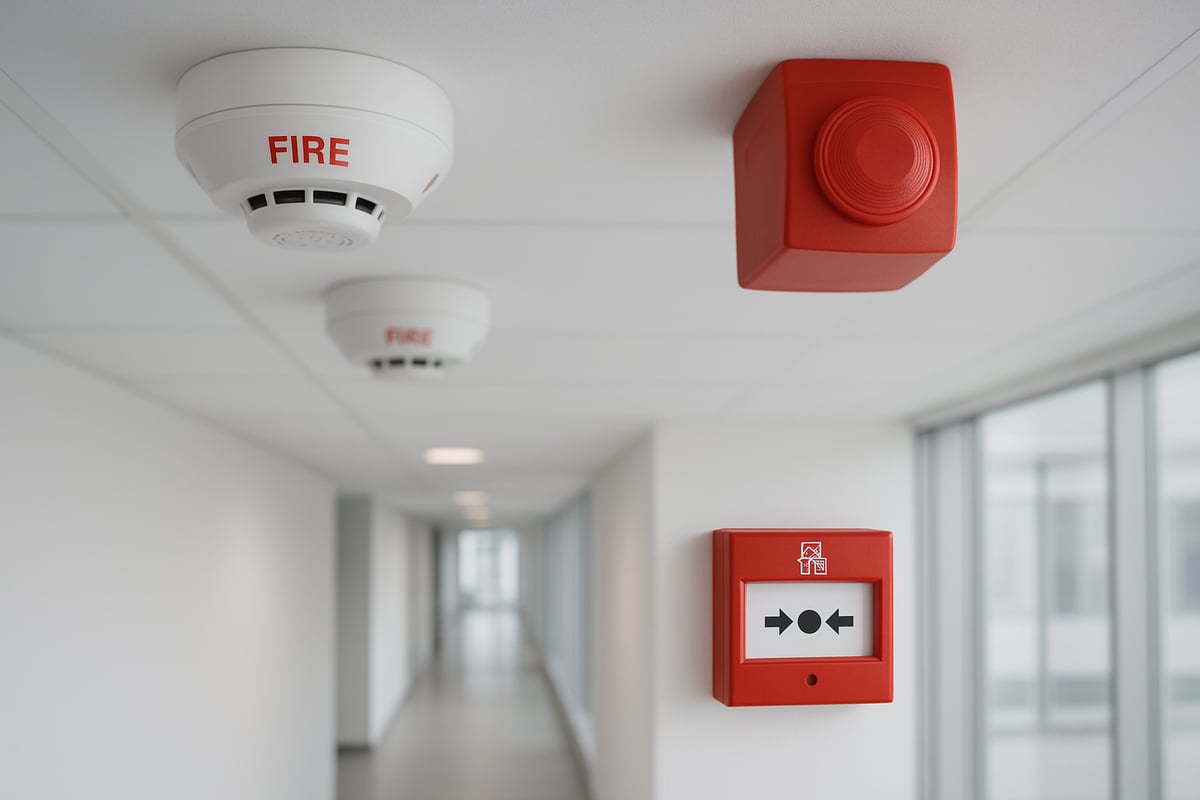
The landscape for smoke alarms in 2026 features a variety of categories, each with unique detection methods and compliance requirements. Ionisation alarms are sensitive to fast-flaming fires, while optical (photoelectric) alarms excel at detecting slow, smouldering fires. Heat alarms are best for kitchens and garages, as they react to rapid temperature changes rather than smoke particles.

Combination alarms integrate smoke, heat, and often carbon monoxide sensors, offering enhanced protection. When considering smoke alarm installation cost, it is important to factor in power sources: battery-powered alarms (often with sealed 5 or 10-year batteries), mains-powered units, and increasingly popular smart alarms with WiFi connectivity for remote alerts.

Interlinked alarms, which communicate with each other throughout the property, are highly recommended for compliance with the latest British Standards. Look for Kitemark certification to ensure your alarms meet UK safety expectations. Prices in 2026 are influenced by technology upgrades and stricter regulations. For a comprehensive understanding of system types and compliance, visit Types of fire systems explained.

Price Breakdown by Alarm Type

The cost of smoke alarms varies significantly by type and technology, directly impacting the overall smoke alarm installation cost. Below is a snapshot of average unit prices in 2026:

Alarm Type Average Price (2026) Battery Life Typical Use
Battery-Powered £10 – £15 5–10 years Flats, small homes
Mains-Powered £10 – £20 N/A (wired) Houses, HMOs
Smart Alarms £50 – £150 10 years Large, tech-enabled
Interlinked (wired) £15 – £25 10 years Multi-storey, HMOs
CO/Heat Alarms £20 – £60 7–10 years Kitchens, garages

Bundled packs, such as a set of five interlinked alarms, can lower the per-unit price, making them a cost-effective choice for larger properties. Battery life is another key factor: a 10-year sealed battery may command a higher initial price but offers better long-term value and reduces maintenance frequency.

Legislation in Scotland, England, and Wales may require specific alarm types or interlinked systems, affecting both the number and type of alarms needed. Data from 2025 competitor research confirms that most alarms fall within the £10–£150 range per unit, but smart and interlinked models are driving up the average smoke alarm installation cost.

Choosing the Right Alarm for Your Property

Selecting the best alarm system for your property is essential for both safety and compliance, as well as controlling your smoke alarm installation cost. Key considerations include the size and layout of your home, number of floors, occupancy level, and any unique risk factors such as open-plan living areas or high ceilings.

Landlords and property managers must pay close attention to insurance requirements and local regulations, which may stipulate interlinked alarms or specific models for HMOs and rental properties. For smaller flats, battery-powered alarms may suffice, while larger homes benefit from smart, WiFi-enabled systems that support remote monitoring.

Pros and cons vary: smart and interlinked alarms offer enhanced protection but come at a higher initial cost. DIY installation is possible for basic models, but professional advice is recommended for complex properties or to guarantee compliance ahead of 2026 regulatory deadlines. The trend towards interconnected and smart alarms continues to grow, reflecting both changing legislation and consumer demand for more robust fire safety solutions.

Professional Installation Costs Explained

Understanding the professional smoke alarm installation cost in 2026 is crucial for homeowners and property managers. Labour rates and overall job costs are evolving, influenced by new technology and stricter regulations. Below, we break down what you can expect to pay, what’s included in the service, key cost drivers, and typical installation challenges.

Professional Installation Costs Explained

Average Installation Costs in 2026

In 2026, the average smoke alarm installation cost will depend on several factors, including the type and number of alarms, property size, and system complexity. Labour rates typically range from £50 to £100 per hour. For most standard installations, total costs fall between £150 and £250, but complex projects can exceed this range.

For example, a three-bedroom house needing interlinked mains alarms may face higher costs than a one-bedroom flat with basic battery units. Regional variations are common, with London and the South East often commanding higher rates. Installers may also charge a call-out fee, usually £40 to £90.

Below is a quick comparison table:

Installation Type Typical Total Cost Labour Hours Notes
Battery-only, 1-bed flat £150–£180 1–2 Quick, minimal wiring
Mains interlinked, 3-bed home £220–£300 2–3 More wiring involved
Smart/interlinked, large home £300+ 3+ Advanced integration

For a more detailed breakdown, see this smoke alarm installation costs UK resource.

What’s Included in Professional Installation

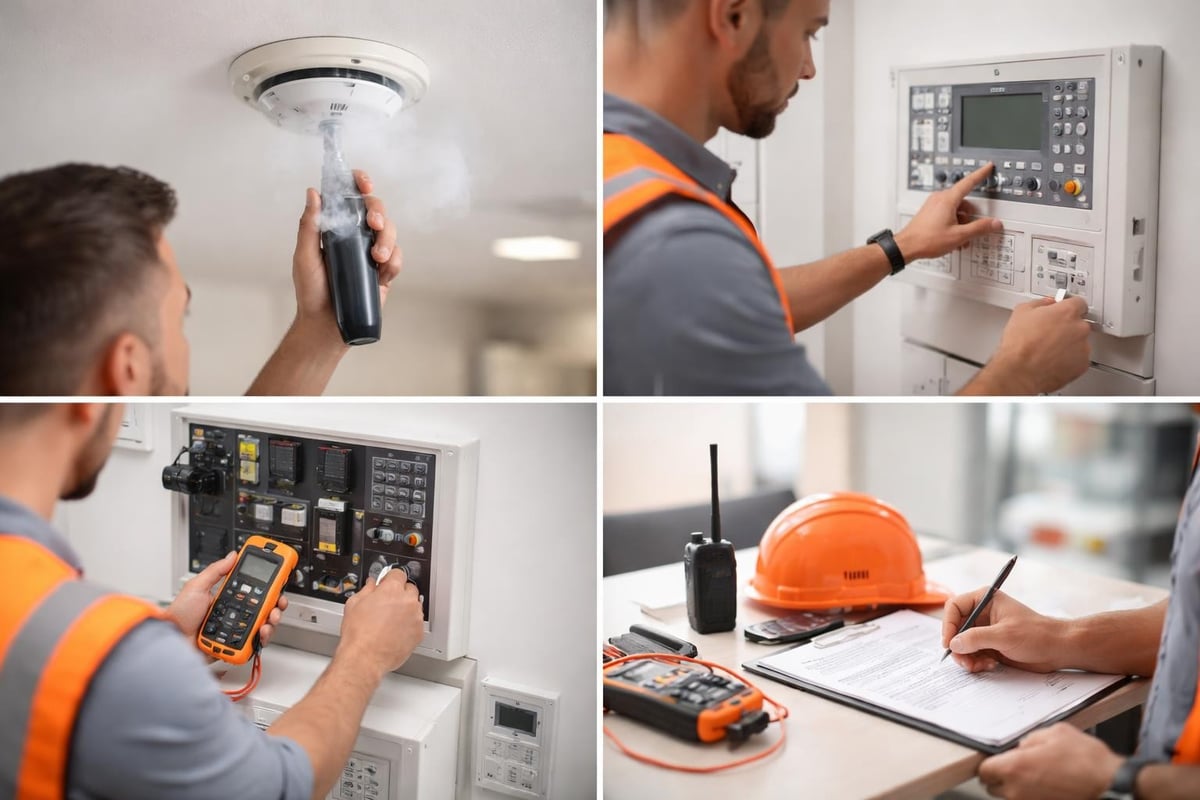
A professional smoke alarm installation cost covers far more than simply fixing alarms to the ceiling. The service typically includes:

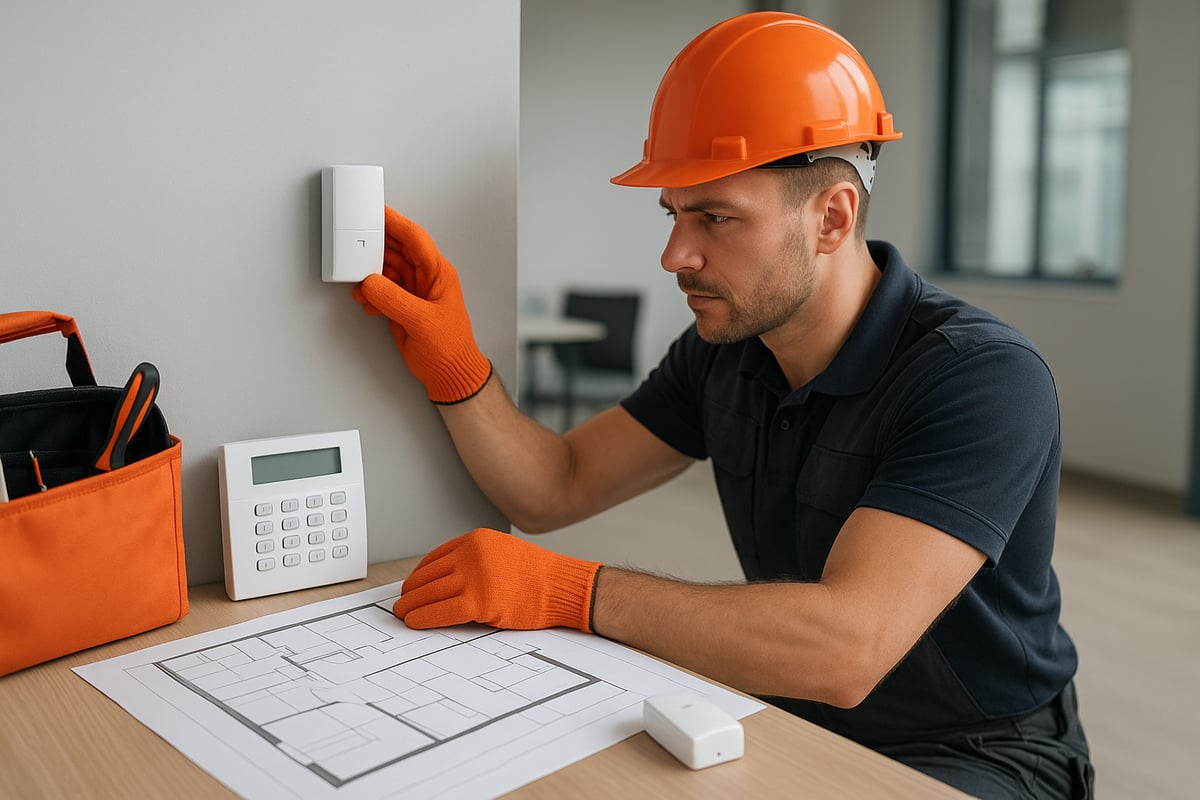
  • Site survey and compliance assessment
  • Placement planning for legal and optimal coverage
  • Full wiring for mains/interlinked systems, secure mounting for battery units
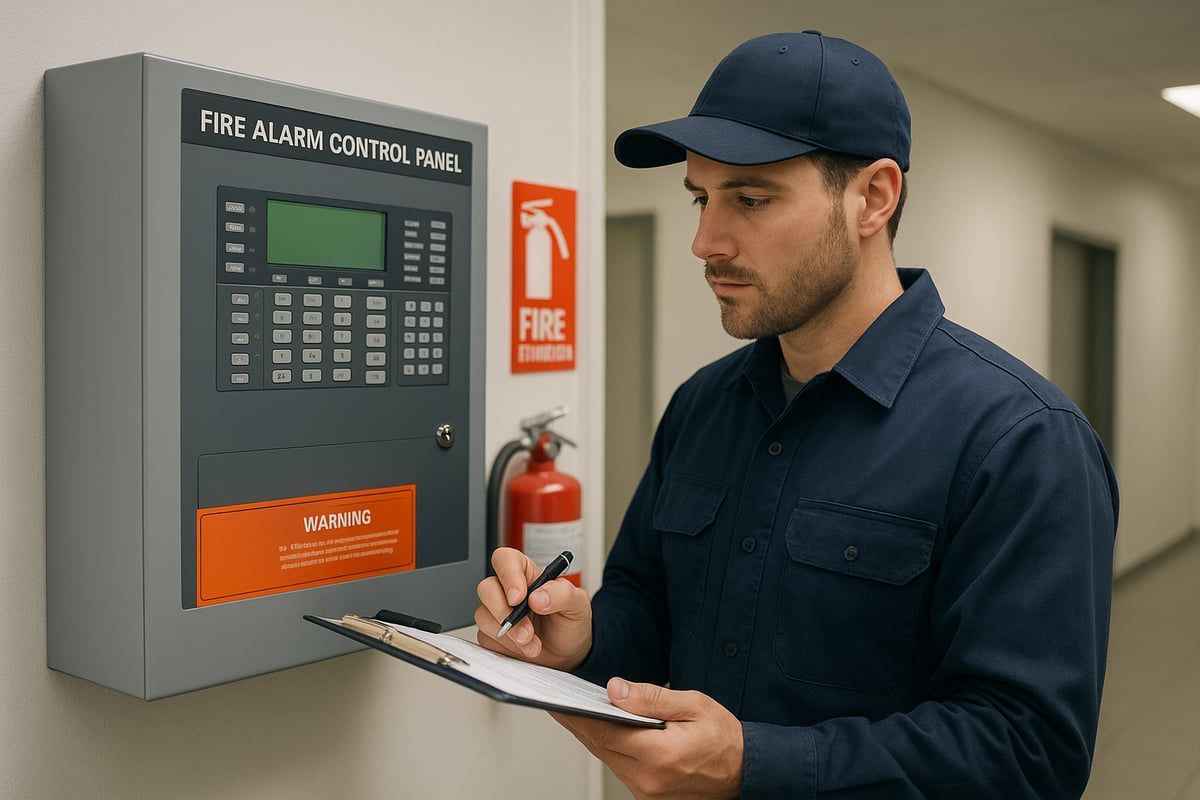
  • System testing and certification for insurance or legal purposes
  • Demonstration of alarm operation and maintenance tips
  • Safe removal and disposal of any old alarms

This comprehensive approach ensures your property meets the latest British Standards and is fully protected. Homeowners often find that professional installation saves time and reduces the risk of costly mistakes compared to DIY efforts.

Factors That Affect Installation Cost

Several factors can influence the final smoke alarm installation cost. The complexity of the system plays a major role, with smart or interlinked alarms requiring additional time and expertise. The number of units needed, as well as access issues such as high ceilings or multi-storey layouts, can add to the bill.

If additional electrical work or rewiring is necessary, this will increase costs. Integration with other fire safety systems, such as carbon monoxide or heat detectors, may also be required. Some properties, such as listed buildings, present unique accessibility challenges, while urgent or out-of-hours installations typically come at a premium.

For example, upgrading outdated wiring to meet 2026 compliance standards can add both time and expense but is essential for safety and legal reasons.

Common Installation Challenges and Solutions

Professional installers frequently encounter challenges during smoke alarm installation cost projects. False alarms can be avoided by careful placement away from kitchens and bathrooms. Reaching difficult areas, like stairwells or high ceilings, requires specialist equipment and experience.

Old or non-compliant wiring can delay installation, but experienced electricians can often retrofit new systems efficiently. Ensuring all alarms are correctly interlinked and tested is vital for compliance with new 2026 regulations. Navigating local authority requirements may also present hurdles, especially in older properties.

To minimise disruption, professionals plan installation around your schedule and use dust sheets and protective equipment to keep your home tidy throughout the process.

Professional vs DIY Smoke Alarm Installation

Choosing between DIY and professional installation is a crucial decision for anyone considering the smoke alarm installation cost in 2026. Both options have unique advantages, but the right choice depends on your property type, budget, and compliance needs.

Professional vs DIY Smoke Alarm Installation

DIY Installation: Pros, Cons, and Costs

DIY smoke alarm installation appeals to many homeowners due to its straightforward process and lower smoke alarm installation cost. Battery-powered alarms are especially easy to fit, often taking less than 30 minutes per unit. This route cuts out labour charges, making it ideal for small flats or temporary setups.

However, there are trade-offs. DIY installation can lead to errors in placement or wiring, potentially resulting in unreliable alarm performance. Misplaced alarms may not comply with legal standards and could affect insurance claims. For mains-powered or interlinked systems, installation becomes more complex and time-consuming, often requiring 1 to 2 hours per device.

Consider whether saving on smoke alarm installation cost is worth the risk of missing compliance. DIY is best for simple setups where certification is not a necessity.

When to Hire a Professional Installer

For many property owners, hiring a professional is the safest route—especially when legal compliance and peace of mind are priorities. Professional installers ensure every alarm is correctly positioned, tested, and certified, which is essential for landlords, HMOs, and anyone needing to meet insurance requirements.

Complex systems, such as mains-powered, interlinked, or smart alarms, benefit from expert handling. Professionals can integrate alarms with other fire safety devices and provide documentation for regulatory compliance. If your property is large, multi-storey, or has unique access issues, professional installation minimises the risk of errors and future costs.

For a detailed look at what’s involved, the Fire protection installations guide offers insight into the benefits and process of professional installation.

How to Choose a Qualified Installer

Selecting the right installer is vital for controlling your smoke alarm installation cost and ensuring long-term safety. Always seek out electricians or contractors with relevant certifications, such as NICEIC, BAFE, or NSI Gold. Check reviews and ratings—recent data shows customer satisfaction scores of 4.9 out of 5 from thousands of UK clients.

Request multiple quotes to get the best value for your smoke alarm installation cost. Ask about guarantees, compliance with the latest regulations, and ongoing support for maintenance. For landlords or those with insurance requirements, confirm that the installer is recognised by local authorities or insurers.

Taking these steps ensures your installation is both cost-effective and fully compliant, giving you confidence in your property’s fire safety.

Key Steps in the Smoke Alarm Installation Process

A successful smoke alarm installation process is built on careful planning and compliance with the latest safety standards. By following these steps, homeowners and property managers can ensure effective protection and manage their smoke alarm installation cost efficiently.

Key Steps in the Smoke Alarm Installation Process

Step 1: Assessing Your Property’s Needs

Start by reviewing current legal requirements, especially as regulations are evolving for 2026. Identify high-risk areas such as kitchens, hallways, and bedrooms. Calculate how many alarms you need and which types are necessary for full coverage.

For example, Scottish law now mandates interlinked alarms in all homes. Consulting resources like the UK smoke alarm regulations 2026 can clarify compliance rules that impact your smoke alarm installation cost.

Consult a professional for complex layouts or larger properties to ensure every risk area is addressed.

Step 2: Selecting the Right Alarm System

Compare available alarm types based on your property’s needs and budget. Consider traditional battery units, mains-powered models, or advanced smart alarms for remote monitoring. Bundled packs can offer savings, making them attractive for larger homes.

Evaluate each option’s maintenance demands and compatibility with existing systems. For example, smart alarms can alert you via smartphone, adding convenience for larger or multi-occupancy properties. Always check manufacturer guidance and regulatory deadlines before purchasing.

Step 3: Planning Installation Layout

Map out optimal alarm placement to maximise coverage and minimise false alarms. Avoid placing alarms too close to kitchens or bathrooms where steam and cooking fumes are common. Ensure each alarm is easily accessible for ongoing maintenance.

For multi-storey homes, position alarms on every landing and in key corridors. Proper planning not only supports compliance but also helps control the overall smoke alarm installation cost by avoiding unnecessary units or poor placement.

Step 4: Installation and Testing

Decide whether to use a professional or attempt DIY installation. Securely mount each alarm and, when required, complete wiring and interlinking. Test each unit to confirm correct operation and integration with the system.

Professionals will certify the installation for insurance and legal compliance, providing peace of mind. Proper testing ensures all alarms activate together, a key feature for modern fire safety and a factor that can influence smoke alarm installation cost.

Step 5: Ongoing Maintenance and Compliance

Regular maintenance keeps your alarms functioning and your property compliant. Test alarms monthly, replace batteries as needed, and clean units to prevent dust build-up. Schedule annual professional inspections for mains or interlinked systems.

Keep records of all checks and replacements to demonstrate compliance for insurance purposes. Upgrading alarms as regulations or technology advance is crucial for safety and helps you avoid unexpected increases in smoke alarm installation cost.

Saving Money on Smoke Alarm Installation

With the right approach, you can keep your smoke alarm installation cost under control while ensuring your home remains safe and compliant. Planning ahead and understanding where savings can be made is key to avoiding unnecessary expenses.

Smart Ways to Reduce Costs Without Compromising Safety

There are several effective ways to reduce your smoke alarm installation cost without cutting corners on safety or compliance.

  • Choose battery-powered or wireless alarms for smaller properties or tight budgets, as these are generally more affordable to install.
  • Look for multi-pack deals or bundled offers, which often provide a lower per-unit price.
  • Schedule installation during other electrical work to save on call-out fees.
  • Plan upgrades or new installations during property renovations, when access is easier and costs can be shared.
  • Compare multiple installer quotes to get the best value for your specific needs.
  • Explore local authority grants or schemes that may subsidise installation costs for certain homeowners or landlords.

For landlords, reviewing a fire safety compliance costs 2025 guide can help with budgeting for both alarms and installation. Taking these steps ensures you meet legal requirements while keeping your smoke alarm installation cost manageable.

Avoiding Common Pitfalls That Increase Costs

Avoiding common mistakes is just as important as seeking savings when it comes to your smoke alarm installation cost.

  • Do not over-specify by fitting more alarms than necessary, as this increases both product and labour costs.
  • Always choose certified alarms that meet British Standards to avoid expensive non-compliance issues.
  • Position alarms correctly to prevent frequent false alarms, which can result in costly call-backs or replacements.
  • Do not delay necessary upgrades, as non-compliance with updated regulations can lead to fines or failed inspections.
  • Be aware of the long-term value, not just the initial price; a quality alarm with a 10-year battery may cost more upfront but saves on replacement and maintenance.

By keeping these points in mind, you can control your smoke alarm installation cost and avoid unexpected expenses.

Frequently Asked Money-Saving Questions

Can I install smoke alarms myself to save on smoke alarm installation cost?
DIY is possible for battery models, but you may miss out on compliance certification and expert placement.

Are smart alarms worth the higher price?
Upfront costs are higher, but features like remote monitoring and longer lifespan can offer savings over time.

How often do alarms need replacing?
According to smoke alarm replacement guidelines, replace alarms every 10 years for safety and compliance.

Do insurers offer discounts for compliant systems?
Some do, but requirements vary—check with your provider for details.

What is the long-term cost comparison?
While professional installation increases the initial smoke alarm installation cost, it often ensures compliance and reduces risk of expensive mistakes over 10 years.

Frequently Asked Questions About Smoke Alarm Installation Costs

When planning for your smoke alarm installation cost, it is common to have questions about process, compliance, and how to keep expenses manageable. Here are expert answers to the most frequently asked queries from UK homeowners and landlords.

How long does installation take for different alarm types?

Installation time depends on both the alarm type and property layout, directly impacting your smoke alarm installation cost. Here is a comparison:

Alarm Type DIY Install Professional Install
Battery-powered 15–30 mins 10–20 mins
Mains-powered 1–2 hours 30–60 mins
Interlinked/Smart 1–3 hours 45–90 mins

Complex systems and larger properties can increase time and cost.

Which type of smoke alarm is best for my home?

The best option for your smoke alarm installation cost depends on your property size, layout, and risk profile. Battery alarms suit small flats, while mains or interlinked alarms are better for houses and HMOs. Smart alarms provide remote monitoring, ideal for larger homes or tech-savvy owners.

Where should (and shouldn’t) alarms be installed?

Install smoke alarms in hallways, landings, and living areas, away from bathrooms or kitchens to avoid false alarms. Proper placement is vital for both safety and compliance. Incorrect locations can increase your smoke alarm installation cost due to unnecessary call-backs or failed inspections.

What challenges can increase installation costs?

Common issues include hard-to-reach ceilings, old wiring, or the need to integrate with other fire safety systems. Upgrading wiring for 2026 regulations or retrofitting interlinked alarms in older buildings can also raise your smoke alarm installation cost.

Do I need to upgrade my alarms for 2026 compliance?

Yes, updated UK and devolved nation regulations may require newer, interlinked, or certified alarms. Staying compliant helps you avoid fines and keeps your insurance valid. For ongoing requirements, see fire alarm system inspections for guidance on legal checks.

Are there grants or financial support for landlords or homeowners?

Some local authorities offer grants or schemes to offset smoke alarm installation cost, especially for vulnerable groups or social housing. Check with your council, as support varies by region.

How can I ensure ongoing compliance and avoid fines?

Test alarms monthly, schedule annual professional checks, and keep records of all installations. Following British Standards and regular inspection advice helps maintain compliance and control your smoke alarm installation cost over time.

As you plan your smoke alarm installation for 2026, it’s clear that getting the right system in place is about more than just ticking a box—it’s about protecting lives, meeting evolving regulations, and ensuring peace of mind. Whether you’re a homeowner or managing a portfolio of properties, the right guidance can make all the difference when budgeting and staying compliant. If you’d like expert advice tailored to your building and the latest legal requirements, you can arrange a no obligation assessment with Logic Fire and Security. Take the first step and Get a Free Site Survey to make sure your property is properly protected.

Guide to Commercial Intruder Alarm System Solutions 2026

In 2026, the threat of commercial burglaries is rising, with criminals using more advanced tactics to target businesses. Protecting your assets and ensuring business continuity has never been more critical.

A robust commercial intruder alarm system is now essential for meeting insurance requirements and deterring unauthorised access. Today’s solutions offer features like remote monitoring, integration with other security systems, and rapid response, making them vital for modern enterprises.

This guide provides a comprehensive overview of how to select, implement, and maintain a commercial intruder alarm system that meets the latest standards. You will discover key system types, features, compliance essentials, a step-by-step implementation plan, maintenance advice, and insights into industry trends for 2026.

Understanding Commercial Intruder Alarm Systems

Modern businesses face increasing risks, making security a top priority. A commercial intruder alarm system forms the backbone of protection, designed to detect and deter unauthorised entry before losses occur.

Understanding Commercial Intruder Alarm Systems

What is a Commercial Intruder Alarm System?

A commercial intruder alarm system is engineered to protect business premises by swiftly detecting attempted break-ins or unauthorised access. The primary aim is both to alert occupants and to serve as a visual and audible deterrent to would-be intruders.

Key components include:

  • Control panels: The system’s command centre, managing all connected devices.
  • Sensors: Motion detectors, door and window contacts, and glass break sensors.
  • Sirens: Audible alerts to signal an intrusion.
  • Communication modules: Ensure alerts reach staff or monitoring centres.

Unlike residential systems, a commercial intruder alarm system handles larger, more complex sites and must meet stricter regulations. For example, a retail shop, warehouse, school, or healthcare facility will all require tailored solutions due to differing layouts and risks.

Industry data highlights the importance of these systems, with over 90% of UK businesses with physical premises investing in electronic security (NSI). This widespread adoption reflects the need for robust protection, insurance compliance, and peace of mind. For a thorough overview of how these solutions fit into a broader security approach, you can visit the Commercial Security Systems Overview.

Types of Commercial Intruder Alarm Systems

Businesses can choose from several types of commercial intruder alarm system, each suited to different operational needs.

  • Wired systems provide reliable performance and are ideal for permanent installations in large offices or warehouses.
  • Wireless systems offer flexibility and quick deployment, making them suitable for evolving sites such as construction projects.
  • Hybrid systems combine both, allowing scalability as business requirements change.

Another key distinction is between monitored and unmonitored systems. Monitored systems connect to an Alarm Receiving Centre (ARC), ensuring rapid response in emergencies. Unmonitored systems rely on local sirens or notifications to alert staff.

Construction sites, for instance, often deploy wireless, relocatable alarms to adapt to constantly shifting layouts and temporary structures. This approach helps maintain security even as the site evolves, demonstrating the adaptability of modern commercial intruder alarm system solutions.

Key Features and Advanced Technologies in 2026

The landscape for commercial intruder alarm system solutions has evolved rapidly. Businesses in 2026 face increasingly complex threats, making advanced security features more important than ever. Understanding the core components, new technologies, and compliance standards is essential for any organisation seeking robust protection.

Key Features and Advanced Technologies in 2026

Essential Features for Modern Businesses

A modern commercial intruder alarm system is built on several essential features. Key components include motion detectors such as PIR and dual-technology sensors, which help to reduce false alarms and ensure precise detection. Door and window sensors, using magnetic contacts and vibration technology, secure entry points against tampering or forced access.

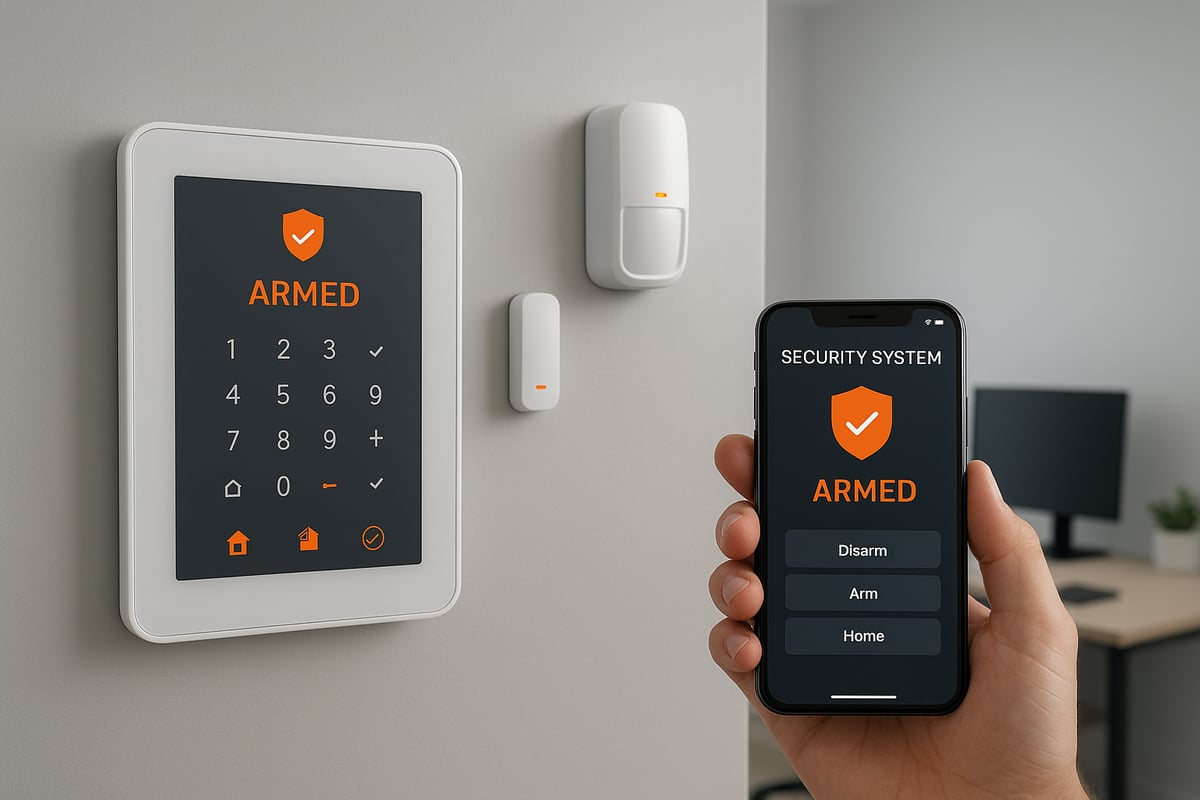
Glass break detectors, both acoustic and shock-based, are vital for areas with large windows or storefronts. Integration with CCTV and access control systems creates a layered security approach, giving businesses a comprehensive view of their premises. Remote management through smartphone apps and cloud dashboards enables real-time status checks and instant notifications, offering peace of mind even when off-site.

For a deeper look at these features, consult the Intruder Detection Systems Guide, which explores the advantages of tailored commercial solutions.

Advanced Technologies Shaping 2026 Solutions

In 2026, commercial intruder alarm system technology is defined by innovation. Artificial intelligence powers real-time threat analytics, distinguishing between genuine risks and harmless activity with impressive accuracy. Smart automation features allow systems to arm or disarm based on schedules or occupancy sensors, supporting business efficiency.

Cloud-based monitoring delivers instant alerts to mobile devices, while cybersecurity enhancements such as encrypted communications and secure firmware updates protect against digital threats. SOS and panic buttons are now standard, ensuring rapid assistance for staff in emergencies. Industry data confirms a surge in AI and cloud adoption across commercial alarm systems, reflecting demand for both smarter and safer environments.

Compliance and Certification

Compliance is non-negotiable for any commercial intruder alarm system. NSI Gold and BAFE accreditations are recognised hallmarks of quality and reliability, often required for insurance validation. Adhering to UK standards, including PD6662:2017 and BS 8243, is essential for eligibility for police response and legal protection.

Proper certification demonstrates a commitment to best practice and can simplify insurance claims if an incident occurs. Regular audits and system documentation help maintain compliance, ensuring your business remains protected and meets evolving regulatory demands.

Feature Type 2026 Example Business Benefit
Motion Detectors Dual-technology, AI analytics Fewer false alarms
Glass Break Sensors Acoustic & shock, AI filtering Enhanced perimeter security
System Integration CCTV, access control, cloud dashboards Unified management
Cybersecurity Encrypted comms, secure firmware Data and asset protection
Compliance NSI Gold, BAFE, UK standards Insurance and legal coverage

A commercial intruder alarm system equipped with these advanced features offers businesses the resilience, flexibility, and peace of mind needed to face the security challenges of 2026.

Step-by-Step Guide: Planning and Implementing a Commercial Intruder Alarm System

Protecting your business in 2026 requires a structured approach to security. Choosing and implementing a commercial intruder alarm system is not just about technology, but also about strategic planning. The following step-by-step guide will help you navigate the process with confidence.

Step-by-Step Guide: Planning and Implementing a Commercial Intruder Alarm System

1. Risk Assessment and Site Survey

Every effective commercial intruder alarm system begins with a thorough risk assessment. Identify all potential vulnerabilities, including doors, windows, loading bays, and areas housing valuable assets. Consult security professionals to receive tailored recommendations based on your site’s unique characteristics.

Different business types require different approaches. For example, a retail store may need extensive perimeter sensors, while a large warehouse could benefit from robust motion detection and monitored zones. Always factor in insurance and regulatory requirements during this phase to ensure your system will meet compliance and protect your assets.

2. System Design and Specification

Next, customise the system’s design to fit your premises. Carefully plan sensor placement, establishing distinct alarm zones for high risk areas. Consider integrating your commercial intruder alarm system with CCTV, access control, or fire alarms for a layered security approach.

Balance your budget with the need for scalability and future upgrades. Selecting technology that is compliant with NSI or BAFE standards is vital for insurance and eligibility for police response. Document your design to streamline installation and future maintenance.

3. Professional Installation

Engage accredited installers to ensure your commercial intruder alarm system meets regulatory and insurance requirements. Professional installation minimises business disruption and guarantees correct setup of all components.

Wireless systems are particularly useful for phased installations or dynamic sites, such as during office refurbishments. In these scenarios, wireless devices can be repositioned as your needs evolve, offering flexibility without compromising security.

4. System Testing and Handover

After installation, comprehensive testing verifies the commercial intruder alarm system is fully operational. Test every sensor, siren, and communication path to confirm reliability.

Provide staff with hands-on training, covering system operation, emergency procedures, and responses to activations. Supply clear documentation, including user manuals, compliance certificates, and a maintenance schedule, to ensure ongoing smooth operation and audit readiness.

5. Ongoing Monitoring and Support

Continuous protection depends on robust monitoring and support. Connecting your commercial intruder alarm system to an Alarm Receiving Centre (ARC) enables 24/7 response and rapid action in an emergency. For an in-depth look at professional monitoring options, see Intruder Alarm Monitoring Services.

Set up mobile alerts and remote management features to keep your team informed. Establish clear protocols for responding to alarm activations and managing false alarms to maintain system effectiveness and compliance.

Maintenance, Monitoring, and Compliance

Maintaining a reliable commercial intruder alarm system is not just about installation—it requires ongoing attention to ensure peak performance, compliance, and business continuity. Modern businesses rely on their commercial intruder alarm system to protect assets and meet insurance standards, making routine maintenance and monitoring an essential part of operations.

Maintenance, Monitoring, and Compliance

Regular Maintenance for Reliability

Routine servicing keeps a commercial intruder alarm system operating at its best. Annual and periodic checks are vital to ensure sensors remain calibrated and batteries are replaced before failures occur. These checks often include:

  • Testing all motion, door, and glass break sensors
  • Replacing backup batteries and inspecting power supplies
  • Updating system firmware for enhanced security
  • Cleaning and calibrating detection devices

Proactive maintenance reduces false alarms, minimises system downtime, and helps businesses stay compliant with NSI and BAFE regulations. For example, scheduled maintenance can lower insurance risks by ensuring your commercial intruder alarm system is always ready to detect threats.

Alarm Monitoring Options

Selecting the right monitoring solution is crucial for maximising the effectiveness of a commercial intruder alarm system. Businesses can choose between:

  • ARC (Alarm Receiving Centre) monitoring for professional, 24/7 response
  • Self-monitoring options suitable for smaller enterprises
  • Keyholder and police response protocols

Industry data shows that businesses with monitored commercial intruder alarm systems experience up to 60% faster incident response times compared to unmonitored setups. While ARC monitoring offers the highest level of assurance, self-monitoring may appeal to SMEs seeking flexibility, though it often lacks the rapid escalation provided by professional services.

Ensuring Ongoing Compliance

Regulatory compliance is a cornerstone of any commercial intruder alarm system strategy. Keeping up with evolving standards, such as digital landline migration, ensures uninterrupted alarm signalling. Businesses should:

  • Maintain up-to-date maintenance and compliance records
  • Schedule regular audits and certification renewals
  • Stay informed on insurance and legal requirements

Holding an accredited system, such as one with NSI Gold Certification Explained, provides assurance of quality and eligibility for police response. Proper documentation and certification are essential for validating insurance claims and demonstrating commitment to best practices.

Logic Fire and Security: Trusted Commercial Security Partner

Logic Fire and Security delivers comprehensive commercial intruder alarm system solutions tailored to the unique needs of offices, retail, warehouses, and public sector organisations. Their services encompass risk assessment, system design, professional installation, and ongoing maintenance.

With NSI Gold, BAFE, and other industry accreditations, Logic Fire and Security ensures every commercial intruder alarm system meets the highest quality and compliance standards. They offer:

  • Bespoke security solutions for various business sectors
  • 24/7 monitoring and rapid response via ARC
  • Nationwide coverage and proven experience with blue-chip clients
  • Dedicated support for system upgrades and regulatory changes

Partnering with Logic Fire and Security guarantees continuous protection and peace of mind for your business.

Industry Trends and Future Outlook for 2026

The landscape for commercial intruder alarm system solutions is evolving rapidly as businesses seek smarter, more integrated security. By 2026, organisations are prioritising not only physical protection but also seamless connectivity and regulatory compliance. Understanding these trends is essential for future-proofing your business security strategy.

Integration and Smart Building Security

Unified security platforms are becoming the new standard for businesses. Today’s commercial intruder alarm system can be fully integrated with fire alarms, access control, and CCTV, enabling centralised management and rapid response.

In many offices, these systems now work alongside building management systems, supporting energy efficiency and automation. For example, a single dashboard can control access, monitor alarms, and adjust lighting based on occupancy. According to Commercial Security Trends in 2025, demand for integrated solutions is expected to keep rising as organisations seek efficiency and resilience.

Digital Transformation and Connectivity

The UK’s digital landline migration is reshaping how commercial intruder alarm system signals are transmitted. All-IP connectivity, cloud-based platforms, and IoT-enabled devices are now standard, offering real-time alerts and analytics.

Cybersecurity is a core focus, with encrypted communications and regular firmware updates protecting against evolving threats. Industry forecasts, such as those in the Intruder Alarm System Market Insights, highlight sustained growth in cloud and IoT alarm adoption through 2035.

Evolving Threat Landscape

Sophisticated intrusions, including cyber-physical attacks, are on the rise. This means a commercial intruder alarm system must be adaptive and intelligent, using AI-driven analytics to identify threats in real time.

Construction sites and remote locations are increasingly targeted, making wireless and mobile alarm solutions the norm. Data indicates that these sectors rely on rapid deployment and flexibility to stay ahead of criminals.

Regulatory and Insurance Developments

Regulatory and insurance requirements are tightening, with insurers insisting on monitored and certified systems for cover. Updates to NSI/BAFE standards and police response protocols are ongoing, making compliance a continuous priority.

Businesses must remain vigilant, ensuring their commercial intruder alarm system is certified, regularly audited, and future-ready.

Sector-Specific Solutions and Case Studies

Every sector faces unique risks, so choosing the right commercial intruder alarm system is essential for effective protection. Businesses require solutions tailored to their operations, environment, and compliance requirements.

In the construction sector, wireless and portable commercial intruder alarm system units provide flexible and rapid security as sites evolve. These systems are easy to relocate, making them ideal for temporary and high-risk environments where traditional wiring is impractical.

Retailers benefit from integrated solutions that combine a commercial intruder alarm system with CCTV and access control. Offices often require smart alarms featuring staff access logs and remote management, while healthcare facilities need sensitive, rapid-response systems to protect people and assets.

Public sector buildings, including schools and government sites, demand compliance-driven commercial intruder alarm system installations. Each sector values features like remote monitoring, instant alerts, and reliable service to maximise safety and meet regulatory standards.

Recent data shows that over 80% of new UK commercial developments in 2025-26 specified integrated electronic security systems, underlining the critical role of these technologies. The Government Survey on Business Security confirms that robust alarms significantly enhance overall business protection.

Case studies across sectors reveal that bespoke design and professional maintenance are key to long-term success. By tailoring a commercial intruder alarm system to sector-specific needs and maintaining it regularly, businesses ensure resilience and compliance.

As you’ve seen throughout this guide, the right commercial intruder alarm system is essential for protecting your business, people, and assets—especially with the evolving threats and compliance requirements in 2026. Every site has its own risks and opportunities, so a tailored approach really does make a difference. If you’d like expert advice on what would work best for your premises, why not take the next step and Get a Free Site Survey?
Our team will help you assess your needs and recommend a solution that keeps your operations safe and compliant.

CCTV Solutions Guide: Secure Your Property in 2026

Property-related crimes are on the rise, making advanced security more vital than ever as we approach 2026. Many property owners now face increasingly sophisticated threats that demand smarter defences.

This guide is your essential resource for understanding the latest cctv solutions. You will discover how to choose, install, and optimise systems to safeguard your assets with confidence.

Explore the evolution of CCTV technology, discover different system types, and follow step-by-step setup advice. Learn how to integrate with smart tech, achieve legal compliance, and stay ahead with future-ready trends.

Real-world risks are growing, but innovative cctv solutions can provide robust protection. Take control of your property’s security with expert guidance throughout this comprehensive guide.

The Evolution of CCTV: Why 2026 Demands Advanced Solutions

The landscape of property security is changing rapidly, and so is the need for effective cctv solutions. With new threats emerging and technology evolving, property owners must stay ahead to ensure their assets remain protected. Understanding why 2026 is a pivotal year for security is essential for making informed decisions.

The Evolution of CCTV: Why 2026 Demands Advanced Solutions

The Changing Security Landscape

Property-related crimes have become more sophisticated, targeting both residential and commercial sites. The rise of cyber-physical threats means criminals now exploit digital vulnerabilities alongside physical ones, making traditional systems less effective. Urbanisation and increasing property values also contribute to this shift, as densely populated areas attract more criminal activity.

According to ONS data, burglary and theft incidents rose by 8 percent between 2023 and 2025, highlighting the increasing urgency for advanced cctv solutions. In one notable case, a commercial site suffered significant losses due to reliance on outdated cameras that failed to capture critical footage. This underscores the importance of modernising security approaches to keep pace with evolving risks.

Technological Advancements in CCTV

The industry has moved away from analogue cameras towards IP-based and AI-powered cctv solutions. Today’s systems offer ultra-high-definition 4K video, thermal imaging for low-light conditions, and facial recognition for accurate identification. Industry leaders like G4S and Chubb have introduced video analytics that proactively detect threats, allowing for rapid response before incidents escalate.

A 2025 industry report found that over 60 percent of new cctv solutions integrated AI analytics, enabling smarter monitoring and reduced false alarms. To explore the impact of these innovations, see AI-Powered Video Analytics in CCTV, which details how artificial intelligence is transforming surveillance capabilities and improving real-time threat detection.

Regulatory and Insurance Pressures

As cctv solutions become more advanced, so do the regulatory and insurance requirements attached to their use. Insurers increasingly demand monitored systems for high-value properties, tying coverage to proper surveillance. Recent updates to UK data protection and privacy laws affect where cameras can be placed and how footage must be stored.

Non-compliance can be costly. For example, GDPR enforcement has resulted in fines for organisations failing to protect personal data captured by video surveillance, especially in public spaces. Staying informed and compliant is now a fundamental aspect of deploying cctv solutions.

The Cost of Inaction

Neglecting to upgrade or maintain cctv solutions can lead to severe financial and reputational damage. Real-life cases from the logistics and retail sectors reveal substantial asset losses when camera blind spots go unnoticed or footage is inaccessible during incidents.

Proactive investment in modern cctv solutions reduces long-term risk and liability, offering peace of mind and stronger protection against evolving threats. Security is no longer a static measure but an ongoing process that demands attention and adaptation.

Types of CCTV Solutions: Choosing the Right System for Your Property

Selecting the right cctv solutions is crucial for safeguarding your property in 2026. With so many options available, understanding the main types can help you make an informed decision that matches your security needs and budget.

Types of CCTV Solutions: Choosing the Right System for Your Property

Analogue vs. IP Cameras

When comparing analogue and IP cameras, the differences are significant. Analogue systems offer a lower upfront cost but are limited in resolution and future scalability. By contrast, IP cameras provide high-definition video, remote access, and seamless integration with other cctv solutions.

Feature Analogue Cameras IP Cameras
Resolution Standard High-definition
Scalability Limited Flexible
Remote Access No Yes

Industry leaders like G4S recommend IP-based cctv solutions for businesses with multiple sites, as these systems are more adaptable and future-proof.

Wired, Wireless, and Hybrid Systems

The infrastructure of your cctv solutions matters just as much as the cameras themselves. Wired systems deliver consistent reliability, making them ideal for larger premises where signal interference could be an issue. Wireless systems offer flexibility and ease of installation, but may be susceptible to interference from other devices.

Hybrid cctv solutions blend the strengths of both wired and wireless setups, allowing phased upgrades and greater adaptability as your security needs change. By carefully assessing your property layout, you can determine which system type best aligns with your operational requirements.

Specialised Camera Types

Modern cctv solutions include a diverse range of camera types, each suited for specific environments:

  • Dome cameras: Discreet, often used in retail.
  • Bullet cameras: Visible deterrent, ideal for outdoor use.
  • PTZ cameras: Pan, tilt, and zoom for large areas.
  • Thermal cameras: Detect heat signatures in low light.
  • Covert cameras: Hidden for sensitive locations.

According to Chubb, 75% of UK commercial sites use a combination of these camera types to achieve comprehensive coverage. For a deeper dive into system configurations, see Commercial CCTV system options.

Video Analytics and Smart Features

Advanced cctv solutions now include intelligent analytics such as motion detection, facial recognition, and automatic number plate recognition. These features reduce false alarms and speed up incident response times.

For example, Chubb’s facial recognition technology is used for access control in high-security environments. Smart analytics within cctv solutions can also track objects and people, making them invaluable for busy retail or warehouse settings.

Monitoring and Storage Options

How you monitor and store footage is key to maximising the benefits of your cctv solutions. On-site options like NVR or DVR systems offer direct control, while cloud-based storage provides secure remote access and easier scalability.

You can choose between professional 24/7 monitoring or self-monitoring, depending on your risk profile. Remember to consider UK data retention standards when setting up your storage policies, ensuring compliance and protecting privacy.

Step-by-Step Guide: Planning and Implementing CCTV for Maximum Security

Planning and deploying effective cctv solutions requires a structured approach. By following these practical steps, you can ensure your property is well protected and fully compliant.

Step-by-Step Guide: Planning and Implementing CCTV for Maximum Security

Step 1: Conduct a Security Assessment

Begin by evaluating your property’s unique risks. Identify vulnerable areas such as entrances, exits, and high-value storage. Walk the site with a security specialist to spot blind spots and assess lighting conditions. For businesses, consider points like EV charging stations, which are increasingly targeted. This careful assessment lays the groundwork for robust cctv solutions and tailored protection.

Step 2: System Design and Camera Placement

Design your system to maximise coverage and minimise blind spots. Choose camera types best suited to each area, such as dome cameras for wide views or PTZ models for flexible monitoring. Map out placements to avoid overlooking neighbouring properties and to comply with privacy laws. Use digital planning tools for precise visualisation.

Step 3: Selecting the Right Equipment

Match camera specifications to your needs. For outdoor spaces, prioritise weatherproof and night vision models. High-resolution cameras capture clearer evidence. Ensure compatibility with existing infrastructure for seamless integration. By investing in advanced cctv solutions, you future-proof your security and support long-term scalability.

Step 4: Installation Best Practices

Decide between professional and DIY installation. Professionals ensure compliance with regulations and optimal cable management. For complex systems, proper data cabling is essential for reliability and future upgrades. Learn more about infrastructure requirements in this guide on data cabling for security systems. Always secure power supplies and test connections before going live.

Step 5: Configuration and Integration

Customise recording schedules, set up alerts, and enable remote access for real-time monitoring. Integrate cameras with alarms and access controls to create a unified defence. Protect your cctv solutions from cyber threats by using strong passwords and encrypted networks. Regularly update firmware to stay ahead of vulnerabilities.

Step 6: Testing and Training

Walk through the system after installation to check camera angles and recording quality. Simulate incidents to ensure alerts work as intended. Train staff or residents on daily use, emergency response, and privacy protocols. Well-prepared users are essential for effective incident management.

Step 7: Ongoing Maintenance and Support

Schedule routine checks to clean lenses, inspect hardware, and update software. Consider service contracts for 24/7 support and rapid response to faults. Proactive care reduces failures and extends the life of your cctv solutions, ensuring your investment remains effective for years to come.

Integrating CCTV with Smart Security and Building Management Systems

As modern security risks evolve, integrating cctv solutions with wider building management systems is now essential. Property owners are no longer relying on standalone cameras. Instead, they are leveraging unified platforms that combine surveillance, access control, and safety systems for enhanced protection.

Integrating CCTV with Smart Security and Building Management Systems

The Rise of Integrated Security Solutions

Integrated security platforms bring together cctv solutions, intruder alarms, access control, and fire detection, all managed from a central dashboard. This unified approach streamlines monitoring and improves response times. For example, Chubb’s managed video solutions enable multi-site businesses to oversee all security systems in one place.

By combining these technologies, property managers can automate responses to incidents, trigger alerts, and coordinate emergency procedures. This level of integration is especially valuable for large estates or commercial portfolios seeking maximum oversight and efficiency.

Smart Features and Automation

Modern cctv solutions now offer advanced automation powered by AI. Systems can detect unusual activity, trigger automated lighting, or initiate lockdown procedures without manual intervention. Mobile app notifications keep security teams and property owners informed wherever they are.

Retail chains, for instance, benefit from automated alerts when suspicious behaviour is detected, allowing swift action across multiple locations. Automated routines help reduce human error and free up resources for other critical tasks.

Cloud Connectivity and Remote Access

Cloud-based video management is transforming how cctv solutions are monitored and controlled. Secure remote access allows property managers to view live or recorded footage from any location, using smartphones or laptops. This approach supports flexible management for businesses with distributed sites.

For those considering an upgrade, understanding the Remote CCTV monitoring benefits is crucial. Cloud connectivity also ensures footage is safely stored offsite, reducing the risk of data loss from on-premises failures.

Data Analytics for Proactive Security

Today’s cctv solutions leverage data analytics for proactive security management. Features like heat mapping, people counting, and behaviour analysis provide insights that go beyond basic surveillance. These analytics help optimise staffing, identify high-risk zones, and improve overall operational efficiency.

For example, analysing footfall patterns in retail environments allows businesses to adjust layouts or staffing to reduce theft and enhance customer experience. Proactive use of data can significantly reduce losses and inform smarter security strategies.

Future-Proofing Your Investment

Selecting scalable and open-platform cctv solutions ensures your security investment can adapt to future needs. As properties expand or new threats emerge, systems must integrate easily with additional devices and software.

Opt for solutions that support software updates, third-party integrations, and modular upgrades. This approach keeps your security posture strong as technology and risks evolve, protecting your property and peace of mind for years to come.

Legal Compliance, Privacy, and Best Practices for CCTV in the UK

Security is not just about technology, it is also about following the law. As cctv solutions become more advanced, property owners must prioritise legal compliance to avoid fines and reputational risks. Understanding the evolving legal landscape ensures your system delivers security while respecting privacy.

Understanding UK CCTV Laws

When deploying cctv solutions, property owners must comply with the Data Protection Act 2018 and GDPR, especially if the system records individuals. The Surveillance Camera Code of Practice sets out requirements for transparency, proportionality, and accountability.

Clear signage is mandatory wherever cameras operate. Informing people they are being recorded is not optional. Data handling must follow strict protocols, including secure storage and controlled access. For a deeper look at how technology changes influence privacy and compliance, see Advancements in CCTV Technology by 2025.

Privacy Considerations

Protecting privacy is a central duty when using cctv solutions. Avoid directing cameras at public spaces or neighbouring properties unless absolutely necessary. Many modern systems allow masking or privacy zones within the software, helping to prevent accidental intrusion.

Regularly review camera placement and adjust as required. Documenting these decisions demonstrates commitment to privacy and compliance.

Footage Storage and Access

All cctv solutions must ensure footage is stored securely, whether on-site or in the cloud. UK law dictates specific retention periods, typically not exceeding 31 days unless required for an ongoing investigation.

Access to recordings should be tightly controlled, with clear processes for deletion once footage is no longer needed. Respond promptly to subject access requests, as individuals have the right to view footage in which they appear.

Compliance for Commercial vs. Residential Properties

Commercial properties using cctv solutions must conduct formal risk assessments, notify staff, and maintain records of processing activities. G4S, for example, uses robust risk assessment methods to ensure systems are both effective and compliant.

Residential users still need to respect privacy, especially when cameras cover shared spaces. Keeping records of decisions and communicating openly with neighbours can prevent complaints.

Avoiding Legal Pitfalls

Common mistakes with cctv solutions include missing signage, insecure data storage, and excessive monitoring. These errors can lead to significant fines or damage to your reputation.

To stay compliant:

  • Display signage at all entry points.
  • Regularly review your data handling processes.
  • Avoid recording beyond your property boundary.
  • Train staff or residents on correct system use.

Staying proactive with compliance ensures your cctv solutions protect assets without creating new risks.

The Future of CCTV: Trends and Innovations to Watch for 2026

The landscape of cctv solutions is evolving rapidly as we approach 2026. Technology advancements are driving smarter, more efficient security systems, enabling property owners to stay ahead of emerging threats. Let us explore the top innovations set to shape the future of cctv solutions.

AI and Deep Learning

Artificial intelligence is revolutionising cctv solutions by enabling advanced object recognition, anomaly detection, and predictive analytics. Systems now interpret footage in real time, identifying threats before they escalate. For a detailed look at how AI and analytics are transforming security, see Top CCTV Security Technology Trends for 2025.

Drone and Rapid Deployment Surveillance

Drones are becoming a critical part of cctv solutions, providing aerial surveillance for large perimeters and hard-to-reach areas. Rapid deployment towers offer temporary, high-visibility coverage for construction sites and events. These technologies allow for flexible, scalable security in dynamic environments.

Edge Computing and IoT Integration

Edge computing is bringing intelligence directly to the camera, allowing cctv solutions to process data instantly and trigger alerts faster. Integration with IoT sensors enables seamless communication between security devices, optimising response times and reducing manual monitoring.

Sustainable and Energy-Efficient Solutions

Sustainability is at the forefront of new cctv solutions. Solar-powered cameras and low-energy devices are now widely adopted, reducing both operational costs and environmental impact. Industry data shows that 30 percent of new installations in 2025 utilised green technology.

Evolving Threats and Adaptive Security

As cctv solutions become more connected, cyber-physical threats are on the rise. Modern systems employ adaptive AI models that update regularly, ensuring resilience against hacking and sophisticated attacks. Ongoing system updates are essential for robust protection.

Preparing for Tomorrow’s Security Needs

Choosing partners who deliver future-ready cctv solutions is vital. Look for providers offering ongoing training, support, and scalable systems. Staying informed and proactive ensures your property remains protected as threats and technologies continue to evolve.

After exploring the latest CCTV advancements, practical installation tips, and the importance of compliance, you might be wondering what the next step is for your own property. I understand that every site has its unique challenges—whether it’s choosing the right system or ensuring complete coverage. To help you make informed decisions and achieve peace of mind, why not take advantage of a tailored assessment from professionals who understand the landscape? You can Get a Free Site Survey with Logic Fire and Security, giving you expert advice on securing your premises for 2026 and beyond.

Our Accreditations

Work
For Us