

Understanding the financial investment required for commercial surveillance systems is crucial for businesses planning to enhance their security infrastructure. The cctv fitting cost varies significantly depending on multiple factors, from the complexity of the installation to the sophistication of the equipment selected. For UK businesses seeking to protect their premises, assets, and personnel, a comprehensive understanding of these costs enables better budgeting and decision-making when implementing security solutions.
Primary Factors Influencing CCTV Fitting Cost
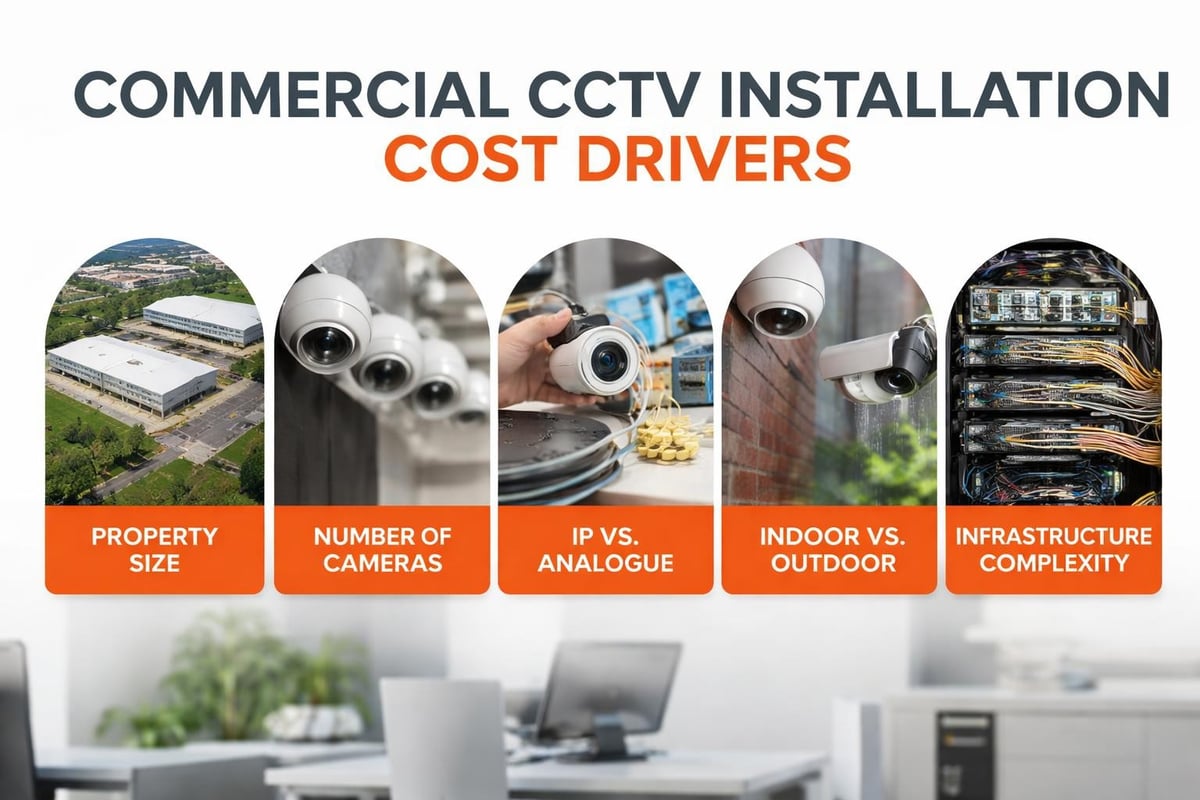
Several key variables determine the overall expenditure when installing a commercial surveillance system. Property size stands as one of the most significant considerations, as larger premises require more cameras, extended cabling runs, and potentially additional recording equipment. A small retail unit might need just four to six cameras, whilst a warehouse facility or multi-storey office building could require twenty or more units to achieve comprehensive coverage.
Camera specifications directly impact the budget. Basic analogue cameras represent the most economical option, typically ranging from £50 to £150 per unit. However, modern IP cameras with advanced features such as 4K resolution, infrared night vision, and intelligent motion detection command premium prices between £200 and £800 per camera. The choice between analogue and IP systems fundamentally alters the project’s financial requirements.
Equipment Categories and Associated Costs
The surveillance ecosystem extends beyond cameras alone. Recording equipment forms a substantial portion of the total expenditure, with network video recorders (NVRs) for IP systems costing between £300 and £2,500 depending on channel capacity and storage capabilities. Digital video recorders (DVRs) for analogue systems generally cost less, ranging from £150 to £1,200.
| Equipment Type | Budget Range | Mid-Range | Premium |
|---|---|---|---|
| Analogue Cameras | £50-£150 | £150-£250 | £250-£400 |
| IP Cameras | £200-£400 | £400-£600 | £600-£800+ |
| DVR Systems | £150-£500 | £500-£900 | £900-£1,200 |
| NVR Systems | £300-£1,000 | £1,000-£1,800 | £1,800-£2,500+ |
| Storage (per TB) | £40-£80 | £80-£120 | £120-£200 |
Storage requirements deserve careful consideration. Commercial operations typically need extended retention periods, with many industries requiring footage to be stored for 30, 60, or even 90 days. High-resolution cameras generate substantial data volumes, meaning a system with eight 4K cameras could require 12-16 TB of storage for 30-day retention.
Labour and Installation Expenses
Professional installation costs constitute a significant portion of the overall cctv fitting cost. Labour rates across the UK vary by region, with London and the South East typically commanding higher prices than other areas. Experienced security installers generally charge between £150 and £300 per day, though specialist technicians for complex IP systems may command rates exceeding £350 daily.
Installation duration depends on system complexity and site conditions. A straightforward four-camera system in a small commercial premises might require just one day, resulting in labour costs of approximately £200 to £300. Conversely, a comprehensive twenty-camera installation across multiple floors with extensive cabling could require five to ten days, pushing labour costs to £1,500 to £3,000 or beyond.
Infrastructure Considerations
Existing infrastructure significantly affects installation expenses. Buildings with accessible ceiling voids, trunking, or conduits allow for more efficient cable routing, reducing labour time. Premises requiring extensive structural work, such as drilling through reinforced concrete or installing external conduit systems, incur additional costs. External installations demand weatherproof housings, adding £50 to £150 per camera location.
Network infrastructure requirements include:
- Structured cabling installation (Cat5e/Cat6)
- Network switches for IP camera systems
- Power over Ethernet (PoE) injectors or switches
- Uninterruptible power supply (UPS) systems
- Dedicated server rooms or equipment cabinets
For businesses implementing comprehensive security systems, integration with existing access control or alarm systems adds complexity. This integration work typically adds 15-30% to the base installation cost but delivers valuable operational benefits through unified security management platforms.
System Configuration Options
Different surveillance architectures present varying cost profiles. Standalone systems represent the most economical approach, with cameras recording directly to local storage without network connectivity. These systems suit smaller businesses with basic monitoring needs, with complete four-camera packages starting around £600 to £1,000 including installation.
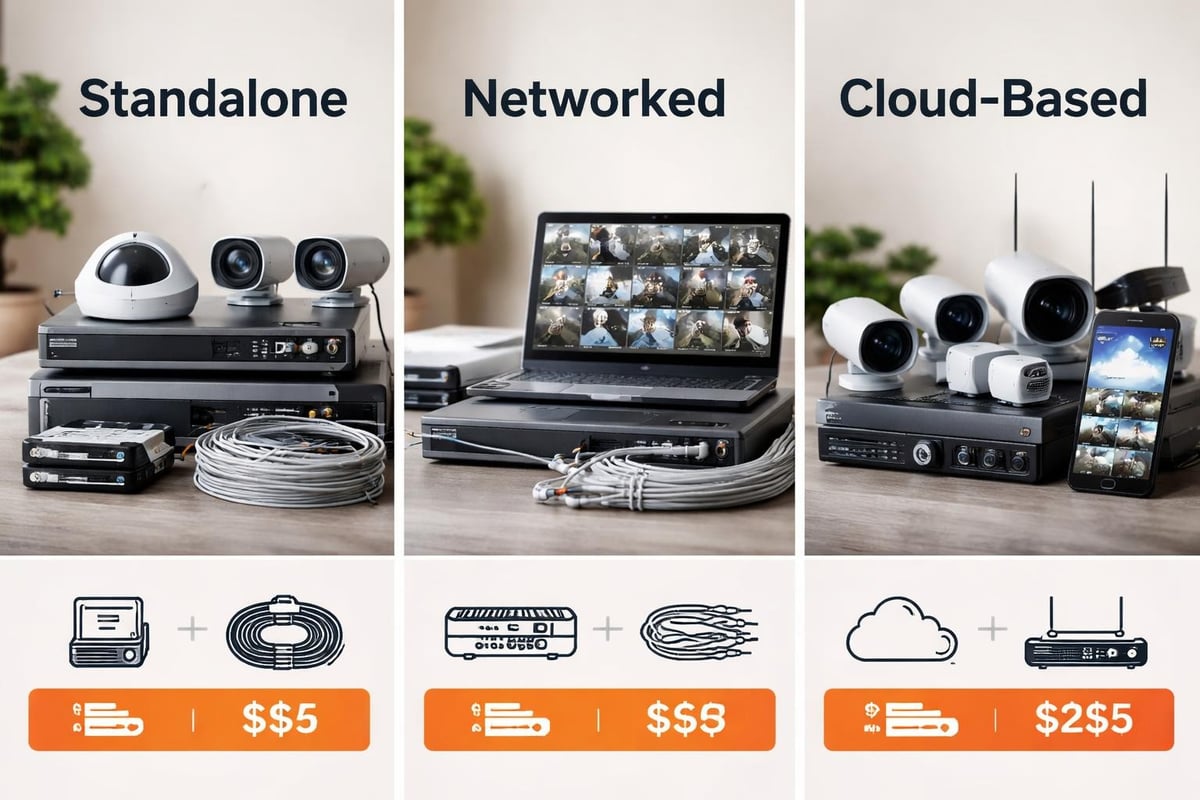
Networked IP systems offer superior flexibility and scalability but require robust network infrastructure. Initial investment increases substantially, with eight-camera IP systems typically costing £2,500 to £5,000 including installation. However, these systems provide remote access, advanced analytics, and easier expansion capabilities that benefit growing businesses.
Cloud-based surveillance solutions eliminate on-premise recording equipment, reducing upfront hardware costs. However, subscription fees for cloud storage and processing create ongoing expenses. Monthly costs typically range from £10 to £30 per camera, meaning an eight-camera system could incur £960 to £2,880 annually in cloud services.
Specialist Camera Requirements
Specific operational environments demand specialised equipment that affects the cctv fitting cost. Specialised camera types include:
- Pan-tilt-zoom (PTZ) cameras for dynamic monitoring (£400-£2,000 each)
- Thermal imaging cameras for low-light environments (£1,500-£5,000 each)
- Explosion-proof cameras for hazardous areas (£800-£3,000 each)
- Licence plate recognition cameras (£600-£2,500 each)
- Fisheye panoramic cameras (£300-£1,200 each)
Manufacturing facilities, chemical plants, or food processing environments often require IP-rated cameras with enhanced environmental protection. These ruggedised units cost 30-50% more than standard equivalents but deliver reliable performance in challenging conditions.
Ongoing Maintenance and Monitoring
Post-installation costs form an essential component of total ownership expenses. Regular maintenance ensures system reliability and legal compliance, particularly for businesses in regulated industries. Annual service contracts typically cost between £200 and £600 for basic systems, scaling to £1,000 or more for complex installations with numerous cameras.
Professional business security monitoring services provide 24/7 surveillance and rapid response capabilities. Monitoring costs vary based on service level, ranging from £25 to £100 monthly per site. Premium services including dedicated security personnel and guaranteed response times command higher fees but deliver enhanced protection.
| Service Type | Monthly Cost | Annual Cost | Key Features |
|---|---|---|---|
| Basic Monitoring | £25-£40 | £300-£480 | Alarm response only |
| Standard Monitoring | £40-£70 | £480-£840 | 24/7 monitoring, standard response |
| Premium Monitoring | £70-£100+ | £840-£1,200+ | Dedicated personnel, guaranteed response |
| Maintenance Contract | £17-£50 | £200-£600 | Annual servicing, basic support |
| Full Service Package | £100-£200+ | £1,200-£2,400+ | Monitoring, maintenance, upgrades |
Software licensing represents another ongoing expense for advanced systems. Video management software (VMS) platforms enabling intelligent analytics, facial recognition, or behavioural analysis typically require annual subscriptions ranging from £200 to £2,000 depending on system size and feature set.
Commercial Installation Case Studies
Understanding real-world scenarios helps contextualise the cctv fitting cost for different business types. A retail outlet covering 200 square metres might implement an eight-camera system with the following breakdown:
- Eight dome cameras (1080p, indoor): £800
- Eight-channel NVR with 2TB storage: £450
- Cabling and accessories: £300
- Installation labour (two days): £500
- Configuration and testing: £150
- Total investment: £2,200
Conversely, a warehouse facility spanning 2,000 square metres requires more extensive coverage. A twenty-camera installation might include:
- Sixteen internal dome cameras (4K): £3,200
- Four external bullet cameras (4K, weatherproof): £1,200
- Twenty-four-channel NVR with 8TB storage: £1,800
- Extensive cabling infrastructure: £1,500
- External conduit and weatherproof housings: £800
- Installation labour (seven days): £1,750
- System commissioning and training: £400
- Total investment: £10,650
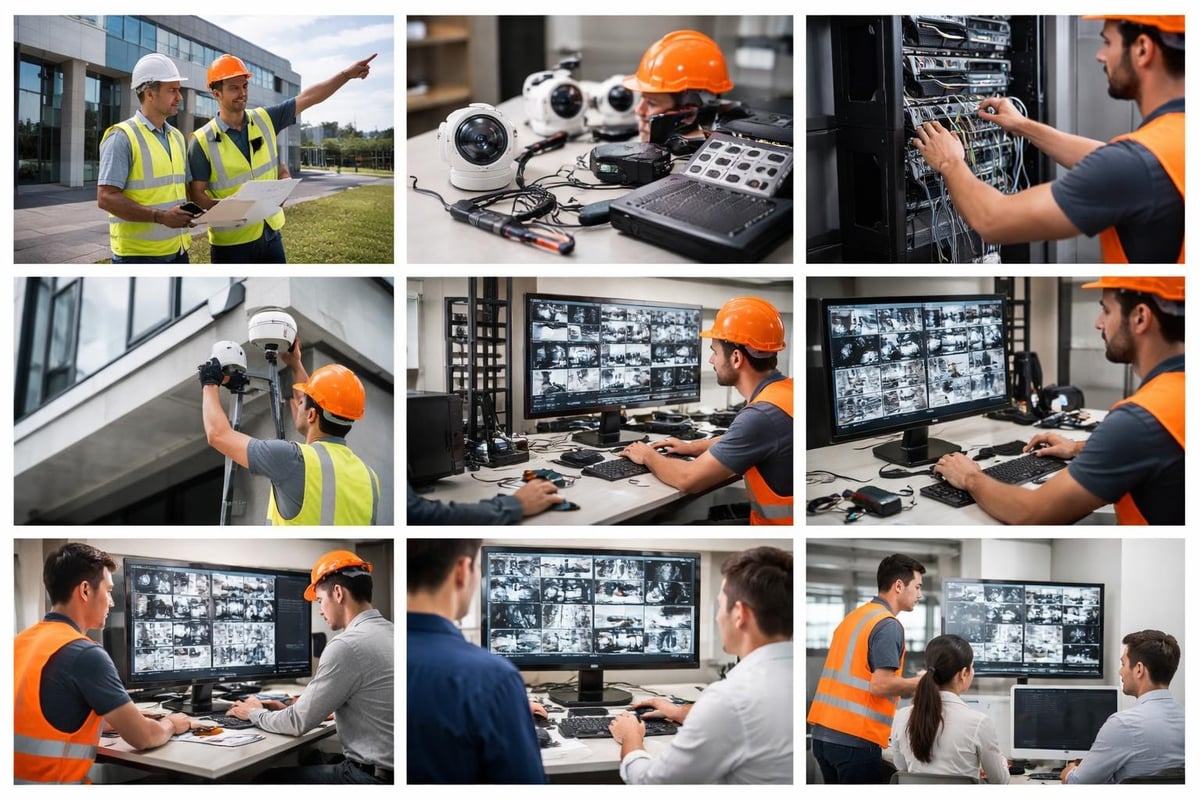
These examples demonstrate how detailed cost estimation for CCTV systems varies dramatically based on operational requirements and site characteristics.
Integration with Broader Security Infrastructure
Modern commercial security adopts a holistic approach, integrating surveillance with other protective systems. Businesses implementing commercial access control systems benefit from connecting CCTV with door entry systems, creating automated visual verification of access events. This integration typically adds £500 to £2,000 to project costs depending on the number of access points.
Integration with fire alarm systems provides valuable incident documentation and evacuation verification. Connecting CCTV to commercial fire alarm systems enables automatic camera positioning toward alarm activation points and ensures continuous recording during emergency events. Integration costs range from £300 to £1,500 depending on system complexity.
Benefits of integrated security systems include:
- Unified management interfaces reducing operational complexity
- Automated responses to security events
- Enhanced situational awareness for security personnel
- Improved incident investigation capabilities
- Reduced false alarm rates through video verification
For organisations with multiple sites, centralised monitoring platforms enable security teams to oversee all locations from a single control room. This centralisation requires additional infrastructure investment but delivers operational efficiencies, particularly for businesses managing ten or more locations.
Regulatory Compliance and Legal Considerations
UK businesses must navigate various legal requirements when implementing surveillance systems. Data protection legislation, particularly GDPR, imposes strict obligations regarding the capture, storage, and use of video footage. Non-compliance can result in substantial fines, making professional installation and configuration essential.
Signage requirements mandate clear notification of CCTV operation. Professional installers provide compliant signage as part of installation packages, though costs typically add £50 to £200 to project expenses. Businesses must also register with the Information Commissioner’s Office (ICO) if processing video footage for security purposes, incurring annual registration fees.
Industry-specific regulations affect system specifications. Businesses handling sensitive data or operating in regulated sectors may require enhanced security features such as encrypted storage, audit logging, or redundant recording systems. These requirements can increase the cctv fitting cost by 20-40% compared to basic installations.
Choosing Professional Installation Partners
Selecting qualified installers significantly influences project success and long-term system performance. Reputable security companies typically hold relevant accreditations including NSI Gold, SSAIB, or BAFE certifications. These credentials demonstrate technical competence and adherence to industry standards, providing assurance of quality workmanship.
Professional security contractors in the UK provide comprehensive services beyond basic installation. Value-added services include:
- Detailed site surveys and security assessments
- Custom system design tailored to operational needs
- Professional project management and coordination
- Post-installation training for staff
- Ongoing technical support and maintenance
Whilst these professional services increase initial costs, they deliver superior outcomes compared to budget installations. A properly designed and installed system provides reliable performance, reduces maintenance requirements, and delivers better return on investment over its operational lifespan.
Cost-Benefit Analysis and Return on Investment
Evaluating the cctv fitting cost requires consideration of the value delivered beyond the initial expenditure. Loss prevention represents a primary benefit, with visible surveillance systems deterring theft and vandalism. Retailers typically report 20-30% reductions in shrinkage following CCTV installation, creating measurable financial benefits.
Insurance premium reductions provide another tangible return. Many commercial insurance providers offer discounts of 10-20% for premises with professionally installed and monitored surveillance systems. For businesses with annual premiums exceeding £5,000, these savings can offset installation costs within three to five years.
Operational benefits extend beyond pure security. Video footage supports health and safety investigations, dispute resolution, and process improvement initiatives. Manufacturing businesses use surveillance to identify production bottlenecks, whilst retail operations analyse customer behaviour to optimise store layouts. These operational applications enhance the return on investment beyond traditional security metrics.
Understanding factors affecting CCTV system installation expenses enables businesses to make informed decisions balancing immediate costs against long-term value. Investing in quality equipment and professional installation typically proves more economical than replacing poorly specified systems within several years.
Budgeting Strategies for Commercial CCTV Projects
Effective financial planning ensures surveillance projects deliver maximum value within available budgets. Phased implementation allows businesses to spread costs across multiple financial periods whilst building security capabilities progressively. Initial phases might focus on high-risk areas such as main entrances, cash handling zones, or valuable inventory storage, with subsequent phases extending coverage to lower-priority areas.
Leasing options provide an alternative to capital expenditure, converting surveillance costs into manageable monthly payments. Many security service providers offer surveillance-as-a-service packages bundling equipment, installation, maintenance, and monitoring into single monthly fees. Whilst total costs over five years typically exceed outright purchase, these arrangements preserve capital and ensure systems remain current through regular equipment upgrades.
Grant funding and tax incentives may reduce net costs for businesses in specific sectors or regions. Security improvements often qualify for capital allowances, enabling businesses to offset costs against taxable profits. Manufacturing businesses investing in security for high-value equipment may access enhanced capital allowances, whilst businesses in regeneration areas might qualify for regional development grants covering portions of security infrastructure costs.
Budget optimisation strategies include:
- Prioritising cameras for critical areas over comprehensive coverage
- Selecting mid-range equipment offering optimal price-performance balance
- Standardising on single manufacturer ecosystems for better pricing
- Negotiating package deals combining installation with maintenance contracts
- Scheduling installations during off-peak periods for better labour rates
For businesses seeking to understand comprehensive CCTV installation pricing, engaging professional security consultants early in the planning process ensures budgets align with operational requirements and compliance obligations.
Commercial CCTV installation requires careful consideration of numerous cost factors, from equipment specifications to ongoing maintenance requirements. By understanding these variables and their financial implications, businesses can develop realistic budgets that balance security needs with available resources. When you’re ready to implement a professional surveillance solution tailored to your operational requirements and budget, Logic Fire and Security offers comprehensive security system design, installation, and maintenance services backed by extensive experience serving Blue Chip companies and public agencies across the UK.