
Category: Uncategorised

Security Fire Protection Guide: Essential Strategies for 2026

In 2026, the urgency for robust security fire protection is more apparent than ever. Recent high-profile fire incidents have caused significant damage to both businesses and communities, highlighting the financial and social impacts of inadequate preparation.

Modern fire risks are growing more complex due to advanced building materials, integrated technologies, and the unpredictable effects of climate change. This evolving landscape demands proactive and comprehensive strategies to protect lives, assets, and ensure legal compliance.

This guide offers practical, up-to-date advice on essential security fire protection strategies for 2026. We will cover risk assessment, regulatory compliance, detection systems, integrated solutions, staff training, and maintenance best practices.

Understanding Modern Fire Risks and Threats

The landscape of security fire protection is rapidly changing as new threats and vulnerabilities emerge in 2026. Understanding these evolving risks is crucial for businesses and public facilities aiming to protect lives, assets, and reputation.

Understanding Modern Fire Risks and Threats

Evolving Fire Hazards in 2026

Modern construction and technology are reshaping fire risk profiles. New building materials, such as composite cladding and modular components, can alter fire spread patterns. Smart technologies and IoT devices, while improving efficiency, introduce additional ignition points and complexity.

The prevalence of lithium-ion batteries in everything from EV charging bays to warehouse storage has led to an uptick in battery-related fires. Renewable energy systems, like rooftop solar panels, bring unique fire suppression challenges. Climate change is also driving longer, hotter summers and an increase in urban wildfires, placing new demands on security fire protection strategies.

Remote working and hybrid office trends have changed occupancy patterns, sometimes leaving areas unsupervised or overcrowded. According to the Fire and Rescue Incident Statistics, Year Ending June 2025, fire incidents in UK commercial buildings rose by 8 percent from 2023 to 2025. A notable example is the logistics centre fire caused by overloaded battery storage, emphasising the need for modern fire risk assessment.

Common Security Vulnerabilities in Fire Protection

Despite technological progress, several vulnerabilities persist in security fire protection. Many businesses still rely on legacy alarm and detection systems that may not integrate smoothly with modern access control or CCTV solutions.

Key vulnerabilities include:

  • Gaps in system integration, delaying coordinated emergency response.
  • Insider threats such as sabotage or negligence, including improper storage of flammable materials.
  • Overlooked high-risk zones, like server rooms and plant infrastructure.

A frequent issue involves fire doors left propped open, which undermines compartmentation and allows smoke and flames to spread rapidly. Without regular audits and staff awareness, these vulnerabilities can compromise even the most advanced security fire protection measures.

The Cost of Inadequate Fire Security

Failing to invest in robust security fire protection can have severe financial and reputational consequences. Direct losses include property damage, costly insurance claims, and business interruption. The aftermath of a fire often extends to legal action and reputational harm, especially if non-compliance with fire safety regulations is identified.

According to ABI data, the average cost of a major commercial fire in the UK exceeded £2.4 million in 2025. Beyond the immediate financial impact, businesses may face regulatory penalties and loss of client trust.

A comprehensive approach to security fire protection, including risk assessment, system upgrades, and ongoing staff training, is essential to mitigate these risks and ensure business continuity.

Regulatory Compliance and Standards for 2026

Meeting regulatory standards is at the heart of effective security fire protection. In 2026, the landscape is shaped by evolving legislation, new obligations for duty holders, and a growing emphasis on digital compliance. Staying up to date is not just a legal requirement, but a cornerstone of responsible risk management.

Regulatory Compliance and Standards for 2026

Key UK Fire Safety Legislation

Several core regulations define the security fire protection requirements for UK organisations. The Regulatory Reform (Fire Safety) Order 2005 remains central, updated by amendments in 2023 and 2025. The Fire Safety Act 2021 has expanded responsibilities for multi-occupancy buildings, while the Building Safety Act 2022 introduces new obligations for duty holders and “Accountable Persons”.

BS 5839-1:2017 +A1:2024 sets the latest standards for fire detection and alarm systems, ensuring modern systems are robust and reliable. Enforcement is real: recent cases in public sector buildings have seen significant penalties for non-compliance, highlighting the importance of maintaining high standards in security fire protection.

Emerging Compliance Requirements

Compliance is evolving rapidly, with digital record-keeping now mandated for fire risk assessment logs. Authorities expect third-party certification for all installers and maintainers, ensuring only qualified professionals handle critical systems. There is a strong focus on regular fire door inspections and emergency lighting checks, both vital for legal and operational safety.

According to a 2025 FPA survey, 64% of businesses identified compliance as their top fire safety challenge. Overlooking these new requirements can result in costly enforcement actions. For detailed guidance on inspection protocols, refer to the fire door inspection requirements, which are integral to comprehensive security fire protection strategies.

Best Practice for Meeting Compliance

Proactive management is key to achieving and maintaining compliance in security fire protection. Annual fire risk assessments should be conducted, and all maintenance and inspection records kept in detail. Engage certified professionals for system installation, testing, and maintenance, ensuring every aspect meets current standards.

Implementing a compliance calendar helps organisations avoid missed deadlines and last-minute scrambles. By embedding these best practices, you protect your people, assets, and reputation, while meeting all legal obligations for security fire protection.

Essential Fire Detection and Suppression Technologies

The technological landscape of security fire protection has evolved rapidly, offering innovative solutions for early detection and effective response. For 2026, the right combination of advanced systems is vital to safeguarding assets, ensuring compliance, and protecting lives.

Essential Fire Detection and Suppression Technologies

Advanced Fire Detection Systems

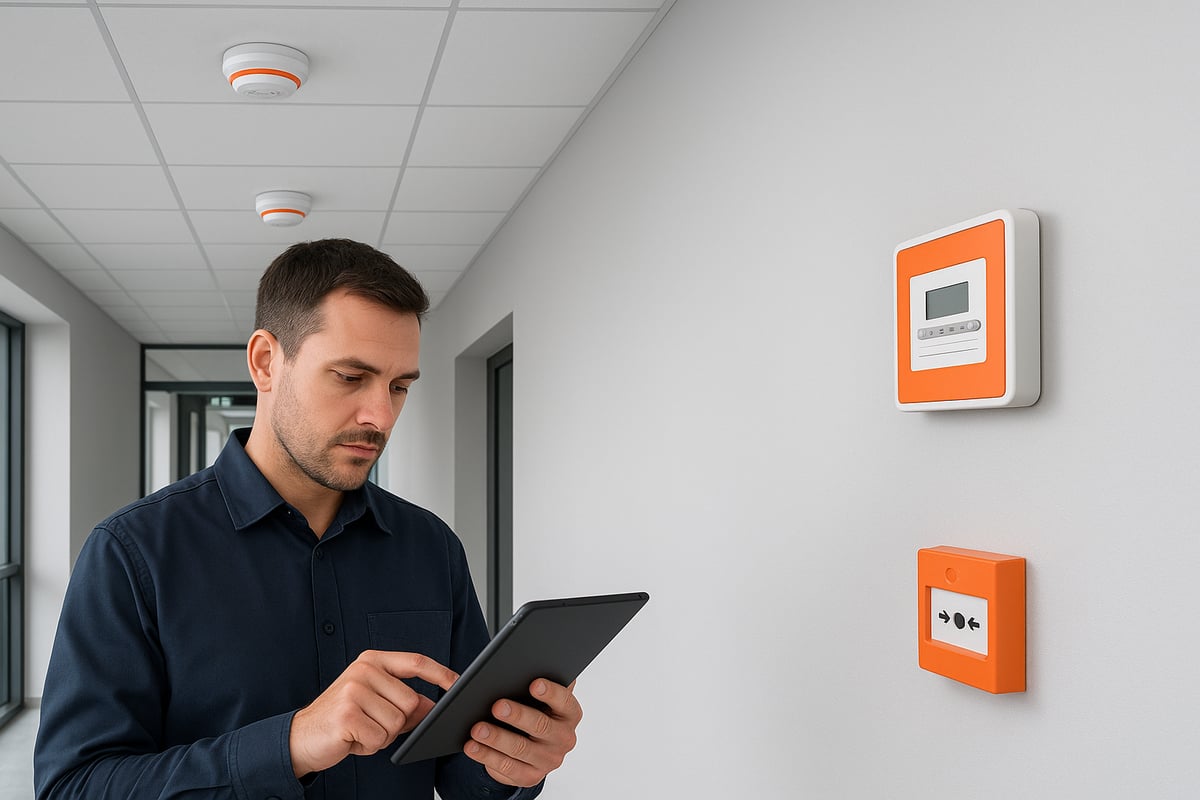
Modern fire detection forms the backbone of any security fire protection strategy. Addressable fire alarm systems are now preferred in large or complex sites, as each device has a unique address, enabling precise identification of the alarm source. In contrast, conventional systems group devices, making pinpointing an incident slower and less accurate.

Feature Addressable System Conventional System
Device Location Precise Zonal
Scalability High Limited
Cost Higher Lower
Maintenance Ease Easier Moderate

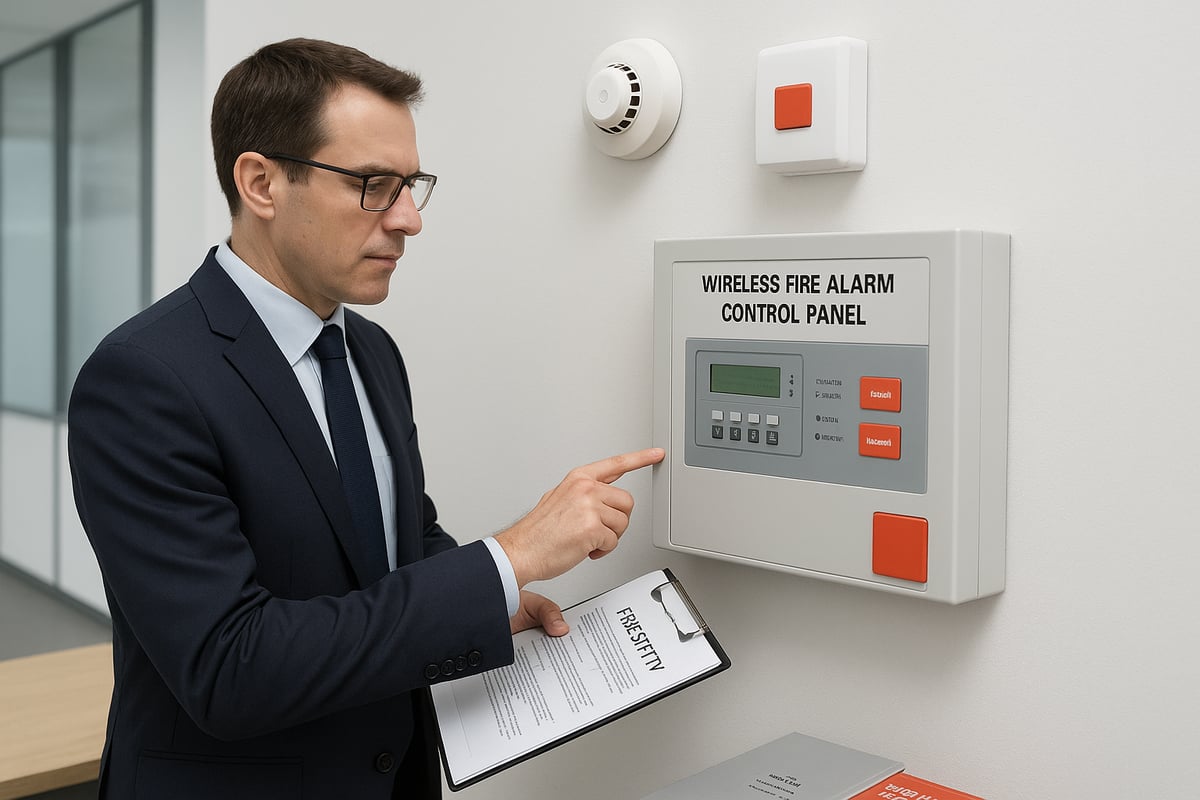
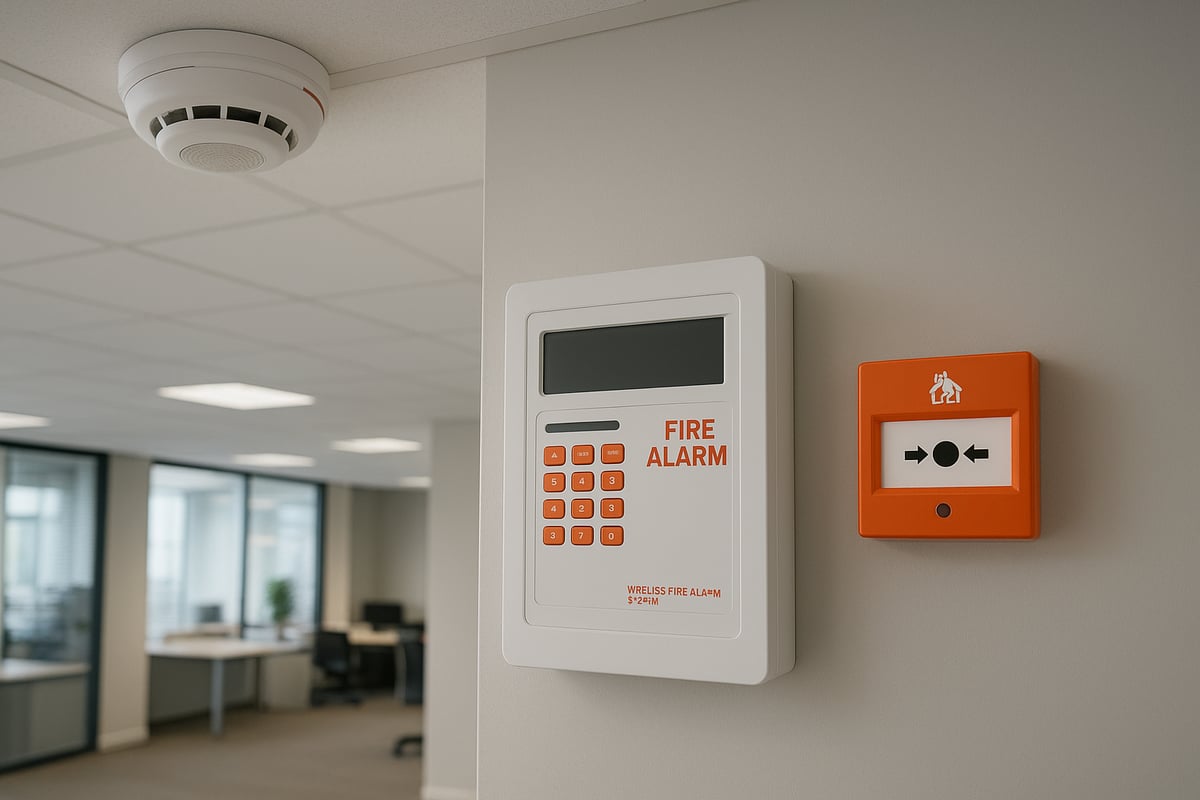
Wireless fire alarm solutions are gaining traction, especially in flexible or heritage spaces, where cabling is impractical. These systems can be deployed quickly and adapt to changing layouts.

Smart sensors now use AI and IoT integration to detect smoke, heat, or unusual patterns far earlier than traditional detectors. Integration with building management systems allows instant alerts, remote monitoring, and swift intervention. For example, UK retail chains utilising AI-based smoke detection have seen a significant reduction in false alarms and improved security fire protection outcomes.

Fire Suppression Solutions for Modern Risks

Selecting the right suppression system is critical for comprehensive security fire protection. Sprinkler systems remain the most common, with options including wet, dry, and pre-action types tailored to specific environments. Wet systems are standard for offices, while dry and pre-action suit cold storage or areas with sensitive equipment.

Gas suppression systems are essential in server rooms and data centres, where water could cause irreparable damage. Kitchen suppression systems, usually based on wet chemicals, are designed for commercial kitchens to handle grease fires effectively.

Portable extinguishers, selected by fire class, should be strategically placed and staff trained in their use. According to UK Fire and Rescue Services in 2025, 82% of fires controlled by sprinklers were contained to the room of origin, highlighting their effectiveness.

For further details on choosing and maintaining the right suppression technology, see Fire suppression system solutions.

Integrated Emergency Response Systems

A robust emergency response system is a core component of security fire protection. Voice evacuation and public address systems provide clear instructions, reducing confusion and aiding swift egress during emergencies.

Emergency lighting ensures safe evacuation routes, especially in the event of power failure. Disabled refuge systems, including call points and communication devices, make evacuation inclusive for all occupants.

Many modern office complexes have adopted integrated alert and evacuation systems, allowing coordinated responses across multiple floors. These systems improve overall preparedness, reduce evacuation times, and ensure that security fire protection measures are effective in real-world scenarios.

Integrating Security and Fire Protection for Complete Safety

In 2026, security fire protection is no longer just about isolated alarms or sprinklers. True resilience demands a unified approach, where detection, response, and ongoing monitoring work seamlessly together. Integration ensures threats are identified faster, responses are coordinated, and critical assets remain protected.

Integrating Security and Fire Protection for Complete Safety

The Case for Unified Security and Fire Systems

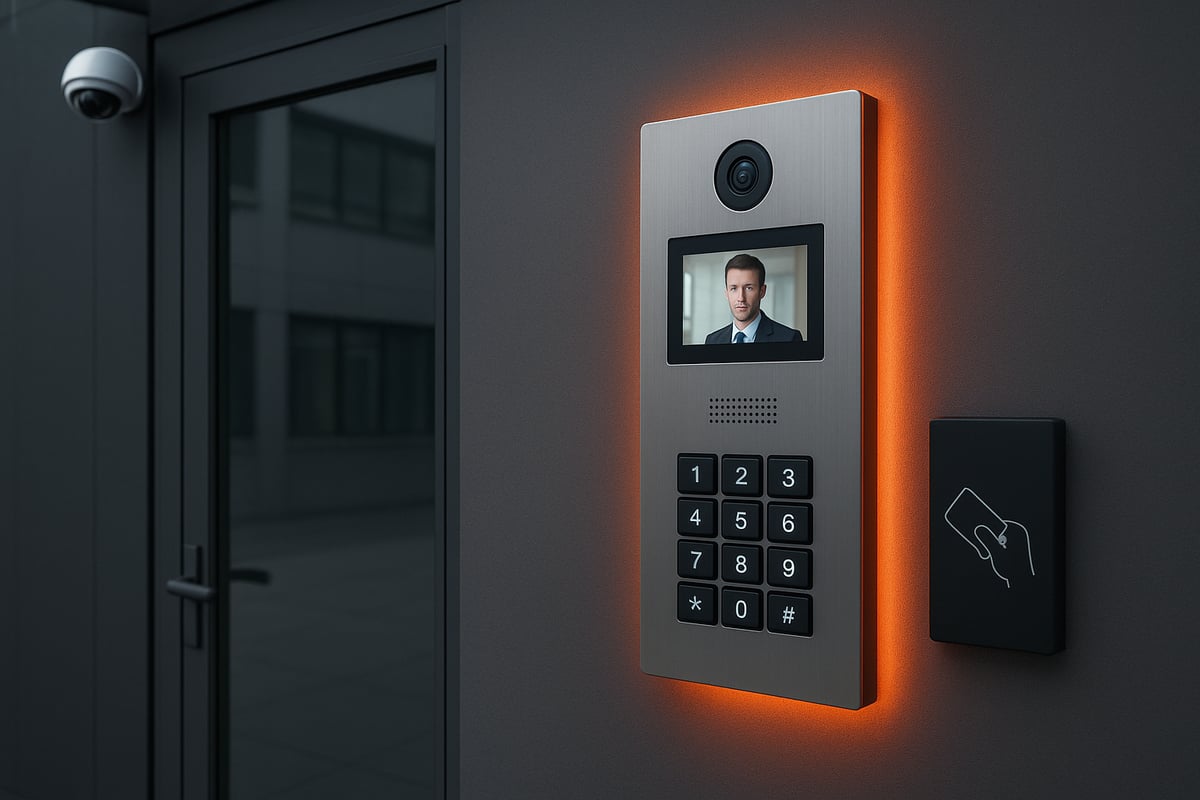
Integrating fire detection with access control and CCTV delivers a host of benefits for organisations. With a unified security fire protection platform, incidents are detected earlier and staff receive coordinated real-time alerts. This approach reduces false alarms and supports rapid, informed decision-making.

Key advantages include:

  • Faster identification of genuine threats and automatic initiation of evacuation or lockdown protocols.
  • Improved situational awareness, as data from alarms, cameras, and access points is combined.
  • Streamlined compliance, making it easier to demonstrate adherence to fire alarm system standards.

For example, many hospitals now use integrated systems to trigger immediate lockdowns and safe evacuations, ensuring patient and staff safety even in the most complex scenarios.

Choosing the Right Security Fire Protection Partner

Selecting a partner for security fire protection is a critical decision. Certified, experienced providers ensure that systems are designed, installed, and maintained in line with current regulations and evolving risks.

When evaluating potential partners, consider:

  • Their technical expertise and track record with similar projects.
  • Support offerings, including 24/7 monitoring and rapid response.
  • Credentials for compliance, such as third-party certifications.

Ongoing maintenance and monitoring contracts are essential. These agreements keep systems up to date, ensure all components work as intended, and help your business remain audit-ready.

Logic Fire and Security: Trusted Solutions for 2026

Logic Fire and Security is recognised across the UK for its expertise in advanced security fire protection solutions. The company offers national coverage and deep experience with complex, multi-site projects for both commercial and public sector clients.

Clients benefit from:

  • Bespoke design, installation, and maintenance of integrated systems.
  • 24/7 monitoring and instant incident response.
  • Full compliance support, ensuring every system meets or exceeds legal standards.

By choosing a trusted partner like Logic Fire and Security, organisations can safeguard people, assets, and reputations in an increasingly complex risk landscape.

Staff Training, Emergency Planning, and Maintenance Best Practices

A robust security fire protection strategy relies on more than just advanced systems; it thrives on a well-prepared team, effective emergency planning, and disciplined maintenance routines. Building a proactive culture around fire safety ensures everyone understands their role in preventing incidents and responding swiftly if one occurs.

Building a Fire-Safe Culture

Embedding security fire protection into daily practices starts with comprehensive staff training. Regular fire safety sessions, both classroom-based and hands-on, empower employees to identify hazards and react appropriately. Assigning clear roles, such as fire wardens, marshals, and first responders, ensures accountability during emergencies.

For instance, a manufacturing plant that conducted annual drills reduced its evacuation time by 40 percent. This improvement shows the value of rehearsal and role clarity. Keeping staff informed about the latest incident trends is crucial—reviewing resources like 5 Takeaways from the Latest UK Fire Incident Statistics can help teams understand evolving threats and enhance vigilance.

A culture of security fire protection encourages staff to report concerns and participate actively in creating a safer workplace.

Developing and Testing Emergency Plans

Effective emergency plans are the backbone of security fire protection. These plans should be tailored to each site, addressing specific risks and layouts. Collaboration with local fire and rescue services ensures your procedures align with best practices and response capabilities.

After any drill or real event, review and update plans to incorporate new learnings. The FPA’s 2025 survey found 72 percent of businesses refreshed their emergency plans following a fire drill, highlighting the importance of regular testing. Plans should include:

  • Clear evacuation and lockdown procedures
  • Designated assembly points
  • Communication protocols for all staff

Continuous improvement in emergency planning is vital for maintaining strong security fire protection and keeping response times low.

Maintenance and Continuous Improvement

Ongoing maintenance is essential for reliable security fire protection. Schedule regular inspections of fire alarms, extinguishers, and suppression systems to ensure all equipment functions as intended. Keeping up with technology upgrades and regulatory changes minimises risk and supports compliance.

Digital tools, such as cloud-based maintenance logs, make it easier to track servicing and demonstrate readiness during audits. Consulting expert resources like Fire risk assessment guidance can help structure your inspection routines and documentation.

Commit to continuous improvement by analysing incident reports and updating processes accordingly. This approach safeguards your organisation and reinforces a culture of security fire protection.

As you look ahead to 2026, staying ahead of evolving fire risks and meeting new compliance standards is more important than ever. Making informed choices about your fire and security systems can be the difference between peace of mind and costly setbacks. If you’re ready to take proactive steps—whether it’s reviewing your current setup, understanding the latest technologies, or ensuring your business is fully protected and compliant—we’re here to help. You don’t have to tackle this alone. Let’s start by ensuring your site is as secure as possible with a tailored assessment.
Get a Free Site Survey

Essential Guide to Security Installation for Homes 2026

Did you know UK home break-ins rose by 12% last year, with criminals using more advanced methods than ever? As threats evolve in 2026, protecting your home requires more than a simple lock and key. This essential guide to security installation equips you with the knowledge to assess risks, choose cutting-edge solutions, and create a comprehensive defence for your property. Discover how to evaluate your needs, select the latest technologies, install with confidence, integrate smart features, and stay ahead of emerging risks. Take the first step towards lasting peace of mind with expert security installation advice.

Understanding Home Security Needs in 2026

Rising security threats and evolving technology mean that a thoughtful approach to security installation has never been more important for UK homeowners. Assessing your unique risks and planning your security installation carefully will help keep your home and family safe in the years ahead.

Understanding Home Security Needs in 2026

Assessing Your Property’s Vulnerabilities

Begin your security installation by identifying all common entry points, such as front and back doors, windows, garages, and outbuildings. Each access point presents unique risks, especially if hidden from view or lacking proper locks.

Next, review local crime data to understand the specific threats in your area. For instance, regional patterns highlighted in the UK burglary statistics 2025 show that some neighbourhoods are more prone to break-ins than others. This information helps tailor your security installation to the risks you are most likely to face.

Consider your property type. Detached homes may require perimeter alarms and garden lighting, while flats could benefit from robust communal entry systems. Reflect on your family’s habits. Do you travel often or have children arriving home alone? Are there pets that could trigger false alarms? These factors will influence the features needed in your security installation.

A layered review is essential. One case involved a homeowner who, after a thorough assessment, installed window sensors and reinforced locks. An attempted break-in was detected early and prevented, demonstrating the value of a methodical approach.

Setting Security Priorities and Budget

Once vulnerabilities are identified, set clear priorities for your security installation. Decide which areas need basic protection, such as door and window alarms, and where advanced features—like smart cameras or biometric locks—may be justified.

Budgeting is crucial. On average, UK homeowners invest between £500 and £1,500 for an initial security installation, but costs can vary depending on the level of sophistication. Compare the benefits of a DIY setup with professional installation. DIY options may save money, but professionals ensure optimal placement and integration.

Check your insurance policy for requirements. Many insurers offer discounts on premiums if you have a certified security installation, but they may also refuse claims if your system is neglected or improperly maintained. Always keep records of devices and servicing.

Ultimately, a well-planned security installation balances protection, convenience, and cost. Taking time to evaluate your needs ensures you invest wisely in the safety of your home.

Core Components of a Modern Home Security System

A robust home security installation combines multiple components, each working together to safeguard against modern threats. In 2026, the right mix of technology and physical deterrents is essential for any homeowner seeking comprehensive protection.

Core Components of a Modern Home Security System

Intruder Alarms and Sensors

Modern security installation begins with effective intruder alarms and sensors. These include motion detectors, door and window sensors, glass-break, and vibration sensors. Smart alarms allow remote arming or disarming via mobile apps, providing flexibility for busy households.

Many systems now integrate with police response or private monitoring for rapid action. For a detailed breakdown of device options and response integration, see this Intruder detection systems overview. For example, the Yale Sync Smart Home Alarm offers customisable settings and real-time alerts, making it a popular choice for UK homes.

Video Surveillance: CCTV and Smart Cameras

CCTV and smart cameras are crucial elements in any security installation. Indoor and outdoor cameras now offer HD recording, night vision, and motion detection. Key features include cloud storage, facial recognition, and privacy zones to protect personal space.

According to Yale, homes equipped with CCTV are 67 percent less likely to be burgled. Proper placement of cameras—covering entry points and vulnerable areas—maximises deterrence and evidence collection.

Smart Door Locks and Access Control

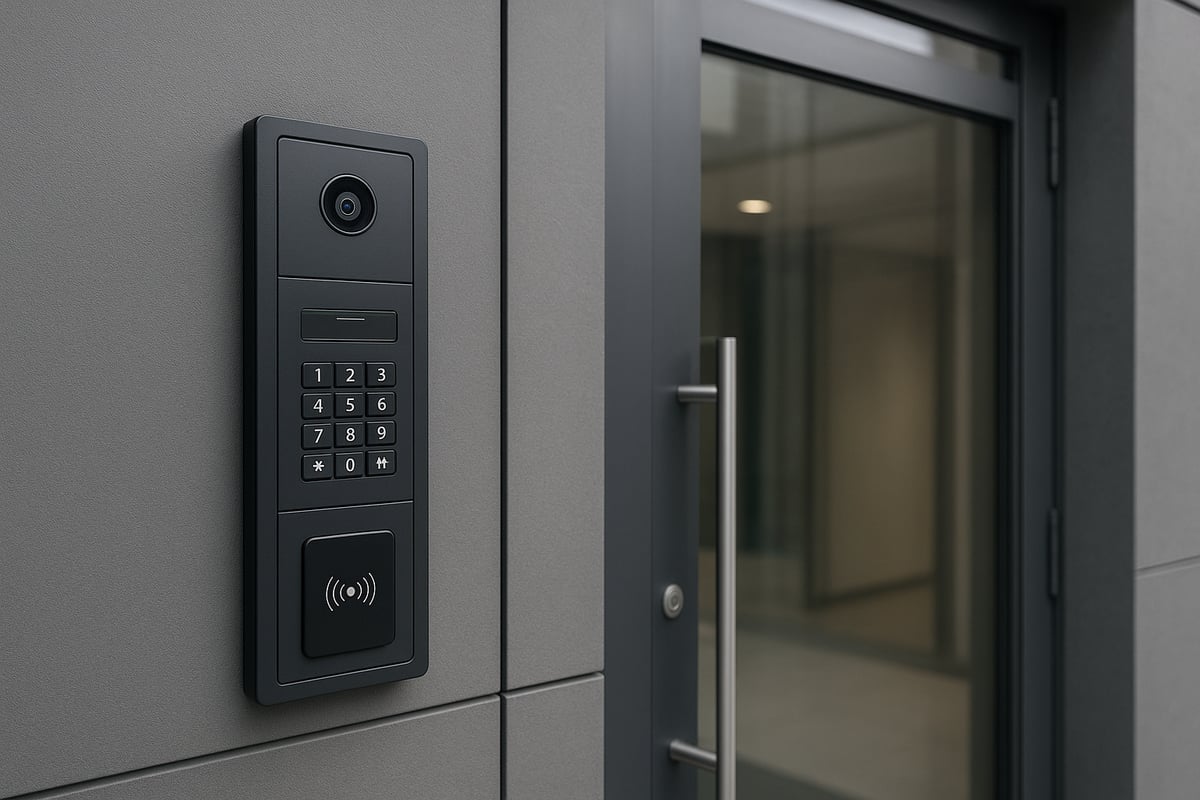
Access control is another vital layer in modern security installation. Smart door locks provide keyless entry through biometrics or mobile apps, while temporary codes enable secure access for visitors or deliveries.

Compatibility with existing doors and insurance standards is essential. Many systems, such as app-controlled locks, integrate seamlessly with other smart devices, enhancing both security and convenience for UK homeowners.

Security Lighting and Deterrents

Effective security installation uses lighting and visual deterrents to discourage intruders. PIR-activated floodlights illuminate movement, while dusk-to-dawn LED options ensure continuous coverage.

Visible deterrents, such as signage, dummy cameras, and alarm boxes, further reduce risk. Choosing energy-efficient lighting supports sustainability and reduces long-term running costs.

Additional Layers: Safes and Window Security

A comprehensive security installation includes protection for valuables and vulnerable entry points. Fire and water-resistant safes safeguard important items, while window locks, restrictors, and laminated glass upgrades strengthen weak spots.

These additional layers are crucial for meeting insurance requirements and ensuring peace of mind, rounding out a truly modern home security system.

Step-by-Step Guide to Security Installation

A well-executed security installation is essential for safeguarding your home in 2026. The process involves careful planning, technical preparation, and practical know-how. By following these steps, you can ensure your system provides comprehensive protection and peace of mind.

Step-by-Step Guide to Security Installation

Planning and Design

Begin your security installation by mapping all vulnerable areas of your property. Identify key zones such as entry doors, ground-floor windows, garages, and outbuildings. Consider the unique layout and daily routines of your household to prioritise protection.

Evaluate which security devices best suit your needs. For example, smart alarms, cameras, or door sensors. Consulting a security professional at this stage can offer tailored advice and help you avoid costly mistakes. A strong plan ensures your security installation addresses every risk.

Pre-Installation Preparation

Before starting your security installation, check that your Wi-Fi signal covers all intended device locations. Reliable internet is vital for smart systems, so consider a mesh network if needed. Confirm that power outlets are accessible for cameras, alarms, and hubs.

Review the compatibility of new devices with existing wiring or infrastructure. Schedule the installation for a time that minimises disruption to your household. Preparation streamlines the security installation and reduces the chance of technical setbacks.

Installation Process: Chronological Steps

Start the hands-on phase of your security installation by mounting cameras and sensors in their optimal positions. Follow manufacturer guidelines for height and angle, especially for motion and door sensors. Decide between wired and wireless setups based on your property’s needs, weighing reliability against installation ease.

Test each component as you go to ensure full coverage and system connectivity. This proactive approach during security installation means issues are caught early and corrected promptly.

System Setup and Configuration

Connect your new devices to a central hub or smart home platform as part of your security installation. Set up user profiles and permissions, ensuring each household member has the right access. Configure notifications for instant alerts about system activity.

Integrate with voice assistants like Alexa or Google for added convenience. Take time to adjust settings for pet immunity or guest access, making your security installation both secure and user-friendly.

Troubleshooting and Common Pitfalls

Even the best security installation may face challenges. Address common issues such as signal interference by relocating devices or upgrading your router. Keep firmware and software updated to maintain protection against new threats.

If you experience false alarms, especially from pets, adjust sensor sensitivity or placement. Training all users in system operation reduces errors. With the right approach, any security installation can remain effective and reliable.

Integrating Security with Smart Home Ecosystems

Smart home integration has become a cornerstone of effective security installation. In 2026, homeowners expect seamless control and automation that not only protect their property but also simplify everyday life. By connecting alarms, cameras, and locks with other devices, you can create a unified system that responds intelligently to threats and routines.

Integrating Security with Smart Home Ecosystems

The Smart Security Ecosystem Explained

A modern security installation relies on centralised management. Homeowners use mobile apps or smart hubs to monitor all connected devices in real time. This centralisation allows for instant alerts and quick actions, whether you are at home or away.

Automation is a major benefit of a smart security installation. For example, you can set routines so that lights switch on when motion is detected at night or doors lock automatically when you leave. Integration with heating, blinds, and even voice assistants increases convenience and control.

Compatibility is critical. Always check if your chosen system works with existing smart home devices. Investing in a flexible security installation ensures you can add new features as your needs change.

Data Privacy and Cybersecurity in 2026

With increased connectivity comes greater responsibility. Every security installation must address the risk of digital breaches. Securing your home network is as important as protecting physical entry points.

Use two-factor authentication and encrypted storage for all security installation devices. Weak passwords are a leading cause of breaches, accounting for 30% of smart home incidents in 2025. Regularly update firmware and monitor devices for unusual activity.

A simple checklist can help:

  • Change default passwords on all devices.
  • Enable automatic software updates.
  • Use a separate Wi-Fi network for your security installation.
  • Review user permissions regularly.

Staying proactive with cybersecurity keeps your security installation robust against evolving threats.

Subscription Services and Remote Monitoring

Modern security installation offers a choice between professional monitoring and self-monitoring. Professional services provide 24/7 surveillance, real-time alerts, and direct police integration, while self-monitoring gives you more control and lower costs.

Monitoring Type Response Time Police Integration Cost
Professional Immediate Yes Higher
Self-Monitoring User-driven No (usually) Lower

Many UK providers now offer cloud recording and advanced remote access. For homeowners seeking more information about remote monitoring and its benefits, the Remote CCTV monitoring solutions guide is an excellent resource.

Ultimately, the right subscription or monitoring option should complement your security installation and lifestyle.

Maintenance and Upgrades: Keeping Your System Effective

A modern security installation is only as reliable as its ongoing maintenance. To ensure long-term protection, homeowners must commit to regular checks, timely upgrades, and clear procedures for troubleshooting. Staying proactive with your security installation not only preserves your peace of mind but also helps maintain insurance compliance and system effectiveness.

Regular Testing and Servicing

Routine maintenance is the backbone of any reliable security installation. Monthly tests of alarms, sensors, and CCTV cameras help catch faults before they become vulnerabilities. For wireless devices, establish a battery replacement schedule, marking calendars or setting reminders to avoid lapses in coverage.

Professional servicing once a year is recommended. Certified technicians can identify hidden issues, update firmware, and confirm that every component of your security installation is operating as intended. This regular attention extends the life span of your system and provides essential documentation for insurance purposes.

Upgrading for Future Threats

Security risks continue to evolve, making it vital to review your security installation at least annually. Consider adding new devices as technology advances, such as smart cameras with AI analytics or biometric access controls. Regular software and firmware updates are crucial for protecting against emerging cyber threats.

Retrofitting older systems with smart components can enhance both security and convenience. For insights on the latest innovations, review the 2026 home security trends, which highlight advances like sustainable devices and predictive analytics.

Ensuring Compliance and Insurance Validity

Insurance providers in the UK often set strict requirements for security installation standards. To maintain coverage, ensure all equipment is properly installed, maintained, and upgraded as necessary. Keep detailed records of all installations and servicing, including receipts and technician reports.

Failure to comply with these standards may lead to denied claims in the event of a break-in. Always confirm with your insurer which features and maintenance routines are required for your policy to remain valid.

Responding to False Alarms and System Faults

False alarms can undermine confidence in your security installation and may result in fines or strained relationships with neighbours. Train all household members in proper system use, including how to arm and disarm alarms and respond to notifications.

If repeated faults occur, establish escalation procedures. This can include contacting technical support or scheduling a visit from a certified technician. Prompt, informed action ensures your security installation remains a dependable line of defence.

Emerging Trends in Home Security for 2026 and Beyond

Home security installation is entering a new era of innovation in 2026. Major advancements in technology, sustainability, and user experience are shaping the way homeowners approach protection. By staying informed about these emerging trends, you can future-proof your security installation and ensure your home remains safe, efficient, and compliant in the years ahead.

AI and Advanced Analytics

Artificial intelligence is transforming security installation by enabling predictive threat detection and real-time automated responses. Modern systems now analyse behaviour patterns, distinguishing between regular family activity and suspicious movements. For example, smart cameras use advanced analytics to recognise unusual behaviour, reducing false alarms significantly.

Key AI-driven features include:

  • Behaviour recognition for pets, vehicles, and people
  • Automated emergency alerts to homeowners and authorities
  • Integration with emergency services for rapid intervention

These innovations make security installation smarter, responding dynamically to evolving risks.

Sustainable and Eco-Friendly Security Solutions

Sustainability is a priority for many UK homeowners investing in security installation. The latest systems feature solar-powered cameras and sensors, which reduce reliance on the grid while ensuring continuous operation during outages. Low-energy devices and recyclable materials are increasingly standard, lowering the environmental impact.

Notable green trends in security installation:

  • Solar-powered security cameras and motion sensors
  • Energy-efficient LED lighting for deterrence
  • Use of recycled materials in device housing

The UK market is experiencing notable growth in eco-friendly security products as consumers seek solutions that align with environmental values.

The Future of Home Security: What to Expect

The future of security installation will see the widespread adoption of biometrics, such as fingerprint and facial recognition, and voice authentication for seamless access control. Compatibility and interoperability between brands and platforms are improving, making it easier to upgrade or expand your system.

Anticipated developments include:

  • Enhanced voice and facial recognition for entry systems
  • Centralised control across multiple brands
  • Adjustments in UK security legislation and standards

Homeowners will benefit from greater flexibility, compliance, and convenience as these technologies mature.

Consumer Insights and Market Data

Recent consumer surveys reveal that 70% of UK homeowners plan to upgrade their security installation within two years, reflecting a strong demand for privacy-focused and user-friendly systems. Experts predict robust growth, with next-generation solutions prioritising both data security and ease of use.

For a deeper look at market growth and evolving homeowner preferences, visit the UK smart home security market outlook. Staying informed about these trends ensures your security installation remains effective and future-ready.

Now that you understand what it takes to secure your home in 2026 from assessing vulnerabilities to integrating the latest smart technologies you might be wondering how to turn these insights into real peace of mind for your family If you want tailored advice from trusted professionals who design install and maintain advanced systems across the UK why not take the next step Secure your home’s future and make informed decisions with expert support by arranging a Get a Free Site Survey You’ll receive practical guidance on what suits your property best so you can feel confident about your security choices

Essential Guide to Fire Alarm Design for 2026 Compliance

As 2026 approaches, the significance of effective fire alarm design in safeguarding lives and protecting assets has never been greater for UK businesses and property managers. With regulatory scrutiny intensifying, non-compliance can lead to severe legal and financial consequences.

A compliant fire alarm design not only reduces risk but also ensures peace of mind and enhances occupant safety. This article delivers a practical, step-by-step guide for achieving 2026 fire alarm compliance, covering the latest regulations, risk assessment, system selection, design, installation, and ongoing maintenance.

Understanding 2026 Fire Alarm Compliance Standards

Meeting 2026 requirements for fire alarm design in the UK starts with understanding the evolving legal landscape. As regulations tighten, compliance is more critical than ever for safety, insurance, and legal protection.

Understanding 2026 Fire Alarm Compliance Standards

Overview of Relevant UK Legislation and Standards

UK fire safety legislation sets the foundation for fire alarm design in all commercial and public buildings. The Regulatory Reform (Fire Safety) Order 2005 places legal responsibility on building owners and managers to ensure robust fire protection. The Fire Safety Act 2021 and Fire Safety (England) Regulations 2022 expand these duties, particularly for high-rise and multi-occupancy premises.

The Building Safety Act 2022 introduces stricter accountability, especially in higher-risk settings. Central to fire alarm design is BS 5839-1:2017, which outlines installation and maintenance standards. Anticipated updates for 2026 are expected to further raise the bar, with increased scrutiny on system integration and documentation.

Compliance is mandatory. Failure to meet these standards can result in prosecution, fines, or invalidated insurance. For example, recent years have seen several high-profile enforcement actions against non-compliant property managers. Every aspect of fire alarm design must align with these legal requirements to avoid costly consequences.

Key Changes and Updates for 2026

The 2026 update to BS 5839 will bring significant changes for fire alarm design across the UK. New requirements will cover advanced integration, such as connecting fire alarm systems with building management platforms and enabling remote monitoring capabilities. Stricter documentation and audit trails will help ensure every stage of fire alarm design is traceable and verifiable.

A major focus will be on evacuation alert systems and improved disabled refuge provisions, reflecting a commitment to inclusive safety. According to government data, over 1,800 enforcement notices were issued in 2023 due to fire safety breaches, signalling a trend toward tougher oversight.

System installers and property managers must stay informed and adapt fire alarm design to these new requirements. Early preparation will not only ensure compliance but also enhance occupant safety and operational resilience as regulations continue to evolve.

Fire Alarm System Categories and Classifications

Choosing the right fire alarm design depends on understanding system categories set out in BS 5839. There are three main types:

Category Purpose Subcategories
L Life protection L1, L2, L3, L4, L5
P Property protection P1, P2
M Manual (break glass only) N/A

L systems prioritise life safety, with L1 offering maximum protection throughout all areas, while L5 is tailored to specific risks. P systems focus on property, and M systems rely on manual activation. The correct fire alarm design is determined by building type and risk profile. For example, student accommodation typically requires L2 or L3, while hospitals often need comprehensive L1 systems.

For a detailed breakdown of these categories and their applications, see Fire alarm system categories.

Selecting the right category is not just a technical decision, but a legal one. Accurate classification ensures your fire alarm design meets compliance and delivers the appropriate level of protection.

Step 1: Conducting a Comprehensive Fire Risk Assessment

A comprehensive fire risk assessment is the foundation of effective fire alarm design for any UK business or property manager. This process is not only a legal requirement but also a practical necessity to ensure that your fire alarm design genuinely protects lives and assets. Getting this right from the outset sets the stage for full compliance with the upcoming 2026 standards and reduces risks that could have costly consequences.

Step 1: Conducting a Comprehensive Fire Risk Assessment

The Role of Fire Risk Assessment in System Design

A fire risk assessment is a systematic review of your premises to identify fire hazards, evaluate risks, and recommend control measures. It is a legal obligation under the Regulatory Reform (Fire Safety) Order 2005 and is central to every stage of fire alarm design. The process typically involves:

  • Identifying potential ignition sources, fuels, and vulnerable areas.
  • Evaluating existing fire precautions and escape routes.
  • Assessing the needs of all occupants, including those with disabilities.
  • Recommending tailored actions to reduce risk.

Without a robust assessment, fire alarm design is likely to fall short of both legal and insurance requirements. For example, a recent prosecution involved a property manager who failed to document hazards and implement suitable fire alarm design, resulting in fines and increased scrutiny. For more detailed steps, refer to this fire risk assessment guidance.

Identifying Building-Specific Risks and Occupant Needs

No two buildings are alike, and effective fire alarm design must consider the unique risks and needs of each site. Begin by analysing the occupancy type, such as office, retail, or residential, and the layout of the premises. Pay close attention to areas with higher fire risk, like kitchens, plant rooms, or storage areas.

Consideration of vulnerable occupants, including elderly or mobility-impaired individuals, is crucial. Fire alarm design should address sleeping accommodation, complex escape routes, and any special hazards. According to the Fire Industry Association, over 70% of fire alarm design failures stem from inadequate risk assessment, highlighting the need for a bespoke approach instead of a generic solution.

By assessing these factors in detail, you ensure that the fire alarm design is both compliant and genuinely protective for every occupant.

Documentation and Compliance Records

Thorough documentation is vital for demonstrating compliance and ensuring smooth audits. Keep written records of all fire risk assessments, fire alarm design decisions, and any remedial actions. Modern digital tools can streamline record-keeping, making it easier to update, retrieve, and share information with authorities and insurers.

A typical compliance record should include:

Document Type Purpose Frequency
Fire Risk Assessment Identifies hazards, risks, and controls Annually/Change
Fire Alarm Design Docs Details system layout and specifications On installation
Maintenance Logbooks Tracks inspections and repairs Every service

Digital logbooks have been shown to improve audit efficiency by 40% according to industry surveys. Keeping your fire alarm design records up-to-date not only meets legal requirements but also supports a proactive approach to fire safety.

Step 2: Selecting the Right Fire Alarm System

Selecting the appropriate system is a vital step in fire alarm design. With stricter 2026 compliance standards approaching, the right choice will ensure both safety and legal certainty. Let us break down the technologies, how to match them to your needs, and the key role of integration.

Step 2: Selecting the Right Fire Alarm System

Overview of Fire Alarm Technologies

Understanding the main system types is the first step in compliant fire alarm design. Conventional systems are cost-effective for small premises, using basic wiring to identify alarm zones. Addressable systems, ideal for larger or complex buildings, pinpoint device locations for faster response and easier fault finding.

Wireless systems are popular for heritage or listed properties, as they avoid intrusive cabling. Hybrid solutions combine wired and wireless elements for flexibility. Newer systems offer integration with building management systems and remote diagnostics.

For a detailed look at system categories and compliance, see the Fire alarm system design and installation guide. Choosing the right technology ensures your fire alarm design meets both operational and regulatory needs.

Matching System Type to Risk and Compliance Needs

The fire alarm design process must align system selection with your building’s risk assessment. Multi-occupancy, high-rise, or complex layouts often require addressable or hybrid systems for effective zoning and monitoring. Retail premises, for example, benefit from addressable solutions to separate sales areas from stockrooms, supporting faster evacuation and targeted alerts.

Consideration of vulnerable occupants, such as those in care homes, may necessitate additional evacuation alert systems and disabled refuge alarms. With 2026 standards, these features are not optional but a compliance requirement. A tailored fire alarm design reduces risk, improves safety outcomes, and ensures legal peace of mind.

Integration with Other Safety Systems

Modern fire alarm design is not just about standalone alarms. It is about creating a connected safety network. Linking fire alarms with emergency lighting, access control, and suppression systems is vital for coordinated response and compliance.

BS 5839 requires careful planning for system interconnectivity. Compatibility and scalability must be factored in from the outset. For instance, healthcare facilities often integrate nurse call and fire alarm systems, ensuring staff and patients receive timely alerts without confusion.

Future-proofing your fire alarm design with integration supports ongoing regulatory changes and technological advancements, making upgrades seamless.

Logic Fire and Security: Comprehensive Fire Alarm Design Solutions

Logic Fire and Security delivers complete fire alarm design, supply, installation, and ongoing maintenance across the UK. Their solutions are tailored to each building’s specific risk profile, whether you need wireless, addressable, or integrated systems.

Accredited by BAFE, NICEIC, and NSI Gold, Logic Fire and Security guarantees all fire alarm design work meets or surpasses 2026 compliance. Clients benefit from expert fire risk assessments, digital compliance records, and 24/7 monitoring support.

Trusted by blue-chip businesses, public sector organisations, and property managers, Logic Fire and Security ensures your fire alarm design is robust, compliant, and ready for future challenges.

Step 3: Designing a Compliant Fire Alarm System

A robust fire alarm design is the foundation of effective fire safety for any building. The process begins with careful planning and must align with the latest standards to ensure compliance. Thoughtful design not only protects lives but also helps avoid costly modifications and legal issues later.

Step 3: Designing a Compliant Fire Alarm System

Design Process and Key Considerations

The fire alarm design process starts with a detailed site survey. This involves assessing the building’s layout, occupancy, and any unique risks identified during the fire risk assessment. Accurate CAD-based planning is essential for mapping out detector and call point locations.

Zoning strategies are crucial, dividing the building into manageable sections for targeted detection and evacuation. For example, a multi-storey office will require separate zones for each floor and key areas like plant rooms. Staying current with the Fire Alarm Design Changes in BS 5839-1:2025 is vital, as new requirements may impact layout, integration, and documentation. Proper fire alarm design at this stage sets the groundwork for compliance and operational efficiency.

Detector and Device Selection

Choosing the right detectors and devices is a pivotal step in fire alarm design. Common options include smoke, heat, multi-sensor, and beam detectors, each suited to specific risks and environments. For instance, heat detectors are ideal for kitchens, while smoke detectors are best placed in corridors and sleeping areas.

Placement guidelines from BS 5839-1 help minimise false alarms, which is critical for compliance and uninterrupted operations. Multi-sensor devices can be used in complex areas to enhance detection accuracy. Consistent application of these principles ensures the fire alarm design addresses both safety and regulatory needs.

Documentation and Drawings for Approval

Comprehensive documentation is essential for demonstrating that your fire alarm design meets all compliance criteria. This includes producing CAD schematics, layout plans, and detailed specifications for contractor and authority approval.

Maintaining clear records of any design changes supports future audits and simplifies system upgrades. Digital documentation streamlines collaboration between stakeholders and accelerates the approval process. For example, providing digital plans and change logs ensures a smooth handover and helps maintain a clear compliance trail. Ultimately, meticulous documentation is the final safeguard, confirming your fire alarm design is both effective and fully compliant.

Step 4: Installation, Commissioning, and Handover

A robust fire alarm design is only as effective as its installation and commissioning. This crucial step ensures the system operates as specified, remains compliant, and protects both lives and property from day one.

Selecting Accredited Contractors and Installers

Choosing the right contractor is fundamental to successful fire alarm design implementation. Contractors should hold third-party certifications such as BAFE, NICEIC, or NSI Gold, proving their competence and adherence to recognised standards.

When engaging a provider, always verify their experience with similar building types and request evidence of recent projects. Accredited installers are trained to follow both manufacturer instructions and current regulations, greatly reducing post-installation faults and costly rework.

Research from the Fire Industry Association shows that sites using certified installers experience a 30 percent drop in post-installation issues. Prioritising accreditation in your fire alarm design project not only safeguards compliance but also gives you peace of mind.

Commissioning and Functional Testing

The commissioning phase validates every aspect of the fire alarm design. This process involves systematically testing all devices, including detectors, sounders, and control panels. Each component must be checked for correct operation, integration, and response times.

Comprehensive documentation of commissioning results is vital for future audits and insurance. It is best practice to involve both the client and relevant authorities during sign-off, ensuring transparency and shared understanding of system capabilities.

For the latest requirements and best practices, it is essential to review the BS 5839-1:2025 Compliance Overview, which details updates affecting installation and testing. Thorough commissioning is the final quality check before handover, catching any issues early and confirming full operational readiness.

User Training and Handover Documentation

Once a fire alarm design is installed and commissioned, effective handover is key. Responsible persons and end-users should receive hands-on training covering alarm operation, routine testing, emergency procedures, and fault reporting.

A complete handover pack should include:

  • User manuals
  • Digital and physical logbooks
  • Maintenance schedules
  • Clear emergency instructions

Sites with trained staff see up to 50 percent fewer false alarms, according to industry reports. Proper training and documentation ensure everyone knows their role, supporting long-term compliance and system reliability for your fire alarm design.

Step 5: Ongoing Maintenance, Monitoring, and Record-Keeping

Continuous maintenance, monitoring, and thorough record-keeping are essential pillars of compliant fire alarm design. These steps ensure your system remains effective, meets legal duties, and provides documented assurance in the event of inspection or incident.

Scheduled Maintenance and Legal Requirements

Routine maintenance is critical for upholding fire alarm design standards and ensuring ongoing system reliability. UK law, including the Regulatory Reform (Fire Safety) Order 2005, mandates regular checks, with BS 5839-1 specifying intervals and procedures.

Key maintenance tasks include:

  • Weekly testing of alarm functionality
  • Quarterly and annual system inspections
  • Battery performance checks and replacements

Staying up to date with requirements, such as the latest BS 5839-1:2025 Battery Requirements, helps avoid common failures. Missed maintenance can lead to system faults, insurance invalidation, or enforcement action. Proactive care demonstrates a commitment to both safety and compliance for every fire alarm design.

Alarm Monitoring and Rapid Response

Integrating 24/7 monitoring into your fire alarm design enhances early detection and swift intervention. Alarm Receiving Centres (ARC) provide constant oversight, ensuring activation alerts reach emergency services without delay.

Benefits include:

  • Faster response, reducing potential damage
  • Compliance with insurer and regulatory expectations
  • Peace of mind for building owners and occupants

Monitored systems can reduce average response times by 40 percent, directly impacting life safety outcomes. For complex properties, remote diagnostics and automated alerts further strengthen resilience, making monitoring a key component of modern fire alarm design.

Keeping Compliance Records Up-to-Date

Meticulous record-keeping is a cornerstone of compliant fire alarm design. Both digital and physical logbooks are vital for tracking maintenance, faults, upgrades, and system changes.

Best practices involve:

  • Recording all maintenance visits and tests
  • Logging faults and remedial actions
  • Documenting any alterations to the system

Digital tools streamline compliance, reducing administrative workload by 30 percent and improving audit readiness. Up-to-date records are essential for passing fire authority inspections and ensuring continued legal protection. They also provide a transparent history, supporting future system upgrades or investigations.

Preparing for Future Regulatory Changes and Best Practices

Staying ahead of regulatory changes is essential for anyone responsible for fire alarm design. The landscape in the UK is constantly shifting, with updates to BS 5839 and evolving government guidance shaping compliance requirements. To ensure your building remains compliant, regularly review updates from official bodies and participate in training sessions for responsible persons.

Engaging with industry organisations, such as FIA and BAFE, provides early access to best practices and insights on new requirements. For example, the anticipated focus on evacuation alert systems for compliance means property managers should already be planning for their integration within fire alarm design strategies. Proactive adoption of these systems helps avoid last-minute compliance issues and demonstrates a commitment to safety.

Regular staff training ensures your team can respond confidently to regulatory changes. By fostering a culture of learning, you reduce the risk of non-compliance and improve overall safety outcomes.

Embracing Technological Advancements

The future of fire alarm design is being shaped by rapid advancements in technology. Smart fire alarm systems now offer IoT integration, enabling real-time data sharing and remote diagnostics. Predictive maintenance tools help identify potential faults before they become critical, reducing downtime and enhancing system reliability.

Cloud-based monitoring platforms are increasingly popular for multi-site operations, providing centralised oversight and improved compliance tracking. For example, a national retail chain recently adopted cloud monitoring, allowing their facilities team to access live system status and compliance reports from any location.

Data analytics are now a core part of fire alarm design, supporting risk management and evidence-based decision-making. By leveraging these tools, property managers can anticipate issues and maintain continuous compliance.

Building a Culture of Fire Safety

Embedding fire alarm design into your organisational culture ensures lasting safety and compliance. Encourage regular fire drills, involve staff in safety discussions, and integrate fire safety checks into daily processes.

A proactive approach, where everyone understands their role in fire alarm design, leads to better outcomes and a safer environment for all.

As you look ahead to the 2026 compliance standards, ensuring your fire alarm design is up to scratch is more important than ever. Navigating new regulations and choosing the right system can feel overwhelming, but you don’t have to tackle it alone. At Logic Fire and Security, we’re here to help you safeguard your people, property, and peace of mind with expert guidance every step of the way. If you’d like tailored advice or want to see how compliant your current setup is, why not take the first step and Get a Free Site Survey?

Our Accreditations

Work
For Us