
Category: Uncategorised

Fire Alarm System Inspections: Your 2025 Step-by-Step Guide

Is your fire alarm system ready for 2025? As regulations tighten and enforcement increases across the UK, regular fire alarm system inspections are now essential for every business and public building.

This step-by-step guide takes the mystery out of compliance. You will learn how to navigate the inspection process, understand updated legal duties, and avoid costly penalties.

We will break down the latest UK regulations, show you how to schedule and prepare for inspections, and walk you through each inspection step. Discover common pitfalls, expert tips, and actionable strategies to keep your premises protected and compliant.

By the end, you will have the confidence and knowledge to ensure fire safety, protect lives, and safeguard your business for the year ahead.

Understanding Fire Alarm System Inspections in 2025

Keeping up with fire alarm system inspections is essential for every property manager and business owner in 2025. The regulatory landscape is changing rapidly, and understanding what is required can protect your premises, people, and reputation. Let’s break down what you need to know for the coming year.

Understanding Fire Alarm System Inspections in 2025

Evolving UK Fire Safety Regulations

UK fire safety legislation is undergoing significant updates for 2025. The new regulations tighten requirements for fire alarm system inspections, with a particular focus on recordkeeping and inspection frequency. Key deadlines are set throughout the year, and penalties for non-compliance are rising. For example, fire safety enforcement actions increased by 30 percent between 2023 and 2024, and fines for missing or outdated inspection records are now commonplace.

These changes impact all commercial and public sector buildings. As seen in a recent case, a business faced a substantial fine after failing to provide up-to-date inspection documentation during a routine audit. For a clear overview of the latest legal requirements, consult the UK fire safety regulation updates 2025.

Why Inspections Are Critical

Regular fire alarm system inspections play a vital role in preventing fire incidents and safeguarding building occupants. Insurers now demand evidence of completed inspections, and failure to comply can void your cover or lead to legal action. According to the Fire Industry Association, over 60 percent of fire alarm failures are linked to missed maintenance.

Lives, assets, and business continuity all depend on a well-maintained system. In one notable incident, a recently inspected fire alarm enabled a swift evacuation, preventing injuries and minimising property damage. Routine inspections are not just a box-ticking exercise, they are a cornerstone of effective fire risk management.

Types of Fire Alarm Systems and Inspection Needs

Fire alarm system inspections must be tailored to the type of system in use. Conventional systems, common in small offices, require straightforward checks. Addressable and wireless systems, often found in hospitals or large facilities, demand more detailed testing and documentation. Hybrid systems blend both approaches, increasing inspection complexity.

System Type Inspection Frequency Complexity
Conventional Annual/Monthly Low
Addressable Biannual/Monthly High
Wireless Biannual/Monthly Medium
Hybrid Biannual/Monthly High

Proper documentation is crucial for every inspection. For example, an addressable system in a hospital needs zone charts and device logs, while a small office system may only require basic records. Always ensure your inspection process matches your system type.

Who Is Responsible for Inspections?

Legal responsibility for fire alarm system inspections lies with building owners, facilities managers, and designated responsible persons. These individuals must ensure all checks are completed by competent professionals, often accredited by recognised bodies. Inspectors need up-to-date certification and proven experience.

Many organisations delegate inspections to third-party accredited providers to guarantee compliance. Facilities managers often use detailed checklists to track annual inspection tasks and keep records current. Ultimately, maintaining compliance is a shared duty, but accountability remains with those in charge of the premises.

Step 1: Preparing for Your Fire Alarm System Inspection

Preparing for fire alarm system inspections is the foundation of effective fire safety management in 2025. A thorough approach not only minimises risk but also demonstrates compliance with evolving UK regulations. Before your next inspection, ensure your processes and paperwork are in order to avoid costly setbacks.

Reviewing Documentation and Maintenance Records

Maintaining up-to-date documentation is essential for fire alarm system inspections. Inspectors will request logbooks, service records, and certificates to verify your compliance history.

A missing or incomplete logbook can result in an automatic inspection failure. Ensure your records include:

  • Dates of previous inspections and maintenance
  • Details of any repairs or replacements
  • System specifications and layout drawings

Regularly review and update these documents, as gaps can raise red flags for inspectors.

Scheduling Inspections and Notifying Occupants

Establish a clear inspection schedule to remain compliant. Most premises require weekly visual checks, monthly activations, biannual engineer visits, and annual full inspections.

Notify building occupants and stakeholders in advance. This reduces disruption and ensures everyone is aware of planned activities. Schedule inspections during quieter periods if possible, and communicate any temporary changes to evacuation routes or alarm usage.

Pre-Inspection System Checks

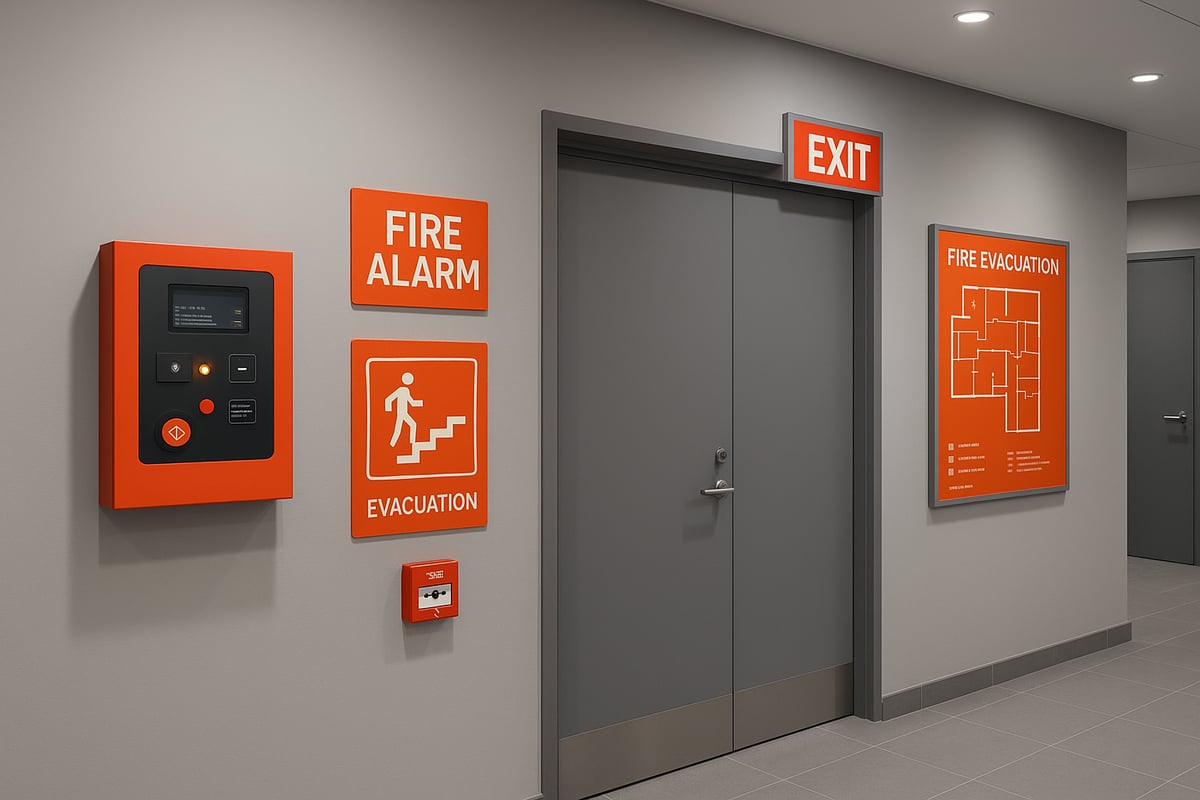
Before official fire alarm system inspections, conduct your own visual assessment. Look for damaged call points, missing signage, or obstructed detectors.

Make sure:

  • Control panels and devices are accessible
  • All manual call points are visible and undamaged
  • Warning signs are legible and correctly placed

Quick fixes, such as clearing access or replacing signage, can prevent avoidable inspection issues.

Selecting a Qualified Inspector

Choose inspectors with recognised accreditations like BAFE, NICEIC, or NSI Gold. Ask for proof of credentials and insurance.

Third-party certified providers offer added assurance. They follow strict protocols and are up to date with the latest standards. This reduces the risk of non-compliance and ensures a thorough, unbiased inspection.

Fire Alarm System Inspection Services by Logic Fire and Security

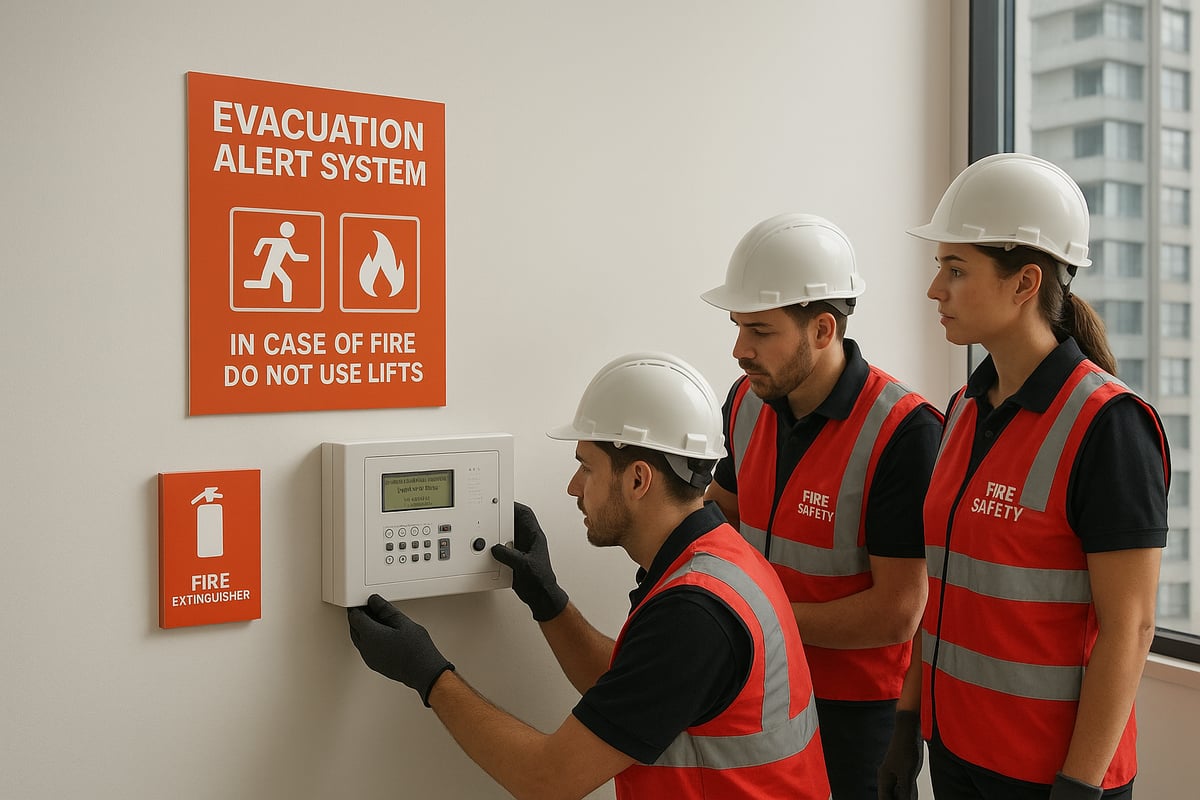
Trusted support is vital when preparing for fire alarm system inspections. Fire alarm system services from Logic Fire and Security deliver accredited inspection, maintenance, and compliance solutions tailored to your premises.

Fire Alarm System Inspections: Your 2025 Step-by-Step Guide - Fire Alarm System Inspection Services by Logic Fire and Security

Their expert team supports offices, warehouses, public buildings, and specialist environments, ensuring you meet all legal obligations. With over 20 years’ experience, Logic Fire and Security provides peace of mind through reliable, professional service.

Step 2: Conducting the Fire Alarm System Inspection

Conducting thorough fire alarm system inspections is essential for maintaining safety and legal compliance. This step involves a systematic review of every component, testing, and accurate documentation. Each process ensures your system is reliable when it matters most.

Step 2: Conducting the Fire Alarm System Inspection

Visual Inspection of All Components

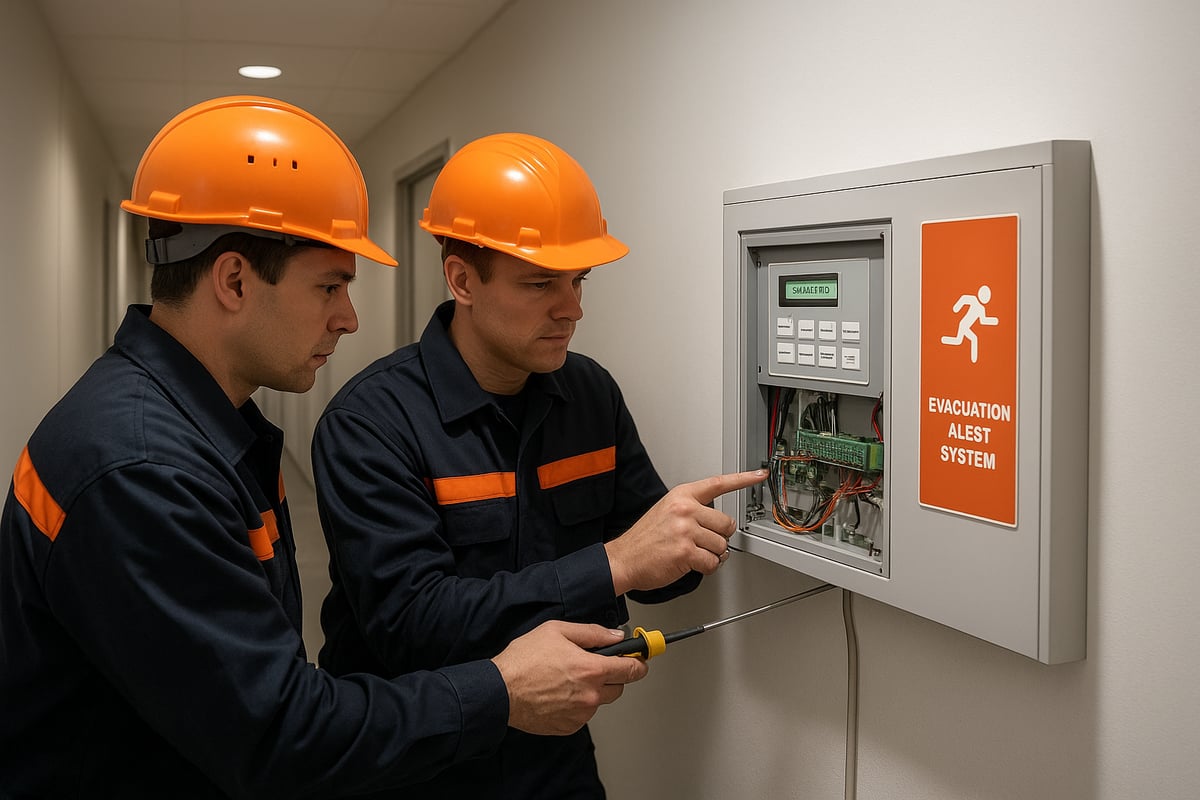
Begin with a careful visual inspection of all fire alarm system components. Inspect the control panel, detectors, manual call points, sounders, and wiring. Look for physical damage, tampering, or anything blocking access.

Common issues include storage boxes placed below detectors or missing signage. Ensure every detector and call point is visible and unobstructed. Address any visible faults immediately to avoid failing fire alarm system inspections.

  • Check for dust or debris on detectors.
  • Confirm call points are intact and accessible.
  • Inspect sounders for any signs of damage.

Testing Alarm Functionality and Devices

Next, test the functionality of each device. Activate manual call points to trigger the alarm and check that all sounders operate at the correct volume. Use approved test equipment to simulate smoke, heat, or carbon monoxide for detector testing.

If you encounter a false alarm trigger, investigate the cause and reset the system only after confirming there is no real danger. For full compliance, follow the BS 5839-1:2025 fire alarm standard, which outlines best practices for testing and maintenance of fire alarm system inspections.

Verifying System Communication and Integration

Check the integration of your fire alarm system with other building safety features. Confirm that the system communicates properly with emergency lighting, fire doors, and suppression systems.

Test for reliable connectivity with remote monitoring or alarm receiving centres. Integration faults account for a significant portion of system failures, so verify all connections are secure and operational.

  • Inspect interface units for correct wiring.
  • Check fire doors close automatically on alarm.
  • Test emergency lighting activation during alarm events.

Assessing Power Supplies and Backups

Reliable power is vital for fire alarm system inspections. Test the main power supply and ensure battery backups are fully functional. Inspect battery chargers, battery terminals, and connectors for corrosion or wear.

A real incident can expose weaknesses, such as a depleted backup battery, leading to total system failure. Replace any batteries nearing end of life and confirm power changeover operates seamlessly.

  • Check battery voltage with a multimeter.
  • Inspect chargers for faults or loose connections.
  • Record all power test results.

Reviewing Zone Charts and System Labelling

Accurate zone charts must be displayed at each control panel. These charts help emergency responders quickly identify affected areas during an incident.

Ensure all system labels, including detector and call point numbers, match the documentation. Update any outdated or missing charts. Proper labelling streamlines troubleshooting during fire alarm system inspections.

Recording and Reporting Inspection Findings

Complete a detailed inspection report at the end of your checks. Record all findings, deficiencies, and recommended actions. Use a standard format that includes dates, inspector details, and system status.

A comprehensive report supports ongoing compliance and can be vital during regulatory audits. Keep both digital and paper copies for easy access and future reference.

Step 3: Addressing Common Issues and Remediation

Identifying Frequent Inspection Failures

Even with regular fire alarm system inspections, common failures can still occur. These include missing or outdated documentation, faulty detectors or sounders, and poor system labelling. For example, failing to replace batteries can cause unexpected downtime at critical moments.

A missed record update or neglected component can result in compliance breaches. Being aware of these frequent pitfalls helps you address them before they escalate.

Rectifying Detected Faults

When faults are discovered during fire alarm system inspections, immediate action is essential. Some issues, such as failed detectors or flat batteries, require urgent repair. Others, like worn signage or minor wiring faults, may be scheduled for later.

Always document any remedial work and ensure replacement parts meet industry standards. A thorough response maintains both safety and compliance with regulations.

Preventing False Alarms and Nuisance Triggers

False alarms disrupt operations and erode trust in your fire alarm system inspections. Dust, steam, cooking fumes, or incorrect detector placement are frequent causes. Regular cleaning, correct zoning, and targeted staff training are effective solutions.

For a holistic approach to fire safety, consider reviewing this fire extinguisher inspection guide to complement your alarm maintenance practices.

Ensuring Ongoing Compliance

Sustaining compliance after fire alarm system inspections involves more than just repairs. Set up automated reminders for maintenance and inspections. Train staff to report faults promptly and hold regular fire drills.

A compliance calendar for facilities managers streamlines tasks and ensures nothing is overlooked. Consistency is key to passing future audits with confidence.

When to Consider System Upgrades

Frequent problems or outdated technology signal it may be time to upgrade. Changes in building use or layout can also affect your fire alarm system inspections and their effectiveness.

Upgrading to addressable or wireless systems offers better reliability and flexibility. Enhanced features support both current compliance and future-proof your premises.

Step 3: Addressing Common Issues and Remediation

Step 4: Post-Inspection Actions and Record Keeping

Keeping your fire alarm system inspections process robust does not end when the inspection itself is complete. The post-inspection phase is crucial for maintaining full compliance and ensuring your premises remain protected and audit-ready.

Updating Inspection Records and Certificates

Accurate and up-to-date records are a legal requirement for fire alarm system inspections. Whether you use digital platforms or paper logbooks, every test, maintenance, and inspection must be logged promptly.

Inspectors will issue compliance certificates, which should be stored securely and made easily accessible. Multi-site businesses often benefit from digital recordkeeping, which streamlines updates and retrievals. For detailed guidance on maintaining compliant records and certificates, see the fire alarm servicing compliance 2025 requirements.

Communicating Results and Next Steps

Once fire alarm system inspections are complete, share the findings with all relevant stakeholders. This includes facilities teams, senior management, and, where required, your insurance provider.

Use clear templates to summarise any actions needed or compliance achieved. Transparent communication helps everyone understand their responsibilities and ensures that the next steps, such as remedial actions, are actioned without delay.

Scheduling Follow-Up Maintenance or Repairs

If your inspection identifies any faults, schedule follow-up maintenance promptly. Distinguish between urgent and routine issues to prioritise safety and compliance.

Work closely with your service provider to coordinate repairs at a convenient time, minimising disruption to building users. Regular follow-up is key to the ongoing success of fire alarm system inspections.

Training Staff and Occupants

Post-inspection, brief staff and occupants on any changes to systems or procedures. This may involve updates to fire evacuation protocols or refresher training on using manual call points.

Regular fire drills and induction checklists keep everyone prepared. Integrating these activities into your fire alarm system inspections cycle supports a culture of safety and readiness.

Preparing for Regulatory Audits

Be ready for fire safety audits by ensuring all documentation and certificates are organised and accessible. Auditors will expect to see comprehensive records of fire alarm system inspections and any remedial actions taken.

A detailed audit checklist can help property managers avoid missing critical items. For a broader compliance perspective, refer to the fire risk assessment process, which complements your inspection regime.

Expert Tips for Streamlining Fire Alarm Inspections in 2025

Staying on top of fire alarm system inspections in 2025 requires more than just ticking boxes. With evolving regulations and tighter enforcement, a strategic, proactive approach can save time, money, and stress. Here are five expert tips to help you streamline compliance and keep your premises protected.

Leveraging Technology for Efficient Inspections

Harnessing digital solutions can transform how you manage fire alarm system inspections. Mobile apps allow inspectors to log findings instantly, schedule follow-up actions, and store digital records. Automated reminders ensure routine checks are never missed.

  • Use cloud-based platforms for secure document storage
  • Enable real-time reporting for multi-site operations
  • Integrate inspection data with maintenance schedules

A recent case study showed that businesses adopting digital tools reduced admin time by 40 percent, freeing resources for more critical safety tasks.

Building a Proactive Maintenance Culture

A proactive culture is vital for consistent fire alarm system inspections. Regular staff training ensures everyone understands their role in fire safety. Encourage prompt reporting of faults and near-misses to address issues before they escalate.

  • Hold monthly team briefings on inspection outcomes
  • Distribute quick-reference guides for common faults
  • Recognise and reward vigilant behaviour

This approach fosters shared responsibility and reduces the likelihood of missed inspections or overlooked hazards.

Choosing the Right Service Partner

Selecting a trusted provider is key to reliable fire alarm system inspections. Look for partners with BAFE, NICEIC, or NSI Gold accreditations to guarantee expertise and compliance.

  • Assess response times and customer support quality
  • Compare in-house teams with outsourced specialists
  • Consider long-term maintenance contracts for continuity

A well-chosen partner brings peace of mind and helps you navigate the complexities of changing regulations.

Staying Ahead of Regulatory Changes

Regulations for fire alarm system inspections continue to evolve. Stay informed by subscribing to industry newsletters and following updates from government bodies. Review your internal policies regularly to ensure ongoing compliance.

For a comprehensive approach, consider related requirements such as fire door inspection requirements, which are often audited alongside alarm systems. Proactive monitoring helps you avoid costly surprises during official audits.

Cost-Saving Strategies Without Compromising Safety

You can optimise your fire alarm system inspections without cutting corners. Bundle inspection and maintenance services for better value, and invest in energy-efficient or smart detection upgrades to reduce long-term costs.

Strategy Benefit
Bundled service contracts Lower per-inspection costs
Digital recordkeeping Reduced admin overhead
Smart system upgrades Fewer false alarms

According to fire prevention and protection statistics 2024, robust compliance efforts can lead to insurance savings of up to 20 percent. Smart planning keeps your premises safe and your budget healthy.

As you look ahead to 2025, staying proactive with your fire alarm system inspections is an essential step in protecting your people, property, and business continuity. We’ve explored how clear documentation, the latest compliance standards, and expert support can make all the difference—especially with evolving regulations across the UK. If you want confidence that your site’s fire safety is in expert hands, why not take the next step? You can arrange a tailored, no obligation assessment to identify exactly what your premises need to stay compliant and secure. Ready to get started? Get a Free Site Survey

Remote CCTV Monitoring Guide: Secure Your Property in 2025

Did you know that by 2025, remote CCTV monitoring will power over 60% of commercial surveillance solutions across the UK? Property crime is evolving, and traditional security measures often fall short when it matters most.

This guide explains how remote CCTV monitoring can proactively secure your property, deter intruders before they act, and deliver real-time protection in today’s fast-changing threat landscape.

We will explore how remote CCTV monitoring works, its key benefits, the latest technology trends for 2025, step-by-step setup, compliance and privacy issues, and expert tips for choosing the right provider.

Stay ahead of risks and discover practical steps to safeguard your property with confidence.

How Remote CCTV Monitoring Works

The security landscape is evolving fast, and remote CCTV monitoring is now central to protecting property across the UK. By connecting CCTV systems to offsite monitoring centres, businesses and homeowners gain a proactive layer of defence that goes far beyond traditional video recording. This section explains how remote CCTV monitoring works, the step-by-step process, and who benefits most from its implementation.

How Remote CCTV Monitoring Works

What is Remote CCTV Monitoring?

Remote CCTV monitoring is a security solution where live camera footage is observed by trained professionals at an offsite location. Unlike traditional CCTV, which simply records events for later review, remote CCTV monitoring enables immediate response to incidents as they unfold.

The system relies on secure internet connections to transmit video feeds from the property to an Alarm Receiving Centre (ARC). This setup allows operators to monitor activity around the clock, whether for commercial premises, construction sites, or vacant properties.

The difference is clear: traditional CCTV is reactive, offering evidence after an incident, while remote CCTV monitoring is proactive, stopping threats in real time. In fact, 24/7 monitoring can reduce incident response times by up to 80% (Farsight, 2021). For a deeper understanding of how this service works in practice, see the CCTV remote monitoring services overview.

The Remote Monitoring Process Step-by-Step

Setting up remote CCTV monitoring starts with expert installation of cameras and system integration. Each camera is positioned to cover vulnerable areas, and the system is configured to send live feeds directly to the ARC.

Here’s how the process works step by step:

  • Camera footage is transmitted securely to the ARC using encrypted connections.
  • Advanced analytics and sensors trigger alarms for unusual activity or unauthorised access.
  • Operators receive instant alerts, visually verify the situation, and assess the threat.
  • If required, operators issue live audio warnings via loudspeakers to deter intruders.
  • If the threat persists, escalation procedures are activated, notifying keyholders or emergency services.
  • Continuous monitoring ensures the incident is managed until fully resolved.

This proactive approach means that threats are often identified and addressed before damage or theft occurs. By leveraging remote CCTV monitoring, organisations can ensure both rapid response and ongoing vigilance.

Types of Properties and Users Who Benefit

Remote CCTV monitoring is highly versatile, making it suitable for a wide range of users. Commercial buildings, retail outlets, warehouses, and car parks all benefit from enhanced protection. Construction sites, often targeted by thieves for valuable equipment, are prime candidates.

High-value residential estates and homes also gain peace of mind, while public sector properties such as schools, councils, and healthcare facilities improve safety and compliance. Notably, 16 of the UK’s largest car dealership groups now employ remote CCTV monitoring (Farsight), illustrating its scalability for both single-site and multi-site operations.

With its ability to adapt to diverse environments, remote CCTV monitoring continues to prove its value across the UK’s security landscape.

Key Benefits of Remote CCTV Monitoring in 2025

Remote CCTV monitoring offers a new standard in property protection for 2025. Businesses and homeowners are turning to this proactive approach to stay ahead of evolving threats, reduce risk, and gain peace of mind. Let us explore the key benefits that make remote CCTV monitoring an essential security investment for the modern era.

Key Benefits of Remote CCTV Monitoring in 2025

Enhanced Crime Deterrence and Response

Remote CCTV monitoring delivers real-time detection and swift intervention. Unlike traditional systems that simply record incidents, remote CCTV monitoring involves trained professionals who monitor live feeds and act instantly. Audio challenges, where operators address intruders via loudspeakers, have proven to deter nine out of ten would-be trespassers.

Immediate escalation is a core advantage. Operators can alert keyholders and emergency services within seconds, reducing response times and preventing losses. For example, construction sites using remote CCTV monitoring have reported significant reductions in theft and vandalism after implementation.

For organisations seeking constant vigilance, solutions like 24/7 security system protection ensure that properties are never left vulnerable, day or night.

Cost-Effectiveness and Resource Optimisation

Remote CCTV monitoring offers a cost-effective alternative to deploying on-site security guards. By leveraging technology, businesses can monitor multiple locations simultaneously, reducing the need for physical patrols and minimising staffing costs.

Consider the following comparison:

Feature Remote CCTV Monitoring On-Site Guards
24/7 Coverage Yes Expensive/Rotational
Immediate Police Contact Yes Limited
False Alarm Reduction High Low
Scalability Easy Difficult

Reduced false alarms and unnecessary callouts are another benefit. Customisable monitoring schedules, such as out-of-hours or 24/7, provide flexibility. Many insurers offer lower premiums for properties protected by remote CCTV monitoring, delivering measurable return on investment.

Advanced Analytics and Proactive Protection

Modern remote CCTV monitoring integrates advanced analytics, including AI-powered motion detection, facial recognition, and line crossing alerts. These features enable operators to identify suspicious behaviour such as loitering or perimeter breaches before incidents escalate.

Smart alerts can be configured for specific threats, providing operators with actionable intelligence. Remote control capabilities, like pan, tilt, and zoom, allow for precise incident assessment and evidence gathering. For instance, retailers have used analytics to spot theft patterns and adjust their security strategies accordingly.

Remote CCTV monitoring systems continue to evolve, ensuring proactive protection through intelligent automation and data-driven insights.

Transparency, Reporting, and Peace of Mind

Transparency is at the heart of remote CCTV monitoring. Clients receive access to detailed incident logs, video footage, and real-time updates through secure online platforms.

Key features include:

  • Instant access to recorded events and live feeds
  • Comprehensive incident reporting for insurance or legal use
  • Data-driven insights to identify vulnerabilities and improve security

Platforms such as YourSight offer clients a window into their security operations, fostering trust and accountability. With remote CCTV monitoring, property owners gain peace of mind, knowing that their assets are being protected by both technology and human expertise.

Latest Technology Trends in Remote CCTV Monitoring for 2025

Remote CCTV monitoring is evolving rapidly, driven by advances in technology and shifting security demands. In 2025, staying ahead of threats means embracing innovations that enhance detection, responsiveness, and integration. Let us examine the key trends shaping the future of remote CCTV monitoring.

Latest Technology Trends in Remote CCTV Monitoring for 2025

Cutting-Edge Camera Hardware and Integration

The foundation of effective remote CCTV monitoring lies in robust camera hardware. High-definition cameras now deliver crystal-clear images, even at night, thanks to advanced night vision and thermal imaging capabilities. PTZ (pan, tilt, zoom) cameras provide flexible coverage and rapid tracking.

Compatibility with leading brands like Hikvision, Dahua, Axis, and Avigilon ensures seamless integration. Hybrid and IP-based systems offer scalability, enabling expansion across multiple locations. For example, many retail chains deploy integrated solutions across all their branches, centralising security operations and improving incident response.

These developments empower organisations to optimise surveillance coverage and adapt quickly to evolving threats.

AI-Powered Video Analytics and Automation

Artificial intelligence is transforming remote CCTV monitoring by enabling smarter, more proactive surveillance. Deep learning algorithms analyse live footage in real time, recognising objects, behaviours, and potential threats. Automated threat assessment reduces operator fatigue, ensuring critical events are never missed.

Smart notifications can be sent instantly to control rooms or mobile devices, allowing for rapid intervention. According to CCTV Monitoring Trends in 2025, AI analytics are now reducing false alarms by up to 60 percent. Retailers are using these insights to identify theft patterns and address vulnerabilities.

By leveraging AI, remote CCTV monitoring becomes a powerful tool for both prevention and response.

Cloud-Based Monitoring and Data Security

Cloud technology is revolutionising remote CCTV monitoring by streamlining data management and accessibility. Secure, encrypted transmission of footage ensures privacy and integrity. Cloud storage allows for instant retrieval and backup of video evidence, providing peace of mind in the event of incidents.

Adhering to GDPR and best practices in cyber security is vital. Cloud-based platforms enable property managers to monitor sites remotely, regardless of location. This flexibility enhances operational efficiency and supports rapid decision-making.

With cloud integration, remote CCTV monitoring adapts to modern business needs and strengthens overall security posture.

Integration with Other Security Systems

Modern remote CCTV monitoring systems are rarely standalone. Integration with access control, fire alarms, and intruder detection systems creates a unified approach to property management. Centralised dashboards provide a holistic view, streamlining incident response and daily operations.

For critical infrastructure, combining CCTV and fire alarm monitoring enhances safety and compliance. Businesses benefit from real-time alerts and automated workflows, reducing manual intervention and human error.

As technology advances, remote CCTV monitoring will continue to play a pivotal role in comprehensive security strategies, adapting to the demands of complex, multi-layered environments.

Step-by-Step Guide: Setting Up Remote CCTV Monitoring

Setting up remote cctv monitoring is straightforward when you follow a structured approach. Each step ensures your surveillance system is optimised for proactive security, immediate response, and ongoing peace of mind.

Step-by-Step Guide: Setting Up Remote CCTV Monitoring

1. Assessing Your Security Needs

Start with a thorough site survey to map out vulnerable areas and blind spots on your property. Identify entrances, exits, and spaces prone to unauthorised access. Conduct a risk assessment focusing on threats like theft, vandalism, or trespassing. This step is essential for tailoring your remote cctv monitoring to your unique requirements.

2. Choosing the Right CCTV System

Select cameras that suit your environment, such as dome, bullet, or PTZ models. Ensure your chosen system is compatible with remote cctv monitoring platforms. For commercial properties, reviewing a Commercial CCTV solutions overview can help you understand available options and features. Proper placement is vital for maximum coverage and minimal blind spots.

3. Professional Installation and Configuration

Engage certified professionals for installation to guarantee optimal camera angles and secure mounting. A robust network setup is fundamental for remote cctv monitoring, requiring stable internet connections and secure cabling. Technicians will configure your system to support live streaming and alarm integration, ensuring seamless operation from day one.

4. Connecting to a Remote Monitoring Centre

Establish a secure connection between your CCTV system and the Alarm Receiving Centre (ARC). Configure alarm triggers for events like motion detection or line crossing. Define response protocols, such as escalation to keyholders or emergency services, to ensure rapid intervention when remote cctv monitoring operators identify a threat.

5. Testing and Commissioning the System

Conduct a soak test, typically over two weeks, to verify system performance and minimise false alarms. Fine-tune detection zones and alert thresholds based on real-world activity. This phase is crucial for remote cctv monitoring, as it ensures your system responds accurately to genuine incidents and not environmental factors.

6. Training and Ongoing Support

Train your staff or occupants on using the monitoring platform, accessing live feeds, and responding to alerts. Provide clear guidelines for emergency procedures. Ongoing technical support and maintenance access are vital for addressing any issues promptly, helping your remote cctv monitoring system remain effective.

7. Regular Maintenance and Optimisation

Schedule regular inspections and software updates to keep your system running smoothly. Troubleshoot any connectivity or hardware issues early. Review incident reports generated by your remote cctv monitoring provider to identify trends and refine your security measures, ensuring continuous improvement and robust protection.

Compliance, Privacy, and Best Practice Considerations

Navigating compliance and privacy is essential for any remote cctv monitoring strategy. The UK’s regulatory landscape is strict, with specific requirements for how surveillance data is collected, stored, and accessed. Understanding these obligations helps ensure your system is both effective and legally sound.

Regulatory Framework

Remote cctv monitoring must comply with the General Data Protection Regulation (GDPR), Security Industry Authority (SIA) licensing, SSAIB, and BSI standards. These guidelines dictate how footage is captured, processed, and stored. For public sector sites like schools or councils, additional layers of compliance often apply, requiring strict audit trails and clear policies.

Standard/Regulation Purpose Applies To
GDPR Data privacy and subject rights All CCTV systems
SIA Licensing for security providers Operators/Providers
SSAIB/BSI System installation and management Installers/Systems

Data Privacy and Secure Storage

Protecting personal data is non-negotiable. Remote cctv monitoring systems must use encrypted transmission and secure storage, whether on-premises or in the cloud. Providers should offer robust access controls to prevent unauthorised viewing. The rise of AI-powered analytics brings new privacy considerations, as highlighted in the AI-powered Video Analytics in CCTV Market Report, which examines the growth and regulatory challenges of advanced video technologies.

Transparency and Privacy Zones

Clear signage is a legal requirement. It informs individuals that remote cctv monitoring is in operation, specifying the data controller and contact details. Privacy zones should be configured within cameras to avoid capturing private spaces, ensuring compliance and respect for individual rights.

Accreditation and Best Practice

Work only with accredited providers. Certification from bodies like SSAIB or BSI demonstrates a commitment to high standards and legal compliance. Regular audits and staff training underpin best practice, safeguarding both your organisation and the public.

Incident Reporting and Public Sector Compliance

Robust incident reporting and audit trails are vital for insurance claims and legal defence. Public sector organisations face extra scrutiny, often requiring detailed logs and procedural transparency. Balancing robust security with privacy obligations is not just best practice, it is a legal necessity for anyone implementing remote cctv monitoring.

How to Choose a Remote CCTV Monitoring Provider

Selecting the right remote cctv monitoring provider is critical for the long-term security of your property. With the market expanding rapidly and technology evolving, it is essential to make informed choices based on expertise, compliance, and the ability to meet your unique needs.

Credentials and Accreditations

Begin by examining each provider’s credentials. Top remote cctv monitoring companies will hold accreditations such as SIA, SSAIB, or BSI, demonstrating their compliance with UK industry standards. These certifications ensure that operators follow best practice, from data handling to incident response.

Check for a proven track record. Reputable providers can share case studies, testimonials, and industry awards, offering insight into their reliability. For example, Farsight’s award-winning service for major UK retailers highlights the value of experience and sector knowledge.

Service Offerings and Technology Integration

Assess the provider’s service range, including 24/7 monitoring, rapid response times, and technical support. Compatibility with existing and future systems is vital. Leading remote cctv monitoring specialists offer platforms that integrate with other security measures, such as access control systems for business, to deliver a seamless, unified solution.

Evaluate their technology stack. Are they utilising AI analytics, cloud-based platforms, and scalable infrastructure to futureproof your investment? Providers with advanced capabilities can adapt as your needs change, ensuring long-term value.

Transparency, Scalability, and Partnership

Transparency is fundamental in remote cctv monitoring. Look for providers offering real-time dashboards, detailed incident reporting, and clear communication. This builds trust and allows you to make data-driven decisions.

Scalability matters, especially for organisations with multiple sites or changing requirements. The best providers offer bespoke solutions and ongoing partnerships, adapting their services as your operations grow. A collaborative approach ensures your security remains robust and flexible over time.

As you look to secure your property in 2025, it’s clear that remote CCTV monitoring offers a proactive way to deter threats and respond quickly to incidents. With the latest technology, expert support, and a focus on both compliance and peace of mind, you’re equipped to make informed decisions that protect your business or home. If you’d like tailored advice on the best monitoring setup for your needs, why not take the first step and Get a Free Site Survey? We’re here to help you achieve the highest levels of safety and confidence, every step of the way.

Top 8 Fire Security Jobs To Apply For In 2025

The demand for fire security jobs in the UK is set to soar in 2025, driven by new safety regulations and the rapid adoption of smart technologies. As employers seek skilled professionals to protect businesses and communities, this article serves as your essential guide to the most rewarding and in-demand roles. Discover eight top fire security jobs offering excellent career prospects, competitive salaries, and clear skill requirements. Whether you are starting out or looking to advance, learn how these positions can secure your future and why now is the perfect time to apply.

The Evolving Fire Security Job Market in 2025

The landscape for fire security jobs in the UK is rapidly changing as we approach 2025. Growing regulatory demands, high-profile incidents, and the integration of advanced technologies are all driving substantial market expansion. For job seekers, this means more opportunities, rising salaries, and the need for updated skills. Let’s explore how the sector is evolving and what you need to know to succeed.

The Evolving Fire Security Job Market in 2025

Industry Growth and the Need for Skilled Professionals

The demand for fire security jobs is set to rise sharply in 2025. This is largely due to stricter fire safety regulations and lessons learned from recent incidents, which have increased scrutiny across commercial and public buildings. According to UK fire and security job market statistics 2025, vacancies in the sector have grown by over 12% year-on-year.

Technological advances are also boosting job creation. The adoption of IoT devices, smart alarm systems, and integrated safety solutions is fuelling the need for professionals who can install, maintain, and design these systems. As a result, fire security jobs are evolving, offering varied roles and long-term career stability.

Core Skills and Qualifications in Demand

Employers are seeking candidates with a blend of technical and soft skills for fire security jobs. Key certifications are highly valued, including:

  • BAFE (British Approvals for Fire Equipment)
  • FIA (Fire Industry Association)
  • NSI Gold accreditation

Technical abilities, such as electrical engineering, system configuration, and compliance with standards like BS 5839-1:2025, are essential. However, soft skills—such as problem-solving, communication, and adaptability—are equally important.

Multi-skilled professionals who can work across fire and security disciplines stand out in this competitive market. Continuous professional development is encouraged, as employers prioritise those who invest in upskilling and hold multiple industry certifications.

Regional Hotspots and Salary Trends

Fire security jobs are most plentiful in key UK regions, particularly London, the South East, and Manchester. These areas see consistent demand due to dense commercial activity and ongoing infrastructure projects.

Salary expectations vary by role and region. For example:

Role Typical Salary Range
Fire Alarm Service Engineer £30,000 – £42,000
Installation Engineer £32,000 – £40,000
Project Manager Up to £60,000

Permanent positions often come with benefits like company vehicles, overtime, and pension schemes. Contract roles may offer higher daily rates and flexibility, appealing to experienced specialists. Both pathways provide strong prospects for those entering fire security jobs.

Career Progression and Long-Term Prospects

A career in fire security jobs offers clear progression routes. Many professionals start as engineers and advance to management or even director-level positions. Opportunities for specialisation—such as risk assessment or system design—allow for tailored career development.

The sector’s focus on upskilling and ongoing training ensures that long-term prospects remain strong, regardless of the economic climate.

Why Choose a Career in Fire Security?

Choosing a career in fire security jobs offers a unique blend of stability and growth. The demand for skilled professionals continues to rise as businesses, public sector organisations, and property owners focus on compliance and safety. Fire security jobs play a vital role in protecting lives and assets, making these roles essential across all economic cycles.

Why Choose a Career in Fire Security?

Job Security and Market Stability

Fire security jobs are considered recession-resistant because every business, school, and public venue must meet strict safety standards. Even during economic downturns, roles in this sector remain in high demand as compliance with fire safety regulations is non-negotiable. This stability makes fire security jobs attractive for those seeking a reliable career with long-term prospects.

Attractive Salaries and Benefits

Fire security jobs offer competitive pay, with average salaries for engineers ranging from £32,000 to £40,000, and management roles reaching up to £60,000 or more. Alongside base salaries, many positions include additional benefits such as company vehicles, overtime rates, and comprehensive training packages. These incentives create a rewarding environment for motivated professionals.

Role Average Salary Additional Perks
Service Engineer £32,000–£40,000 Overtime, vehicle
Project Manager £50,000–£60,000 Bonus, car allowance
Risk Assessor £35,000–£45,000 Flexible work, autonomy

Opportunities for Professional Growth

There are clear pathways for advancement within fire security jobs, from entry-level roles through to management and specialist positions. Employers often support ongoing development by funding industry certifications and specialist training. To explore current opportunities and see how you can build your skills, visit Careers at Logic Fire and Security. This commitment to growth ensures you can continually expand your expertise.

Making a Real Impact

Working in fire security jobs means your efforts have tangible results. Every project, risk assessment, or system installation directly contributes to saving lives and safeguarding valuable assets. Professionals in this field regularly witness the positive outcomes of their expertise, making each day meaningful and fulfilling.

Diversity of Roles and Work Environments

The variety within fire security jobs is unmatched. Whether you prefer hands-on engineering, consultancy, or project management, there is a role to suit your strengths. Work settings range from commercial and public sector sites to remote and hybrid arrangements, allowing for flexibility and a dynamic career experience.

Top 8 Fire Security Jobs To Apply For In 2025

The UK’s demand for skilled fire security jobs is set to soar in 2025, offering unparalleled opportunities for engineers, assessors, managers, and multi-skilled operatives. Whether you are an experienced professional or just starting out, these roles combine job security, competitive salaries, and the satisfaction of safeguarding people and property. Below, we spotlight the eight most rewarding fire security jobs to consider next year.

Top 8 Fire Security Jobs To Apply For In 2025

1. Fire Alarm Service Engineer

Fire alarm service engineers are vital in keeping buildings safe and compliant. In these fire security jobs, you will regularly service, maintain, and repair fire alarm systems, ensuring they meet the latest standards, such as BS 5839-1:2025.

Key skills include strong electrical or mechanical expertise, an eye for detail, and up-to-date knowledge of fire safety regulations. Engineers often work independently, responding to call-outs and scheduled visits, especially in high-demand regions like Hertfordshire and London, where rates can reach £225 per day.

Benefits:

  • Job stability and autonomy
  • Overtime and flexible schedules
  • Pathways to senior or project roles

Employers range from specialist fire security firms to facilities management companies. Progression is supported by certifications such as FIA or BAFE.

2. Fire and Security Installation Engineer

Installation engineers play a hands-on role in fire security jobs by fitting, configuring, and commissioning fire alarm and security systems, including CCTV and access control. You will need wiring skills, system integration knowledge, and experience across multiple platforms.

Nottingham and Leeds are hotspots, offering salaries between £32,000 and £40,000 per year. These roles provide exposure to the latest technologies and often include company vehicles.

Benefits:

  • Varied work environments
  • Access to new technologies
  • Opportunities for career advancement

Employers include national and regional security integrators. Progression leads to commissioning or project engineering, with NVQ Level 3 and ECS/CSCS cards highly valued.

3. Commissioning Engineer

Commissioning engineers are responsible for the final testing and handover of new fire and security systems. These fire security jobs require analytical problem-solving, detailed documentation, and a thorough understanding of compliance.

There is strong demand in commercial and public sector projects, offering high earning potential and technical challenges. Commissioning engineers work closely with clients, ensuring systems function as specified.

Benefits:

  • Technical variety
  • Client-facing work
  • High salaries for expertise

Employers are often large integrators or specialist contractors. Progression can lead to project engineer or technical manager roles, with certifications from manufacturers, FIA, or BAFE.

4. Fire and Security Project Manager

Project managers in fire security jobs oversee large-scale installations from start to finish. The role demands leadership, budgeting, regulatory knowledge, and excellent communication.

London-based managers can earn up to £60,000 a year, with significant bonuses for successful project delivery. This pathway offers career advancement and valuable leadership experience.

Benefits:

  • Leadership and strategic influence
  • Bonus opportunities
  • Career progression to operations or director roles

Typical employers are major installation firms and public agencies. PRINCE2, SMSTS, and extensive industry experience are essential for advancement.

5. Fire Risk Assessor

Fire risk assessors are critical to compliance and safety in fire security jobs. They conduct site inspections, evaluate hazards, and produce legal reports for clients across commercial and housing sectors.

Demand is growing rapidly, with opportunities for consultancy flexibility and high day rates. The role suits those with strong knowledge of UK fire safety legislation and a talent for report writing.

Benefits:

  • Professional autonomy
  • Flexible consultancy work
  • High earning potential

Career progression includes senior assessor or consultancy lead positions. Recognised certifications include IFSM, IFE, and NEBOSH Fire. For those interested, the Fire Risk Assessment Guide provides a practical overview of best practices and legal requirements.

6. Security Systems Design Engineer

Design engineers create bespoke fire and security solutions for commercial and public sector clients. These fire security jobs demand CAD proficiency, integration skills, and the ability to analyse client requirements.

With the surge in integrated systems for blue-chip environments, demand for design expertise is rising. Hybrid and remote opportunities are increasingly common.

Benefits:

  • Creative and technical challenges
  • Project diversity
  • Flexible work arrangements

Employers are typically security integrators and consultancies. Advancement leads to senior designer or technical director roles, with ONC/HNC qualifications preferred.

7. Fire and Security Service Manager

Service managers coordinate service teams, oversee maintenance contracts, and ensure compliance with BS 5839-1:2025 in fire security jobs. Key skills include leadership, scheduling, and client management.

London and the South East offer salaries up to £60,000 plus car allowances. Managers play a strategic role, shaping service delivery and team performance.

Benefits:

  • Leadership and influence
  • Performance-based bonuses
  • Structured career progression

Employers are national service providers and FM companies. Progression can lead to regional manager or operations director, supported by management training and technical qualifications.

8. Multi-Skilled Fire & Security Operative

Multi-skilled operatives handle installation, maintenance, and repair of both fire and security systems. Versatility and adaptability are crucial in these fire security jobs, as employers increasingly seek candidates with cross-disciplinary expertise.

Such roles offer higher pay rates and a diverse workload. Integrated service providers and property management companies are the main employers, with high demand for those proficient in alarms, CCTV, and access control.

Benefits:

  • Increased employability
  • Varied daily tasks
  • Access to specialist training

Progression includes specialist roles or supervisory positions. SVQ Level 3 and manufacturer-specific training enhance career prospects.

How to Stand Out When Applying for Fire Security Jobs

Securing top fire security jobs in 2025 requires more than just technical know-how. Employers are seeking candidates who can demonstrate a strong mix of skills, up-to-date certifications, and a proactive approach to professional development. Standing out in a competitive market starts with presenting your strengths effectively and preparing thoroughly for every stage of the application process.

Tailoring Your CV and Cover Letter

Customising your CV for fire security jobs is crucial. Highlight key certifications, such as BAFE, FIA, or NSI Gold, and include hands-on experience with relevant systems. Use keywords from the job description to ensure your application passes automated screening tools.

Showcase specific achievements, for example, reducing false alarm rates or leading successful system upgrades. Quantify your results where possible, as this demonstrates measurable impact. If you are considering a move into installation roles, the security systems installer career path provides detailed guidance on the essential skills and qualifications to emphasise.

A tailored cover letter should complement your CV by connecting your experience to the employer’s needs. Mention your motivation for joining the fire security sector and your commitment to ongoing professional growth.

Upskilling and Earning Industry Certifications

Continued learning is highly valued in fire security jobs. Employers often prefer candidates who hold multiple industry certifications, such as FIA modules or manufacturer-specific training. Staying abreast of technological advances and regulatory updates is essential.

Investing in certifications like NSI Gold or BAFE can significantly boost your CV. For example, NSI Gold Certification Achievements are recognised as a benchmark of excellence by many employers. Explore resources offered by industry bodies, online courses, and employer-sponsored programmes.

Multi-skilled professionals are in particularly high demand, so consider broadening your expertise across both fire and security systems. This not only increases employability but also opens doors to more varied and rewarding fire security jobs.

Preparing for Interviews and Assessment Centres

Interview preparation is key to securing fire security jobs. Expect questions about technical challenges, regulatory compliance, and scenario-based problem solving. Employers may also ask you to demonstrate your understanding of standards like BS 5839-1:2025.

Practice answering questions that showcase your analytical skills and ability to work under pressure. Bring a portfolio of previous work, such as project reports or maintenance logs, to support your claims. Assessment centres may include practical tasks or group exercises, so be ready to demonstrate communication, teamwork, and leadership.

Research the company thoroughly, and prepare insightful questions about their fire security operations. Confidence, clarity, and a results-driven mindset will help you stand out throughout the recruitment process.

Logic Fire and Security: Your Partner for Fire Security Careers

Logic Fire and Security is recognised across the UK for delivering advanced fire security solutions to blue-chip companies and public agencies. As a leader in the industry, they offer a range of fire security jobs that span design, installation, monitoring, and maintenance of fire detection and electronic security systems.

Top 8 Fire Security Jobs To Apply For In 2025 - Logic Fire and Security: Your Partner for Fire Security Careers

At Logic Fire and Security, employees benefit from ongoing training, support for industry certifications, and direct exposure to the latest technologies. This commitment ensures every team member stays ahead in a rapidly evolving sector while upholding legal compliance and service excellence.

For those looking to advance their career in fire security jobs, Logic Fire and Security provides a professional environment dedicated to growth and real impact. Discover more about team roles and career paths by visiting Meet the Logic Fire Team. Join a company that values development and plays a crucial role in safeguarding people and property nationwide.

If you’re inspired by the opportunities in fire security for 2025 and want to be part of a team that truly values your growth and expertise, you’re in the right place. At Logic Fire and Security, we support our people with ongoing training, industry-recognised certifications, and exposure to the latest technologies—so you can build a rewarding, future-proof career. Whether you’re interested in engineering, project management, or consultancy, there’s a role here that matches your ambition and skillset. Ready to take your next step and make a real impact on safety across the UK? How Can We Be Of Service?

Our Accreditations

Work
For Us