

Understanding and implementing proper fire safety protocols is a fundamental responsibility for every business operating in the UK. Fire risk assessments form the cornerstone of effective fire prevention strategies, ensuring that commercial premises remain compliant with legislation whilst protecting employees, visitors, and property from potential harm. These systematic evaluations identify potential fire hazards, assess the likelihood and severity of incidents, and establish appropriate control measures to minimise risks across all operational areas.
Legal Requirements for Fire Risk Assessments
The Regulatory Reform (Fire Safety) Order 2005 places a legal obligation on employers and building owners to conduct thorough fire risk assessments in workplace environments. This legislation applies to virtually all non-domestic premises in England and Wales, with similar regulations governing Scotland and Northern Ireland.
Responsible persons must ensure that assessments are carried out by competent individuals who possess sufficient training, knowledge, and experience to identify fire hazards accurately. For complex buildings or high-risk environments, engaging specialist firms like Logic Fire and Security provides the expertise necessary to meet stringent compliance standards.
The legal framework requires regular reviews of fire risk assessments, particularly when:
- Significant changes occur to the building layout or structure
- New equipment or processes are introduced
- Previous incidents or near-misses are recorded
- Building occupancy levels change substantially
- Annual review periods expire
Failure to comply with these obligations can result in enforcement notices, substantial fines, or even prosecution in severe cases. Beyond legal consequences, inadequate fire safety measures expose businesses to catastrophic financial losses and reputational damage.
The Five-Step Assessment Process
Professional fire risk assessments follow a structured methodology that ensures comprehensive coverage of all potential hazards. The five-step approach recommended by fire authorities provides a logical framework for identifying and managing fire risks effectively.
Step One: Identify Fire Hazards
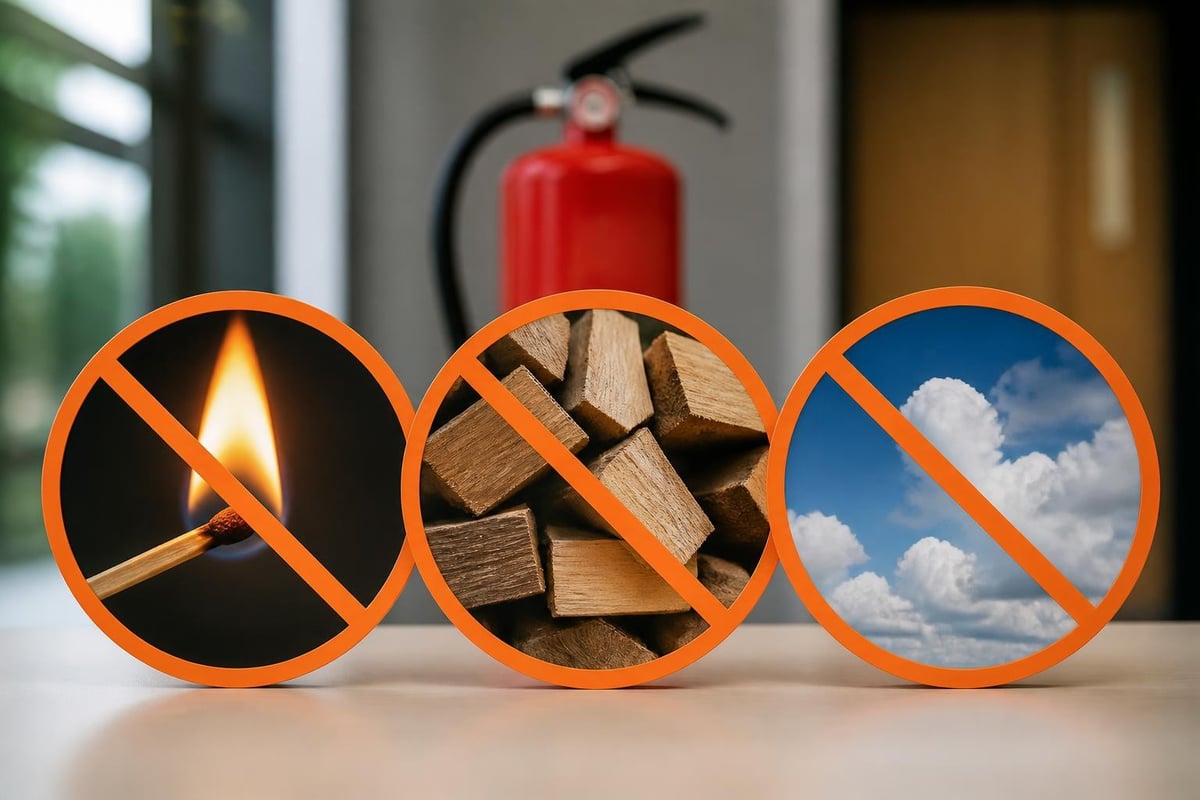
This initial phase requires assessors to examine all potential sources of ignition, fuel, and oxygen throughout the premises. Common ignition sources include electrical equipment, heating systems, cooking appliances, and smoking materials. Fuel sources encompass flammable materials such as paper, packaging, textiles, and chemical substances.
Step Two: Identify People at Risk
Understanding who might be endangered by fire is essential for developing appropriate evacuation strategies. Special consideration must be given to vulnerable individuals, including:
- Employees working in isolated or remote areas
- Visitors unfamiliar with escape routes
- Individuals with disabilities requiring assistance
- Contractors and maintenance personnel
- Members of the public accessing business premises
Step Three: Evaluate and Reduce Risks
After identifying hazards and vulnerable persons, assessors must evaluate the likelihood and potential impact of fire incidents. This evaluation informs decisions about implementing control measures, which might include installing advanced fire alarm systems, improving compartmentation, or enhancing fire suppression capabilities.
| Risk Level | Likelihood | Potential Severity | Action Required |
|---|---|---|---|
| Low | Unlikely | Minor injuries | Monitor and maintain |
| Medium | Possible | Moderate injuries | Implement controls within 3 months |
| High | Probable | Serious injuries | Immediate action required |
| Very High | Highly probable | Multiple fatalities | Cease operations until resolved |
Step Four: Record Findings and Action Plans
Documentation provides crucial evidence of compliance and creates accountability for implementing safety improvements. Businesses employing five or more people must maintain written records, though best practice recommends documentation regardless of organisation size.
Comprehensive records should detail identified hazards, persons at risk, existing control measures, additional actions required, and responsibilities for implementation. The London Fire Brigade emphasises that clear documentation enables effective communication with employees and regulatory authorities.
Step Five: Review and Update Regularly
Fire risk assessments represent living documents requiring periodic review and revision. Scheduling annual reviews ensures that assessments remain current and relevant as business operations evolve. Significant incidents, building modifications, or changes to operational processes should trigger immediate reassessments.
Key Components of Comprehensive Assessments
Effective fire risk assessments extend beyond basic hazard identification to examine multiple interconnected safety systems. Modern approaches recognise that fire protection requires integrated solutions addressing detection, suppression, containment, and evacuation.
Detection and warning systems form the first line of defence against fire incidents. Properly specified and maintained fire detection equipment provides early warning, enabling swift evacuation and emergency response. Assessments must verify that detection coverage extends throughout all occupied and storage areas, with particular attention to high-risk zones.
Emergency escape routes require careful evaluation to ensure adequate capacity and accessibility. Assessors examine corridor widths, door specifications, stairwell protection, and signage visibility. Emergency lighting systems must provide sufficient illumination along escape routes during power failures, whilst disabled refuge areas offer safe temporary waiting points for individuals unable to evacuate independently.
Fire separation and compartmentation limit fire spread through buildings, containing incidents within defined zones. Regular fire door inspections verify that these critical barriers maintain their integrity and function correctly.
Fire suppression capabilities vary according to specific risk profiles and operational requirements. Whilst traditional extinguishers remain essential, specialised environments may demand gas suppression systems or kitchen suppression equipment designed for particular hazards.
Industry-Specific Considerations
Different sectors face unique fire risks requiring tailored assessment approaches. Understanding industry-specific hazards ensures that evaluations address the most significant threats to particular business operations.
Manufacturing and Industrial Facilities
Production environments often contain multiple ignition sources, flammable materials, and complex processes creating elevated fire risks. Assessments must examine machinery maintenance procedures, material storage arrangements, and hot work permit systems. Dust accumulation in certain manufacturing processes can create explosive atmospheres requiring specialised control measures.
Hospitality and Retail Premises
Public-facing businesses managing high volumes of visitors require robust crowd management and evacuation procedures. Sleeping accommodation introduces additional complexity, as guests may be unfamiliar with escape routes and potentially incapacitated during night hours. Kitchen facilities represent significant ignition sources demanding rigorous equipment maintenance and staff training programmes.
Healthcare and Care Settings
Medical facilities and residential care homes accommodate vulnerable individuals who may require assistance during evacuations. Progressive horizontal evacuation strategies, where occupants move to adjacent fire-resistant compartments rather than immediately exiting buildings, often prove more practical than vertical evacuation in multi-storey healthcare facilities.

Educational Establishments
Schools, colleges, and universities manage diverse populations including children and young adults who require clear guidance during emergencies. Regular fire drills maintain familiarity with evacuation procedures, whilst assessments must account for varying occupancy patterns across term times and holidays.
Common Deficiencies and Solutions
Experience conducting fire risk assessments across thousands of premises reveals recurring deficiencies that compromise safety standards. Recognising these common shortfalls enables businesses to address vulnerabilities proactively.
Inadequate compartmentation frequently undermines fire resistance strategies. Poorly fitted fire doors, unsealed penetrations through fire-resistant walls, and compromised cavity barriers allow fire and smoke to spread beyond intended containment zones. Regular inspections and maintenance programmes address these progressive degradation issues.
Insufficient evacuation procedures often result from inadequate planning or poor communication. Staff members uncertain about their responsibilities during emergencies create confusion and delay, potentially endangering occupants. Comprehensive training programmes and regular drills establish clear expectations and build muscle memory for emergency responses.
Poor housekeeping practices create unnecessary fuel loads and obstruct escape routes. Combustible materials stored inappropriately, blocked fire exits, and accumulated waste all feature prominently in incident investigations. Embedding good housekeeping within organisational culture through regular inspections and accountability mechanisms addresses these behavioural issues.
| Common Deficiency | Risk Impact | Recommended Solution |
|---|---|---|
| Blocked fire exits | Delayed evacuation | Weekly inspection regime |
| Faulty fire alarms | Late fire detection | Quarterly professional servicing |
| Missing signage | Confused evacuees | Annual signage audit |
| Untrained staff | Poor emergency response | Bi-annual training programmes |
Outdated or incomplete documentation indicates insufficient attention to fire safety governance. When assessments lack detail, omit significant hazards, or fail to specify action owners and deadlines, implementation inevitably suffers. Engaging professional fire risk assessment companies ensures thorough documentation meeting regulatory standards.
Integrating Fire Safety with Broader Security Systems
Modern approaches recognise that fire safety systems interact with wider security infrastructure, creating opportunities for integrated management and enhanced protection. Coordinated fire and security solutions deliver operational efficiencies whilst ensuring comprehensive coverage across all safety domains.
Access control systems must integrate seamlessly with fire alarm systems to ensure automatic door releases during emergencies. Assessment processes should verify that security measures never compromise evacuation capabilities, with override mechanisms functioning reliably when required.
CCTV monitoring enhances fire safety by enabling rapid verification of alarm activations and providing valuable incident evidence. Remote monitoring capabilities allow security personnel to confirm fire locations and occupancy status, supporting more informed emergency responses.
Fire alarm monitoring services provide continuous oversight of detection systems, ensuring immediate notification of activations regardless of whether premises are occupied. This constant vigilance proves particularly valuable for unmanned sites or out-of-hours protection.
The Role of Competent Persons
Selecting appropriately qualified assessors significantly influences the quality and reliability of fire risk assessments. Competence encompasses formal qualifications, practical experience, and ongoing professional development across fire safety disciplines.
Professional bodies including the Institution of Fire Engineers and the Fire Protection Association establish competency standards and accreditation schemes. Assessors should demonstrate knowledge of current legislation, building regulations, fire behaviour science, and risk assessment methodologies.
For straightforward, low-risk premises, internal personnel with suitable training may conduct adequate assessments. However, complex buildings, high-risk operations, or premises accommodating vulnerable persons typically require external specialists possessing advanced expertise. The Scottish Fire and Rescue Service guidance emphasises matching assessor competence to premises complexity.
Maintaining Ongoing Compliance
Completing an initial fire risk assessment represents just the beginning of ongoing compliance obligations. Sustained safety requires systematic implementation of identified improvements, regular reviews, and continuous monitoring of control measure effectiveness.
Action plan implementation demands clear ownership, realistic timescales, and adequate resources. Tracking systems should monitor progress against identified improvements, escalating overdue actions to senior management. Prioritisation based on risk severity ensures that the most critical deficiencies receive immediate attention.
Staff training and awareness programmes maintain preparedness across workforce populations. Regular refresher training compensates for staff turnover and reinforces safe working practices. Fire marshals and evacuation coordinators require enhanced training enabling them to fulfil their responsibilities during emergencies confidently.
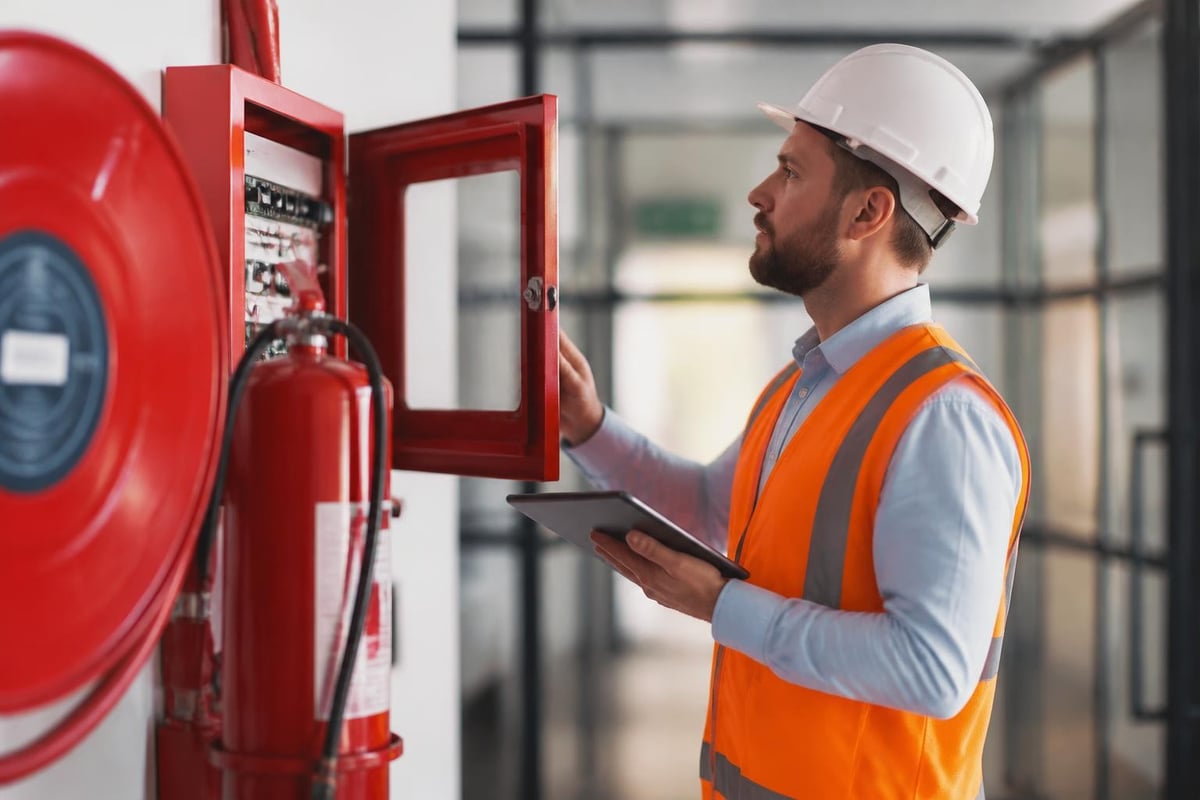
Testing and maintenance schedules ensure that fire safety equipment remains operational when required. Fire extinguisher servicing, alarm system testing, emergency lighting checks, and fire door inspections all require documented programmes establishing frequencies, responsibilities, and record-keeping procedures.
Performance monitoring measures the effectiveness of fire safety arrangements through various indicators. Evacuation drill performance, near-miss reporting, equipment fault rates, and training completion statistics provide valuable insights into safety culture and system reliability.
Technology and Innovation in Fire Risk Assessment
Advances in technology continue reshaping how organisations approach fire risk management, introducing tools that enhance assessment accuracy, streamline documentation, and improve ongoing monitoring capabilities.
Digital assessment platforms replace traditional paper-based approaches with tablet or smartphone applications enabling real-time data capture, photographic evidence, and automated report generation. These systems facilitate consistent assessment quality across multiple sites whilst reducing administrative burden.
Building Information Modelling (BIM) provides detailed three-dimensional representations of premises, supporting more accurate hazard identification and escape route planning. Digital building models enable assessors to visualise fire spread scenarios and evaluate compartmentation effectiveness.
Internet of Things (IoT) sensors deliver continuous monitoring of environmental conditions, detecting temperature anomalies, smoke particles, or gas concentrations before visible fire develops. Data analytics identify patterns suggesting maintenance requirements or emerging risks, enabling proactive interventions.
Artificial intelligence applications analyse historical incident data, building characteristics, and operational patterns to predict fire risk levels with increasing sophistication. These predictive capabilities support resource allocation and prioritisation decisions across property portfolios.
Documentation Best Practices
High-quality documentation transforms fire risk assessments from compliance exercises into practical management tools that guide daily operations and strategic planning. Effective records communicate clearly with diverse audiences including frontline staff, senior management, insurers, and regulatory authorities.
Records should include:
- Comprehensive site information and occupancy details
- Systematic hazard identification across all areas
- Detailed evaluation of persons at risk
- Assessment of existing control measures
- Quantified risk ratings for identified hazards
- Specific action recommendations with owners and deadlines
- Review schedules and trigger events
Photographs, floor plans, and equipment schedules enhance understanding whilst providing baseline references for monitoring changes over time. The UK government provides accessible templates supporting consistent documentation across different premises types.
Version control and change tracking maintain audit trails demonstrating compliance history and continuous improvement efforts. Secure storage ensuring accessibility during emergencies whilst protecting sensitive information represents another critical consideration.
Conducting thorough fire risk assessments protects lives, property, and business continuity whilst fulfilling essential legal obligations. Professional expertise ensures that assessments identify all significant hazards and establish appropriate control measures tailored to specific operational contexts. Logic Fire and Security delivers comprehensive fire safety solutions across the UK, combining expert risk assessment services with advanced detection, suppression, and monitoring systems that keep businesses compliant and protected. Contact our experienced team today to discuss how we can support your fire safety requirements.