


Modern commercial buildings face an increasingly complex array of security and safety threats. From fire hazards to unauthorised access, businesses require integrated solutions that provide comprehensive protection across all operational areas. Complete detection systems have emerged as the cornerstone of commercial safety infrastructure, combining fire detection, security monitoring, and environmental sensing into unified platforms that deliver superior protection whilst streamlining management and compliance requirements.
Understanding Complete Detection Systems
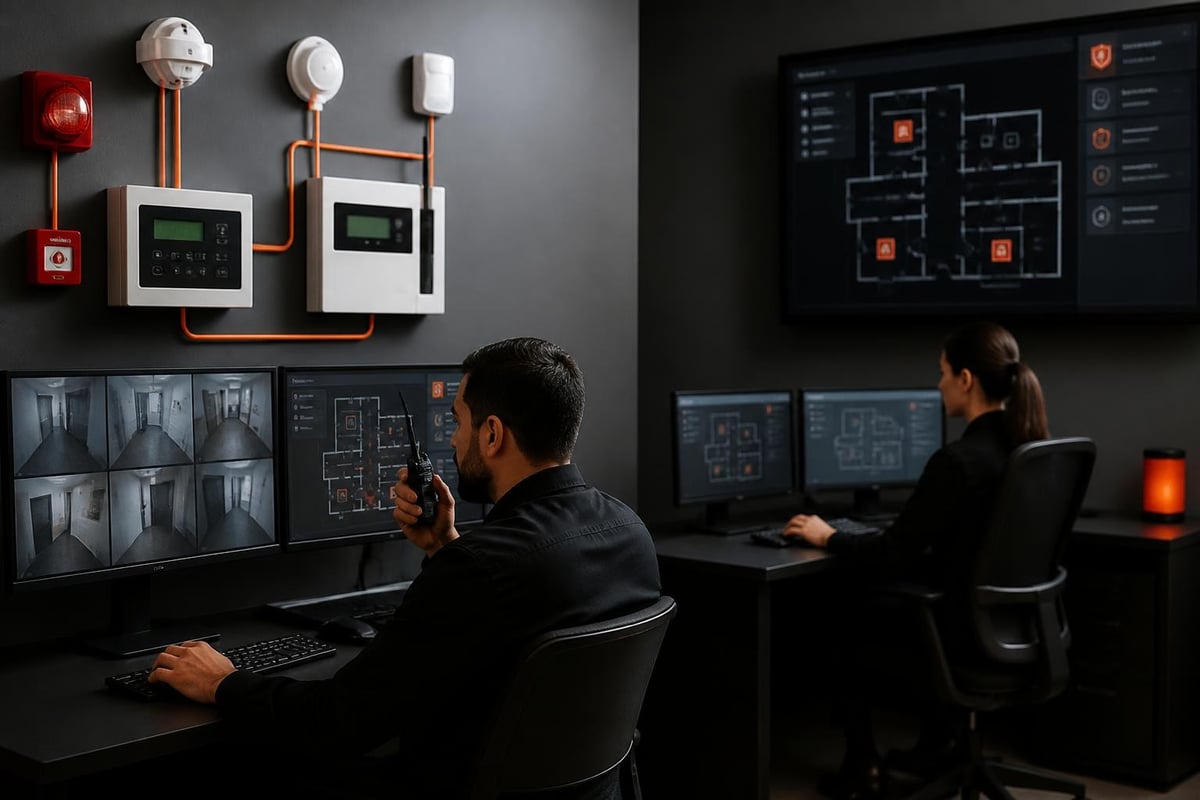
Complete detection systems represent a holistic approach to commercial building protection, integrating multiple detection technologies into a single cohesive framework. Rather than managing separate systems for fire detection, intrusion alarms, and environmental monitoring, organisations benefit from unified platforms that share data, coordinate responses, and provide centralised oversight.
These integrated solutions typically encompass several key components working in concert. Fire detection modules utilise advanced smoke, heat, and flame sensors to identify potential fires at the earliest possible stage. Security elements incorporate motion detectors, door contacts, and glass break sensors to monitor unauthorised access. Environmental monitoring tracks conditions such as temperature, humidity, and air quality that may indicate equipment failure or hazardous conditions.
The Evolution of Detection Technology
Detection systems have progressed significantly from standalone alarm panels to sophisticated networks capable of intelligent decision-making. Modern complete detection systems leverage IoT connectivity, artificial intelligence, and cloud-based analytics to deliver unprecedented accuracy and reliability. Hochiki offers a range of fire detection products that exemplify this evolution, combining traditional detection methods with cutting-edge technology.
The integration of multiple detection disciplines provides several operational advantages:
- Reduced false alarms through cross-verification between different sensor types
- Faster emergency response via coordinated alarm protocols
- Lower installation costs by utilising shared infrastructure and cabling
- Simplified maintenance through unified testing and inspection procedures
- Enhanced situational awareness for security and facilities management teams
Components of Commercial Detection Systems
Implementing effective complete detection systems requires careful selection and integration of multiple subsystems, each serving specific protective functions whilst contributing to overall facility security.
Fire Detection Infrastructure
Fire detection forms the primary safety component of any complete system. Modern installations incorporate multiple detection technologies to ensure rapid identification across diverse environments. Smoke detectors utilise optical or ionisation sensing to identify combustion particles, whilst heat detectors monitor temperature changes that indicate fire development. Commercial fire detection systems must comply with BS 5839 standards, ensuring appropriate coverage and functionality.
Advanced installations may include:
- Multi-sensor detectors combining smoke, heat, and carbon monoxide sensing
- Aspirating smoke detection for high-sensitivity applications
- Flame detectors using ultraviolet or infrared technology
- Linear heat detection for extended areas like cable runs
- Beam detectors spanning large open spaces
Security Detection Elements
Security components within complete detection systems monitor for unauthorised access, intrusion, and suspicious activity. These subsystems integrate seamlessly with fire detection infrastructure, sharing control panels, power supplies, and communication networks.
| Detection Type | Application | Integration Benefits |
|---|---|---|
| PIR Motion Sensors | Interior space monitoring | Coordinates with fire system for evacuation verification |
| Door Contacts | Entry point security | Provides access data for emergency response |
| Glass Break Detectors | Perimeter protection | Shares alarm outputs with fire control panel |
| CCTV Analytics | Visual verification | Confirms detector activation and provides evidence |
| Access Control | Authorised entry management | Integrates with building access control systems for comprehensive security |
Environmental and Specialised Detection
Beyond fire and security, complete detection systems increasingly incorporate environmental monitoring to protect assets and ensure operational continuity. These sensors detect conditions that may not trigger traditional alarms but nonetheless pose significant risks to business operations.
Water leak detection protects against flooding damage in plant rooms and server facilities. Gas detection identifies hazardous accumulations of natural gas, carbon monoxide, or industrial chemicals. Temperature monitoring alerts facilities teams to HVAC failures before they impact operations or damage sensitive equipment.
Design Considerations for Commercial Installations
Implementing complete detection systems requires thorough planning to ensure appropriate coverage, compliance with regulations, and alignment with operational requirements. Fire risk assessment companies play a crucial role in identifying detection needs specific to each facility's risk profile.
Site Assessment and Risk Analysis
Effective system design begins with comprehensive site evaluation. Engineers assess building construction, occupancy patterns, operational hazards, and existing infrastructure to determine optimal detector placement and system architecture. High-risk areas such as kitchens, plant rooms, and storage facilities require specialised detection solutions tailored to their unique challenges.
The assessment considers several critical factors:
- Building layout and compartmentation affecting detector coverage
- Ceiling heights and environmental conditions impacting sensor selection
- Operational processes generating dust, steam, or heat that may cause nuisance alarms
- Legislative requirements under the Regulatory Reform (Fire Safety) Order 2005
- Integration requirements with existing fire suppression systems
Compliance and Standards
Complete detection systems must adhere to stringent regulatory frameworks ensuring adequate protection and reliable operation. BS 5839 Part 1 establishes design, installation, and maintenance requirements for fire detection systems in non-residential buildings. BS EN 50131 addresses security alarm systems, whilst additional standards govern specific applications and technologies.
Certification schemes such as BAFE SP203-1 demonstrate installer competence, whilst third-party verification provides assurance of system quality. Many insurers require systems installed to recognised standards, potentially reducing premium costs for compliant organisations.
Installation and Commissioning
Professional installation ensures complete detection systems function as intended, providing reliable protection whilst minimising false alarms and maintenance issues. The installation process encompasses several critical stages, each requiring specialist expertise and rigorous quality control.
Infrastructure and Cabling
Detection system installation begins with infrastructure deployment. Installers route cabling through ceiling voids, trunking, and conduit to connect detectors, sounders, and control equipment. Modern installations increasingly utilise addressable networks, allowing the control panel to identify the specific location of each device on the system.
Fire-resistant cabling ensures circuit integrity during fire conditions, maintaining alarm functionality when it matters most. Cable routes must avoid electromagnetic interference from other building services whilst remaining accessible for future maintenance and modification.
Device Configuration and Testing
Once infrastructure installation completes, technicians configure and test each system component. Addressable detectors receive unique identifiers allowing pinpoint location of activated devices. Sensitivity settings adjust to suit environmental conditions, reducing false alarms without compromising detection capability.
Commissioning testing verifies:
- Detector response to test smoke or heat sources
- Alarm transmission to monitoring centres
- Sounder and visual indicator operation
- Integration with building management systems
- Backup power supply functionality
- Zone indication accuracy at control panels
Integration with Building Systems
Complete detection systems deliver maximum value when integrated with wider building infrastructure. These interconnections enhance emergency response, improve energy efficiency, and streamline facility management.
Fire Suppression Coordination
Fike provides comprehensive fire protection systems that integrate detection with suppression technologies. When detectors identify fire conditions, they can automatically trigger sprinkler systems, gas suppression agents, or kitchen suppression equipment, containing fires before they spread.
This coordination requires careful programming to ensure appropriate response sequences. In some applications, detection systems must shut down HVAC equipment to prevent smoke spread, whilst in others they activate smoke extraction fans to maintain escape routes.
Access Control and Security Integration
Modern commercial access control systems connect with detection platforms to enhance both security and safety outcomes. During fire conditions, detection systems can trigger automatic door release, ensuring occupants can escape whilst preventing spread into protected stairwells.
| Integration Feature | Security Benefit | Safety Benefit |
|---|---|---|
| Automatic door unlocking | Prevents unauthorised access during normal operation | Ensures unobstructed evacuation routes |
| Lift recall | Secures lifts at ground floor | Prevents occupants using lifts during fires |
| CCTV verification | Confirms intrusion detection | Verifies building evacuation |
| Alarm correlation | Reduces false alarms through multiple inputs | Provides comprehensive emergency information |
Building Management Integration
Connection to building management systems (BMS) allows detection platforms to influence HVAC, lighting, and other environmental controls. This integration supports energy efficiency initiatives whilst enhancing emergency response capabilities.

Maintenance and Testing Requirements
Sustaining the reliability of complete detection systems demands rigorous maintenance programmes aligned with regulatory requirements and manufacturer specifications. Regular testing identifies potential failures before they compromise protection, whilst maintenance activities ensure optimal performance throughout system lifespan.
Routine Inspection Schedules
BS 5839 Part 1 establishes minimum testing frequencies for fire detection components. Weekly checks verify control panel operation and backup power supplies. Quarterly inspections test a proportion of detectors on a rolling basis, ensuring complete system verification annually. Fire alarm testing procedures must follow documented protocols, with results recorded in logbooks or digital management systems.
Security elements require similar attention. PIR sensors need periodic cleaning to maintain detection range, whilst door contacts require adjustment as building movement affects alignment. CCTV cameras serving as part of complete detection systems need lens cleaning and focus verification.
Annual Maintenance Activities
Comprehensive annual servicing by qualified engineers encompasses detailed testing and component replacement. Engineers examine cabling for damage, verify detector sensitivity using calibrated test equipment, and replace batteries in backup power supplies. Control panel software receives updates addressing security vulnerabilities and adding functionality.
This annual maintenance programme typically includes:
- Full system functional testing including zone-by-zone verification
- Battery capacity testing and replacement where necessary
- Detector sensitivity measurement and recalibration
- Control panel software updates and security patches
- Cable integrity testing identifying deterioration
- Documentation updates reflecting system modifications
Monitoring and Response Services
Complete detection systems achieve their full potential when connected to professional monitoring centres providing 24/7 oversight. These services ensure rapid response to alarm activations, coordinating with emergency services and designated personnel to address incidents effectively.
Alarm Receiving Centres
Accredited alarm receiving centres (ARCs) monitor detection systems, receiving and verifying alarm signals before initiating appropriate responses. When complete detection systems activate, monitoring centres can distinguish between fire, security, and environmental alarms, dispatching the correct emergency services whilst notifying building management.
Modern monitoring utilises multiple communication paths ensuring alarm transmission even if primary networks fail. IP connectivity provides the primary route, with cellular backup maintaining connection during internet outages. Some installations retain traditional telephone monitoring as tertiary backup.
Response Protocols
Effective monitoring depends on clearly defined response protocols tailored to each facility's requirements. These procedures specify actions for different alarm types, contact hierarchies for notification, and instructions for emergency services.
Response protocols typically address:
- Initial alarm verification using CCTV or sequential detector activation
- Emergency service dispatch for confirmed fire or intrusion events
- Keyhold response for facilities without on-site personnel
- Occupant notification for buildings requiring evacuation
- Post-incident procedures including system reset and investigation
Advanced Technologies in Detection Systems
The evolution of complete detection systems continues as emerging technologies enhance detection accuracy, reduce false alarms, and provide deeper operational insights. These innovations transform detection from reactive alarm systems into proactive risk management platforms.
Artificial Intelligence and Analytics
AI-powered detection analyses patterns across multiple sensors, identifying genuine threats whilst filtering environmental variations that traditionally caused false alarms. Machine learning algorithms study historical data, understanding normal building conditions and alerting when anomalies indicate potential problems.
Research such as FireNet demonstrates lightweight detection models optimised for IoT applications, enabling edge processing that delivers faster response times whilst reducing bandwidth requirements. These capabilities prove particularly valuable in large commercial facilities where centralised processing might introduce latency.
Cloud-Based Management
Cloud platforms centralise management of complete detection systems across multiple sites, providing facilities teams with unified dashboards displaying system status, alarm history, and maintenance schedules. These systems generate automated compliance reports, simplifying regulatory documentation whilst identifying recurring issues requiring attention.
Cloud connectivity enables remote diagnostics, allowing engineers to troubleshoot problems without site visits. Firmware updates deploy automatically, ensuring systems benefit from latest improvements without manual intervention.
Wireless Detection Technologies
Wireless fire alarms eliminate cabling requirements in certain applications, reducing installation costs and minimising disruption during retrofits. Modern wireless protocols provide reliability approaching wired systems, with mesh networking ensuring signal redundancy.
Battery-powered wireless detectors simplify installation in listed buildings where cable routing proves impractical. However, battery management requires diligent attention, with monitoring systems alerting when devices require replacement.
Cost Considerations and Return on Investment
Investing in complete detection systems represents significant capital expenditure, but the protection they provide and operational benefits they deliver generate substantial returns over system lifespan.
Initial Investment Components
System costs vary considerably based on facility size, complexity, and specification. Basic installations in small commercial premises may cost several thousand pounds, whilst comprehensive systems for large industrial sites can exceed six figures.
| Cost Component | Typical Range | Factors Affecting Price |
|---|---|---|
| Design and specification | £1,500–£15,000 | Building complexity, risk assessment requirements |
| Detection hardware | £3,000–£50,000+ | Number of devices, addressable vs conventional |
| Installation labour | £5,000–£75,000+ | Accessibility, existing infrastructure |
| Integration programming | £2,000–£20,000 | Number of connected systems, complexity |
| Commissioning and certification | £1,000–£8,000 | System size, testing requirements |
| Monitoring connection | £500–£3,000 | Communication methods, redundancy level |
Operational Savings
Complete detection systems reduce ongoing costs through several mechanisms. Integration eliminates duplicate infrastructure, lowering installation and maintenance expenses. Reduced false alarms prevent unnecessary fire brigade callouts, avoiding potential charges under local authority schemes. Enhanced risk management may qualify for insurance premium reductions, delivering annual savings throughout system lifespan.
Early fire detection minimises damage, preventing catastrophic losses that could threaten business continuity. The cost of replacing detection systems pales compared to rebuilding after major fires, making investment in quality systems economically prudent beyond mere compliance requirements.
Selecting Installation Partners
Choosing qualified installation partners proves critical to achieving reliable, compliant complete detection systems. The complexity of modern integrated platforms demands specialist expertise spanning multiple disciplines.
Qualification and Certification
Reputable installers maintain industry certifications demonstrating technical competence and commitment to quality standards. BAFE SP203-1 approval specifically addresses fire detection system design, installation, commissioning, and maintenance. NSI Gold or SSAIB registration indicates comprehensive quality management systems covering all aspects of security system provision.
When evaluating potential partners, verify:
- Current certification status through scheme provider websites
- Insurance coverage including professional indemnity and public liability
- References from similar commercial installations
- Engineering qualifications and ongoing training programmes
- Manufacturer accreditations for specific equipment ranges
Service and Support Capabilities
Beyond initial installation, ongoing support determines long-term system reliability. Partners should offer comprehensive fire alarm supply and maintenance services, ensuring rapid response when issues arise. Multi-disciplinary capabilities prove valuable for complete detection systems, avoiding coordination challenges between separate fire and security contractors.
Emerging Trends and Future Developments
Complete detection systems continue evolving as technology advances and user expectations grow. Several trends are reshaping how organisations approach facility protection, with implications for system specification and procurement.
Predictive Maintenance
Advanced analytics enable predictive maintenance strategies identifying components likely to fail before they compromise protection. Monitoring systems track detector sensitivity drift, battery degradation, and communication reliability, scheduling maintenance based on actual condition rather than arbitrary intervals. This approach optimises maintenance expenditure whilst enhancing system reliability.
Enhanced Integration
The boundaries between detection, building automation, and business systems increasingly blur as integration deepens. Future complete detection systems will leverage occupancy data from workspace booking platforms, adjust sensitivity based on production schedules, and coordinate with emergency communication systems providing targeted evacuation guidance.
Sustainability Considerations
Environmental concerns drive demand for energy-efficient detection systems utilising low-power components and renewable energy sources. Solar-powered wireless detectors suit remote facilities, whilst systems incorporating energy harvesting technologies reduce battery replacement frequency, decreasing waste and maintenance requirements.
Complete detection systems represent essential infrastructure for modern commercial facilities, integrating fire detection, security monitoring, and environmental sensing into unified platforms that deliver comprehensive protection whilst streamlining management and compliance. The investment in properly designed, professionally installed systems provides invaluable protection for people, property, and business continuity. Logic Fire and Security specialises in designing, installing, and maintaining integrated detection solutions tailored to the unique requirements of commercial and industrial facilities across the UK, combining technical expertise with commitment to excellence that has made them the trusted partner for numerous Blue Chip companies and public agencies.