

Protecting commercial premises requires a sophisticated approach that extends far beyond simple door sensors and sirens. Modern alarm systems for business integrate multiple security layers, from intrusion detection to fire safety monitoring, creating a comprehensive shield against threats. As businesses face increasingly complex security challenges in 2026, understanding the full capabilities of contemporary alarm technology has become essential for protecting assets, personnel and operational continuity.
Understanding Modern Alarm Systems for Business
Commercial alarm systems have evolved dramatically from their basic origins. Today’s solutions combine advanced sensors, intelligent processing, cloud connectivity and professional monitoring to deliver enterprise-grade protection.
Core Components and Technologies
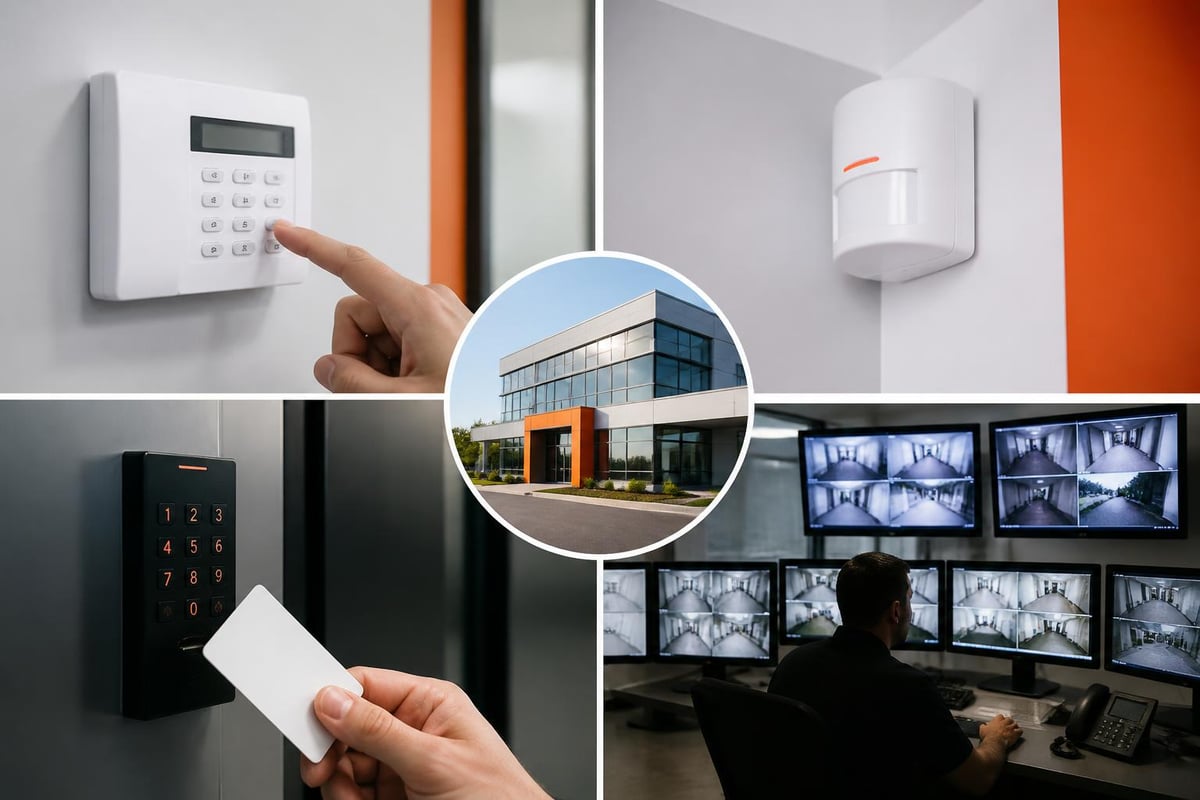
A comprehensive business alarm system comprises several interconnected elements. The control panel serves as the central brain, processing signals from various sensors and triggering appropriate responses. Detection devices include motion sensors, door and window contacts, glass break detectors, and environmental monitors for smoke, heat, and carbon monoxide.
Modern systems typically include:
- Wireless and hardwired sensor options for flexible deployment
- Smartphone apps for remote management and real-time alerts
- Integration capabilities with CCTV and access control systems
- Backup power supplies to maintain protection during outages
- Dual-path communication (cellular and internet) for reliable monitoring
The sophistication of alarm systems for business extends to artificial intelligence and machine learning. These technologies reduce false alarms by learning normal patterns and distinguishing genuine threats from benign activity.
Types of Commercial Alarm Systems
Businesses can choose from several alarm system configurations based on their specific needs. Perimeter systems focus on entry points, alerting when doors or windows are breached. Interior motion detection adds another layer, monitoring movement within secured areas. Environmental systems detect hazards like fire, flooding, or gas leaks.
Many organisations implement hybrid approaches. A retail business might combine perimeter protection with interior motion sensors and panic buttons for staff. A warehouse could prioritize environmental monitoring alongside intrusion detection. Understanding which commercial security systems best suit your operations requires careful risk assessment.
Compliance and Industry Standards
Regulatory compliance forms a crucial consideration when selecting alarm systems for business. Various standards govern system design, installation and performance to ensure reliability and effectiveness.
Key Regulatory Frameworks
UL standards have evolved significantly to address contemporary security challenges. These certifications verify that equipment meets rigorous testing criteria for durability, functionality and safety. Many insurance providers require UL-listed components as a condition of coverage.
British Standards play an equally important role in the UK market. BS 8243 covers the installation and configuration of security alarm systems in commercial buildings. Compliance with these standards not only ensures legal adherence but also demonstrates due diligence in protecting premises.
For businesses in regulated sectors, additional requirements apply. Healthcare facilities, financial institutions and data centres face stricter security mandates. The ISA-18 series of standards provides comprehensive guidance for alarm systems in process industries, covering the entire lifecycle from design through maintenance.
| Standard | Application | Key Requirement |
|---|---|---|
| BS 8243 | Commercial premises | Professional installation and certification |
| UL 681 | Commercial burglar alarm systems | Equipment performance and reliability |
| ISA-18.2 | Process industries | Alarm management and rationalization |
| EN 50131 | Intrusion detection | Graded security levels based on risk |
Certification and Accreditation
Working with accredited installers ensures your alarm systems for business meet all necessary standards. NSI Gold and SSAIB certifications indicate that security companies have demonstrated technical competence, insurance coverage and adherence to industry codes of practice. These accreditations provide confidence that installations will perform as specified and maintain compliance over time.
System Design and Planning
Effective security begins with thorough planning. A well-designed alarm system addresses specific threats while accommodating operational workflows and future expansion.
Risk Assessment and Security Audits
Professional security consultants conduct comprehensive evaluations to identify vulnerabilities. This process examines physical access points, valuable assets, historical incident data and operational patterns. The assessment considers both external threats (burglary, vandalism) and internal risks (theft, unauthorized access).
Risk assessment typically evaluates:
- Building layout and entry/exit points
- Asset value and location of critical resources
- Staffing patterns and operational hours
- Neighbourhood crime statistics
- Existing security measures and gaps
Understanding your specific threat profile enables proportionate security investment. A jewellery retailer faces different risks than a manufacturing facility, requiring tailored alarm configurations.
Scalability and Integration
Forward-thinking businesses choose alarm systems for business that can grow with their operations. Modular architectures allow adding sensors, zones or monitoring capabilities without replacing core infrastructure. This scalability proves particularly valuable for expanding companies or those adding new facilities.
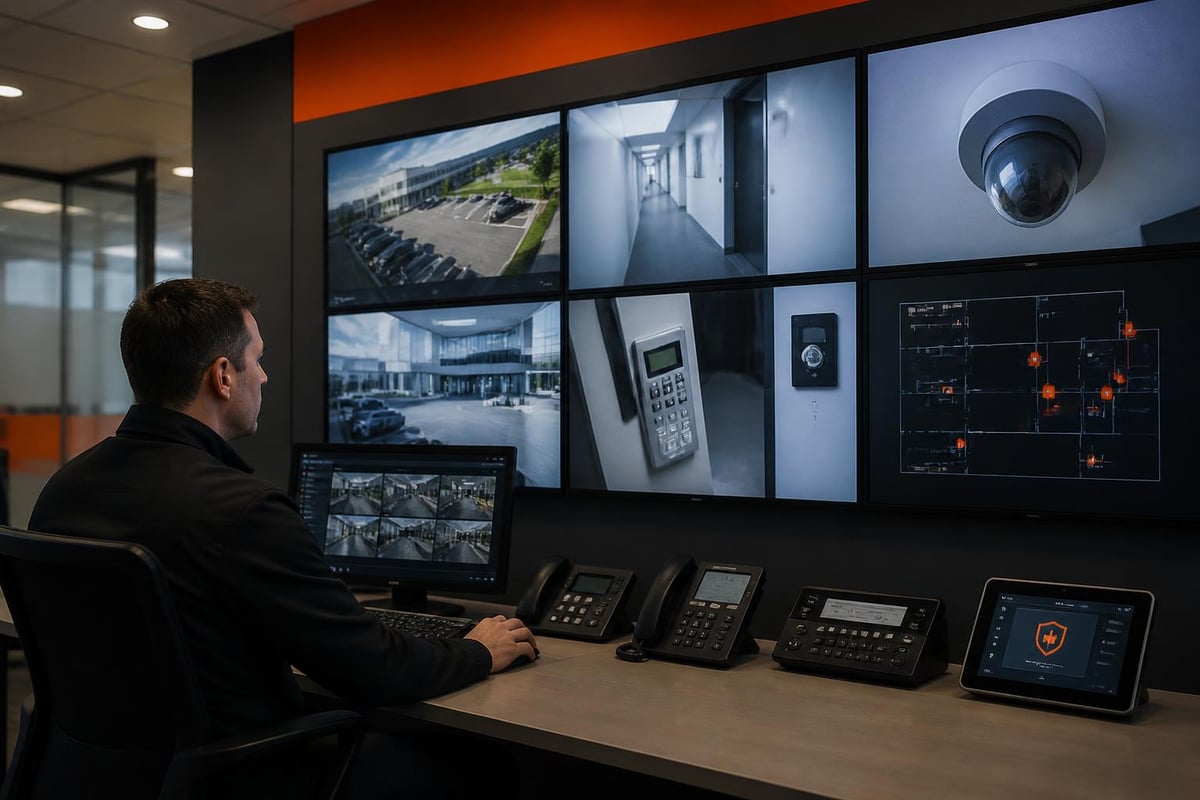
Integration with complementary systems multiplies effectiveness. Building access control systems can automatically arm alarm zones when the last employee exits. Video surveillance provides visual verification of alarm events, helping responders assess situations before arrival. Fire detection integrates with security monitoring for unified emergency response.
Installation and Professional Services
Proper installation critically influences system reliability and performance. While basic residential systems may suit DIY approaches, commercial installations demand professional expertise.
Choosing Installation Partners
Selecting the right business security solution extends beyond hardware specifications to include installer credentials and ongoing support. Experienced providers conduct site surveys, recommend optimal sensor placement and ensure compliance with building codes.
Quality installers document system configurations thoroughly, providing detailed diagrams and programming records. This documentation proves invaluable for maintenance, troubleshooting and future modifications. They also train staff on proper system operation, reducing user error that might compromise security.
Maintenance and Testing Requirements
Alarm systems for business require regular maintenance to ensure continued reliability. Monthly self-tests verify that sensors, communication paths and backup batteries function correctly. Annual professional inspections identify developing issues before they cause failures.
Regulatory requirements often mandate specific testing frequencies. Commercial fire alarm monitoring systems typically require quarterly functional testing. Insurance policies may stipulate minimum maintenance schedules as coverage conditions.
| Maintenance Task | Frequency | Purpose |
|---|---|---|
| Visual sensor inspection | Monthly | Detect physical damage or obstruction |
| Battery testing | Quarterly | Ensure backup power availability |
| Full system test | Annually | Verify complete functionality |
| Detector cleaning | Annually | Prevent false alarms from dust |
| Programming review | Bi-annually | Update access codes and contacts |
Monitoring and Response Services
The value of alarm systems for business multiplies significantly when paired with professional monitoring. These services provide 24/7 oversight, ensuring immediate response to security events regardless of when they occur.
Professional Monitoring Options
Monitoring centres receive alarm signals via multiple communication paths, typically combining internet and cellular connections for redundancy. When an alarm activates, operators follow predetermined protocols: verifying the event’s legitimacy, contacting designated personnel and dispatching emergency services if warranted.
Monitoring services typically provide:
- Round-the-clock surveillance of all alarm signals
- Verification procedures to minimize false alarm responses
- Coordination with police, fire services and key holders
- Detailed incident reporting and activity logs
- Remote system diagnostics and troubleshooting support
Some businesses opt for self-monitoring via smartphone apps, receiving direct notifications of alarm events. While this approach reduces monthly costs, it places response responsibility entirely on business owners. For critical applications, professional monitoring’s reliability and expertise justify the investment.
Managing Multi-Site Operations
Businesses operating across multiple locations face unique alarm management challenges. Best practices for managing security at multi-site businesses emphasize centralized monitoring platforms that provide unified visibility across all premises. This consolidation enables consistent security protocols, simplified administration and comprehensive reporting.
Cloud-based management systems allow security managers to configure settings, review activity and respond to events from any location. Mobile credentials and centralized access control databases ensure employees receive appropriate permissions across all sites without duplicating administration.
Advanced Features and Emerging Technologies
Innovation continues reshaping capabilities of alarm systems for business. Emerging technologies enhance both detection accuracy and operational convenience.
Artificial Intelligence and Smart Detection
AI-powered video analytics transform traditional motion detection. Rather than simply sensing movement, intelligent cameras distinguish between humans, vehicles and animals. They recognize unusual behaviour patterns, loitering or crowd formation, generating alerts for suspicious activity whilst ignoring routine movements.
Machine learning algorithms study normal operational patterns, establishing baselines for typical activity. Deviations from these patterns trigger alerts, catching threats that simple sensor activation might miss. For instance, systems learn regular delivery schedules and flag unexpected vehicles accessing loading areas outside normal timeframes.
Environmental and Safety Integration
Comprehensive alarm systems for business increasingly incorporate environmental monitoring. Temperature sensors detect equipment failures or HVAC problems before they cause damage. Water sensors protect against flooding in server rooms or inventory storage areas. Air quality monitors ensure safe working environments in manufacturing facilities.
Fire safety and security integration creates synergistic protection. When fire alarms activate, security systems can automatically unlock access control doors to facilitate evacuation whilst simultaneously triggering lockdown protocols in unaffected areas to contain smoke spread.

Best Practices for Alarm Management
Effective operation of alarm systems for business requires ongoing attention to management practices. Well-maintained systems deliver reliable protection whilst poorly managed ones generate false alarms and operational disruptions.
Alarm Prioritization and Response Protocols
Industrial and process facilities benefit particularly from structured alarm management approaches. Alarm management best practices emphasize rationalization, ensuring operators receive only meaningful alerts at manageable frequencies. Excessive nuisance alarms lead to desensitization, where staff begin ignoring notifications.
Effective alarm protocols include:
- Clear escalation procedures defining who responds to each alarm type
- Verification steps to confirm genuine emergencies before dispatching services
- Documented response times and accountability measures
- Regular review of alarm frequency to identify and address chronic triggers
- Training programmes ensuring all staff understand their roles during emergencies
Priority classification helps operators focus on critical events. Life safety alarms demand immediate response, whilst equipment status notifications might permit delayed attention. Implementing tiered alert systems prevents important signals being lost among routine notifications.
False Alarm Reduction Strategies
False alarms impose significant costs through wasted emergency service resources, potential fines and diminished confidence in security systems. Many jurisdictions penalize businesses for excessive false alarm rates.
Environmental factors cause many spurious activations. Heating vents blowing curtains trigger motion sensors. Temperature fluctuations expand metal structures, activating door contacts. Wildlife accessing outdoor sensors generates perimeter alerts. Proper sensor placement, appropriate detection technology selection and regular maintenance collectively minimize these issues.
User education prevents another common false alarm source. Staff must understand arming/disarming procedures, know current access codes and recognize how to properly interact with the system. Regular training refreshers and clear procedural documentation reduce operator errors.
Cost Considerations and Return on Investment
Implementing alarm systems for business represents significant investment. Understanding cost structures and quantifying benefits helps justify expenditure and guide technology selection.
Initial Investment and Ongoing Expenses
System costs vary substantially based on facility size, complexity and feature requirements. Basic small business installations might cost several thousand pounds, whilst enterprise deployments for large facilities or multi-site operations can reach six figures.
Budget considerations include:
- Equipment costs (control panels, sensors, keypads, communication devices)
- Installation labour and system programming
- Monitoring service fees (typically £25-100 monthly per site)
- Maintenance contracts ensuring regular inspections and repairs
- Upgrades and expansions as requirements evolve
Monthly monitoring represents the largest ongoing expense but delivers crucial value through professional oversight and emergency response coordination. Many providers offer graduated pricing based on monitoring levels, communication methods and response protocols.
Quantifying Security Benefits
Security investments yield returns through both avoided losses and operational advantages. Theft prevention, reduced insurance premiums, regulatory compliance and employee safety all contribute measurable value.
| Benefit Category | Typical Impact | Measurement Method |
|---|---|---|
| Insurance premium reduction | 5-20% discount | Annual policy costs |
| Theft/loss prevention | Variable by industry | Historical incident costs |
| Employee productivity | 2-5% improvement | Staff retention and efficiency |
| Regulatory compliance | Avoided fines | Potential penalty amounts |
| Business continuity | 90%+ reduction in security downtime | Lost revenue calculations |
Sector-Specific Applications
Different industries face unique security challenges requiring tailored alarm system approaches. Understanding sector-specific requirements ensures appropriate protection.
Retail and Commercial Spaces
Retail businesses combat shoplifting, after-hours burglary and internal theft. Alarm systems for business in retail environments typically emphasize point-of-sale monitoring, stockroom protection and perimeter security. Panic buttons allow staff to summon help discreetly during robberies.
Integration with video surveillance provides evidence collection capabilities. When alarms activate, cameras automatically focus on triggered zones, recording critical footage. This coordination proves invaluable for insurance claims and criminal investigations.
Manufacturing and Industrial Facilities
Manufacturing sites protect expensive machinery, raw materials and intellectual property. Alarm system solutions tailored for industrial operations address large floor areas, harsh environmental conditions and 24/7 operations.
Zoned coverage allows securing different areas independently. Production floors might remain active whilst administrative offices arm overnight. Environmental monitoring detects hazardous conditions like chemical leaks or equipment overheating before they escalate.
Educational Institutions and Public Buildings
Schools and public facilities require alarm systems balancing security with accessibility. Specialized approaches for educational environments incorporate lockdown capabilities, visitor management and emergency notification systems.
Panic alarms distributed throughout buildings enable rapid response to threats. Integration with access control restricts entry during school hours whilst permitting controlled visitor access through main reception points.
Future Trends and Technology Evolution
The landscape of alarm systems for business continues advancing rapidly. Staying informed about emerging capabilities helps businesses plan strategic security investments.
Cloud Computing and Remote Management
Cloud platforms increasingly replace traditional on-premise alarm management systems. This shift enables access from any location, automatic software updates and enhanced data analytics. Cloud systems facilitate easier multi-site management and provide superior scalability compared to legacy architectures.
Remote configuration capabilities reduce service call requirements. Technicians can often resolve issues, adjust settings or add users without site visits, minimizing operational disruptions and maintenance costs.
Cybersecurity Considerations
Connected alarm systems face cybersecurity risks alongside their physical security missions. Hackers potentially accessing alarm networks could disable protection, create false alerts or exploit systems as entry points to broader IT infrastructure.
Securing alarm systems for business requires strong authentication, encrypted communications, regular firmware updates and network segmentation. Reputable providers implement robust cybersecurity measures, but businesses must also maintain proper password hygiene and restrict system access appropriately.
Sustainable and Energy-Efficient Solutions
Environmental considerations increasingly influence security technology selection. Modern systems incorporate energy-efficient components, solar-powered outdoor sensors and battery backup systems with extended lifespans. These improvements reduce operational costs whilst supporting corporate sustainability objectives.
Wireless technologies minimize installation impact, eliminating the need for extensive cabling that disrupts buildings and generates waste. Battery-powered sensors offer flexible placement without electrical infrastructure requirements.
Comprehensive alarm systems for business deliver essential protection across multiple threat vectors whilst supporting operational efficiency and regulatory compliance. Modern solutions integrate intrusion detection, environmental monitoring and advanced analytics to create sophisticated security ecosystems tailored to specific industry requirements. Working with experienced providers ensures your investment delivers reliable protection, scales with business growth and adapts to evolving threats. Logic Fire and Security specializes in designing, installing and maintaining advanced commercial alarm systems that protect businesses throughout the UK, combining technical expertise with ongoing support to ensure your premises remain secure and compliant year-round.