

As 2026 approaches, fire safety has never been more important for UK property owners. With regulations tightening and the demand for certified fire door installations on the rise, staying compliant is now a top priority for homeowners, landlords, and businesses.
This guide offers a comprehensive breakdown of fire door installation cost, helping you understand what to expect in the year ahead. From material choices and fire ratings to labour charges and hidden fees, we cover every factor that can affect your budget.
Ignoring regulations can lead to hefty fines and increased risks, but new technologies and smarter solutions are changing the landscape. Use this guide to budget confidently, stay compliant, and make informed decisions for safer properties in 2026.
Understanding Fire Door Installation: Regulations and Requirements
Fire safety regulations are the foundation of any fire door installation cost in the UK. As 2026 approaches, evolving standards and stricter enforcement are shaping what property owners must consider when budgeting for compliant fire door solutions.
Key UK Fire Safety Regulations for 2026
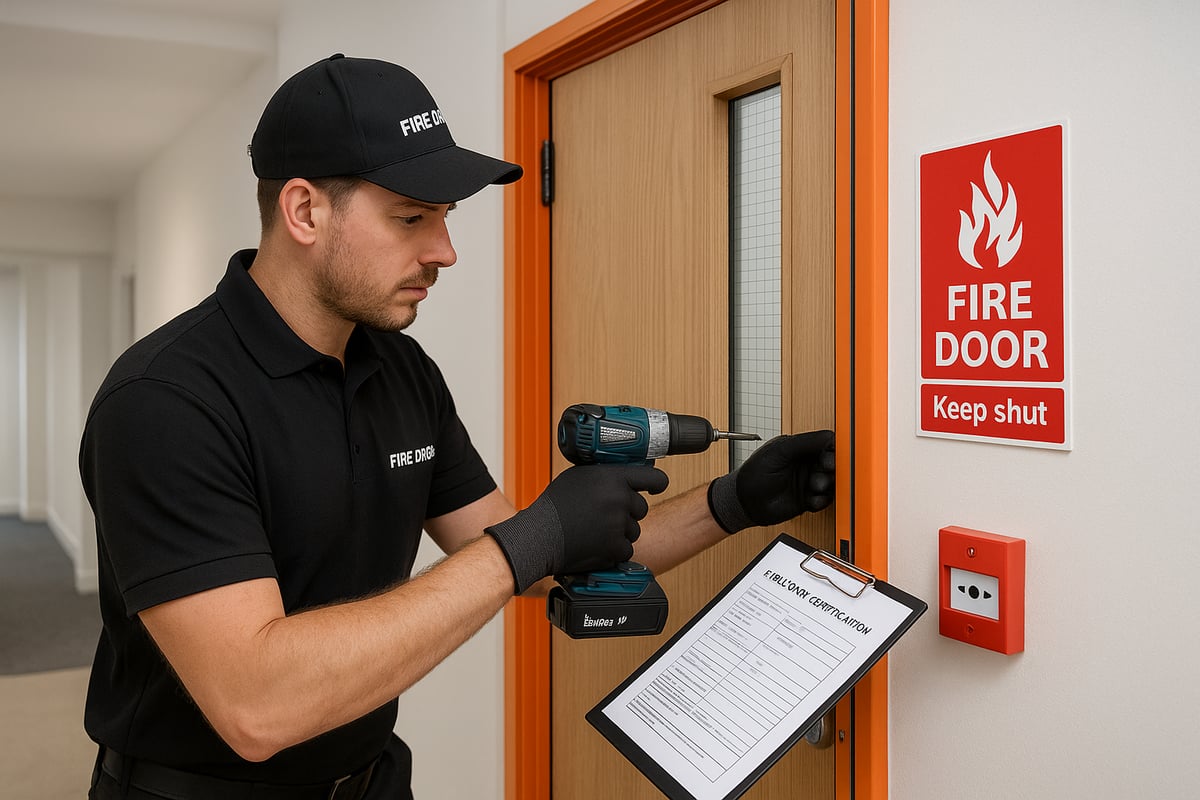
The Regulatory Reform (Fire Safety) Order 2005 remains the core legal framework for fire safety across England and Wales. However, in 2026, property owners should anticipate even stricter enforcement and possible updates to fire door standards. These changes directly influence fire door installation cost, as compliance is not optional.
Landlords, business owners, and homeowners each have legal duties to ensure their premises meet the latest fire door regulations. Requirements differ between residential and commercial properties, with the latter facing more rigorous checks and documentation. Certified installation is essential not only for legal compliance but also for insurance validity. For example, FD30 and FD60 fire doors are now the minimum standard in most multi-storey buildings.
According to 2024 data, over 70% of new multi-occupancy developments in the UK require certified fire doors. For a detailed look at forthcoming regulatory changes, see fire safety regulations 2025. Staying ahead of these changes is crucial for controlling your fire door installation cost.
When and Where Are Fire Doors Legally Required?
Understanding where fire doors must be installed is central to estimating any fire door installation cost. Fire doors are legally required in key locations such as escape routes, stairwells, areas between garages and living spaces, and all communal areas in flats or HMOs.
Special rules apply to high-risk settings like houses in multiple occupation (HMOs) and all commercial premises. Non-compliance can result in heavy fines, invalid insurance, or even prosecution. For example, any new build with three or more storeys must have fire doors installed on every floor to meet regulations.
A summary of typical mandatory fire door locations includes:
- Main escape corridors and stairwells
- Shared entrances and communal lobbies
- Flats with internal garages or loft conversions
- High-traffic commercial zones
Being aware of these requirements helps prevent unexpected increases in fire door installation cost.
Fire Door Ratings and Certification Explained
The rating of a fire door is a major factor in both compliance and overall fire door installation cost. FD30 and FD60 are the most common ratings, offering 30 or 60 minutes of fire resistance, respectively. FD30 doors are typically specified for internal residential applications, while FD60 and higher ratings are found in commercial or high-risk settings.
Third-party certification is essential. Look for schemes like BM TRADA or BWF-CERTIFIRE to verify that a fire door meets all legal standards. Always check the certification label or documentation before installation, as uncertified doors may not pass inspection.
Here is a quick comparison:
| Rating | Typical Use | Certification Required |
|---|---|---|
| FD30 | Internal residential doors | Yes |
| FD60 | Commercial, escape routes | Yes |
| FD90+ | Specialist, high-risk areas | Yes |
Choosing the right rating and ensuring proper certification are critical to keeping your fire door installation cost predictable and compliant.
Fire Door Installation Cost Breakdown: What Drives Pricing in 2026?
Understanding what influences the fire door installation cost in 2026 is crucial for accurate budgeting. Several factors come into play, from the materials you select to labour charges and hidden fees. Let us break down each element so you can anticipate expenses and avoid surprises.
Material Choices and Their Impact on Cost
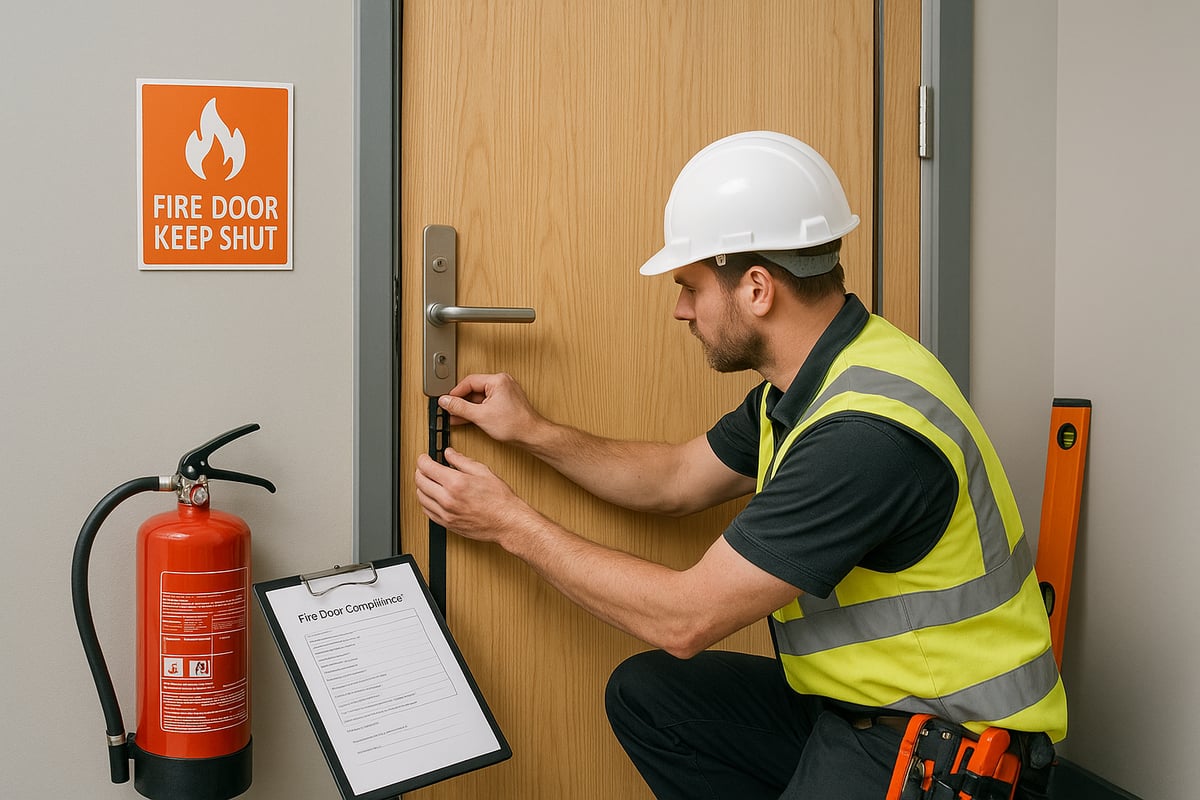
Material selection is a primary driver of fire door installation cost. Timber fire doors are the most common for residential settings, offering a balance of safety and aesthetics at a reasonable price. Steel fire doors, preferred for commercial or industrial environments, provide enhanced durability but at a higher cost. Composite and glazed options offer mid-range pricing and customisation.
Here is a comparison of typical supply costs (2024 data):
| Material | Typical Use | Cost per Door (£) |
|---|---|---|
| Timber | Residential | 65–200 |
| Composite | Mixed | 200–600 |
| Steel | Commercial/Industrial | 1,000–3,500 |
For a detailed breakdown, see this UK fire door installation costs guide.
Fire Rating and Specifications
The required fire rating has a significant effect on the fire door installation cost. FD30 doors, rated for 30 minutes of fire resistance, are standard for most homes, while FD60 or higher ratings are needed for high-risk or commercial spaces. Upgrades such as glazing, intumescent strips, and automatic closers further increase costs.
For example, FD30 glazed doors are notably more expensive than their solid counterparts. Bespoke ratings or doors with advanced hardware add to the total investment. It is important to match the specification to your building’s safety requirements to ensure compliance.
Labour and Installation Charges
Labour is another vital component of the fire door installation cost. Rates vary by region, with London typically commanding higher fees than other parts of the UK. Complexity also matters: fitting a single door is less costly than modifying frames or installing multiple doors.
Typical joiner day rates in 2026 are expected to be around £250 to £300, with per-door fitting costs ranging from £30 to £50. Combining installations in one visit can yield savings, especially for larger projects.
Additional Costs and Hidden Fees
Extra expenses can quickly accumulate, impacting your overall fire door installation cost. These may include:
- Ironmongery (hinges, handles, locks, closers): £50–£200 per door
- Certification and compliance documentation
- Kick plates, signage, and fire-resistant fillers
- Maintenance contract setup fees
Always request itemised quotes to ensure you account for these additional line items. Certification and documentation are essential for insurance and legal compliance.
Cost-Saving Tips and Budgeting Advice
To manage your fire door installation cost effectively, consider these strategies. Combine multiple door installations to benefit from bulk rates. Obtain several quotes from certified professionals for the most accurate pricing. Avoid DIY approaches, as improper installation often leads to compliance failures and higher future costs.
Investing in quality installation and certified materials will reduce long-term expenses and help maintain regulatory compliance.
Residential vs. Commercial Fire Door Installation: Key Differences
Understanding the differences between residential and commercial fire door installation is essential for accurate budgeting and compliance. Whether you are a homeowner, landlord, or business operator, knowing what drives fire door installation cost in your setting helps ensure both safety and value.
Residential Fire Door Installation
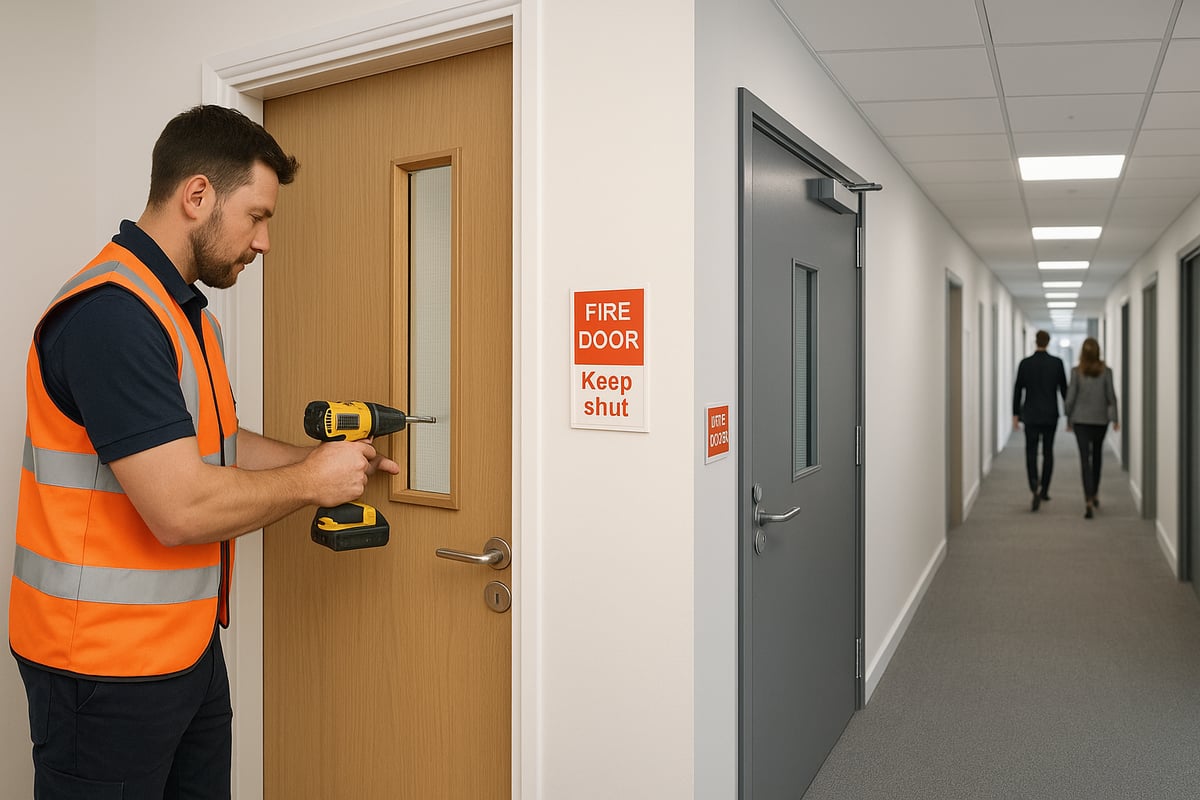
In residential properties, fire doors are most often fitted to internal rooms, loft conversions, and between garages and living spaces. Timber fire doors are the most popular choice, offering a blend of safety, affordability, and visual appeal. Composite doors are also common, especially where homeowners want enhanced durability.
Aesthetic considerations play a large role in residential settings, with many seeking finishes that match existing décor. The fire door installation cost for a standard FD30 timber door, including basic ironmongery, typically ranges from £65 to £600 per door, depending on finish and features.
Residents should be aware that fire door installation cost increases with extras like glazing, custom colours, or premium hardware. For most homes, FD30 doors meet legal requirements, but always check local regulations.
Commercial and High-Risk Environments
Commercial properties face stricter compliance standards, influencing fire door installation cost in these settings. Steel fire doors, double doors, and advanced locking mechanisms are often required in offices, hospitals, and schools. The cost for a single steel fire door in a commercial building can range from £1,000 to £3,500, reflecting the need for higher fire ratings and robust construction.
Fire doors in these environments must regularly pass inspections and meet specific standards, such as FD60 or higher. For more on specifying ratings and compliance, see Fire door ratings explained.
The fire door installation cost for commercial settings also includes documentation, signage, and integration with access control or alarm systems.
Special Considerations for High-Risk Buildings
High-risk buildings like HMOs, care homes, and public venues require enhanced compliance. Here, fire door installation cost can increase due to custom fire strategies, automation, or integration with building safety systems.
These sites often need doors with higher ratings, specialist ironmongery, and features like electronic access or smoke seals. Regular inspections and maintenance contracts are mandatory, further adding to the long-term fire door installation cost.
For property managers, factoring in these additional requirements early can help avoid costly retrofits or compliance failures.
Trends Impacting 2026 Installations
Several trends will shape fire door installation cost in 2026. Demand is rising for doors made from sustainable materials, as well as those featuring smart sensors and automated closing systems. Innovation in composites and eco-friendly finishes is making its way into both residential and commercial markets.
Advances in technology mean some installations now include remote monitoring or automated reporting of door status, which can increase upfront investment but may reduce future maintenance costs.
Keeping up with these trends is key to ensuring your fire door installation cost reflects both compliance and future-proofing, whether for a home or business.
The Step-by-Step Fire Door Installation Process
Understanding each phase of installing a fire door is crucial for maintaining safety and compliance. As regulations become more rigorous, following a structured process not only ensures legal conformity but also helps you manage your fire door installation cost effectively. For a detailed look at each stage, you may find the Fire door installation process resource especially useful.
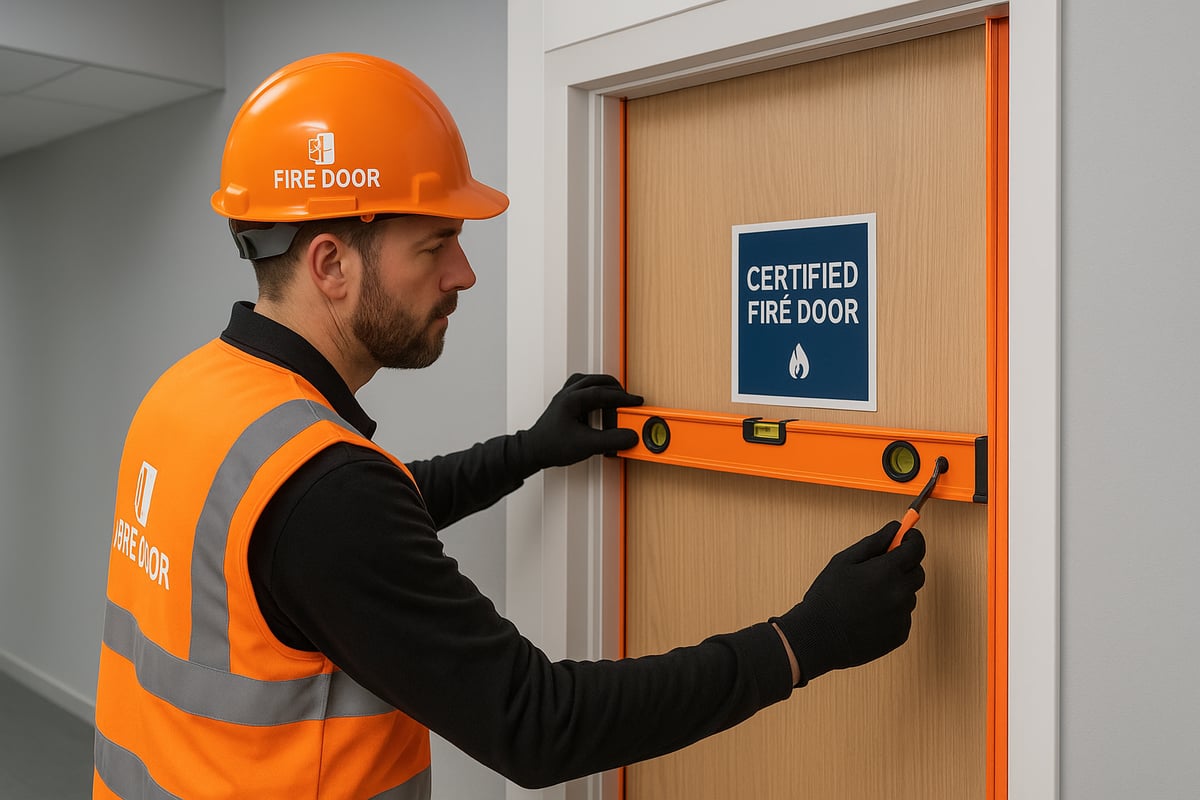
Step 1: Site Assessment and Compliance Check
The installation process begins with a thorough site assessment. A qualified professional surveys the premises, identifying all locations where fire doors are legally required. This includes measuring existing frames and checking compatibility with new doors. Compliance is reviewed against the latest UK fire safety regulations, which directly impacts your fire door installation cost. Any non-conformities are flagged for correction before proceeding.
- Identify legal locations for fire doors.
- Measure and assess frames for suitability.
- Review against up-to-date compliance standards.
Step 2: Selecting the Right Fire Door and Hardware
Choosing the appropriate fire door involves more than just aesthetics. The installer will recommend the correct fire rating, such as FD30 or FD60, based on building use and regulations. Material selection, whether timber, steel, or composite, also influences fire door installation cost. Certified hardware including hinges, locks, closers, and seals is specified, ensuring the new door meets all required standards and offers optimal protection.
- Assess fire rating needs (FD30, FD60, etc.).
- Select suitable materials for location and budget.
- Specify certified ironmongery and seals.
Step 3: Professional Installation
With materials selected, the old door and frame (if necessary) are removed. The new fire door is carefully fitted, with special attention paid to correct alignment and sealing. Intumescent strips, which expand during a fire to block smoke and flames, are installed along with hardware. In many cases, frame modification is required to accommodate the thicker fire doors mandated by current standards.
- Remove old doors and frames if needed.
- Fit new door to precise measurements.
- Install intumescent strips and certified hardware.
Step 4: Certification and Documentation
After installation, the process continues with certification and record-keeping. The installer issues certificates confirming the fire door has been fitted correctly and is compliant with regulations. This documentation is vital for future inspections and insurance purposes, and it should be kept with your property records. Ensuring proper documentation helps avoid unexpected fire door installation cost increases due to non-compliance.
- Provide installation certificates.
- Record door specifications and locations.
- Ensure documentation is kept for compliance.
Step 5: Initial Inspection and Handover
The final step involves a comprehensive on-site inspection. The installer tests the door’s closure, checks the effectiveness of seals, and confirms all hardware operates as intended. Maintenance guidance and compliance documents are handed over, ensuring you are informed about ongoing care. This professional handover is essential for long-term safety and regulatory assurance.
- Test door closure and sealing.
- Review maintenance requirements.
- Handover compliance documents to the client.
Ongoing Maintenance, Inspection, and Long-Term Costs
Regular maintenance and inspection of fire doors is crucial for ensuring ongoing safety and compliance in any property. As regulations tighten, neglecting this aspect can result in significant risks and unexpected costs. Understanding how ongoing care impacts your fire door installation cost will help you plan effectively and avoid legal or insurance pitfalls.
Why Maintenance Is Essential
Fire doors are only effective if they are properly maintained. UK law requires annual fire door inspections in most settings, with more frequent checks in high-risk environments. Regular inspection ensures continued compliance and maintains your insurance cover, reducing the chance of costly claims or enforcement action.
Neglecting maintenance can lead to expensive repairs or even replacement, increasing your overall fire door installation cost. Early detection of issues, such as damaged seals or faulty closers, also protects occupants and assets.
Typical Maintenance Tasks and Their Costs
Routine maintenance includes a range of checks and minor repairs. Typical tasks involve:
- Visual inspections of seals, hinges, and closers
- Adjustments for door alignment and closing force
- Replacing worn or damaged parts such as intumescent strips
Professional fire door inspection services can help identify problems early. Annual inspection contracts typically cost between £40 and £100 per door, with minor repairs adding to the overall fire door installation cost. Planned maintenance is more cost-effective than emergency call-outs.
Long-Term Cost Considerations
When planning for the long-term, consider the difference between scheduled maintenance and emergency repairs. Emergency fixes are always more expensive and can disrupt business operations or tenant safety. Regular care extends the average fire door lifespan, allowing you to budget for replacement cycles more accurately.
According to government data on fire door maintenance costs, investing in planned maintenance significantly reduces total ownership costs. Factoring these expenses into your fire door installation cost will help you avoid financial surprises.
Compliance and Documentation
Maintaining proper records is not just good practice, it is a legal requirement. Keep detailed logs of all inspections, repairs, and maintenance actions. These documents are essential for passing audits and proving compliance in the event of an incident.
For commercial premises, up-to-date certificates and maintenance logs are crucial for regulatory checks and insurance claims. By staying organised, you protect your investment and uphold safety standards.
Choosing a Certified Fire Door Installer: What to Look For
Choosing the right professional for your fire door installation is critical. Selecting a certified expert not only ensures compliance, but also protects your investment and the safety of your property.
Certification and Accreditations
Always verify that your installer holds recognised certifications, such as BAFE or BM TRADA. These accreditations confirm that the company meets strict industry standards and is up to date with current regulations. A certified installer gives you peace of mind that your fire door installation cost reflects not just the product but also the expertise needed for legal compliance.
Experience and Track Record
Look for installers with a proven history in both residential and commercial projects. Reviewing case studies and customer testimonials helps you assess their reliability and the quality of their work. An experienced installer will be better equipped to handle unique challenges and ensure a seamless process from start to finish.
Transparent Pricing and Detailed Quotes
A reputable company provides clear, itemised quotes that outline every aspect of your fire door installation cost. Watch for hidden extras, such as additional labour, custom hardware, or compliance documentation. Comparing multiple quotes helps you understand the market rate and ensures you only pay for what is necessary.
Guarantees, Warranties, and Aftercare
Professional installers should offer guarantees on both their workmanship and the fire door materials. Reliable aftercare is essential, including access to maintenance and emergency support. Ongoing compliance is a legal requirement, so choose a provider that can support annual fire door inspection requirements and provide prompt repairs if needed.
Importance of Professional Advice
Engage installers who offer proactive guidance on current and upcoming regulations. Expert advice can help you avoid costly non-compliance penalties and ensure your fire door installation cost is a sound investment for long-term safety. A knowledgeable partner will help you navigate complex rules and maintain the highest standards for your property.
As you plan for fire door installations in 2026, it’s clear that understanding costs, regulations, and the right materials is essential for keeping your property safe and compliant. By staying informed about evolving standards and potential hidden fees, you can make decisions that protect both people and investments. If you’d like tailored advice or want clarity on your exact requirements, we’re here to help you navigate every step with confidence. Take the next step towards safeguarding your premises—Get a Free Site Survey and let us guide you with expert, accredited support.