

Modern commercial premises require sophisticated protection against multiple threats, from fire hazards to unauthorised intrusion. A smoke security system provides dual-layer safeguarding that addresses both fire detection and active security measures. These integrated solutions have become essential for businesses seeking comprehensive protection whilst maintaining regulatory compliance and operational continuity. Understanding how smoke security systems function and their applications helps organisations make informed decisions about their safety infrastructure.
Understanding Smoke Security System Technology
A smoke security system encompasses two distinct yet complementary technologies that serve different protective functions. The first component involves traditional smoke detection that identifies fire hazards through advanced sensing capabilities. The second element utilises security smoke generators that produce dense fog to deter intruders and protect valuable assets.
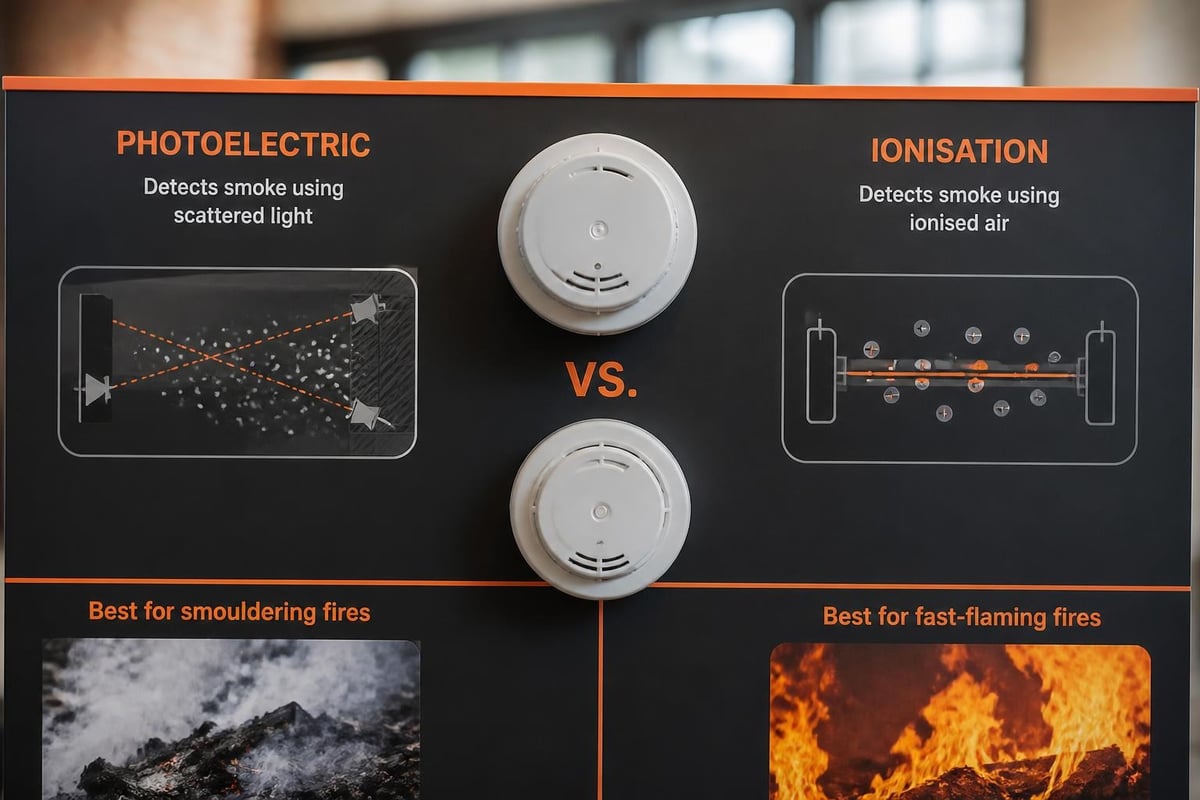
Fire detection components within a smoke security system typically employ photoelectric or ionisation technology. Photoelectric smoke detectors work by detecting light scatter from smoke particles entering a sensing chamber, making them particularly effective for smouldering fires. Ionisation detectors respond more quickly to fast-flaming fires, creating a complementary approach when both technologies are deployed strategically throughout commercial premises.
Security Fog Generators
Security smoke systems generate dense fog that fills protected spaces within seconds, reducing visibility to mere centimetres. This active security measure disorientates intruders and prevents them from locating valuable equipment, documents, or assets. The fog comprises glycol-based or glycerine-based solutions that are harmless to humans and equipment whilst creating an impenetrable visual barrier.
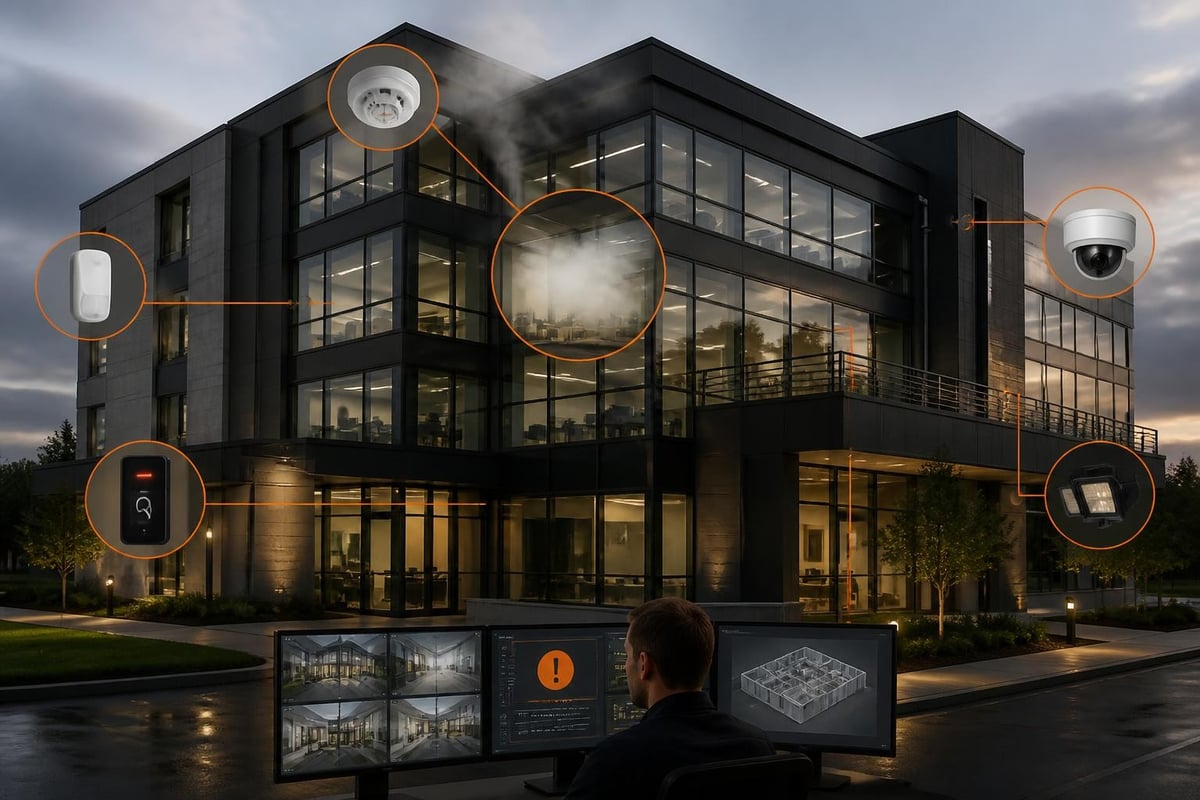
Modern fog generators integrate seamlessly with existing security infrastructure, including:
- Intruder alarm systems that trigger fog deployment
- Access control platforms monitoring unauthorised entry
- CCTV networks providing visual verification
- Building management systems coordinating emergency responses
- Remote monitoring stations alerting security personnel
Deployment speed represents a critical performance metric. Professional-grade systems fill a 200-square-metre space within 60 seconds, creating immediate protection when intrusion is detected. The fog typically dissipates within 30-60 minutes, leaving no residue or damage to equipment, inventory, or building infrastructure.
Commercial Applications Across Industries
Different commercial sectors implement smoke security systems based on their specific risk profiles and protection requirements. Retail environments face significant challenges from organised retail crime, where rapid fog deployment prevents theft during smash-and-grab incidents. High-value merchandise areas, pharmacy sections, and electronics departments benefit particularly from this instant protection layer.
Manufacturing facilities require smoke security systems that protect both personnel and expensive equipment. Early fire detection prevents catastrophic losses whilst security fog protects intellectual property stored in research areas or protects finished goods in warehouses. Integration with fire alarm monitoring ensures rapid emergency service notification.
| Industry Sector | Primary Threat | Key System Features |
|---|---|---|
| Retail | Theft and burglary | Rapid fog deployment, CCTV integration |
| Healthcare | Fire safety, asset protection | Compliant detection, selective fog zones |
| Education | Vandalism, equipment theft | Scheduled activation, multi-zone control |
| Data Centres | Fire, unauthorised access | Advanced detection, clean fog solutions |
| Warehousing | Fire spread, cargo theft | Wide-area coverage, inventory protection |
Financial and Professional Services
Banks, building societies, and professional service firms handle sensitive information and valuable assets requiring enhanced protection. A smoke security system provides layered defence that combines early fire warning with active intrusion deterrence. Document storage areas, server rooms, and cash handling zones represent high-priority protection areas where both fire and security threats require mitigation.
Professional installations account for building layout, evacuation routes, and emergency service access. Systems must activate security fog only in specific zones to avoid impeding safe egress whilst still protecting critical areas. This selective deployment requires sophisticated control panels and precise zoning strategies developed through professional fire risk assessment processes.
Integration with Comprehensive Safety Infrastructure
A smoke security system delivers maximum value when integrated within broader safety and security ecosystems. Modern commercial buildings typically employ multiple protective layers that communicate through centralised monitoring platforms. This integration enables coordinated responses where fire detection, access control, CCTV, and fog generation work together seamlessly.
Building access control systems provide valuable intelligence about occupancy levels and authorised personnel locations. When integrated with smoke security systems, access logs help emergency responders understand building occupancy during incidents. Similarly, CCTV footage verifies alarm conditions before deploying security fog, reducing false activations whilst maintaining rapid response capabilities.
Fire detection integration requires careful consideration of system priorities. Smoke detectors must distinguish between security fog deployment and actual fire conditions to prevent false fire alarms. Advanced systems employ multi-criteria detection that analyses temperature, smoke density, and particle characteristics to differentiate between security fog and combustion products.
Remote Monitoring Capabilities
Professional monitoring services enhance smoke security system effectiveness through 24/7 oversight and rapid response coordination. Intruder alarm monitoring centres receive instant notifications when systems activate, enabling verification procedures and emergency service dispatch. This human oversight layer prevents unnecessary fog deployments whilst ensuring genuine threats receive immediate attention.
Monitoring platforms provide valuable operational insights:
- Event logging tracking all system activations and maintenance activities
- Performance analytics identifying patterns and potential vulnerabilities
- Compliance reporting documenting system testing and servicing
- Remote diagnostics enabling proactive maintenance scheduling
- Integration dashboards displaying unified status across multiple systems
Cloud-based monitoring solutions offer particular advantages for multi-site operations. Facilities managers can oversee smoke security systems across entire property portfolios through unified interfaces, standardising response protocols and maintenance procedures whilst reducing operational complexity.
Regulatory Compliance and Standards
Commercial smoke security systems must comply with rigorous standards governing both fire detection and security equipment. Fire detection components adhere to BS EN 54 standards that specify performance requirements, testing protocols, and installation practices. These standards ensure reliable operation across varying environmental conditions whilst minimising false alarm rates.
Security smoke generators require different regulatory consideration, focusing on fog solution safety, activation protocols, and integration with emergency systems. The fog composition must meet health and safety requirements, demonstrating no harmful effects on occupants who might encounter deployed fog during evacuation. Product testing verifies that fog dissipation occurs within acceptable timeframes and leaves no damaging residue.
Insurance considerations play significant roles in smoke security system specifications. Insurers often mandate specific detection technologies or security measures as policy conditions. Installing certified systems that meet insurer requirements can reduce premium costs whilst ensuring comprehensive coverage. Documentation proving regular maintenance and professional installation supports insurance claims following incidents.
Installation and Certification Requirements
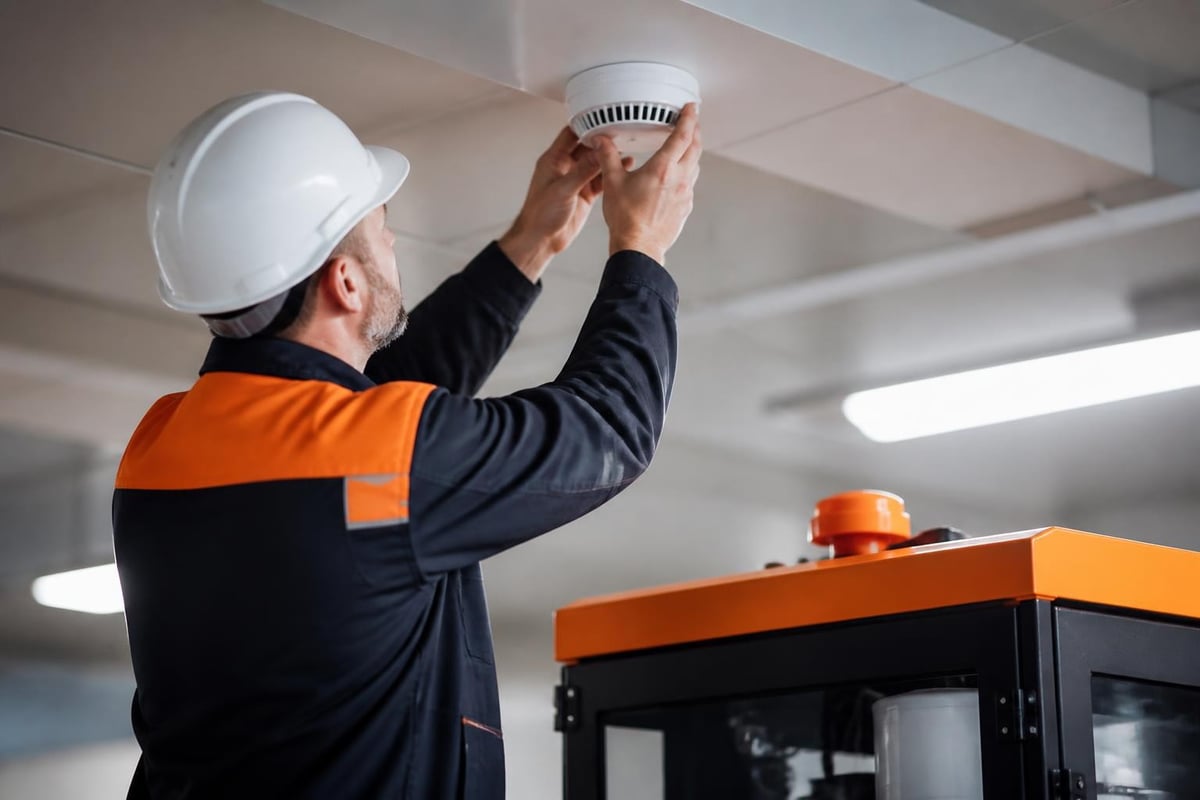
Professional installation by qualified engineers ensures smoke security systems meet all regulatory requirements and manufacturer specifications. Installers must hold relevant certifications demonstrating competence in fire detection systems, security equipment, and electrical installations. UK security contractors typically maintain accreditations from bodies including NSI, SSAIB, or BAFE, providing assurance of professional standards.
Installation quality directly impacts system performance and reliability. Properly positioned smoke detectors account for air flow patterns, ceiling heights, and potential contamination sources. Security fog generators require strategic placement ensuring complete coverage whilst avoiding obstruction from stored goods or equipment. Professional installers conduct commissioning tests verifying correct operation before handover.
Maintenance and Lifecycle Management
Ongoing maintenance ensures smoke security systems maintain peak performance throughout their operational life. Regular testing and servicing requirements vary by component type and manufacturer specifications, but typically include quarterly functional tests and annual comprehensive inspections. Maintenance programmes prevent component degradation and ensure immediate detection capability when needed.
Smoke detectors require periodic cleaning to remove dust accumulation that can affect sensing accuracy. Photoelectric chambers need particular attention as dust particles can cause false alarms or reduced sensitivity. Testing protocols verify alarm signal transmission, backup power functionality, and correct integration with other building systems. Maintenance records document all testing activities, supporting compliance audits and insurance requirements.
Security Fog System Servicing
Security fog generators require specialised maintenance addressing both mechanical components and fog solution supplies. Service technicians inspect nozzles, heating elements, and distribution systems whilst verifying correct fog density and deployment speed. Fog solution levels need monitoring with timely replenishment ensuring readiness when activation occurs.
Annual maintenance schedules typically include:
- Visual inspection of all system components and connections
- Functional testing of fog generation and deployment mechanisms
- Integration verification confirming communication with alarm systems
- Solution quality checks ensuring fog composition meets specifications
- Battery testing validating backup power during mains failure
- Documentation updates recording all service activities and findings
Preventative maintenance programmes identify potential issues before they compromise system effectiveness. Component replacement schedules based on manufacturer recommendations prevent unexpected failures whilst maintaining warranty coverage. Professional service contracts provide scheduled maintenance, emergency callout support, and priority parts supply.
Advanced Features and Future Developments
Modern smoke security systems incorporate intelligent technologies that improve detection accuracy whilst reducing false alarms. Multi-criteria detectors analyse multiple parameters simultaneously, including smoke density, temperature changes, carbon monoxide levels, and particle characteristics. This comprehensive analysis enables earlier fire detection whilst distinguishing between genuine threats and benign conditions like cooking fumes or steam.
Wireless connectivity reduces installation complexity in heritage buildings or premises where cable routing proves difficult. Battery-powered detectors with long-life cells communicate via secure radio protocols, transmitting alarm conditions and status updates to control panels. Mesh network topologies ensure reliable communication even if individual devices experience interference or signal obstruction.
Artificial intelligence and machine learning algorithms increasingly enhance smoke security system capabilities. These technologies analyse historical data identifying patterns that precede false alarms, automatically adjusting sensitivity thresholds based on environmental conditions. Predictive maintenance features monitor component performance trends, scheduling service interventions before failures occur.
Integration with Smart Building Platforms
Building management systems coordinate smoke security with HVAC, lighting, and access control creating sophisticated emergency response protocols. Upon fire detection, systems can automatically shut down air handling units preventing smoke spread, illuminate evacuation routes, and unlock emergency exits. Security fog activation can trigger CCTV recording, initiate police notification, and lock down specific zones preventing intruder movement.
Cloud connectivity enables remote system management through smartphone applications or web portals. Facilities managers receive instant notifications of alarm conditions, view live system status, and authorise fog deployment remotely when warranted. These capabilities prove particularly valuable for multi-site operations where centralised security teams oversee numerous locations.
Commercial fire detection systems continue evolving with enhanced sensing capabilities and reduced false alarm rates. Updated performance standards address modern construction materials and furnishings that burn differently than legacy materials, requiring adapted detection algorithms. Manufacturers develop detectors specifically optimised for contemporary commercial environments.
Selecting the Right System for Your Organisation
Choosing an appropriate smoke security system requires careful assessment of specific protection requirements, building characteristics, and operational constraints. Professional security consultants conduct site surveys evaluating fire risks, security vulnerabilities, and existing protective measures. This analysis identifies gaps in current protection and recommends appropriate technologies addressing identified risks.
Budget considerations extend beyond initial equipment costs to encompass installation expenses, ongoing monitoring fees, and lifecycle maintenance requirements. Total cost of ownership calculations should include:
- Equipment purchase and installation costs
- Annual monitoring and maintenance contracts
- Insurance premium reductions from enhanced protection
- Potential loss prevention during security incidents
- Compliance costs avoided through proper certification
- Energy consumption for powered components
System scalability matters particularly for growing organisations or those planning facility expansions. Modular architectures allow phased installations matching business growth whilst maintaining unified management platforms. Compatibility with existing security infrastructure reduces integration complexity and leverages previous technology investments.
Specification Development Process
Detailed specifications ensure proposed systems meet operational requirements whilst maintaining regulatory compliance. Specifications should address detection technology types, coverage areas, response times, integration requirements, and monitoring preferences. Performance criteria define acceptable false alarm rates, maintenance intervals, and expected system lifespan.
Tender processes benefit from engaging multiple qualified suppliers who can propose tailored solutions. Evaluation criteria should weight technical capability, relevant experience, certification credentials, and long-term support capabilities alongside pricing. Reference site visits enable assessment of installed systems and discussions with existing customers about performance and service quality.
Training and Operational Procedures
Effective smoke security system operation requires properly trained personnel who understand system capabilities, activation protocols, and emergency response procedures. Staff training programmes address normal operation, alarm verification processes, and appropriate responses to different alert conditions. Regular refresher training ensures knowledge retention and familiarises personnel with any system updates or procedural changes.
Security fog deployment requires particular procedural consideration. Personnel must understand when manual activation is appropriate, how to verify intrusion before triggering fog, and protocols for coordinating with emergency services. Training should emphasise that security fog protects assets but must never impede safe evacuation during genuine fire emergencies.
Emergency response plans integrate smoke security system operation within broader incident management procedures. Plans should specify communication protocols, evacuation procedures, equipment shutdown sequences, and emergency service liaison responsibilities. Regular drills test these procedures whilst identifying improvement opportunities and reinforcing training effectiveness.
Fire evacuation procedures require coordination with emergency lighting and evacuation alert systems ensuring safe egress regardless of smoke security system activation. Clear signage, illuminated exit routes, and regular drills ensure occupants can evacuate quickly even during power failures or dense fog conditions.
A properly specified and maintained smoke security system provides essential protection against fire and intrusion threats facing modern commercial premises. Integration with broader safety infrastructure, professional monitoring, and regular maintenance ensure these systems deliver reliable performance when needed most. Logic Fire and Security brings extensive expertise in designing, installing, and maintaining comprehensive smoke security systems tailored to your organisation’s specific requirements, ensuring both regulatory compliance and optimal protection for your people and assets.