

As security threats grow more sophisticated and regulations become stricter in 2026, the need for a reliable security door system has never been greater. Businesses, public buildings, and homes are all seeking solutions that do more than just lock a door.
Today’s advanced security door system options offer powerful ways to control access, monitor activity, and ensure compliance with current standards. Understanding these technologies and the integration possibilities is key to staying secure and compliant.
In this essential guide, you will discover the different types of security door systems, their vital features, and what makes them effective. We will also cover compliance requirements, how to choose and install the right system, and what the future holds for security technology.
Whether you manage a business, oversee a public facility, or want to protect your home, this guide provides practical advice to help you select, implement, and maintain the optimal security door system for your needs.
Understanding Security Door Systems: Fundamentals and Types
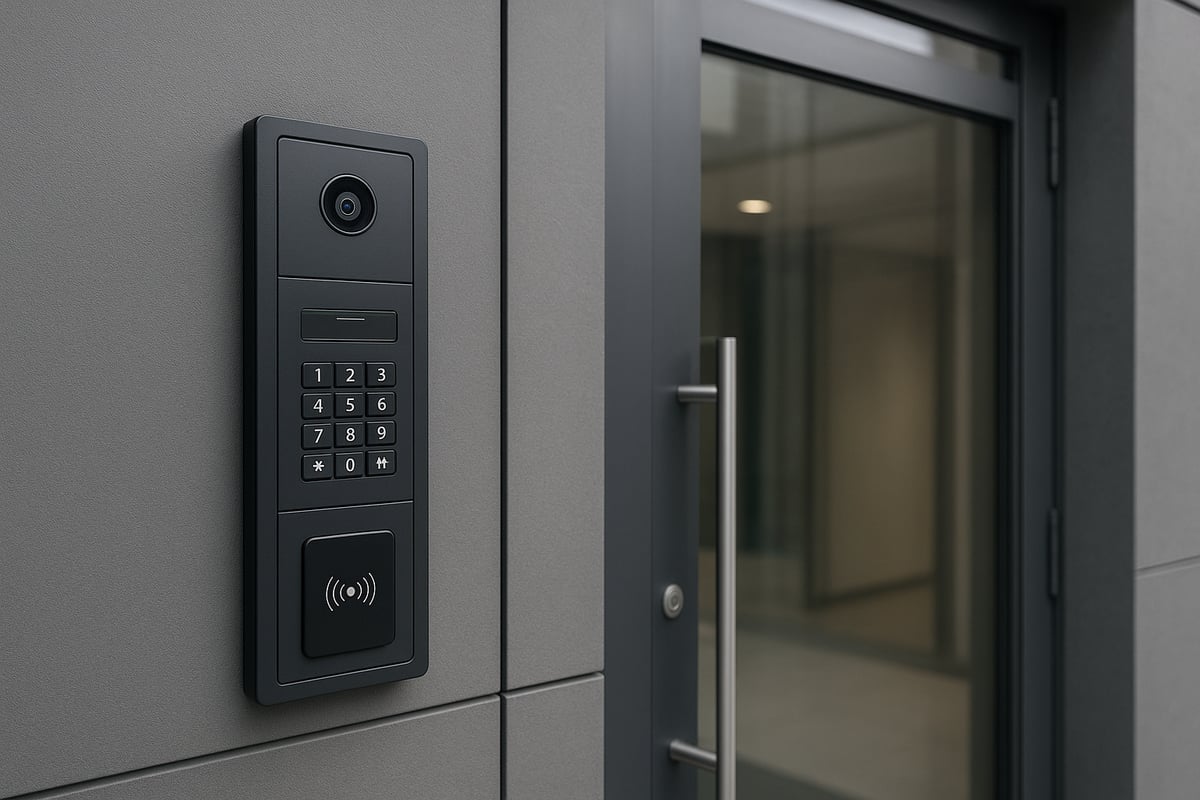
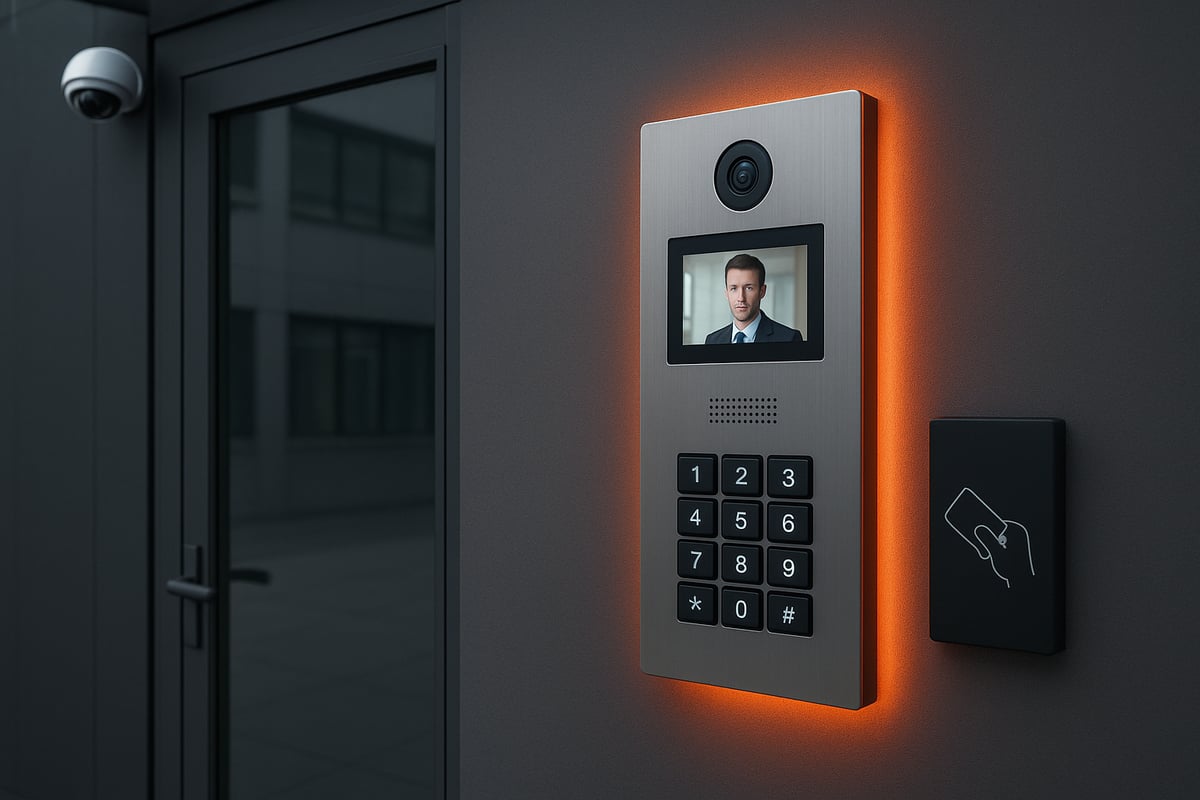
Modern security door systems play a critical role in controlling and monitoring access to secure areas. At their core, a security door system is designed to manage entry and exit points, whether through mechanical locks or sophisticated electronic controls. Mechanical systems rely on traditional keys, while electronic solutions use digital authentication methods and can connect with broader security infrastructure. Integration with alarms, CCTV, and building management systems enhances their effectiveness. These systems are vital for deterring unauthorised access and improving overall safety in commercial, residential, and public sector environments. For instance, audio-video entry systems are increasingly common in multi-tenant buildings, supporting the growing adoption of security door system technology across UK commercial properties.
What Is a Security Door System?
A security door system is a comprehensive solution for managing and restricting physical access to buildings or specific areas. Its main function is to ensure only authorised individuals can enter, using a combination of identification and authentication methods.
Mechanical systems use keys and robust locks, offering basic protection. In contrast, electronic security door system options provide features like access logs, remote management, and integration with other systems. For example, audio-video entry solutions allow tenants to see and communicate with visitors before granting access. Security door system adoption is rising in UK commercial properties, reflecting a growing focus on safety and compliance in the sector.
Main Types of Security Door Systems
There are several types of security door system available, each catering to different needs. Standalone systems operate independently and are suitable for smaller sites, while integrated systems connect with broader security infrastructure for larger, multi-site operations.
Audio entry systems provide voice verification, making them popular in residential blocks. Video intercoms add a visual layer for identity confirmation and visitor management. Keypad and card or fob access control systems are widely used for their balance of convenience and security, though lost cards or shared codes can present risks. Biometric solutions, such as fingerprint or facial recognition, offer high security and a seamless user experience. Smart locks and mobile credential systems enable access via smartphones. For a comprehensive overview of these solutions, see the Access control entry systems overview.
Chubb’s audio-video entry systems, for example, are used in both residential and office environments to streamline access and improve safety.
System Components and How They Work
Every security door system consists of several key components. Control panels act as the brain of the system, processing access requests. Readers—such as card, keypad, or biometric scanners—authenticate users at entry points. Door hardware and locking mechanisms ensure physical security, while robust wiring or wireless protocols connect all components.
Integration with alarms, CCTV, and building management systems enables centralised monitoring and rapid response to security incidents. For example, linking access control with fire alarm systems ensures that doors unlock automatically during emergencies, supporting safe evacuation and compliance with safety regulations.
Key Features and Benefits of Modern Security Door Solutions
Modern security door system solutions are redefining the standards for property protection in 2026. With advanced features and seamless integration, these systems offer powerful tools to safeguard assets and manage access efficiently.
Core Features Driving Security and Convenience
Security door system solutions now combine cutting-edge technology with user-friendly operation. Multi-factor authentication is standard, allowing access via PIN, card, or biometrics for enhanced protection. Many systems support remote management through mobile apps, so administrators can grant or revoke access from anywhere.
Real-time monitoring, instant alerts, and comprehensive audit trails enable swift response to security incidents. Integration with other building systems is crucial. For example, linking your security door system with CCTV provides complete oversight—see the commercial CCTV integration benefits for more on how these solutions work together.
Scalability means a single security door system can secure a small office or span multiple sites. Video intercoms now offer mobile notifications, making remote visitor management straightforward. User satisfaction is high, with leading suppliers earning Trustpilot ratings of 4.9/5. These features ensure your security door system remains robust yet flexible as needs evolve.
Benefits for Businesses, Public Sector, and Residential Users
Investing in a security door system brings clear advantages:
- Enhanced safety and peace of mind for all occupants
- Greater operational efficiency through streamlined access management
- Compliance with insurance and regulatory requirements
- Flexible controls for staff, residents, or visitors
Integrated entry systems lead to lower running costs and stronger security, as seen in modern office and residential developments. This mix of protection and convenience makes a security door system a valuable asset in any setting.
Case Example: Security Door Systems in Action
Consider a busy office building using an integrated video entry and access control security door system. Employees and visitors are managed efficiently, with access logged and monitored in real time.
The result is a significant reduction in unauthorised entry, improved auditability for compliance, and a smoother experience for everyone. In fact, UK commercial buildings are adopting audio-video security door system solutions at record rates, reflecting their proven effectiveness.
Compliance, Regulations, and Best Practices in 2026
Security and compliance are at the forefront for any security door system in 2026. With the increasing sophistication of threats and a wave of new legislation, staying ahead of regulatory demands is critical for businesses, public sector organisations, and homeowners alike.
Evolving Legal and Regulatory Landscape
The regulatory landscape for security door system solutions is evolving rapidly across the UK and EU. Compliance is no longer optional, particularly as new standards and insurance requirements take effect. The General Data Protection Regulation (GDPR) continues to influence how biometric and video data from security door system installations are collected, stored, and processed.
Fire safety legislation, such as the Regulatory Reform (Fire Safety) Order 2005, sets out strict requirements for integrating security door system hardware with emergency egress protocols. Insurers are also demanding robust access control to mitigate risk.
Looking ahead to 2026, specifiers and property managers must keep pace with upcoming regulatory changes that will impact how a security door system is specified, installed, and maintained. For a detailed overview of what's changing, see the 2026 regulatory changes for specifiers.
Best Practices for Security and Compliance
To ensure your security door system meets current and future standards, establish a proactive approach to compliance. Regular system audits and scheduled maintenance are essential for identifying vulnerabilities and maintaining optimal performance.
Implement robust data protection protocols. This includes secure storage for biometric and access data, as well as privacy controls that restrict access to sensitive information. Staff training is vital, ensuring all users understand their responsibilities and access rights within the security door system.
Integrating your security door system with fire alarms and building management systems provides an additional layer of safety and compliance. Many leading providers offer comprehensive maintenance contracts, system health checks, and compliance support to help organisations meet insurance and regulatory obligations.
A summary checklist for best practices:
- Schedule annual system audits
- Maintain detailed access logs
- Train staff on access protocols
- Integrate with fire and safety systems
- Review data protection policies regularly
By adopting these best practices, you can enhance your organisation's resilience and ensure your security door system remains compliant.
Selecting Accredited Suppliers and Installers
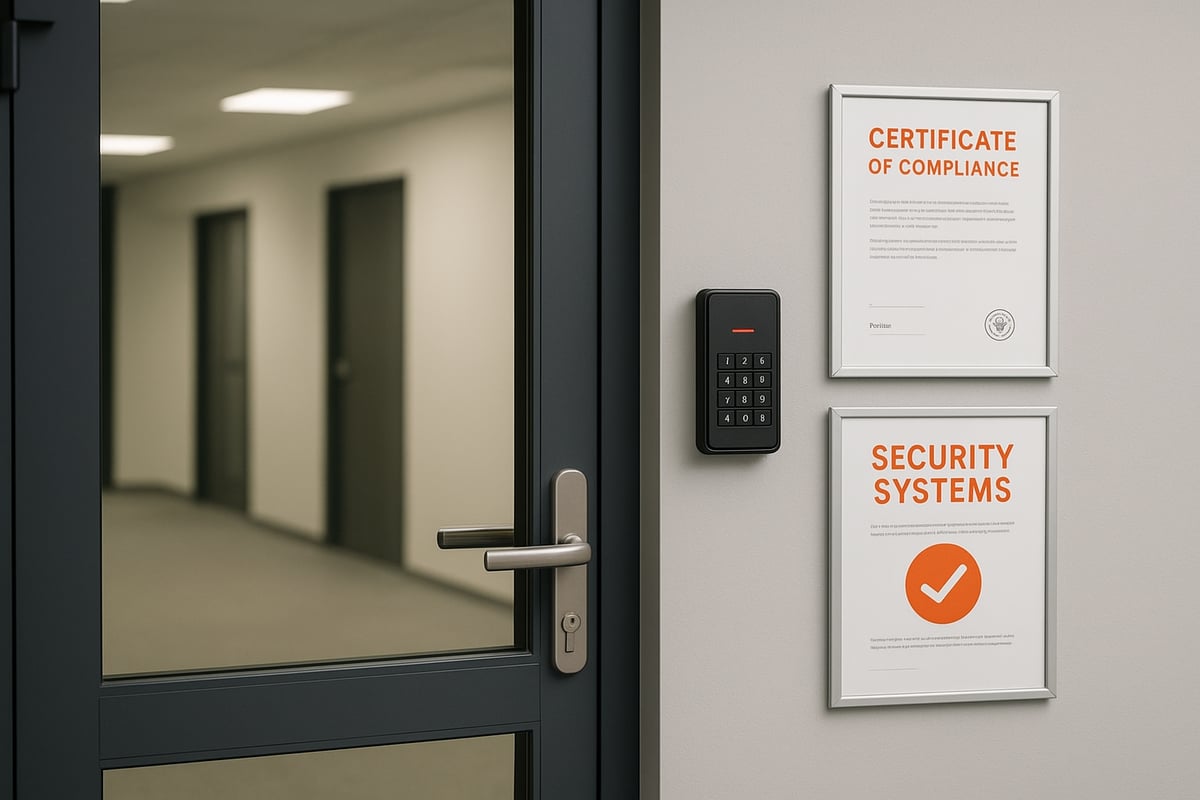
Choosing the right partner is a crucial step in deploying a compliant security door system. Always select installers who hold recognised accreditations, such as NSI Gold or BAFE certifications. These credentials demonstrate a commitment to quality, safety, and adherence to the latest industry standards.
Working with accredited professionals ensures that your security door system is installed correctly and that ongoing maintenance meets all legal and insurance requirements. This minimises the risk of non-compliance and system failure.
Leading suppliers like Chubb and Fastlec highlight their accredited installation and support services, providing peace of mind and long-term value. Accredited installers also offer emergency response and scheduled maintenance, ensuring your security door system remains reliable and effective as regulations evolve.
Step-by-Step: How to Choose and Implement a Security Door System
Selecting the right security door system is a critical investment for any organisation or property. A methodical approach ensures you achieve both robust protection and compliance, while future-proofing your building against evolving security challenges.
Assessing Your Security Needs
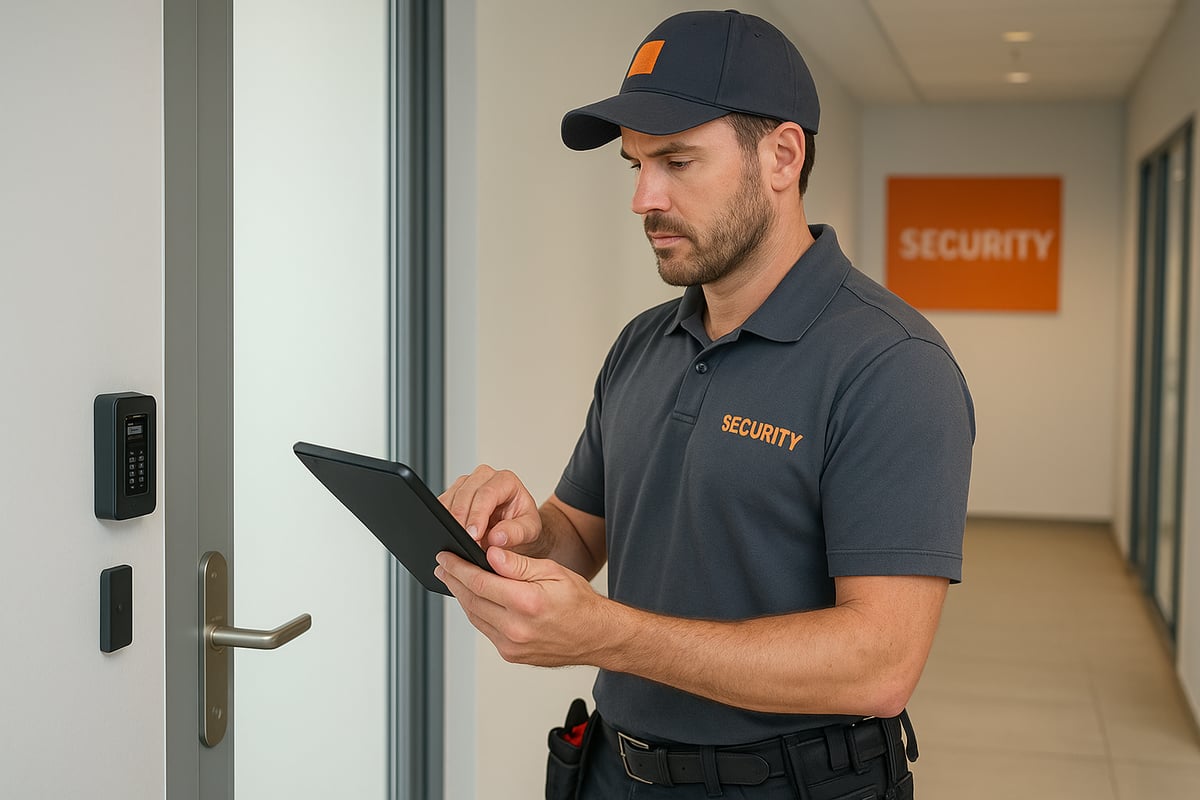
Begin by thoroughly assessing your premises. Conduct a site survey to identify all access points, vulnerable areas, and specific security requirements. Engage key stakeholders, including management, facilities, and IT teams, to gather input on operational needs and integration preferences.
Consider how the security door system must interact with existing solutions such as CCTV, alarms, or building management platforms. For multi-site businesses, focus on scalability and centralised control. This ensures the chosen system can adapt as your organisation grows.
A comprehensive assessment forms the foundation for a customised solution that addresses both present and future risks.
Comparing System Options and Features
Once you know your needs, compare available security door system technologies. Evaluate options such as audio entry, video intercoms, biometric access, and smart locks. Assess each for security, convenience, and user management capabilities.
Scalability and remote management are essential for larger or multi-user environments. Investigate different brands, warranty periods, and support structures. Consider integration with existing infrastructure and future upgrades.
For a deeper dive into the range of options and integration approaches, consult this building access control systems guide to inform your decision.
Budgeting and Planning the Installation
Budgeting is a crucial step for any security door system project. Factor in hardware costs, software licensing, installation fees, and ongoing maintenance. Request detailed quotations from suppliers, including a site survey to clarify requirements and potential challenges.
Plan the installation timeline with minimal disruption to daily operations. Ensure there is flexibility to accommodate future upgrades or expansions. Leading suppliers often provide a transparent project schedule, helping you manage expectations and resources effectively.
Thorough financial and logistical planning ensures a smooth and successful implementation.
Working with Accredited Professionals
Always select accredited professionals to design and install your security door system. Look for certifications such as NSI Gold or BAFE, which signify adherence to industry standards and best practice. Accredited installers deliver reliable systems and ensure compliance with legal and insurance requirements.
Ongoing support is equally important. Choose providers offering 24/7 assistance and regular maintenance, as seen with Chubb’s dedicated services. This guarantees system performance, security, and peace of mind in the long term.
Professional installation and support are vital for sustained protection and regulatory compliance.
Integration with Broader Security and Building Management Systems
Modern organisations demand more from a security door system than simple access control. Effective protection now comes from integrating your security door system with other critical building technologies. This approach creates a seamless, responsive environment that adapts to emerging risks.
Linking Access Control with Other Security Solutions
A robust security door system is most effective when linked to complementary technologies. Integration with CCTV, intruder alarms, and fire alarms enables real-time monitoring and rapid incident response. Centralised management platforms allow security teams to control multiple systems from a single interface, improving efficiency.
For example, combining access control with video analytics helps verify identities and track movements in sensitive areas. This approach supports compliance and strengthens overall building security. As cyber-physical threats rise, aligning your security door system with wider digital resilience strategies, such as those outlined in the Cyber Security and Resilience Bill overview, is increasingly essential.
Smart Building and IoT Integration
The rise of smart buildings has transformed the role of the security door system. Today’s solutions can connect with IoT devices, supporting full automation and integration. By linking access control with lighting, HVAC, and visitor management, organisations achieve greater energy efficiency and safety.
Mobile credentials and cloud-based management platforms allow remote control and monitoring of the security door system. These features enable quick adjustments for occupancy changes and streamline building operations. As a result, facilities benefit from improved sustainability and responsive security.
Section: Logic Fire and Security – Integrated Solutions for Businesses
Logic Fire and Security is a leading provider of integrated fire and security door system solutions for UK businesses. Their end-to-end services cover design, installation, monitoring, and ongoing maintenance, ensuring that systems work seamlessly together.
As an accredited, nationwide provider, Logic Fire and Security delivers bespoke solutions for complex or multi-site environments. Working with a trusted partner guarantees compliance, system reliability, and long-term support for your security door system needs.
Future Trends and Innovations in Security Door Systems
The security door system landscape is evolving rapidly as technology, regulation, and user expectations shift. By 2026, organisations and homeowners alike must adapt to emerging innovations that shape how access is managed, monitored, and secured. Understanding these trends will help you make informed decisions and future-proof your investments.
Emerging Technologies and Their Impact
Advanced technologies are redefining what a security door system can achieve. AI-powered facial recognition and behavioural analytics are making identity verification faster and more reliable while reducing the risk of unauthorised access. Cloud-based access control enables remote management, giving facilities teams flexibility to respond from anywhere.
Mobile credentials and touchless entry are rising in popularity, allowing users to unlock doors with smartphones or wearables. For example, Chubb highlights the growing use of mobile credentialing and video analytics in their latest solutions. According to UK access control market growth statistics, demand for innovative security door system technologies is accelerating across the country.
Sustainability and Eco-Friendly Solutions
Sustainability is now a core consideration in every security door system project. Energy-efficient hardware and low-power operations help reduce running costs and environmental impact. Manufacturers are increasingly using recyclable materials and seeking green certifications for their products.
Integration with smart building energy management systems enables automated lighting and HVAC control based on occupancy, further boosting efficiency. There is a clear trend toward low-carbon solutions in new commercial developments, where the security door system contributes to broader sustainability goals and compliance with green building standards.
Preparing for the Future: What to Expect in 2026 and Beyond
Looking ahead, the regulatory landscape for security door system deployments will continue to evolve, with stricter data protection and fire safety requirements. Cyber-physical security threats are also on the rise, making robust digital defences as important as physical barriers.
To remain resilient, organisations are choosing modular, upgradable security door system platforms that can adapt to new threats and compliance demands. Industry trends suggest the UK market for these systems will keep expanding, reflecting the growing need for adaptable, future-proof solutions. Staying informed on UK access control market growth statistics is essential for strategic planning.
As you’ve seen throughout this essential guide, choosing the right security door system isn’t just about technology—it’s about peace of mind, compliance, and making sure your business is ready for the future. If you’re considering your next steps or want tailored advice, I recommend taking advantage of a complimentary assessment from trusted professionals. You’ll get expert insight into your site’s specific needs, integration options, and compliance requirements, all with no obligation. It’s a practical way to start safeguarding your premises with solutions built for 2026 and beyond.
Get a Free Site Survey