

In today's complex regulatory environment, businesses across the United Kingdom face increasing pressure to implement robust fire and security measures that genuinely protect their people, assets, and operations. The concept of safe solutions extends far beyond simply installing equipment and ticking compliance boxes. It encompasses a holistic approach to risk management, combining advanced technology, strategic planning, regular maintenance, and ongoing monitoring to create environments where employees, visitors, and valuable assets remain protected around the clock. As we navigate 2026, the integration of intelligent systems with proven safety protocols has never been more crucial for organisations seeking to safeguard their future.
Understanding the Foundation of Safe Solutions
Safe solutions in fire and security represent a comprehensive approach to protecting commercial premises from multiple threats. Rather than viewing fire detection and security systems as separate entities, modern organisations recognise the value of integrated protection strategies that address vulnerabilities holistically.
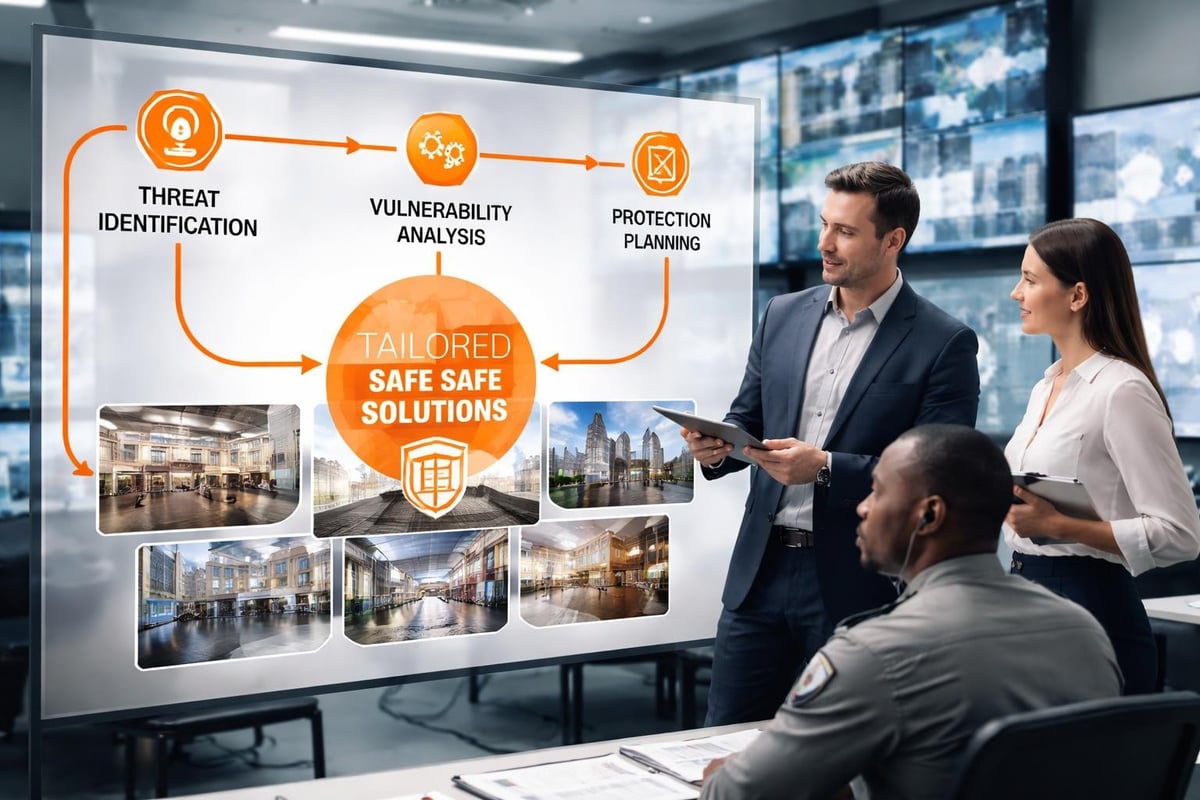
The foundation begins with thorough risk assessment. Understanding specific threats facing your facility allows for targeted implementation of appropriate safeguards. Manufacturing facilities face different challenges compared to office buildings or retail spaces, requiring bespoke approaches that acknowledge unique operational characteristics.
Key components of effective safe solutions include:
- Advanced detection technology that identifies threats before they escalate
- Rapid response mechanisms that minimise damage and disruption
- Continuous monitoring capabilities ensuring 24/7 vigilance
- Regular maintenance schedules preventing system failures
- Comprehensive staff training ensuring proper protocol adherence
When organisations invest in fire risk assessment services, they gain invaluable insights into their specific vulnerability profile. This intelligence drives informed decision-making about which technologies and protocols deliver maximum protection for their particular circumstances.
Fire Detection Systems as Core Safe Solutions
Modern fire detection represents one of the most critical elements within any comprehensive protection strategy. The evolution from basic smoke detectors to sophisticated intelligent systems has transformed how businesses approach fire safety, with advanced fire detection systems offering unprecedented sensitivity and accuracy.
Addressable Fire Alarm Technology
Addressable systems provide precise location information when detecting potential fire hazards, allowing rapid response teams to pinpoint exact threat locations within large or complex buildings. This specificity dramatically reduces response times and enables targeted intervention before situations escalate.
Each detection point communicates individually with the central control panel, transmitting detailed information about environmental conditions. This granular data allows facilities managers to distinguish between genuine emergencies and false alarms, reducing unnecessary evacuations whilst maintaining appropriate vigilance.
| System Type | Coverage Area | Response Time | False Alarm Rate | Maintenance Requirements |
|---|---|---|---|---|
| Conventional | Single zone | Standard | Higher | Quarterly |
| Addressable | Precise location | Rapid | Lower | Bi-annual |
| Wireless | Flexible | Very rapid | Lowest | Annual |
Multi-Sensor Detection Capabilities
Contemporary safe solutions incorporate multi-sensor technology that analyses multiple environmental factors simultaneously. By combining smoke, heat, and carbon monoxide detection within single units, these systems provide comprehensive threat identification whilst minimising false activations caused by environmental anomalies.
The National Fire Protection Association continually updates standards reflecting technological advances and emerging best practices. Staying aligned with these evolving guidelines ensures your protection measures remain effective against current threats whilst maintaining regulatory compliance.
Integration of Security Systems Within Safe Solutions
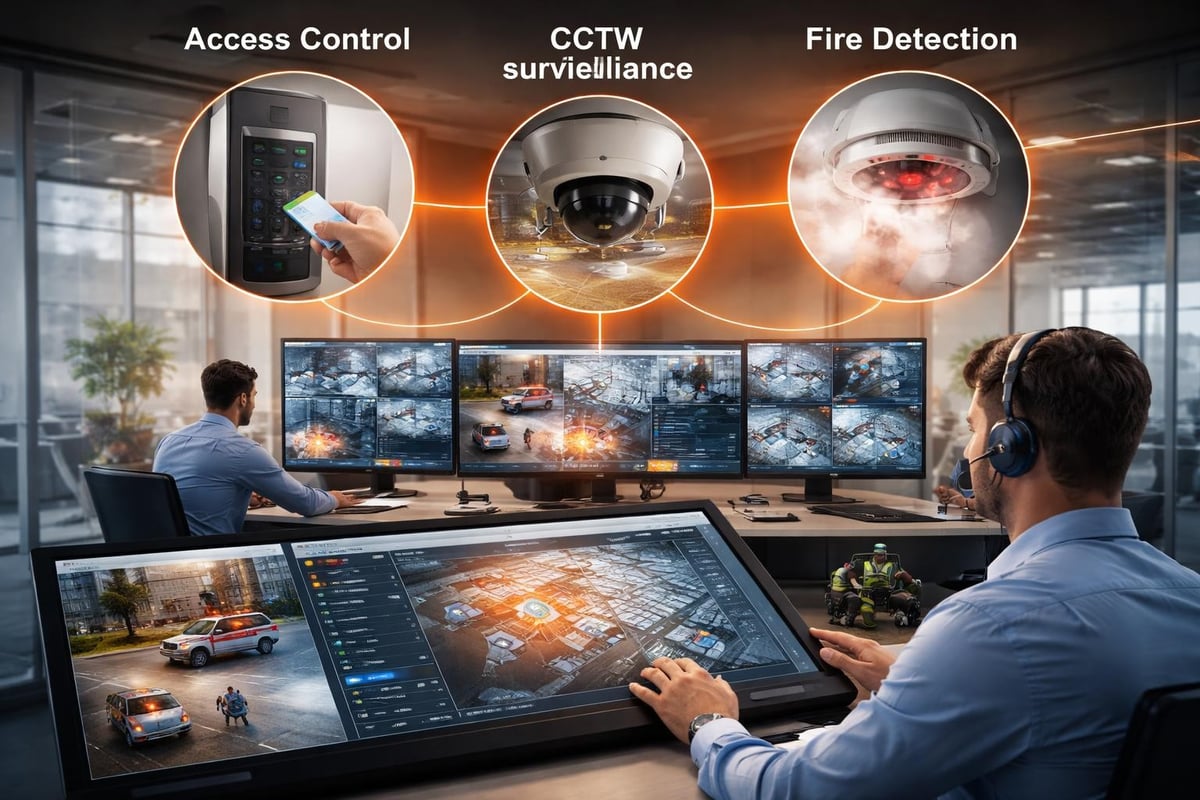
Whilst fire detection commands significant attention, comprehensive safe solutions must equally address security threats ranging from unauthorised access to theft and vandalism. Modern commercial security systems integrate seamlessly with fire protection infrastructure, creating unified defence strategies.
Access control systems form the first line of defence, managing who enters your premises and when. Advanced biometric solutions, key card systems, and mobile credentials provide flexible yet robust entry management that balances security with operational efficiency.
Benefits of integrated security approaches include:
- Centralised monitoring reducing staff requirements
- Automated responses triggered by specific events
- Comprehensive audit trails supporting investigations
- Reduced system complexity through unified platforms
- Enhanced reliability through redundant communications
CCTV surveillance complements access control by providing visual verification of activities throughout your facility. Modern commercial CCTV systems deliver high-definition footage stored securely for extended periods, whilst intelligent analytics identify unusual patterns warranting attention.
The integration extends to emergency response protocols. When fire alarms activate, access control systems can automatically release secured doors along evacuation routes whilst CCTV confirms areas have cleared, demonstrating how safe solutions leverage technology synergies for optimal protection.
Monitoring Services Enhancing Safe Solutions Effectiveness
Even the most sophisticated systems prove ineffective without proper monitoring ensuring appropriate responses to detected threats. Professional monitoring services transform technology investments into genuinely protective safe solutions by providing constant vigilance and expert intervention capabilities.
Fire alarm monitoring connects your detection systems to staffed control centres operating continuously. When alarms activate, trained operators assess situations, contact emergency services, and notify designated personnel according to predetermined protocols. This rapid response capability significantly reduces potential damage by ensuring help arrives within critical initial minutes.
Similarly, intruder alarm monitoring provides overnight and weekend protection when premises stand empty. Remote monitoring ensures security breaches trigger immediate responses, deterring criminal activity whilst protecting valuable assets and intellectual property.
The sophistication of modern monitoring extends to environmental factors through plant monitoring services. These track critical building systems including heating, ventilation, and air conditioning, identifying failures before they compromise safety or business continuity. According to OSHA fire safety guidelines, maintaining appropriate environmental conditions represents essential fire prevention.
Response Protocols and Escalation Procedures
Effective monitoring requires clear response protocols defining actions for various scenarios. Safe solutions incorporate detailed escalation procedures ensuring appropriate personnel receive notifications based on threat severity and nature.
Primary contacts receive immediate alerts for significant events, whilst secondary contacts engage if primary individuals prove unreachable. This layered approach prevents situations where genuine emergencies go unaddressed due to communication failures.
Maintenance Schedules Supporting Long-Term Safety
Technology requires regular maintenance preserving functionality and reliability. The most sophisticated safe solutions prove worthless when equipment failures prevent proper operation during emergencies. Structured maintenance programmes represent essential investments protecting initial system expenditures whilst ensuring ongoing protection.
Fire detection systems demand particular attention given their life-safety role. Fire alarm system maintenance best practices emphasise regular testing, cleaning, and calibration ensuring sensors respond appropriately to genuine threats whilst avoiding false activations disrupting operations.
| Maintenance Activity | Frequency | Typical Duration | Critical Components |
|---|---|---|---|
| Visual inspection | Monthly | 2-4 hours | Detectors, panels, signage |
| Functional testing | Quarterly | Half day | All detection points, alarms |
| Deep servicing | Annually | Full day | Complete system verification |
| Compliance audit | Annually | Variable | Documentation, certification |
Emergency lighting systems require monthly functional checks and annual discharge tests verifying batteries maintain sufficient capacity for required operation periods. These lights guide occupants safely during evacuations, making their reliability absolutely critical within comprehensive safe solutions.
Security systems similarly benefit from preventive maintenance identifying potential failures before they compromise protection. Regular camera cleaning, lens adjustments, and recording system health checks ensure CCTV infrastructure captures usable evidence when incidents occur.
Specialist Fire Suppression Technologies
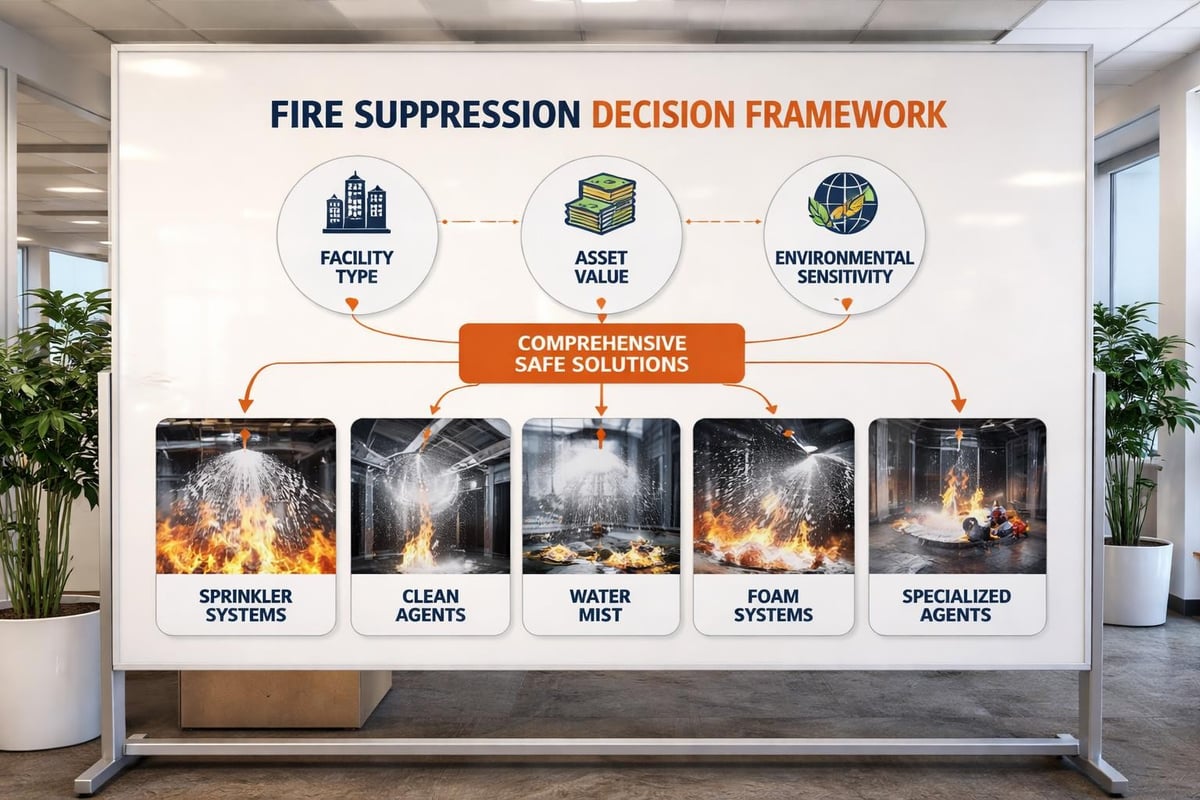
Beyond detection, effective safe solutions incorporate suppression capabilities limiting fire damage and protecting irreplaceable assets. Different environments require specific suppression approaches reflecting the materials present and operational requirements.
Traditional sprinkler systems remain highly effective for general commercial spaces, providing automatic fire suppression activating without human intervention. However, environments housing sensitive electronics, valuable documents, or data centres require alternative approaches avoiding water damage.
Gas suppression systems protect these critical spaces by displacing oxygen or disrupting combustion chemistry without introducing water or other potentially damaging agents. Clean agent systems allow rapid business resumption following incidents, minimising operational disruption beyond the immediate threat.
Applications benefiting from specialist suppression include:
- Server rooms and data centres
- Telecommunications facilities
- Museums and archival storage
- Pharmaceutical manufacturing areas
- High-value storage facilities
Research from the National Institute of Standards and Technology continues advancing suppression technologies, developing more environmentally friendly agents delivering equivalent protection with reduced ecological impact. Staying current with these developments ensures your safe solutions employ optimal technologies for your specific circumstances.
Regulatory Compliance and Safe Solutions
Implementing effective safe solutions necessarily involves navigating complex regulatory frameworks governing fire safety and security systems. British Standards, European regulations, and industry-specific requirements create multifaceted compliance obligations that businesses must satisfy whilst pursuing genuine protection.
Regular inspections verify systems meet current standards, with fire door inspections checking passive fire protection integrity and fire extinguisher servicing ensuring portable suppression equipment remains operational and accessible.
Documentation represents another critical compliance element. Maintaining comprehensive records of installations, modifications, testing, and maintenance activities demonstrates due diligence whilst supporting insurance claims should incidents occur. These records also streamline regulatory inspections by providing immediate evidence of compliance efforts.
Building Management Responsibilities
Property managers and building owners carry legal responsibilities ensuring adequate fire safety provisions exist and function properly. Safe solutions must address these obligations through systematic approaches covering detection, alarm, evacuation, and suppression capabilities appropriate to building occupancy and use.
Evacuation alert systems form essential components, providing clear instructions during emergencies whilst accommodating occupants with disabilities through disabled refuge provisions ensuring everyone can safely exit regardless of mobility limitations.
Future-Proofing Your Protection Strategy
As we progress through 2026, emerging technologies continue reshaping what constitutes effective safe solutions. Artificial intelligence enhances threat detection capabilities, identifying patterns indicating potential problems before they manifest as emergencies. Machine learning algorithms reduce false alarms by understanding normal environmental variations within specific facilities.
The future of fire safety technology increasingly involves predictive analytics leveraging historical data, environmental sensors, and operational patterns forecasting elevated risk periods. This intelligence allows proactive interventions preventing incidents rather than merely responding after detection.
Cloud-based management platforms provide facility managers unprecedented visibility across multiple sites, consolidating alerts, system health information, and compliance documentation within unified dashboards accessible from any location. This centralisation particularly benefits organisations managing distributed property portfolios.
Emerging capabilities enhancing safe solutions include:
- Intelligent video analytics detecting unusual behaviours
- Integrated building management systems coordinating fire, security, and environmental controls
- Mobile applications providing real-time alerts and system control
- Blockchain-based audit trails ensuring documentation integrity
- Drone-based perimeter surveillance for large facilities
Investing in scalable infrastructure accommodating future enhancements ensures your safe solutions remain effective as technologies evolve and threats change. Choosing systems supporting firmware updates, additional sensors, and expanded monitoring capabilities protects your investment whilst maintaining cutting-edge protection.
Staff Training and Emergency Preparedness
Technology alone cannot deliver complete protection. Human factors significantly influence emergency outcomes, making comprehensive staff training essential within holistic safe solutions. Employees must understand their roles during various emergency scenarios, know evacuation routes, and recognise when situations warrant immediate action versus measured responses.
Regular fire drills verify evacuation procedures work effectively whilst identifying areas requiring refinement. These exercises should vary timing and scenarios, ensuring staff can respond appropriately regardless of when emergencies occur or which building areas they affect.
Security awareness training helps employees recognise suspicious activities, social engineering attempts, and other threats that sophisticated technology might miss. Creating security-conscious cultures where staff actively participate in protecting facilities significantly enhances overall safe solutions effectiveness.
Documentation of training activities demonstrates compliance whilst identifying individuals requiring additional instruction. Maintaining records of who received which training and when supports continuous improvement efforts whilst satisfying regulatory requirements.
Selecting the Right Safe Solutions Partner
Implementing comprehensive protection requires partnering with experienced providers offering complete lifecycle support from initial assessment through design, installation, commissioning, monitoring, and ongoing maintenance. The complexity of modern integrated systems demands expertise spanning multiple disciplines and technologies.
Accreditations and certifications provide valuable indicators of provider capabilities. Look for organisations holding relevant industry certifications demonstrating technical competence and commitment to maintaining current knowledge as technologies and standards evolve.
Response times matter significantly when systems require repairs or adjustments. Providers offering 24/7 protection and support ensure help remains available whenever problems arise, minimising vulnerability windows when systems operate at reduced capacity.
Consider providers' experience with facilities similar to yours. Those familiar with your industry's specific challenges and regulatory requirements deliver more effective safe solutions addressing your unique circumstances rather than generic approaches requiring extensive adaptation.
Implementing genuinely effective safe solutions demands careful attention to detection technologies, security systems, monitoring services, maintenance protocols, and regulatory compliance. By adopting integrated approaches that leverage modern technologies whilst recognising the essential human elements of emergency preparedness, organisations create environments where people and assets remain protected against diverse threats. Logic Fire and Security brings decades of expertise helping businesses across the UK design, implement, and maintain comprehensive fire and security solutions tailored to their specific requirements, combining advanced technology with responsive support ensuring continuous protection for your operations.