


Fire safety represents one of the most critical responsibilities for any commercial property owner or facility manager. A professionally installed fire alarm system serves as the first line of defence against potentially devastating fires, protecting both lives and assets. For businesses across the United Kingdom, understanding the intricacies of fire alarm system installation is essential for maintaining compliance, ensuring operational continuity, and safeguarding employees and visitors. This comprehensive guide explores the key aspects of planning, implementing, and maintaining commercial fire detection systems to meet modern safety standards.
Understanding Commercial Fire Alarm Systems
Commercial fire alarm systems differ significantly from residential installations in terms of complexity, scale, and regulatory requirements. These sophisticated networks integrate multiple detection technologies, notification devices, and control panels to provide comprehensive coverage across large or multi-storey buildings.
Types of Fire Detection Technologies
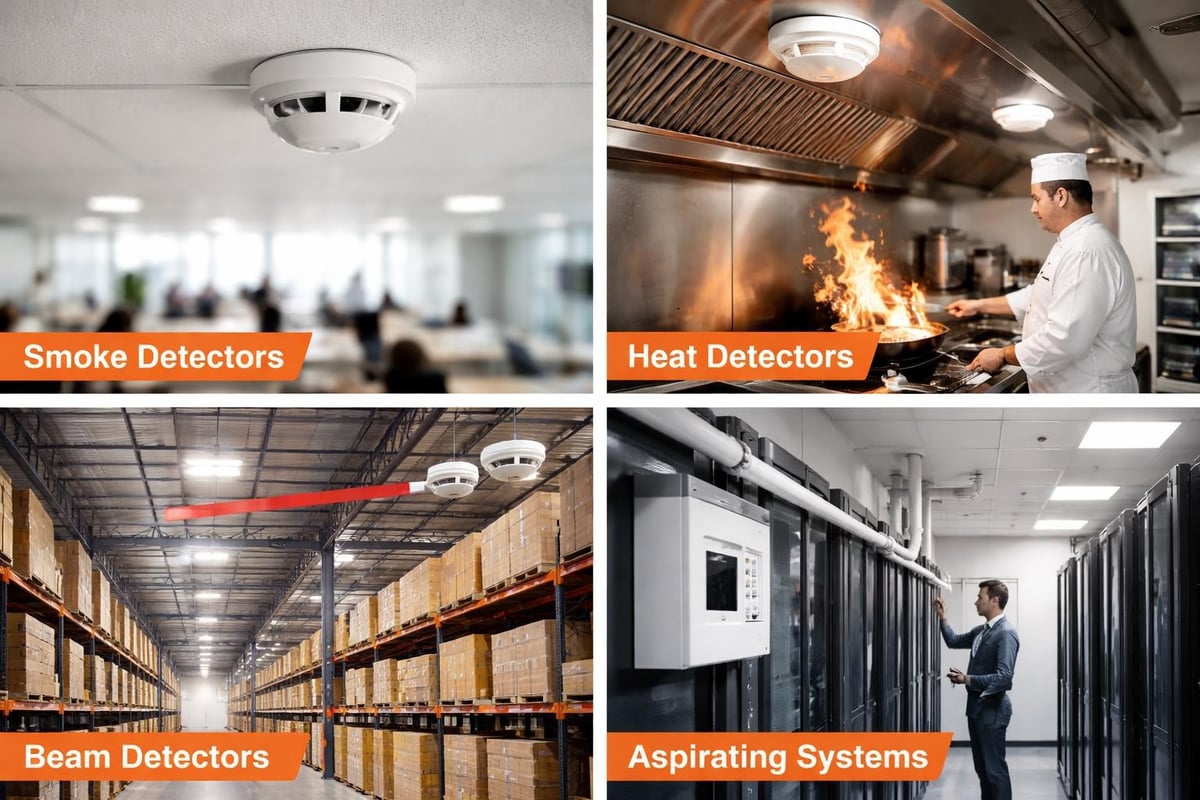
Modern fire alarm system installation typically incorporates several detection methods to ensure reliable early warning:
- Smoke detectors utilising optical or ionisation sensors for general area coverage
- Heat detectors suitable for environments where smoke detectors may trigger false alarms
- Multi-sensor devices combining smoke and heat detection for enhanced accuracy
- Beam detectors providing coverage across large open spaces such as warehouses
- Aspirating systems offering extremely early warning in high-value or critical areas
The selection of appropriate detection technology depends on the specific environment, ceiling heights, ambient conditions, and the nature of activities within each zone. A thorough site survey conducted by qualified engineers ensures that the chosen technologies align with both the physical characteristics of the premises and the fire risk assessment findings.
Planning Your Fire Alarm System Installation
Effective planning forms the foundation of any successful fire alarm system installation project. This phase determines the system's capability to meet both current requirements and future expansion needs whilst maintaining compliance with British Standards and building regulations.
Initial Assessment and Design
Professional installers begin with a comprehensive site evaluation that examines building layout, occupancy patterns, escape routes, and potential fire hazards. This assessment informs the system design, which must address several critical factors:
| Design Consideration | Impact on Installation | Typical Solutions |
|---|---|---|
| Building size and complexity | Determines panel capacity and zone configuration | Networked panels for multi-site coordination |
| Occupancy type and density | Influences detector spacing and notification coverage | Enhanced audibility calculations and visual devices |
| Environmental conditions | Affects detector selection and placement | Specialist detectors for harsh environments |
| Existing infrastructure | Impacts installation methodology | Integration with building management systems |
The design phase should also incorporate future-proofing elements, allowing for potential building modifications or occupancy changes without requiring complete system replacement. This forward-thinking approach delivers better long-term value and reduces disruption to business operations.
Regulatory Compliance and Standards
Fire alarm system installation in commercial premises must adhere to stringent regulatory frameworks. The primary standard governing these installations is BS 5839-1:2017, which specifies requirements for system design, installation, commissioning, and maintenance. Additionally, installers must ensure compliance with the NFPA 72 National Fire Alarm and Signaling Code for certain international projects or multinational organisations.
Building Regulations Approved Document B sets out fire safety requirements for different building types, whilst the Regulatory Reform (Fire Safety) Order 2005 places responsibility on the "responsible person" to ensure adequate fire detection and warning systems. Working with accredited installers who understand these frameworks ensures that your fire alarm system meets all legal obligations.
The Installation Process
Once planning and design receive approval, the physical installation phase commences. This typically follows a structured sequence to minimise disruption whilst ensuring quality workmanship throughout.
Site Preparation and Equipment Staging
Professional installation teams coordinate closely with facility managers to schedule work during periods of minimal operational impact. Critical preparation steps include:
- Protection of existing infrastructure through careful routing plans
- Staging of equipment and materials in designated secure areas
- Coordination with other trades to avoid conflicts with electrical, HVAC, or building works
- Establishment of safety protocols for working at height and in occupied spaces
- Communication plans to keep stakeholders informed of progress and any disruptions
For occupied buildings, phased installation approaches allow sections of the property to remain operational whilst work progresses in other areas. This methodology proves particularly valuable for businesses that cannot afford complete operational shutdowns.
Cable Infrastructure and Device Installation
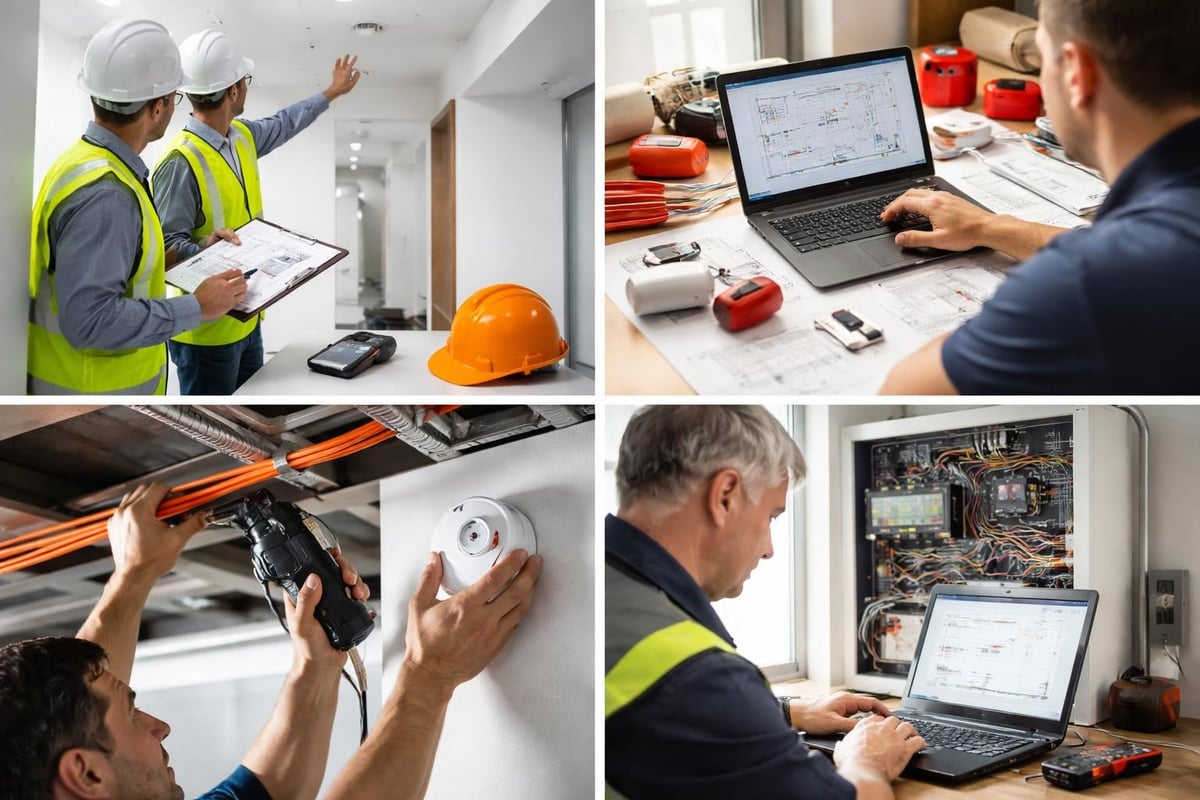
The physical installation of cabling and devices represents the most labour-intensive aspect of fire alarm system installation. Modern installations typically utilise fire-resistant cables that maintain circuit integrity during fire conditions, ensuring continued operation when it matters most.
Installers must maintain precise documentation throughout this phase, recording cable routes, device locations, and zone assignments. This documentation proves invaluable for future maintenance, modifications, and troubleshooting activities.
Control Panel Configuration and Programming
The fire alarm control panel serves as the system's brain, monitoring all detection circuits and coordinating response actions. Configuration involves:
- Programming zone descriptions and locations for clear identification
- Setting appropriate detection algorithms and sensitivity levels
- Configuring cause-and-effect programming for automatic responses
- Establishing communication protocols with remote monitoring centres
- Implementing access controls and user permissions
Advanced systems increasingly incorporate network connectivity, enabling integration with building management platforms and facilitating remote diagnostics. This connectivity enhances system performance whilst reducing maintenance costs through predictive monitoring capabilities.
Testing and Commissioning
Thorough testing validates that the installed system operates correctly and meets design specifications. This critical phase ensures reliability before the system enters active service.
Functional Testing Procedures
Comprehensive testing protocols examine every aspect of system performance:
| Test Category | Verification Points | Acceptance Criteria |
|---|---|---|
| Detection circuits | All devices respond correctly | 100% device functionality |
| Notification devices | Audibility and visibility throughout | Meets BS 5839 sound level requirements |
| Control functions | Manual call points, panel operations | All functions operate as designed |
| Communication paths | Monitoring connections, network links | Reliable transmission to monitoring centre |
| Power supplies | Mains and battery backup | Specified standby duration achieved |
Testing should occur in the presence of the client's representatives, allowing them to understand system operation and verify performance against expectations. This collaborative approach builds confidence in the installation and facilitates smooth handover.
Documentation and Certification
Upon successful completion of testing, installers provide comprehensive documentation packages including:
- System schematics and layout drawings showing all device locations
- Equipment specifications and certification documents
- Programming details and operational procedures
- Commissioning certificates confirming compliance with relevant standards
- User manuals and training materials for operational staff
This documentation supports ongoing maintenance activities and provides evidence of compliance for insurance and regulatory purposes. Maintaining current records throughout the system's lifecycle proves essential for demonstrating due diligence.
Integration with Other Building Systems
Modern fire alarm system installation increasingly involves integration with complementary safety and building management systems. This holistic approach enhances overall protection whilst improving operational efficiency.
Coordinated Safety Systems
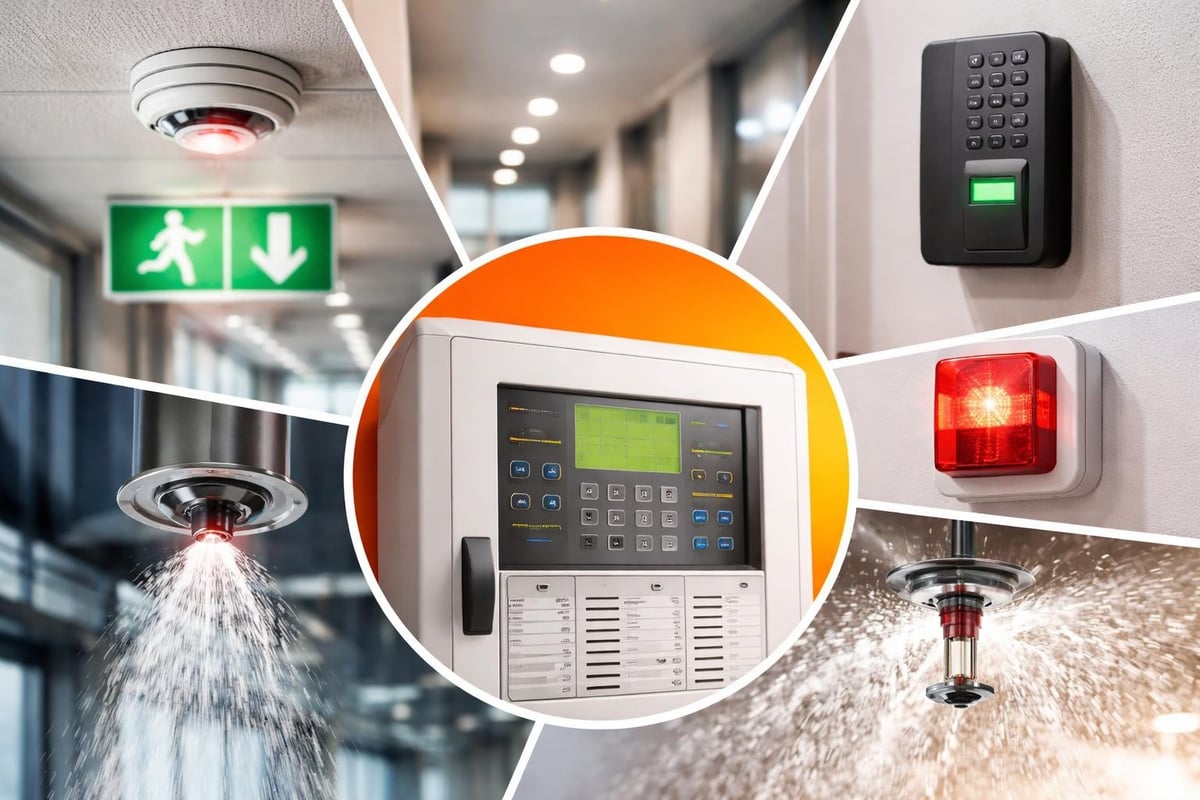
Fire alarm systems work most effectively when coordinated with other life safety installations:
- Emergency lighting activation upon alarm conditions
- Evacuation alert systems providing voice communication capabilities
- Disabled refuge systems ensuring assistance for vulnerable occupants
- Fire suppression systems triggering automated extinguishing responses
- Access control systems managing egress during emergencies
Integration planning should occur during the design phase to ensure compatible technologies and appropriate interface specifications. Well-integrated systems provide seamless protection whilst reducing complexity for operators and maintenance personnel.
Building Management System Integration
Advanced commercial installations benefit from integration with building management systems (BMS), enabling centralised monitoring and control. Fire alarm data flowing to the BMS allows facility managers to track system status, identify trends, and coordinate responses efficiently.
However, integration must maintain the independence and reliability of fire safety systems. Critical fire alarm functions should never depend on BMS operation, ensuring protection remains active even if building automation systems fail.
Ongoing Maintenance and Support
Fire alarm system installation represents just the beginning of a long-term relationship between the system owner and their service provider. Regular maintenance ensures continued reliability and regulatory compliance throughout the system's operational life.
Scheduled Maintenance Requirements
British Standards mandate specific maintenance frequencies based on system type and application. Typical maintenance schedules include:
- Weekly testing of system functionality by designated staff
- Quarterly inspections by competent persons checking critical components
- Annual servicing by qualified engineers performing comprehensive examinations
- Periodic testing of all detection devices on a rolling programme
These maintenance activities identify potential issues before they compromise system performance, whilst demonstrating ongoing compliance with regulatory obligations. Engaging fire alarm monitoring services provides additional assurance through continuous remote supervision.
System Upgrades and Modifications
As buildings evolve through refurbishments, occupancy changes, or operational modifications, fire alarm systems require corresponding updates. Professional service providers assess whether existing infrastructure can accommodate changes or whether more extensive upgrades become necessary.
Modern addressable systems offer significant flexibility for modifications, allowing new devices to be added or relocated with minimal disruption. However, changes must be properly documented and tested to maintain system integrity and compliance status.
Selecting the Right Installation Partner
The expertise and reliability of your installation contractor significantly influence project outcomes. Businesses should evaluate potential partners against several critical criteria to ensure successful fire alarm system installation.
Accreditations and Qualifications
Reputable installers maintain industry-recognised accreditations demonstrating their competence and commitment to quality standards:
- Third-party certification to schemes such as BAFE SP203-1
- NICEIC or ECA registration for electrical installation work
- Manufacturer approvals for specific equipment ranges
- ISO certifications for quality management systems
- NSI or SSAIB approval for integrated security and fire installations
These accreditations provide independent verification of capability and ensure installers follow best practices throughout project delivery. Reviewing quality and accreditations helps businesses make informed selection decisions.
Experience and Track Record
Beyond formal qualifications, practical experience with similar projects provides valuable assurance. Businesses should seek installers who demonstrate:
- Proven capability in comparable building types and scales
- Understanding of specific industry requirements and challenges
- References from satisfied clients in similar sectors
- Technical expertise with preferred equipment manufacturers
- Financial stability supporting long-term service commitments
Experienced contractors navigate complex projects more efficiently, anticipate potential challenges, and deliver solutions aligned with operational requirements. Their expertise proves particularly valuable when addressing unique circumstances or integrating legacy systems.
Cost Considerations and Value
Fire alarm system installation costs vary considerably based on building characteristics, system complexity, and specification choices. Understanding the factors influencing investment levels helps businesses budget appropriately whilst ensuring adequate protection.
Investment Factors
Several variables affect overall project costs:
| Cost Factor | Impact Level | Optimization Strategies |
|---|---|---|
| Building size and layout | High | Efficient zone design and detector placement |
| Detection technology selection | Medium to High | Risk-based approach to technology deployment |
| Wiring infrastructure requirements | Medium | Utilize existing pathways where suitable |
| Integration complexity | Medium | Standardize protocols and interfaces |
| Compliance requirements | Low to Medium | Early engagement with authorities |
Whilst initial costs represent important considerations, businesses should evaluate total cost of ownership including maintenance, monitoring, and potential upgrade expenses over the system's lifecycle. Well-designed installations deliver superior long-term value through reduced maintenance requirements and greater adaptability.
Return on Investment
Beyond regulatory compliance, effective fire alarm system installation delivers tangible business benefits:
- Reduced insurance premiums through demonstrated risk mitigation
- Business continuity protection minimizing disruption from fire incidents
- Asset preservation preventing damage to valuable equipment and inventory
- Reputation management demonstrating commitment to stakeholder safety
- Operational efficiency through integration with building management systems
These benefits often justify investment in higher-specification systems that provide enhanced capabilities and reliability compared to minimum-compliance installations.
Common Challenges and Solutions
Even well-planned fire alarm system installation projects encounter challenges. Understanding common issues and their solutions helps businesses prepare effectively and maintain project momentum.
False Alarm Management
False alarms represent a persistent challenge for commercial fire alarm systems, disrupting operations and potentially desensitizing occupants to genuine emergencies. Modern installations address this concern through:
- Multi-sensor detectors requiring confirmation from multiple technologies
- Verification protocols delaying transmission to monitoring centres
- Adjustable sensitivity settings tailored to environmental conditions
- Appropriate detector selection for specific area characteristics
- Regular maintenance preventing deterioration-related false activations
Working with experienced installers who understand the causes of false alarms ensures appropriate measures are incorporated during the design and installation phases. Post-installation monitoring and adjustment further refine system performance to minimize nuisance activations.
Minimizing Operational Disruption
Installing fire alarm systems in occupied buildings requires careful coordination to maintain business operations. Successful strategies include:
- Detailed pre-planning identifying critical operational periods to avoid
- Phased implementation allowing sections to remain operational
- Out-of-hours working for particularly disruptive activities
- Clear communication keeping occupants informed of schedules and impacts
- Contingency planning addressing unexpected complications promptly
Professional contractors with extensive experience in occupied buildings manage these challenges effectively, balancing project progress against operational requirements. Their expertise proves particularly valuable for businesses operating 24/7 or serving time-sensitive functions.
Future-Proofing Your Investment
Technology evolution continues transforming fire detection and alarm systems. Forward-thinking businesses consider emerging capabilities when planning fire alarm system installation to maximize long-term value and adaptability.
Emerging Technologies
Several technological trends influence modern fire safety system design:
- Wireless detection devices reducing installation costs and enabling flexible deployment
- Cloud-based monitoring platforms providing enhanced analytics and remote management
- Artificial intelligence improving detection accuracy and reducing false alarms
- Internet of Things integration enabling predictive maintenance and performance optimization
- Advanced communication protocols facilitating deeper integration with building systems
Whilst these technologies offer compelling benefits, businesses should balance innovation against proven reliability. Mission-critical fire safety systems demand dependable performance above all else, making conservative technology choices often appropriate for core system components.
Scalability and Adaptability
Effective system design anticipates potential future requirements:
- Spare capacity in control panels accommodating additional zones
- Infrastructure allowing device additions without major rewiring
- Open protocols supporting equipment from multiple manufacturers
- Modular architectures enabling incremental expansion
- Documentation supporting future modifications by qualified personnel
These provisions ensure fire alarm systems remain effective throughout building lifecycles, accommodating changes in occupancy, layout, or usage patterns without requiring premature replacement.
Implementing a comprehensive fire alarm system requires careful planning, expert execution, and ongoing commitment to maintenance and compliance. The investment in professional fire alarm system installation protects lives, preserves assets, and demonstrates responsible stewardship of commercial properties. Logic Fire and Security brings decades of expertise in designing, installing, and maintaining advanced fire detection systems for businesses throughout the United Kingdom, delivering solutions that combine regulatory compliance with operational excellence. Partner with experienced professionals who understand your unique requirements and can deliver fire safety systems worthy of your trust.