


Protecting commercial premises from unauthorised access has become increasingly sophisticated, with modern security technology offering far more than basic intrusion detection. Commercial intruder alarm systems now represent comprehensive security ecosystems that integrate multiple detection methods, intelligent monitoring capabilities, and rapid response protocols. For businesses across the UK, selecting the appropriate system requires understanding not only the available technologies but also how these solutions align with specific operational needs, compliance requirements, and risk profiles. Whether you're safeguarding a warehouse, retail space, office building, or manufacturing facility, the right alarm system forms the foundation of your security infrastructure.
Understanding Commercial Intruder Alarm System Components
The architecture of modern commercial intruder alarm systems comprises several interconnected elements that work together to detect, verify, and respond to potential security breaches. At the heart of every system sits the control panel, which processes signals from all detection devices and coordinates the appropriate response protocols.
Detection devices form the sensory network of your security system. These include:
- Passive infrared (PIR) sensors that detect heat signatures and movement patterns
- Magnetic door and window contacts that trigger when entry points are breached
- Glass break detectors using acoustic sensors to identify the unique frequency of breaking glass
- Dual-technology sensors combining PIR and microwave detection to reduce false alarms
- Vibration sensors for perimeter fencing and structural monitoring
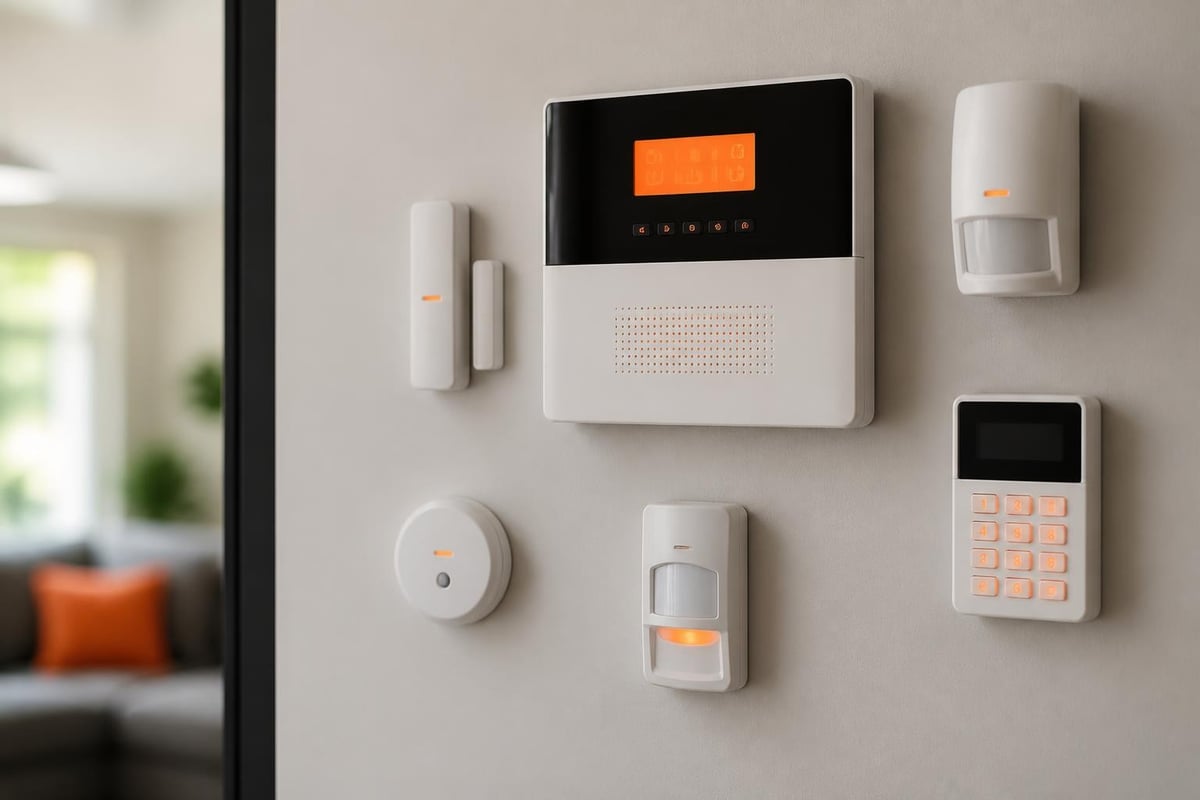
The signalling infrastructure ensures that alerts reach the appropriate parties. Modern systems typically incorporate multiple communication pathways including dedicated telephone lines, cellular networks, and internet protocol connections. This redundancy prevents would-be intruders from disabling alarm communications by cutting a single connection point.
User interface devices allow authorised personnel to interact with the system. Keypads, card readers, biometric scanners, and mobile applications provide varying levels of access control whilst maintaining security protocols. These interfaces must balance convenience for legitimate users with robust protection against unauthorised manipulation.
Technological Advancements in Detection Capabilities
The evolution of commercial intruder alarm systems has been driven by significant technological innovations that enhance detection accuracy whilst minimising false alarms. Traditional single-technology sensors often struggled with environmental factors that could trigger unnecessary alerts, but contemporary systems employ sophisticated algorithms and multi-sensor verification.
Research into radar and smart video integration demonstrates how modern perimeter intrusion systems can distinguish between genuine threats and benign environmental triggers such as wildlife or weather conditions. These advanced detection capabilities prove particularly valuable for businesses with extensive outdoor areas or complex perimeter requirements.
Artificial intelligence and machine learning algorithms now enable commercial intruder alarm systems to learn normal operational patterns and identify anomalies that might indicate security threats. These systems can differentiate between an authorised employee working late and an intruder attempting to access the premises during closed hours.
| Detection Technology | Primary Application | Key Advantage | Consideration |
|---|---|---|---|
| PIR Sensors | Interior spaces | Cost-effective, reliable | Temperature sensitivity |
| Microwave Sensors | Large open areas | Penetrates barriers | Potential for false alarms |
| Dual Technology | High-security zones | Reduced false alarms | Higher installation cost |
| Video Analytics | Perimeter and entry points | Visual verification | Requires adequate lighting |
| Acoustic Sensors | Glass protection | Specific threat detection | Limited to one threat type |
The integration of commercial intruder alarm systems with video surveillance creates powerful verification capabilities. When an alarm triggers, security personnel can immediately access live footage to assess the situation before dispatching response teams. This integration also supports forensic investigation following security incidents, as detailed in guidance on business security camera systems.
Standards and Compliance Requirements
Commercial intruder alarm systems must meet rigorous standards to ensure reliability and effectiveness. In the UK, the primary grading system categorises alarm systems based on the level of risk and potential loss they're designed to protect against. These grades range from Grade 1 (low risk) to Grade 4 (very high risk), with corresponding requirements for detection capabilities, communication protocols, and system resilience.
Understanding UL 2610 standards provides insight into the benchmarks commercial premises security alarm units must meet. These standards address power supply reliability, tamper protection, communication security, and environmental resilience.
Insurance companies frequently stipulate specific alarm system requirements as conditions for coverage. Businesses seeking optimal insurance premiums must ensure their commercial intruder alarm systems meet or exceed these specifications. Documentation of professional installation, regular maintenance, and monitoring arrangements often factors into insurance assessments.
Certification and Professional Installation
Only qualified security professionals should design and install commercial intruder alarm systems. Certified installers understand not only the technical requirements but also the regulatory landscape governing security systems. They can properly assess risk levels, recommend appropriate detection strategies, and ensure installations comply with all relevant standards.
Professional installation ensures proper sensor placement, adequate coverage of vulnerable areas, and correct system configuration. Poorly positioned sensors create coverage gaps that sophisticated intruders may exploit, whilst incorrectly calibrated devices generate false alarms that undermine system credibility.
Regular maintenance and testing form essential components of system compliance. Annual inspections verify that all components function correctly, communication pathways remain operational, and backup power supplies maintain adequate charge. These inspections also provide opportunities to update system configurations as business operations evolve.
Integration with Broader Security Ecosystems
Modern commercial intruder alarm systems rarely operate in isolation. Instead, they form part of comprehensive security ecosystems that include access control, video surveillance, and environmental monitoring capabilities. This integration creates synergies that enhance overall security effectiveness whilst improving operational efficiency.
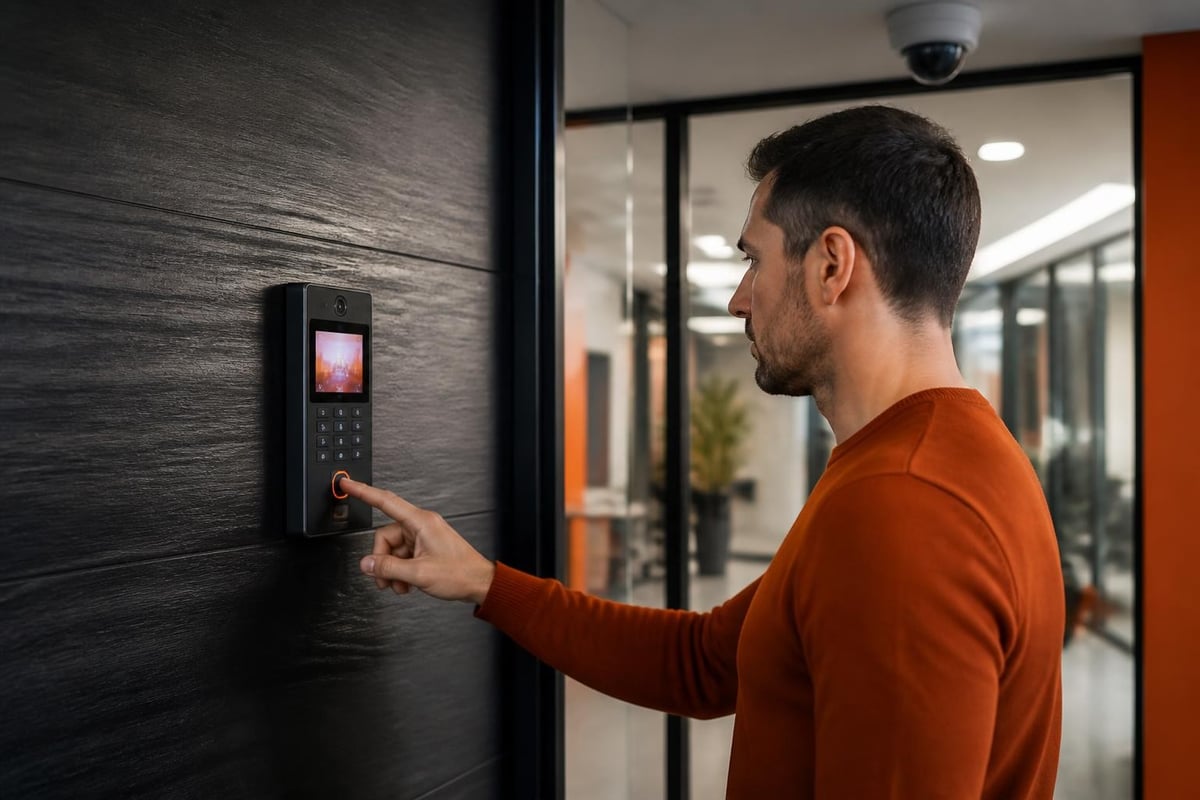
The relationship between intruder alarms and building access control systems proves particularly valuable. When employees use credential-based access control to enter premises, the system can automatically disarm specific zones whilst maintaining protection in restricted areas. This intelligent coordination eliminates the need for manual alarm management whilst ensuring continuous protection.
Integration with fire detection creates important safety benefits. Combined systems can coordinate emergency responses, ensuring that intrusion protection doesn't interfere with evacuation procedures whilst preventing false fire alarms from disabling security measures. The NIST guide on intrusion detection and prevention systems explores these integration considerations in detail.
Environmental monitoring capabilities add another dimension to commercial intruder alarm systems. Sensors can detect flooding, temperature extremes, or power failures that might threaten business operations or indicate system tampering. This holistic approach to premises protection addresses multiple risk categories through a unified infrastructure.
Monitoring and Response Protocols
The effectiveness of commercial intruder alarm systems depends significantly on monitoring arrangements and response protocols. Three primary monitoring approaches serve different business needs and security requirements.
Self-monitoring places responsibility on business personnel to respond to alarm activations. This approach suits small operations with owners or managers living nearby who can quickly verify alarms and contact emergency services if necessary. However, self-monitoring creates vulnerabilities during holidays, illnesses, or situations where responsible parties are unavailable.
Police response systems connect directly to local law enforcement, though many jurisdictions now require confirmed alarms before dispatching officers. This requirement reflects the prevalence of false alarms and the strain they place on police resources. Businesses relying on police response must implement verification procedures to ensure genuine incidents receive appropriate attention.
Professional monitoring services provide 24/7 protection through dedicated security operations centres. Trained operators receive alarm signals, assess the situation using available verification tools, and coordinate appropriate responses. These services maintain detailed protocols for different alarm types and can escalate situations according to predefined procedures.
Response Verification and Escalation
Modern commercial intruder alarm systems incorporate multiple verification methods to confirm genuine security breaches before initiating full response protocols. Video verification allows monitoring personnel to visually assess alarm triggers, whilst audio monitoring enables them to listen for signs of intrusion.
Sequential verification requires multiple sensors to trigger within a defined timeframe before confirming an alarm. This approach dramatically reduces false alarms caused by isolated sensor malfunctions or environmental anomalies. However, system designers must carefully balance verification requirements against response time needs.
Escalation procedures define how responses intensify as situations develop. Initial responses might involve attempting to contact keyholders, whilst confirmed intrusions trigger immediate security personnel dispatch and law enforcement notification. Well-designed protocols ensure appropriate resource deployment whilst avoiding overreaction to minor incidents.
Selecting the Right System for Your Business
Choosing appropriate commercial intruder alarm systems requires thorough analysis of your specific security needs, operational requirements, and budget constraints. The NIST selection and application guide provides comprehensive frameworks for this decision-making process.
Begin by conducting a detailed security risk assessment that identifies:
- High-value assets requiring protection
- Vulnerable access points and potential intrusion routes
- Operational patterns including staffed hours and quiet periods
- Environmental factors affecting sensor performance
- Regulatory requirements specific to your industry
- Insurance stipulations and coverage conditions
This assessment forms the foundation for system specification. Retail environments might prioritise rapid police response and video verification, whilst warehouses focus on perimeter protection and after-hours monitoring. Manufacturing facilities may require integration with process control systems and environmental monitoring.
| Business Type | Primary Concerns | Recommended Features | Monitoring Approach |
|---|---|---|---|
| Retail | Till areas, stock rooms, after-hours | Video verification, panic buttons | Professional monitoring |
| Warehouse | Perimeter, loading bays, inventory | Robust outdoor sensors, access integration | Professional monitoring |
| Office | Equipment, data, out-of-hours | Access control integration, zone control | Professional or police response |
| Manufacturing | Equipment, materials, processes | Environmental monitoring, area protection | Professional monitoring with escalation |
Budget considerations extend beyond initial installation costs. Ongoing monitoring fees, maintenance contracts, and periodic system updates represent significant long-term expenses. However, the cost of inadequate security-including losses from theft, insurance claim excesses, and business disruption-typically far exceeds investment in robust commercial intruder alarm systems.
Wireless vs Wired System Architectures
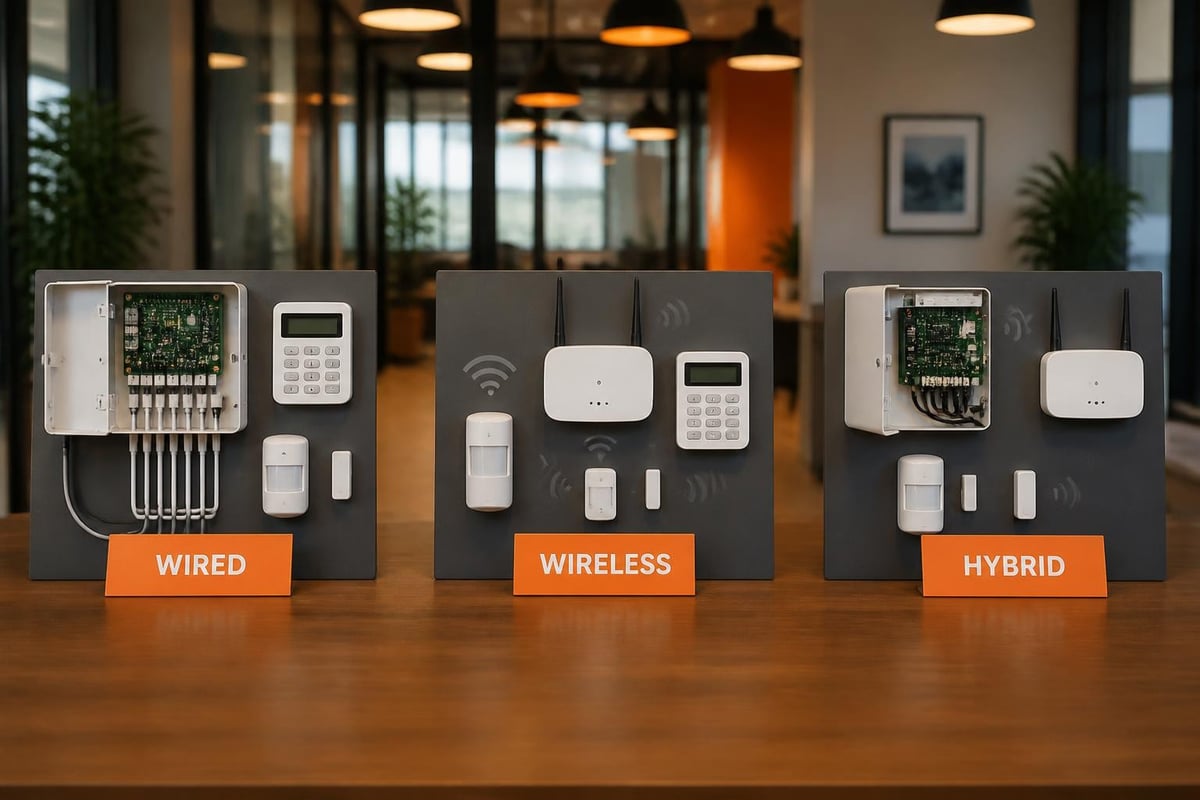
The choice between wireless and wired commercial intruder alarm systems significantly impacts installation complexity, system reliability, and ongoing maintenance requirements. Each architecture offers distinct advantages that suit different premises configurations and business needs.
Wired systems provide the ultimate reliability through physical connections between all components. They don't depend on battery power for detection devices and remain immune to radio frequency interference. Historic buildings, new constructions, and high-security environments often favour wired installations despite higher initial labour costs.
The permanent nature of wired systems makes them ideal for businesses planning long-term occupancy. Once installed, these systems require minimal ongoing maintenance beyond regular testing and occasional component replacement. However, wired installations prove challenging in occupied buildings where extensive cable routing disrupts operations.
Wireless systems offer remarkable installation flexibility, particularly in listed buildings where invasive cabling would damage historic fabric or in leased premises where tenants cannot authorise structural modifications. Modern wireless commercial intruder alarm systems employ encrypted communication protocols that prevent signal interception or jamming.
Battery management represents the primary maintenance consideration for wireless systems. Detection devices typically require battery replacement every two to five years, depending on usage patterns and environmental conditions. Quality systems include low-battery alerts that provide adequate warning before device failure.
Hybrid Approaches
Many contemporary installations employ hybrid architectures that leverage advantages from both technologies. Critical components like control panels and primary communication pathways use wired connections, whilst remote or difficult-to-reach sensors employ wireless technology. This approach balances reliability, cost-effectiveness, and installation practicality.
Advanced Features and Future Developments
The evolution of commercial intruder alarm systems continues to accelerate as emerging technologies create new capabilities and address longstanding challenges. Understanding these developments helps businesses make future-proof investment decisions that accommodate tomorrow's security requirements.
Cloud-based management platforms now enable security managers to monitor and control multiple sites from centralised interfaces. These systems provide real-time status updates, automated maintenance scheduling, and comprehensive reporting capabilities. The ability to manage security infrastructure alongside other building systems creates operational efficiencies whilst improving situational awareness.
Mobile credential technology transforms how authorised personnel interact with commercial intruder alarm systems. Smartphones replace traditional key fobs or cards, enabling remote system control whilst providing detailed audit trails of who accessed which areas and when. This technology integrates seamlessly with broader access control installation strategies.
Artificial intelligence continues expanding its role in threat detection and response optimisation. Machine learning algorithms analyse historical alarm data to identify patterns that distinguish genuine threats from false triggers. These systems continuously refine their detection parameters, improving accuracy over time without requiring manual recalibration.
Research into high-confidence cyber-physical alarm systems explores how internet connectivity can enhance alarm communication and control whilst maintaining security against cyber threats. As commercial intruder alarm systems become increasingly networked, cybersecurity considerations grow in importance.
Maintenance and System Longevity
Proper maintenance ensures commercial intruder alarm systems deliver reliable protection throughout their operational lifespan. Neglected systems gradually degrade, creating vulnerabilities that sophisticated intruders may exploit or generating excessive false alarms that undermine user confidence.
Scheduled maintenance should include:
- Sensor testing to verify proper detection range and sensitivity
- Battery inspection for backup power supplies and wireless devices
- Communication pathway verification across all redundant channels
- Software updates to address security vulnerabilities and add features
- User training refreshers to ensure proper system operation
- Documentation updates reflecting any operational or configuration changes
Professional security providers typically offer comprehensive maintenance contracts that bundle regular inspections with priority response for system faults. These arrangements prove cost-effective compared to ad-hoc service calls whilst ensuring consistent system performance.
Component obsolescence eventually affects all commercial intruder alarm systems. Manufacturers typically support products for ten to fifteen years before discontinuing replacement parts. Planning for eventual system replacement allows businesses to budget appropriately and avoid emergency upgrades when critical components fail.
The relationship between intruder alarm monitoring and maintenance proves mutually reinforcing. Monitoring centres detect system faults and communication failures, often identifying problems before they compromise security effectiveness. This proactive approach to system health management extends operational lifespan whilst maintaining consistent protection levels.
Training and User Competency
Even the most sophisticated commercial intruder alarm systems prove ineffective if authorised users don't understand proper operation procedures. Comprehensive training programmes ensure that employees can confidently interact with security infrastructure whilst maintaining protection integrity.
Initial training should cover fundamental operations including system arming and disarming procedures, zone bypass functions for maintenance activities, and proper response to alarm conditions. Users must understand the importance of securing premises before arming systems and the consequences of leaving protected areas unsecured.
Advanced training for security managers addresses system configuration, user management, and report interpretation. These individuals need deeper understanding of how commercial intruder alarm systems integrate with broader security infrastructure and how to optimise settings for evolving operational requirements.
Regular refresher training addresses complacency and ensures new employees receive proper instruction. Many security incidents result from user error rather than system failures, making ongoing education a critical component of effective security programmes. Training also provides opportunities to gather user feedback that might identify system improvements or operational adjustments.
Selecting and maintaining commercial intruder alarm systems requires careful consideration of multiple technical, operational, and compliance factors that vary significantly between businesses and industries. The investment in appropriate detection technology, professional installation, and ongoing maintenance delivers protection that safeguards assets, ensures regulatory compliance, and provides peace of mind. Logic Fire and Security brings extensive experience designing, installing, and maintaining advanced intruder alarm systems for businesses across the UK, offering comprehensive solutions that integrate seamlessly with fire detection and broader security infrastructure to protect your operations around the clock.