

Selecting the right partner for implementing access control systems represents a critical decision for any organisation seeking to protect its premises, assets, and personnel. Access control installation companies vary significantly in their expertise, technical capabilities, and service standards, making informed selection essential for achieving robust security outcomes. With technological advancements accelerating and regulatory requirements tightening across the UK, understanding how to evaluate and engage professional installers has never been more important for facility managers and security professionals.
Understanding the Role of Access Control Installation Companies
Access control installation companies provide specialised services that extend far beyond simply mounting readers and controllers on walls. These organisations design comprehensive security architectures tailored to specific operational requirements, threat profiles, and compliance obligations.
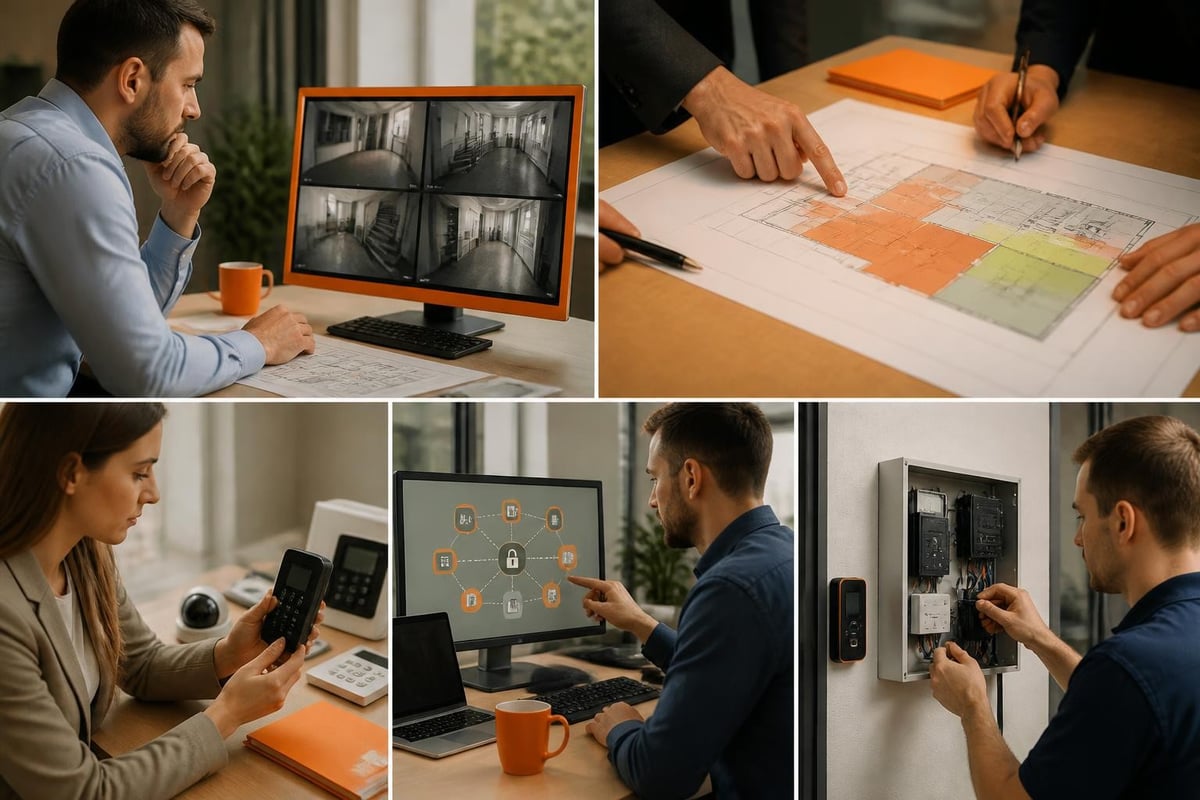
Professional installers conduct detailed site surveys to identify optimal placement for access points, assess existing infrastructure compatibility, and determine integration requirements with other security systems. This preliminary assessment forms the foundation for system design that balances security effectiveness with operational efficiency.
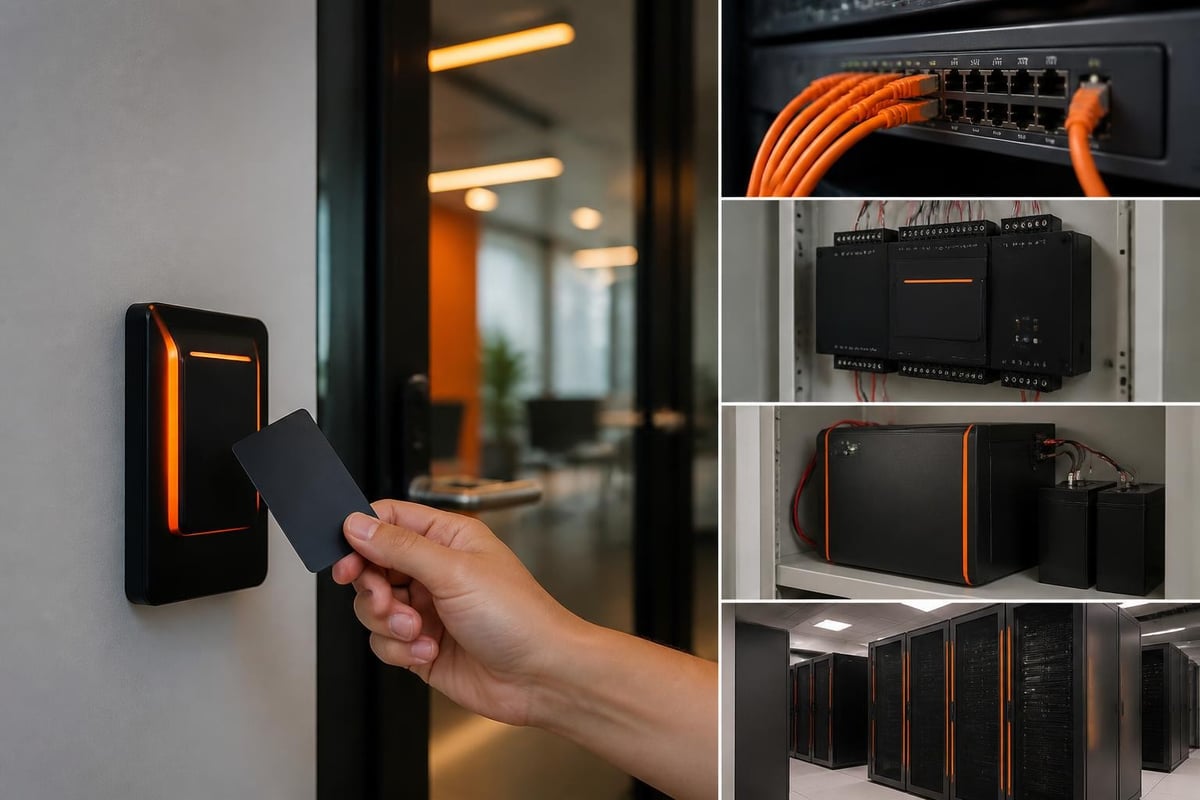
The installation phase involves complex technical work including network infrastructure deployment, power supply configuration, data cabling installation, and controller programming. Experienced access control installation companies understand the nuances of different technologies, from traditional card-based systems to biometric readers and mobile credential platforms.
Technical Competencies Required
Modern access control systems demand sophisticated technical knowledge across multiple disciplines:
- Network engineering for IP-based access control devices
- Electrical systems understanding for power distribution and failover mechanisms
- Cybersecurity expertise to protect against digital threats
- Database management for credential administration
- Integration capabilities with fire alarm, CCTV, and intrusion detection systems
Leading firms maintain certified technicians who receive ongoing manufacturer training to stay current with evolving technologies. Verkada’s deployment best practices emphasise the importance of proper installation techniques to avoid costly troubleshooting after system commissioning.
Evaluating Installation Company Credentials
Selecting from available access control installation companies requires systematic evaluation of credentials, experience, and industry standing. Accreditation serves as an essential quality indicator, with certifications demonstrating commitment to professional standards.
Industry Certifications and Standards
| Certification | Relevance | Issued By |
|---|---|---|
| NSI Gold | Premium security systems standard | National Security Inspectorate |
| SSAIB Approved | Quality assurance for security installers | Security Systems and Alarms Inspection Board |
| ECA Registered | Electrical safety compliance | Electrical Contractors' Association |
| ISO 9001 | Quality management systems | British Standards Institution |
Companies maintaining these accreditations undergo regular audits to verify ongoing compliance with technical and operational standards. Quality and accreditations provide third-party validation of installation capabilities.
Beyond certifications, evaluate manufacturer partnerships. Access control installation companies holding platinum or gold partner status with leading manufacturers receive privileged technical support, advanced training, and warranty provisions that benefit end clients.
Experience with Complex Deployments
Track record matters significantly when selecting installers. Request case studies demonstrating experience with:
- Multi-site installations coordinating access control across distributed locations
- High-security environments requiring advanced biometric or multi-factor authentication
- Integration projects connecting access control with building management systems
- Compliance-driven implementations meeting specific regulatory requirements
- Legacy system migrations transitioning from outdated platforms without operational disruption
Companies serving Blue Chip organisations and public sector agencies typically demonstrate superior capabilities, having navigated stringent procurement processes and demanding performance standards.
Design and Planning Capabilities
Effective access control implementations begin with comprehensive design work. Top-tier access control installation companies invest substantial effort in understanding organisational security requirements before proposing solutions.
The design process should incorporate threat assessment, reviewing historical security incidents, identifying vulnerable areas, and determining appropriate security levels for different zones within facilities. ASTM’s standard guide for access control systems provides frameworks for evaluating security requirements and system specifications.
Site Survey Methodology
Professional installers conduct thorough site surveys examining:
- Physical infrastructure including door types, frame construction, and existing hardware
- Environmental conditions such as weather exposure, temperature extremes, and electromagnetic interference
- Network infrastructure assessing bandwidth, switch capacity, and cabling requirements
- Power availability verifying adequate electrical supply and backup provisions
- User flow patterns understanding peak usage times and traffic volumes
Detailed documentation from site surveys enables accurate cost estimation and prevents scope changes during installation. According to common access control installation mistakes, inadequate planning represents a primary cause of project failures and cost overruns.
System Architecture Development
Following site assessment, installers develop system architecture defining:
| Design Element | Considerations |
|---|---|
| Topology | Networked vs standalone, centralized vs distributed control |
| Credential Technology | Cards, fobs, biometrics, mobile credentials, or multi-factor |
| Door Hardware | Electric strikes, magnetic locks, electrified panic devices |
| Integration Points | Fire systems, CCTV, intrusion detection, building automation |
| Scalability | Future expansion capacity and technology upgrade paths |
Forward-thinking designs accommodate growth without requiring wholesale system replacement. Access control installation companies should recommend architectures supporting phased deployment aligned with budget constraints and operational priorities.
Installation Methodology and Project Management
Implementation quality directly impacts system reliability, user experience, and long-term maintenance requirements. Distinguishing access control installation companies employ rigorous project management methodologies ensuring on-time, on-budget delivery.
Implementation Best Practices
Electronic access control best practices emphasise the principle of least privilege, defining clear access levels, and maintaining comprehensive audit trails. Professional installers build these principles into system configuration during deployment.
The installation sequence typically follows this progression:
- Infrastructure preparation including cabling runs and power circuits
- Hardware mounting with precise alignment and secure fastening
- Network configuration establishing communication between components
- Controller programming defining access rules and schedules
- Credential enrollment registering users and issuing access devices
- Integration testing verifying connections with ancillary systems
- User acceptance testing confirming functionality under operational conditions
- Documentation delivery providing system manuals and configuration records
Leading firms assign dedicated project managers who coordinate installations, communicate progress, and resolve issues proactively. Regular status meetings keep stakeholders informed and enable timely decision-making when field conditions differ from planning assumptions.
Quality Assurance Protocols
Reputable access control installation companies implement quality checkpoints throughout installations. These include:
- Pre-installation inspections verifying component compatibility before deployment
- Installation validation confirming proper mounting, alignment, and weatherproofing
- Functional testing systematically verifying each access point operates correctly
- Load testing confirming system performance under peak usage conditions
- Security testing validating authentication mechanisms and anti-tailgating measures
The access control installation process requires attention to numerous technical details that separate professional implementations from substandard work. Proper door alignment, strike adjustment, and request-to-exit sensor positioning significantly affect user experience and security effectiveness.
Integration with Existing Security Infrastructure
Modern facilities operate integrated security ecosystems where access control, intrusion detection, CCTV monitoring, and fire safety systems exchange data to enhance overall protection. Access control installation companies must demonstrate integration expertise to deliver cohesive security solutions.
Common Integration Scenarios
Integration requirements vary by facility type and security objectives:
- Fire alarm integration enabling automatic door unlocking during emergencies whilst maintaining security zones
- Video management integration triggering recording upon access events for forensic purposes
- Intrusion alarm integration coordinating armed/disarmed states with authorised access
- Building automation integration managing HVAC and lighting based on occupancy sensing
- HR database integration automating credential issuance and revocation aligned with employment status
Professional installers understand protocol requirements for connecting disparate systems, whether through manufacturer APIs, open standards like ONVIF and OSDP, or middleware platforms. Building access control systems increasingly operate as components within broader physical security information management (PSIM) platforms.
Data Security Considerations
Integration introduces cybersecurity considerations that competent access control installation companies address through:
| Security Measure | Implementation |
|---|---|
| Network segmentation | Isolating access control traffic on dedicated VLANs |
| Encryption | Securing communications between components using TLS/SSL |
| Access authentication | Implementing strong passwords and multi-factor authentication for administrative access |
| Firmware management | Maintaining current software versions with security patches |
| Audit logging | Recording configuration changes and administrative activities |
As access control systems connect to enterprise networks, they become potential vectors for cyber attacks. Installers must implement defence-in-depth strategies protecting both physical and digital security.
Maintenance and Support Considerations
System performance depends on ongoing maintenance provided after initial installation. When evaluating access control installation companies, examine their service capabilities and support infrastructure.
Preventive Maintenance Programmes
Professional maintenance prevents failures before they compromise security. Comprehensive programmes include:
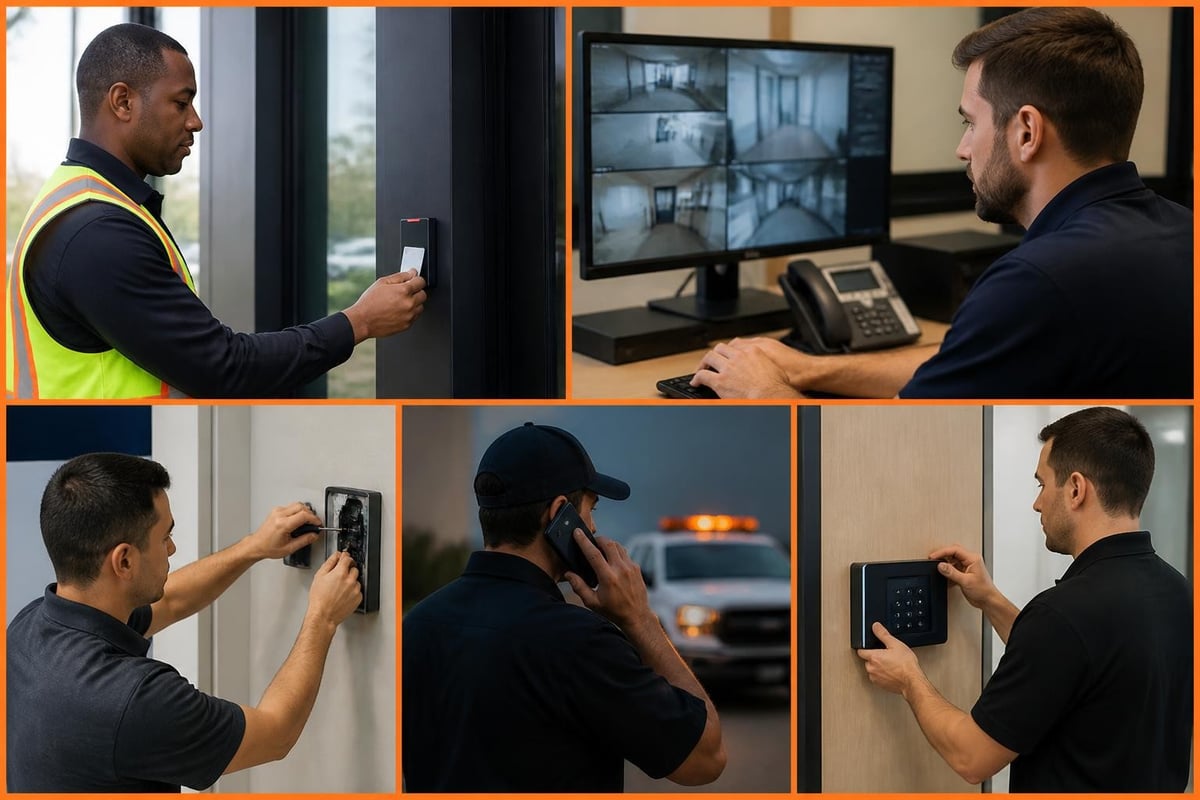
- Quarterly inspections testing all access points, verifying credential reader functionality, and checking backup power systems
- Software updates applying manufacturer patches and feature enhancements
- Database optimization maintaining credential databases and purging obsolete records
- Hardware cleaning removing debris from readers and mechanical components
- Battery replacement for access controllers and locks with independent power supplies
Access control system maintenance best practices emphasise documentation of maintenance activities, creating service records that support compliance audits and warranty claims.
Emergency Response Capabilities
System failures can create security vulnerabilities or operational disruptions. Access control installation companies should provide:
- 24/7 emergency support with guaranteed response times
- Remote diagnostics enabling rapid troubleshooting without site visits
- Parts inventory maintaining critical components for immediate replacement
- Temporary solutions implementing workarounds whilst permanent repairs are completed
- Escalation procedures engaging manufacturer technical support for complex issues
Service level agreements (SLAs) should specify response times, resolution targets, and performance guarantees. Commercial security systems require reliable support infrastructure to maintain continuous protection.
Cost Considerations and Contract Structures
Investment in access control varies substantially based on system complexity, site conditions, and specification requirements. Understanding cost structures enables informed comparisons between access control installation companies.
Pricing Components
Total cost of ownership extends beyond initial installation:
- Equipment costs for controllers, readers, credentials, and door hardware
- Labour charges covering installation, programming, and commissioning
- Infrastructure expenses including cabling, conduit, and electrical work
- Software licensing for management platforms and mobile applications
- Training costs ensuring administrators can operate systems effectively
- Annual maintenance for ongoing support and preventive service
- Monitoring fees if connecting to central monitoring stations
Reputable firms provide itemized quotations enabling clients to understand cost allocation. Request detailed specifications for all proposed components, as significant price differences often reflect varying equipment quality rather than installation efficiency.
Contract Models
Access control installation companies offer various contract structures:
| Contract Type | Description | Best For |
|---|---|---|
| Design-Build | Single contractor handles design and installation | Streamlined project delivery |
| Design-Bid-Build | Separate design followed by competitive installation bidding | Maximising cost competition |
| Managed Service | Installation included with ongoing service contract | Predictable long-term costs |
| Maintenance-Only | Service existing systems installed by others | Organizations with in-house installation capability |
Consider total cost of ownership rather than focusing solely on installation price. Lower initial costs may reflect compromises in equipment quality, installation standards, or post-installation support that generate higher long-term expenses.
Compliance and Regulatory Expertise
Access control installations must satisfy various regulatory requirements depending on facility type and industry sector. Knowledgeable access control installation companies navigate these obligations ensuring compliant implementations.
Relevant Standards and Regulations
UK facilities must consider:
- BS EN 60839-11-1 for electronic access control systems requirements
- BS 7273-4 for access control integration with fire detection systems
- Data Protection Act 2018 governing biometric data collection and storage
- Equality Act 2010 ensuring accessibility for disabled persons
- Building Regulations addressing fire safety and means of escape
Sector-specific requirements apply to healthcare facilities, educational institutions, government buildings, and critical infrastructure. Fire alarm monitoring integration must comply with British Standards ensuring access control enhances rather than compromises life safety.
Documentation and Audit Support
Professional installers provide comprehensive documentation supporting compliance demonstrations:
- System design documentation showing compliance with applicable standards
- Installation certificates confirming work quality and adherence to specifications
- Commissioning reports documenting functional testing and performance validation
- User manuals enabling proper system operation and administration
- Maintenance records demonstrating ongoing system reliability
These documents prove essential during regulatory inspections, insurance reviews, and certification processes. Designing and deploying access control systems requires balancing security effectiveness with regulatory compliance and operational practicality.
Technology Selection and Future-Proofing
Access control technology evolves rapidly with innovations in biometrics, mobile credentials, cloud management, and artificial intelligence. Forward-thinking access control installation companies guide clients toward solutions that remain relevant despite technological change.
Emerging Technologies
Consider these developments when specifying new systems:
- Mobile credentials using smartphones as access devices eliminating physical cards
- Touchless biometrics employing facial recognition or iris scanning
- Cloud-based management enabling remote administration and reducing on-premise infrastructure
- Artificial intelligence for behaviour analytics and anomaly detection
- Wireless locks simplifying installation in retrofit applications
Whilst innovative technologies offer advantages, proven reliability matters more than novelty. Established access control installation companies balance cutting-edge capabilities with operational maturity, recommending technologies appropriate for specific applications.
Scalability and Expansion Planning
Systems should accommodate growth in both facility footprint and technological capabilities:
| Scalability Factor | Design Consideration |
|---|---|
| Door count capacity | Controllers supporting additional readers without architectural changes |
| Network bandwidth | Infrastructure handling increased data traffic from expanded systems |
| Database capacity | Credential management supporting growing user populations |
| Integration potential | Open architecture enabling future system connections |
| Upgrade paths | Migration strategies to newer technologies without complete replacement |
Professional installers design modular systems where capacity additions require minimal disruption to operational areas. Access control installation guides emphasise planning for expansion from initial deployment rather than treating growth as an afterthought.
Selecting Your Installation Partner
The process of choosing from available access control installation companies should follow a structured approach balancing technical capability, commercial terms, and cultural fit.
Request for Proposal Development
Comprehensive RFPs enable meaningful comparisons by standardising information requests. Include:
- Detailed site information with floor plans and existing security system documentation
- Functional requirements specifying security objectives and operational needs
- Technical requirements defining preferred technologies and integration points
- Performance expectations establishing availability targets and response times
- Budget parameters indicating financial constraints and funding timelines
- Evaluation criteria explaining how proposals will be assessed
Clear RFPs generate proposals directly addressing your requirements rather than generic marketing materials. Access control entry systems represent significant investments warranting thorough evaluation processes.
Reference Checking and Site Visits
Beyond written proposals, conduct due diligence through:
- Reference conversations with existing clients in similar industries
- Site visits viewing completed installations demonstrating workmanship quality
- Financial stability checks verifying contractor viability for long-term support
- Insurance verification confirming adequate professional indemnity and public liability coverage
- Subcontractor disclosure understanding which work will be self-performed versus subcontracted
Direct conversations with references reveal insights about responsiveness, problem-solving capabilities, and post-installation support quality that proposals cannot convey.
Partnership Approach
The best outcomes emerge from collaborative relationships rather than adversarial contractor-client dynamics. Access control installation companies functioning as strategic partners invest in understanding business operations, security challenges, and future objectives.
Look for installers who:
- Ask probing questions about security requirements rather than immediately proposing solutions
- Offer alternatives balancing security effectiveness with budget realities
- Provide honest assessments of technology limitations and implementation challenges
- Commit to knowledge transfer ensuring your team can administer systems effectively
- Maintain communication throughout projects and beyond initial installation
These characteristics indicate organisations committed to client success rather than merely executing transactions.
Selecting the right access control installation company determines whether your security investment delivers lasting protection or generates ongoing frustration through inadequate functionality and reliability issues. By systematically evaluating credentials, technical capabilities, service standards, and commercial terms, you can identify partners capable of designing, implementing, and supporting access control systems that protect your people and assets effectively. Logic Fire and Security brings decades of experience delivering comprehensive security solutions to UK businesses, combining technical expertise with responsive service to ensure your access control systems achieve their full protective potential whilst maintaining seamless operations.