

Security threats are growing more sophisticated every year, putting homes and businesses at greater risk. In 2026, simply relying on traditional alarms is no longer enough to ensure effective protection. According to recent reports, the UK has seen a significant rise in security breaches, highlighting the importance of investing in robust solutions.
This guide is designed to help you confidently select, install, and maintain a safe security alarm system that addresses today’s challenges. By exploring the latest alarm technologies, key decision criteria, integration with smart devices, and ongoing compliance requirements, you will gain expert insights to safeguard your property.
Discover how staying up to date with modern systems not only delivers peace of mind, but also keeps you ahead of evolving threats and regulatory demands.
Understanding Modern Security Alarm Systems in 2026
The world of security is changing fast. Over the past decade, the need for a safe security alarm system has grown as technology and threats evolve. In this section, we’ll break down how these systems have transformed, what options are available, the latest innovations, and why it’s crucial to stay up to date.
Evolution of Security Alarm Technology
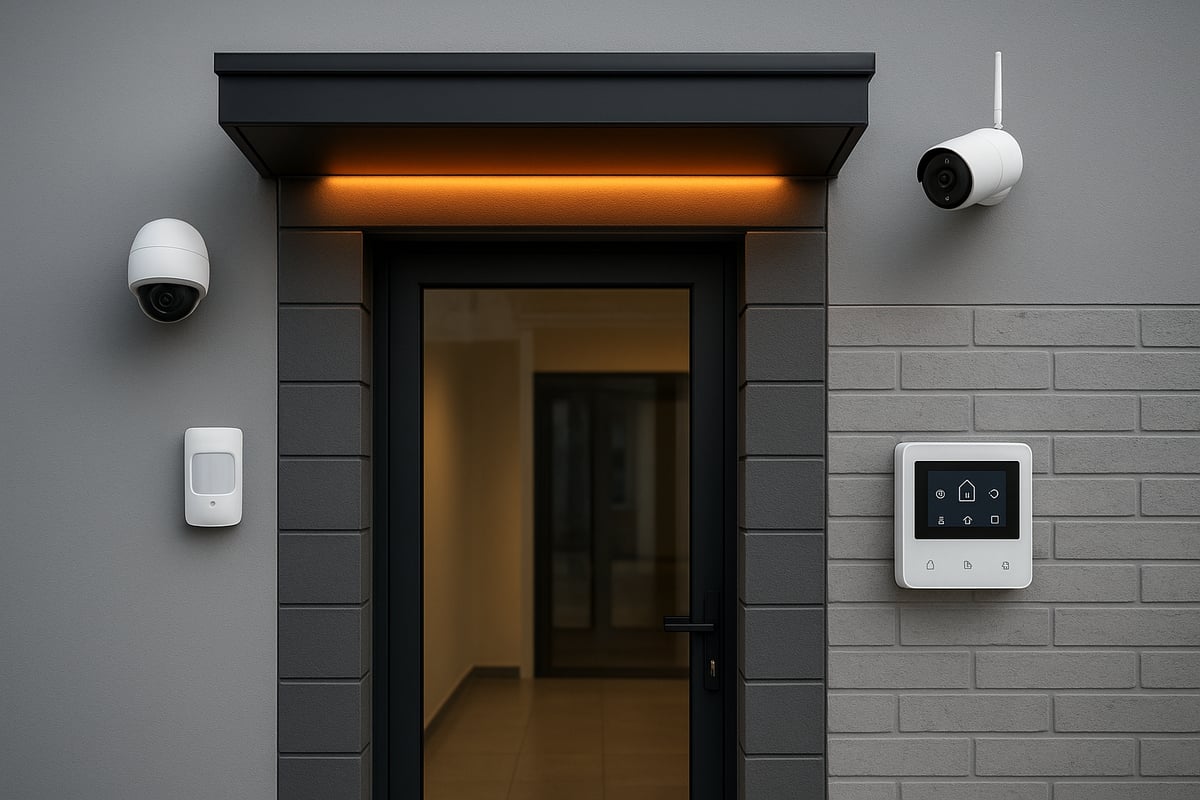
Security alarm technology has seen a dramatic shift in recent years. Traditional analogue alarms are now largely replaced by digital and AI-powered systems. Wireless connectivity and cloud-based management have become standard, making the safe security alarm system more effective and user-friendly.
For example, many properties have transitioned from simple bell-only alarms to smart, professionally monitored solutions. This evolution means more reliable detection and faster response times.
Types of Security Alarm Systems Available
Today, there are several types of safe security alarm system setups to consider. These include wired, wireless, and hybrid intruder alarms. You can choose between monitored systems, where an external company oversees alerts, or self-monitored options controlled via your mobile.
Smart alarms now offer mobile integration, letting you manage security from anywhere. According to industry reports, over 70 percent of UK businesses have adopted monitored alarm systems. For a deeper look at the options, see the Commercial Intruder Alarm System Guide.
Latest Features and Innovations for 2026
Modern safe security alarm system features are designed for both security and convenience. AI-driven detection helps reduce false alarms by learning regular activity patterns. Systems now integrate seamlessly with IoT and smart platforms, offering real-time alerts and remote control through mobile apps.
Biometric and facial recognition access are becoming more common. In commercial settings, predictive analytics can flag potential threats before they happen, setting a new benchmark for proactive protection.
Security Threat Landscape: Why Up-to-Date Systems Matter
The rise of sophisticated break-ins and cyber-physical threats means an old alarm is no longer enough. Recent high-profile breaches have shown that outdated systems leave serious gaps in protection.
Insurance providers often require a modern safe security alarm system to maintain coverage. Failing to upgrade can result in higher risks and even denied claims when incidents occur.
Key Benefits of Modern Alarm Systems
A modern safe security alarm system offers several clear benefits. Detection accuracy and response speed are significantly improved. User interfaces are more accessible, allowing for easier management by homeowners and businesses alike.
Flexibility is another key advantage, with systems easily tailored to unique property needs. Compliance with UK regulations is also easier with up-to-date technology, helping avoid costly penalties.
Common Misconceptions and Pitfalls
Some believe wireless systems are easy targets, but today’s technology uses robust encryption and secure channels. Over-relying on DIY setups can lead to missed vulnerabilities and gaps in monitoring.
Professional monitoring remains essential for a truly safe security alarm system. Misunderstanding the need for expert oversight can put your property at risk.
How to Choose the Right Security Alarm System
Selecting a safe security alarm system in 2026 requires a strategic approach. With evolving threats and a rapidly growing market, it is essential to match your security solution precisely to your risks and operational needs. Let us break down the process to ensure you make an informed, effective decision.
Assessing Your Security Needs
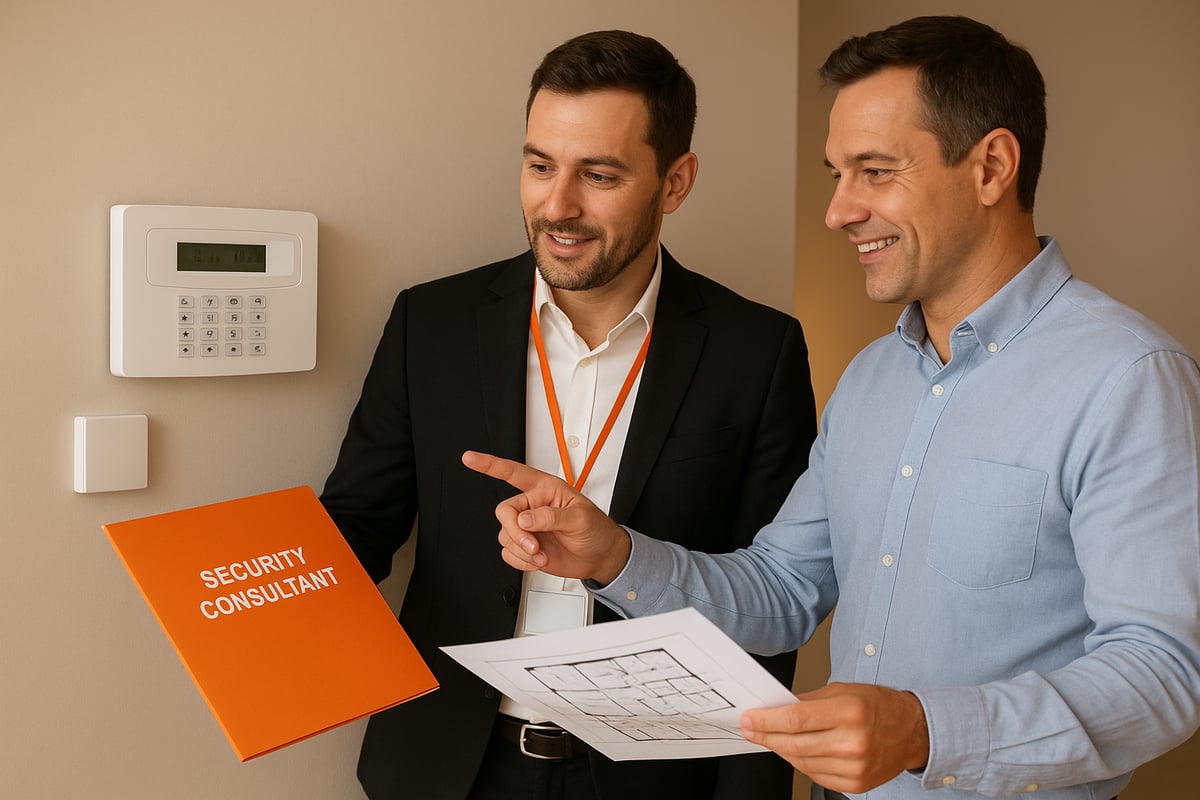
Begin by conducting a comprehensive risk assessment. Consider your property type, location, and the value of your assets. For example, a retail store in a busy urban area faces different risks than a quiet office in a business park.
Identify all entry points, including doors, windows, and less obvious access routes. Understanding these vulnerabilities is key to choosing a safe security alarm system that covers every potential weakness.
Comparing Alarm System Features and Specifications
Not all alarm systems are created equal. Evaluate key features such as motion sensors, cameras, control panels, and system connectivity. Assess the scalability of each safe security alarm system, especially if you plan to expand or upgrade in the future.
| Feature | Entry-Level System | Enterprise-Grade System |
|---|---|---|
| Sensors | Basic motion | Advanced, multi-type |
| Cameras | Optional | Integrated HD & IR |
| Control Panel | Standard keypad | Touchscreen, remote |
| Connectivity | Wired/wireless | Multi-network, cloud |
Compare specifications to ensure your chosen system aligns with your operational requirements.
Budgeting: Cost vs. Value
Balancing cost and value is crucial. Look beyond the initial price of your safe security alarm system to consider long-term savings, such as reduced insurance premiums and loss prevention.
Factor in ongoing expenses, including maintenance and monitoring fees. A well-chosen system can deliver substantial return on investment, especially when it prevents costly incidents.
Compliance and Legal Considerations
Compliance with UK regulations is non-negotiable. Ensure your safe security alarm system meets standards like BS EN 50131 and PD6662, and that it adheres to GDPR for data protection.
Businesses may require certification, and non-compliance can result in significant fines. Regularly review updates to standards to keep your security system legally robust.
Selecting a Reputable Supplier or Installer
Choosing the right provider is as important as selecting the system itself. Look for NSI or BAFE-accredited companies, and always check references and industry reputation.
A poor installation can compromise even the best safe security alarm system. For guidance on evaluating the best providers, see Commercial Security Alarm Companies.
- Check accreditations
- Request case studies or references
- Confirm after-sales support
Logic Fire and Security: Expert Solutions for UK Businesses
Logic Fire and Security delivers tailored design, installation, and maintenance for advanced alarm systems throughout the UK. Their certified expertise ensures your safe security alarm system is compliant, reliable, and fully integrated with fire safety measures.
With 24/7 monitoring and a strong track record with blue-chip clients, Logic Fire and Security provides comprehensive protection for commercial environments.
Step-by-Step Guide: Installing a Safe Security Alarm System
Installing a safe security alarm system is a strategic process that demands careful planning and precise execution. Each stage ensures your system is robust, reliable, and compliant with current standards. Follow this structured guide to achieve optimal protection for your premises.
Step 1: Site Assessment and Planning
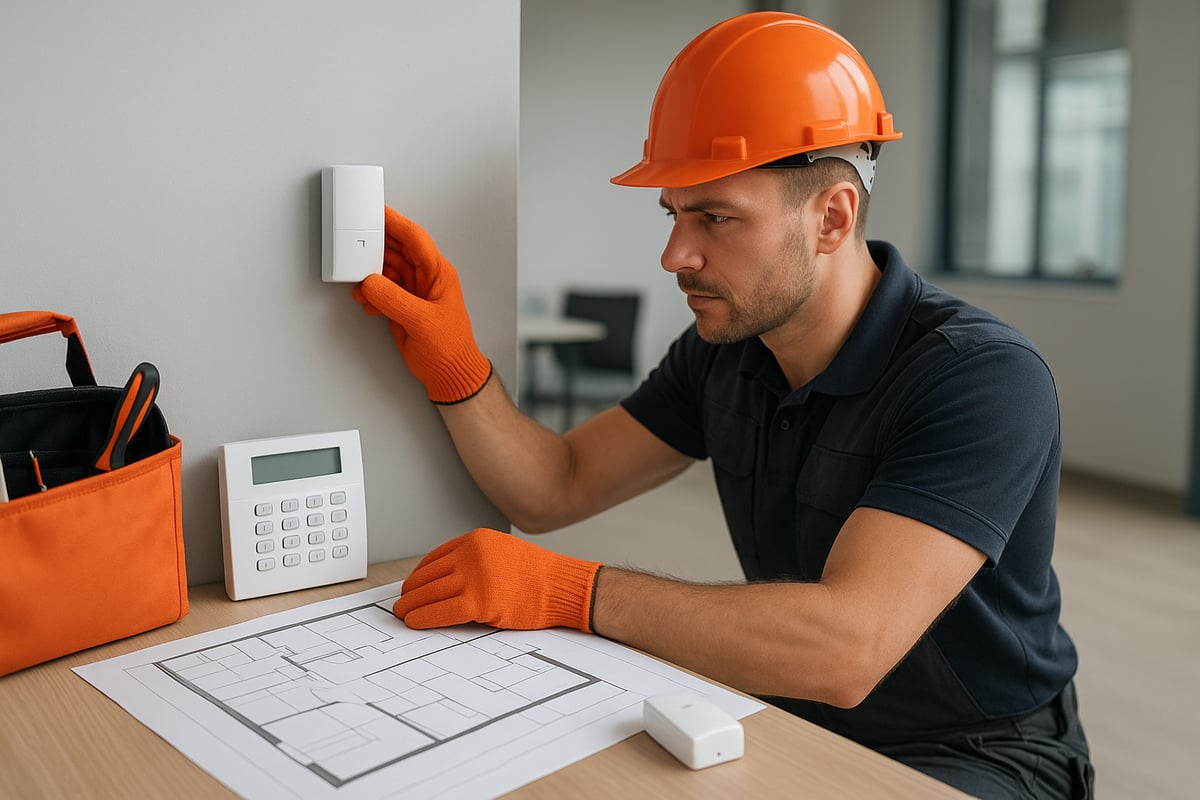
Begin your safe security alarm system installation with a thorough site assessment. Survey the entire premises, noting all entry points, windows, and high-value areas. Use up-to-date floor plans to map out optimal sensor and camera placement.
Identify potential blind spots and assess environmental factors, such as lighting and potential obstructions. A detailed threat analysis will help determine which zones require enhanced coverage. This groundwork ensures your system's foundation is tailored to your unique risks and layout.
Step 2: Selecting System Components
Choosing the right components is crucial for an effective safe security alarm system. Select sensors, control panels, alarms, and connectivity modules that suit your premises and risk profile. Consider integration with existing CCTV or access control systems for seamless security.
Look for features such as pet-friendly motion sensors, glass-break detectors, and tamper-proof devices. For an in-depth look at the available options and their benefits, visit the Security Alarm Equipment Overview. Assess how each piece fits into your overall security strategy, ensuring compatibility and scalability for future needs.
Step 3: Professional vs. DIY Installation
Decide whether to opt for professional installation or a DIY approach. Professional installers bring expertise, ensuring your safe security alarm system meets all regulatory standards and minimises false alarms. They also provide guidance on optimal placement and configuration.
DIY installations may seem cost-effective, but can lead to improper setup, compliance issues, or missed vulnerabilities. Industry data shows professionally installed systems reduce false alarms by 40 percent. Evaluate your technical skills and consider the long-term reliability when making this choice.
Step 4: Physical Installation Process
The physical installation of a safe security alarm system involves mounting sensors, running cables (if needed), and setting up control panels. Start by following your site plan, ensuring each device is securely fixed and positioned for maximum coverage.
Wireless sensors should be placed away from electronic interference and within range of the control panel. Cabling, if required, must be concealed and protected. Adhere to best practices, such as avoiding corners for motion detectors and ensuring sirens are both audible and visible.
Step 5: System Programming and Testing
Once installed, programme your safe security alarm system by configuring zones, user codes, and notification preferences. Assign unique codes to authorised users and tailor alert protocols to your needs.
Test every component thoroughly. Simulate intrusion scenarios to verify detection, alarm activation, and communication with monitoring services. Regular testing ensures your system operates as intended and provides peace of mind from day one.
Step 6: User Training and Handover
Educate all users on operating the safe security alarm system. Demonstrate how to arm and disarm the system, respond to alerts, and contact emergency services if needed.
Provide comprehensive user manuals and access to support resources. Clear training reduces user errors and maximises the system’s effectiveness in real situations.
Step 7: Connecting to Monitoring Services
Connect your safe security alarm system to a monitoring service for enhanced protection. Choose between self-monitoring via a mobile app or professional 24/7 monitoring with rapid response protocols.
Set up notification preferences, escalation steps, and police response options. Properly configured monitoring ensures immediate action if a threat is detected, closing the loop on your security defences.
Integrating Alarm Systems with Smart Technology
Smart technology integration is transforming how a safe security alarm system protects homes and businesses. With seamless connectivity, users gain control and insight like never before. Let us explore how modern solutions deliver convenience, security, and adaptability.
Benefits of Smart Integration
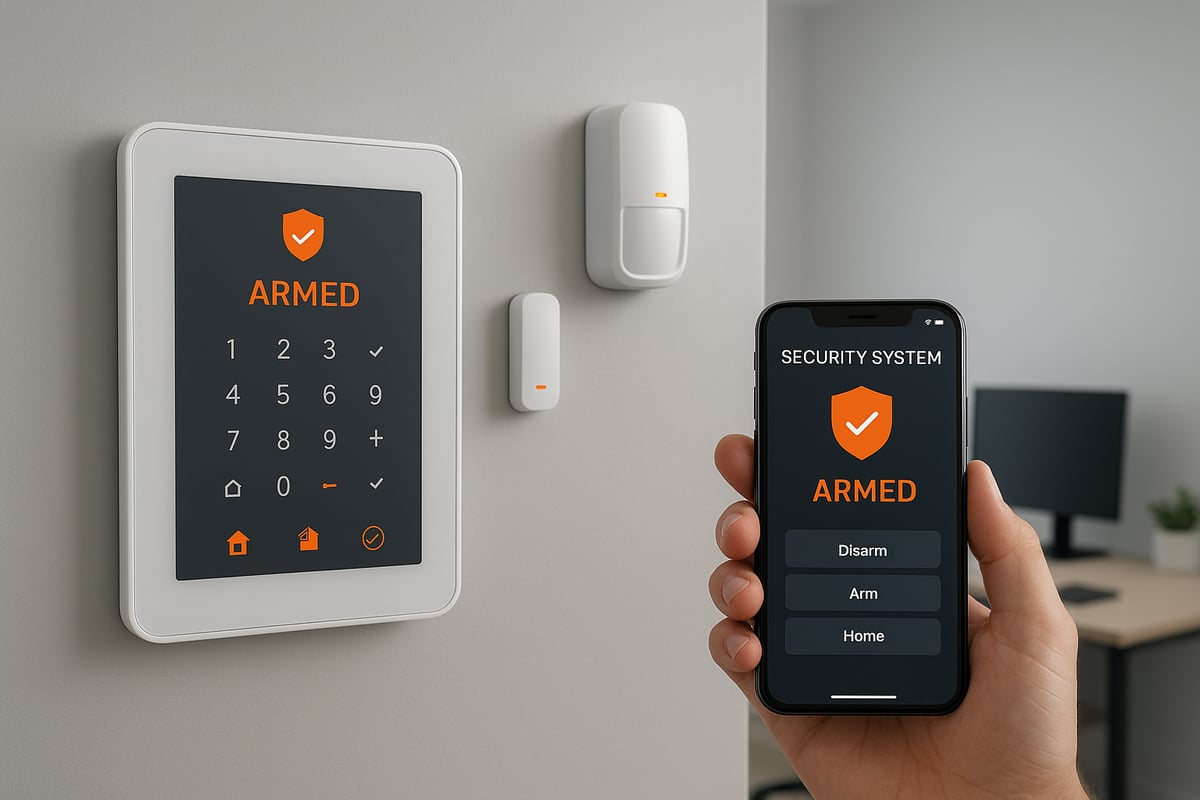
Integrating a safe security alarm system with smart technology offers substantial advantages. Users can arm or disarm systems remotely, receive instant alerts, and monitor live feeds from any location. This flexibility increases response times and enhances peace of mind.
Key benefits include:
- Centralised control via app or web dashboard
- Real-time notifications for security events
- Automated routines, such as arming the system when leaving
Smart integration also enables linking alarm monitoring services, providing professional oversight and rapid intervention. Choosing a system with robust integration features ensures your protection stays ahead of emerging threats.
Popular Smart Devices and Platforms
Compatibility is a priority when selecting a safe security alarm system. Leading platforms such as Alexa, Google Home, and Apple HomeKit enable voice-activated control and seamless automation. Integration with smart locks, lighting, and CCTV simplifies daily operations and boosts security.
Adoption of smart security devices continues to rise across the UK. According to UK smart home security adoption statistics, more households and businesses are choosing connected alarm solutions for their reliability and convenience. This trend reflects growing confidence in integrated systems.
Data Security and Privacy Concerns
With increased connectivity, safeguarding data becomes crucial for any safe security alarm system. IoT devices can be targets for cyberattacks, especially if passwords are weak or software is outdated. In fact, 60 percent of smart device breaches result from poor password practices.
To mitigate risk:
- Change default passwords to strong, unique credentials
- Enable two-factor authentication where possible
- Keep firmware and software regularly updated
Following these best practices ensures data integrity and maintains compliance with privacy regulations.
Future Trends: AI and Automation
Artificial intelligence is shaping the future of safe security alarm system technology. Modern systems use AI for predictive threat detection, learning typical activity patterns, and automatically responding to anomalies. Automated emergency protocols and self-testing routines further reduce manual oversight.
For example, AI analytics can detect unusual access times or movement, alerting users before incidents escalate. As automation advances, expect even smarter, more proactive security solutions.
Customisation and Scalability
Every property has unique requirements, so a safe security alarm system must offer tailored integration options. Modular designs allow for easy expansion as needs grow, whether adding sensors, cameras, or integrating with other smart devices.
Businesses operating across multiple sites benefit from systems that centralise monitoring and management. This scalability ensures long-term value and adaptability as technology and threats evolve.
Maintenance, Monitoring, and Ongoing Compliance
Regular upkeep is vital to ensure your safe security alarm system delivers consistent protection and meets insurance requirements. Neglecting routine maintenance can lead to false alarms, system malfunctions, or even claim rejections. A quarterly or annual service schedule helps keep your alarm system in optimal condition.
Importance of Regular Maintenance
A safe security alarm system needs regular inspection of sensors, batteries, and control units. Technicians should check for physical damage and software errors.
Typical maintenance tasks include:
- Cleaning sensors and cameras
- Testing alarm sounders and backup batteries
- Verifying all communication links
Failing to maintain your system can void warranties or delay emergency response. Always document all maintenance activities for future audits.
Professional Monitoring Services
Choosing 24/7 monitoring for your safe security alarm system means trained staff can respond to alerts at any hour. Monitored systems provide rapid escalation to police or emergency services, reducing losses and improving safety.
For a deeper understanding of how monitoring works and its benefits, see Alarm Monitoring Systems Explained. Professional monitoring consistently outperforms self-monitoring in response speed and reliability.
Software Updates and Cybersecurity
Keeping your alarm system’s software and firmware up to date is essential to prevent cyber attacks. Regular updates patch vulnerabilities that hackers could exploit.
Best practices include:
- Enabling automatic updates
- Changing default passwords
- Monitoring for abnormal activity
A secure system protects not only your property but also personal and business data.
Record-Keeping and Legal Compliance
Documenting system events, maintenance, and alarm activations is a legal requirement for many UK businesses. Logs are essential for audits, insurance claims, and regulatory checks.
Adhering to GDPR and the latest compliance directives is crucial. The UK Security Industry Authority business plan 2025-2026 details ongoing regulatory priorities, which may impact your record-keeping obligations.
Handling System Upgrades and Expansion
As your business grows, your safe security alarm system should evolve too. Periodically assess whether your current setup meets your needs or if an upgrade is warranted.
Consider upgrading when:
- Expanding to new premises
- Introducing new assets or technology
- Compliance standards change
A scalable system ensures your protection remains robust and future-proof.
You’ve now got a clear picture of how smart, integrated alarm systems are evolving to meet the challenges of 2026, and why choosing the right solution is vital for your business’s safety and compliance. If you’re ready to take the next step, why not let experts help you assess your premises and tailor a solution to your unique needs? With Logic Fire and Security’s commitment to quality and decades of experience supporting UK businesses, you can move forward with complete confidence.
Get a Free Site Survey
Let’s work together to secure your future, starting today.