

Fire emergency lighting is more than a legal requirement for UK businesses in 2026, it is a critical safeguard for staff and visitors. Failing to comply can lead to heavy fines, prosecution, or even closure, making compliance non-negotiable.
This essential guide breaks down what fire emergency lighting is, explains why it matters, and details the latest 2026 regulatory updates. You will discover a step-by-step compliance process, learn how to avoid common pitfalls, and access expert tips for ongoing maintenance.
Stay informed, protect your reputation, and ensure your premises are fully compliant. Read on to secure your business and the people who depend on you.
Understanding Fire Emergency Lighting: Purpose and Legal Framework
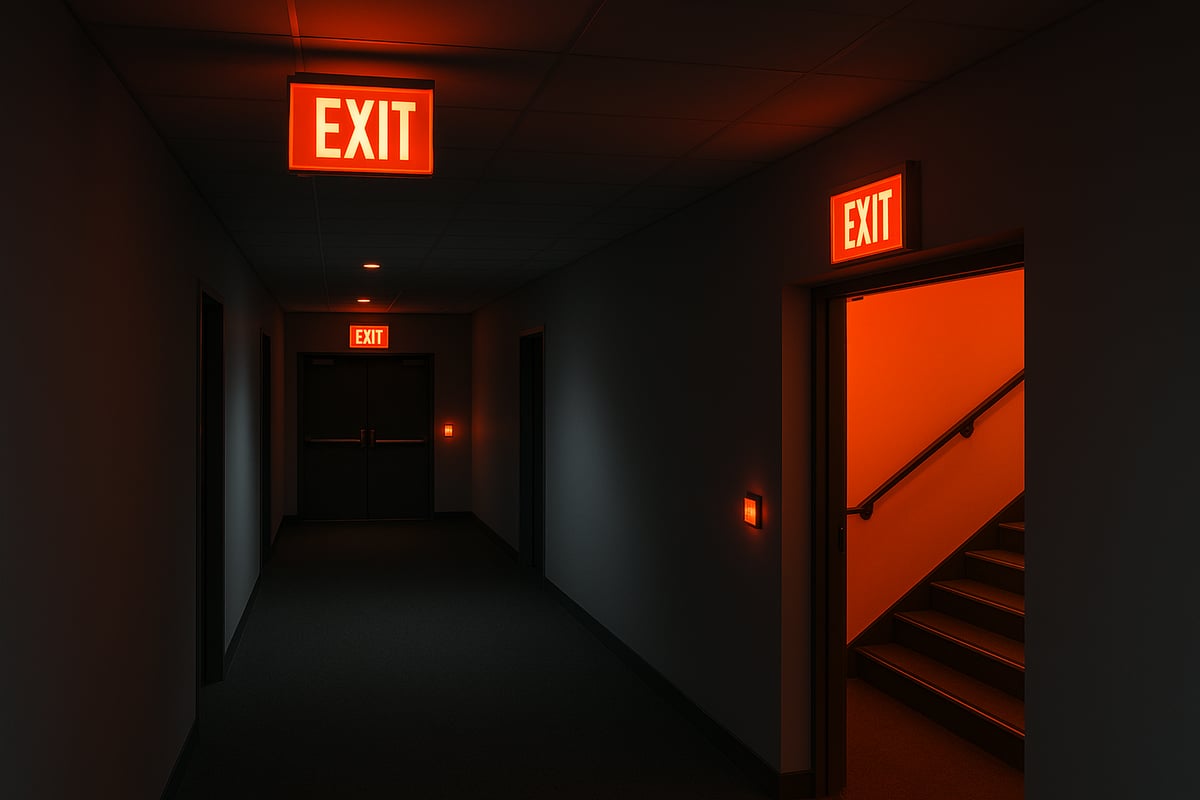
Fire emergency lighting is a fundamental part of building safety, designed to protect lives and property in the event of a power loss or fire. Its main function is to provide clear, reliable illumination that guides occupants to safety when normal lighting fails. You will find fire emergency lighting in various forms, such as illuminated exit signs above doors, corridor lights, and stairwell lighting, all of which play a critical role in safe evacuation.
There are several types of fire emergency lighting systems, each serving a unique purpose. Escape route lighting marks and lights paths to exits. Open area lighting helps prevent panic and guides people to escape routes in larger spaces. High-risk task area lighting ensures safety in locations where dangerous processes might occur, such as plant rooms. Together, these systems ensure that every part of a building is covered during an emergency, reducing confusion and risk.
What is Fire Emergency Lighting?
Fire emergency lighting is a backup lighting system that activates automatically when mains power fails, ensuring safe evacuation routes remain visible. Its core function is to support life safety by preventing darkness during emergencies. For example, in an office block, illuminated exit signs and corridor lighting help direct people safely out of the building, even in thick smoke or a blackout.
The three main types are:
- Escape route lighting: Guides people to the nearest exit.
- Open area (anti-panic) lighting: Provides enough light for occupants to move safely towards escape routes.
- High-risk task area lighting: Maintains visibility in areas where dangerous tasks are performed.
These systems are vital in every commercial premises, from schools to hospitals, where immediate, clear evacuation routes are essential.
UK Legal Requirements and Standards
UK law makes fire emergency lighting a legal requirement for most non-domestic premises. The main regulation is the Regulatory Reform (Fire Safety) Order 2005, which mandates that “Responsible Persons”—such as building owners, duty holders, and property managers—must provide and maintain adequate emergency lighting. Essential standards include BS 5266-1:2016 and BS EN 1838, which set out detailed requirements for system design, installation, and performance.
Non-compliance carries serious consequences, including fines, prosecution, or even business closure. Common reasons businesses fail compliance checks include poor maintenance, inadequate coverage, or missing records. For comprehensive information on the legal framework and practical guidance, see the Regulatory Reform (Fire Safety) Order 2005 guidance.
Importance for Business and Occupant Safety
The value of fire emergency lighting extends beyond legal compliance. In real-world incidents, effective emergency lighting has saved lives by enabling rapid, orderly evacuation. Insurance providers often require proof of compliant systems before issuing policies, and failure to comply can jeopardise claims.
Proper fire emergency lighting supports business continuity by reducing downtime after incidents and protecting your reputation. It also reassures staff and visitors that their safety is a top priority, fostering trust and confidence in your organisation.
2026 Compliance Updates: What’s Changing?
The landscape for fire emergency lighting compliance in the UK is set for significant transformation in 2026. New regulations, technological advancements, and tighter deadlines mean businesses must act now to remain compliant and safeguard occupants.
New and Updated Regulations for 2026
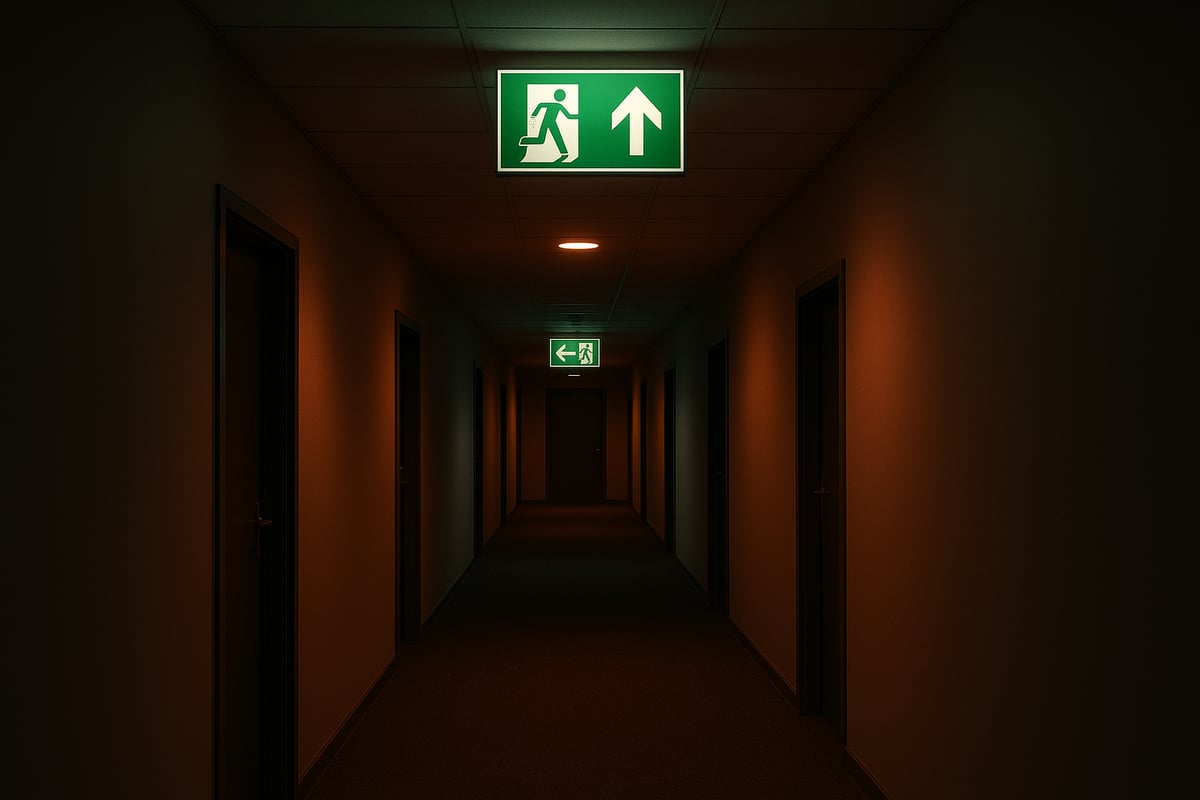
The 2026 updates bring major changes to the legal landscape for fire emergency lighting. The revised BS 5266-1 standard, published in late 2025, introduces stricter requirements for risk assessment, system design, and documentation. There is now mandatory integration between emergency lighting and updated fire alarm systems, as outlined in BS 5839-1:2025. Duty holders must ensure more robust record-keeping and regular, documented testing. For full details, see the BSI’s revised emergency lighting standard.
Technological Advancements and Product Standards
Technological progress is reshaping fire emergency lighting. The 2026 standards strongly encourage adoption of LED luminaires for improved energy efficiency and reliability. Self-testing systems are now widely accepted, reducing the administrative burden of manual checks. Smart emergency lighting solutions offer real-time monitoring, remote fault detection, and enhanced battery management, ensuring systems remain dependable during an emergency. Uptake of these self-testing systems is rising rapidly in commercial premises, reflecting their effectiveness in maintaining compliance.
| Feature | 2025 Standard | 2026 Standard |
|---|---|---|
| LED Lighting | Recommended | Strongly Encouraged |
| Self-Testing Systems | Optional | Widely Accepted |
| Digital Record-Keeping | Optional | Encouraged |
Sectors Most Affected
The new fire emergency lighting requirements will impact a range of sectors. Commercial offices must address open-plan layouts and varied occupancy patterns. Schools and hospitals face challenges around extended evacuation routes and vulnerable occupants. Residential blocks, especially high-rise and multi-occupancy buildings, require tailored solutions for safe evacuation. Each sector must review site-specific risks and adapt their systems to meet enhanced standards, ensuring both legal compliance and occupant safety.
Transition Timelines and Deadlines
The updated fire emergency lighting standards take effect from 1 January 2026. Businesses are granted a six-month grace period to achieve compliance, with phased implementation recommended for large or complex sites. A typical compliance planning timeline might include an initial risk assessment in early 2025, system upgrades by late 2025, and documentation updates before the deadline. Early action helps avoid penalties and ensures a smooth transition to the new requirements.
Step-by-Step Guide to Achieving Fire Emergency Lighting Compliance
Achieving compliance for fire emergency lighting is a structured process. Each step builds on the last, ensuring your premises are safe, legal, and ready for inspection.
Step 1: Conducting a Fire Risk Assessment
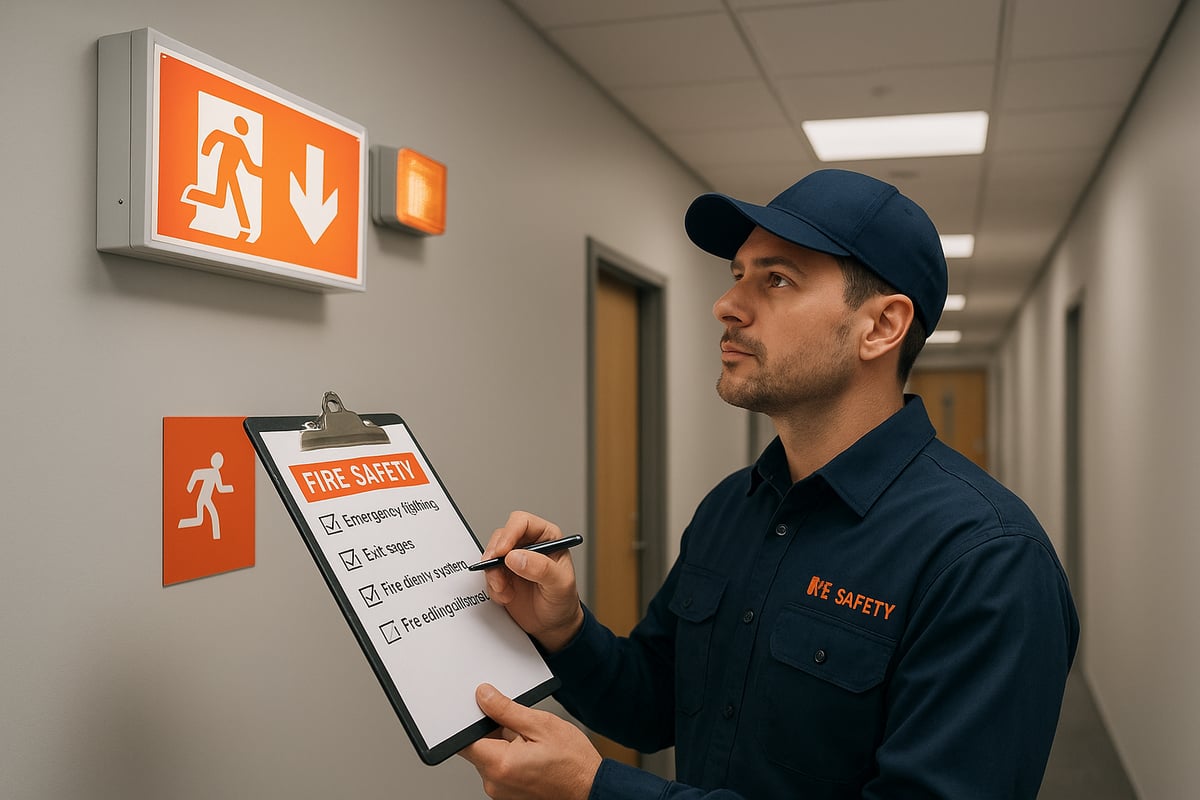
Start by carrying out a thorough fire risk assessment to identify where fire emergency lighting is needed. Walk through your premises, noting escape routes, stairwells, and high-risk zones. Consult with a qualified fire safety professional to ensure nothing is missed.
A typical assessment checklist includes:
- Escape route mapping
- High-risk task area identification
- Existing lighting adequacy review
Accurate assessment is the foundation for compliant fire emergency lighting, reducing risk and guiding the rest of your process.
Step 2: System Design and Planning
Design your fire emergency lighting system according to the unique needs of your building. Decide on the types of emergency luminaires, their placement, and the required illumination levels. Ensure your layout complies with BS 5266-1:2016 and EN 1838.
For a deeper understanding of system options, the Emergency lighting systems overview provides essential guidance. Use a floor plan to visualise where exit signs and corridor lights are needed, ensuring complete coverage throughout your premises.
Step 3: Product Selection and Installation
Select only certified fire emergency lighting products that meet UK standards. Look for features such as LED technology and long-life batteries. Avoid common mistakes like choosing incompatible fittings or installing lights in the wrong locations.
Always use a qualified installer. Requirements include:
- NICEIC or BAFE accreditation
- Experience with commercial properties
- Knowledge of current standards
Proper installation is vital for long-term compliance and reliable performance.
Step 4: Testing, Commissioning, and Certification
After installation, conduct initial testing. Check each fire emergency lighting unit for correct operation, duration, and brightness. Commissioning must include full documentation and certification.
A compliant certificate should detail:
- System layout and type
- Test results and commissioning date
- Installer credentials
Certification proves your system meets legal standards and is ready for use.
Step 5: Creating and Maintaining Compliance Records
Keep meticulous records for every fire emergency lighting system. Maintain logbooks with testing schedules, maintenance dates, and any repairs. Decide between digital or paper record-keeping based on your business needs.
A sample maintenance log entry might include:
- Date and type of test
- Findings and actions taken
- Name of responsible person
Accurate records are crucial for inspections and ensure ongoing compliance.
Common Compliance Pitfalls and How to Avoid Them
Ensuring full compliance with fire emergency lighting regulations is not just about installation. Many UK businesses fall short in areas that could have been easily addressed. Here are the most frequent pitfalls and how to keep your premises safe and legally sound.
Inadequate System Coverage
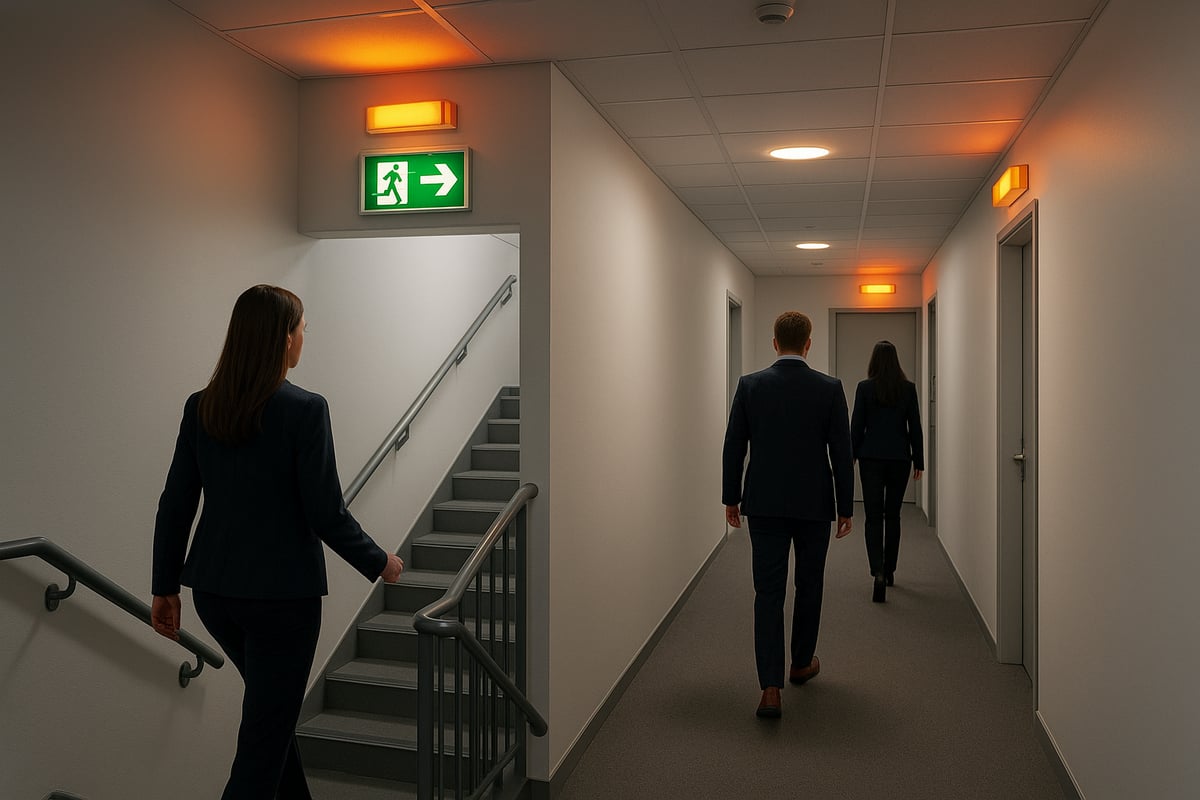
One of the most common mistakes is incomplete coverage of fire emergency lighting across the premises. Critical areas such as stairwells, corridors, or alternative escape routes are sometimes overlooked. This can leave occupants vulnerable if the main route is blocked. In 2023, over 2,000 enforcement notices were issued to UK businesses for various fire safety breaches, often linked to incomplete emergency lighting provision, as reported in the rise in fire safety enforcement notices. To avoid this, always map out all possible escape routes and ensure every route is illuminated according to current standards.
Poor Maintenance Practices
Neglecting regular testing and maintenance is a leading cause of non-compliance for fire emergency lighting. Monthly functional checks and annual full-duration tests are required, yet many businesses fail to keep up. According to industry data, a significant percentage of compliance failures are due to poor maintenance. To address this, assign responsibility for scheduled checks and keep a detailed maintenance log. Refer to trusted guidance, such as BAFE’s emergency lighting system guidance, for best practice routines and documentation.
Outdated or Non-Compliant Equipment
Using outdated equipment, such as non-LED fittings or expired battery packs, can compromise the effectiveness of fire emergency lighting in an emergency. There have been cases where old systems failed during power loss, putting lives at risk. Regularly review your equipment, upgrade to certified products, and replace batteries according to manufacturer recommendations. Modern systems with self-testing and LED technology offer greater reliability and lower maintenance needs.
Incomplete Documentation and Record-Keeping
Missing or incomplete logbooks and testing records are a frequent pitfall that can carry severe legal and insurance implications. Without clear evidence of compliance, businesses may face prosecution or denied claims after an incident. Maintain up-to-date records for every aspect of your fire emergency lighting system. Digital solutions can help streamline record-keeping and ensure nothing is missed during audits.
Lack of Staff Training and Awareness
Even the most advanced fire emergency lighting is ineffective if staff are not trained to recognise faults or respond appropriately. Many incidents stem from employees being unaware of escape routes or unsure how to report issues. Implement a training programme that covers the basics of emergency lighting, regular checks, and reporting procedures. Include this training in staff induction and refresh it annually to foster a culture of safety.
Best Practices for Ongoing Testing, Maintenance, and Staff Training
Maintaining fire emergency lighting compliance requires consistency, attention to detail, and a proactive mindset. By embedding robust routines and training into your operations, you protect your business, staff, and visitors. Let us outline the essential best practices for keeping your premises safe and compliant.
Routine Testing and Inspection Schedules
Regular testing is fundamental for fire emergency lighting compliance. Monthly functional checks ensure every luminaire operates as intended. Annual full-duration tests confirm backup power and illumination meet legal standards.
- Schedule monthly and yearly tests using a compliance calendar.
- Assign responsibility to trained in-house staff or qualified third-party professionals.
- Document every test, noting any failures and corrective actions.
Testing should cover all escape routes, open areas, and high-risk locations. Missed checks can lead to unnoticed faults, risking penalties and occupant safety.
Maintenance and Repair Protocols
Effective maintenance keeps fire emergency lighting in peak condition. Respond quickly to faults, replacing batteries and luminaires as soon as issues are detected.
- Create a list of critical spares, such as batteries and bulbs.
- Establish response times for repairs.
- Use a logbook to track all maintenance activity.
Remote monitoring and self-testing systems can streamline fault detection, reducing downtime. Preventative maintenance minimises the risk of system failure during an emergency.
Staff Training and Emergency Preparedness
Staff must recognise fire emergency lighting, understand its purpose, and know how to report faults. Comprehensive training ensures everyone can act decisively during an incident.
- Include emergency lighting awareness in staff induction.
- Regularly update teams on testing procedures and reporting protocols.
- Combine lighting checks with fire drills for hands-on experience.
For those seeking in-depth knowledge, consider the CIBSE’s emergency lighting compliance course, which covers regulations, maintenance, and practical skills.
Leveraging Technology for Compliance
New technology makes fire emergency lighting compliance easier and more reliable. Automated self-testing luminaires reduce manual workload and help maintain accurate records.
- Digital logbooks simplify documentation.
- Remote monitoring alerts teams to faults in real time.
- Integration with building fire alarm systems enhances overall safety – find more on fire alarm system standards and integration.
Smart systems can significantly reduce compliance failures, as shown by industry data.
Auditing and Continuous Improvement
Regular audits identify gaps and drive improvement. Use a structured checklist to review system coverage, testing records, and staff training.
| Audit Area | Checkpoints | Frequency |
|---|---|---|
| System Coverage | All routes and areas illuminated | Annually |
| Test Records | Up-to-date, complete logbooks | Monthly |
| Staff Training | Recent and relevant training | Every 6 months |
| Equipment Condition | No expired or faulty components | Quarterly |
Continuous improvement ensures your fire emergency lighting remains compliant and fit for purpose.
As you look to safeguard your business and meet the latest 2026 fire emergency lighting regulations, it’s clear that the right expertise makes all the difference. Navigating compliance, from risk assessments to ongoing maintenance, can feel daunting—but you don’t have to tackle it alone. At Logic Fire and Security, we specialise in creating tailored solutions that keep your premises safe, compliant, and ready for any emergency. If you’d like practical advice or a professional assessment of your current setup, you can Get a Free Site Survey and move forward with confidence.