

Modern buildings face growing threats from both fire and security breaches. As risks become more sophisticated, property managers are seeking smarter solutions to keep people and assets safe.
Smoke detector CCTV cameras are at the forefront of this movement. These innovative hybrid devices combine fire detection and surveillance, offering a powerful layer of protection that traditional systems cannot match.
This essential guide demystifies smoke detector CCTV cameras. You will discover how they work, the benefits they deliver, and what to look for in 2026. Learn about legal requirements, installation tips, and the latest trends shaping the future of building safety.
Whether you manage offices, hotels, or public spaces, this guide will empower you to make informed decisions for optimal protection.
Understanding Smoke Detector CCTV Cameras
Modern buildings demand both security and fire safety, but managing separate systems can be challenging. Smoke detector CCTV cameras offer a solution by combining fire detection and visual surveillance in a single, discreet device. This integration is transforming how offices, hotels, and public spaces protect people and assets.
What Are Smoke Detector CCTV Cameras?
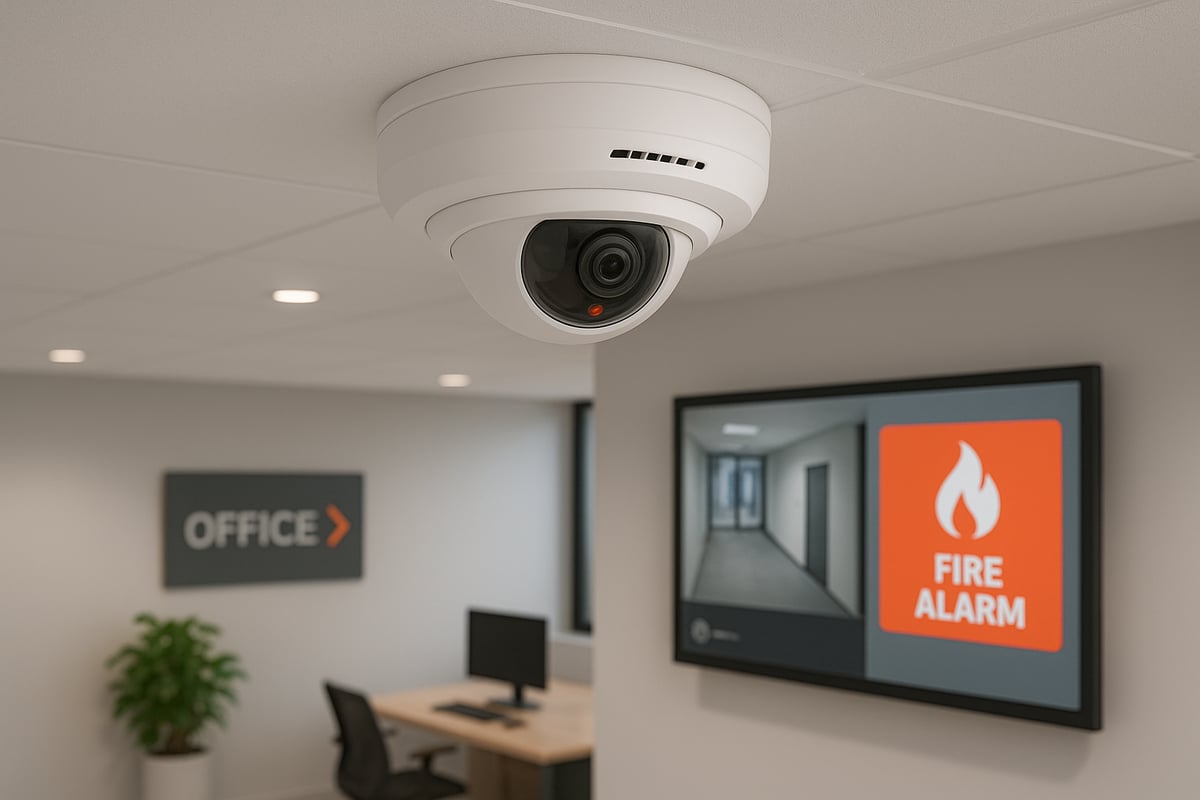
Smoke detector CCTV cameras are innovative hybrid devices that combine advanced smoke detection with high-quality video surveillance. Unlike standard smoke detectors, which only alert occupants to smoke, these units also monitor and record activity in real time. This dual function sets them apart from both traditional smoke detectors and basic CCTV systems.
Their discreet design is especially valuable in environments where visible cameras might cause concern or disrupt aesthetics. Offices, hotels, and public spaces often use these devices to maintain a secure yet unobtrusive presence. For instance, hotels frequently integrate smoke detector CCTV cameras to meet both fire safety regulations and security requirements without cluttering ceilings with multiple devices.
By blending seamlessly into sensitive areas, these systems provide enhanced protection while preserving the intended look and feel of the space. For a deeper look at how surveillance is integrated into these solutions, visit Commercial CCTV system solutions.
How Do They Work?
Smoke detector CCTV cameras operate using dual-sensor technology. Inside each unit, a sophisticated smoke sensor works alongside a high-definition camera lens. The smoke sensor continuously samples the air for particles, while the camera captures and streams video footage.
Key components include:
- Smoke detection sensor
- Camera lens (often with night vision)
- Connectivity modules (wired or wireless)
- Processing unit for real-time alerts
These devices support both wired and wireless data transmission, enabling flexible installation and integration with existing building management systems. When smoke is detected, the camera provides immediate visual verification, allowing security teams to assess the situation instantly. This rapid, dual response minimises false alarms and speeds up emergency interventions.
For example, if smoke is detected in a hotel corridor, the system can instantly send an alert and provide live video to facility managers, enabling quick assessment and response.
Key Benefits of Integration
The integration of fire detection and surveillance in smoke detector CCTV cameras delivers several advantages. First, it enhances both security and fire safety by offering two critical protections in one device. This approach also reduces costs and saves space compared to installing separate systems.
Installation becomes less complex, with fewer devices to mount and maintain. Many models are designed to meet strict compliance requirements, helping businesses align with safety and security regulations effortlessly. In a recent case study, a commercial property reported fewer false alarms and faster incident responses after upgrading to hybrid units.
Market data indicates a growing trend towards these integrated solutions, especially in commercial settings where efficiency and compliance are vital. As more organisations recognise the benefits, the adoption of smoke detector CCTV cameras is set to rise significantly in the coming years.
Core Features to Look for in 2026
Selecting the right smoke detector cctv cameras in 2026 means understanding the next generation of features that set these devices apart. As technology advances, both safety and security are being redefined by smarter, more integrated solutions.
Advanced Detection Technologies
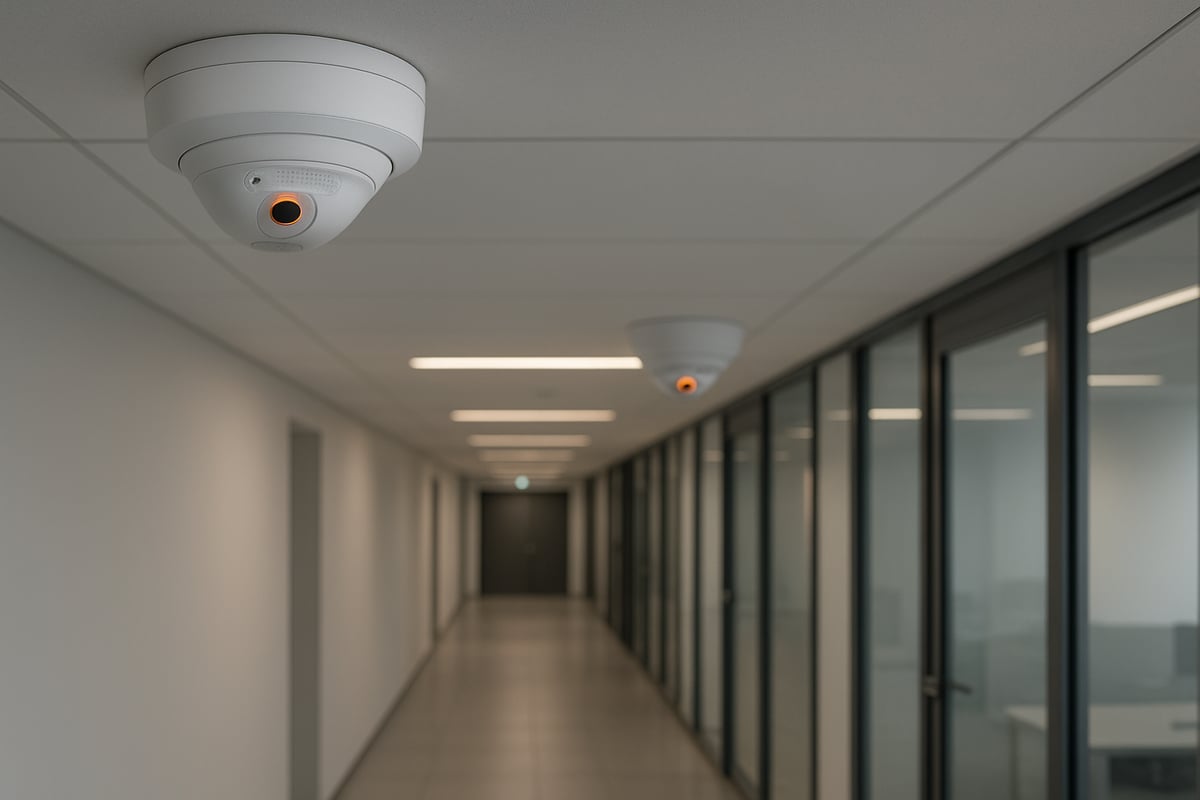
Modern smoke detector cctv cameras leverage AI-powered smoke and fire recognition to spot threats faster than ever. These systems use high-definition video feeds and night vision to maintain visibility at all hours, even in low-light conditions.
Smart analytics, such as motion detection and facial recognition, add another layer of intelligence. For instance, AI can now distinguish between harmless steam from a kettle and genuine smoke, reducing false alarms and ensuring accurate alerts.
Key innovations include:
- Real-time AI analysis for early fire and security threat detection
- Full HD or 4K video quality for detailed monitoring
- Night vision for round-the-clock protection
- Advanced algorithms to minimise nuisance triggers
The integration of these technologies makes smoke detector cctv cameras a reliable choice for complex environments.
Connectivity and Integration
Seamless connectivity is crucial for modern smoke detector cctv cameras. These devices often integrate with building management systems (BMS), allowing centralised control and monitoring.
Compatibility with smart alarms and mobile apps enables instant notifications and remote access. Facility managers can receive real-time alerts and view live footage from anywhere, streamlining emergency response. For a deeper look at remote monitoring, see Remote CCTV monitoring services.
Cloud-based alerting further enhances flexibility, ensuring incidents are reported instantly to the right personnel. This integration supports proactive management and rapid action during emergencies.
Compliance and Certifications
Adhering to the latest fire safety and data protection standards is non-negotiable for smoke detector cctv cameras. Leading devices comply with UK and EU fire safety regulations, such as BS 5839 and EN 54, to ensure reliable detection and system integrity.
These cameras must also respect GDPR requirements, safeguarding video footage with robust data protection measures. Certified products are installed and maintained by qualified professionals, providing peace of mind for building owners.
A top-tier device meets both security and fire safety standards, satisfying insurers and regulatory bodies alike.
Durability and Design
Durability and discreet design are key for smoke detector cctv cameras. Tamper-resistant housings help deter interference, while sleek aesthetics allow placement in sensitive or high-profile areas without drawing attention.
Weatherproof options are available for both indoor and outdoor use, making these devices suitable for modern offices, heritage buildings, and more.
This flexibility ensures that smoke detector cctv cameras blend seamlessly into any environment while delivering robust performance.
Maintenance and Support
Ongoing support is essential for the optimal operation of smoke detector cctv cameras. Self-diagnostic features enable early detection of faults or maintenance needs, reducing downtime.
Remote firmware updates keep systems secure and up to date. Reliable technical support ensures that issues are resolved promptly, maintaining continuous safety and security coverage.
Legal and Regulatory Considerations in the UK
Navigating the legal landscape for smoke detector cctv cameras in the UK is essential for both compliance and peace of mind. Understanding the regulatory framework ensures your integrated safety system meets all necessary standards, while also safeguarding privacy and supporting business continuity.
Fire Safety and Building Regulations
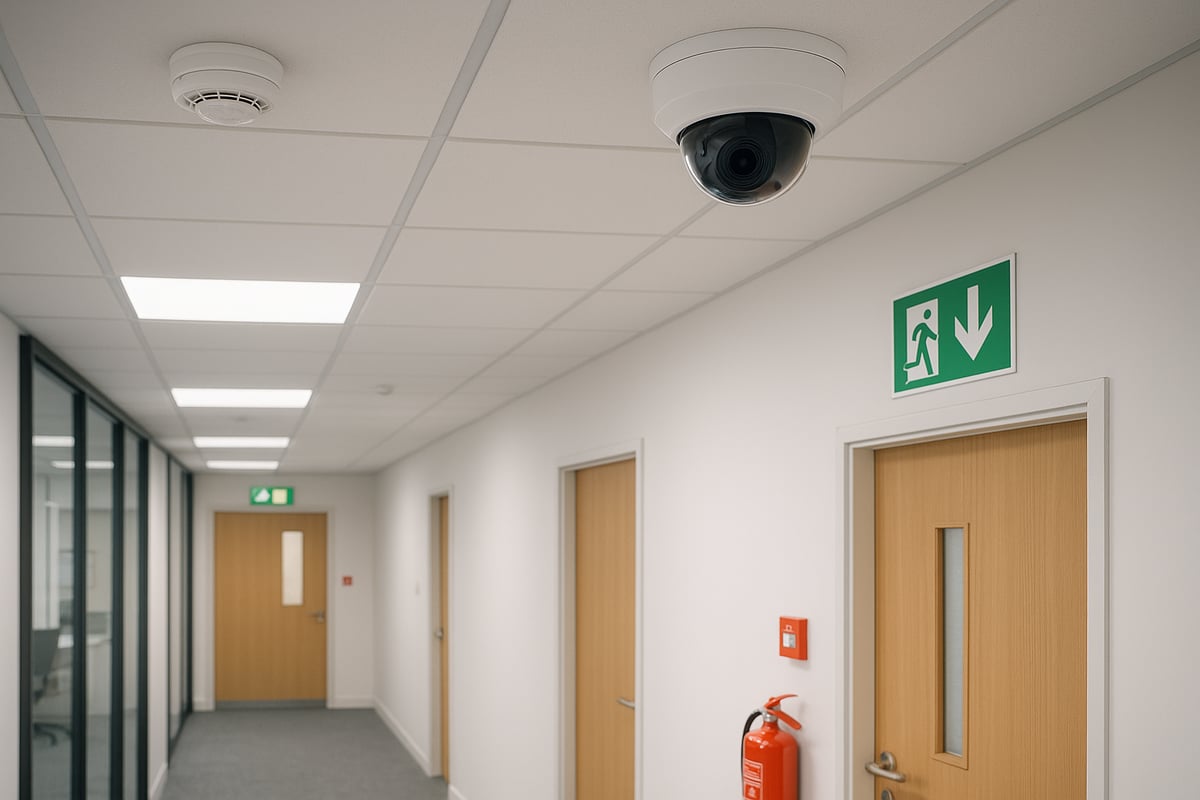
The UK enforces strict fire safety regulations, with the Regulatory Reform (Fire Safety) Order 2005 placing responsibility on building owners and managers. Commercial premises must have effective fire detection systems that comply with standards such as BS 5839 and EN 54.
Smoke detector cctv cameras can help meet these requirements by combining surveillance and fire detection. Their dual functionality is particularly valuable in offices, hotels, and public spaces where space and compliance are priorities. For guidance on specifying and designing compliant systems, consider consulting Video Smoke Detection Guidance.
Key points for compliance include:
- Ensuring detection coverage in all critical areas
- Maintaining clear evacuation routes
- Documenting system design and performance
Hybrid devices support fire safety compliance and align with evolving regulatory expectations.
Data Protection and Privacy Laws
With smoke detector cctv cameras, data privacy is a top consideration. The UK General Data Protection Regulation (GDPR) applies to all video surveillance, requiring organisations to handle footage responsibly.
Best practices for compliance include:
- Storing footage securely with restricted access
- Implementing clear retention policies
- Notifying building occupants about surveillance
For example, managing camera footage through encrypted storage solutions helps protect personal data and supports regulatory audits. Regular reviews of data handling policies further ensure ongoing compliance.
Installation and Certification Requirements
Installing smoke detector cctv cameras must be carried out by qualified professionals, such as those certified by BAFE or NICEIC. Proper installation ensures both fire detection and CCTV functionalities operate reliably and safely.
Essential requirements include:
- Using certified equipment meeting UK and EU standards
- Keeping comprehensive installation records
- Conducting regular system tests and maintenance
Detailed documentation supports compliance during audits and demonstrates a commitment to occupant safety.
Insurance and Liability
Insurers increasingly recognise the benefits of integrated smoke detector cctv cameras. These systems can reduce premiums by lowering risk profiles for fire and security incidents.
However, building owners remain legally responsible for system upkeep. Regular maintenance and prompt response to faults are crucial to avoid liability for missed alarms or false alerts. For example, some insurers require documented evidence of both fire and CCTV system integration to validate claims and coverage.
Adhering to these requirements not only enhances protection but also supports favourable insurance terms.
Step-by-Step Guide: Choosing and Installing Smoke Detector CCTV Cameras
Choosing and installing smoke detector cctv cameras is a process that requires careful planning and expert execution. Follow this step-by-step guide to ensure your building achieves both robust security and fire safety, with reliable performance and long-term compliance.
Step 1: Assessing Security and Fire Risks
Begin by conducting a thorough assessment of your facility’s fire and security needs. Identify critical zones such as entrances, storage rooms, or high-traffic corridors where both surveillance and early fire detection are essential.
A detailed risk assessment ensures you select smoke detector cctv cameras that match your environment’s unique challenges. Refer to trusted fire risk assessment guidelines for step-by-step instructions and compliance tips.
List areas where integrated devices offer clear advantages:
- Main entry points
- Shared workspaces
- Storage or plant rooms
This foundational step sets the stage for a compliant, effective system.
Step 2: Selecting the Right Device
Evaluate the technical specifications of available smoke detector cctv cameras. Compare video resolution, smoke detection sensitivity, and compatibility with your existing infrastructure. Check for essential certifications and ensure the device meets UK and EU regulatory standards.
Consider whether a wired or wireless model fits your premises. Wireless options may offer easier installation, while wired systems can provide greater reliability in certain environments.
Research brands and models, weighing up factors like warranty, support, and integration features before making a final choice.
Step 3: Planning Installation Locations
Strategically plan where to install your smoke detector cctv cameras for maximum coverage. Place devices where they can effectively monitor both fire risks and security threats, such as lobbies, corridors, or near emergency exits.
Avoid blind spots by mapping out each camera’s field of view and smoke detection range. Steer clear of obstructions like shelving or large fixtures that might impede performance.
Proper placement enhances both detection capabilities and compliance with safety standards.
Step 4: Professional Installation and Setup
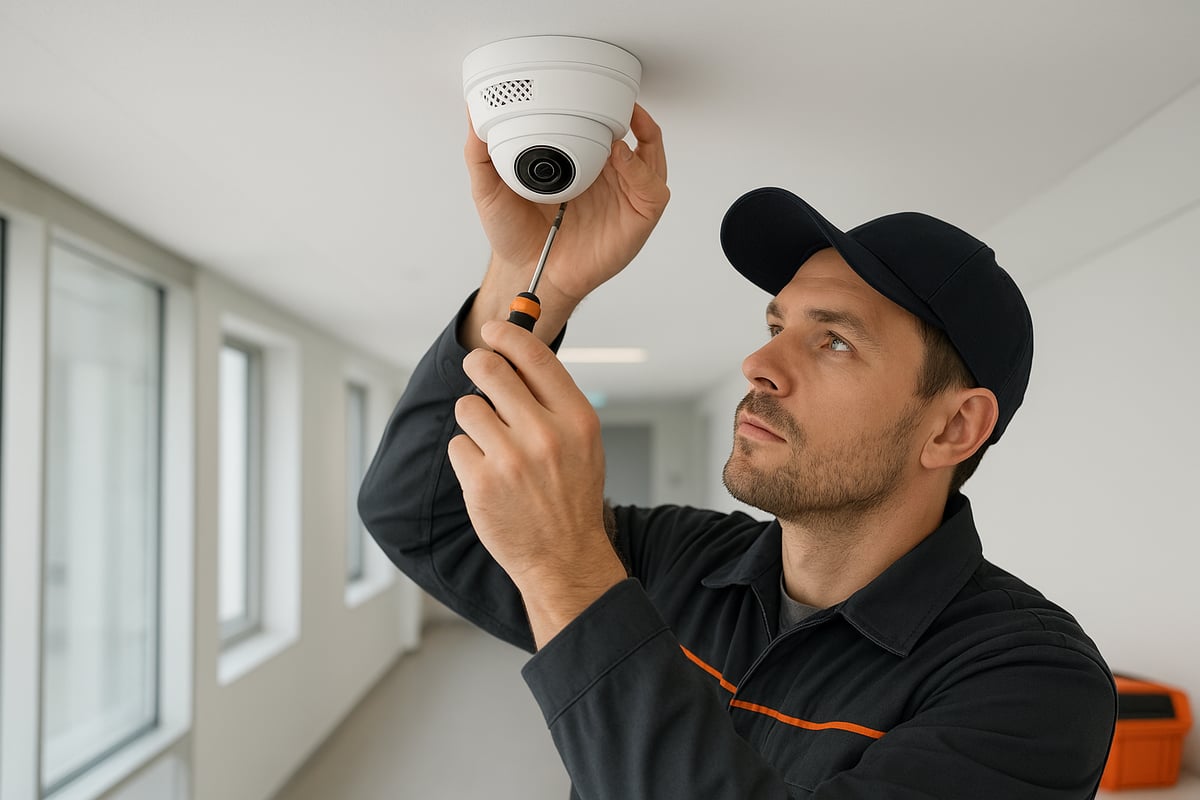
Engage certified professionals for the installation of smoke detector cctv cameras. Qualified installers ensure that devices are mounted securely, calibrated correctly, and integrated with your building’s systems.
During setup, verify that all equipment meets fire and security regulations. Conduct initial system tests to confirm that both smoke detection and surveillance functions operate seamlessly.
A professional approach reduces the risk of faults and supports long-term reliability.
Step 5: Integrating with Monitoring and Response Systems
Connect your smoke detector cctv cameras to central monitoring stations or mobile alert platforms. Set up automated emergency response protocols that instantly notify security and fire response teams during an incident.
Real-time alerts and visual verification streamline response times. Integration with building management systems further enhances situational awareness.
This step elevates your protection strategy, making your safety infrastructure both proactive and responsive.
Step 6: Training and Awareness
Train staff on the operation of smoke detector cctv cameras and emergency procedures. Hold regular drills and awareness sessions to ensure everyone understands how to respond to alarms and system notifications.
Clear communication and practical training foster confidence and reduce errors in high-pressure situations.
Step 7: Maintenance and Ongoing Support
Schedule routine inspections and tests for your smoke detector cctv cameras. Keep device software and firmware up to date to maintain peak performance and compliance.
Ongoing technical support is essential for resolving issues promptly and ensuring your system remains effective as technology and regulations evolve.
Industry Use Cases and Success Stories
Modern businesses across sectors are adopting smoke detector CCTV cameras to meet evolving safety and security demands. These hybrid devices are transforming protection strategies in workplaces, hospitality environments, retail, public sector buildings, and smart facilities.
Commercial Buildings
In office blocks and shared workspaces, smoke detector CCTV cameras deliver both regulatory compliance and robust security. Facilities managers benefit from integrated monitoring, enabling faster incident response and reducing downtime.
- Enhanced safety for staff and visitors
- Unified platform for fire and security alerts
- Streamlined maintenance and reporting
For businesses seeking to meet fire alarm system requirements, these systems offer a practical solution without cluttering ceilings with multiple devices.
Hospitality and Hotels
Hotels and guesthouses face unique challenges around guest safety and privacy. Smoke detector CCTV cameras are ideal for discreetly monitoring corridors and public areas, ensuring compliance with fire safety standards while maintaining a welcoming atmosphere.
- Unobtrusive design fits elegant interiors
- Supports rapid evacuation and incident verification
- Reduces false alarms and improves guest confidence
This dual approach allows properties to protect occupants and assets efficiently.
Retail and Warehousing
Retailers and warehouse operators are leveraging smoke detector CCTV cameras to reduce theft and mitigate fire risks in high-value storage areas. By combining surveillance and detection, security teams can act on real-time alerts.
- Monitors stockrooms and loading bays for threats
- Minimises false alarms, reducing business disruption
- Improves insurance terms through enhanced protection
This technology is especially valuable in environments where traditional systems would be costly or intrusive.
Public Sector and Education
Schools, hospitals, and government buildings are under pressure to meet strict regulatory standards for both fire safety and security. Smoke detector CCTV cameras provide a unified solution that simplifies compliance and oversight.
- Meets legal obligations for detection and monitoring
- Enables quick incident verification for authorities
- Supports safeguarding policies in sensitive environments
These devices are helping public institutions protect vulnerable populations with confidence.
Smart Buildings and Future Developments
The future of smoke detector CCTV cameras lies in smart building integration. Connected to IoT platforms, these devices enable predictive maintenance, real-time analytics, and automated emergency protocols.
- Seamless integration with other building systems
- Data-driven insights for facility optimisation
- Enhanced AI for proactive threat identification
As highlighted in the AI-driven Smart Video Solution Evaluation, advanced analytics will further boost the efficiency and privacy of surveillance networks.
Future Trends and Innovations for 2026
As technology evolves, smoke detector cctv cameras are set to transform building safety and security in the coming years. These devices will harness advanced analytics, smart integration, and sustainable design to meet the demands of modern environments. Let us explore the innovations shaping the future of smoke detector cctv cameras.
AI and Machine Learning Enhancements
Artificial intelligence will become a core feature in the next generation of smoke detector cctv cameras. Predictive analytics will enable these devices to distinguish between genuine fire threats and harmless sources like steam, dramatically reducing false alarms. Machine learning algorithms will continuously improve detection accuracy by analysing historical incident data.
For example, AI-powered systems can learn from past events, adapting their responses to minimise unnecessary alerts. This advancement not only protects occupants but also streamlines emergency response, making smoke detector cctv cameras a proactive part of building safety.
IoT and Smart Building Integration
In 2026, seamless integration with IoT platforms and building management systems will be standard. Smoke detector cctv cameras will communicate with alarms, HVAC controls, and access systems, enabling automated evacuation protocols and remote diagnostics.
Facility managers will benefit from real-time alerts delivered directly to mobile devices or cloud dashboards. Imagine a scenario where smoke is detected in a storeroom, and the system instantly triggers lockdown procedures and notifies first responders, all coordinated via a unified smart building platform.
Enhanced Privacy and Cybersecurity Measures
With the rise of connected devices, protecting data is more important than ever. Smoke detector cctv cameras will feature end-to-end encryption and secure storage to comply with evolving data protection laws. Manufacturers will prioritise privacy by incorporating robust access controls and regular security updates.
This focus on cybersecurity ensures that video footage and incident data remain confidential, supporting compliance with regulations like GDPR. Organisations will be able to trust these systems to safeguard both physical assets and sensitive information.
Sustainable and Energy-Efficient Designs
Environmental responsibility will play a significant role in the design of smoke detector cctv cameras. Manufacturers are adopting eco-friendly materials and developing low-power devices to reduce operational costs. Some models will even harness solar energy, making them suitable for off-grid applications.
Staying ahead of industry standards, such as those outlined in BS 5839-6:2019 Fire Detection Standards, will be crucial for organisations aiming for both compliance and sustainability in new installations.
Market Growth and Adoption Statistics
The market for smoke detector cctv cameras is expected to expand rapidly by 2026. Industry analysts predict a surge in adoption, driven by stricter fire safety regulations, increased insurance incentives, and advances in AI technology.
Commercial properties, hospitality, and public sector organisations are leading the way, recognising the value of unified fire and security solutions. As these trends continue, smoke detector cctv cameras will become a standard feature in smart, future-ready buildings.
As we’ve explored, integrating smoke detector CCTV cameras is a smart way to protect your people and property — combining advanced fire detection with discreet, effective surveillance. If you’re keen to futureproof your premises, but unsure where to start, why not let us help? At Logic Fire and Security, we specialise in tailoring solutions to your specific needs — from risk assessment to expert installation and ongoing support. There’s no substitute for peace of mind when it comes to safety and compliance.
Get a Free Site Survey
Discover how easy it is to take the next step.